Richard Edwards è un acclamato autore per bambini le cui opere sono celebrate per la loro sensibilità poetica. La sua scrittura, spesso toccata dalle sue esperienze di vita in vari paesi, offre una prospettiva giocosa ma acuta ai giovani lettori. Crea narrazioni ricche di immagini e ritmo, catturando l'immaginazione dei bambini ovunque. Edwards bilancia abilmente l'umorismo con temi riflessivi, promuovendo la curiosità e la creatività nel suo pubblico.
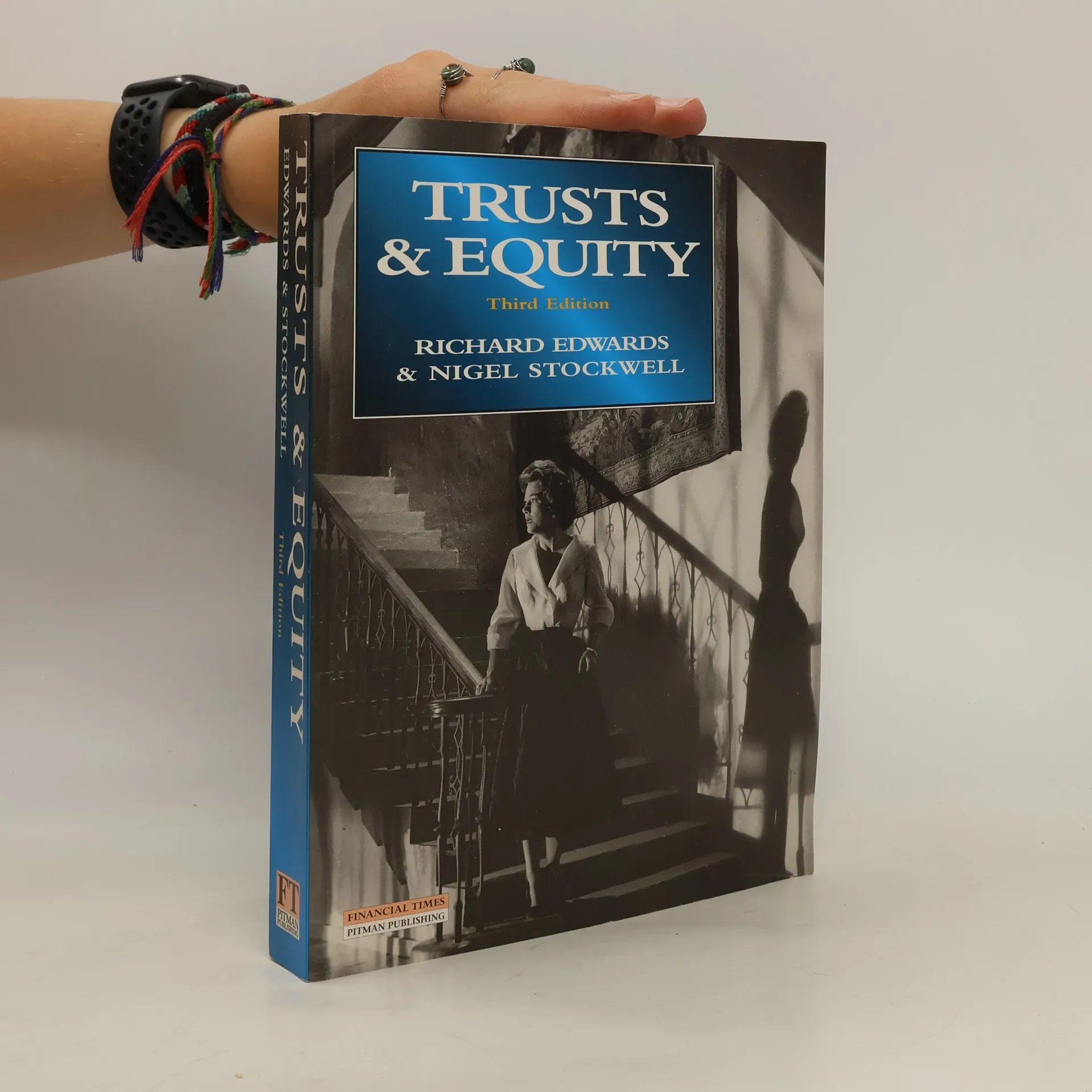
This edition has been updated with recently decided cases and new legislation. In particular, the Trusts of Land and Appointment of Trustees Act 1996, which makes significant changes with regard to trustees' powers and duties and to the relationships between trustees and beneficiaries.
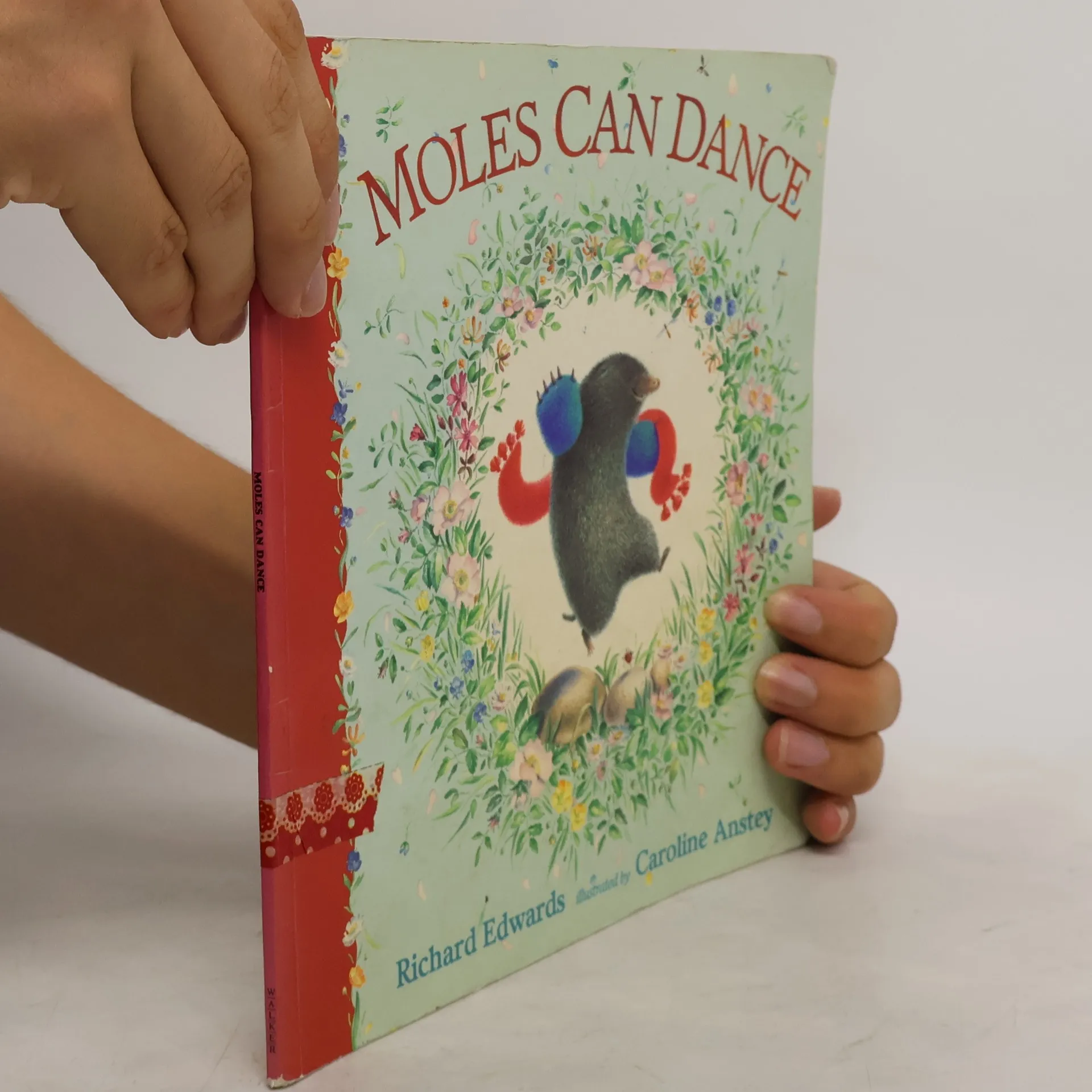
The story of a young mole who gets bored digging tunnels and pushing up mole-hills. He wants to learn how to dance, so he goes above ground in search of someone who will teach him. After asking lots of animals how, he finally sees a young girl dancing in the garden and copies what she does.
A collection of poems depicting over twenty-five kinds of animals, from heron and crocodile to cow and sheep. Suggested level: preschool, junior, primary.
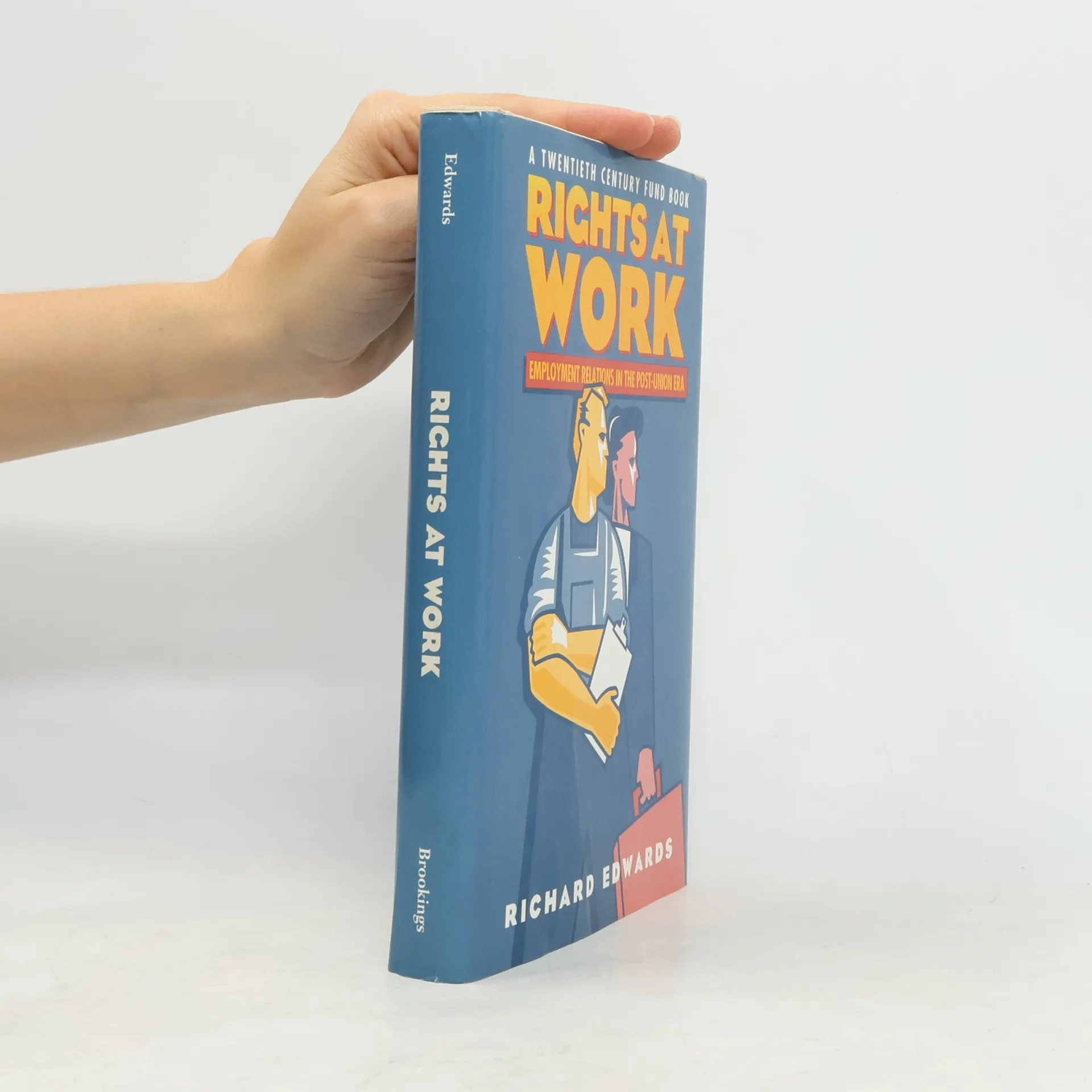
With increasing international competition, American firms face pressure to enhance products, reduce costs, and boost efficiency, leading to shifts in labor priorities. Workforce stability has diminished in importance, long-term commitments are less appealing, and labor costs, particularly fringe benefits, are scrutinized. This reorganization raises critical questions about workers' rights in the workplace. Employers now require highly motivated, skilled employees and have adopted innovative management strategies to gain their support. Recent national legislation has expanded workers' rights, including mandatory notifications for plant closings, enhanced protections for disabled and older workers, while state legislators and courts have also strengthened employee protections.
Richard Edwards examines the evolution of workers' rights and the institutions enforcing them, focusing on the decline of American unions and its impact on traditional rights. As unions have shifted from influential entities to marginal players, political backing for workers' rights has waned. Edwards also analyzes how state courts are revising legal interpretations of employment contracts, potentially transforming employment law. He seeks common ground amid the employer-worker debate, proposing a new system of employment relations that could benefit both parties. His innovative public policy strategies aim to protect workers' rights while enabling emplo