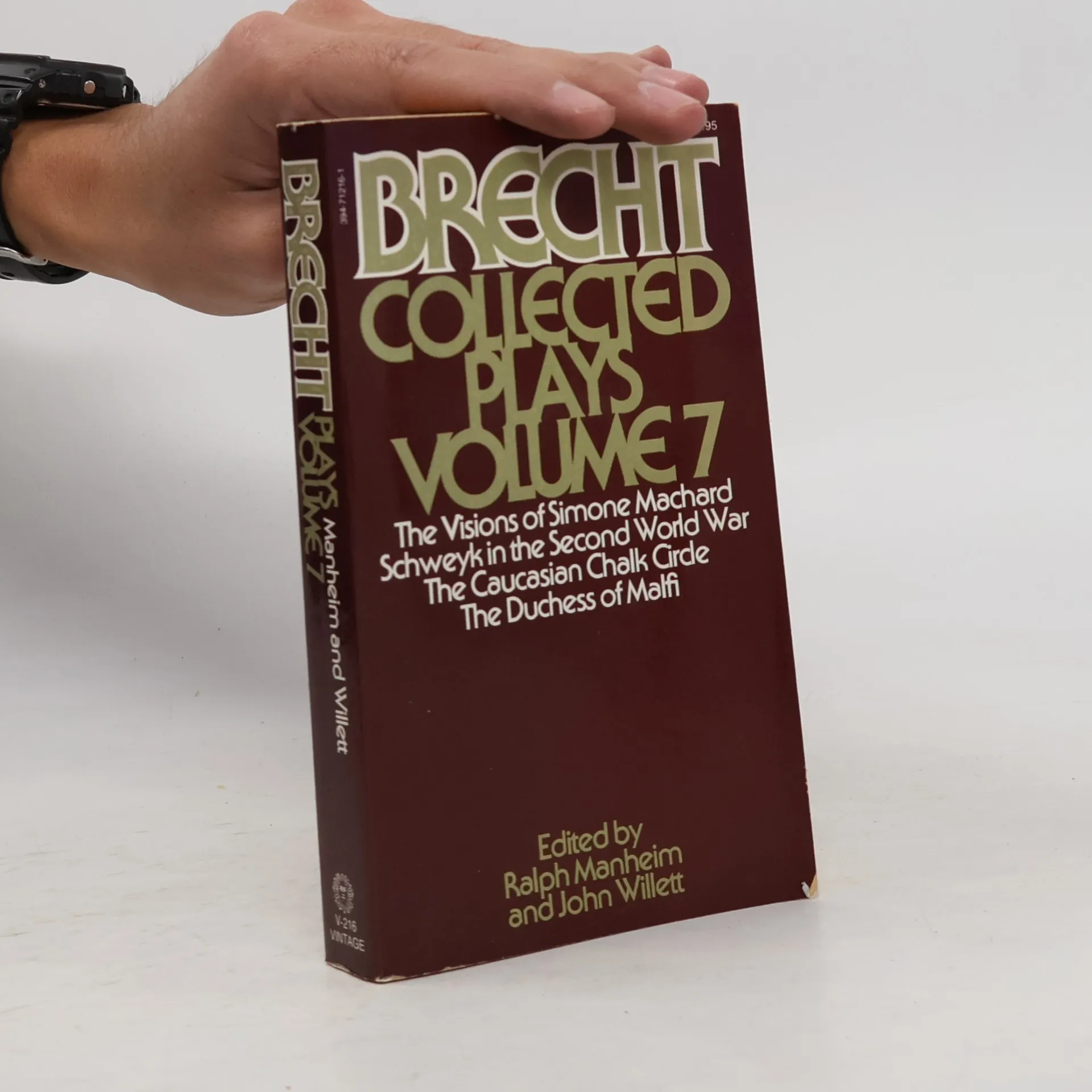
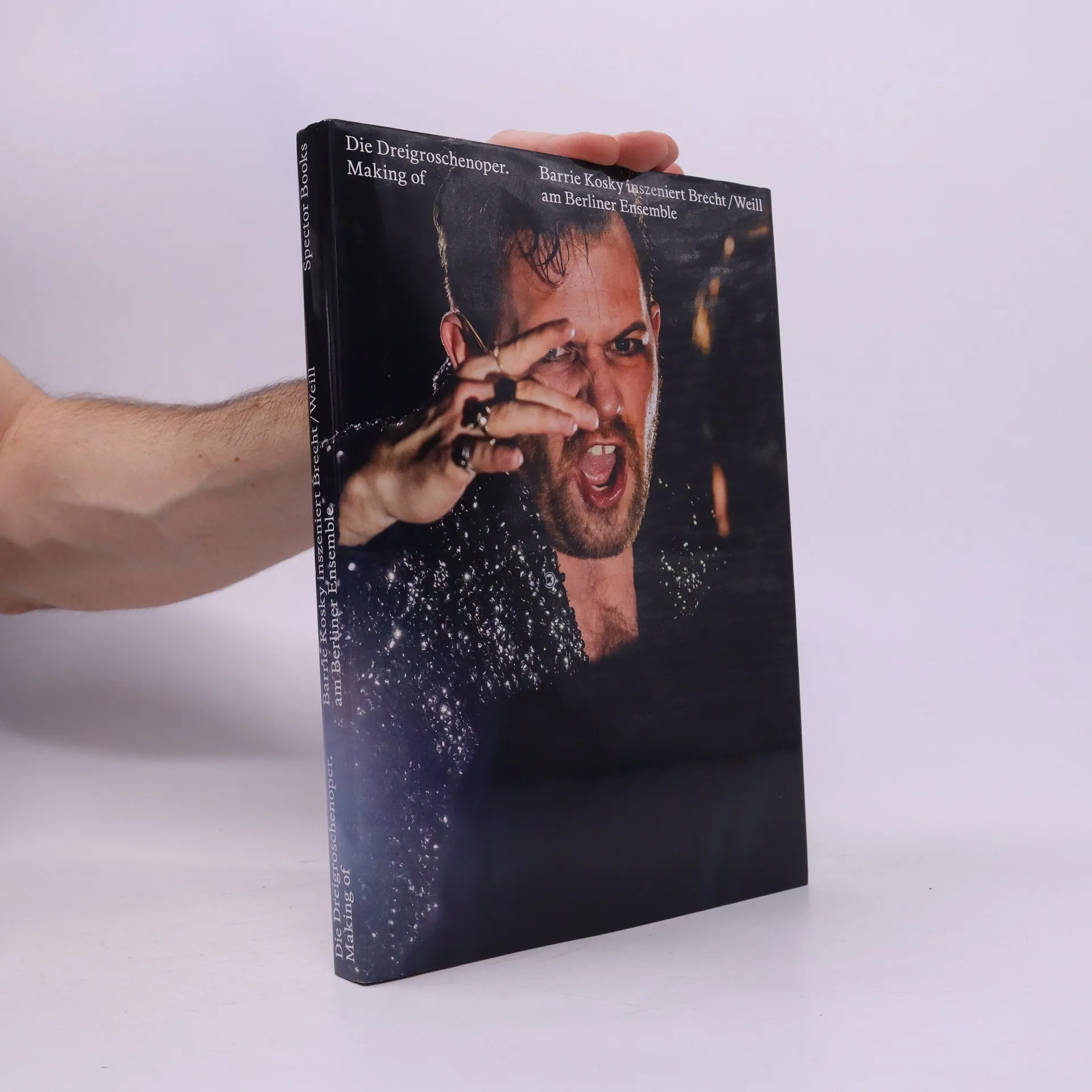
One of Bertolt Brecht's best-loved and most performed plays, The Threepenny Opera was first staged in 1928 at the Theater am Schiffbauerdamm, Berlin (now the home of the Berliner Ensemble). Based on the eighteenth-century The Beggar's Opera by John Gay, the play is a satire on the bourgeois society of the Weimar Republic, but set in a mock-Victorian Soho. With Kurt Weill's music, which was one of the earliest and most successful attempts to introduce the jazz idiom into the theatre, it became a popular hit throughout the western world. This new edition is published here in John Willett and Ralph Manhein's classic translation with commentary and notes by Anja Hartl.
John Willett Ordine dei libri (cronologico)
24 giugno 1917 – 20 agosto 2002

Vita di Galileo
- 150pagine
- 6 ore di lettura
Frutto di diverse stesure, la commedia nasce negli anni che precedono immediatamente la Seconda guerra mondiale e che vedono sperimentare e utilizzare a fini bellici la scissione dell'atomo, gli anni in cui si compie definitivamente una paurossa frattura tra progresso tecnico e progresso sociale. La figura di Galileo, lo scienziato che con le sue rivoluzionarie intuizioni rischia di mettere a repentaglio gli equilibri teologici e sociali del suo tempo e che si piega alla ritrattazione per timore della tortura e per mancanza di agonismo eroico, è la metafora dello scienzito moderno, dell'intellettuale perseguitato dall'inesorabile binomio scienza-fanatismo. Eppure, nonostante il suo intimo dissidio, la sua contraddittorietà, questo Galileo brechtiano è figura umanamente ricca, moderna proprio perché, pur asserendo in modo geniale la verità contro l'ignoranza, la superstizione e il conformismo, egli resta in bilico perenne tra due fronti. Dramma implicitamente antiatomico, "Vita di Galileo" mantiene oggi, al di là della sua straordinaria efficacia scenica, una notevole attualità proprio tematizzando la figura degli scienziati "deboli", subalterni al potere politico, "gnomi" venali, troppo spesso privi di coraggio etico.
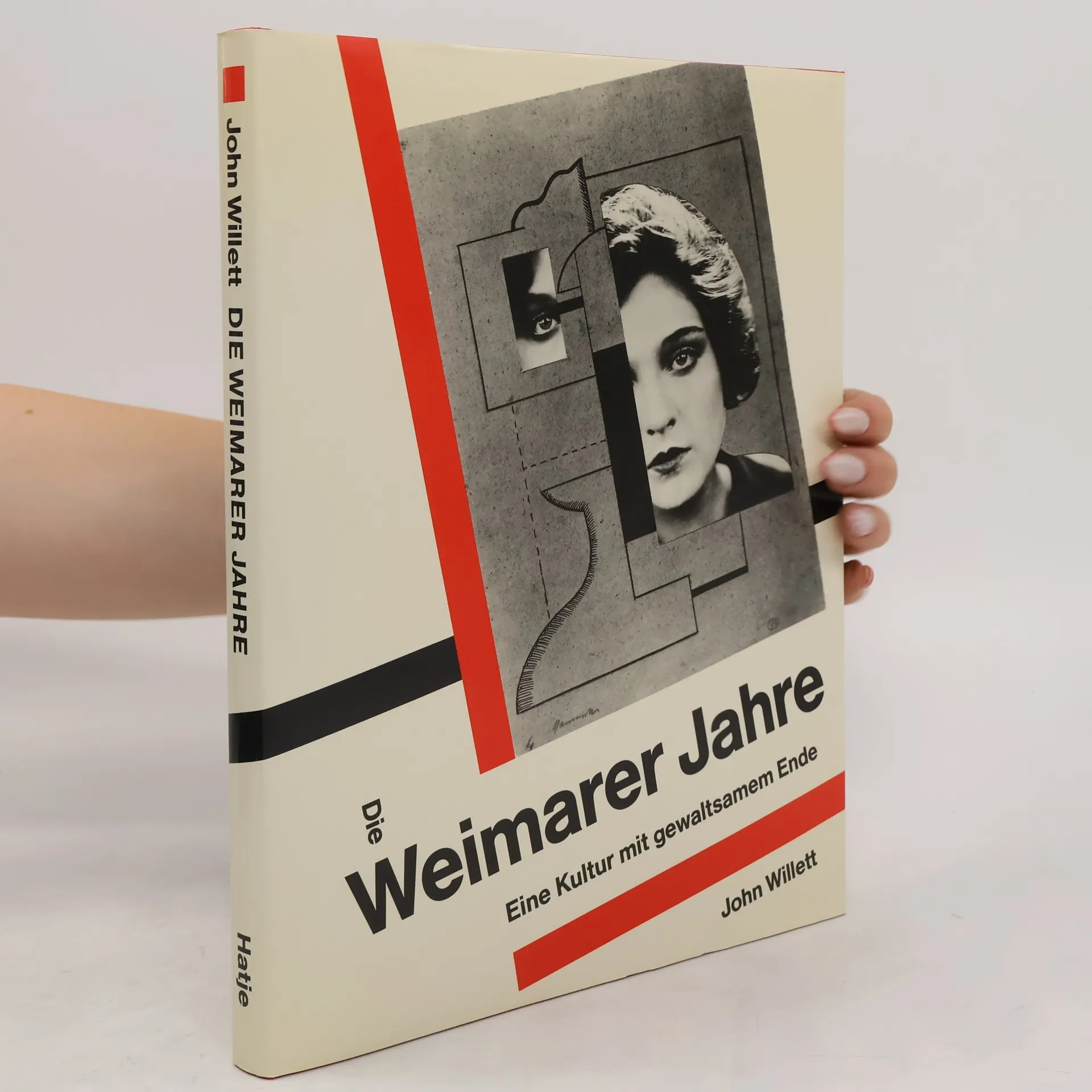
Die Weimarer Jahre
- 160pagine
- 6 ore di lettura
The Weimar Years
- 160pagine
- 6 ore di lettura
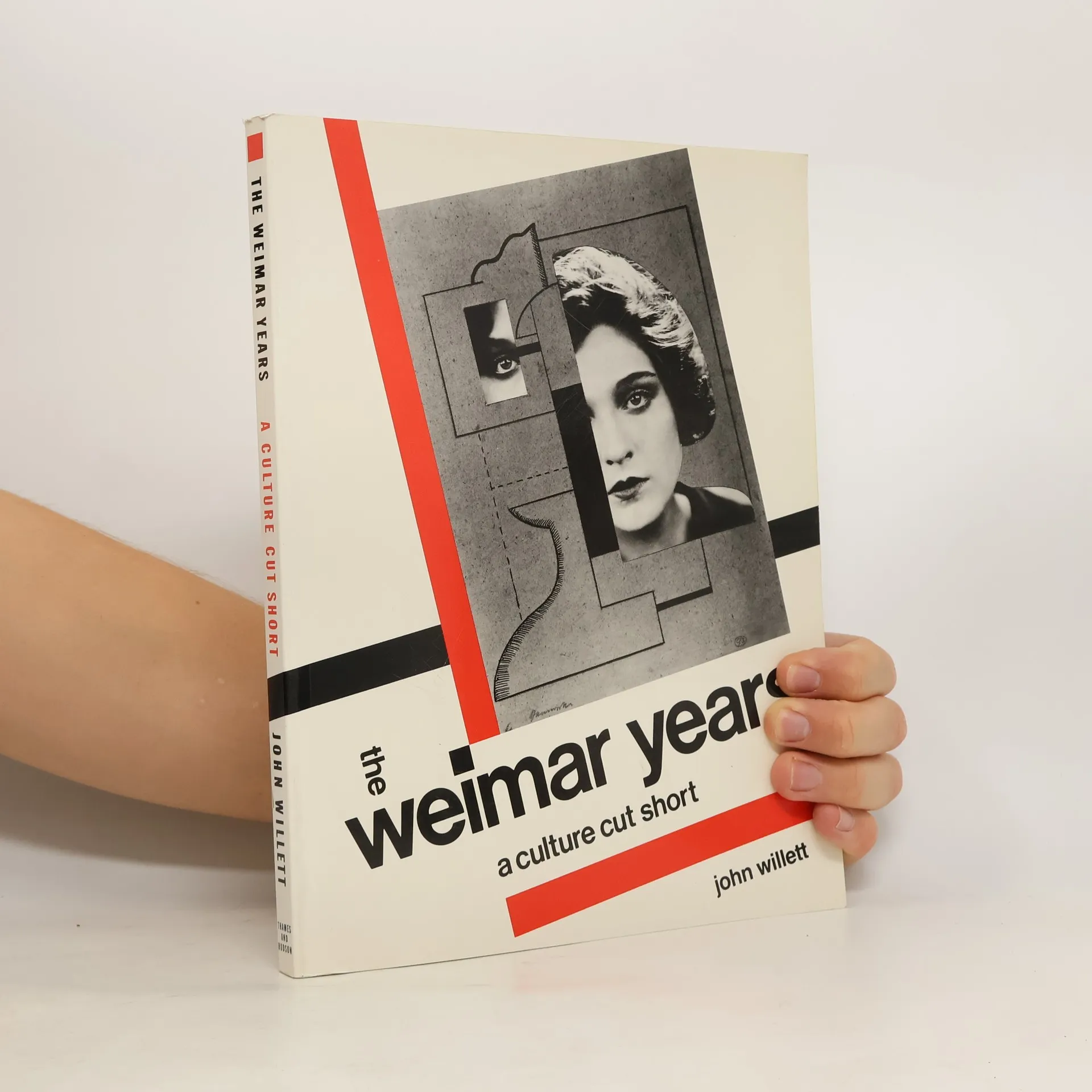
A visual history of this intriguing artistic period, featuring work by Dix, Grosz, Heartfield, Brecht, and more.
Mother Courage and Her Children
- 144pagine
- 6 ore di lettura
This new Student Edition, featuring the classic John Willett translation of the play, includes an introduction by Katherine Hollander, which explores the following: * Contexts (Thirty Years War, 1618-1648; World War II and exile; sources; influential figures such as Brecht, Margarete Steffin, Helene Weigel and Karin Michaelis) * Themes (war; nature; capitalism) * Dramatic devices (epic theatre) * Production history and critical reception * Academic debate (Marxist, feminist and postmodernist) * Further study Widely regarded as Brecht's best work, Mother Courage and her Children was written in 1938-9 and received its premiere in Zurich in 1941. Mother Courage - a canteen woman serving with the Swedish Army during the Thirty Years War (1618-48) - follows the armies, selling provisions and liquor to the troops. Both her sons die in the war and her dumb daughter, Kattrin, is mortally wounded as she beats a drum to warn the town of Halle of an impending attack. Yet, all the while, Mother Courage continues her travels with her wagon, indomitably businesslike, calculating how she can make material profit from the war and turn conflict into capital.
The period between the end of World War I and Hitler's ascension to power witnessed an unprecedented cultural explosion that embraced the whole of Europe but was, above all, centered in Germany. Germany housed architect Walter Gropius and the Bauhaus movement; playwrights Bertolt Brecht and Erwin Piscator; artists Hans Richter, George Grosz, John Heartfield, and Hannah Hoch; composers Paul Hindemith, Arnold Schonberg, and Kurt Weill; and dozens of others. In Art and Politics in the Weimar Period , John Willett provides a brilliant explanation of the aesthetic and political currents which made Germany the focal point of a new, down-to-earth, socially committed cultural movement that drew a significant measure of inspiration from revolutionary Russia, left-wing social thought, American technology, and the devastating experience of war.
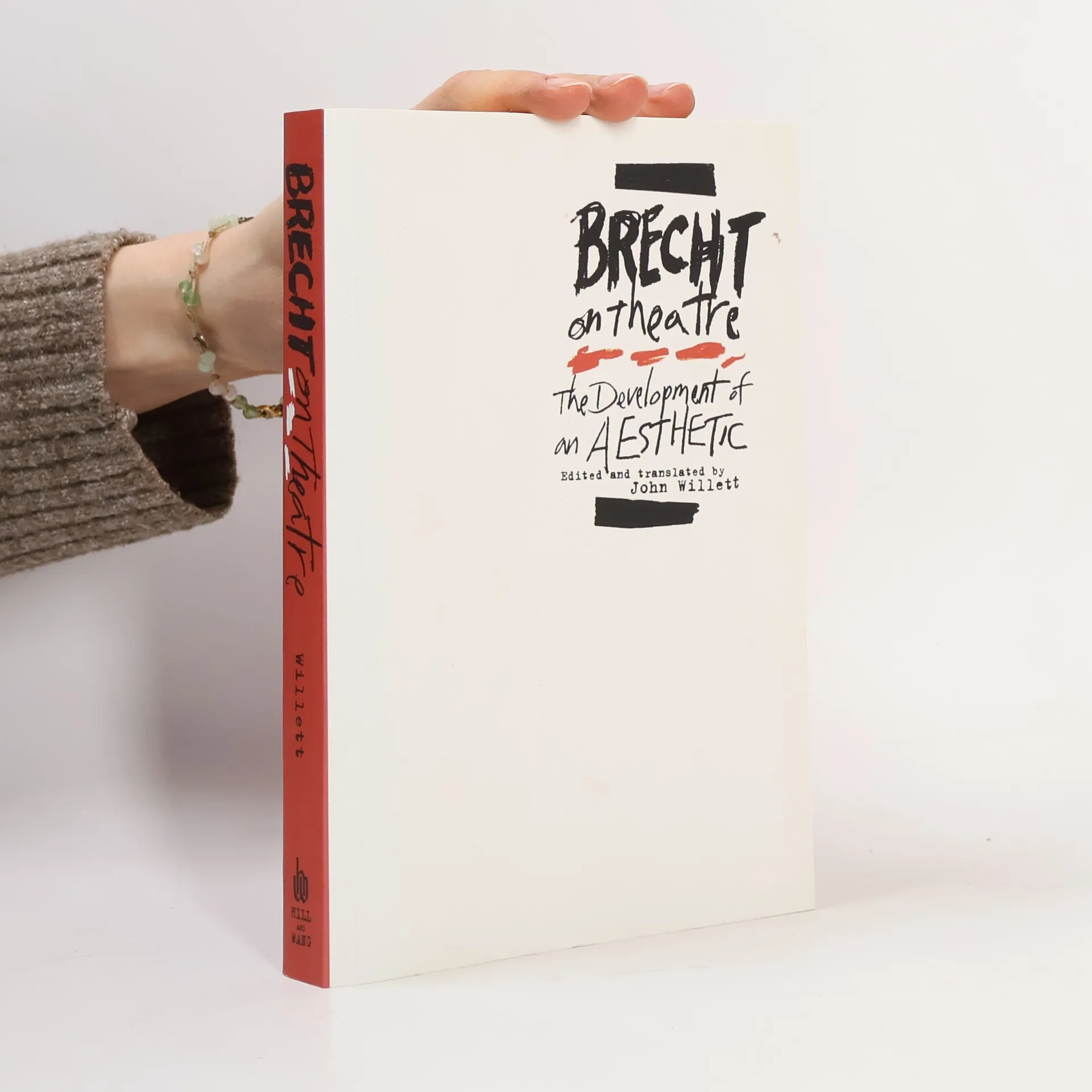
This volume offers a major selection of Bertolt Brecht's groundbreaking critical writing. Here, arranged in chronological order, are essays from 1918 to 1956, in which Brecht explores his definition of the Epic Theatre and his theory of alienation-effects in directing, acting, and writing, and discusses, among other works, The Threepenny Opera, Mahagonny, Mother Courage, Puntila, and Galileo . Also included is "A Short Organum for the Theatre," Brecht's most complete exposition of his revolutionary philosophy of drama. Translated and edited by John Willett, Brecht on Theater is essential to an understanding of one of the twentieth century's most influential dramatists.