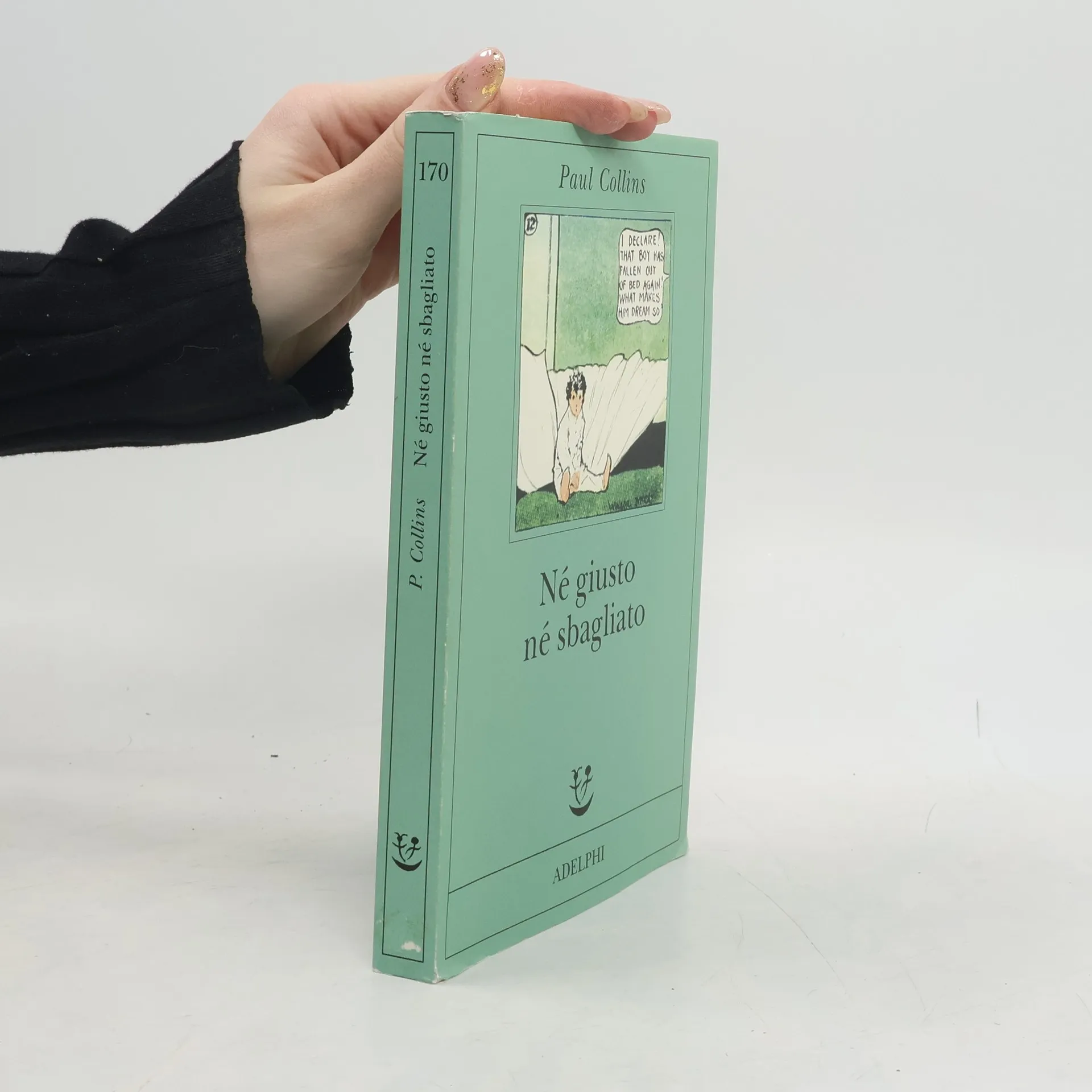
Il piccolo Morgan Collins ha tre anni. Legge tutto quello che gli capita a tiro, dalle annate di vecchi giornali ai manuali di medicina. Ma se qualcuno gli chiede come si chiama non risponde, e le frasi più ovvie sono per lui un rompicapo insolubile. Per descrivere questo comportamento i medici sono soliti usare una parola semplice e definitiva: autismo. In realtà, come dimostra Paul Collins in questo affettuoso, disarmato e toccante ritratto dal vero di suo figlio, quella parola, prima che una diagnosi, è la soglia d’accesso a un continente misterioso e affascinante, con i suoi primi abitanti (il Ragazzo Selvaggio che sconcertò l’Europa del Settecento), i suoi cartografi (da Freud ad alcuni coraggiosi ricercatori di oggi, spesso non meno eccentrici dei loro pazienti), le sue imprevedibili propaggini (ad esempio i programmatori della Microsoft, che invece di guardarti in faccia seguono quello che dici sullo schermo del loro computer). Una volta chiuso a malincuore questo libro necessario e incantevole, intessuto di storie lontanissime fra loro, i lettori non sapranno probabilmente dire che cosa abbiano letto. E avranno una ragione di più per amare Collins quando afferma: «E comunque non è come pensano loro: non è una tragedia, non è una triste storia, e neppure il film della settimana. È la mia famiglia».
Paul Collins Libri
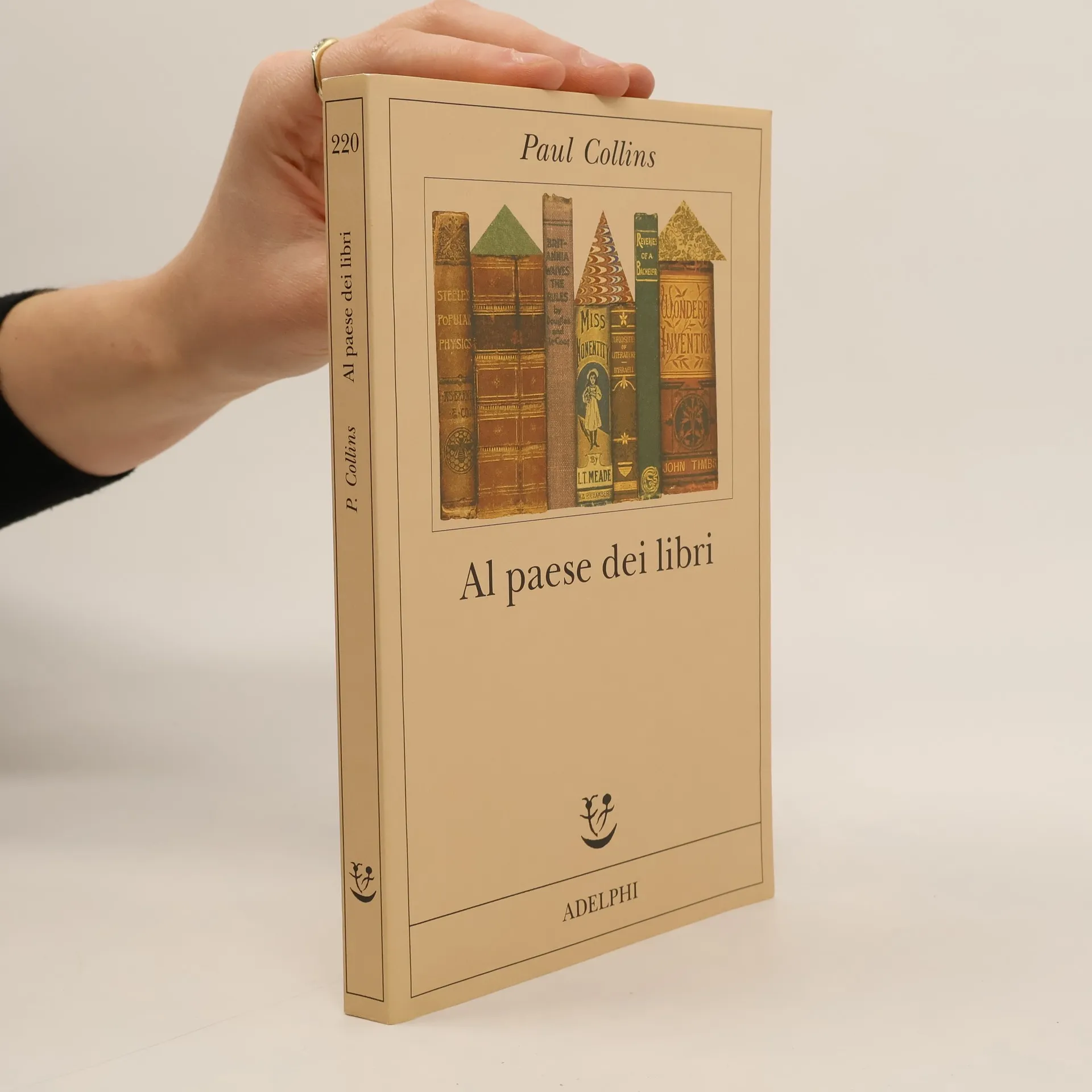
Al paese dei libri
- 216pagine
- 8 ore di lettura
Ma che idea, lasciare la California per un brumoso paesino della campagna gallese! Ma questo paesino è Hay-on-Wye, la «Mecca dei bibliofili», con una libreria antiquaria ogni quaranta abitanti e un famoso Festival della Letteratura. Il protagonista è Paul Collins, instancabile cacciatore di libri perduti, ingaggiato nel 2000 da Richard Booth, il libraio che nel 1977 si proclamò Re del Principato Autonomo di Hay. Collins si dedica per sei mesi alla sua passione: frugare tra cataste di libri effimeri e tramandarne le storie. Incontra collezioni di riviste obsolete, memorie apocrife e anonime, autori che scrivono dall’aldilà e prime edizioni «grigie e pesanti come tombini». Mentre cerca casa, sognando di stabilirsi in un grande «pub sconsacrato» del Seicento, il Sixpence House, riesce anche a far domanda per un seggio alla Camera dei Lord. Oltre a essere una incantevole tranche de vie, il racconto è una meditazione sul valore dei libri nel tempo e sulla volubile incuranza del passato, «l’unico Paese dove è ancora permesso dileggiare gli indigeni».
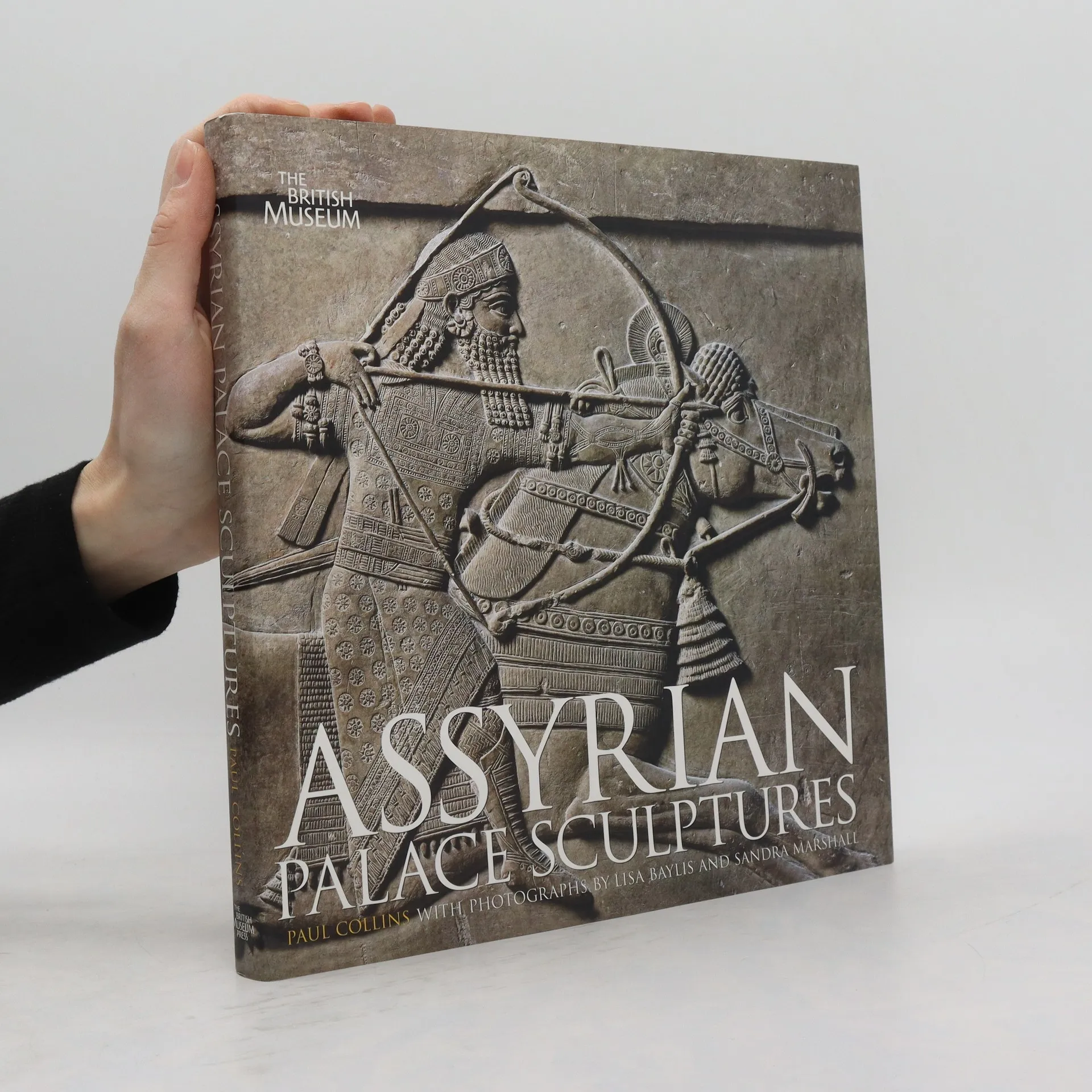
Assyrian Palace Sculptures
- 144pagine
- 6 ore di lettura
A superb visual introduction to what are undoubtedly some of the greatest works of art from the ancient world, showcasing a series of specially taken photographs of the British Museum's unrivalled collection of Assyrian sculptures.
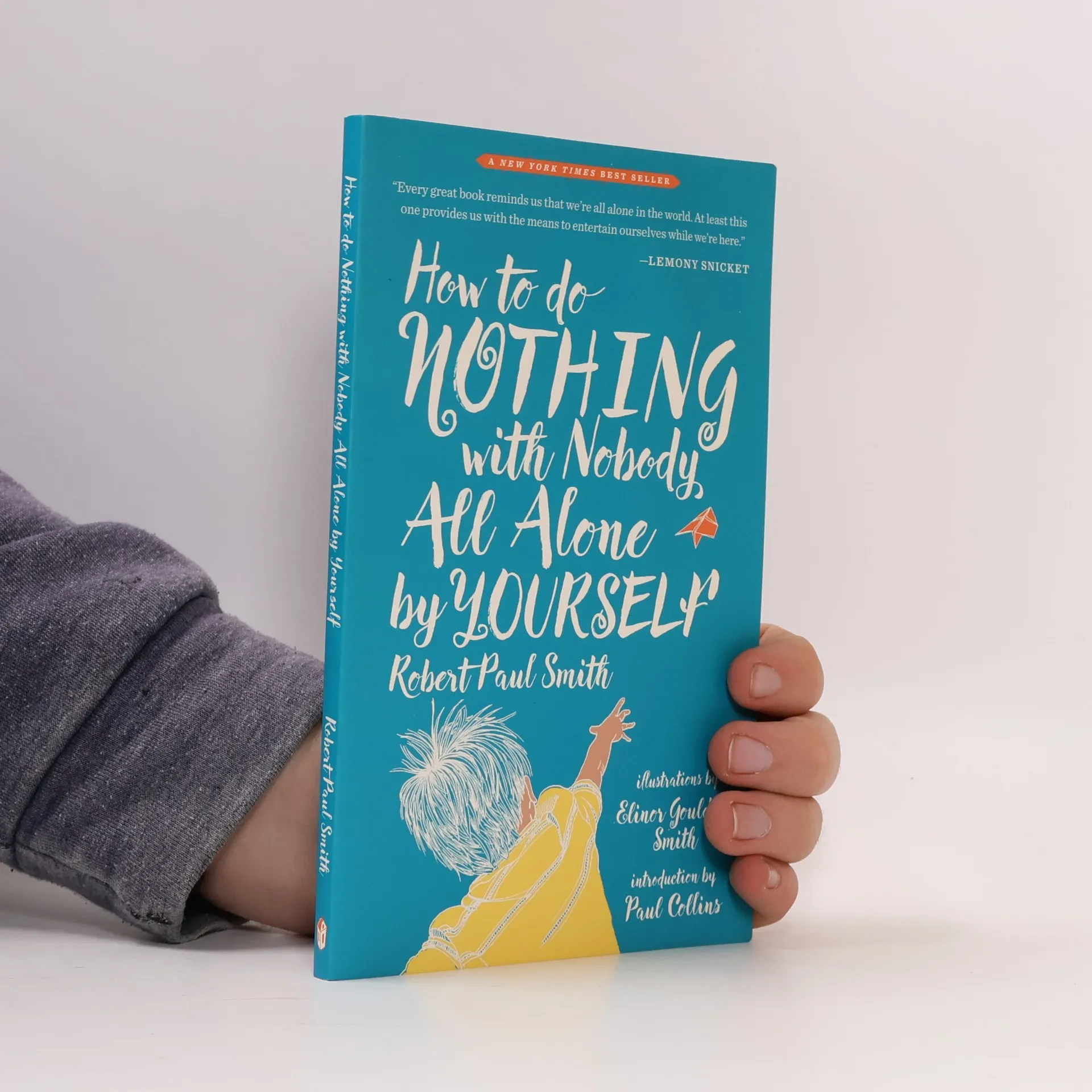
How to Do Nothing with Nobody All Alone by Yourself
A Timeless Activity Guide to Self-Reliant Play and Joyful Solitude
- 136pagine
- 5 ore di lettura
Promoting free-range imagination, hands-on ingenuity, and independent play, Robert Smith’s timeless activity guide reminds parents and children alike that making one’s own fun is the best way to avoid boredom. With easy-to-follow, illustrated directions to hacking household objects into toys and using nature to invent mischievous contraptions, this is a handbook that inspires creative play. From indoor boomerangs, pin pianos, umbrella bow and arrows, peach pit turtles, and clamshell bracelets to quirky, prank-ready contraptions, the wide array of engaging activities provides a great alternative to screen time, fostering independent thinking and joyful curiosity, and a greater appreciation for the simple things in life—both indoor and outdoor. Charming, inspiring, and loads of fun, this spirited book will provide endless enjoyment for children and parents alike.
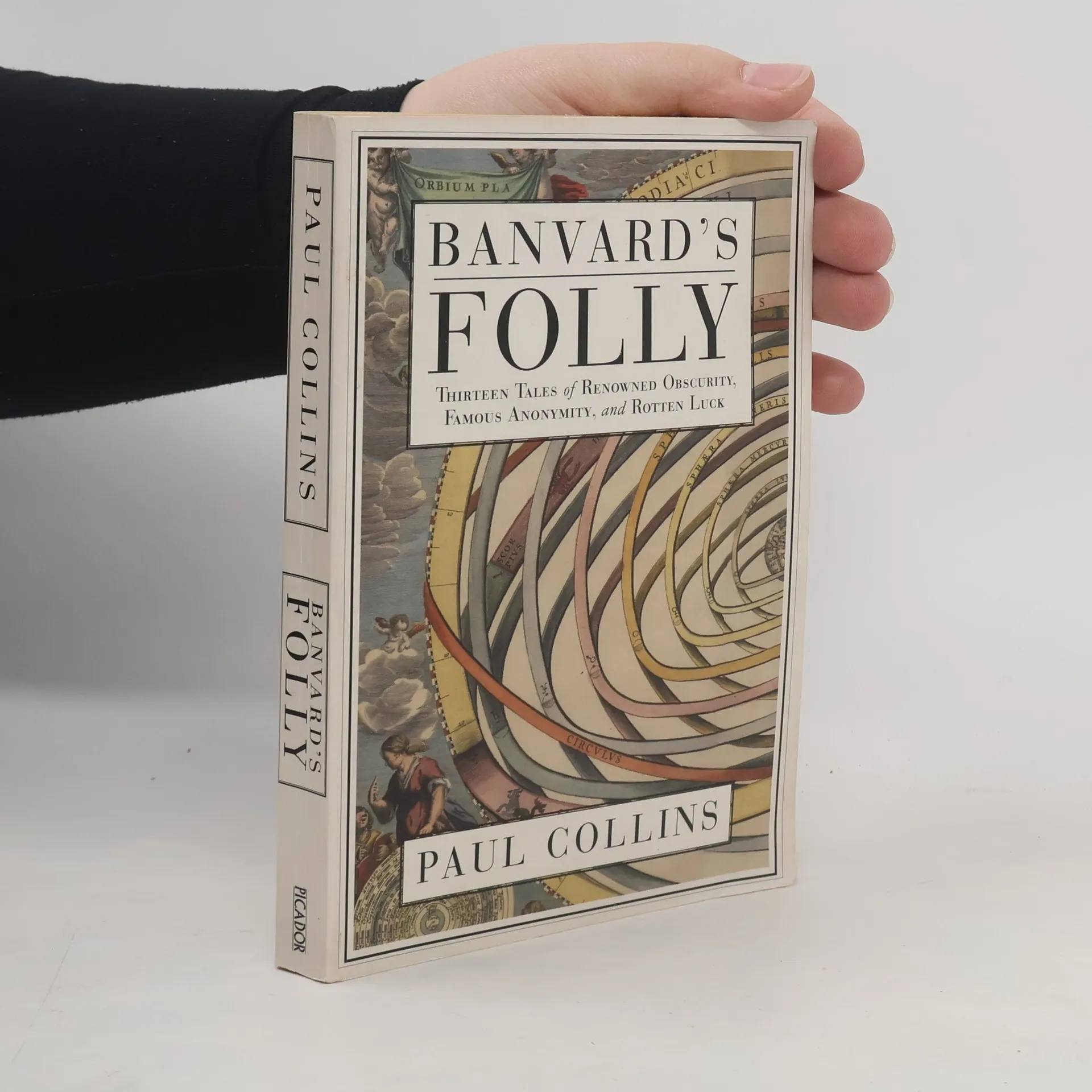
Banvard's Folly
Tales of Renowned Obscurity, Famous Anonymity and Rotten Luck
- 304pagine
- 11 ore di lettura
History will long remember the Edisons, Einsteins and they succeeded in changing the world, and the world has repaid them by enshrining their names. But what of those others with similarly revolutionary and groundbreaking ideas who plummeted into oblivion? What of the man who invented the N-ray? Or the one who made up a universal singing language? They are gone and forgotten...until now. 'Failure is generally a lot more interesting than success...this book was only a modest success in America; it deserves to be a huge one here, since we have a better natural empathy with the sweet misery of not being quite good enough at things. Failure's coming home; we should all support it by buying Paul Collins' wonderful book' - "Mail on Sunday".
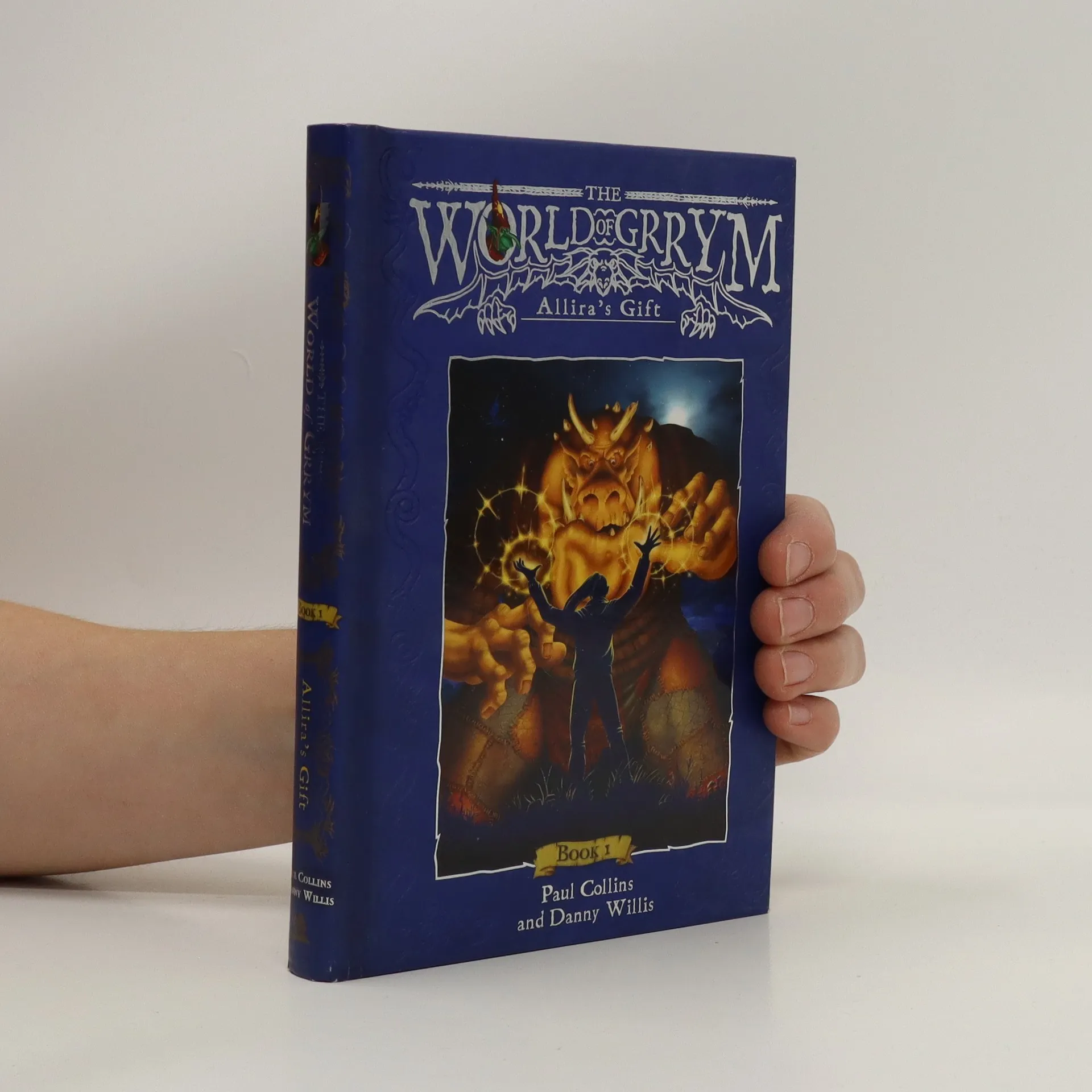
The World of Grrym. Allira's Gift.
- 299pagine
- 11 ore di lettura
Explores the world of Grrym, the outer realm, home of the goblins. It is a world of natural beauty, where the most terrifying breeds of dragons, ogres, trolls and other beasts are free to roam, causing turmoil and trouble wherever they go.
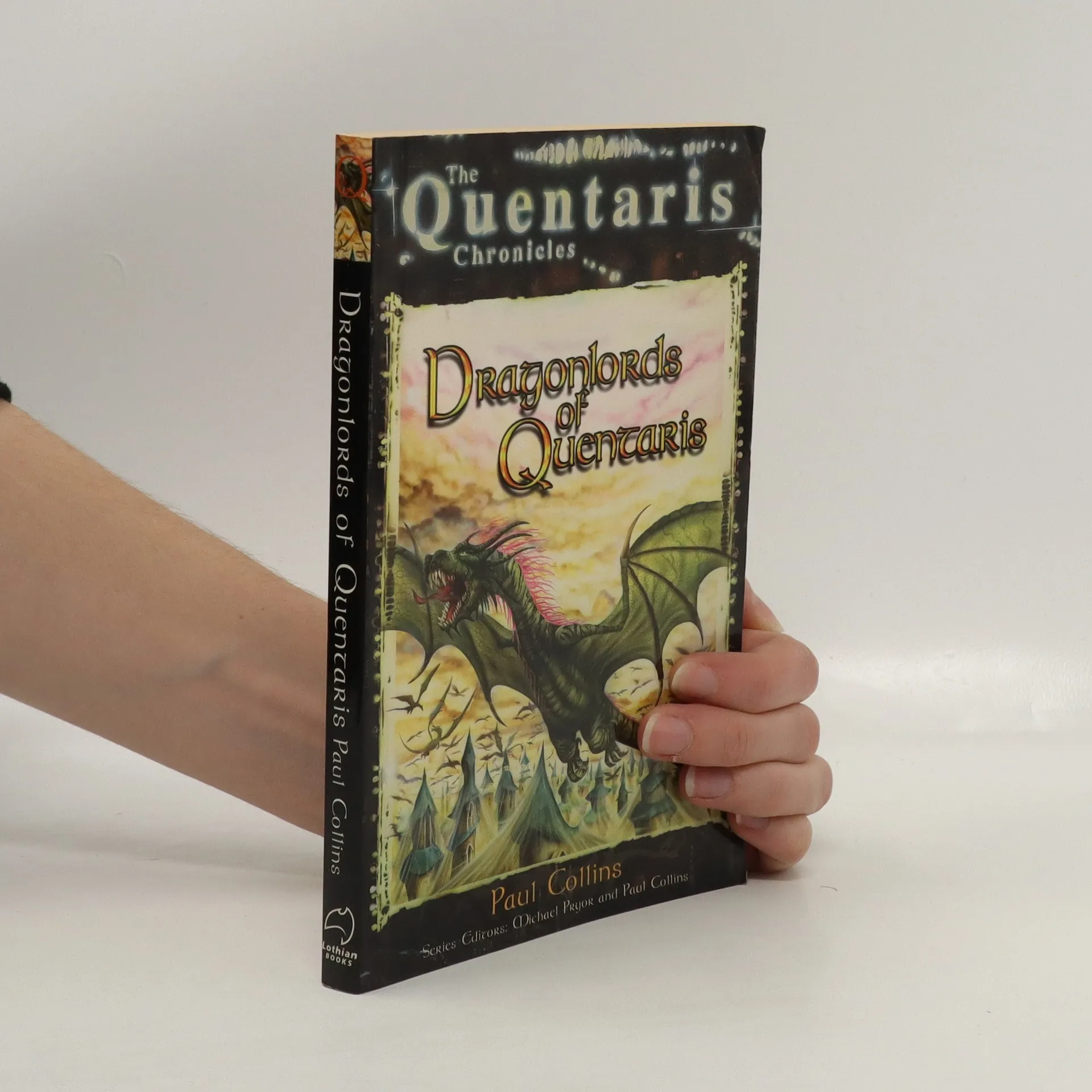
Dragonlords of Quentaris
- 160pagine
- 6 ore di lettura
Rad, the talented rift guide from The Swords of Quentaris, attempts to turn his hand to politics by negotiating a trade deal with the Fentonian Trade Minister. Rad's skill as a rift guide does not translate well into the political arena the Fentonian has used the meeting with Rad as a ruse to enslave Quentaris.
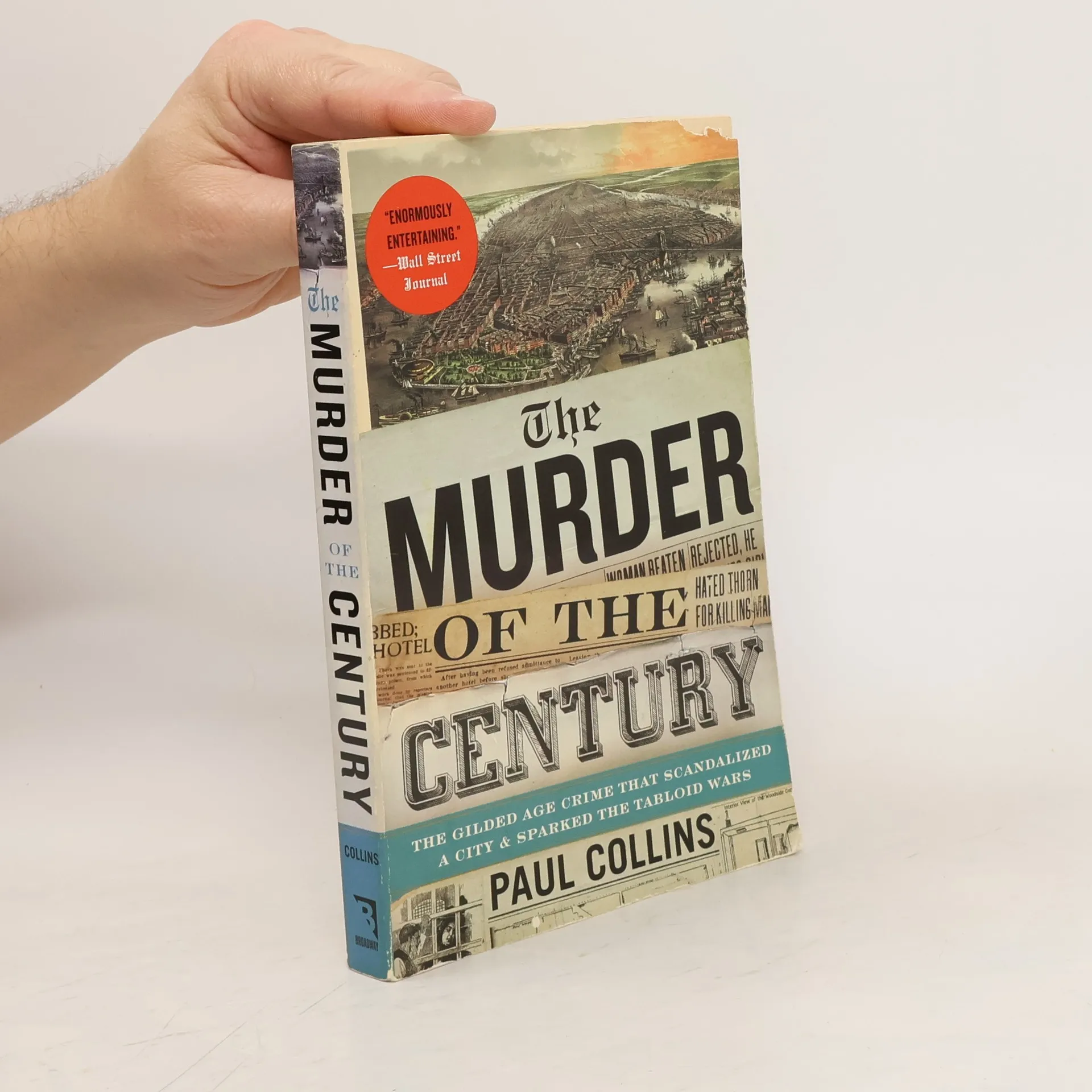
On Long Island, a farmer finds a duck pond turned red with blood. On the Lower East Side, two boys playing at a pier discover a floating human torso wrapped tightly in oilcloth. Blueberry pickers near Harlem stumble upon neatly severed limbs in an overgrown ditch. Clues to a horrifying crime are turning up all over New York, but the police are baffled: There are no witnesses, no motives, no suspects.The grisly finds that began on the afternoon of June 26, 1897, plunged detectives headlong into the era’s most baffling murder mystery. Seized upon by battling media moguls Joseph Pulitzer and William Randolph Hearst, the case became a publicity circus. Reenactments of the murder were staged in Times Square, armed reporters lurked in the streets of Hell’s Kitchen in pursuit of suspects, and an unlikely trio—a hard-luck cop, a cub reporter, and an eccentric professor—all raced to solve the crime.What emerged was a sensational love triangle and an even more sensational trial: an unprecedented capital case hinging on circumstantial evidence around a victim whom the police couldn’t identify with certainty, and who the defense claimed wasn’t even dead. The Murder of the Century is a rollicking tale—a rich evocation of America during the Gilded Age and a colorful re-creation of the tabloid wars that have dominated media to this day.
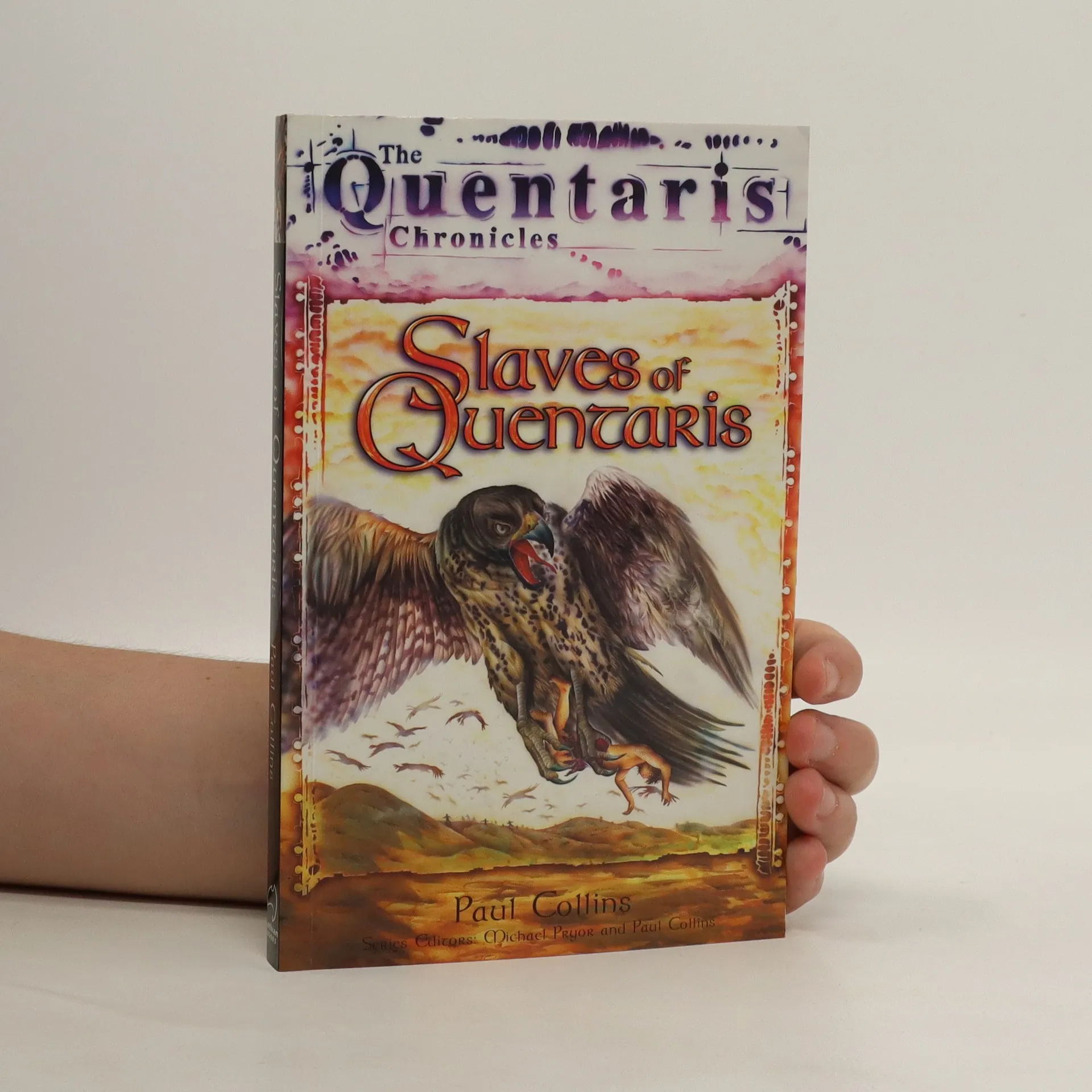
Slaves of Quentaris
- 160pagine
- 6 ore di lettura
Yukin, his sister Yulen, and other members of their tribe are caught and transported to another world by 'false' Dmenians. On their journey, Yulen becomes a 'special'. When they reach Quentaris, the slave traders sell their prisoners and Yukin sets out to find and free his sister. Ages 10-14.
The Treasury of Vital Wisdom
- 204pagine
- 8 ore di lettura
This collection features a diverse array of quotes from influential thinkers spanning from the 5th century B.C.E. to contemporary times. It brings together insights from speakers, philosophers, authors, entrepreneurs, and scientists, offering profound wisdom in a straightforward format. Readers can access a wealth of knowledge and inspiration, effectively encapsulating the brilliance of great minds throughout history within a single volume.
British Motorcycles Since 1900
- 128pagine
- 5 ore di lettura
Illustrated throughout with a selection of photographs recalling the glorious days, this book provides the reader with comprehensive A-Z coverage of one of the great British industries, one that today is sadly a shadow of its former glory. Contents include features on Triumph, Norton and BSA.
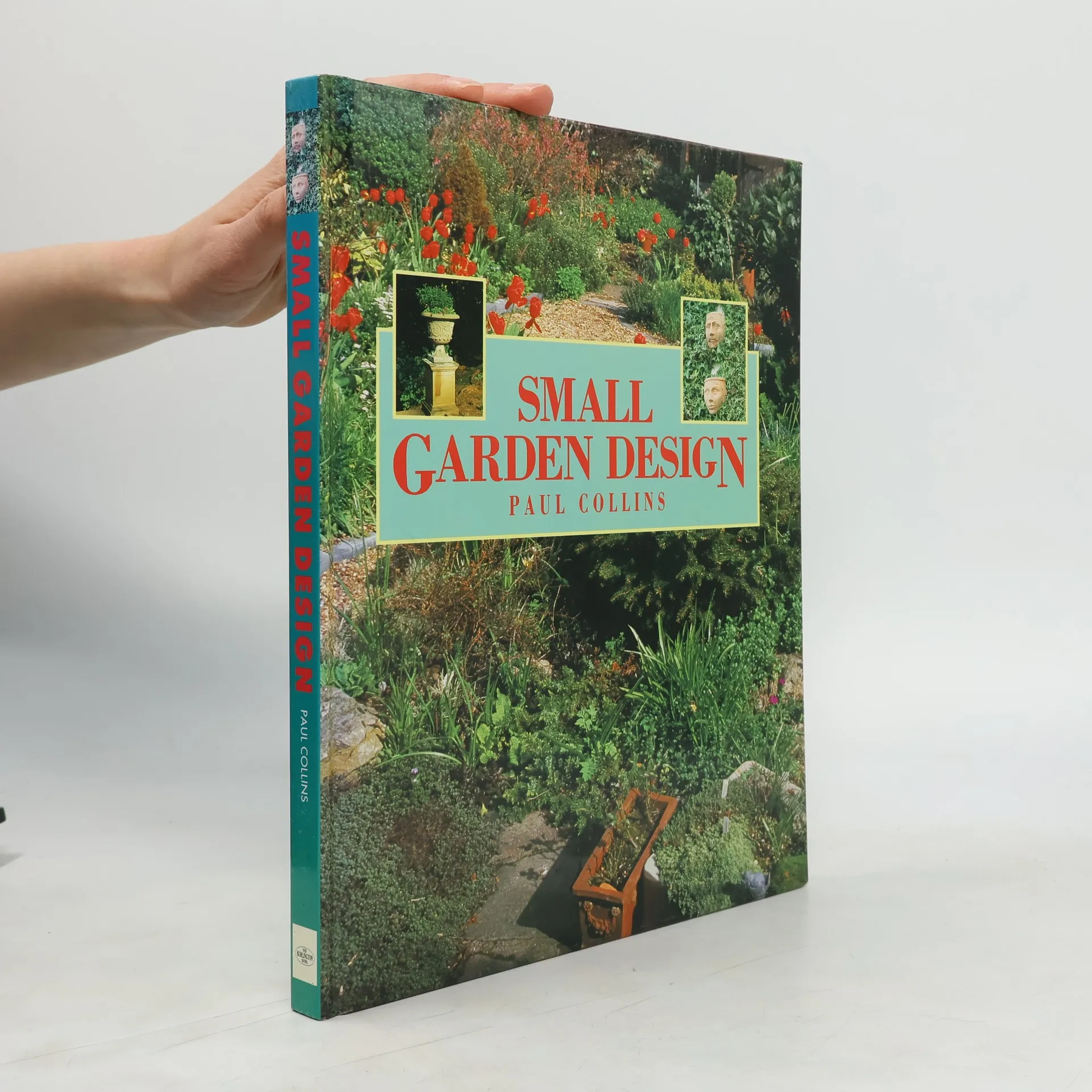
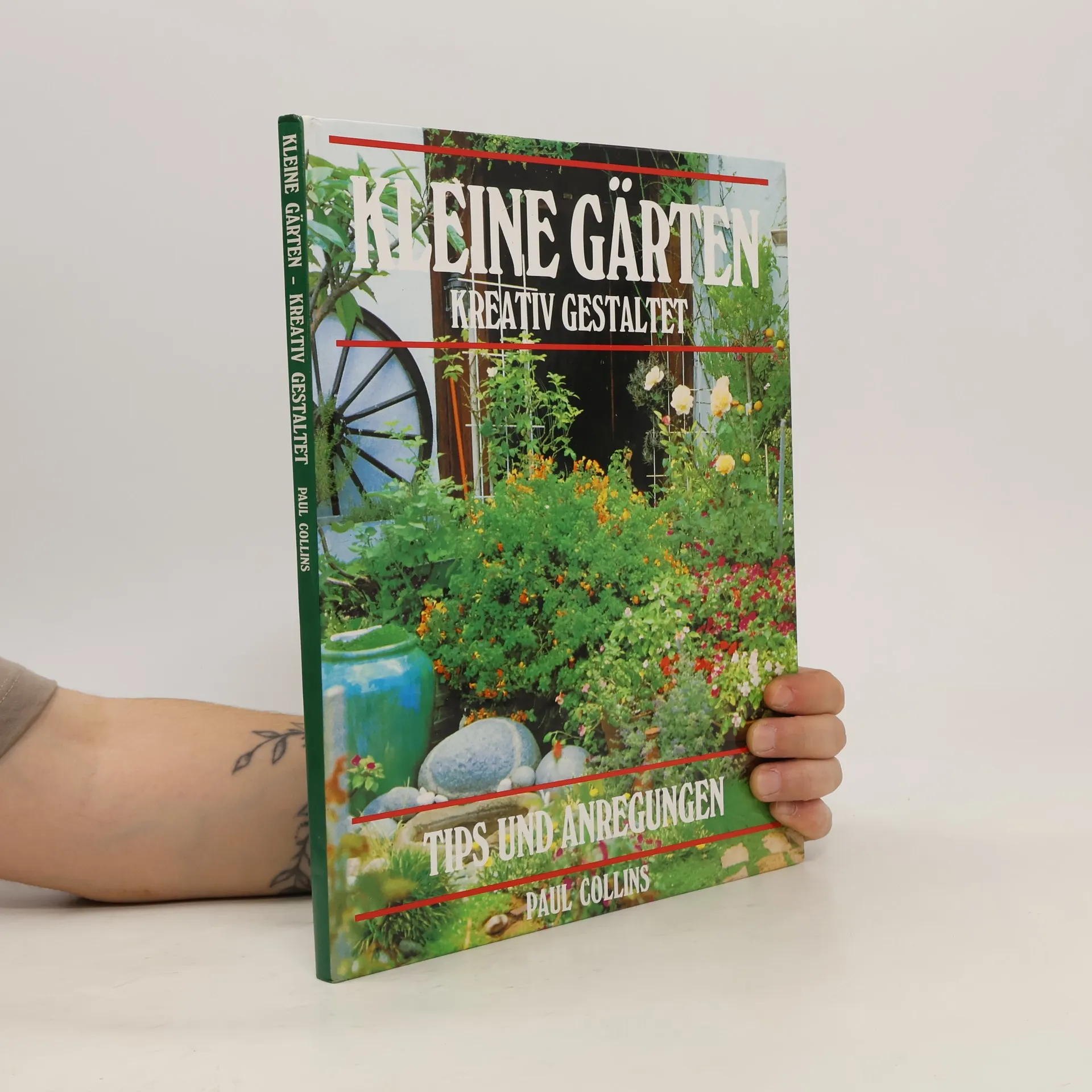
Small Garden Design
- 128pagine
- 5 ore di lettura
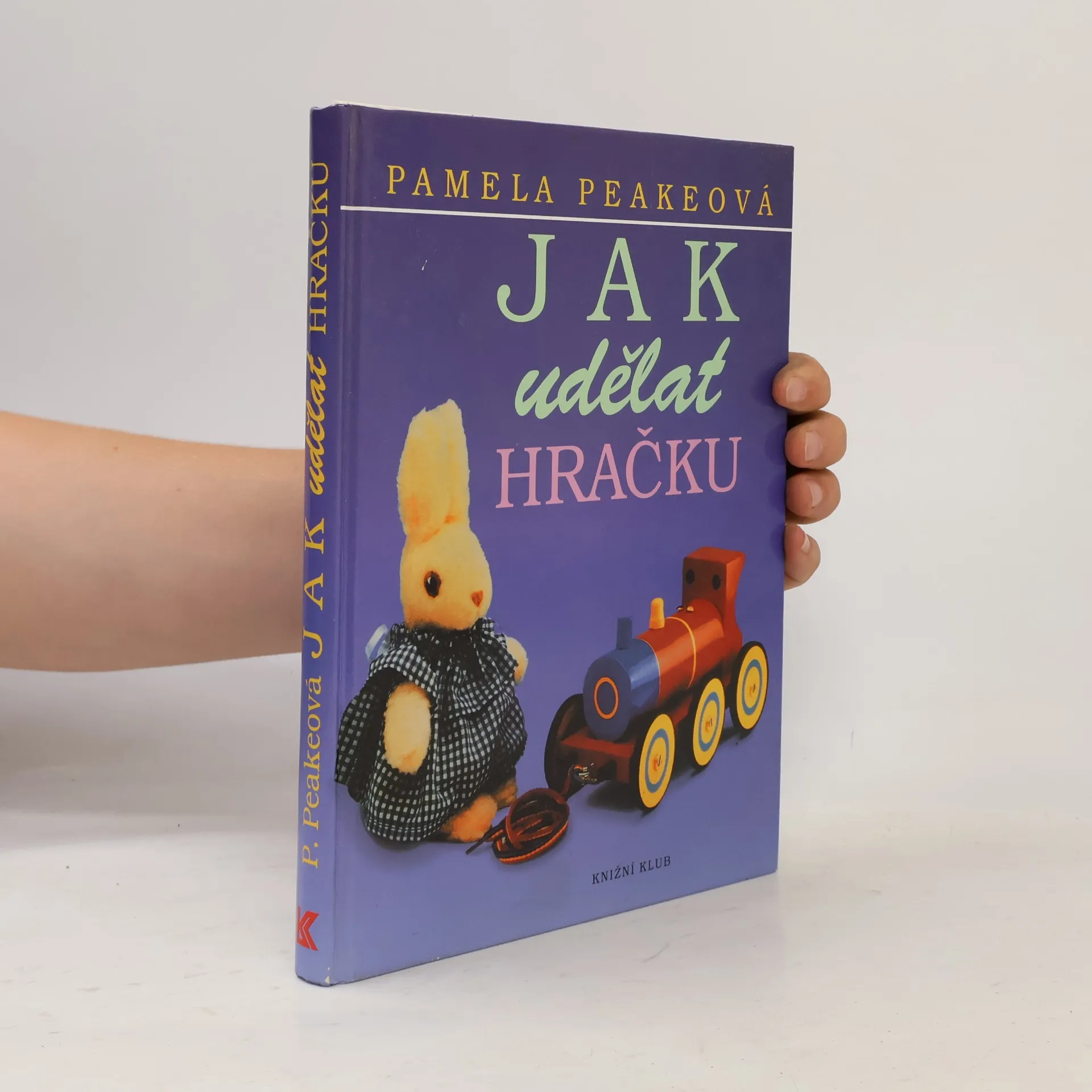
Jak udělat hračku
- 159pagine
- 6 ore di lettura
Kniha obsahuje 32 návodů na výrobu jednoduchých i složitějších hraček ze dřeva, textilu i jiných materiálů. Součástí výrobních postupů jsou podrobné nákresy a návody, spousta barevných i černobílých fotografií.
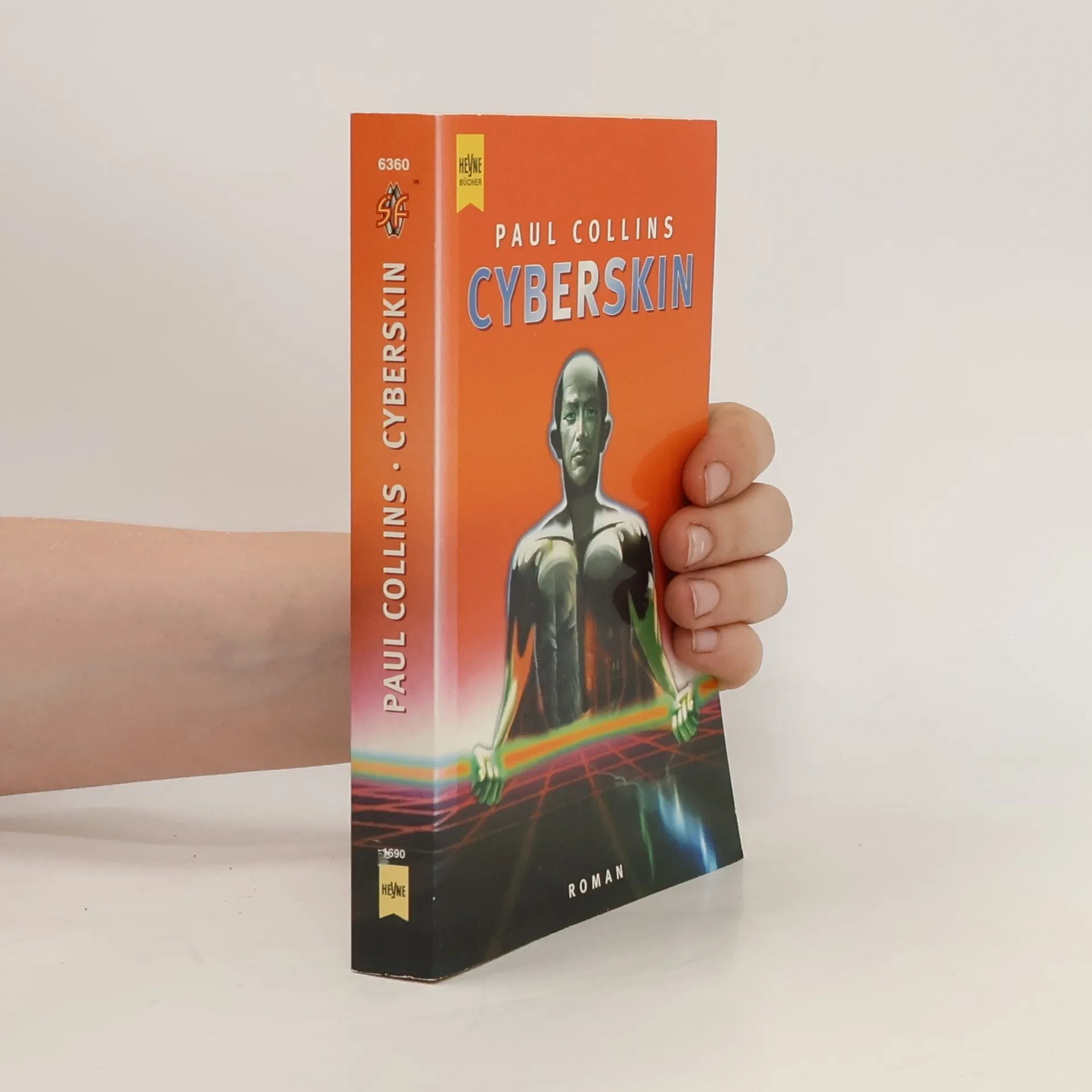
Cyberskin
- 300pagine
- 11 ore di lettura
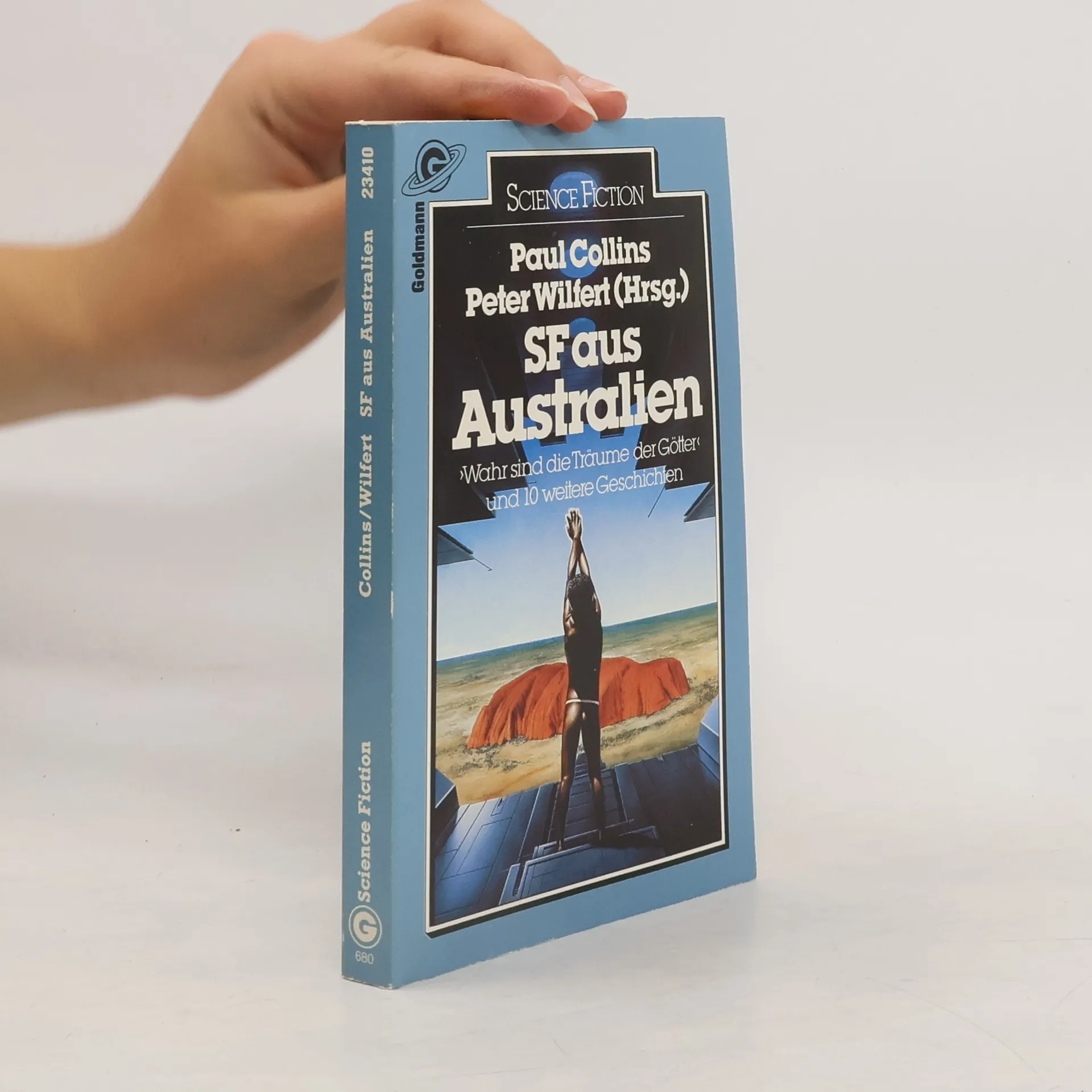
SF aus Australien
- 277pagine
- 10 ore di lettura
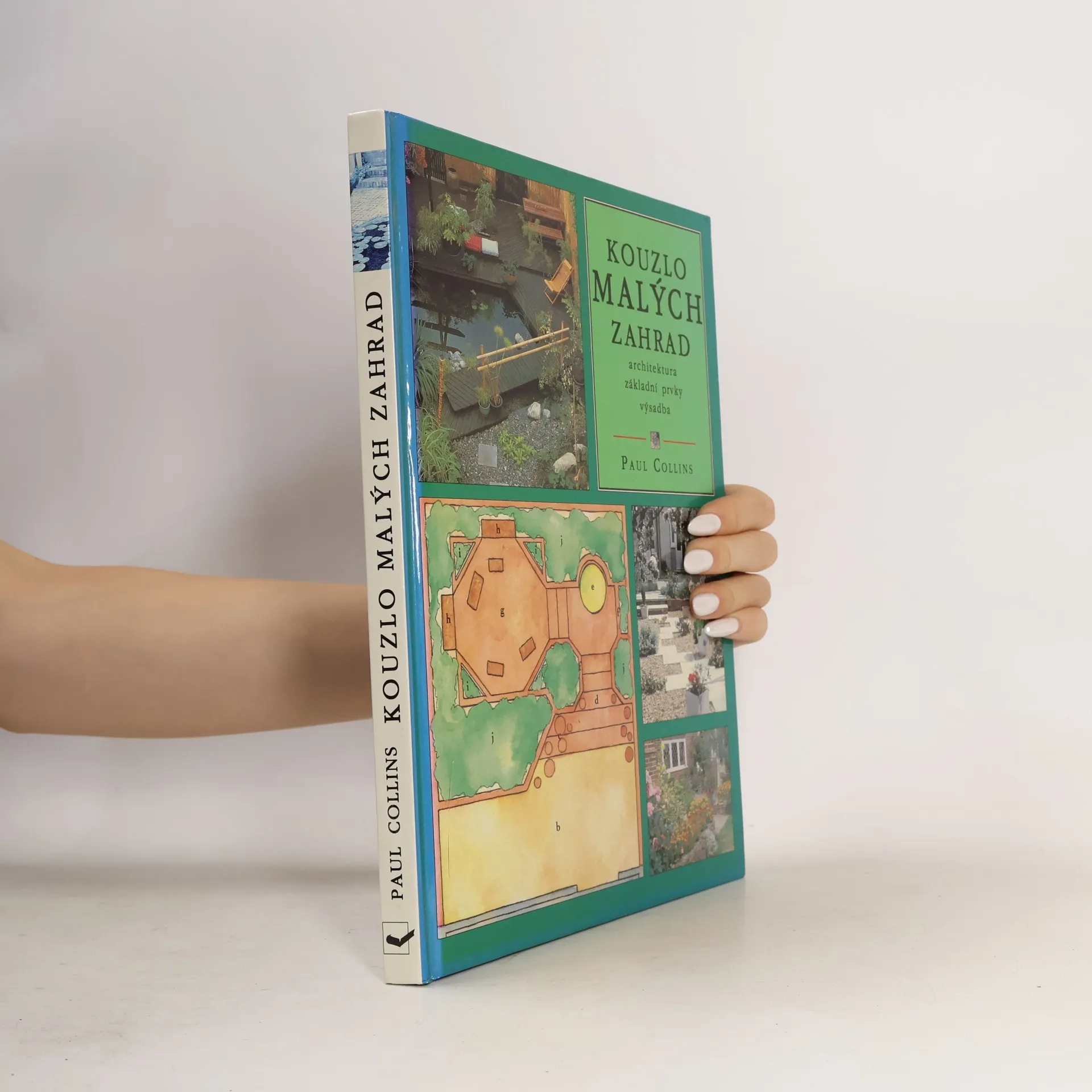
Kouzlo malých zahrad : architektura, základní prvky, výsadba
- 128pagine
- 5 ore di lettura
Obsah: Architektura, Základní prvky, výsadba.
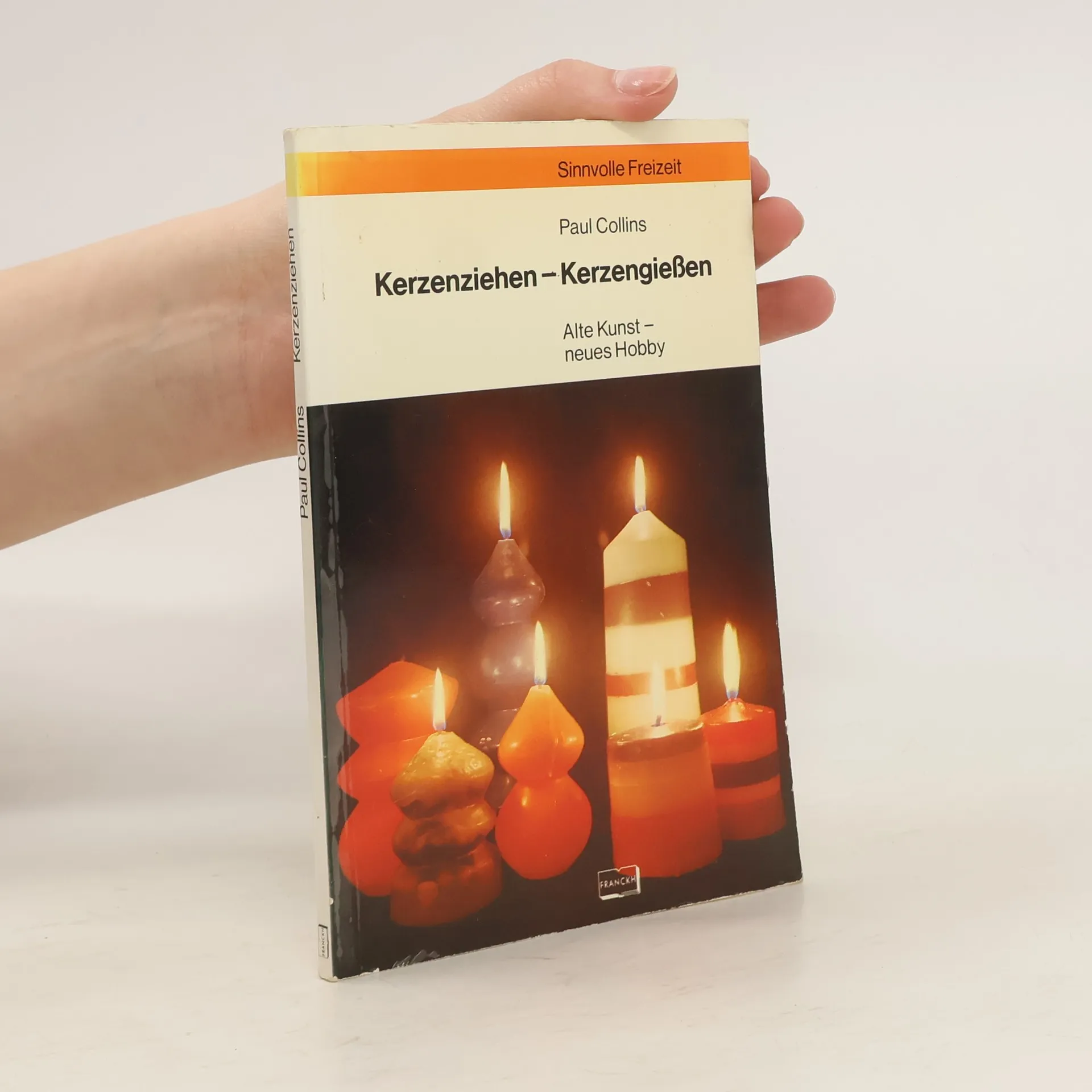
Kerzenziehen, Kerzengiessen
- 72pagine
- 3 ore di lettura
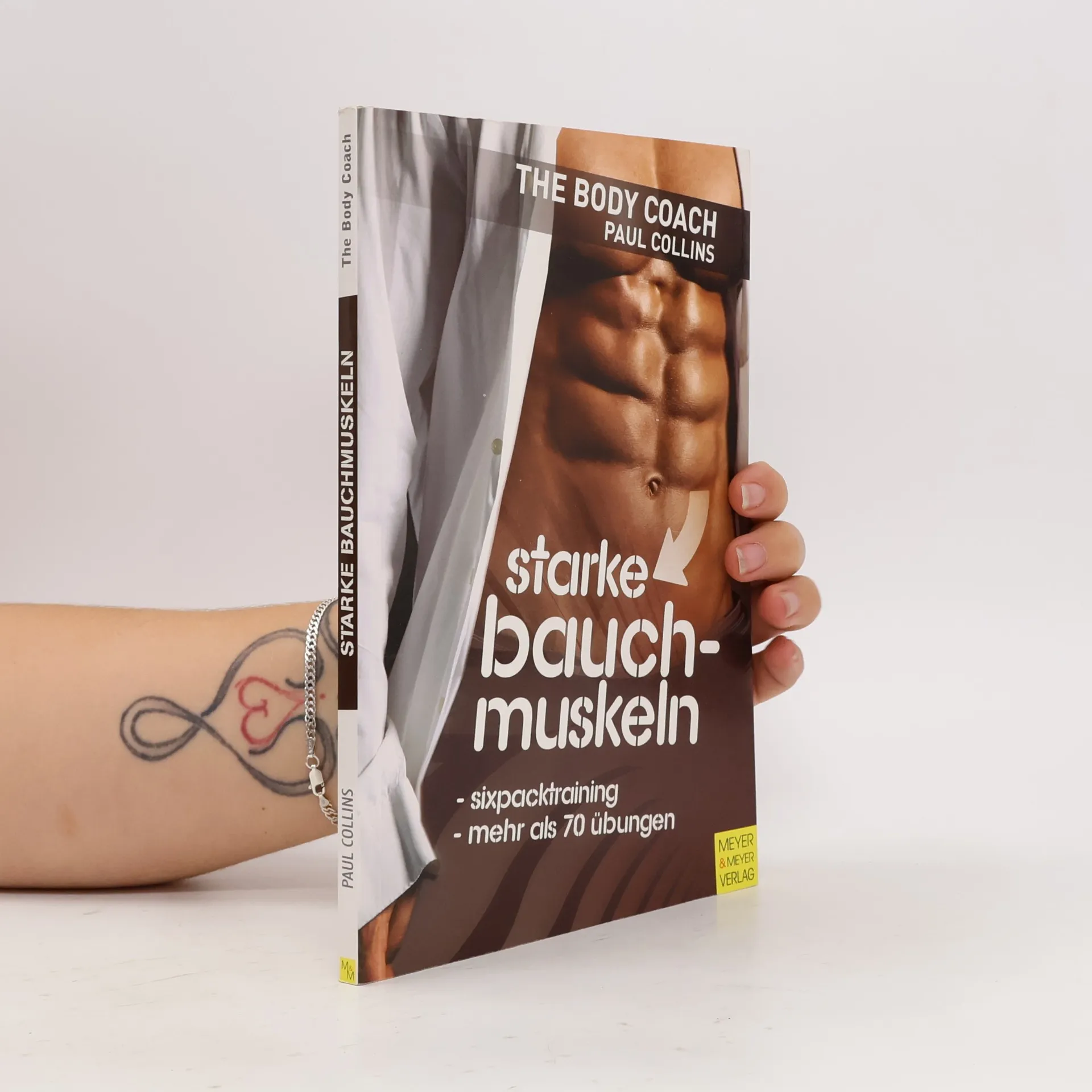
Beim neuen Titel des australischen Trainers Paul Collins handelt es sich um das ultimative Handbuch, das dabei hilft, sich einen flachen Bauch, eine kräftige Lendenregion und eine schlanke Taille anzutrainieren. Die Bauchmuskeln spielen eine wichtige Rolle bei Alltagsbewegungen, sportlichen Bewegungsabläufen und bei körperlichen Aktivitäten. Eine starke Bauchregion schützt vor Verletzungen. Das Buch enthält mehr als 70 leicht zu erlernende Übungen und Tests, bei denen das eigene Körpergewicht, Fitness- und Medizinbälle sowie spezielle Geräte für das Bauchmuskeltraining eingesetzt werden.
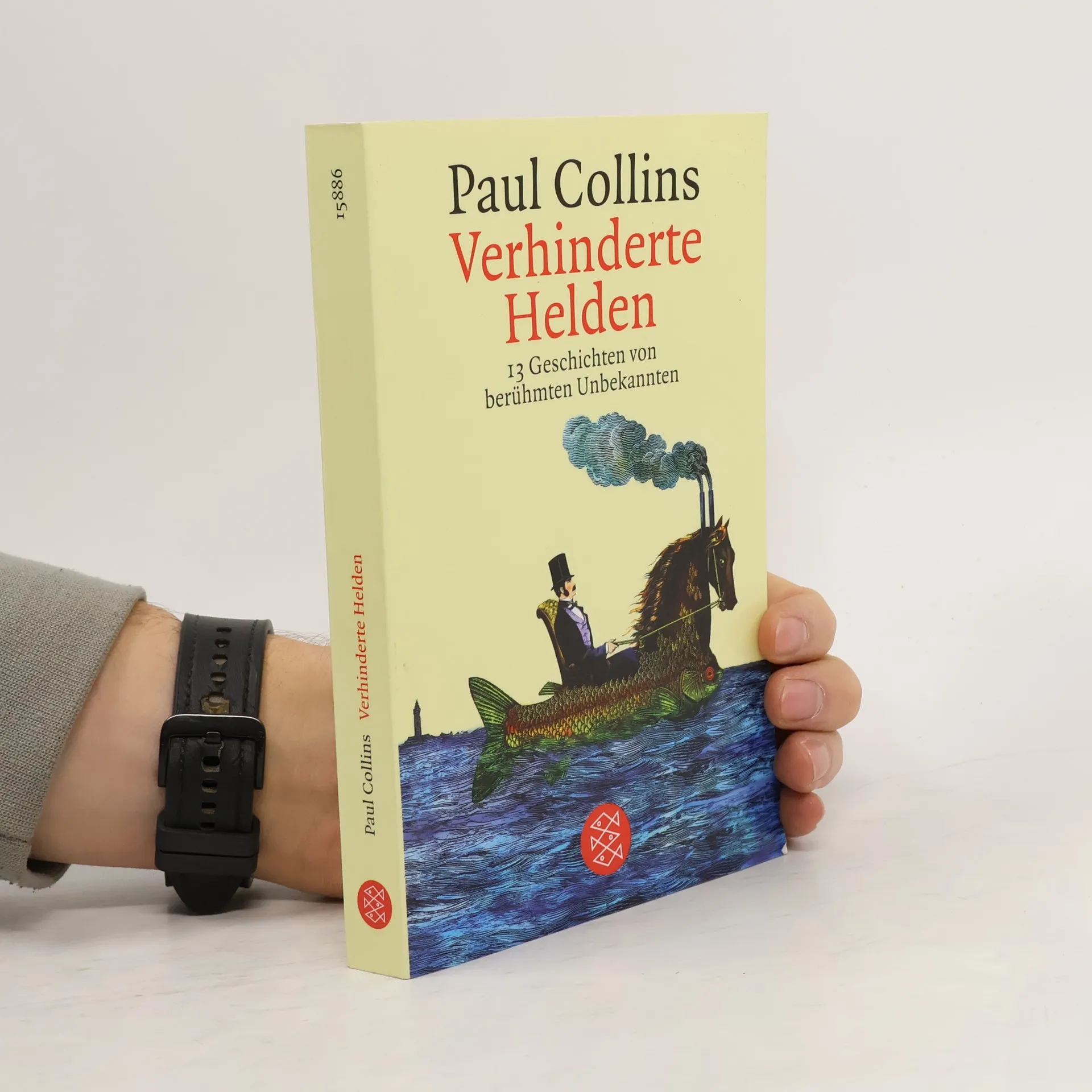
Verhinderte Helden
- 347pagine
- 13 ore di lettura
Haben Sie schon von John Banvard gehört? Oder kennen Sie vielleicht René Blondlot oder Delia Bacon? Nein? Macht nichts. Verhinderte Helden ist ein Buch über Männer und Frauen, die beinahe berühmt und unsterblich geworden wären. Machen Sie eine Zeitreise und folgen Sie den Heldinnen und Helden auf ihren abenteuerlichen, verschlungenen Lebenswegen.
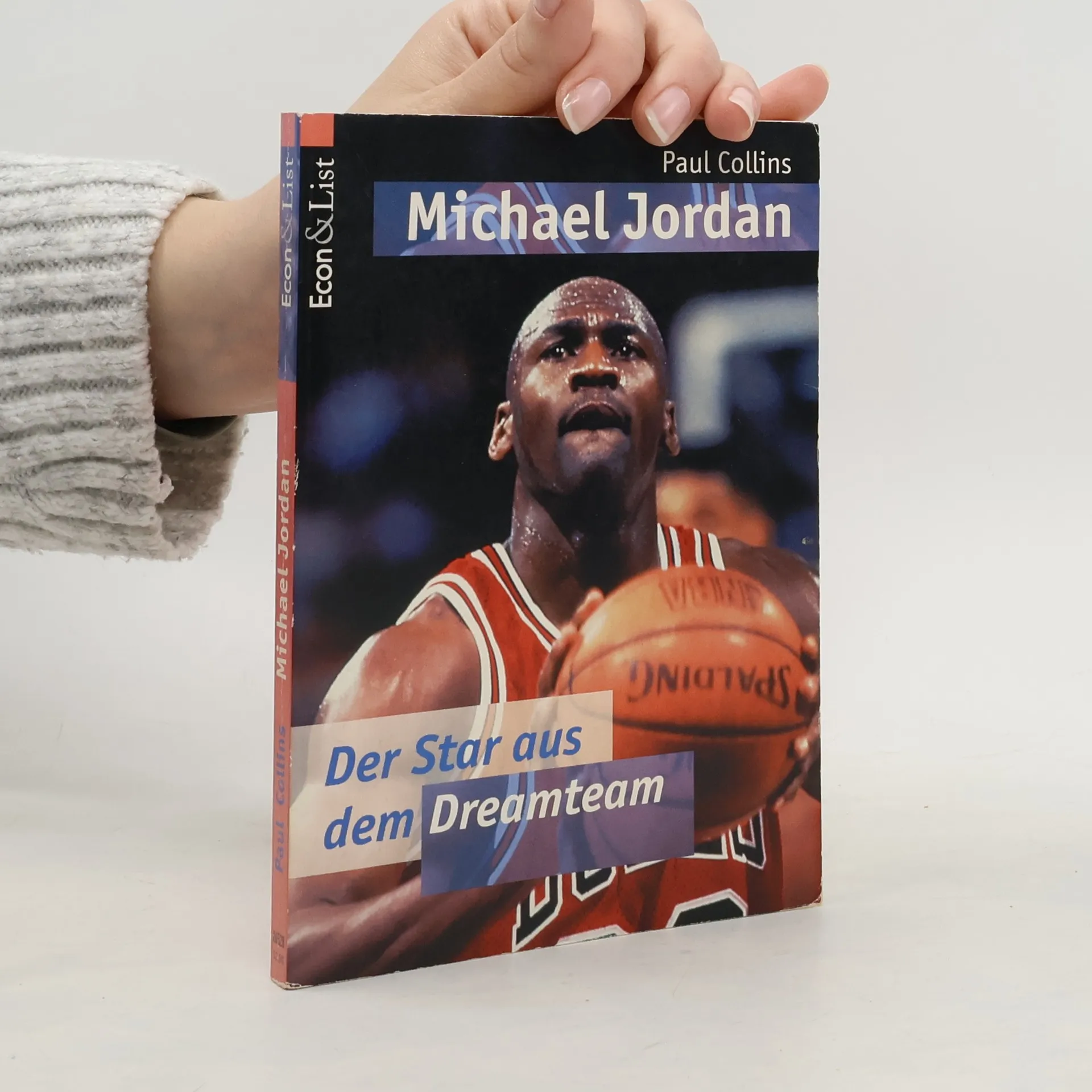
Michael Jordan
- 134pagine
- 5 ore di lettura
Michael "Air" Jordan hat Basketball-Geschichte geschrieben. Er gehört nicht von ungefähr zum amerikanischen Dream Team. Wenn der Star der Chicago Bulls zur Höchstform aufläuft, degradiert er seine Gegner zu hilflosen Zuschauern. Er ist die Punktemaschine der Bulls. Das Herz. Der Leitwolf. "His Airness", wie er oft ehrfurchtsvoll genannt wird, kann fast aus jeder Position punkten, und das macht ihn für die Mannschaft so unverzichtbar. P. Collins hat den sympathischen Sportler beobachtet. Er erzählt alle wichtigen Facts über den Bulls-Star. Mit vielen tollen Fotos.
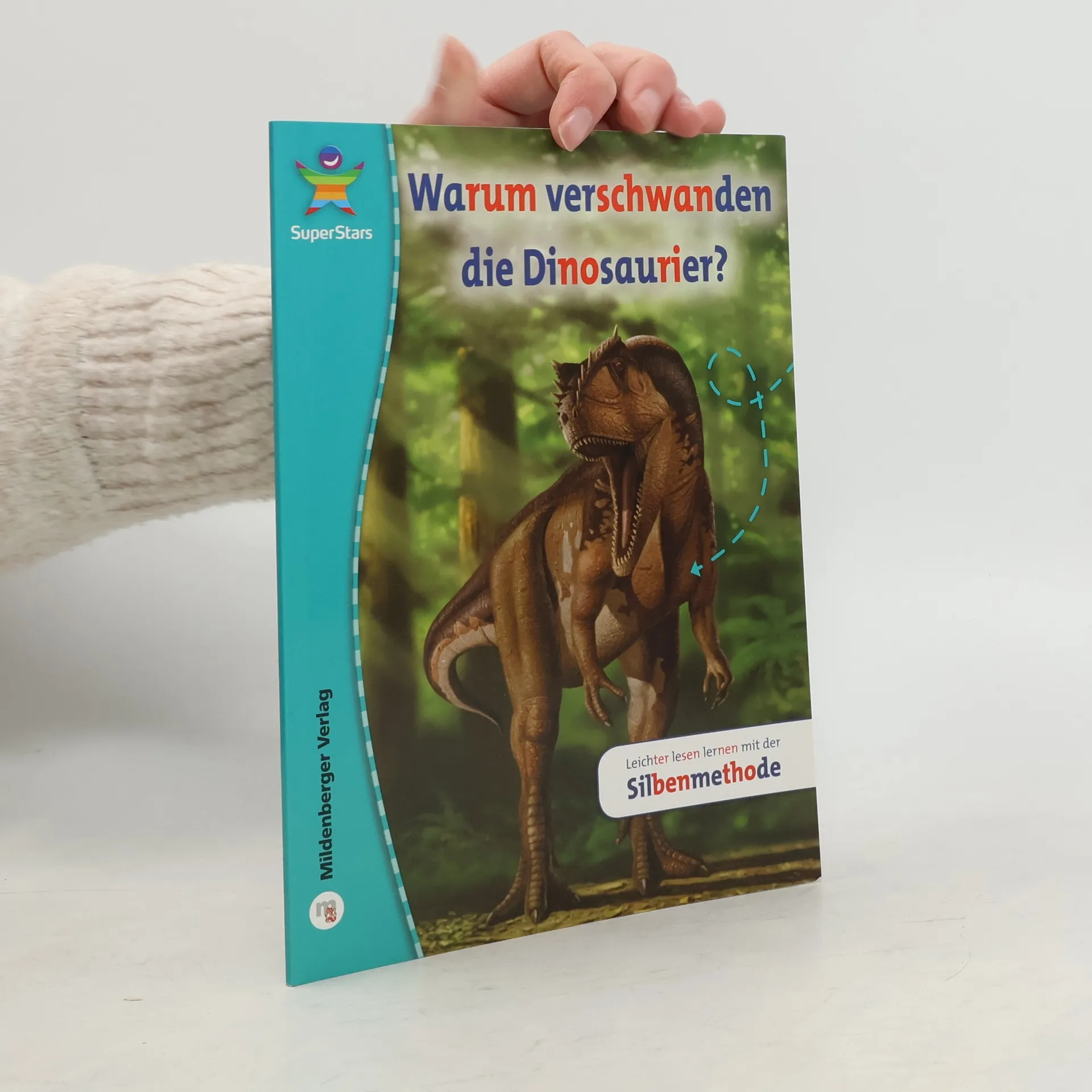
Warum verschwanden die Dinosaurier?
- 24pagine
- 1 ora di lettura
Vor etwa 65 Millionen Jahren verschwanden die Dinosaurier. Einige behaupten, eine Eiszeit hätte sie ausgelöscht, andere, es sei eine große Flut dafür verantwortlich. Diese Reihe bietet Sachtexte für Jedermann – ausgestattet mit dem farbigen Silbentrenner. Egal, ob ökologische Themen oder technische Hintergründe – die Texte sind immer spannend, kindgerecht und mit tollen Bildern ergänzt. Die Hefte unterscheiden sich in der Textmenge (erkennbar an verschiedenfarbigen Randstreifen der Titelseiten) und eignen sich somit zur Differenzierung. Das vorliegende Heft „Warum verschwanden die Dinosaurier?“ hat eine Textmenge von 2000 Wörtern (blauer Randstreifen). Durch den farbigen Silbentrenner sind die Bücher von Kle 2 beginnend für leistungsstarke, bis zu Kle 6 für leistungsschwächere Kinder einsetzbar.