Inger Christensen è riconosciuta principalmente per la sua poesia, linguisticamente abile e potente, che esplora spesso il rapporto tra l'io lirico e la realtà. Le sue opere approfondiscono la connessione tra linguaggio e mondo, impiegando frequentemente motivi naturali e principi matematici per strutturare le sue composizioni poetiche. Christensen si pone come una delle poetesse più consapevoli della forma del presente, offrendo spunti sul paradosso dell'arte lirica. Padroneggia l'uso di mezzi poetici per articolare l'ineffabile, estraendo un ordine distintivo dal labirinto universale.
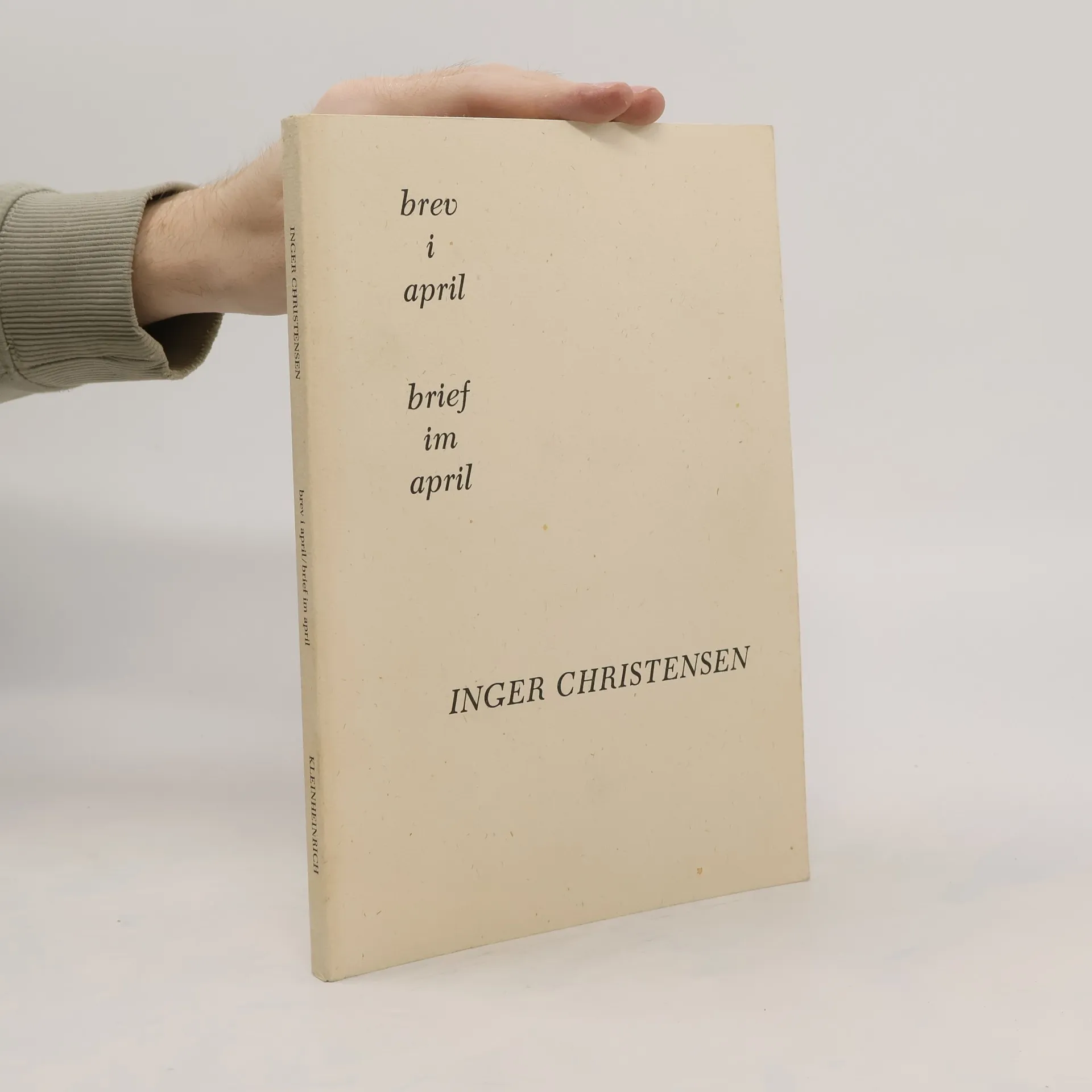
digt / gedicht. Mit 14 reproduzierten Radierungen von Per Kirkeby
Ein zweisprachiges Gedicht, begleitet von 14 Radierungen des Künstlers Per Kirkeby. Die Kombination aus Text und bildnerischer Kunst schafft eine einzigartige ästhetische Erfahrung.
Gedichte, Erzählungen und Essays aus dem Nachlass. Mit 96 Aquarellen von Olav Christopher Jenssen
378pagine
14 ore di lettura
Inden sin død i 2009 deponerede Inger Christensen sit personlige arkiv på Det Kongelige Bibliotek. Et arkiv, der rummer alt fra fuldt færdige og signerede digte til fragmenter af længere romanprojekter, udkast og strøtanker, skrevet i hånden og på maskine, samt tegninger, taler, artikler og tabeller. Den svenske digter Marie Silkeberg og Inger Christensens søn, Peter Borum, har gennemgået arkivet og har i et samarbejde udvalgt materialet til det, der nu bliver det enestående værk Verden ønsker at se sig selv. En litterær skatkiste på ca. 950 sider, der strækker sig over en periode på henved 50 år, og som vil kaste nyt lys på Inger Christensens forfatterskab.
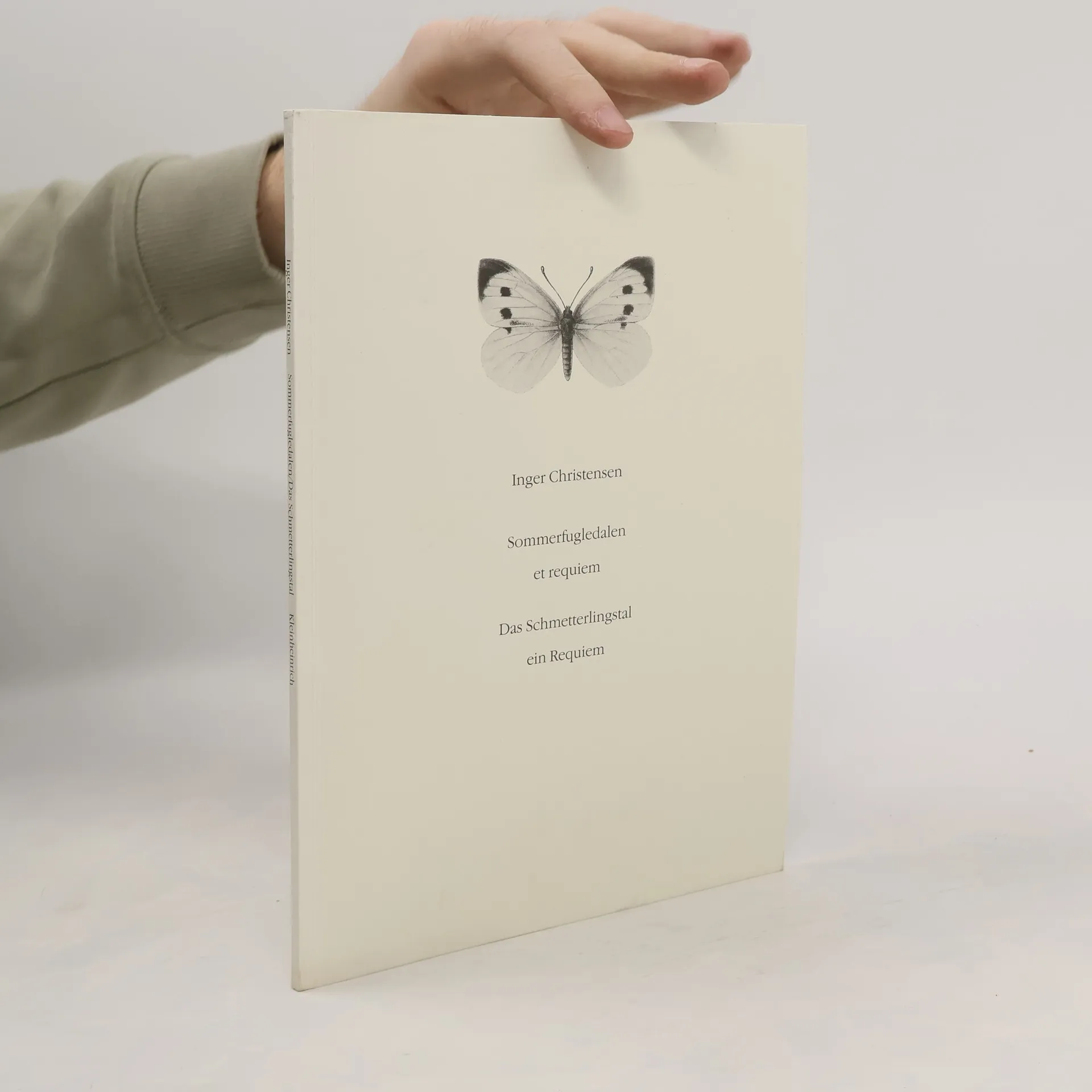
Das Schmetterlingstal ist ein Meisterwerk europäischer Poesie. Es enthält einen klassischen Sonettenkranz mit vierzehn Sonetten und dem abschließenden Meistersonett. Christensens Requiem führt zurück in ein »Kindheitsland «, entfaltet in einem Spiel von kindlichen Verwandlungen eine »Symmetrie der Trauer«, »die von meinem Leben überholte Trauer«, es versucht, »die Schmetterlinge Seelen und / Sommergesichte verschwundener Toter zu nennen«. Hier wie in allen Texten der Dichterin läßt sich nicht auseinanderhalten, was uns die Wirklichkeit – aber welche Wirklichkeit? – auseinanderzuhalten gelehrt hat: Realität und Imagination, Faktum und Fiktion, Wachen und Traum, Chronik und Märchen.
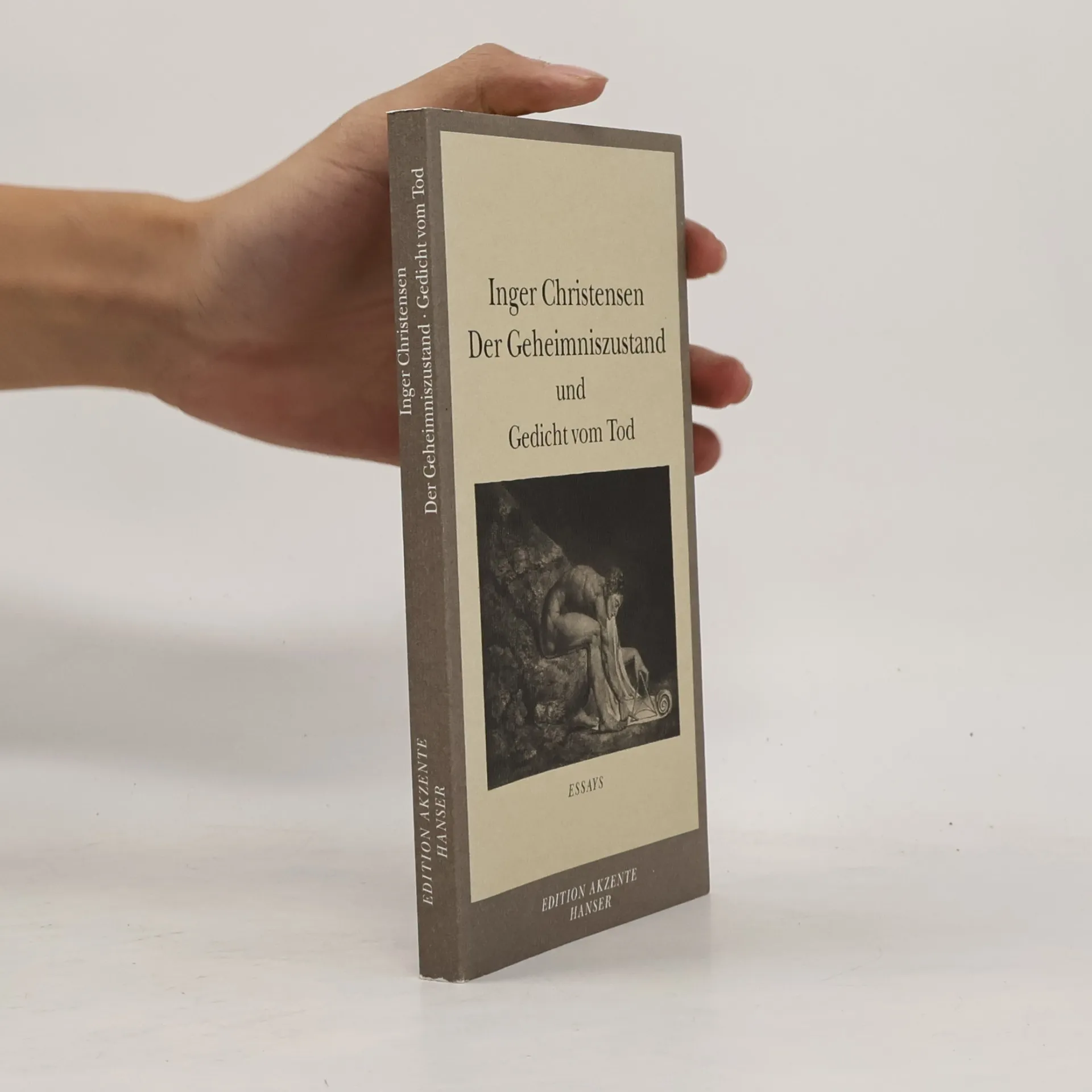
Unter dem bei Novalis gefundenen Titel Geheimniszustand legt die Dänin Inger Christensen ihre ars poetica vor. Einfühlsam, klug, originell und alles andere als modisch erklärt sie, warum Gedichte noch immer existieren, was sie von allen anderen sprachlichen Formen unterscheidet und warum sie selbst der Logik überlegen sind.
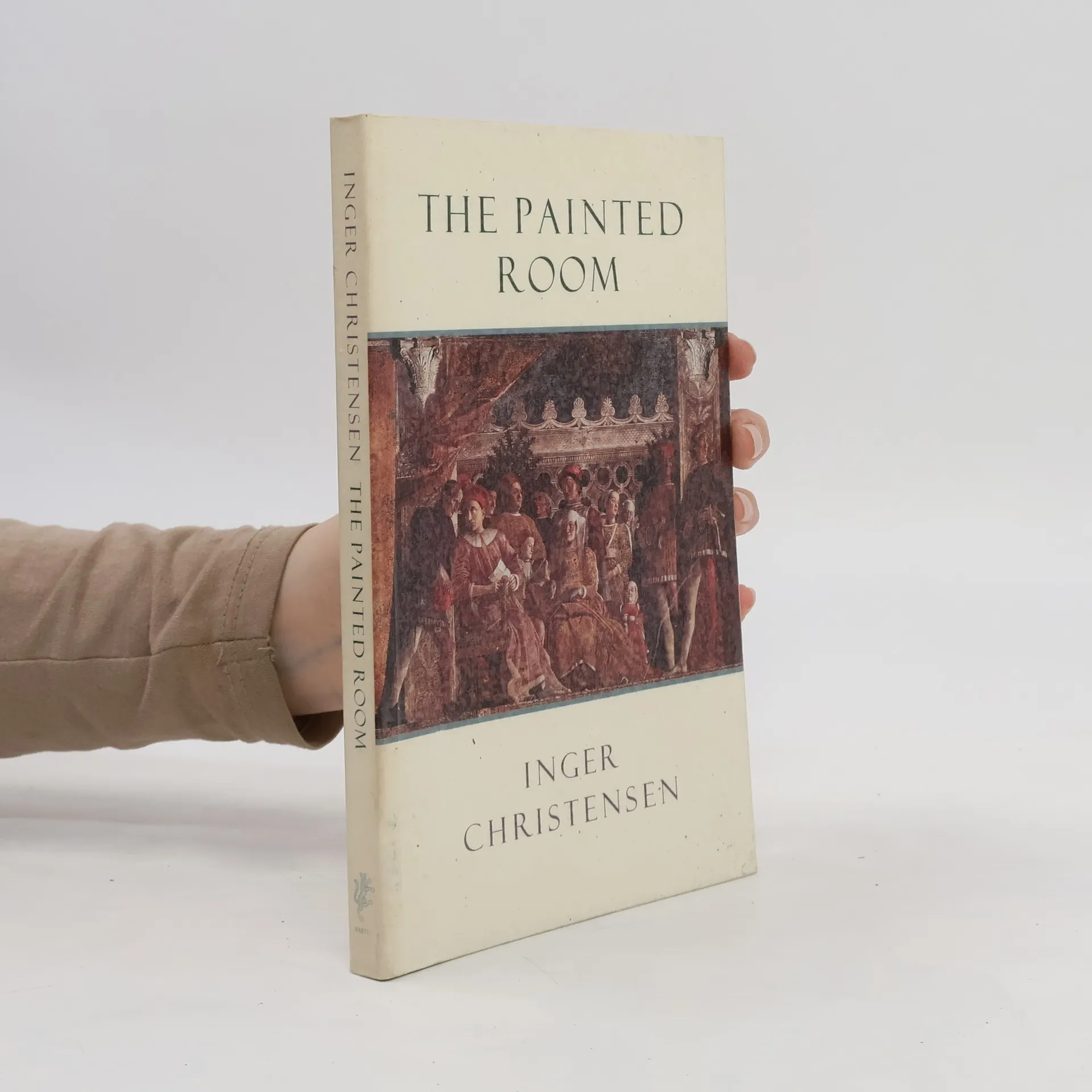
The frescoed picture of the duke and his family on the walls of the Camera degli Sposi looks so peaceful -- you would never guess that a murder has just taken place. Prince Lodovico of Mantua invites the painter Mantegna to his palace to decorate one of the rooms. The painting is slowly completed and the prince's secretary records its progress in his gossip-laden diary. The story is then taken up by the prince's daughter, the dwarf Nana, whose story digs deeper into characters and motivations around the palace, and is quite forthright about deceits and vendettas, assassination and incest within its walls. It is completed by the painter's young son, Bernardino, who introduces a note of high fantasy into the narrative. What results is a beautiful yet startling picture of the Renaissance, as rich and colorful as the men and women depicted on the palace walls.