

Bookbot

Epiktétos

    1 gennaio 1950 – 1 gennaio 0138
    Epiktétos
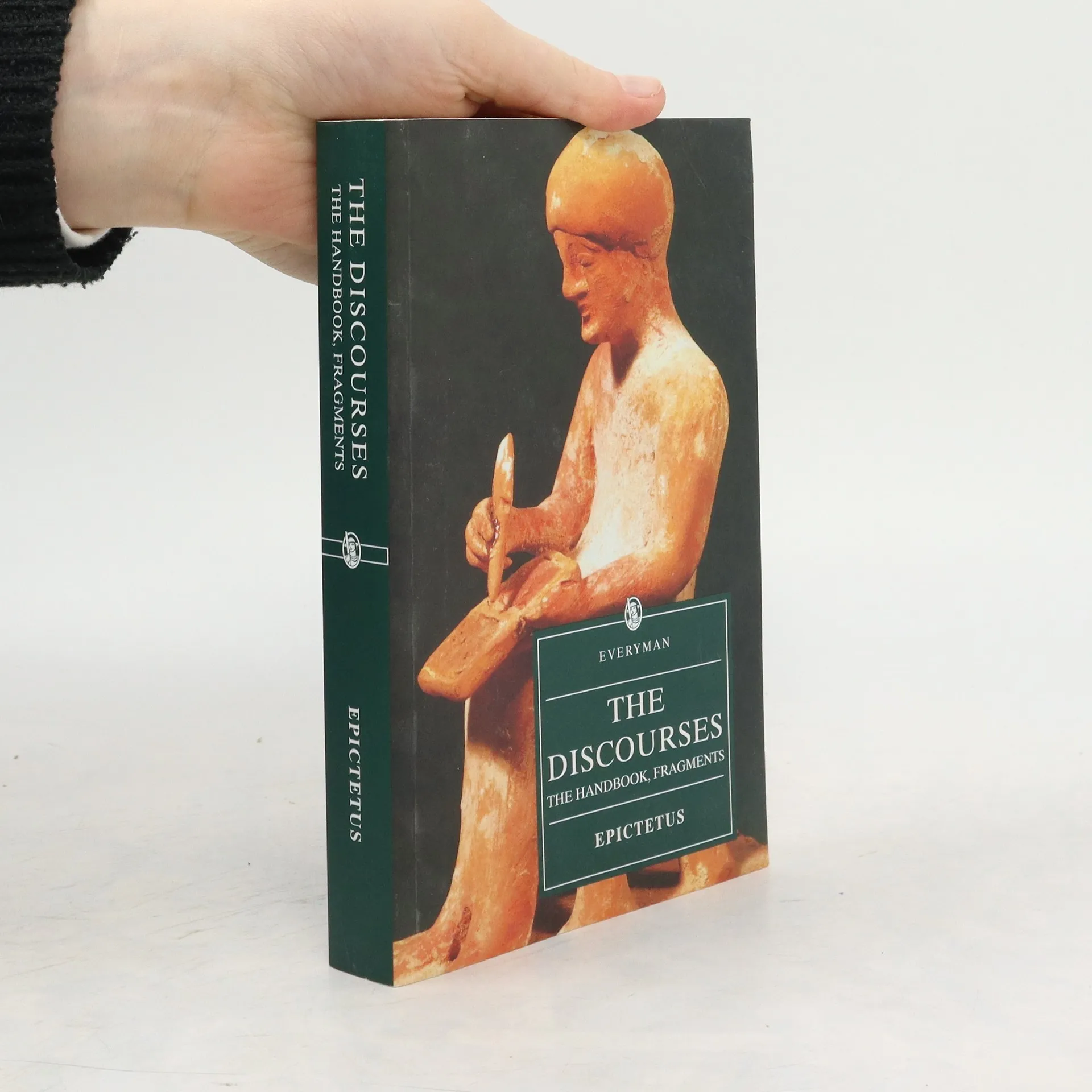
    Discourses, Fragments, Handbook
    Discourses
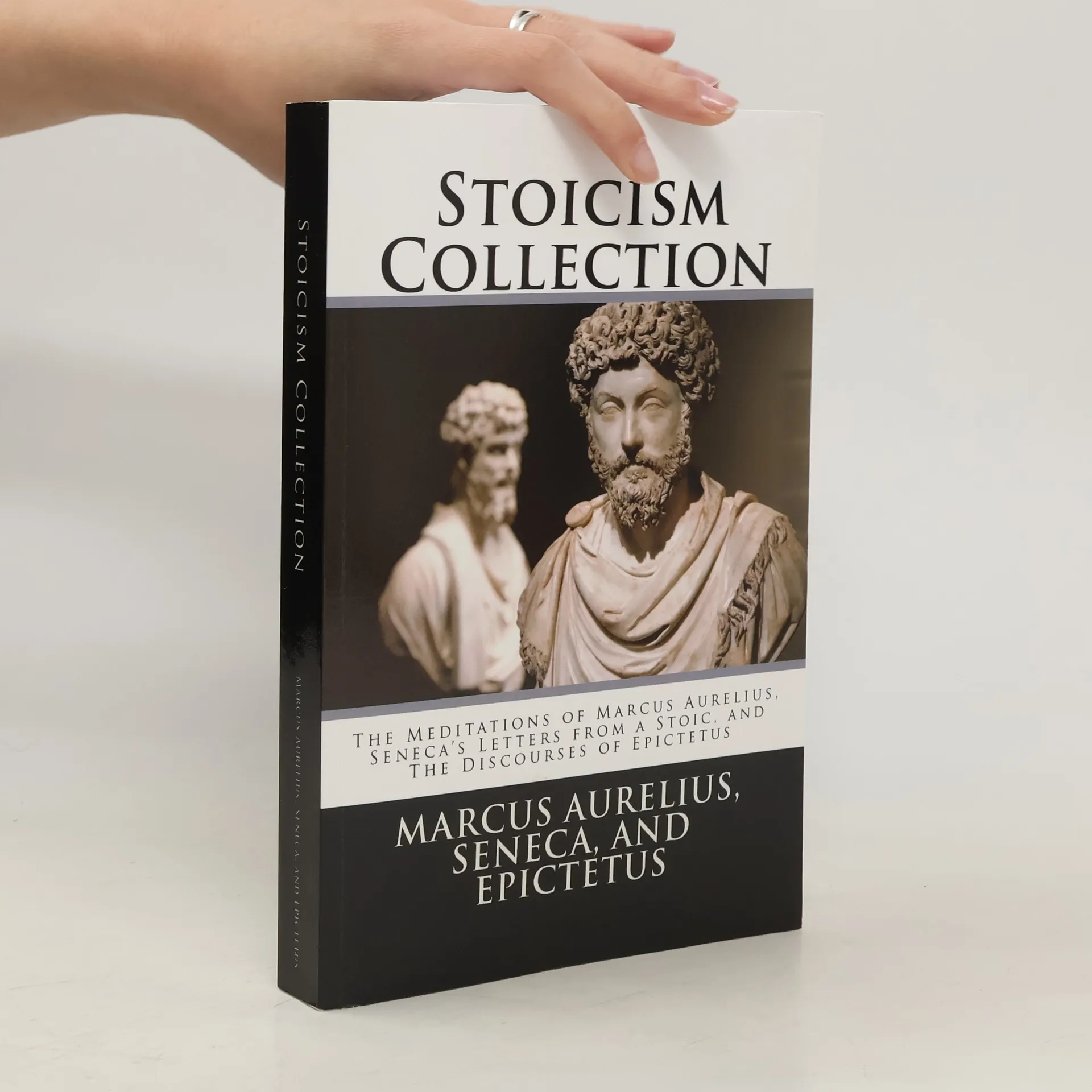
    Stoic Classics Collection
    The Complete Works
    Great Books 11. Lucretius, Epictetus, Marcus Aurelius, Plotinus
    Minima - 9: Il manuale di Epitteto
    • Minima - 9: Il manuale di Epitteto

      • 89pagine
      • 4 ore di lettura

      Quando Leopardi informò l’editore Stella di Milano, il 9 dicembre 1825, di aver completato la traduzione in volgare del Manuale di Epitteto, l’opera era già ben nota e apprezzata tra i dotti. Era stata oggetto di significativi studi filologici, soprattutto in Inghilterra e Germania, e tradotta diverse volte in Italia da autori come Salvini, Pagnini, Giovio e Lapi. Leopardi non “scoprì” né “rivalutò” il Manuale, ma riuscì a rendere l’arduo greco dell’originale in una forma fluida e accessibile, che ancora oggi si legge con facilità. Inoltre, conferì all’opera una nuova rilevanza, in sintonia con il suo progetto filosofico, ben rappresentato nelle Operette morali. Redatto in un breve periodo con grande dedizione, questo “lavoruccio” era particolarmente caro a Leopardi, sia per il suo contenuto morale e filosofico, sia per la sua riuscita stilistica. Tuttavia, il poeta non ebbe mai la soddisfazione di vederlo pubblicato: la prima edizione, curata da Antonio Ranieri, apparve solo nel 1854, otto anni dopo la sua morte.
      Minima - 9: Il manuale di Epitteto
      4,3
    • The Complete Works

      • 480pagine
      • 17 ore di lettura

      The complete surviving works of Epictetus, a pivotal Stoic philosopher from antiquity, present profound insights on personal agency and moral self-improvement. Born into slavery around 50 CE, Epictetus became a philosophy teacher after gaining his freedom. Following his expulsion from Rome, he dedicated his life to teaching in Greece. His influential works include a series of discourses, recorded by his student Arrian, and the Handbook, which encapsulates the essence of Epictetus's teachings. Central to his philosophy is the idea that happiness hinges on understanding what is within our control and what is not. While our internal states and reactions are ours to manage, external events are determined by a benevolent deity, and we should regard them, along with our bodies, possessions, and relationships, as indifferent—striving to make the best use of them. The Discourses and Handbook serve as practical guides for self-improvement, detailing the necessary work and exercises for enriching one’s life. Edited and translated by esteemed scholar Robin Waterfield, this collection offers modern readers valuable perspectives on coping with challenges such as death, exile, interpersonal relationships, and the unpredictability of life.

      The Complete Works
      4,6
    • Stoic Classics Collection

      Marcus Aurelius's Meditations, Epictetus's Enchiridion, Seneca's On a Happy Life, On the Shortness of Life, On Peace of Mind & On Providence

      • 222pagine
      • 8 ore di lettura

      This collection features six foundational texts of Stoic philosophy, offering insights into resilience, virtue, and the nature of happiness. Readers will explore the teachings of renowned Stoic philosophers, including Seneca, Epictetus, and Marcus Aurelius, each providing practical wisdom on how to navigate life's challenges with a calm and rational mindset. The works emphasize the importance of self-control, moral integrity, and understanding the world around us, making it a valuable resource for anyone seeking personal growth and philosophical guidance.

      Stoic Classics Collection
      5,0
    • Robert Dobbin presents a new translation into clear modern English of the first book of Epictetus' Discourses, accompanied by the first ever commentary on the work in English. The Discourses, composed around AD 100, are a key source for ancient Stoicism, one of the most influential schools of thought in Western philosophy.

      Discourses
      4,4
    • Discourses, Fragments, Handbook

      • 390pagine
      • 14 ore di lettura

      This is the only complete modern translation of Epictetus' Discourses, together with the Handbook and fragments. A major work of Stoic practical ethics, the Discourses teach that the basis of happiness is up to us. This accessible new translation is accompanied by a full introduction and thorough notes.

      Discourses, Fragments, Handbook
      4,4
    • Epictetus observed that although everyday life is fraught with difficulty, a life of virtue is within reach. By putting into practice the 93 witty, wise, and razor-sharp instructions, this work helps readers learn to gracefully meet the challenges of everyday life as well as life's inevitable major losses and disappointments.

      The Art of Living - The Classical Mannual on Virtue, Happiness, and Effectiveness
      4,4
    • The Enchiridion

      Or, Manual

      • 74pagine
      • 3 ore di lettura

      Focusing on self-mastery and inner peace, this handbook compiles Epictetus' essential teachings into a concise format. Through impactful aphorisms and insightful ideas, it guides readers toward virtuous living, providing wisdom for navigating life's challenges and uncertainties.

      The Enchiridion
      4,4
    • The Teaching of Epictetus

      • 156pagine
      • 6 ore di lettura

      The book delves into the life and philosophy of Epictetus, a prominent Greek Stoic who overcame his status as a slave to become a significant thinker in ancient Rome. After his banishment, he settled in Nicopolis, where he continued to teach. His profound insights on Stoicism were meticulously recorded by his student Arrian in works like the Discourses and Enchiridion, which explore themes of resilience, personal freedom, and the nature of happiness.

      The Teaching of Epictetus
      5,0
    • Unlike the vast majority of The Golden Sayings editions, which are public domain reprints from more than a century ago, Stanhope's version updates this 2,000 year old collection of aphorisms in straightforward, modern English. It is by far the greatest and most useful edition of The Golden Sayings to date with its lively translation, explanatory notes drawn from top Epictetus scholars, enigmatic pictures, and introductory material. One of the three great Roman Stoics and a representative of the ethical and philosophical pinnacle of classical Roman civilisation, Epictetus was born in the first century and influenced philosophy during the time of the New Testament.

      The Golden sayings of Epictetus
      5,0