Uncommon Wrath
- 352pagine
- 13 ore di lettura
A dual biography of Julius Caesar and Cato the Younger that offers a dire warning: republics collapse when personal pride overrides the common good.


Josiah Osgood è Professore di Studi Classici presso la Georgetown University, il cui insegnamento e la cui ricerca abbracciano numerosi aspetti della storia romana e della letteratura latina, con una particolare enfasi sulla caduta della Repubblica Romana. Il suo lavoro approfondisce le intricate forze politiche e sociali che hanno precipitato la scomparsa dell'antica repubblica. Attraverso la sua attività accademica, Osgood offre prospettive illuminanti sul periodo turbolento che ha profondamente plasmato la civiltà occidentale.

A dual biography of Julius Caesar and Cato the Younger that offers a dire warning: republics collapse when personal pride overrides the common good.
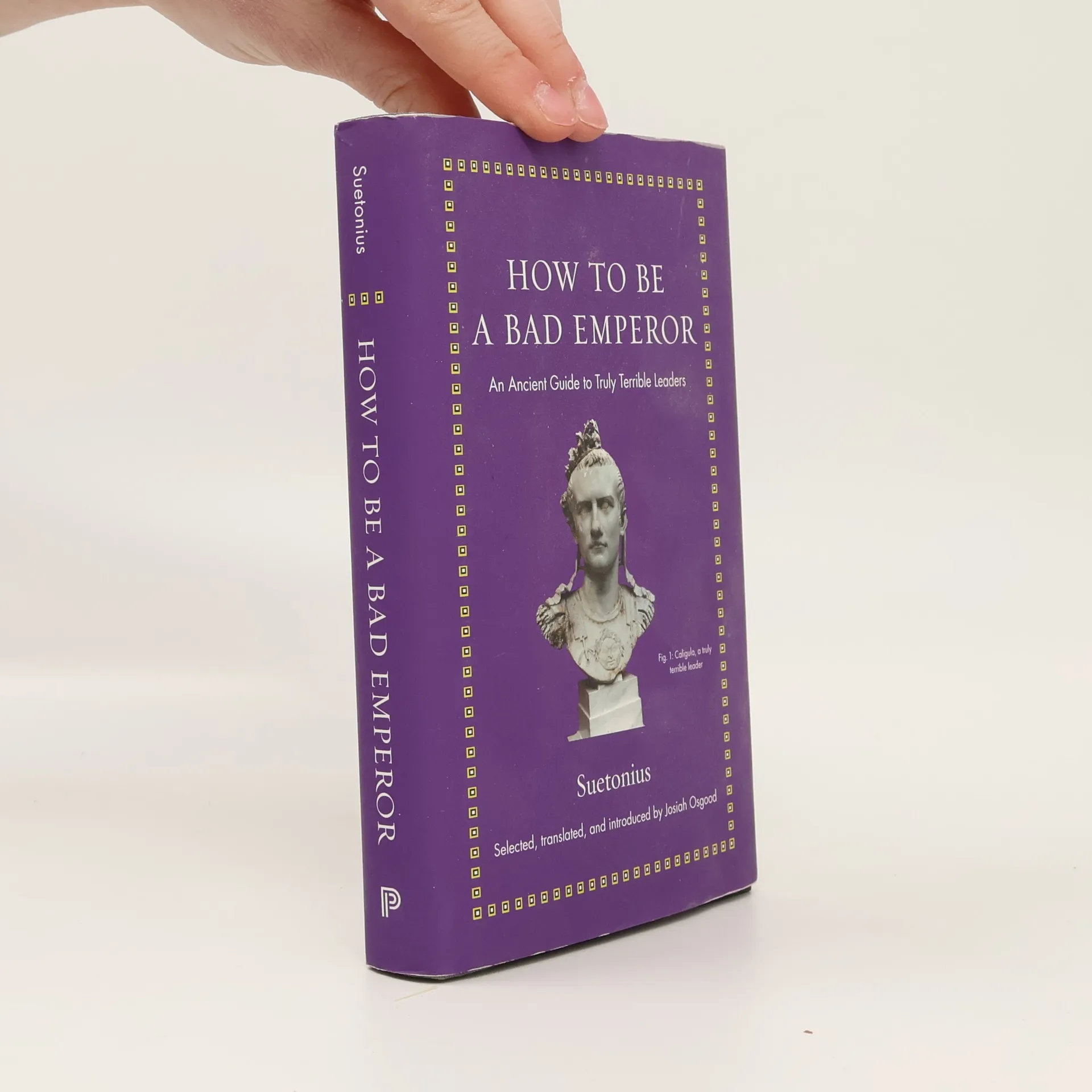
But other emperors, such as Tiberius, Caligula, and Nero, infamously used their power to indulge vice and harm others. Ever since their publication, Suetonius' imperial biographies have appealed to readers, both because of their sensational stories and the larger questions of power they raise. They spawned many sequels in antiquity (as well as more recent works like Robert Graves's famed, I, Claudius). While a number of good English translations are in print, reading Lives of the Caesar from cover to cover can be daunting, so many details are included. Also general readers, including students, are really interested in the stories of the bad emperors. This book, then, in a reversal of the usual self-help formula that Suetonius would appreciate, offers selections from the lives of four bad emperors (Julius Caesar, Tiberius, Caligula, and Nero) to create a guide on how to be a bad leader. own worst qualities and become more dangerous to us than any enemy. .
This book boldly reinterprets the central period of Roman history by taking the focus off the emperor Augustus. Its chapters highlight the contributions of other individuals and continuities with republican culture. Together they show that Augustus has been more dominant in later memory than he was in his own lifetime.