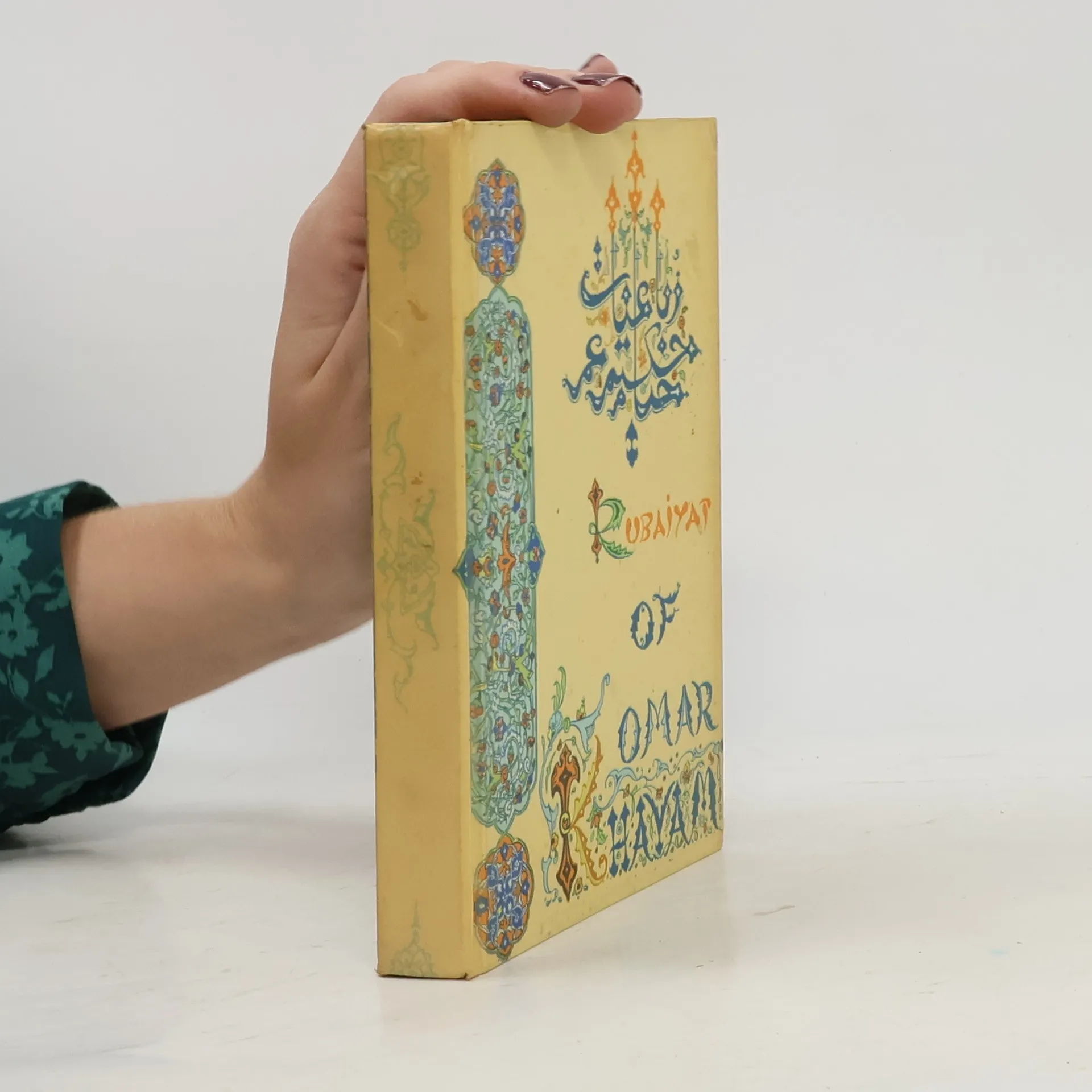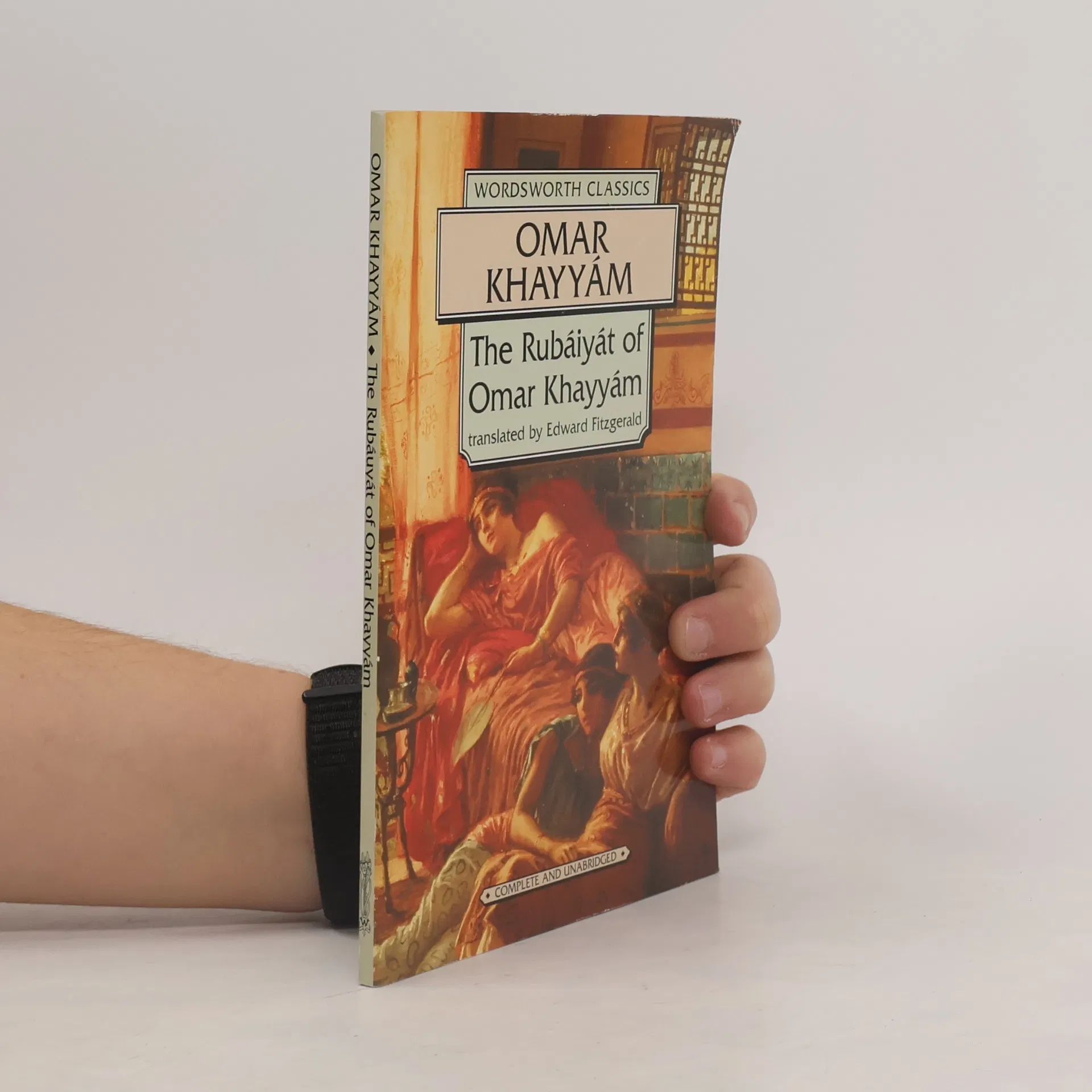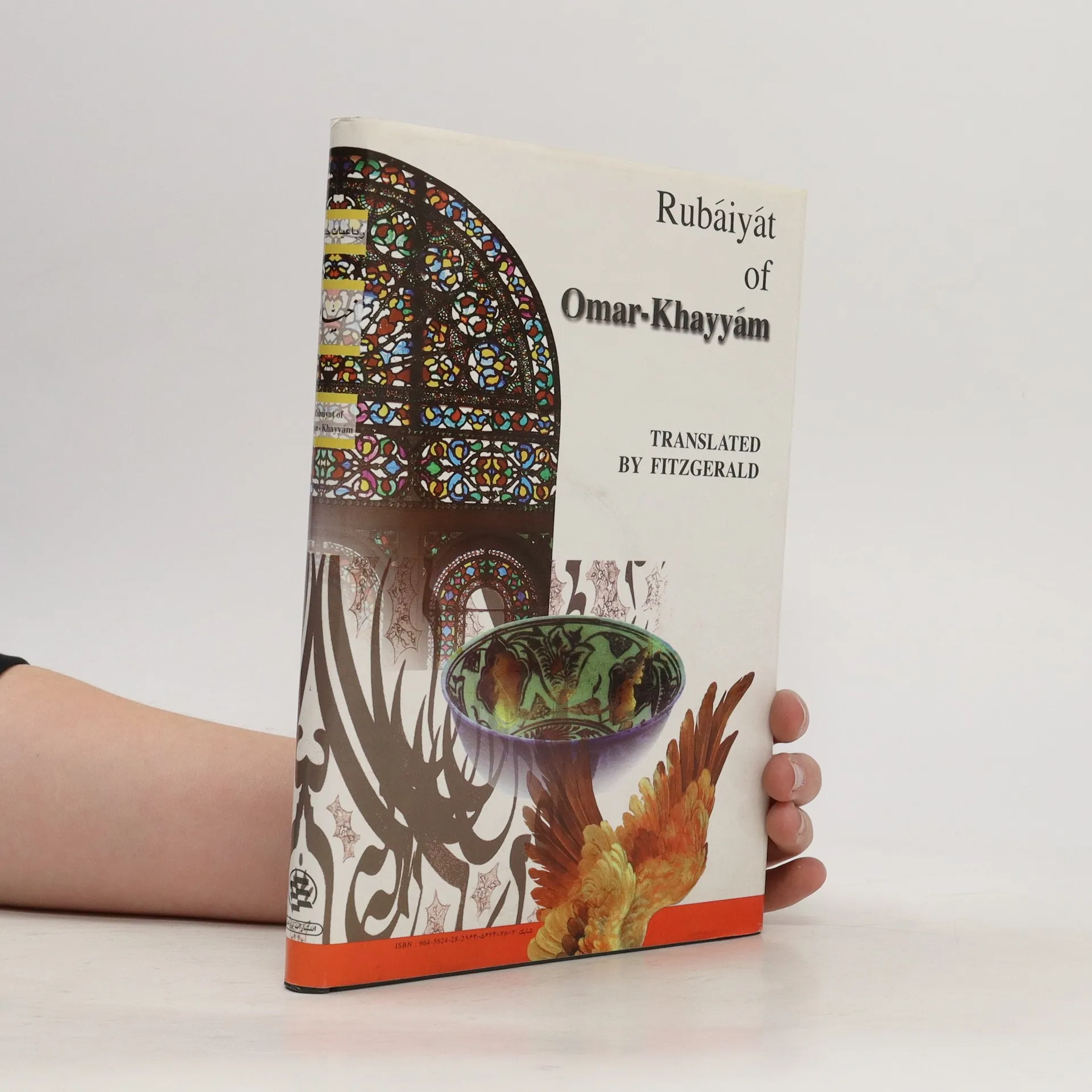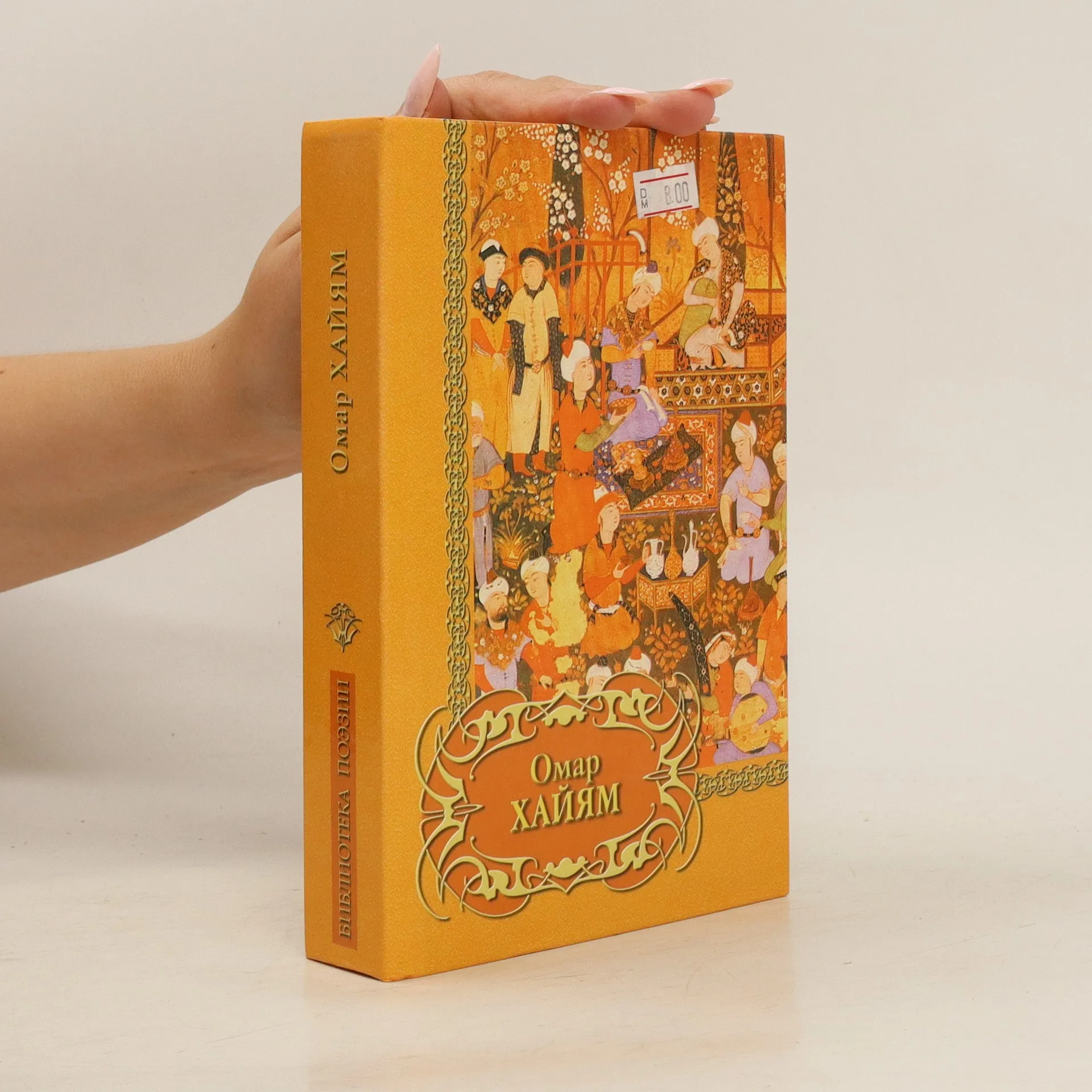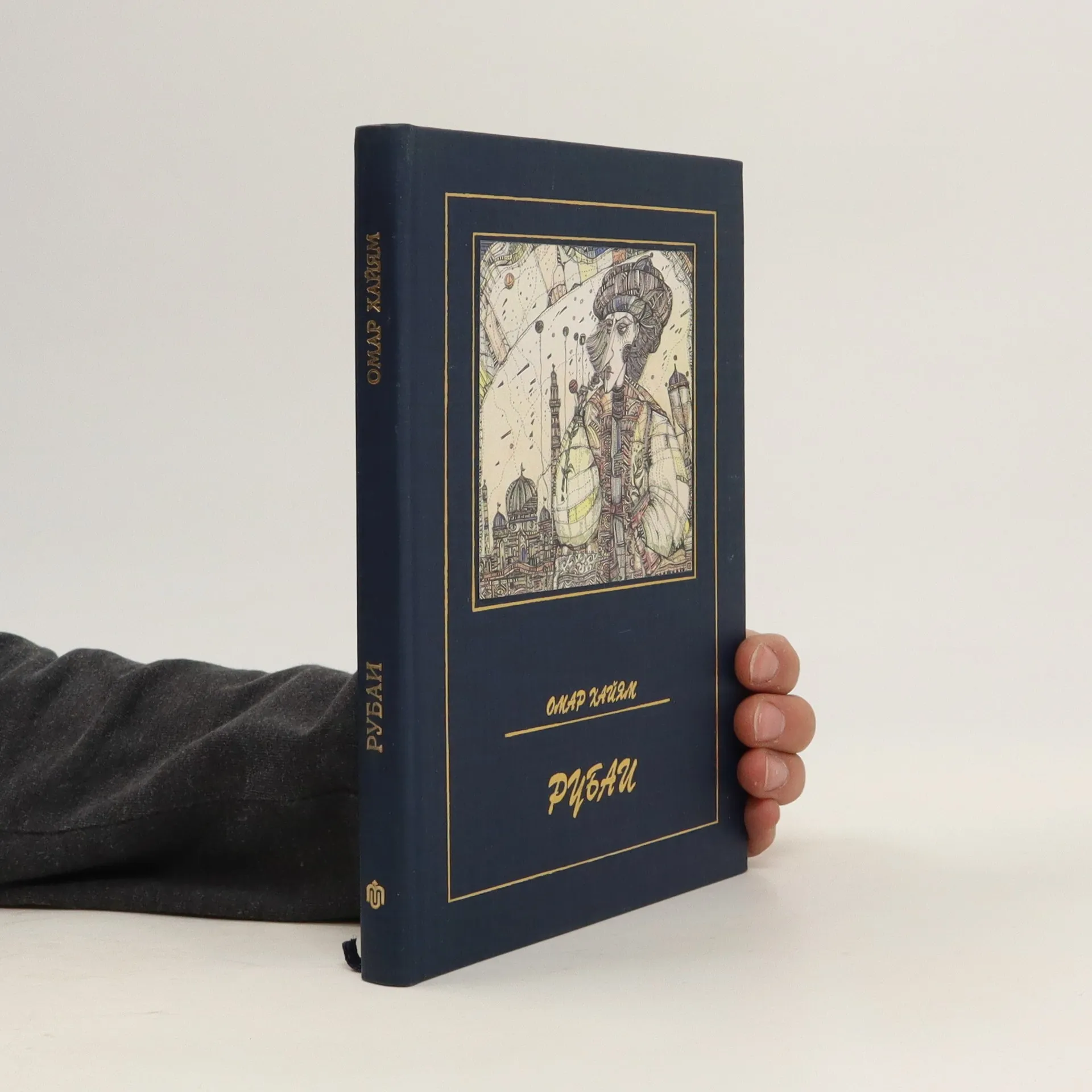
Khayyám Omar Libri
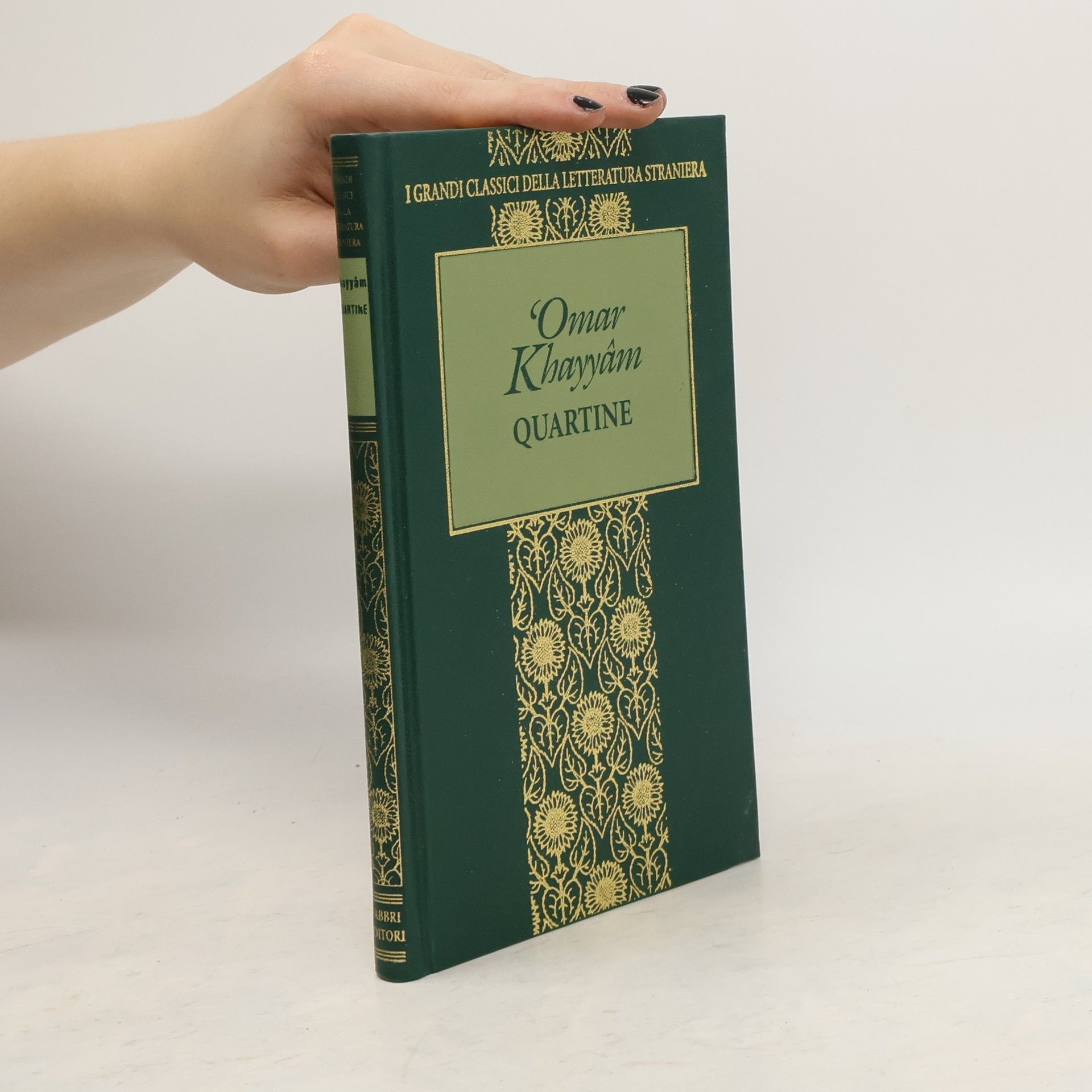
Omar Khayyám fu un poliedrico persiano i cui contributi filosofici e scientifici, inclusi trattati su meccanica, geografia e musica, furono in gran parte oscurati dalla sua produzione poetica. Venerato come "il filosofo del mondo", la sua eredità duratura risiede nella profonda saggezza e nei versi contemplativi che hanno affascinato i lettori attraverso le culture. Attraverso traduzioni influenti, in particolare di Edward FitzGerald, le sue intuizioni filosofiche e i suoi quartine poetiche raggiunsero una fama diffusa, consolidando il suo status di voce celebrata dall'Oriente in Occidente.
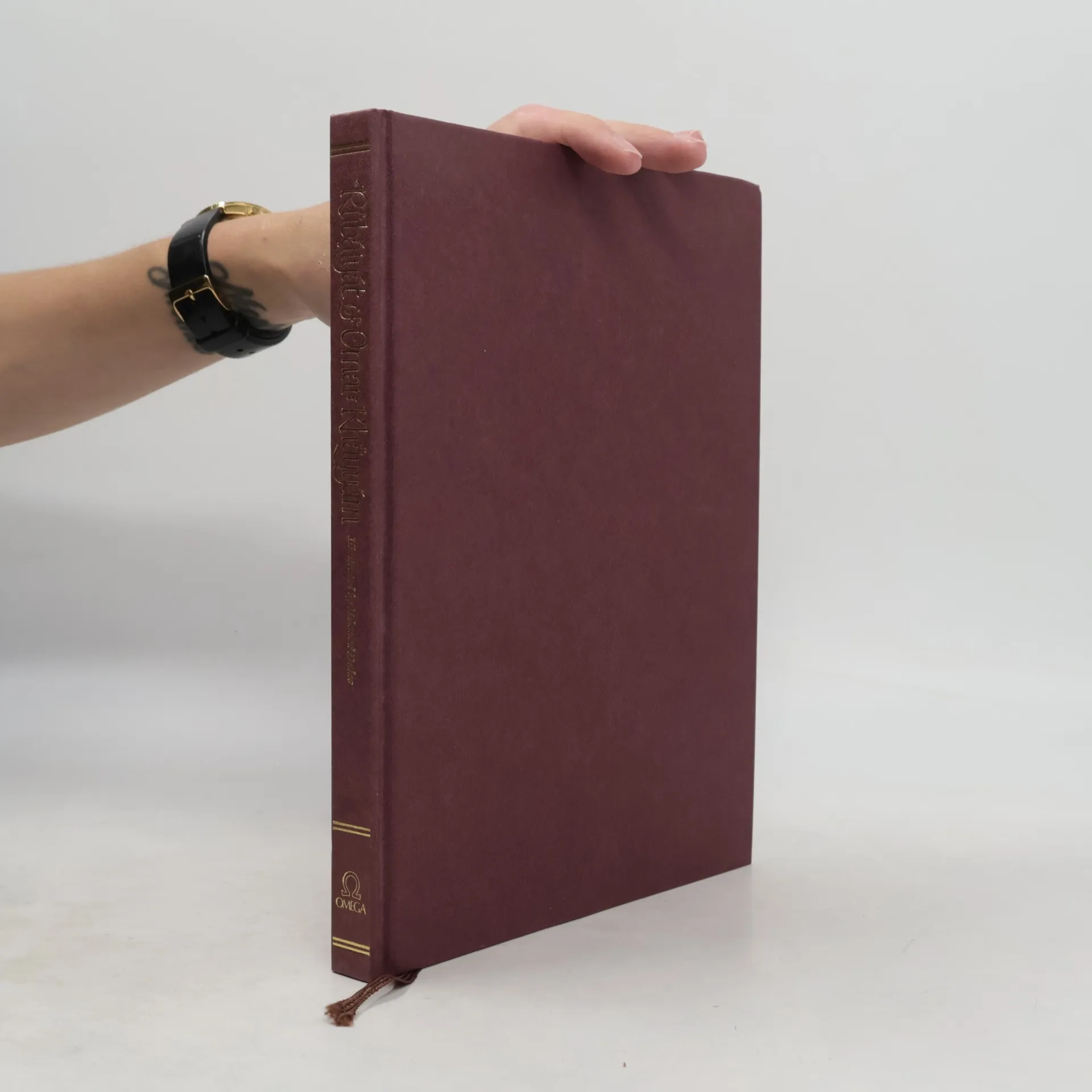

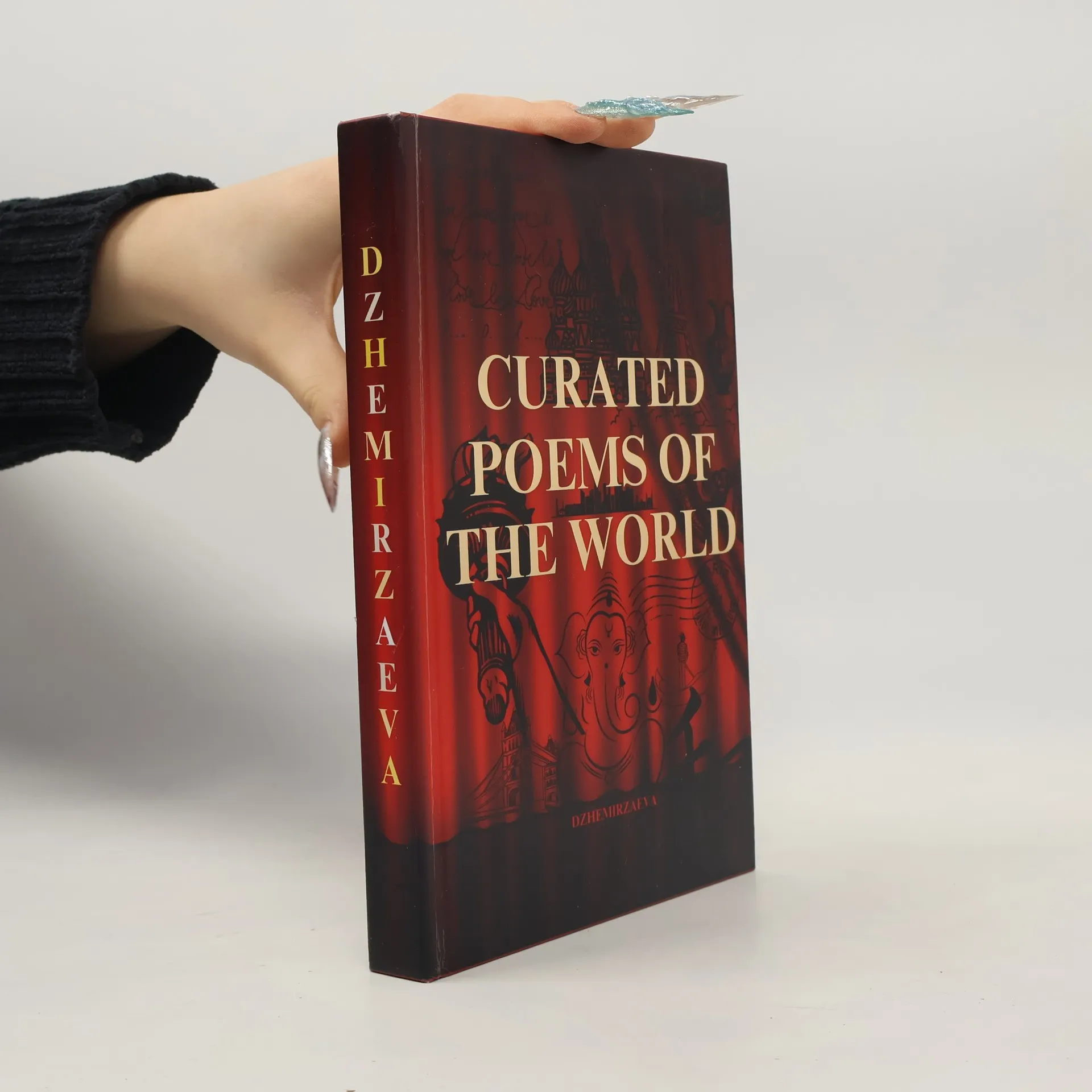
Curated Poems of the World
- 306pagine
- 11 ore di lettura
 5,0
Omar Khayyam Poems
- 62pagine
- 3 ore di lettura
Exploring the philosophical themes of existence, the poems attributed to Omar Khayyam emphasize that life, though fleeting and uncertain, is a significant journey. They encourage free-thinking and highlight the elusive nature of absolute truth, suggesting that the universe holds a reality largely beyond human comprehension. This wisdom inspires readers to reflect on their thoughts and actions in the face of life's mysteries.
 5,0
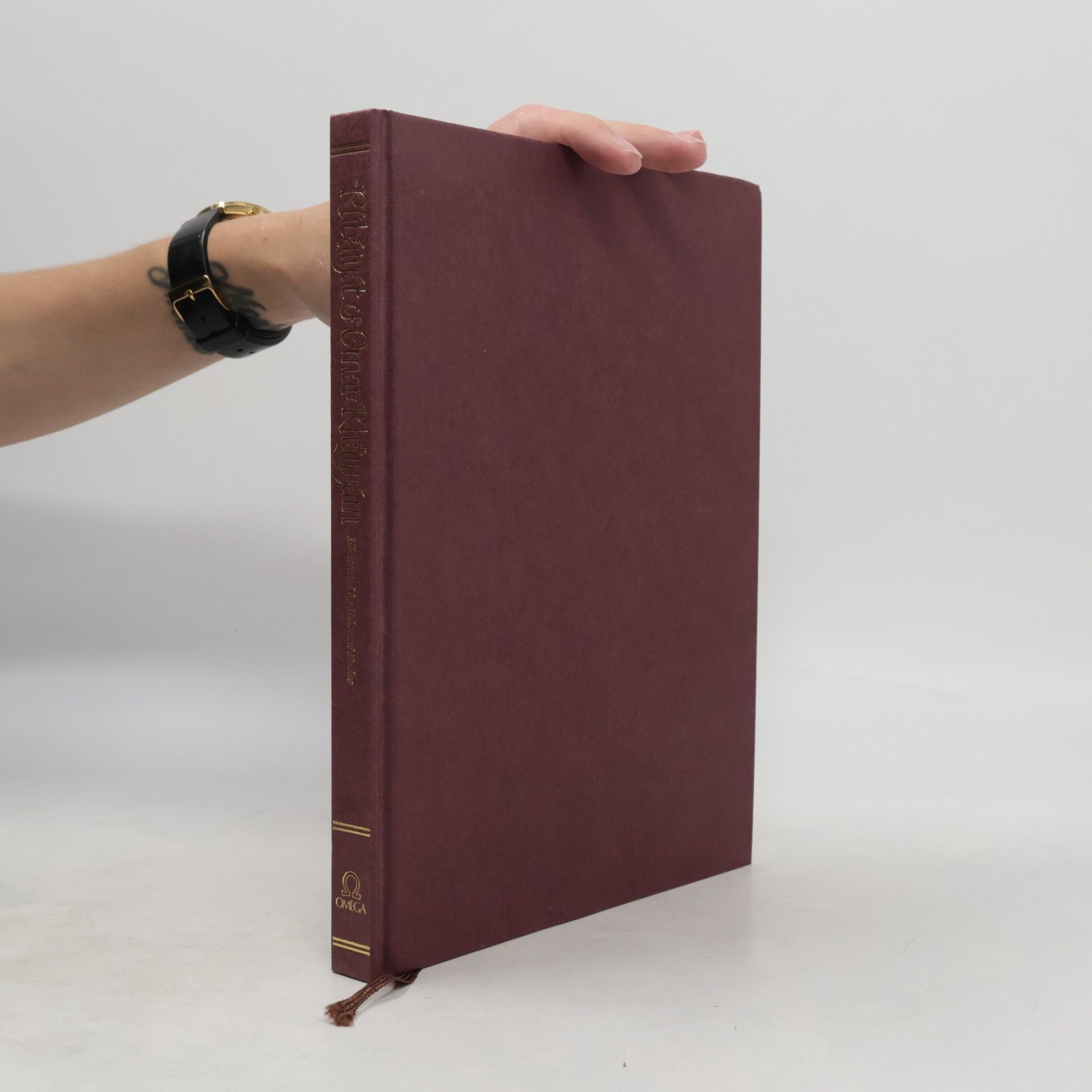
Rubaiyat of Omar Khayyam
- 140pagine
- 5 ore di lettura
The best-loved, bestselling poem ever published
 4,1
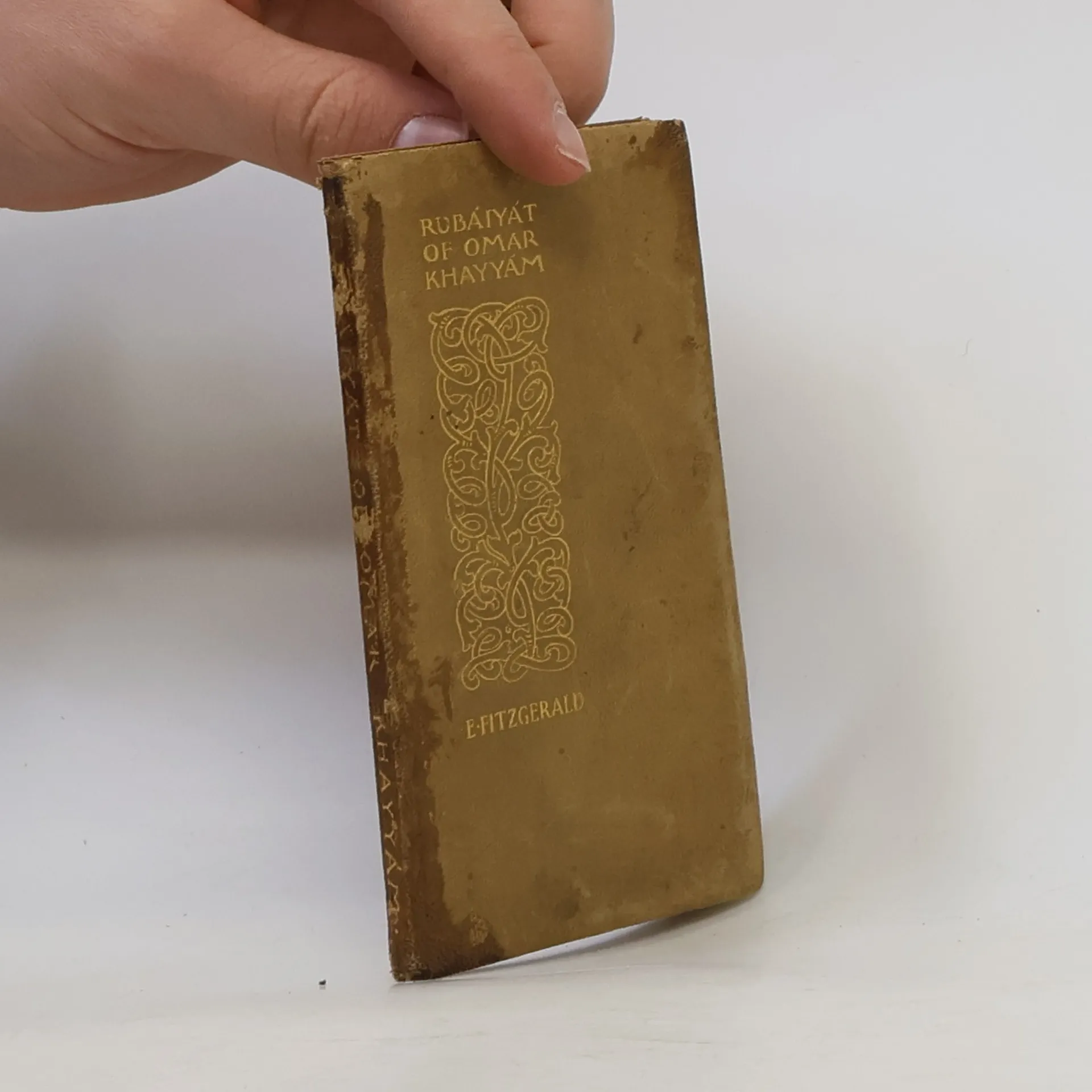
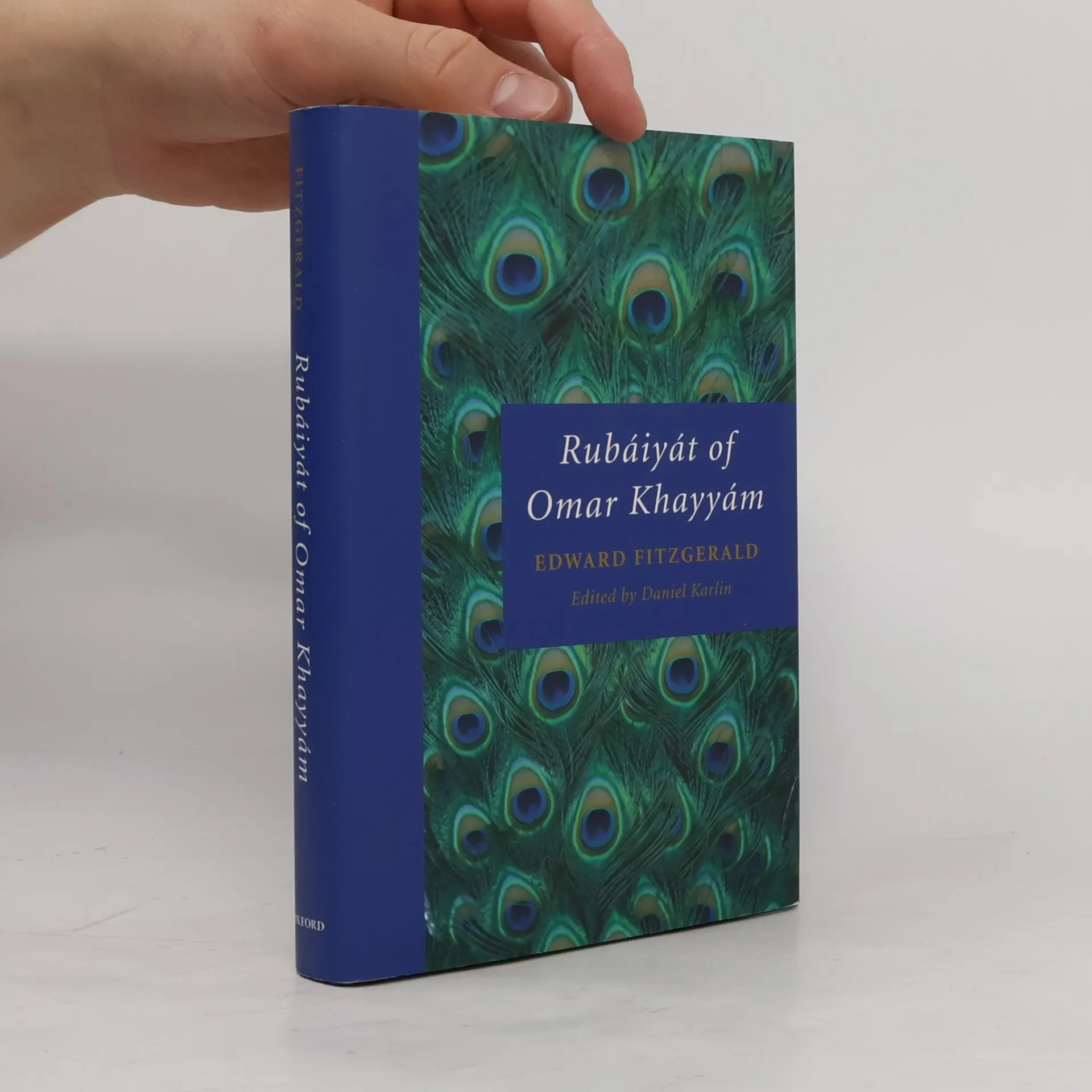
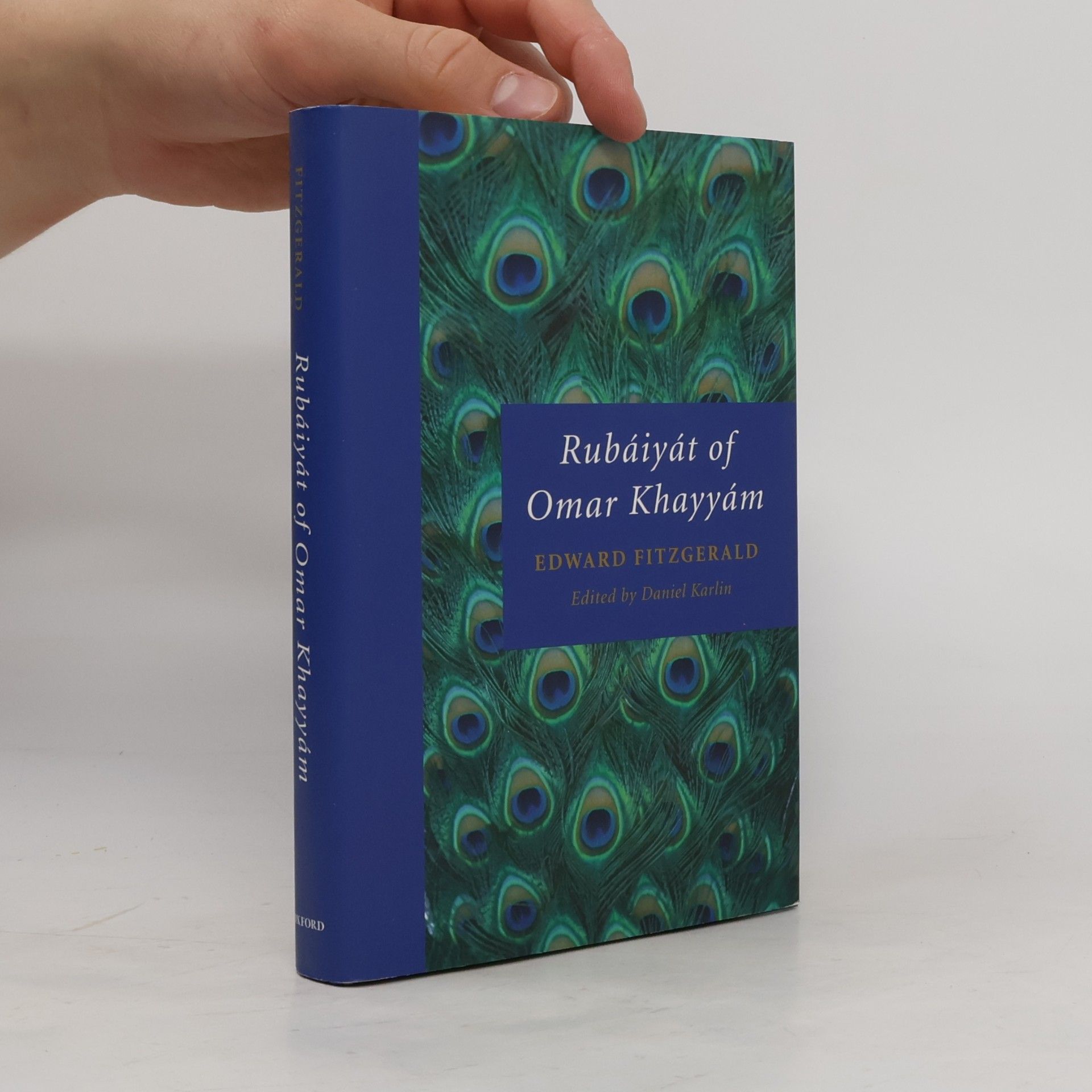
Oxford World's Classics: Rubáiyát of Omar Khayyám
- 167pagine
- 6 ore di lettura
'The Moving Finger writes; and, having writ, Moves on: nor all thy Piety nor Wit Shall lure it back to cancel half a Line, Nor all thy Tears wash out a Word of it.' In the 'rub--aacute--;iy--aacute--;t' (short epigrammatic poems) of the medieval Persian poet, mathematician, and philosopher Omar Khayy--aacute--;m, Edward FitzGerald saw an unflinching challenge to the illusions and consolations of mankind in every age. His version of Omar is neither a translation nor an independent poem; sceptical of divine providence and insistent on the pleasure of the passing moment, its 'Orientalism' offers FitzGerald a powerful and distinctive voice, in whose accents a whole Victorian generation comes to life. Although the poem's vision is bleak, it is conveyed in some of the most beautiful and haunting images in English poetry - and some of the sharpest-edged. The poem sold no copies at all on its appearance in 1859, yet when it was 'discovered' two years later its first readers and admirers included Dante Gabriel Rossetti, Swinburne, and Ruskin. By the end of the century it was one of the best-known poems in the English language. Daniel Karlin's richly annotated edition does justice to the scope and complexity of FitzGerald's lyrical meditation on 'human death and fate'.
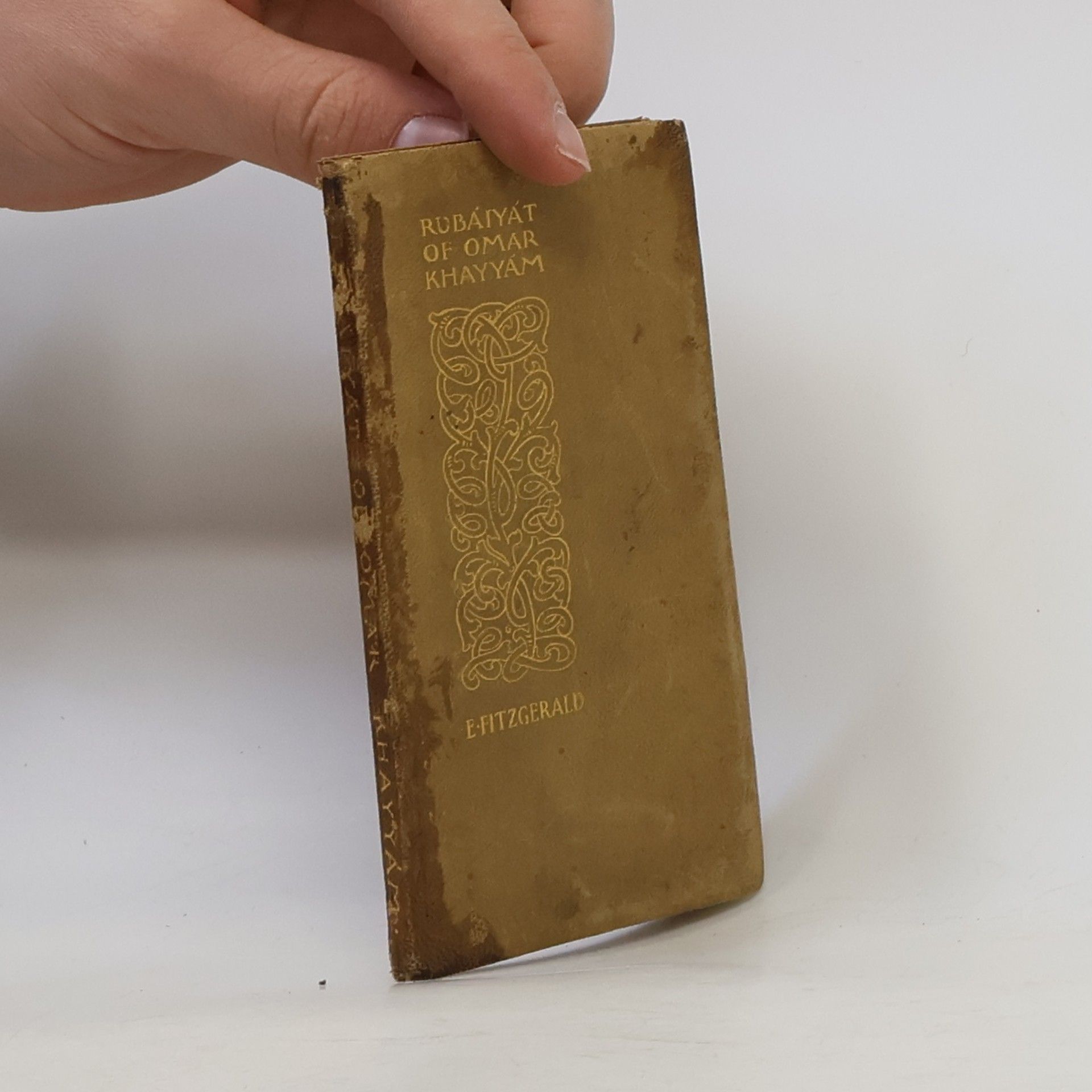

Rubaiyat.
- 96pagine
- 4 ore di lettura
This edition presents the translation by Edward Fitzgerald of the Persian poem by the 12th century astronomer and poet, Omar Khayyam. Its imagery appealed strongly to the Victorian age's fascination with the Orient.



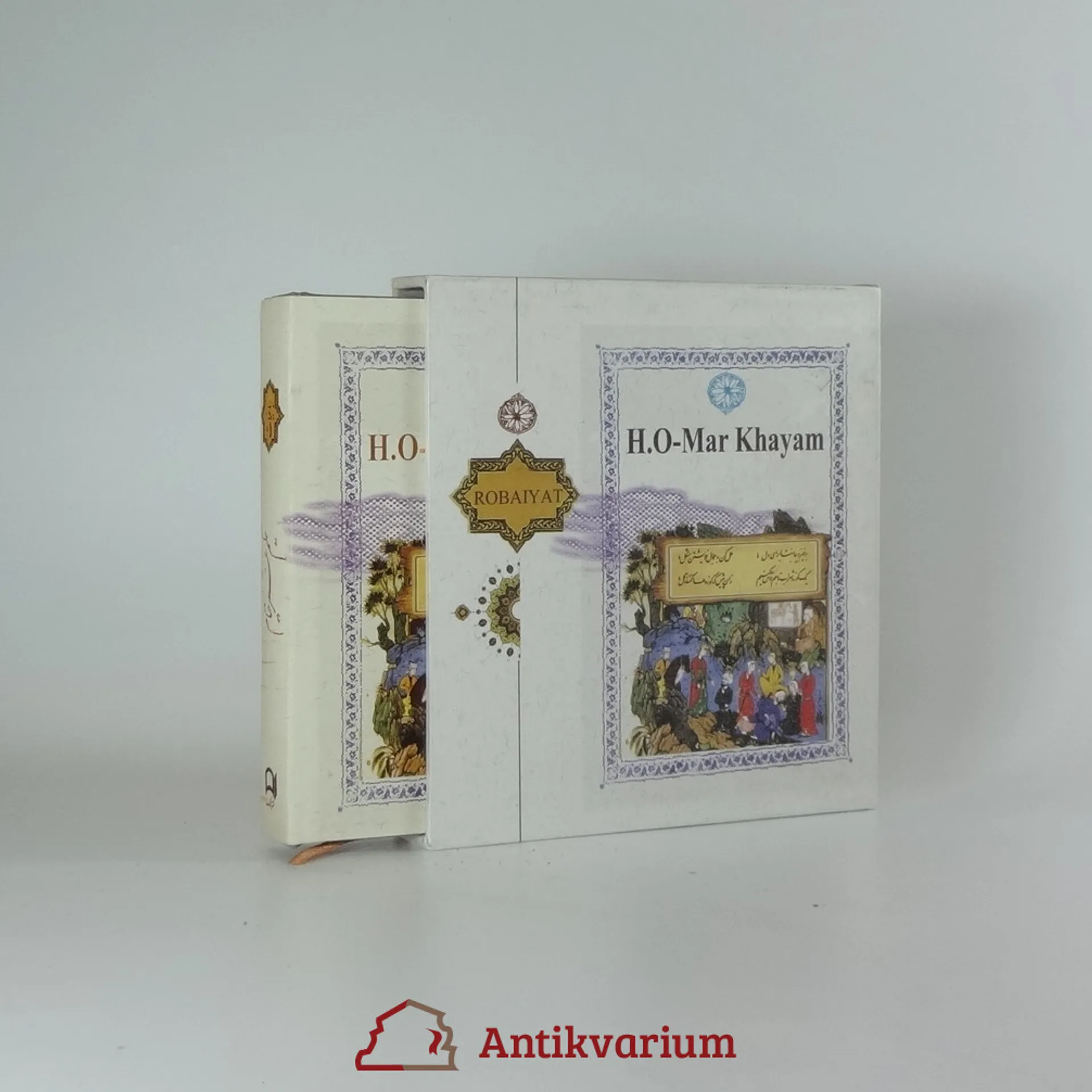
Hakim Omar Khayyam
- 162pagine
- 6 ore di lettura

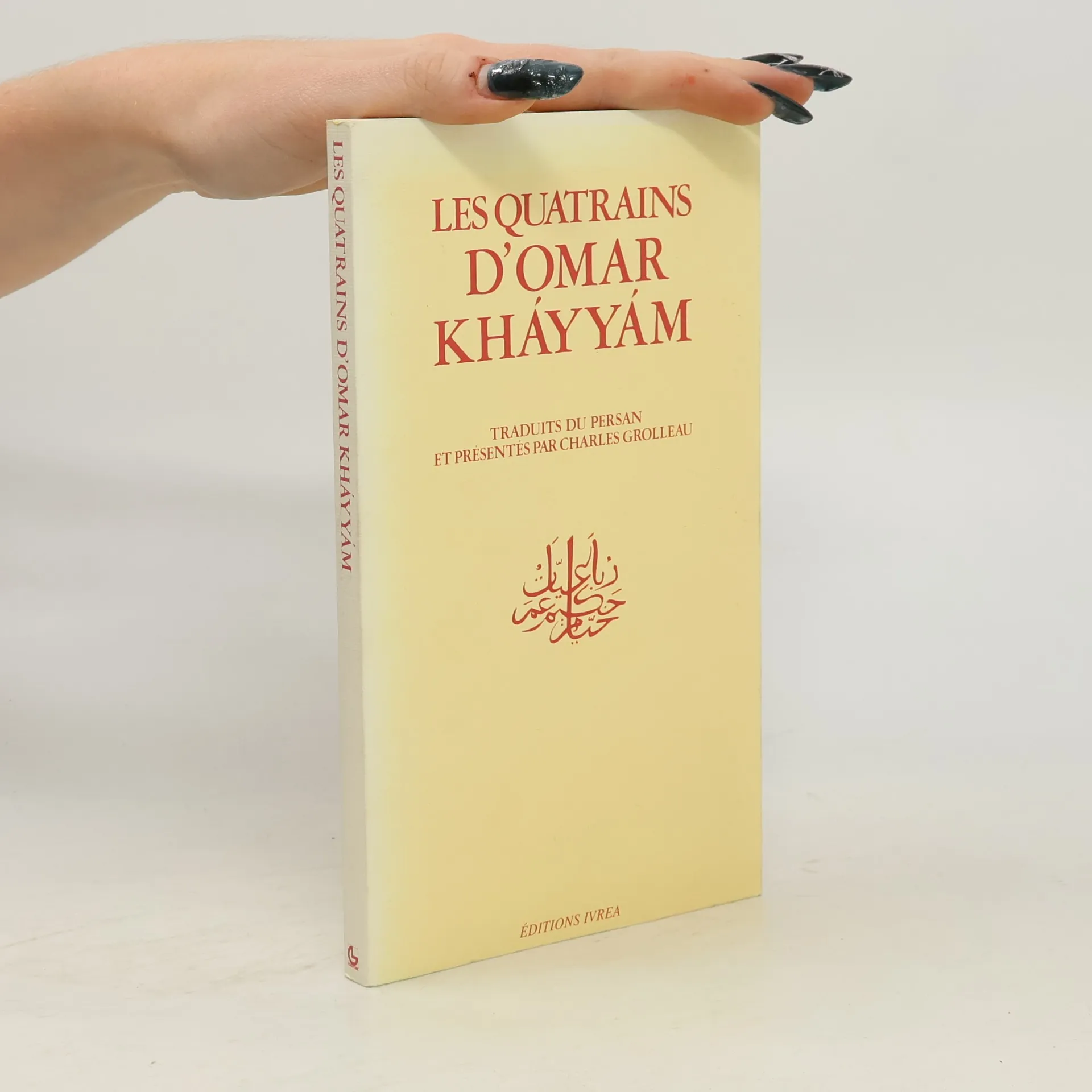
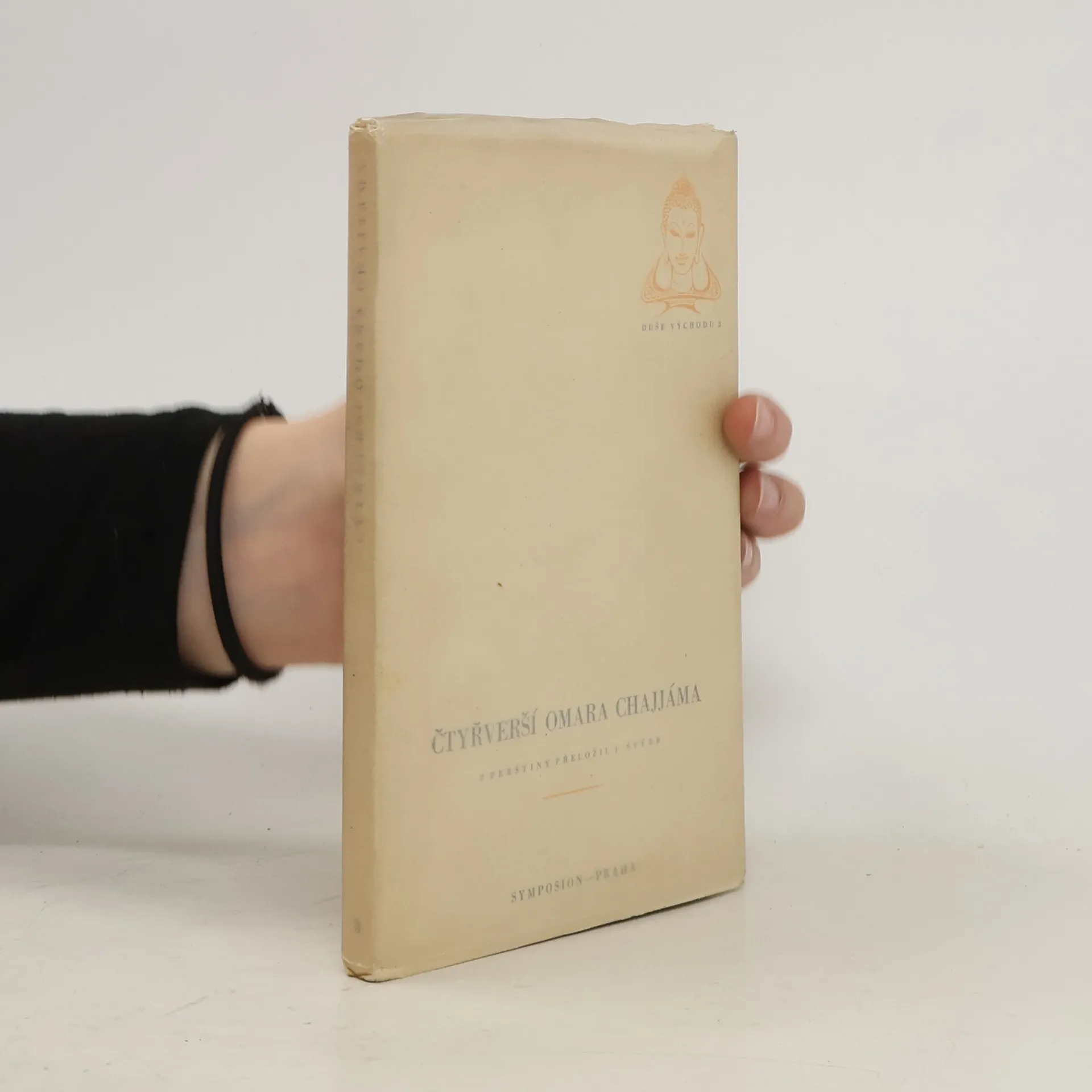
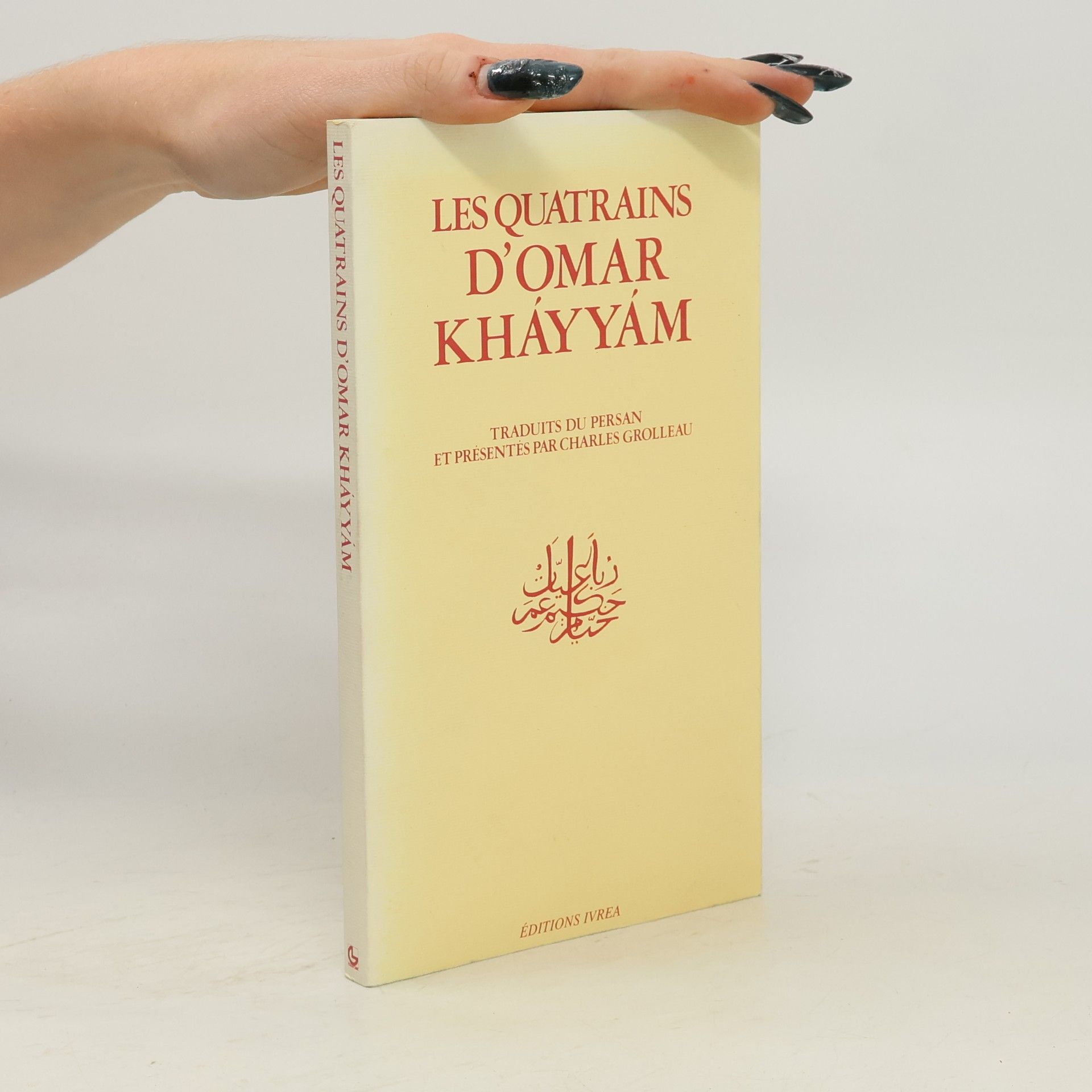
Les Quatrains
- 140pagine
- 5 ore di lettura
Mystische Rubaiyate von Omar Khayyam
Liebe, Wein, Lieder, Vergänglichkeit. Vierzeiler der Lebensfreude
- 156pagine
- 6 ore di lettura
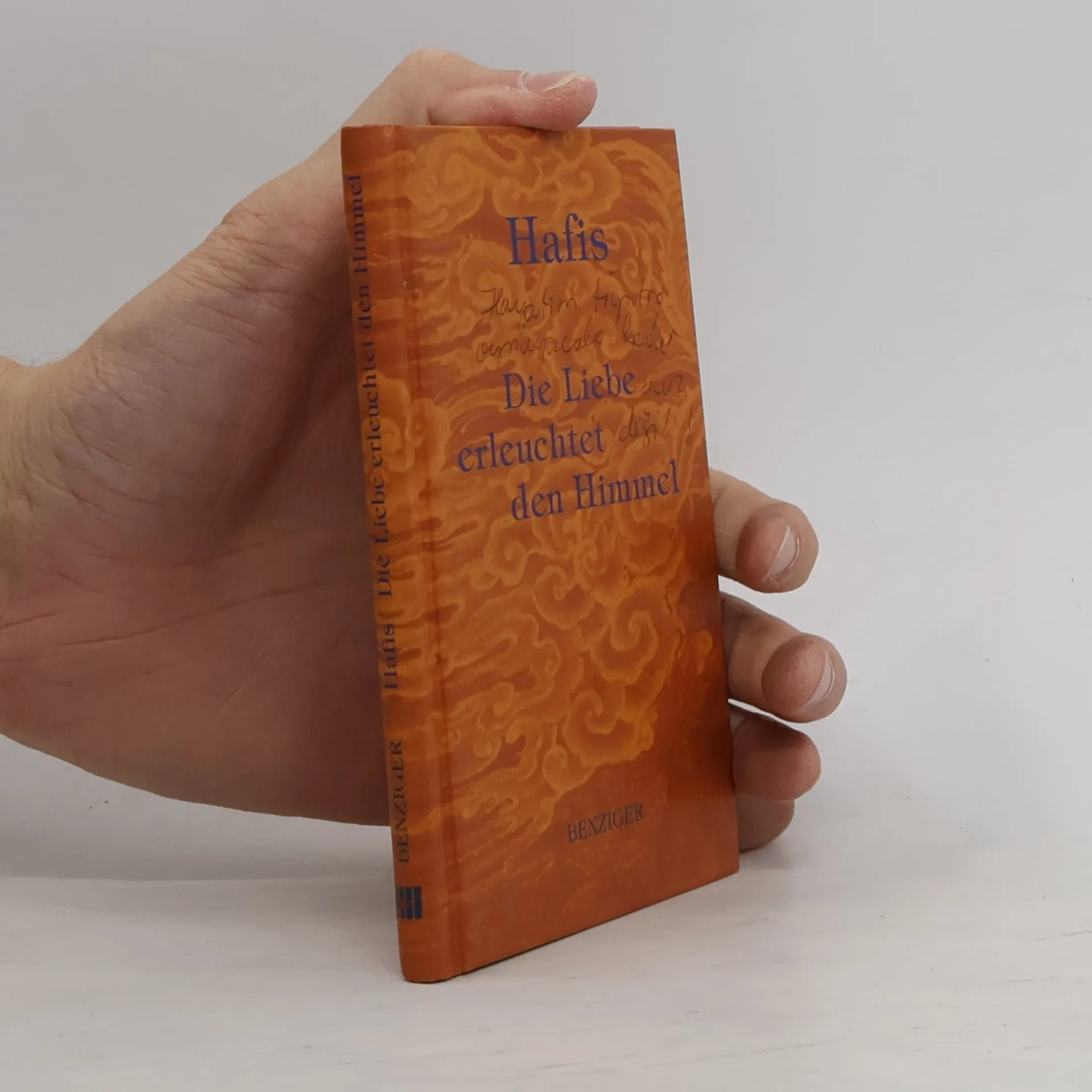
Die Liebe erleuchtet den Himmel
Bilder, Geschichten, Meditationen zur Weihnacht.
- 96pagine
- 4 ore di lettura

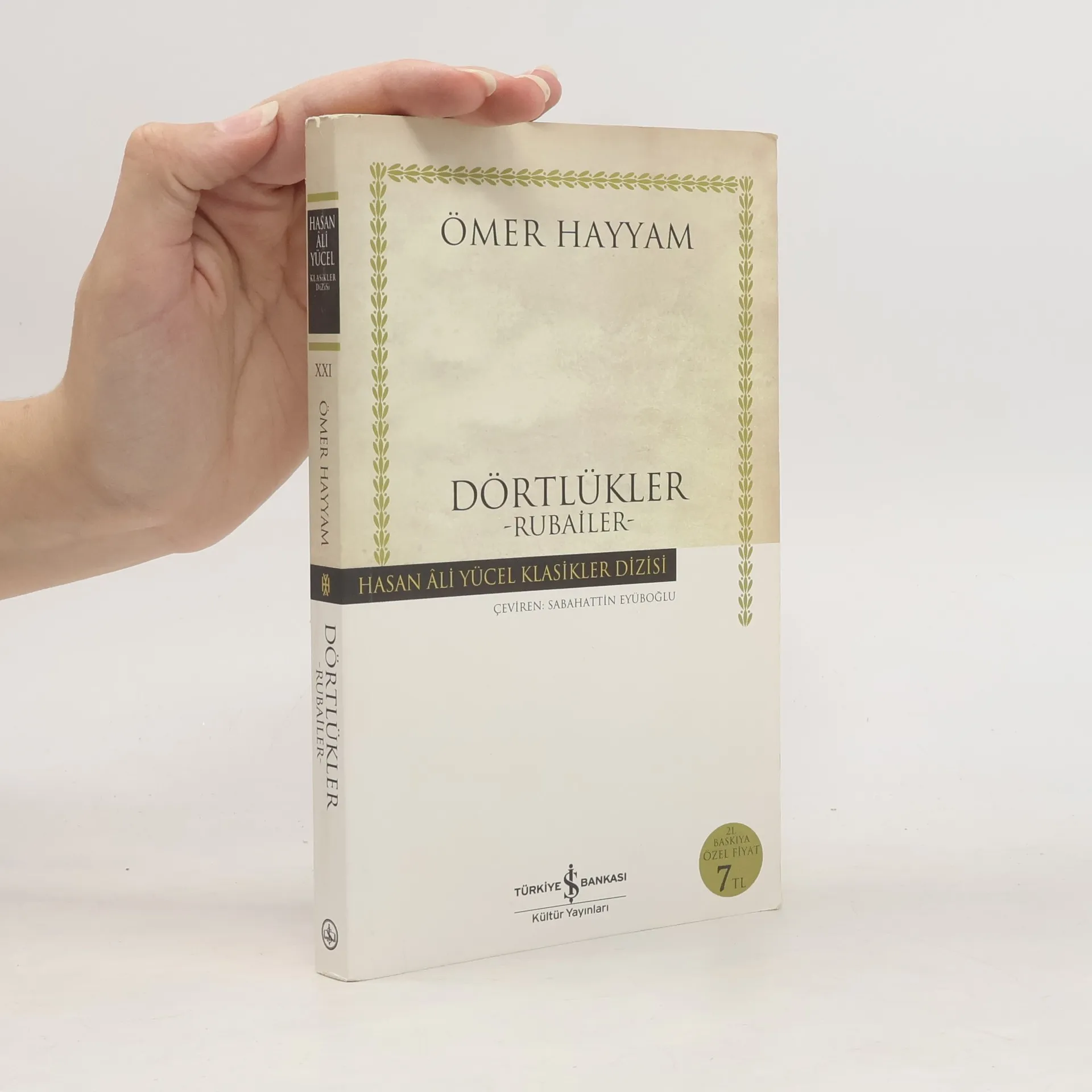
Dörtlükler
- 196pagine
- 7 ore di lettura
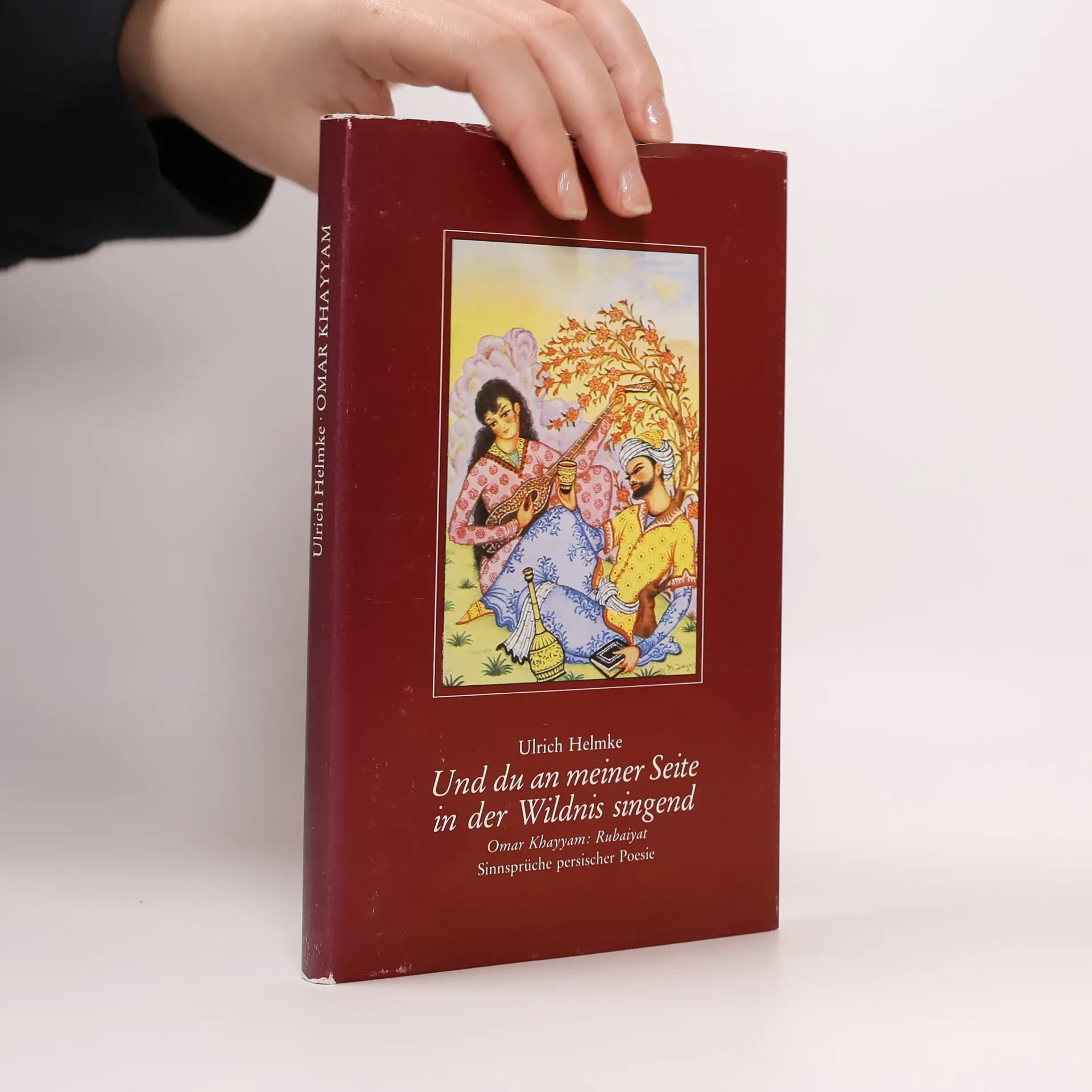
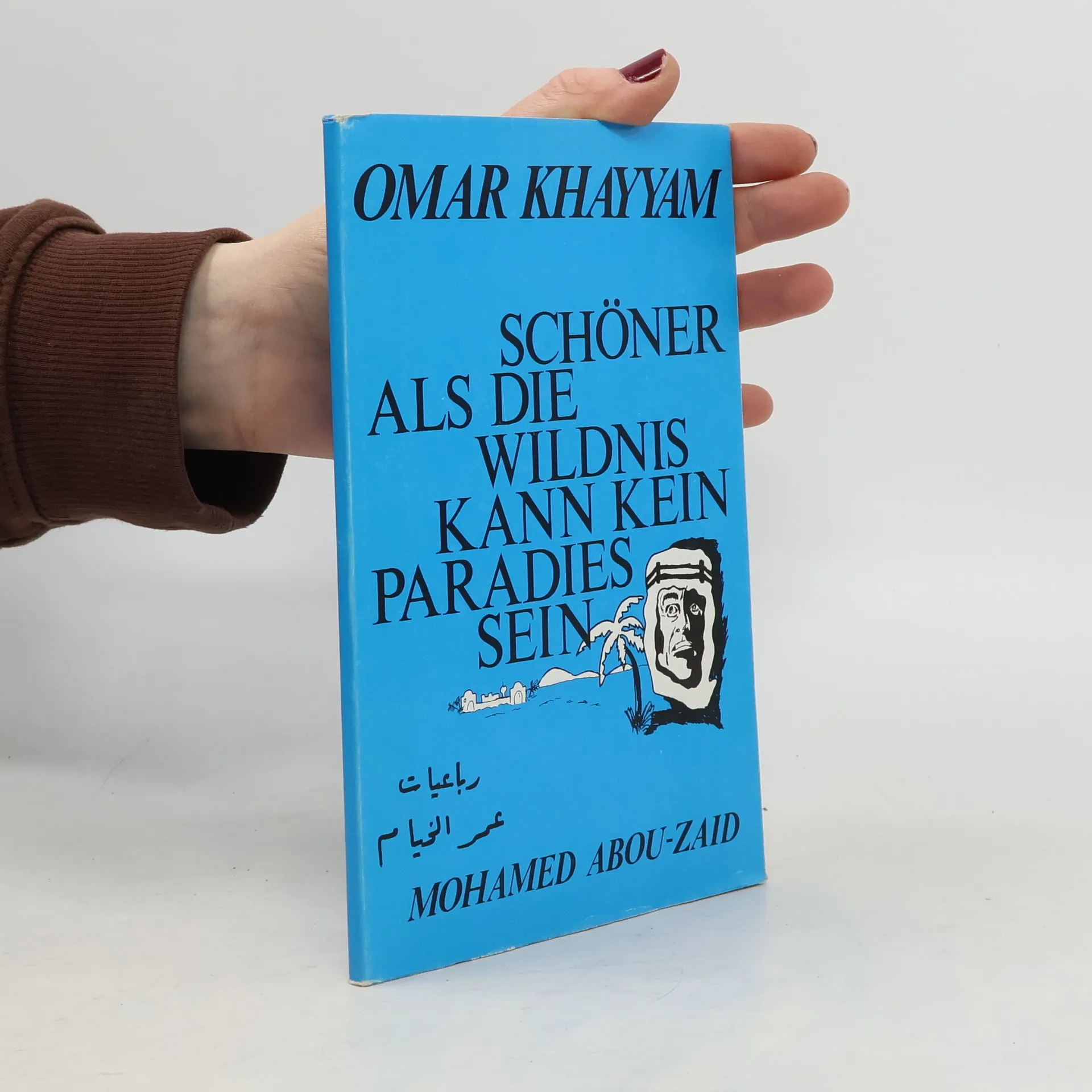
Und du an meiner Seite in der Wildnis singend
Omar Khayyam: Rubaiyat ; Sinnsprüche persischer Poesie
- 114pagine
- 4 ore di lettura



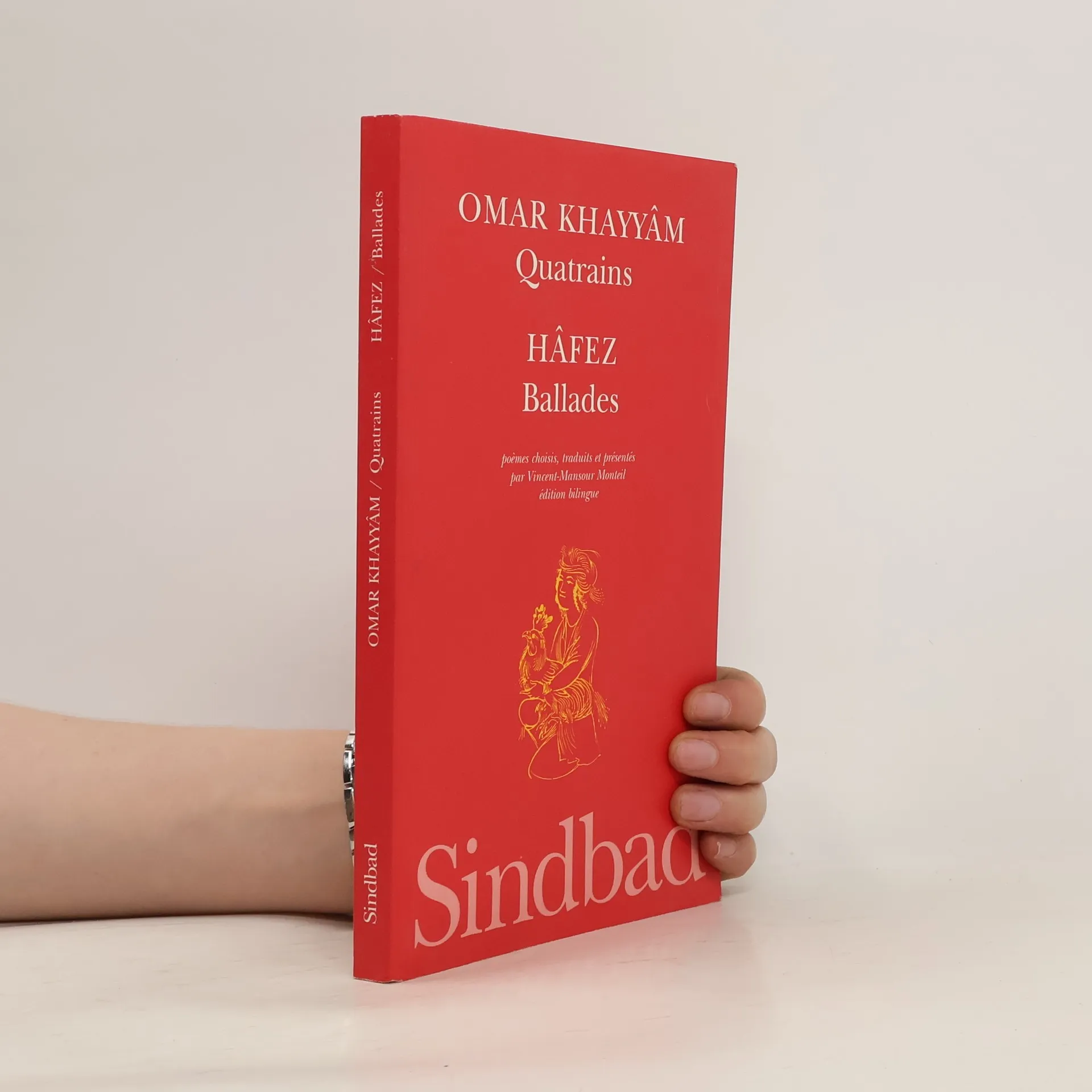
Quatrains
- 215pagine
- 8 ore di lettura
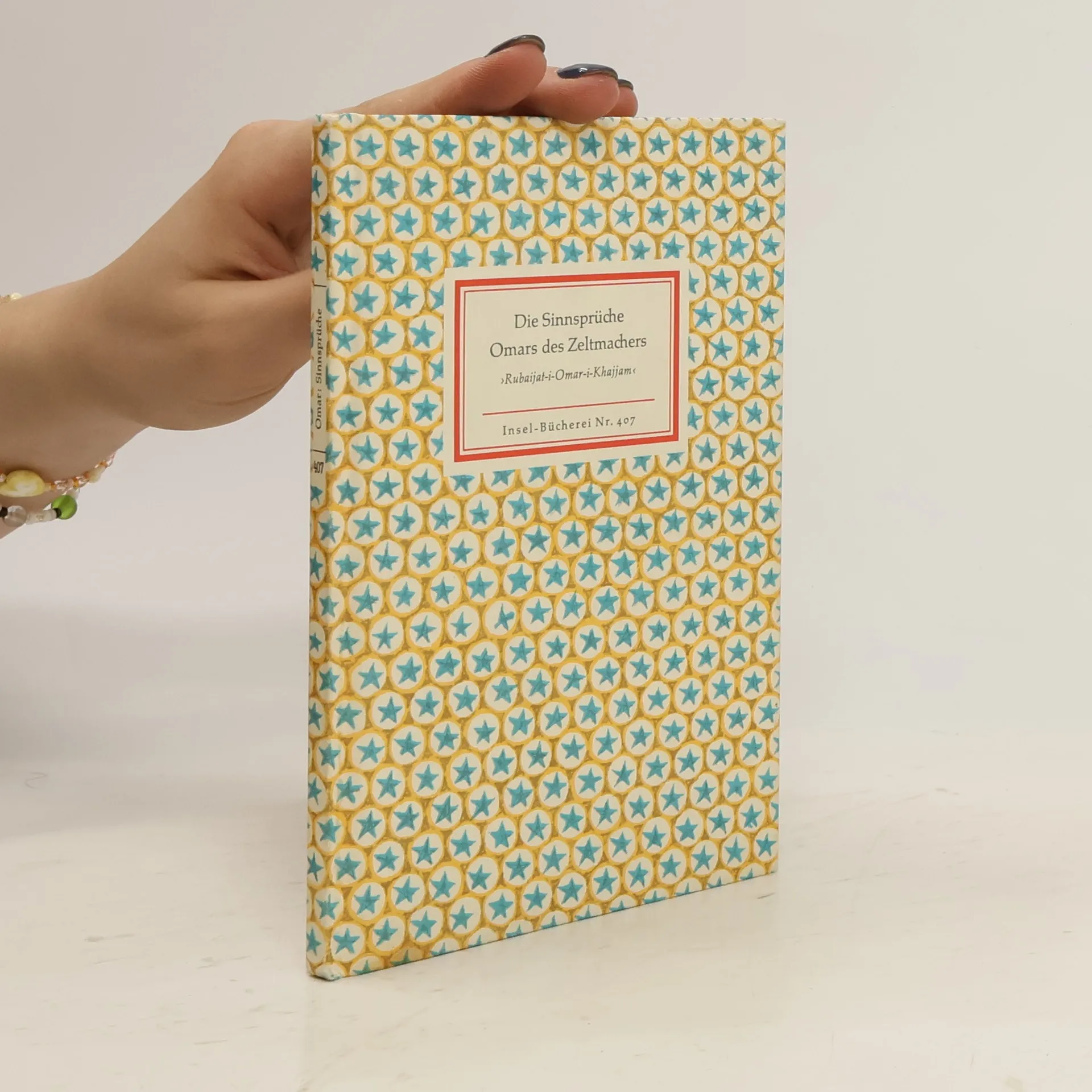
Die Sinnsprüche Omars des Zeltmachers. Aus d. Pers. übers. u. Nachw. v. Friedrich Rosen
- 51pagine
- 2 ore di lettura

Khayyam: Quatrains
- 79pagine
- 3 ore di lettura
Préférant les jouissances de l'éphémère aux vérités érigées en dogmes, Omar Khayyam était un homme qui regardait le ciel en face. Au lieu de gémir sur le sort de l'humanité, il ne voulut lui souhaiter que l'ivresse et l'amour. Haïssant l'esclavage de la pensée, ce poète, vivant il y a plus de mille ans en Perse, nous a légué ces Quatrains qui, aujourd'hui encore, résonnent comme un chant magnifique qui s'élève contre l'imposture religieuse et politique.


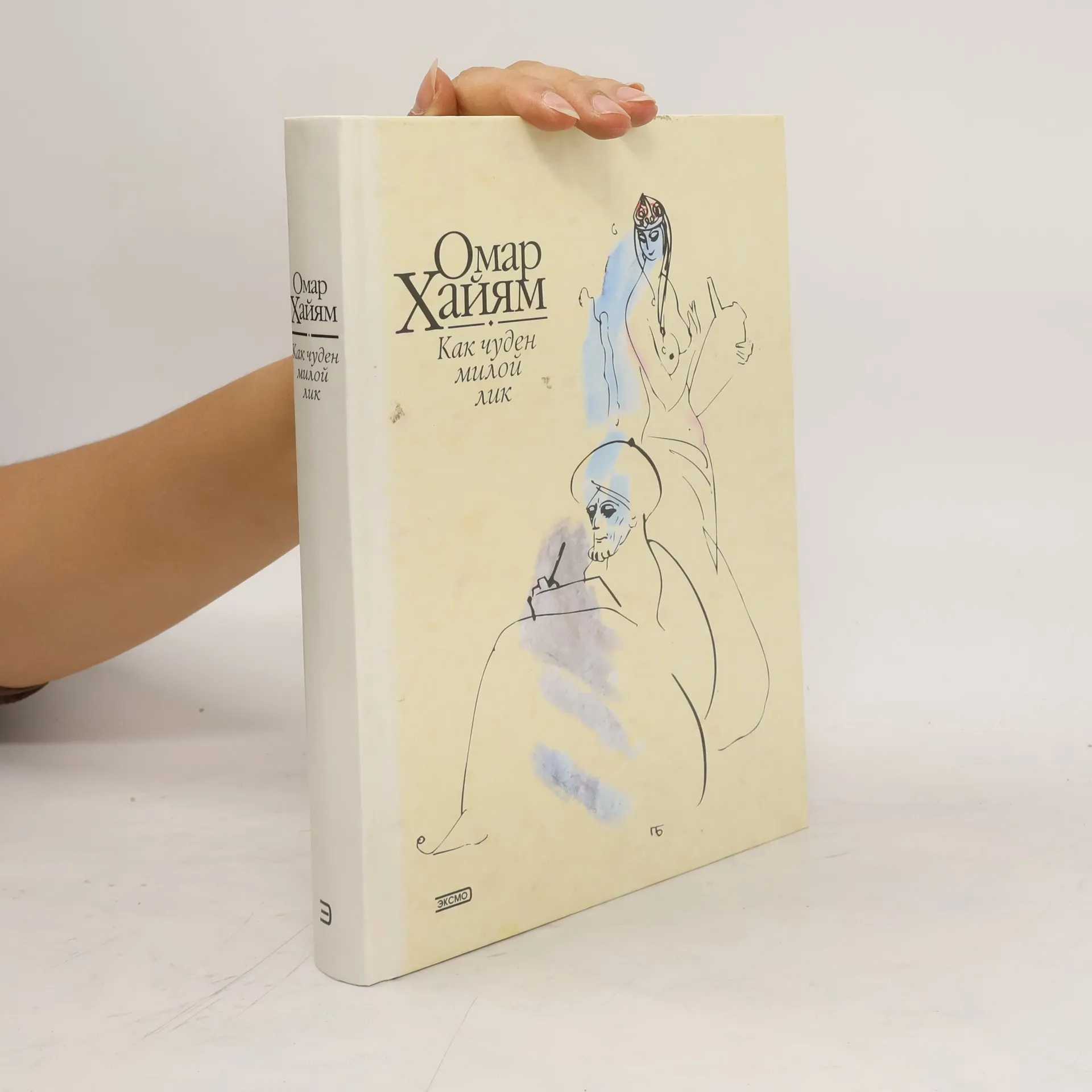
Четверостишия (Chetverostishiya)
- 366pagine
- 13 ore di lettura

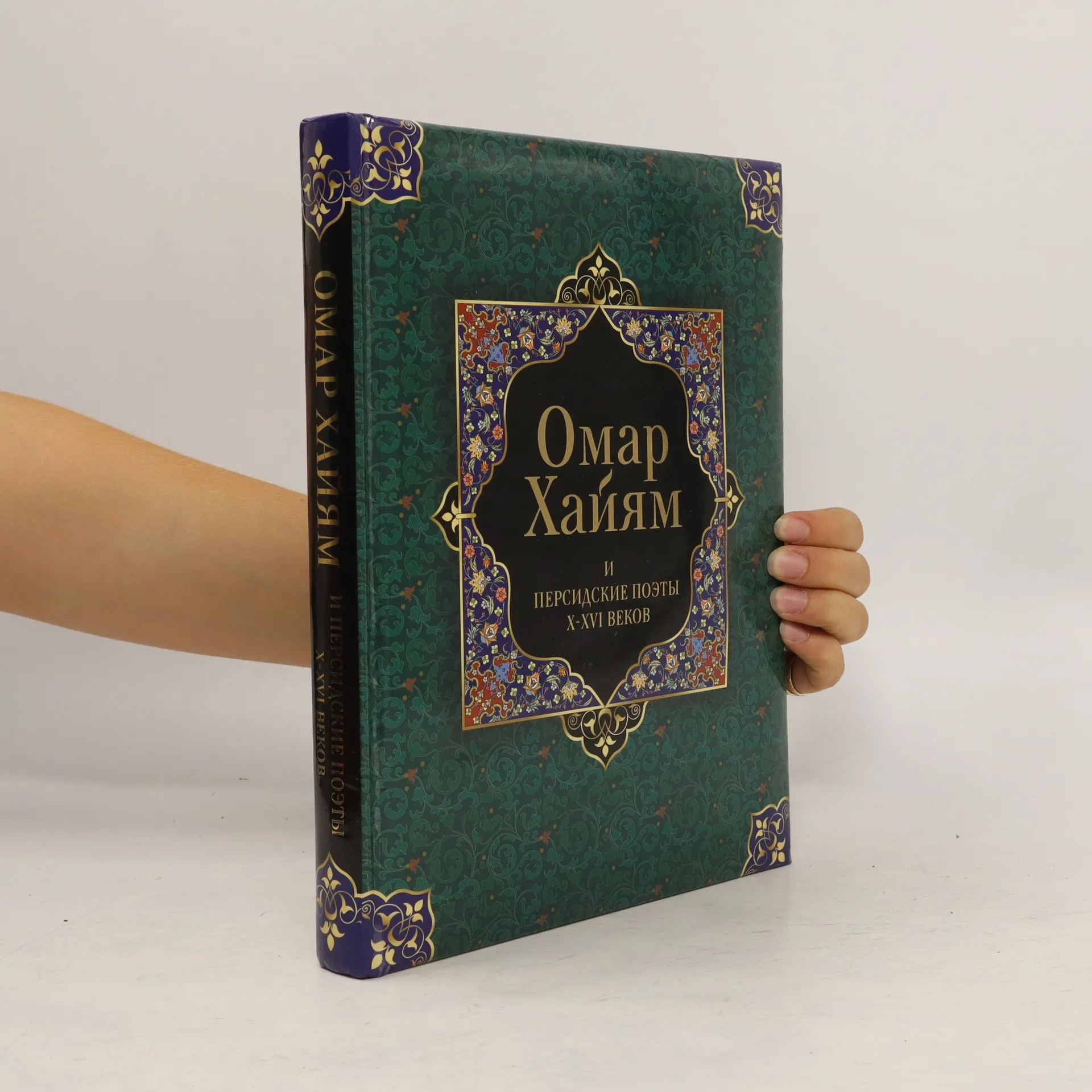
Рубайят Омара Хайяма в переводах И. И. Тхоржевского и других русских переводчиков конца XIX — гначала XX века. Стихи знаменитых персидских поэтов X–XVI веков в переводах академика Ф. Е. Корша и русских поэтов XIX–XX веков.

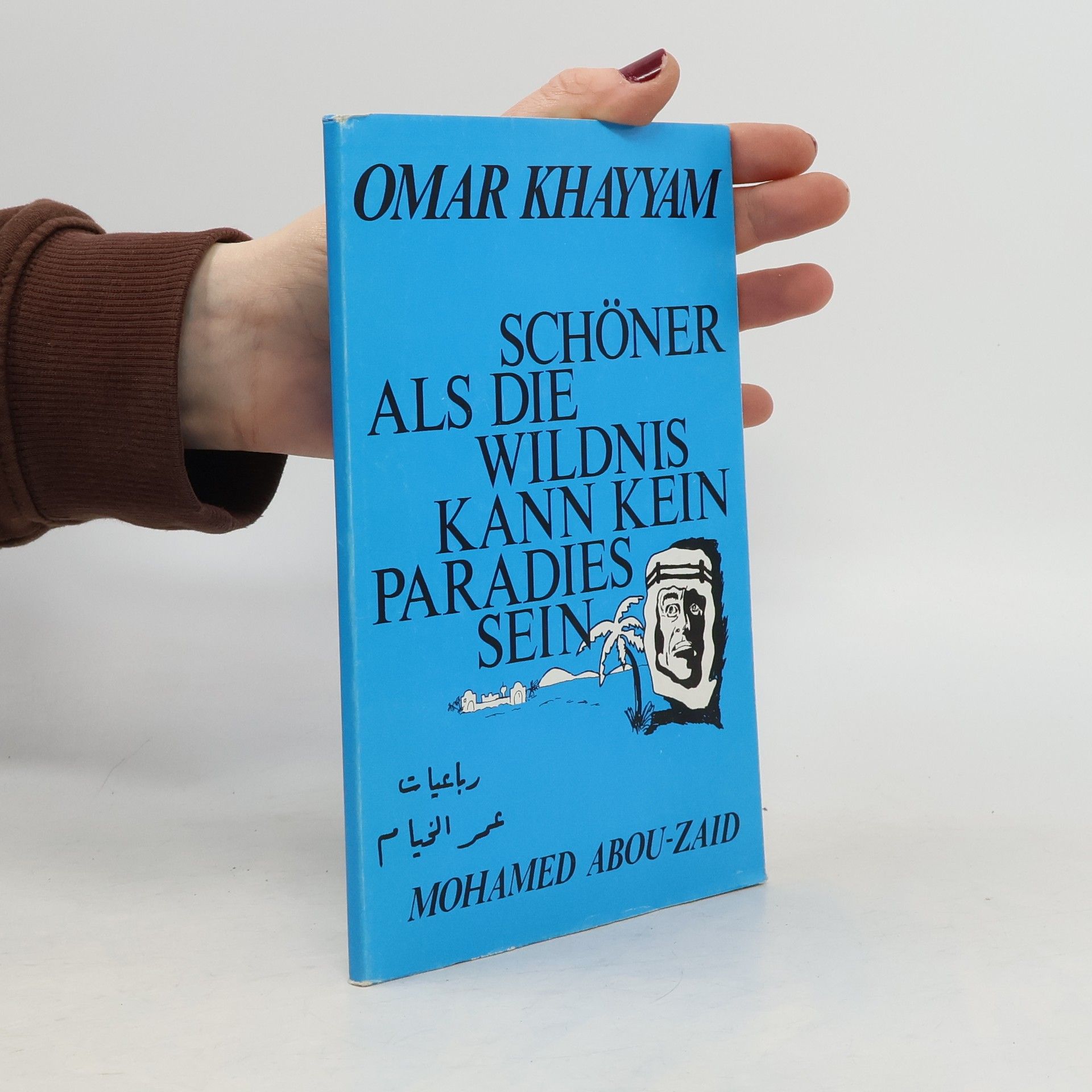

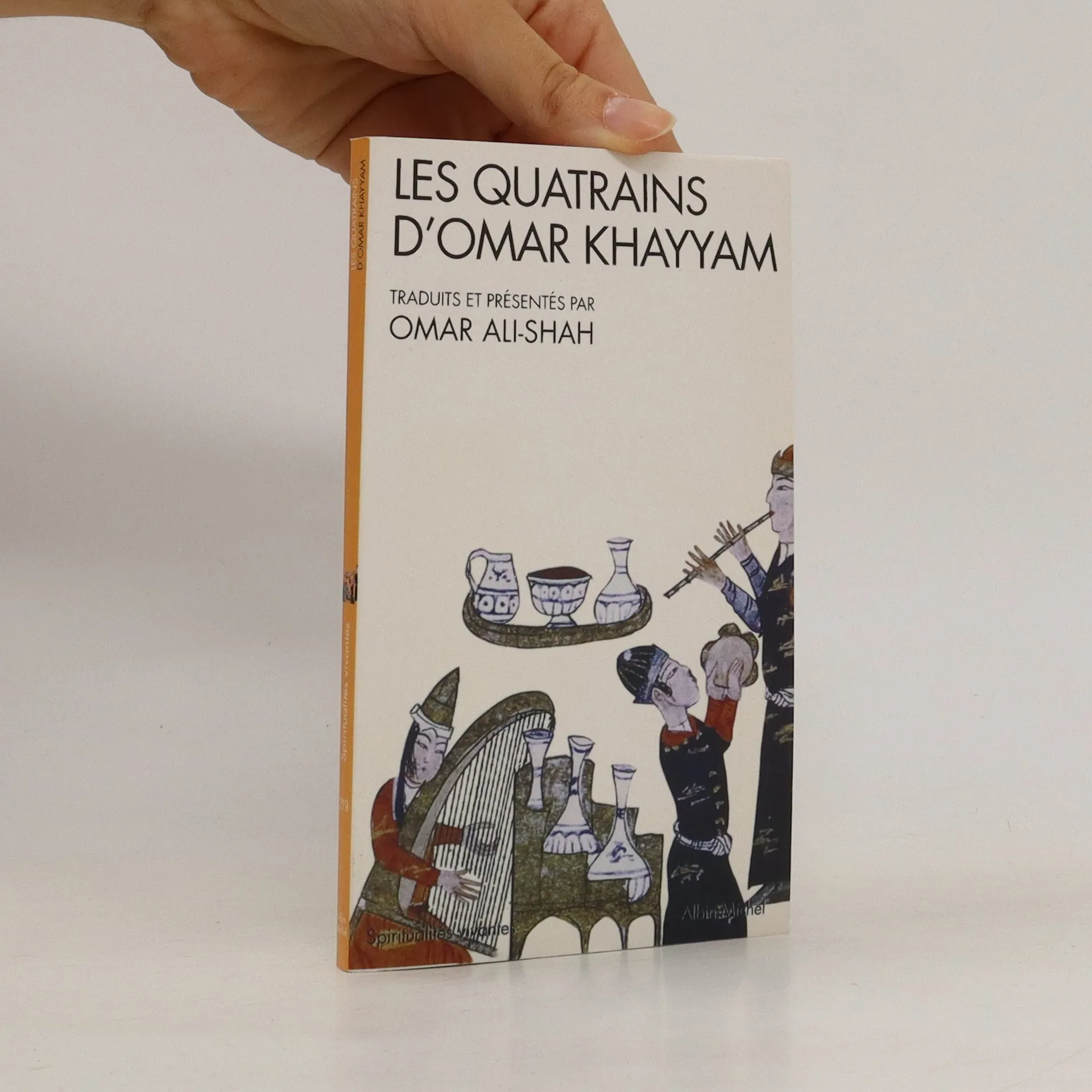
Les Quatrains d'Omar Khayyam
- 160pagine
- 6 ore di lettura
Omar Khayyam (1048-1122) est l'un des représentants les plus marquants de la poésie musulmane. Né en Iran, ce mathématicien et philosophe est surtout connu pour ses Quatrains, vers sensuels et mystiques qui ont inspiré plusieurs générations de poètes. Au fil des siècles, le nombre de quatrains attribués à Omar Khayyam n'a cessé de croître, brouillant l'identité de l'œuvre originale et donnant de son auteur l'image d'un poète libertin et irrévérencieux. Omar Ali-Shah, maître soufi installé en Angleterre, propose ici une édition critique des 111 quatrains originaux, d'après un manuscrit familial datant de 1153. De langue maternelle persane, il offre une nouvelle lecture d'Omar Khayyam, débarrassé de sa gangue orientaliste. Le poète apparaît alors comme un sage soufi, usant d'une symbolique transgressive mais précise pour appeler les hommes à connaître l'ivresse de Dieu au-delà de la religion instituée.