

Questa serie approfondisce resoconti veritieri di coraggio e determinazione durante la Seconda Guerra Mondiale. Esplora gli incredibili atti di coraggio di individui e gruppi che si opposero alla tirannia. Ogni puntata rivela momenti emozionanti e spesso toccanti delle vite di coloro che rischiarono tutto. È una testimonianza dello spirito umano di fronte a avversità inimmaginabili.
A diverse group of individuals, including teachers, students, and professionals, united in their courageous efforts against the Nazi regime. They engaged in activities such as distributing anti-Nazi leaflets, hiding Jews, and transporting weapons. This remarkable resistance network spanned ages and backgrounds, from a fifteen-year-old schoolgirl to a farmer's wife in her sixties, showcasing the extraordinary bravery and commitment of ordinary people in extraordinary circumstances.
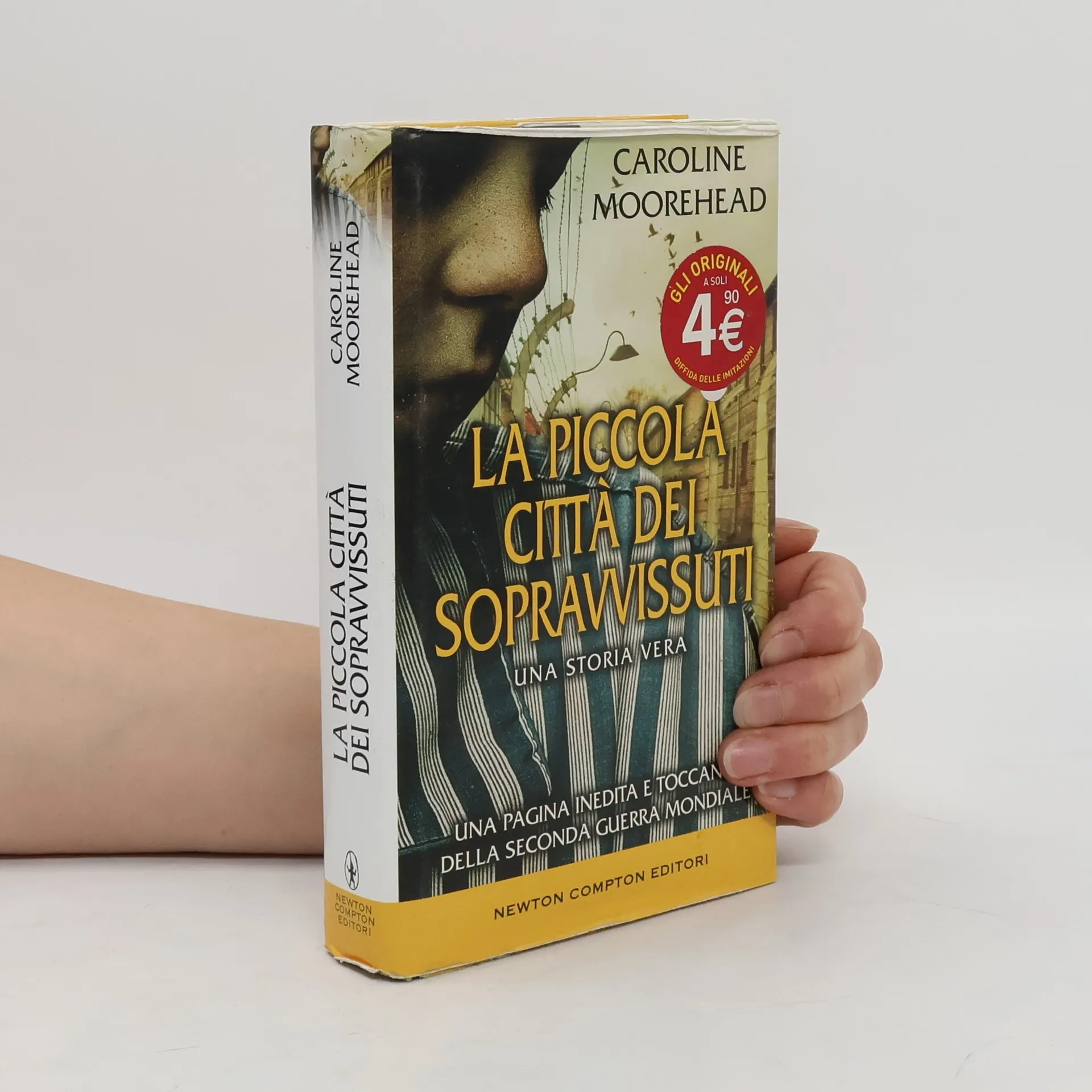
Dall'autrice di A Train in Winter, ecco il racconto straordinario di un villaggio francese che ha salvato migliaia di persone, tra cui molti bambini ebrei, dalla Gestapo durante la Seconda Guerra Mondiale. Le Chambon-sur-Lignon, un piccolo paese incastonato tra le montagne dell'Ardèche, divenne un santuario per coloro che erano perseguitati dai nazisti. Isolati dalla neve per lunghi periodi in inverno, i suoi abitanti accolsero resistenti, massoni, comunisti, piloti alleati abbattuti e, principalmente, ebrei, molti dei quali erano bambini separati dai genitori deportati. Dopo la guerra, Le Chambon fu riconosciuto in modo unico nel suo insieme nel Dizionario dei Giusti di Yad Vashem. La storia di come questo villaggio sia riuscito a proteggere così tanti rimane in gran parte inedita. Caroline Moorehead racconta una narrazione di eccezionale coraggio e azione collettiva contro il dominio tedesco. In un paese noto per denunciare ebrei e resistenti, non un singolo abitante di Le Chambon rivelò mai le identità di coloro che ospitavano. Il villaggio, unito da un codice d'onore derivante da secoli di oppressione religiosa, esemplifica come un piccolo gruppo di individui eroici—molti dei quali donne—abbia dato priorità al salvataggio di vite rispetto alla propria sicurezza, creando un potente lascito di resistenza e compassione.
In the late summer of 1943, when Italy changed sides in the War and the Germans - now their enemies - occupied the north of the country, an Italian Resistance was born. Ada, Frida, Silvia and Bianca were four young Piedmontese women who joined the Resistance, living clandestinely in the mountains surrounding Turin. They were not alone. Between 1943 and 1945, as the Allies battled their way north, thousands of men and women throughout occupied Italy rose up and fought to liberate their country from the German invaders and their Fascist collaborators. The bloody civil war that ensued across the country pitted neighbour against neighbour, and brought out the best and worst in Italian society. The courage shown by the partisans was exemplary, and eventually bound them together as a coherent fighting force. The women's contribution was invaluable - they fought, carried messages and weapons, provided safe houses, laid mines and took prisoners. Ada's house deep in the mountains became a meeting place and refuge for many of them
Set in early 20th-century Florence, the narrative follows the Rosselli family, particularly matriarch Amelia, as they confront the rise of fascism under Mussolini. With a strong commitment to antifascism, her sons, Carlo and Nello, boldly oppose the regime, risking their status among the elite. As Mussolini's oppressive police state takes hold, the family's resistance evolves into active defiance, highlighting the tension between cultural aristocracy and political conviction in a time of national turmoil.
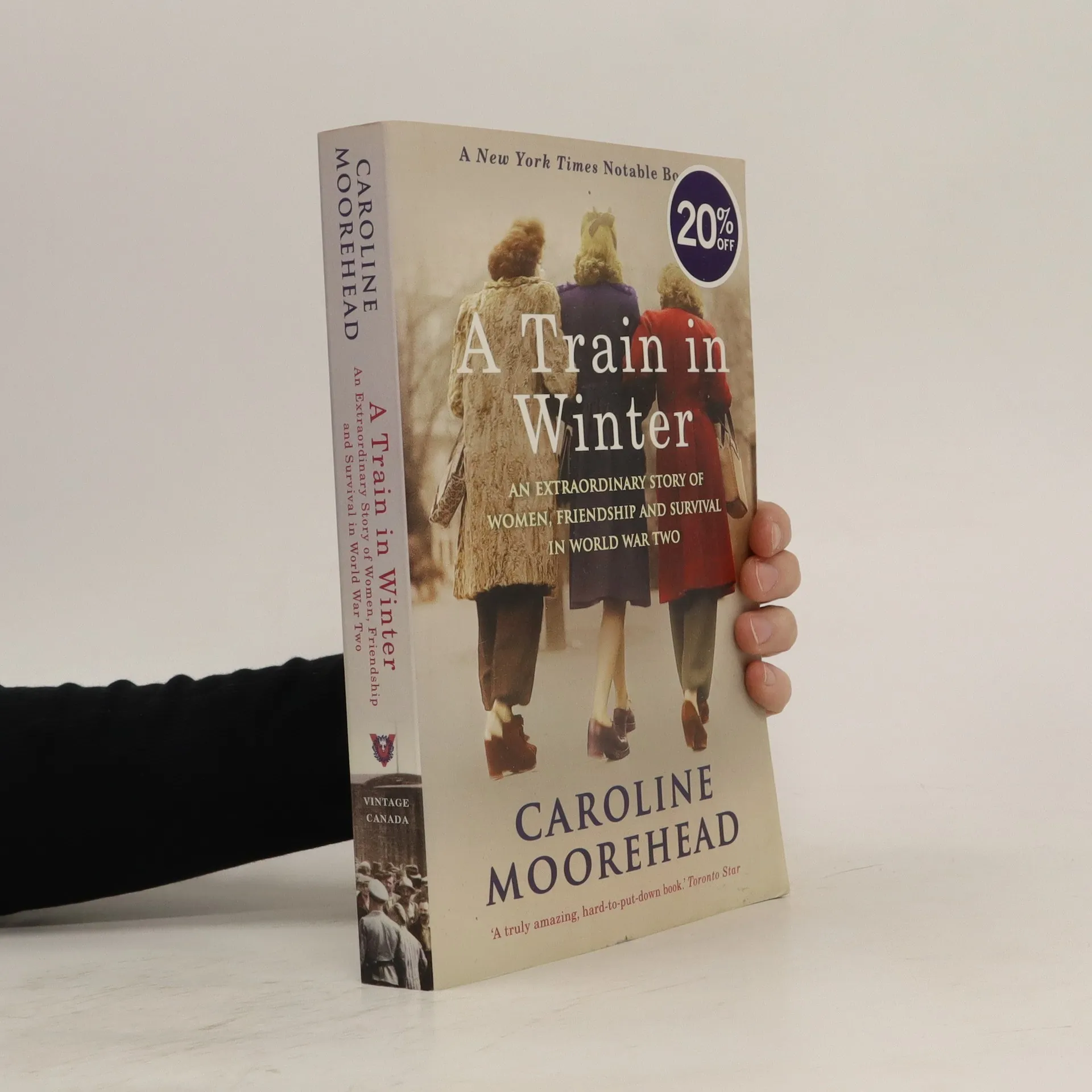
On an icy dawn morning in Paris in January 1943, a group of 230 French women
resisters were rounded up from the Gestapo detention camps and sent on a train
to Auschwitz - the only train, in the four years of German occupation, to take
women of the resistance to a death camp.
Set in the remote villages of the southern Massif Central in France, this narrative explores the remarkable history of Le Chambon-sur-Lignon during World War II. The local inhabitants courageously sheltered thousands from the Gestapo, including resisters, Freemasons, communists, and primarily Jewish orphans whose parents had been deported. Their collective bravery and moral conviction highlight a profound act of humanity amidst the horrors of war.