

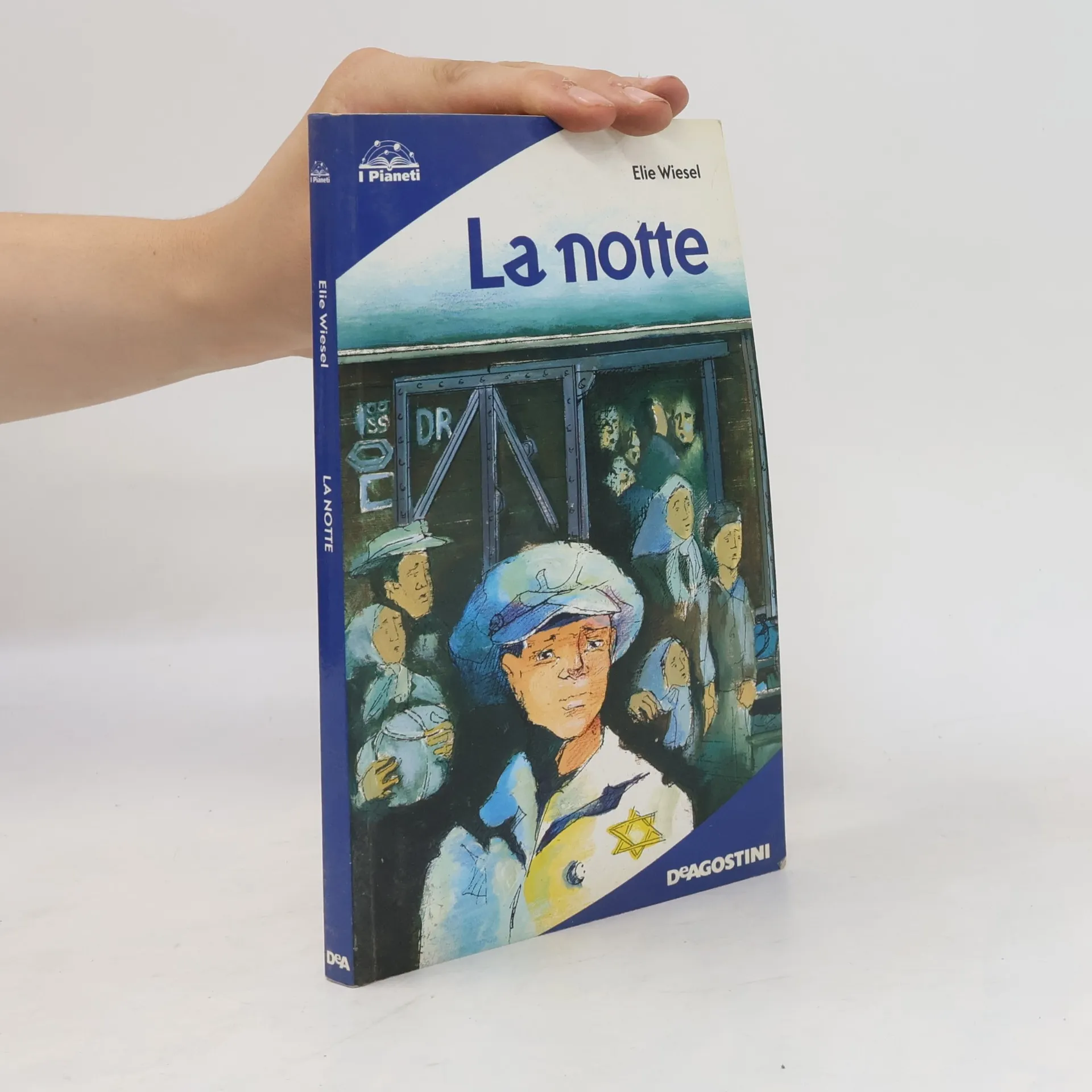
Ciò che affermo è che questa testimonianza, che viene dopo tante altre e che descrive un abominio del quale potremmo credere che nulla ci è ormai sconosciuto, è tuttavia differente, singolare, unica. (...) Il ragazzo che ci racconta qui la sua storia era un eletto di Dio. Non viveva dal risveglio della sua coscienza che per Dio, nutrito di Talmud, desideroso di essere iniziato alla Cabala, consacrato all'Eterno. Abbiamo mai pensato a questa conseguenza di un orrore meno visibile, meno impressionante di altri abomini, ma tuttavia la peggiore di tutte per noi che possediamo la fede: la morte di Dio in quell'anima di bambino che scopre tutto a un tratto il male assoluto? (dalla Prefazione di F. Mauriac).
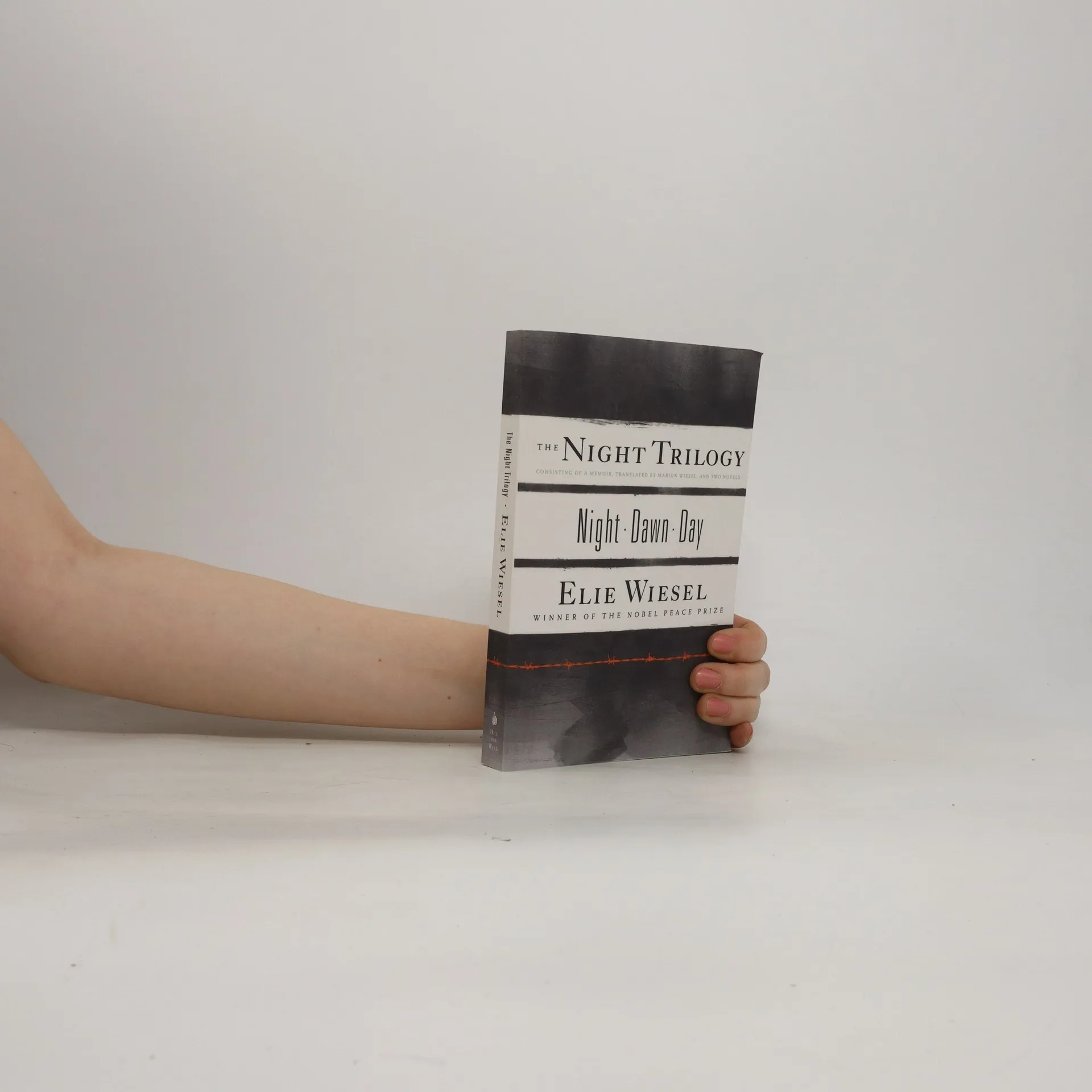
La Trilogia della Notte Serie
Questa suggestiva trilogia si addentra negli aspetti più oscuri dell'esperienza umana durante uno dei periodi più angoscianti della storia. La serie esplora la resilienza dello spirito umano di fronte a sofferenze e perdite inimmaginabili. Offre una prospettiva profondamente personale sugli orrori dell'Olocausto, esaminando al contempo la scintilla di speranza che può perdurare anche nella disperazione più profonda. Queste opere sono una potente testimonianza di sopravvivenza e della natura indomita dello spirito umano.


Ordine di lettura consigliato
- 1
- 2
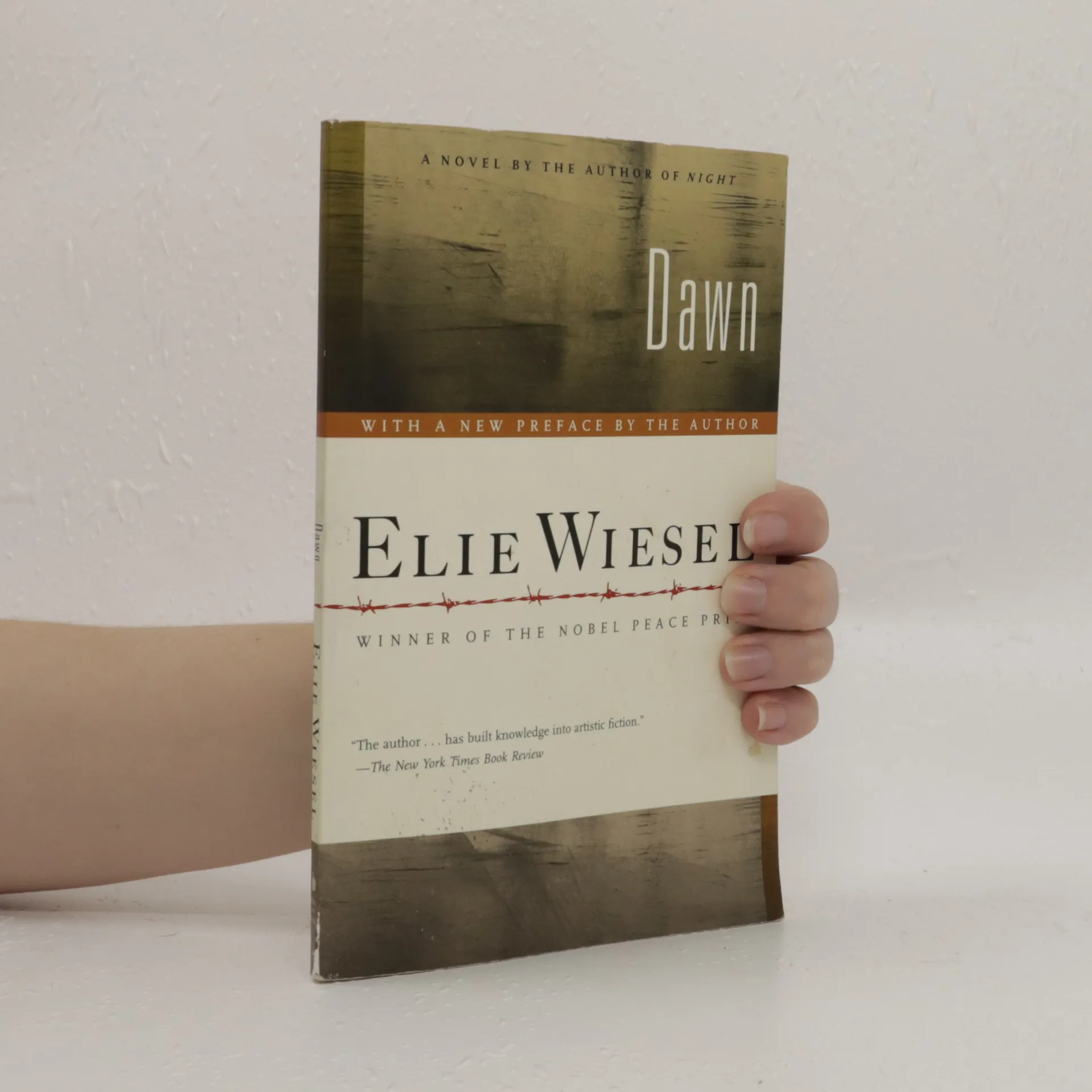
Dawn
- 96pagine
- 4 ore di lettura
Deals with the conflicts and thoughts of a young Jewish concentration-camp veteran as he prepares to assassinate a British hostage in occupied Palestine.
- 3
Day
- 128pagine
- 5 ore di lettura
"Not since Albert Camus has there been such an eloquent spokesman for man." --The New York Times Book ReviewThe publication of Day restores Elie Wiesel's original title to the novel initially published in English as The Accident and clearly establishes it as the powerful conclusion to the author's classic trilogy of Holocaust literature, which includes his memoir Night and novel Dawn. "In Night it is the ‘I' who speaks," writes Wiesel. "In the other two, it is the ‘I' who listens and questions."In its opening paragraphs, a successful journalist and Holocaust survivor steps off a New York City curb and into the path of an oncoming taxi. Consequently, most of Wiesel's masterful portrayal of one man's exploration of the historical tragedy that befell him, his family, and his people transpires in the thoughts, daydreams, and memories of the novel's narrator. Torn between choosing life or death, Day again and again returns to the guiding questions that inform Wiesel's trilogy: the meaning and worth of surviving the annihilation of a race, the effects of the Holocaust upon the modern character of the Jewish people, and the loss of one's religious faith in the face of mass murder and human extermination.
Libri correlati
Three works deal with a concentration camp survivor, a hostage holder in Palestine, and a recovering accident victim.