Questa serie approfondisce le leggendarie storie di Re Artù, i suoi Cavalieri della Tavola Rotonda e la loro ricerca del Santo Graal. Immergiti nel mondo di Camelot, un regno pieno di cavalleria, tradimento e incanto. Queste storie senza tempo esplorano temi di onore, amore e la ricerca di ideali che hanno affascinato i lettori per secoli. È un viaggio epico attraverso l'avventura e il romanticismo che ha plasmato la tradizione letteraria occidentale.
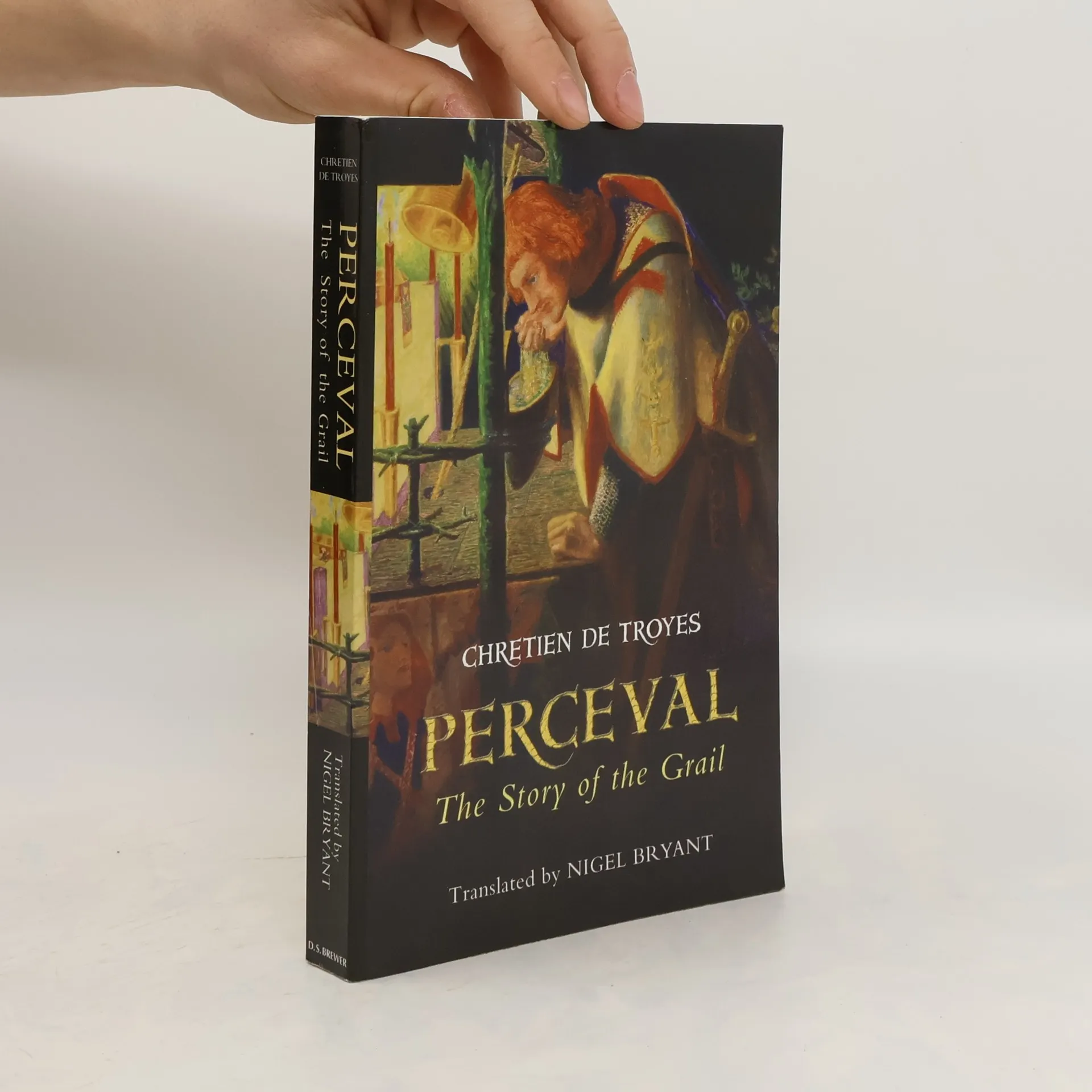
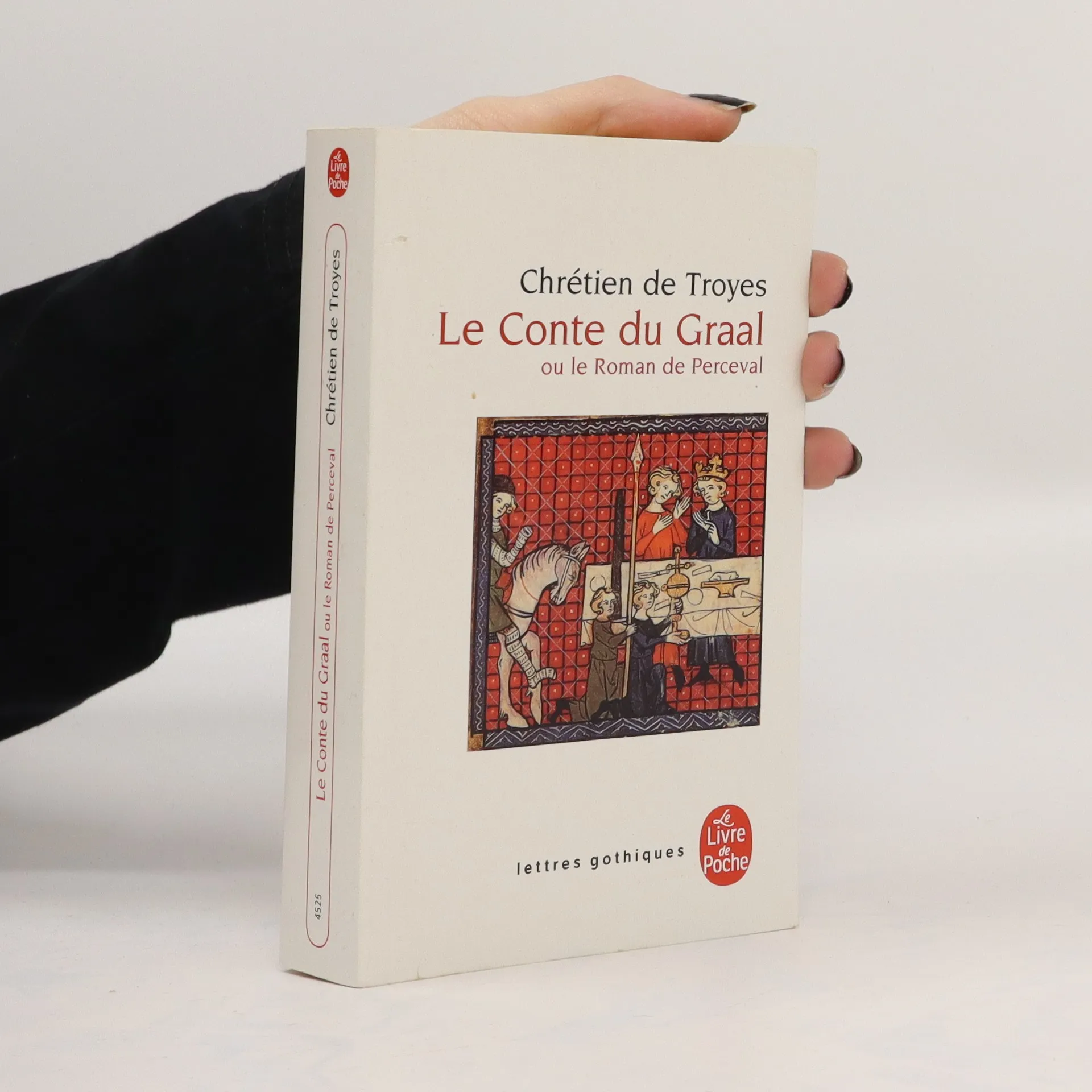
Perceval lives cut off from the world, ignorant of everything, even his name. One day in the forest, he meets, five knights wearing their armor and decides to join the court of King Arthur to become a knight in turn. Thus begins the adventures of Perceval who face a hundred enemies, meets love and tries to unravel the mystery of the Grail. Will thisn aive child become a perfect knight?
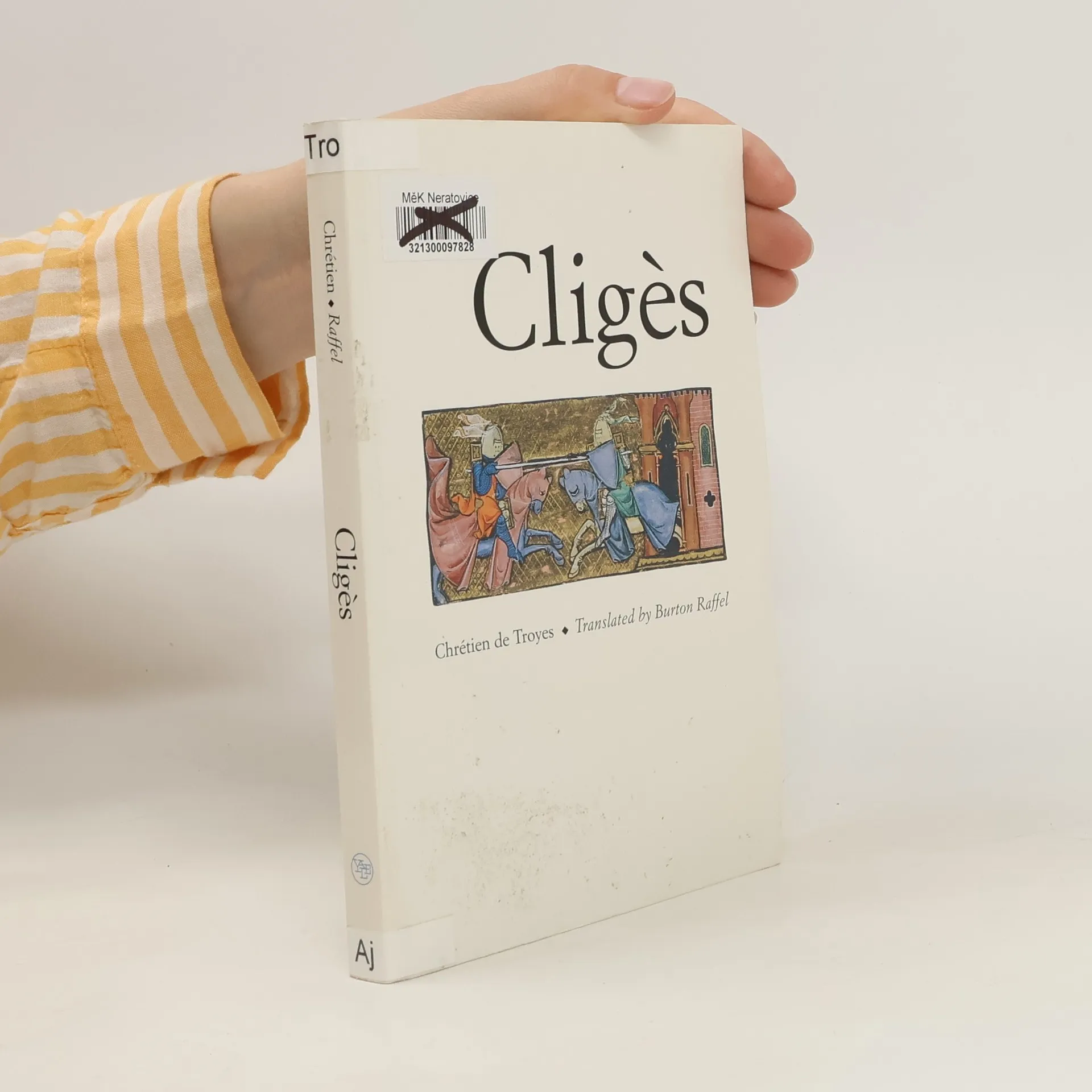
In this translation of Cliges, the second of five surviving Arthurian poems by 12th-century French poet Chretien de Troyes, Burton Raffel captures the original. In this poem, Chretien creates his most artful plot and paints the most starkly medieval portraits of any of his romances.
Published in 1987: Erec and Enide, the first of five surviving Arthurian romantic poems by a twelfth-century French poet, narrates a vivid chapter from the legend of King Arthur. Inhaltsverzeichnis 1. Introduction, by William W. Kibler. 2. Select Bibliography. 3. Erec and Enide. 4 Textual Notes. 5. Index to Old French Terms. Appendix A: Line-Number Comparisons with Foerster's and Roques' Editions. Appendix B: Lines Added to Guiot's Text. Appendix C: Non-Emendation Changes to Roques' Text.
Sebbene non abbia inventato la Tavola Rotonda o le storie della sua compagnia, il poeta del dodicesimo secolo Chrétien de Troyes è stato il primo a raccontare in versi le avventure dei cavalieri di Artù. È anche principalmente responsabile dell'importanza della leggenda arturiana nella letteratura europea e della sua sopravvivenza fino ai tempi moderni. Questa traduzione sensibile delle narrazioni in versi di Chrétien presenta quattro romanzi, tra cui quelli di Erec ed Enide, Cligés, Yvain e Lancelot. La storia di Erec ed Enide illustra come l'onore possa essere ripristinato in una relazione problematica attraverso atti di dovere pubblico. La storia di Cligés coinvolge una relazione proibita, in cui un cavaliere si innamora della sua regina, che è anche la moglie di suo zio. La storia di Yvain esplora gli effetti dell'assenza prolungata sul matrimonio di un cavaliere in cerca di avventure. L'avventura di Lancelot, il salvataggio di Ginevra, è il contributo duraturo di Chrétien alla tradizione del mito arturiano. Questi quattro romanzi formano l'espressione più completa degli ideali della cavalleria francese da parte di un singolo autore.
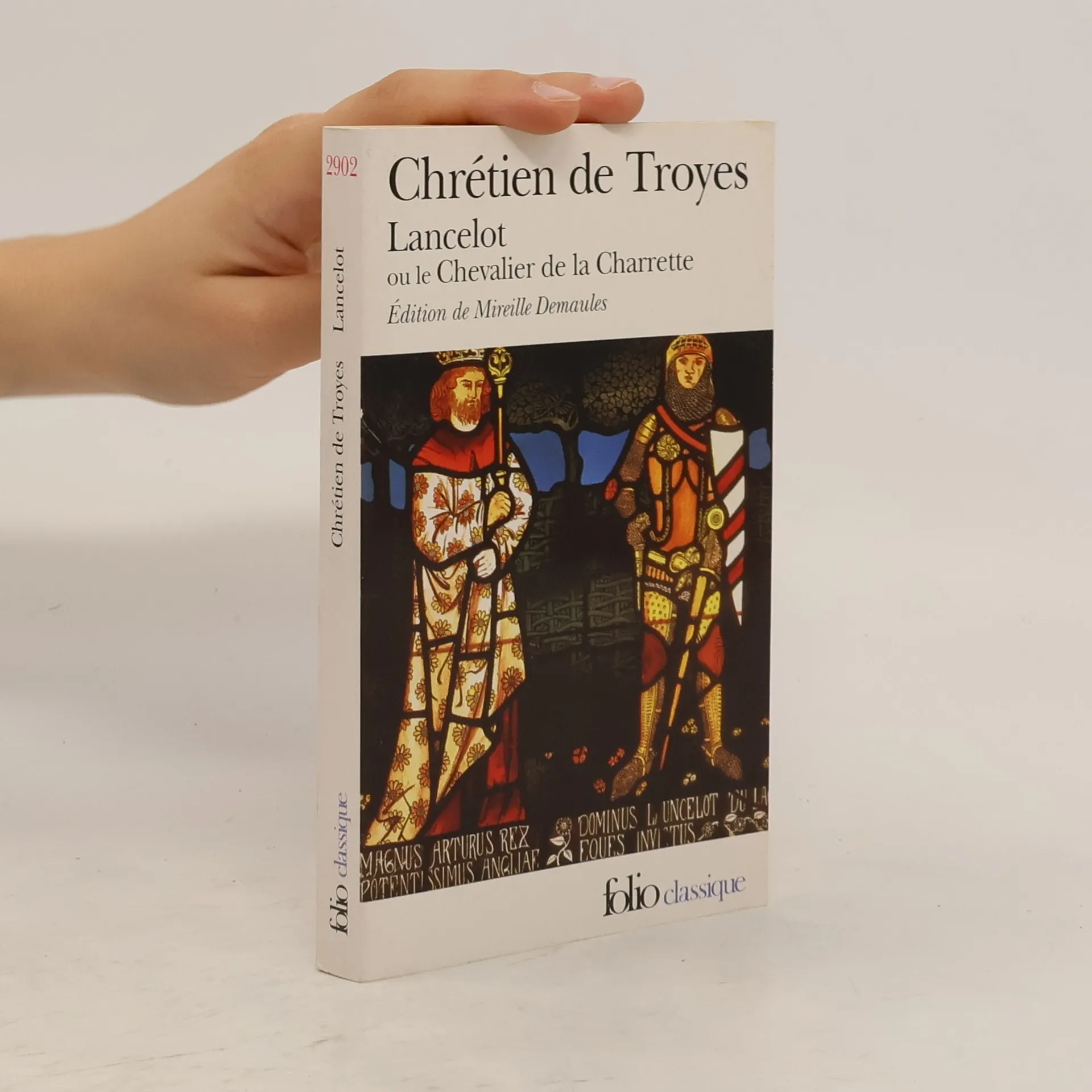
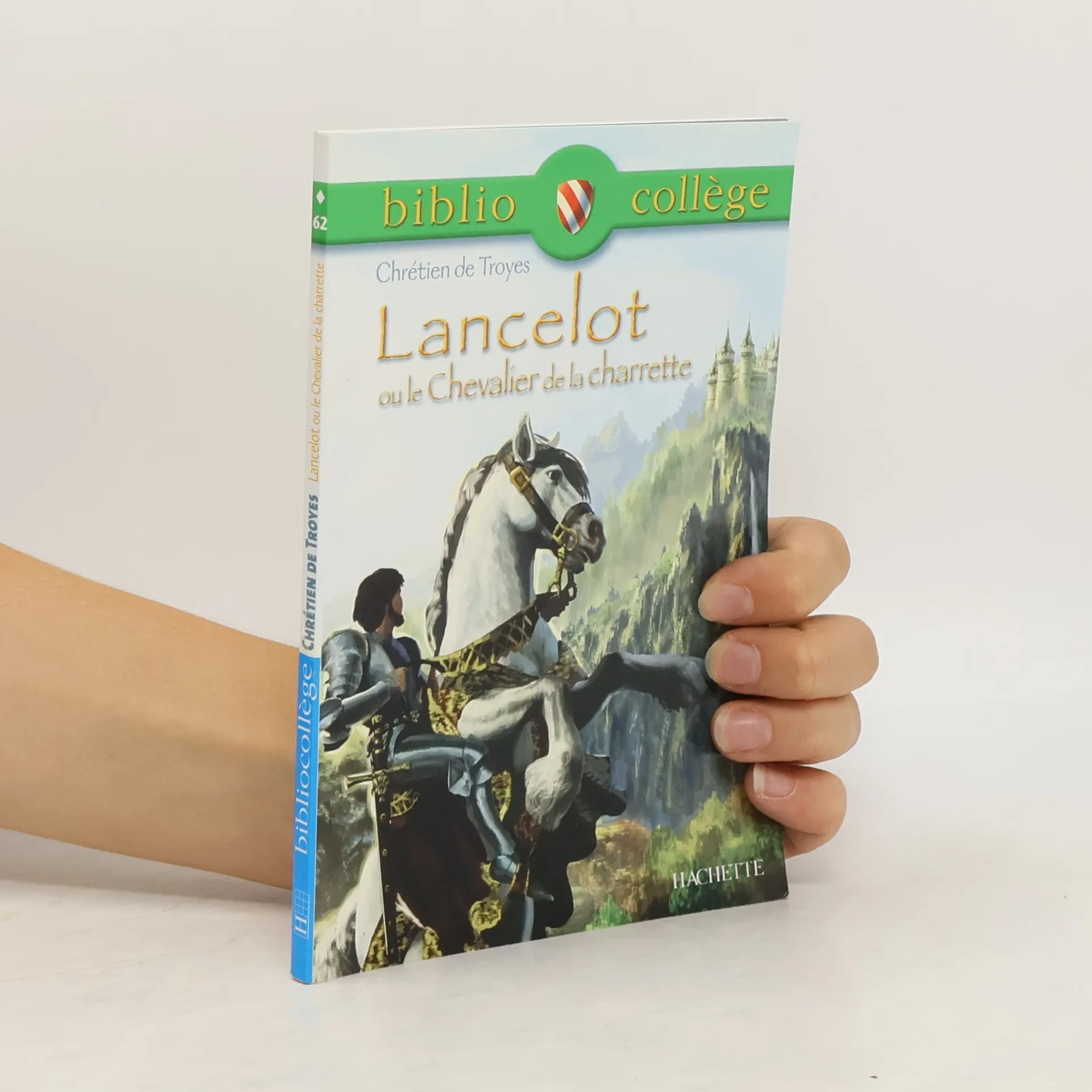
Entre 1176 et 1181, Chrétien écrivit un roman consacré à Lancelot du Lac. Le Chevalier de la Charrette accable le plus magnifique chevalier de la cour d'Arthur d'un surnom méprisant, en l'associant à la charrette d'infamie réservée aux assassins et aux voleurs, dans laquelle le héros monte pourtant afin de retrouver sa bien-aimée. Quel forfait a-t-il commis, vers quel destin va-t-il, s'interrogent les foules rencontrées sur le chemin de son humiliation ? Comme un mauvais augure, toutes ces questions pèsent ainsi, dès son entrée dans notre littérature, sur la carrière héroïque de Lancelot du Lac qu'un amour fou et coupable unit à la reine Guenièvre, l'épouse du roi Arthur, celle entre toutes interdite.
A twelfth-century poem by the creator of the Arthurian romance describes the
courageous exploits and triumphs of a brave lord who tries to win back his
deserted wife's love.
This translation of Lancelot brings to English-language readers, the fourth of
Chretien's five surviving romantic Arthurian poems. This poem was the first to
introduce Lancelot as an important figure in the King Arthur legend.
Lancelot ou le Chevalier de la Charrette was composed in the late 12th century by Chrétien de Troyes and finished by Godefroi de Lagny (from the text: «Le clerc Godefroi de Lagny a achevé La Charrette. Mais que personne ne lui reproche d'avoir continué le travail de Chrétien, car il l'a fait avec le complet accord de Chrétien qui l'a commencé.»: traduction de Daniel Poirion in Chrétien de Troyes, Œuvres complètes, Gallimard, La Pléiade, 1994, p. 682). It was finished around 1180 (sources: The Princeton Charrette Project at Princeton University and The Charrette Project 2 at Baylor University) This poem was the first to introduce Lancelot as one of the leading figures in the King Arthur legend. It describes the adulterous relationship between Lancelot and Guinevere, the wife of King Arthur - and the willingness of Lancelot to submit to the humiliation of being transported in the cart, the shameful vehicle used to carry men to their death on the gallows, in order to discover news of the abducted Queen Guinevere.