

10 libri per 10 euro qui
Bookbot

Azar Nafisi

    Azar Nafisi usa la letteratura come lente per esplorare le complessità della vita, in particolare nel contesto dell'Iran. Il suo lavoro approfondisce il potere della narrazione e il suo impatto sulle percezioni individuali e collettive della realtà. Attraverso la sua scrittura, riflette spesso sulla ricerca della libertà intellettuale e dell'espressione artistica di fronte ai vincoli sociali. Nafisi invita i lettori a scoprire il profondo legame tra letteratura ed esperienza personale.

    Azar Nafisi
    Things I've been silent about
    Reading Lolita in Tehran 2
    Read Dangerously
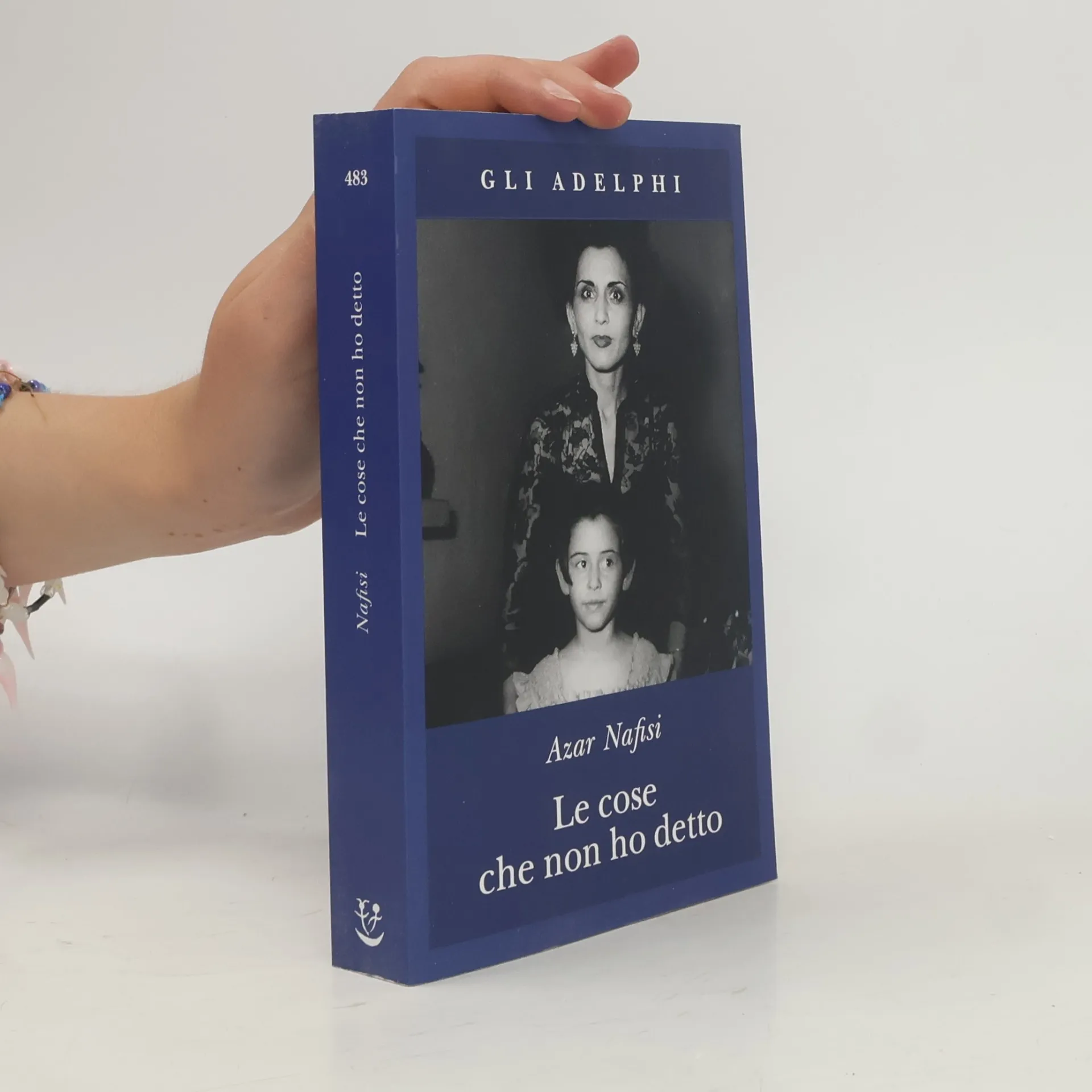
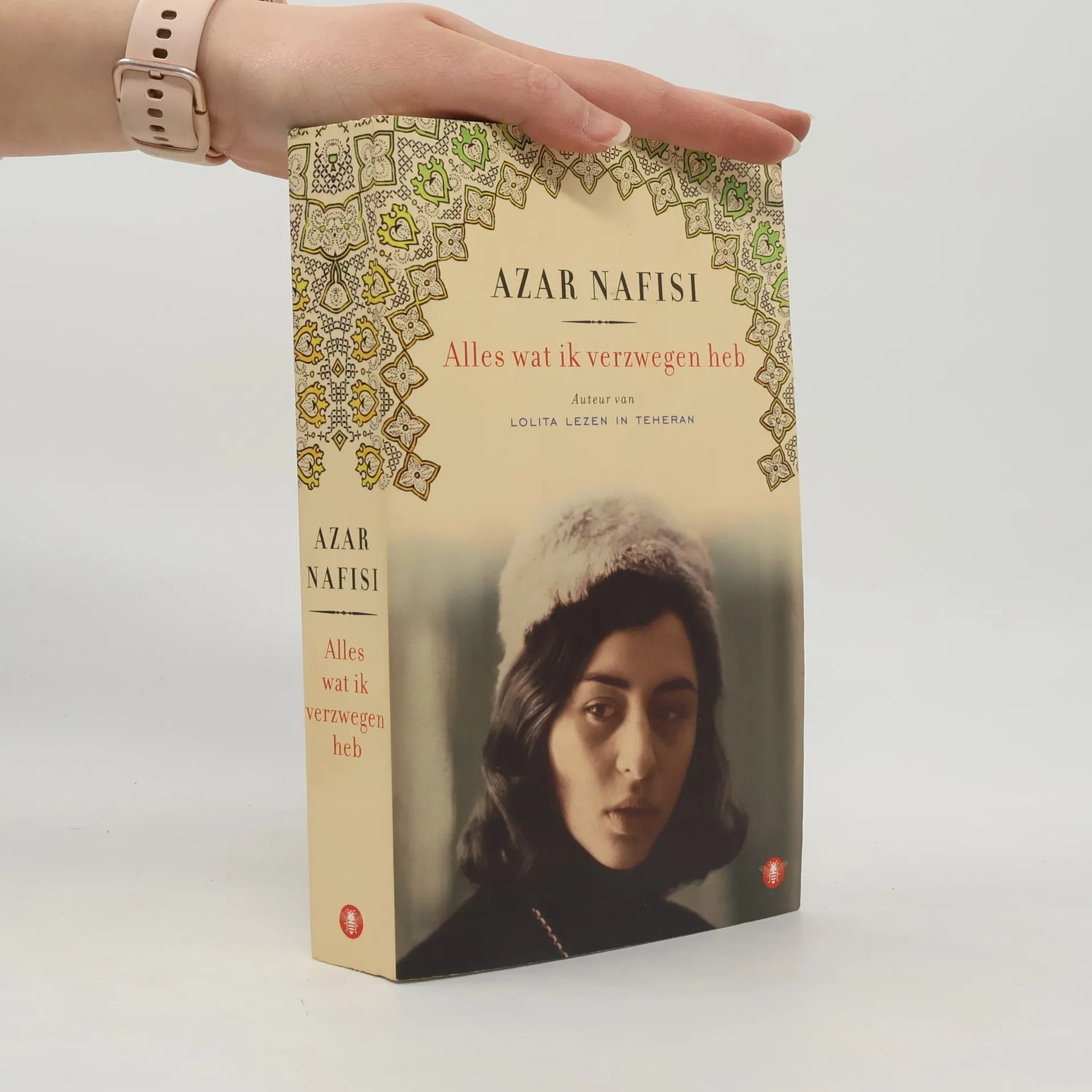
    Le cose che non ho detto
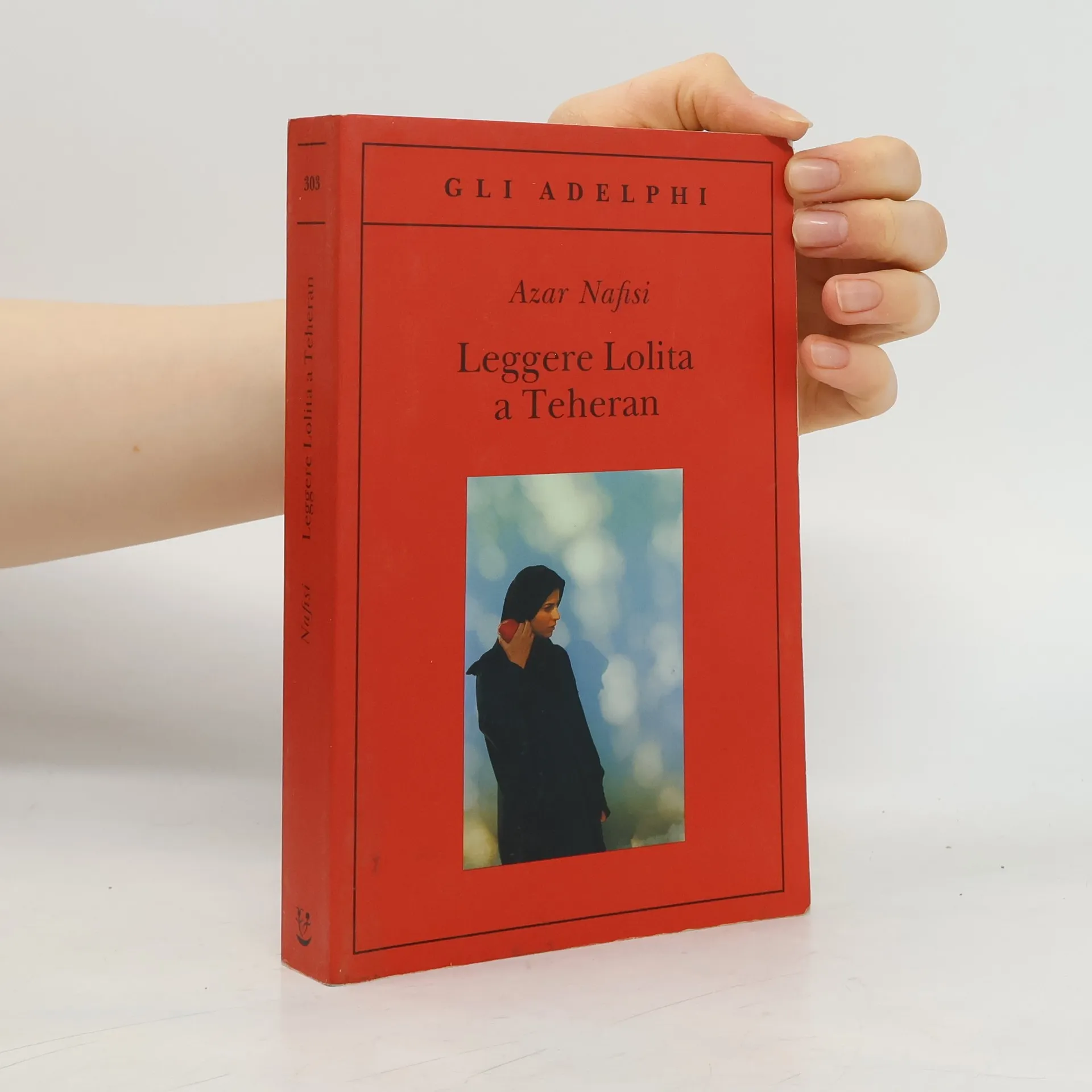
    Leggere Lolita a Teheran
    La repubblica dell'immaginazione
    • Celebre per il seminario clandestino nel quale, durante il governo degli ayatollah, insegnava alle sue migliori allieve dell'Università di Teheran i grandi autori di lingua inglese, Azar Nafisi, oggi cittadina americana, ci parla del valore inestimabile della letteratura «in una società che sembra concedere tutte le libertà»: anche qui, infatti, ha bisogno di essere difesa, diffusa e studiata strenuamente, quale vero antidoto alla «pigrizia dell’intelletto». L'interpretazione di tre classici – Huckleberry Finn, Babbitt e Il cuore è un cacciatore solitario – intessuta, come in Leggere Lolita a Teheran, di frammenti autobiografici, trasmette così una visione della letteratura come rifugio e al tempo stesso come mezzo di eversione pubblica e privata. E come sogno: un sogno condiviso, nella Repubblica dell'immaginazione, da quei lettori che non conoscono frontiere o libri proibiti e che sanno apprezzare le parole di Francis Scott Fitzgerald: «Spingi la sedia sull’orlo del precipizio e ti racconterò una storia»
      La repubblica dell'immaginazione
    • Nei due decenni successivi alla rivoluzione di Khomeini, mentre le strade e i campus di Teheran erano teatro di violenze tremende, Azar Nafisi ha dovuto cimentarsi in un'impresa fra le più ardue, e cioè spiegare a ragazzi e ragazze, esposti in misura crescente alla catechesi islamica, una delle più temibili incarnazioni dell'Occidente: la sua letteratura. Il risultato è uno dei più toccanti atti d'amore per la letteratura mai professati - e insieme una magnifica beffa giocata a chiunque tenti di interdirla. Trovi un'edizione con copertina alternativa per questo ISBN qui

      Leggere Lolita a Teheran
    • Read Dangerously

      • 256pagine
      • 9 ore di lettura

      The New York Times bestselling author of Reading Lolita in Tehran returns with a guide to the power of literature in turbulent times, arming readers with a resistance reading list, ranging from James Baldwin to Zora Neale Hurston to Margaret Atwood.What is the role of literature in an era when the president wages war on writers and the press? What is the connection between political strife in our daily lives, and the way we meet our enemies on the page in fiction? How can literature, through its free exchange, affect politics?In this galvanizing guide to resistance literature, Nafisi seeks to answer these questions. Drawing on her experiences as a woman and voracious reader living in the Islamic Republic of Iran, her life as an immigrant in the United States, and her role as literature professor in both countries, she crafts an argument for why, in a genuine democracy, we must engage with the enemy, and how literature can be a vehicle for doing so.Structured as a series of letters to her father, Baba, who taught her as a child about how literature can rescue us in times of trauma, Nafisi explores the most probing questions of our time through the works of Toni Morrison, Salman Rushdie, James Baldwin, Margaret Atwood, and more.

      Read Dangerously
    • Every Thursday morning for two years in the Islamic Republic of Iran, a bold and inspired teacher named Azar Nafisi secretly gathered seven of her most committed female students to read forbidden Western classics. As Islamic morality squads staged arbitrary raids in Tehran, fundamentalists seized hold of the universities, and a blind censor stifled artistic expression, the girls in Azar Nafisi's living room risked removing their veils and immersed themselves in the worlds of Jane Austen, F. Scott Fitzgerald, Henry James, and Vladimir Nabokov. In this extraordinary memoir, their stories become intertwined with the ones they are reading. Reading Lolita in Tehran is a remarkable exploration of resilience in the face of tyranny and a celebration of the liberating power of literature.

      Reading Lolita in Tehran 2
    • "Absorbing . . . a testament to the ways in which narrative truth-telling—from the greatest works of literature to the most intimate family stories—sustains and strengthens us.”—O: The Oprah Magazine In this stunning personal story of growing up in Iran, Azar Nafisi shares her memories of living in thrall to a powerful and complex mother against the backdrop of a country’s political revolution. A girl’s pain over family secrets, a young woman’s discovery of the power of sensuality in literature, the price a family pays for freedom in a country beset by upheaval—these and other threads are woven together in this beautiful memoir as a gifted storyteller once again transforms the way we see the world and “reminds us of why we read in the first place” (Newsday). Praise for Things I've Been Silent About “Deeply felt . . . an affecting account of a family’s struggle.”—New York Times “A gifted storyteller with a mastery of Western literature, Nafisi knows how to use language both to settle scores and to seduce.”—New York Times Book Review “An immensely rewarding and beautifully written act of courage, by turns amusing, tender and obsessively dogged.”—Kirkus Reviews (starred review) “A lyrical, often wrenching memoir.”—People

      Things I've been silent about
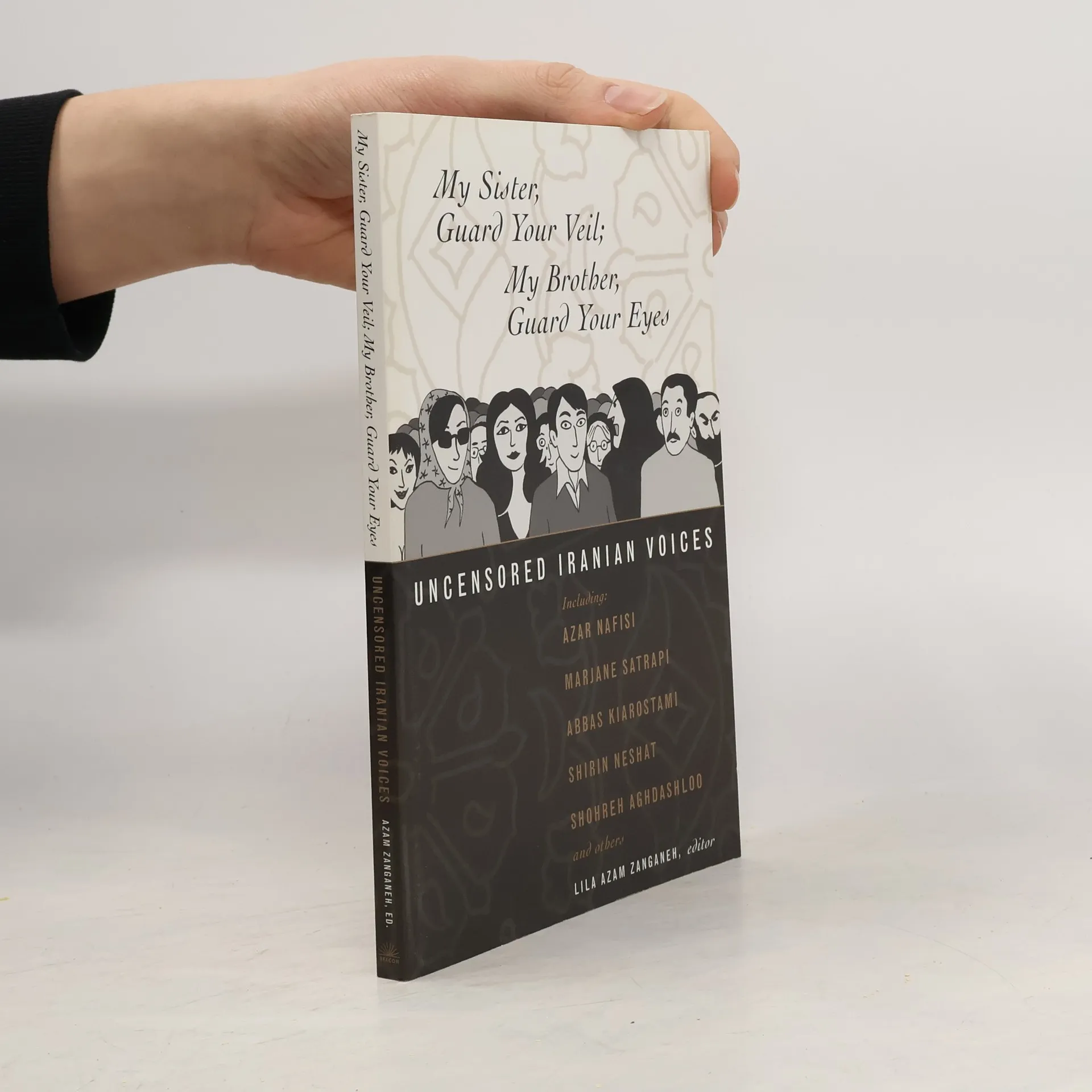
    • My Sister, Guard Your Veil; My Brother, Guard Your Eyes

      Uncensored Iranian Voices

      • 132pagine
      • 5 ore di lettura

      In the first anthology of its kind, Lila Azam Zanganeh argues that although Iran looms large in the American imagination, it is grossly misunderstood-seen either as the third pillar of Bush's infamous "axis of evil" or as a nation teeming with youths clamoring for revolution.This collection showcases the real scope and complexity of Iran through the work of a stellar group of contributors-including Azar Nafisi and with original art by Marjane Satrapi. Their collective goal is to counter the many existing cultural and political clichés about Iran. Some of the pieces concern feminism, sexuality, or eroticism under the Islamic Republic; others are unorthodox political testimonies or about race and religion. Almost all these contributors have broken artistic and cultural taboos in their work.Journalist Reza Aslan, author of No God But God, explains why Iran is not a theocracy but, rather, a "mullahcracy." Mehrangiz Kar, a lawyer and human rights activist who was jailed in Iran and is currently a fellow at Harvard's Kennedy School of Government, argues that the Iranian Revolution actually engendered the birth of feminism in Iran. Journalist Azadeh Moaveni reveals the underground parties and sex culture in Tehran, while Gelareh Asayesh, author of Saffron Sky, writes poignantly on why Iranians are not considered white in America, even though they think they are. Poet and writer Naghmeh Zarbafian expounds on the surreal experience of reading censored books in Iran, while Roya Hakakian, author of Journey from the Land of A Girlhood Caught in Revolutionary Iran, recalls the happy days of Iranian Jews. With a sharp, incisive introduction by Lila Azam Zanganeh, this diverse collection will alter what you thought you knew about Iran." My Sister, Guard Your Veil; My Brother, Guard Your Eyes aims to corrode fixed ideas and turns cultural and political clichés on their heads . . . Iranians themselves live in a complex and schizophrenic reality, at a surreal crossroads between political Islam and satellite television, massive national oil revenues, and searing social inequalities."--From the Introduction by Lila Azam ZanganehContributors Azar Nafisi, author of the best-selling Reading Lolita in Tehran , Marjane Satrapi, author of Persepolis , Shirin Neshat, internationally acclaimed visual artist, Abbas Kiarostami, award-winning filmmaker of Taste of Cherry , Shohreh Aghdashloo, Oscar nominee for House of Sand and Fog , Azadeh Moaveni, author of Lipstick Jihad

      My Sister, Guard Your Veil; My Brother, Guard Your Eyes
    • Penguin Classics: Shahnameh

      The Persian Book of Kings - Deluxe Edition

      • 886pagine
      • 32 ore di lettura

      The great national epic of Persia—the most complete English-language edition and definitive translation by Dick Davis, available in a deluxe edition by Penguin Classics .Wherever Persian influence has spread, the stories of the Shahnameh become deeply embedded in the culture, as amply attested by their appearance in such works as The Kite Runner and the love poems of Rumi and Hafez. Among the greatest works of world literature, this prodigious narrative, composed by the poet Ferdowsi in the late tenth century, tells the story of pre-Islamic Iran, beginning in the mythic time of creation and continuing forward to the Arab invasion in the seventh century. The sweep and psychological depth of the Shahnameh is nothing less than magnificent as it recounts classic tales like the tragedy of Rostam and Sohrab.Now Dick Davis, “our pre-eminent translator from the Persian” ( Washington Post ), presents a comprehensive translation of Ferdowsi’s masterpiece in an elegant combination of prose and verse, allowing the poetry of the Shanameh to sing its own tales directly, interspersed sparingly with clearly-marked explanations to ease along modern readers.For more than seventy years, Penguin has been the leading publisher of classic literature in the English-speaking world. With more than 1,700 titles, Penguin Classics represents a global bookshelf of the best works throughout history and across genres and disciplines. Readers trust the series to provide authoritative texts enhanced by introductions and notes by distinguished scholars and contemporary authors, as well as up-to-date translations by award-winning translators.

      Penguin Classics: Shahnameh
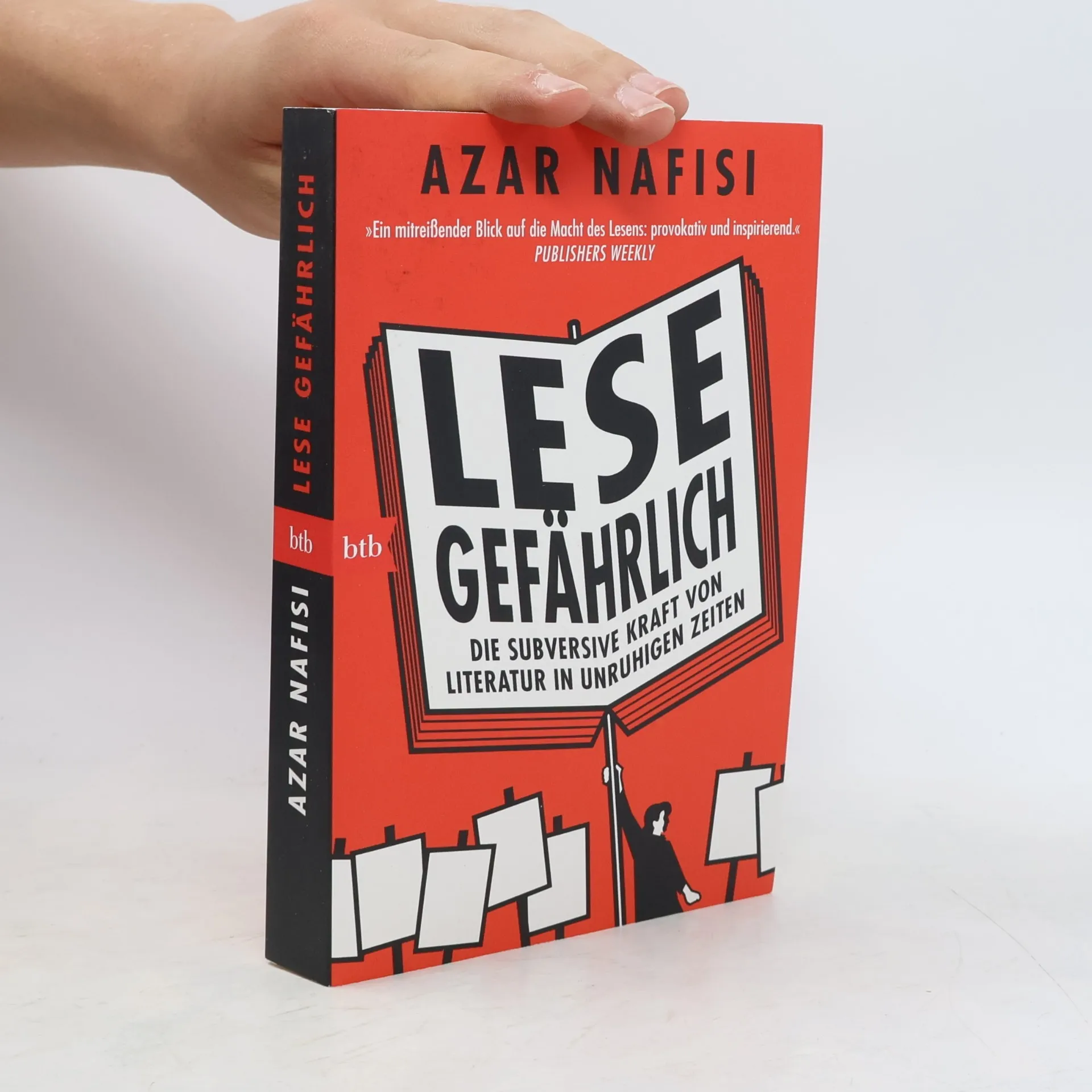
    • Lese gefährlich

      Die subversive Kraft von Literatur in unruhigen Zeiten

      • 320pagine
      • 12 ore di lettura

      Ein kämpferischer Appell für Literatur als Mittel des Widerstands und Empowerment: New-York-Times-Bestsellerautorin Azar Nafisi (»Lolita lesen in Teheran«) mit einem aufrüttelnden Text über die Macht der Bücher. In Form von Briefen an ihren verstorbenen Vater (früherer Bürgermeister von Teheran und politischer Gefangener des Schah-Regimes), der ihr in ihrer Kindheit die Augen dafür öffnete, wie Literatur uns in Zeiten der Krise retten kann, stellt Nafisi die brennenden Fragen unserer Zeit – mit ihrer Lektüreliste bewaffnet Nafisi die Leser*Innen für den Widerstand. Sie greift dabei auf ihre persönlichen Erfahrungen als Frau, als Leser*in und Lehrende in Teheran zurück, die von der Universität verwiesen wurde, als sie sich weigerte, den Schleier zu tragen, und schließlich in die USA emigrierte, wo sie als Professorin Literatur unterrichtete. Nafisi ist überzeugt: Für das Überleben der Demokratie weltweit ist das Lesen unabdingbar. Ob James Baldwin oder Margret Atwood, ob Platon oder Salman Rushdie, Lektüre ist immer ein Weg in Richtung Freiheit: persönlich und politisch.

      Lese gefährlich
    • Nach dem weltweiten Erfolg von „Lolita lesen in Teheran“ erzählt Azar Nafisi nun die bewegende Geschichte ihrer zerrissenen Familie. Die junge Azar ist gefangen zwischen ihrer eindrucksvollen, aber komplizierten Mutter und ihrem liebevollen, literaturbegeisterten Vater. Diese Familiensaga entfaltet sich vor dem Hintergrund der Unruhen im Iran während der Schah-Zeit. Azar reflektiert über ihre Kindheit in Teheran, geprägt von der schwierigen Beziehung zur Mutter, die wenig Liebe zeigt, und dem Vater, der ihr die Leidenschaft für Literatur vermittelt und sie gegen die Mutter unterstützt. Die Erzählung umfasst ihre Schul- und Studienjahre im Westen, die Zeit ohne ihren inhaftierten Vater, ihre erste hastige Ehe mit einem Mann, den sie nicht liebt, und ihre Rückkehr in den Iran nach der Islamischen Revolution, wo sie ihre akademische Laufbahn beginnt. Auch ihre zweite Ehe und die schlussendliche Auswanderung in die USA sind Teil ihrer Geschichte. „Die schönen Lügen meiner Mutter“ bietet persönliche Einblicke in eine Kindheit, die von einem autoritären Regime geprägt ist, und beleuchtet die kleinen und großen Geheimnisse einer Familie.

      Die schönen Lügen meiner Mutter