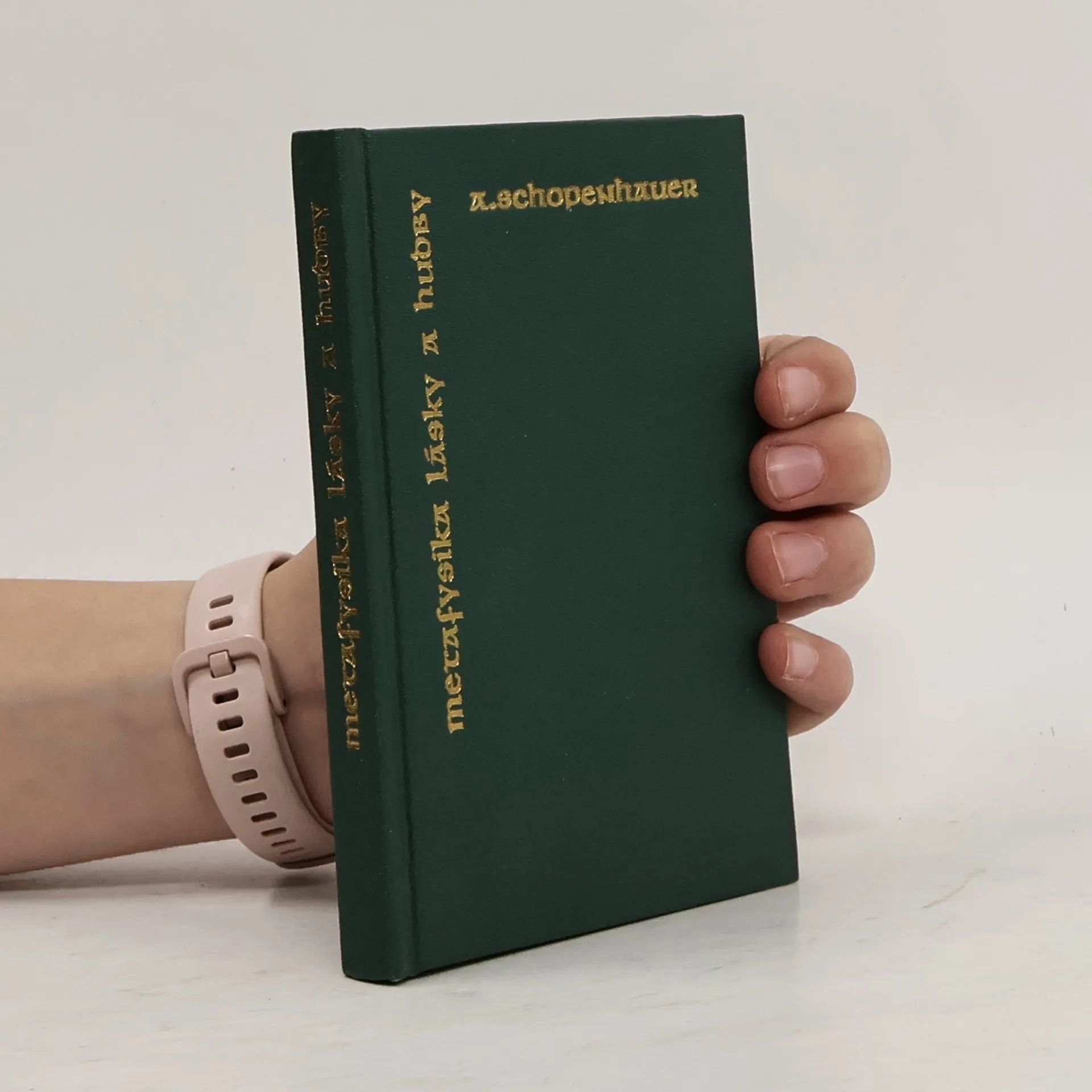
Arthur Schopenhauer Libri
Arthur Schopenhauer fu un filosofo tedesco noto per la sua profonda esplorazione del mondo come volontà e rappresentazione. Cercò di costruirsi una carriera accademica affinando ed espandendo la filosofia di Immanuel Kant riguardo all'esperienza umana. Il suo lavoro approfondisce la natura fondamentale dell'esistenza e la condizione umana, stabilendolo come una figura centrale del pensiero filosofico. La prospettiva distintiva di Schopenhauer sul pessimismo e sull'etica continua a influenzare il discorso contemporaneo.



Il mondo come volontà e rappresentazione resta ancor oggi la testimonianza appassionante e illuminante di una crisi intellettuale e morale che è ben lontana dall'essere risolta; e chi lo legge con occhio storico può ben riconoscervi uno dei documenti «essenziali» per comprendere l'origine e il significato di talune idee che sono ancora operanti nella filosofia contemporanea, pronte, comunque, a riemergere ogni volta che la storia sembra deludere o sconfiggere. Dall'introduzione di Cesare Vasoli.
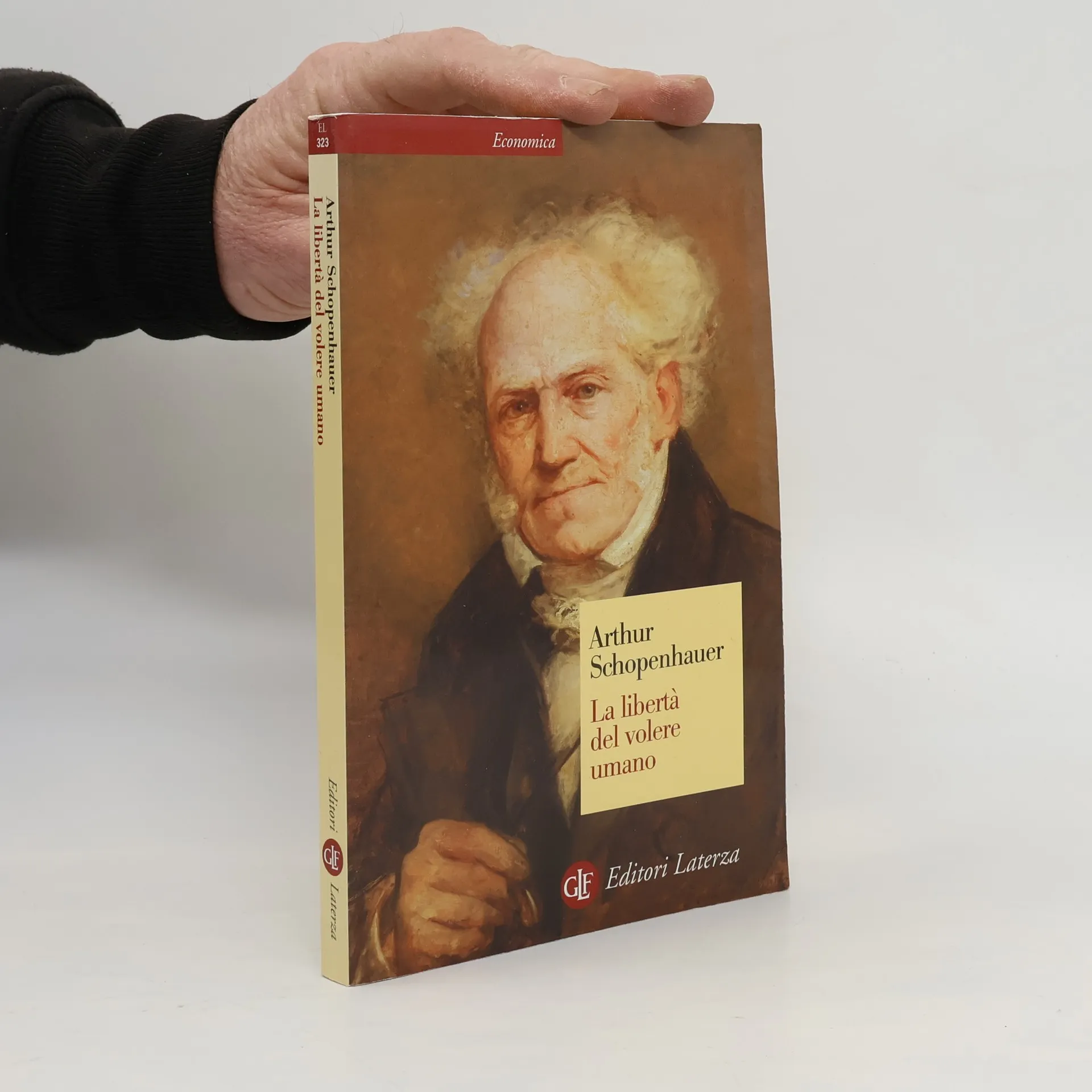
La libertà del volere umano
- 151pagine
- 6 ore di lettura
Nel 1838, quando presentò questo scritto al concorso della Reale Società norvegese delle Scienze di Trondheim per un saggio sul problema della libertà del volere, Schopenhauer viveva da cinque anni chiuso nella sua esistenza di "filosofo solitario" in rotta con i maestri, le scuole e le ideologie dominanti. Fin dal 1820 si era manifestato un aspro conflitto con Hegel, le cui teorie attraevano sempre più il pubblico colto tedesco. Schopenhauer svolgeva una deliberata critica dello storicismo idealista, il suo dichiarato ateismo suscitava il sospetto delle autorità accademiche. Il ritiro a Francoforte nel 1831 lo spinse a svolgere con netta intransigenza pessimistica il tema dell'assoluta volontà che persiste oltre il fluire dei fenomeni.
Consigli sulla felicità
- 143pagine
- 6 ore di lettura
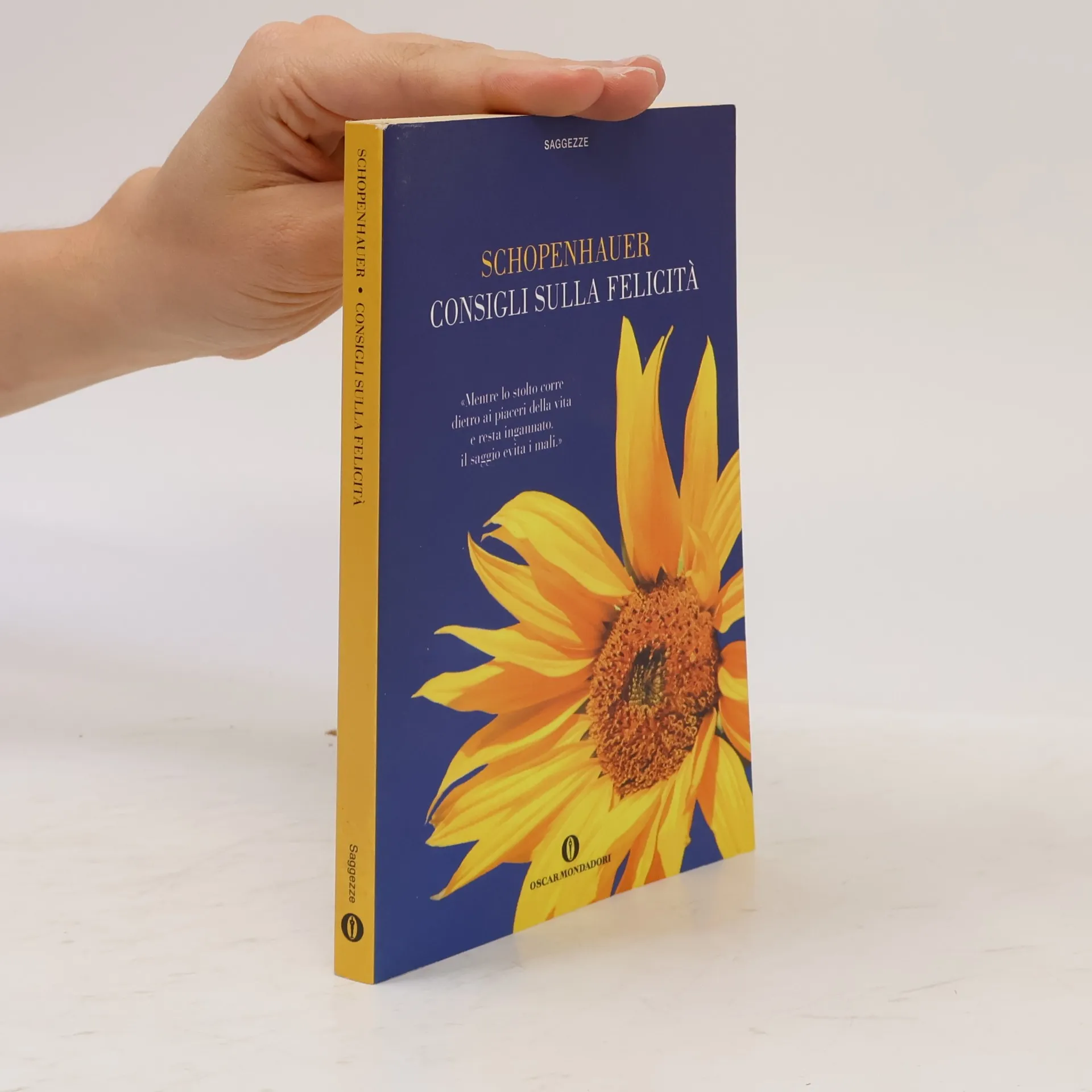
Filosofo tra i più originali e profondi della storia del pensiero occidentale, Arthur Schopenhauer era anche dotato di un talento letterario non comune, soprattutto per quanto riguarda la capacità di racchiudere nel giro di una breve frase, di un aforisma, di una sentenza un concetto, un'idea, un'intera concezione della vita e del mondo. Il meglio dei suoi scritti è raccolto in questo agile volume: un'antologia di acute riflessioni sulla natura della felicità e sulla possibilità per l'uomo di raggiungerla, che parlano al cuore di tutti noi. Una riflessione su come evitare di cadere nella trappola delle illusioni e cercare la propria realizzazione nella dimensione interiore: il segreto per una vita serena e felice. Il potere dell'inconscio, la tirannia del desiderio, la dignità e la volontà dell'uomo capace di sottrarsi al destino di sofferenza universale. La suggestione dei maestri orientali e il rigore del pensiero occidentale nelle riflessioni del celebre filosofo che influenzò Kafka, Mann, Nietzsche e Freud.
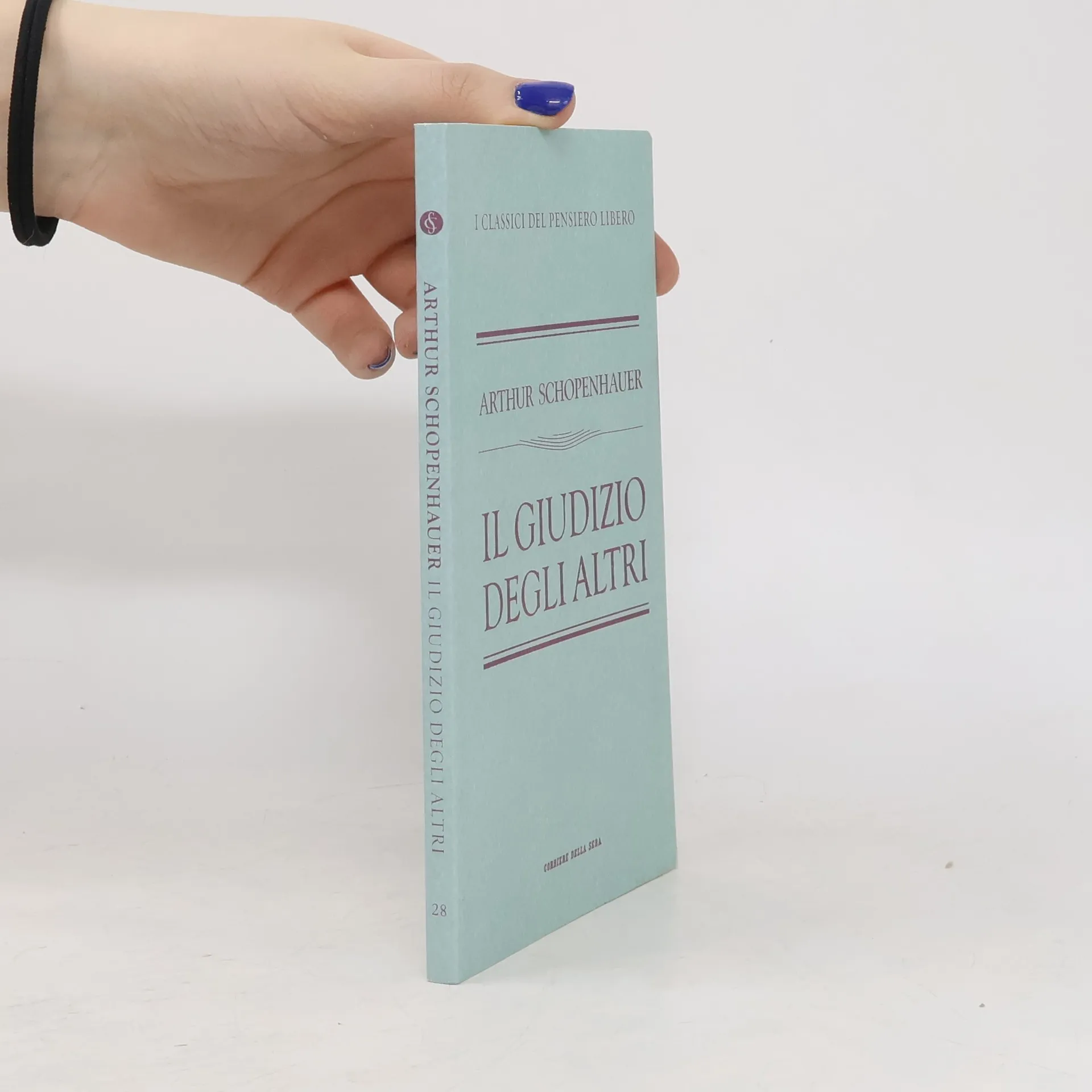
Il giudizio degli altri. Dov'è la nostra felicità? Nella testa degli altri
- 89pagine
- 4 ore di lettura
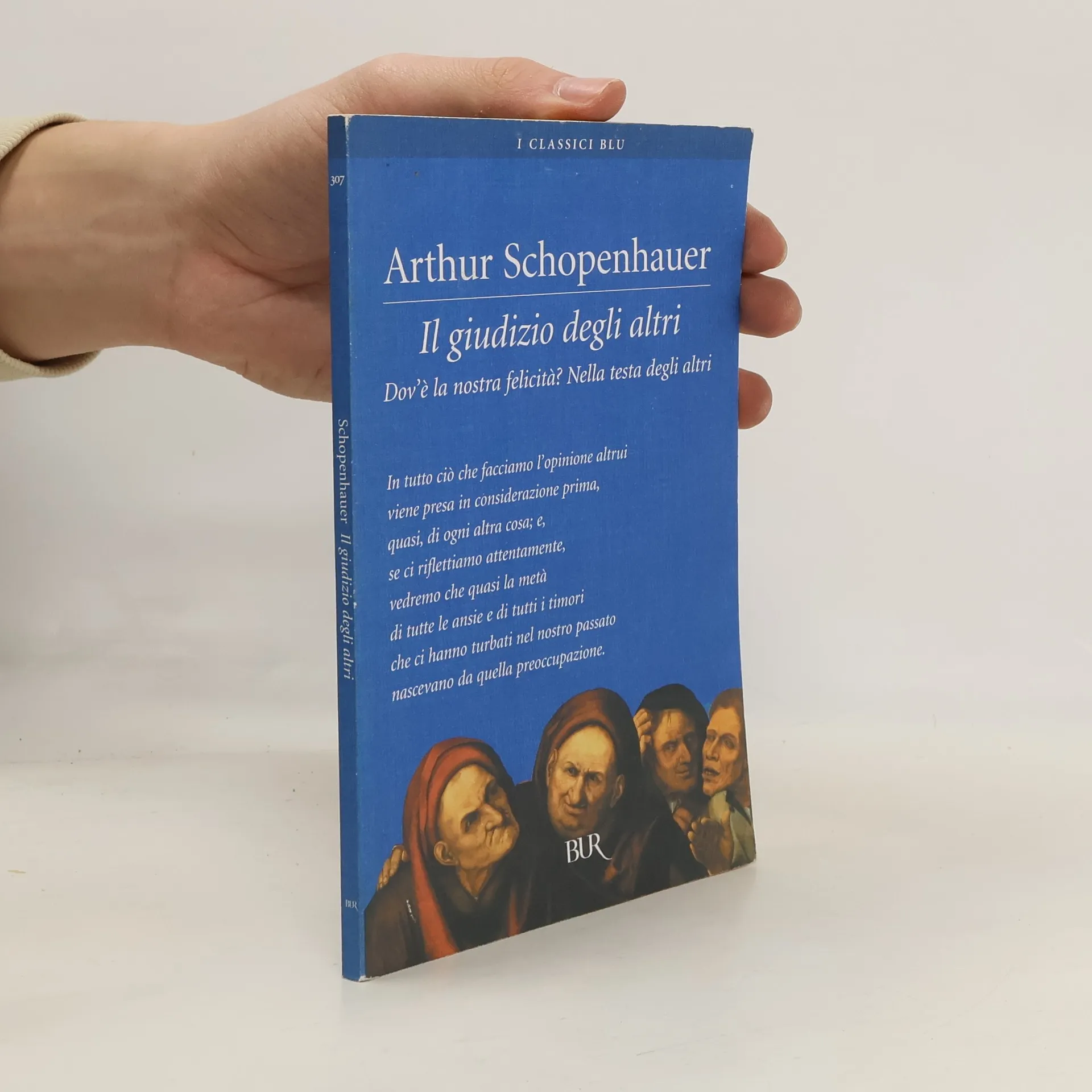
"A causa della debolezza della natura umana si attribuisce, in genere, soverchia importanza a ciò che siamo nell'opinione altrui": profondo osservatore delle contraddizioni dell'animo umano, Arthur Schopenhauer analizza in queste pagine i tanti modi in cui i giudizi della società condizionano i nostri comportamenti. Con l'acutezza che lo contraddistingue, Schopenhauer sottolinea l'assurdità di molti dei pareri che spesso ci portano a modificare la nostra condotta e mostra come imparare a vivere guardando prima di tutto al nostro benessere, per condurre un'esistenza appagante e ritrovare così la serenità interiore.
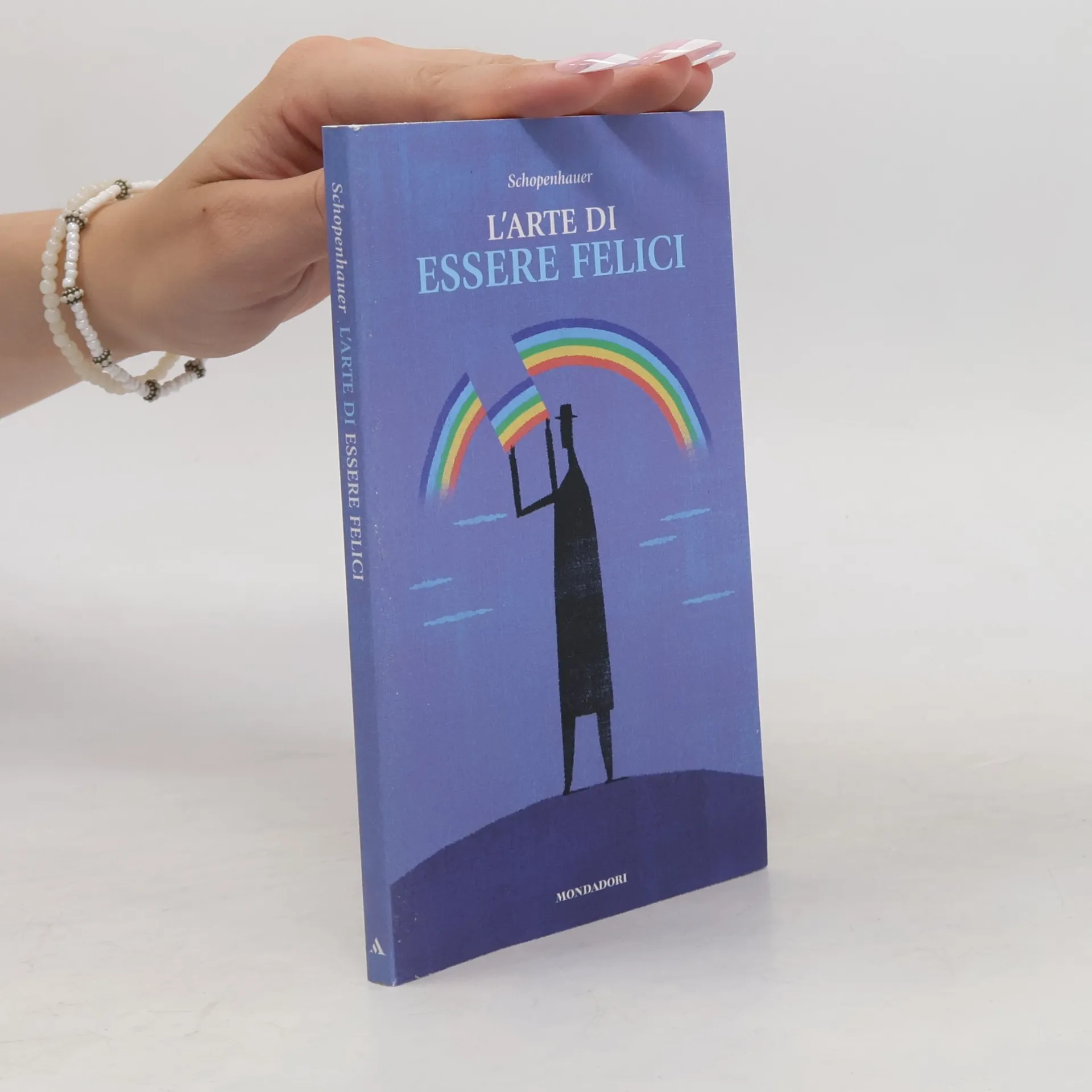
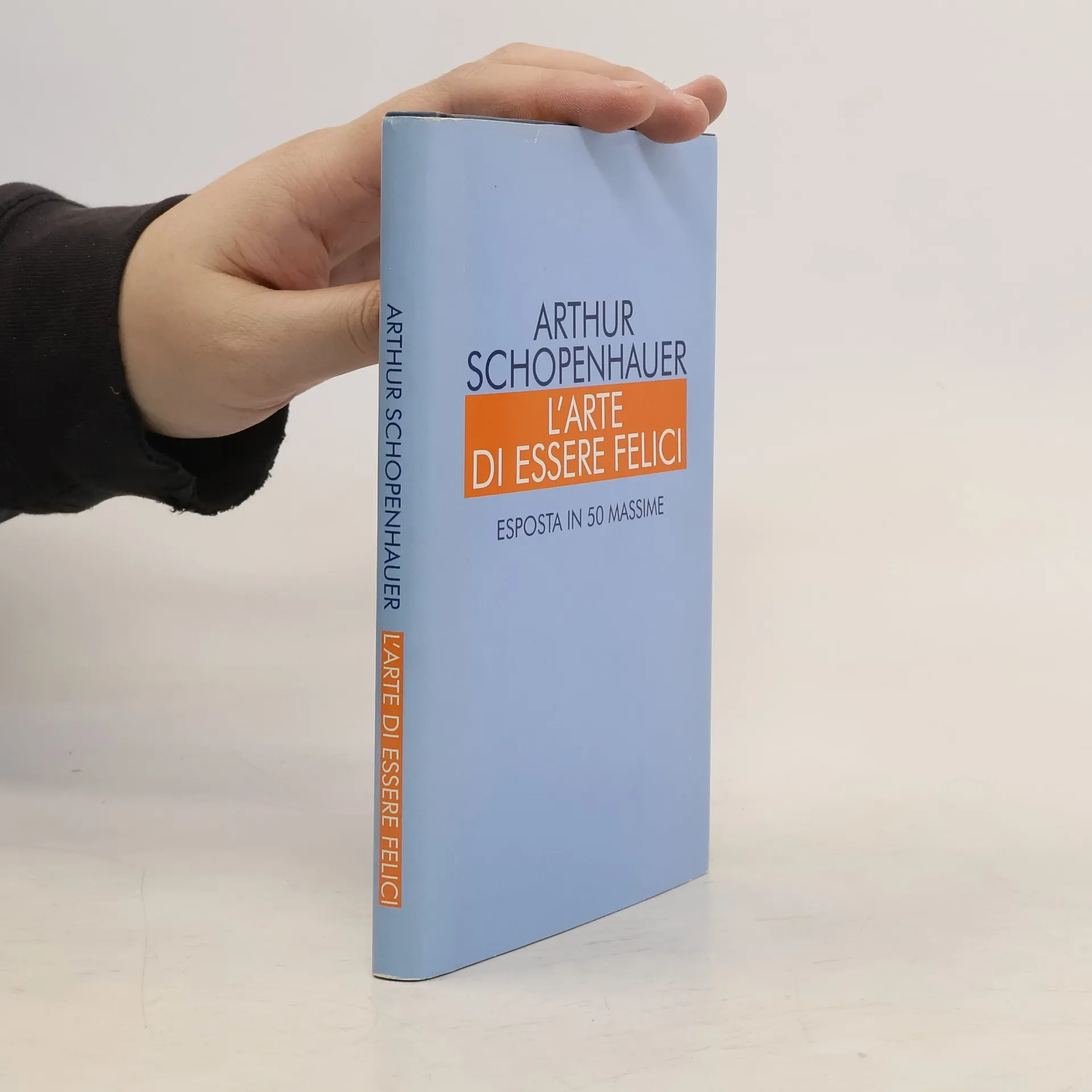
Nello sterminato fascio di carte che compongono gli scritti postumi di Schopenhauer si cela un abbozzo di eudemonologia – ossia l’arte di essere felici. Schopenhauer concepì infatti il disegno di radunare in un manualetto, articolandoli in cinquanta massime, una serie di pensieri che era venuto formulando nel corso del tempo e che insegnano come vivere il più felicemente possibile in un mondo in cui «la felicità e i piaceri sono soltanto chimere che un’illusione ci mostra in lontananza, mentre la sofferenza e il dolore sono reali e si annunciano immediatamente da sé, senza bisogno dell’illusione e dell’attesa». Con la lucidità e il rigore a lui consueti, Schopenhauer giunge alla conclusione che la felicità di cui si discorre non è che un eufemismo, giacché «“vivere felici” può significare solo vivere il meno infelici possibile, o, in breve, vivere passabilmente». Il grande maestro del pessimismo riesce così a offrirci una cauta e diffidente guida a una felicità che per questa volta non sarà illusoria e corrisponderà alla «vera esistenza dell’uomo», per Schopenhauer equivalente a «ciò che di fatto accade al suo interno», al suo «piacere interiore».
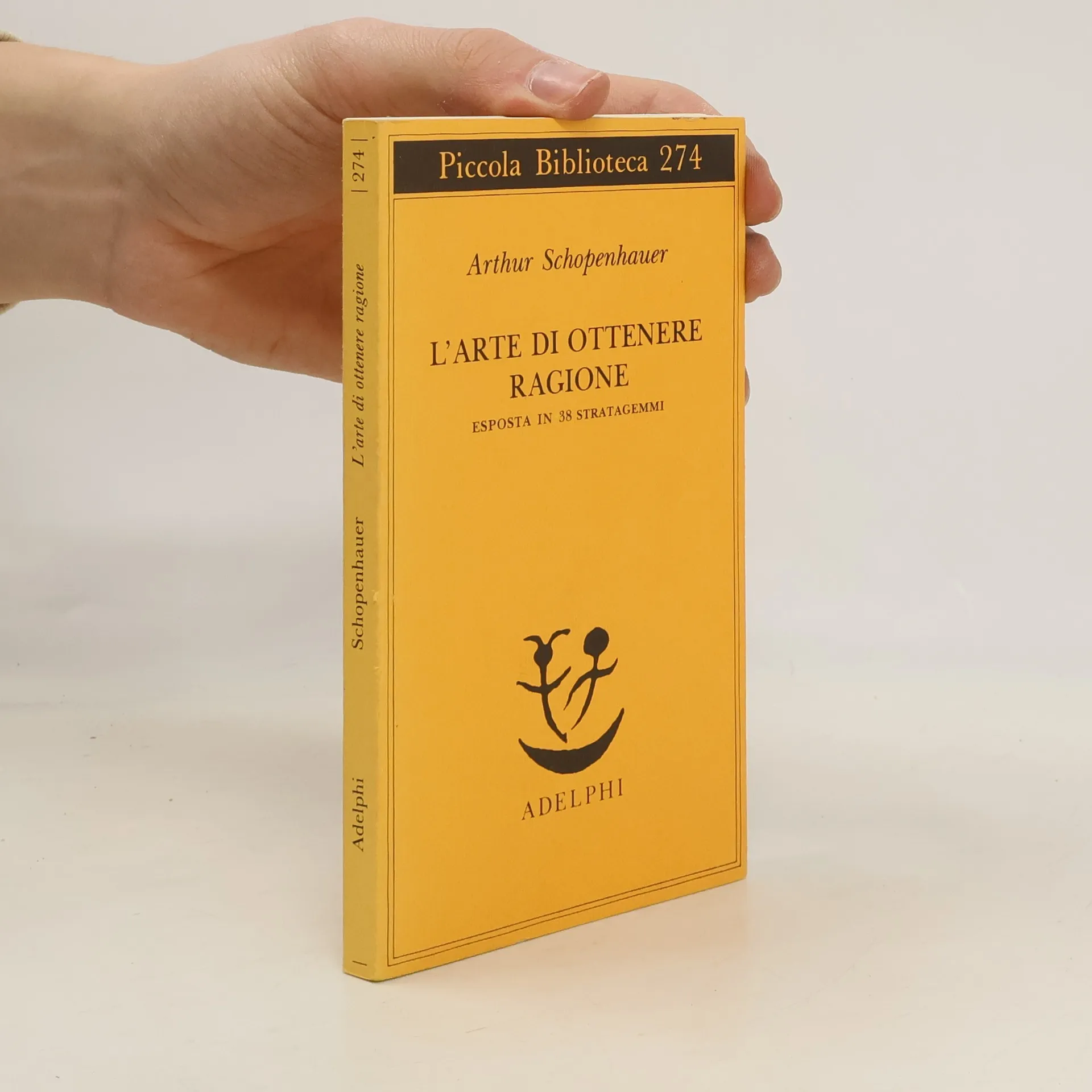
L' arte di ottenere ragione
- 124pagine
- 5 ore di lettura
Questo trattatello venne elaborato «come un pulito preparato anatomico» per dare una sistemazione formale agli «artifici disonesti ricorrenti nelle dispute». Schopenhauer fornisce trentotto stratagemmi, leciti e illeciti, a cui ricorrere per «ottenere» ragione: per difenderla quando la si ha, e per farsela dare quando sta dalla parte dell’avversario. Con freddezza classificatoria Schopenhauer ci indica «le vie traverse e i trucchi di cui si serve l’ordinaria natura umana per celare i suoi difetti». Ma, nello stesso tempo, si tratta di un testo che si situa in un crocevia del pensiero moderno: negli stessi anni in cui Hegel indicava nella dialettica la via per giungere al culmine dello Spirito, il suo irriducibile antagonista Schopenhauer la raccomandava come fioretto da impugnare in quella «scherma spirituale» che è il discutere, senza badare alla verità. Le ragioni sottintese in questo duro contrasto sono illustrate nel saggio di Franco Volpi che accompagna il testo.
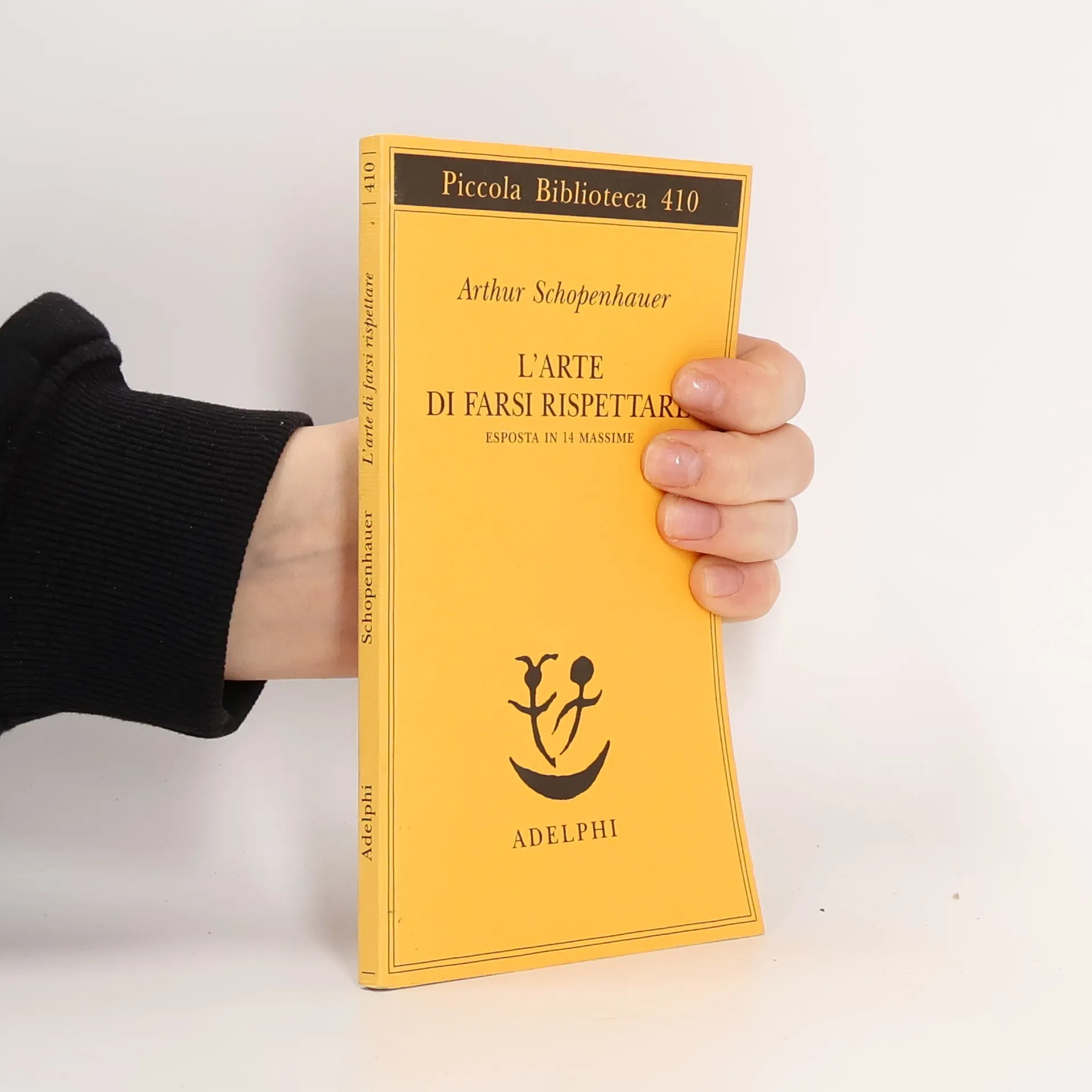
L' arte di farsi rispettare esposta in 14 massime ovvero trattato sull'onore
- 89pagine
- 4 ore di lettura
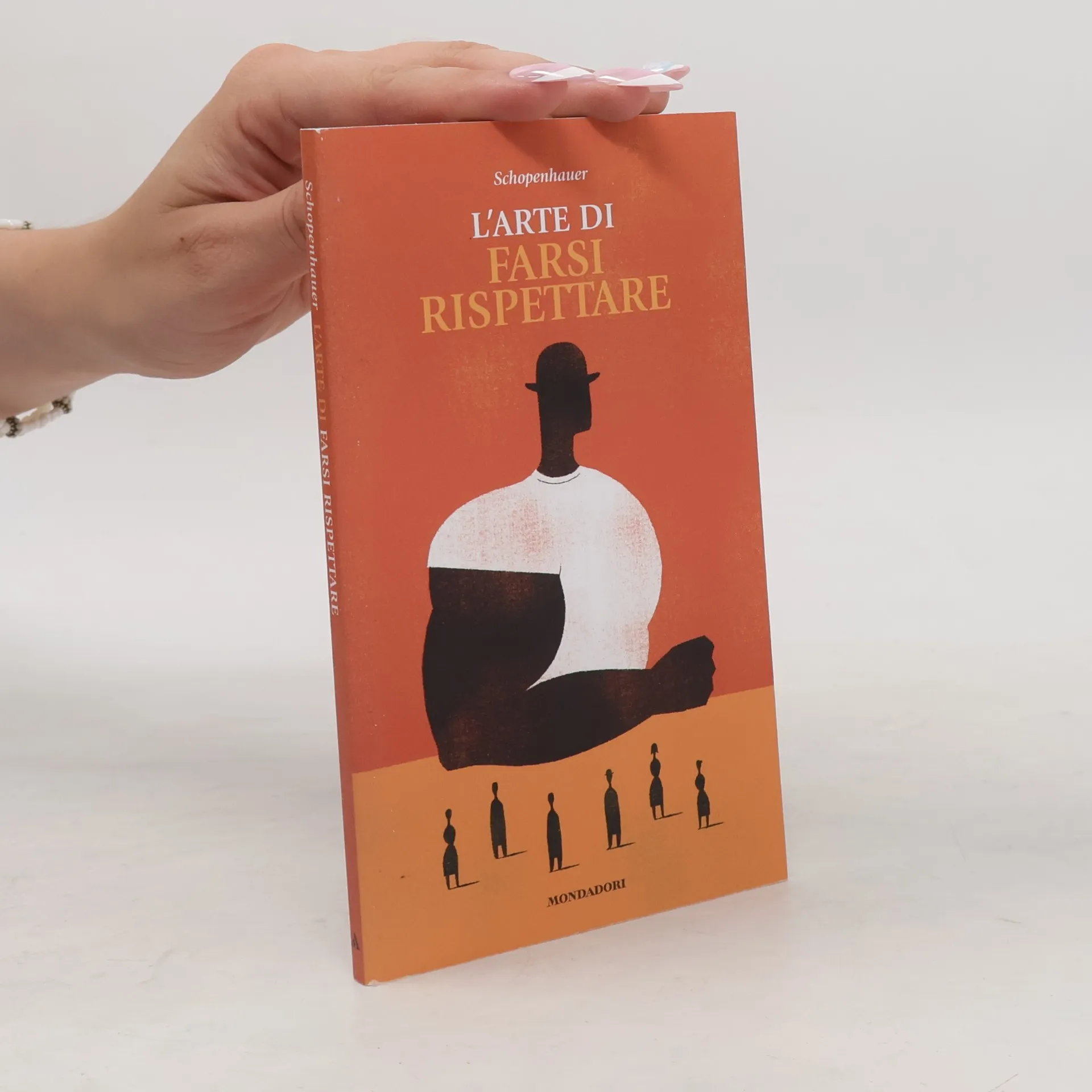
La rispettabilità, o l’onore, è uno di quei sentimenti pubblici fondamentali che si ritrovano in ogni tempo e in ogni società, e con il quale presto o tardi anche ciascuno di noi – uomo o donna, amante o marito, privato cittadino o pubblico ufficiale che sia – è costretto dai casi della vita a confrontarsi. Tutti insomma, a meno di non rassegnarci alla fatalistica dottrina degli stoici, che relega la «buona reputazione» tra le cose indifferenti per la felicità umana, dobbiamo trovare il modo di farci rispettare. In questo trattatello celato fra le sue carte postume – e ora riportato alla luce, dopo L’arte di ottenere ragione e L’arte di essere felici – Schopenhauer spiega con la consueta e impareggiabile verve che cosa è l’onore nelle sue diverse specie – onore privato, professionale, commerciale, pubblico, nazionale, sessuale, ecc. – e ci fornisce, in quattordici efficaci massime, i suggerimenti opportuni per conservarlo il più a lungo possibile malgrado le traversie di cui è costellata la nostra esistenza. E non rinuncia ad alcune impertinenti osservazioni sulle differenze che, a suo dire, sussistono in questa materia fra l’uomo e la donna.
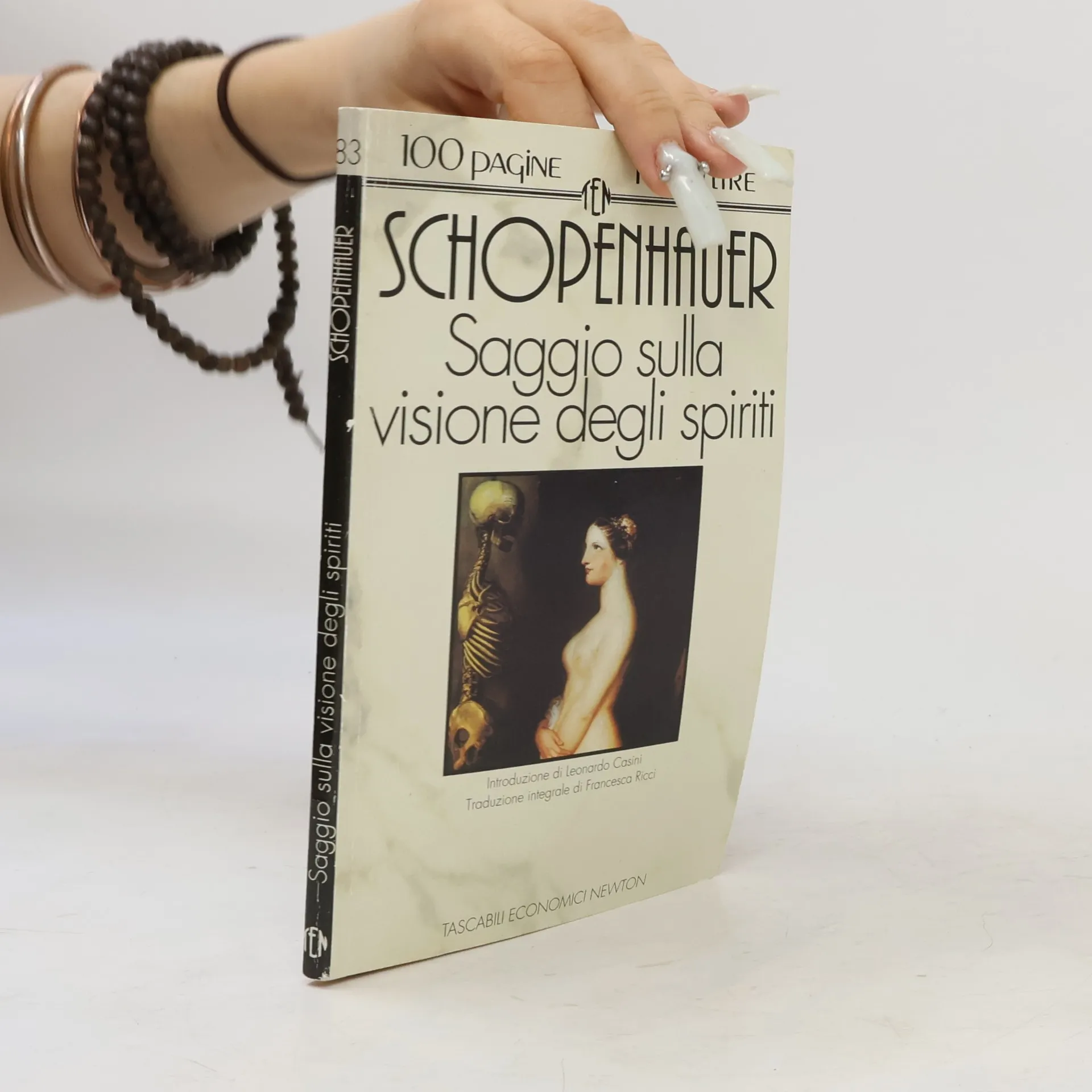
La possibilità di comunicare con gli spiriti dei defunti, le loro apparizioni, vere o presunte, hanno sempre colpito e affascinato l’immaginazione degli uomini: qualora le loro manifestazioni fossero vere e credibili, solleverebbero un lembo del velo del mistero che circonda sia il nostro destino terreno che la nostra condizione dopo la morte. In questo breve e suggestivo saggio Arthur Schopenhauer sviscera a fondo l’argomento ed espone le sue teorie in proposito con la profondità e insieme la chiarezza espositiva e l’eleganza dello stile per le quali è famoso. La fusione di razionalità moderna e di profondo rispetto per il mistero rendono questo saggio un gioiello prezioso e unico nella storia del pensiero occidentale. «Magnetismo animale, cure per simpatia, magia, seconda vista, sognare il vero, visioni di spiriti e visioni d’ogni genere sono fenomeni affini, rami di uno stesso albero, e indicano in modo sicuro e imprescindibile un nesso fra gli esseri fondato su un ordine delle cose totalmente differente da quello costituito dalla natura, la quale si basa sulle leggi dello spazio, del tempo e della causalità.»
L’insulto è un genere al quale tutti noi – anche le nature più impassibili – finiamo prima o poi per ricorrere, trascinati da inevitabili circostanze della vita. Ma, al pari della scherma o di qualsiasi altra tecnica di attacco e difesa, l’insulto, per risultare efficace e raggiungere il suo scopo, deve diventare oggetto di studio. Benché di solito lo si associ alla rozzezza e alla collericità, saper lanciare all’indirizzo altrui l’ingiuria, l’invettiva o l’improperio adatti, scientificamente studiati, implica infatti una vera e propria arte. Rovistando fra le carte edite e inedite di Schopenhauer, abbiamo trovato quel che fa al caso. Non una trattazione astratta dell’insulto in tutte le sue forme e varianti, ma una silloge di ingiurie concretamente proferite e scagliate con categorica impertinenza contro tutto e contro tutti: la società, il popolo, le istituzioni, le donne, l’amore, il sesso, il matrimonio, i colleghi, il genere umano, la storia, la vita – insomma: contro il mondo intero. Esse si imprimono nella nostra mente con la forza del paradigma da emulare non appena la vita ce ne offrirà l’occasione. Un’arte di insultare, dunque, che ci viene insegnata come nelle antiche scuole si insegnava l’etica: non con la teoria ma con l’esempio e la pratica.
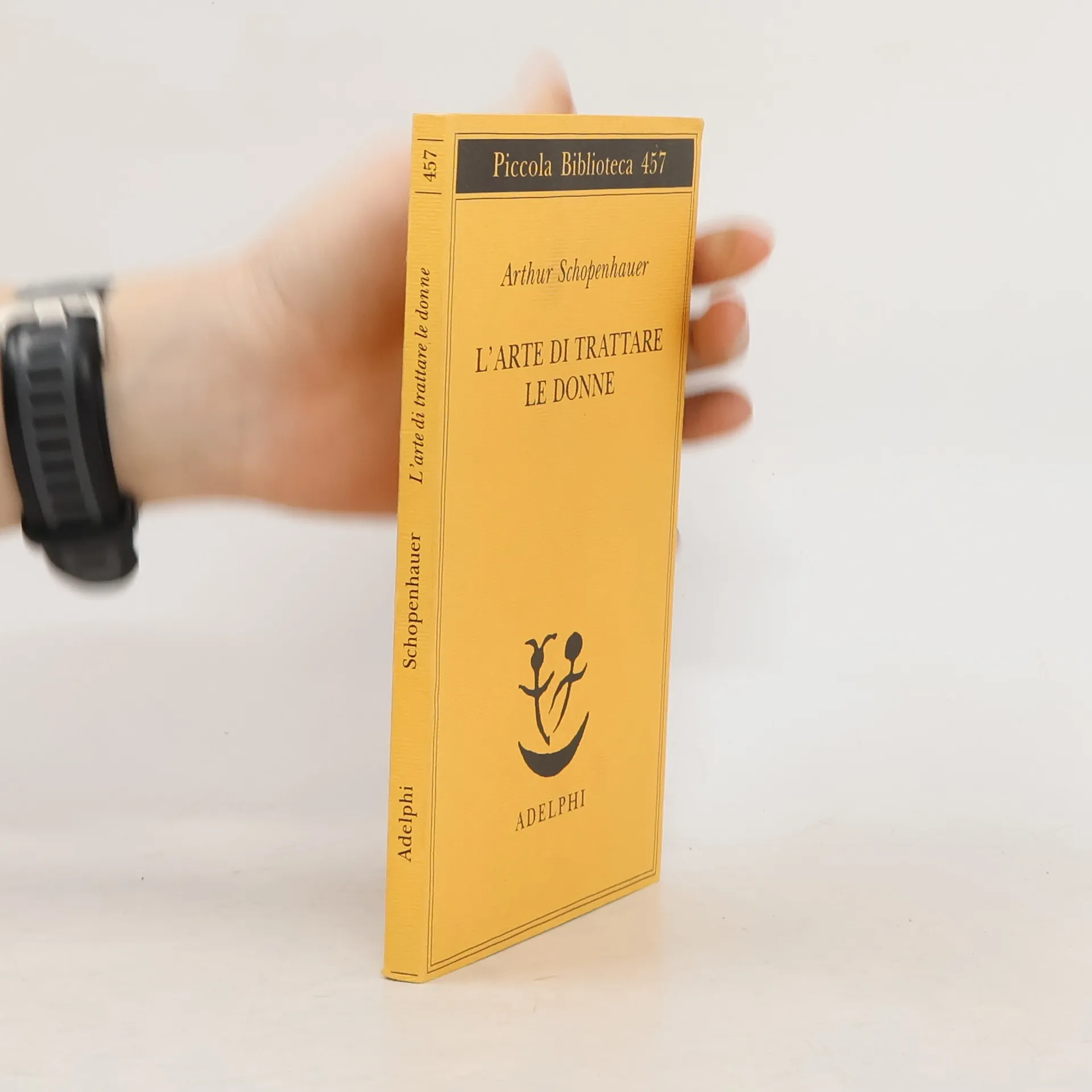
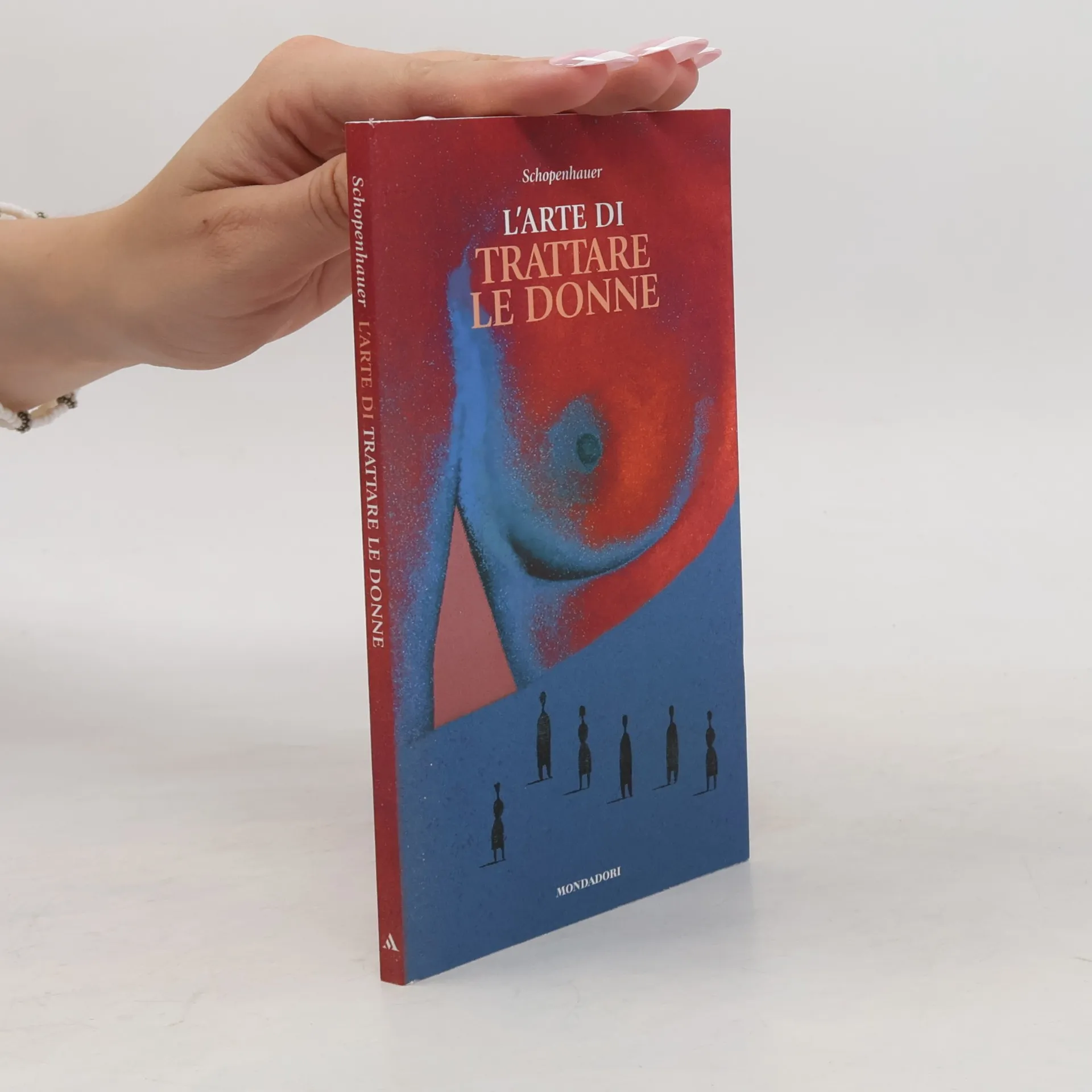
Piccola biblioteca Adelphi - 457: L'arte di trattare le donne
- 102pagine
- 4 ore di lettura
Fin dai tempi antichi, come insegna il caso di Socrate e Santippe, il rapporto tra il filosofo e le donne è stato conflittuale. E, se ripercorriamo la lunga storia di questo conflitto, ne ricaviamo l’impressione che la filosofia sia una faccenda prettamente maschile. La necessità di estirpare siffatto pregiudizio si impone con le grandi figure femminili dell’Illuminismo e del Romanticismo, quando prende avvio quella che sarà l’emancipazione della donna. Scottato dall’esperienza patita in casa con la madre, gran dama salottiera, Schopenhauer avverte con lungimirante intuito l’incombente pericolo, e oppone resistenza. Leva quindi la sua voce irriverente per mettere in guardia il sesso maschile dalle suadenti insidie, dai fatali pericoli e dagli snervanti contrasti che inevitabilmente riserva il rapporto con le donne. Le sue riflessioni su questo tema si configurano come un’«Arte di trattare adeguatamente il gentil sesso»: un’arte che, se negli intenti di Schopenhauer mirava soprattutto a tenerne a bada le intemperanze, offre a noi, uomini e donne di oggi, una lettura ricca di inconfutabili intuizioni e di tenaci, e spesso esilaranti, capricci maschili.
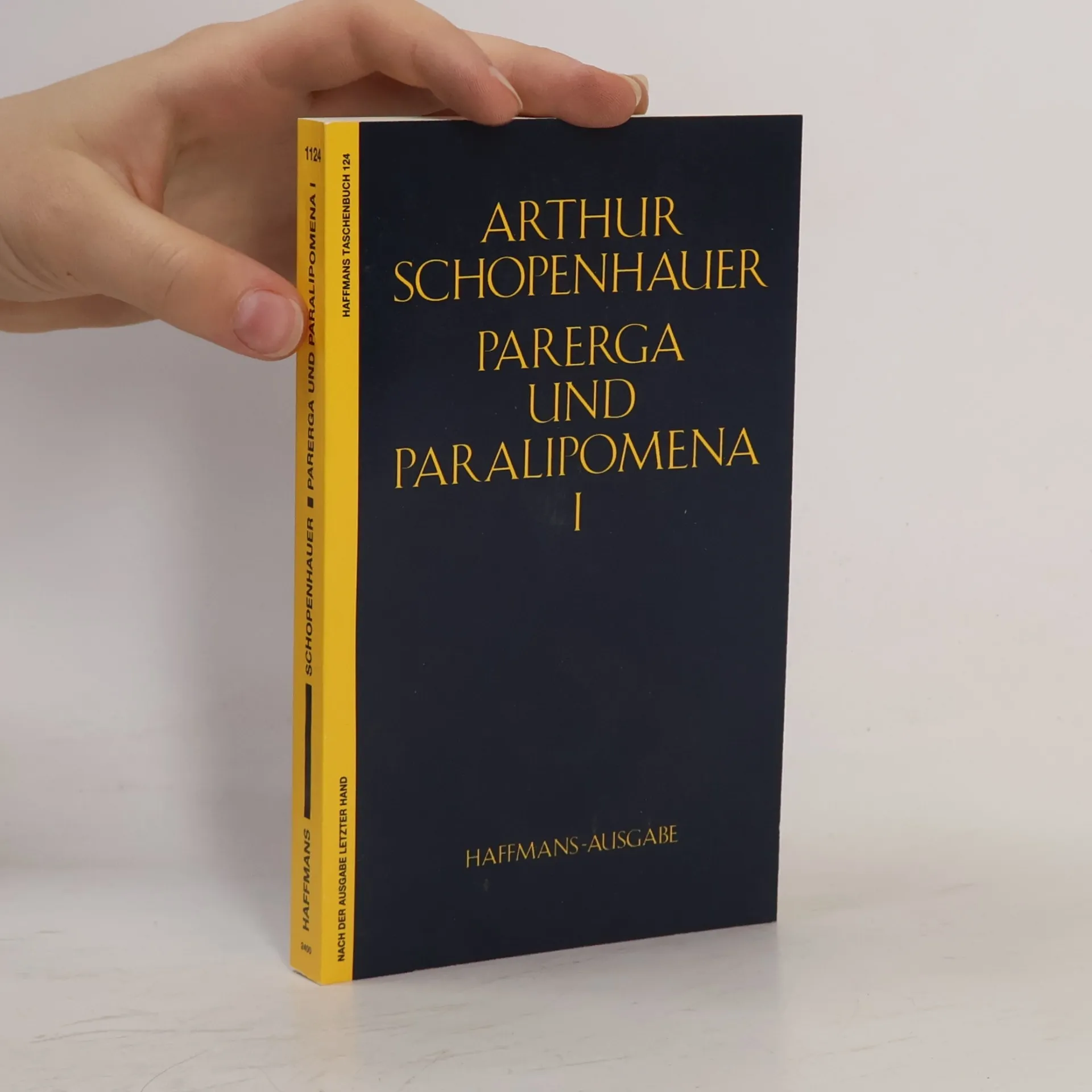
Parerga e paralipomena
- 917pagine
- 33 ore di lettura
«Nelle intenzioni dell’autore, i Parerga dovevano servire di rifinitura al sistema del Mondo come volontà e rappresentazione, ne chiarivano gli sviluppi con un’esperienza arricchita, e commentavano in estensione, con una trattazione disunita, l’invadenza razionale esauriente di quella visione del mondo. L’opera invece fu afferrata per se stessa, fu una scoperta, perché in essa per la prima volta un grande pensatore riusciva a comunicarsi, e soltanto in seguito divenne un’introduzione alla più ardua costruzione, compressa, del Mondo. Anche ora, dopo un secolo, ritroviamo nei Parerga qualcosa di essenziale, che il Mondo non dà, e accostiamo le due opere come complementari, in ogni caso come le più importanti del filosofo» (Giorgio Colli). «Il fondamento e il terreno su cui si fondano le nostre nozioni e scienze è l’inspiegabile. Perciò ad esso riconduce ogni spiegazione, mediante un numero maggiore o minore di membri intermedi: allo stesso modo sul mare lo scandaglio tocca il fondo ora a maggiore ora a minore profondità, ma alla fine deve raggiungerlo, ovunque. Questo inspiegabile riguarda la metafisica» (Arthur Schopenhauer).
Aforismi sulla saggezza del vivere
- 246pagine
- 9 ore di lettura
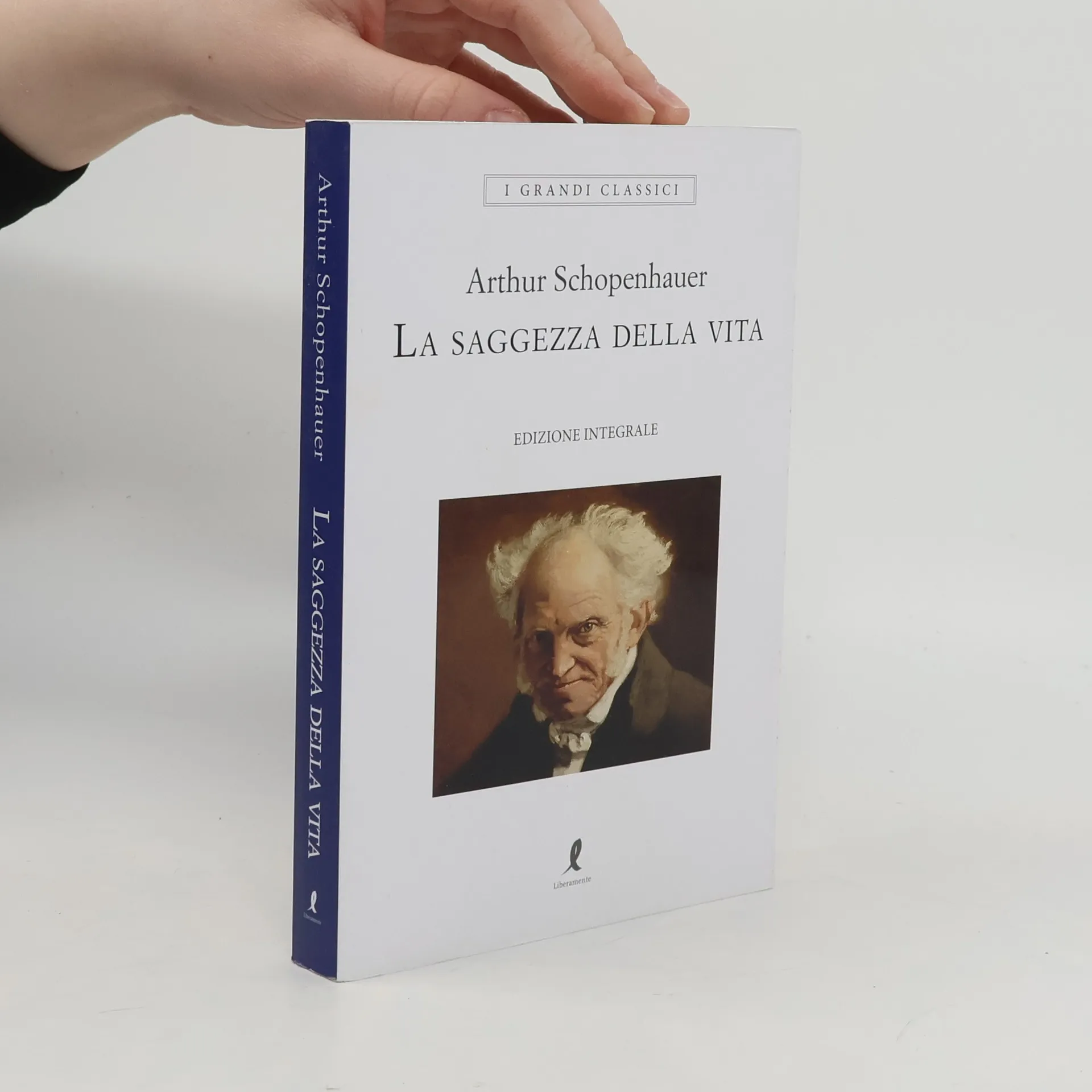
I grandi classici: La saggezza della vita. Ediz. integrale
- 236pagine
- 9 ore di lettura
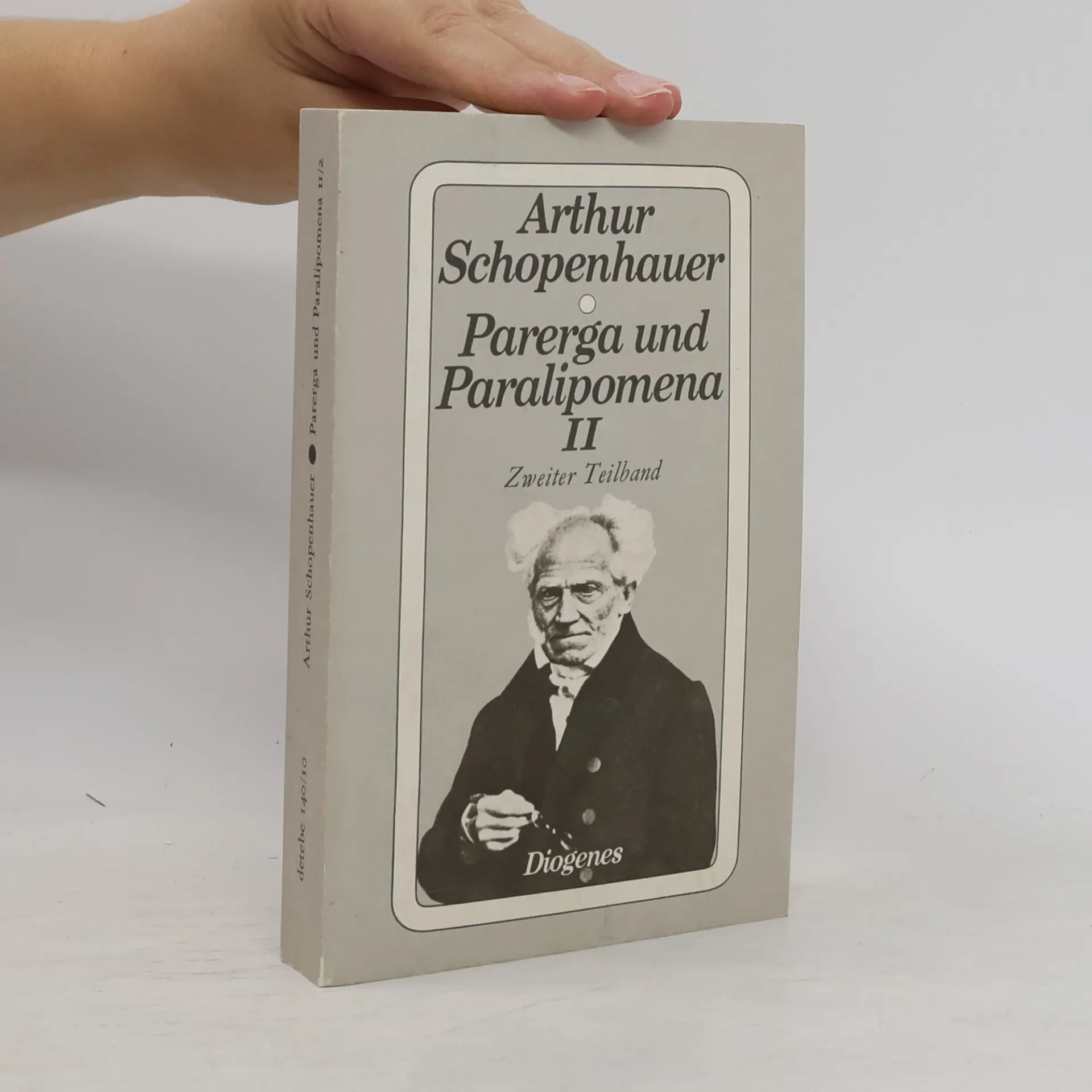
Parerga and Paralipomena: Short philosophical essays. Volume 2
- 701pagine
- 25 ore di lettura
With the publication of Parerga and Paralipomena in 1851, there finally came some measure of the fame that Schopenhauer thought was his due. Described by Schopenhauer himself as 'incomparably more popular than everything up till now', Parerga is a miscellany of essays addressing themes that complement his work The World as Will and Representation, along with more divergent, speculative pieces. It includes essays on method, logic, the intellect, Kant, pantheism, natural science, religion, education, and language. The present volume offers a new translation, a substantial introduction explaining the context of the essays, and extensive editorial notes on the different published versions of the work. This readable and scholarly edition will be an essential reference for those studying Schopenhauer, the history of philosophy, and nineteenth-century German philosophy.
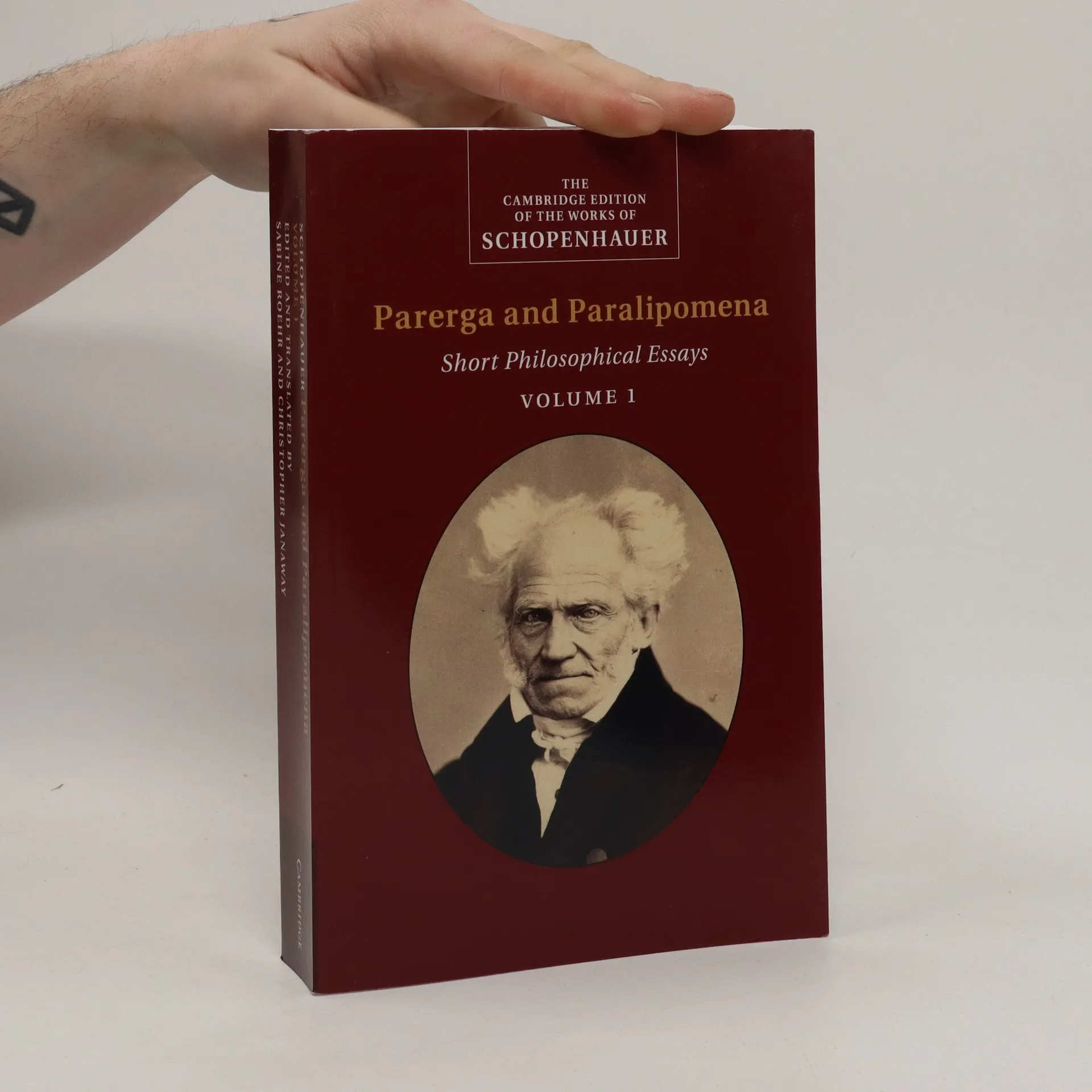
Parerga und Paralipomena: Short philosophical essays. Volume 1
- 522pagine
- 19 ore di lettura
With the publication of the Parerga and Paralipomena in 1851, there finally came some measure of the fame that Schopenhauer thought was his due. Described by Schopenhauer himself as 'incomparably more popular than everything up till now', the Parerga is a miscellany of essays addressing themes that complement his work The World as Will and Representation, along with more divergent, speculative pieces. It includes his 'Aphorisms on the Wisdom of Life', reflections on fate and clairvoyance, trenchant views on the philosophers and universities of his day, and an enlightening survey of the history of philosophy. The present volume offers a new translation, a substantial introduction explaining the context of the essays, and extensive editorial notes on the different published versions of the work. This readable and scholarly edition will be an essential reference for those studying Schopenhauer, the history of philosophy, and nineteenth-century German philosophy.
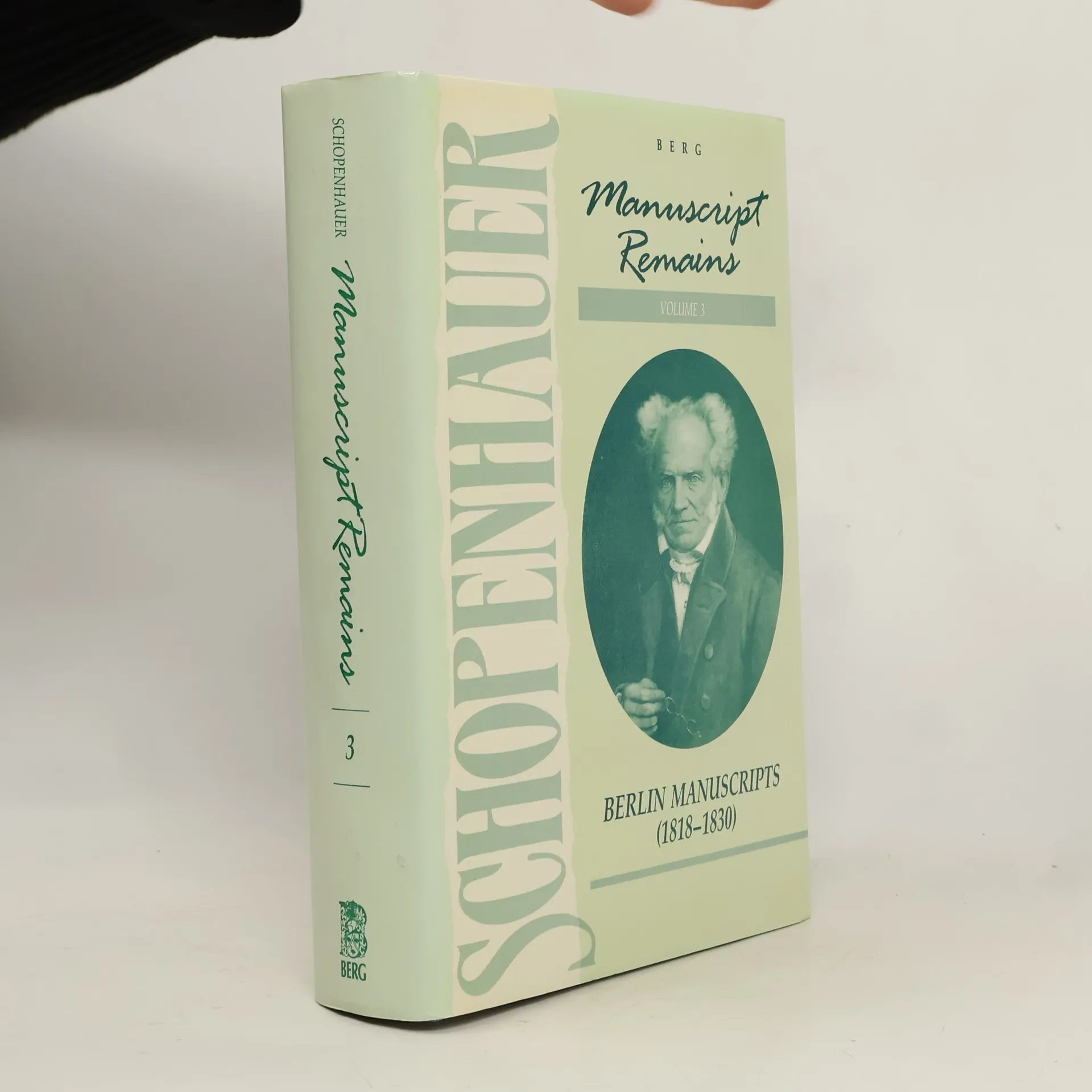
This historico-critical edition of Schopenhauer's manuscript remains contains Schopenhauer's entire surviving philosophical notes, from his university years until his death in 1860. Translated here into English for the first time, it provides a fascinating insight into the workings of Schopenhauer's mind and an important key to his philosophical work. Translated by E.F.J. Payne
This historico-critical edition of Schopenhauer's manuscript remains contains Schopenhauer's entire surviving philosophical notes, from his university years until his death in 1860. Translated here into English for the first time, it provides a fascinating insight into the workings of Schopenhauer's mind and an important key to his philosophical work.Translated by E.F.J. Payne.
This historico-critical edition of Schopenhauer's manuscript remains contains Schopenhauer's entire suviving philosophical notes, from his university years until his death in 1860. Translated here into English for the first time, it provides a fascinating insight into the workings of Schopenhauer's mind and an important key to his philosophical work.
The Wisdom of Life; & Counsels and Maxims
- 160pagine
- 6 ore di lettura
Exploring profound themes such as possessions, reputation, and the nature of desire, Arthur Schopenhauer presents a candid analysis of the human condition in his works. He introduces the concept of "will" as a driving force that leads to suffering through relentless desires. Schopenhauer argues that true happiness can only be achieved by renouncing these impulses, offering a pragmatic solution to life's challenges. His engaging writing style and sharp wit make these philosophical insights accessible and thought-provoking.
The World as Will and Representation (The World as Will and Idea), Volume III of III
- 244pagine
- 9 ore di lettura
Exploring the nature of reality, Arthur Schopenhauer presents a philosophy that transcends sensory perception, arguing that our understanding is limited to personal interpretation. He diverges from Kant's ethical views, emphasizing the significance of inner experiences driven by the Will. Schopenhauer's insights into the human condition reveal a cycle of insatiable desires leading to suffering, with true happiness remaining elusive. This third volume of his seminal work, "The World as Will and Representation," is recognized as a pivotal text in post-Kantian philosophy.
The World as Will and Idea - Vol. II.
- 504pagine
- 18 ore di lettura
Exploring the concept of existence driven by an insatiable will, this second volume of Arthur Schopenhauer's influential treatise delves into profound philosophical insights that summarize his extensive contemplation. Ideal for psychology students and philosophy enthusiasts, it offers a significant perspective on human motivation and desire. The modern edition includes a new biography of Schopenhauer, enhancing the reader's understanding of this seminal German philosopher's impact on the 19th century and beyond.
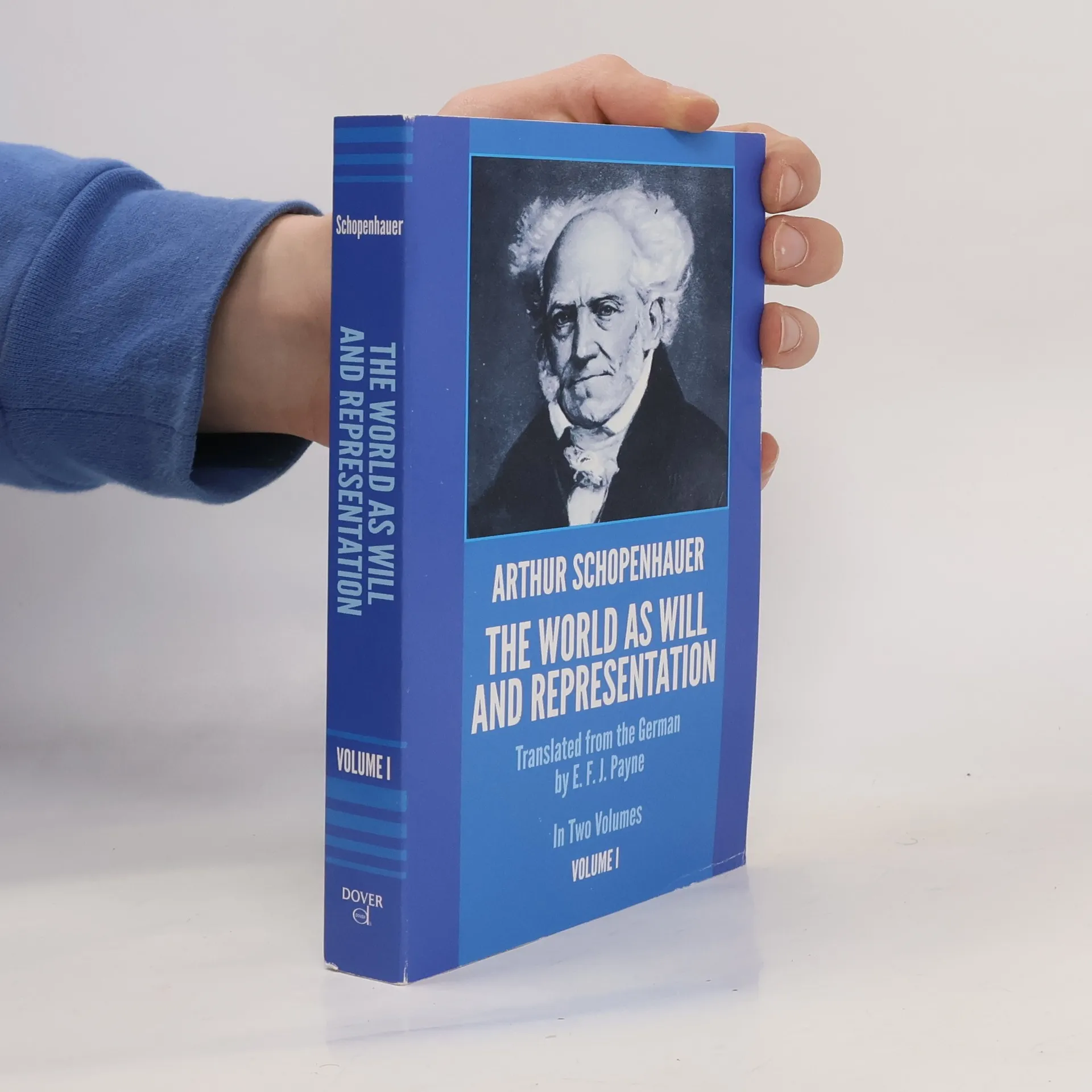
Arthur Schopenhauer's Die Welt als Wille und Vorstellung is one of the most important philosophical works of the 19th century, the basic statement of one important stream of post-Kantian thought. It is without question Schopenhauer's greatest work, and, conceived and published before the philosopher was 30 and expanded 25 years later, it is the summation of a lifetime of thought. For 70 years, the only unabridged English translation of this work was the Haldane-Kemp collaboration. In 1958, a new translation by E. F. J. Payne appeared which decisively supplanted the older one. Payne's translation is superior because it corrects nearly 1,000 errors and omissions in the Haldane-Kemp translation, and it is based on the definitive 1937 German edition of Schopenhauer's work prepared by Dr. Arthur Hubscher. Payne's edition is the first to translate into English the text's many quotatioins in half a dozen languages, and Mr. Payne has provided a comprehensive index of 2,500 items. It is thus the most useful edition for the student or teacher.
The essential Schopenhauer : key selections from The world as will and representation and other writings
- 338pagine
- 12 ore di lettura
A new, comprehensive English anthology What is the meaning of life? How should I live? Is there any purpose to the universe? Generations have turned to the great German philosopher Arthur Schopenhauer for answers to such essential questions of existence. His influence has extended not only to later philosophers—Nietzsche, Freud, and Wittgenstein among them—but also to musicians, artists, and important novelists such as Tolstoy, Thomas Mann, and Proust. The Essential Schopenhauer, the most comprehensive English anthology now available of this seminal thinker’s writings, will open English readers to Schopenhauer’s profound ideas. Selected by Wolfgang Schirmacher, president of the International Schopenhauer Association, The Essential Schopenhauer is an invaluable and accessible introduction to Schopenhauer’s powerful body of work.
Essays
- 316pagine
- 12 ore di lettura
Exploring the philosophical pessimism of Schopenhauer, this collection features English translations of essays from "Parerga and Paralipomena," which was published in 1851 to complement his earlier works. T. Bailey Saunders' translations, initiated in the late 19th century, offer valuable insights into Schopenhauer's thoughts and reactions to post-Kantian romanticism. This edition, printed on premium acid-free paper, serves as an excellent resource for those looking to deepen their understanding of Schopenhauer's significant contributions to Western philosophy.
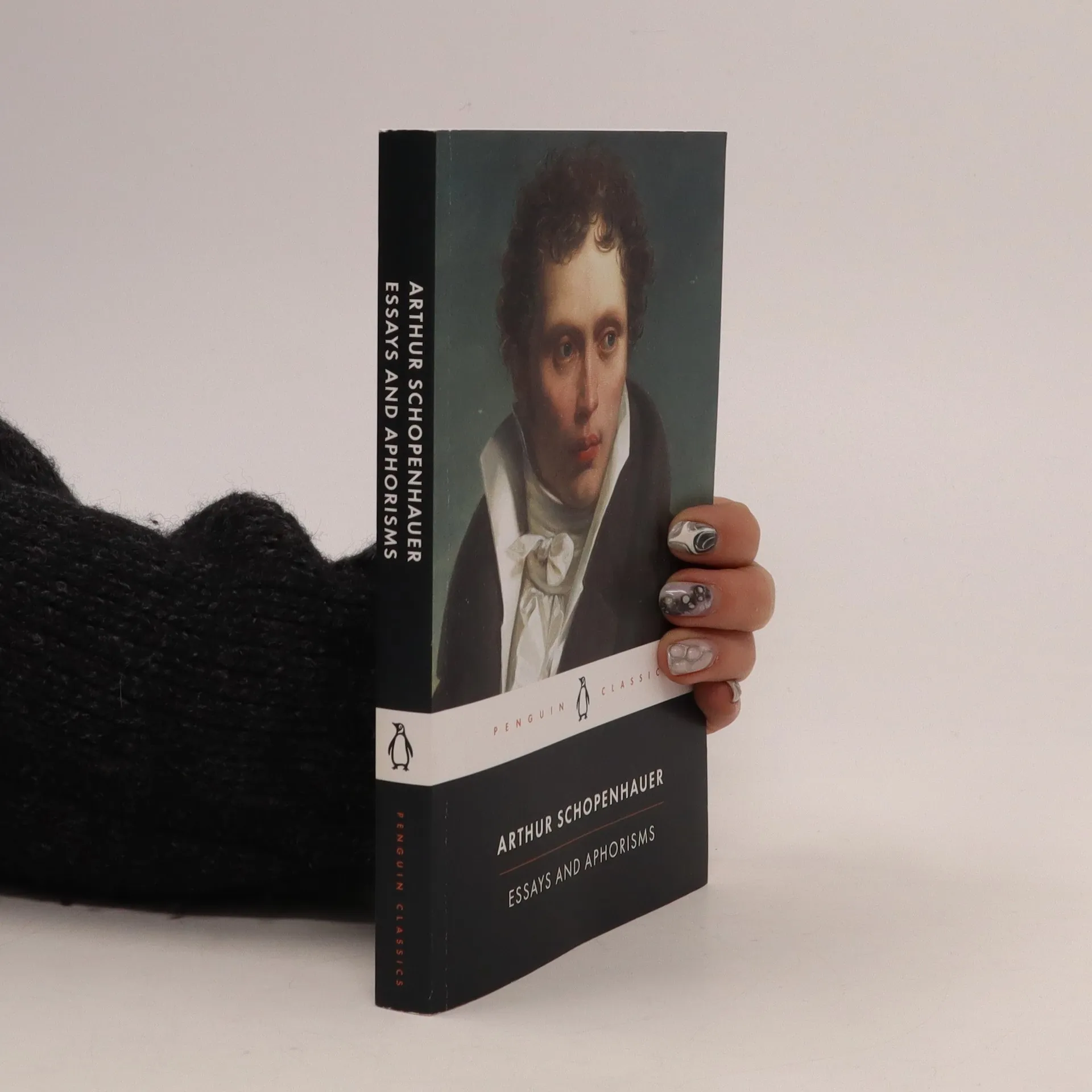
One of the greatest philosophers of the nineteenth century, Schopenhauer (1788-1860) believed that human action is determined not by reason but by 'will' - the blind and irrational desire for physical existence. This selection of his writings on religion, ethics, politics, women, suicide, books and many other themes is taken from Schopenhauer's last work, Parerga and Paralipomena, which he published in 1851. These pieces depict humanity as locked in a struggle beyond good and evil, and each individual absolutely free within a Godless world, in which art, morality and self-awareness are our only salvation. This innovative - and pessimistic - view has proved powerfully influential upon philosophy and art, directly affecting the work of Nietzsche, Wittgenstein and Wagner among others.
The Essays of Arthur Schopenhauer
The Art of Literature : Translated by T. BaiIey Saunders
- 96pagine
- 4 ore di lettura
The book explores the philosophy of Arthur Schopenhauer, highlighting his key work, which presents the world as a manifestation of a blind, insatiable will. It delves into his rejection of German idealism and his embrace of transcendental idealism, influenced by Kant. Schopenhauer's unique perspective incorporates elements of Indian philosophy, such as asceticism and self-denial, contributing to his reputation as a pioneer of philosophical pessimism. His ideas offer a profound critique of contemporary thought and explore the nature of existence.
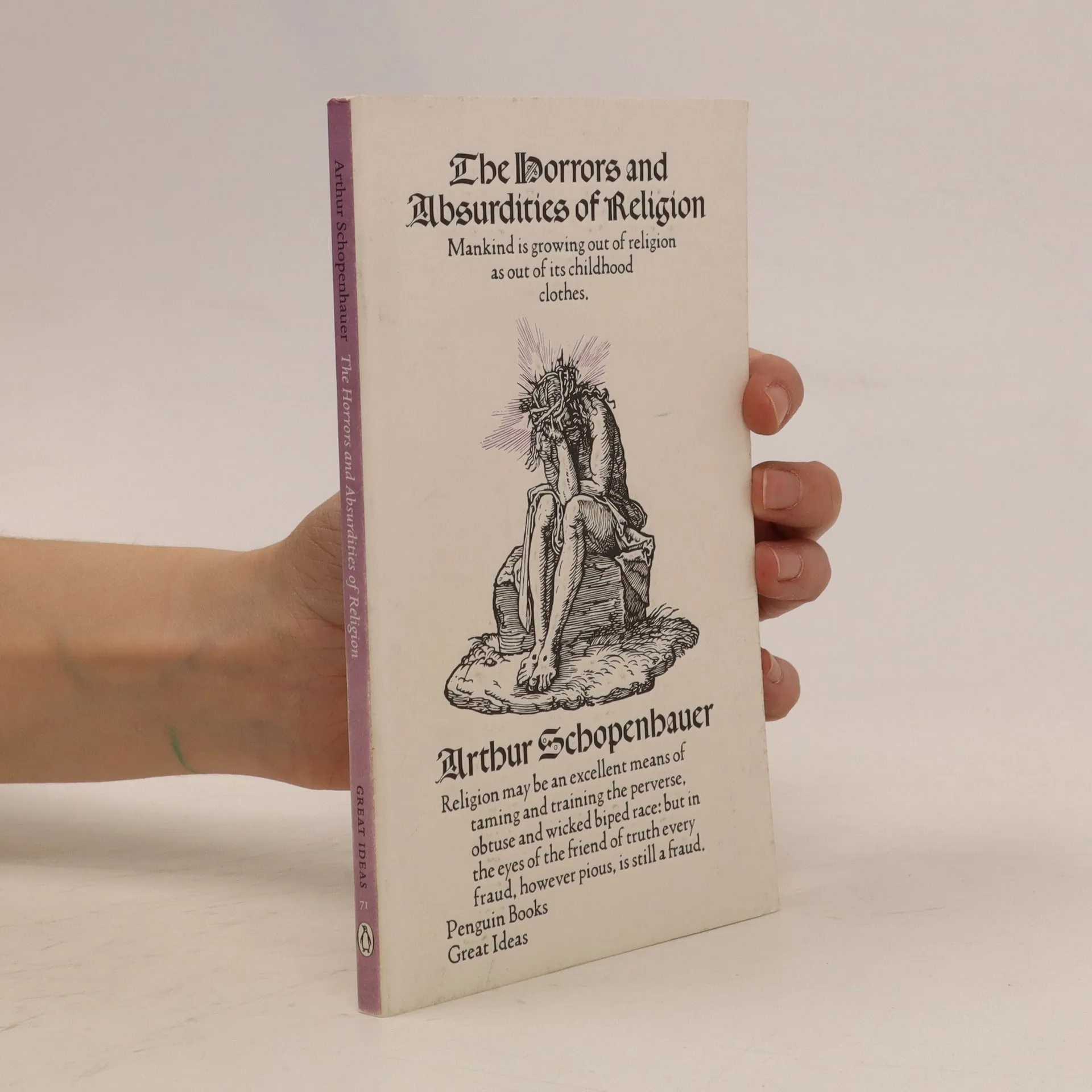
A fascinating examination of ethics, religion and psychology, this selection of Schopenhauer's works contains scathing attack on the nature and logic of religion, and an essay on ethics that ranges from the American slavery debate to the vices of Buddhism. Throughout history, some books have changed the world. They have transformed the way we see ourselves - and each other. They have inspired debate, dissent, war and revolution. They have enlightened, outraged, provoked and comforted. They have enriched lives - and destroyed them. Now Penguin brings you the works of the great thinkers, pioneers, radicals and visionaries whose ideas shook civilization and helped make us who we are.
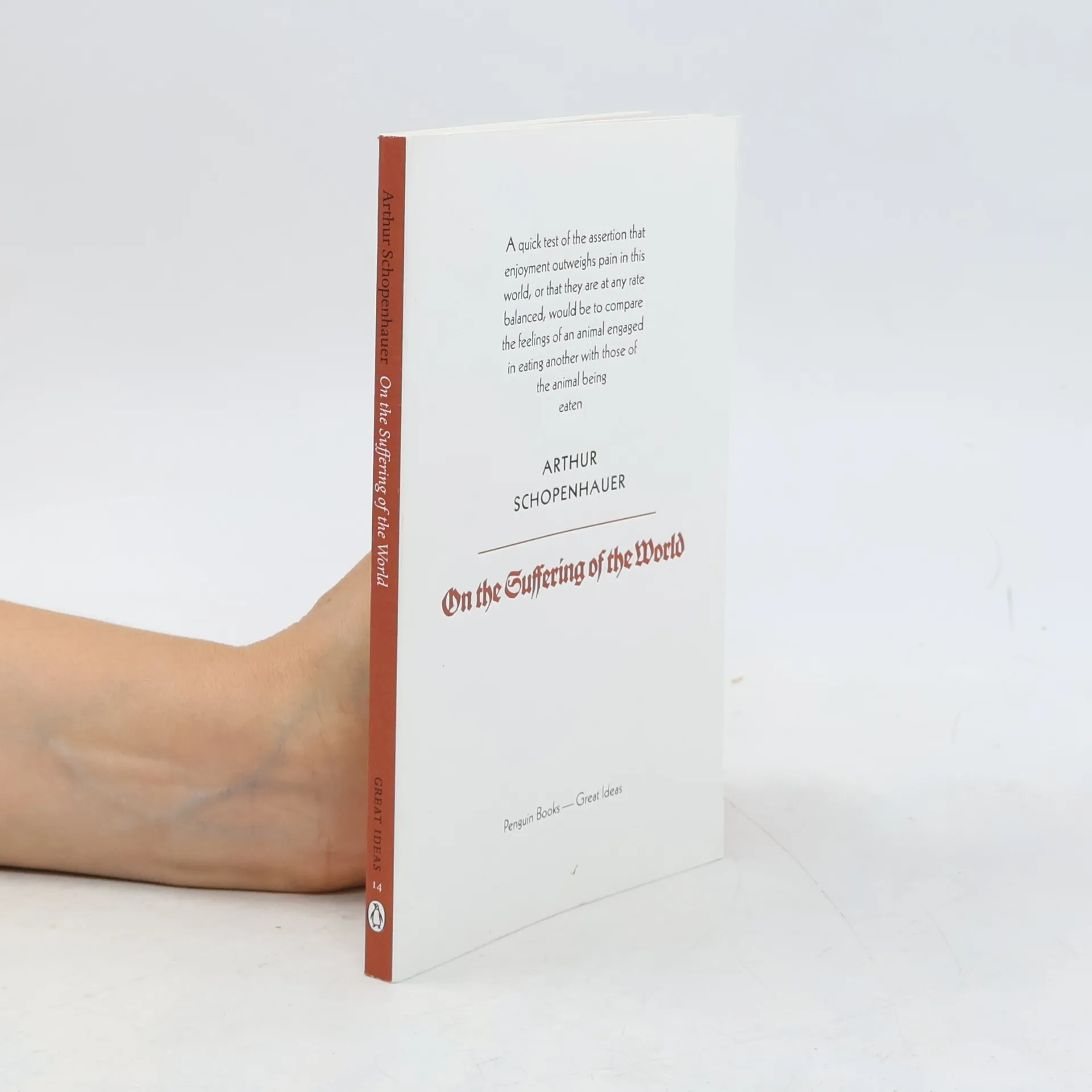
On the suffering of the world
- 144pagine
- 6 ore di lettura
A collection of essays by Schopenhauer on the perception of the importance of art, morality and self awareness in a blind struggle against a Godless, meaningless world radically transformed our understanding of the individual and remains a searing vision of the human condition.
The Essays of Arthur Schopenhauer
Counsels and Maxims : Translated by T. BaiIey Saunders
- 114pagine
- 4 ore di lettura
Focusing on the nature of existence, Schopenhauer's philosophy presents a world driven by a blind, insatiable will, contrasting sharply with the ideals of his contemporaries. He builds upon Kant's transcendental idealism while introducing an atheistic metaphysical system that embraces concepts from Indian philosophy, including asceticism and self-denial. His influential work embodies philosophical pessimism, challenging prevailing notions of idealism and offering a profound critique of human desire and suffering.
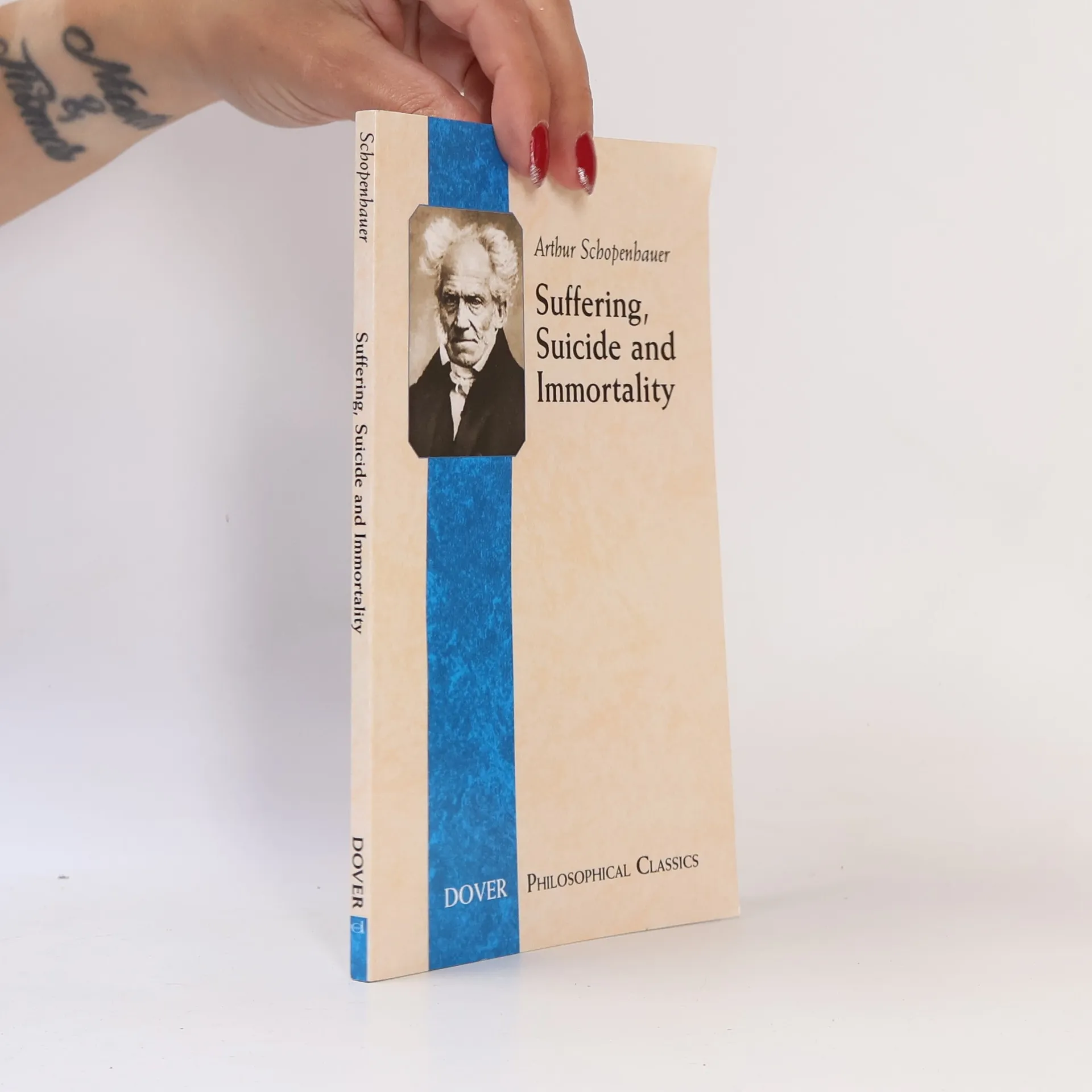
Dover Philosophical Classics: Suffering, Suicide and Immortality
Eight Essays from The Parerga (The Incidentals)
- 112pagine
- 4 ore di lettura
One of the greatest philosophers of the nineteenth century, Arthur Schopenhauer is best known for his writings on pessimism. In this 1851 essay collection, he offers concise statements of the unifying principles of his thinking. Schopenhauer, unlike most philosophers, expressed himself in simple, direct terms. These essays offer an accessible approach to his main thesis, as stated in The World as Will and Representation.Schopenhauer's reasoning encompasses the influence of the Upanishads and Buddhist teachings, as well as the works of Plato and Kant. His philosophy had an enormous impact on contemporary philosophy and literature, and on subsequent thinkers such as Nietzsche, Freud, and Wittgenstein. Published toward the end of his life in a collection called Parerga und Paralipomena, these essays include "On the Sufferings of the World," "On the Vanity of Existence," "On Suicide," " A Dialogue," "Further Psychological Observations," "On Education," "On Women," and "On Noise," plus "A Few Parables." They remain among Schopenhauer's most popular works, offering insights into his philosophy as a whole as well as the human condition.
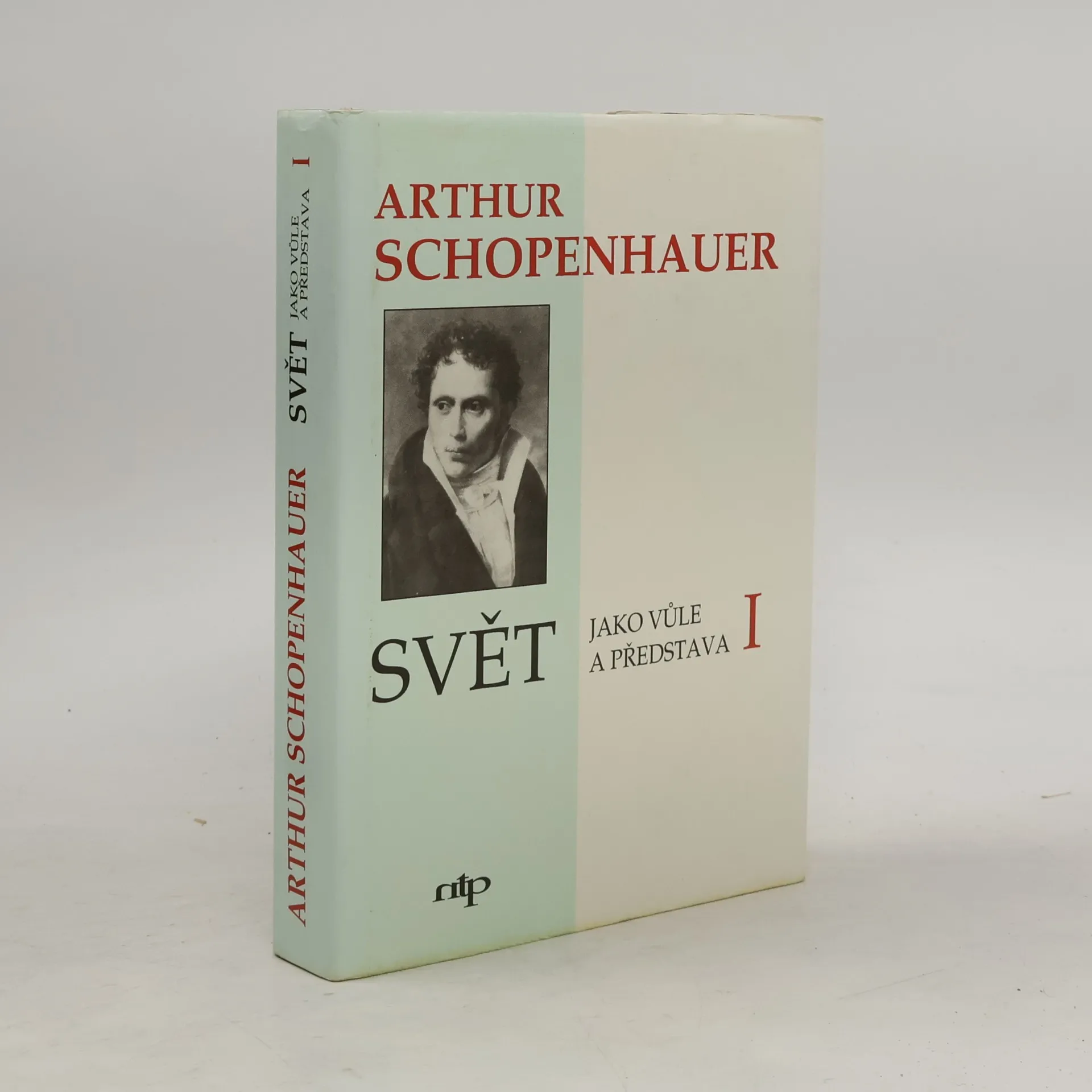
První kompletní české vydání hlavního Shopenhauerova díla ve dvou svazcích.
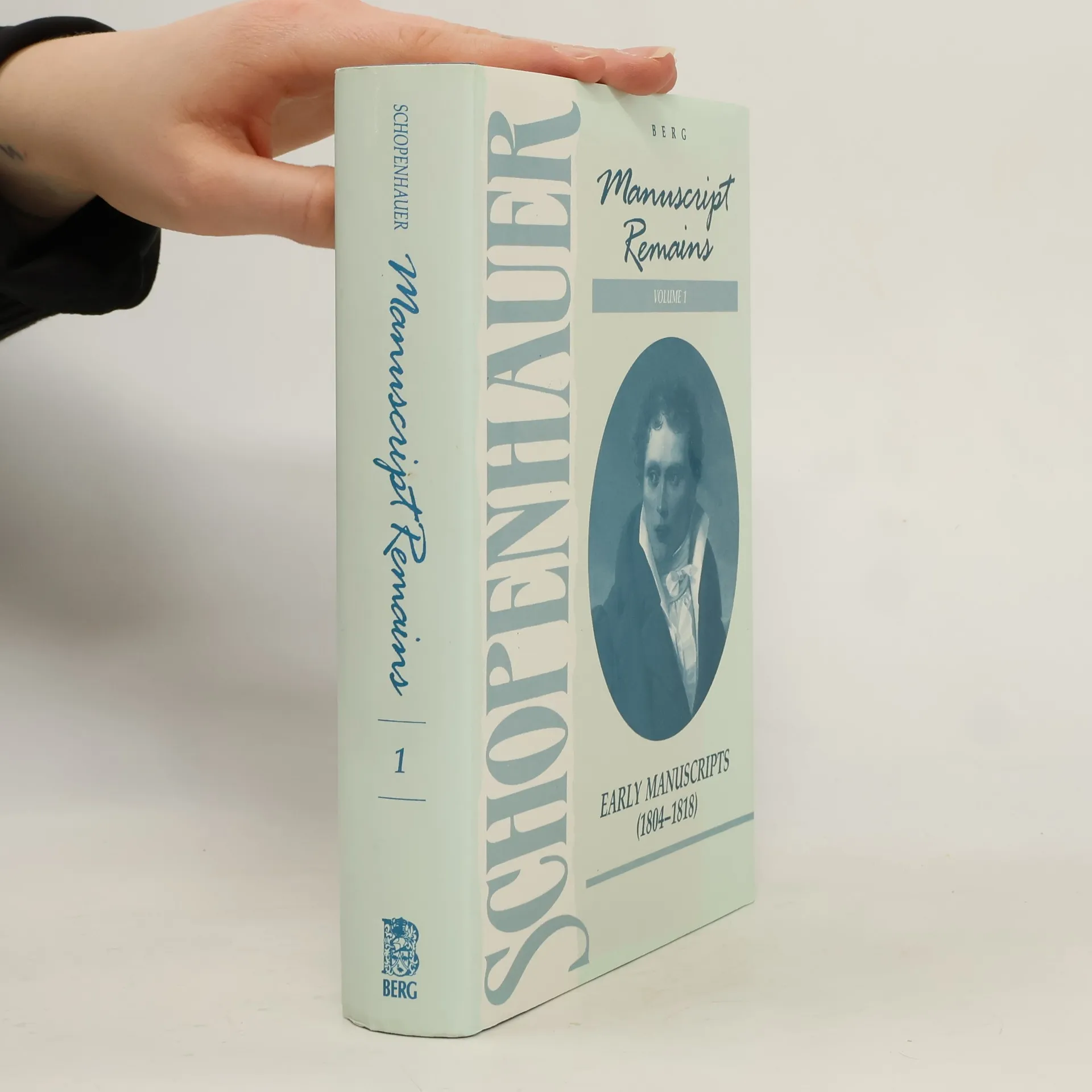
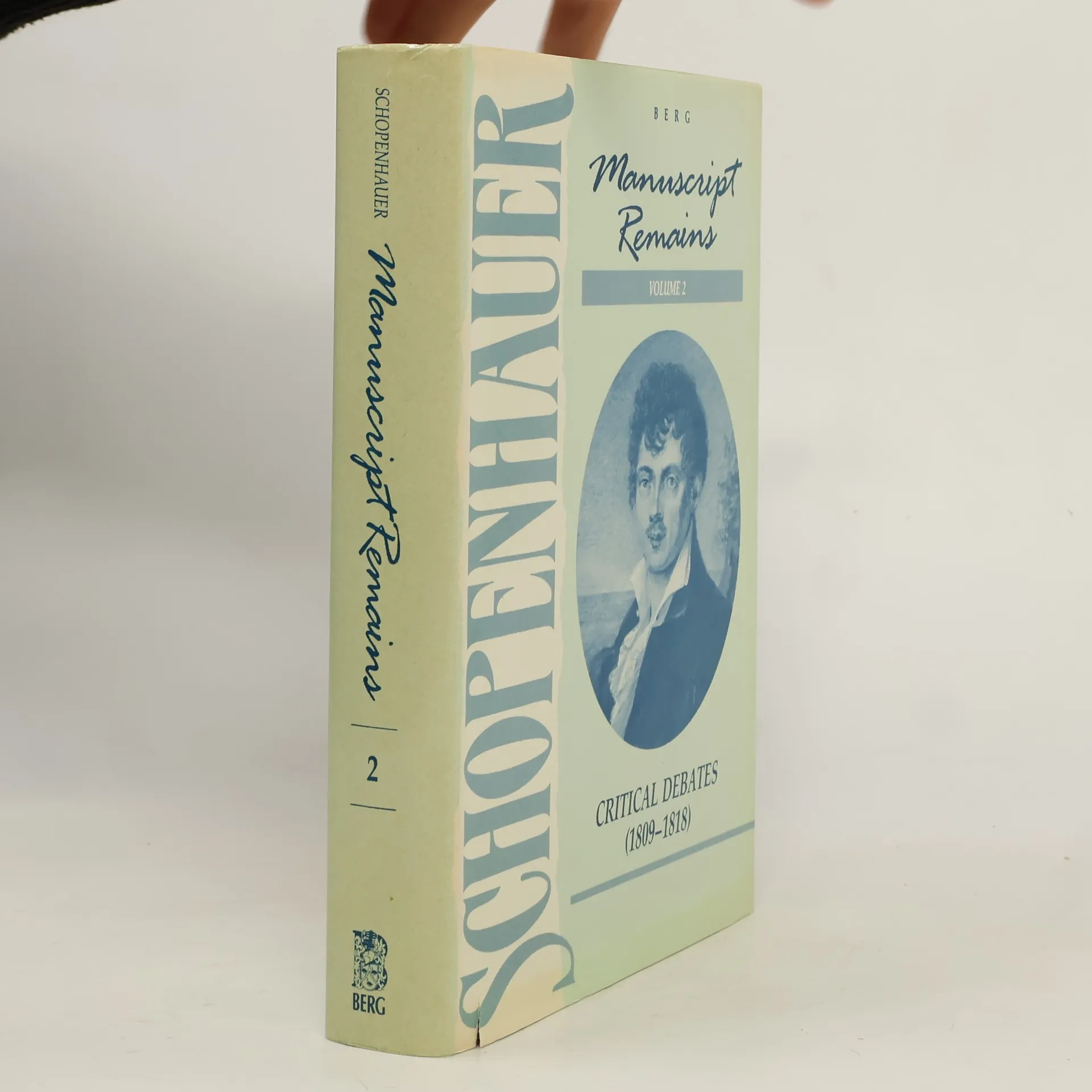
Manuscript remains
- 520pagine
- 19 ore di lettura
This historico-critical edition of Schopenhauer's manuscript remains contains Schopenhauer's entire suviving philosophical notes, from his university years until his death in 1860. Translated here into English for the first time, it provides a fascinating insight into the workings of Schopenhauer's mind and an important key to his philosophical work.Translated by E.F.J. Payne.
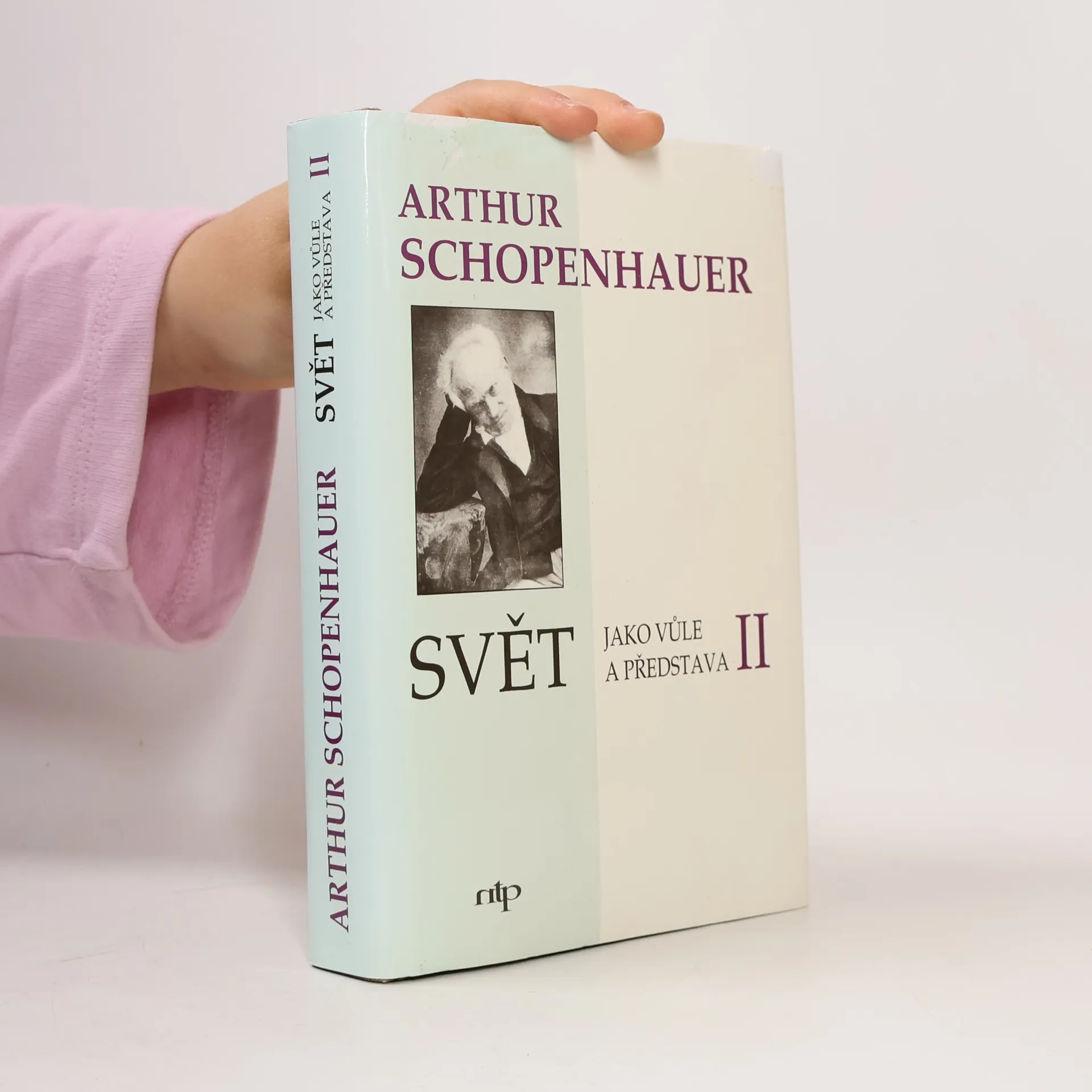
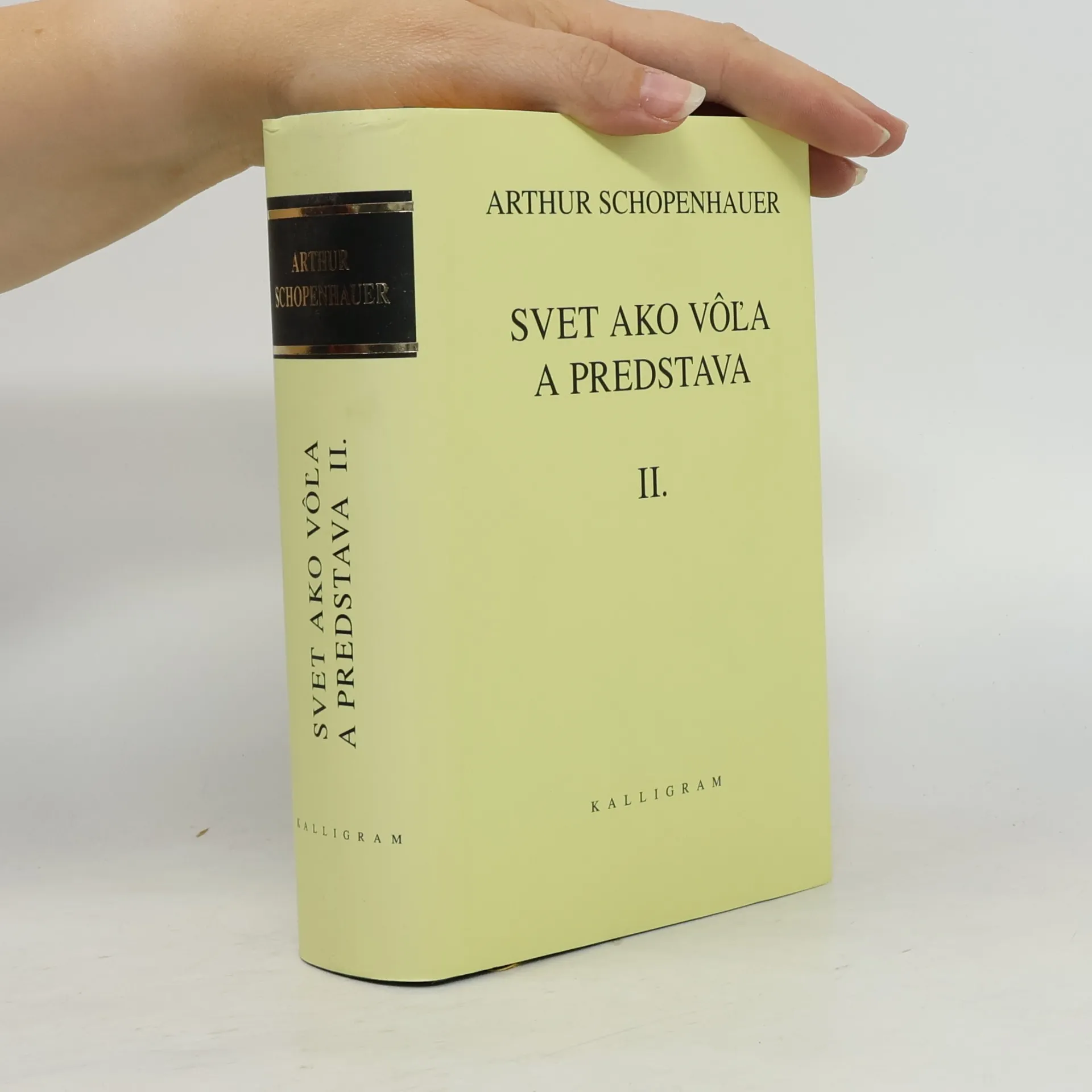
Hlavné dielo Arthura Schopenhauera, ktoré vychádza na Slovensku prvý raz, je výsledkom autorovho celoživotnéh myšlienkového úsilia a predstavuje ucelený súhrn jeho filozofických názorov a životných postojov. Pozostáva z dvoch zväzkov. Prvý zväzok načrtáva tridsaťročný Schopenhauer s geniálnym rozmachom za jediný rok a podáva v ňom systematický výklad celej svojej voluntaristickej filozofickej koncepcie. Druhý zväzok vzniká pomaly a postupne v priebehu ďalších dvadsiatich piatich rokov filozofovho života. Prvý raz vychádza v roku 1844 ako súčasť druhého vydania práce. Tvoria ho štyri knihy doplnkov k prvému zväzku, v ktorých podrobnejšie rozpracúva, ilustruje a a komentuje nosné idey svojho filozofického systému.
První kompletní české vydání hlavního Shopenhauerova díla ve dvou svazcích.
Svet ako vôľa a predstava II
- 848pagine
- 30 ore di lettura
Druhý zväzok vzniká pomaly a postupne v priebehu ďalších dvadsiatich piatich rokov Schopenhauerovho života. Prvý raz vychádza v roku 1844 ako súčasť druhého vydania práce. Tvoria ho štyri knihy doplnkov k prvému zväzku, v ktorých podrobnejšie rozpracúva, ilustruje a komentuje nosné idey svojhofilozofického systému. Tieto doplnky podobne ako jednotlivé paragrafy prvého zväzku majú charakter samostatných, ucelených filozofických esejí a vyznačujú sa brilantným jazykom a vybrúseným literárnym štýlom.
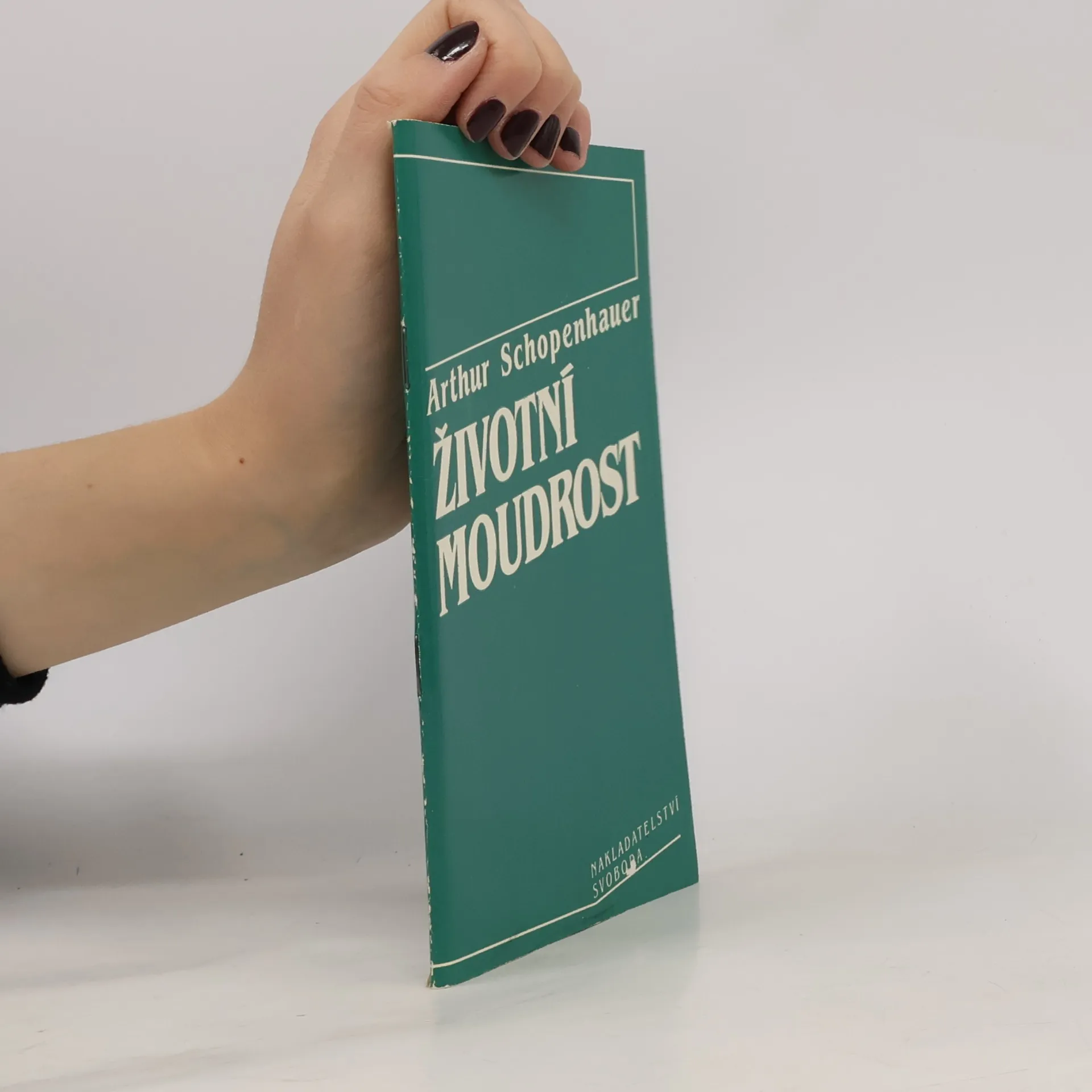
Životní moudrost
- 70pagine
- 3 ore di lettura
Známý německý filosof devatenáctého století podává v této knížce souhrn své životní moudrosti v praktickýchh radách, jak dosíci životního štěstí.Není tu žádná abstraktní filosofie, nýbrž duchaplné, paradoxní a zábavné stati o tom, jak má člověk hospodařit se svými tělesnými a hlavně ovšem duševními silami, jak se má vyhýbat všem životním nepříjemnostem u sebe i ve styku se společností, a hlavně o tom, že pravé štěstí člověka je v něm samém, v jeho vědomostech, schopnostech a vědomí, a v tom, jak je dovede správně užívat.
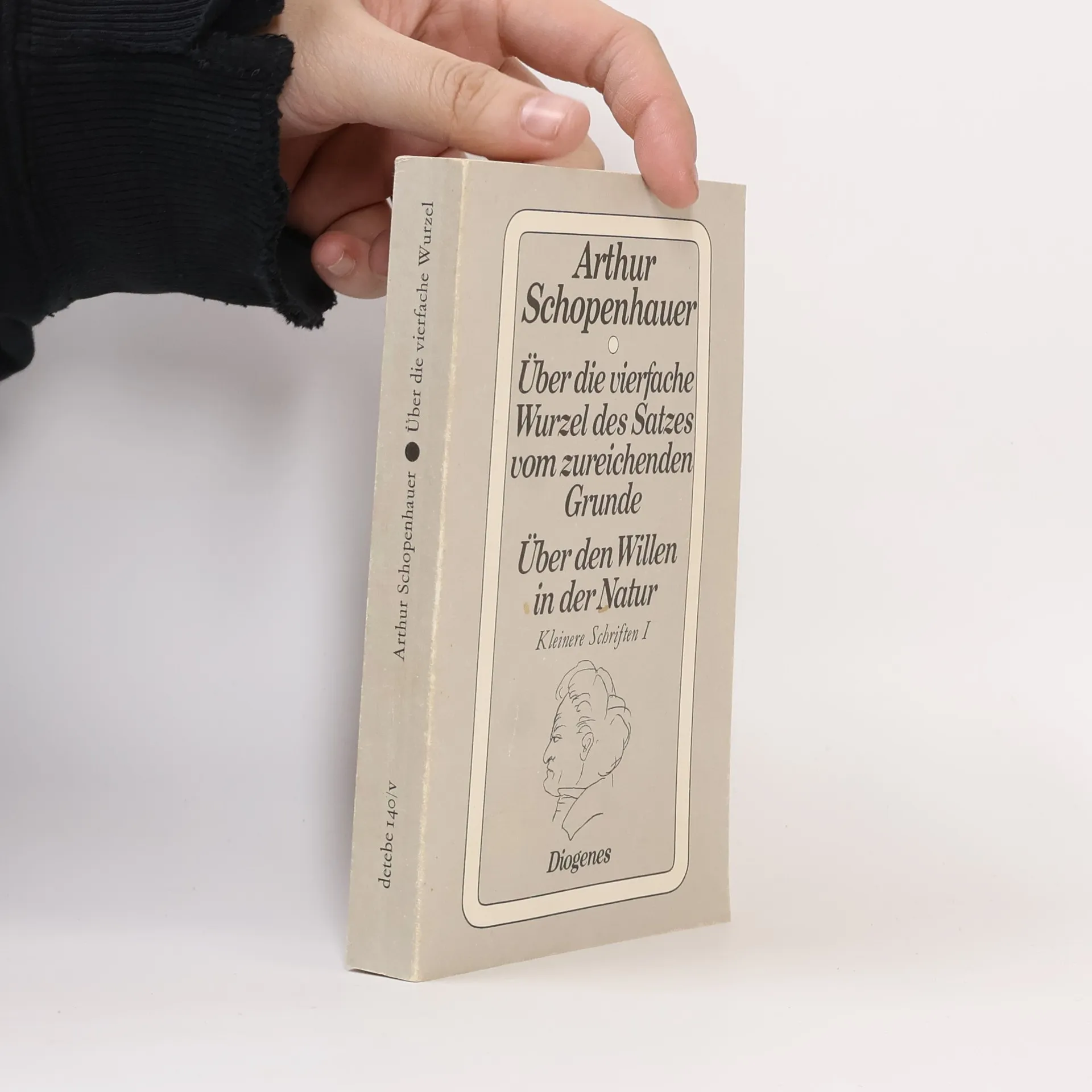
Über die vierfache Wurzel des Satzes vom zureichenden Grunde
- 202pagine
- 8 ore di lettura
Es gerät manchmal in Vergessenheit, dass Schopenhauers wichtigste Werke bereits Anfang des 19. Jahrhunderts im Kontext der Klassischen deutschen Philosophie erschienen sind – so seine Dissertation von 1813. Diese lange nicht mehr verfügbare, konzise erste Fassung liegt nun in einer kritisch edierten Neuausgabe vor. Schopenhauer wurde mit dieser Arbeit an der Universität Jena promoviert. Kaum war das Buch erschienen, lobten Goethe und G. E. Schulze seine Arbeit. Fünf Jahre später wies er in »Die Welt als Wille und Vorstellung« auf die Bedeutung der Dissertation für dessen Verständnis hin. Ausgangspunkt der Untersuchung ist der Satz »Nihil est sine ratione« (nichts ist ohne Grund), den Schopenhauer als tradiertes Prinzip jeder Seinsordnung vorstellt. In den folgenden Kapiteln werden die verschiedenen Fassungen des Satzes von Descartes bis Kant und seinen Nachfolgern untersucht. Das Ergebnis zeigt, dass Gründe für Zusammenhänge nicht Merkmale einer Seinsordnung sind, sondern unseren Vorstellungen angehören. Die Erstfassung der »vierfachen Wurzel« ist gegenüber der späteren Überarbeitung erheblich kürzer und stringenter, wobei der Willensbegriff hier noch nicht zentral ist. Die kritische Neuedition ermöglicht einen unverstellten Blick auf die Schärfe, das historische Denken und die intellektuelle Eigenständigkeit, die Schopenhauer bereits als jungen Philosophen auszeichneten.
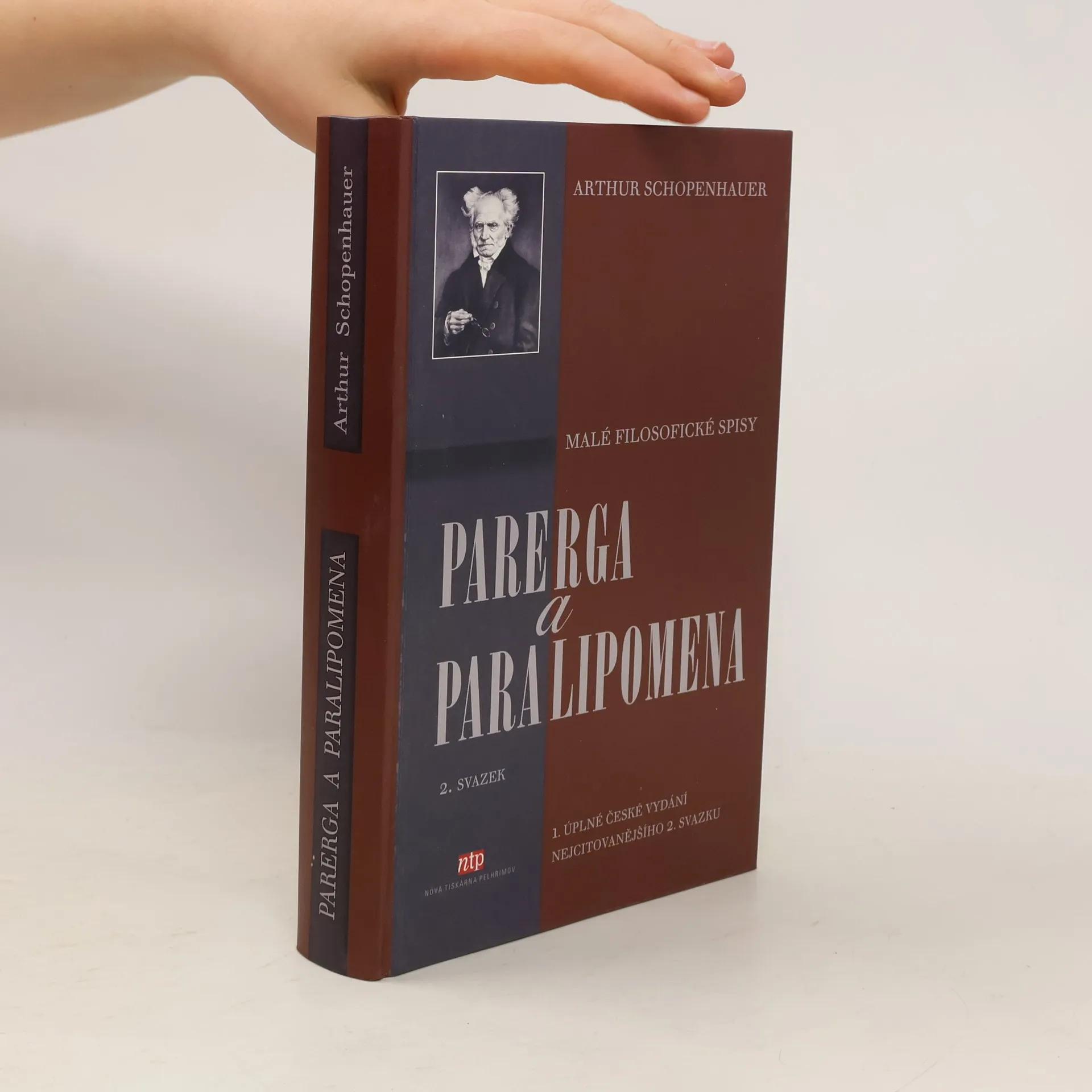
Parerga a paralipomena 2
- 372pagine
- 14 ore di lettura
Kniha je prvním úplným českým překladem druhého svazku Schopenhauerových Parerg a paralipomen, čili krátkých filozofických esejů.
Parerga und Paralipomena
- 483pagine
- 17 ore di lettura
Kleine philosophische Schriften von Arthur Schopenhauer. Erster Band. Dritte Auflage. Herausgegeben von Dr. Julius Frauenstädt. Diese Abschrift des o. g. Werkes enthält ein Inhaltsverzeichnis mit Links zu den Kapiteln, Links zu Fußnoten mit Backlinks zurück zur jeweiligen Textstelle sowie ein Seitenverzeichnis.
Eristische Dialektik von Arthur Schopenhauer
- 96pagine
- 4 ore di lettura
Ein klassischer Leitfaden zu Tricks und Taktiken, um Argumente zu gewinnen, bietet umfassende Kommentare zur Anwendung und Verteidigung jeder Taktik. Die zentrale Botschaft lautet: „Recht zu haben bedeutet nicht, dass man gewinnt, und das ist der Grund dafür“. Es ist ein unverzichtbares Werkzeug, um die verschiedenen Arten von Unsinn zu erkennen, die Menschen nutzen, um das Publikum zu gewinnen, anstatt das eigentliche Thema zu diskutieren. In der realen Welt gewinnen Menschen nicht aufgrund von Korrektheit, sondern weil sie das Publikum für sich einnehmen, das Thema wechseln oder ihre Rivalen einschüchtern. Der Leitfaden führt durch die Strategien, die Menschen verwenden, und bietet Anmerkungen zur Anwendung und Verteidigung. Arthur beabsichtigte dieses Werk nicht als Anleitung zum Gewinnen von Kämpfen, sondern als Satire – ein Hinweis darauf, worauf man bei anderen und sich selbst achten sollte. Wenn Sie Ihr Argument nicht auf fairen Grundlagen gewinnen können, sollten Sie Ihre Position überdenken. Dennoch sollten Sie sich nicht von unlauteren Mitteln überrumpeln lassen. Dieses Buch lehrt Sie, solche Taktiken zu erkennen und ihnen zuvorzukommen, bevor sie an Einfluss gewinnen.
Životná múdrosť 1
- 324pagine
- 12 ore di lettura
Sämtliche Werke in fünf Bänden. Bde.661-665
- 872pagine
- 31 ore di lettura
stw 661–665. Die Bände sind auch einzeln erhältlich
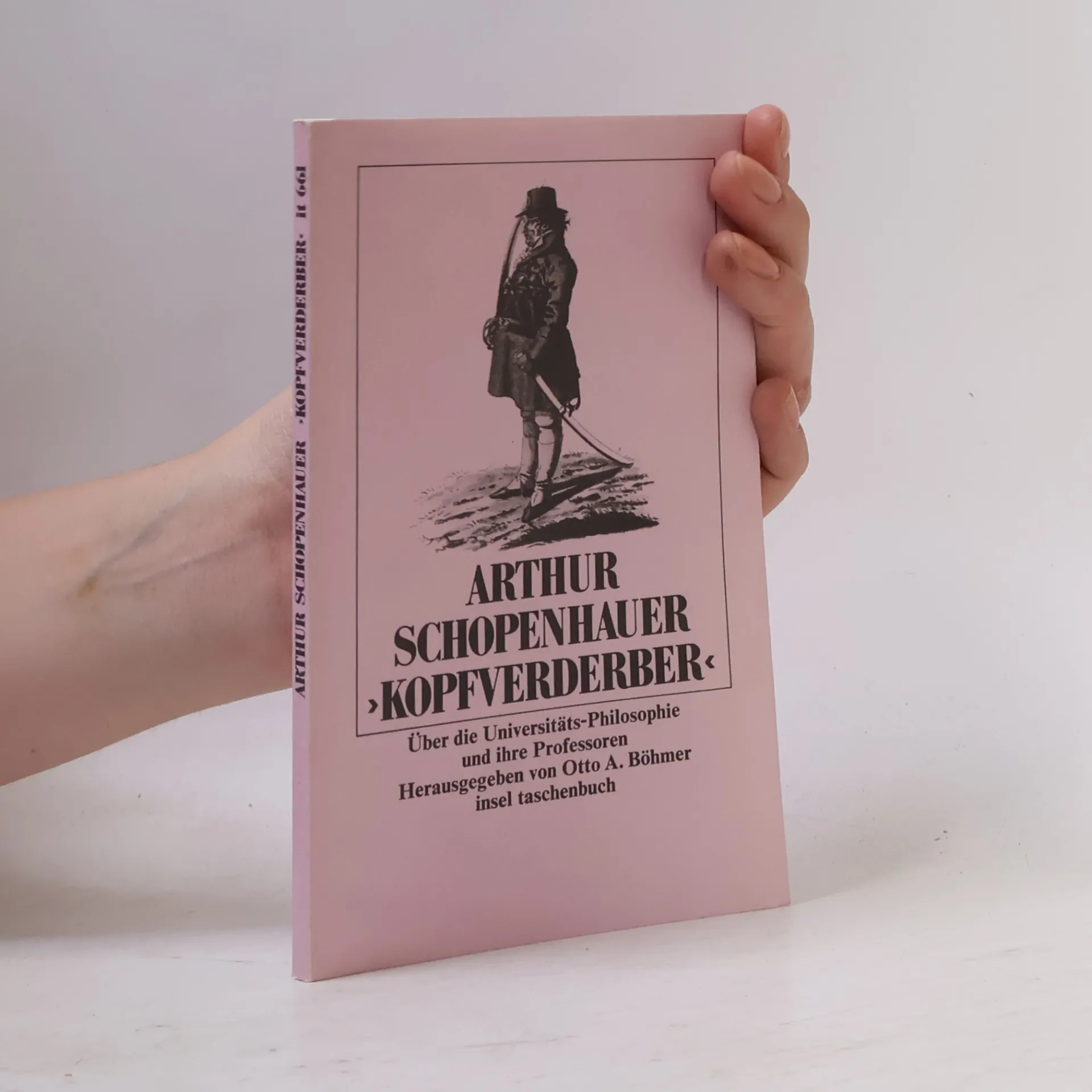
Kopfverderber
- 124pagine
- 5 ore di lettura
Arthur Schopenhauer wurde am 22. Februar 1788 in Danzig geboren. Sein Vater entstammte einer angesehenen Danziger Kaufmannsdynastie, seine Mutter Johanna Schopenhauer wurde später eine bekannte Schriftstellerin. Als Kind zog er mit seiner Familie nach Hamburg, wo der Vater 1805 verstarb. Während Schopenhauers Mutter und Schwester nach Weimar übersiedelten, blieb er in Hamburg und konnte durch seinen Anteil am väterlichen Erbe frei von finanziellen Sorgen leben. 1809 begann er an der Universität Göttingen ein Studium der Medizin, das er jedoch bald zugunsten der Philosophie aufgab. Über seine in Weimar lebende Mutter wurde er mit Goethe bekannt. 1816 veröffentlichte Schopenhauer eine eigene Farbenlehre mit dem Titel Ueber das Sehn und die Farben, was zu einer Verstimmung mit Goethe führte. 1819 erschien Schopenhauers Hauptwerk Die Welt als Wille und Vorstellung, das im Laufe der Jahre von ihm jedoch noch erheblich erweitert wurde. 1820 begann Schopenhauer an der noch jungen Berliner Universität zu lehren. Er war ein bedeutender Schüler Kants und vertrat als einer der ersten Philosophen im deutschsprachigen Raum die Überzeugung, daß der Welt ein unvernünftiges Prinzip zugrundeliege. Schopenhauer starb am 21. September 1860 in Frankfurt am Main.
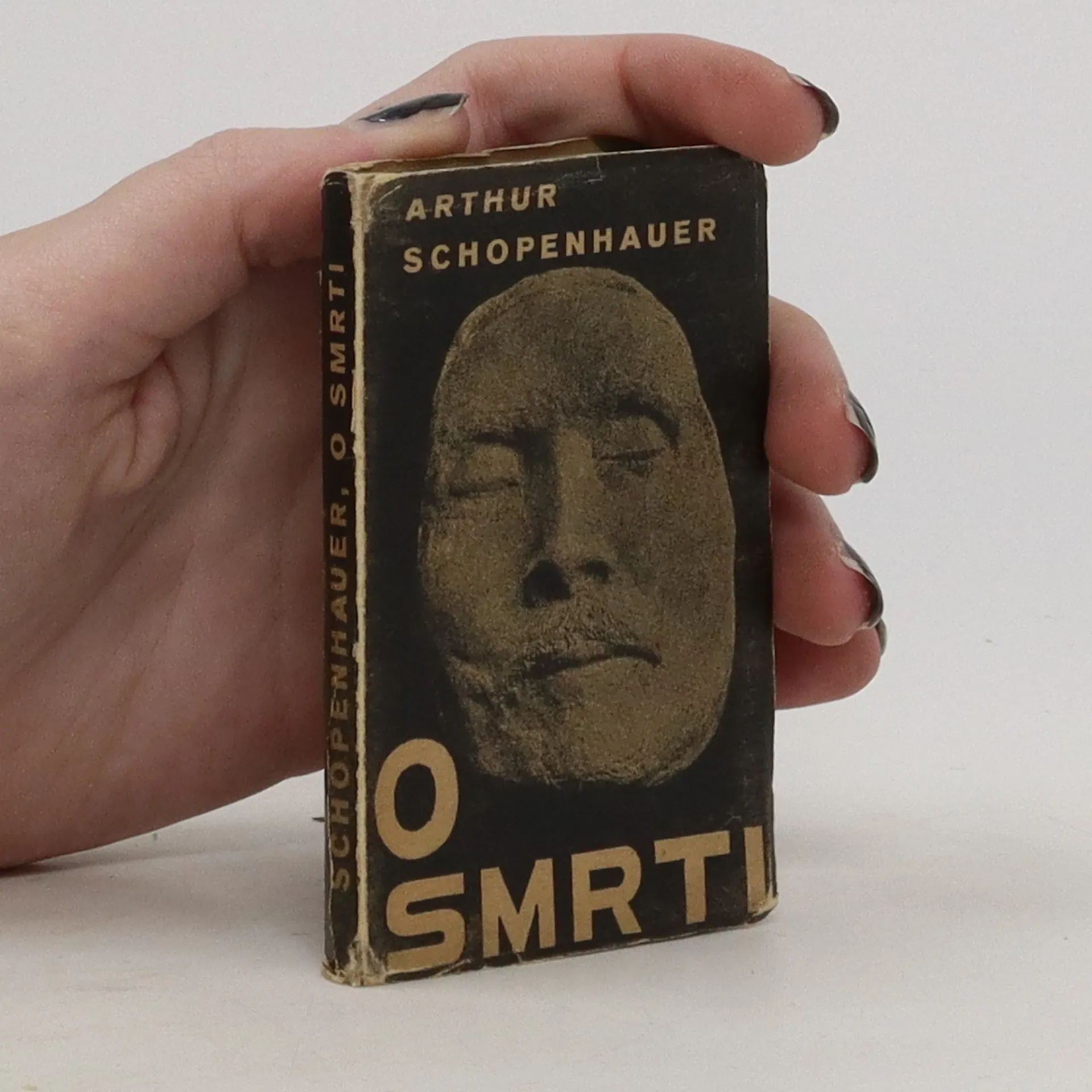
Esej o tom, že se nás smrt netýká. Překlad brožurky, kterou do 1. světové války fasovali němečtí vojáci.
Svazek obsahuje tři spisy významného německého filozofa (17881860): O čtverém kořeni věty o dostatečném důvodu; O vůli v přírodě; Dva základní problémy etiky. Přeložil Milan Váňa a předmluvu napsal Ladislav Major.
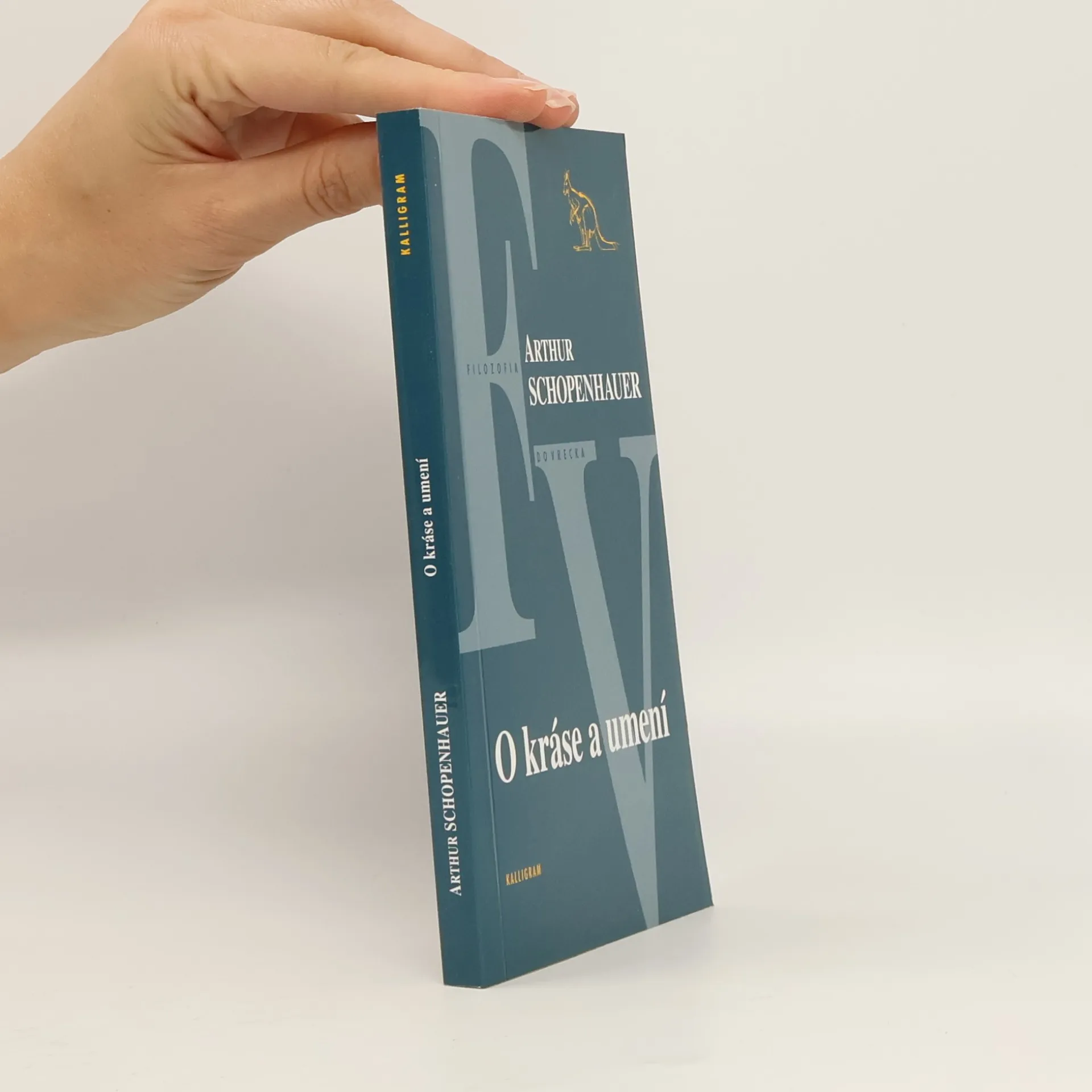
O kráse a umení
- 214pagine
- 8 ore di lettura
Arthur Schopenhauer je jednou z najosobitejších postáv nemeckého filozofického myslenia 19. storočia. Jeho pesimistická filozofická koncepcia, ktorá sa označuje ako voluntaristický idealizmus, nadobudla veľký vplyv najmä v druhej polovici 19. storočia, a to nielen vo filozofických kruhoch, ale aj v širšom umeleckom a intelektuálnom prostredí. V publikácii O kráse a umení vyslovuje tento filozof svoje názory na krásu estetiku a umenie. Schopenhauer chápe umenie ako poznanie, ktoré človeku umožňuje oprostiť sa na čas od otrockej služby vôli a zakúsiť tak bolestí zbavený, nadpozemský stav mysle. Umenie je preto jednou z dvoch možných ciest, ktoré umožňujú dospieť k (v prípade umenia len prechodnému) vykúpeniu človeka z neznesiteľného utrpenia, ktorým je život.
Nicht jeder, der die besten Argumente vorbringt, gewinnt auch die Diskussion. Manchmal muss man Tricks und Kniffe anwenden, einfach das Publikum auf seine Seite ziehen oder den Gegner in Wut versetzen, damit er vergisst, was eigentlich wichtig war. Hierbei ist Schopenhauers kleines, aber lehrreiches Buch über die Kunst zu Streiten eine unverzichtbare Hilfe und eines der wichtigsten Werke der philosophischen Rhetorik und Argumentationstheorie; unterhaltsam und pointiert verrät uns der streitlustigste Philosoph, wie man auch ohne gute Argumente als Sieger aus einer Diskussion hervorgeht. Denn eines darf man auch nicht vergessen: Streiten kann und soll auch Spaß machen.
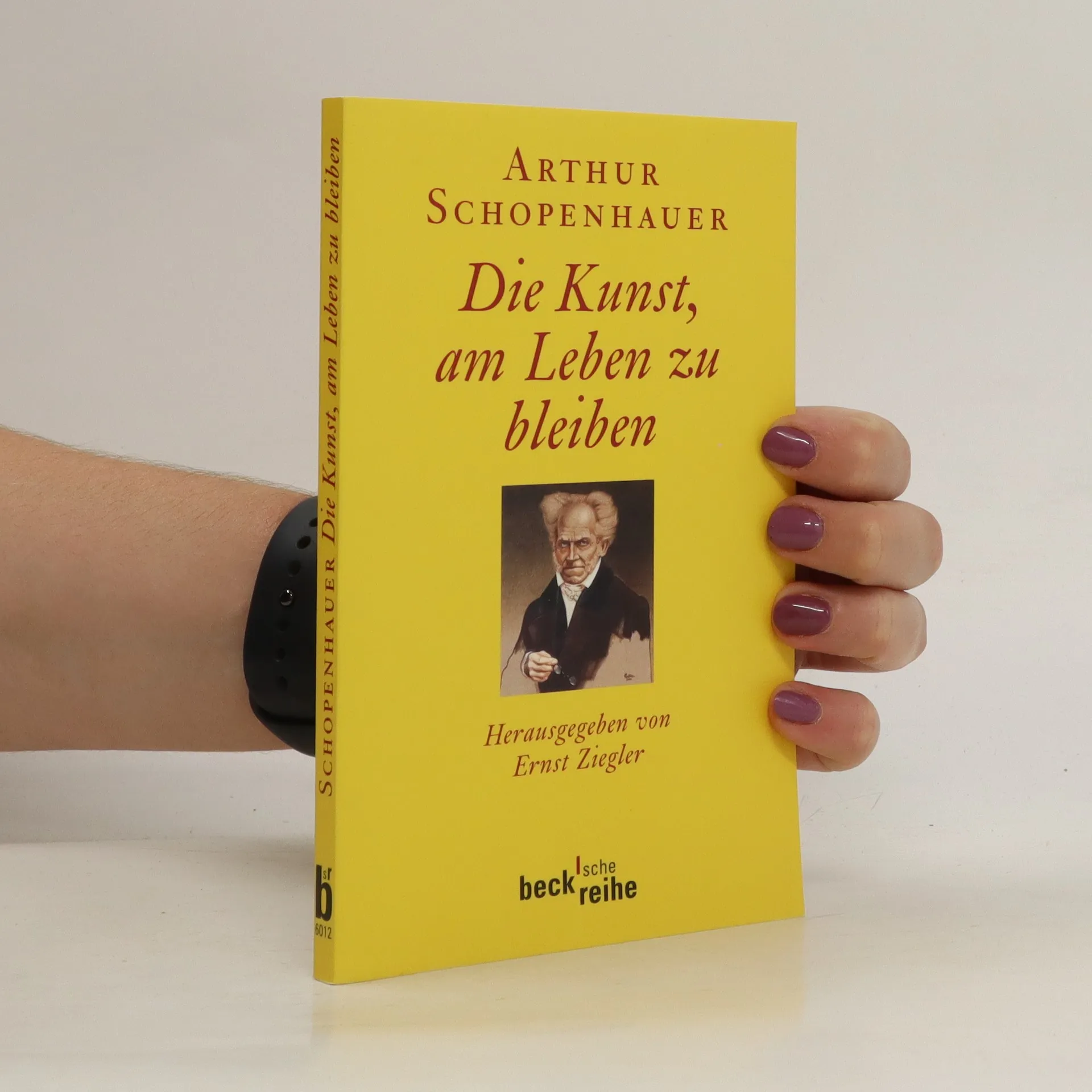
Arthur Schopenhauer: Frauenhasser, Menschenfeind, Pessimist. Harmlose Alltagsweisheiten wird man bei dem für seine beißenden Kommentare berüchtigten Philosophen vergeblich suchen. Wer aber nur düstere Weltsicht, kritische Zeitdiagnose und in letzter Konsequenz gar eine Empfehlung zum Selbstmord erwartet, liegt vollkommen falsch: Was sich aus Schopenhauers Nachdenken ergibt, ist die Einsicht, wie wenig selbstverständlich es ist, jeden Tag aufs Neue zu beginnen: Es ist eine Kunst, am Leben zu bleiben!
The remarkable best-seller -- a long-lost, 300-year-old book of wisdom on how to live successfully yet responsibly in a society governed by self-interest -- as acute as Machiavelli yet as humanistic and scrupulously moral as Marcus Aurelius.
Arthur Schopenhauer, born on February 22, 1788, in Danzig, hailed from a prominent merchant family. After his father's death in 1805, he remained in Hamburg while his mother and sister moved to Weimar. This allowed him to live without financial concerns due to his inheritance. Schopenhauer began studying medicine at the University of Göttingen in 1809 but soon shifted his focus to philosophy. Through his mother, he became acquainted with Goethe. In 1816, he published his own color theory, "Ueber das Sehn und die Farben," which caused a rift with Goethe. His seminal work, "Die Welt als Wille und Vorstellung," was published in 1819 and later expanded significantly. In 1820, he began teaching at the newly established University of Berlin. A notable student of Kant, Schopenhauer was among the first philosophers in the German-speaking world to argue that an irrational principle underlies existence. He passed away on September 21, 1860, in Frankfurt am Main. Schopenhauer's philosophical contributions continue to resonate, exploring themes of will, representation, and the nature of reality. His works remain influential in various fields, including psychology, literature, and existential thought.
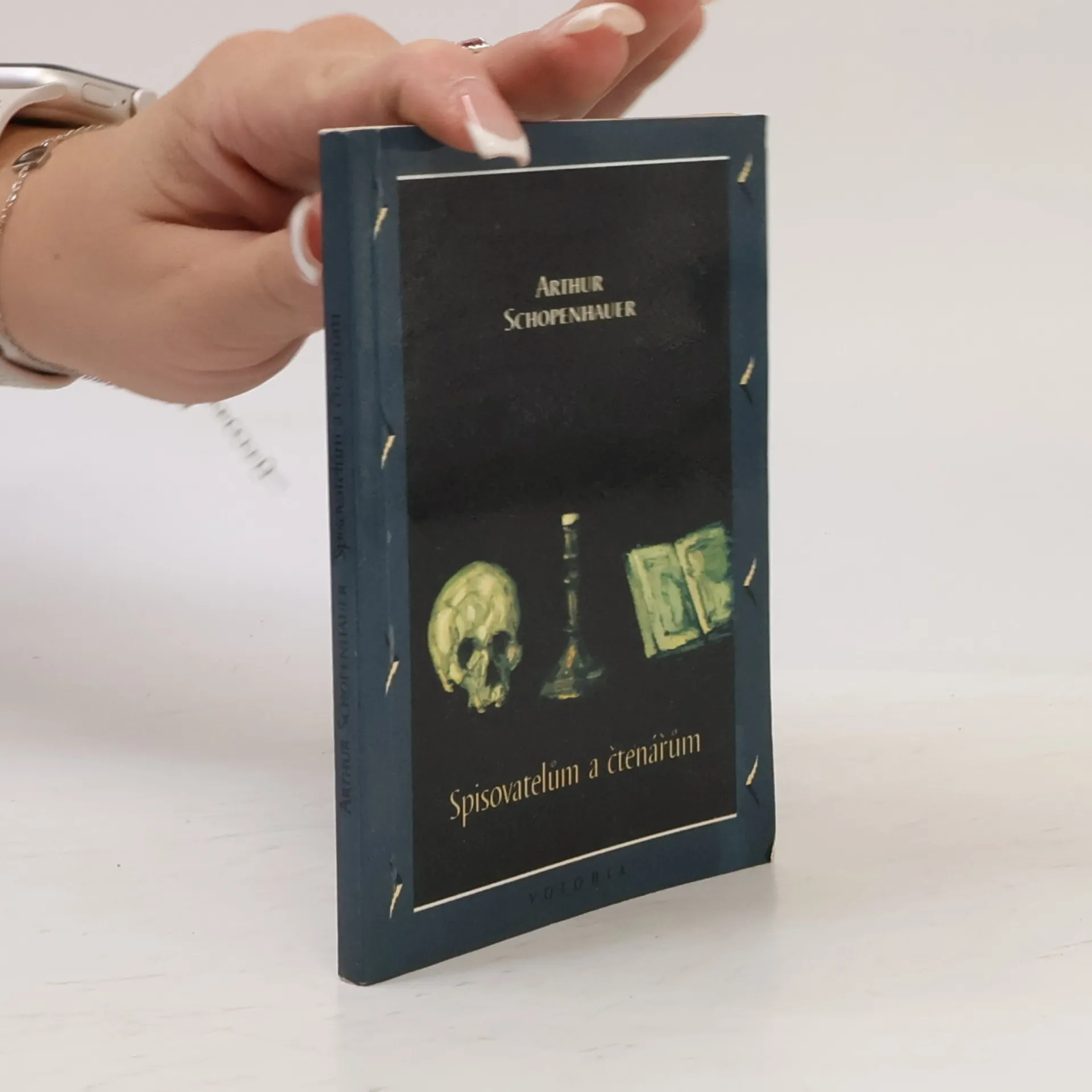
Spisovatelům a čtenářům
- 119pagine
- 5 ore di lettura
Schopenhauerovo bouřlivé (do jisté míry motivované vlastním literárním neúspěchem) zamýšlení nad hledání kvality v literatuře a nad smyslem čtenářství.
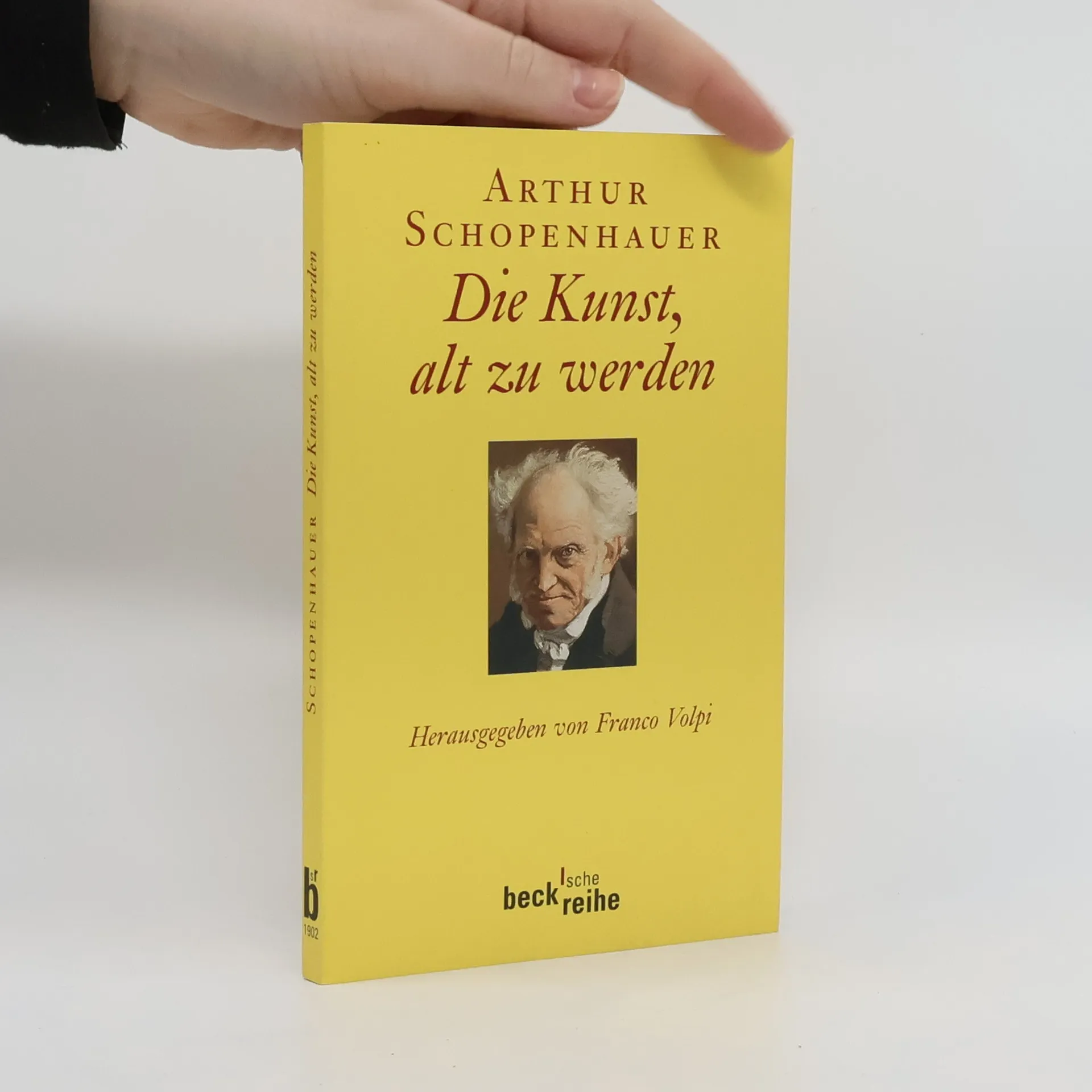
Schopenhauers Die Kunst, alt zu werden reiht sich ein in eine lange Tradition philosophischen Nachdenkens über das Alter. In den hier versammelten Aphorismen und Miniaturen begegnet uns Schopenhauer nicht als der notorische Misanthrop und Pessimist. Ihm gelingt vielmehr eine Hommage an das Altern und die Vergänglichkeit, die zugleich sein Testament und eine Anleitung zum Glücklichsein ist. Am Ende entläßt uns Schopenhauer mit der tröstlichen Gewißheit, daß das Alter zumindest jene Gelassenheit und Geistesruhe gewährt, die Glück überhaupt erst ermöglicht.
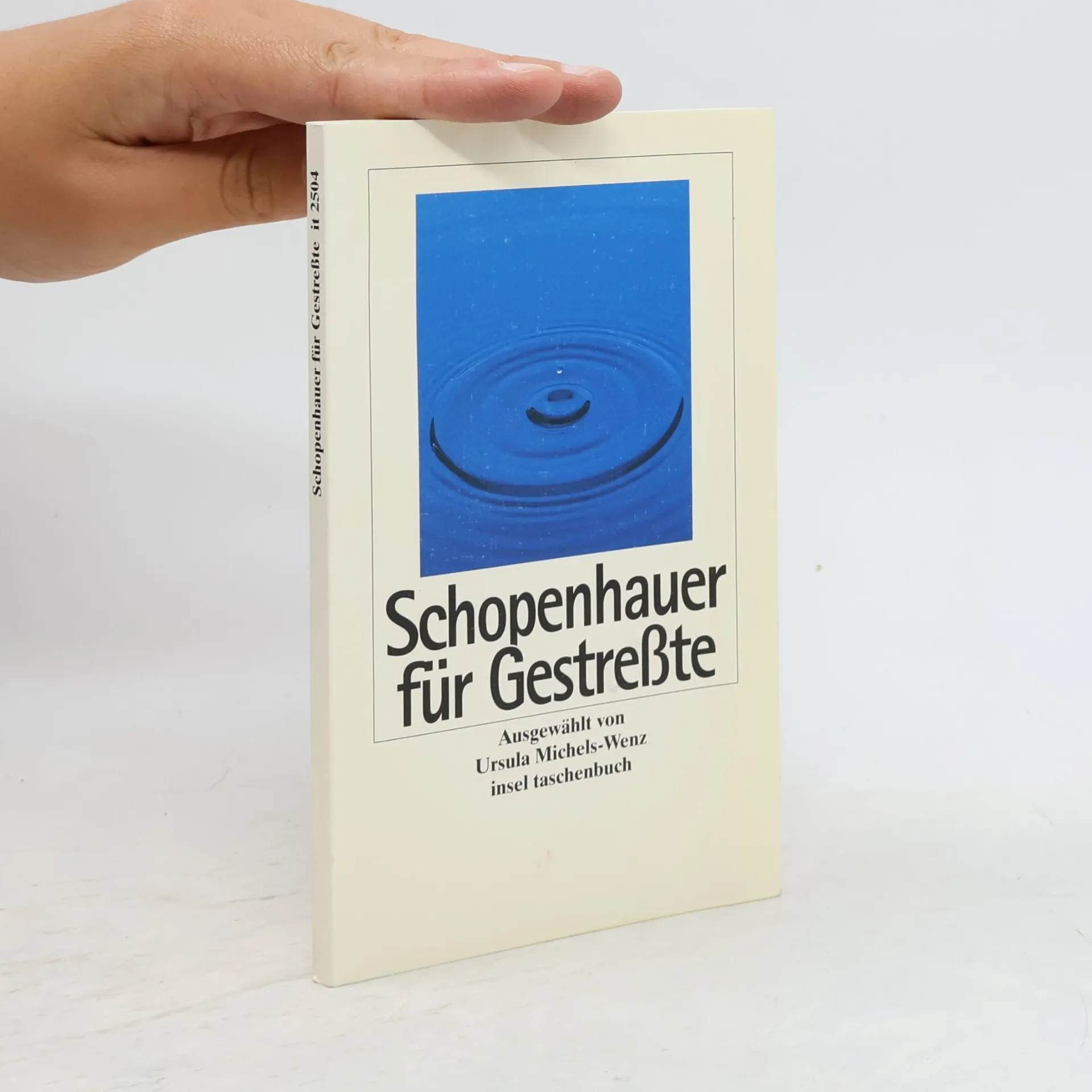
Schopenhauer für Gestreßte
- 125pagine
- 5 ore di lettura
Ängsten und Nöten kann man durch Erkenntnis und Übung effektiv begegnen, auch wenn die Situation ausweglos erscheint.
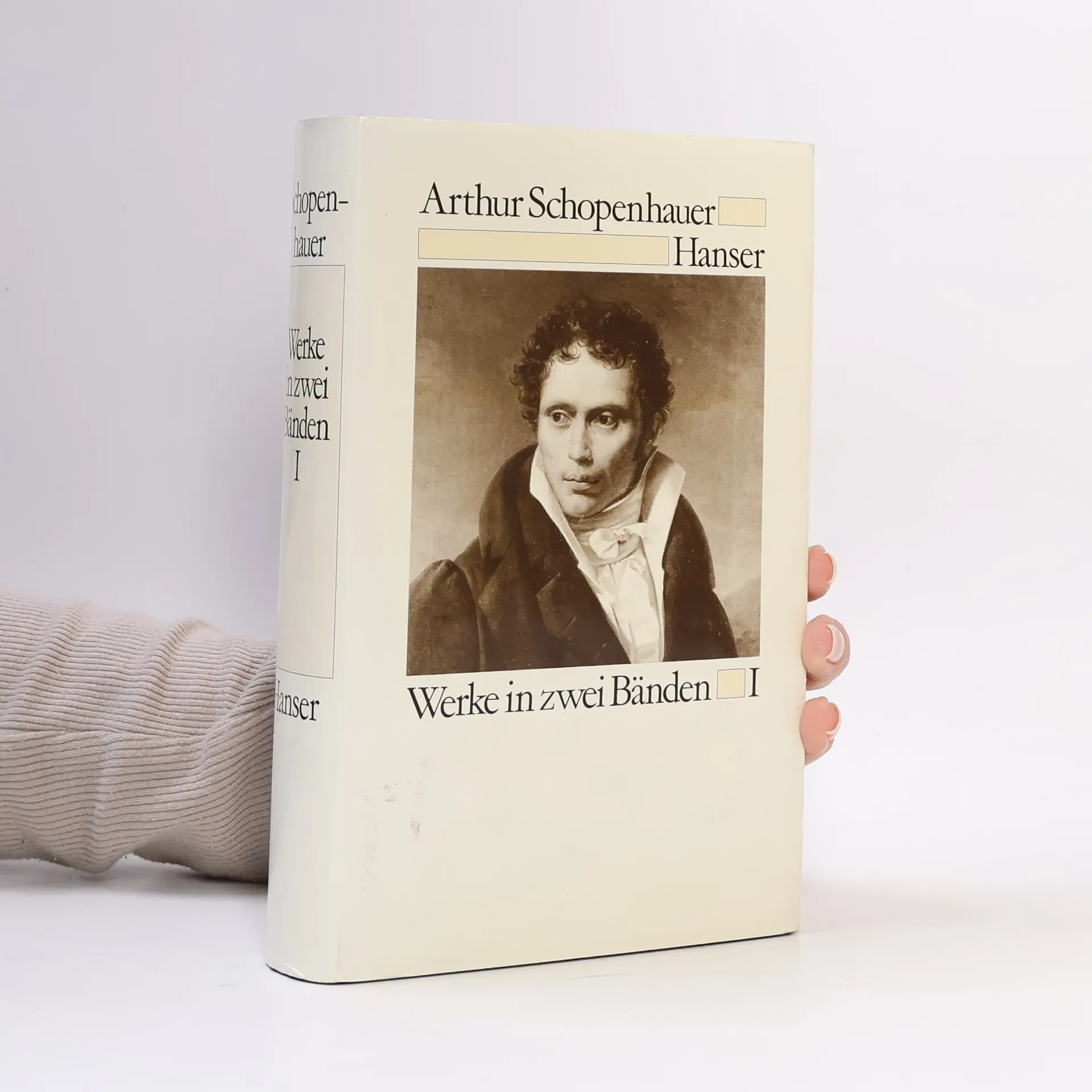
Hanserbibliothek - 1: Werke in zwei Bänden
- 832pagine
- 30 ore di lettura
11 works of Arthur Schopenhauer German philosopher (1788-1860) This ebook presents a collection of 11 works of Arthur Schopenhauer. A dynamic table of contents allows you to jump directly to the work selected. Table of Contents: - Essays of Arthur Schopenhauer - The Essays of Arthur Schopenhauer Counsels and Maxims - The Essays of Arthur Schopenhauer On Human Nature - The Essays of Arthur Schopenhauer on Religion and a Dialogue - The Essays of Arthur Schopenhauer on Studies in Pessimism - The Essays of Arthur Schopenhauer on the Art of Controversy - The Essays of Arthur Schopenhauer on The Art of Literature - The Essays of Arthur Schopenhauer on the Wisdom of Life - The World As Will And Idea Volume I - The World As Will And Idea Volume II - The World As Will And Idea Volume III
Diese elementarphilosophische Abhandlung, von Schopenhauer im Alter von 26 Jahren verfaßt, bildet eigenen Aussagen zufolge den Unterbau seines ganzen philosophischen Systems. Dieses Jugend- und Schlüsselwerk hat der sechzigjährige Schopenhauer noch einmal überarbeitet, um es mit weiterführenden, erhellenden und berichtigenden Anmerkungen zu versehen.
Zürcher Ausgabe
- 446pagine
- 16 ore di lettura
Dies ist die vollständige Übersetzung eines der bedeutendsten und faszinierendsten Werke des großen Philosophen Arthur Schopenhauer (1788-1860). Er ist heute am besten bekannt für Die Welt als Wille und Vorstellung, veröffentlicht 1819; jedoch erhielten seine früheren Schriften erst nach der Veröffentlichung von Parerga und Paralipomena im Jahr 1851 ernsthafte Aufmerksamkeit und gewannen internationale Berühmtheit. Die 31 kurzen Essays im 2. Band (den Paralipomena) wurden von Schopenhauer als Ergänzung zu seinem Hauptwerk angesehen. Die ersten 14 stehen in engem Zusammenhang mit dem Hauptteil seiner Philosophie; die übrigen bieten seine Ansichten zu einer Vielzahl von Themen, die von Religion und Lernen über Frauen und Bildung bis hin zu Lärm und Geräusch reichen. Die intellektuelle Kraft, literarische Macht und reiche Vielfalt dieser Essays sind bis heute beeindruckend. Sie sind entscheidend für ein umfassendes Verständnis von Schopenhauers Denken.
Mit Schopenhauer gelassen durchs Jahr
- 219pagine
- 8 ore di lettura
Wie können wir glücklich sein auf dieser Welt? Wie können wir unser Leben meistern, wie werden wir gelassen? Noch immer gilt Arthur Schopenhauer als der Philosoph der Pessimisten: Sagt er nicht, dass Glück nur in der Abwesenheit von Leid bestehe? – Dieses Buch entdeckt einen ganz anderen Schopenhauer, den Freund der Tiere und der Menschen, einen Denker, der nach neuen Wegen sucht, mit offenen Augen und frohem Herzen das Leben zu bestehen.
Über den Tod
- 105pagine
- 4 ore di lettura
Im Gegensatz zum Tier, das den Tod erst im Sterben kennenlernt, trägt der Mensch die Gewissheit seines Todes stets mit sich herum. Der Tod steht unausweichlich im Hintergrund und kann jeden Augenblick herantreten. Arthur Schopenhauer, der Meisterdenker des Pessimismus, ist gleichwohl der Überzeugung, dass der „Kern unseres Wesens“ im Tod unversehrt bleibt. Vom Tod betroffen ist das individuelle Bewusstsein. Doch dieses ist ohnehin nur Schein. „Wir werden im Augenblicke des Sterbens inne, dass eine bloße Täuschung unser Dasein auf unsere Person beschränkt hatte.“
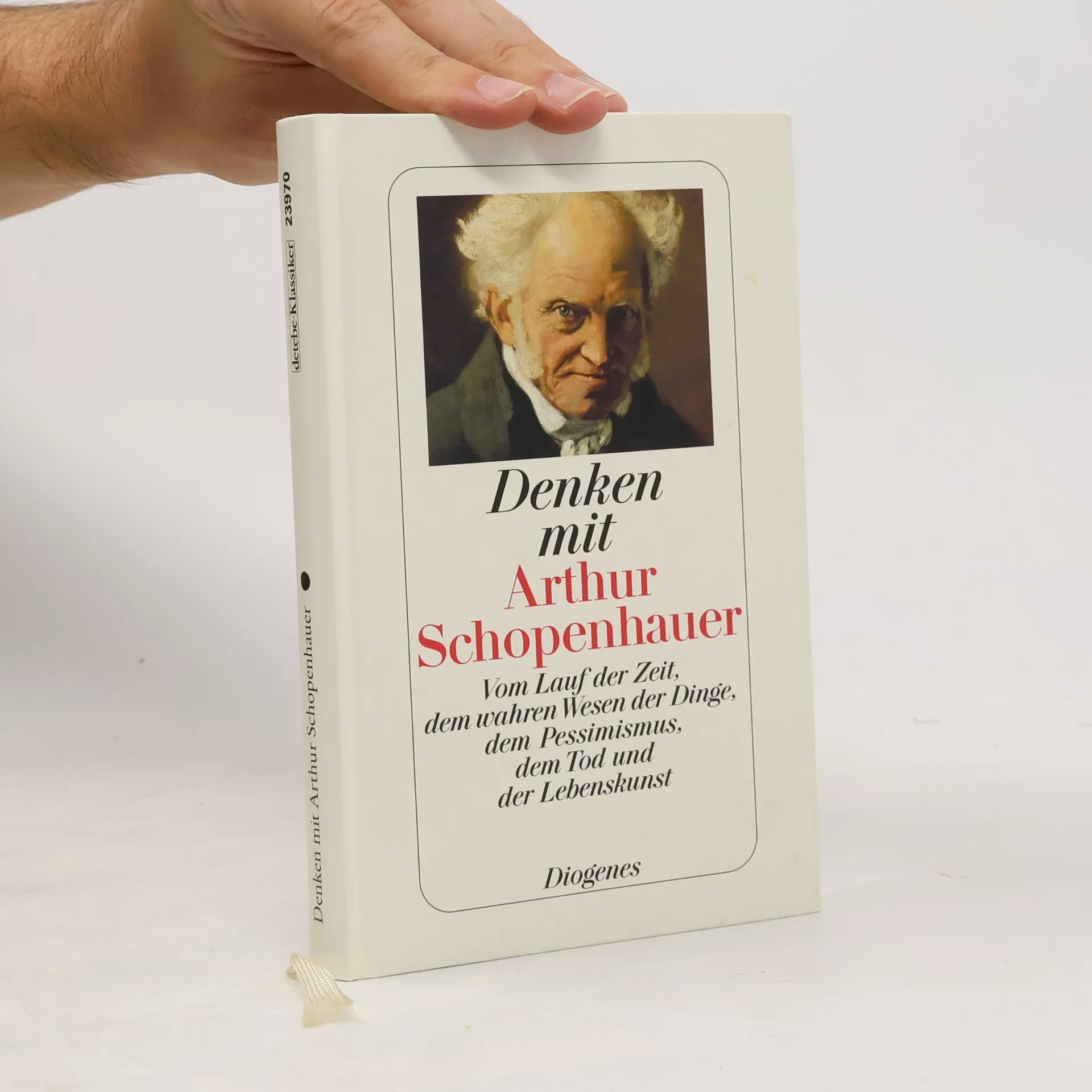
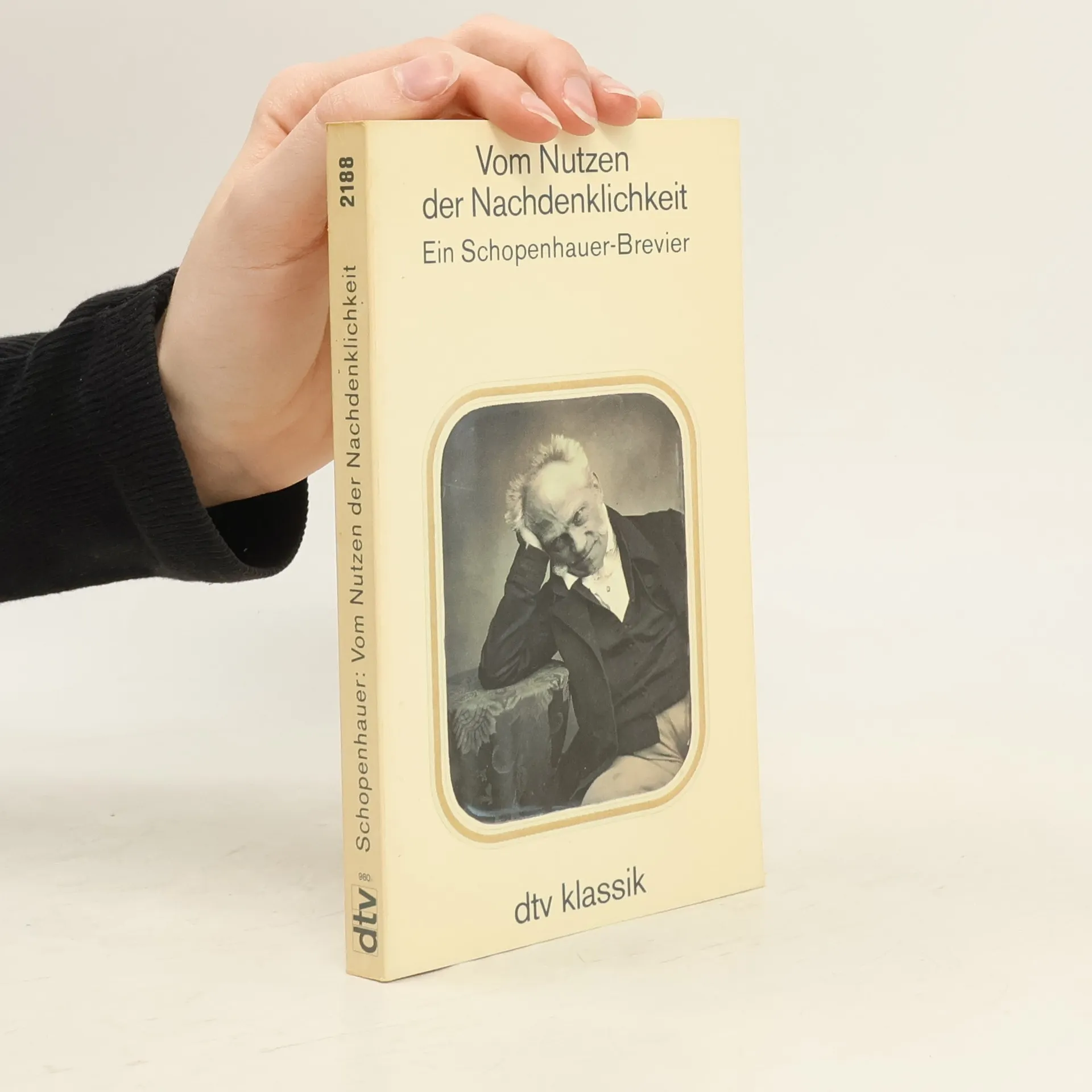
Arthur Schopenhauer war unter den großen Philosophen vielleicht der sprachgewaltigste, ein Sprachkünstler, der die Philosophie aus den Universitäten zurück zu den Menschen mit »Herz und Kopf« brachte.
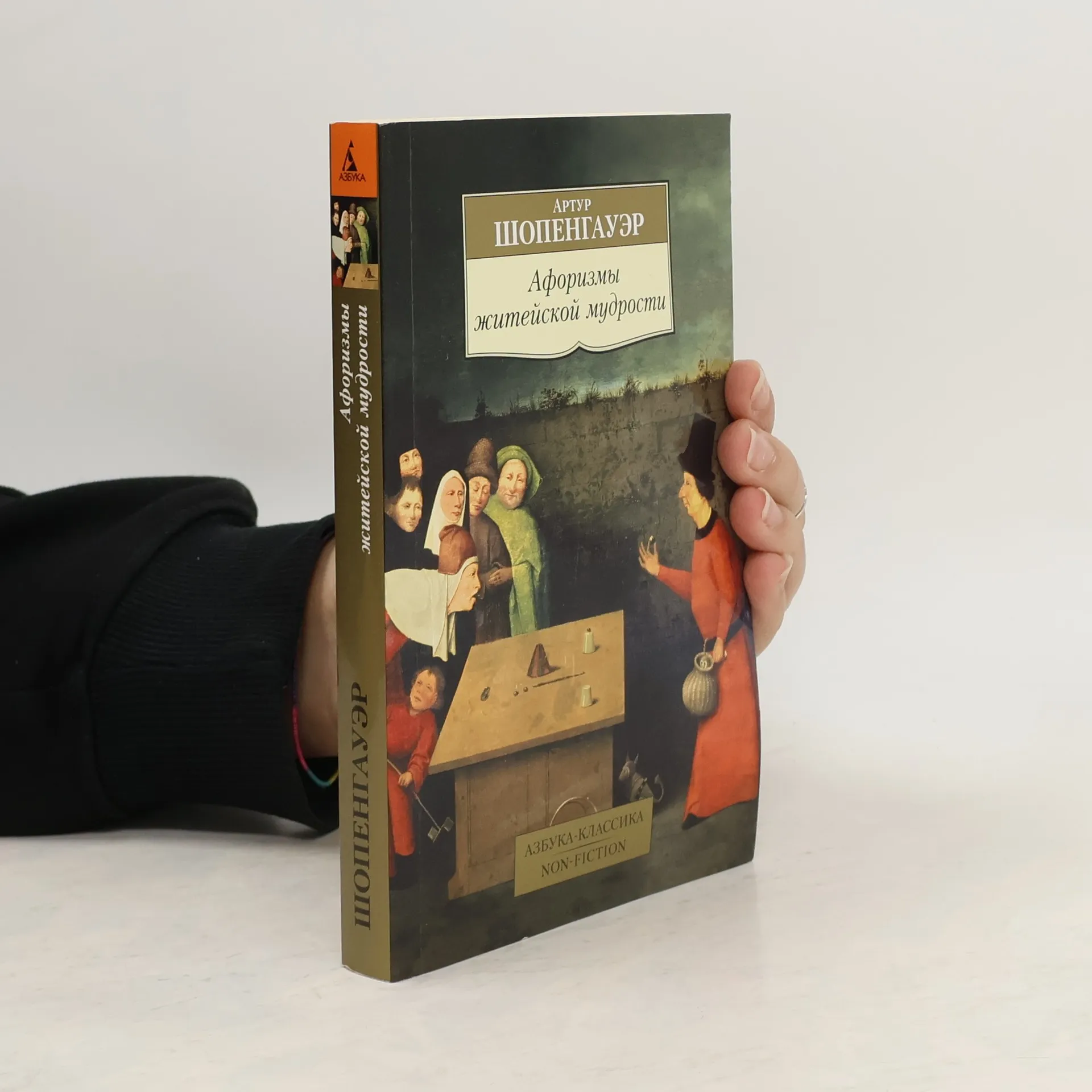
Афоризмы житейской мудрости
- 256pagine
- 9 ore di lettura
"Афоризмы житейской мудрости" А. Шопенгауэра — одно из наиболее значительных и популярных этических произведений в новоевропейской философии. Опирающийся на основное сочинение Шопенгауэра "Мир как воля и представление", этот трактат дает яркую и целостную картину философского восприятия жизни, с его отношением к воспитанию, долгу, судьбе, одиночеству.
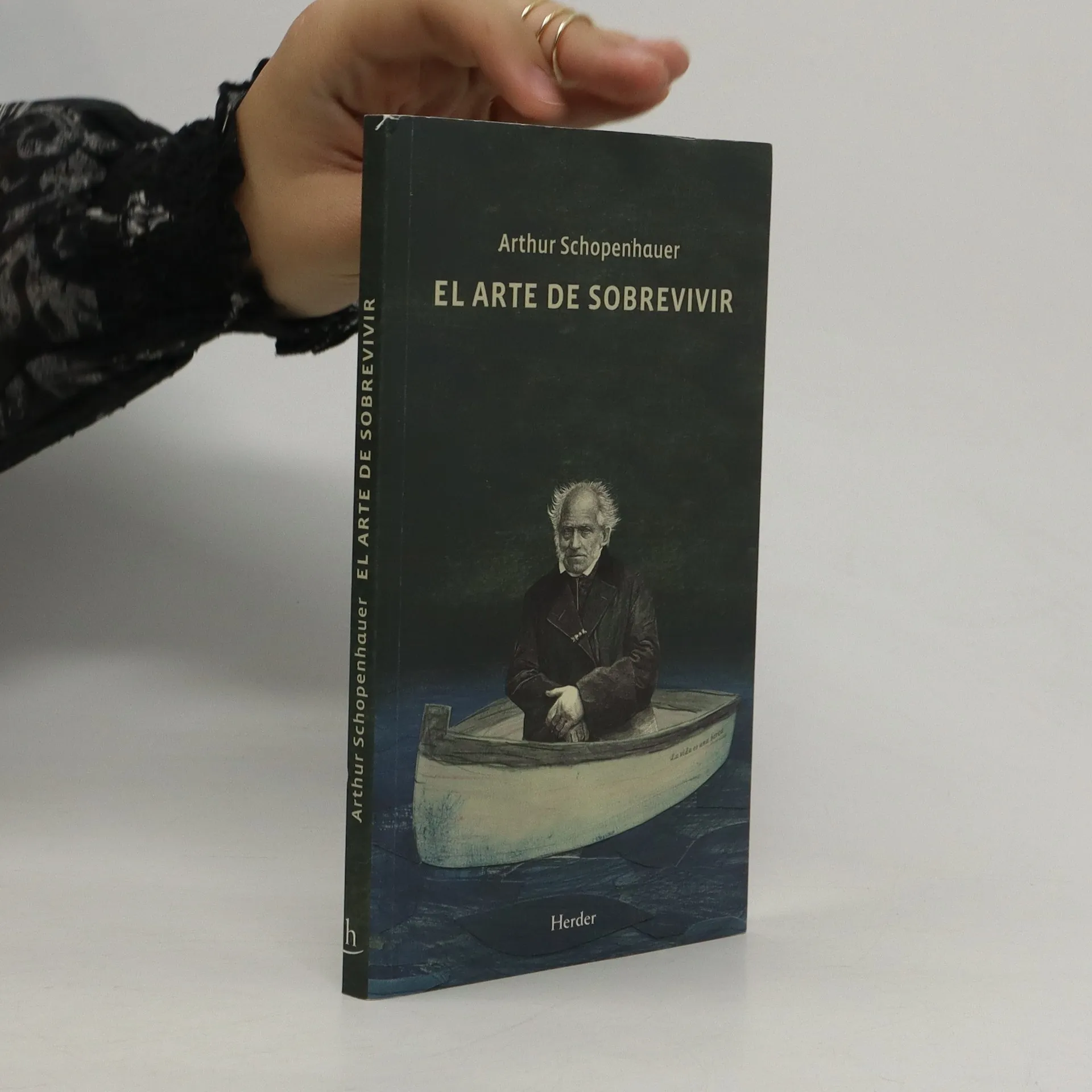
El arte de sobrevivir
- 144pagine
- 6 ore di lettura
En la obra de Arthur Schopenhauer, pensador misántropo y pesimista denostado por sus amargas invectivas, el lector no encontrará cándidos pensamientos con los que acompañar plácidamente el paso de los días. Sin embargo, se equivocará si busca en el autor tan solo una amarga visión de la vida, severos diagnósticos sobre la época que le tocó vivir o incluso, en último término, una exhortación al suicidio. Como muestra la presente selección de textos, lo que brota de su pensamiento es la convicción de que debemos comenzar a vivir de nuevo cada día, pues resulta todo un arte permanecer con vida.
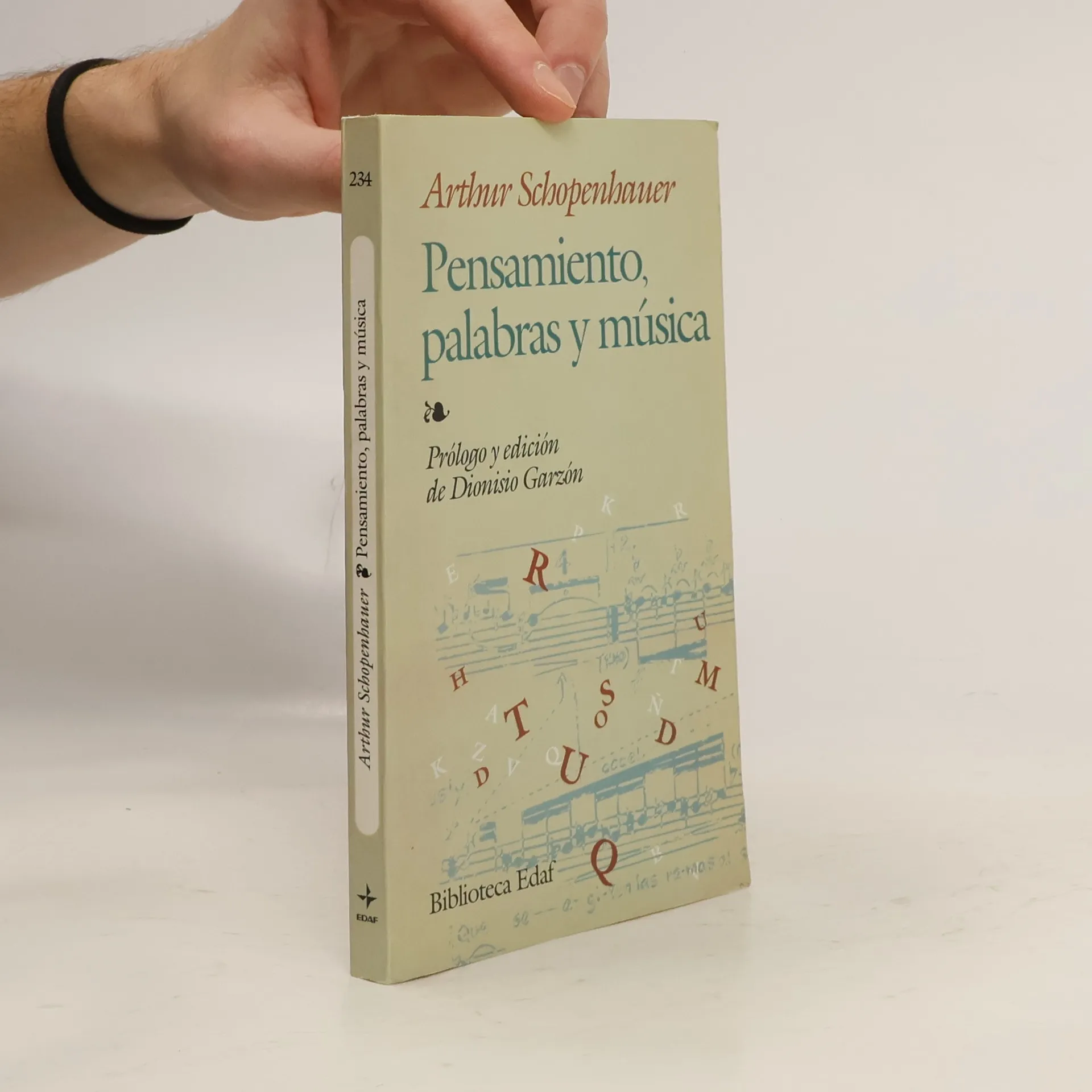
Pensamiento, palabras y música
- 204pagine
- 8 ore di lettura
La pluma de Shopenhauer, en prosa incisiva y elegante, se clava en la justa diana de lo que es el centro y la médula de la vida intelectual: lo auténtico y lo original. "Verdadero valor sólo tiene lo que uno ha pensado, ante todo, para sí mismo. Básicamente, sólo los pensamientos propios tienen verdad y vida." Libro actual y oportuno: una protesta -casi un trallazo- ante el diluvio de tantos libros mediocres y pretenciosos -puro relumbrón y oropel, copias de copias- que hoy nos inunda y ahoga. "Hay dos clases de escritores: los que escriben para expresar algo y los que escriben 'para escribir'". "La vida de un pensamiento dura tan sólo hasta que llega hasta el punto límite de la palabra". Y donde terminan las palabras empieza la música... "La música es el verdadero lenguaje universal que entodas partes se entiende y expresa, con la mayor precisión y verdad, la esencia íntima del mundo. Sin jamás causarnos un sufrimiento real, siempre nos produce gozo, aún en sus acordes más dolorosos". Estas páginas son de las más agudas y más brillantes que sobre música se han escrito.
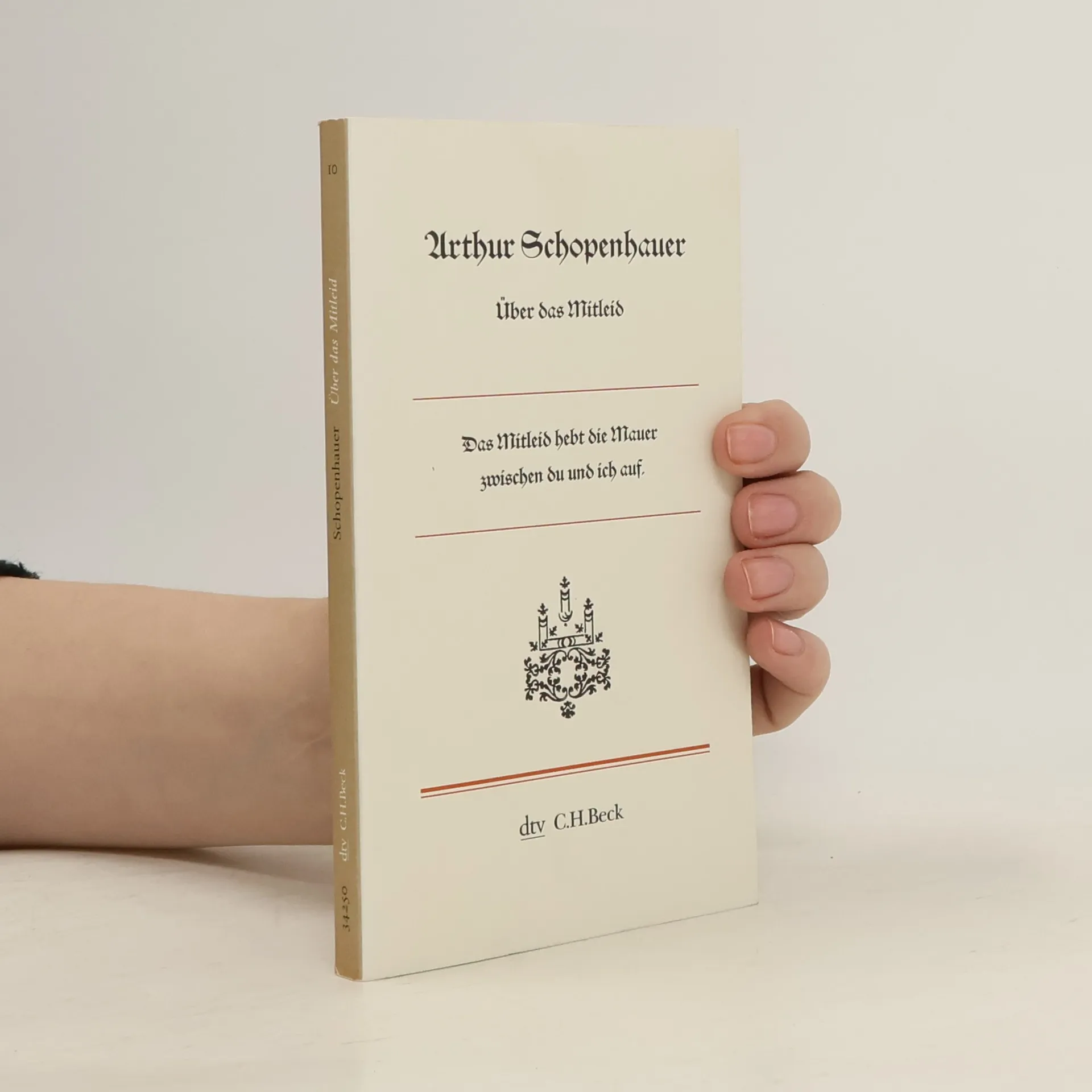
Über das Mitleid
- 160pagine
- 6 ore di lettura
»Das Mitleid hebt die Mauer zwischen Du und Ich auf.« Mitleid ist nach Schopenhauer das Fundament der Menschenliebe, der Gerechtigkeit und der Ethik. Es schließt die Liebe zu den Tieren ein und ist die natürliche, uneigennützige und allein wirklich moralische Triebfeder ethischen Handelns. Es ist damit die Basis einer jeden Tugend. In der von Schopenhauer empfohlenen Haltung des Mitleid-Empfinden-Wollens scheint eine Quelle moralischer Energie verborgen zu sein, die den Menschen bewahren und das noch offene Potential von Toleranz und Solidarität ausschöpfen möchte. Dadurch soll in einer durch zunehmende kulturelle Konflikte gekennzeichneten Gesellschaft Humanität wieder möglich sein. Mit einem Nachwort von Franco Volpi.
První práce klade důraz na roli osudu v životě člověka, neboť každá lidská bytost má již při narození určenu příslušnou životní dráhu, k níž bude díky osudu vždy směřovat. Tuto nepopiratelnou danost však většina lidí pochopí až v závěru vlastního života, jenž se právě tehdy projeví jako umělecké dílo vedené určitým pevným záměrem. V následujícím textu Schopenhauer vymezuje podstatu vlastní teorie snů - zaměřuje se především na tzv. pravdivý sen, kdy sníme pouze skutečnost, která nás obklopuje. Pravdivé snění stojí u zrodu náměsíčnictví a hypnotického spánku... Sny německý filozof pojímá zcela v souladu s vlastní koncepcí vůle, jež coby věc o sobě vůbec nepodléhá omezení času a prostoru. Závěrečný příspěvek odhaluje negativní vliv různých forem hluku na člověka a velice originálně tak předjímá nebezpečí, ohrožující současnou společnost. Lidská bytost, nedostatečně citlivá vůči hluku, nedokáže ocenit veškeré myšlenky, vědecké i umělecké snažení. Úvahy významného německého voluntaristického filozofa o lidském životě, snech a nebezpečí hluku.
Über die Universitäts-Philosophie
- 111pagine
- 4 ore di lettura
In diesem kleinen Text thematisiert der Autor die universitäre Krise, insbesondere im Bereich der Philosophie. Die Philosophie muss darauf achten, nicht in Gemeinplätze oder die Verteidigung besonderer Interessen zu verfallen. Daher tritt er Hegel und seinen Anhängern entgegen und postuliert die kritische Haltung des Akademikers, die Suche nach Wahrheit und das Infragestellen jeglichen Konformismus. So bleibt er nicht an der Oberfläche und betont, dass man einen Autor in der Tiefe lesen muss, indem man seine Texte mindestens fünfmal durchgeht. Ein Anspruch für den Akademiker und eine Wette auf die beste Stimme.
Mit e. Nachw. hrsg. v. Böhmer, Otto A. 210 S. N.-A.
Úvahy německého filosofa, básníka a spisovatele. Jeho pohled na vztah mezi pohlavími byl zpracován na základě vědeckého hlediska a poznání a vybočuje z dosud publikovaných děl.