
10 libri per 10 euro qui
Bookbot

Sōseki Natsume

    9 febbraio 1867 – 9 dicembre 1916

    Natsume Sōseki fu un influente romanziere e studioso di letteratura giapponese che ebbe un profondo impatto sulla letteratura moderna del Giappone. Le sue opere esplorano spesso temi di identità, alienazione e moralità in un Giappone in rapida modernizzazione. Sōseki intreccia magistralmente umorismo, ironia e profondità psicologica per creare personaggi e narrazioni indimenticabili. La sua eredità letteraria è così significativa che è spesso considerato il più grande scrittore della storia moderna giapponese.

    Sōseki Natsume
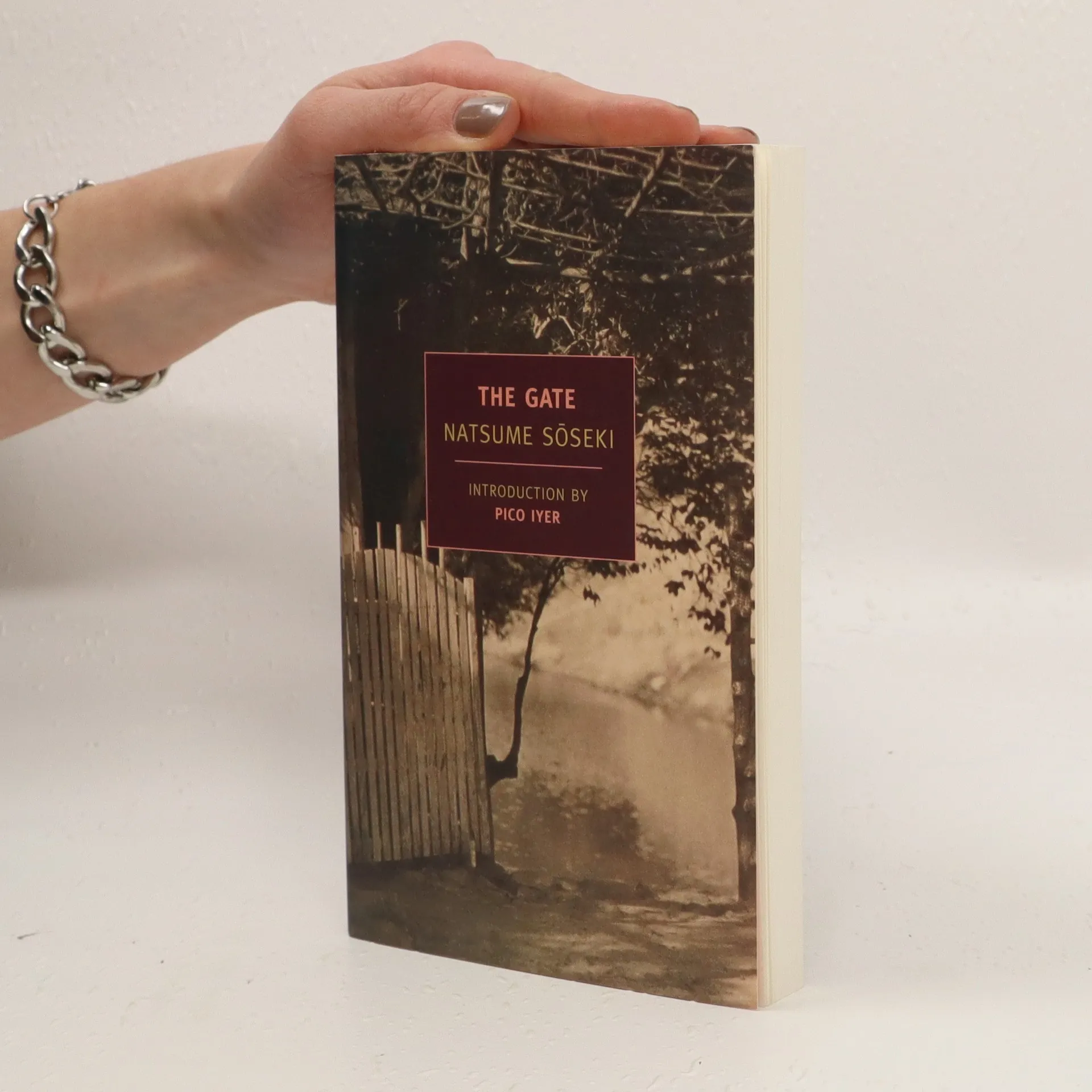
    The Gate
    Light and Dark
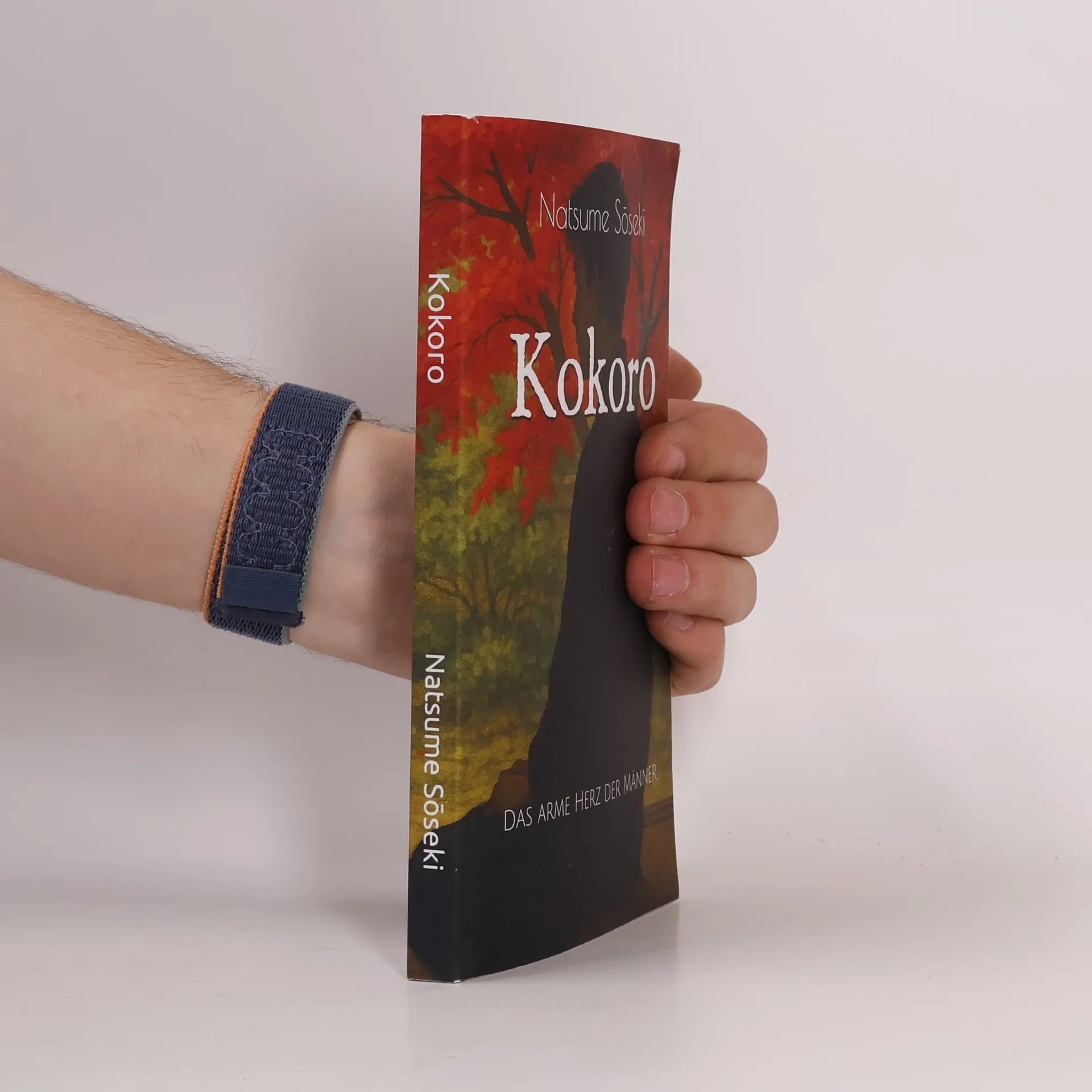
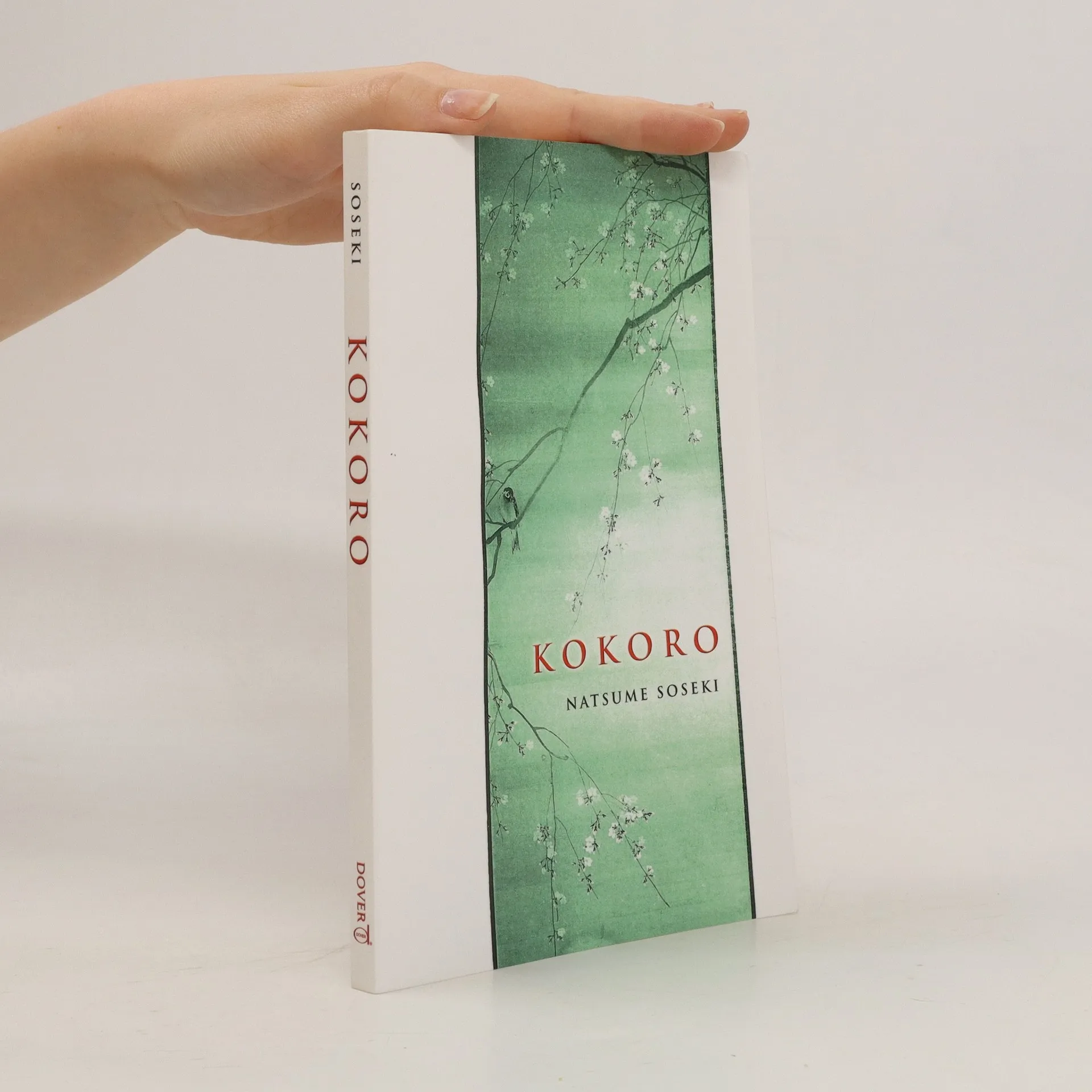
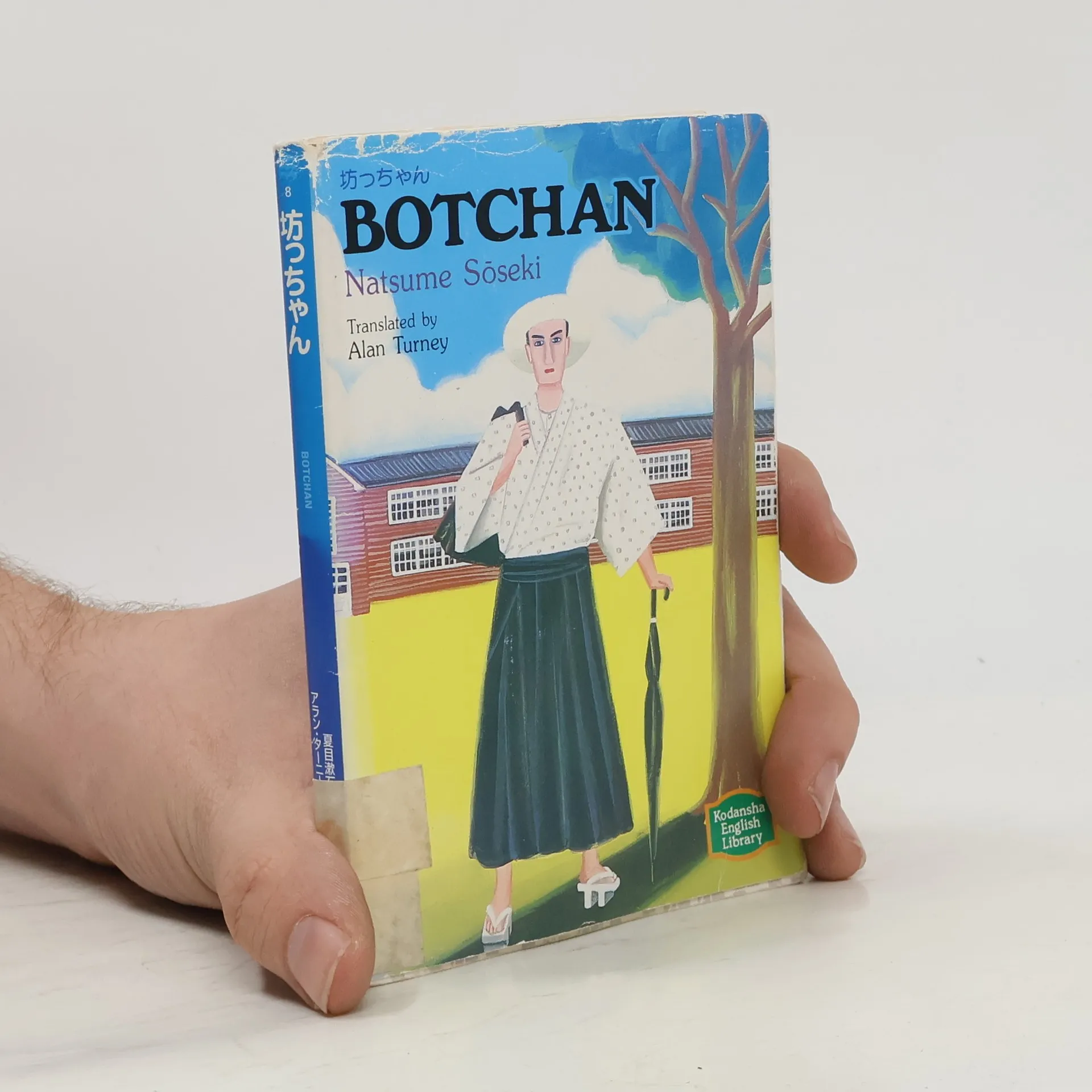
    Kokoro
    Kokoro: (Translated by Edward McClellan)
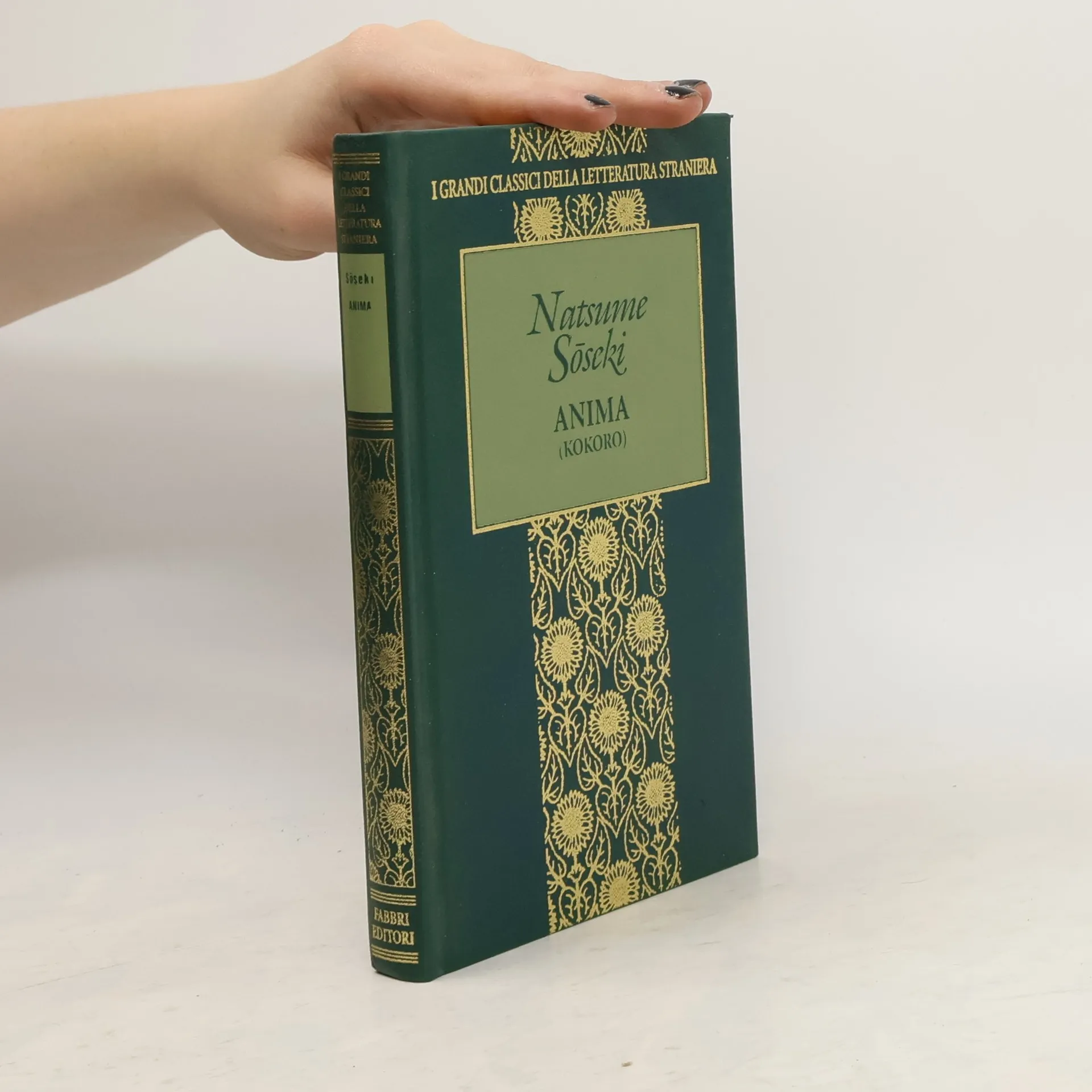
    Anima
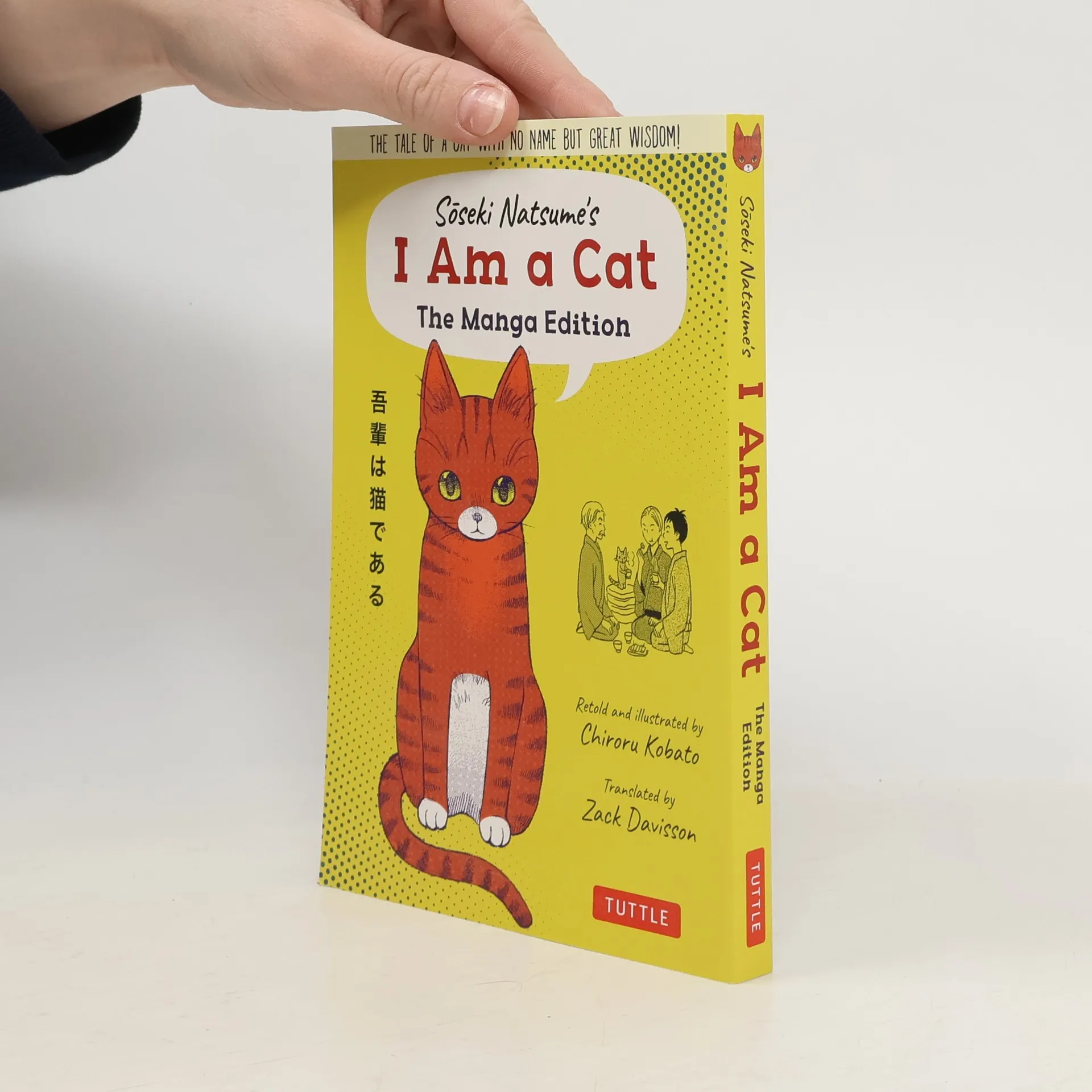
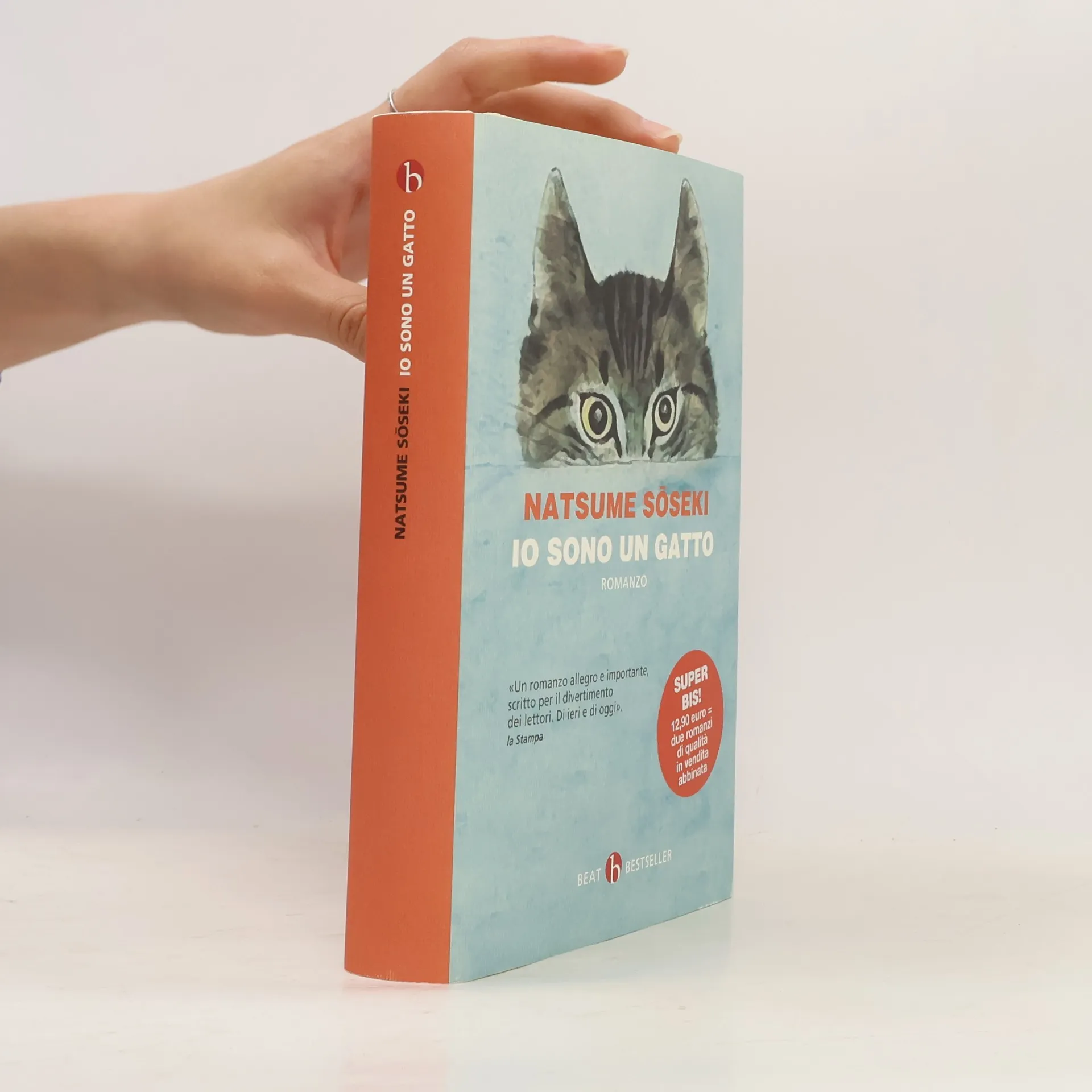
    Io sono un gatto
    • Exploring the themes of loneliness and isolation, this novel delves into the transition from Meiji society to modern Japan. It is structured in three parts, focusing on the narrator's relationship with the reclusive "Sensei," his return home after graduating, and a revealing letter from Sensei that uncovers his deep-seated guilt and loss of faith in humanity. This poignant narrative offers insight into the complexities of human emotions and relationships, making it a significant work by Natsume Soseki.

      Kokoro: (Translated by Edward McClellan)
    • Kokoro

      • 208pagine
      • 8 ore di lettura

      "Rich in understanding and insight."—The New YorkerWhat is love, and what is friendship? What is the extent of our responsibility to ourselves and to others? Kokoro, signifying "the heart of things," examines these age-old questions in terms of the modern world.A trilogy of stories that explores the very essence of loneliness, Kokoro opens with "Sensei and I," in which the narrator recounts his relationship with an intellectual who dwells in isolation but maintains a sophisticated worldview. "My Parents and I" brings the reader into the narrator's family circle, and "Sensei and His Testament" features the eponymous character's explanation of how he came to live a life of solitude.Natsume Soseki (1867–1916), perhaps the greatest novelist of the Meiji period, remains one of Japan's most widely read authors. He wrote this novel in 1914, at the peak of his career, and it remains an excellent introduction to modern Japanese literature.

      Kokoro
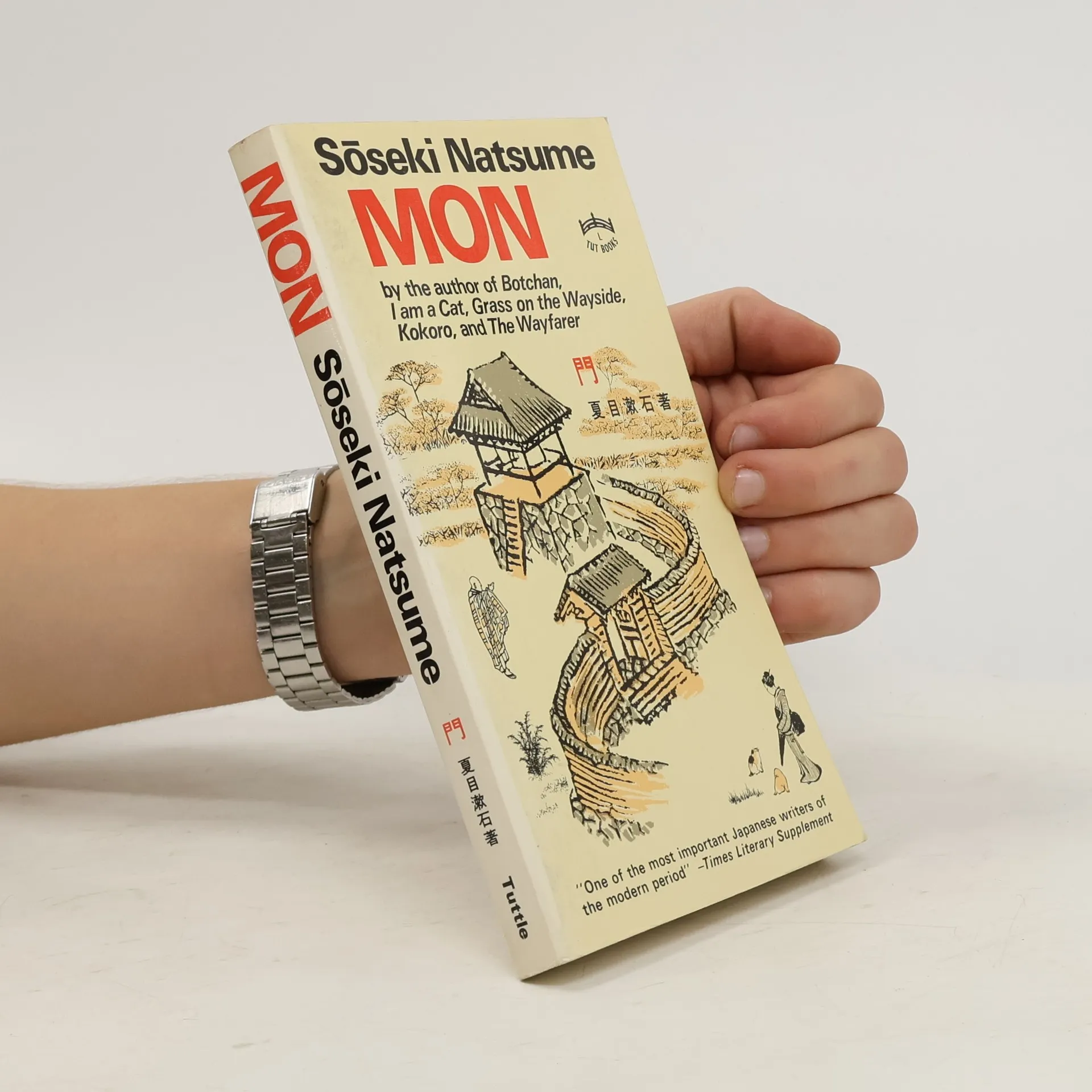
    • The Gate

      • 227pagine
      • 8 ore di lettura

      An NYRB Classics Original A humble clerk and his loving wife scrape out a quiet existence on the margins of Tokyo. Resigned, following years of exile and misfortune, to the bitter consequences of having married without their families’ consent, and unable to have children of their own, Sōsuke and Oyone find the delicate equilibrium of their household upset by a new obligation to meet the educational expenses of Sōsuke’s brash younger brother. While an unlikely new friendship appears to offer a way out of this bind, it also soon threatens to dredge up a past that could once again force them to flee the capital. Desperate and torn, Sōsuke finally resolves to travel to a remote Zen mountain monastery to see if perhaps there, through meditation, he can find a way out of his predicament. This moving and deceptively simple story, a melancholy tale shot through with glimmers of joy, beauty, and gentle wit, is an understated masterpiece by one of Japan’s greatest writers. At the end of his life, Natsume Sōseki declared The Gate, originally published in 1910, to be his favorite among all his novels. This new translation captures the oblique grace of the original while correcting numerous errors and omissions that marred the first English version.

      The Gate
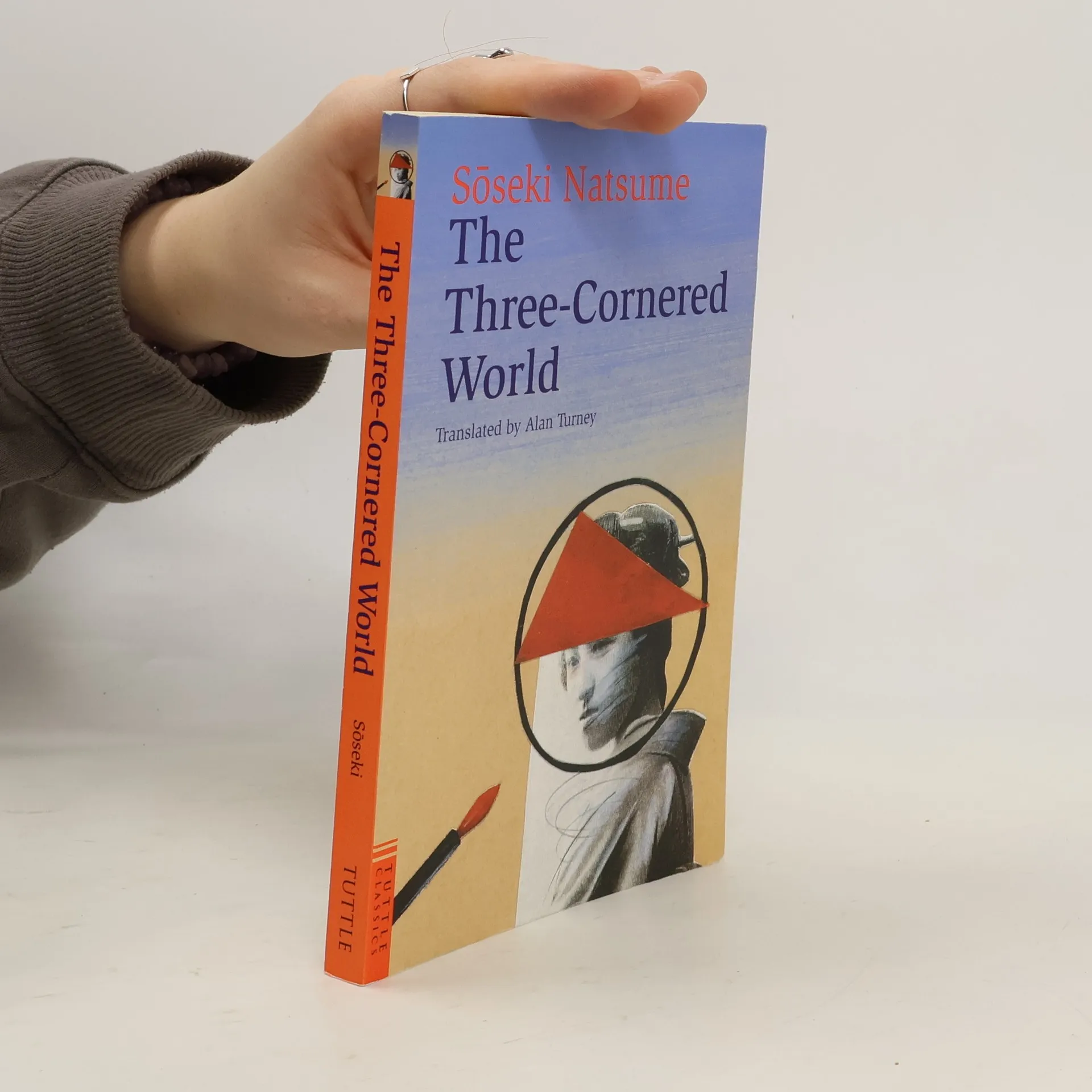
    • In The Three-Cornered World , an artist leaves city life to wander in the mountains on a quest to stimulate his artistic endeavors. When he finds himself staying at an almost deserted inn, he becomes obsessed with the beautiful and strange daughter of the innkeeper, who is rumored to have abandoned her husband and fallen in love with a priest at a nearby temple. Haunted by her aura of mystery and tragedy, he wants to paint her. As he struggles to complete his picture and sove the enigma of her life, his daily conversations with those at the inn and the village provide clues and inspiration toward solving the mysteries she presents. Natsume Soseki examines each event and scene in this story in minute detail, creating balanced pictures in each small situation. Interspersed with philosophies of both the East and West, Soseki's writing blends two very different cultures and presents the unique world of an artist struggling with his craft and his environment. An evocative picture of the daily life in a mountain village of the times, The Three-Cornered World provokes thought and images equally.

      The Three-Cornered World
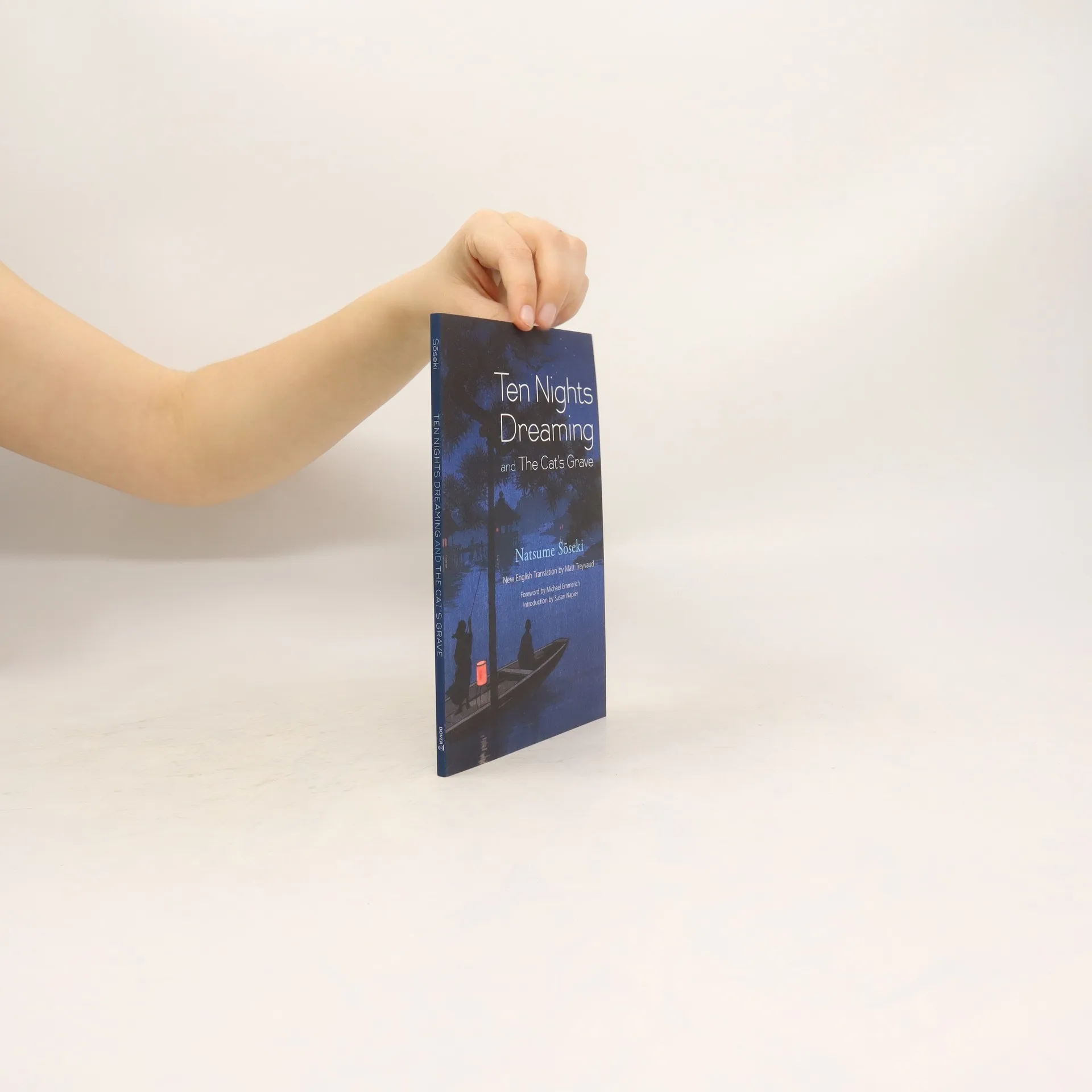
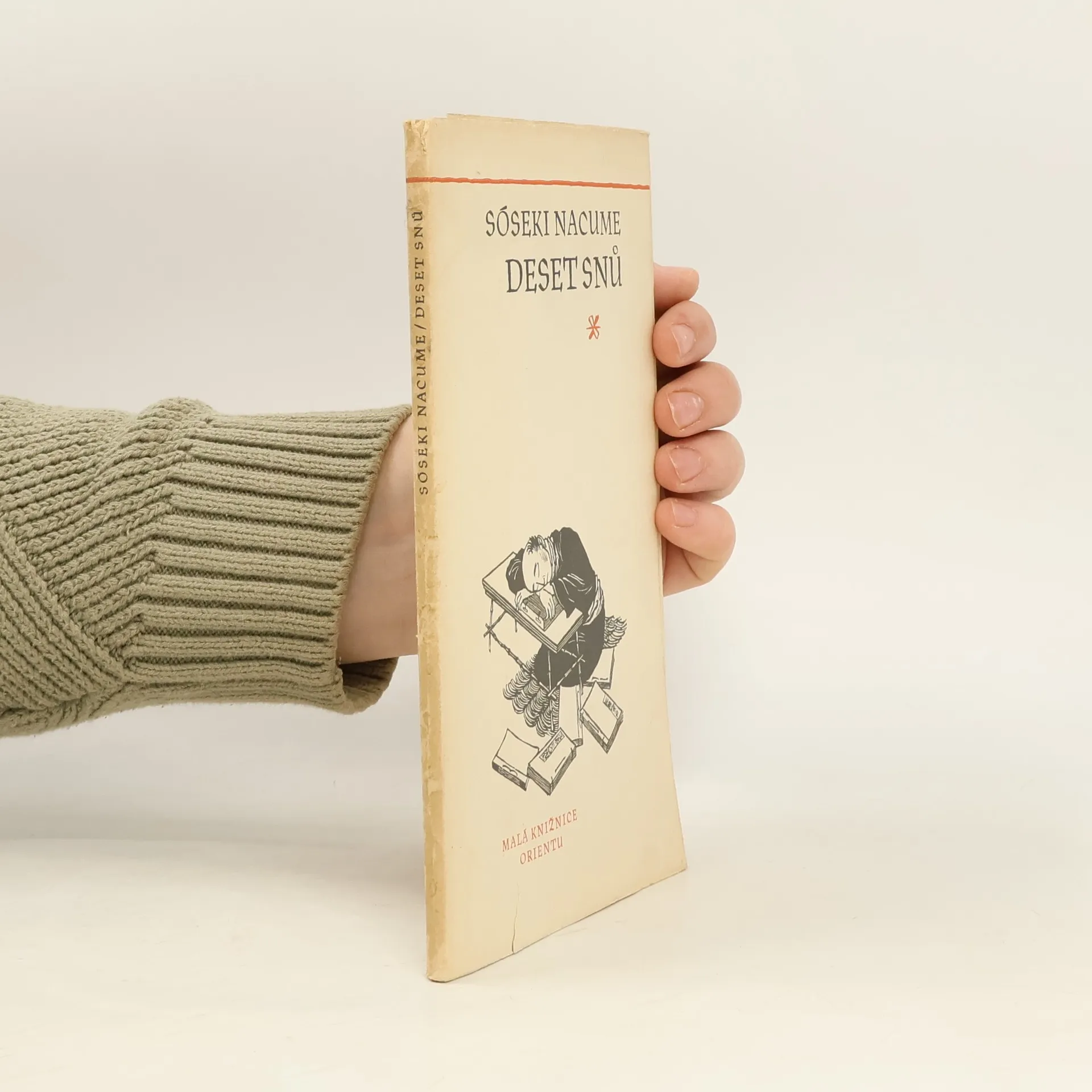
    • Exploring themes of love, honor, and despair, this collection of ten vignettes presents a dream-world where fantastic and tragic events unfold. Each story captures a unique essence, blending modernist and impressionistic styles that reflect both stark realism and a deeper emotional resonance. The narratives invite readers to ponder the complexities of human experience, evoking a sense of universal connection through their exquisite sensibility. This classic work marks a significant moment in Japanese literature, showcasing Natsume Soseki's profound insight into life and feeling.

      Ten Nights' Dreams and Our Cat's Grave
    • A rediscovered Japanese modernist classic, translated by renowned Murakami translator Jay Rubin and with a new introduction by Murakami himself.

      The Miner
    • And Then

      • 248pagine
      • 9 ore di lettura

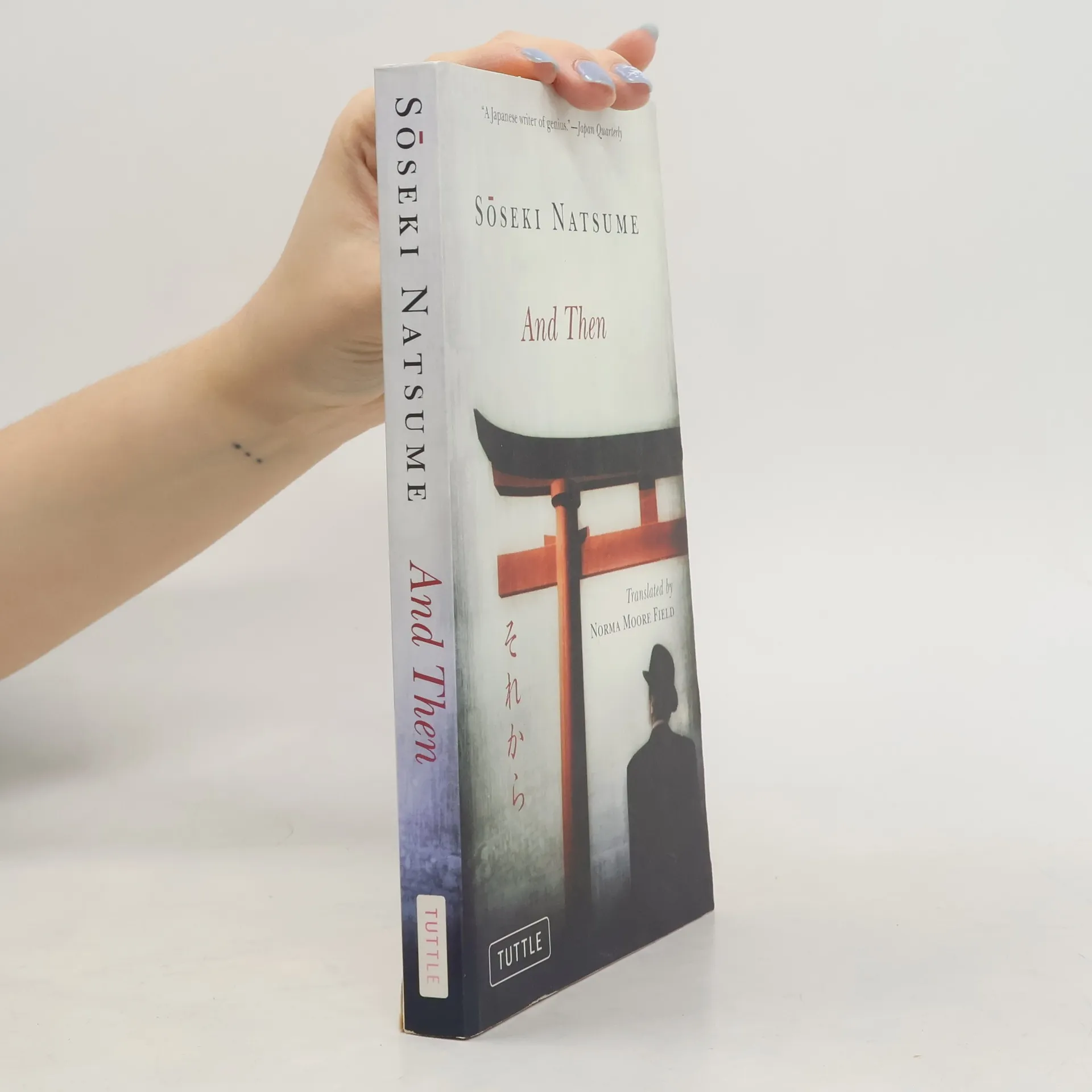
      "A Japanese writer of genius."—Japan Quarterly Soseki Natsume is considered to be one of Japan's most beloved and respected authors. And Then is ranked as one of his most insightful and stirring novels. Daisuke, the protagonist, is a man in his twenties who is struggling with his personal purpose and identity as well as the changing social landscape of Meiji-era Japan. As Japan enters the Twentieth Century, ancient customs give way to western ideals, and Daisuke works to resolve his feelings of disconnection and abandonment during this time of change. Thanks to his father's wealth, Daisuke has the luxury of having time to develop his philosophies and ruminate on their meaning while remaining intellectually aloof from traditional Japanese culture and the demands of growing industrialization. Then Daisuke's life takes an unexpected turn when he is reunited with his college friend and his sickly wife. At first, Daisuke's stoicism allows him to act according to his intellect, but his intellectual fortress begins to show its vulnerabilities as his emotions start to hold greater sway over his inner life. Daisuke must now weigh his choices in a culture that has always operated on the razor's edge of societal obligation and personal freedom.

      And Then