Bookbot

Daniel Mendelsohn

    16 aprile 1960
    Three Rings
    The Lost
    Three Rings: A Tale of Exile, Narrative, and Fate
    An Odyssey: A Father, A Son and an Epic
    The Lost
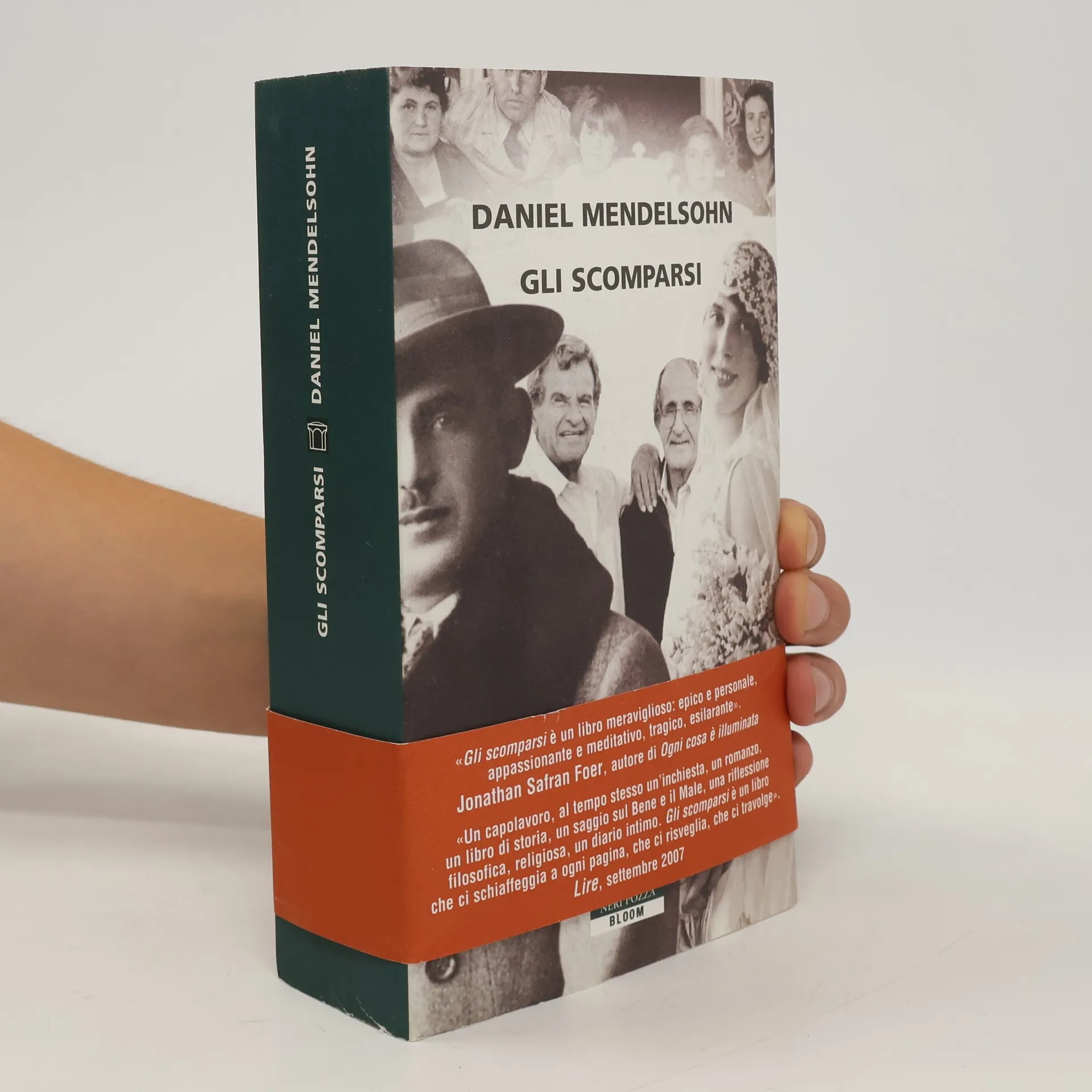
    Gli scomparsi
    • Gli scomparsi

      • 736pagine
      • 26 ore di lettura

      Gli scomparsi è la storia di un viaggio, cinque anni intorno al mondo per cercare di rispondere a una domanda che Daniel Mendelsohn si era posto ancora bambino molti anni prima: cosa è davvero accaduto allo zio Shmiel durante l’Olocausto? Le favolose storie del nonno raccontavano un’infanzia passata nella città di Bolechow, Polonia, all’inizio del secolo, ma si interrompevano intorno al destino del fratello, di sua moglie e delle quattro figlie. I membri della famiglia evitavano di parlare del misterioso Shmiel, tranne qualche sussurro o frettolosa conversazione in yiddish. È da questi frammenti che Daniel avvia la sua ricerca. Molti anni dopo Mendelsohn scopre una serie di lettere disperate che Shmiel indirizza al nonno nel 1939 ed è colpito dai frammentari racconti di un terribile tradimento. Decide allora di trovare i testimoni del destino dei suoi parenti, gli unici dodici ebrei di Bolechow ancora in vita. La ricerca lo condurrà insieme al fratello Matt (un fotografo le cui immagini illustrano il libro) attraverso quattro continenti, per confrontarsi con le abissali discrepanze tra la verità e la finzione, tra il ricordo e i fatti, tra il racconto e la realtà. Il viaggio si concluderà nel paese dove tutto ebbe inizio e dove ancora a distanza di decenni le tracce di quegli eventi attendono un testimone. Sospeso tra il presente e un oscuro passato, Gli scomparsi è un’odissea e un viaggio nella memoria e nell’infanzia, nel tormento di una generazione cancellata. Al tempo stesso è una provocatoria e inedita riflessione sulla tradizione ebraica e sui testi biblici, cronaca di una tragedia universale, appassionata commemorazione. Un racconto morale e letterario capace di accostare il dolore e l’erudizione riscattando ciò che il tempo smarrisce.

      Gli scomparsi
    • The Lost

      The Search for Six of Six Million

      • 688pagine
      • 25 ore di lettura

      The book is set to be highlighted in an upcoming Ken Burns documentary that explores the complex relationship between the U.S. and the Holocaust. It delves into historical events, societal attitudes, and government actions during this critical period, offering insights into how America responded to the atrocities of the Holocaust. Through a blend of personal stories and broader historical analysis, the book aims to shed light on the moral dilemmas faced by the nation and the lasting impact of these choices.

      The Lost
    • This moving book intertwines memoir, biography, history, and literary criticism, telling the stories of three exiled writers—Erich Auerbach, François Fénelon, and W. G. Sebald—and their connections to the classics, from Homer to Mimesis. Hailed as "exquisite" by The New York Times, the work explores the mysterious links between the randomness of life and the artfulness of storytelling. It chronicles how these writers turned to classical literature to create their own masterpieces that reflect on narrative itself. Auerbach, a Jewish philologist who fled Hitler's Germany, wrote his seminal study Mimesis in Istanbul. Fénelon, the seventeenth-century French archbishop, crafted a sequel to the Odyssey, The Adventures of Telemachus, which served as a veiled critique of the Sun King and became a bestseller in Europe for a century, leading to his banishment. Sebald, a German novelist exiled in England, created meandering narratives that delve into themes of displacement and nostalgia. Interwoven with their tales are Mendelsohn's own struggles to write about the Holocaust and his experiences reading the Odyssey with his father. As the narrative unfolds, a climactic revelation connects the lives of these three writers across time and space, prompting a reevaluation of the relationship between narrative and history, art and life.

      Three Rings: A Tale of Exile, Narrative, and Fate
    • "In this rich and riveting narrative, a writer's search for the truth behind his family's tragic past in World War II becomes a remarkably original epic—part memoir, part reportage, part mystery, and part scholarly detective work—that brilliantly explores the nature of time and memory, family and history. The Lost begins as the story of a boy who grew up in a family haunted by the disappearance of six relatives during the Holocaust—an unmentionable subject that gripped his imagination from earliest childhood. Decades later, spurred by the discovery of a cache of desperate letters written to his grandfather in 1939 and tantalized by fragmentary tales of a terrible betrayal, Daniel Mendelsohn sets out to find the remaining eyewitnesses to his relatives' fates. That quest eventually takes him to a dozen countries on four continents and forces him to confront the wrenching discrepancies between the histories we live and the stories we tell. And it leads him, finally, back to the small Ukrainian town where his family's story began, and where the solution to a decades-old mystery awaits him."--from amazon.com

      The Lost
    • Winner of the 2020 Prix du Meilleur Livre Etranger, this genre-defying work by best-selling memoirist and critic Daniel Mendelsohn delves into the connections between the randomness of life and the art of storytelling. Blending memoir, biography, history, and literary criticism, it intertwines the narratives of three exiled writers who turned to classical texts to craft their own masterpieces that reflect on narrative itself. Erich Auerbach, a Jewish philologist who fled Hitler's Germany, wrote his influential study of Western literature, Mimesis, in Istanbul. Francois Fenelon, a seventeenth-century French archbishop, penned a clever sequel to the Odyssey, The Adventures of Telemachus, which served as a veiled critique of the Sun King and became a bestseller for a century, leading to his exile. W. G. Sebald, a German novelist self-exiled in England, created meandering narratives that explore themes of displacement and nostalgia. Amid these tales of exile and artistic struggle, Mendelsohn recounts his own challenges in writing two books—a Holocaust family saga and a memoir about reading the Odyssey with his elderly father—both haunted by themes of oppression and wandering. As the narrative unfolds, a climactic revelation about the interconnected lives of these three figures prompts a reevaluation of the ties between narrative, history, art, and life.

      Three Rings
    • Euripide, definito da Aristotele "il più tragico dei tragici", scrisse il suo capolavoro, le "Baccanti", quando ormai era prossimo alla morte. Si tratta, come è stato detto, dell'opera di più sconvolgente tragicità che sia mai stata scritta, e al contempo la più importante fonte a nostra disposizione per la conoscenza della religione dionisiaca. La tragedia, come ha scritto Vernant, non rappresenta la realtà: ma la mette in questione. Nessuna opera, come le "Baccanti", è andata così lontana nel mettere in questione leggi, rapporti, istituzioni, credenze e saperi, fino a presentarci il destino umano nella sua tremenda e assoluta nudità.

      Baccanti
    • The Bad Boy of Athens

      • 384pagine
      • 14 ore di lettura

      'Mendelsohn takes the classical costumes off figures like Virgil and Sappho, Homer and Horace ... He writes about things so clearly they come to feel like some of the most important things you have ever been told.' Sebastian Barry

      The Bad Boy of Athens
    • New volume in the Frick Diptych series pairs an essay by Frick curator Aimee Ng with a contribution by bestselling author Daniel Mendelsohn.

      Bronzino's Lodovico Capponi
    • Eine Odyssee

      Mein Vater, ein Epos und ich - Der internationale Bestseller

      Eine berührende Vater-Sohn-Geschichte auf den Spuren von Homers Epos Als Jay Mendelsohn, pensionierter Mathematiker und 81 Jahre alt, eines Tages spontan beschließt, den Uni-Grundkurs seines Sohnes Daniel zum Thema »Odyssee« zu besuchen, ahnen beide Männer nicht, dass dies der Beginn einer ganz eigenen Familienreise ist. Vater und Sohn beschließen nämlich, auf einer Schiffsroute den Spuren des großen Epos von Homer zu folgen – und im Angesicht der eigenen Sterblichkeit kommen sie sich dabei endlich wieder näher. Bewegend und mitreißend erzählt Daniel Mendelsohn, wie ein 3000 Jahre alter Mythos ihn und seinen Vater wieder zueinanderführt.

      Eine Odyssee