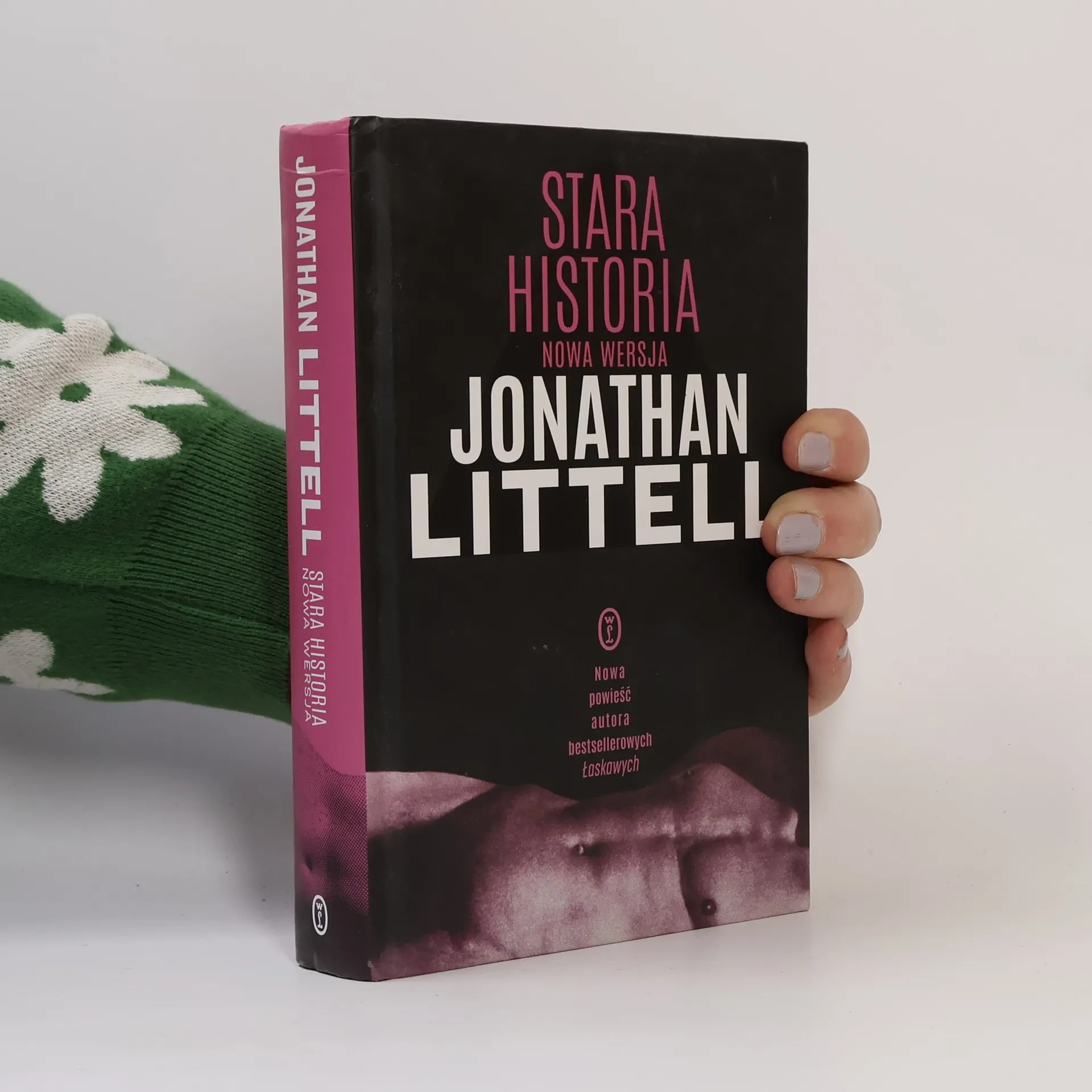

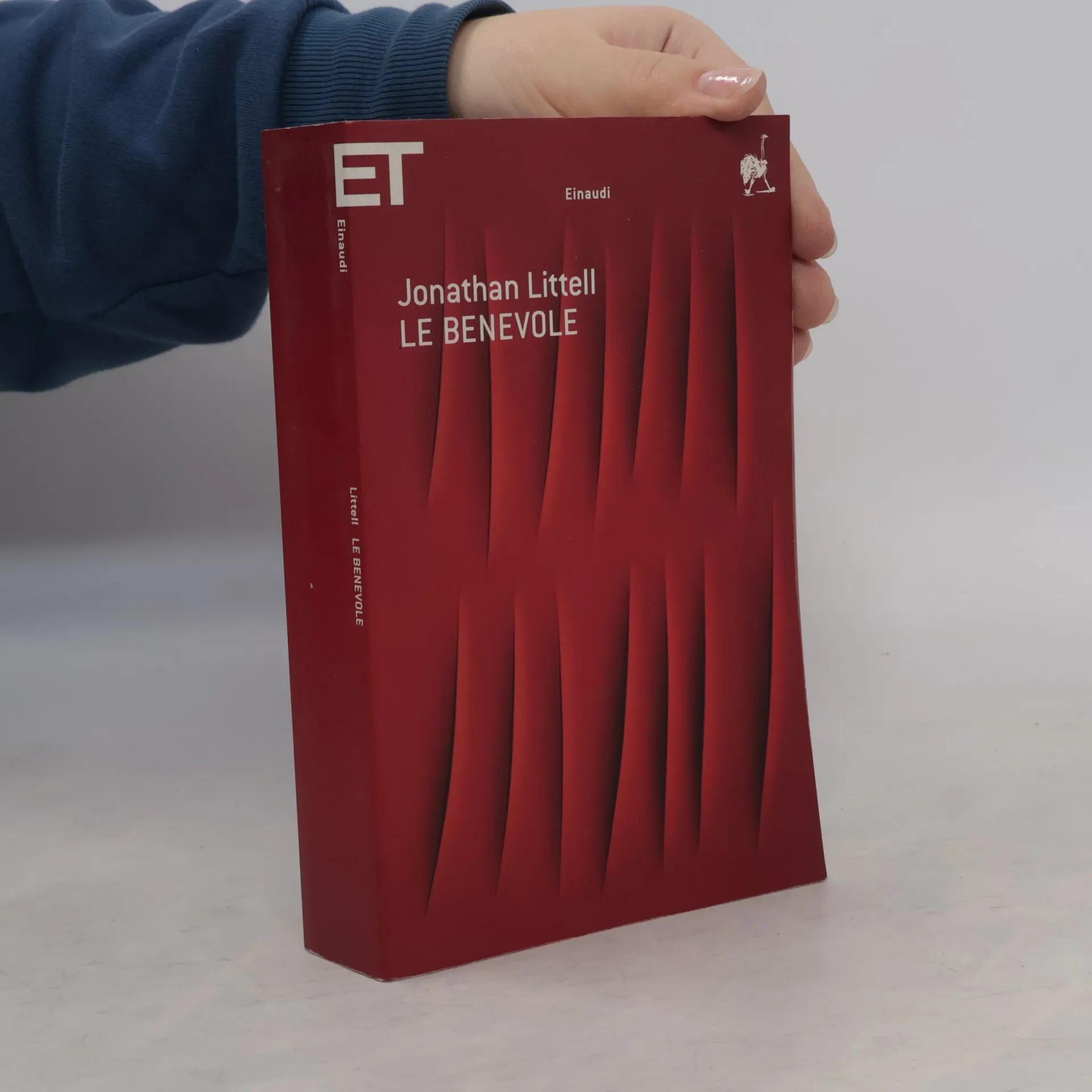
Maximilian Aue dirige una fabbrica di merletti nel Nord della Francia, la guerra è ormai lontana. È nato in Alsazia da madre francese: parla così bene la lingua materna che non ha avuto difficoltà a nascondere, durante il caos del dopoguerra, il suo passato da ufficiale delle SS. Racconta la sua storia senza alcun rimorso. Infanzia in Francia, studi di diritto e di economia politica in Germania: il giovane Maximilian è intelligente, colto, omosessuale (in lui l'omosessualità si lega all'incesto, all'amore morboso per la sorella). Sorpreso in un luogo compromettente, viene salvato da un giovane SS che lo prende sotto la sua protezione: Max entra nelle SS anche perché è affascinato dall'ideologia nazista. Dopo essere stato a Parigi, passa sul fronte orientale: in qualità di ufficiale redige rapporti per i vertici del Reich sull'avanzare della campagna di Russia. Ferito alla testa a Stalingrado, si salva per miracolo e diventa un eroe nazionale. In seguito lavora a stretto contatto con Himmler per riorganizzare i campi di concentramento, e viene spedito a cercare in Ungheria manodopera per le industrie belliche. A Berlino si dedica alla scherma e al nuoto; assiste ai concerti diretti da Karajan e Furtwängler; ha una sterile storia sentimentale con una donna. Dopo un tentativo di fuga in Pomerania, ritorna nella capitale e vive il crepuscolo del nazismo. Un affresco epico e tragico, che fa rivivere la tragedia della seconda guerra mondiale dal punto di vista ripugnante dei carnefici
Jonathan Littell Libri
Questo autore approfondisce le complessità dell'esperienza umana, esplorando spesso temi di identità e intersezione culturale attraverso le sue narrazioni. La sua scrittura, informata da una prospettiva biculturale, offre una lente unica attraverso cui esaminare l'interazione tra storie personali e collettive. Crea storie immersive utilizzando uno stile di prosa ricco ed evocativo che permane nel lettore. La sua abilità letteraria ed esplorazioni tematiche profonde lo rendono una voce significativa nella letteratura contemporanea.


ET: Le benevole
- 955pagine
- 34 ore di lettura
Nell'Europa travolta dalla furia nazista, l'epopea tragica ed efferata di un ufficiale dell SS, Maximilien Aue, ci fa rivivere gli orrori della guerra dal punto di vista terribile e ripugnante dei carnefici. Nato in Alsazia da patre tedesco e madre francese, Maximilien Aue dirige sotto falso nome una fabbrica di merletti nel nord della Francia. Svolge bene il suo lavoro, è un uomo preciso ed efficiente. Preciso ed efficiente, del resto. lo era stato anche negli anni del nazismo, quando fra 1937 e 1945 aveva fatto carriera nelle SS in Germania. Pure essendo un nazionalsocialista convinto, il giovane e brillante giurista era entrato per caso nel corpo, punta di diamante del Reich hitleriano: fermato dalla polizia dopo un incontro omosessuale, aveva accettato di arruolarsi per evitare la denuncia. Nel 1941 Max è sul fronte orientale, dove dà il suo contributo al genocidio di ebrei, zingari e comunisti. Trasferito nel Caucaso e poi nella Stalingrado accerchiata dall'Armata rossa, sopravvive miracolosamente a una grave ferita. Dopo il rientro in Germania, lavora a stretto contatto con tutta la gerarchia nazionalsocialista. La guerra è ormai persa, tuttavia, e la Wehrmacht arretra su tutti i fronti. Al crepuscolo del nazismo, viene in aiuto a Max il suo bilinguismo: assumendo l'identità di un francese deportato in Germania, riesce a fuggire. Trascinato dalla corrente della Storia e inseguito da fantasmi che, come le furie "benevole" dei Greci, le Eumenidi, cercano vendetta, Max Aue è parte di noi, la parte più nera.
Léon Degrelle, Belgium's highest-ranking Nazi collaborator, is the focus of this critical biography, exploring his role in the Waffen-SS during World War II and his influence on literature. The book delves into his autobiographical writings, particularly "The Russian Campaign," while analyzing his unwavering fascist beliefs and support from Hitler and Mussolini. It also examines the broader implications of fascist discourse, building on Klaus Theweleit's theories. Originally published in French, this work has been translated into multiple languages, reflecting its significant impact.
A compelling, brief narrative on the life of one of the most significant artists of the twentieth century.
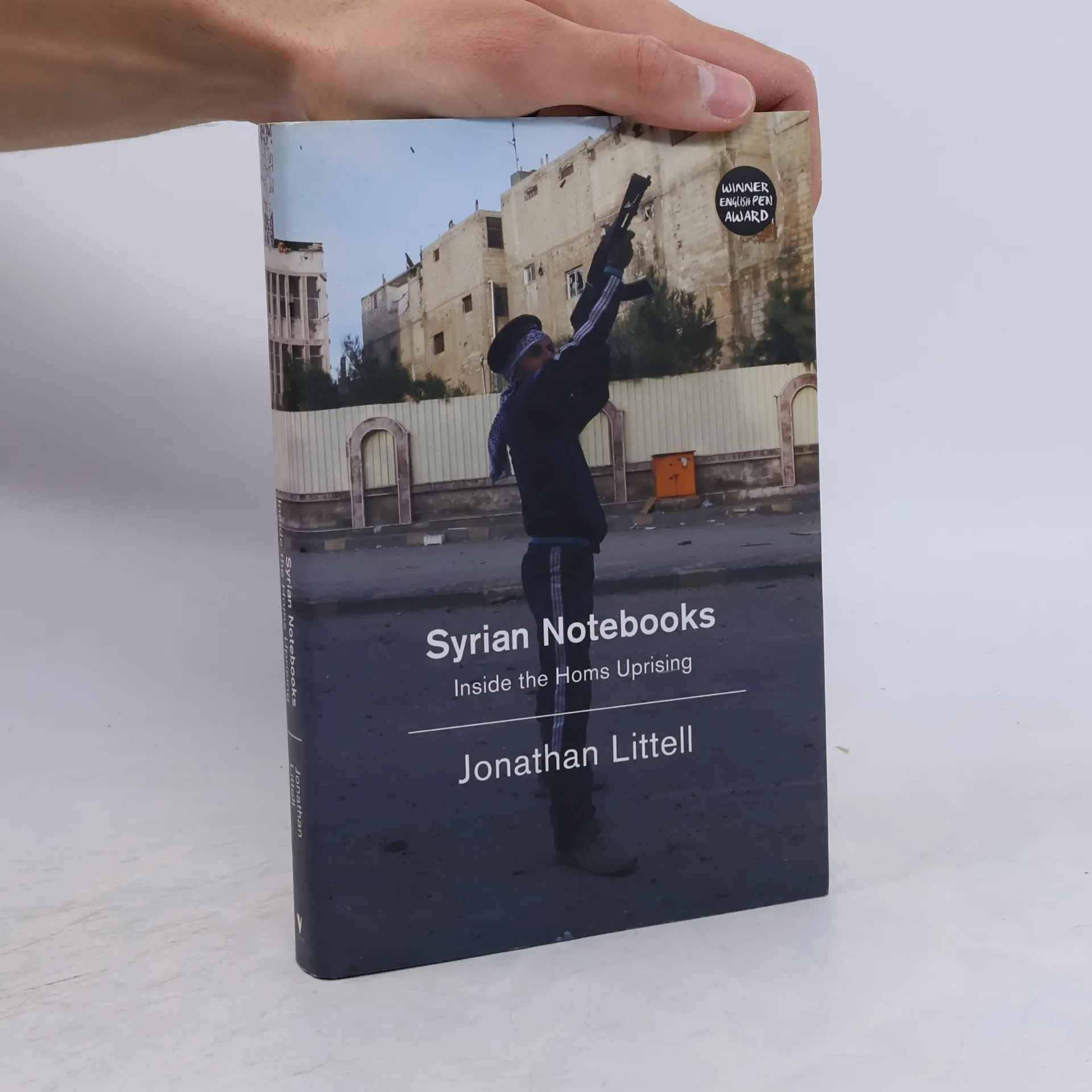
Syrian Notebooks
- 246pagine
- 9 ore di lettura
A blistering firsthand account of the conflict in Homs by the internationally acclaimed author of The Kindly Ones “We fight for our religion, for our women, for our land, and lastly to save our skin. As for them, they’re only fighting to save their skin.” In 2012, Jonathan Littell traveled to the heart of the Syrian uprising, smuggled in by the Free Syrian Army to the historic city of Homs. For three weeks, he watched as neighborhoods were bombed and innocent civilians murdered. His notes on what he saw on the ground speak directly of horrors that continue today in the ongoing civil war. Amid the chaos, Littell bears witness to the lives and the hopes of freedom fighters, of families caught within the conflict, as well as of the doctors who attempt to save both innocents and combatants who come under fire. As government forces encircle the city, Littell charts the first stirrings of the fundamentalist movement that would soon hijack the revolution. Littell’s notebooks were originally the raw material for the articles he wrote upon his return for the French daily Le Monde. Published nearly immediately afterward in France, Syrian Notebooks has come to form an incomparable close-up account of a war that still grips the Middle East—a classic of war reportage.
The Fata Morgana Books
- 208pagine
- 8 ore di lettura
This collection features a curated selection of works previously published by Fata Morgana between 2007 and 2012, showcasing a diverse range of literary voices and styles. Each piece reflects the unique artistic vision of the authors, offering readers a glimpse into the rich tapestry of contemporary literature. The anthology serves as a testament to the creativity and innovation that characterized this period, making it a valuable addition for enthusiasts of modern literary works.
An Inconvenient Place
- 352pagine
- 13 ore di lettura
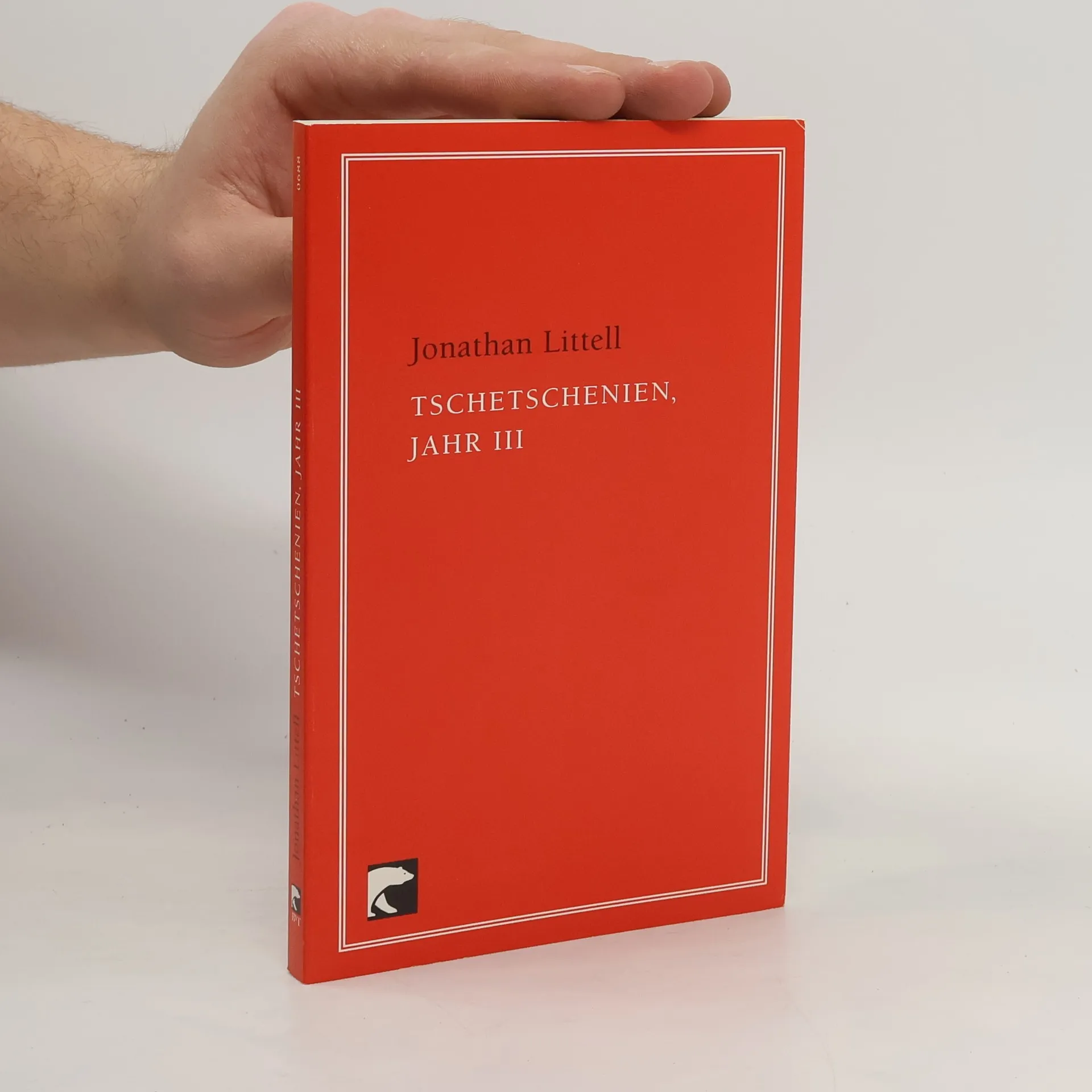
Jonathan Littell war schon in den beiden Tschetschenienkriegen 1996 und 1999 für eine Menschenrechtsorganisation in Tschetschenien tätig. Seitdem gilt er als gut informierter und scharfsinniger Kenner des Landes. In diesem Frühjahr 2009 hat er erneut diese Region bereist - entstanden ist eine ebenso beeindruckende wie beängstigende Reportage über die Entwicklung, die das Land seit Kriegsende und dem Regierungsantritt Ramzan Kadryrows im Jahre 2007 genommen hat.
»Diesen Text schrieb ich 2002, als ich mit den Recherchen zu einem inzwischen veröffentlichten Buch beschäftigt war. Er entstand aus der Begegnung der Thesen eines brillanten, aber schwer greifbaren Autors - Klaus Theweleit -, mit dem Text eines belgischen Faschisten.« Jonathan Littell Ausgestattet mit dem theoretischen Rüstzeug aus Theweleits berühmten Männerphantasien, liest Jonathan Littell den Rußlandfeldzug Léon Degrelles, des Gründers der katholischen »Rexisten«-Bewegung und späteren Kommandeurs der SS-Division »Wallonien«. Und er findet eine verblüffende Parallele zwischen den Schriften der deutschen Freikorpskämpfer der zwanziger Jahre und der 1949 erschienenen Rechtfertigungsschrift Degrelles: den Typus des »soldatischen Mannes«, der sich aus Angst vor der psychischen Auflösung mit einem Panzer schützt. Littell macht in Degrelles Wahrnehmungsmustern und Sprache eine Serie von Oppositionen aus, das Harte und das Weiche, das Saubere und das Schmutzige, und eben, als Hauptopposition, das titelgebende Trockene und Feuchte - alles Material für die Konstruktion des Protagonisten Maximilian Aue und der Romanwelt in den Wohlgesinnten. »Littell belegt damit genau„, schreibt Theweleit in seinem Nachwort, »dass er die Sprache seines Protagonisten keineswegs erfunden hat, er hat das verfügbare Material der Henker genau angeschaut.“