An Inconvenient Place
- 352pagine
- 13 ore di lettura


Questo autore approfondisce le complessità dell'esperienza umana, esplorando spesso temi di identità e intersezione culturale attraverso le sue narrazioni. La sua scrittura, informata da una prospettiva biculturale, offre una lente unica attraverso cui esaminare l'interazione tra storie personali e collettive. Crea storie immersive utilizzando uno stile di prosa ricco ed evocativo che permane nel lettore. La sua abilità letteraria ed esplorazioni tematiche profonde lo rendono una voce significativa nella letteratura contemporanea.



Intelektualista. Prowokator. Eksperymentator. Powrót wielkiego powieściopisarza. Po dwunastu latach od wydania Łaskawych, monumentalnej powieści o kulisach Zagłady, jednej z najważniejszych książek XXI wieku, Jonathan Littell powraca do gatunku, który zarzucił na rzecz reportażu i eseistyki. Bohater Starej historii błąka się po miejscach przypominających labirynt, wplątuje w niezrozumiałe wydarzenia, tworzy przelotne relacje z napotkanymi osobami, zmienia płeć i tożsamość. Czas staje się płynny, napięcie narasta, logika snu wyznacza bieg akcji. Balansując na granicy realności i fantazmatu, sięgając po najbardziej drastyczne środki wyrazu i nie stroniąc od prowokacji, w języku o matematycznej wprost precyzji Littell opowiada historię z głębin ludzkich emocji: samotności, pożądania, tęsknoty. Stara historia to niemal pornograficzna podróż do kresu nocy. Tekst wyrastający z tradycji markiza de Sade’a, Céline’a, Bataille’a. Hipnotyzująca i prowokująca opowieść o niepamięci, skrywanych fantazjach i zaspokajaniu prymitywnych instynktów.
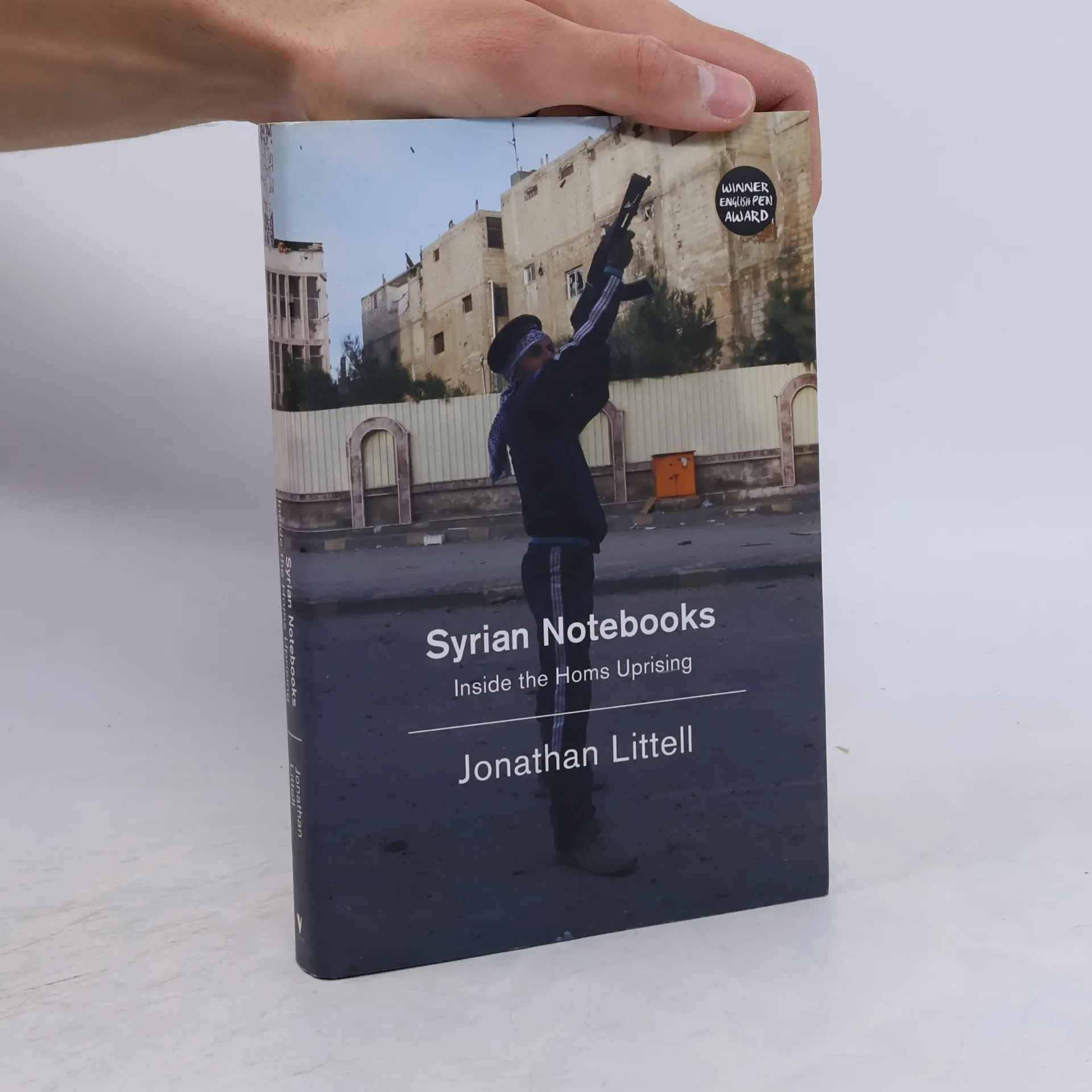
A blistering firsthand account of the conflict in Homs by the internationally acclaimed author of The Kindly Ones “We fight for our religion, for our women, for our land, and lastly to save our skin. As for them, they’re only fighting to save their skin.” In 2012, Jonathan Littell traveled to the heart of the Syrian uprising, smuggled in by the Free Syrian Army to the historic city of Homs. For three weeks, he watched as neighborhoods were bombed and innocent civilians murdered. His notes on what he saw on the ground speak directly of horrors that continue today in the ongoing civil war. Amid the chaos, Littell bears witness to the lives and the hopes of freedom fighters, of families caught within the conflict, as well as of the doctors who attempt to save both innocents and combatants who come under fire. As government forces encircle the city, Littell charts the first stirrings of the fundamentalist movement that would soon hijack the revolution. Littell’s notebooks were originally the raw material for the articles he wrote upon his return for the French daily Le Monde. Published nearly immediately afterward in France, Syrian Notebooks has come to form an incomparable close-up account of a war that still grips the Middle East—a classic of war reportage.
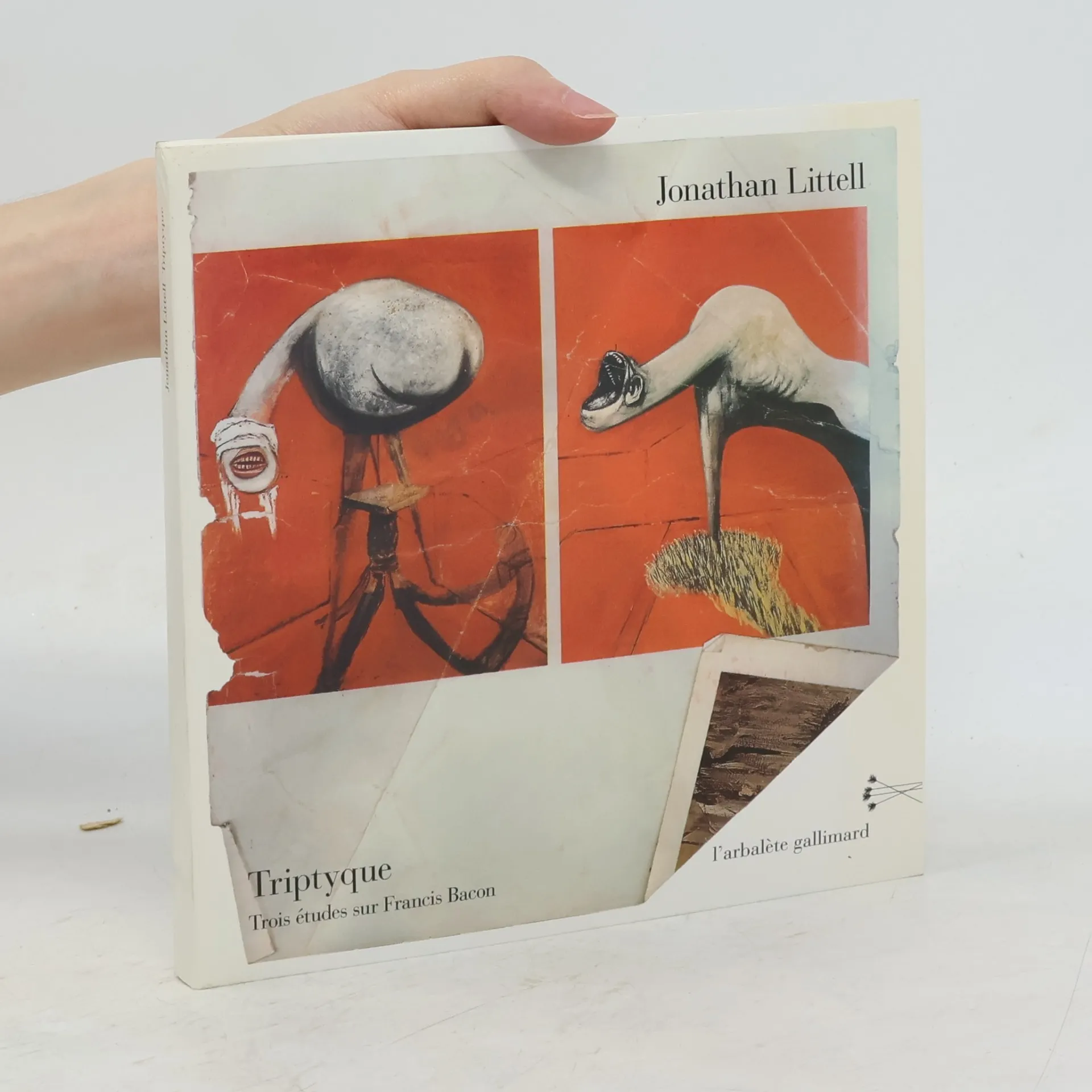
Francis Bacon is one of the iconic figures of modern art. Jonathan Littell, the author of the controversial novel The Kindly Ones , helps us to understand what we experience when we stand before a Bacon painting. A populist art critic in the tradition of Robert Hughes and Simon Schama, Littell reveals the life behind the art—Bacon's Irish childhood, his obsession with Velázquez, and the catastrophe of his lover George Dyer's suicide, inspiring his most famous triptych. Always in the background is the author himself: haunting a Bacon exhibition at the Prado, tracking down Bacon's sources, sitting in a café and thinking about how we see. In this gemlike meditation on one of the greatest artists of the twentieth century, Littell has made art criticism a living story.
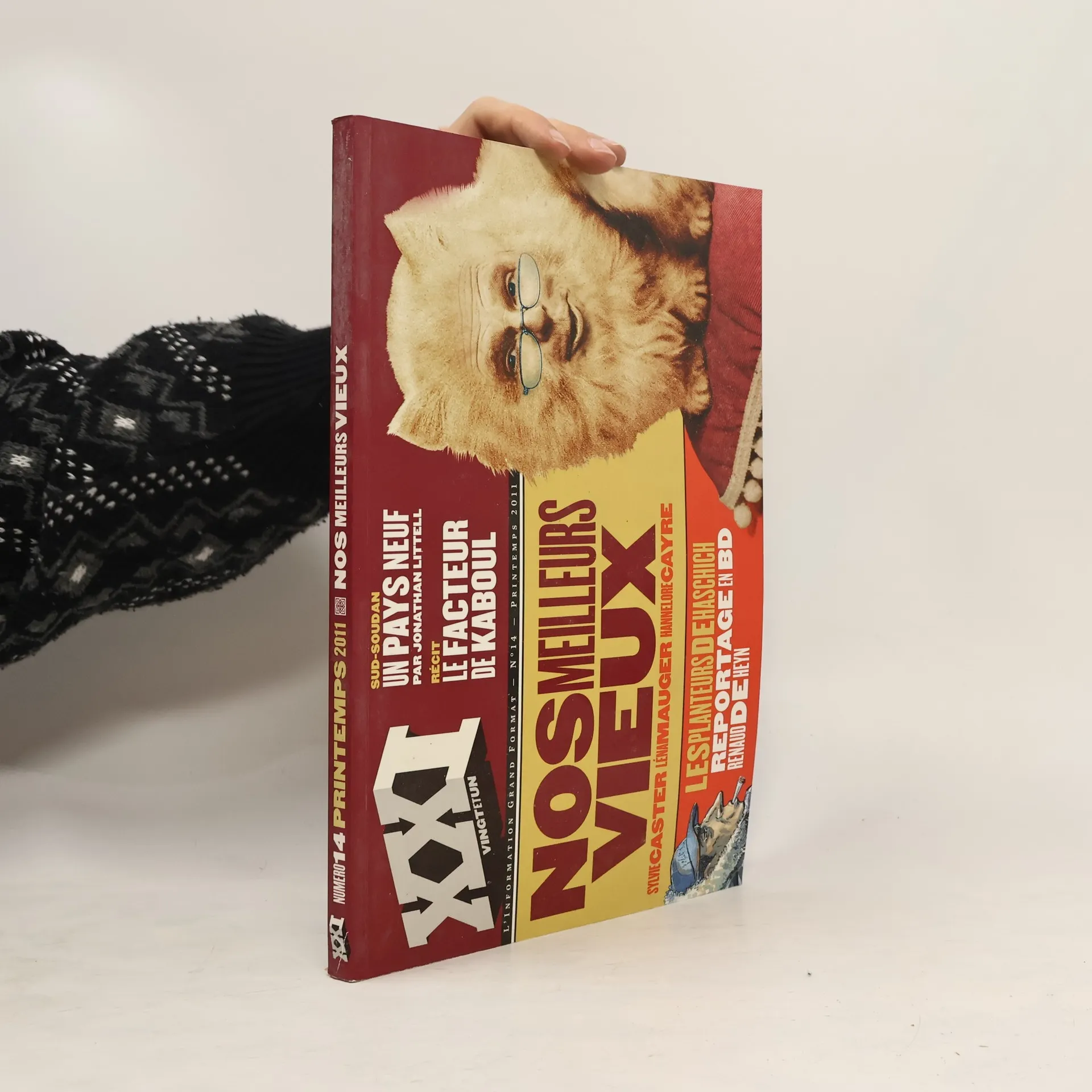
XXI N14 DOSSIER: Nos meilleurs vieux. Lettre ouverte au quatrieme age . Par Patrick de Saint Exupery. La cavale des bonnes soeurs. Par Sylvie Caster. Les vieux voleurs. Par Lena Mauger. Un reve de vieilles dames. Par Hannelore Cayre. PORTFOLIO: Les enfants de l'unite 33. Par Jean-Jerome Destouches. RECITS: Voyage dans un pays a venir. Par Jonathan Littell. Le Facteur de Kaboul. Par Justine Augier. Le roi des contrebandiers. Par Marion Touboul. Une place au soleil. Par Gabriel Mascaro. L'americain de Mao - Enquete sur Sydney Rittenberg. ENTRETIEN: Charles-Edouard Vincent, fondateur d'Emmaus Defi. Par Alain Lewkowicz. RECIT GRAPHIQUE: La route du kif. Par Renaud de Heyn. VECU: J'avais raison d'y croire . Par Isabelle Lambret.
Léon Degrelle, Belgium's highest-ranking Nazi collaborator, is the focus of this critical biography, exploring his role in the Waffen-SS during World War II and his influence on literature. The book delves into his autobiographical writings, particularly "The Russian Campaign," while analyzing his unwavering fascist beliefs and support from Hitler and Mussolini. It also examines the broader implications of fascist discourse, building on Klaus Theweleit's theories. Originally published in French, this work has been translated into multiple languages, reflecting its significant impact.
Jonathan Littell war schon in den beiden Tschetschenienkriegen 1996 und 1999 für eine Menschenrechtsorganisation in Tschetschenien tätig. Seitdem gilt er als gut informierter und scharfsinniger Kenner des Landes. In diesem Frühjahr 2009 hat er erneut diese Region bereist - entstanden ist eine ebenso beeindruckende wie beängstigende Reportage über die Entwicklung, die das Land seit Kriegsende und dem Regierungsantritt Ramzan Kadryrows im Jahre 2007 genommen hat.
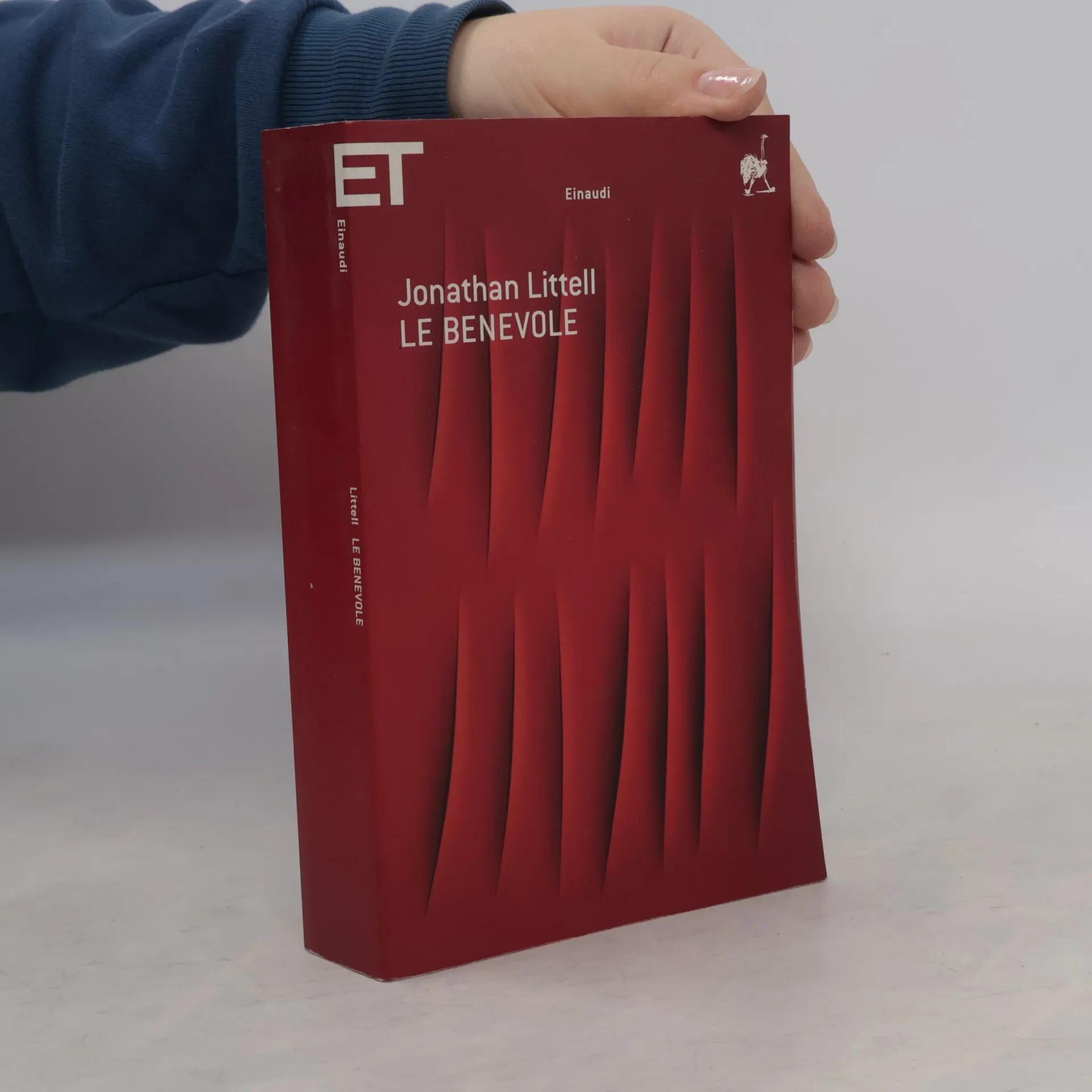
Nell'Europa devastata dal nazismo, l'epopea di un ufficiale delle SS, Maximilien Aue, rivela gli orrori della guerra dal punto di vista dei carnefici. Nato in Alsazia da padre tedesco e madre francese, Aue gestisce sotto falso nome una fabbrica di merletti nel nord della Francia, mostrando precisione ed efficienza. Questi tratti lo avevano contraddistinto anche durante la sua carriera nelle SS tra il 1937 e il 1945. Nonostante fosse un nazionalsocialista convinto, la sua entrata nel corpo era avvenuta per caso, dopo un incontro omosessuale che lo aveva portato a scegliere di arruolarsi per evitare la denuncia. Nel 1941, Aue è sul fronte orientale, contribuendo al genocidio di ebrei, zingari e comunisti. Dopo essere stato trasferito nel Caucaso e a Stalingrado, sopravvive a una grave ferita. Tornato in Germania, lavora con la gerarchia nazionalsocialista mentre la guerra volge al termine e la Wehrmacht arretra. Alla fine del nazismo, il suo bilinguismo gli consente di assumere l'identità di un francese deportato e di fuggire. In balia della Storia e perseguitato da fantasmi che cercano vendetta, Aue rappresenta la parte più oscura di noi.