



10 libri per 10 euro qui
Bookbot

Charles Duhigg

    1 gennaio 1974
    Charles Duhigg
    Восемь правил эффективности: умнее, быстрее, лучше. Vosem pravil ehffektivnosti: umnee, bystree, luchshe
    The Power of Habit
    The Power of Habit ... in 30 Minutes
    Smarter, faster, better
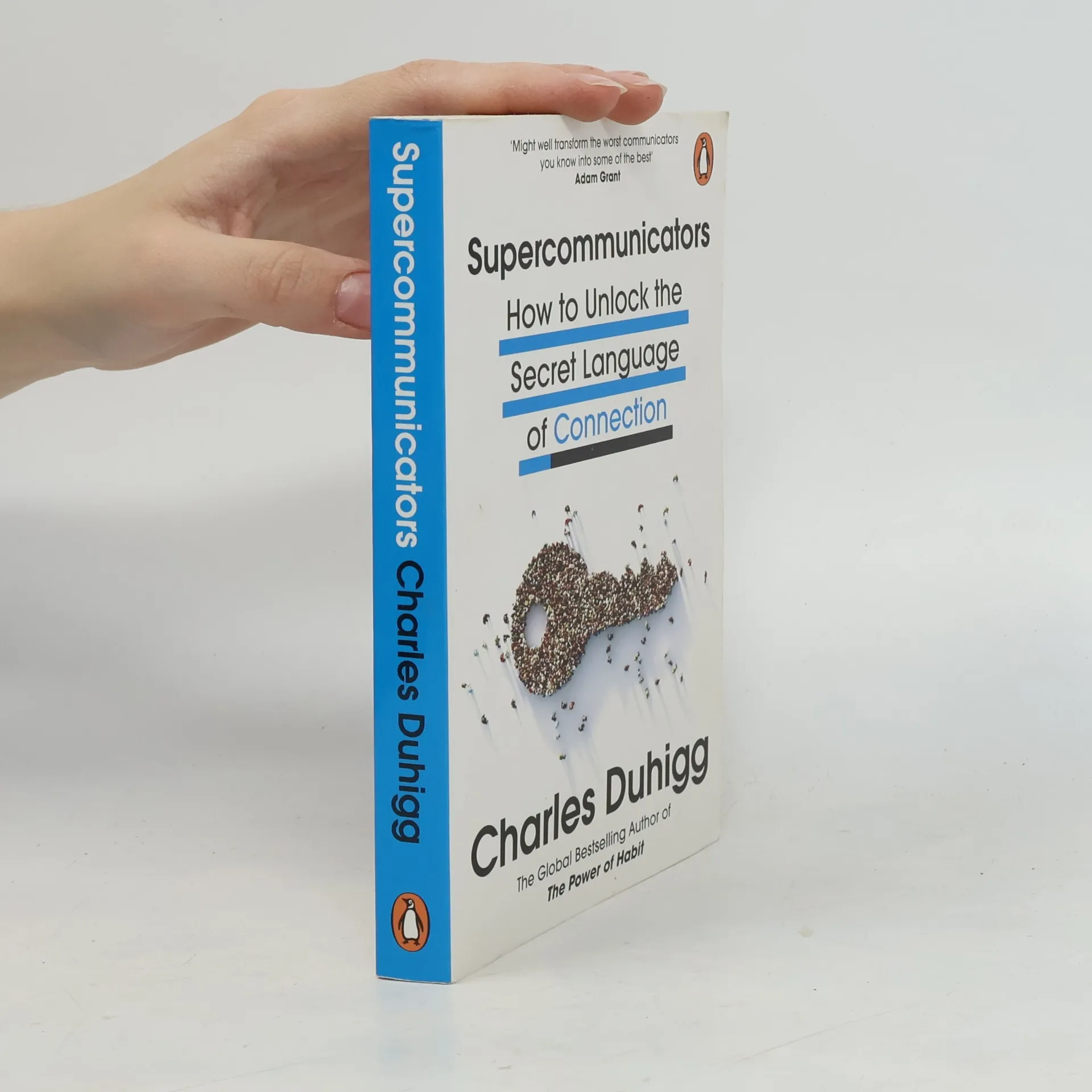
    Supercommunicators
    Il potere delle abitudini. Come si formano, quanto ci condizionano, come cambiarle
    • La maggior parte delle scelte che compiamo ogni giorno non sono frutto di riflessioni consapevoli bensì di abitudini. E benché, singolarmente, non abbiano grande significato, nel loro complesso le abitudini influenzano enormemente la nostra salute, il nostro lavoro, la nostra situazione economica e la nostra felicità. Da secoli gli uomini studiano le abitudini, ma è solo negli ultimi anni che la neurologia, la psicologia, la sociologia e gli esperti di marketing hanno realmente iniziato a capire in che modo funzionano. Questo libro indaga la formazione delle abitudini sia a livello individuale sia collettivo, nelle aziende e nelle istituzioni. La buona notizia è che le abitudini non sono un destino: si possono ignorare, cambiare, sostituire o... mantenere. Charles Duhigg ci spiega come! Già pubblicato con il titolo: "La dittatura delle abitudini. Come si formano, quanto ci condizionano, come cambiarle".

      Il potere delle abitudini. Come si formano, quanto ci condizionano, come cambiarle
    • From the New York Times bestselling author of The Power of Habit comes a captivating exploration of effective communication and how we can all become supercommunicators in our personal and professional lives. Through engaging narratives, Duhigg takes us into a jury room where a juror unites a divided group, a CIA officer persuades a hesitant foreign agent, and a surgeon struggles to guide a cancer patient toward a difficult decision. He combines extensive research with his signature storytelling to reveal the hidden layers of every conversation. Communication is a superpower, and the best communicators recognize that each interaction involves three types of conversations: practical (the core issue), emotional (feelings involved), and social (identity and relationships). Understanding which type of conversation is taking place is crucial for connection. Supercommunicators excel at identifying and aligning with these layers, enabling them to navigate complex emotions and beliefs that influence dialogue. Duhigg illustrates these principles through diverse examples, from the writers’ room of The Big Bang Theory to insights from marriage counselors. Ultimately, he imparts a vital lesson: with the right tools, anyone can learn to connect meaningfully with others.

      Supercommunicators
    • Redefining productivity as a discipline involving how one thinks, identifies goals, constructs teams, and makes decisions, explains how to transform thinking behaviors to increase self-motivation and shares illustrative examples.

      Smarter, faster, better
    • Why does a company's shift in advertising transform a potential flop into a billion dollar industry? How does a CEO's decision to attack a single pattern among his employees turn one of the largest companies in America into a top performer in the Dow Jones? What was the path that led a small group of people to form the Civil Rights Movement? In his bestselling book The Power of Habit, Charles Duhigg, a business reporter for the New York Times, conveys his research in the fields of psychology and neuroscience to provide a scientific approach to understanding habits. The Power of Habit in 30 Minutes is the essential guide to creating change, breaking habits, understanding willpower, and comprehending the main ideas behind Charles Duhigg's bestseller. Drawing on illustrative case studies, the summary explains Duhigg's premise on how modification of the habit loop-a three-stage process of habit cues, routines, and rewards-can be a powerful force in effecting personal, organizational, and social change. Offering an overview of Duhigg's scientific investigations on the formation of habits, this concise executive summary highlights the essential points to breaking habits, and gives the reader the necessary tools for implementing successful change at both an individual and institutional level.

      The Power of Habit ... in 30 Minutes
    • Moć navike

      Zašto radimo to što radimo, i kako to da promenimo

      Moć navike
    • Kolik jste promarnili příležitostí, protože vám uniklo to podstatné? Kolikrát jste cítili, že vás druhá strana nechápe? Nakolik opravdu rozumíte lidem? Každý den vedeme rozhovory – s partnery, kolegy, přáteli i neznámými lidmi. Jak to, že některé plynou přirozeně a nabývají i hlubších rozměrů, zatímco jiné končí nepochopením a frustrací? Držitel Pulitzerovy ceny Charles Duhigg destiluje vědecké poznatky o komunikaci, čerpá z reálných příběhů z NASA, FBI či psychologických laboratoří a odhaluje tajemství superkomunikátorů. Lidí, kteří dokážou druhé úspěšně přesvědčovat, ale přitom jim i naslouchat a zůstávat autentičtí. Duhigg nám v této melvilovce ukazuje, že tyto dovednosti nejsou vrozené. A že naučit se je můžeme všichni.

      Superkomunikátoři: Odhalte tajný jazyk vzájemného propojení
    • Chcemy, aby nasze rozmowy pogłębiały bliskość i prowadziły do rozwiązywania problemów. Pragniemy być zrozumiani i rozumieć innych, unikając jednowymiarowego postrzegania. Każdy z nas doświadczył rozmów, które zamiast zbliżyć, oddaliły nas od siebie, generując nowe problemy i pozostawiając uczucie osamotnienia. Dobre relacje, szczęśliwe pary i zgrane zespoły nie są jednomyślne, a ich spory różnią się od konfliktów nieszczęśliwych ludzi. Kluczem do porozumienia jest ustalenie wspólnego celu, co pokazuje przykład ławy przysięgłych. Ważne jest także, jak się czujemy; umożliwienie sobie i innym opowiedzenia historii zbliża nas bardziej niż cokolwiek innego. Największym hamulcem sensownych rozmów jest szufladkowanie rozmówcy. Duhigg przygląda się doświadczeniom negocjatorów, naukowców i terapeutów, ilustrując, jak otwarta komunikacja wpływa na efektywność rozmów. Przykłady z życia, takie jak rekrutacja przez agenta CIA czy debata na temat dostępu do broni, pokazują, jak kluczowe jest zrozumienie drugiej strony. Sekret skutecznych rozmów tkwi w prostej, uczciwej i otwartej komunikacji. Jak to osiągnąć? Odkryj to w lekturze!

      Siła komunikacji