
Scacciato dalla famiglia e dalla patria, il sedicenne Karl Rossmann sbarca in America, all'ombra della Statua della Libertà che impugna una spada anziché una fiaccola. Un simbolo di giustizia armata o una prefigurazione dei giudizi, dalla logica apparentemente ingiusta ma insindacabile, che incontrerà? America, il "romanzo americano" di Kafka, pubblicato postumo nel 1927, narra l'enigmatica odissea di un emigrato, condannato all'emarginazione in una realtà grottesca e assurda, ora accolto ora respinto da benefattori che l'accusano e l'escludono, passando attraverso forme di iniziazioni sessuali e sociali. Una tragicommedia di personaggi inquietanti e ridicoli, in cui i valori sono sovvertiti e le prospettive stravolte, e dove tuttavia il giovane, ingenuamente coerente ai propri principi di equità e bontà, lotta per l'affermazione di sé. Il romanzo rimasto incompiuto non ci consente di sapere se Karl riuscirà o fallirà, né se Kafka lo considerasse un disperso prima di sbarcare oltreoceano o dopo, vittima di un destino incomprensibile.
Edwin Muir Ordine dei libri (cronologico)
Edwin Muir fu un poeta, romanziere e traduttore delle Orcadi, noto per aver reso Franz Kafka disponibile in inglese, insieme a sua moglie Willa Anderson. L'opera di Muir approfondisce le complessità del mondo interiore, esplorando spesso temi di identità e memoria. Il suo vasto corpus di poesia e prosa, che comprende diverse raccolte di versi e romanzi, offre un profondo coinvolgimento con l'esperienza umana. Lo stile distintivo di Muir è caratterizzato dalla sua qualità introspettiva e dal suo tono meditativo, fornendo ai lettori una lente unica attraverso cui considerare le questioni esistenziali.


Tutti i racconti - Edizione integrale
- 384pagine
- 14 ore di lettura
Il 14 agosto 1912 Franz Kafka affida a un editore di Lipsia i diciotto testi intitolati "Betrachtung". Costituiranno il suo primo libro, che dedicherà a Max Brod. Stupore, irritazione, ammirazione furono le reazioni suscitate all'epoca da questa pubblicazione. Sono vere e proprie miniature poetiche che mettono in risalto l'aspetto precursore dell'opera di Kafka. Vi si trovano riuniti, in un'atmosfera di libertà sperimentale, tutti i modelli e i temi narrativi presenti nei maggiori libri dell'autore. In una lettera a Felice Bauer del 29 dicembre 1912 Frank Kafka scrive a proposito di "Meditazione": "C'è invero un deplorevole disordine, o meglio, ci sono lampi di luce in una confusione infinita e bisogna veramente guardare molto da vicino per vederci qualcosa"
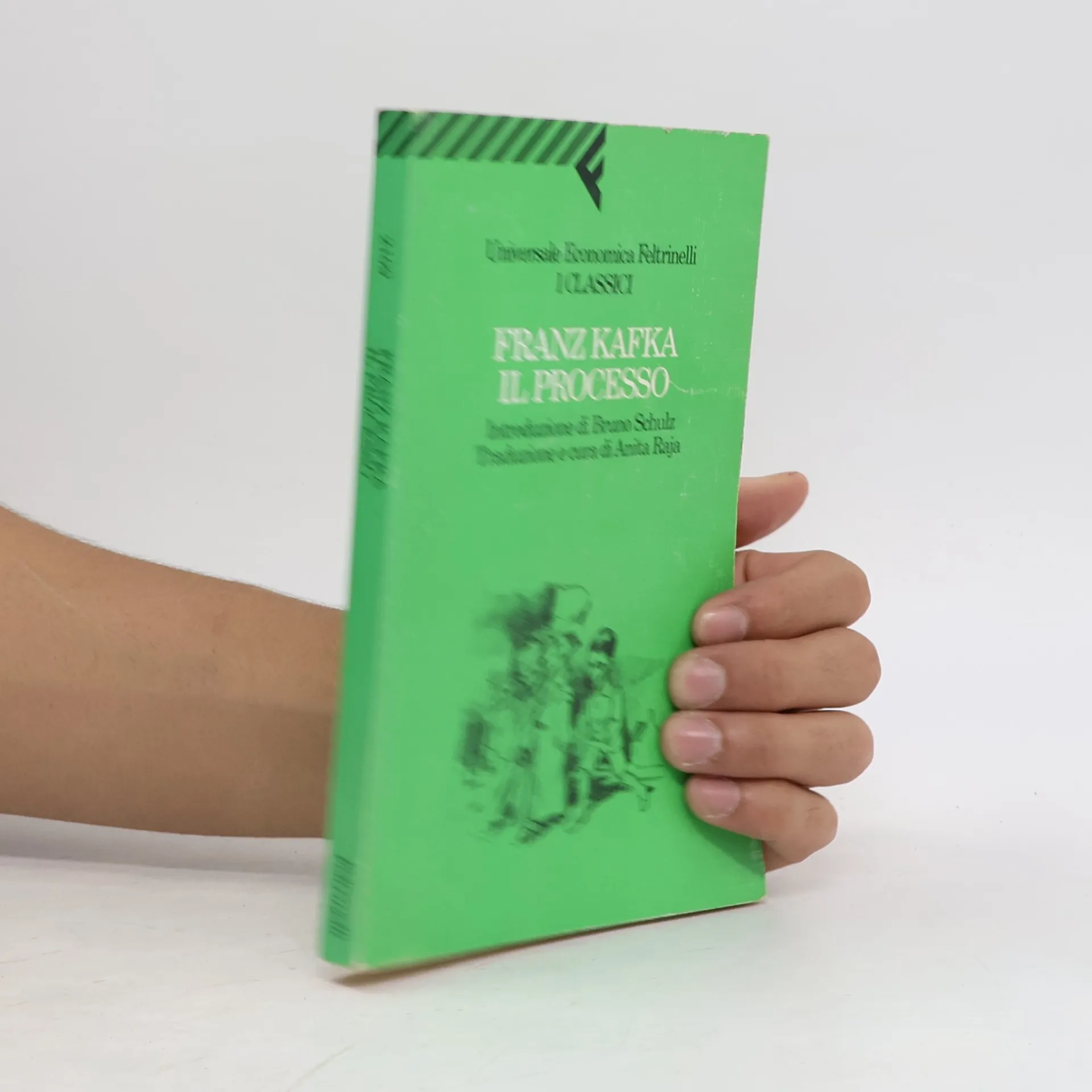
Il processo
- 219pagine
- 8 ore di lettura
Josef K., condannato a morte per una colpa inesistente, è vittima del suo tempo. Sostiene interrogatori, cerca avvocati e testimoni, soltanto per riuscire a giustificare il suo delitto di "esistere". Ma come sempre avviene nella prosa di Kafka, la concretezza incisiva delle situazioni produce, su personaggi assolutamente astratti, il dispiegarsi di una tragedia di portata cosmica. E allora tribunale è il mondo stesso, tutto quello che esiste al di fuori di Josef K. è processo: non resta che attendere l'esecuzione di una condanna da altri pronunciata.
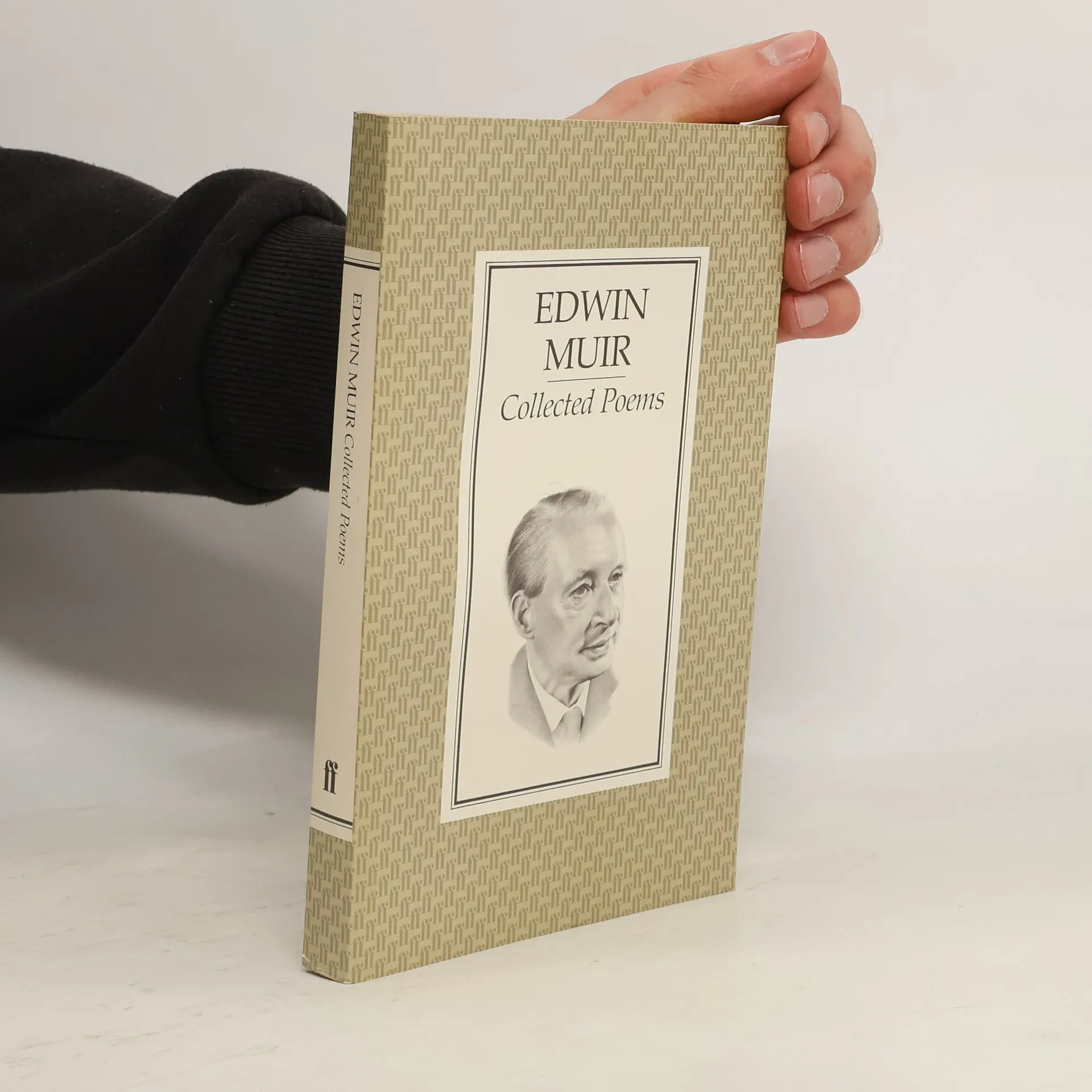
Collected poems
- 314pagine
- 11 ore di lettura
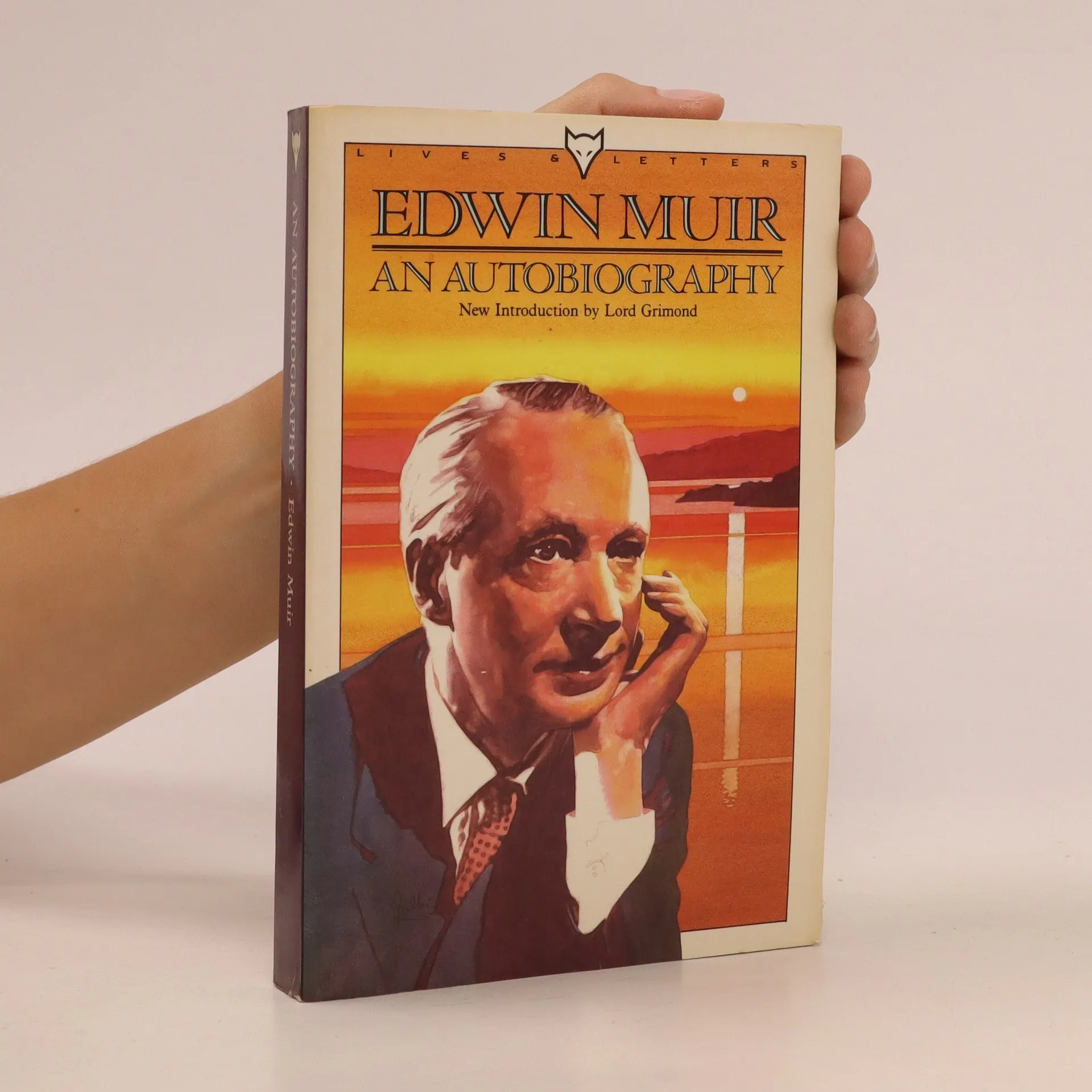
Edwin Muir: An Autobiography
- 287pagine
- 11 ore di lettura
From his sheltered childhood in Orkney to the turmoil of industrial Glasgow, Edwin Muir was witness to some of the most traumatic years and events of our modern age. And yet, in his life and in his art, he was constantly haunted by the symbolic 'fable' which he longed to find beneath the surface reality of the everyday. From his dream notebooks to his travels in Eastern Europe, Muir paints an unforgettable picture of the slow and sometimes painful growth of a poet's sensibility as he comes to terms with his own nature amidst the terror and confusion of the twentieth century.
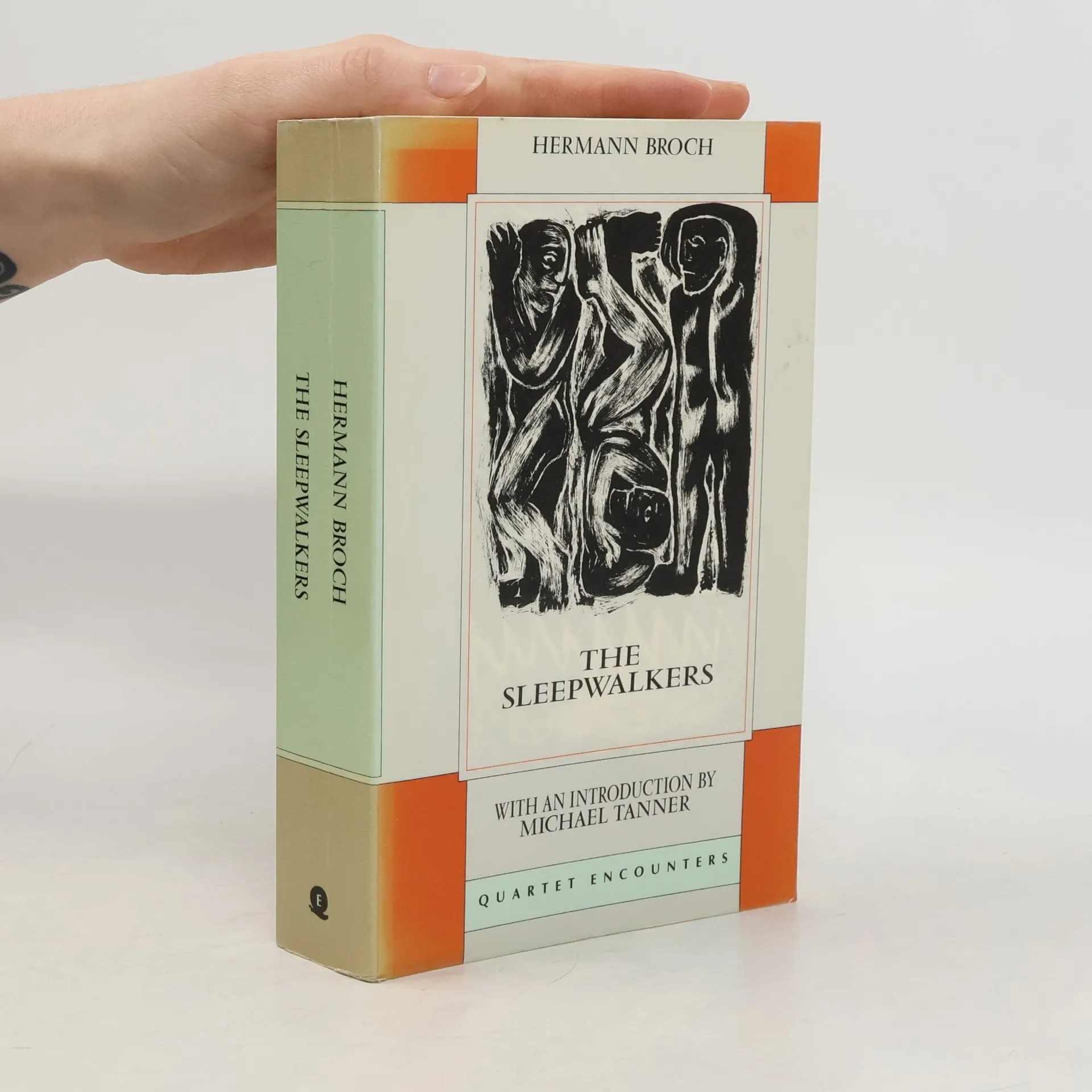
Quartet Encounters: The Sleepwalkers
- 648pagine
- 23 ore di lettura
With his epic trilogy, The Sleepwalkers , Hermann Broch established himself as one of the great innovators of modern literature, a visionary writer-philosopher the equal of James Joyce, Thomas Mann, or Robert Musil. Even as he grounded his narratives in the intimate daily life of Germany, Broch was identifying the oceanic changes that would shortly sweep that life into the abyss. Whether he is writing about a neurotic army officer (The Romantic) , a disgruntled bookkeeper and would-be assassin (The Anarchist) , or an opportunistic war-deserter (The Realist) , Broch immerses himself in the twists of his characters' psyches, and at the same time soars above them, to produce a prophetic portrait of a world tormented by its loss of faith, morals, and reason.
An Autobiography
- 321pagine
- 12 ore di lettura
From his sheltered childhood in Orkney to the turmoil of industrial Glasgow, Edwin Muir was witness to some of the most traumatic years and events of our modern age. And yet, in his life and in his art, he was constantly haunted by the symbolic 'fable' which he longed to find beneath the surface reality of the everyday. From his dream notebooks to his travels in Eastern Europe, Muir paints an unforgettable picture of the slow and sometimes painful growth of a poet's sensibility as he comes to terms with his own nature amidst the terror and confusion of the twentieth century.
Selected Short Stories of Franz Kafka
- 360pagine
- 13 ore di lettura
Franz Kafka's enigmatic, deadpan, and deeply pessimistic stories are central to literary modernism. In 'The Metamorphosis', the estrangement of everyday life becomes corporealized when Gregor Samsa wakes up as a giant bug and wonders how he is going to get to work on time. Kafka inverts the implied degradation of a man's transformation into an animal in 'A Report of the Academy', an ape's address to a group of scientists.