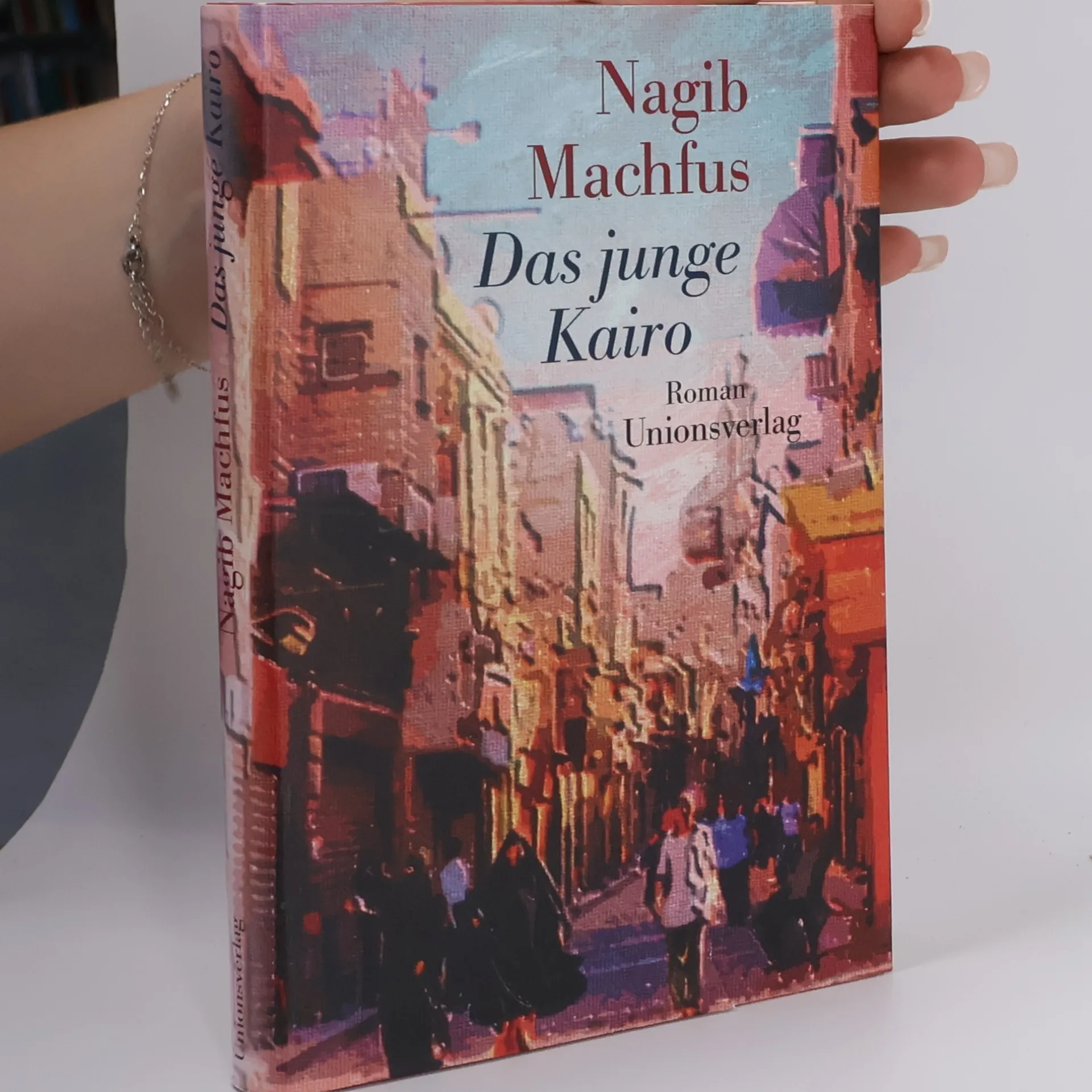
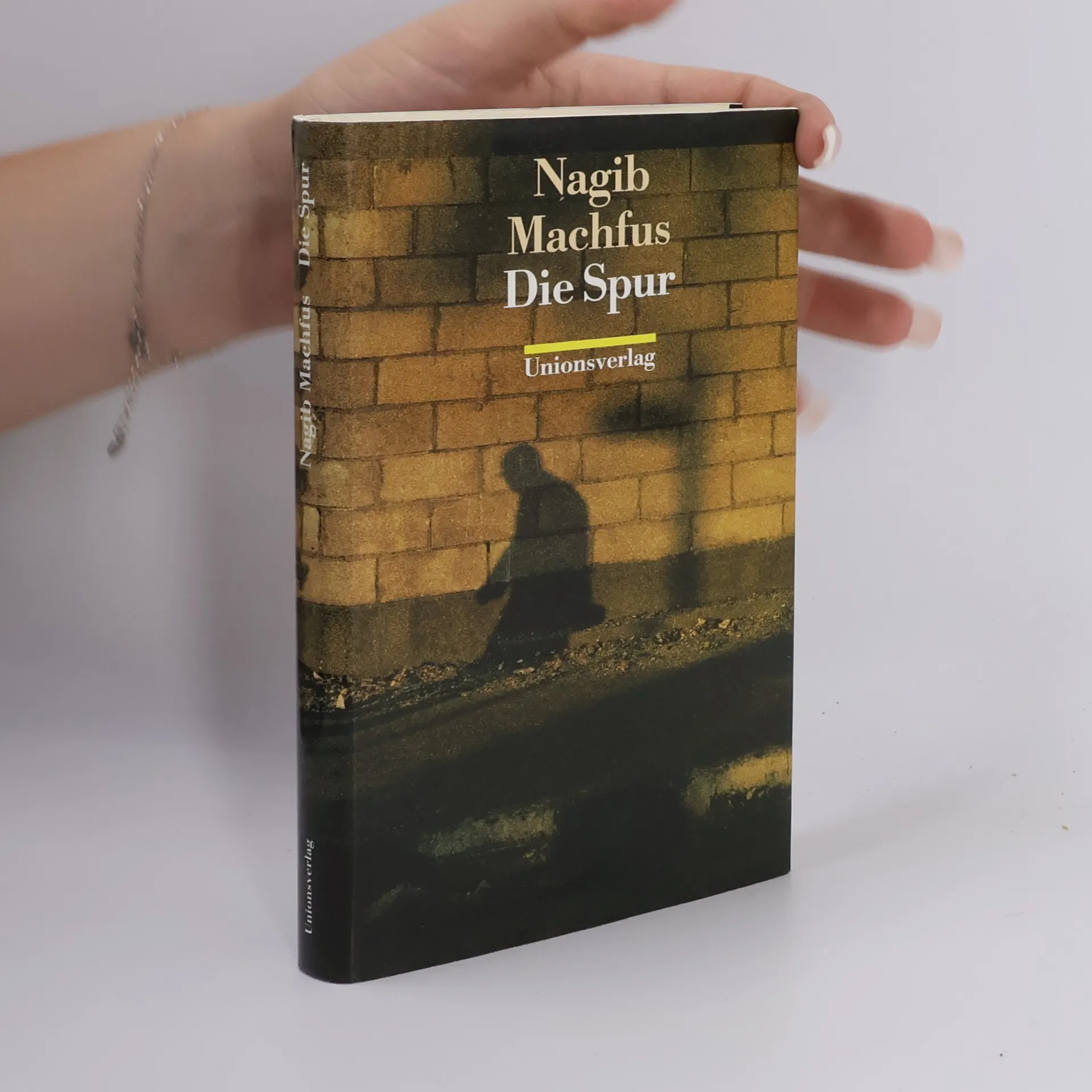
Kairo, gestern wie heute ein Ort gewaltiger Ungleichheiten und großer Umbrüche. Als der ambitionierte Student Machgub erkennt, dass es ohne die richtigen Beziehungen keine Jobs gibt, sieht er sich gezwungen, einem trügerischen Abkommen zuzustimmen: Er soll eine Frau, die ihre Unschuld verloren hat, zur Rettung ihrer Ehre heiraten – ohne seine Braut vorher gesehen zu haben. Darüber hinaus fordert der Verführer dieses Mädchens, ein hochrangiger Beamter, weiterhin regelmäßiges Besuchsrecht bei seiner Geliebten. Im Gegenzug erhält Machgub eine Position in einem Ministerium. Was für ihn zunächst als bloße Überlebensstrategie beginnt, entpuppt sich bald als faustischer Pakt mit unabsehbaren Folgen.
Nagib Machfus Ordine dei libri (cronologico)
11 dicembre 1911 – 30 agosto 2006
Naguib Mahfouz è stato uno scrittore egiziano le cui opere spesso approfondiscono profonde questioni sociali e politiche. La sua vasta produzione letteraria, che comprende romanzi, racconti e sceneggiature, penetra nel cuore della società egiziana e della psiche umana. Attraverso il suo stile distintivo, cattura le complessità della vita e la ricerca dell'identità in un mondo in evoluzione. La sua eredità letteraria risuona oltre i confini dell'Egitto, ispirando i lettori a contemplare temi universali.


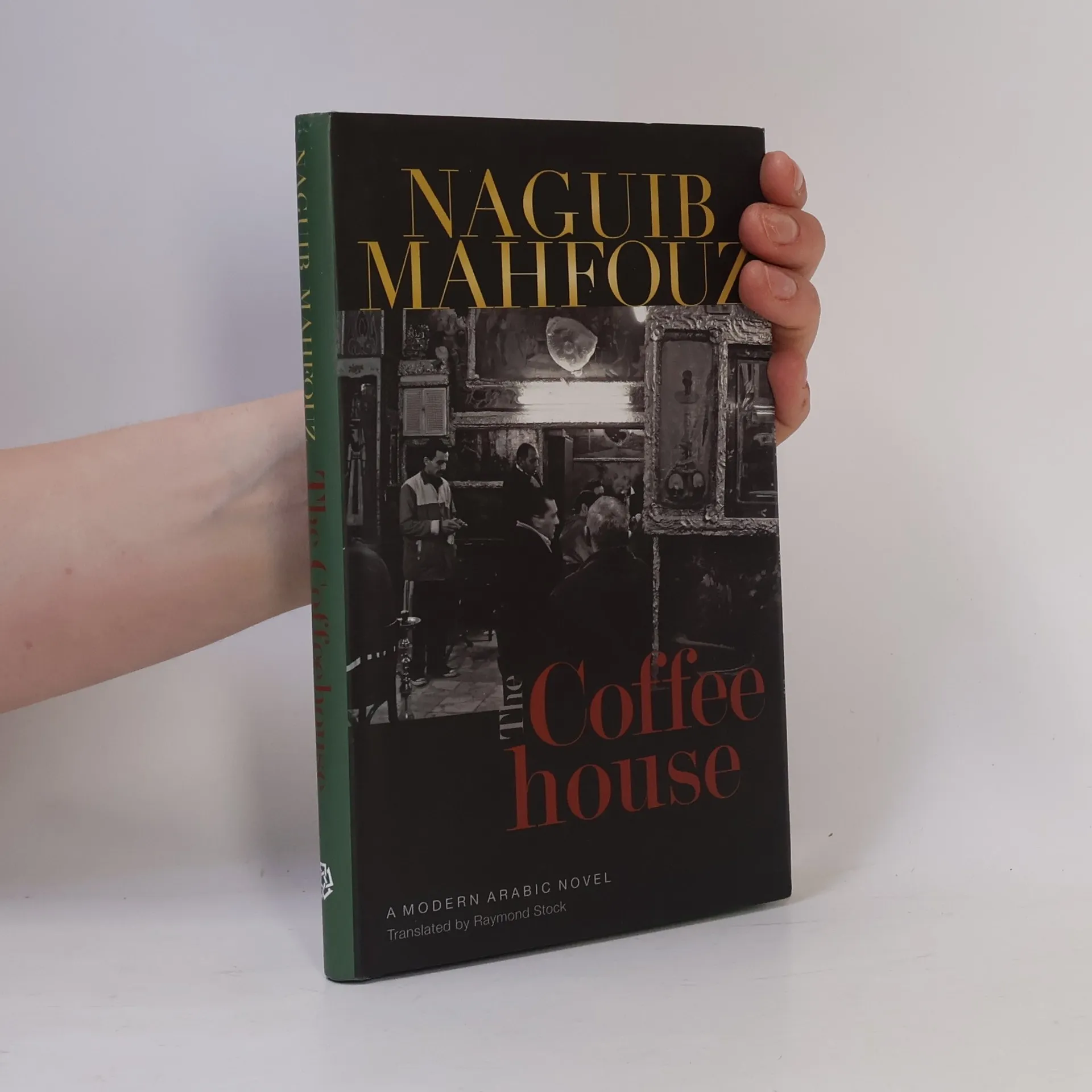
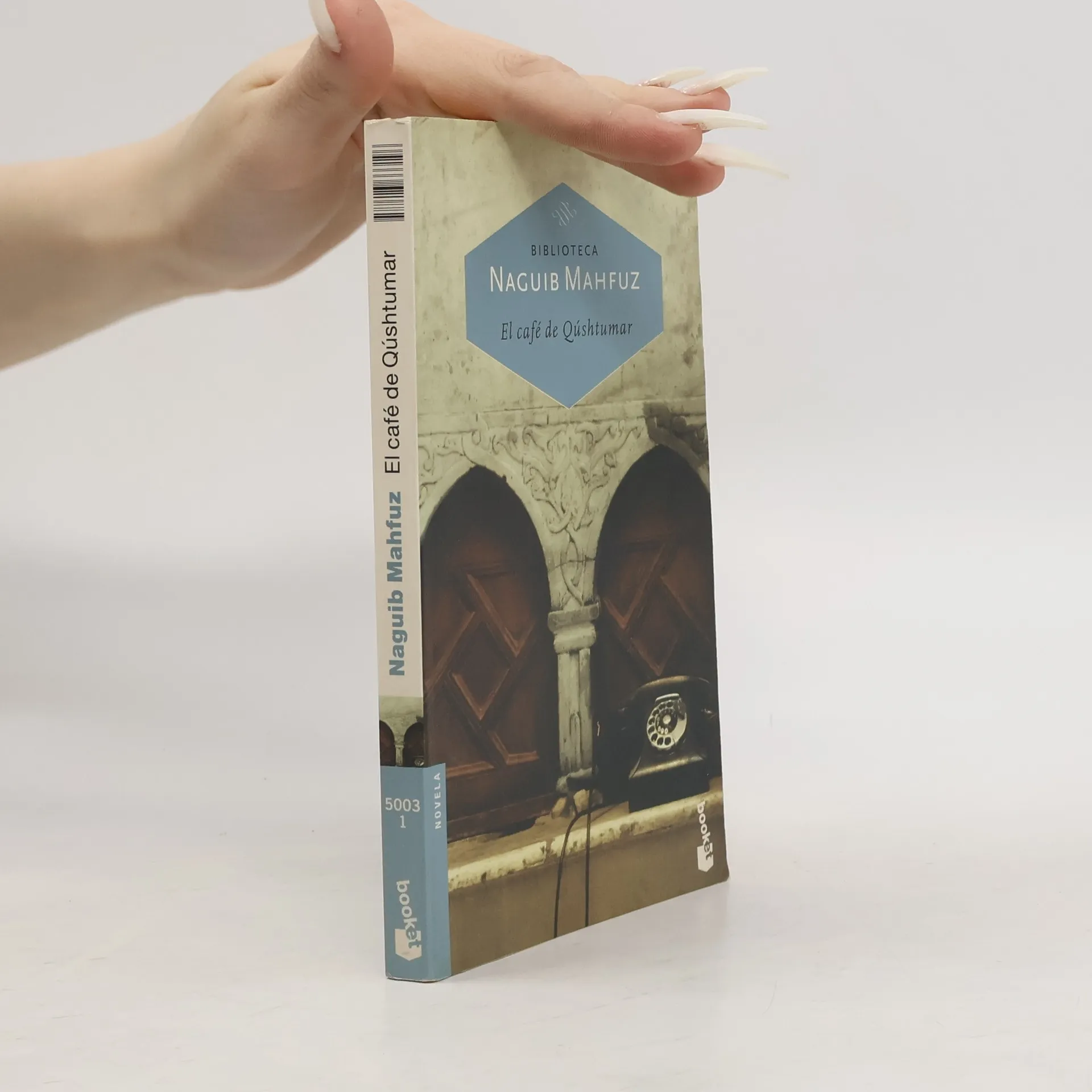
A novel of loss and memory from the Egyptian Nobel laureate. On a school playground in the stylish Cairo suburb of Abbasiya, five young boys become friends for life, making a nearby cafe, Qushtumur, their favorite gathering spot forever. One is the narrator, who, looking back in his old age on their seven decades together, makes the other four the heroes of his tale, a Proustian (and classically Mahfouzian) quest in search of lost time and the memory of a much-changed place. In a seamless stream of personal triumphs and tragedies, their lives play out against the backdrop of two world wars, the 1952 Free Officers coup, the defeat of 1967 and the redemption of 1973, the assassination of a president, and the simmering uncertainties of the transitional 1980s. But as their nation grows and their neighborhood turns from the green, villa-studded paradise of their youth to a dense urban desert of looming towers, they still find refuge in the one enduring landmark in their ever-fading world: the humble coffeehouse called Qushtumur.
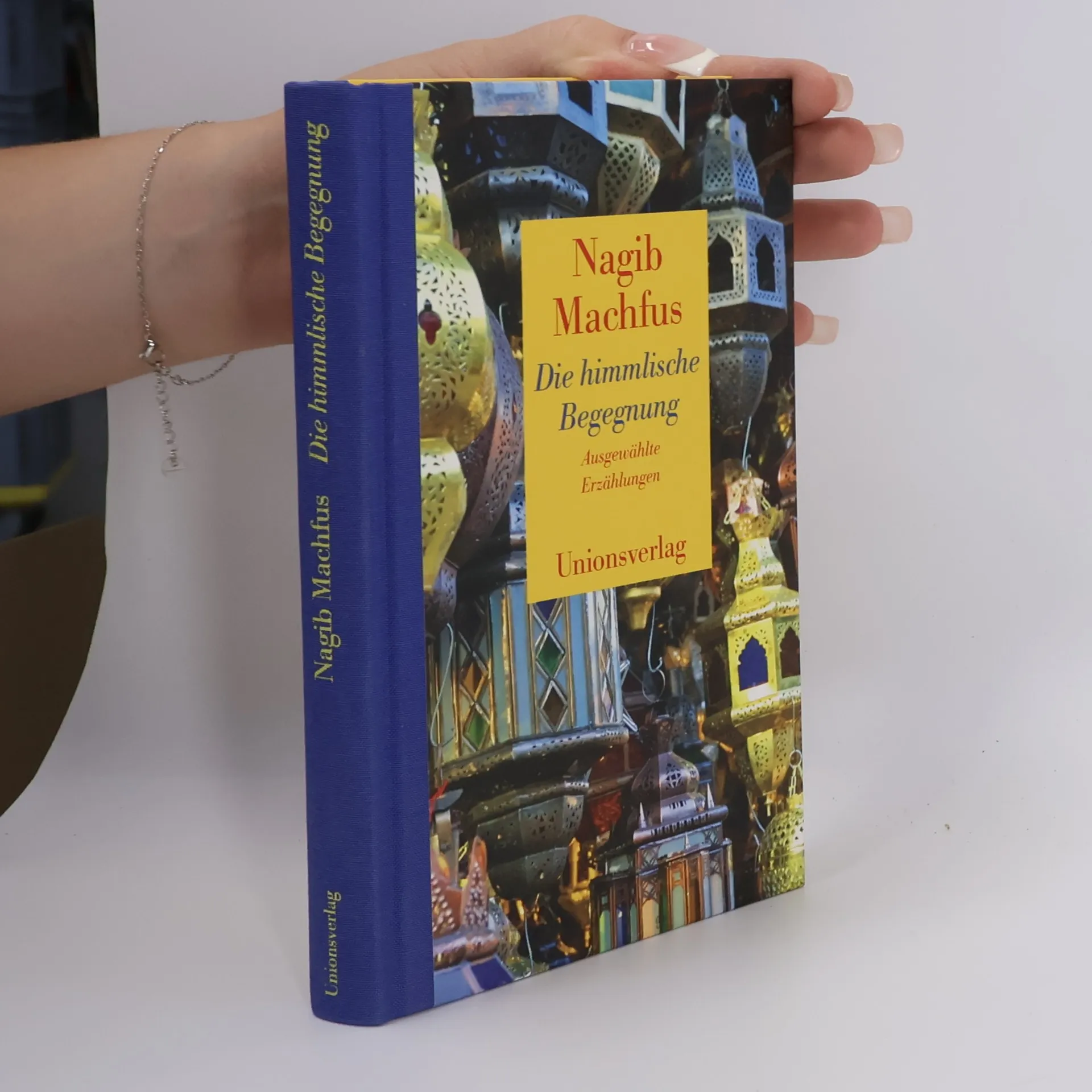
Die himmlische Begegnung
Ausgewählte Erzählungen
Neben seinen großen Romanen hat Nagib Machfus zahlreiche Erzählungen geschaffen, in denen sich seine Kunst in höchster Konzentration entfaltet. Liebevoll und heiter rückt er Schwächen und Marotten, Sehnsüchten und Ängsten vor allem des kleinen Volkes zu Leibe und zeigt, dass unter Gottes weitem Mantel auch Platz für viele dunkle Leidenschaften ist. Dieser Band versammelt Kurzgeschichten und Novellen aus allen Schaffensphasen, die auf Deutsch nicht mehr greifbar oder gar nie in Buchform erschienen sind.
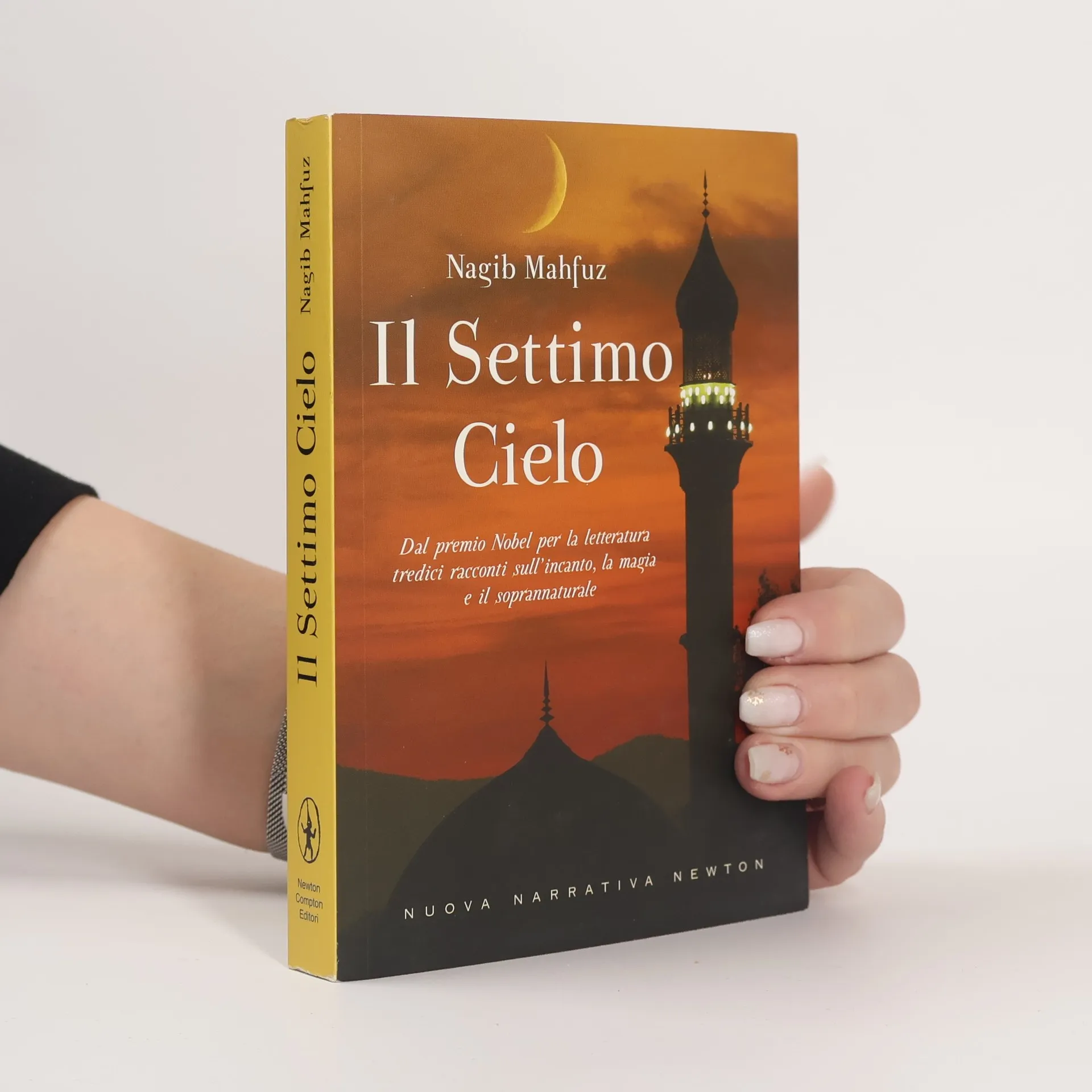
Il settimo cielo
Dal premio Nobel per la letteratura tredici racconti sull'incanto, la magia e il soprannaturale
- 160pagine
- 6 ore di lettura
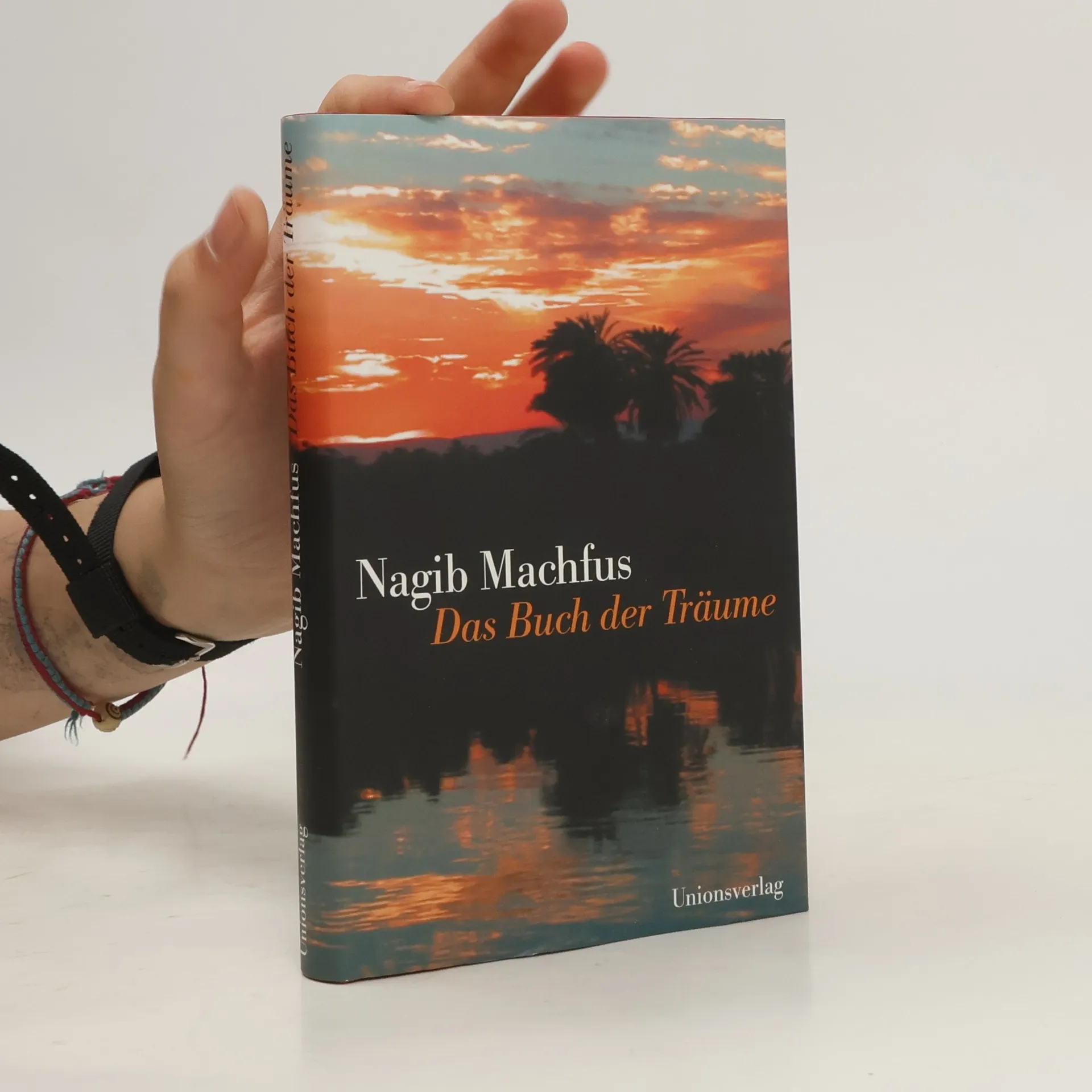
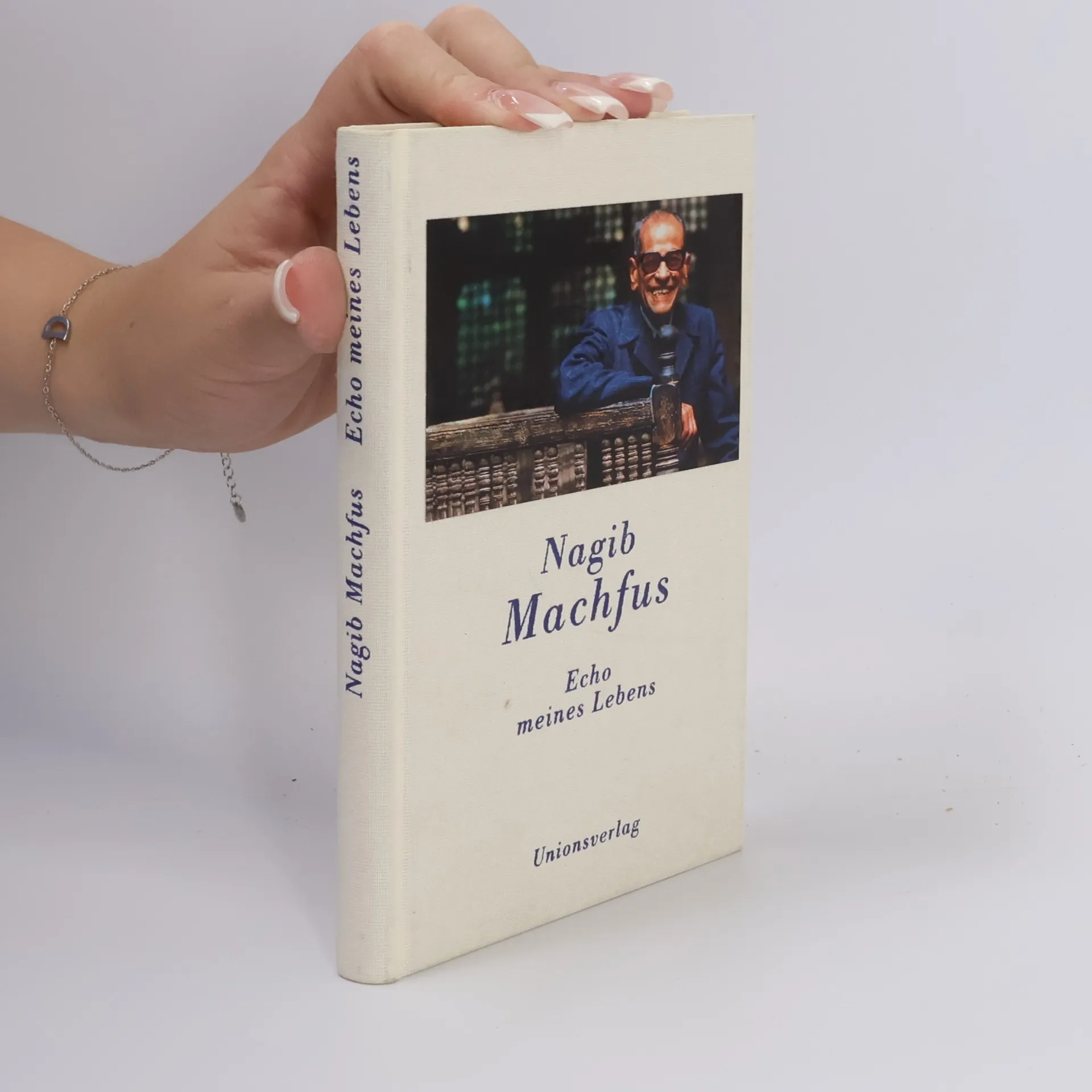
Als Nagib Machfus 1994 von religiösen Fanatikern attackiert wurde, war auch die rechte Hand verletzt, und er musste erst mühsam wieder schreiben lernen. In den letzten Lebensjahren entstand so ein Traumtagebuch, in dem Nagib Machfus mit höchst verdichteten Texten noch einmal etwas für die arabische Literatur Neues wagt. Schwerelos, halluzinatorisch steigen in seinen Träumen Geschichten an die Oberfläche des Bewusstseins: Bruchstücke aus seiner Kindheit, Erinnerungen an Frauen, die er geliebt hat, Episoden mit alten Weggefährten, geschichtliche Umwälzungen. Nagib Machfus folgt den Spuren der Erinnerung, er gewährt uns Einblick in seine innere Welt und wirft gleichzeitig Schlaglichter auf ein ganzes ägyptisches Jahrhundert.
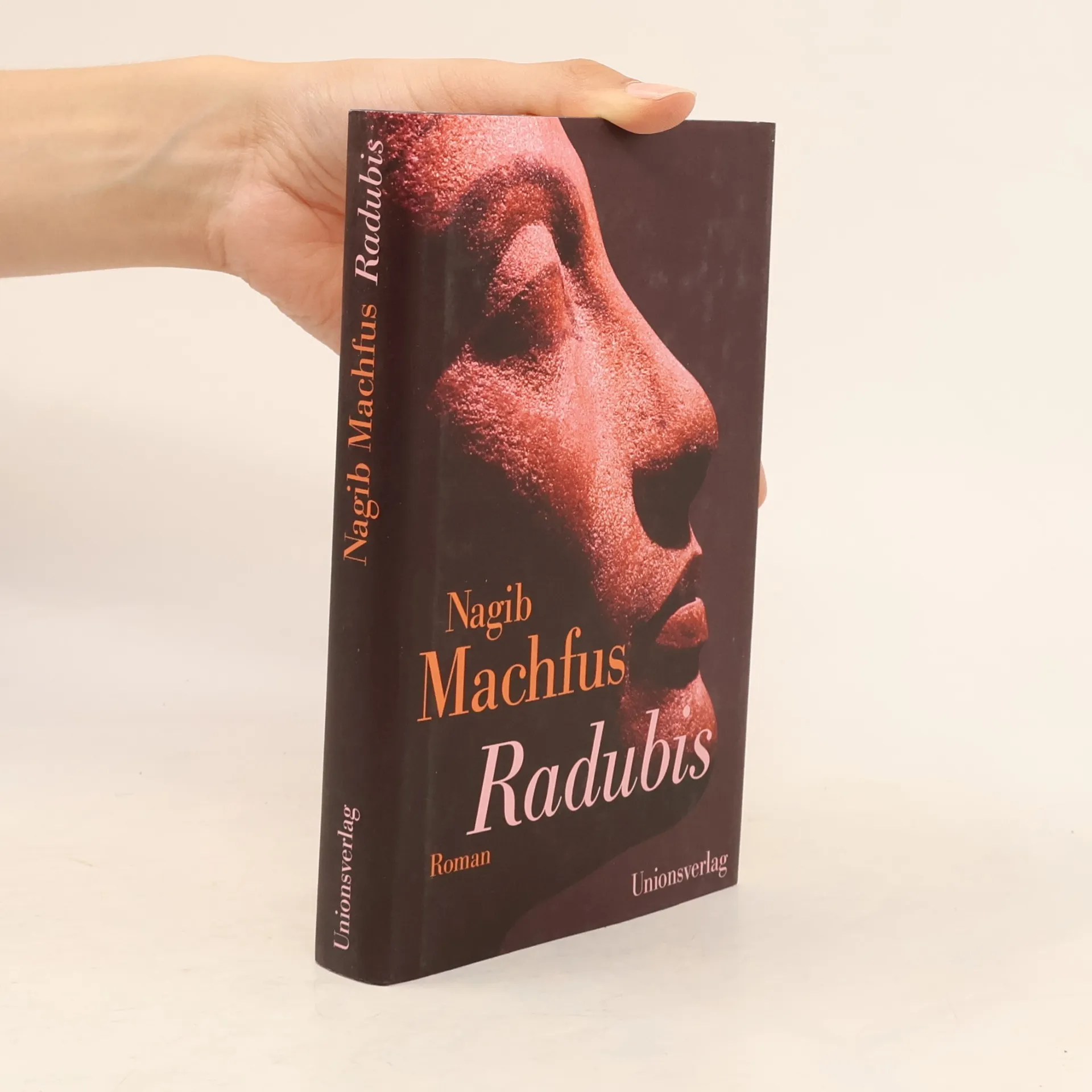
Die goldene Sandale, die ein Adler vor dem Pharao zu Boden fallen lässt, verwirrt ihn. Ob die Besitzerin so schön und elegant ist wie ihr Schuh? Die Sandale gehört keiner geringeren als der Kurtisane Radubis, deren weißer Palast auf einer Insel im Nil den Mittelpunkt des gesellschaftlichen Lebens bildet. Der Pharao beschließt, die Sandale höchstpersönlich zurückzubringen, und ahnt nicht, dass er damit sein eigenes Schicksal besiegelt. Denn während er und Radubis sich rücksichtslos ihren Leidenschaften hingeben, brodelt es im Volk, die Höflinge planen Intrigen und die Priester wollen den Machthunger des Pharao nicht länger hinnehmen.
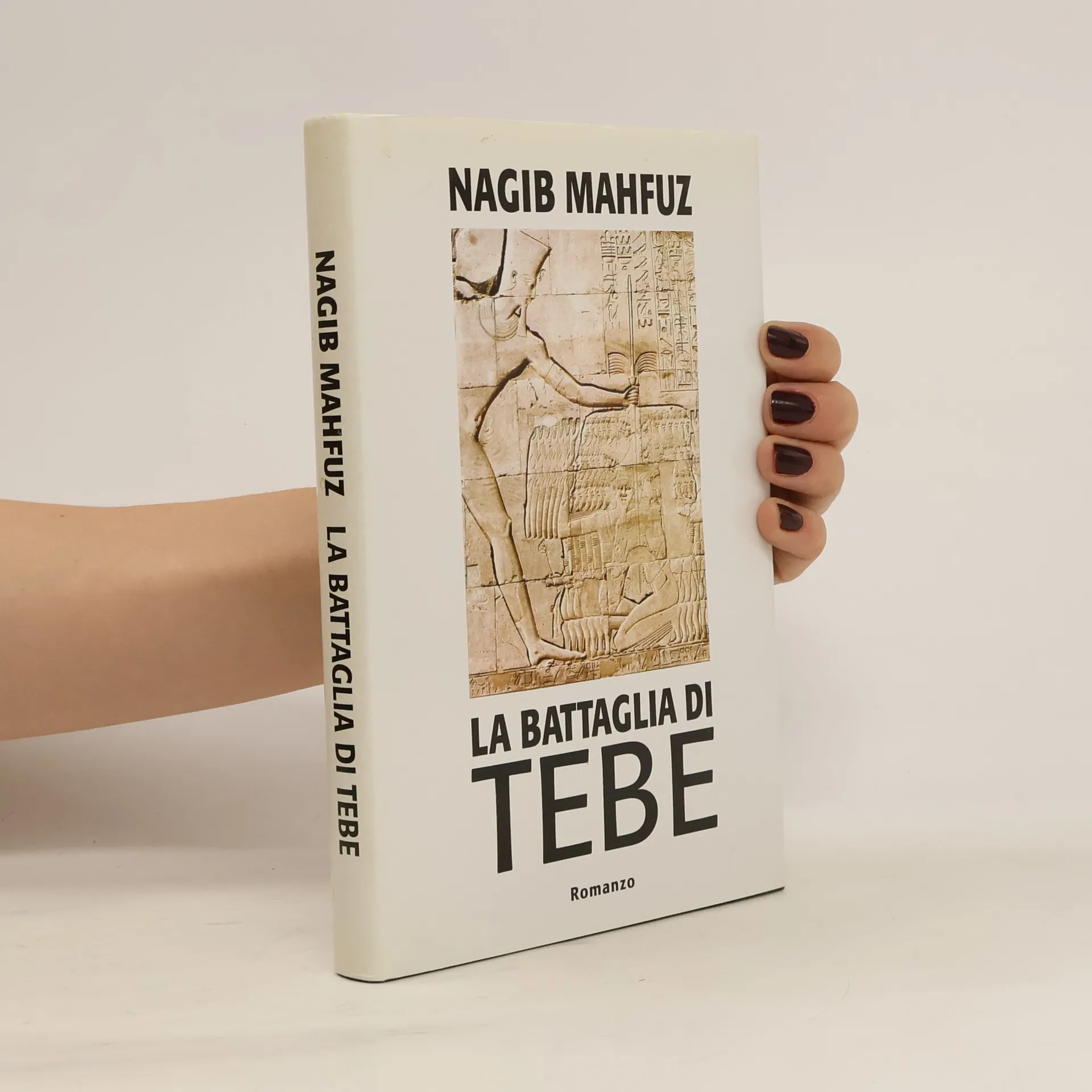
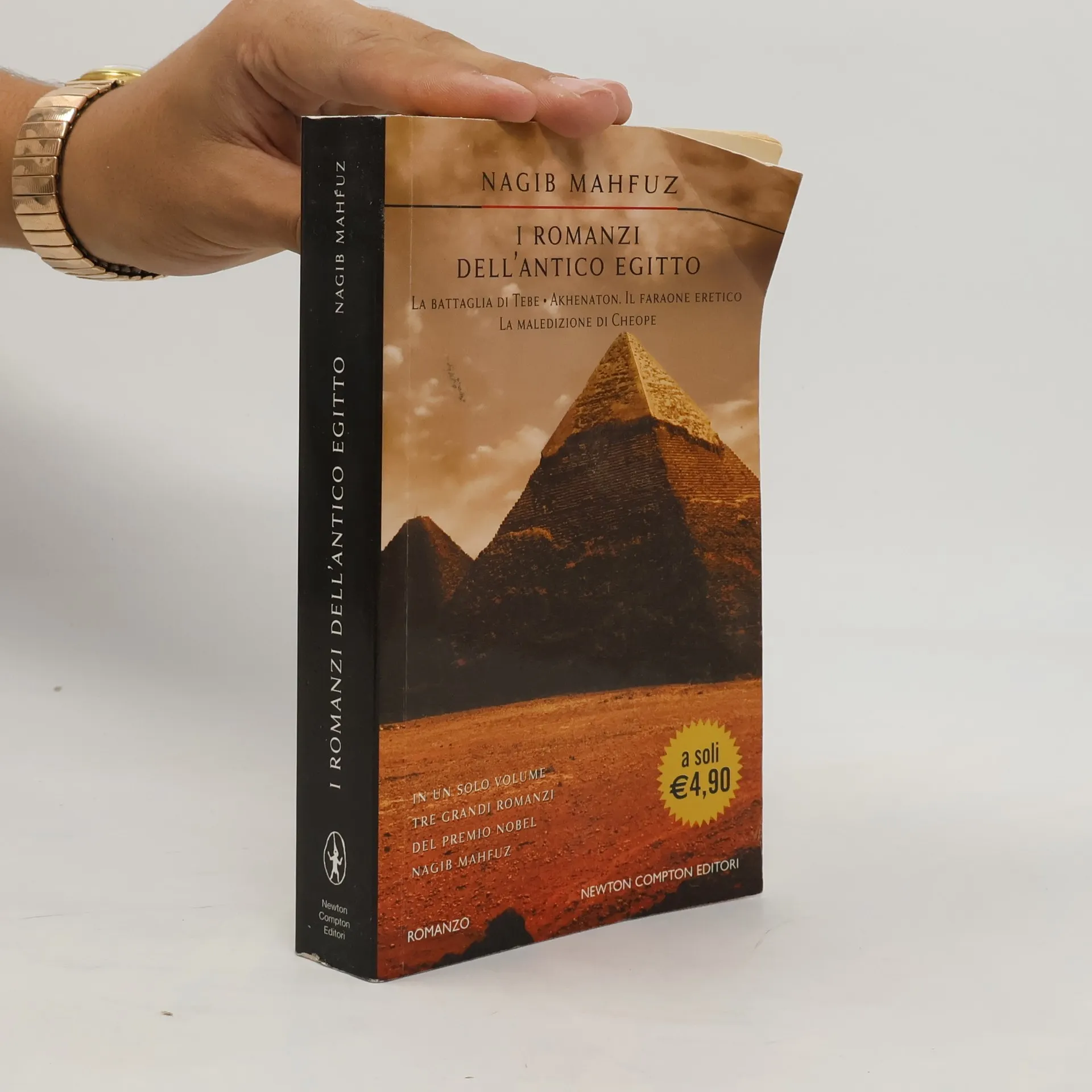
I romanzi dell'Antico Egitto
- 432pagine
- 16 ore di lettura
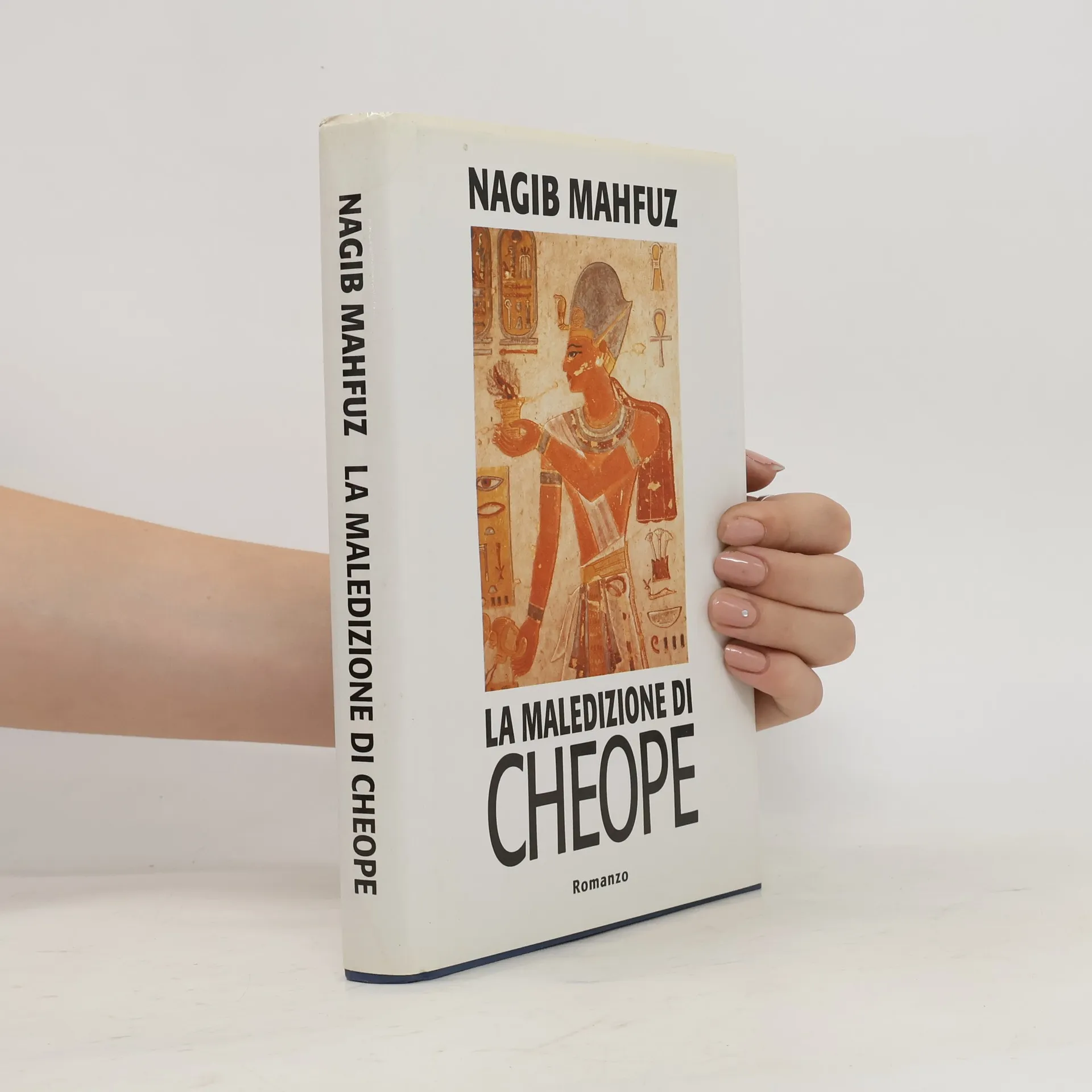
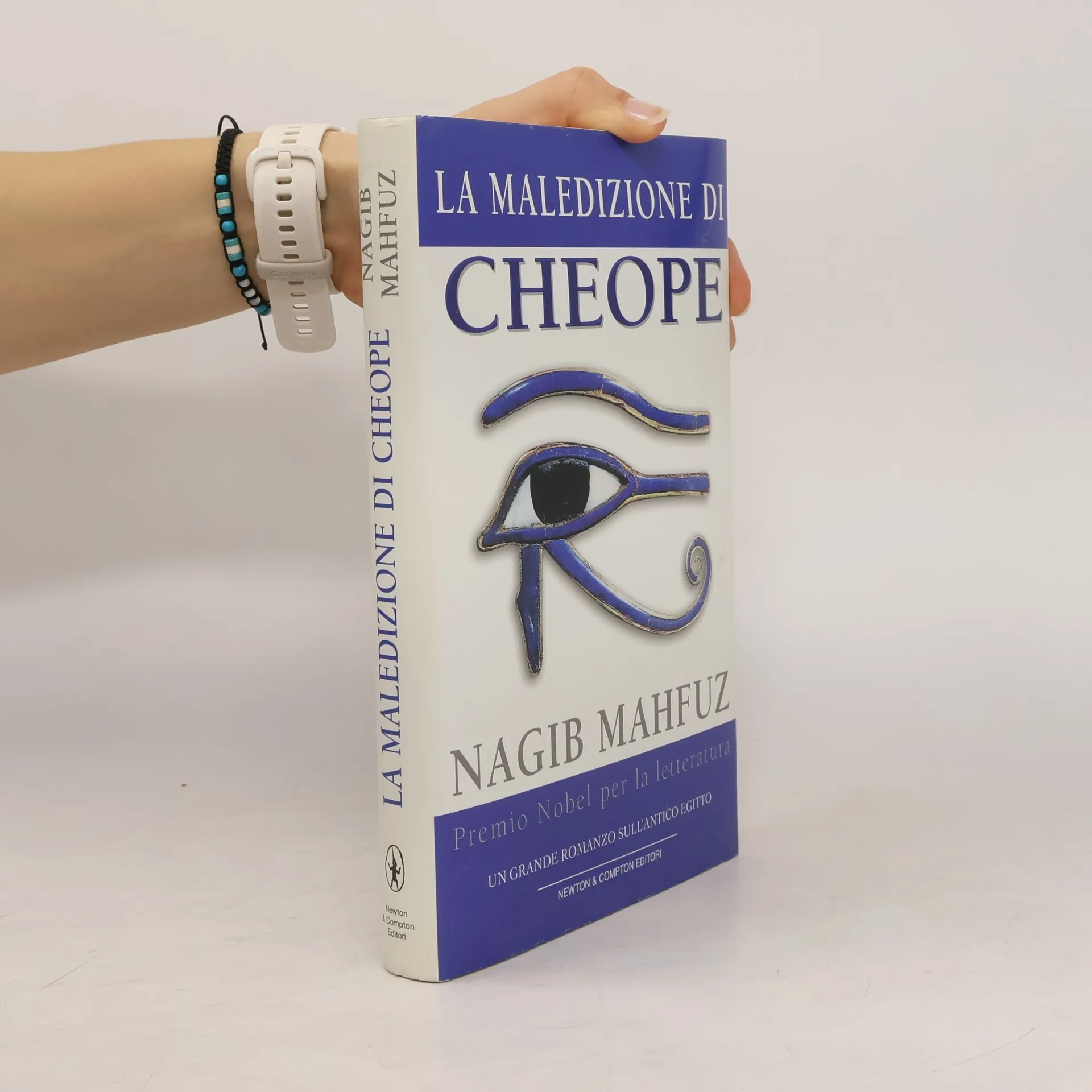
Questo volume raccoglie tre grandi romanzi di Nagib Mahfuz sull’antico Egitto, tre piccole gemme nelle quali l’arte narrativa del premio Nobel riesce a fondere sapientemente storia e finzione, verità e creazione letteraria. Ne La battaglia di Tebe rivive, in un affresco epico intenso e coinvolgente, la suggestiva rievocazione delle gesta del faraone Amosis che nel XVI secolo a.C. guidò il suo popolo contro l’invasione degli Hyksos. La voce di un giovane curioso e intraprendente, Miri-Mon, racconta in Akhenaton. Il faraone eretico le tappe della fulminante ascesa del “faraone maledetto”, fisicamente fragile ma destinato a diventare uno dei simboli della gloria dell’antico Egitto. La maledizione di Cheope narra il tentativo del faraone di scongiurare una profezia che annuncia la fine della sua dinastia. Le insidie, i tradimenti e la stessa ostinazione di Cheope saranno le armi di un inesorabile destino a cui neanche l’uomo-dio più potente può sottrarsi.
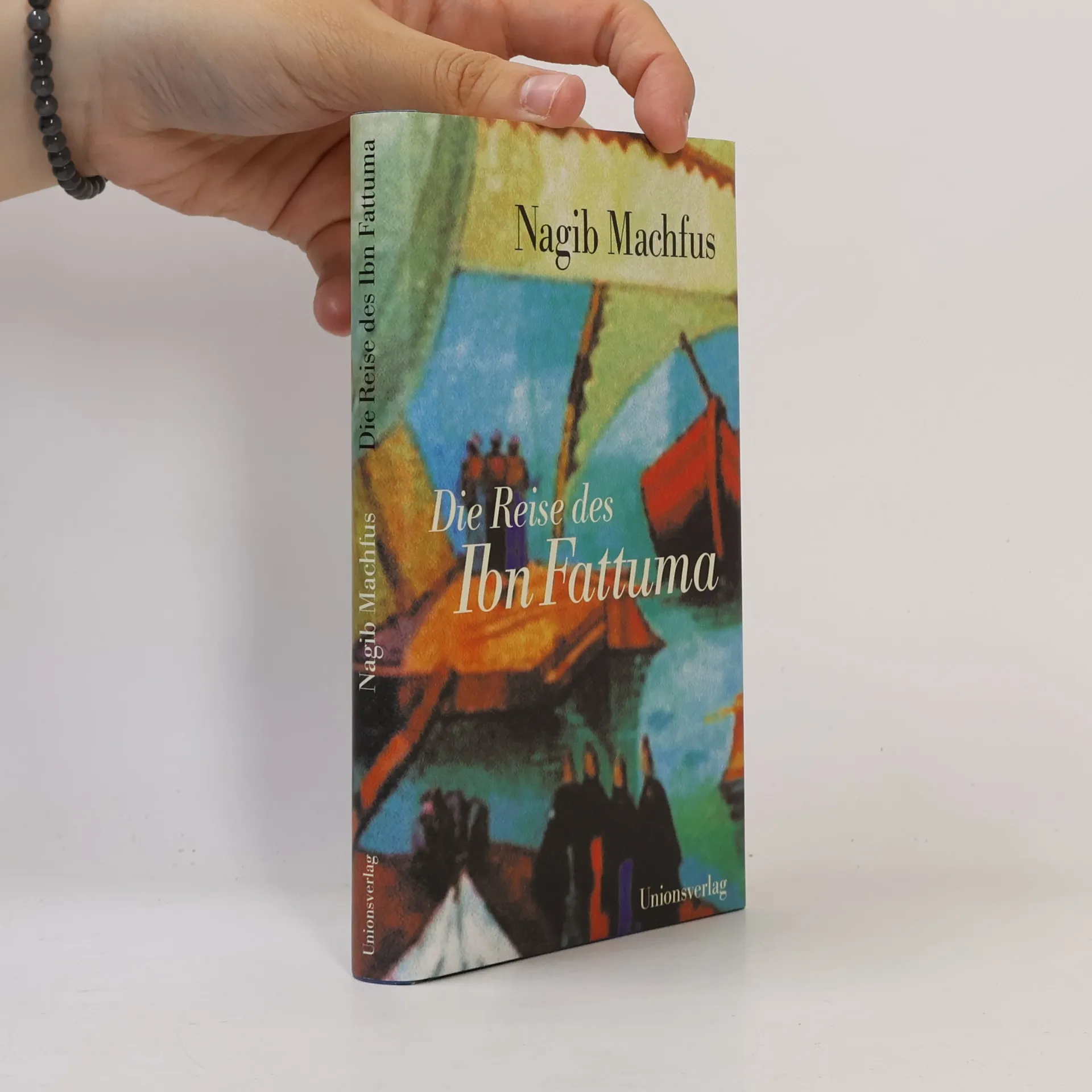
Als Junge träumte Ibn Fattuma davon, es den großen Reisenden gleichzutun und die ganze Welt zu erforschen. Den erwachsen gewordenen Ibn Fattuma treiben schließlich nicht die Abenteuer- und Entdeckerlust in die Welt hinaus, sondern Liebeskummer. Er schließt sich einer Handelskarawane an und hofft, auf dem langen Weg durch die Wüste seine Enttäuschung zu vergessen. Doch die Reise durch fremde, heidnische Länder mit ihren unbekannten Sitten und Gebräuchen wird immer mehr zu einer Begegnung mit sich selbst und führt ihn zu den Grundfragen des Seins. Nagib Machfus nimmt uns in diesem märchenhaften Roman mit in ferne, vergangene Welten, die erstaunlich gegenwärtig sind – und er zeigt uns, wie absurd es ist, in einer Ideologie sein Glück zu suchen.
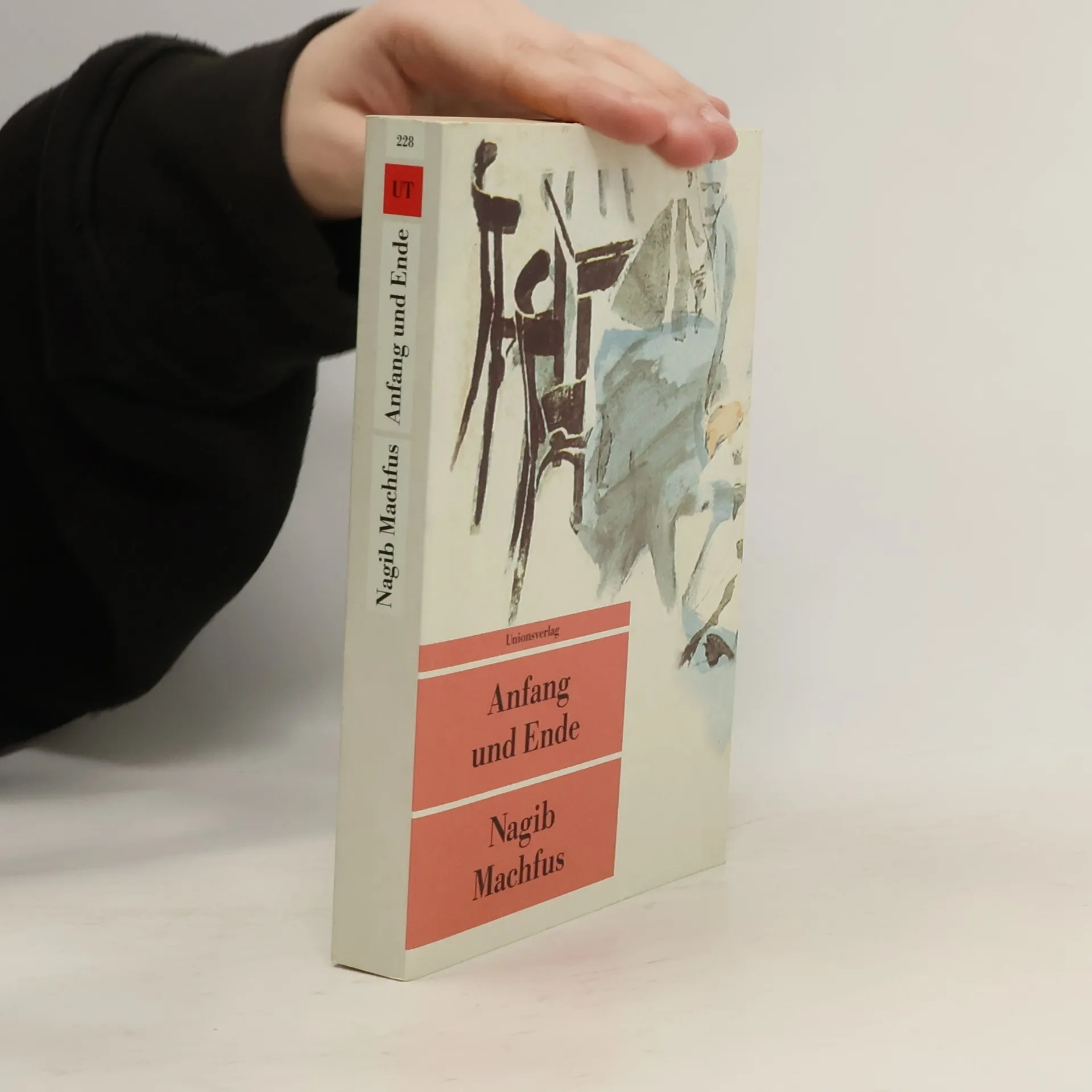
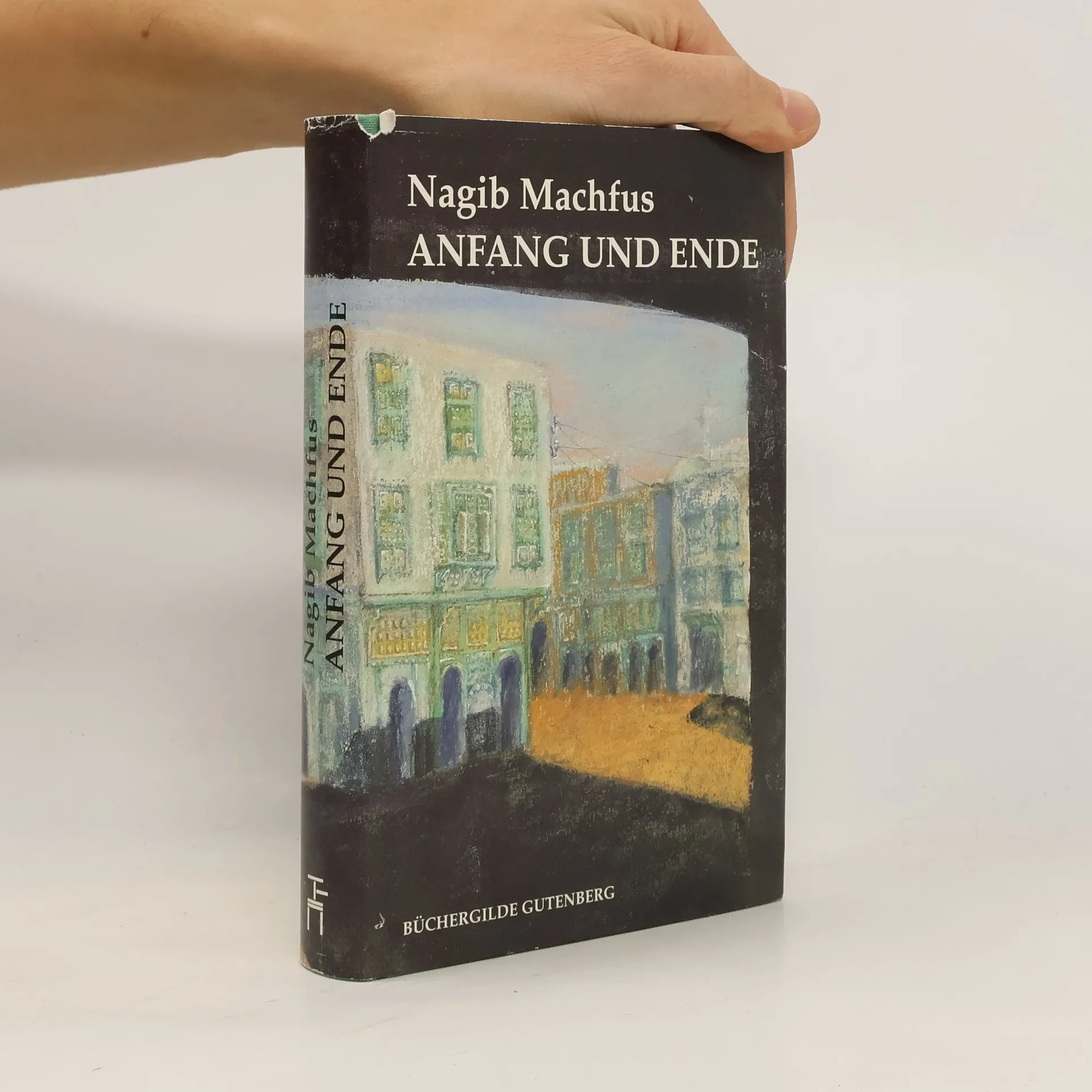
Unionsverlag Taschenbücher: Anfang und Ende
- 380pagine
- 14 ore di lettura
Eines Morgens werden die beiden Söhne aus der Schule gerufen: Der Vater ist tot. Er wurde mitten aus dem Leben gerissen, und sein Tod bringt die Familie an den Rand des Abgrunds. Etwas Geld im Portemonnaie, ein paar Möbel, einen untadeligen Ruf und eine lächerliche Pension – mehr hat er ihnen nicht hinterlassen.
Spiegelbilder
- 256pagine
- 9 ore di lettura
In diesem Werk geht Machfus einen ganz neuen Weg, das Beziehungsgeflecht seines Lebens und seiner Epoche aufzuzeichnen. Er erzählt von Begegnungen aus der Kindheit, den Studententagen und aus seiner Karriere als Beamter, von Freunden und Feinden. Er führt uns von den Salons der Intellektuellen zu den Bordellen und Nachtclubs und zu den Gassen seiner Kindheit. Vierundfünfzig funkelnde, scharfsinnige, heitere, melancholische Menschenbilder fügen sich zu einem Kaleidoskop mit immer wieder neuen Mustern. Der bekannte, mit Machfus befreundete ägyptische Maler Saif Wanli hat zu jedem der Porträts ein ebenso treffendes Bild geschaffen.
At the center of Khufu’s Wisdom, Nobel laureate Naguib Mahfouz’s majestic first novel, is the legendary Fourth Dynasty monarch Khufu (Cheops), for whom the Great Pyramid of Giza was built. When a seer prophesies the end of Khufu’s dynasty and the ascension to the throne of Djedefra, son of the High Priest of Ra, the pharaoh must battle to preserve his legacy against the will of the Fates. But in the face of the inexorable attraction between Djedefra and Princess Meresankh, Khufu’s beautiful daughter, Khufu must consider not only his personal ambition and the opposing decree of the heavens, but also how the wisdom he prides himself on as a ruler will guide him in determining the fate of his daughter’s heart.
El café de Qúshtumar
- 196pagine
- 7 ore di lettura
Ya en su vejez, Táher, Sádiq, Ismael y Hamada se reúnen para contarse qué ha sido de sus vidas. Con sus experiencias contemplamos el retrato amable y hasta burlón de la historia de El Cairo y Egipto desde principios del siglo XX hasta nuestros días.
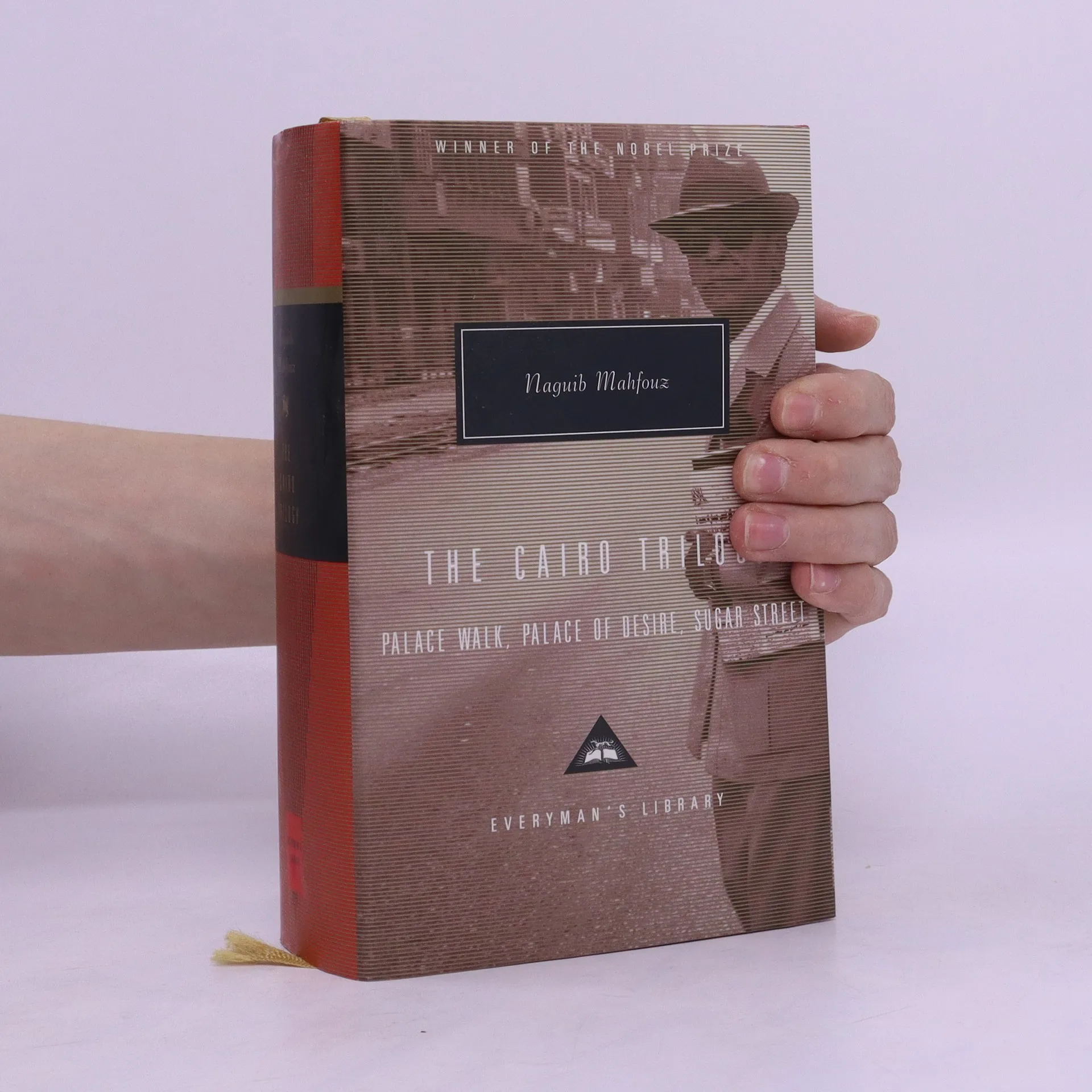
The Cairo trilogy
- 1313pagine
- 46 ore di lettura
Mahfouz's epic trilogy unfolds the story of a Muslim family in Cairo during Egypt's British occupation in the early to mid-20th century. This masterwork, presented in one volume for the first time, captures the lives of the family led by the tyrannical patriarch al-Sayyid Ahmad Abd al-Jawad, who enforces strict control while indulging in secret pleasures. In Palace Walk, we meet his gentle, oppressed wife Amina, his cloistered daughters Aisha and Khadija, and his three sons: the tragic idealist Fahmy, the hedonistic Yasin, and the introspective Kamal. As the narrative progresses to Palace of Desire, the rebellious children strive to break free from their father's domination amid the modernizing influences and political upheaval of the 1920s. Sugar Street culminates the trilogy with a dramatic climax, showcasing the aging patriarch witnessing the divergent paths of his grandsons—one a Communist, another a Muslim fundamentalist, and the third a lover of a powerful politician. Throughout the trilogy, the family's struggles reflect the broader turmoil of their country during the two World Wars, as society grapples with change after centuries of resistance. Rich in drama, humor, and insight, this work exemplifies the artistry of a master storyteller.
Il giorno in cui fu ucciso il leader
- 136pagine
- 5 ore di lettura
Stavolta Mahfuz traccia il profilo di una famiglia della classe media cairota durante i primi anni Ottanta, sotto la presidenza di Sadat. In Egitto quella fu un'era di transizione, un periodo di crisi profonda in cui gente normale di ogni tipo e provenienza veniva spinta verso il cosiddetto abisso dell'Infitah. In questa folle corsa tutto era sovrastato da un senso di "fine", una sensazione di panico, mentre persone innocenti assistevano impotenti alla rapida disintegrazione del loro mondo. Un intero stile di vita con le sue tradizioni antiche e i suoi valori tramandati di generazione in generazione si stava sgretolando, aprendo la strada a un nuovo materialismo spietato nel regno dei corrotti, dove solo i più forti potevano sopravvivere.
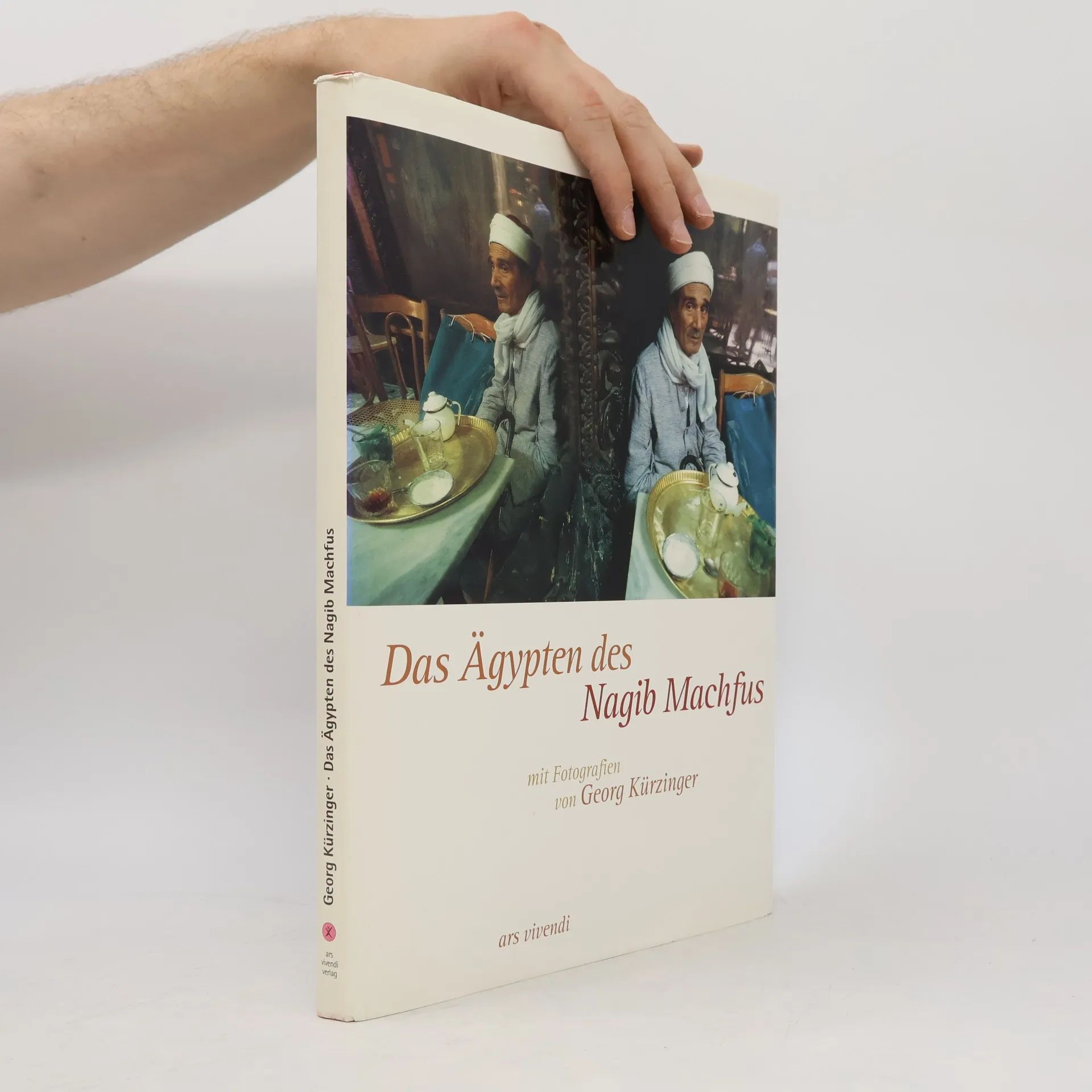
Das Ägypten des Nagib Machfus
- 125pagine
- 5 ore di lettura
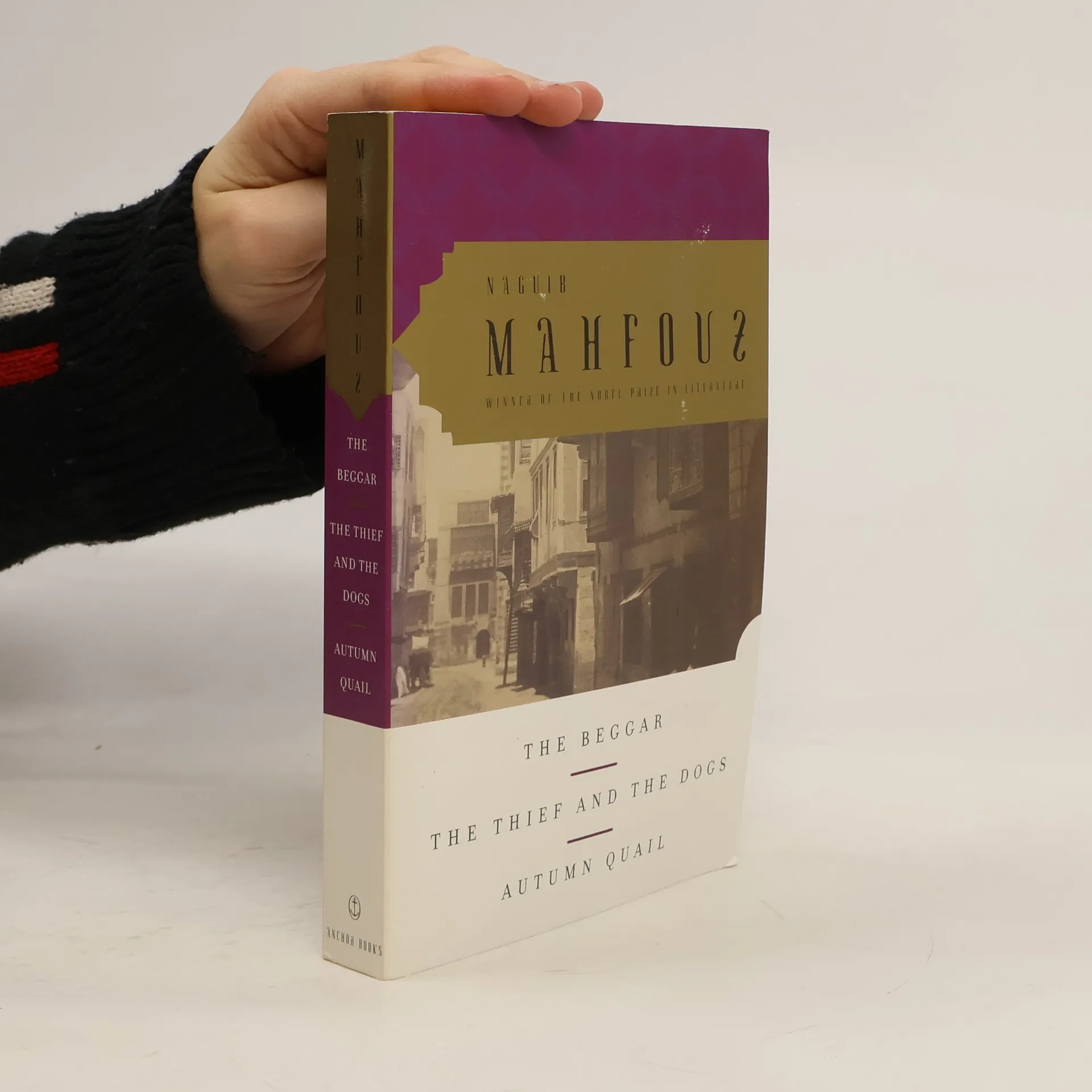
The Beggar, The Thief and the Dogs, Autumn Quail
- 480pagine
- 17 ore di lettura
Anchor proudly presents a new omnibus volume of three novels--previously published separately by Anchor--by Naguib Mahfouz, winner of the Nobel Prize in Literature. Assembled here is a collection of Mahfouz's artful meditations on the vicissitudes of post-Revolution Egypt. Diverse in style and narrative technique, together they render a rich, nuanced, and universally resonant vision of modern life in the Middle East.The Beggar is a complex tale of alienation and despair. In the aftermath of Nasser's revolution, a man sacrifices his work and family to a series of illicit love affairs. Released from jail in post-Revolutionary times, the hero ofThe Thief and the Dogs blames an unjust society for his ill fortune, eventually bringing himself to destruction. Autumn Quail is a tale of moral responsibility, isolation, and political downfall about a corrupt bureaucrat who is one of the early victims of the purge after the 1952 revolution in Egypt.
Anfang und Ende
- 378pagine
- 14 ore di lettura
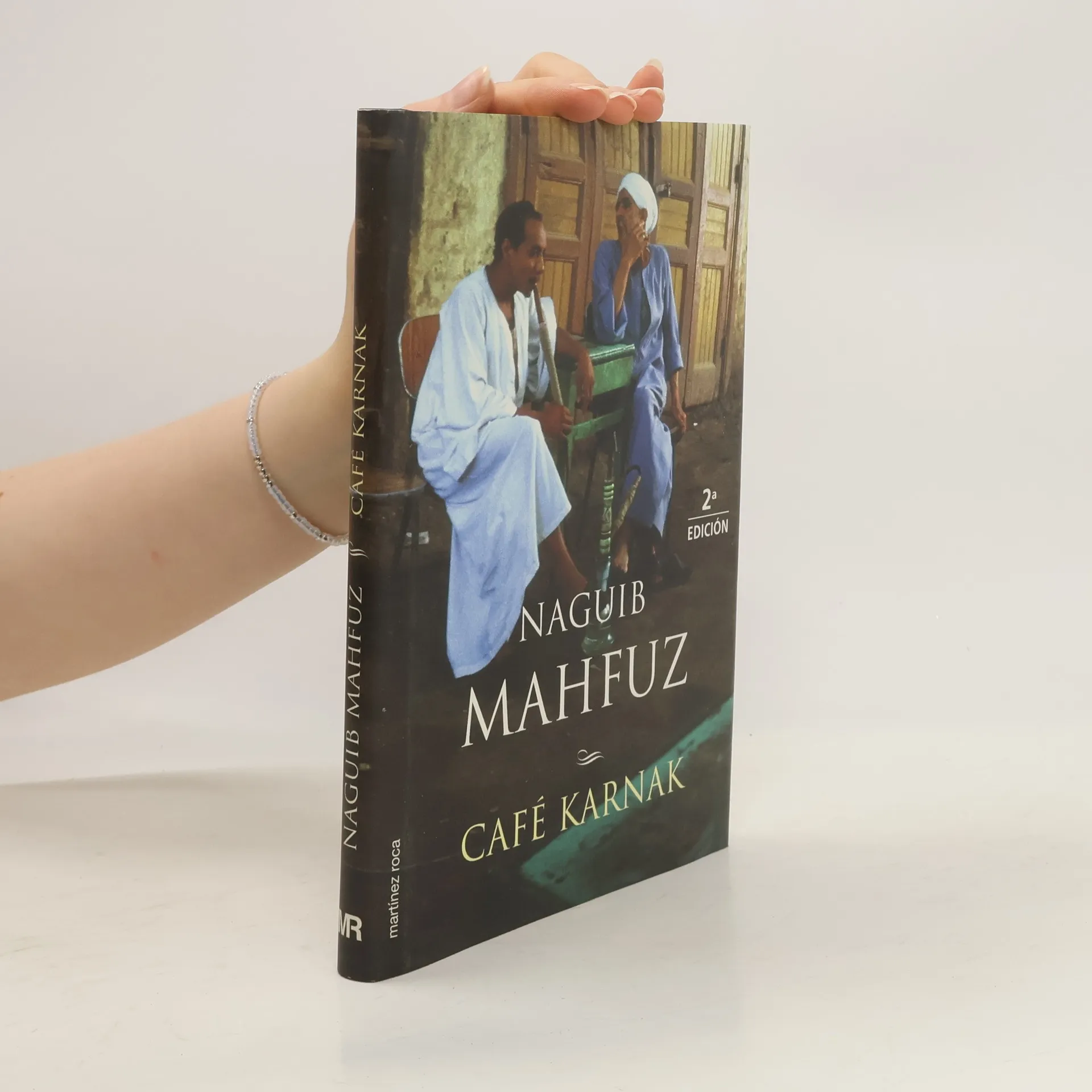
Café Karnak
- 144pagine
- 6 ore di lettura
"Me gustó aquel sitio por su excelente café, el agua pura, las tazas y los vasos limpios, la dulzura de Qaránfula, la grave dignidad de los ancianos, la vitalidad de los jóvenes y la belleza de la chica". Así describe el narrador (acaso el mismo autor) el ambiente y los personajes que frecuentan el Café Karnak, cálido punto de unión entre el pasado y el presente. Cuando sin previo aviso tres jóvenes dejan de acudir al café, Qaránfula, su dueña, una bella mujer madura que fue bailarina, empieza a investigar. Descubrirá sus historias entrelazadas y la cara más dura de la revolución.
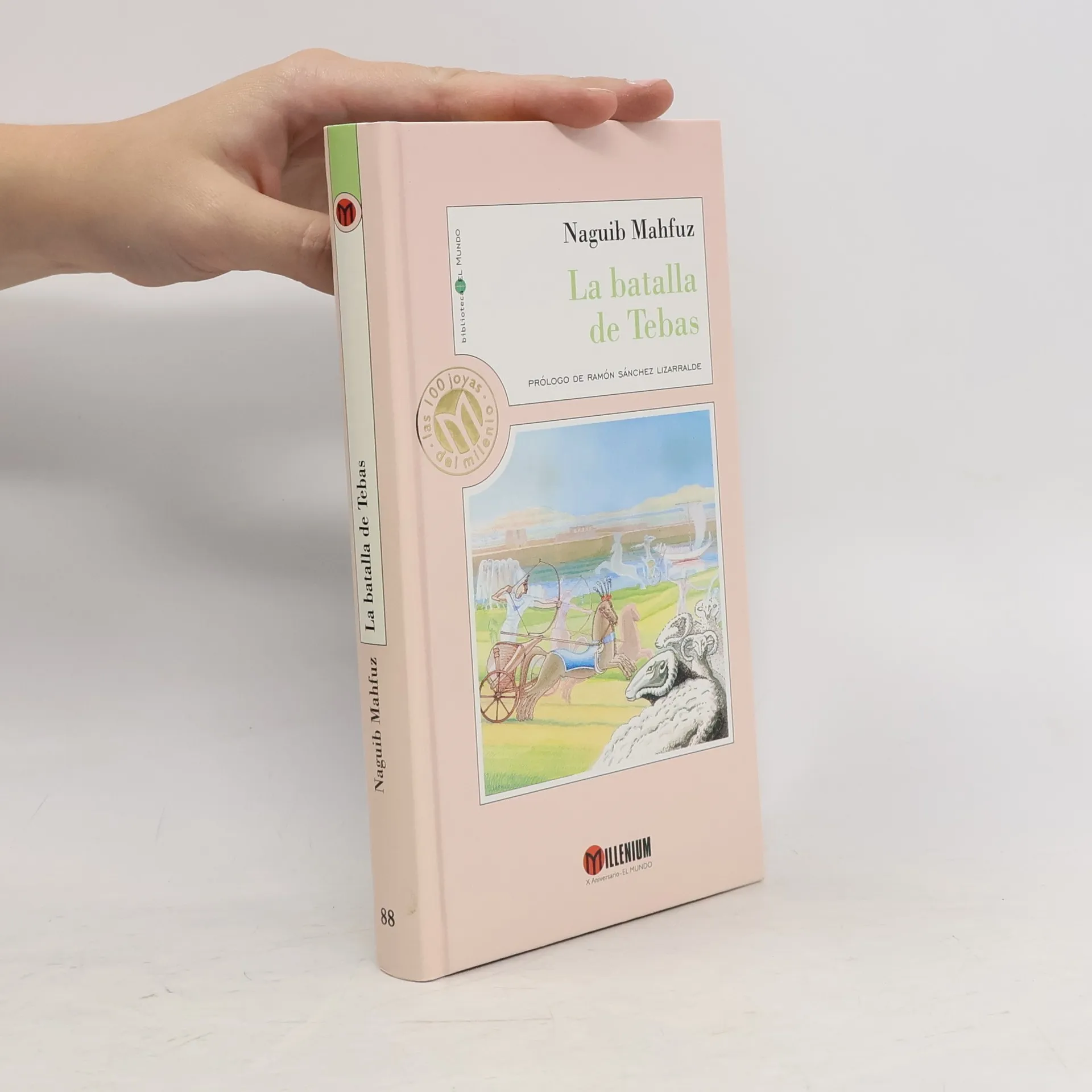
La batalla de Tebas
- 253pagine
- 9 ore di lettura
En La batalla de Tebas Naguib Mahfuz narra una apasionante historia en la que se cruzan la humillación del oprimido, la prepotencia del invasor, la sed de venganza, el anhelo de libertad y el amor apasionado. Tras una terrible revuelta del pueblo egipcio contra el invasor, Sekenenre (legítimo emperador egipcio, pero con el cargo de gobernador a merced de Apofis, rey de los hicsos), muere y su familia se ve obligada a huir a Nubia. Diez años después, Ahmose, el joven nieto de Sekenenre logra obtener un salvoconducto de entrada libre en Egipto expedido por el propio Apofis, que lo tiene por un rico comerciante, sin sospechar siquiera que su propósito es reclutar a un ejército para que luche contra los hicsos. Sin embargo, los sentimientos se interponen en los planes políticos de Ahmose. Mahfuz no se plantea la reconstrucción de la rebelión y guerra de los egipcios contra los hicsos (s. xvi a.C.) con un espíritu arqueológico, sino situando en un primer plano a sus protagonistas, mostrando sus sentimientos y el ambiente espiritual de una época, y probablemente sea este enfoque el que ha convertido La batalla de Tebas en una de las novelas históricas más logradas e intensas del siglo xx.
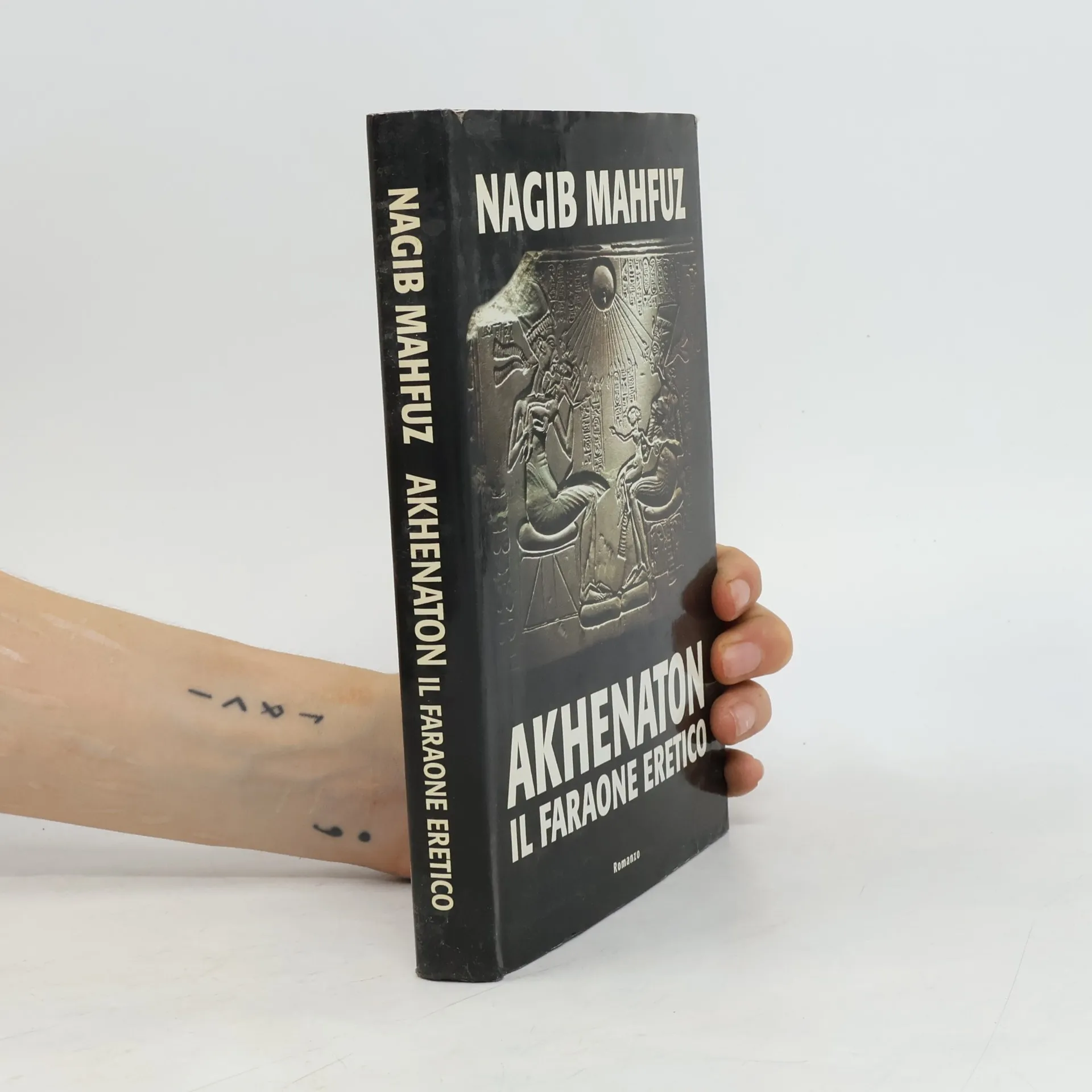
Akhenaton
Il faraone eretico
Miri-Mon lasciò Sais per recarsi con suo padre a Panapolis a visitare sua sorella. Durante il viaggio, passando vicino a una città proibita, Miri-Mon chiese a suo padre di raccontargli cosa era accaduto in quel luogo. Si trattava, infatti, della città dell'eretico, meglio conosciuto con il nome di Akhenaton, un luogo sacrilego e maledetto dove ormai viveva soltanto Nefertiti, la vedova del faraone. Il giovane Miri-Mon si ricordò allora che da bambino gli erano state raccontate delle storie riguardo a un faraone, che aveva rotto con la tradizione e aveva sfidato le divinità e il proprio destino. La curiosità di Miri-Mon lo porterà ad Akhenaton, la città maledetta, dove rimarrà imprigionato dalla bellezza di Nefertiti.
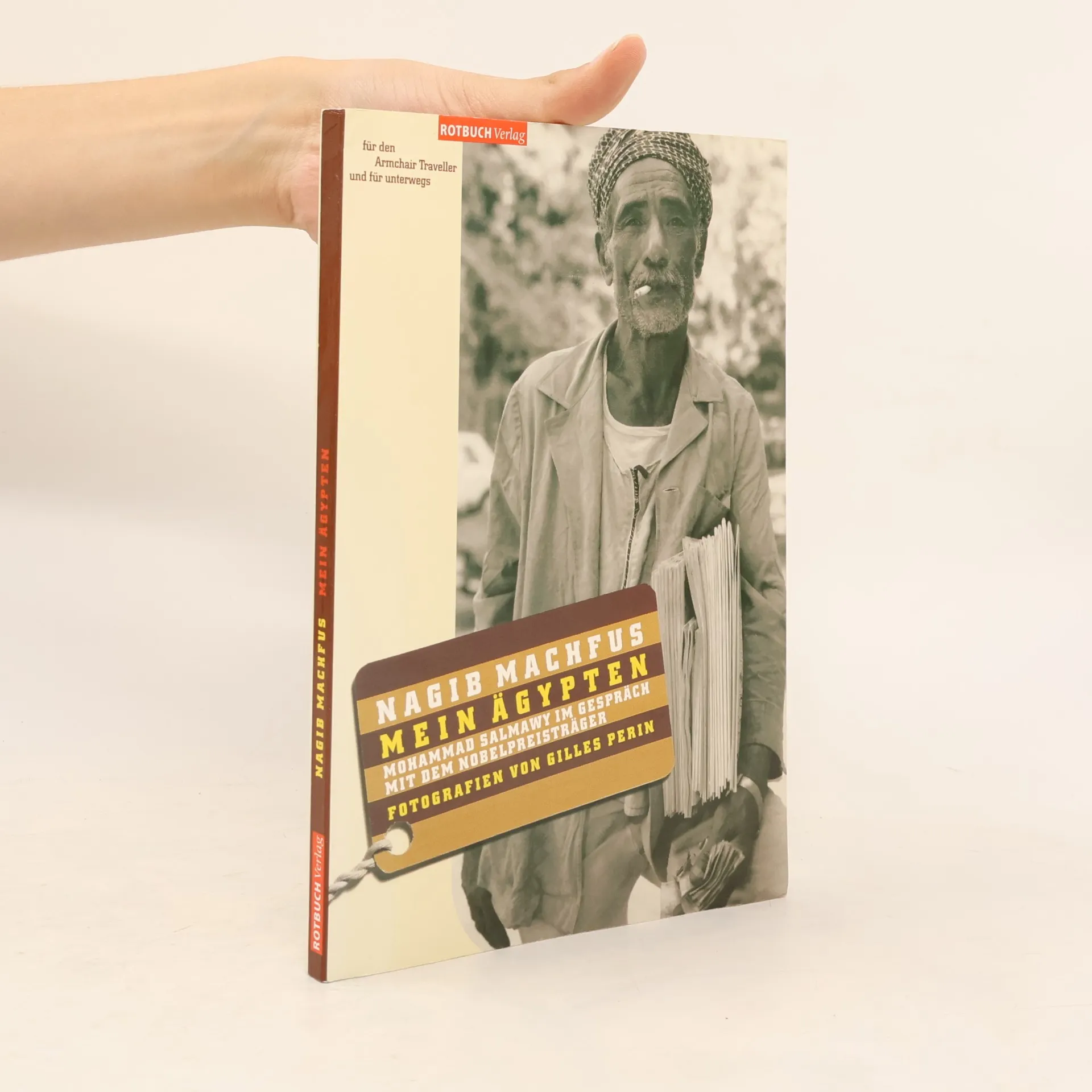
Mein Ägypten
- 133pagine
- 5 ore di lettura
In einer Reihe von Gesprächen mit seinem Freund und Kollegen Mohamed Salmawy erzählt der Nobelpreisträger Nagib Mahfuz in Mein Ägypten von seinem Land. Ägypten ist für Mahfuz viel mehr als nur seine Heimat. Er betrachtet Ägypten als die Wiege der Zivilisation. Durch das Erzählen von seiner Jugend, seinem Land und seiner Kultur lässt Mahfuz die Geschichte lebendig werden. Die schwarz-weiß Fotos in Mein Ägypten sind von Gilles Perrin. Er fotografierte die Ägypter, wie Mahfuz sie in seinen Romanen beschrieb.
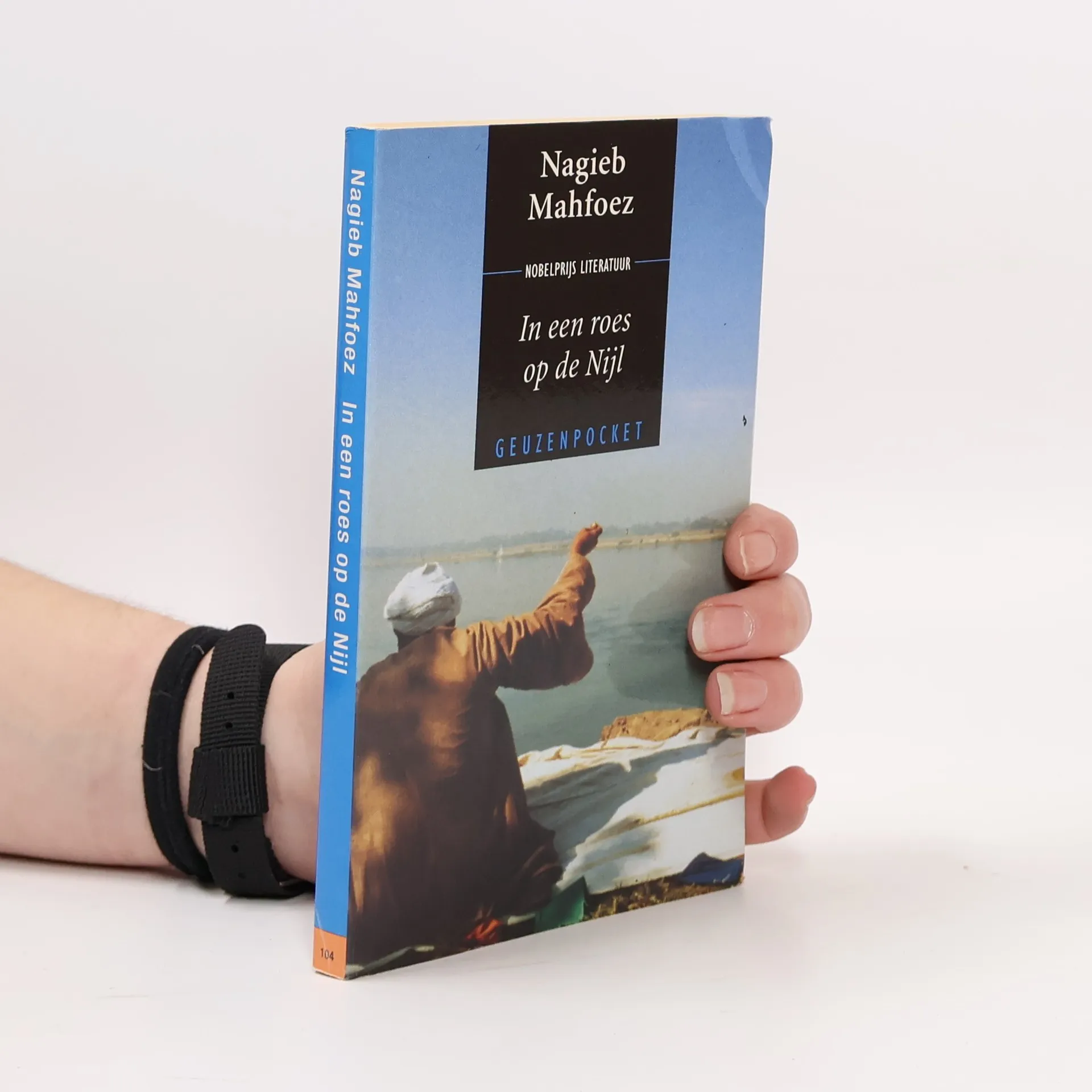
Geuzenpocket - 104: In een roes op de Nijl
- 153pagine
- 6 ore di lettura
Op een woonboot in de Nijl in Caïro in de jaren '60 komt regelmatig een groep intellectuelen bijeen.
" Wer dieses Werk liest, wird mit Vergnügen und Dankbarkeit Erkenntnis finden - durch etwas, das als wunderlicher Anachronismus gilt : Weisheit. Machfus besitzt sie. " Nadine Gordimer
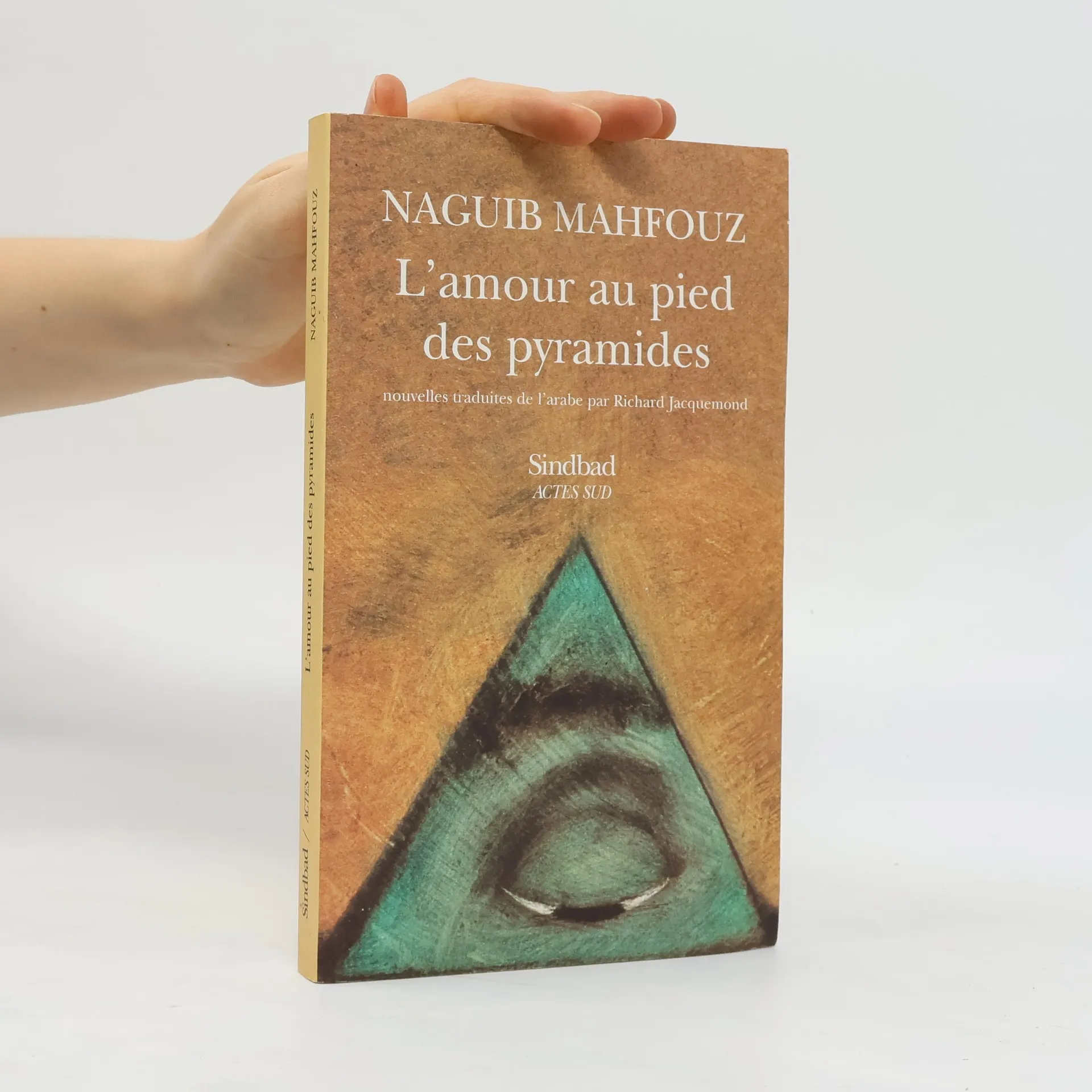
L'amour au pied des pyramides
- 186pagine
- 7 ore di lettura
Tour à tour mystiques, désabusées, absurdes, nostalgiques, réalistes ou drôles, ces nouvelles, extraites de neuf recueils publiés entre 1962 et 1996, offrent une vision kaléidoscopique de l'Egypte contemporaine.
Nagib Machfus, Nobelpreisträger von 1988, zählt zu den bedeutendsten arabischen Autoren. In seinem 1964 erschienenen Roman sucht der junge Sabir nach seinem unbekannten Vater und begegnet dabei verschiedenen Schichten der ägyptischen Gesellschaft in Alexandria und Kairo.
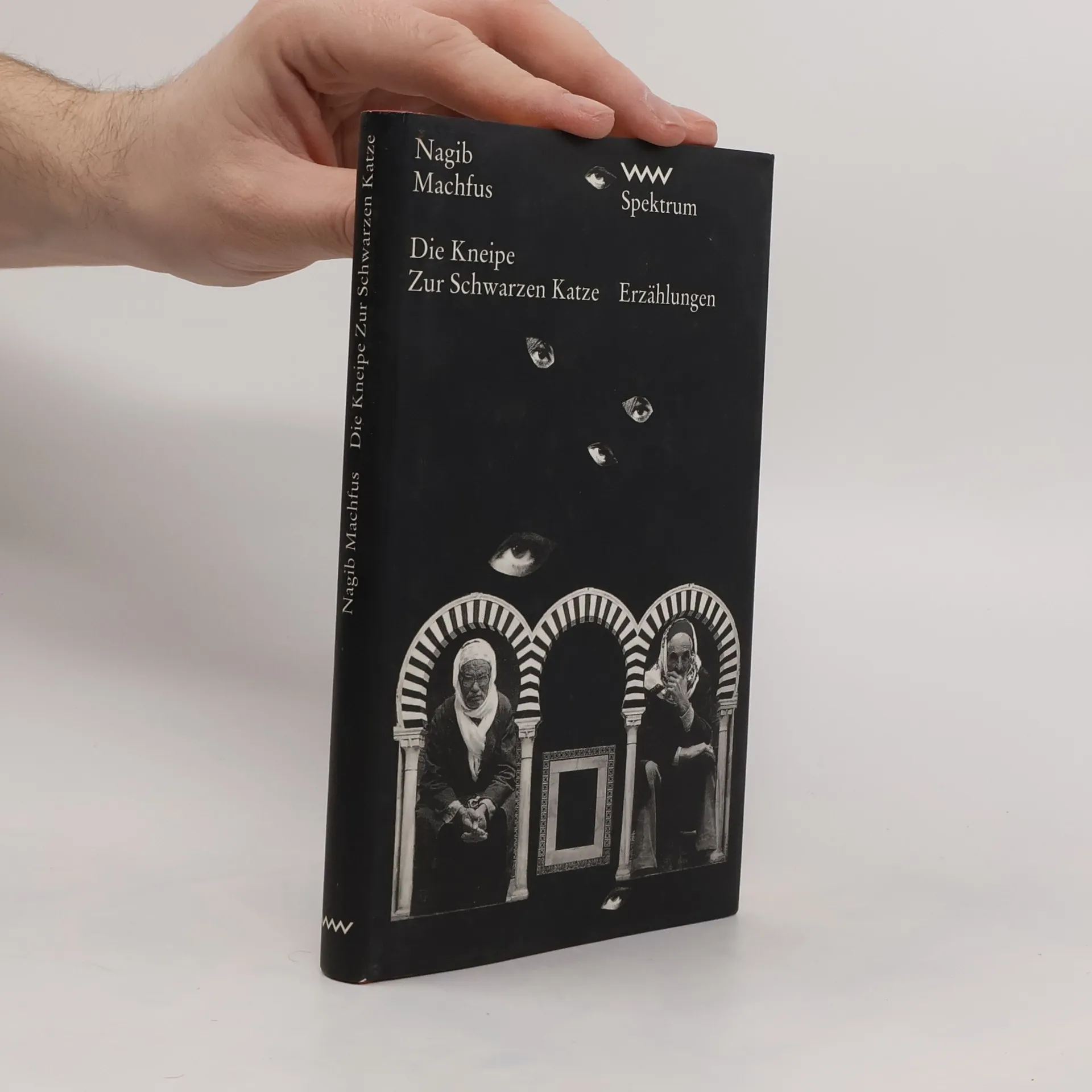
Die Kneipe Zur Schwarzen Katze. Erzählungen
- 132pagine
- 5 ore di lettura
RESPECTED SIR
- 154pagine
- 6 ore di lettura
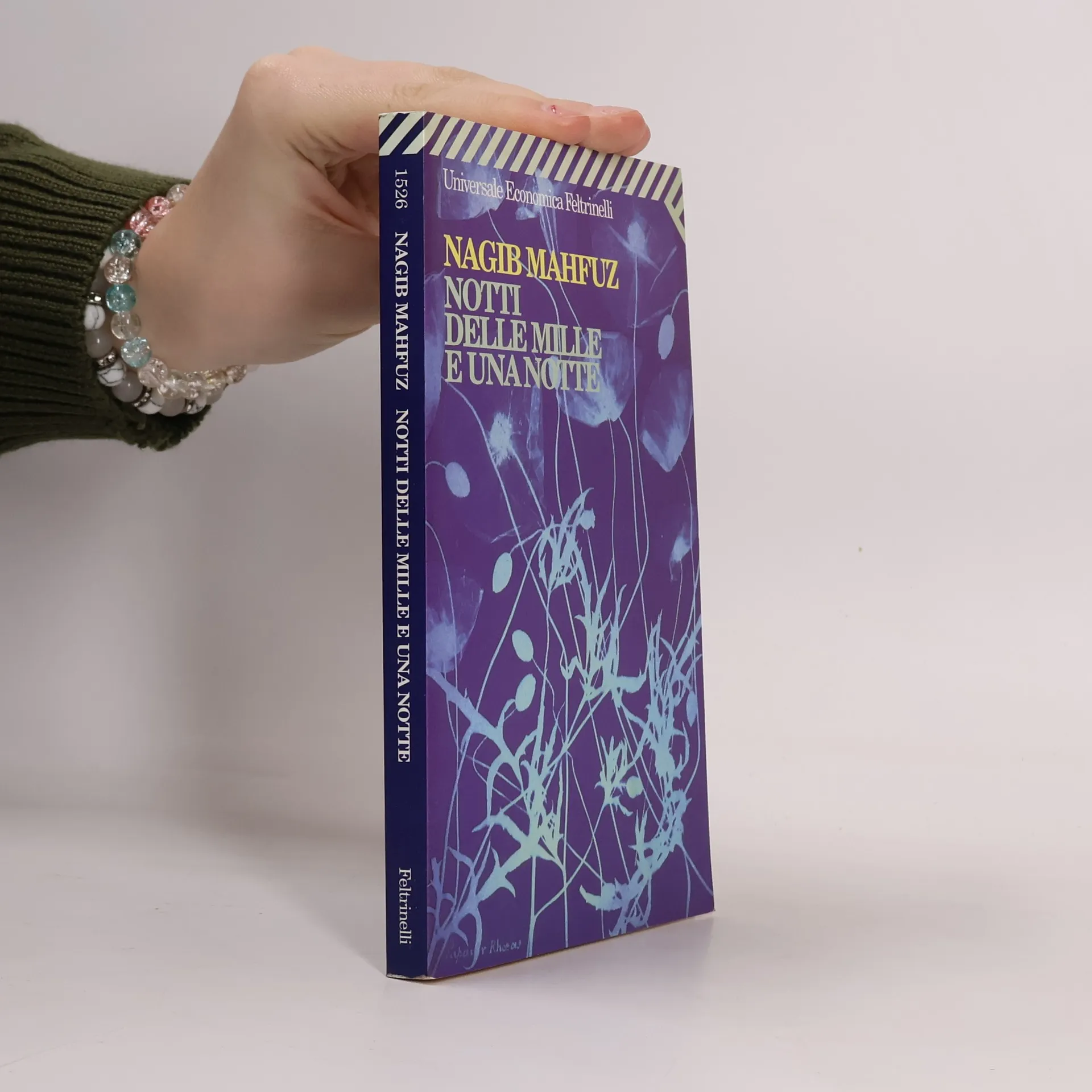
Notti delle mille e una notte
- 210pagine
- 8 ore di lettura
Dopo mille e una veglia di racconti, fiabe, storie, Shahrazàd si è salvata la vita: il sultano Shahriyàr non ha ordinato che le sia tagliata la testa, come aveva fatto con tutte le sue amanti. Al contrario, ha deciso di prenderla in moglie. Il regno esulta: forse la straordinaria abilità di narratrice di Shahrazàd ha intenerito l'animo del tiranno. Forse d'ora in poi i sudditi verranno governati secondo giustizia, senza doversi affidare ai perversi capricci del sovrano. L'unica a non essere così ottimista è proprio l'artefice di questo apparente mutamento: Shahrazàd non è affatto convinta che le sue lezioni notturne di pietà e saggezza abbiano convertito Shahriyàr . Il romanzo di Mahfuz inizia esattamente dove terminano "Le mille e una notte", ed è anche una trascinante meditazione in forma narrativa sul testo letterario fondante della cultura araba: quanto è cambiato veramente il sultano Shahriyàr dopo aver ascoltato notte dopo notte, per quasi tre anni, la più formidabile delle narratrici? Quanto influiscono i racconti sul potere? Sarà l'amministrazione del regno, in realtà, a svelare al sultano la vera natura dell'abuso e della legge. Una lunga serie di incontri, colloqui, avventure lo metterà di fronte alle crudezze e alle seduzioni dell'esistenza, facendogli conoscere dal vero gli stessi personaggi che aveva potuto solamente immaginare dalle parole di Shahrazàd.
The saga of the al-Nagi family, tracing its rise from obscurity to power, to decadence, to rebirth. A mythic Egyptian tale with a soap opera plot by a Nobel Prize winner.
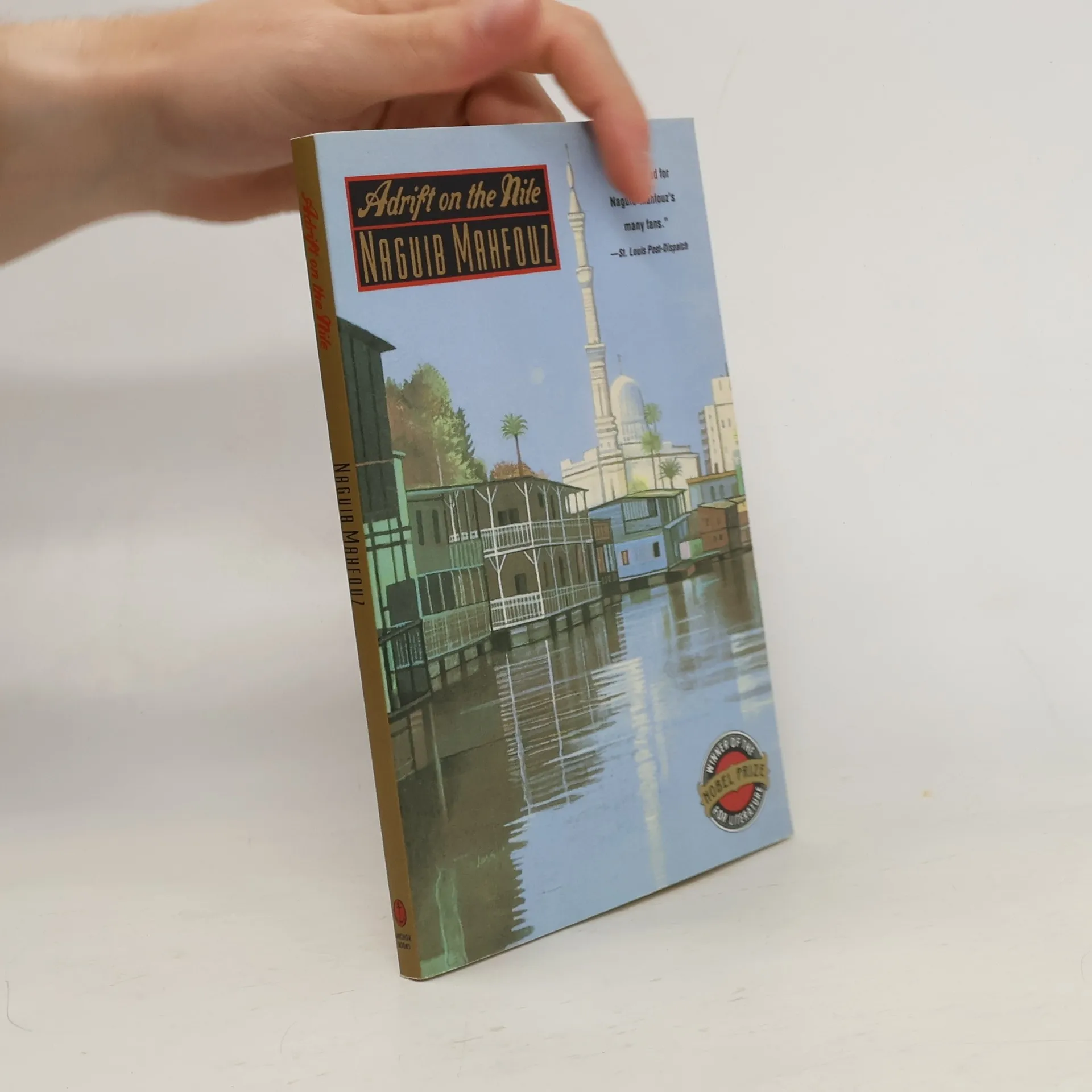
Adrift On The Nile
- 176pagine
- 7 ore di lettura
A stunning novel by the widest-read Arab writer currently published in the U.S. The age of Nasser has ushered in enormous social change, and most of the middle-aged and middle-class sons and daughters of the old bourgeoisie find themselves trying to recreate the cozy, enchanted world they so dearly miss. One night, however, art and reality collide--with unforeseen circumstances.
Erzählungen von Nagib Mahfus, ausgewählt und übersetzt von Wiebke Walther. 247 Seiten.
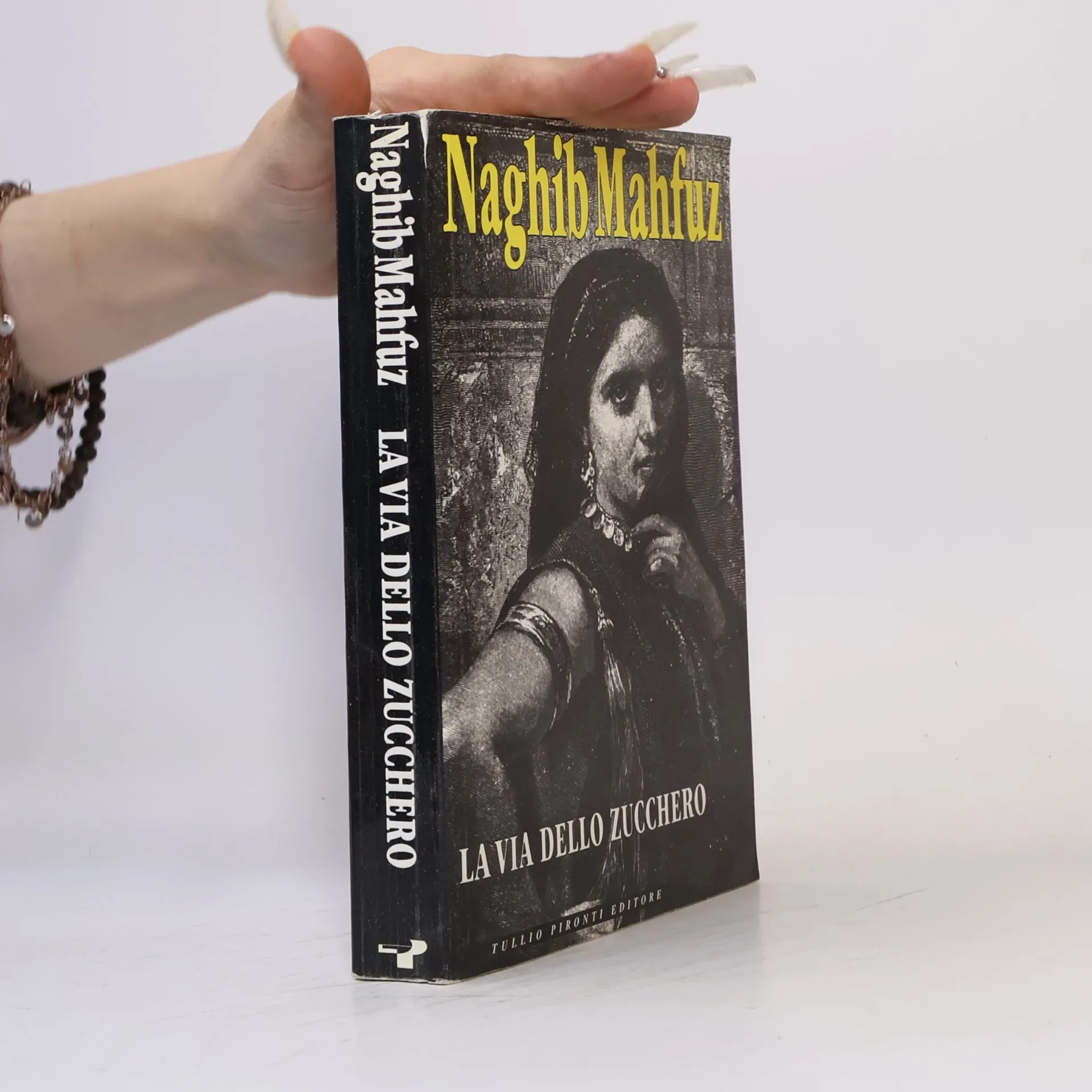
La trilogia del Cairo - 3: La via dello zucchero
- 454pagine
- 16 ore di lettura
رواية الجزء الثالث من ثلاثية القاهرة, سلسلة مكونة من ثلاث روايات حائزة على جائزة نوبل للأدب. الثلاثية تعتبر أفضل رواية عربية في تاريخ الأدب العربي حسب اتحاد كتاب العرب
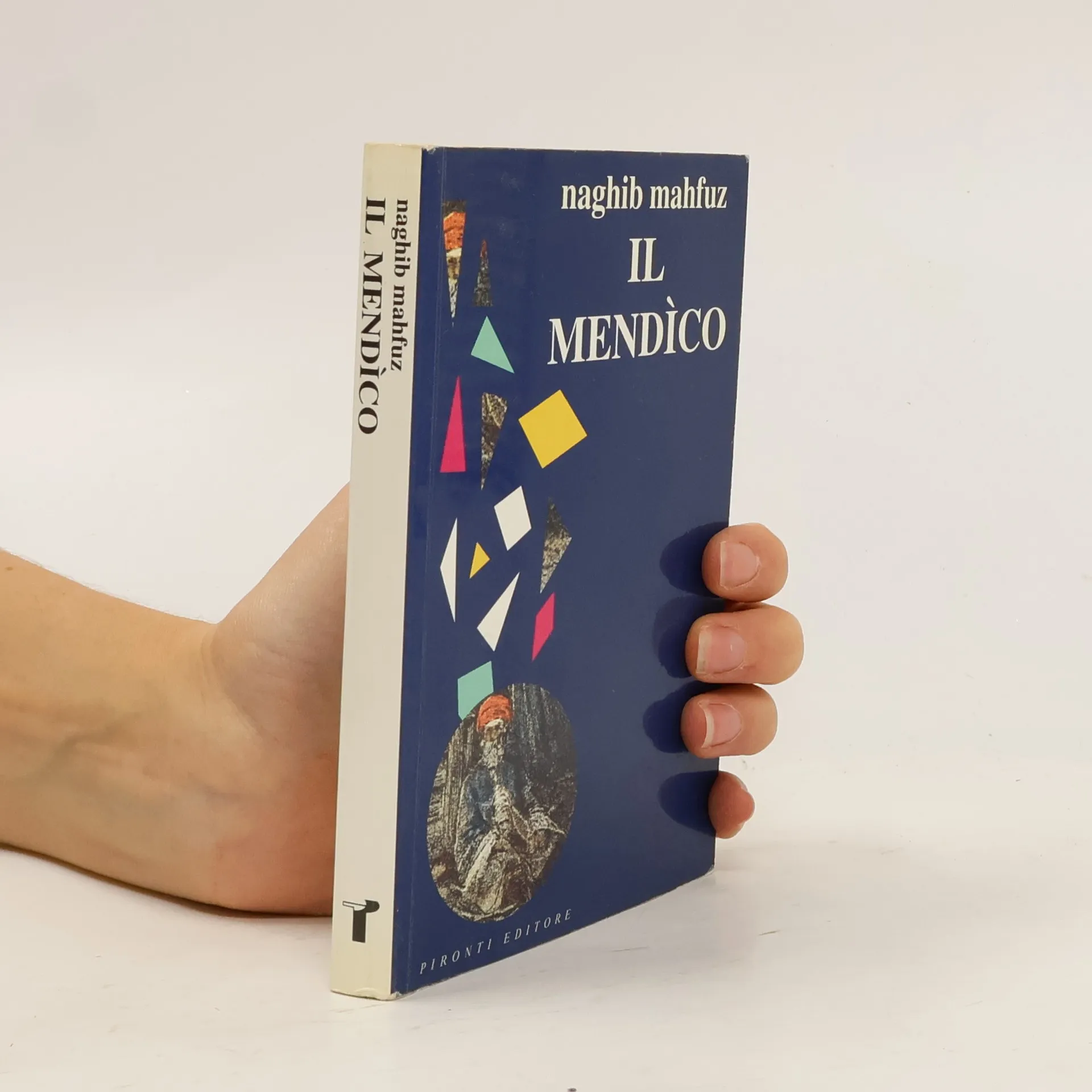
Il mendico
- 202pagine
- 8 ore di lettura
هذه الرواية بقدر ما هي ممتعة، بقدر ما هي قاتلة. إن بطلها عمر يدور في فلك الرواية في محاولة الإجابة عن أسئلة: ما معنى وجوده في الحياة طالما أنّه سيموت؟، ثم ما معنى هذه الحياة أصلاً؟، ولماذا لا يشعر بالسعادة رغم نجاحه وزواجه ممن يحب؟، ولماذا يهرب دائماً إلى المجهول؟. لكن الأسئلة تجيء دون إجابات. التحرّك سردي محكم، والحوارات بها عمق كبير، تجعلك تعُيدها أكثر من مرة، خاصةً تلك التي يتحدّث بها عن الصراع بين الفن والعلم، وبين الحكم الملكي وقيام الثورة والاشتراكية، وأحوال البلد وقتذاك. الشحاذ، ليس بالضرورة يشحذ مالاً، لكنه قد يشحذ السعادة، بكل ما أوتى، فهل يصل لغايته؟ (less)
The Journey of Ibn Fattouma
- 172pagine
- 7 ore di lettura
In this pithy, powerful parable, the masterly Naguib Mahfouz explores life's secrets and the mysterious maze of the human heart--a mystical and lyrical "Pilgrim's Progress set in a mythical, timeless Middle East.
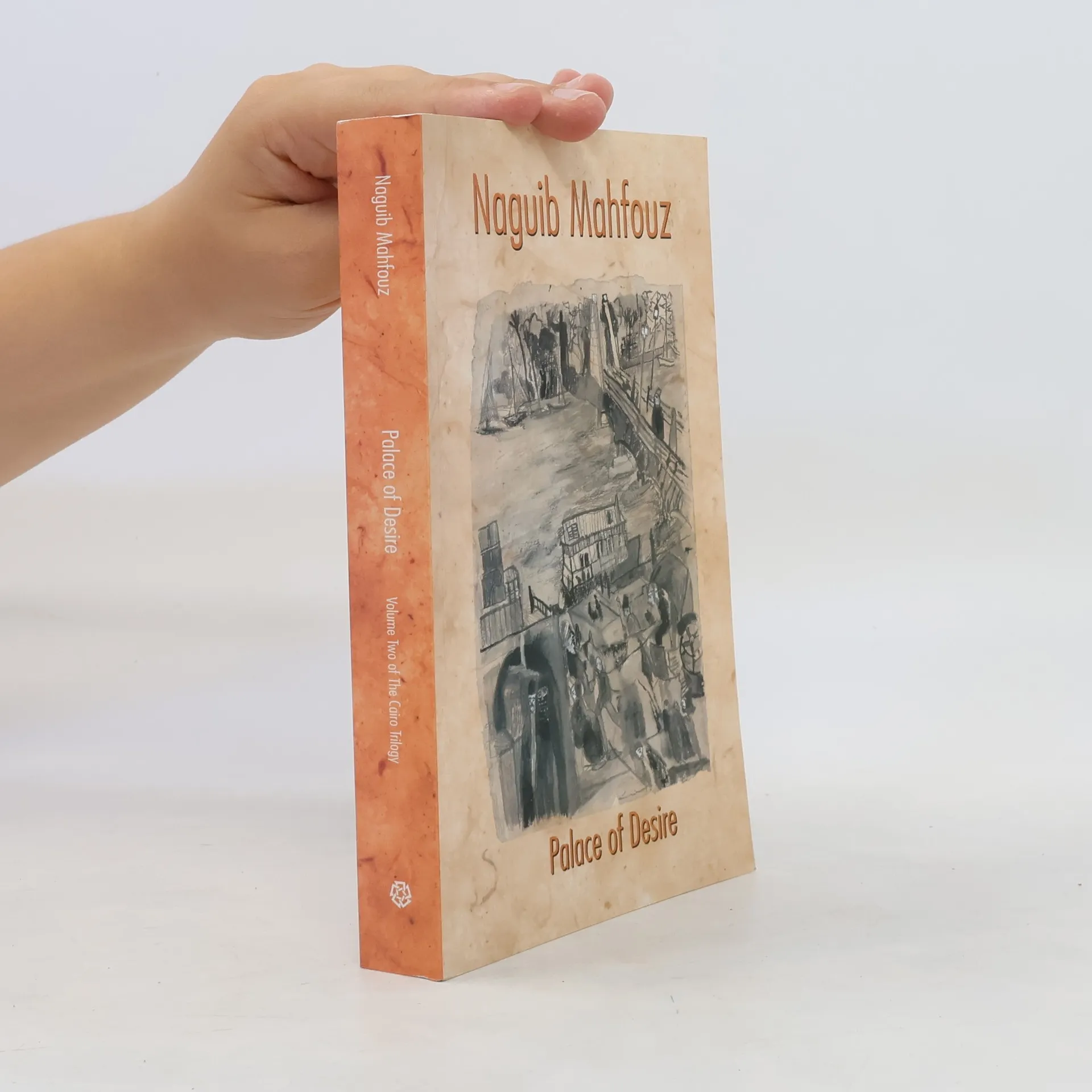
Palace of Desire
- 422pagine
- 15 ore di lettura
The second volume of the highly acclaimed Cairo Trilogy from the winner of the Nobel Prize for Literature. Filled with compelling drama, earthy humor, and remarkable insight, Palace Of Desire is the unforgettable story of the violent clash between ideals and realities, dreams and desires.
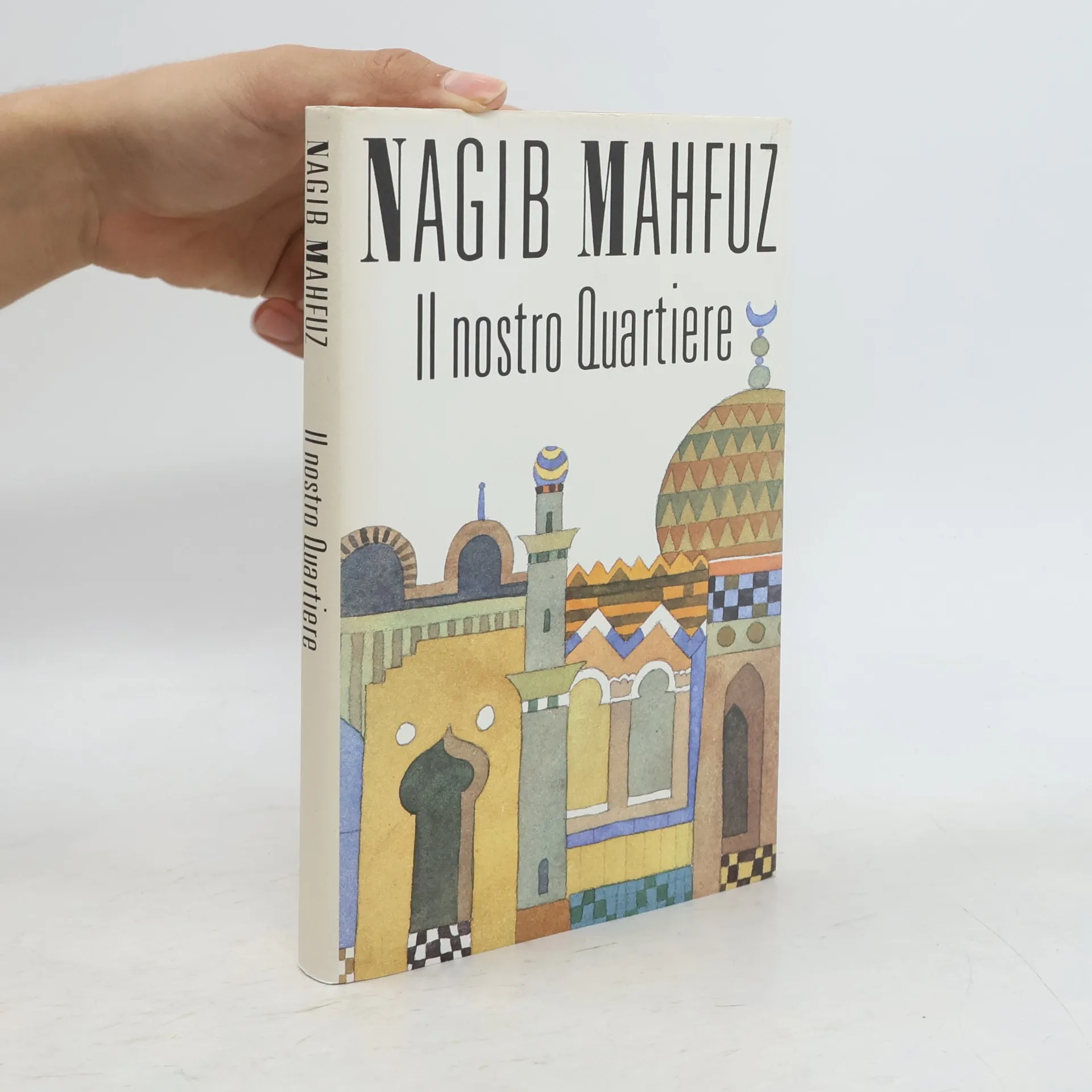
Il nostro Quartiere
- 143pagine
- 6 ore di lettura
Le cronache di un quartiere raccontate attraverso la quotidianità dei suoi abitanti: la realtà e le fantasie di un mondo in cui si compenetrano gli arcani della tradizione orientale e il sottile fascino della civiltà europea. Realtà come raffigurazione degli eventi che scandiscono la vita del rione e fantasia come strumento di conoscenza delle forme e delle essenze che compongono il ciclo della nascita, vita e morte (la magica visione del monastero, il suo giardino di delizie, l'inquietante oscurità del tunnel, e ancora: l'invisibile Grande Vecchio, l'aleatorio paese al di là dei monti e la baluginante presenza divina). Il protagonista delle settantotto sequenze in cui si ordina "Il nostro quartiere", un 'io' infantile che si trova ad affrontare gli accadimenti dell'esistenza umana sempre dibattuto tra dato fisico e ipotesi metafisica, diventa così il cantore di gioie, passioni, ansie, soprusi, paure e disperazioni che consentono all'umanità che popola il dedalo di viuzze dalla narrazione di trasformare quel microcosmo nell'effigie dell'universo.
Children of the Alley
- 568pagine
- 20 ore di lettura
Set in a tumultuous Cairo neighborhood, this epic narrative explores the lives of generations struggling to uphold their ancestral rights. The alley serves as a backdrop for the rise and fall of various characters, including a feudal lord and a savior, who grapple with pride, legacy, and the quest for freedom. Their experiences mirror the spiritual history of humanity, showcasing the cyclical nature of struggle and redemption. Naguib Mahfouz, a Nobel laureate, weaves a rich tapestry of storytelling that reflects profound themes of human suffering and resilience.
Nadžíb Mahfúz je všeobecne uznávaným otcom arabského románu. Synom Káhiry je aj hlavný hrdina románu Zlodej a psi, ktorým autor vstupuje do republikánskeho obdobia svojej tvorby...
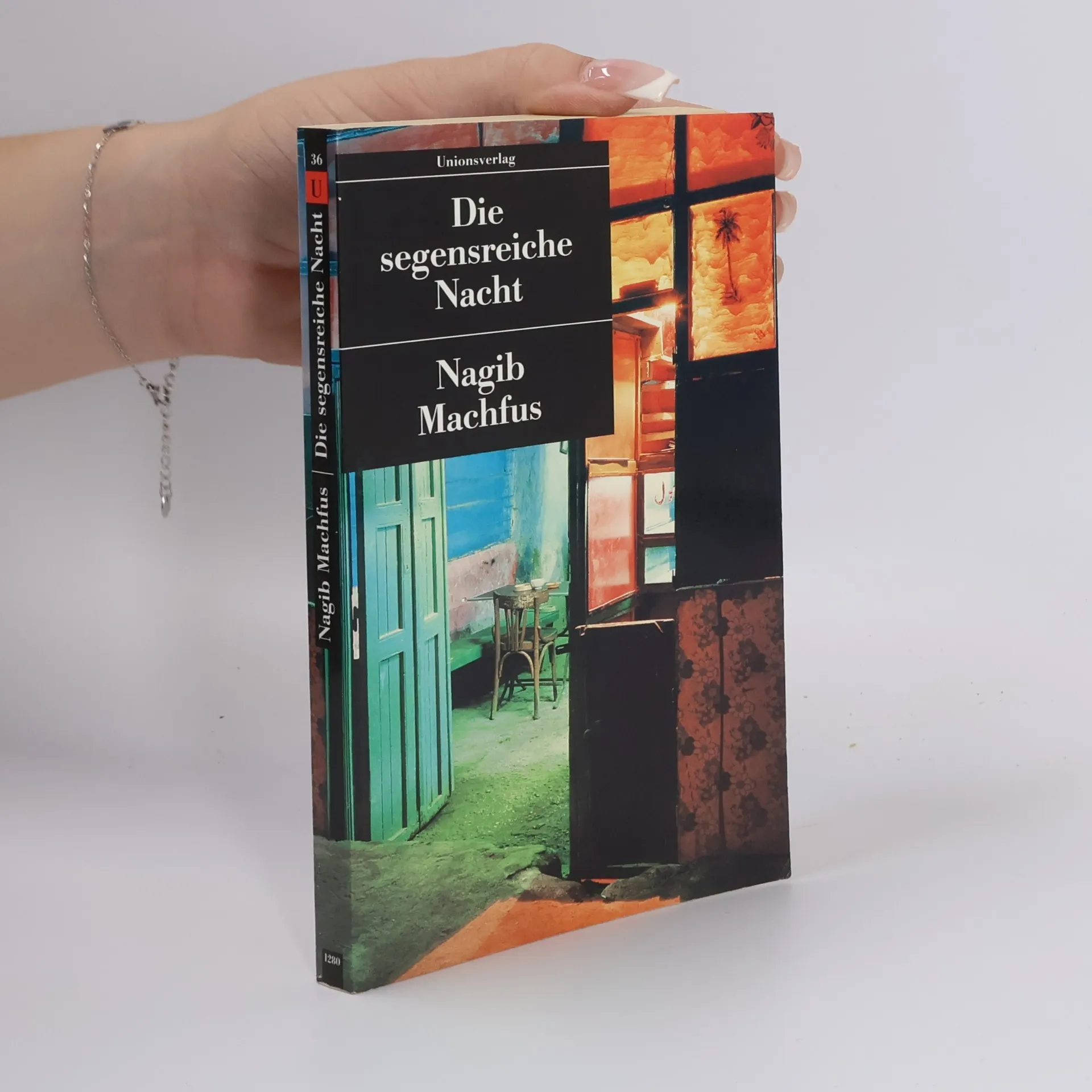
Die segensreiche Nacht
- 137pagine
- 5 ore di lettura
Kurzgeschichten und Novellen sind im modernen Ägypten äußerst beliebt. Auch im Werk von Nagib Machfus sind Erzählungen reich vertreten. Nicht langsam und majestätisch wie der Nil fließen seine Geschichten; sie reißen - wie die Strudel der Stromschnellen - unvermittelt hinein in Abgründe. Machfus entfaltet ein Kaleidoskop von Stimmungen und Schicksalen. Liebevoll, sarkastisch, ironisch rückt er Schwächen und Marotten, Sehnsüchten und Ängsten vor allem des kleinen Volkes zu Leibe und zeigt, daß unter Gottes weitem Mantel auch Platz für viele dunkle Leidenschaften ist.
Miramar
- 192pagine
- 7 ore di lettura
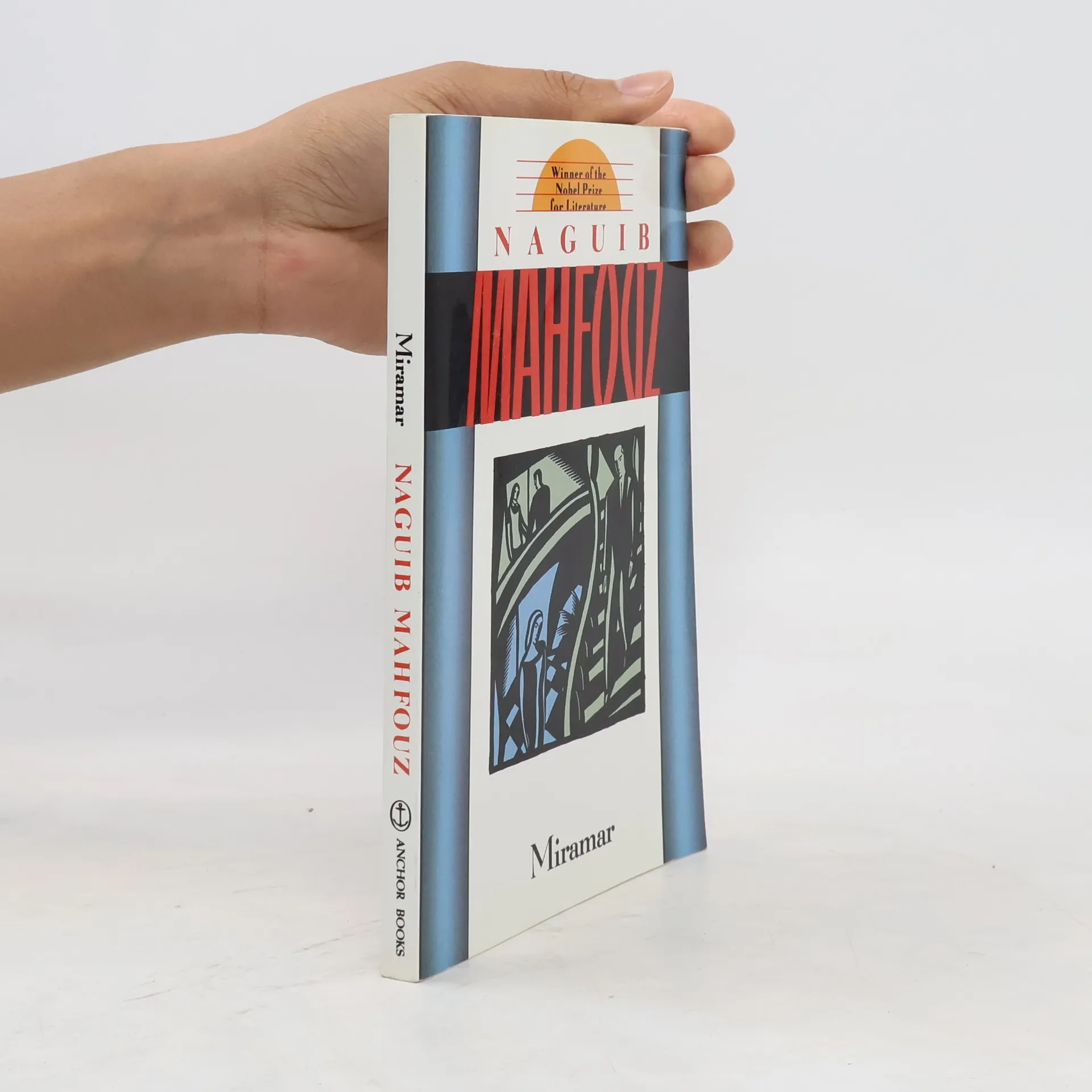
This highly charged fable set in Alexandria, Egypt, in the late 1960s, centers on the guests of the Pension Miramar as they compete for the attention of the young servant Zohra. Zohra is a beautiful peasant girl who fled her family to escape an arranged marriage. She becomes the focus of jealousies and conflicts among the Miramar's residents, who include an assortment of radicals and aristocrats floundering in the wake of the Egyptian revolution. It becomes clear that the uneducated but strong-willed Zohra is the only one among them who knows what she wants. As the situation spirals toward violence and tragedy, the same sequence of events is retold from the perspective of four different residents, in the manner of Akira Kurosawa's Rashomon, weaving a nuanced portrait of the intricacies of post-revolutionary Egyptian life.
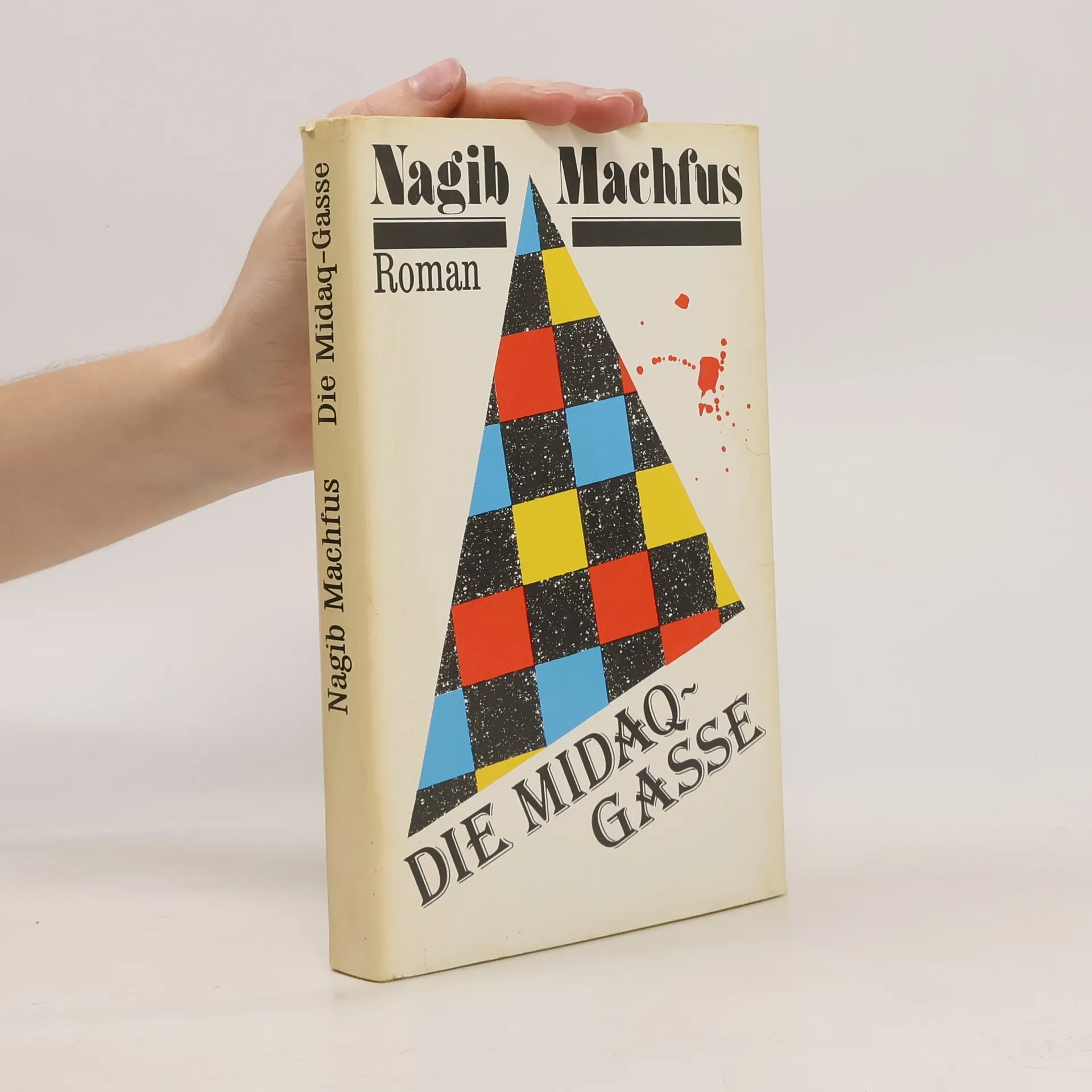
Einst glänzte die Midaq-Gasse wie ein Stern in der Geschichte des mächtigen Kairo. Inzwischen sind die Arabesken am berühmten Kirscha-Kaffeehaus bröcklig und morsch geworden. Onkel Kamil, der Bonbonverkäufer, der alte Dichter, den keiner mehr hören will, seit es das Radio gibt, der stolze Chef der Handelsfirma, ja sogar der düstere Zita, der aus Menschen Krüppel macht, damit sie besser betteln können - sie alle spüren die neue Zeit, deren Rhythmus die Stadt erobert. Jeder sucht seinen eigenen Weg in die Zukunft. Umm Hamida, Chronistin aller Nachrichten und wandelndes Lexikon aller Missetaten, hat täglich mehr zu erzählen über die Geheimnisse dieser Gasse, denn eine Welt ist in Unordnung geraten. In diesem Roman wird eine Altstadtgasse von Kairo zum Mikrokosmos einer Welt im Umbruch.
The Beggar
- 124pagine
- 5 ore di lettura
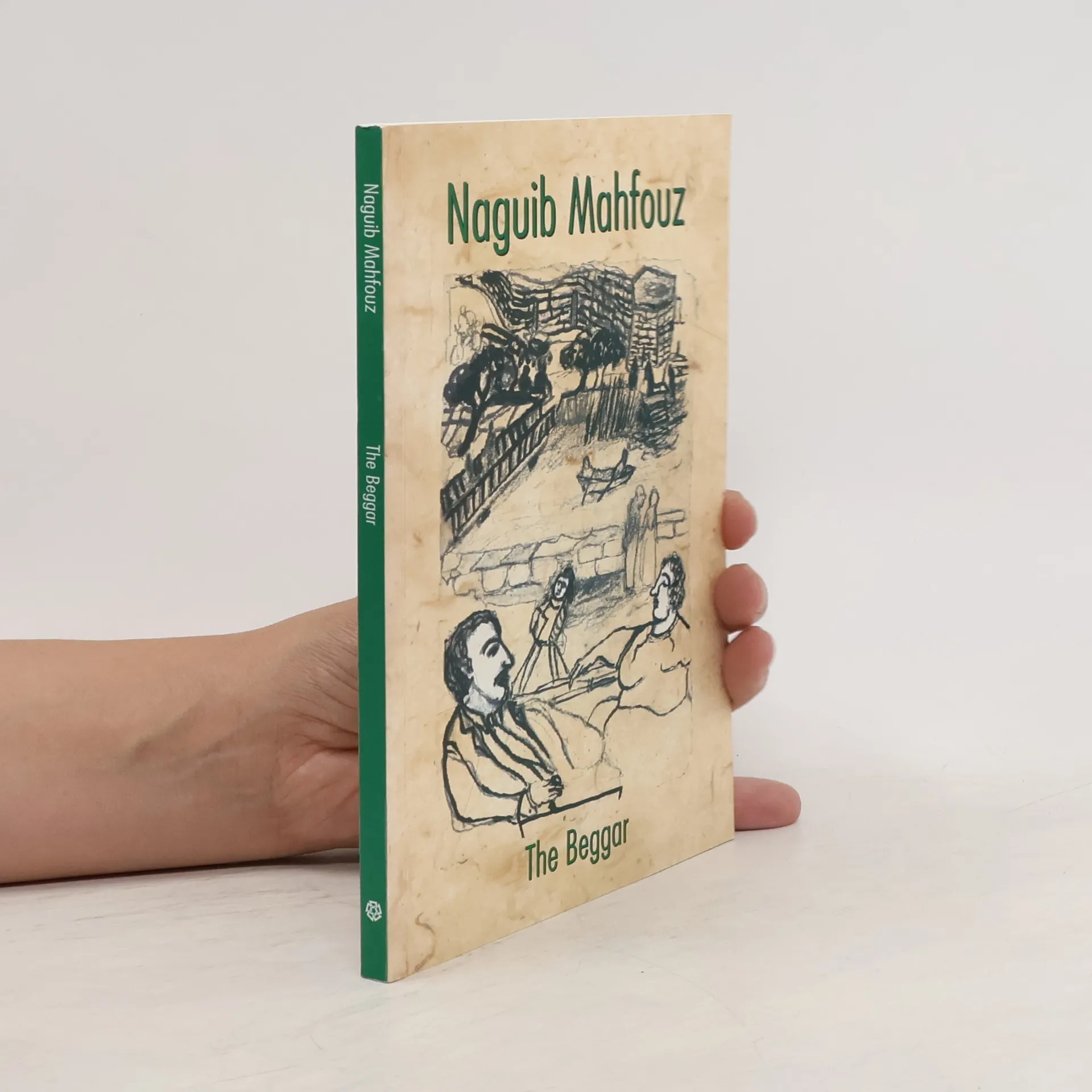
The Beggar, set in Cairo in the early 1950s, portrays the psychological torment of Omar, an ardent revolutionary in youth who in middle age has been left behind by Nasser's Revolution. His conscience has fled. As he struggles with psychological renewal, he sacrifices his work and his family to a series of illicit love affairs, which simply increase his alienation from himself and from the rest of the others. Mahfouz draws the reader not only inside the mind of the central character but also into the conscience of a nation as it tries to chart its course between the often contradictory realms of art and science, idealism and realism. The Swedish Academy of Letters in awarding Naguib Mahfouz the 1988 Nobel Prize for Literature noted that Mahfouz "through works rich in nuance - now clear-sightedly realistic, now evocatively ambiguous - has formed an Arabic narrative art that applies to all mankind."
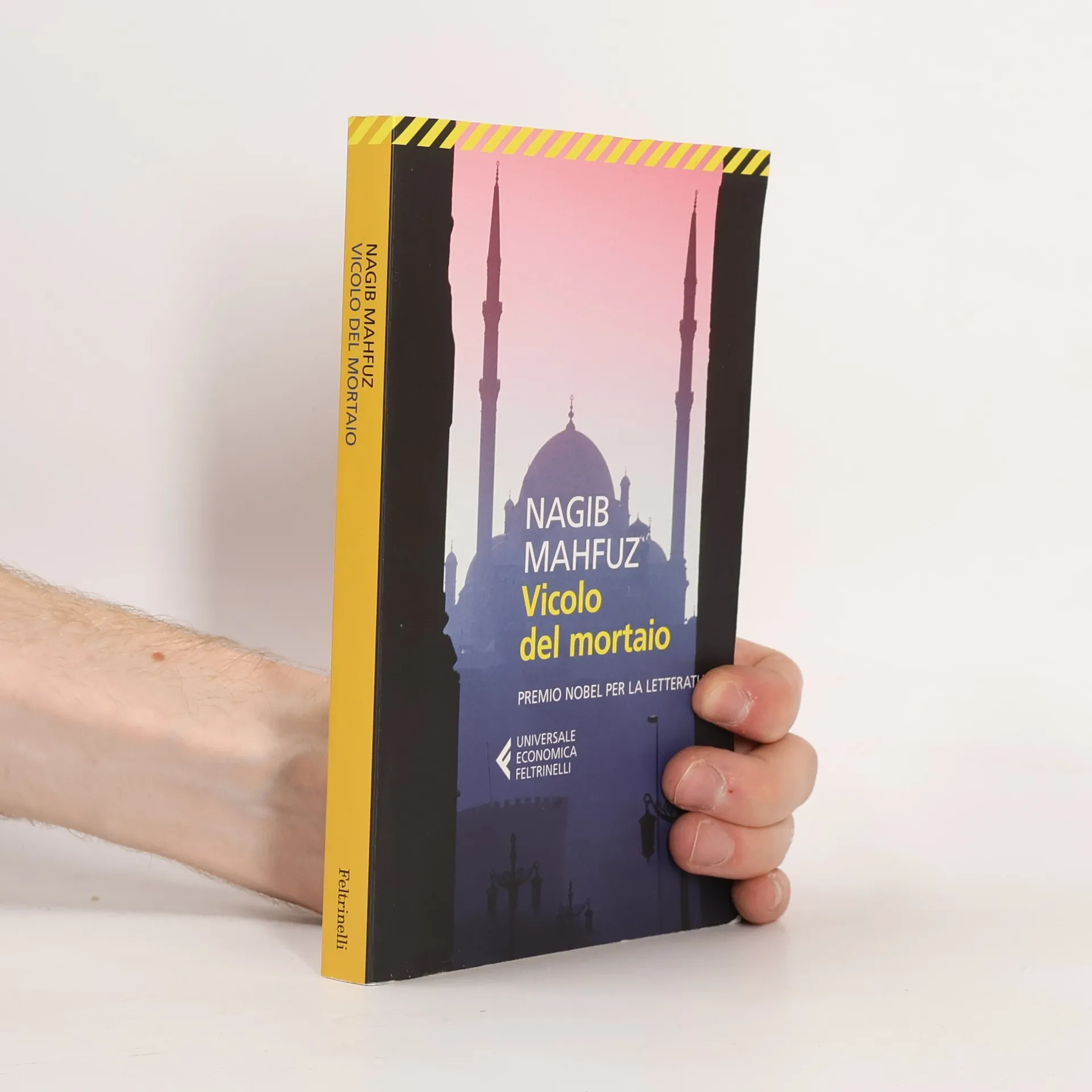
Vicolo del mortaio, pubblicato nel 1947, è la descrizione, lievemente ironica e distaccata, della vita quotidiana che si svolge in un vicolo del Cairo, durante la seconda guerra mondiale. Mahfuz ci offre il vivido ritratto di un'umanità dolente, spesso molto misera, rappresentata con semplicità e insieme con esotica raffinatezza, dosando i dialoghi e i momenti di riflessione in modo da lasciare sempre un varco tra un episodio e l'altro. In ultimo, è la vita, nella sua nudità essenziale e drammatica, a imporsi a tutti come una sorta di riequilibratore deus ex machina.
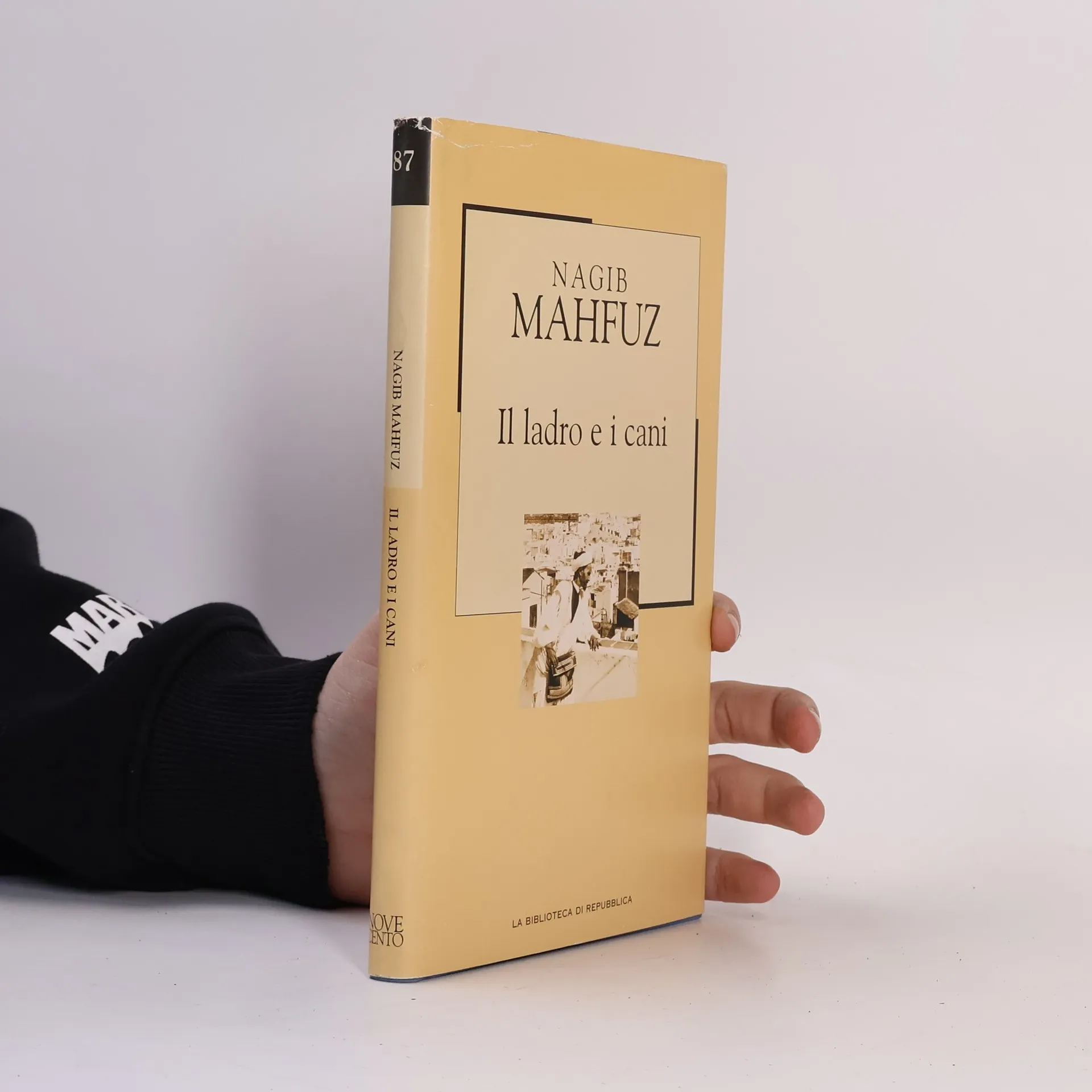
La Biblioteca di Repubblica - 87: Il ladro e i cani
- 158pagine
- 6 ore di lettura
Dopo quattro anni di carcere, Mahran ritrova la libertà, ma è consumato dal desiderio di vendetta contro coloro che hanno causato il suo arresto, sottraendogli beni, moglie e figlia. Le parole del suo vecchio maestro spirituale non hanno più significato, e gli amici di un tempo lo deludono. Incontra enormi difficoltà nel reinserirsi nella società come ex carcerato, convincendosi che l'unico scopo della sua vita sia la vendetta, a cui si dedica con meticolosità. Tuttavia, le sue azioni non vanno come previsto: invece di colpire i traditori, uccide due innocenti e, infine, si arrende alla polizia dopo un’inefficace resistenza. Pubblicato nel 1961, questo romanzo breve è considerato il più “europeo” dell’autore egiziano, affrontando il tema dell'identità negata e precaria, colpita da una realtà insensibile. Gli ampi squarci metafisici del testo evidenziano l’angosciata solitudine dell’individuo e la sua impossibilità di comprendere il senso del proprio “esserci”. La società e la Storia appaiono come macchine indifferenti al destino degli uomini, creando una condizione di oscurità, espressa attraverso una scrittura tragica, asciutta e trasparente.
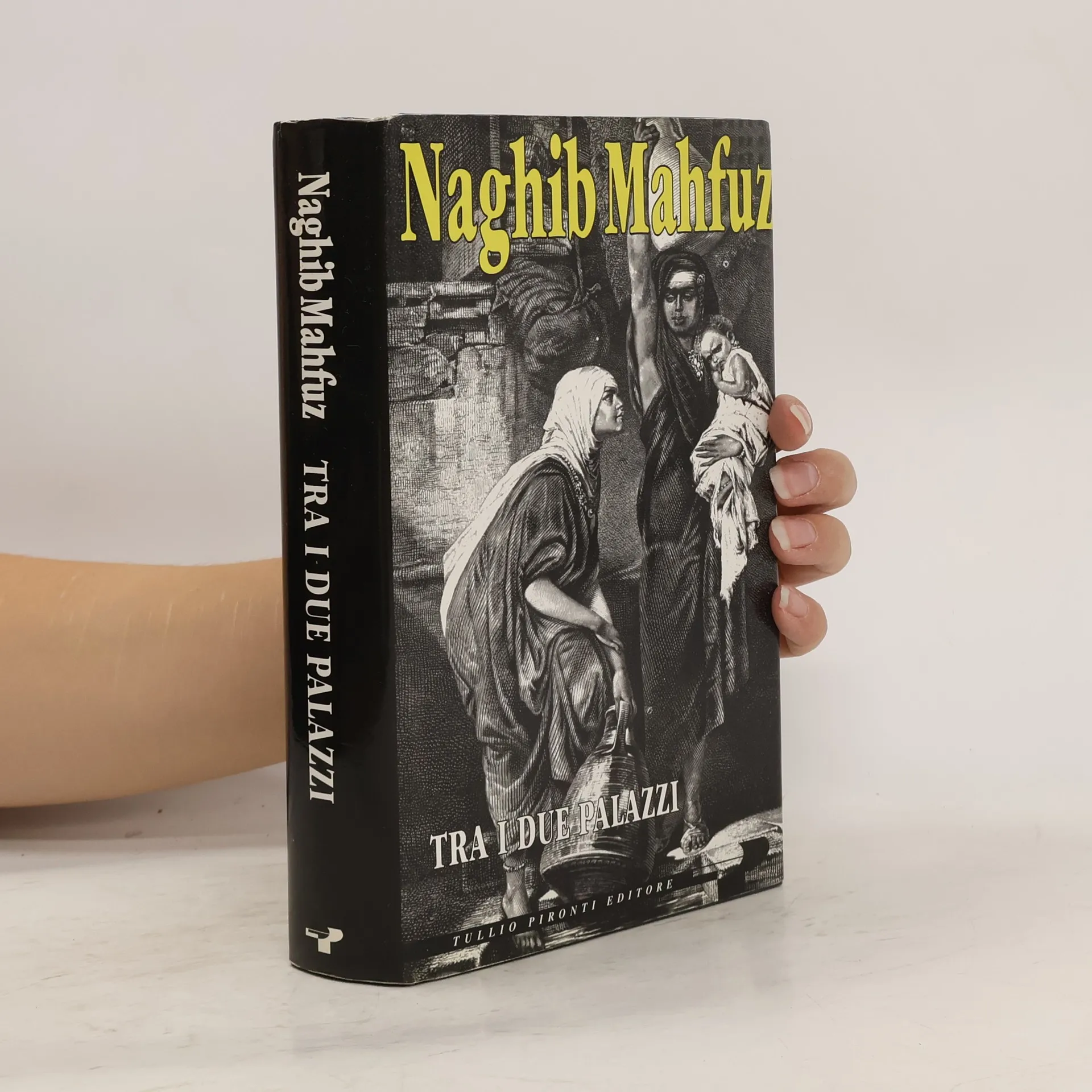
La trilogia del Cairo - 1: Tra i due palazzi
- 653pagine
- 23 ore di lettura
Originariamente pubblicata in arabo tra il 1956 e il 1957, la Trilogia narra la storia dell'Egitto attraverso gli occhi di una famiglia, dai primi anni del '900 al golpe militare che nel 1952 rovesciò il governo di Re Faruk e portò al potere Gamal Abd el Nasser.In questo primo romanzo, Mahfuz intreccia magistralmente la società cairota della fine del secolo con personaggi che sono allo stesso tempo obbedienti e meravigliosamente sensuali, le loro vite austere e affascinanti. Qui i rigorosi principi delle donne "rispettabili" e dei loro uomini sono osservati scrupolosamente, in contraddizione alla cultura notturna delle danzatrici del ventre e delle bevande alcoliche, tra la presenza delle forze inglesi e australiane al Cairo.