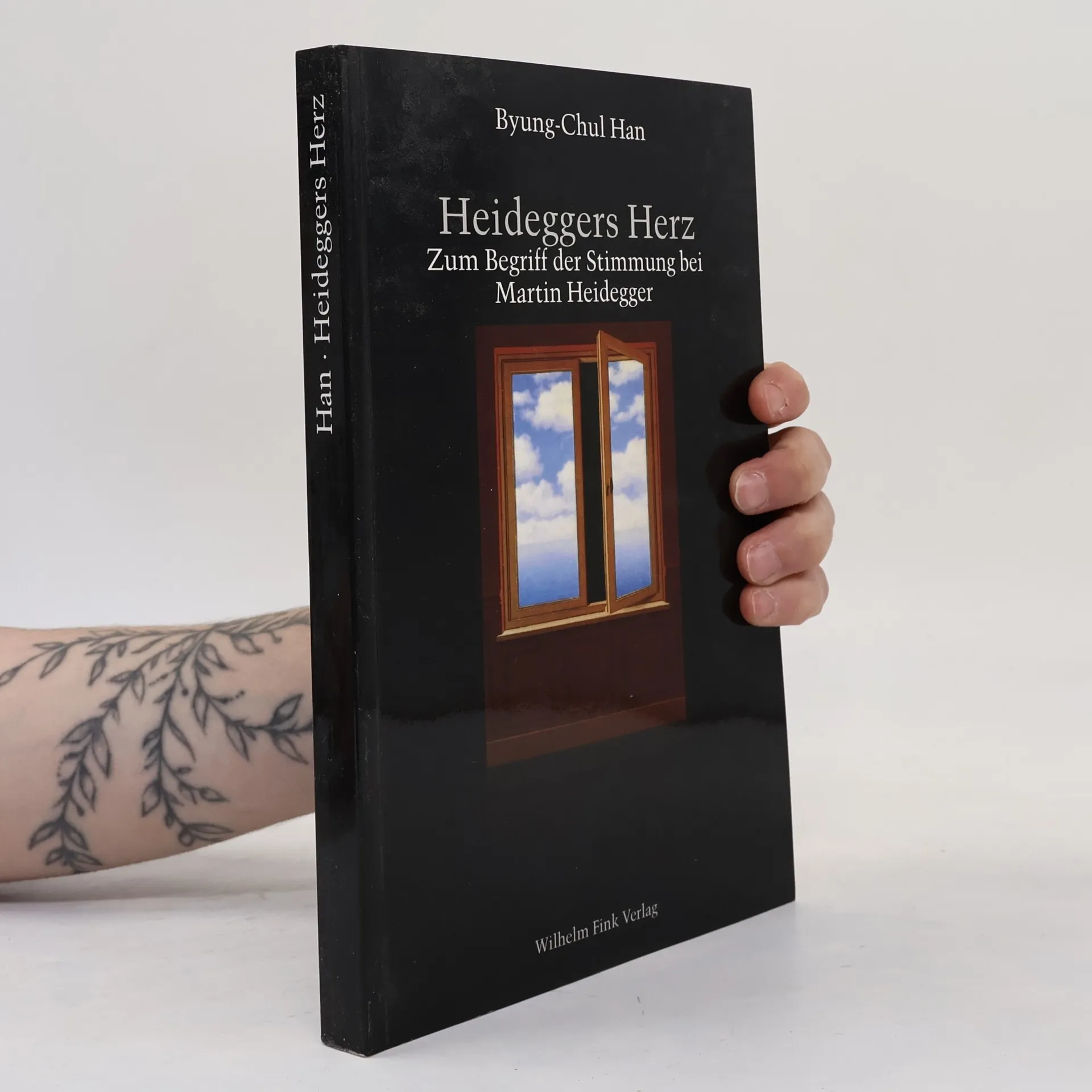
Un’infinita possibilità di connessione e di informazione ci rende veramente soggetti liberi? Partendo da questo interrogativo, Han tratteggia la nuova società del controllo psicopolitico, che non si impone con divieti e non ci obbliga al silenzio: ci invita invece di continuo a comunicare, a condividere, a partecipare, a esprimere opinioni e desideri, a raccontare la nostra vita. Con un volto amichevole ci seduce e ci lusinga, mappa la nostra psiche e la quantifica attraverso i big data, ci stimola all’uso di dispositivi di automonitoraggio, ottimizzando le nostre prestazioni. Nel panottico digitale del nuovo millennio – con internet, gli smartphone e i Google Glass – non si viene torturati, ma twittati o postati, il soggetto e la sua psiche diventano produttori attivi di beni immateriali, i dati personali e le emozioni sono costantemente monetizzati e commercializzati. In questo suo saggio, Han pone l’attenzione sul cambio di paradigma che stiamo vivendo, mostrando come la libertà oggi vada incontro a una fatale dialettica che la porta a rovesciarsi in costrizione: per ridefinirla è necessario diventare eretici, rivolgersi alla libera scelta, alla non conformità.
Han Byung Chul Libri
Byung-Chul Han è un pensatore contemporaneo che scava nelle questioni cruciali del nostro tempo. Il suo lavoro esamina criticamente come la società moderna, spinta da forze neoliberiste, coltivi norme di trasparenza e costante rivelazione. Han riflette profondamente sulle conseguenze di questa "società della stanchezza" e "società della trasparenza", dove valori come la vergogna e la privacy diminuiscono. I suoi saggi offrono uno sguardo penetrante su come la digitalizzazione e il capitalismo plasmino la nostra soggettività e le relazioni interpersonali.


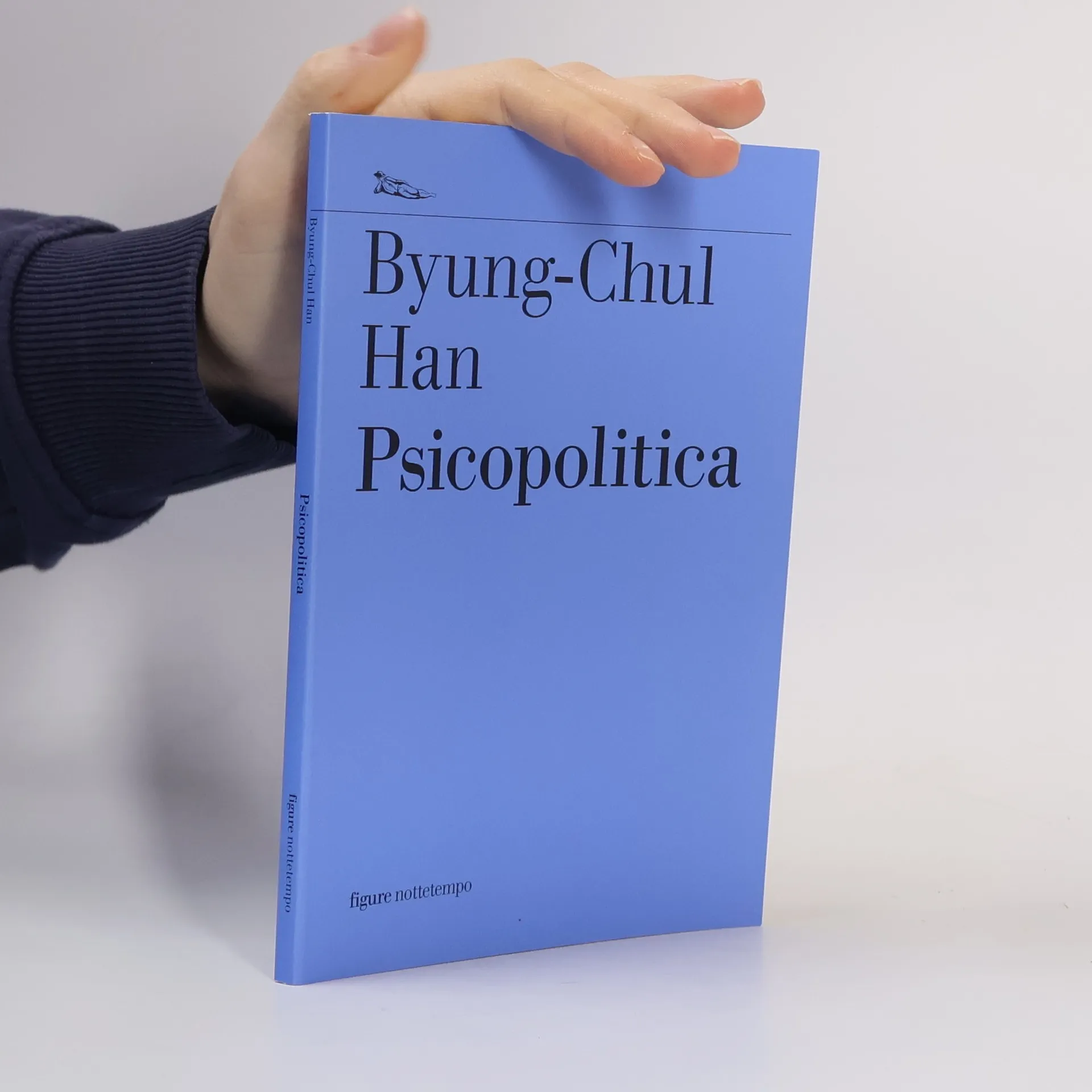
In questo agile saggio, Byung-Chul Han analizza il controllo delle passioni e delle pulsioni nella società contemporanea come uno strumento essenziale attraverso il quale il potere “addomestica” e manipola la loro forza liberatoria, capace di turbare ogni ordine e modello. Assediato da questo controllo, l’individuo non è piú capace di amare e si abbandona a una sessualità sempre uguale. Stiamo diventando immuni all’eros?
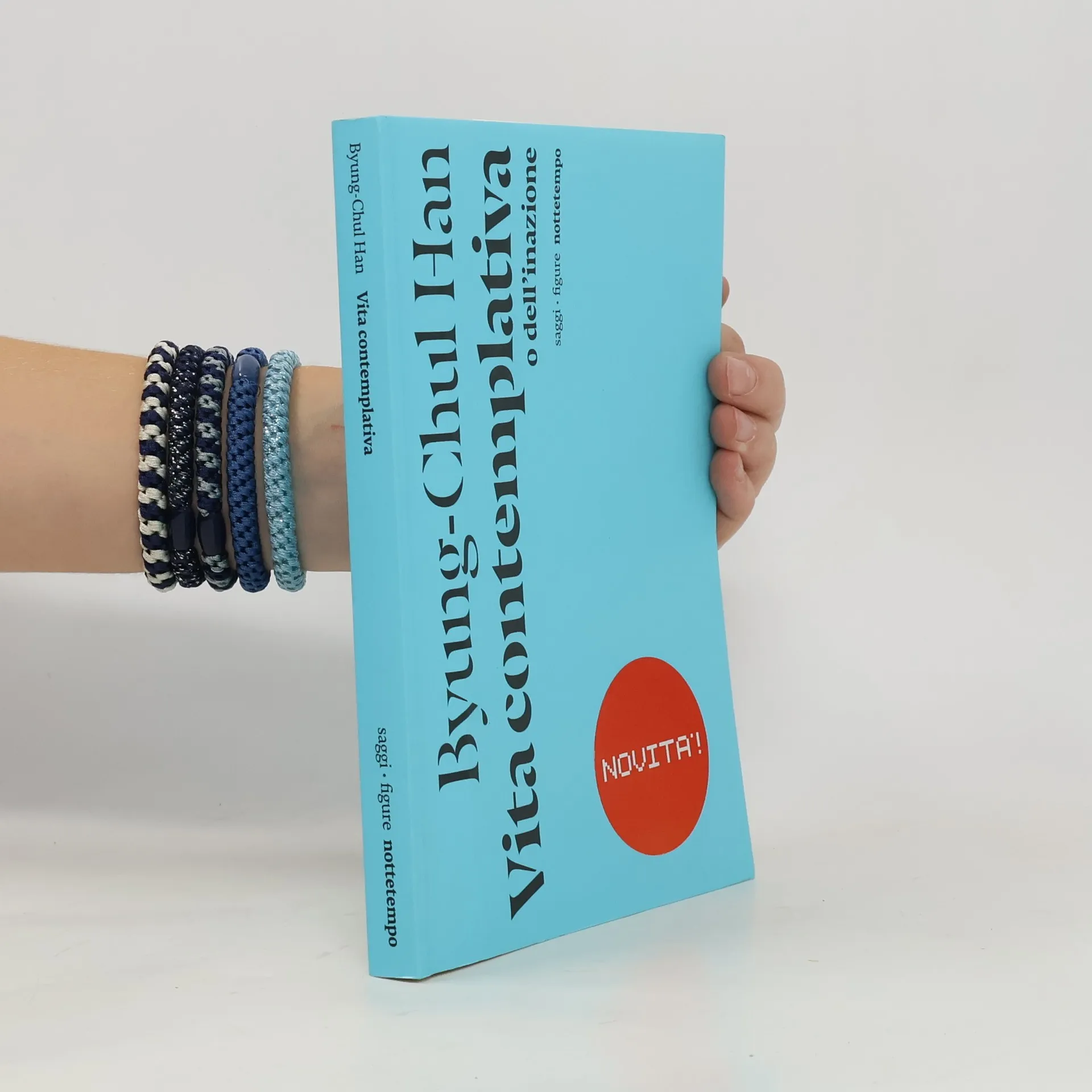
Nelle nostre vite frenetiche e occupate, stiamo perdendo la capacità di essere inattivi. L'esistenza umana è completamente assorbita dall'attività: anche il tempo libero, considerato una pausa dal lavoro, diventa parte della stessa logica. La vita intensa oggi significa prima di tutto maggiore prestazione o maggiore consumo. Abbiamo dimenticato che è proprio l'inattività, che non produce nulla, a rappresentare una forma di vita intensa e radiosa. Per Byung-Chul Han, l'inattività costituisce l'umano. Senza momenti di pausa o esitazione, l'azione si deteriora in azione e reazione cieca. Quando la vita segue la regola stimolo-risposta e bisogno-soddisfazione, atrofizza in pura sopravvivenza: vita biologica nuda. Se perdiamo la capacità di essere inattivi, iniziamo a somigliare a macchine che funzionano semplicemente. La vera vita inizia quando la preoccupazione per la sopravvivenza finisce. Lo scopo ultimo di ogni sforzo umano è l'inattività. In una splendida ode all'arte di rimanere fermi, Han mostra che la crisi attuale nella nostra società richiede un modo di vivere molto diverso: uno basato sulla vita contemplativa.
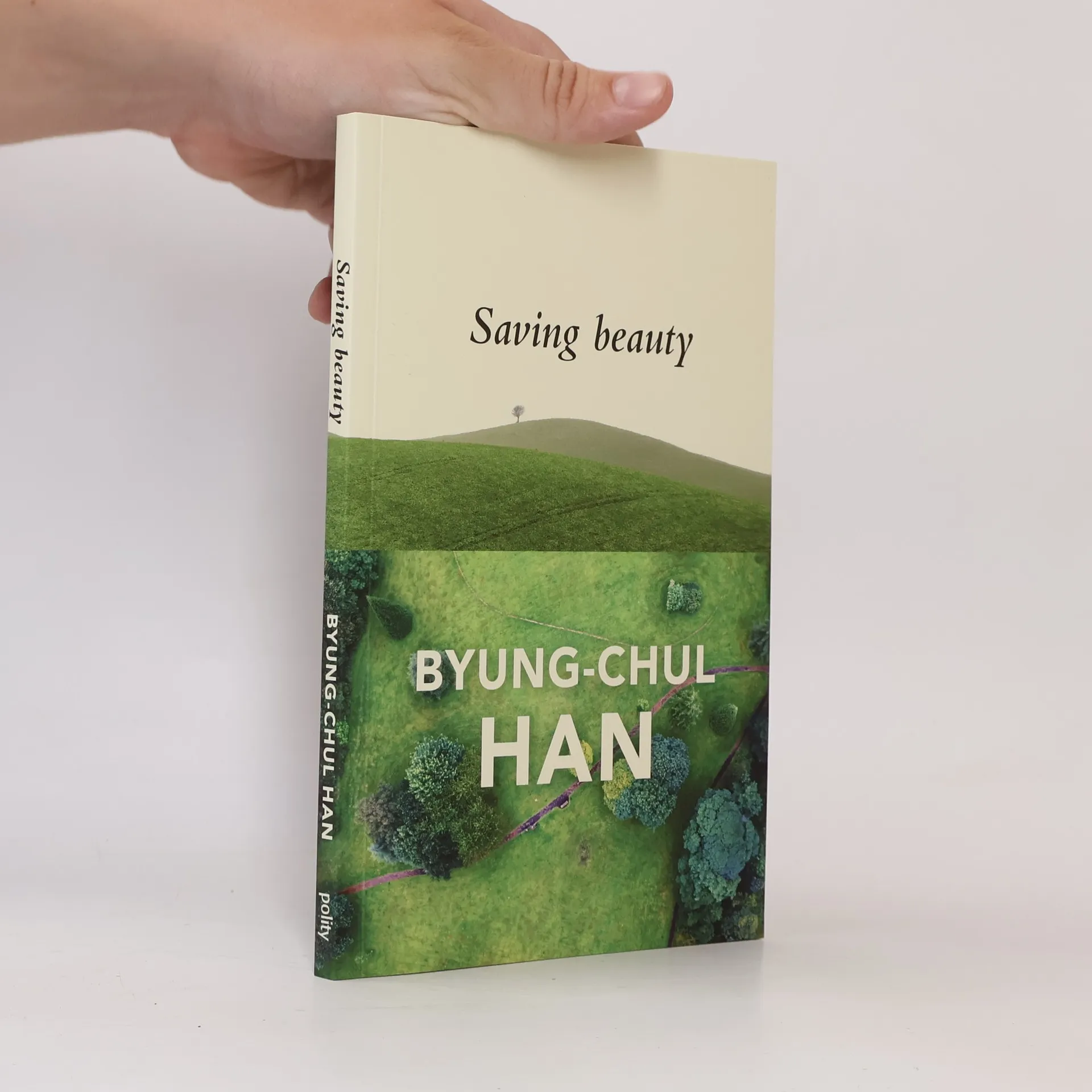
Saving Beauty
- 120pagine
- 5 ore di lettura
In this thought-provoking book, Byung-Chul Han critiques the modern obsession with beauty as a consumerist phenomenon, overshadowing its deeper, transcendent qualities. He explores beauty's role in truth and disaster, urging a reconsideration of aesthetic values in our digital age, appealing to those interested in cultural theory and philosophy.
Absence
- 128pagine
- 5 ore di lettura
Byung-Chul Han contrasts Western philosophy's focus on essence with Far Eastern thought's emphasis on absence, or 'the way' (dao). He examines how this distinction influences aesthetics, architecture, and art, revealing a culture of absence that may seem unfamiliar to those rooted in Western thinking.
Infocracy: Digitization and the Crisis of Democrac y
- 80pagine
- 3 ore di lettura
The tsunami of information unleashed by digitization is threatening to overwhelm us, drowning us in a sea of frenzied communication and disrupting many spheres of social life, including politics. Election campaigns are now being waged as information wars with bots and troll armies, and democracy is degenerating into infocracy. In this new book, Byung-Chul Han argues that infocracy is the new form of rule characteristic of contemporary information capitalism. Whereas the disciplinary regime of industrial capitalism worked with compulsion and repression, this new information regime exploits freedom instead of repressing it. Surveillance and punishment give way to motivation and optimization: we imagine that we are free, but in reality our entire lives are recorded so that our behaviour might be psychopolitically controlled. Under the neoliberal information regime, mechanisms of power function not because people are aware of the fact of constant surveillance but because they perceive themselves to be free. This trenchant critique of politics in the information age will be of great interest to students and scholars in the humanities and social sciences and to anyone concerned about the fate of politics in our time.
Topology of violence
- 168pagine
- 6 ore di lettura
There are things that do not disappear, among them violence. The notion of "violence aversion" does not characterize modernity. Violence is more protean than one might think; it merely changes its form. Today, it retreats into subcutaneous, subcommunicative, capillary, and neuronal spaces, taking on a microphysical form that can be exercised without the negativity of domination or enmity. It shifts from the visible to the invisible, from the brutal to the medial, and from the frontal to the viral. Its modes of operation are not open attacks but rather infections. Han's "Topology of Violence" primarily outlines the transformation of violence from decapitation (the pre-modern society of sovereignty and blood) through deformation (the modern disciplinary society) to depression (the contemporary society of performance and fatigue). Han continues his unsettling analysis of our time, which he began in "The Burnout Society."
Absence: On the Culture and Philosophy of the Far East
- 128pagine
- 5 ore di lettura
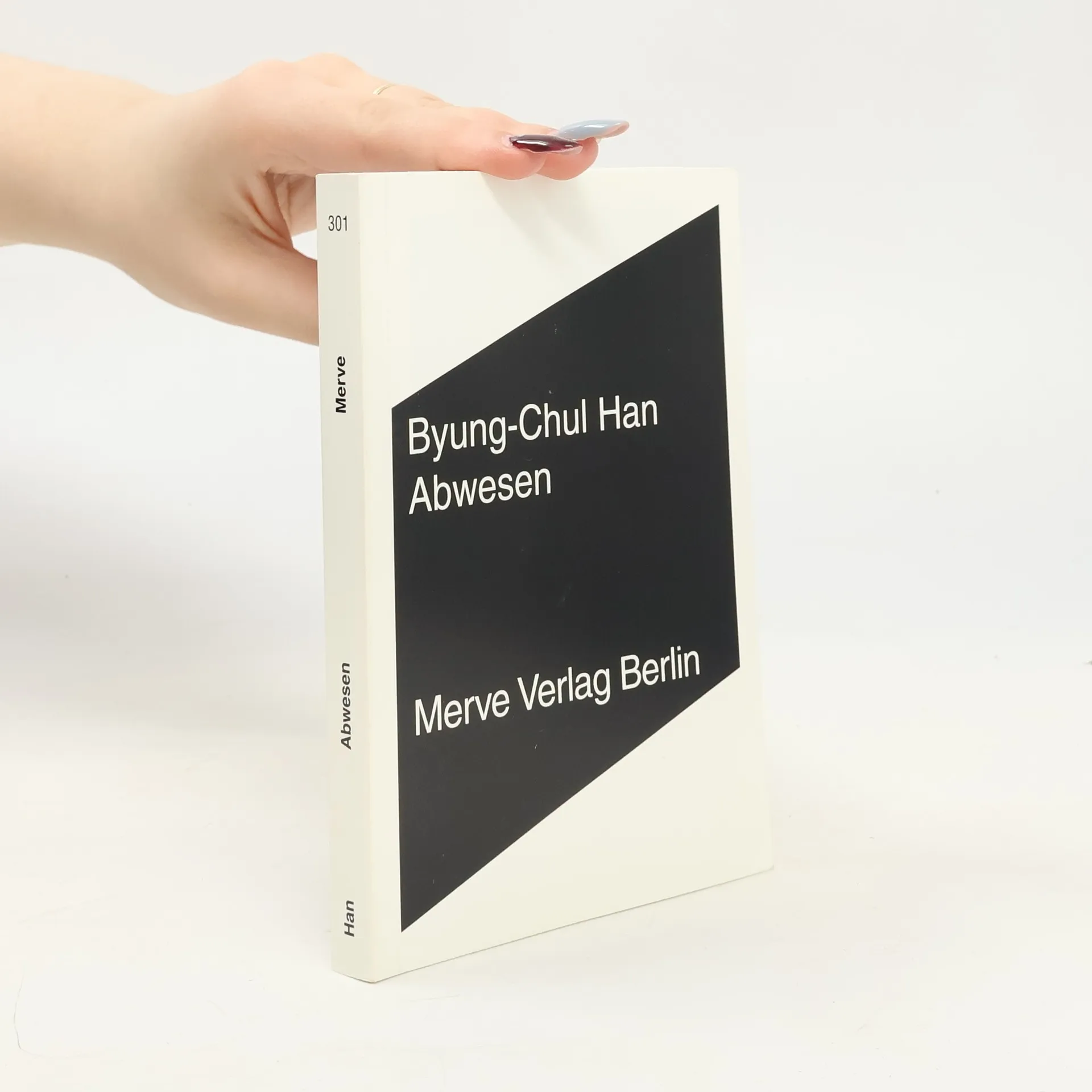
Western thinking has long been dominated by essence, by a preoccupation with that which dwells in itself and delimits itself from the other. By contrast, Far Eastern thought is centred not on essence but on absence. The fundamental topos of Far Eastern thinking is not being but ‘the way’ (dao), which lacks the solidity and fixedness of essence. The difference between essence and absence is the difference between being and path, between dwelling and wandering. ‘A Zen monk should be without fixed abode, like the clouds, and without fixed support, like water’, said the Japanese Zen master Dōgen. Drawing on this fundamental distinction between essence and absence, Byung-Chul Han explores the differences between Western and Far Eastern philosophy, aesthetics, architecture and art, shedding fresh light on a culture of absence that may at first sight appear strange and unfamiliar to those in the West whose ways of thinking have been shaped for centuries by the preoccupation with essence.
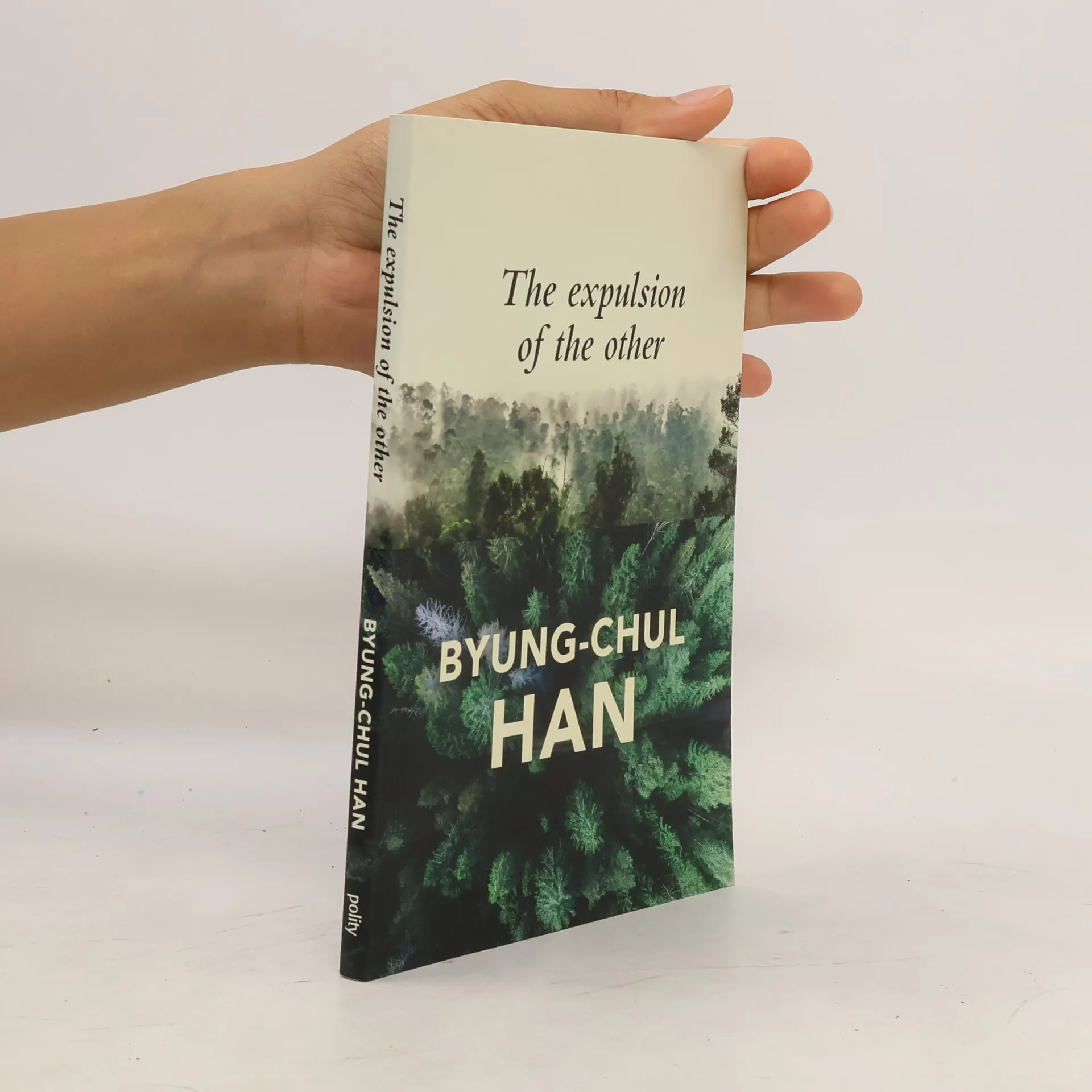
The Expulsion of the Other
- 100pagine
- 4 ore di lettura
The days of the Other are over in this age of excessive communication, information and consumption. What used to be the Other, be it as friend, as Eros or as hell, is now indistinguishable from the self in our narcissistic desire to assimilate everything and everyone until there are no boundaries left.
The Palliative Society
- 76pagine
- 3 ore di lettura
Our societies today are characterized by a universal algophobia: a generalized fear of pain. We strive to avoid all painful conditions – even the pain of love is treated as suspect. This algophobia extends into society: less and less space is given to conflicts and controversies that might prompt painful discussions. It takes hold of politics too: politics becomes a palliative politics that is incapable of implementing radical reforms that might be painful, so all we get is more of the same. Faced with the coronavirus pandemic, the palliative society is transformed into a society of survival. The virus enters the palliative zone of well-being and turns it into a quarantine zone in which life is increasingly focused on survival. And the more life becomes survival, the greater the fear of death, which has become increasingly visible again. Everywhere, the prolongation of life at any cost is the preeminent value, and we are prepared to sacrifice everything that makes life worth living for the sake of survival. This trenchant analysis of our contemporary societies by one of the most original cultural critics of our time will be of interest to a wide readership.
The Disappearance of Rituals
- 186pagine
- 7 ore di lettura
A sharp critique of our contemporary societies in which pseudo-communication and narcissism have replaced community--
The transparency society
- 70pagine
- 3 ore di lettura
Transparency is the order of the day. It is a term, a slogan, that dominates public discourse about corruption and freedom of information. Considered crucial to democracy, it touches our political and economic lives as well as our private lives. Anyone can obtain information about anything. Everything—and everyone—has become transparent: unveiled or exposed by the apparatuses that exert a kind of collective control over the post-capitalist world. Yet, transparency has a dark side that, ironically, has everything to do with a lack of mystery, shadow, and nuance. Behind the apparent accessibility of knowledge lies the disappearance of privacy, homogenization, and the collapse of trust. The anxiety to accumulate ever more information does not necessarily produce more knowledge or faith. Technology creates the illusion of total containment and the constant monitoring of information, but what we lack is adequate interpretation of the information. In this manifesto, Byung-Chul Han denounces transparency as a false ideal, the strongest and most pernicious of our contemporary mythologies.
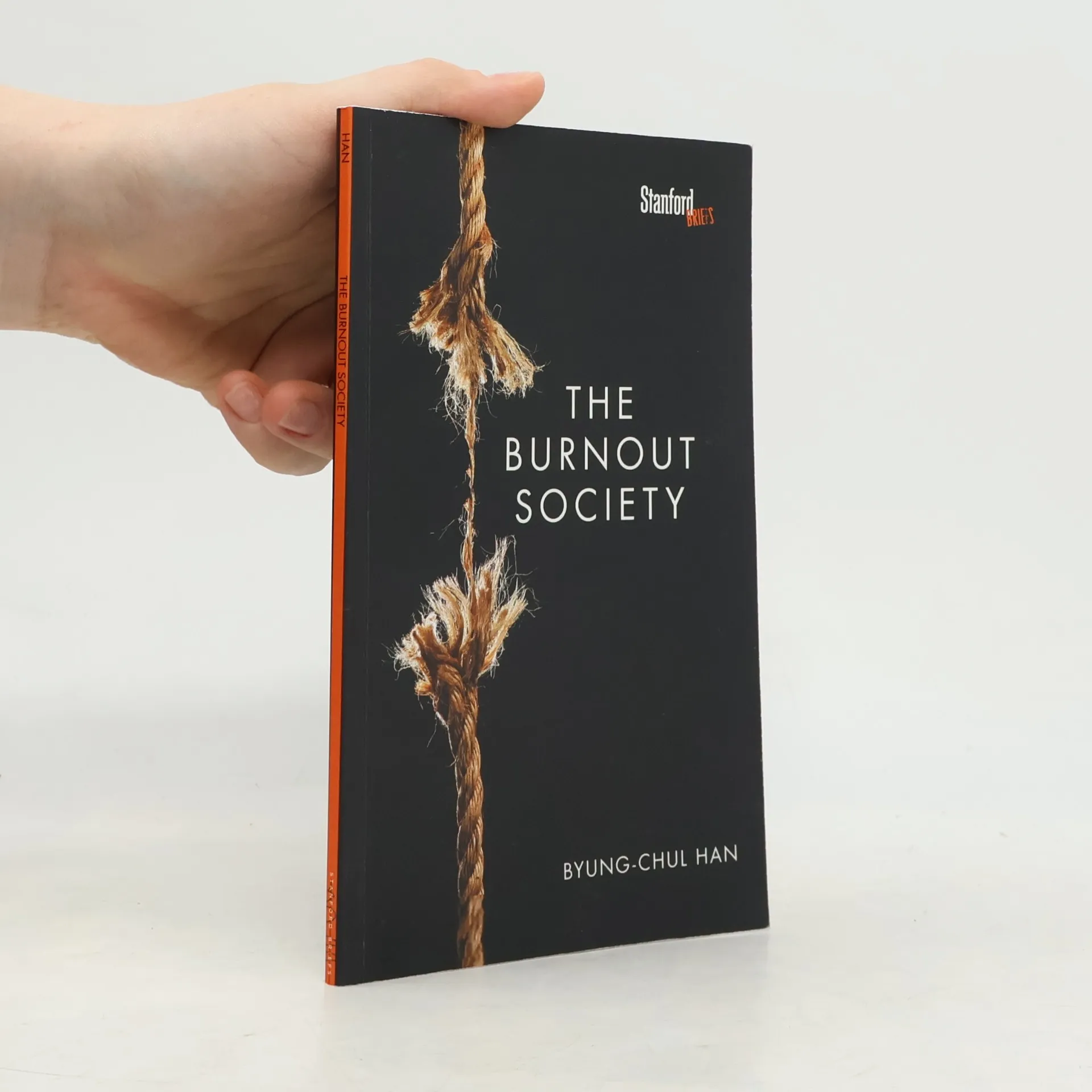
The burnout society
- 72pagine
- 3 ore di lettura
Our competitive, service-oriented societies are taking a toll on the late-modern individual. Rather than improving life, multitasking, "user-friendly" technology, and the culture of convenience are producing disorders that range from depression to attention deficit disorder to borderline personality disorder. Byung-Chul Han interprets the spreading malaise as an inability to manage negative experiences in an age characterized by excessive positivity and the universal availability of people and goods. Stress and exhaustion are not just personal experiences, but social and historical phenomena as well. Denouncing a world in which every against-the-grain response can lead to further disempowerment, he draws on literature, philosophy, and the social and natural sciences to explore the stakes of sacrificing intermittent intellectual reflection for constant neural connection.
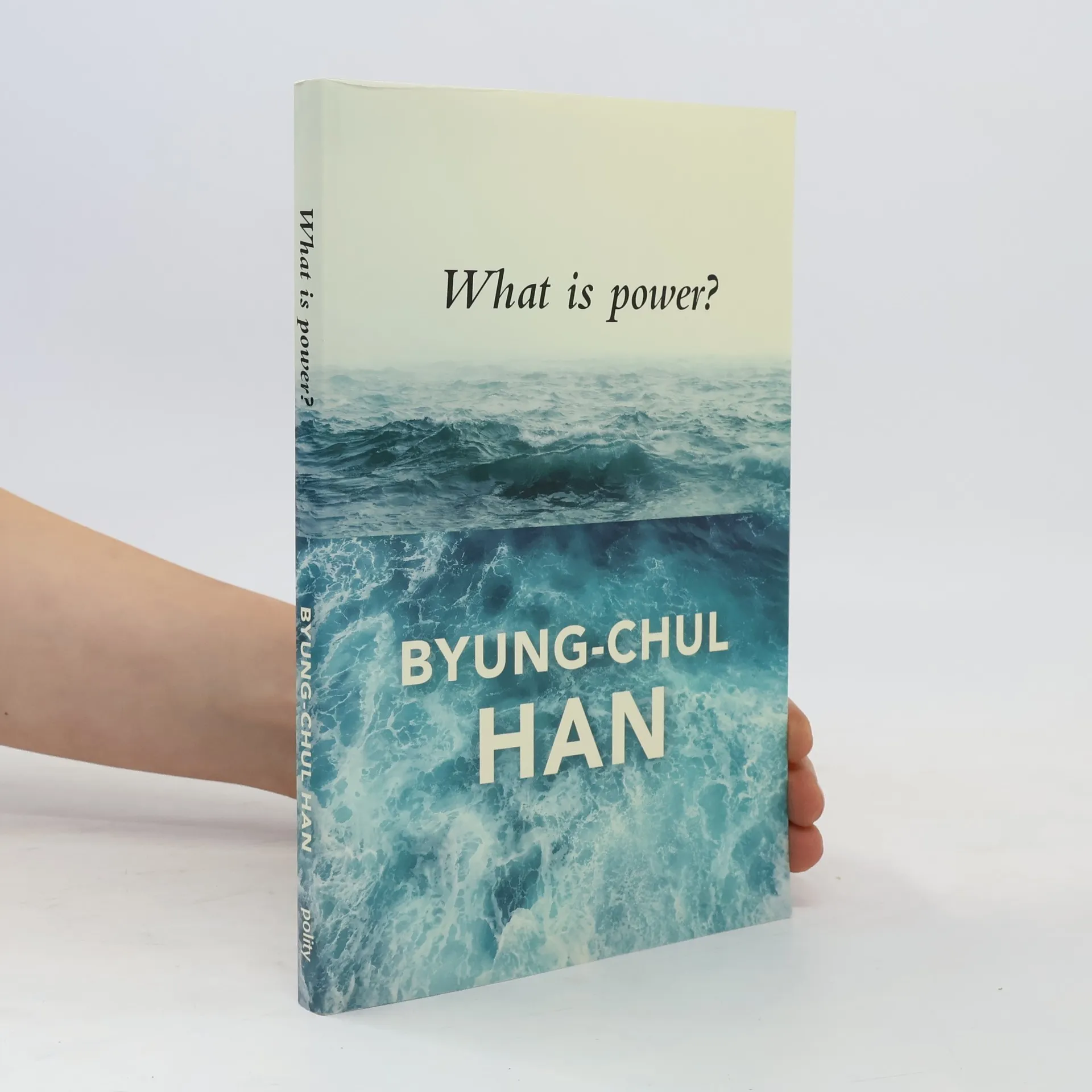
What is Power?
- 120pagine
- 5 ore di lettura
Power is a pervasive phenomenon yet there is little consensus on what it is and how it should be understood. In this book the cultural theorist Byung-Chul Han develops a fresh and original perspective on the nature of power, shedding new light on this key feature of social and political life. Power is commonly defined as a causal relation: an individual’s power is the cause that produces a change of behaviour in someone else against the latter’s will. Han rejects this view, arguing that power is better understood as a mediation between ego and alter which creates a complex array of reciprocal interdependencies. Power can also be exercised not only against the other but also within and through the other, and this involves a much higher degree of mediation. This perspective enables us to see that power and freedom are not opposed to one another but are manifestations of the same power, differing only in the degree of mediation. This highly original account of power will be of great interest to students and scholars of philosophy and of social, political and cultural theory, as well as to anyone seeking to understand the many ways in which power shapes our lives today.
Non-things: Upheaval in the Lifeworld
- 110pagine
- 4 ore di lettura
We no longer inhabit earth and dwell under the sky: these are being replaced by Google Earth and the Cloud. The terrestrial order is giving way to a digital order, the world of things is being replaced by a world of non-things – a constantly expanding ‘infosphere’ of information and communication which displaces objects and obliterates any stillness and calmness in our lives. Byung-Chul Han’s critique of the infosphere highlights the price we are paying for our growing preoccupation with information and communication. Today we search for more information without gaining any real knowledge. We communicate constantly without participating in a community. We save masses of data without keeping track of our memories. We accumulate friends and followers without encountering other people. This is how information develops a form of life that has no stability or duration. And as we become increasingly absorbed in the infosphere, we lose touch with the magic of things which provide a stable environment for dwelling and give continuity to human life. The infosphere may seem to grant us new freedoms but it creates new forms of control too, and it cuts us off from the kind of freedom that is tied to acting in the world. This new book by one of the most creative cultural theorists writing today will be of interest to a wide readership.
The Crisis of Narration
- 100pagine
- 4 ore di lettura
Narratives produce the ties that bind us. They create community, eliminate contingency and anchor us in being. And yet in our contemporary information society, where everything has become arbitrary and random, storytelling shouts out loudly but narratives no longer have their binding force. Whereas narratives create community, storytelling brings forth only a fleeting community – the community of consumers. No amount of storytelling could recreate the fire around which humans gather to tell each other stories. That fire has long since burnt out. It has been replaced by the digital screen, which separates people as individual consumers. Through storytelling, capitalism appropriates narrative: stories sell. Storytelling is storyselling. The inflation of storytelling betrays a need to cope with contingency, but storytelling is unable to transform the information society back into a stable narrative community. Rather, storytelling is a pathological phenomenon of our age. Byung-Chul Han, one of the most perceptive cultural theorists of the information society, dissects this crisis with exceptional insight and flair.
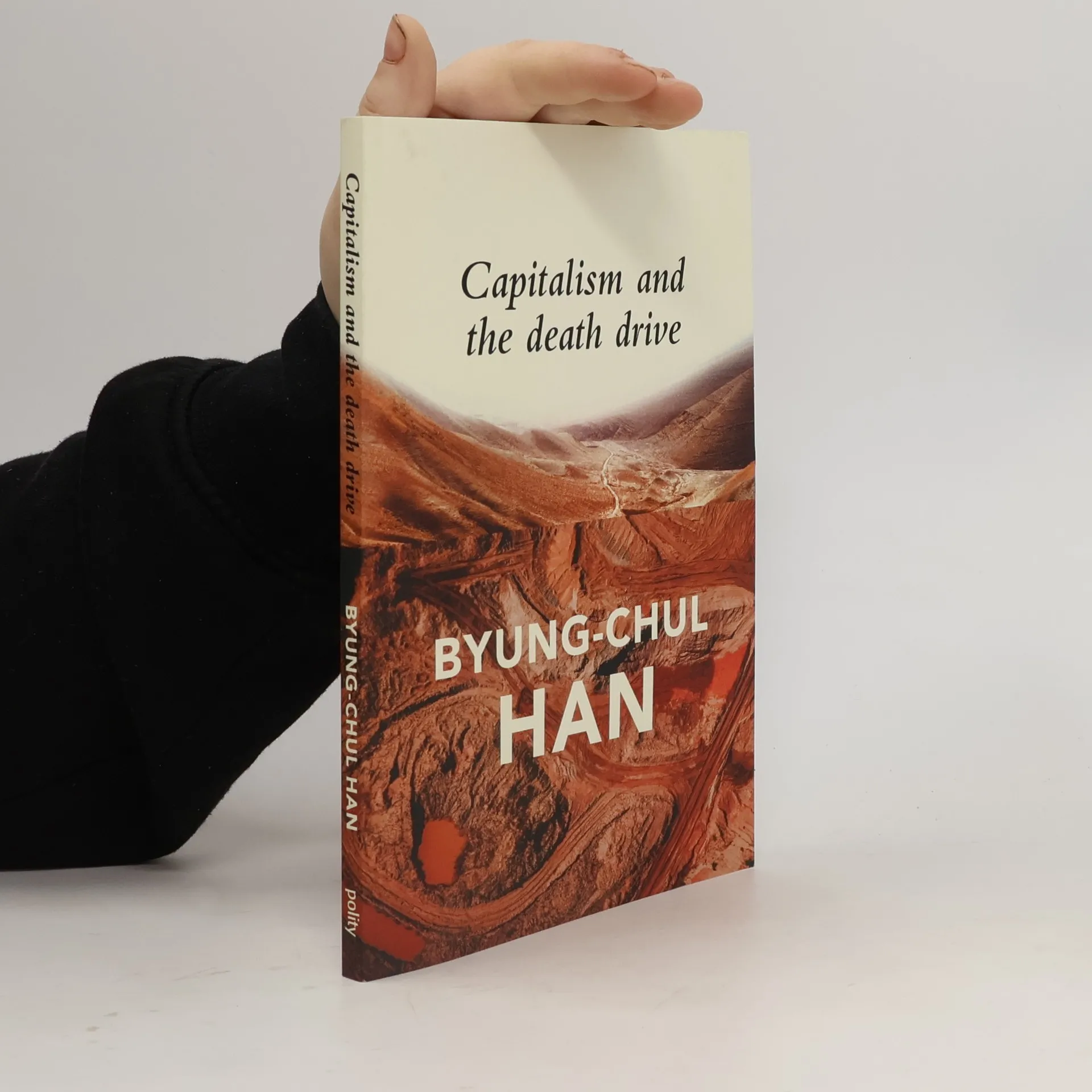
Capitalism and the Death Drive
- 180pagine
- 7 ore di lettura
What we call growth today is in fact a tumorous growth, a cancerous proliferation which is disrupting the social organism. These tumours endlessly metastasize and grow with an inexplicable, deadly vitality. At a certain point this growth is no longer productive, but rather destructive. Capitalism passed this point long ago. Its destructive forces cause not only ecological and social catastrophes but also mental collapse. The destructive compulsion to perform combines self-affirmation and self-destruction in one. We optimize ourselves to death. Brutal competition ends in destruction. It produces an emotional coldness and indifference towards others as well as towards one's own self. The devastating consequences of capitalism converge with the adoption of a death drive. Freud initially introduced the death drive hesitantly, but later he admitted that he 'couldn't think beyond it' as the idea of the death drive became increasingly central to his thought. The same is true for capitalism today: it is impossible to think about capitalism without considering the death drive. This new book by one of the most creative cultural theorists writing today will be of interest to a wide readership.
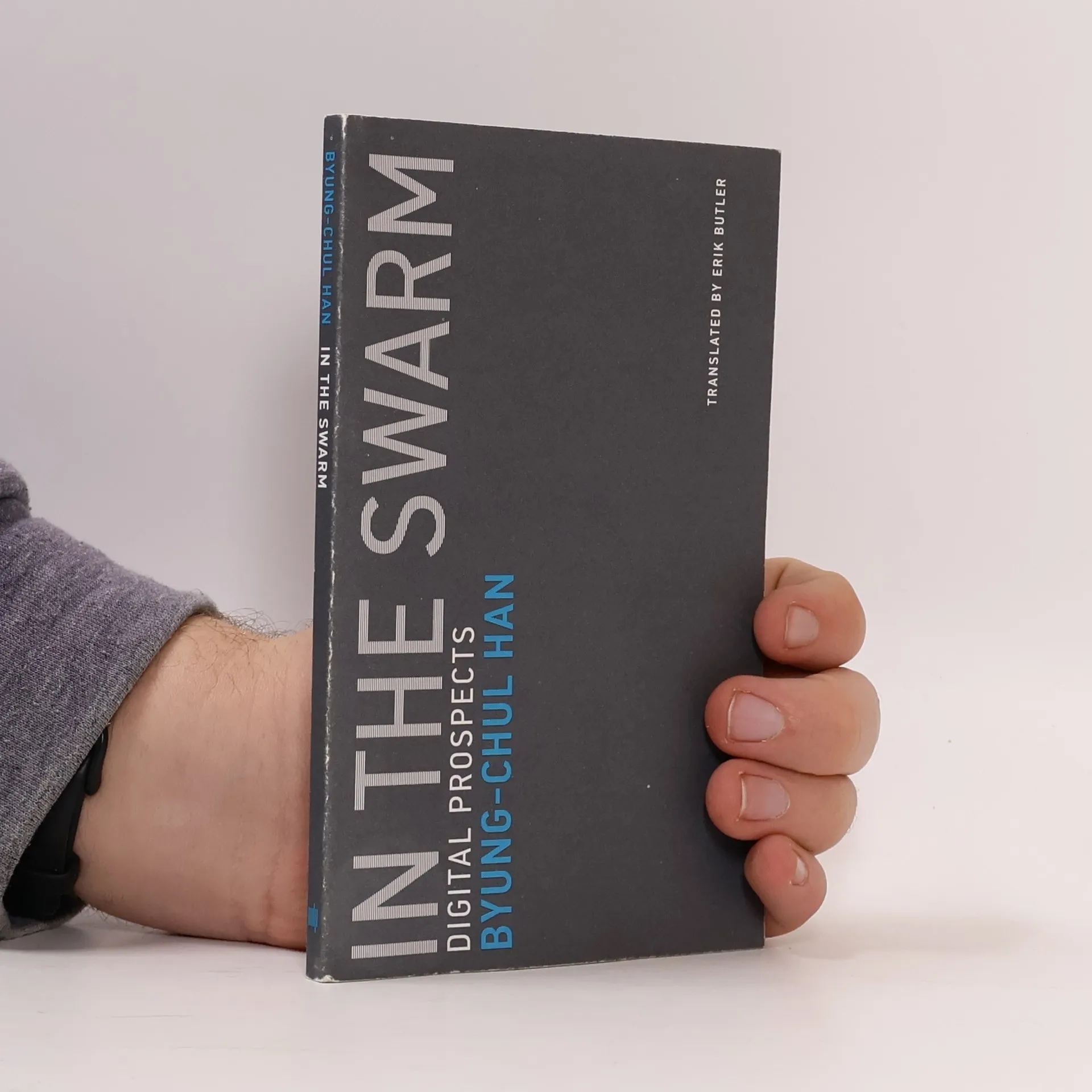
Digital communication and social media have profoundly impacted our lives. In a contrarian reflection on this digitized existence, Byung-Chul Han challenges the enthusiasm for Twitter revolutions and Facebook activism, arguing that such communication is dismantling community and public space, ultimately undermining genuine political action and discourse. In the analog era, the process of composing and sending a letter to the editor allowed time for reflection, but today’s digital landscape fosters immediate, impulsive reactions aimed at inciting outrage. This has transformed the public into a digital swarm—isolated individuals who struggle to form a collective identity or challenge prevailing power structures, fixated on the present rather than envisioning a future. The digital swarm is fragmented, often reducing individuals to mere objects of scandal. Han, a prominent European philosopher, illustrates a society where information overwhelms thought, with similar algorithms used across platforms like Facebook, the stock market, and intelligence agencies. Democracy faces a perilous threat as digital communication blurs the lines between freedom and control, marking the transition from Big Brother to Big Data.
Hyperculture
- 106pagine
- 4 ore di lettura
In the wake of globalization, cultural forms of expression have become increasingly detached from their places of origin, circulating in a hyper-domain of culture where there is no real difference anymore between indigenous and foreign, near and far, the familiar and the exotic. Hyperculture is a state of the deep intertwining of cultures in which once formerly separate cultural spheres now overlap and interpenetrate. It is a profoundly rhizomatic culture of intense hybridization, fusion and co-appropriation. Today we have all become tourists, even in our ‘own’ culture, to which we do not even belong anymore. Examining the distinctive characteristics of our contemporary hyperculture and its costs, Han demonstrates why we need to renounce our status as perpetual sightseers in the realm of ‘cul-tour’ and devise a new way of orienting ourselves in the world.
The Philosophy of Zen Buddhism
- 120pagine
- 5 ore di lettura
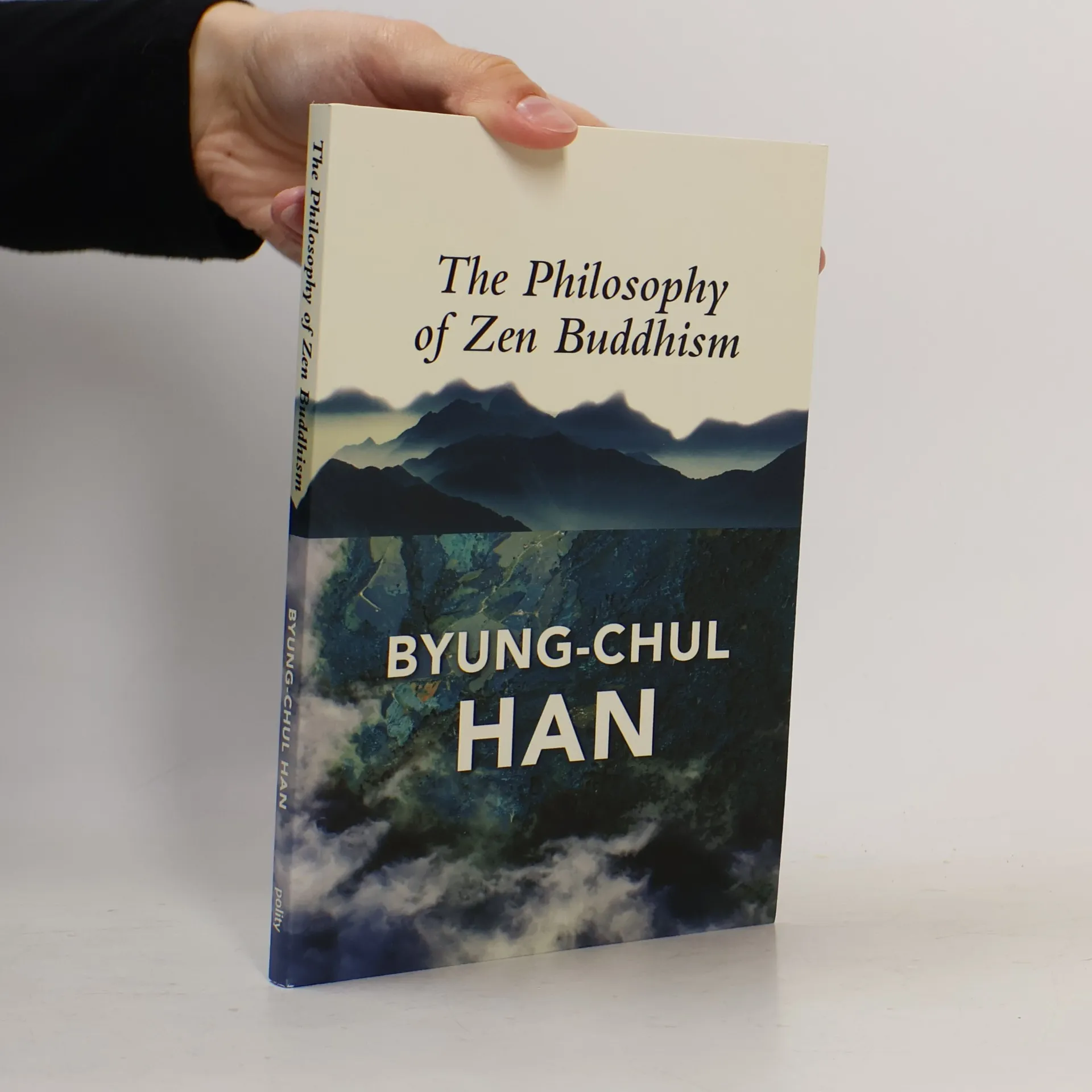
Zen Buddhism is a form of Mahāyāna Buddhism that originated in China and is strongly focused on meditation. It is characteristically sceptical towards language and distrustful of conceptual thought, which explains why Zen Buddhist sayings are so enigmatic and succinct. But despite Zen Buddhism’s hostility towards theory and discourse, it is possible to reflect philosophically on Zen Buddhism and bring out its philosophical insights. In this short book, Byung-Chul Han seeks to unfold the philosophical force inherent in Zen Buddhism, delving into the foundations of Far Eastern thought to which Zen Buddhism is indebted. Han does this comparatively by confronting and contrasting the insights of Zen Buddhism with the philosophies of Plato, Leibniz, Fichte, Hegel, Schopenhauer, Nietzsche, Kierkegaard, Heidegger and others, showing that Zen Buddhism and Western philosophy have very different ways of understanding religion, subjectivity, emptiness, friendliness and death. This important work by one of the most widely read philosophers and cultural theorists of our time will be of great value to anyone interested in comparative philosophy and religion.
Good Entertainment
- 144pagine
- 6 ore di lettura
A philosopher considers entertainment, in all its totalizing variety- infotainment, edutainment, servotainment-and traces the notion through Kant, Zen Buddhism, Heidegger, Kafka, and Rauschenberg.
Shanzai
- 88pagine
- 4 ore di lettura
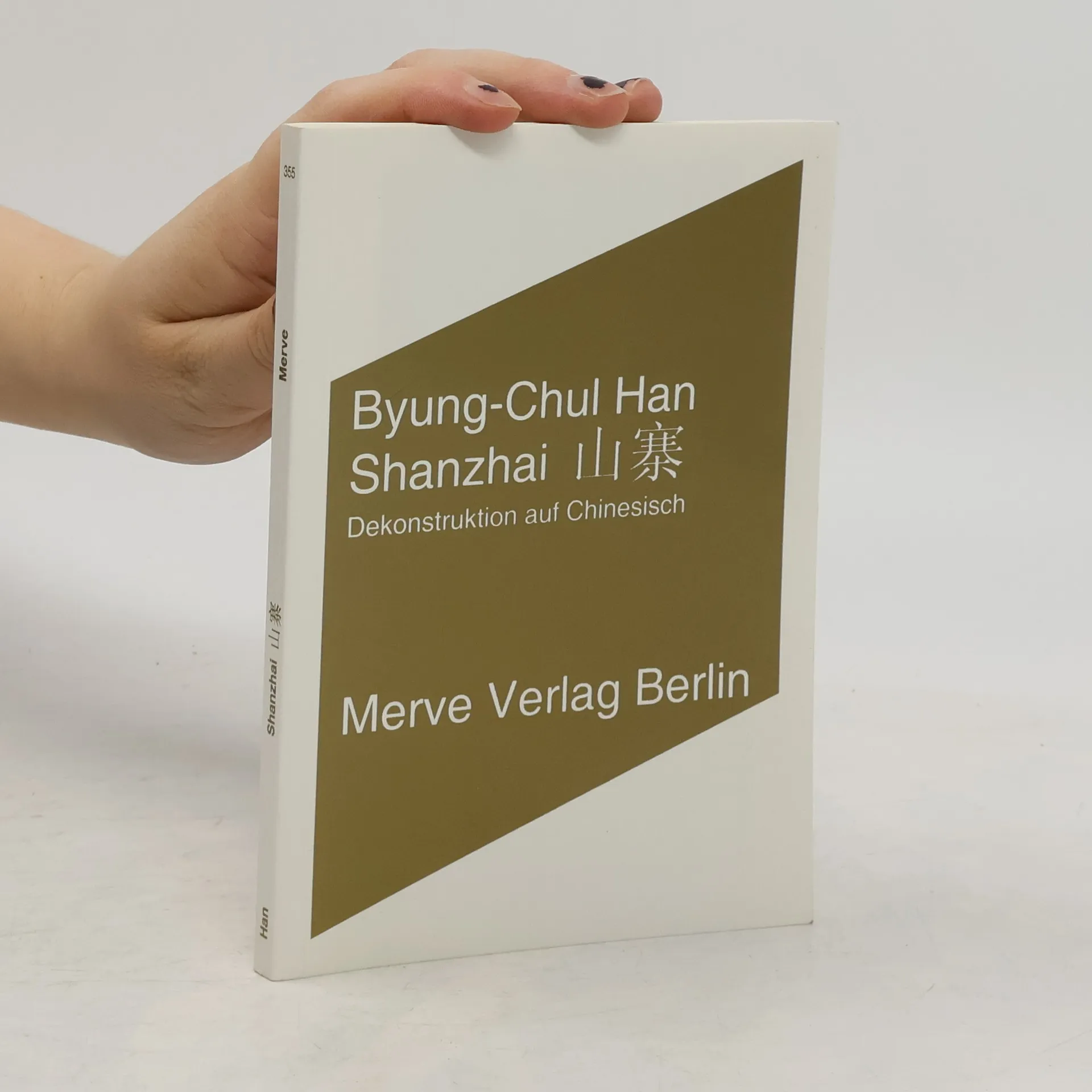
Shanzhai ist der chinesische Neologismus für Fakes und umfasst mittlerweile alle Lebensbereiche in China, einschließlich Shanzhai-Bücher, -Filme und -Stars. Byung-Chul Han dekonstruiert von diesem Phänomen aus das westliche Konzept des Originals und definiert Kunst, Schöpfung und Kreativität neu. Er präsentiert ein Daseins- und Denkmodell, das dem Westen fremd erscheint. Im klassischen Chinesisch bedeutet das Original zhen-ji, wörtlich „die echte Spur“. Diese Spur verläuft nicht auf einer teleologischen Bahn und trägt kein Versprechen in sich. Sie ist nicht eindeutig oder unveränderlich, sondern dekonstruiert die Idee eines Originals, das eine feste Identität verkörpert. Prozessualität und Differenzialität verleihen ihr eine Fliehkraft, die ein abgeschlossenes Kunstwerk ausschließt. Die chinesische Vorstellung des Originals als Spur (ji) ähnelt der Freud‘schen „Erinnerungsspur“, die ständigen Veränderungen unterliegt. Hier steht nicht die einmalige Schöpfung im Vordergrund, sondern der endlose Prozess und die ständige Wandlung. Diese Veränderungen geschehen nicht innerhalb einer Künstlerseele, sondern im Rahmen eines Prozesses, der keine essentialistischen Festlegungen zulässt.
"Ein Land, wo einer, der 'ich' sagt, schleunig in die Erde versinkt. (Elias Canetti) Im Westen war das Fremde lange Zeit Gegenstand gewaltsamer Ausschließung oder Vereinnahmung. Es war nicht präsent im Inneren des Eigenen. Und heute? Gibt es noch das Fremde? Derzeit gibt man sich gerne dem Glauben hin, alle glichen irgendwie einander. So verschwindet das Fremde wieder aus dem Inneren des Eigenen. Vielleicht wäre es nicht von Nachteil, daran zu glauben, dass es tatsächlich jenes Land gibt, „wo einer, der 'ich' sagt, schleunig in die Erde versinkt“. Es ist heilsam, bei sich einen Raum für das Fremde freizuhalten. Das wäre auch ein Zeichen der Freundlichkeit. Das vorliegende Buch stellt eine fremde Kultur vor, eine Kultur des Abwesens, die den Bewohnern der abendländischen Kultur, die sich am Wesen orientiert, recht wundersam erscheinen wird. Byung-Chul Han, geboren in Seoul, Studium der Philosophie, der Germanistik und der Katholischen Theologie in Freiburg und München, Privatdozent am Philosophischen Seminar der Universität Basel."
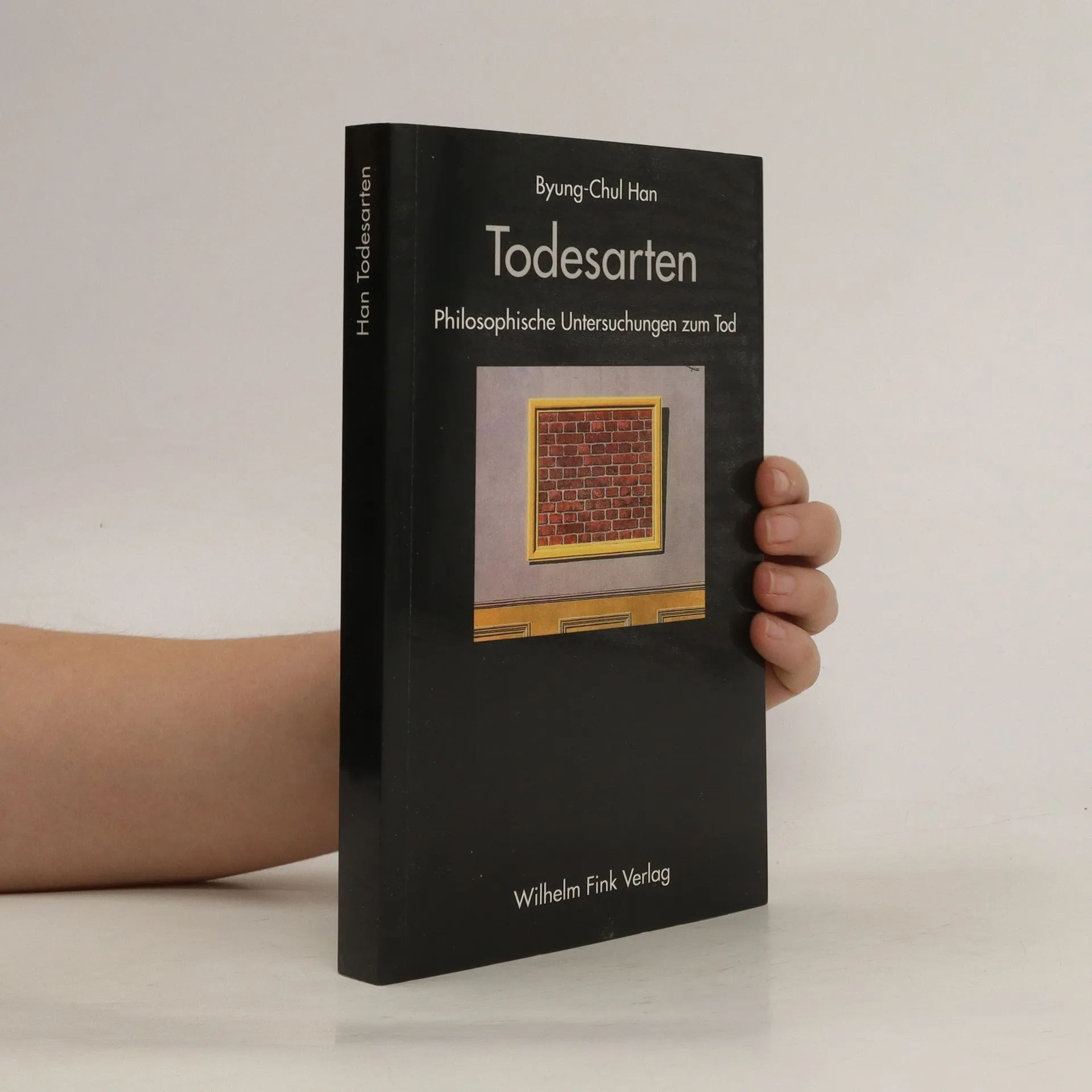
Entlang eigenwilliger Lektüren von Adorno, Heidegger, Derrida, Levinas, Kafka und Handke läßt das Buch den Tod in einer kaleidoskopischen Vielfalt erscheinen. Nachgezeichnet wird ein Schritt-Halten mit dem Tod. Zurechtgerückt in der Schwerkraft des Todes ordnen sich die Dinge neu. Todesarten sind Gangarten dieses Schritt-Haltens mit dem Tod. Das Buch gibt die Sprache des Todes zu hören, die durch das Leben hindurch nicht aufhört, zu reden und zu soufflieren. Dem Tod gewinnt der Autor eine bewußtseinsverändernde Kraft ab, die ausstrahlt auf Wahrnehmung, Wohnen, Schreiben, Namen und Mitsein. Der Tod wird hier nicht bloß zu einem Bewußtseinsinhalt. Vielmehr beschreibt Todesarten Metamorphosen des Bewußtseins selbst. Das Buch bewegt sich auf eine menschliche Endlichkeit hin, die die Grenze in weite Räume eines humanen Aufenthaltes verwandelt. So entfaltet der Tod bewohnbare Räumlichkeiten für den sterblich existierenden Menschen.
Sprechen über Gott: Ein Dialog mit Simone Weil
- 124pagine
- 5 ore di lettura
Simone Weil ist die hellste Intelligenz des 20. Jahrhunderts. Ihre Gedanken sind aktueller denn je. Sie helfen uns, die Krise der Gegenwart zu verstehen und zu meistern. Byung-Chul Han bringt uns in seinem neuen Essay die inspirierende, hellsichtige, ja heilende Gedankenwelt von Simone Weil näher und liest sie durch unsere Gegenwart hindurch neu. Er bringt mit Weil eindringlich jene Transzendenz zur Sprache, die heute in der Welt des Konsums und der Produktion total verloren gegangen ist. Weil führe, ja verführe uns zu einer anderen Wirklichkeit, die uns aus dem sinnentleerten Leben, aus dem radikalen Seinsmangel herausführt. Sie bringt uns bei, dass es letztlich Gott, diese überwältigende Kraft von oben ist, die uns eine beglückende Seinsfülle gibt. Ihre Schriften lesend ahnen wir zumindest, dass es eine andere Lebensform, eine andere Seinsform gibt als die, die sich komplett Leistung, Produktion und Konsum ausliefert.Auf der Welt gäbe es heute mehr Frieden und Schönheit, so Han in seinem eindrücklichen Essay, wenn wir so leben würden, wie Simone Weil es uns vorgelebt und vorgedacht hat.
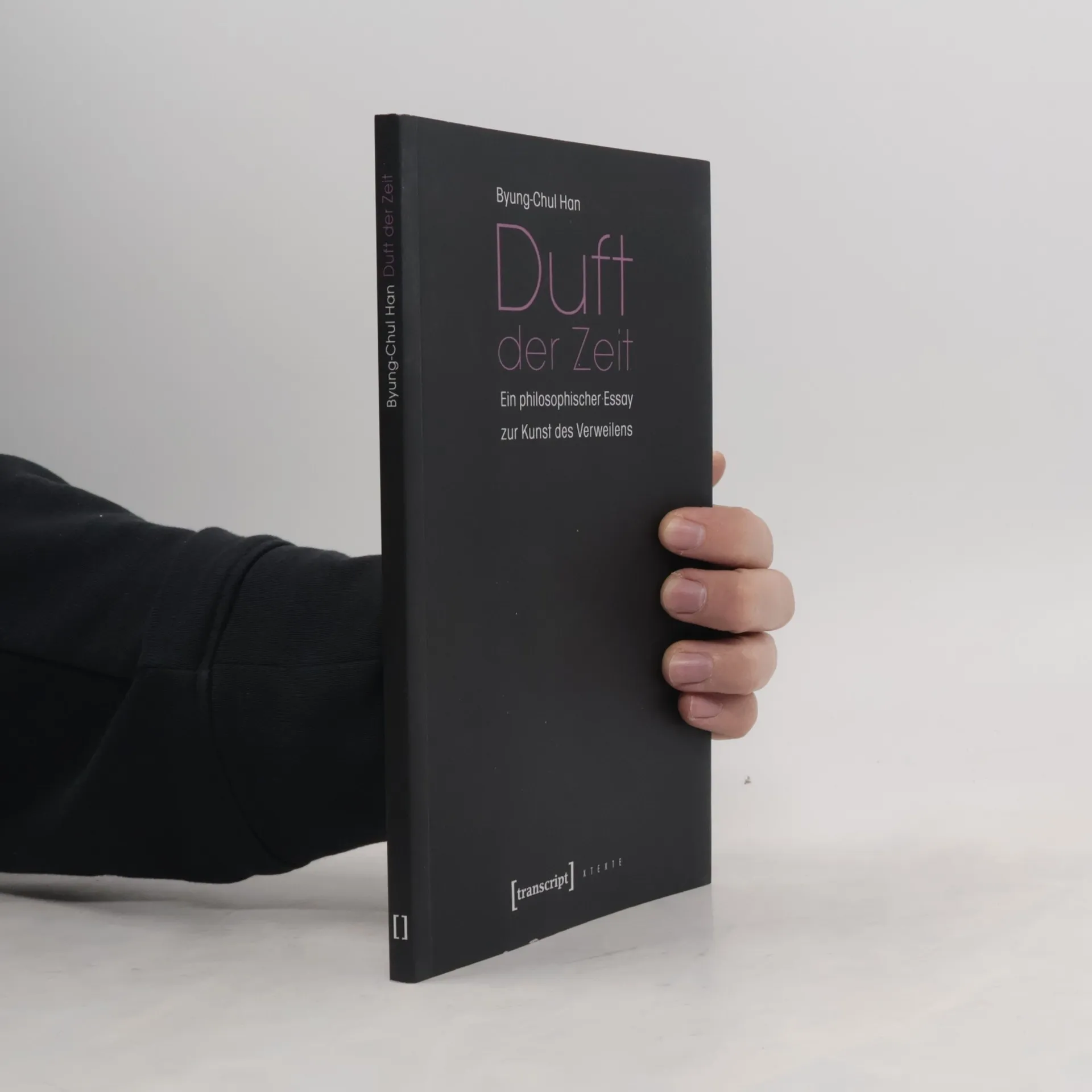
Die heutige Zeitkrise hängt nicht zuletzt mit der Verabsolutierung der vita activa zusammen. Sie führt zu einem Imperativ der Arbeit, der den Menschen zu einem arbeitenden Tier (animal laborans) degradiert. Die Hyperaktivität des Alltags nimmt dem menschlichen Leben jegliche Kraft zum Verweilen und zur Kontemplation. Dadurch wird die Erfahrung erfüllter Zeit unmöglich. Notwendig für die Überwindung der heutigen Zeitkrise sind die Revitalisierung der vita contemplativa und das Wiedererlernen der Kunst des Verweilens.
Lob der Erde
Eine Reise in den Garten
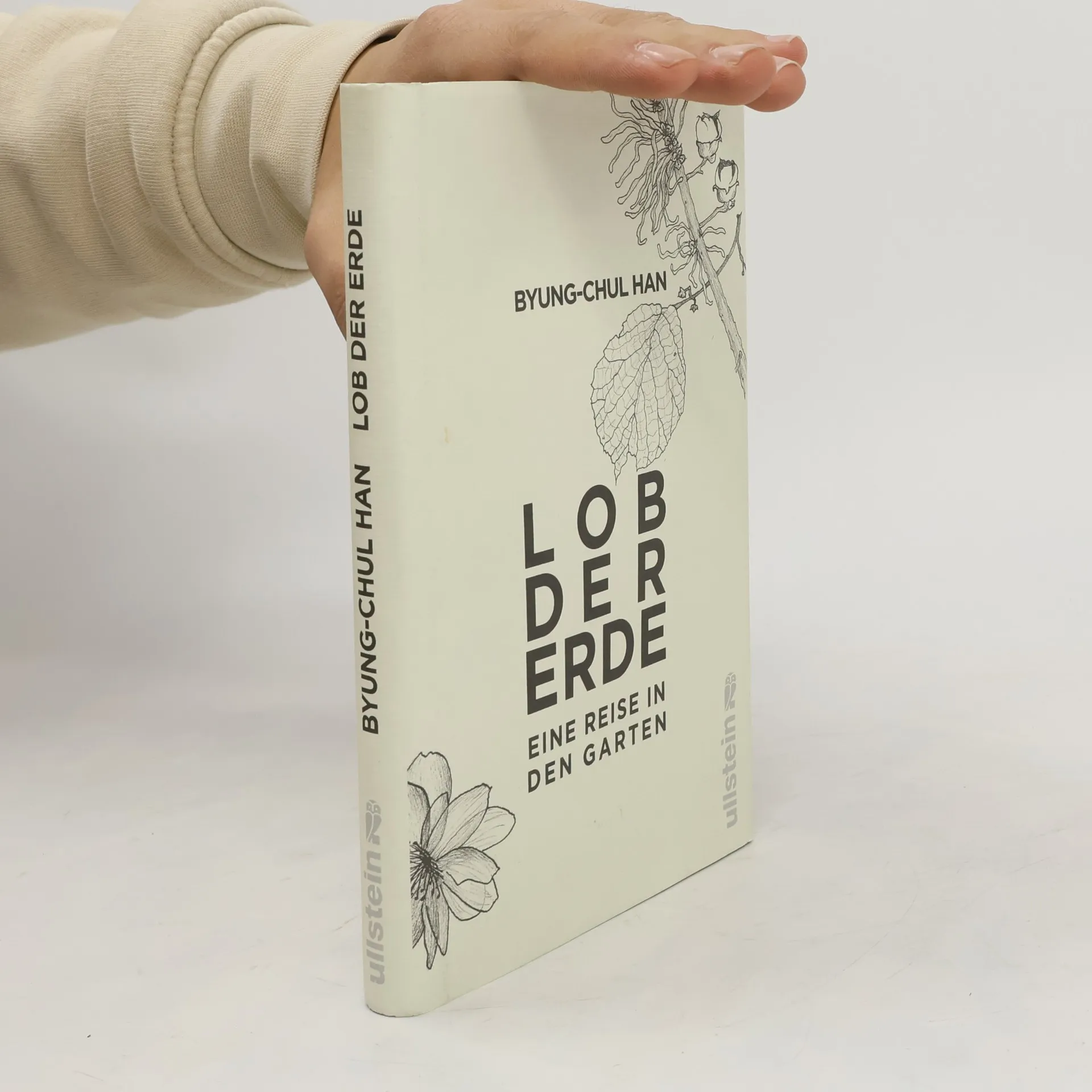
Der international renommierte Philosoph Byung-Chul Han widmet sich der Schönheit der Erde und der Natur. Ein ungewöhnliches Buch über die Arbeit im Garten, über Jahreszeiten und die Romantik, über ein verändertes Zeitgefühl, Kants „Kritik der reinen Vernunft“ und Schuberts „Winterreise“. Eines Tages fasst Byung-Chul Han den Entschluss, sich täglich der Gartenarbeit zu widmen. Drei Frühlinge, Sommer, Herbste und Winter tut er dies. Seinen Berliner Garten nennt er Bi-Won (koreanisch: Geheimer Garten). Je länger er dort verweilt, desto mehr Respekt bekommt er vor der Schönheit der Erde. Er erfährt, was Fürsorge bedeutet und dass der Garten, ja jede Pflanze ein eigenes Zeitbewusstsein hat. Er lernt wieder, über die Erde zu staunen, über ihre Fremdheit, über ihre Einmaligkeit. Hans Philosophie des Gartens ist ein Liebesbekenntnis an die Erde und die Natur und ein Aufruf an die Menschheit, sie zu schonen.
Digitale Rationalität und das Ende des kommunikativen Handelns
- 41pagine
- 2 ore di lettura
Das Internet manifestiert sich heute nicht als ein öffentlicher Raum, als ein Raum des gemeinsamen, kommunikativen Handelns. Es zerfällt vielmehr zu Privat- und Ausstellungsräumen des Ich. Der Digital Turn stellt Habermas Theorie des kommunikativen Handelns radikal in Frage. Auf Blogs und in den sozialen Medien findet kein Diskurs statt, sie bilden keine Öffentlichkeit, ja, sie verhindern gar die Bildung einer Gemeinschaft im emphatischen Sinne. Byung-Chul Han setzt mit ›Digitale Rationalität und das Ende des kommunikativen Handelns‹ genau an dieser Schnittstelle zwischen Öffentlichkeit und Subjektivität, zwischen Gemeinschaft und Meinung an und liefert eine Deutung der gesellschaftlichen Veränderungen, die gleichermaßen überraschend wie bezwingend ist: Er bleibt nicht bei einer bloßen Beschreibung der Umstände, sondern öffnet einen Blick auf die Möglichkeiten und Chancen, die in dieser Entwicklung liegen, die Möglichkeiten zu einer tiefgreifenden Umwälzung. Der Zerfall des öffentlichen Raumes wird als Krise der Demokratie interpretiert. Würde dieser Zerfall aber nicht einfach eine ganz andere Form der Demokratie erforderlich machen, die ohne Öffentlichkeit, ohne kommunikatives Handeln, ohne Wir auskäme? Wäre nicht eine Schwarmdemokratie denkbar, die die bisherige Form der Demokratie, nämlich die repräsentative Demokratie, radikal revidieren und erneuern würde und auch über die gewöhnliche direkte Demokratie hinauswiese?
Der Geist der Hoffnung
Wider die Gesellschaft der Angst | Eine philosophische Gegenposition zum derzeitigen Krisenmodus
- 128pagine
- 5 ore di lettura
Angstvoll blicken wir in eine düstere Zukunft. Überall fehlt es an Hoffnung. Und das Leben verkümmert zum Überleben. Dagegen beschwört der Philosoph Byung-Chul Han mit aller Kraft den Geist der Hoffnung. Seit geraumer Zeit werden wir permanent mit apokalyptischen Szenarien konfrontiert: Pandemie, Weltkrieg und Klimakatastrophe. Der Weltuntergang oder das Ende der menschlichen Zivilisation wird heraufbeschworen. Angst und Ressentiments aber schüren Egoismus und Hass – mit der Folge, dass in unserer Gesellschaft Solidarität, Freundlichkeit und Empathie erodieren und letztlich die Demokratie selbst gefährdet ist. Byung-Chul Han entwickelt gegen das Klima der Angst eine überzeugende Philosophie der Hoffnung, die über die gegenwärtige Krise hinaus Gültigkeit hat.
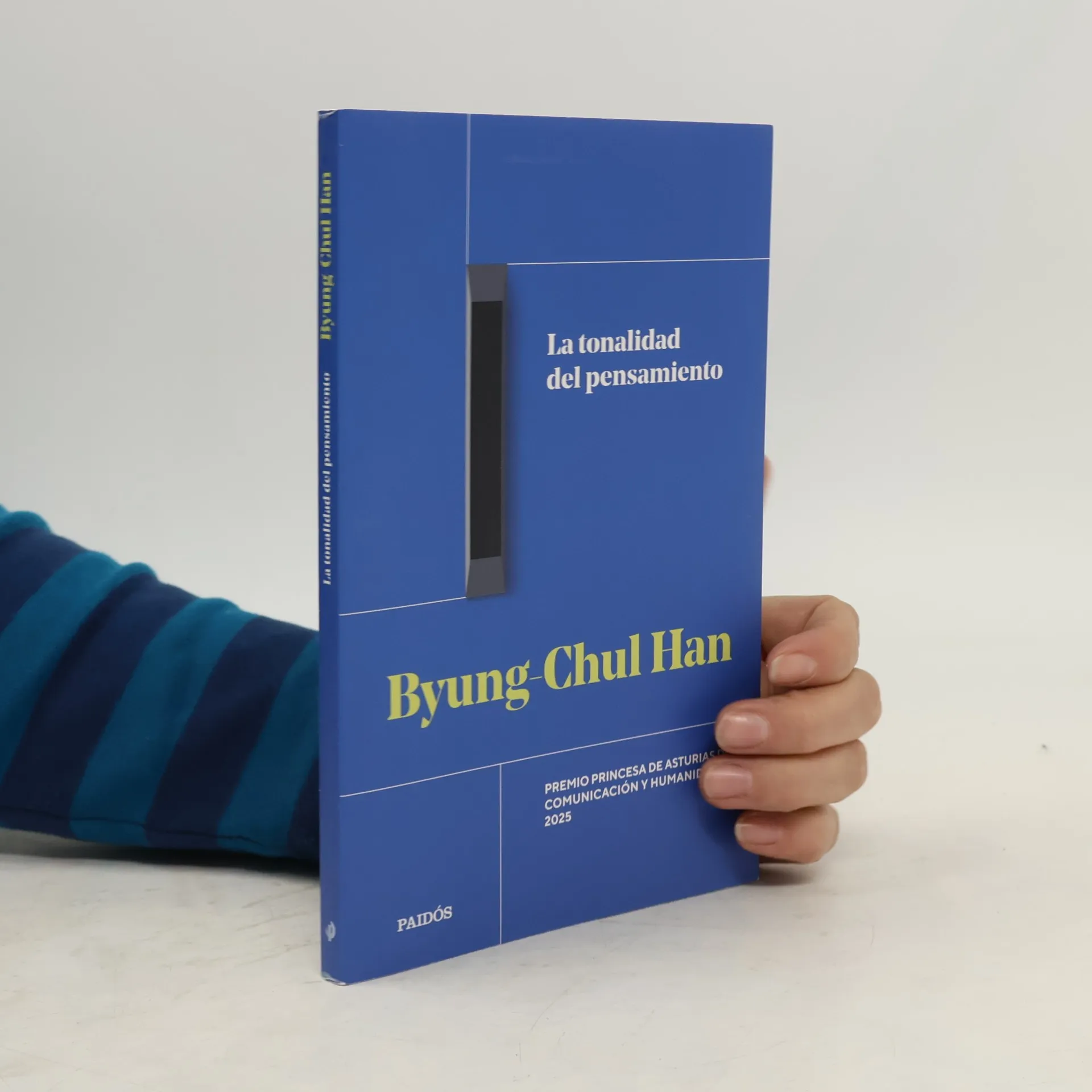
Contextos: La tonalidad del pensamiento
- 160pagine
- 6 ore di lettura
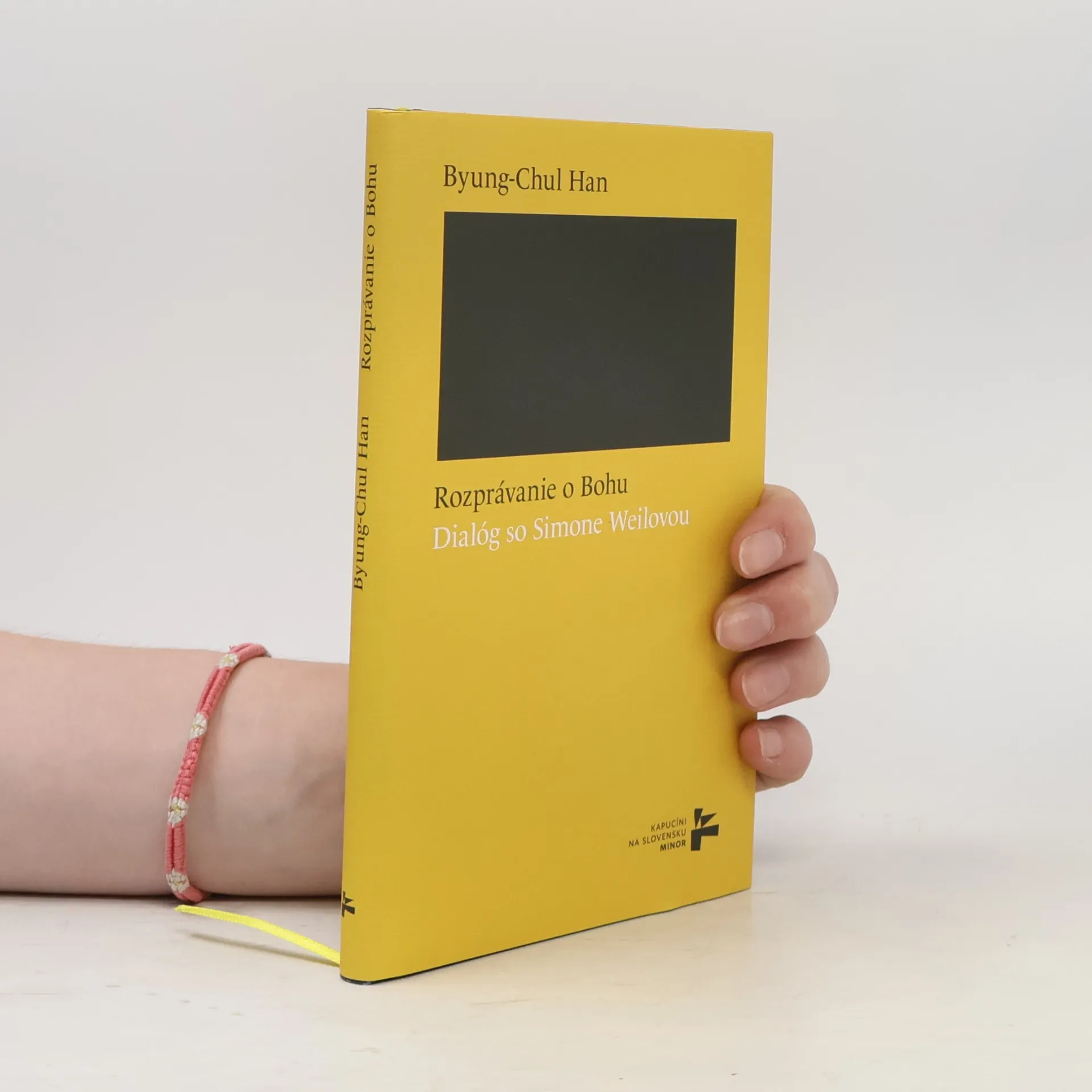
Rozprávanie o Bohu. Dialóg so Simone Weilovou
- 111pagine
- 4 ore di lettura
Simone Weilová (1909 – 1943) je významná intelektuálka 20. storočia. Jej myšlienky sú dnes relevantnejšie než kedykoľvek predtým. Napomáhajú pochopiť a zvládnuť súčasnú krízu. Vo svojej novej eseji nám Byung-Chul Han približuje inšpiratívny, jasnozrivý, ba až liečivý svet myšlienok Simone Weilovej a číta ho skrze našu súčasnosť. Spolu s Weilovou živým spôsobom pripomína transcendenciu, ktorá sa v dnešnom svete spotreby a výroby vytráca. Weilová nás vedie, ba priam zvádza, k inej realite, ktorá nás vyvádza zo života bez zmyslu, z radikálneho nedostatku bytia. Učí nás, že nakoniec ide o Boha, túto ohromujúcu silu, ktorá poskytuje blaženú plnosť bytia. Čítaním jej spisov možno cítiť, že existuje aj iný spôsob života, iný spôsob bytia než ten, ktorý je úplne vydaný na milosť a nemilosť výkonu, výrobe a spotrebe.