Bookbot

Patrick Modiano

    30 luglio 1945

    Patrick Modiano è un autore francese le cui opere si immergono spesso nei temi dell'identità, della memoria e dei passati sfuggenti. La sua scrittura esplora l'ambiguità del ricordo e la ricerca della verità in mezzo a eventi storici oscuri, spesso ambientati sullo sfondo della Parigi occupata. Modiano evoca magistralmente un'atmosfera di mistero e malinconia, impiegando uno stile distintivo caratterizzato da una prosa sottile ed enigmi irrisolti ma avvincenti. I lettori sono attratti dalle sue narrazioni attraverso la sua analisi della fragilità dell'esistenza umana e della costante ricerca di appartenenza.

    Patrick Modiano
    Invisible Ink
    The Search Warrant
    Rien où poser sa tête
    Catherine Certitude
    L'orizzonte
    Nel caffè della gioventù perduta
    • Nel caffè della gioventù perduta

      • 117pagine
      • 5 ore di lettura

      Parigi, Quartiere Latino. Nei pressi dell'Odéon c'era un caffè chiamato Le Condé, dove ogni sera si ritrovavano per caso giovani studenti, aspiranti scrittori e misteriosi avventori, tutti accomunati da un passato indicibile o da un destino sghembo. Ogni giorno uno di loro annotava su un quaderno nomi e soprannomi, registrando date, ore e durata della permanenza nel locale. Questa registrazione non nasce da un desiderio di controllo, ma dalla necessità di trovare punti fermi nella vita. Tuttavia, ciò che rimane sono tracce di vita insoddisfacenti nella loro maniacalità. Le Condé è un luogo di confine, un porto che accoglie chi è alla deriva, offrendo una pausa nella frenesia della città. Al centro della narrazione c'è Louki, una ragazza misteriosa che cattura immediatamente l'attenzione di tutti. La sua presenza è così magnetica da farla sembrare la protagonista di un film, mentre gli altri sono comparse. Il romanzo esplora la sua vita attraverso quattro voci diverse: alcuni uomini la cercano, altri la amano, ma per tutti lei rappresenta un desiderio irraggiungibile. Louki è un personaggio senza radici, che vive nel momento, si reinventa continuamente e fugge per inseguire un presente perpetuo, incarnando l'idea di un Eterno Ritorno.
      Nel caffè della gioventù perduta
      3,6
    • L'orizzonte

      • 160pagine
      • 6 ore di lettura

      Jean Bosmans annota su un taccuino i frammenti di memoria che emergono nella sua mente. Ricorda l'incontro, avvenuto alla fine degli anni Sessanta, con Margaret Le Coz, una giovane donna di cui si è innamorato a Parigi. Con Margaret condivide il sentimento di essere osservato e braccato, lei da un uomo inquietante, Boyaval, e lui da una figura materna crudele. Margaret è bella, misteriosa e vulnerabile, con un passato segnato da segreti: è nata a Berlino, è arrivata in Francia con la madre, non ha mai conosciuto il padre e ha vissuto in vari collegi. Durante una fuga, incontra Boyaval, che inizia a perseguitarla, costringendola a nascondersi e abbandonare tutto. Una sera, sentendosi insicura, lascia Parigi per Berlino, dove scompare senza lasciare traccia. Quarant'anni dopo, Jean, ora scrittore, decide di ritrovarla. A Berlino, un ragazzo casualmente incontra conferma che una donna con quel nome gestisce una libreria nelle vicinanze. Prima di incontrarla, Jean si siede in un caffè all'aperto. Le ultime pagine del racconto sono incantevoli, come sollevate da un vento misterioso.

      L'orizzonte
      3,5
    • A classic French story from Nobel Prize-winner Patrick Modiano and celebrated illustrator Jean-Jacques Sempé. Beautifully illustrated, this is a love letter to Paris, ballet and childhood for fans of The Little Prince, Le Petit Nicholas and Madeline.Catherine lives with her gentle father, Georges Certitude, who runs a shipping business in Paris with a failed poet named Casterade. Father and daughter share the simple pleasures of daily life: sitting in the church square, walking to school, going to her ballet class every Thursday afternoon. But just why did Georges change his name to Certitude? What kind of trouble with the law did Casterade rescue him from? And why did Catherine's ballerina mother leave to return to New York?

      Catherine Certitude
      4,2
    • Initially published as No Place to Lay One's Head - the unforgettable story of one woman's struggle to survive persecution in wartime France In 1921, Francoise Frenkel-a Jewish woman from Poland-opens Berlin's very first French bookshop. It is a dream come true. The bookshop attracts artists and diplomats, celebrities and poets. It brings Francoise peace, friendship and prosperity. Then, in the su[Bokinfo].

      Rien où poser sa tête
      4,0
    • The Search Warrant

      • 144pagine
      • 6 ore di lettura

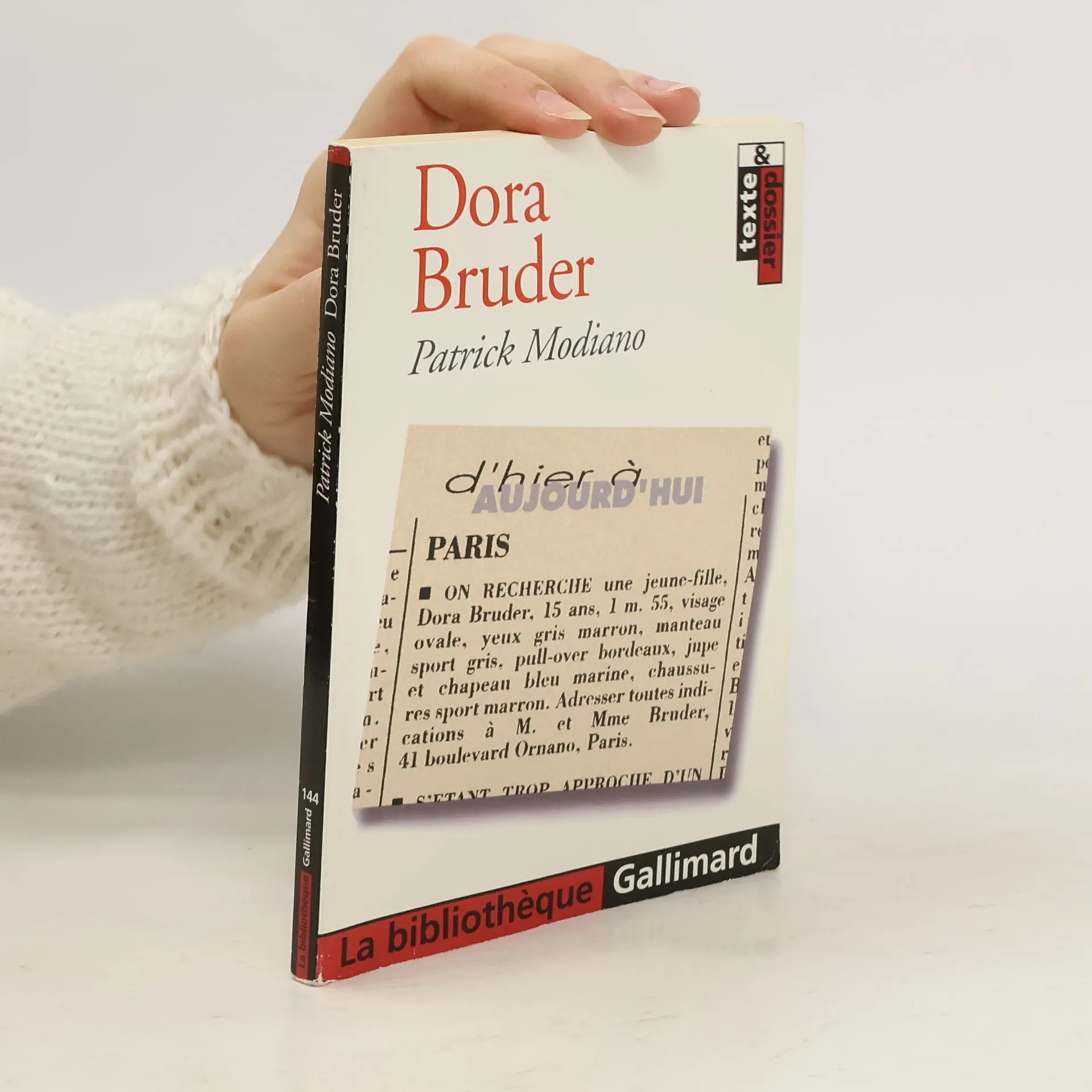
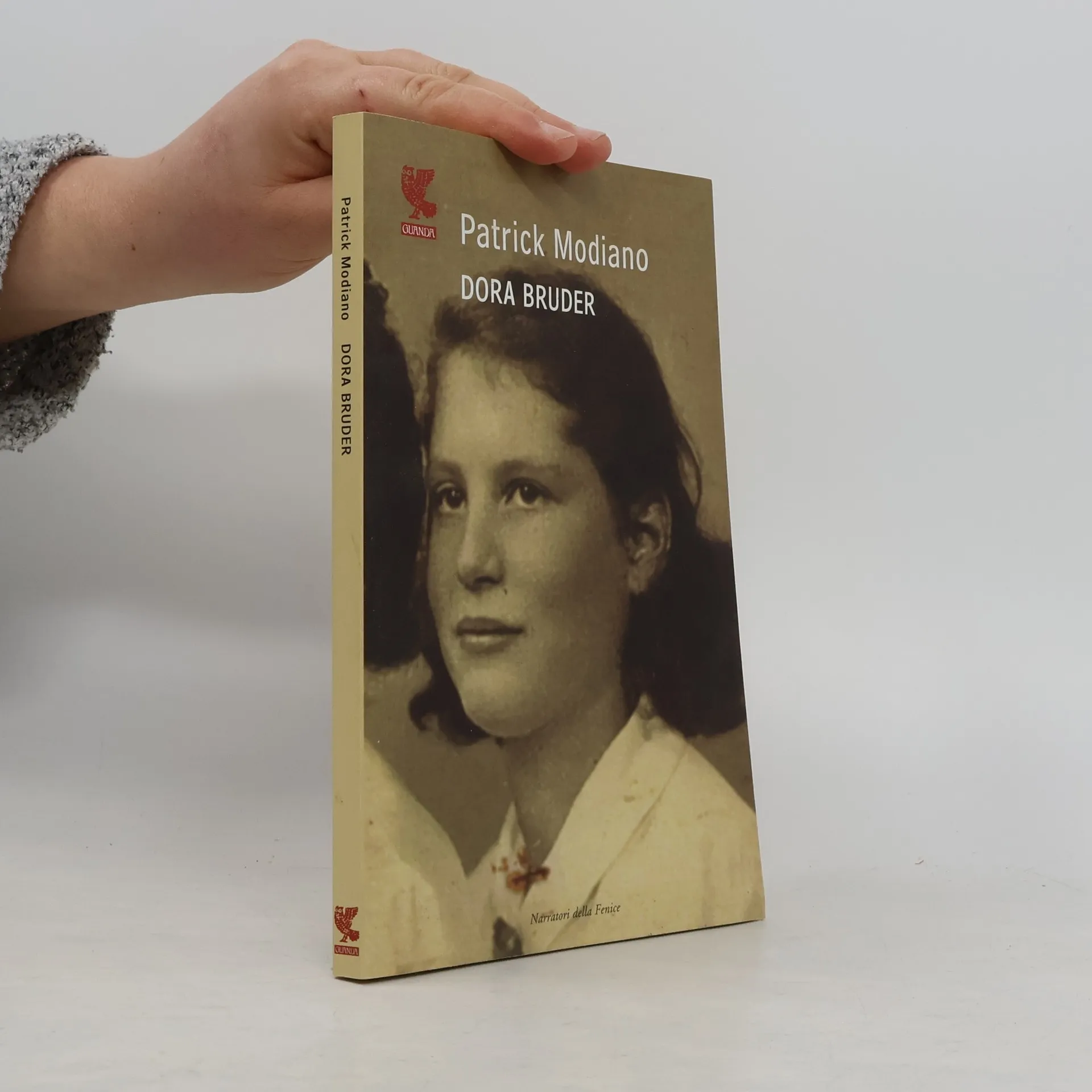
      WINNER OF THE NOBEL PRIZE IN LITERATURE, 2014Haunted by the fate of Dora Bruder - a fifteen-year-old girl listed as missing in an old December 1941 issue of Paris Soir - Nobel Prize-winning author Patrick Modiano sets out to find all he can about her.

      The Search Warrant
      3,8
    • Invisible Ink

      • 176pagine
      • 7 ore di lettura

      Patrick Modiano explores the boundaries of recollection in his tenth book published by Yale University Press

      Invisible Ink
      3,7
    • Suspended Sentences

      • 213pagine
      • 8 ore di lettura

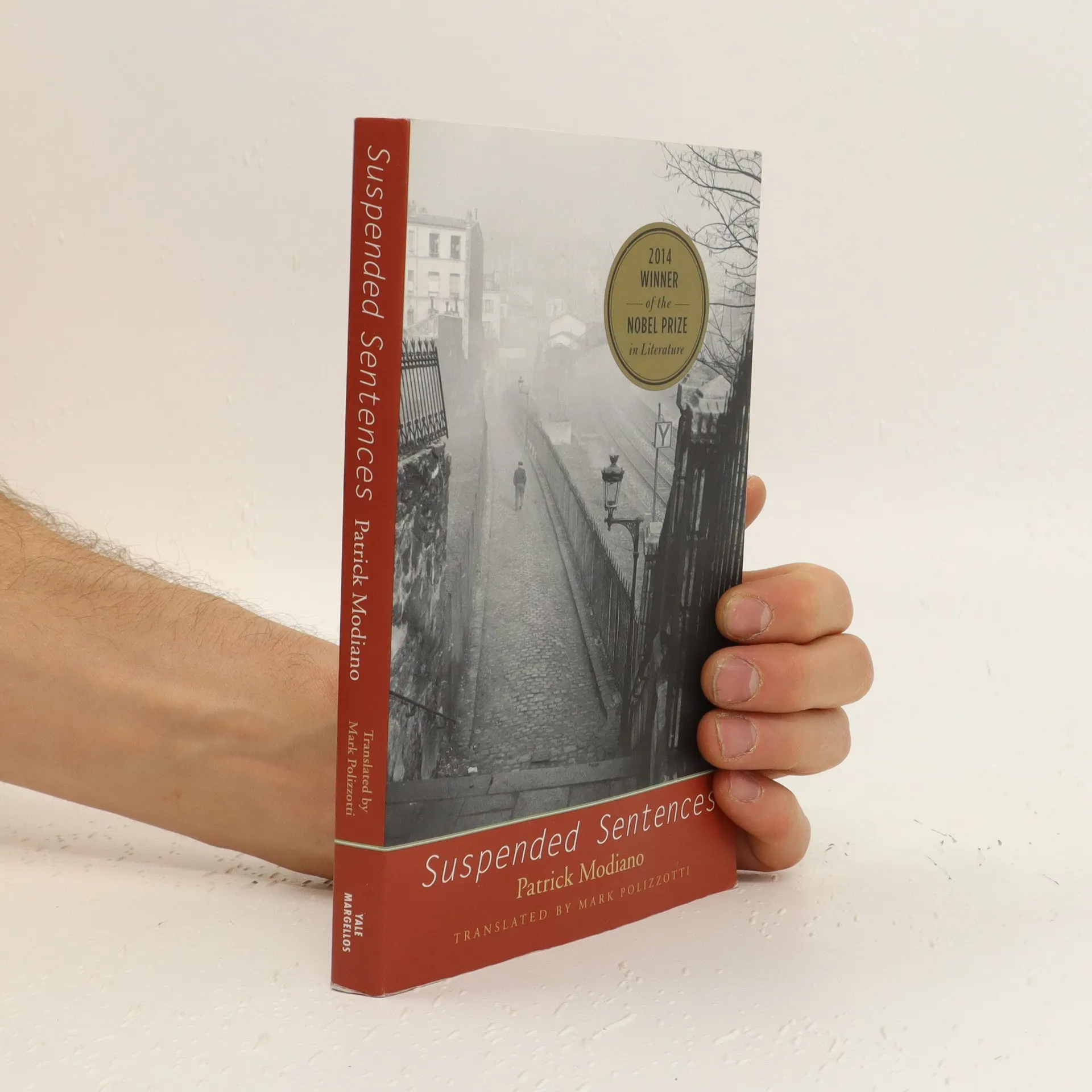
      Presents three short novels which explore the influence of the past, the complexities of human relationships, and the mysterious power of Paris over its residents and visitors.

      Suspended Sentences
      3,7
    • Missing Person

      • 192pagine
      • 7 ore di lettura

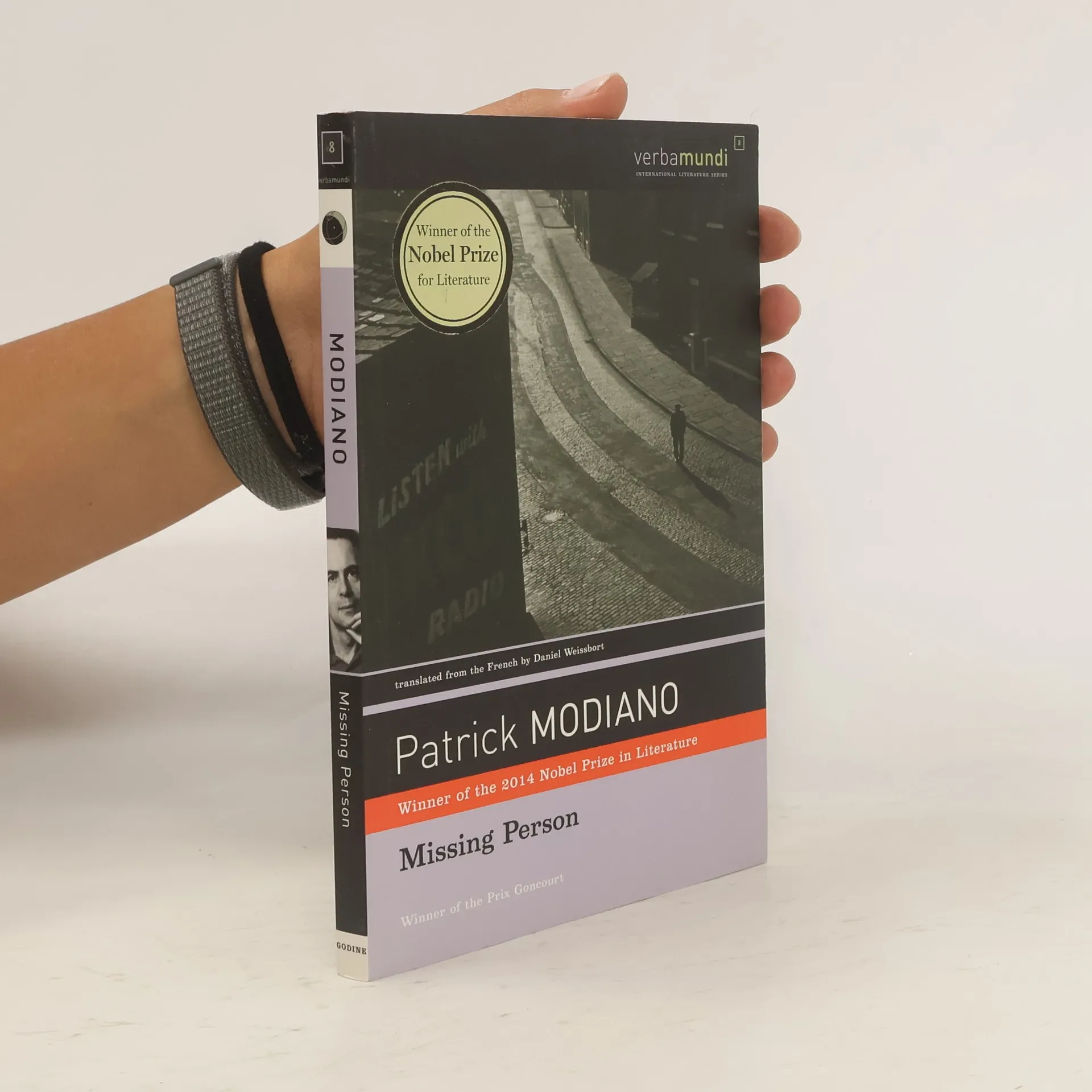
      An amnesic protagonist embarks on a quest for self-discovery, journeying from the idyllic landscapes of Polynesia to the historic streets of Rome. Through this exploration, the narrative delves into themes of memory, identity, and the search for belonging. Patrick Modiano, a Nobel Prize-winning author, weaves a compelling tale that captures the essence of human experience and the elusive nature of personal history.

      Missing Person
      3,7
    • Sleep of Memory

      • 136pagine
      • 5 ore di lettura

      The newest best-seller by Patrick Modiano: a beautiful tapestry that brings together memory, esoteric encounters, and fragmented sensations

      Sleep of Memory
      3,6
    • Scene of the Crime

      • 168pagine
      • 6 ore di lettura

      A haunting novel that probes the enigmas of time and memory, by Nobel Prize–winning author Patrick Modiano

      Scene of the Crime
      3,6
    • Occupation Trilogy

      • 352pagine
      • 13 ore di lettura

      When Patrick Modiano was awarded the 2014 Nobel Prize for Literature he was praised for using the 'art of memory' to bring to life the Occupation of Paris during the Second World War. Born just after the war, Modiano was an angry young man in his twenties when these three brilliant, angry novels burst onto the Parisian literary scene and caused a storm.The epigraph to his ambitious first novel, among the first to seriously question both wartime collaboration in France and the myths of the Gaullist era, reads: 'In June 1942 a German officer goes up to a young man and says: 'Excuse me, monsieur, where is La Place de l'�toile?' The young man points to the star on his chest.' The Night Watch tells the story of a young man, caught between his work for the French Gestapo, his work for a Resistance cell informing on the police and the black market dealers whose seedy milieu he shares. Ring Roads recounts Serge's search for his father, who disappeared from his life ten years earlier. He finds him trying to survive the war years in the unlikely company of spivs, anti-Semites and prostitutes, putting his meagre business skills at the service of those who have no interest in him or his survival. These brilliant, almost hallucinatory evocations of the Occupation, attempt to exorcise the past by exploring the morally ambiguous worlds of collaboration and resistance.

      Occupation Trilogy
      3,4
    • Villa Triste

      • 170pagine
      • 6 ore di lettura

      This novel by Nobel Prize–winning author Patrick Modiano is one of the most seductive and accessible in his oeuvre: the story of a man’s memories of fleeing responsibility, finding love, and searching for meaning in an uncertain world The narrator of Villa Triste, an anxious, roving, stateless young man of eighteen, arrives in a small French lakeside town near Switzerland in the early 1960s. He is fleeing the atmosphere of menace he feels around him and the fear that grips him. Fear of war? Of imminent catastrophe? Of others? Whatever it may be, the proximity of Switzerland, to which he plans to run at the first sign of danger, gives him temporary reassurance. The young man hides among the other summer visitors until he meets a beautiful young actress named Yvonne Jacquet, and a strange doctor, René Meinthe. These two invite him into their world of soirees and late-night debauchery. But when real life beckons once again, he finds no sympathy from his new companions. Modiano has written a haunting novel that captures lost youth, the search for identity, and ultimately, the fleetingness of time.

      Villa Triste
      3,6
    • The Black Notebook

      • 160pagine
      • 6 ore di lettura

      A writer discovers a set of notes in his notebook and sets off on a journey through the Paris of his past, in search of the woman he loved forty years previously. Set in the Montparnasse district of Paris, the author, Jean, retraces his nocturnal footsteps around the left bank during France's period of decolonisation during the 1960's. He tries to remember what brought him into contact with a gang that frequented the hotel Unic in the area. His quest through seedy cafés and cheap hotels becomes an enquiry into a woman, Dannie, whom Jean loved and who once tried to admit to a terrible crime. Over the course of several voyages between past and present, we meet various shady characters, and discover that Dannie may have killed "someone". As his memories overlap with the discovery of an old vice squad dossier, Jean reinvestigates the closed case of a crime where he could well be the last remaining witness. Translated from the French by Mark Polizzotti

      The Black Notebook
      3,5
    • The Night Watch

      • 160pagine
      • 6 ore di lettura

      When Patrick Modiano was awarded the 2014 Nobel Prize for LIterature he was praised for using the 'art of memory' to bring to life the Occupation of Paris during the Second World War. The Night Watch is his second novel and tells the story of a young man of limited means, caught between his work for the French Gestapo informing on the Resistance, and his work for a Resistance cell informing on the police and the black market dealers whose seedy milieu of nightclubs, prostitutes and spivs he shares. Under pressure from both sides to inform and bring things to a crisis, he finds himself driven towards an act of self-sacrifice as the only way to escape an impossible situation and the question that haunts him - how to be a traitor without being a traitor. In this astonishing, cruel and tender book, Modiano attempts to exorcise the past by leading his characters out on a fantasmagoric patrol during one fatal night of the Occupation.

      The Night Watch
      3,4
    • La Place de l'Étoile

      • 152pagine
      • 6 ore di lettura

      Modiano's debut novel is a sardonic, often grotesque satire of France during the Nazi occupation. We are immediately plunged into the hallucinatory imagination of Raphael Schlemilovitch, a young Jewish man, torn between self-aggrandisement and self-loathing, who may be the heir to a Venezuelan fortune, may have lived during the Nazi Occupation, may have rubbed shoulders with the most notorious collaborators and anti-Semites of the time, may even have been the lover of Eva Braun...or he may have been none of these things. But at the centre of this vortex is 'La Place de l'Etoile' - the Place of the Star - which is both the geographical and moral centre of Paris, and that place next the heart where French Jews were compelled to wear the yellow star, the symbol of their persecution.

      La Place de l'Étoile
      3,2
    • Neeli Fiat Car

      • 114pagine
      • 4 ore di lettura

      ‘‘मैं वीनज़ मार्ग पर निकल गया, उसी रात की तरह। यह रास्ता अभी भी अंधकारमय था। शायद वहाँ पर बिजली में कोई गड़बड़ी थी। मुझे उस बार या रेस्तरां की तख़्ती चमकती हुई नज़र आ रही थी, लेकिन रोशनी इतनी कमज़ोर थी कि सड़क के मोड़ से एकदम पहले खड़ी एक गाड़ी का सांवला सा ढेर, मुश्किल से ज़ाहिर हो रहा था। जब मैं वहाँ पहुँचा, मेरे दिल में हूक सी उठी। मैं वह हल्के नीले रंग की फ़ीएट गाड़ी पहचान गया। वास्तव में यह कोई आश्चर्य नहीं था, उसके मिल जाने की उम्मीद मैंने कभी छोड़ी ही नहीं थी।’’इसी पुस्तक से2014 में साहित्य के लिए नोबेल पुरस्कार से सम्मानित विश्वस्तरीय फ्रांसीसी लेखक, पाट्रिक मोदियानो, की गिनती इक्कीसवीं सदी के महत्त्वपूर्ण लेखकों में की जाती है। अब तक पाट्रिक मोदियानो की तीस से अधिक पुस्तकें प्रकाशित हो चुकी

      Neeli Fiat Car
    • Do samotárskeho života Jeana Daragana vstúpia záhadné osoby, ktoré našli jeho adresár. V nenápadnom zošitku je meno, ktoré v ňom vyvolá spomienky na rané detstvo, na ľudí a veci, ktoré sa snažil navždy opustiť. Pamäť, v jej večnom a márnom zápase so zabúdaním, ho zavedie na miesta a do dôb, ktoré ovplyvnili jeho mladosť, do dôb, kedy sa snažil poodhaliť závoj, za ktorým ostali nevyriešené záhady Paríža, Francúzska i jeho vlastného života. Čo sa vlastne stalo naozaj a čo bol iba prelud?

      Aby si sa nestratil v našej štvrti
      4,1
    • Die Tänzerin

      • 96pagine
      • 4 ore di lettura

      Eine schwebend schöne Liebesgeschichte von Patrick Modiano. »Der zarteste, grazilste und lichteste seiner Romane.« Le Nouvel Obs Eine zufällige Begegnung auf der Straße und sie ist wieder da: die längst vergangene Zeit, als er, jung und voller Schriftstellerambitionen, in Paris eine Balletttänzerin kannte und vielleicht auch liebte. Da waren ihr scheuer Sohn Pierre, um den er sich kümmerte, die charismatische Pola Hubersen und Serge Verzini, in dessen „Zauberkasten“ sie sich trafen und unter die Pariser Nachtgestalten mischten. Doch wer war die Tänzerin wirklich und welch schweigsame Verbundenheit teilte er mit ihr? Modiano erzählt schwebend schön von zwei Menschen, die ihre Herkunft hinter sich lassen und ein neues, freies Leben beginnen können.
      Die Tänzerin
      3,5
    • Námestie Étoile

      • 160pagine
      • 6 ore di lettura

      Rozprávač Rafael Šlemilovič neustále provokuje Šťastenu i roduverných Francúzov. A to napriek tomu – či práve preto? – že má v mene omen schlemielstva, tej jedinečnej kombinácie slaboduchého, neohrabaného a naivného Žida-smoliara, ktorý "keď si otvorí obchod s lampami, slnko začne svietiť aj v noci". Spolu s miliónmi zdedí neliečiteľnú TBC. Čo je v jeho príbehu skutočné, čo výmysel a čo púhy prelud, ktorému tento novodobý Candide uveril? Skutočnosť však býva často neuveriteľnejšia ako výmysly. Rafael putuje v čase. Stretáva Hitlera i Mauricea Sachsa, tyká si s Göringom, Himmlerom i Stülpnagelom. Stáva sa Oficiálnym Židom Tretej ríše. Jeho milenkami sú prosté dievčence z vidieka, šľachtičné zo starobylých rodov, ba i Hitlerova láska Eva Braunová. Románová prvotina Patricka Modiana vás pozýva na divokú Tour de France. Prvý diel jeho Okupačnej trilógie, Námestie Étoile, nestratilo nič zo svojej sviežosti a aktuálnosti ani po vyše polstoročí od jeho vydania. Za každou zákrutou číha prekvapenie. Pripútajte sa, prosím.

      Námestie Étoile
      3,0
    • Quartier Perdu

      • 183pagine
      • 7 ore di lettura

      Un dimanche de juillet, Ambrose Guise arrive à Paris. Personne. Sauf les statues. Une ville fantôme, lui semble-t-il, après un bombardement et l'exode de ses habitants. Auteur de romans policiers anglais, il vient rencontrer son éditeur japonais. Mais il va profiter de ce voyage pour élucider les mystères de son passé, du temps où il était français et s'appelait Jean Dekker, il y a vingt ans. Il fait alors surgir dans un Paris crépusculaire, halluciné, des lieux étranges : une chambre secrète rue de Courcelles, en face d'une pagode ; un grand rez-de-chaussée donnant sur un jardin, place de l'Alma. Il réveille les spectres de Georges Maillot, au volant de sa voiture blanche, de Carmen Blin, Ghita Wattier, des Hayward... Tout un quartier perdu de la mémoire est ainsi revisité, et délivre le secret de ses charmes, et de ses sortilèges.

      Quartier Perdu
      3,9
    • Journal

      • 306pagine
      • 11 ore di lettura

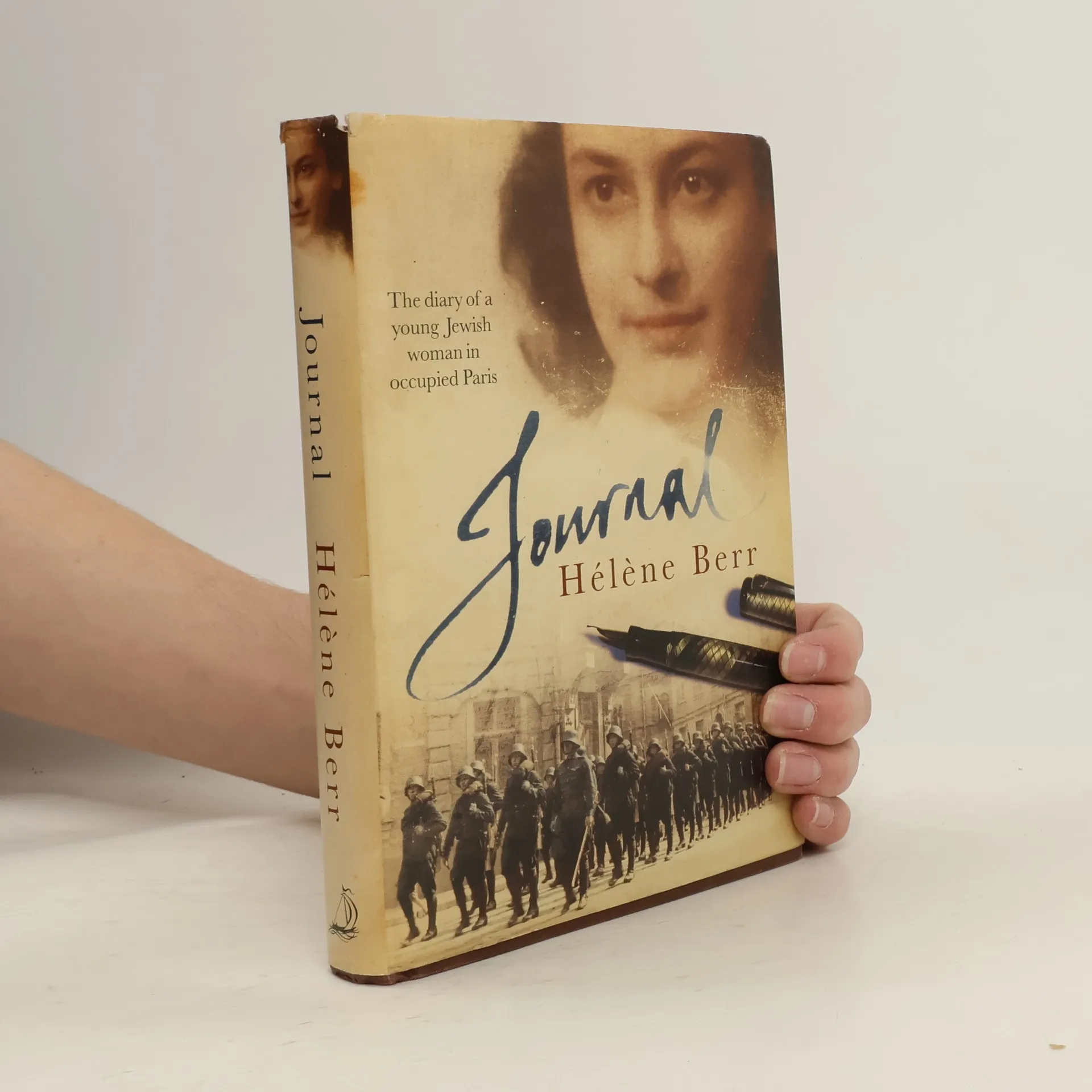
      From April 1942 to March 1944, Helene Berr, a recent graduate of the Sorbonne, kept a journal that is both an intensely moving, intimate, harrowing, appalling document and a text of astonishing literary maturity. With her colleagues, she plays the violin and she seeks refuge from the everyday in what she calls the “selfish magic” of English literature and poetry. But this is Paris under the occupation and her family is Jewish. Eventually, there comes the time when all Jews are required to wear a yellow star. She tries to remain calm and rational, keeping to what routine she can: studying, reading, enjoying the beauty of Paris. Yet always there is fear for the future, and eventually, in March 1944, Hélène and her family are arrested, taken to Drancy Transit Camp and soon sent to Auschwitz. She went - as is later discovered - on the death march to Bergen-Belsen and there she died in 1945, only weeks before the liberation of the camp. The last words in the journal she had left behind in Paris were “Horror, Horror, Horror…”, a hideous and poignant echo of her English studies from The Heart of Darkness. Hélène Berr's story is almost too painful to read, foreshadowing horror as it does amidst an enviable appetite for life, for beauty, for literature, for all that lasts.

      Journal
      3,8
    • Boulevards de ceinture

      • 183pagine
      • 7 ore di lettura

      Literatura popularna w języku francuskim przeznaczona do utrwalania nauki języka.

      Boulevards de ceinture
      3,9
    • Oorlogsdagboek

      1942-1944 - druk 1

      • 326pagine
      • 12 ore di lettura

      In het dagboek van Hélène Berr, dat de periode bestrijkt van 7 april 1942 tot 15 februari 1944, volgen we het leven van een Joods meisje uit een gegoede familie in bezet Parijs. Aanvankelijk beschrijft Berr hoe ze geniet van het studentenleven en haar studie aan de Sorbonne, de wandelingen door Parijs en haar beginnende liefde voor Jean Morawiecki. Maar algauw wordt die ogenschijnlijke zorgeloosheid verstoord. Door de anti-Joodse verordeningen van de bezetter wordt het leven van Hélène en de mensen in haar omgeving steeds meer ingeperkt en nemen de dreiging en eenzaamheid toe. Uiteindelijk wordt het dagboek een manier om haar ervaringen te delen met haar verloofde Jean, die Frankrijk heeft verlaten om zich aan te sluiten bij de Vrije Fransen van generaal de Gaulle. ‘Ik weet’, schrijft Hélène, ‘waarom ik dit dagboek bijhoud, ik weet dat ik wil dat Jean het krijgt als ik er niet ben wanneer hij terugkomt. Ik wil niet weggaan zonder dat hij alles weet wat ik in zijn afwezigheid heb gedacht.’

      Oorlogsdagboek
      3,7
    • Pariser Trilogie

      • 359pagine
      • 13 ore di lettura

      Drei Bücher hat Patrick Modiano unter dem Titel Pariser Trilogie zusammengefaßt: Abendgesellschaft, Außenbezirke und Familienstammbaum. Wie wird man zum Verräter, wie läßt es sich verhindern? Diese Fragen stellt sich ein junger Franzose, der sich, für die Gestapo arbeitend, einer Résistance-Gruppe anschließt. In einer ebenso sanften wie unnachgiebigen Erzählung nähert sich Modiano einer Vergangenheit an, die er selbst nicht erlebt hat. Mit seiner unverwechselbaren Musikalität erweckt er Worte zum Leben und überführt sie in eine fantastisch anmutende Abendgesellschaft. In den Außenbezirken, außerhalb von Paris, sucht Serge Alexandre seinen Vater. Wieder befinden wir uns in der Zeit der Besatzung. Wer ist dieser Vater? Was macht er, als Jude unter all den zwielichtigen Gestalten? Warum erkennt er seinen Sohn nicht mehr? Bis zuletzt folgt der Erzähler den Spuren seines geisterhaften Vaters. »Ich war siebzehn, und es blieb mir nichts anderes übrig, als ein französischer Schriftsteller zu werden«, schreibt Modiano im Familienstammbuch und legt uns in 14 Erzählungen seine Jugenderinnerungen vor. Autobiographisches, aber auch Imaginiertes.

      Pariser Trilogie
      3,5
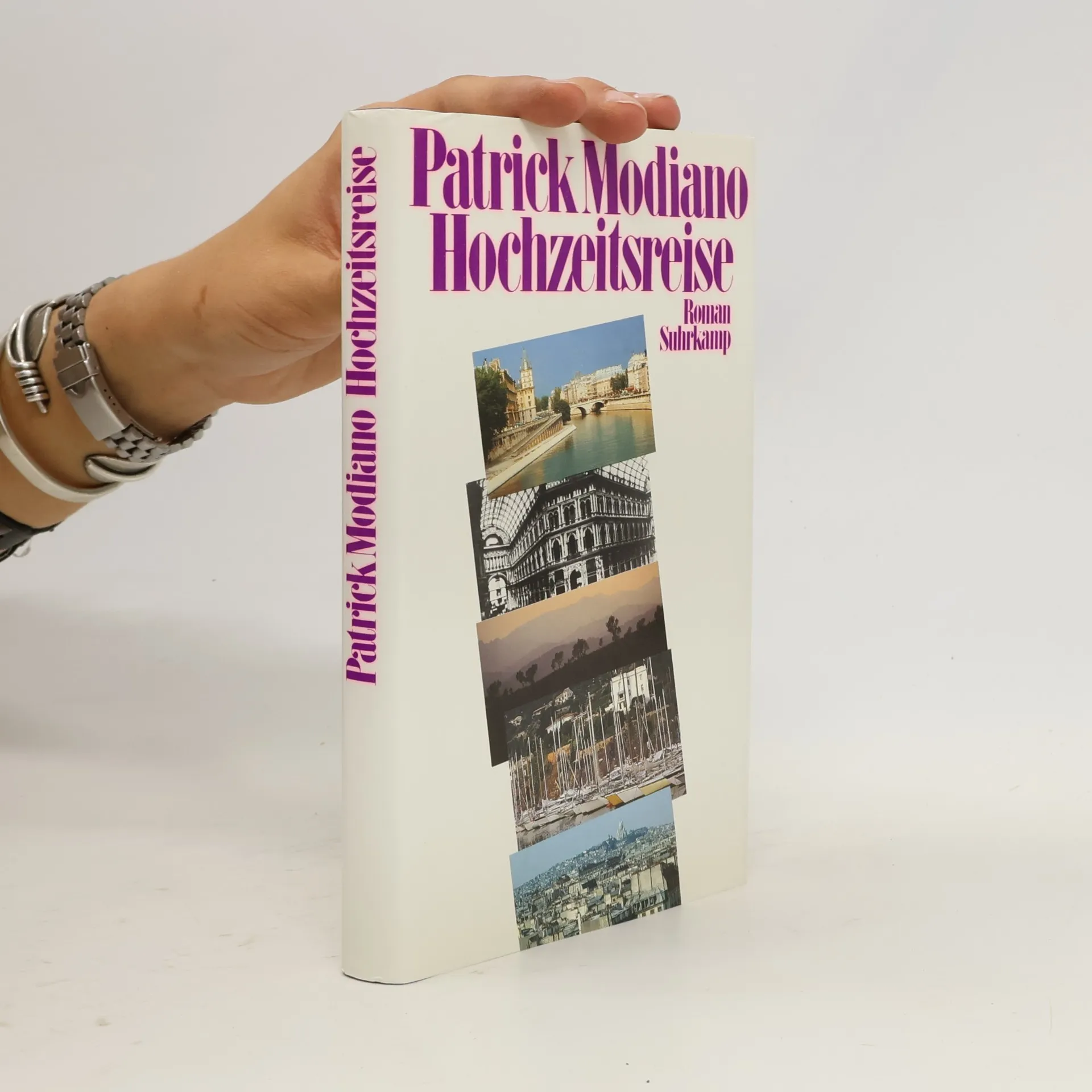
    • Voyage de noces

      • 156pagine
      • 6 ore di lettura

      «Je suis tombé sur la vieille coupure de journal qui datait de l'hiver où Ingrid avait rencontré Rigaud. C'était Ingrid qui me l'avait donnée la dernière fois que je l'avais vue. Pendant le dîner, elle avait commencé à me parler de toute cette époque, et elle avait sorti de son sac un portefeuille en crocodile, et de ce portefeuille la coupure de journal soigneusement pliée, qu'elle avait gardée sur elle pendant toutes ces années. Je me souviens qu'elle s'était tue à ce moment-là et que son regard prenait une drôle d'expression, comme si elle voulait me transmettre un fardeau qui lui avait pesé depuis longtemps ou qu'elle devinait que moi aussi, plus tard, je partirais à sa recherche. C'était un tout petit entrefilet parmi les autres annonces, les demandes et les offres d'emplois, la rubrique des transactions immobilières et commerciales : On recherche une jeune fille, Ingrid Teyrsen, seize ans, 1,60 m, visage ovale, yeux gris, manteau sport brun, pull-over bleu clair, jupe et chapeau beiges, chaussures sport noires. Adresser toutes indications à M. Teyrsen, 39 bis boulevard Ornano, Paris.»

      Voyage de noces
      3,8
    • De si braves garçons

      • 185pagine
      • 7 ore di lettura

      Aux environs de Paris, le collège de Valvert, surnommé le Château en raison de son parc, de ses pavillons et de ses bois, a pour pensionnaires de " braves garçons " plus ou moins abandonnés par leurs familles -des gens riches ou ruinés, instables, cosmopolites, suspects. Ils y poursuivent leurs études en nouant des amitiés, soit entre eux, soit avec leurs professeurs tout aussi pittoresques. Puis la vie les disperse. Vingt ans passent. Grâce à sa mémoire en pointe sèche et à sa curiosité, le narrateur -qui est peut-être Modiano lui-même- recompose l'atmosphère ancienne tout en menant une sorte d'enquête sur ce que le temps a pu faire de ses anciens camarades. Ces souvenirs rejoignent sans cesse le présent, au fil d'une réalité faite de rêve et de nostalgie.

      De si braves garçons
      3,2
    • Du plus loin de l'oubli

      • 180pagine
      • 7 ore di lettura

      Un homme se remémore sa jeunesse en croisant une femme dans le métro, qui pourrait être son ancien amour. Il la suit jusqu'à une fête, mais elle reste mystérieusement indifférente. Patrick Modiano évoque une histoire d'amour nostalgique dans le Paris et Londres des années 60, avec une atmosphère poétique et des éléments incertains.

      Du plus loin de l'oubli
      3,7
    • Eine Nacht im April 1933. Aus unerklärter Ursache begehen zwei junge Eheleute in ihrer Pariser Wohnung Selbstmord. Zuvor waren sie tanzen gegangen, hatten zwei Frauen und zwei Männer kennengelernt und waren in einem Haus mit rotem Aufzug gestrandet. Drei Jahrzehnte später sitzt an einem schwülheißen Augusttag ein Mann in einem Pariser Café und denkt über diese Geschichte nach, an der – so scheint es – auch Weggefährten seines eigenen Lebens beteiligt waren. Er begibt sich auf die Spur jener Menschen, stößt auf unvermutete Zusammenhänge und vertauschte Realitäten. Auf seinen Streifzügen durch Paris nimmt der Erzähler Silhouetten wahr, Begegnungen, Namen. Er ist auf der Suche nach Beweisen und Indizien, mit denen er sich selbst von der Existenz dieser vergangenen Bekanntschaften und Schauplätze zu überzeugen sucht.

      Ruinenblüten
      3,1
    • Патрік Модіано посідає досить поважне місце в сучасній французькій літературі, автор тридцяти романів, лауреат багатьох літературних премій, серед яких Гонкурівська і Нобелівська. Остання на тепер книжка Модіано, переклад якої ви зараз тримаєте в руках, з’явилася у книгарнях 2 жовтня 2014 р., майже водночас із присудженням йому Нобелівської премії з літератури. …Немолодому письменникові Жану Дарагану дзвонить незнайомець, який знайшов його телефонну книжку. Під час зустрічі він починає допитуватися про одного чоловіка, чиє прізвище в ній побачив. Але Дараган уже не пригадує, хто це, бо бачив його мимохідь і дуже давно… Ця пригода змушує його зануритися в не дуже щасливе дитинство й неспокійну молодість, які він давно стер з пам’яті. Із минулого один за одним виринають постаті, адреси, кафе, зустрічі, готелі, оповиті серпанком спогаду, і всі вони обертаються довкола загадкової дівчини, яка колись доглядала малолітнього Дарагана, а по кількох роках стала, схоже ненадовго, його коханням… Отак, вірний своєму «мистецтву пам’яті», Модіано вибудовує пронизану глибокою людяністю бентежну оповідь, яка в процесі читання буде здаватися нам то детективом, то поемою про втрачене кохання.

      Щоб не загубитися у місті
      3,6
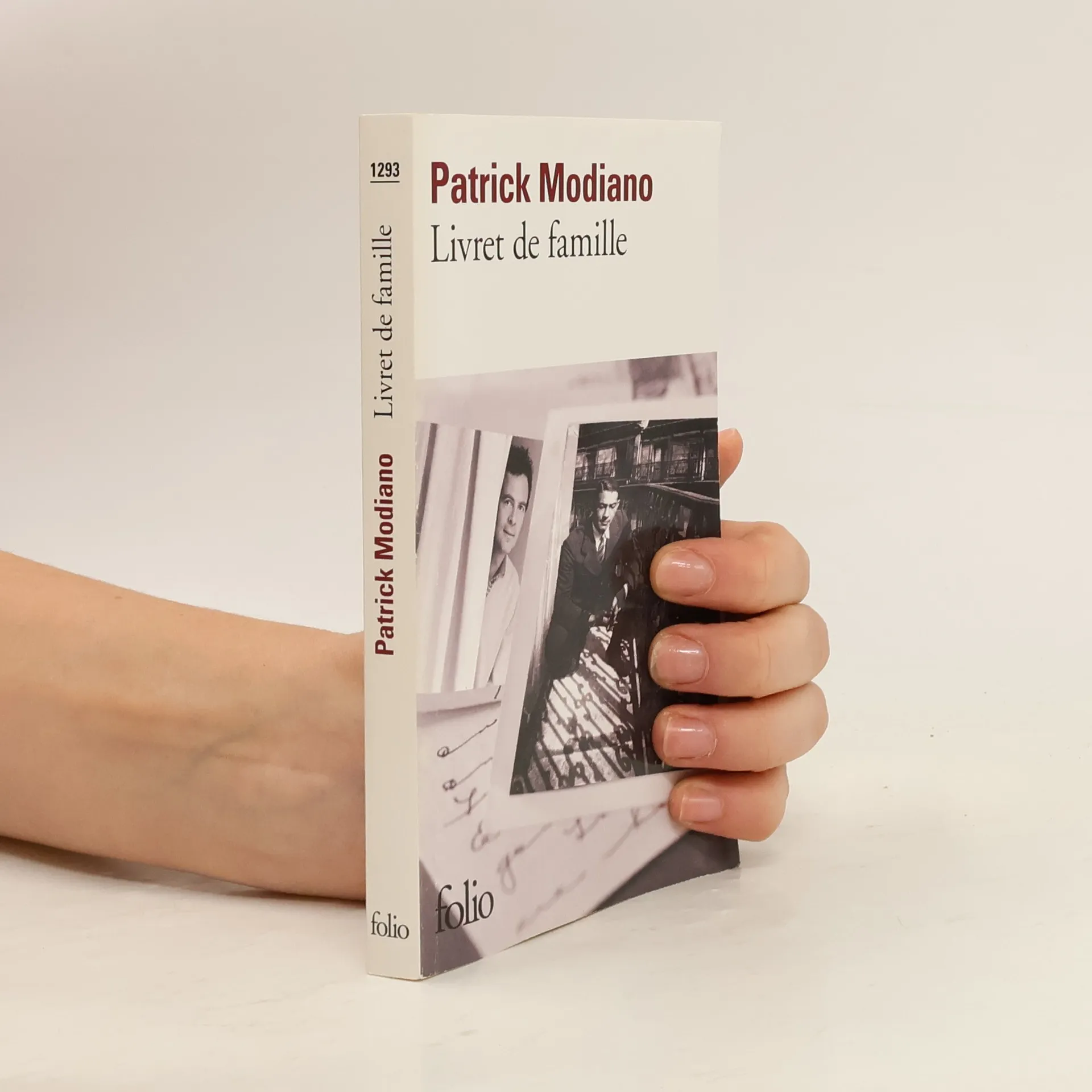
    • Livret de famille

      • 214pagine
      • 8 ore di lettura

      Quatorze récits où l'autobiographie se mêle aux souvenirs imaginaires. L'auteur peint aussi bien une soirée de l'ex-roi Farouk que son père traqué par la Gestapo, les débuts de sa mère, girl dans un music-hall d'Anvers, les personnages équivoques dont le couple est entouré, son adolescence, et enfin quelques tableaux de son propre foyer. Tout cela crée peu à peu un "livret de famille".

      Livret de famille
      3,6
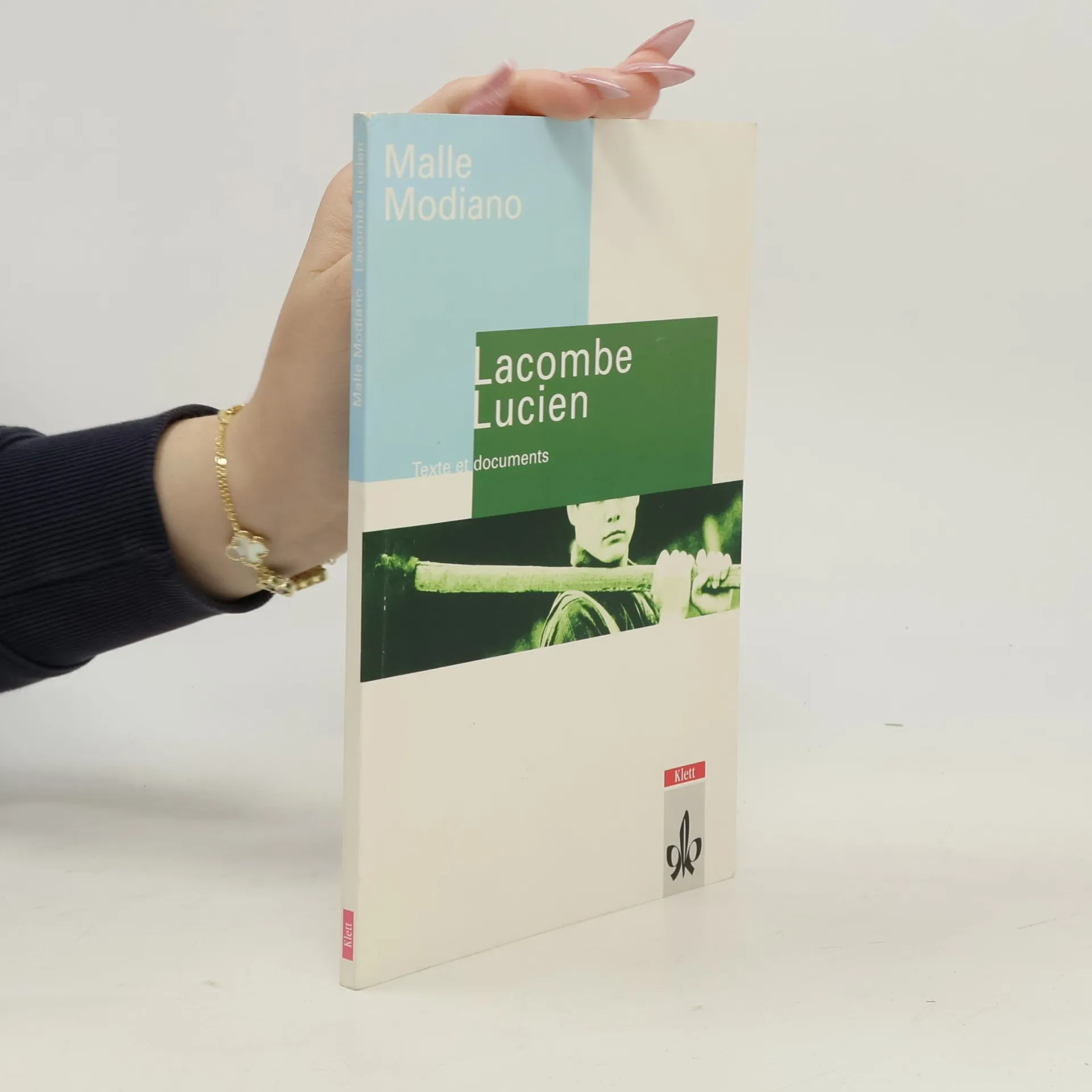
    • Lacombe Lucien

      Texte et documents. Französische Lektüre für das 4. Lernjahr, Oberstufe. Originaltext mit Annotationen

      • 159pagine
      • 6 ore di lettura

      Lucien Lacombe, un jeune paysan du Sud-Ouest travaillant à la ville, retourne pour quelques jours chez ses parents en juin 1944. Son père a été arrêté par les Allemands et sa mère vit avec un autre homme. Il rencontre son instituteur, devenu résistant, à qui il confie son désir d'entrer dans le maquis. Il est refusé. De retour en ville, il est arrêté par la police et après un habile interrogatoire, il dénonce son instituteur. Il est alors engagé par la Gestapo. Mais il va aussi entrer dans la vie d'une famille juive ... (Quelle: Umschlagtext).
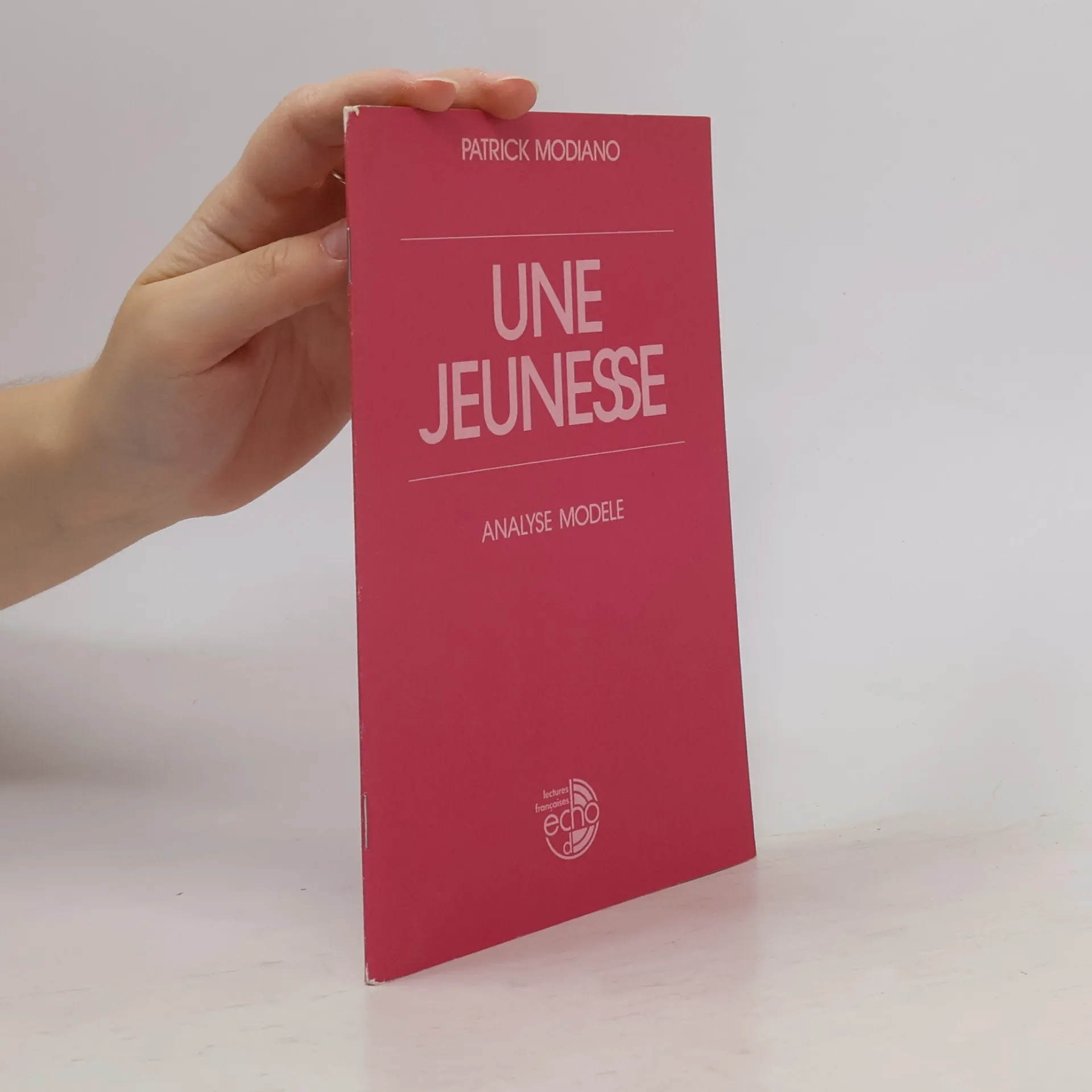
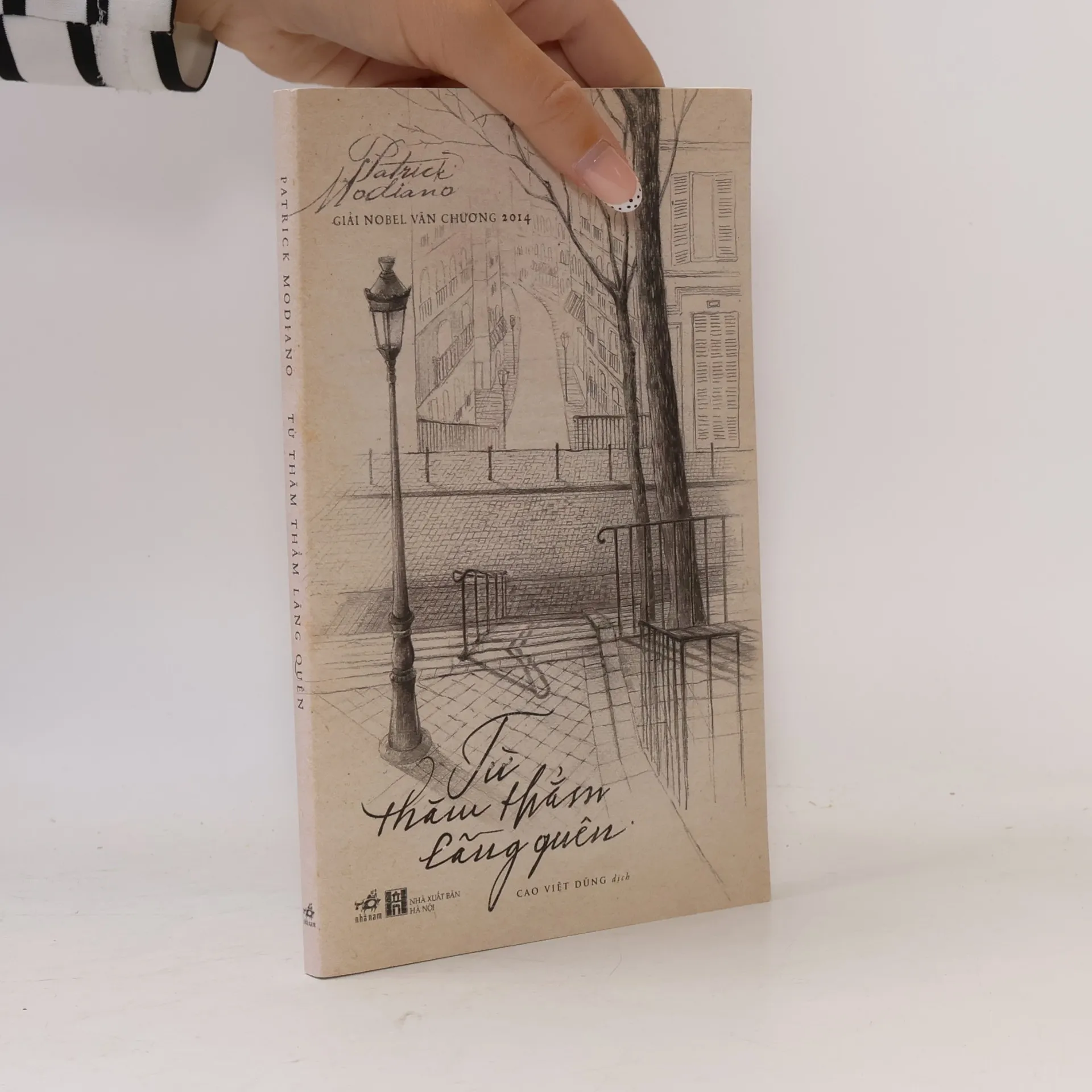
      Lacombe Lucien
      3,0
    • Cirque passe

      • 165pagine
      • 6 ore di lettura

      Literatura popularna w języku francuskim przeznaczona do utrwalania nauki języka.

      Cirque passe
      3,6
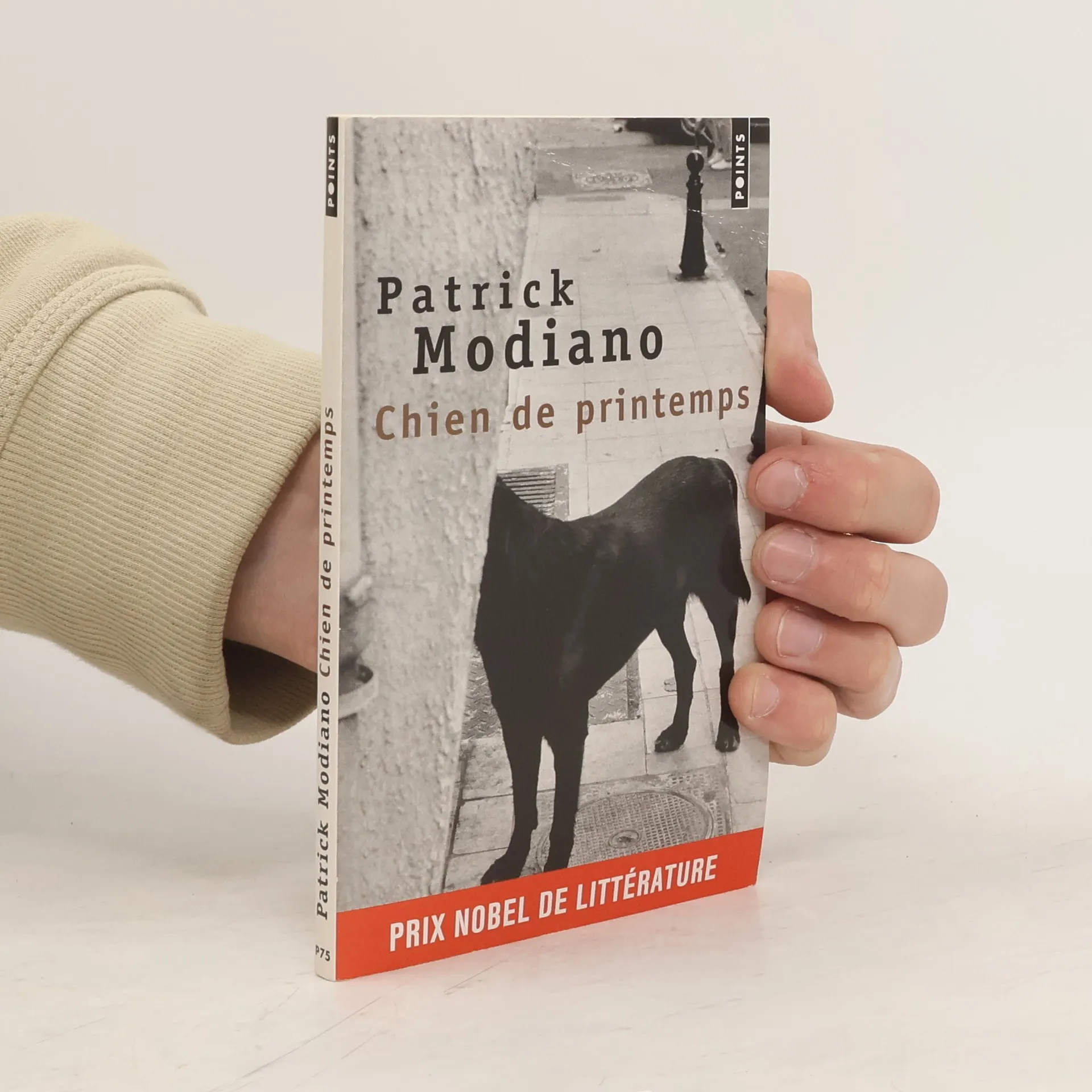
    • Chien de printemps

      • 120pagine
      • 5 ore di lettura

      En 1964, dans un café parisien, un client fixe dans l’objectif de son Rolleiflex le jeune couple assis à la table voisine. C’est ainsi que le narrateur fait de la connaissance du photographe Francis Jansen. Le souvenir de cet homme étrange et de leurs rencontres ce printemps-là vient le hanter trente ans plus tard...

      Chien de printemps
      3,6
    • Sonntage im August

      Roman

      • 162pagine
      • 6 ore di lettura

      In La Varenne an der Marne beginnt sie, die kurze Amour fou zwischen dem Fotografen und seiner Geliebten Sylvia, der Frau des windigen Geschäftsmanns Frédéric Villecourt, und sie endet in Nizza an der Côte d’Azur, wohin Sylvia ihrem Geliebten folgt. Im Gepäck hat sie einen Diamanten, den sie ihrem Mann entwendet hat. Der Diamant heißt »Kreuz des Südens«. Bei dem Versuch, ihn zu verkaufen, verschwindet Sylvia auf ungeklärte Weise – wie alle Vorbesitzer. Seine erste Trägerin wurde 1793 guillotiniert, und der vorletzte Besitzer 1944 erschossen …

      Sonntage im August
      3,6
    • Trilogía de la ocupación

      • 357pagine
      • 13 ore di lettura

      Este volumen reúne las tres primeras novelas de un autor fundamental de las letras francesas contemporáneas. Tres novelas que recibieron numerosos galardones –entre ellos el Gran Premio de la Academia Francesa– y que representan el primer y más brillante bisturí novelístico de la turbiedad, la complicidad social y la fantasmagoría, del antisemitismo, el crimen organizado y la fiesta de algunos en este negro período del siglo XX francés. Concretamente del París ocupado, su gestación y consecuencias. Entre el delirio, el sueño y la falsificación desfilan todos los fantasmas de la época. Entre ellos, el padre –ese eterno modianesco–, una banda criminal que gira en su provecho la amenaza del enemigo y la locura ideo­lógica –retrato del soporte intelectual de aquellos años– de un judío antisemita. Y todo ello contado, en palabras de José Carlos Llop, prologuista a esta edición, «como si Scott Fitzgerald y Dostoievski salieran de correría nocturna y en vez de bares hubieran visitado varios círculos del infierno con un espíritu entre la frescura fitzgeraldiana y el fatalismo nihilista del ruso, mezclado con cierta atmósfera a lo Simenon». Un libro absolutamente imprescindible.

      Trilogía de la ocupación
      2,9
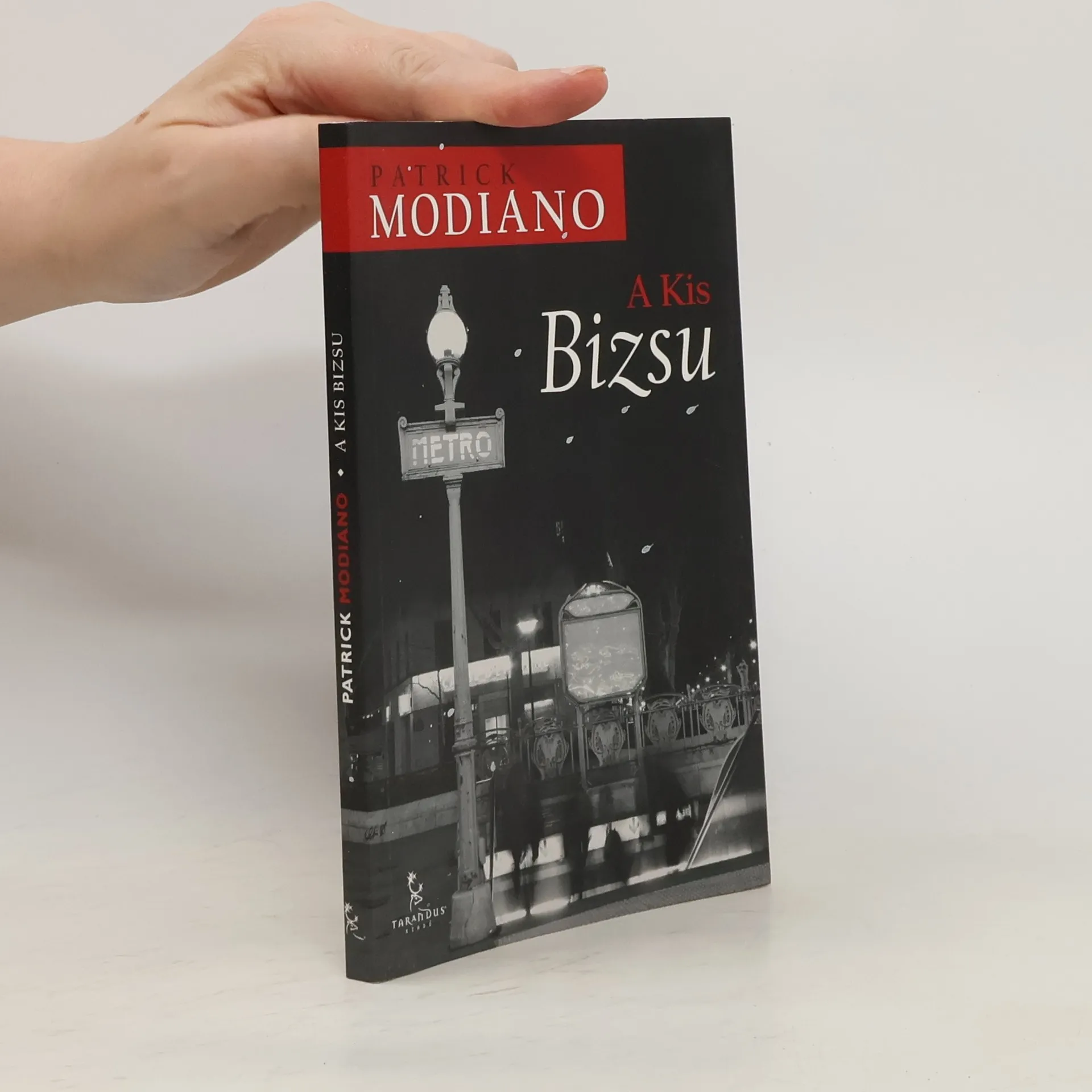
    • A Kis Bizsu

      • 128pagine
      • 5 ore di lettura

      Thérse, a magányos, fiatal lány megpillant a párizsi metróban egy sárga kabátos nőt, aki különös módon hasonlít évek óta eltűntnek hitt anyjára. A nyomába ered, s e szokatlan keresés közben fölidézi maga előtt a múltját, s igyekszik megválaszolni a nyitva maradt kérdéseket: Mi volt hazugság, és mi igaz? Az anyja valóban meghalt-e Marokkóban, ahogyan azt eddig tudta, vagy mindvégig itt élt Párizsban, s csak karrierje miatt hagyta el lányát, akit boldogabb időkben Kis Bizsunak hívott? S vajon e boldogabb idők gazdagsága honnan származott? Ki volt az anyja tulajdonképpen, és kivé lett ő maga? Jóvá tudja-e tenni a múlt hibáit? A szép, törékeny lány igyekszik eligazodni az emlékezetében megmaradt nevek és helyszínek kavalkádjában, s kikapaszkodni valahogy múltja sötét árnyai közül.

      A Kis Bizsu
      3,5
    • Une jeunesse

      • 182pagine
      • 7 ore di lettura

      Dans un Paris où ils sont livrés à eux-mêmes, deux très jeunes gens, Odile et Louis, font l'«apprentissage de la ville» et d'une vie de hasards, d'expédients et d'aventures.Ils ont pour eux leur innocence et croisent sur leur route des individus singuliers, émouvants mais quelquefois peu recommandables qui les entraînent dans des chemins de traverse.Mais, en définitive, aussi trouble et aussi chaotique que soit un début dans la vie, il se métamorphose, avec le temps, en un beau souvenir de jeunesse, que les deux héros de ce livre sont désormais seuls à partager.

      Une jeunesse
      3,5
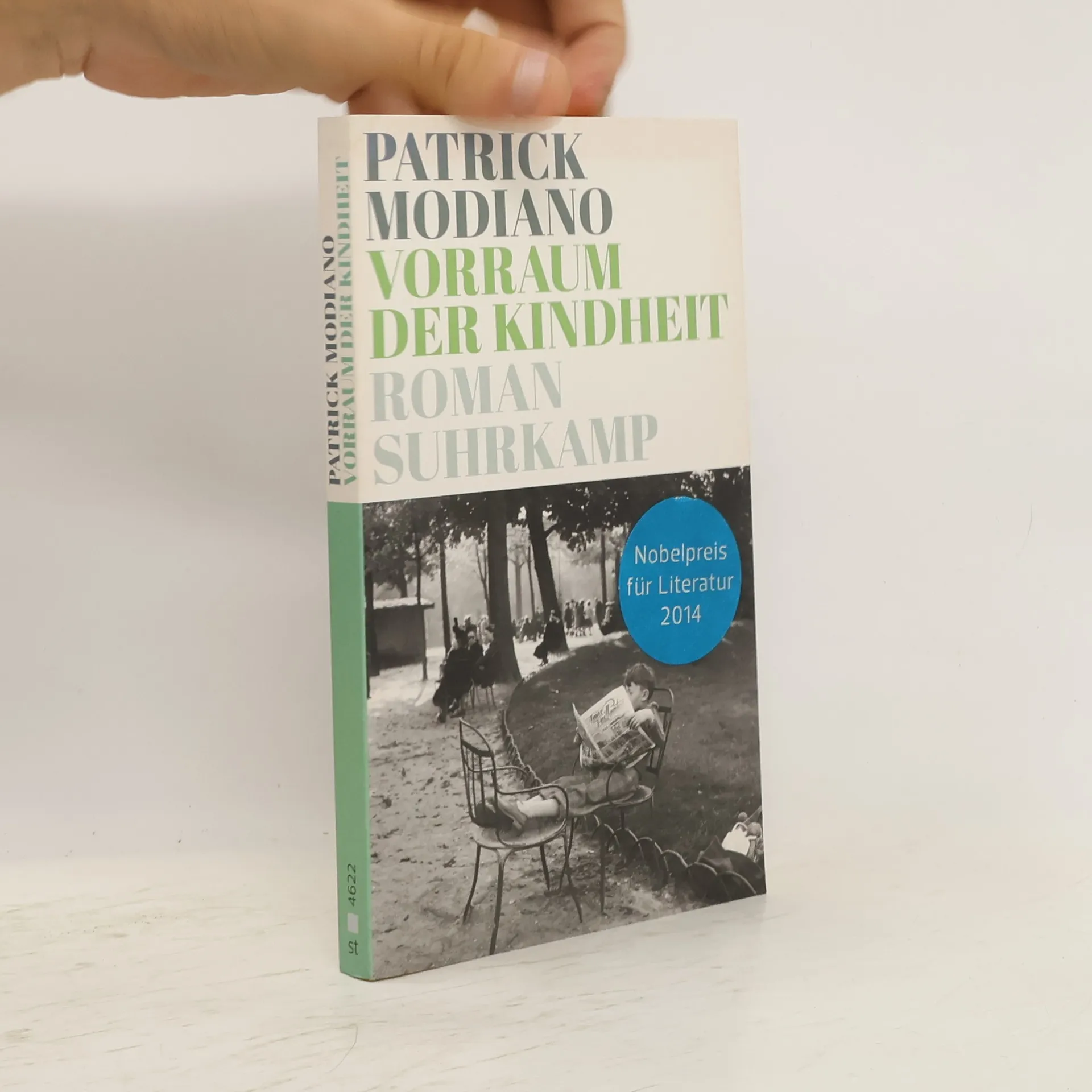
    • Jimmy Sarano ist Autor eines endlosen Feuilletons mit dem Titel »Die Abenteuer Ludwigs XVII.«, das eine Radiostation ins Leere sendet. Er lebt in einer namenlosen Stadt am Mittelmeer, die vom Rhythmus der Muezzinrufe und dem Sprachengewirr seiner Bewohner geprägt ist. Als er eines Tages in einem Café eine junge Frau erblickt, bahnt sich eine Kindheitserinnerung einen Weg in sein Gedächtnis. Plötzlich wird er wieder von dieser Leere heimgesucht, »wie andere Leute von Malariaanfällen«, und vor ihm scheint sein früheres Leben auf; eine verdrängte Identität, aus der er sich vor langer Zeit in einem Befreiungsschlag lösen mußte. Damals hieß er noch Jean Moreno und lebte in Paris. Damals schrieb er keine Geschichten für das Lokalradio, damals zählte er zu den Pariser Intellektuellen. In zahlreichen Erinnerungsschleifen muß sich Jean seiner Vergangenheit stellen, die er gleich einer Doppelbelichtung niemals ganz zu verdrängen vermochte.

      Vorraum der Kindheit
      3,5
    • Accident nocturne

      • 177pagine
      • 7 ore di lettura

      Quelle structure familiale avez-vous connue ? J'avais répondu : aucune. Gardez-vous une image forte de votre père et de votre mère ? J'avais répondu : nébuleuse. Vous jugez-vous comme un bon fils (ou fille) ? Je n'ai jamais été un fils. Dans les études que vous avez entreprises, cherchez-vous à conserver l'estime de vos parents et à vous conformer à votre milieu social ? Pas d'études. Pas de parents. Pas de milieu social. Préférez-vous faire la révolution ou contempler un beau paysage ? Contempler un beau paysage. Que préférez-vous ? La profondeur du tourment ou la légèreté du bonheur ? La légèreté du bonheur. Voulez-vous changer la vie ou bien retrouver une harmonie perdue ? Retrouver une harmonie perdue.

      Accident nocturne
      3,4
    • Des inconnues

      • 155pagine
      • 6 ore di lettura

      Onbekende vrouwen bevat drie novellen waarin jonge vrouwen vertellen over hun leven, als anonieme stemmen op de radio die je als luisteraar, bij het zoeken van een zender, toevallig tegenkomt en die even later teloorgaan in het gekraak en geruis van een storing.

      Des inconnues
      3,4
    • La 4e de couv. indique : "Et l'enfant ? demanda Daragane. Vous avez eu des nouvelles de l'enfant ? — Aucune. Je me suis souvent demandé ce qu'il était devenu... Quel drôle de départ dans la vie... — Ils l'avaient certainement inscrit à une école... — Oui. À l'école de la Forêt, rue de Beuvron. Je me souviens avoir écrit un mot pour justifier son absence à cause d'une grippe. — Et à l'école de la Forêt, on pourrait peut-être trouver une trace de son passage... — Non, malheureusement. Ils ont détruit l'école de la Forêt il y a deux ans. C'était une toute petite école, vous savez..."

      Pour que tu ne te perdes pas dans le quartier. Damit du dich im Viertel nicht verirrst, französische Ausgabe
      3,3
    • Un pedigrí

      • 144pagine
      • 6 ore di lettura

      París, octubre de 1942. Un hombre y una mujer se conocen durante la ocupación de la ciudad. Él es un judío de origen toscano, ella una belga que persigue el sueño de convertirse en bailarina. Se casan y tienen dos hijos, uno de los cuales es Patrick Modiano. Durante veinte años viven juntos en un piso del muelle de Conti. A su alrededor, un mundo de personajes extraños: hombres de negocios cuyas tareas son siempre misteriosas, actrices de tres al cuarto dispuestas a cualquier cosa, aman-tes de personajes famosos, alcahuetes y aristócratas decadentes de dudosa sexualidad. Son hombres y mujeres que intentan huir de la guerra y las deportaciones, y tratan de arreglárselas en la difícil existencia de la posguerra. Un universo de rostros con el que Modiano reconstruye un carné de identidad personal. Pero también el cuadro de una época extraña en la que se presiente el desastre. Un texto autobiográfico clave para entender la obra de este extraordinario autor. «Su documentación sobre la ocupación, la resistencia, la expulsión, la deportación, el exilio, la colaboración y la guerra de Argelia es fenomenal» (Joseph Animan, Frankfurter Allgemeine Zeitung); «Una hoguera de sufrimiento que hay que arrancar de uno evitando quemarse» (Michèle Gazier, Télérama).

      Un pedigrí
      3,2
    • Memory Lane

      Illustriert von Pierre Le-Tan

      • 128pagine
      • 5 ore di lettura

      Jean, Anfang zwanzig, arbeitet in einem Musikverlag und wird in die Pariser Bohème der Nachkriegszeit eingeführt. Fünfzehn Jahre später erinnert er sich nostalgisch an die ungleichen Freunde um das Ehepaar Contour. "Memory Lane" erschien erstmals 1979 in Frankreich und wird nun erstmals auf Deutsch veröffentlicht, begleitet von Pierre Le-Tans Zeichnungen.

      Memory Lane
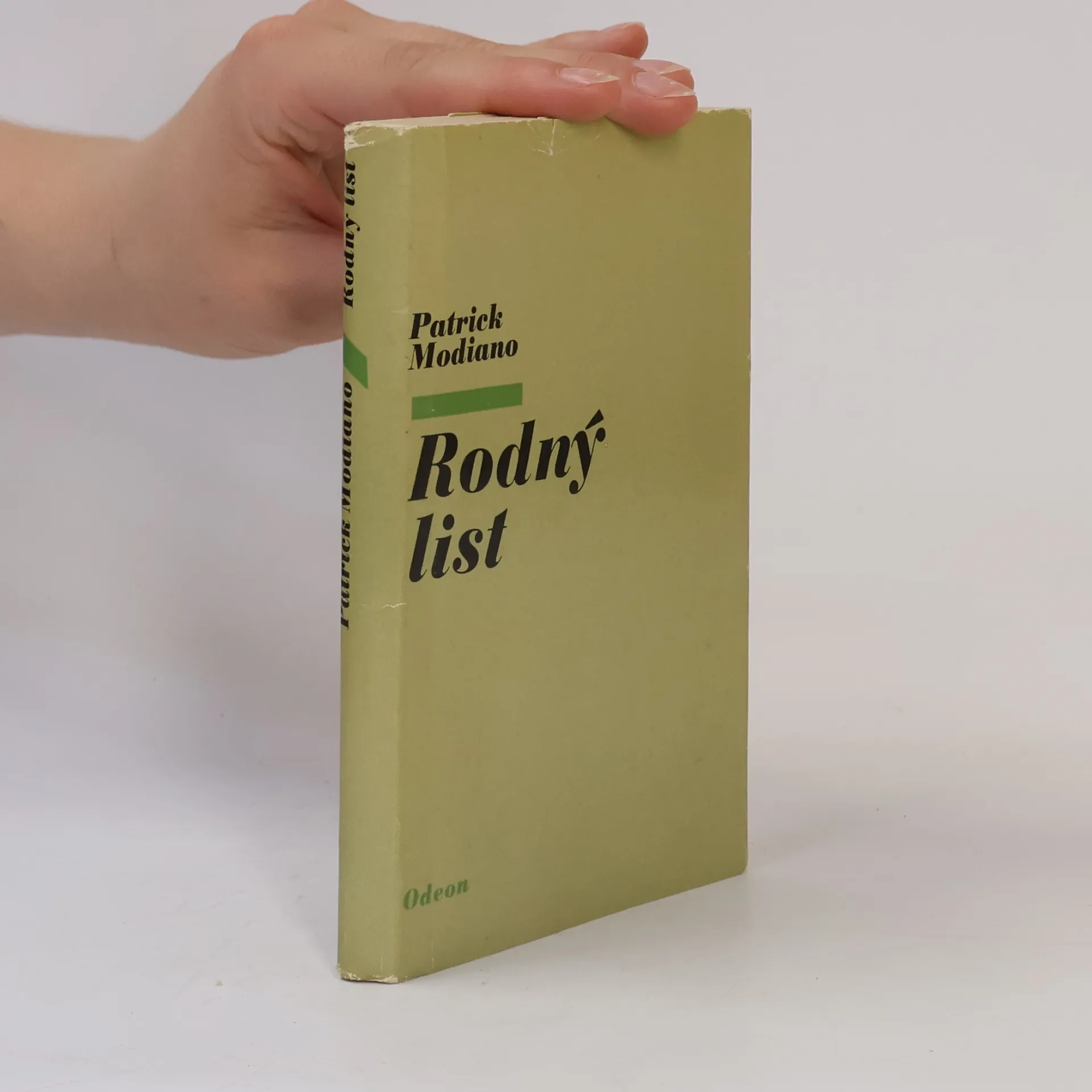
    • Román francouzského spisovatele, v němž autor s autobiografickou fikcí a s humorem a ironií vypráví o sobě, o své rodině, o její snaze zakotvit ve společnosti, v níž žijí, ale která jim v minulosti, zvláště za nacistické okupace, neposkytla legální totožnost.

      Rodný list
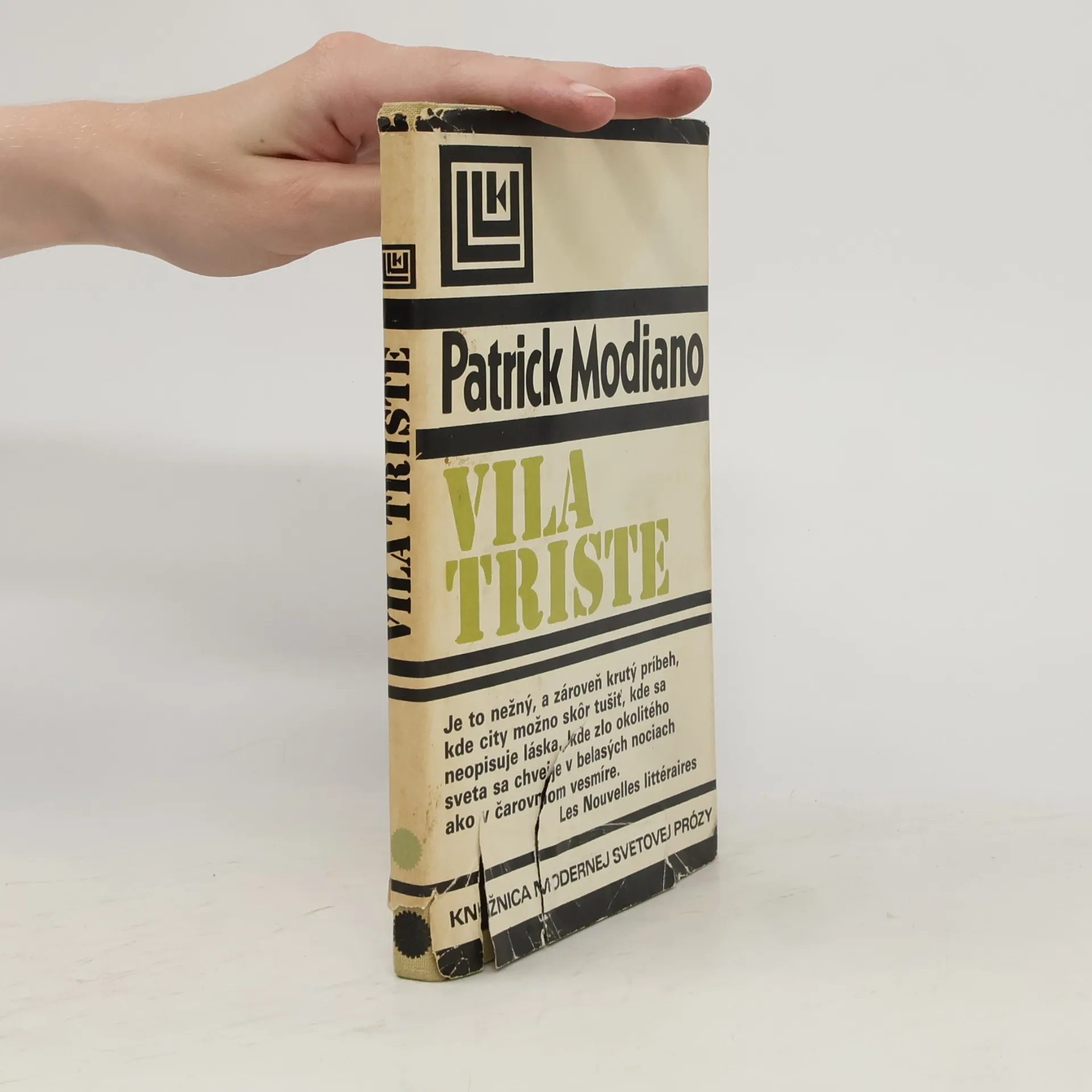
    • Román Vila Triste je poznačený predovšetkým clivotou, krehkými spomienkami a evokáciami krásnych chvíľ, ktoré prežil rozprávač v luxusnom prostredí malého kúpeľného mestečka v Hornom Savojsku. Stretol sa tam s nádejnou herečkou Yvonnou a s lekárom Meinthom, spolu s ktorými vychutnával chvíle bezstarostného života. Všetkých troch navzájom viažu putá priateľstva, ba k Yvonne prechováva city nežnej lásky, v dnešnom svete takmer neskutočnej. A všetkých troch spája spoločné úsilie: hľadajú oporný bod, istotu v živote, a tú im nevie poskytnúť ani prepychový život, ktorého sa čoskoro presýtia.

      Vila triste
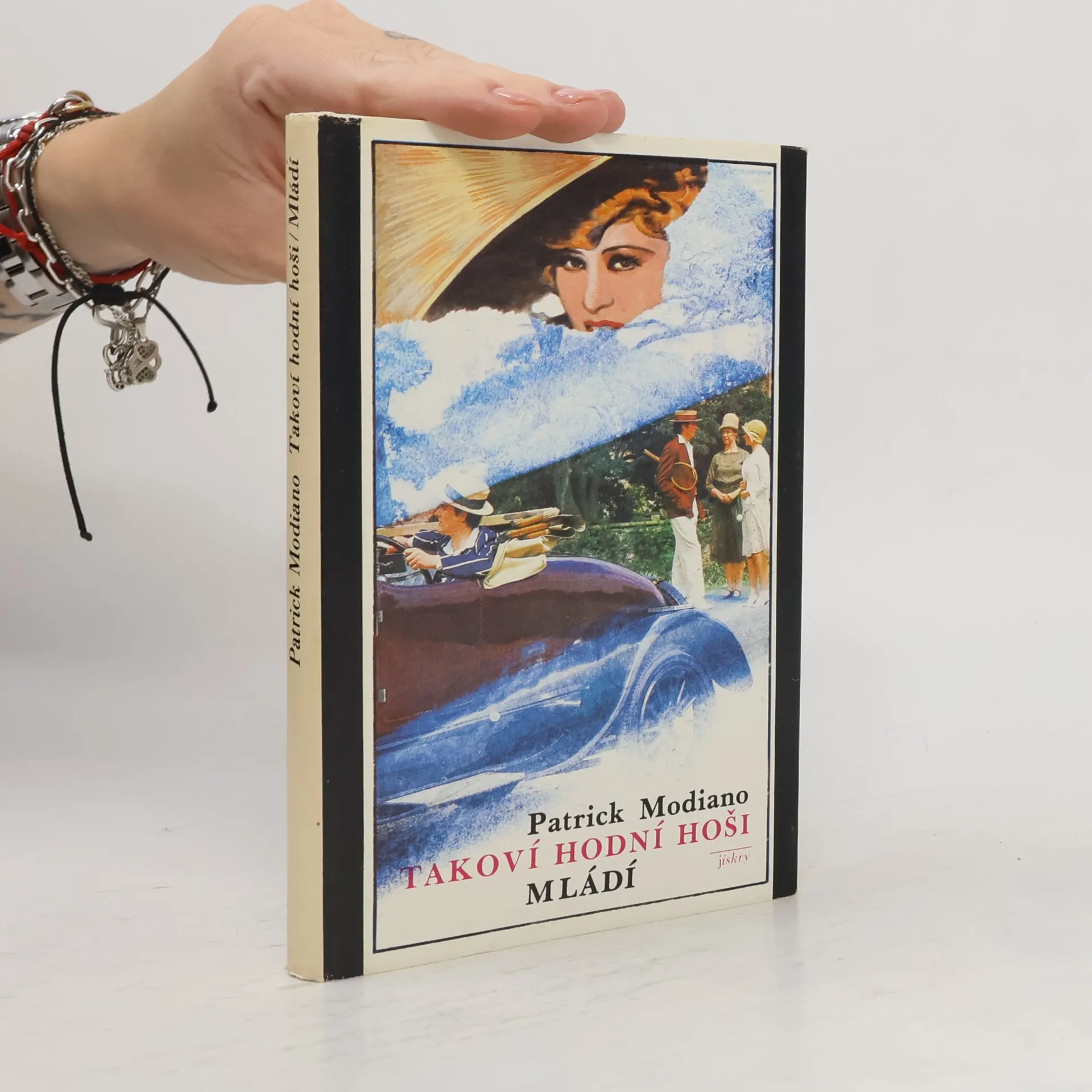
    • Jací vlastně byli a co se stalo s těmi „takovými hodnými hochy", někdejšími spolužáky z elitní koleje, které nám představuje P. Modiano v první části svazku, románu Takoví hodní hoši (1982)? Karvé nadobro opustil své rodiče, podvodníky na vysoké úrovni, Portier trpěl, že jeho matka je ženou vydržovanou milionáři, Winegrain zosnoval z uražené ješitnosti kruté zostuzení sestry jednoho spolužáka, ani Claude se nestal velkým hercem, rozmazlený Desoto podlehl podivnému infantilismu jako „monarcha" tenisového klubu, Charell se ocitl v pekelném kruhu narkomanů, stárnoucí dandy Yotlande bezcílně ubíjel čas... A samotný vypravěč? Víme o něm, že ho nazývali snílkem a že píše detektivní romány. I on sám zřejmě nenašel zakotvení, a proto stále hledá svou pravou tvář. Druhou část svazku tvoří román Mládí (1983).

      Takoví hodní hoši. Mládí