Tascabili Economici Newton - 18: Aforismi e detti memorabili
- 93pagine
- 4 ore di lettura


Ezra Pound fu una figura chiave del Modernismo letterario, profondamente in sintonia con l'interazione tra poesia e musica. La sua opera fondamentale, 'The Cantos', il cui titolo suggerisce 'I Canti', rivela una profonda fascinazione per la tradizione dei trovatori, dove verso e melodia raggiunsero una rara simbiosi. Pound considerava il ritmo l'aspetto più autentico e inimitabile della voce di un poeta, sostenendo la traduzione come un rigoroso allenamento nella scelta delle parole e nella cadenza. Sebbene spesso trascrivesse ritmi poetici musicalmente, alla fine scoprì che alcuni testi, come quelli di Catullo e Villon, resistevano alla traduzione diretta, costringendolo a metterli in musica per coglierne l'armonia essenziale.



The collection features a series of essays from Fascist Quarterly, reflecting the radical ideologies of the 1930s. It offers insights into the minds of those who embraced Fascism and National Socialism, presenting an alternative intellectual perspective during a time of political upheaval. The essays serve as a historical document, illuminating the beliefs and motivations behind these controversial movements.
This 14-CD boxed set contains nearly 900 minutes of notable American poets reading their own poems. The collection features 453 poems by 100 poets, including such luminaries as Adrienne Rich, Allen Ginsburg, Anne Sexton, Anthony Hecht, Archibald Macleish, Carl Sandburg, Denise Levertov, Donald Hall, Dorothy Parker, e.e. cummings, Elizabeth Bishop, Ezra Pound, Galway Kinnell, Gertrude Stein, Gwendolyn Brooks, H.D. (Hilda Doolittle), Howard Nemerov, James Dickey, James Merrill, James Wright, John Ashbery, John Berryman, John Hollander, John Updike, Karl Shapiro, Kenneth Patchen, Kenneth Rexroth, Langston Hughes, Louise Bogan, Marianne Moore, Mark Strand, May Swenson, Muriel Rukeyser, Ogden Nash, Randall Jarrell, Richard Wilbur, Robert Bly, Robert Creeley, Robert Frost, Robert Lowell, Ruth Stone, Stanley Kunitz, Sylvia Plath, T.S. Eliot, Theodore Roethke, Wallace Stevens, William Carlos Williams, and Yvor Winters, among many others.
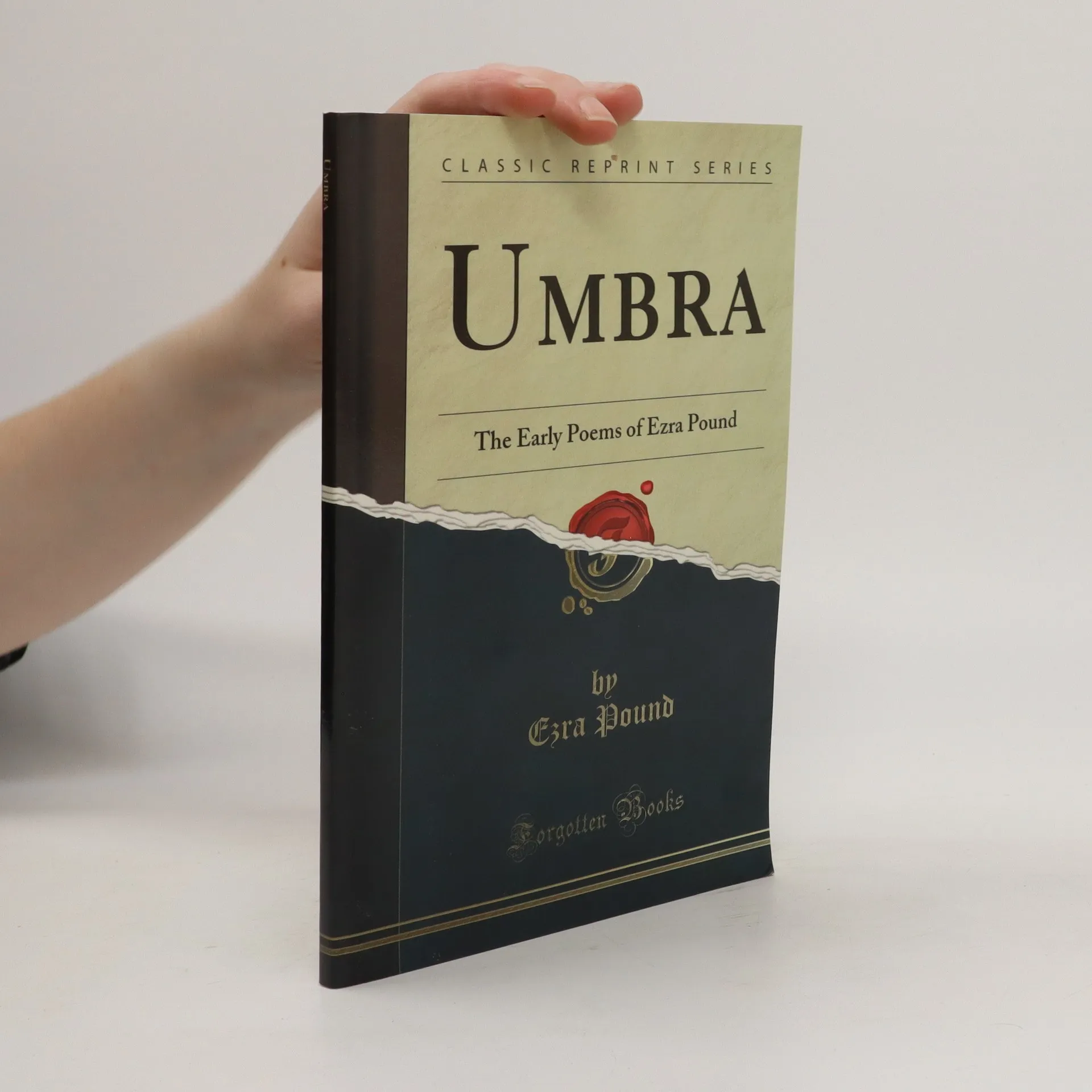
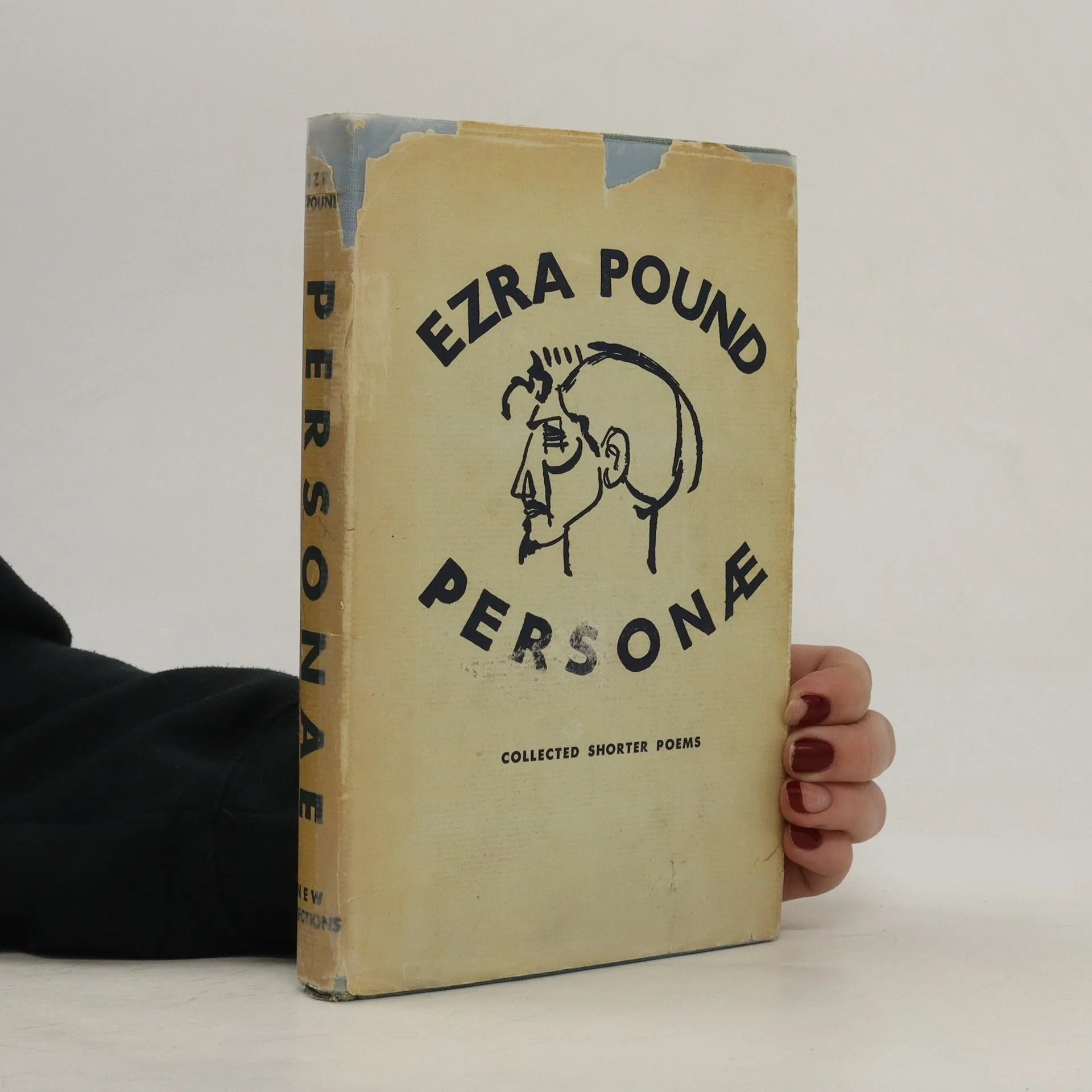
Excerpt from Umbra: The Early Poems of Ezra Pound For I know that the wailing and bitterness are a folly. And I? I have put aside all folly and all grief. About the Publisher Forgotten Books publishes hundreds of thousands of rare and classic books. In rare cases, an imperfection in the original, such as a blemish or missing page, may be replicated in our edition. We do, however, repair the vast majority of imperfections successfully; any imperfections that remain are intentionally left to preserve the state of such historical works.
An extensively annotated edition of Ezra Pound's Chinese translations in Cathay (1915) and Lustra (1916), complete with manuscript sources and the Chinese originals and Pound's article Chinese Poetry. Filled out by essays by Haun Saussy, Christopher Bush, and Timothy Billings, this edition resituates Cathay as a project of poetry in circulation and a work of World Literature.
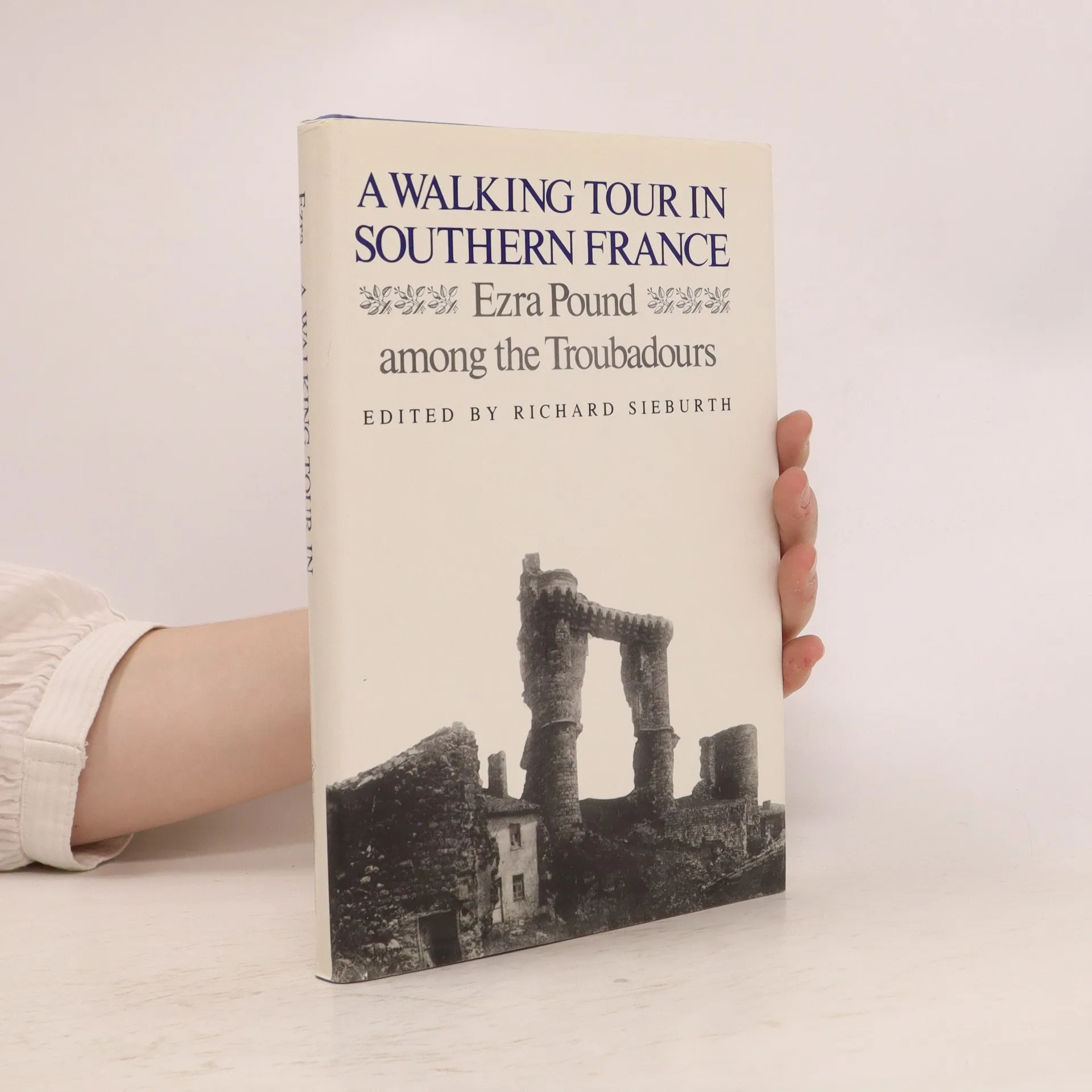
Rummaging through his papers in 1958, Ezra Pound came across a cache of notebooks dating back to the summer of 1912, when as a young man he had walked the troubadour landscape of southern France. Pound had been fascinated with the poetry of medieval Provence since his college days. His experiments with the complex lyric forms of Arnaut Daniel, Bertran de Born, and others were included in his earliest books of poems; his scholarly pursuits in the field found their way into The Spirit of Romance (1910); and the troubadour mystique was to become a resonant motif of the Cantos. In the course of transcribing and emending the text of "Walking Tour 1912," editor Richard Sieburth retraced Pound's footsteps along the roads to the troubadour castles. "What this peripatetic editing process...revealed," he writes, "was a remarkably readable account of a journey in search of the vanished voices of Provence that at the same time chronicled Pound's gradual discovery of himself as a modernist poet...."
If the invention of literary modernism is usually attributed to Joyce, Eliot and Pound, it was Pound's personality and position in the artistic world that enabled the experiment to transform itself into an international movement. schovat popis
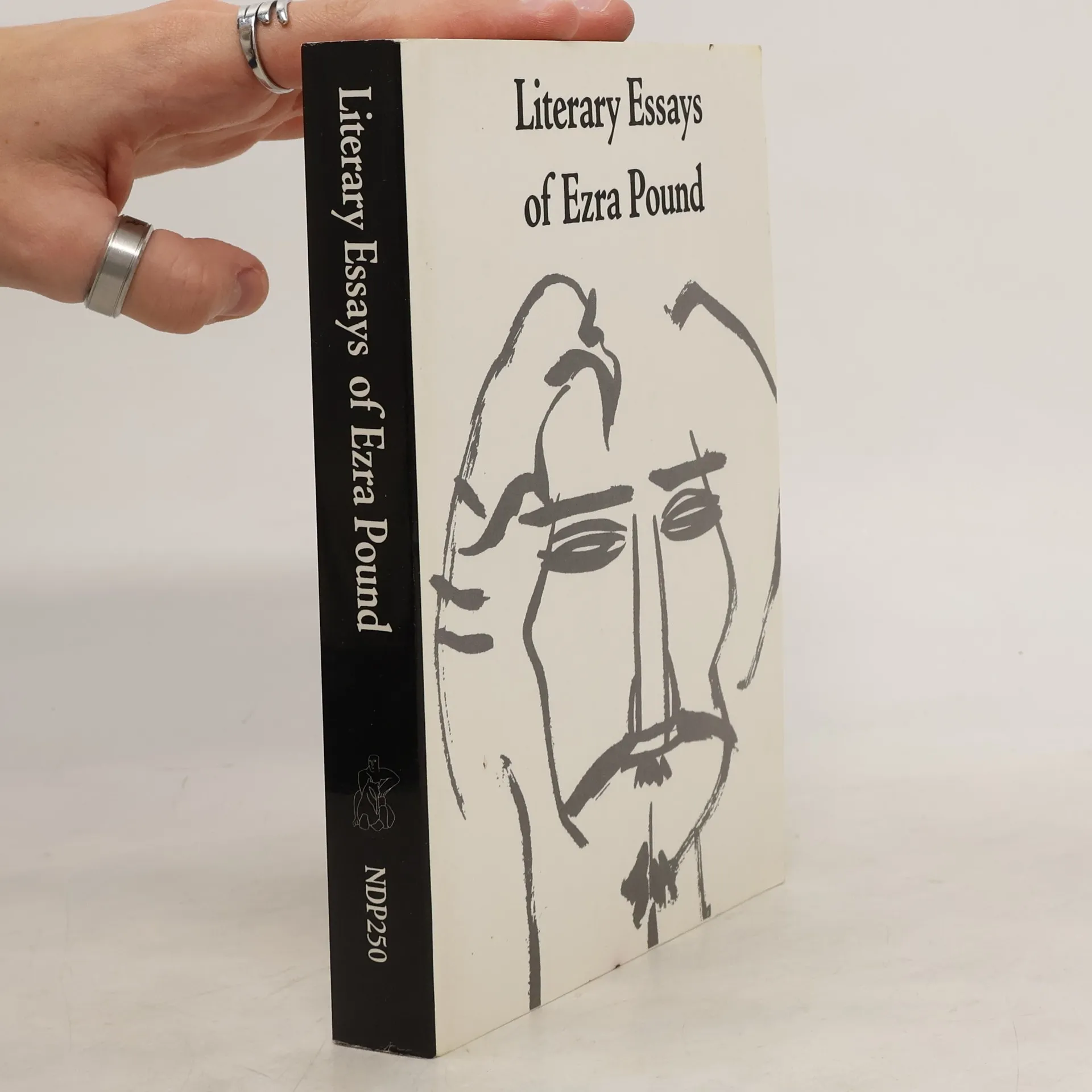
This collection of essays, edited by Pound's friend and fellow poet T.S. Eliot, contains essays from five earlier volumes: Pavannes and Divisions (1918), Instigations(1920), How to Read(1931), Make it New(1934), and Polite Essays(1937). The thirty-three essays contained in this collection are separated into three categories: The Art of Poetry, The Tradition, and Contemporaries. These essays showcase the range of Pound's interests, with topics ranging from modernist poetry to Japanese iconography, troubadour songs, and much more. Pound's influence on the modernist movement and literature as a whole makes this collection an important piece of literary history. With an introduction by T.S. Eliot.
Ezra Pound has been called "the inventor of modern poetry in English." The verse and criticism which he produced during the early years of the twentieth century very largely determined the directions of creative writing in our time; and virtually every major poet in England and America today has acknowledged his help or influence. Pound's lyric genius, his superb technique, and his fresh insight into literary problems make him one of the small company of men who through the centuries have kept poetry alive, and one of the great innovators.This book offers a compact yet representative selection of Ezra Pound's poems and translations. The span covered is Pound's entire writing career, from his early lyrics and the translations of Provençal songs to his English version of Sophocles' Trachiniae. Included are parts of his best known works—the Chinese translations, the sequence called Hugh Selwyn Mauberly, the Homage to Sextus Propertius. The Cantos, Pound's major epic, are presented in generous selections, chosen to emphasize the main themes of the whole poem.
Das Jahrhundertwerk erstmals vollständig auf Deutsch: Von der einzigartigen Pound-Spezialistin Eva Hesse übertragen und von den Literaturwissenschaftlern Heinz Ickstadt und Manfred Pfister sorgfältig ediert und kommentiert, ist diese zweisprachige Ausgabe eine publizistische Sensation. 'Ich halte die Cantos für komisch, aufregend, aufreizend, zart bis an die Grenze des Erträglichen, dogmatisch über alle Maßen, herausgeschrieen, gemurmelt, geflüstert, gesungen, wahr, falsch und querköpfig, schön, hässlich, handgefertigt, zuversichtlich, widersprüchlich, am Rande des Zusammenbruchs – kurz, für ganz und gar menschlich, lebendig und relevant.', schreibt die englische Autorin und Kritikerin Christine Brooke-Rose. 'In meinem Urteil ist Ezra Pound einer der größten Dichter, die je gelebt haben.' Ernest Hemingway
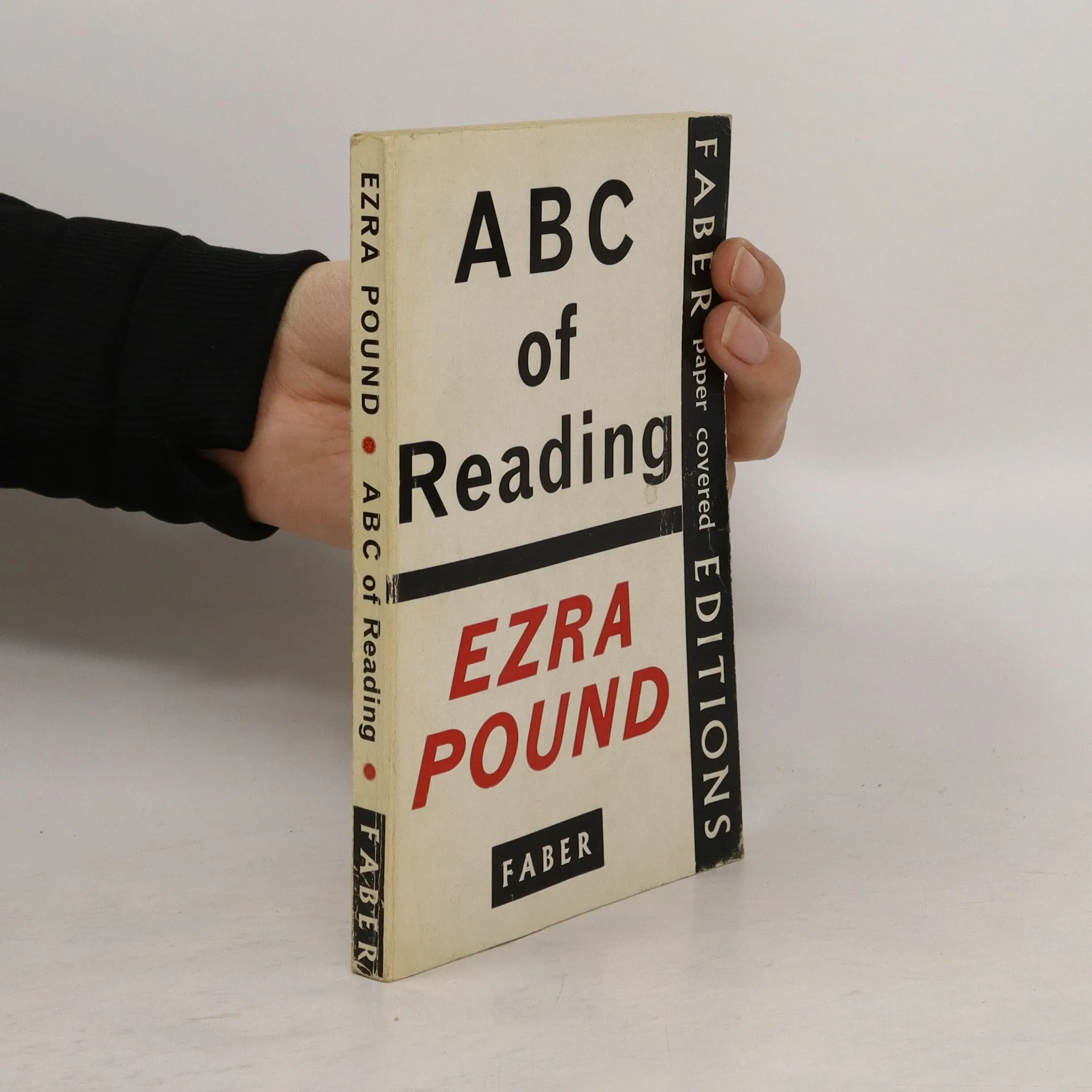
This important work, first published in 1934, is a concise statement of Pound’s aesthetic theory. With characteristic vigor and iconoclasm, Pound illustrates his precepts with exhibits meticulously chosen from the classics, and the concluding “Treatise on Meter” provides an illuminating essay for anyone aspiring to read and write poetry. The ABC of Reading emphasizes Pound's ability to discover neglected and unknown genius, distinguish originals from imitations, and open new avenues in literature for our time.
Whereto Are Appended The Complete Poetical Works Of T. E. Hulme
Exploring the innovative poetry of Ezra Pound, this collection showcases his unique style and thematic depth, reflecting modernist influences and a commitment to linguistic experimentation. Accompanying Pound's works are the complete poetical pieces of T. E. Hulme, offering insight into the early 20th-century literary landscape. Together, they provide a rich tapestry of ideas and artistic expression, highlighting the interplay between their distinct voices and the evolution of modern poetry.
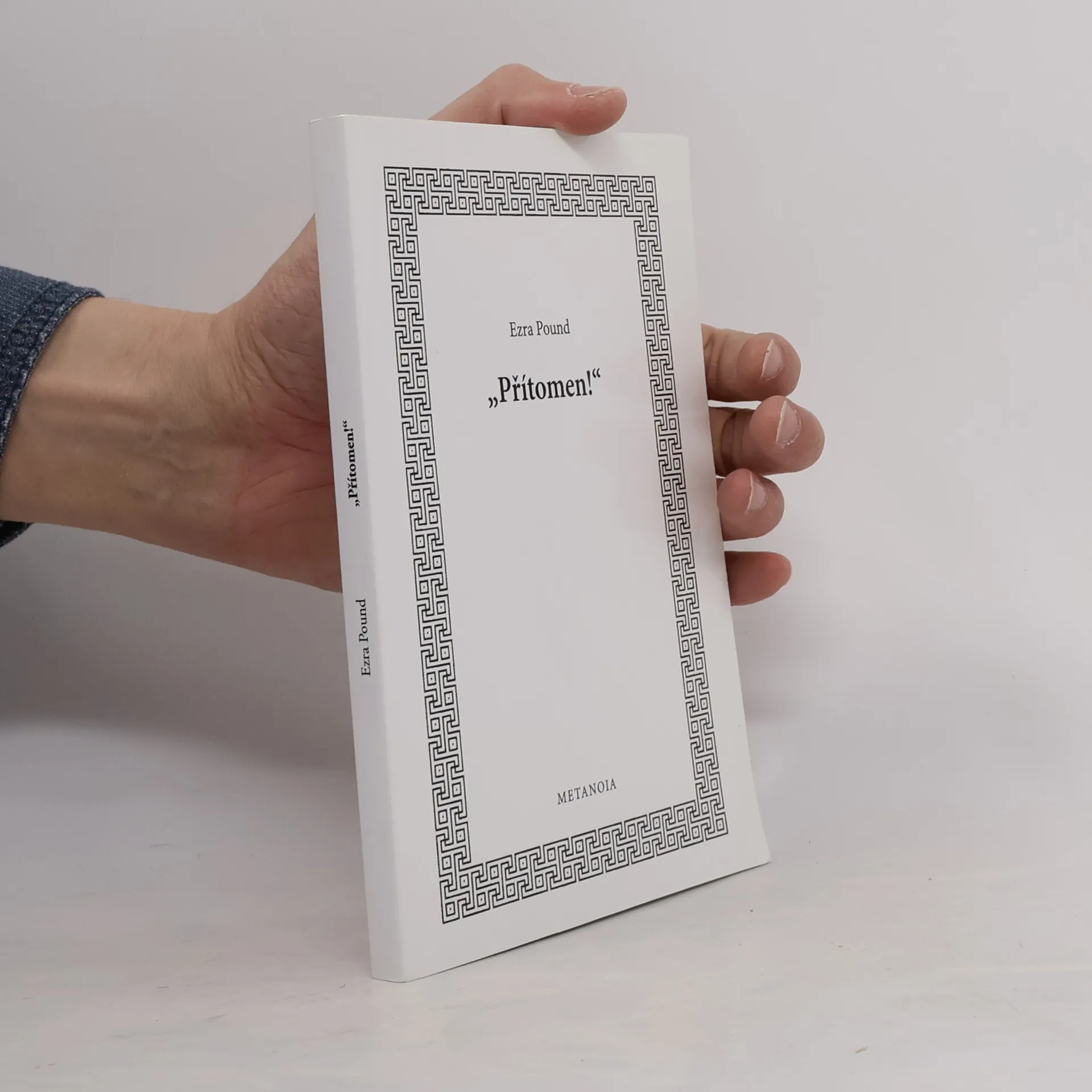
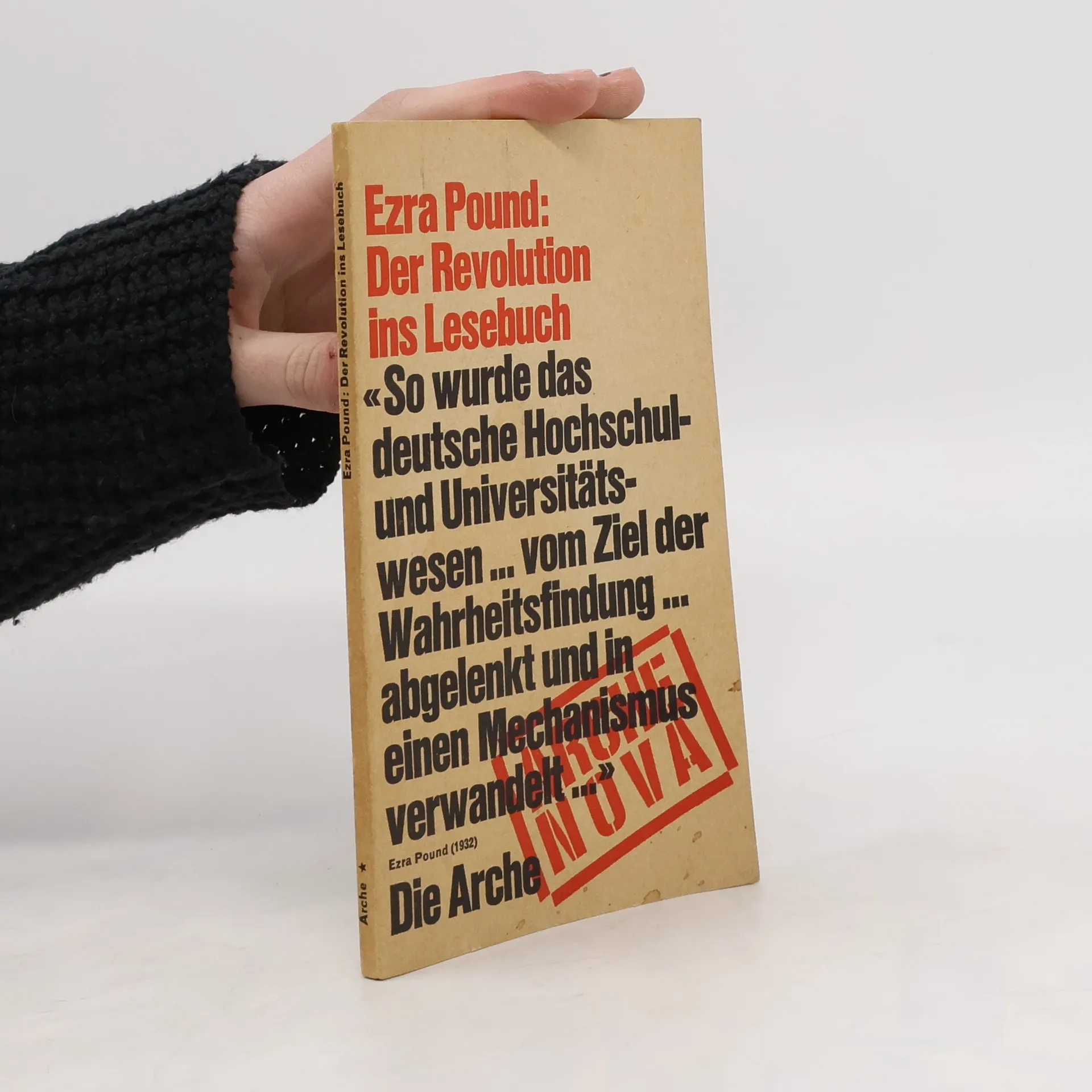
Pisaner Cantos LXXIV und LXXXI Englisch – Deutsch Neuübersetzung, Nachwort und Anmerkungen von Walter Baumann
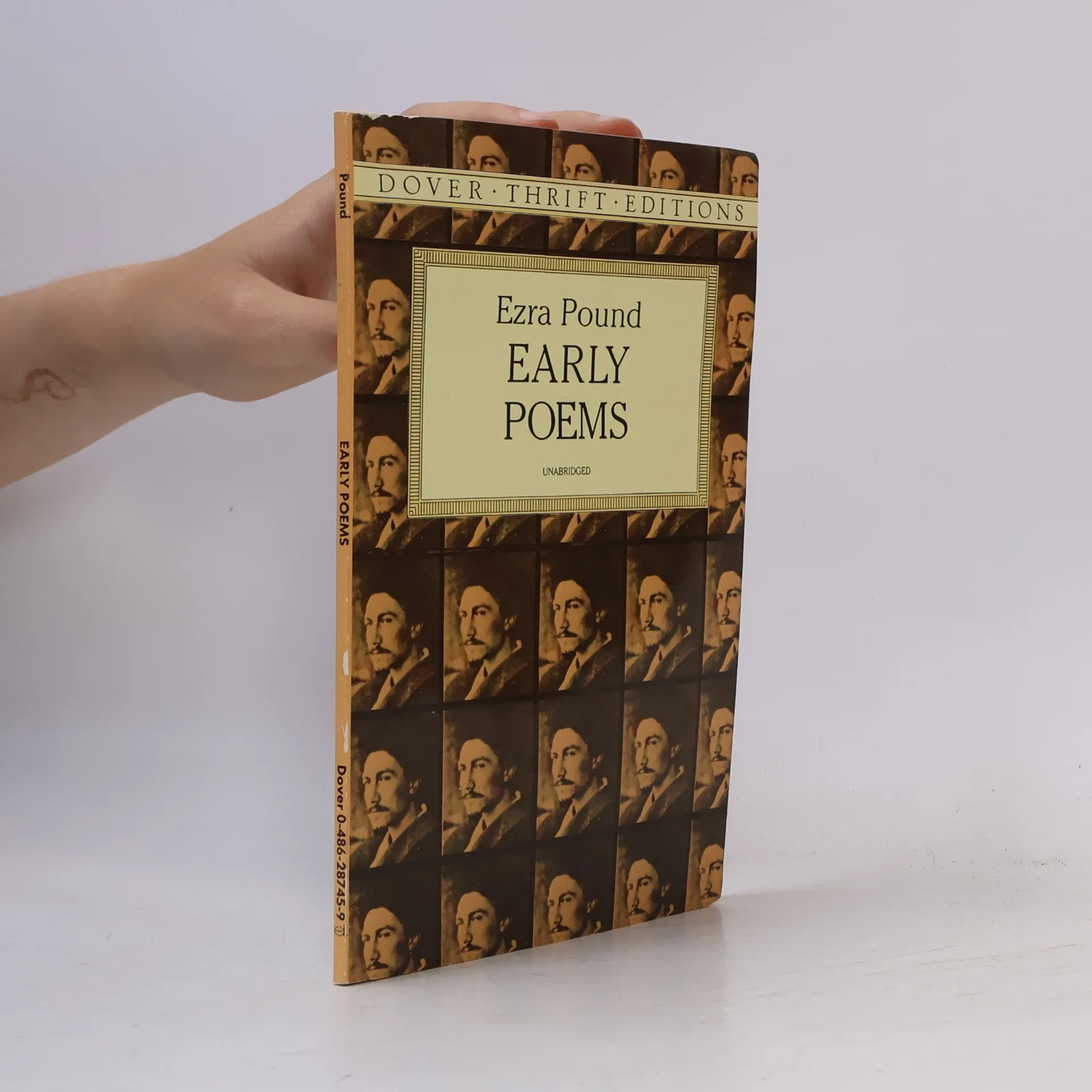
American poet Ezra Pound (1885–1972) was among the most influential literary figures of the twentieth century. As a poet, he founded the Imagist movement (c. 1909–17), which advocated the use of precise, concrete images in a free-verse setting. As an editor, he fostered the careers of William Butler Yeats, T. S. Eliot, and Robert Frost. As a force in the literary world, he championed James Joyce and Wyndham Lewis. Pound also helped to create a modern movement in poetry in which, in T. S. Eliot's words, "English and American poets collaborated, knew each other's works, and influenced each other."Long an expatriate, Pound's questionable political activities during World War II distracted many from the value of his literary work. Nevertheless, his status as a major American poet has never been in doubt, as this choice collection of fifty-seven early poems amply proves. Here are poems — including a number not found in other anthologies — from Personae (1909), Exultations (1909), Ripostes (1912), and Cathay (1915) as well as selections from his major sequence "Hugh Selwyn Mauberley" (1920).
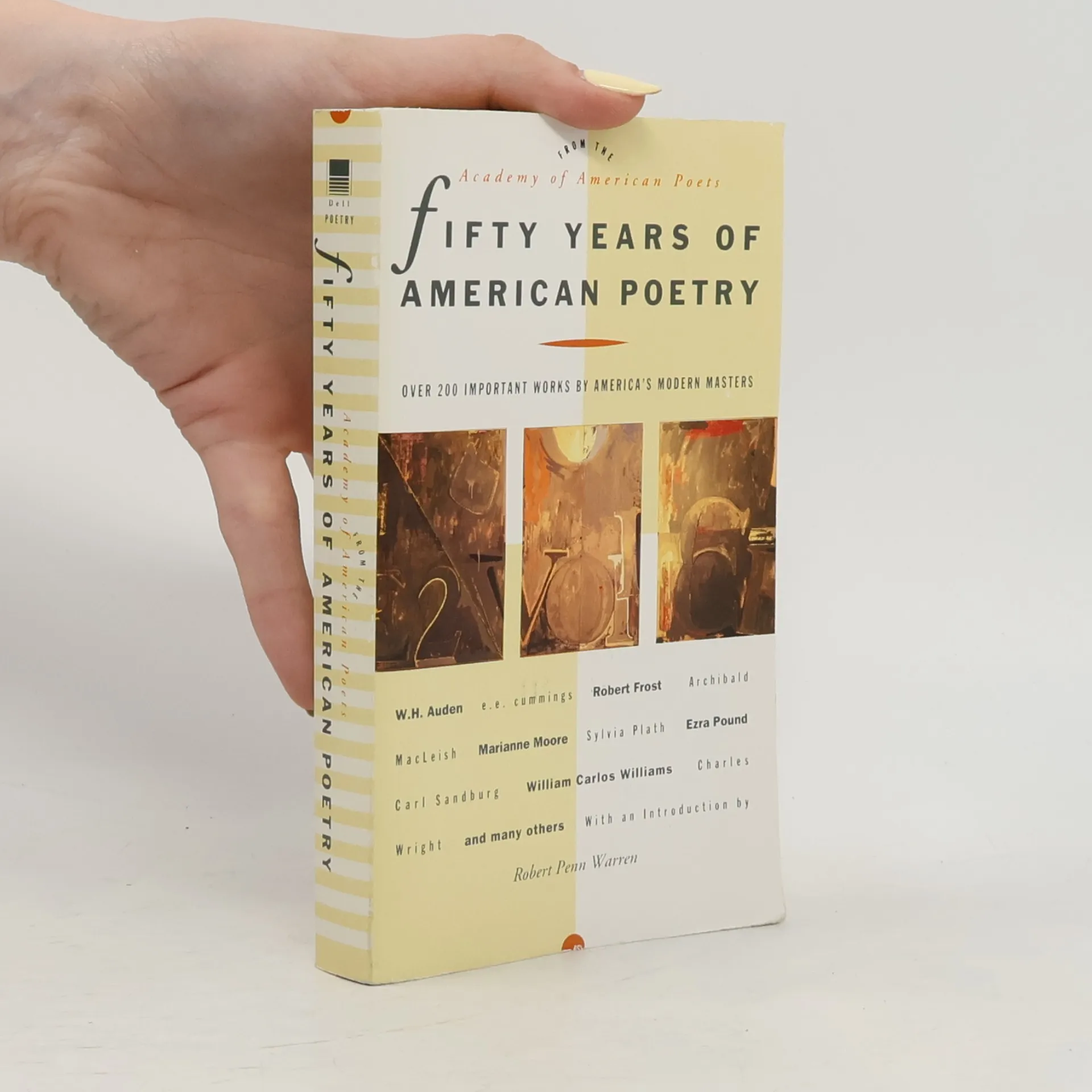
Over 200 Important Works by America's Modern Masters
Seer, critic, lover, madwoman—the poet's sensibility allows us to experience diverse perspectives in this rich collection of contemporary American poetry. Featuring a poem from each chancellor, fellow, and award winner of the Academy of American Poets since 1934, this anthology showcases a unique array of literary styles and themes that have shaped the last five decades. Readers will encounter both familiar and new voices, as well as the great American poems that resonate deeply with our minds and hearts. The Academy's mission is to encourage and foster the production of American poetry, embracing poets of all schools and methods. This anthology serves as a representative cross-section of American poetry over the past 50 years, reflecting the institution's commitment to change and growth. It emphasizes that poetry is not solely for poets but for everyone. Compiled with this ethos, the collection aims to educate and inspire, offering insight into the dynamic evolution of American poetry. The Academy of American Poets stands as the only institution capable of assembling such a distinctive anthology, having consistently supported poets and promoted poetry as an accessible and vital part of the American literary landscape.
První část Poundovy životní básnické skladby Cantos, jejíchž sto sedmnáct zpěvů psal přes padesát let. V Cantos chtěl Pound po Homérovi, Vergiliovi a Dantovi vypsat sumu našeho věku, tradice a přítomnosti: Pound na své dobrodružné cestě za Ithakou dochází ke zcela jinému pojetí času, v němž obvyklé dělení na minulost, přítomnost a budoucnost nahrazuje novou škálou hodnot pozemského času. Zachycuje to, co trvá, co se vrací a co odchází. (T. S. Eliot) Prvních třicet Cantos vznikalo v letech 1912–1929. Knižně byla vydána v roce 1930 v Paříži. Jako Odysseus se v nich Pound plaví přes moře do Evropy, nachází tu tradici trobadorskou i velikost a krutost středověké Itálie. To vše, i tóny dálněvýchodní, konfrontuje s reminiscencemi na někdejší vznik „nového světa“ v Americe i se svou dobou první světové války a ruské revoluce.
Autor, přední básník XX. století, míří přímo na jádro systému, v němž žijeme - a zasahuje! články, básně, poznámky, manifesty, překlady, výpisky z četby, eseje z Italské sociální republiky autor míří přímo na jádro systému, v němž žijeme - a zasahuje!
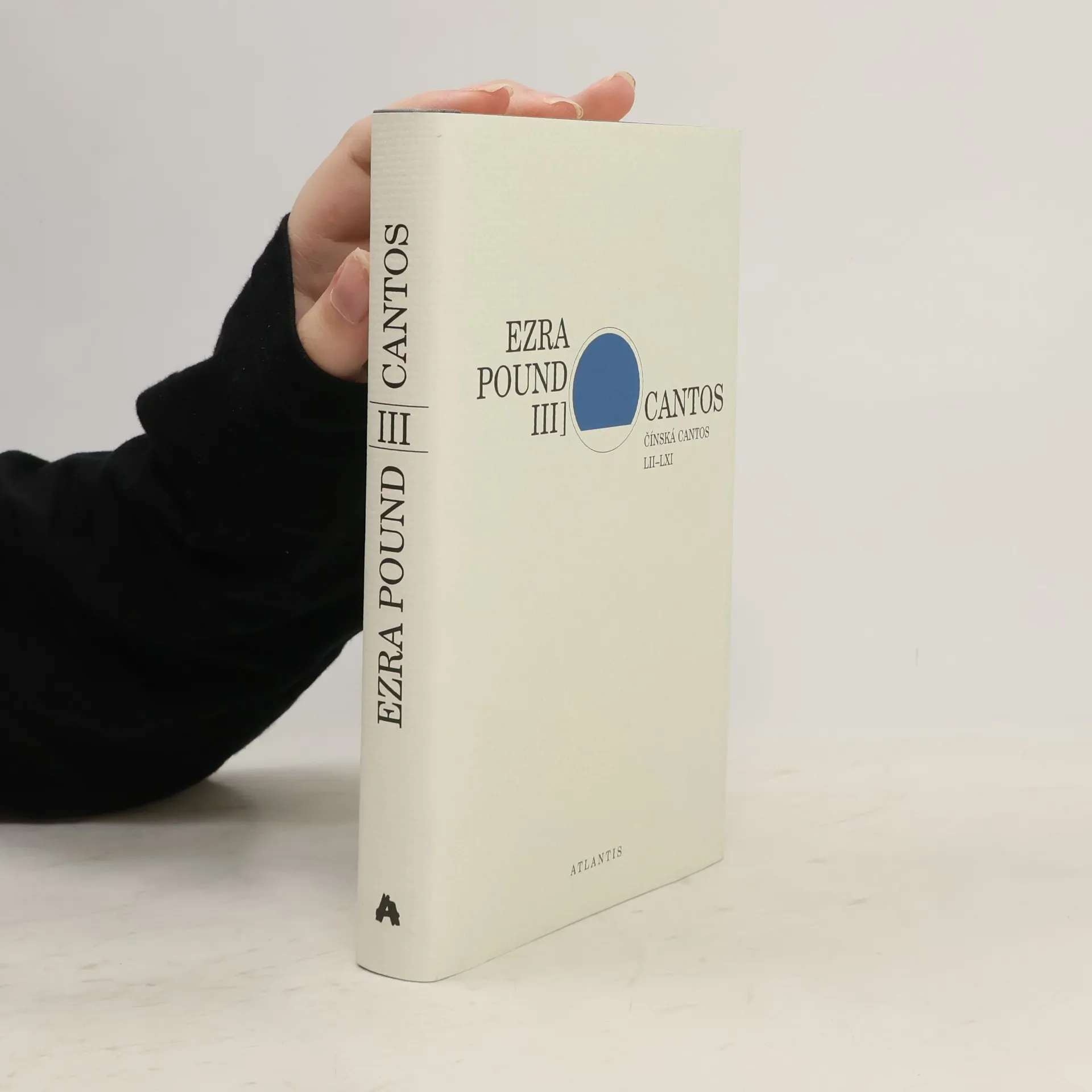
Soubor čínských dynastických Cantos vznikal od listopadu 1937 do března 1939 a poprvé vyšel v lednu 1940. Zdrojem k Čínským Cantos byly Poundovi francouzské dějiny Číny Histoire générale de la Chine ou Annales de cet Empire (Paříž, 1777–1785, ve 13 svazcích). Za jejich autora bývá označován jezuitský misionář Joseph de Mailla (1669 ve Francii – 1748 v Pekingu). Jde však o komentovaný překlad starších čínských spisů vycházejících především z nejslavnějšího historického díla své doby (konec 11. století) C'-č tchung-ťien (Úplné zrcadlo ku pomoci těm, co vládnou), jehož autorem je S'-ma Kuang. Ezra Pound v tomto jediném chronologicky pojatém oddílu Cantos nevrství časové roviny, ale paralely se západní kulturou, a do své poezie začíná soustavně vřazovat ideogram coby plnovýznamovou součást, zvukovou i pojmovou. A jeho hledání dobré vlády se pevně ukotvuje v konfuciánství.
Básne, Pocta Sextovi Propertiovi, Hugh Selwin Mauberley, Cantos. Prvé slovenské vydanie.
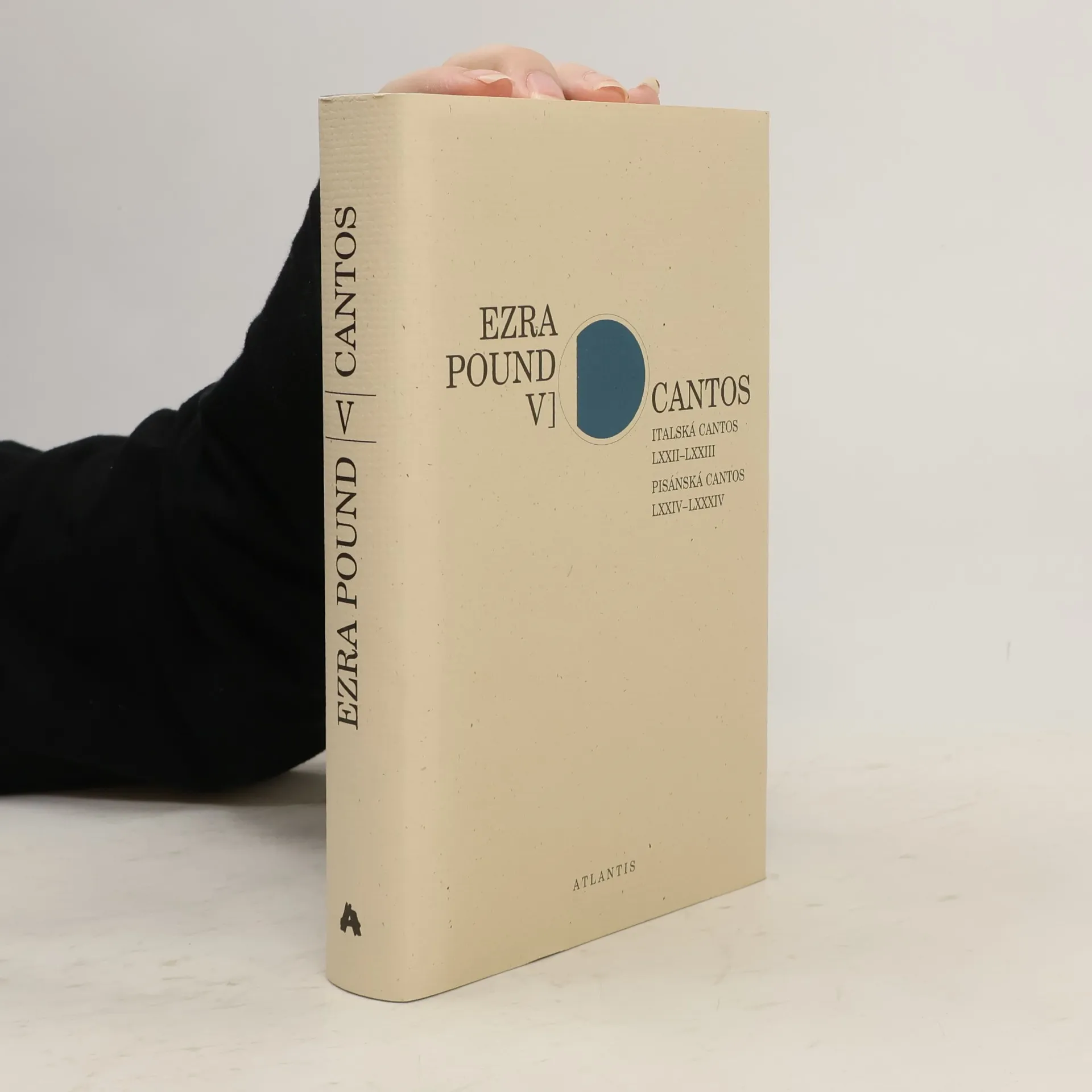
Italská Cantos (LXXII–LXXIII) byla napsána italsky koncem roku 1944, kdy byla zdevastovaná Itálie rozdělena (Spojenci a italská vláda ovládali jih, Němci a Mussoliniho Republika Salò sever) a Ezra Pound věřil v její možnou obrodu. Kvůli obsahu těchto dvou zpěvů byl soubor Cantos mnoho let (do roku 1987) vydáván bez nich. V českém vydání je uvádíme jako prolog Pisánských Cantos, jako výraz postojů, z nichž plyne i Poundovo věznění u Pisy a třináct let nuceného pobytu v ústavu pro duševně choré delikventy ve Washingtonu. Pisánská Cantos (LXXIV–LXXXIV) vznikala během Poundovy internace v kárném táboře americké armády u Pisy v roce 1945. Jejich jedenáct dlouhých zpěvů (samo Canto LXXIV má více než 800 veršů) bylo napsáno za nejtěžších podmínek: v kleci na otevřeném prostranství tábora a v lékařském stanu poté, co se šedesátiletý Ezra Pound zhroutil. Jsou sekvencí mnoha fakt a obrazů, které si Pound vybavuje ve chvíli, kdy se mu převrátil život a kdy se rozpadá svět, ve který věřil (okolnosti jsou podrobně vylíčeny v obsáhlém eseji Evy Hesse, který je součástí komentářů v tomto českém vydání). Když byla Pisánským Cantos v roce 1949 udělena americká Bollingenská cena za nejlepší básnické dílo roku, bouře v tisku pronikly až do Kongresu. „Je to patrně největší básnická skladba, kterou přineslo toto století,“ napsal spisovatel Thornton Wilder.
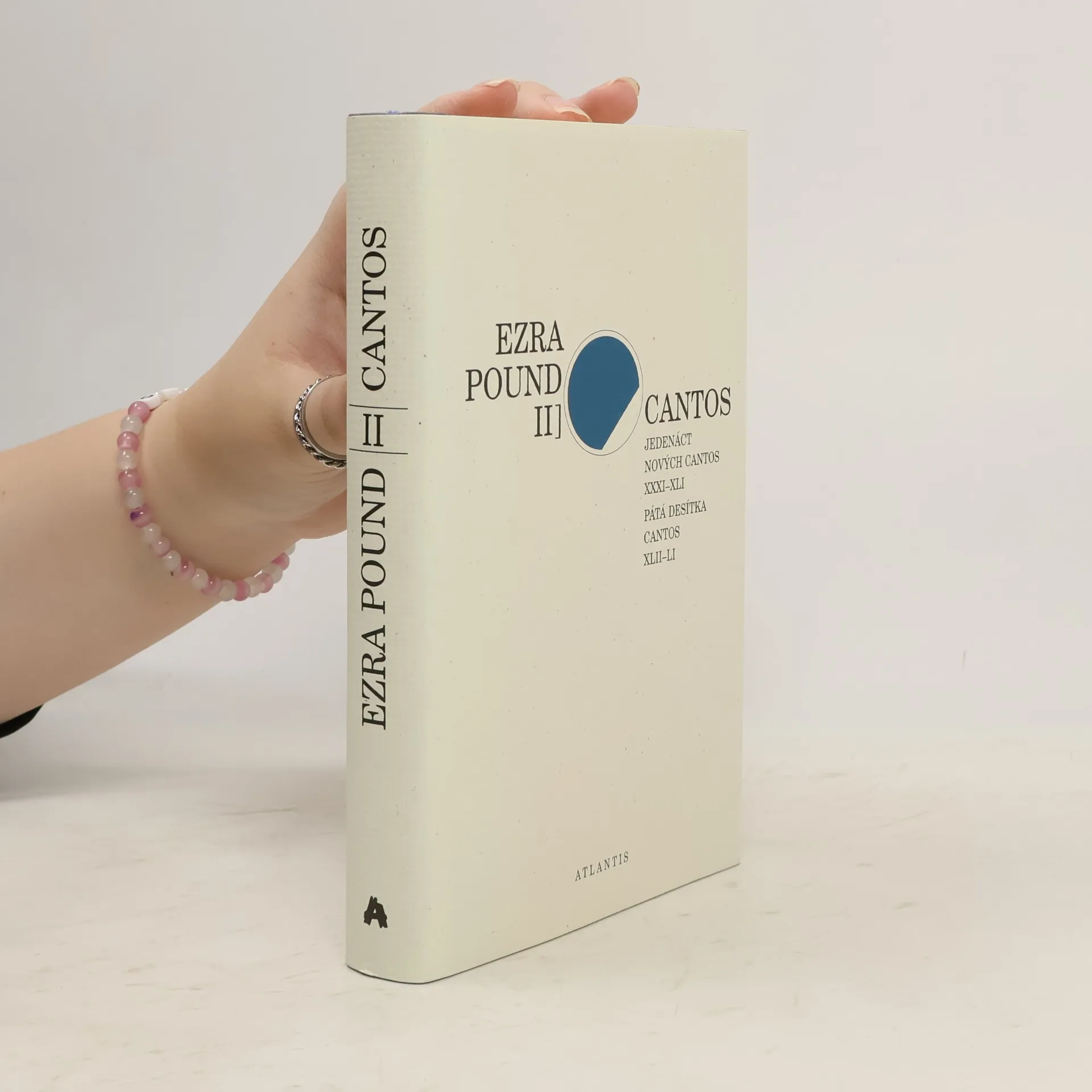
Cantos jsou Poundovou životní básnickou skladbou: jejich druhý svazek obsahuje oddíly „Jefferson: Nuevo Mundo“ (XXXI–XLI) a „Siena: Leopoldovy reformy“ (XLII–LI). Zatuchlost střední Evropy se prolíná se snahami o nový stát, zápas o americký peněžní systém je srovnáván s někdejším bankovním systémem v Sieně a Florencii. Do Cantos vstupuje Napoleon a kartháginský vojevůdce Hannón. V Cantu XXXVI Pound předestírá svůj koncept Lásky. A v Cantu XXXIX a pak XLVII se vydává na „druhou a třetí cestu Odysseovu“: za Kirké. Canto XLV, slavné canto proti lichvě (usuře), je varírováno v závěrečném Cantu LI. Canto XLIX, Canto Sedmi jezer, je zastavením v průzračném ráji, připomenutím konfuciánského Canta XIII a předznamenáním následujícího oddílu Čínských Cantos.
Výbor z díla Ezry Pounda, doplněný esejem Josefa Jařaba, vysvětlivkami, chronologií atd.
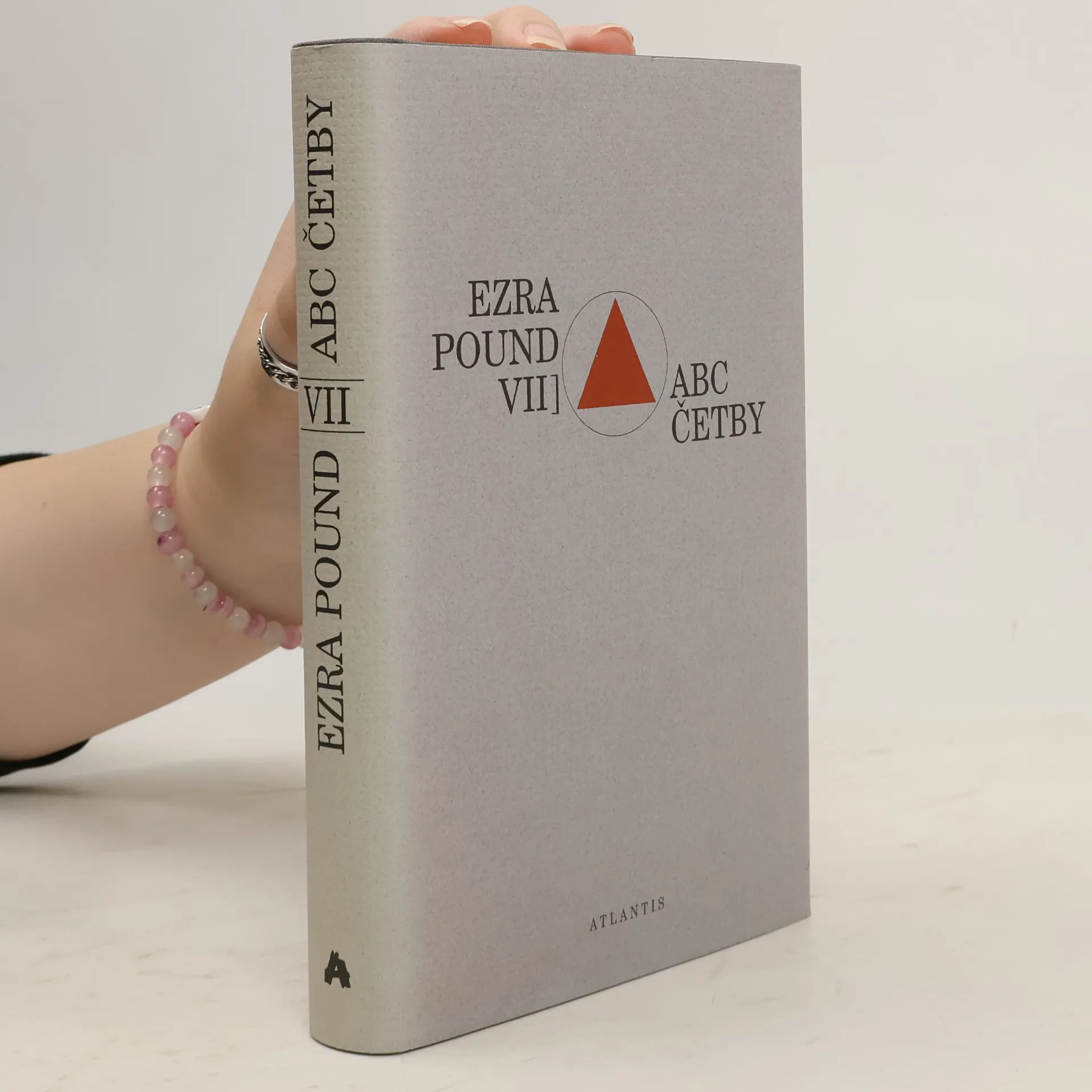
Abeceda základních myšlenek a postřehů o smyslu jazyka, poezie a literatury psaná jako příručka pro adepty oboru čtenářství a studenty se spisovatelskými ambicemi. Americký básník Ezra Pound zasvěcuje své studenty do tajů zostřeného vnímání literárních významů, didakticky vede a provází čtenáře napříč čtenářským uměním a rozebírá díla reprezentativních osobností převážně anglické poezie, literatury a dramatu. Svou celoživotní literárněkritickou práci promítá do erudovaných pedagogických rad, kterými se snaží u veřejnosti probudit a dále rozvíjet zájem o umělecký literární výraz. Kniha obsahuje přehled vysvětlivek k některým vybraným postavám a reáliím evropské umělecké kultury. Ukázky poezie (i překladové) jsou často uvedeny v angličtině.
Příležitostný tisk vydala Papírenská manufaktura Velké Losiny pro spolek Biblios jako I. Svazek edice Stínová knihovna, kterou řídi Jakub Guziur. Trilingvní vydání. Obsahuje proslulou kanconu Dantova učitele a přítele Guida Cavalcantiho „Ptala se paní" (Donna me prega) a „Canto XXXVI" amerického modernistického básníka Ezry Pounda. Cavalcantiho kanconu z italštiny a Poundovo canto z angličtiny přeložila a poznámkami opatřila Anna Kareninová. Obsahuje číslovanou a signovanou grafiku Pavla Herynka vytištěnou v sítotiskové dílně Jana Hrachoviny v Litovli. Typografie a výtvarná redakce Jan Herynek. Výtvarný doprovod Pavel Herynek. Tisk Sítotiskový atelier Jan Hrachovina Litovel. Vazba a finalisace Knihařství Jiří Fogl a Pavlína Rambová.
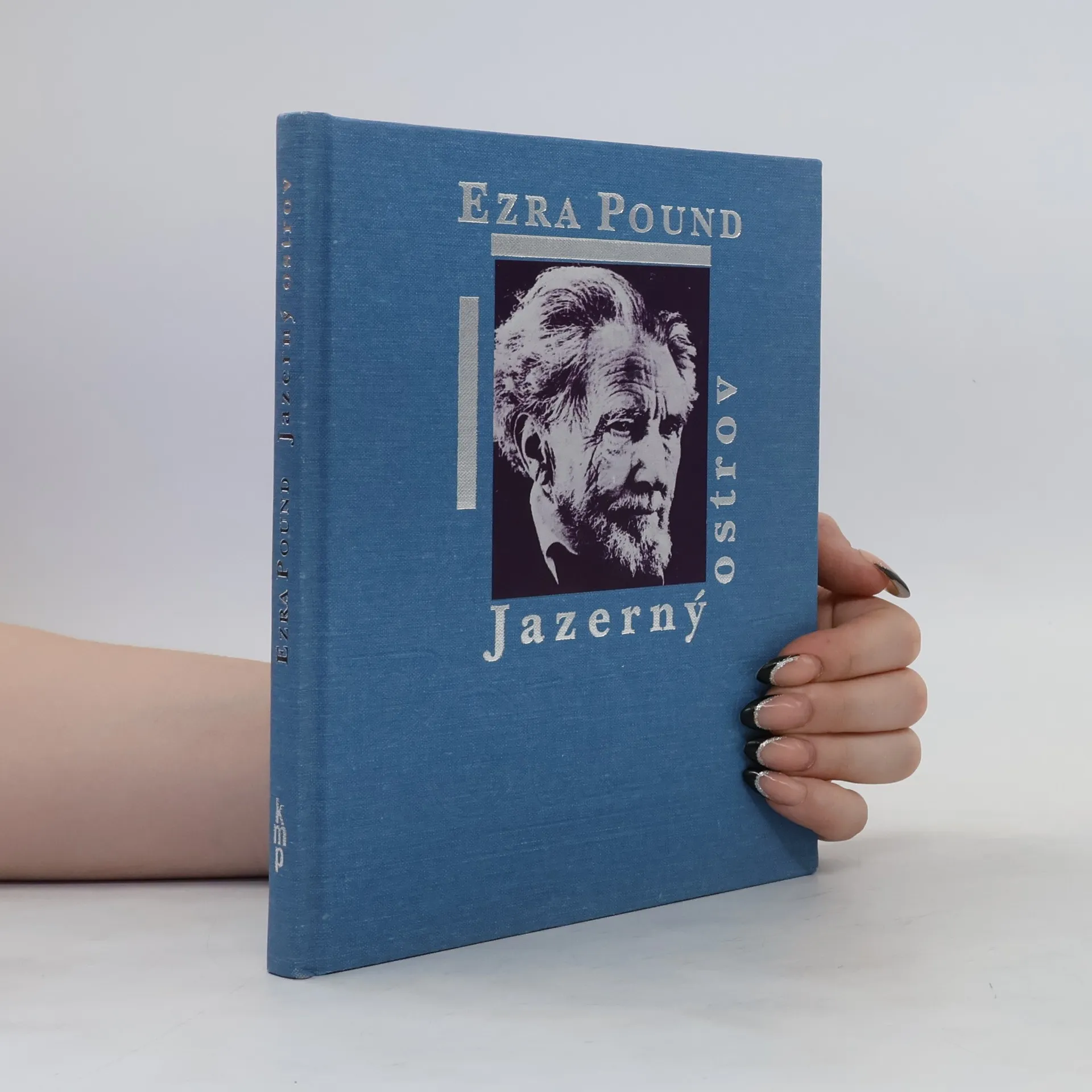
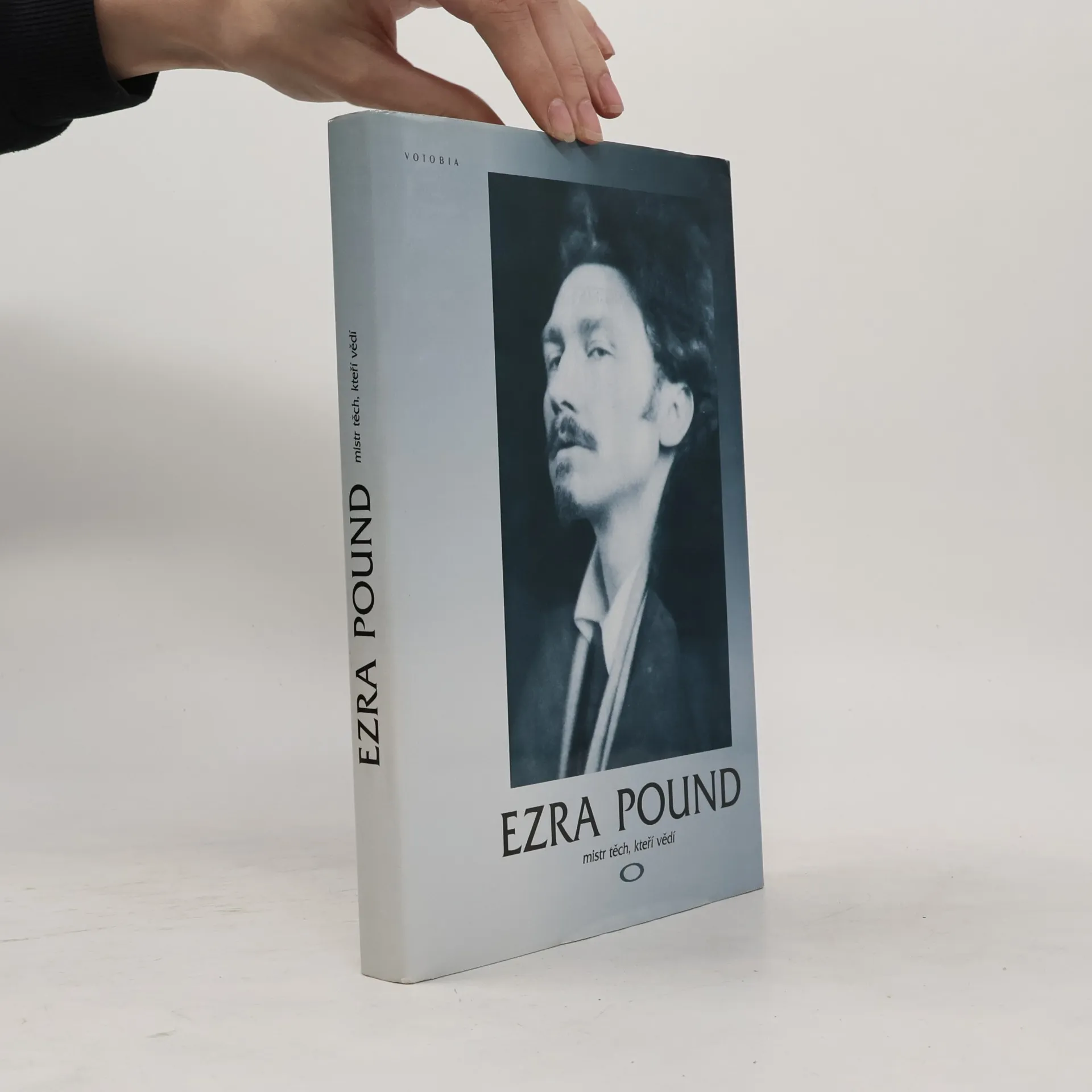
Kromě Poundových textů obsahuje i texty o něm a 24 stran fotografií, a bibliografii E. Pounda v Československu 1929–1987.
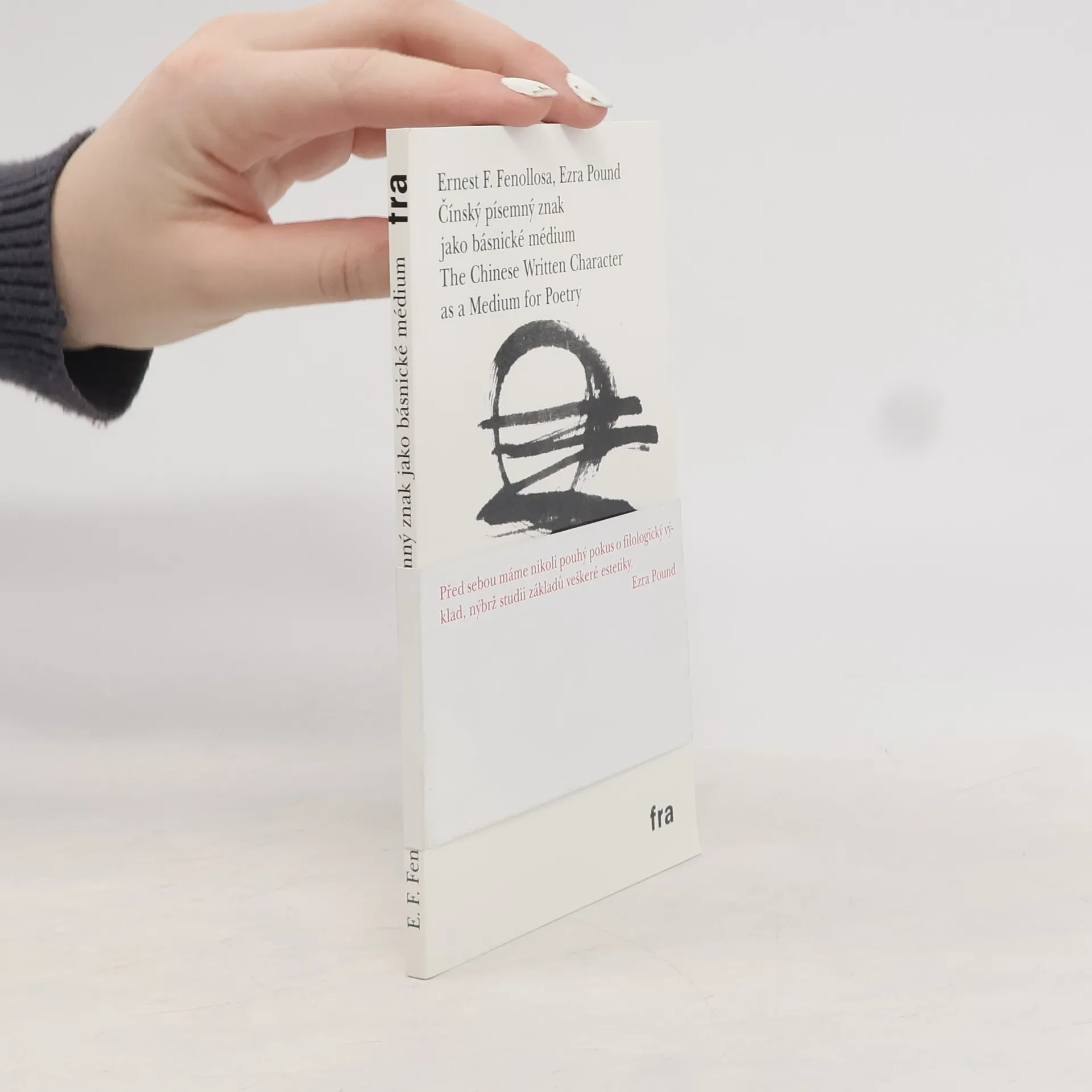
Kultovní text generace imagistů a angloamerického modernismu. Fenollosův esej přitahoval západní umělce a myslitele i později, v druhé polovině 20. století; jeho inspirativní pojetí čínského ideogramu jako písemného média na poetickém principu přešlo ze sféry reflexe básnické do kontextu sebereflexe filosofické. Fenollosův esej se dá snadno zpochybnit empiricky i historicky: běžné čtení znaků a znakového textu nemusí odpovídat modelu, který navrhl. Geneze čínského písma byla komplikovanější, početnější jsou i strukturní principy jeho skladebnosti. Přesto patří významně do dějin moderních interpretací dálněvýchodní kultury a jejích poetik. A hlavně do dějin západního modernismu básnického i filosofického. Tak je třeba jej i číst ...
Das Buch gilt als das bedeutendste lyrische Werk des 20. Jahrhunderts und zeichnet sich durch seine tiefgründigen Themen und innovative Sprachkunst aus. Es erkundet komplexe Emotionen und existenzielle Fragen, während es die Grenzen der Poesie neu definiert. Die eindrucksvollen Bilder und Metaphern laden den Leser ein, sich mit den zentralen menschlichen Erfahrungen auseinanderzusetzen. Dieses Meisterwerk hat nicht nur die Literatur beeinflusst, sondern auch Generationen von Lesern und Dichtern inspiriert.
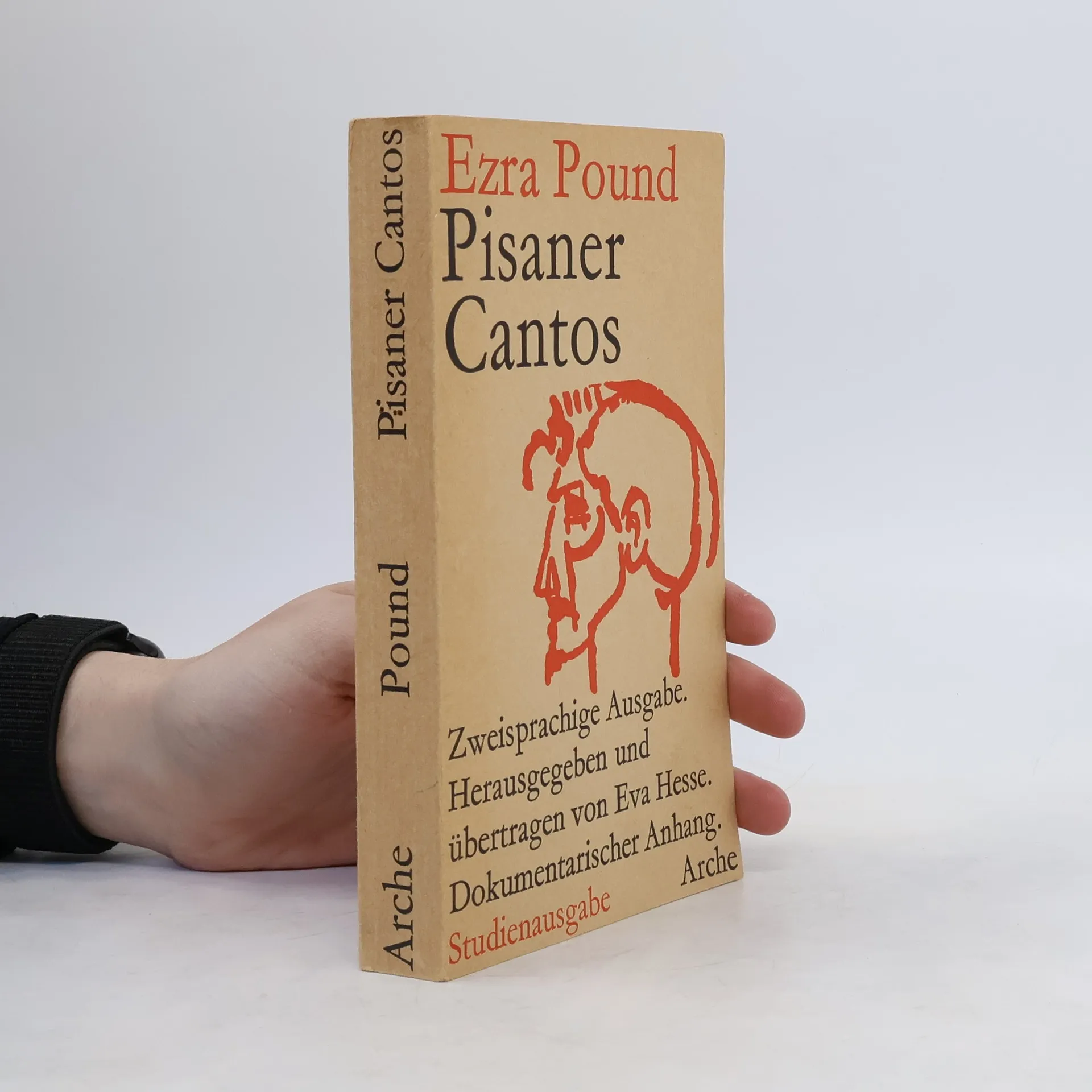
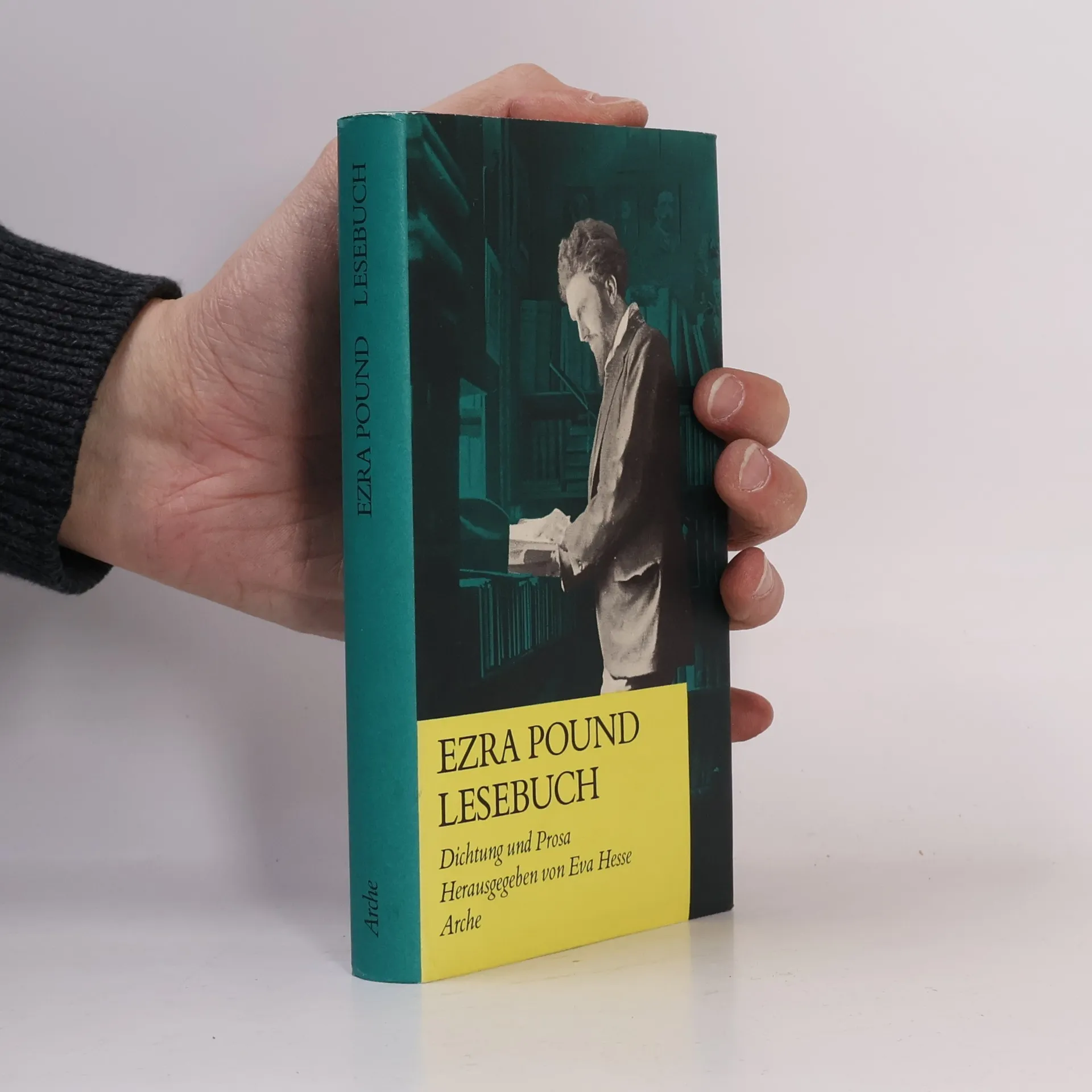
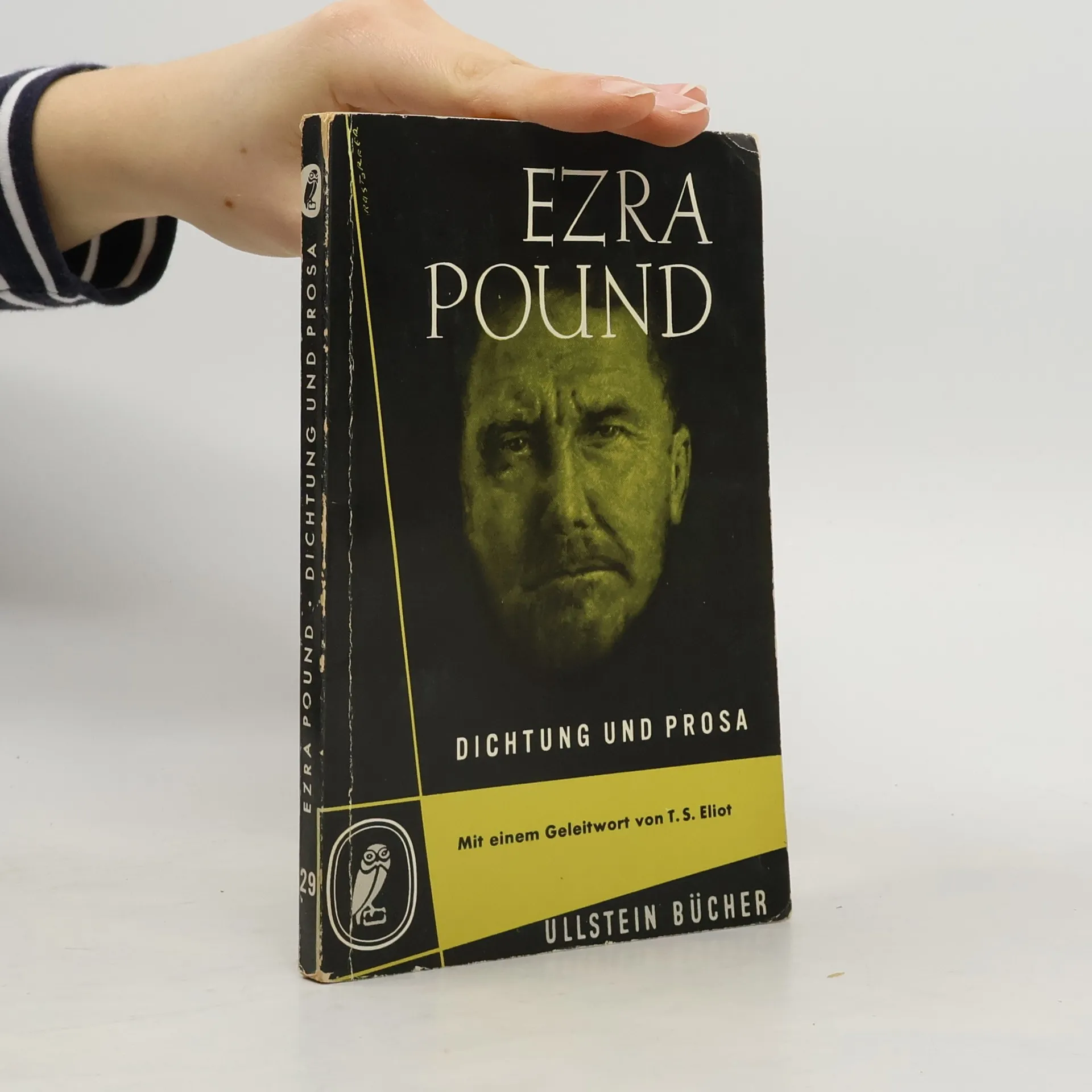
Hrsg. mit e. biograph. Essay von Eva Hesse.

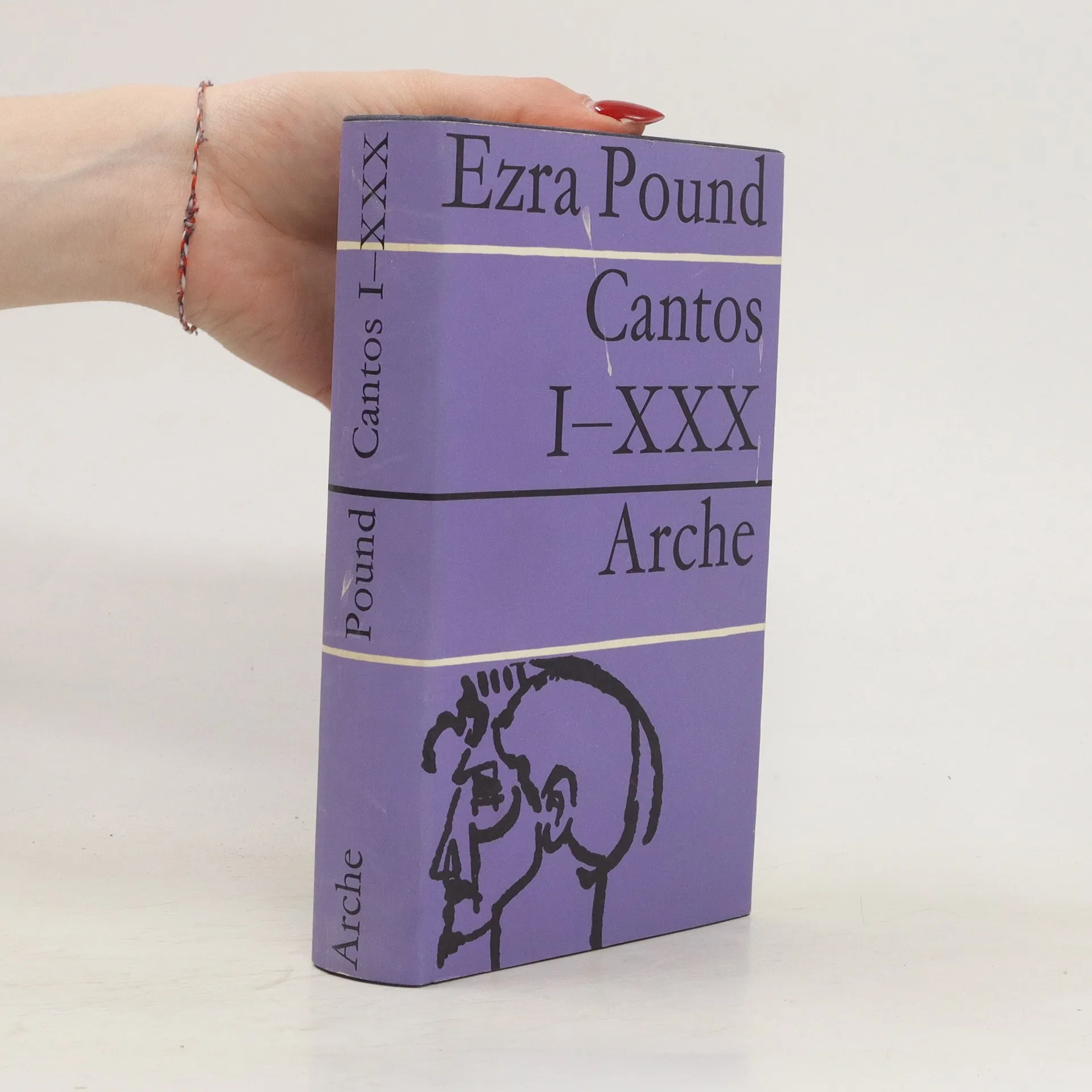

![Cantos [I]. Part XXX Cantos](https://rezised-images.knhbt.cz/1920x1920/87116899.webp)