
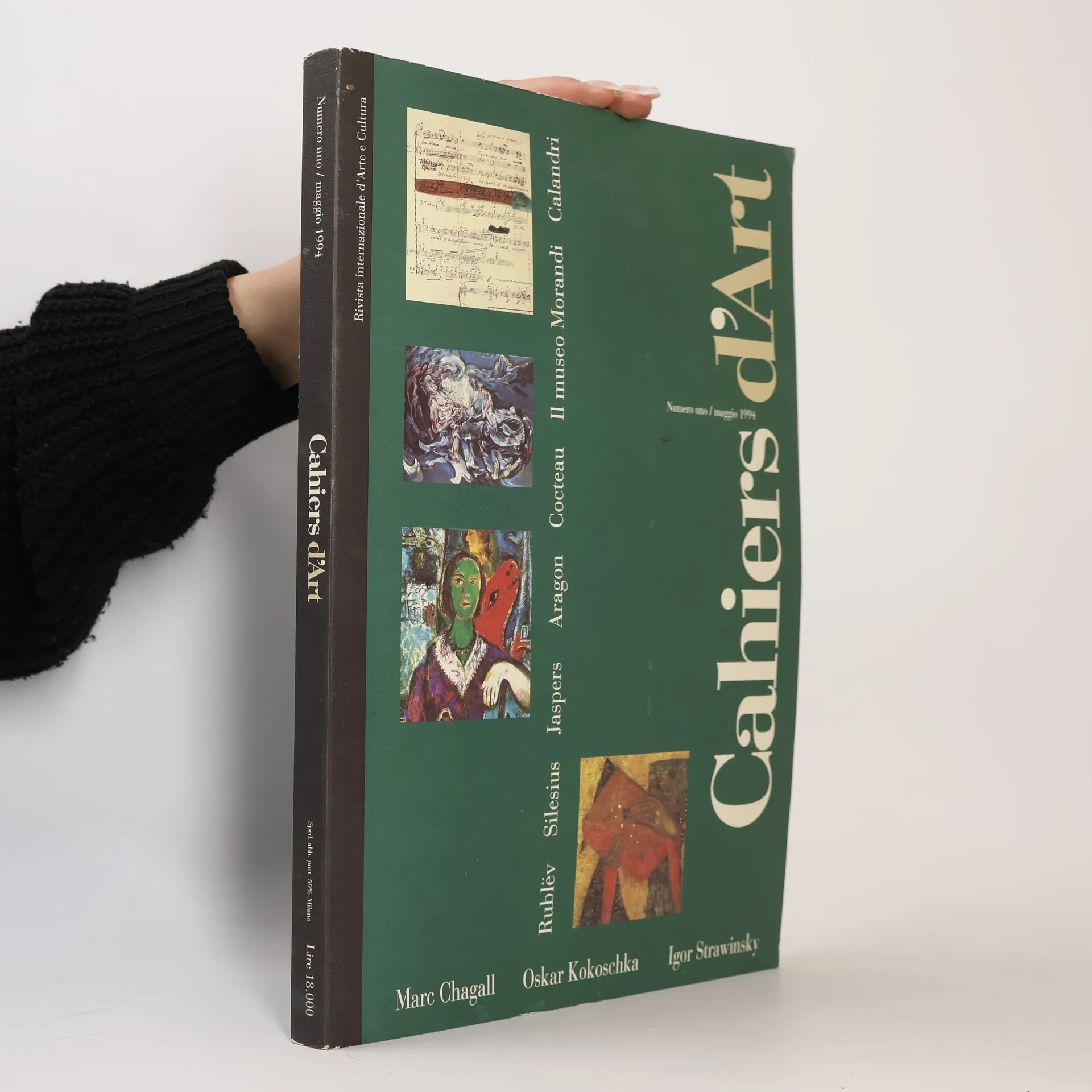

Cahiers d'Art
Rivista internazionale d'arte e cultura
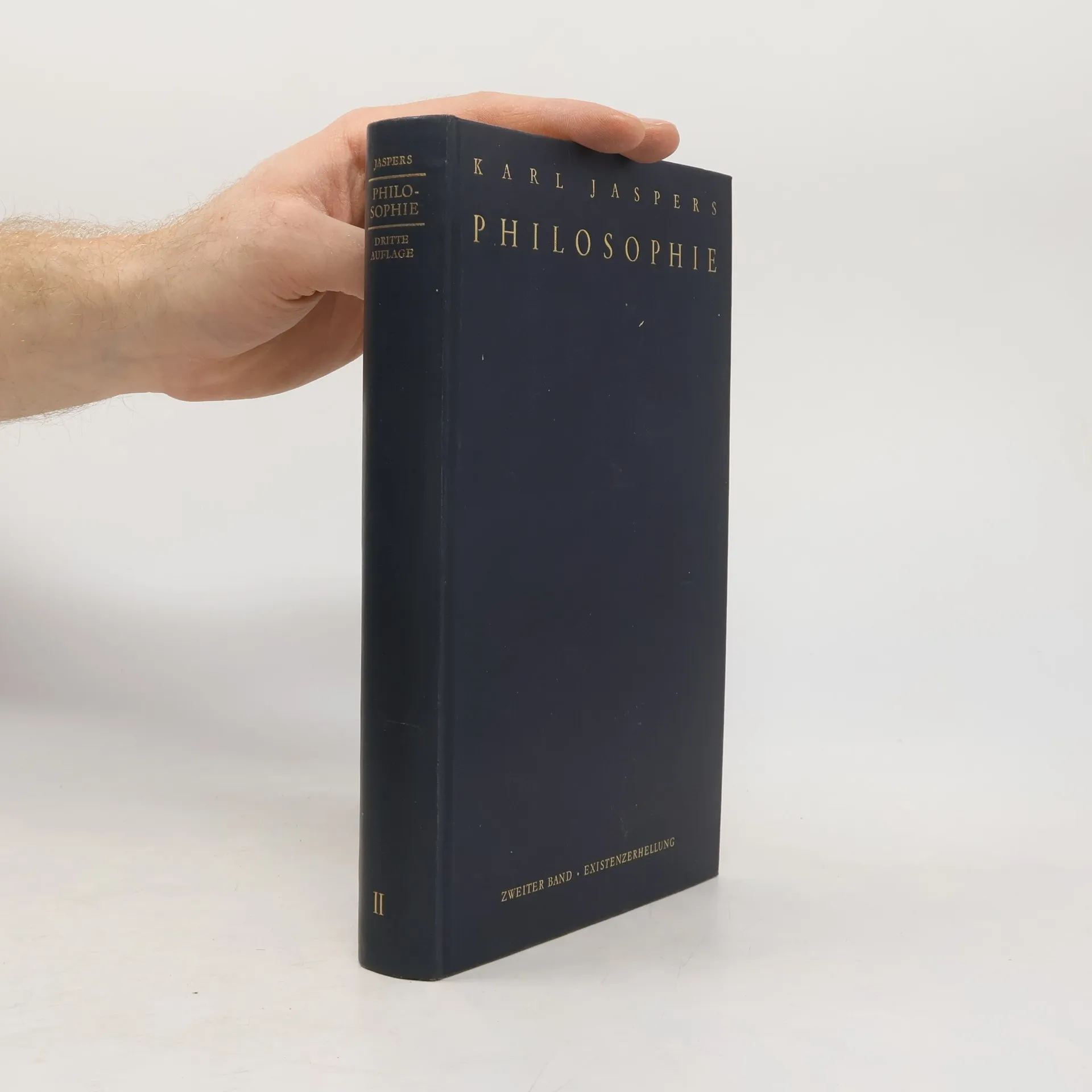
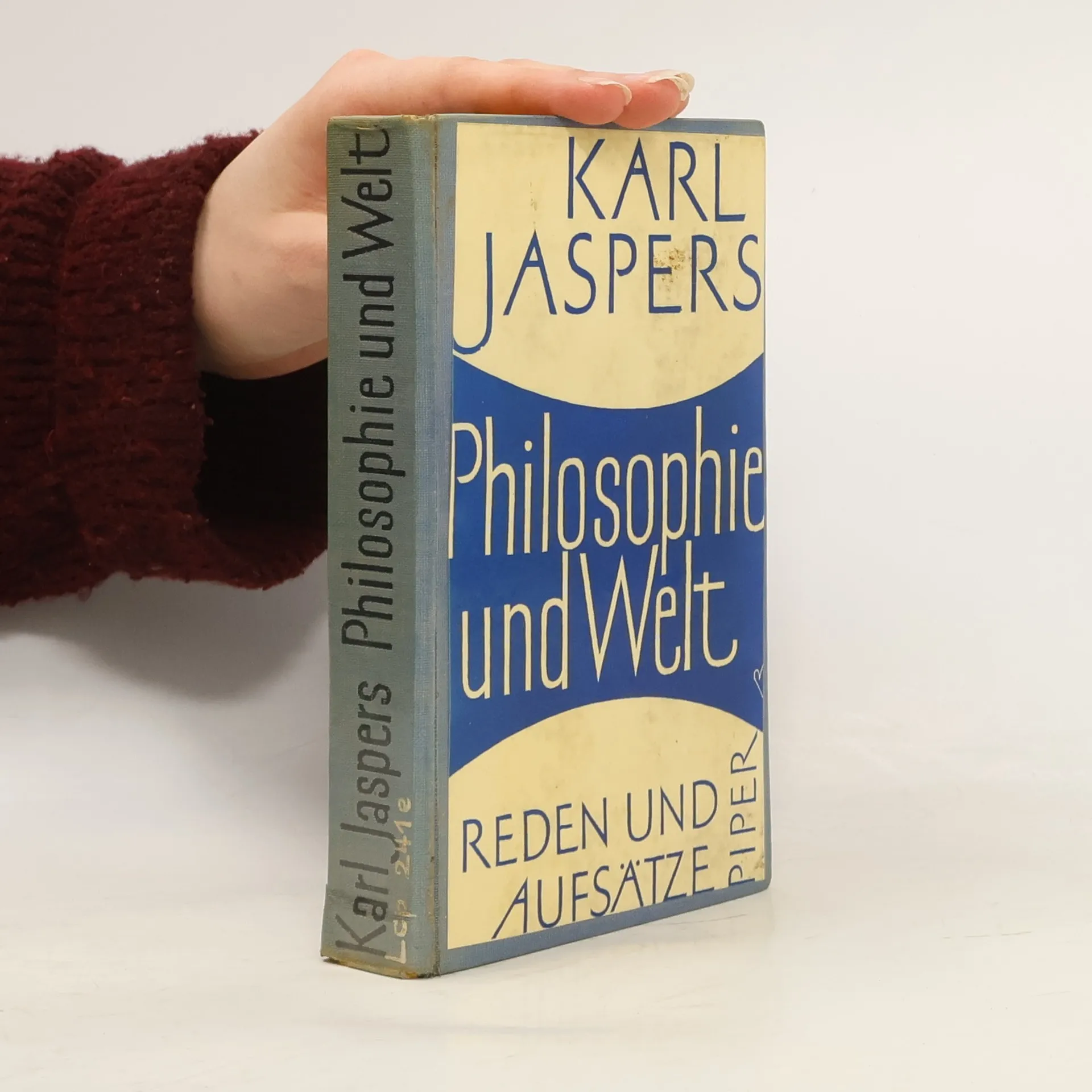
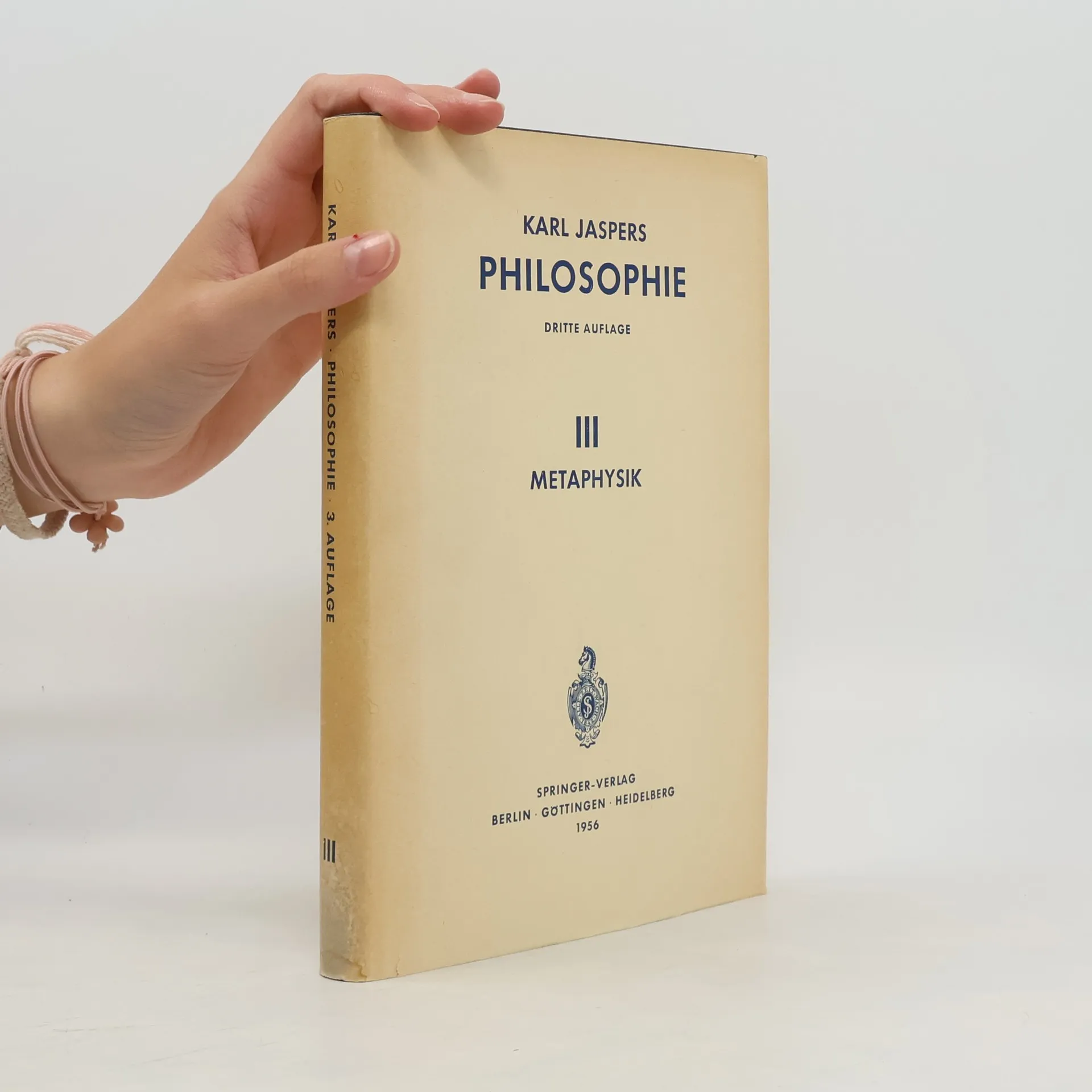
Karl Jaspers, originariamente medico e psichiatra, si dedicò alla filosofia per affrontare le profonde questioni dell'esistenza umana e della psicopatologia. Il suo lavoro iniziale rivoluzionò la diagnosi psichiatrica enfatizzando il metodo biografico, analizzando i sintomi nel contesto di vita del paziente anziché concentrarsi esclusivamente sul loro contenuto. Questo approccio ha plasmato in modo significativo la pratica psichiatrica moderna. Successivamente, le sue indagini filosofiche ampliarono questi temi, esplorando preoccupazioni esistenziali e affermandolo come un pensatore di rilievo nel discorso intellettuale europeo.


Rivista internazionale d'arte e cultura
In General Psychopathology, his most important contribution to the Heidelberg school, Jaspers critiques the scientific aspirations of psychotherapy, arguing that in the realm of the human, the explanation of behavior through the observation of regularity and patterns in it (Erklärende Psychologie) must be supplemented by an understanding of the "meaning-relationsexperienced by human beings (Verstehende Psychologie).
Karl Jaspers (1883-1969) is one of the most original and seminal thinkers of the twentieth century. Rich in ideas, vast in scope, far-ranging and complex, his work is distributed over a large corpus of writing. In fact, it is just the very size and the range of his thought that have tended to make Jaspers inaccessible. The editors of this volume set out to provide a guided introduction to Jaspers through a systematic organisation of selections from the whole body of his writing. The volume aims to convey an accurate presentation of the content and movement of Jaspers' philosophising and to provide insights into the wide range of his philosophical achievements. The editors provide comments and information on each of the seventy-four selections to help set each piece within the context of the whole of Jaspers' work. This is an invaluable introduction to Karl Jaspers' work for the student and the critical reader.
An introduction to the understanding of philosophy written for the general reader.
English, German (translation)
From The Great Philosophers, Volume I
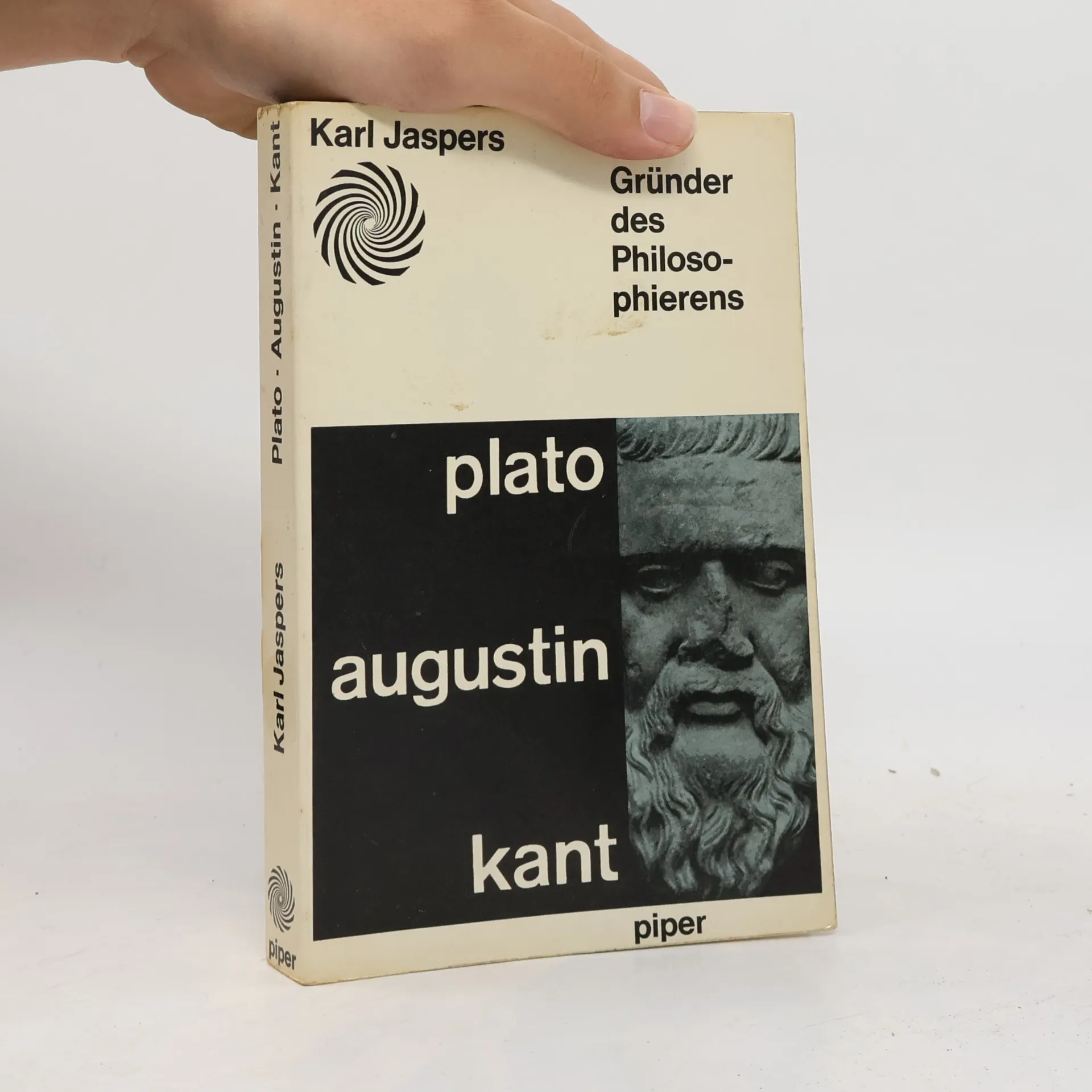
At the time of his death, Karl Jaspers, a leading existentialism philosopher of modern times, was preparing a universal history of philosophy, of which this book is a part, organized around those philosophers whose thinking has influenced and shaped the history of mankind. Their personalities and ideas from the substance of his work. Hence, he was not writing a history of philosophy in the traditional sense but a presentation of great philosophical ideas that have helped from our concepts of truth and reason, freedom and justice, our beliefs about God and the universe, good and evil, and right from wrong. This approach necessarily includes and emphasizes the religious thinkers also. Professor Jaspers aimed to lead the reader into proximity with the truly great and seminal thinkers and to expose him to the particular truth for which one stands--from back cover.
A masterful exploration of Kant’s intellectual development, theory of knowledge, politics, and ethics. Edited by Hannah Arendt; Index. Translated by Ralph Manheim.
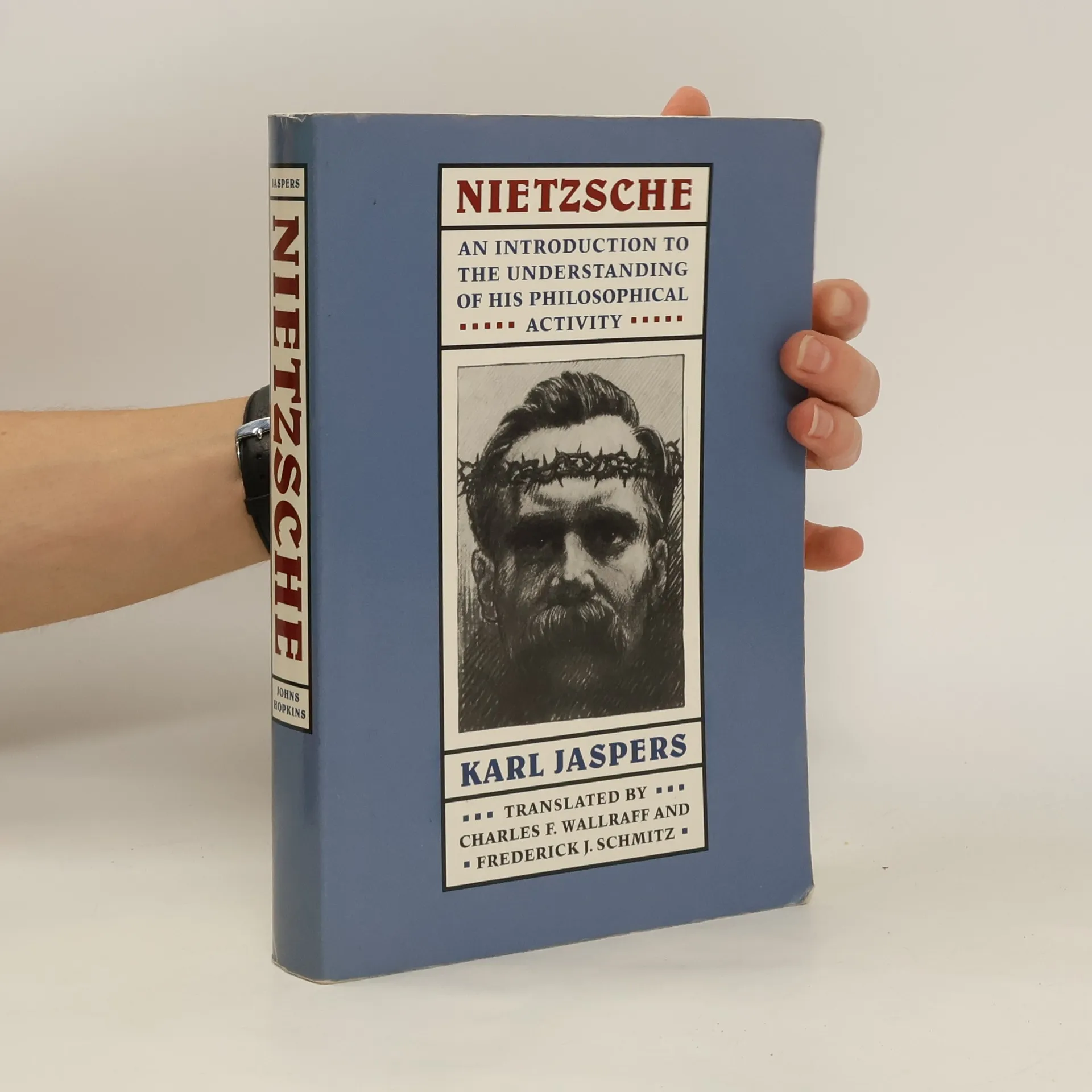
Nietzsche claimed to be a philosopher of the future, but he was appropriated as a philosopher of Nazism. His work inspired a long study by Martin Heidegger and essays by a host of lesser disciples attached to the Third Reich. In 1935, however, Karl Jaspers set out to "marshall against the National Socialists the world of thought of the man they had proclaimed as their own philosopher." The year after Nietzsche was published, Jaspers was discharged from his professorship at Heidelberg University by order of the Nazi leadership. Unlike the ideologues, Jaspers does not selectively cite Nietzsche's work to reinforce already held opinions. Instead, he presents Nietzsche as a complex, wide-ranging philosopher - extraordinary not only because he foresaw all the monstrosities of the twentieth century but also because he saw through them.
Karl Jaspers died in 1969, leaving unfinished his universal history of philosophy, a history organized around those philosophers who have influenced the course of human thought. The first two volumes of this work appeared in Jaspers's lifetime; the third and fourth have been culled from the vast material of his posthumous papers. This is the third volume; the fourth is to be published in 1994. In the present volume, which follows his original plan of "promoting the happiness that comes of meeting great men and sharing in their thoughts, " Jaspers discusses the Metaphysicians: Xenophanes, Empedocles, Democritus, Bruno, Epicurus, Boehme, Schelling, and Leibniz. Then he turns to the Creative Orderers: Aristotle and Hegel. His method is personal, one of constant questioning and struggle, as he enters into dialogue with his "eternal contemporaries, " the thinkers of the past. For Jaspers believes that it is only through communication with others that we come to ourselves and to wisdom.