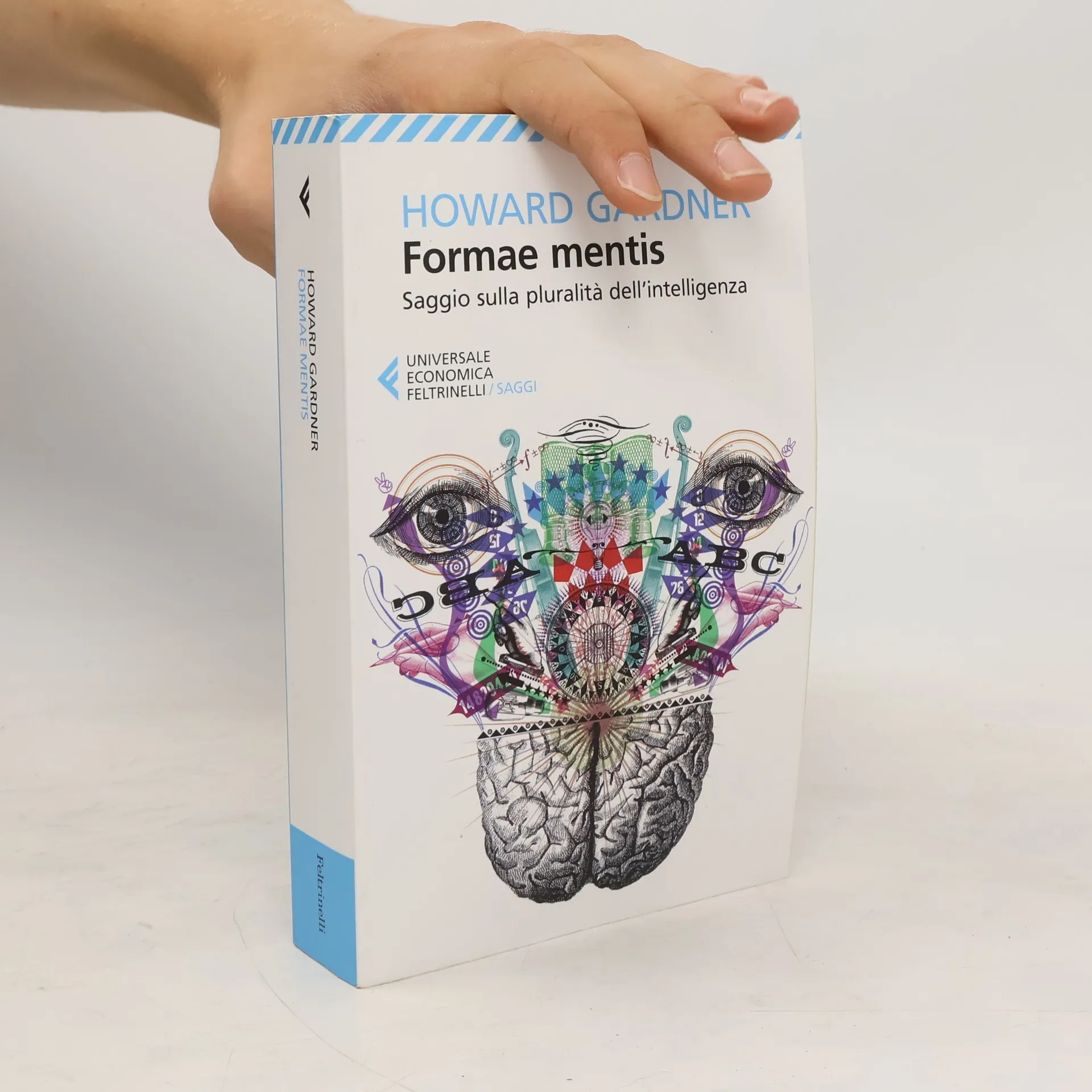
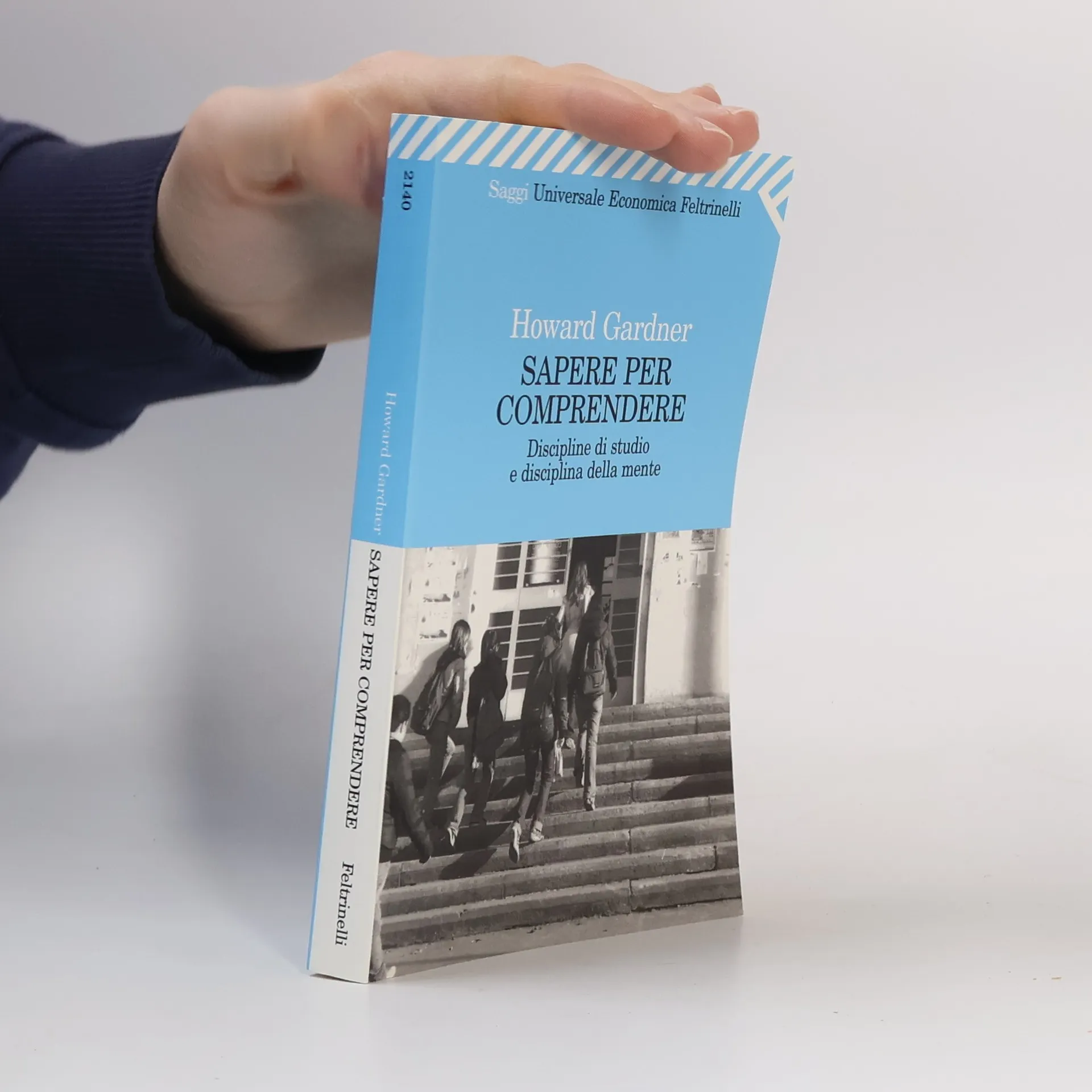
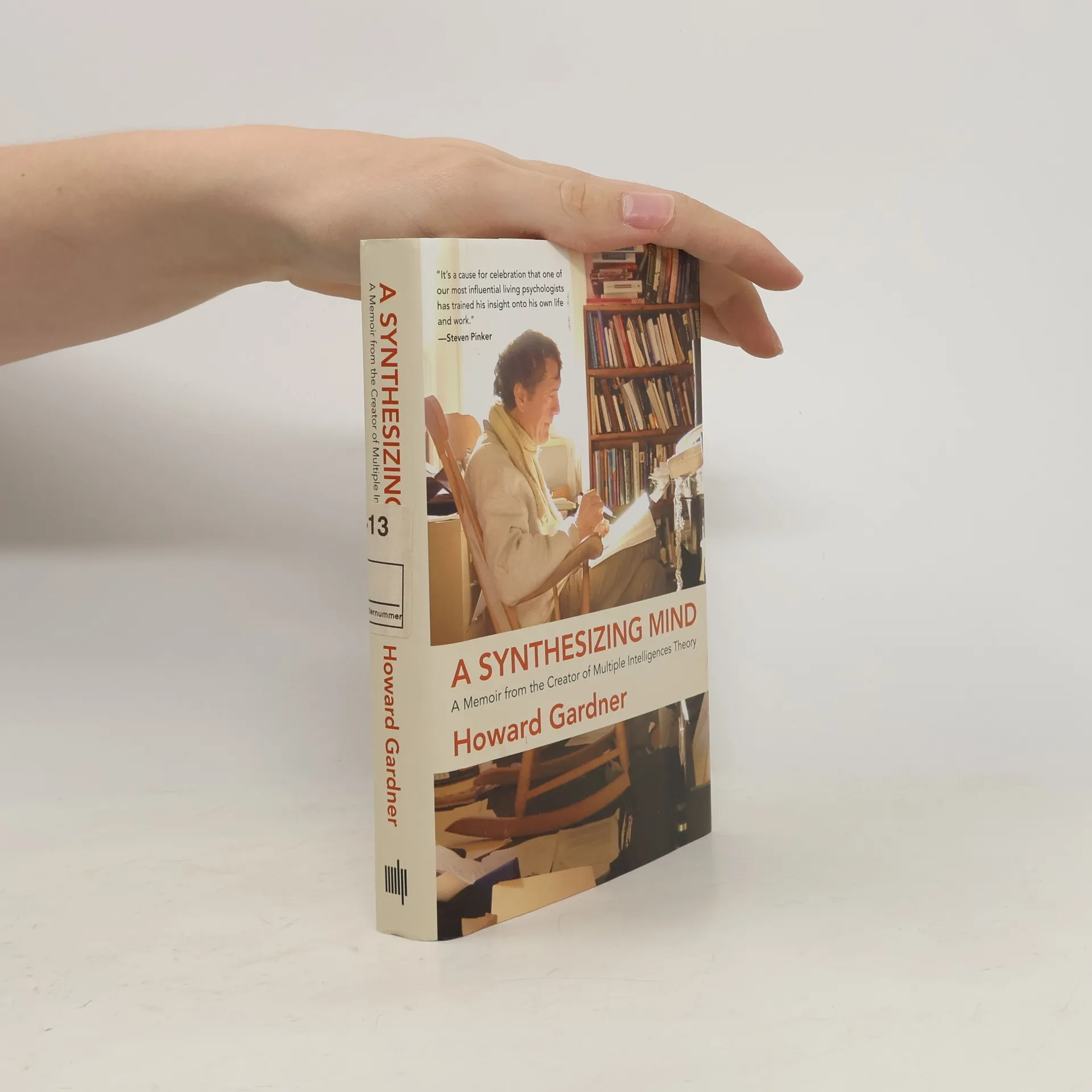
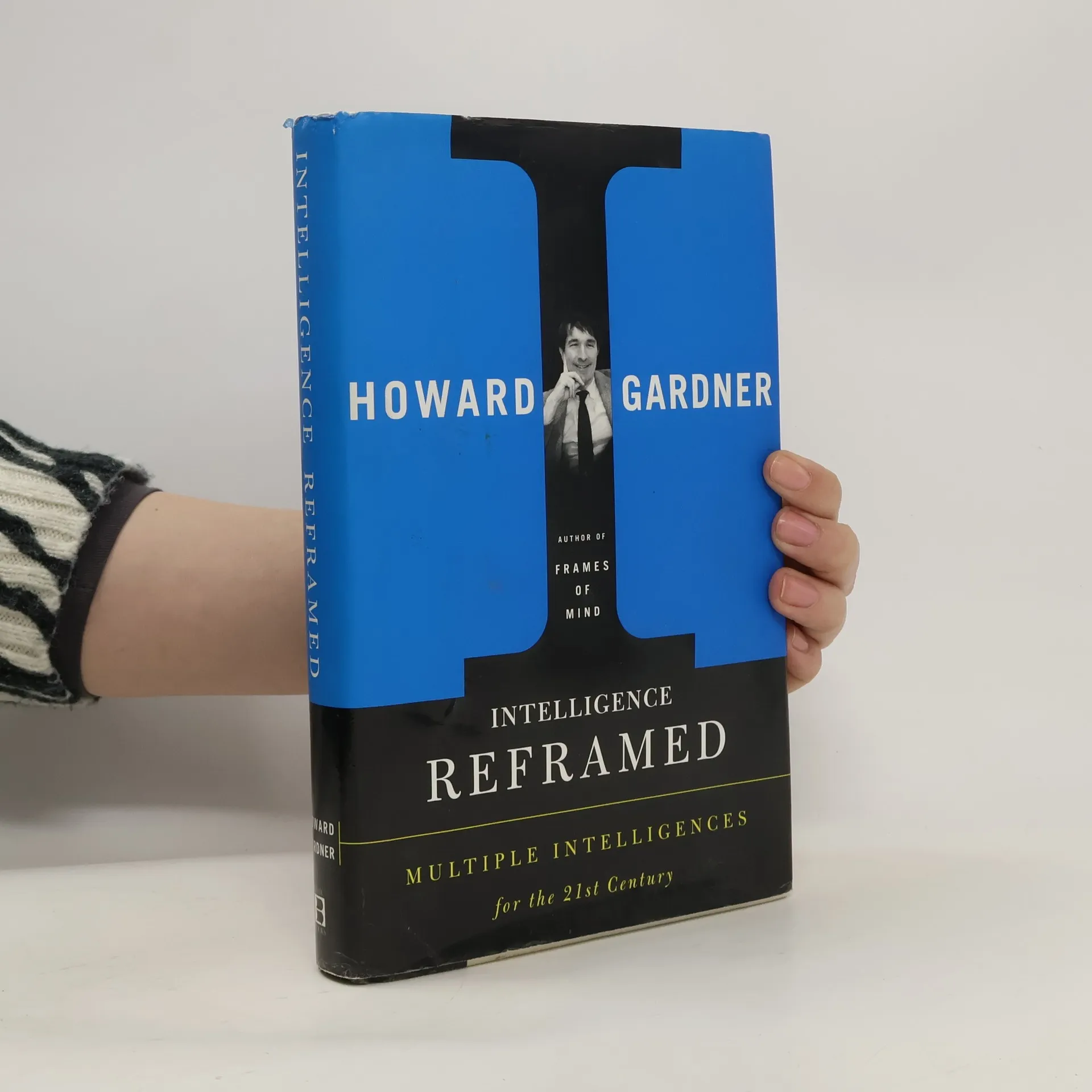
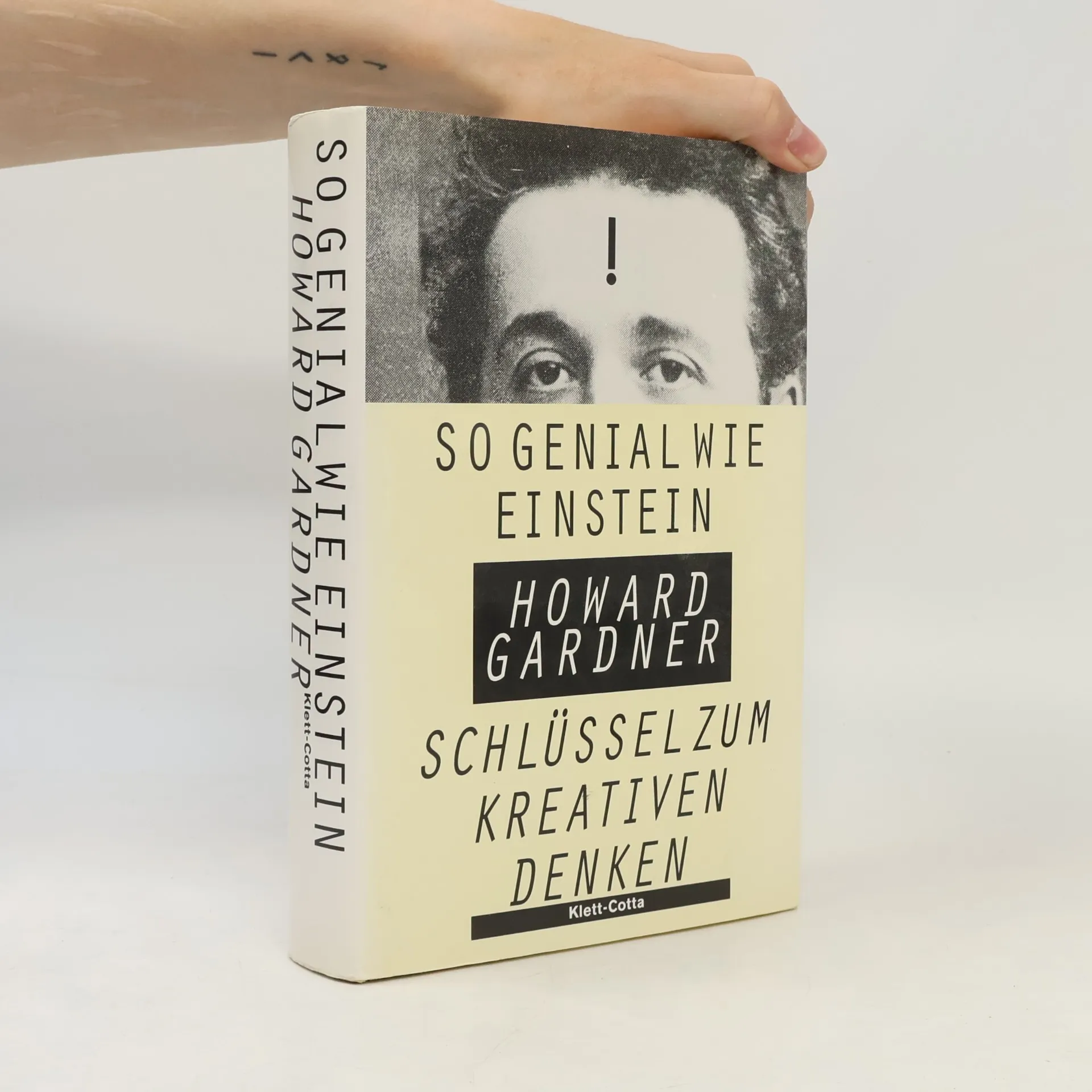
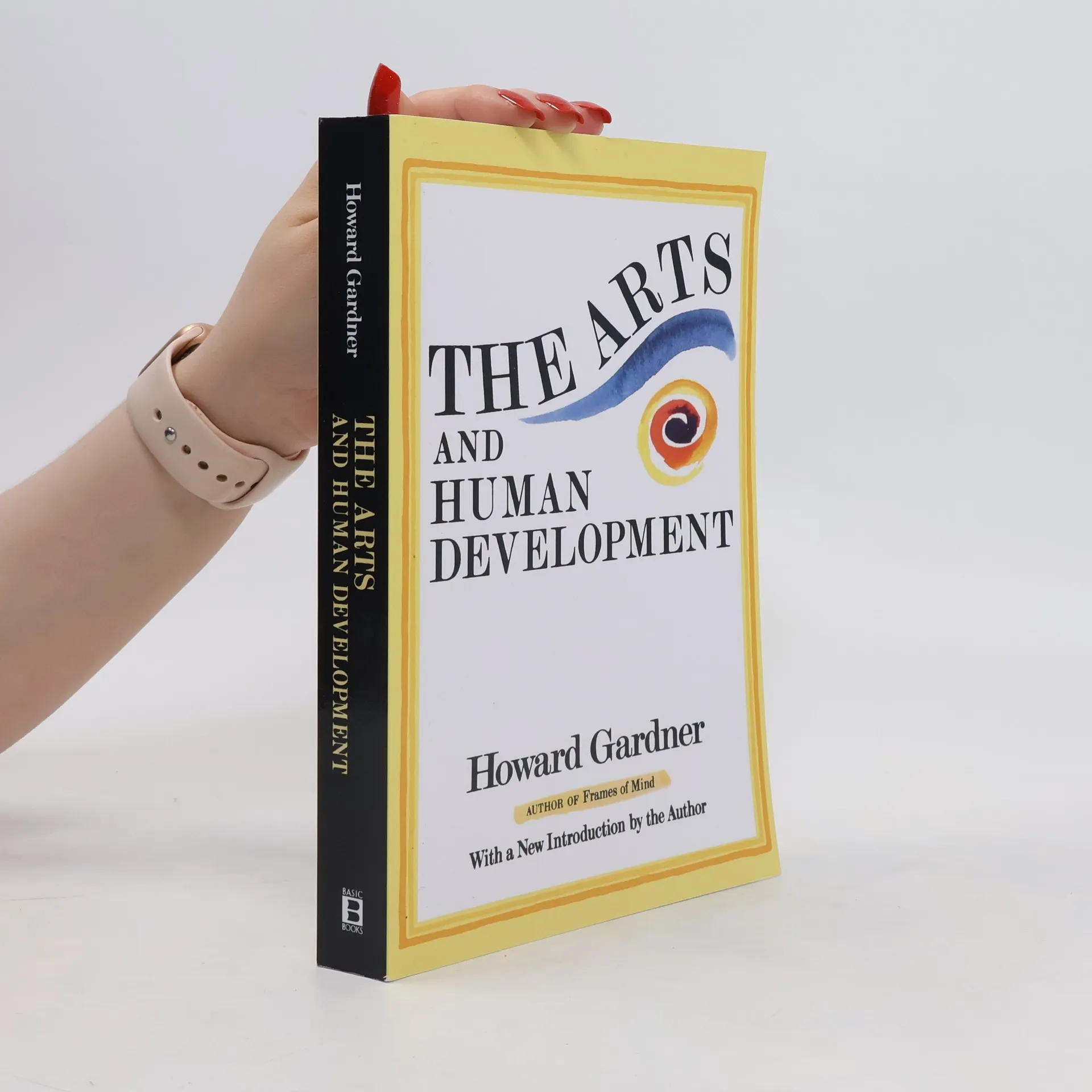
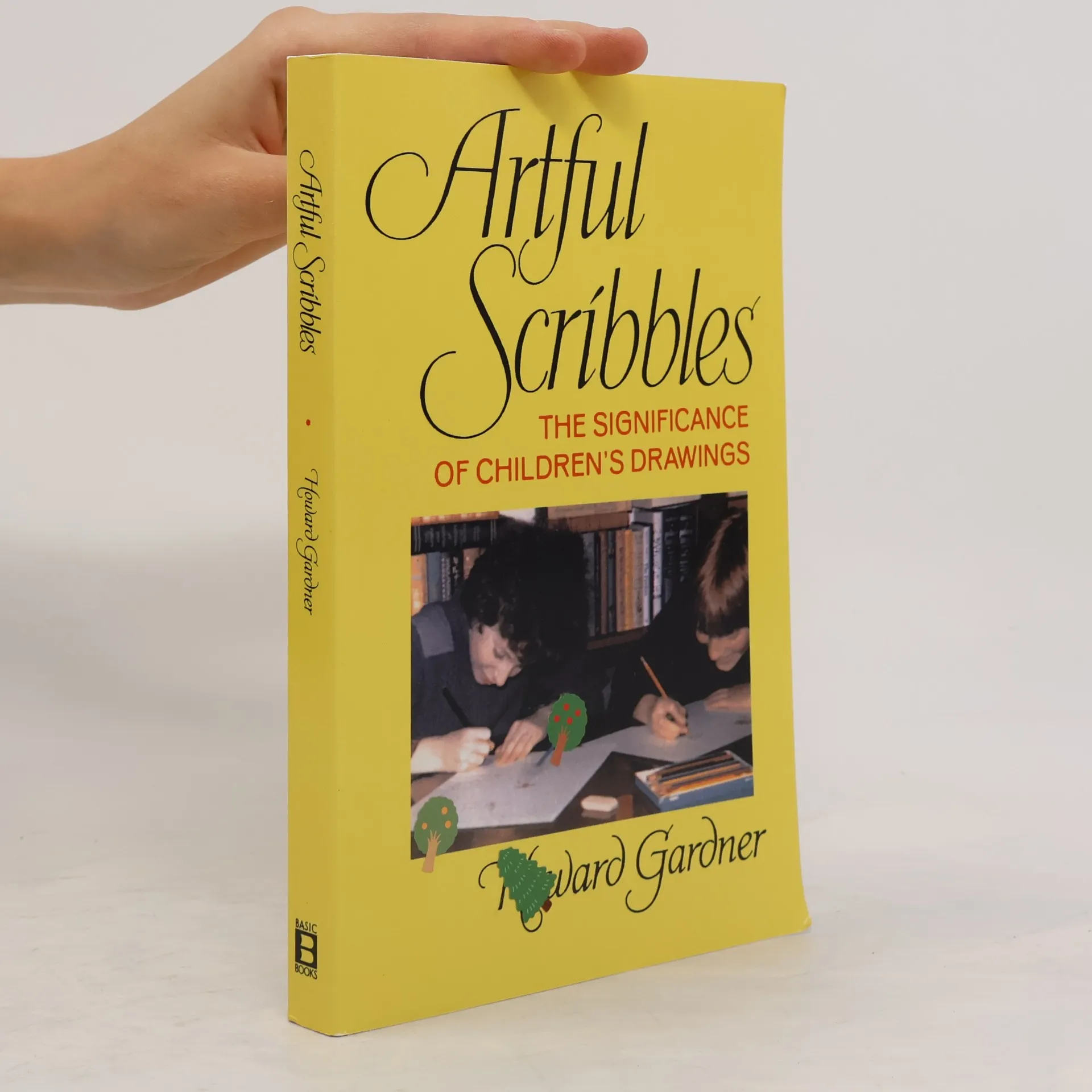
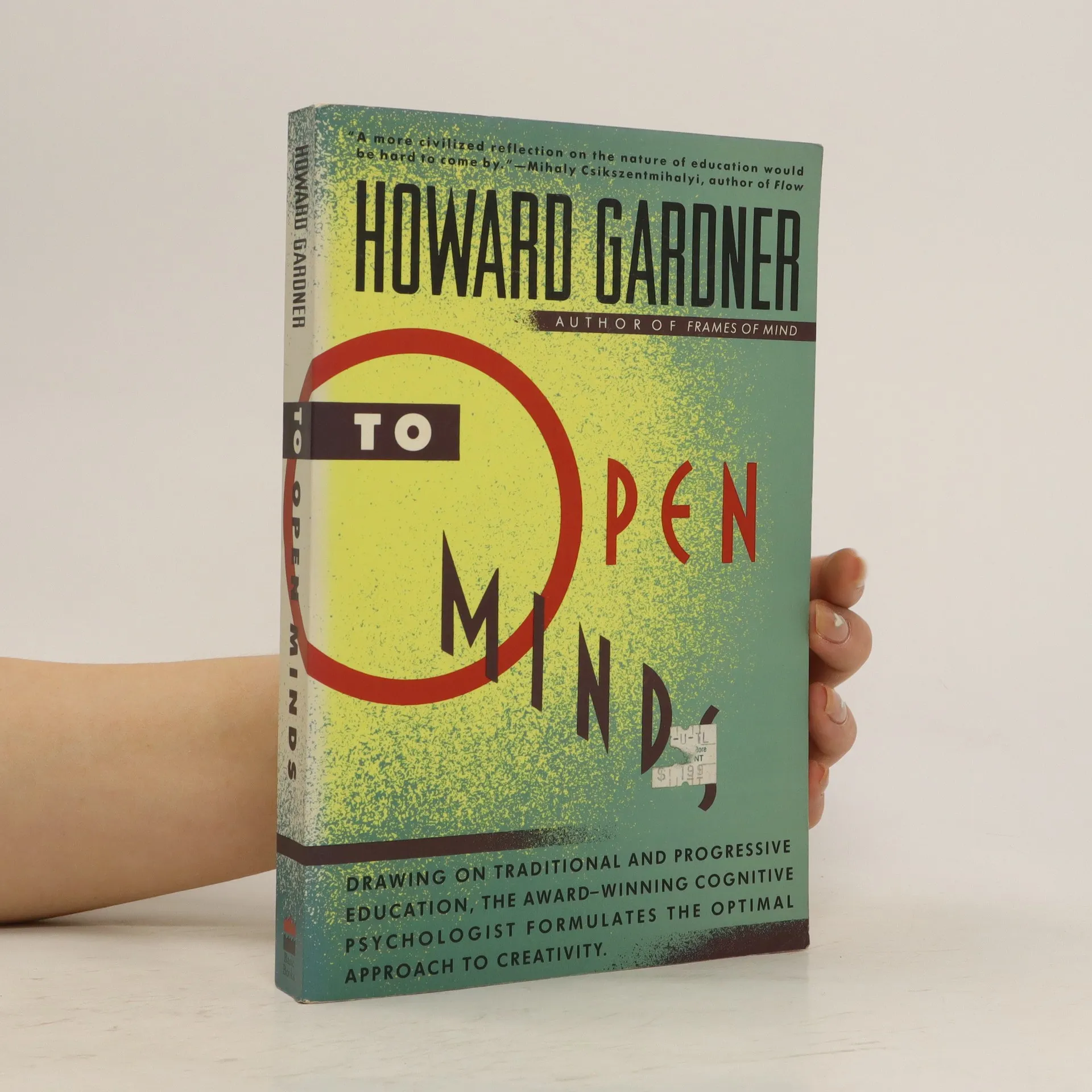
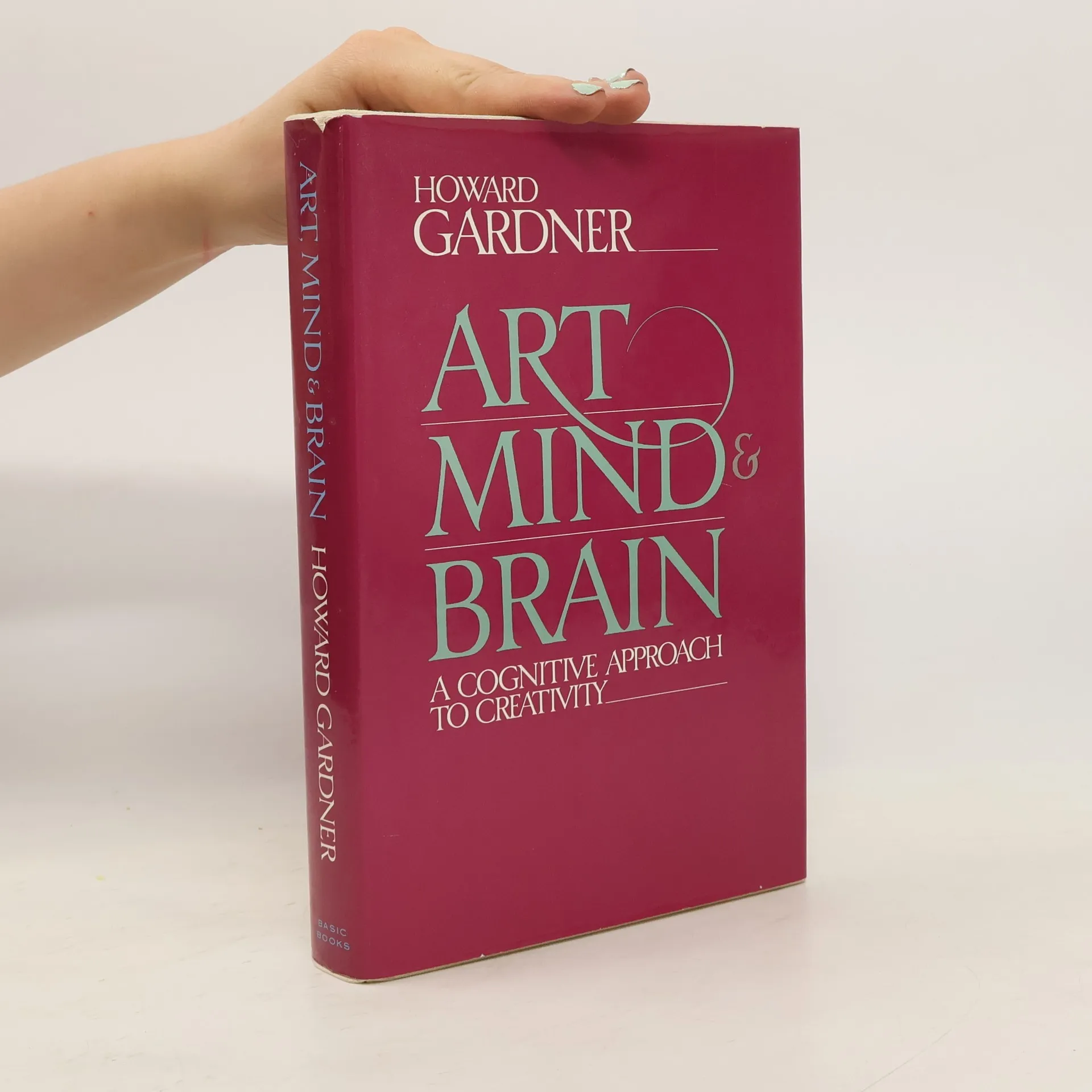
Howard Gardner è uno scienziato cognitivo ed educatore che ha sfidato le nozioni tradizionali di intelligenza. La sua teoria delle intelligenze multiple propone che esista una gamma di intelligenze distinte, piuttosto che una singola abilità generale. Gardner esplora come questa teoria possa essere applicata all'istruzione per adattarsi meglio alle capacità e agli stili di apprendimento individuali. Il suo lavoro si concentra sullo sviluppo di percorsi educativi personalizzati e sulla comprensione di ciò che costituisce un lavoro eccellente ed etico. Gardner indaga anche la natura della fiducia nella società contemporanea e le implicazioni etiche dei media digitali.
Alford Dalrymple Gardner is one of the few living passengers to have travelled
on the Empire Windrush. He is one of 10 whose portrait was commissioned by
King Charles, and appears in the BBC's Windrush: Portraits of a Generation
special. Now published for the first time, this is his stirring life story.
Wendy Fischman and Howard Gardner conducted extensive interviews with over 2,000 students, alumni, faculty, and others across ten diverse institutions, revealing insights that challenge media portrayals of college life. Contrary to popular belief, students are less focused on political correctness, free speech, or tuition costs, prioritizing their GPAs and resumes instead. They view job prospects and earning potential as more critical than the learning experience. Many express concerns about mental health, feelings of alienation, and a lack of belonging. This raises the question of whether higher education has strayed from its true purpose. Fischman and Gardner argue that U.S. colleges and universities must refocus on their core educational mission, which is not merely vocational training or providing amenities but enhancing "higher education capital." This involves fostering critical thinking, clear expression, exploration of new ideas, and openness to personal transformation. The authors provide thoughtful recommendations for colleges to cultivate communities of learners who embrace change as thinkers, citizens, and individuals.
"Gardner's memoir places his work on multiple intelligences within the arc of his academic career, and presents a defense of the scholarly and public value of powerful 'works of synthesis.'"-- Provided by publisher
Some of the world's smartest people explain stupidity, among them: Daniel Kahneman, Dan Ariely, Alison Gopnick, Howard Gardner, Antonio Damasio, Aaron James and Ryan Holiday
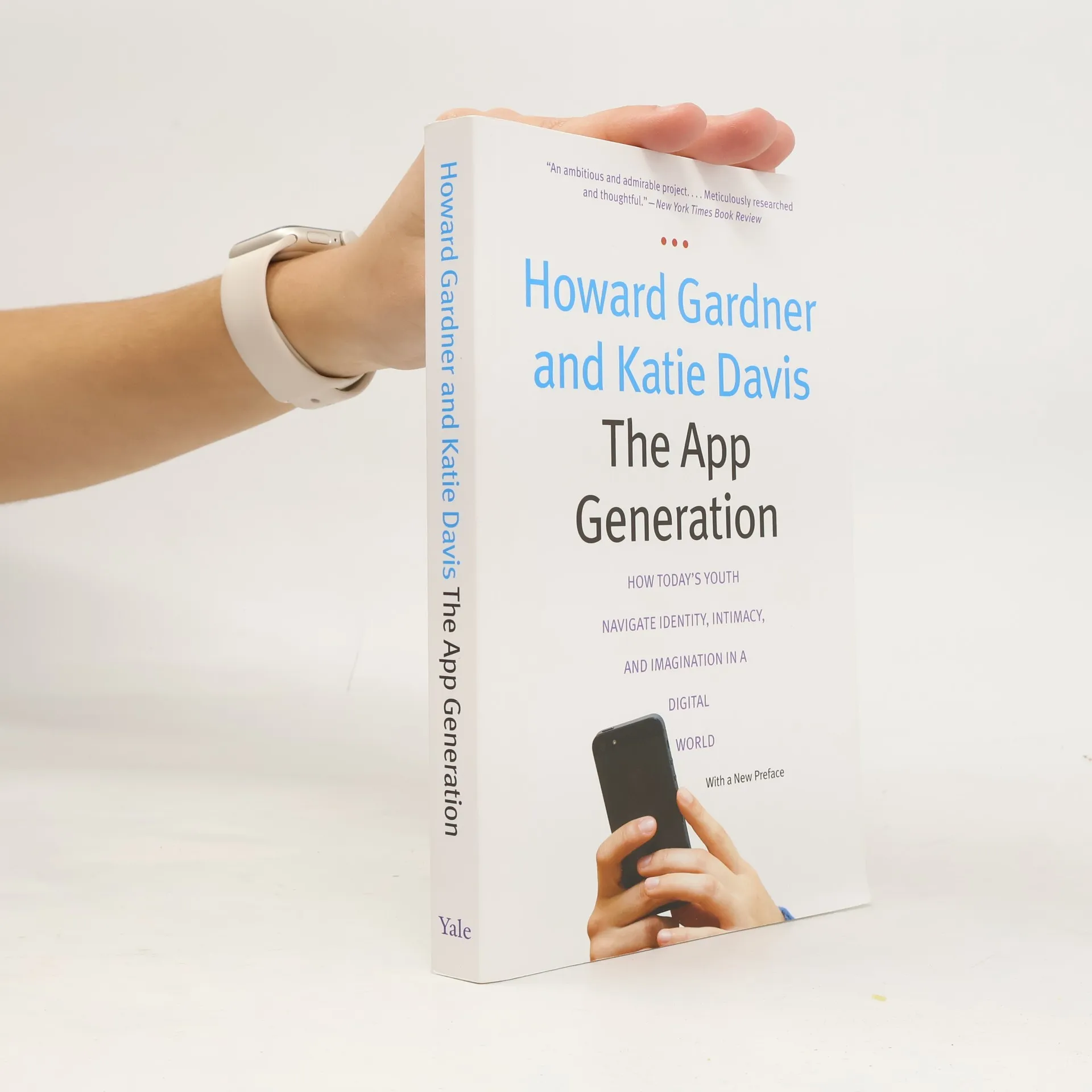
From the famed Harvard psychologist and an expert on the impact of digital
media technologies, a riveting exploration of the power of apps to shape our
young people--for better or for worse
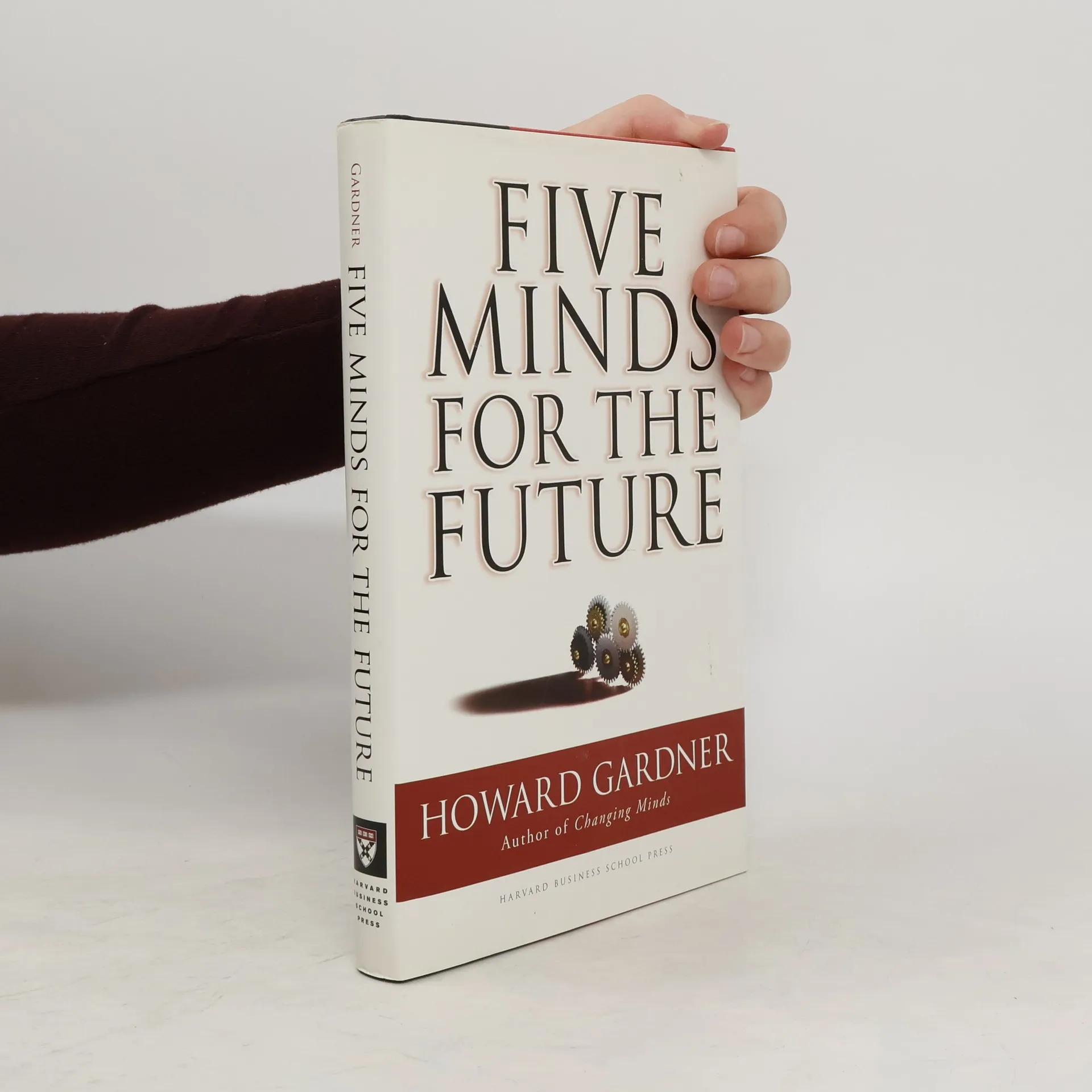
We live in a time of vast changes. And those changes call for entirely new ways of learning and thinking. In Five Minds for the Future: Howard Gardner defines the cognitive abilities that will command a premium in the years ahead: the disciplinary mind—mastery of major schools of thought (including science, mathematics, and history) and of at least one professional craft the synthesizing mind—ability to integrate ideas from different disciplines or spheres into a coherent whole and to communicate that integration to others the creating mind—capacity to uncover and clarify new problems, questions, and phenomena the respectful mind—awareness of and appreciation for differences among human beings and human groups the ethical mind—fulfillment of one’s responsibilities as a worker and citizen World-renowned for his theory of multiple intelligences, Gardner takes that thinking to the next level in this book, drawing from a wealth of diverse examples to illuminate his ideas. Concise and engaging, Five Minds for the Future will inspire lifelong learning in any reader as well as provide valuable insights for those charged with training and developing organizational leaders—both today and tomorrow.
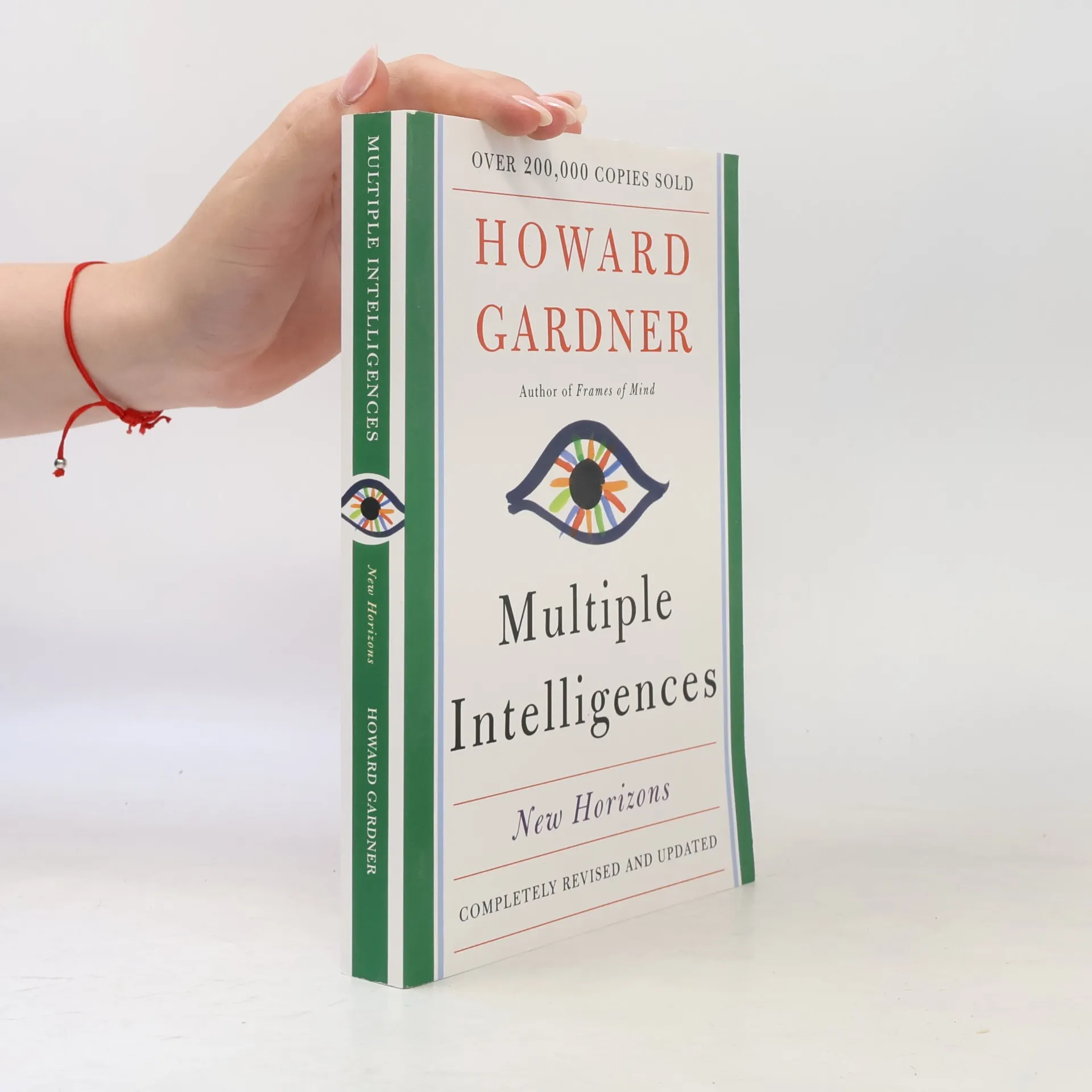
The most complete account of the theory and application of Multiple Intelligences available anywhere Howard Gardner's brilliant conception of individual competence, known as Multiple Intelligences theory, has changed the face of education. Tens of thousands of educators, parents, and researchers have explored the practical implications and applications of this powerful notion, that there is not one type of intelligence but several, ranging from musical intelligence to the intelligence involved in self-understanding. Multiple Intelligences distills nearly three decades of research on Multiple Intelligences theory and practice, covering its central arguments and numerous developments since its introduction in 1983. Gardner includes discussions of global applications, Multiple Intelligences in the workplace, an assessment of Multiple Intelligences practice in the current conservative educational climate, new evidence about brain functioning, and much more.
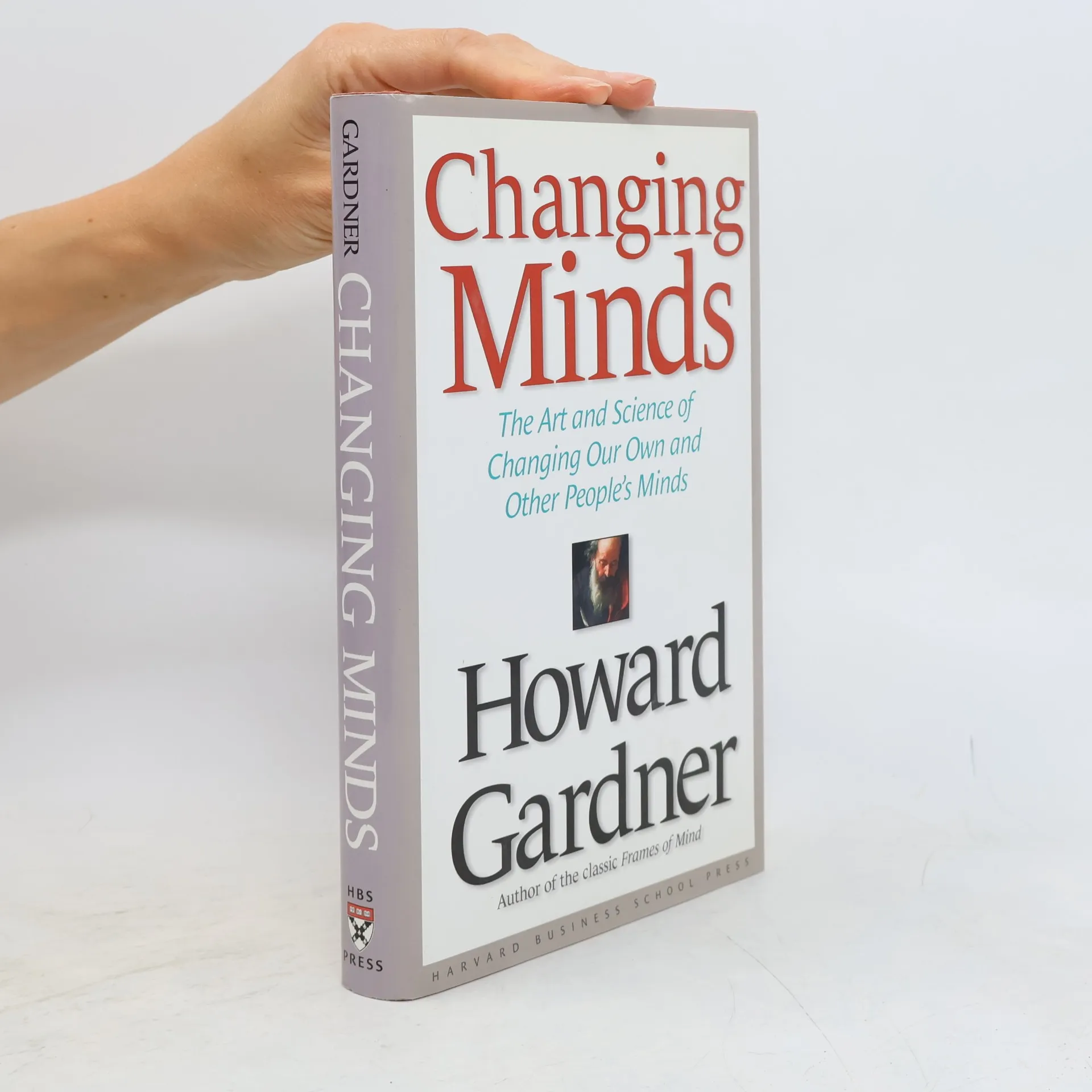
The book presents a unique framework developed by a prominent Harvard psychologist for effectively influencing change, whether in personal relationships, societal issues, or corporate environments. It delves into the psychological principles that underpin persuasion and offers practical strategies for shifting perspectives and behaviors.
Verfügen Sie über einen hohen IQ? Nein, denn Sie haben nicht nur einen IQ und einen EQ, Sie verfügen über mehrere Intelligenzen! Sie können nicht nur sprechen und mit Sprache(n) umgehen, Zahlen erfassen, sondern auch mathematische und logische Probleme lösen. Sie treiben Sport, fahren Fahrrad und Auto, haben ein Gespür für Musik und Tanz oder spielen Schach. Einen Baum oder ein Haus erfassen Sie spielend leicht und können sie zeichnen oder malen, Sie wissen mit sich selbst und anderen umzugehen, sind gern in der Natur und kennen sich in ihr aus und haben darüber hinaus eine ganz unverwechselbare Intelligenz für Ihr Leben und das Leben überhaupt. Es sind die Begabungen, die sich in Ihrer Lebensintelligenz bündeln. Die Geschichte der modernen Intelligenzforschung macht einsichtig, warum und wie Howard Gardner die alten Definitionen der Intelligenz verwarf. Auf ihn geht die neue Sicht des menschlichen Geistes zurück, lange vor der medialen Entdeckung von Kreativitiät und Emotionalität. Seine Konzeption revolutionierte die Kognitions- und Neuroforschung und veränderte unser Selbstverständnis. Er versteht den Menschen in erster Linie als schöpferisches Wesen.
Was wir mit Mozart, Freud, Woolf und Gandhi gemeinsam haben
222pagine
8 ore di lettura
Außergewöhnliche "Meister", "Macher", "Introspekteure" und "Beeinflusser" beschreibt Gardner mit Mozart, Freud, Woolf und Gandhi. Gardner hilft, geniale Menschen zu verstehen und das eigene kreative Potential zu entdecken und einzusetzen.
Nonostante sia ormai universalmente riconosciuto che la qualità del sistema educativo di un paese è un fattore determinante per la sua crescita e il suo sviluppo, troppo spesso il dibattito pedagogico si esaurisce in sterili contrapposizioni fra progressisti e tradizionalisti o resta confinato ad aspetti secondari e particolaristici. "Sapere per comprendere" non si sottrae invece alla cruciale questione di definire metodi e contenuti di un'"educazione per tutti", il cui fine deve essere la formazione di individui capaci di comprendere, affrontare e migliorare il mondo in cui vivono. Ciò è possibile soltanto attraverso lo studio e la conoscenza della condizione umana, passata e presente, e soprattutto attraverso una profonda comprensione delle sfere del vero (e del falso), del bello (e del brutto), del bene (e del male). Gardner passa quindi in rassegna diverse istituzioni scolastiche contemporanee, dalle scuole materne di Reggio Emilia alle università statunitensi, analizzandone limiti e vantaggi, articolando sei percorsi educativi in grado di rispondere alle esigenze di differenti sistemi culturali.
A state-of-the-art report on how the landmark theory of multiple intelligences is radically changing our understanding of education and human development.
Der Leser erfährt viel in diesem Werk von Howard Gardner. Vor allem über das Leben seiner "Protagonisten", über Freud, Einstein, Picasso, Stravinsky, T. S. Eliot, Martha Graham und Gandhi wird ausführlich berichtet. Im Vergleich ihrer Persönlichkeiten, ihres familiären Backgrounds, ihres Lebensweges und ihres kreativen Auftrags wird vieles klar. Eine ganz und gar schlüssige und allgemein gültige Erklärung für kreatives Denken bleibt uns der Autor allerdings schuldig. Dennoch bekommt man einen Einblick in die Voraussetzungen, die zumindest bei den bemühten sieben Meistern der Moderne zu Ruhm und Ehre geführt haben. Gardner pflegt einen gut verständlichen Sprachstil und hat sein Buch klar und übersichtlich gegliedert, sodass auch punktuell interessierte Leser auf ihre Kosten kommen. Wer den Hintergründen kreativen Denkens auf die Spur kommen möchte (und für die eigene Persönlichkeit entsprechende Analysen vornehmen will), dem legt getAbstract das überzeugende Buch als Lektüre ans Herz
A comprehensive guide to the myriad issues at the nexus of culture and psychologyCultural differences affect everything from international relations to the trivial encounters of daily life. Tensions between the U.S. and Japan, strife between African-Americans and Koreans, the difficulty urban youth encounter in adapting to a white-collar professional culture―all can be traced, directly or indirectly, to cultural and psychological barriers.The Culture and Psychology Reader gathers a wide range of contributors to present a comprehensive guide to the myriad issues at the nexus of culture and psychology. What role have culture, race, and ethnicity assumed―or, rather, been allocated―in American psychology? How do traditionally marginalized groups, such as African-Americans, poor women, lesbians and gays, and bicultural people, perceive themselves and what can this tell us about the interplay between culture and psychology?Beginning with definitions and an overview, the book examines such issues as development, adaption, the acquisition of culture, the self in a cultural context, and diagnostic assessment and treatment acknowledging the risk of cultural bias. Contributors to this volume Clifford Geertz, Richard Shweder, John Ogbu, Laura Brown, Michelle Fine and Adrienne Asch, Cherrie Moraga, June Jordan, Arturo Madrid, Howard Gardner, and Arthur Kleinman.
Drawing on his groundbreaking work on intelligence and creativity, Harvard psychologist Howard Gardner, developer of the theory of Multiple Intelligences, offers fascinating revelations about the mind of the leader and his or her followers. He identifies six constant features of leadership as well as paradoxes that must be resolved for leadership to be effective using portraits of leaders from J. Robert Oppenheimer to Alfred P. Sloan, from Pope John XXIII to Mahatma Gandhi.
A revised edition of Gardner's classic on the development of creativity. Illustrated throughout with children's art, this book is a systematic examination of the relation between youthful participation in the arts and the ultimate craftsmanship attained by gifted artists.
Howard Gardner transformed our understanding of intelligence, challenging the idea that it is a singular capacity. In this work, he expands on his framework to provide a groundbreaking perspective on creativity, spotlighting seven individuals who redefined various fields. Drawing from his concept of seven “intelligences,” which include musical and self-understanding, Gardner explores the lives of Sigmund Freud, Albert Einstein, Pablo Picasso, Igor Stravinsky, T.S. Eliot, Martha Graham, and Mahatma Gandhi. Each exemplifies a unique intelligence through their significant creative breakthroughs, which not only illuminate their achievements but also reflect the modern era that shaped and was shaped by them. By examining these pivotal moments, Gardner identifies patterns essential to understanding the creative process. He argues against the notion of a singular creativity, presenting evidence of shared personality traits and needs among creative individuals. He notes that initial breakthroughs often take a decade to achieve, with further developments requiring additional time. Gardner highlights the importance of supportive environments and the influence of informed peers in fostering creativity. He also acknowledges that extraordinary creativity often comes with significant personal costs.
Howard Gardner’s innovative concept of individual competence is transforming education. Since the release of his influential work, thousands of educators, parents, and researchers have delved into the practical implications of Multiple Intelligences (MI) theory, which posits distinct human capacities, from musical intelligence to self-understanding. This compilation features both previously published and original contributions from Gardner and his colleagues at Project Zero, offering a comprehensive overview of what has been learned about MI theory's educational applications through various school projects and formal research over the past decade.
The book is structured into four main sections:
1. **The Theory of Multiple Intelligences** provides an overview of MI theory, including its foundational concepts and its relation to other human capacities.
2. **Educating the Intelligences** discusses practical applications in educational settings, from early childhood through high school, highlighting innovative approaches to nurture multiple intelligences.
3. **Assessment and Beyond** examines alternatives to standardized testing and explores the aims of education in the context of MI.
4. **The Future of Work on Multiple Intelligences** outlines the evolution of MI theory and its ongoing relevance.
The book includes appendices with acknowledgments, references, and related articles, making it a valuable resource for those intere
Educare al comprendere e un libro piuttosto recente (1994), diventato in breve tempo una lettura obbligata per quanti si occupano di apprendimento scolastico. Gardner vi dimostra come la pedagogia corrente sottovaluti enormemente la scoperta che la mente del bambino, lungi dall'essere una tabula rasa, possiede tutta una galassia di piccole e grandi teorie, infantili ma funzionali, robuste e persistenti. E la mancata considerazione di queste visioni riduttive, di questi stereotipi, a impedire all'istruzione formale di diventare la risposta a un bisogno e di porsi su una linea di continuita con gli apprendimenti sensomotori dell'infanzia. La scuola, adeguandosi a una didattica che mira essenzialmente al superamento di certe prove, rinuncia all'obiettivo ambizioso del comprendere e si appiattisce in cio che Gardner chiama "il compromesso delle risposte corrette". Quella qui proposta e un'analisi stringente, tesa a definire i termini del problema e a indicare promettenti vie di ricerca.
Scopo di questo libro è dimostrare che il fenomeno "intelligenza" può essere scomposto in una serie finita di abilità umane distinte, di distinte intelligenze: linguistica, musicale, logico-matematica, spaziale, corpo-reo-cinestetica, personale e interpersonale. Caso per caso, Gardner esamina quali siano i componenti e lo sviluppo di ogni particolare forma di intelligenza, gli aspetti neurologici e quelli interculturali. Negando il concetto unitario di intelligenza, Gardner mira tra l'altro a mettere in discussione l'assunto che l'intelligenza possa essere misurata mediante test verbali e a proporre una tecnica capace di applicazioni in campo educativo. Questo libro, che per la sua originalità e vivacità di stile ha ricevuto riconoscimenti in tutto il mondo, ha segnato una svolta negli studi sull'intelligenza, ed è oggi considerato una pietra miliare negli studi sull'apprendimento
The production and appreciation of art involves thought processes that have excluded from traditional measures of human intelligence. This book, written by a leading cognitive scientist, makes a compelling case for broadening these definitions and discusses the value other cultures place onartistic abilities. Gardner explores the function of art in human development as well as the strategies children employ in the process of constructing images.
Psychologists have long understood that the art works of children relate to their intellectual and emotional development but this is the first book to describe the developmental process of drawing. Gardner explores the vital links between children's art and their emotional, social, and cognitive development.
In this unique attempt to address the dilemma in contemporary education, the noted cognitive scientist weaves the lessons garnered from three vantage points: his own traditional education as an American child, his years of research on creativity at Harvard, and what he saw in modern Chinese classrooms—into a program that draws on the best of both modes, traditional and progressive.
Mit seiner informativen Darstellung erzählt Gardner die Geschichte dieser geistigen Revolution und bietet zugleich eine bislang konkurrenzlose Einführung in das neue Gebiet.
In a provocative discussion of the sources of human creativity, Gardner explores all aspects of the subject, from the young child's ability to learn a new song through Mozart's conceiving a complete symphony.