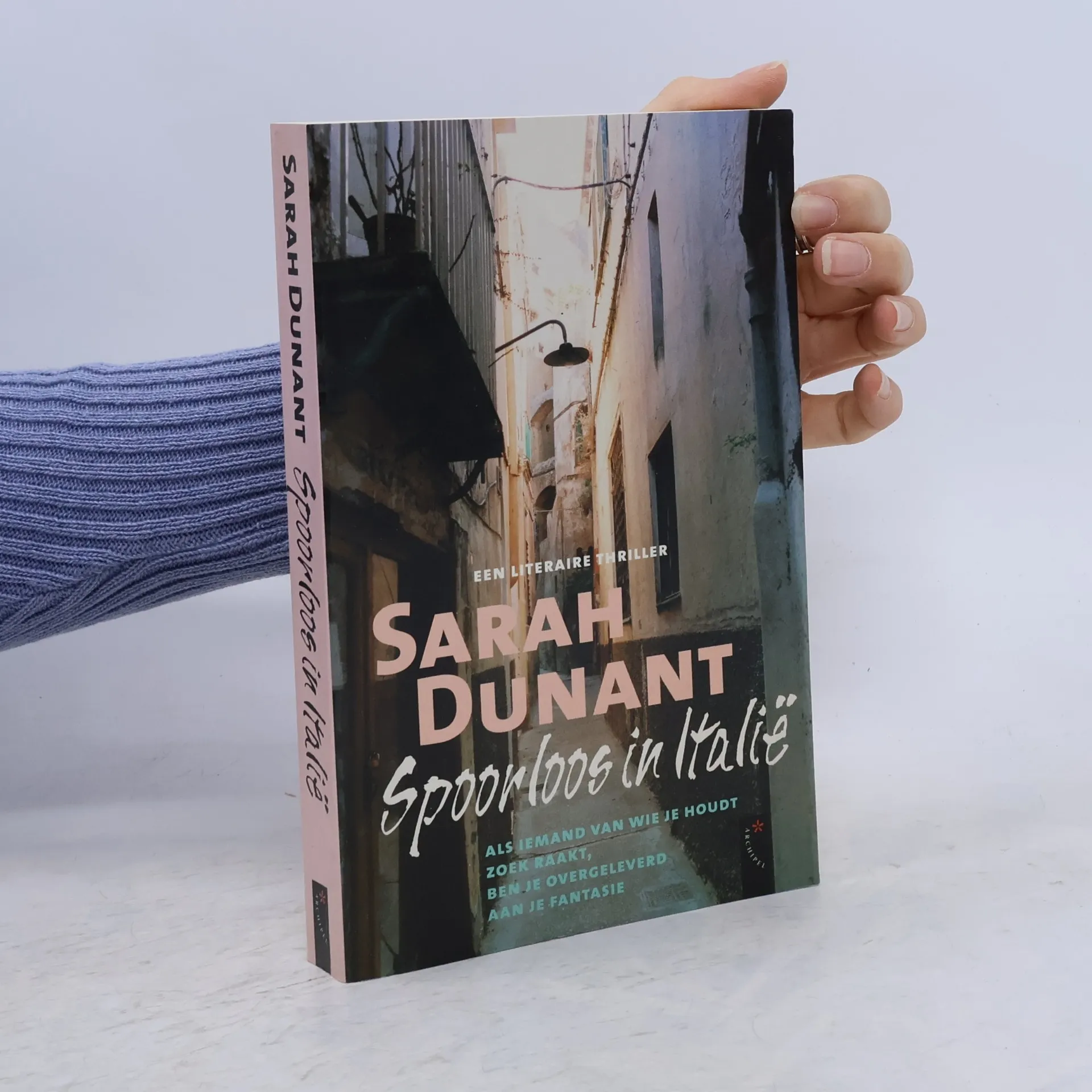
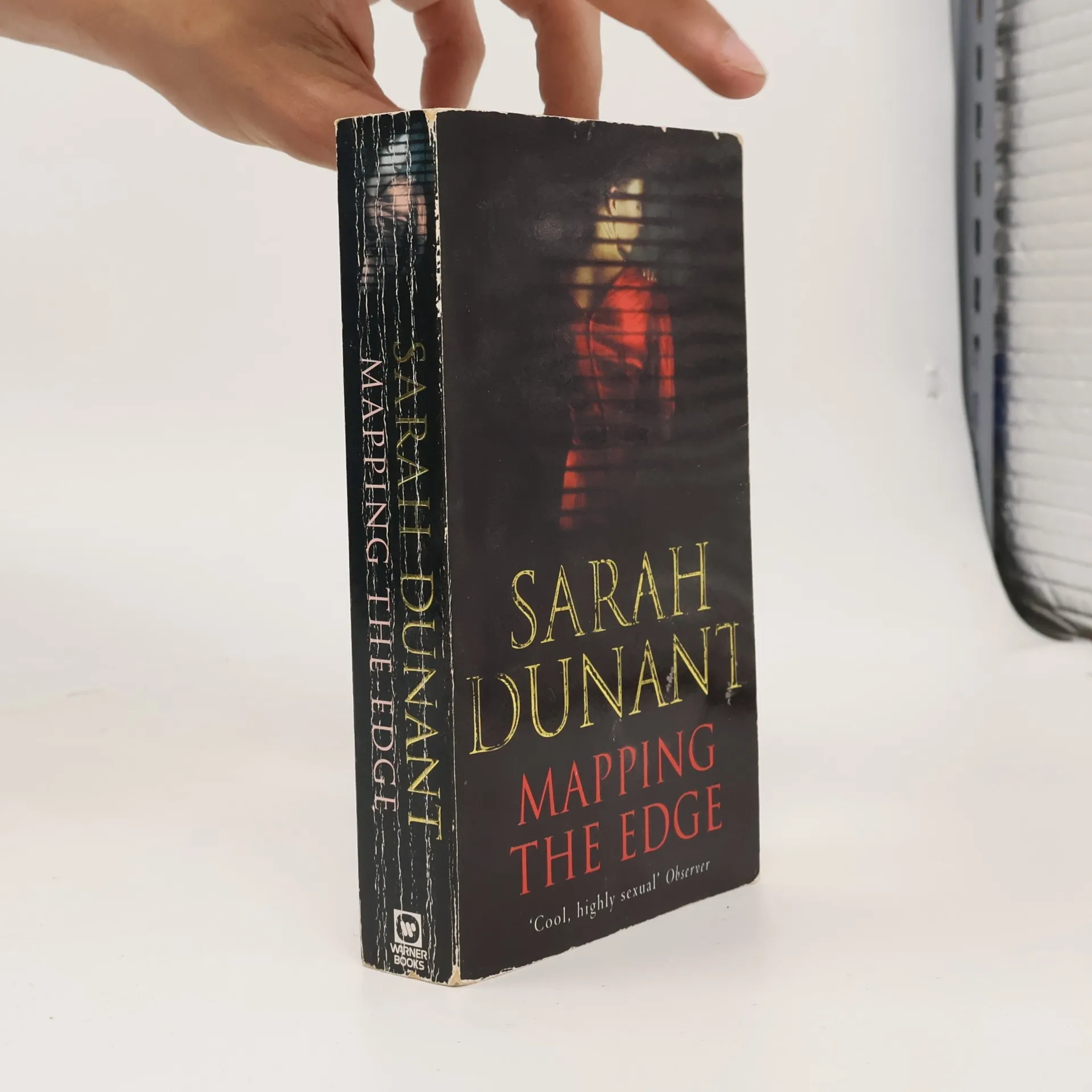
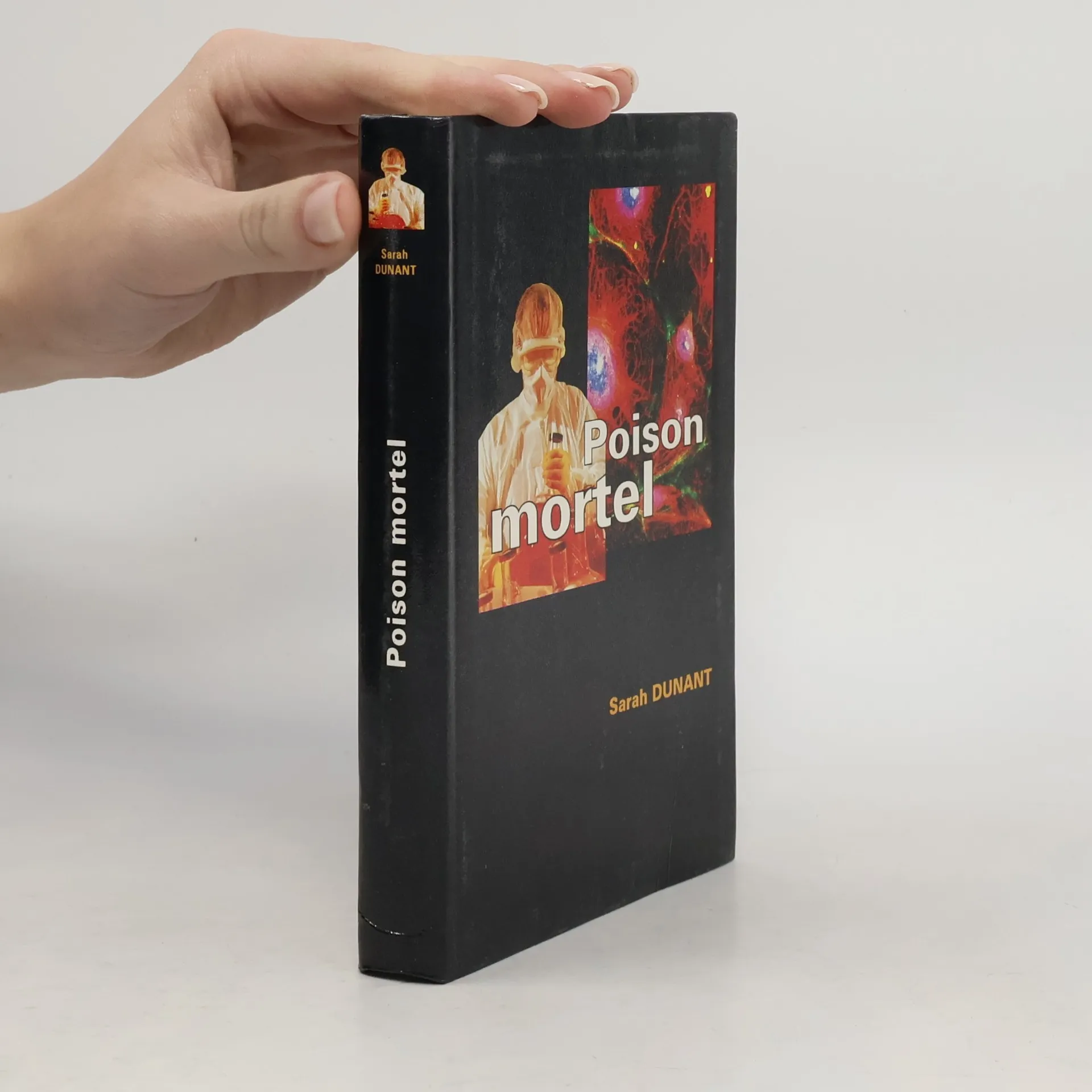
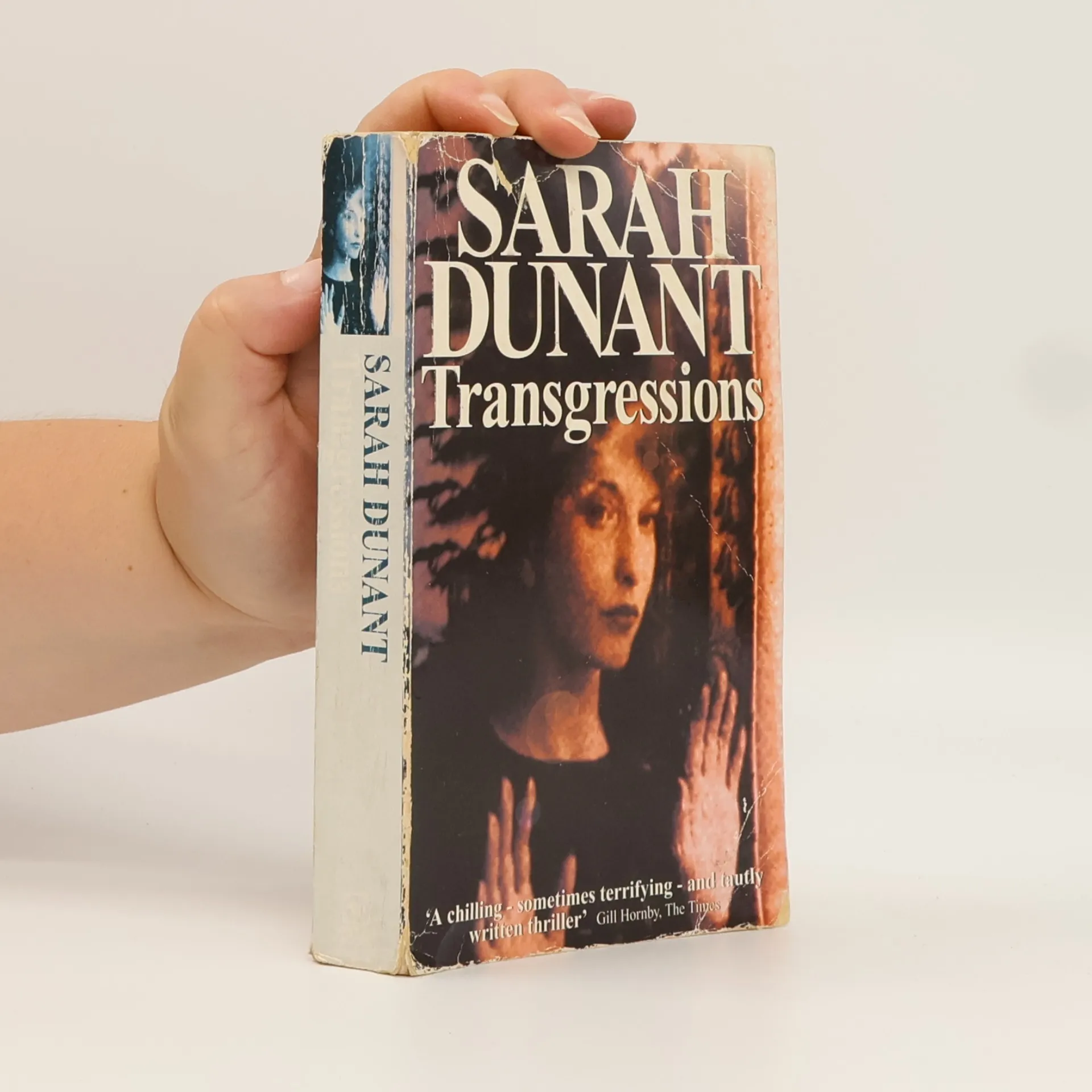
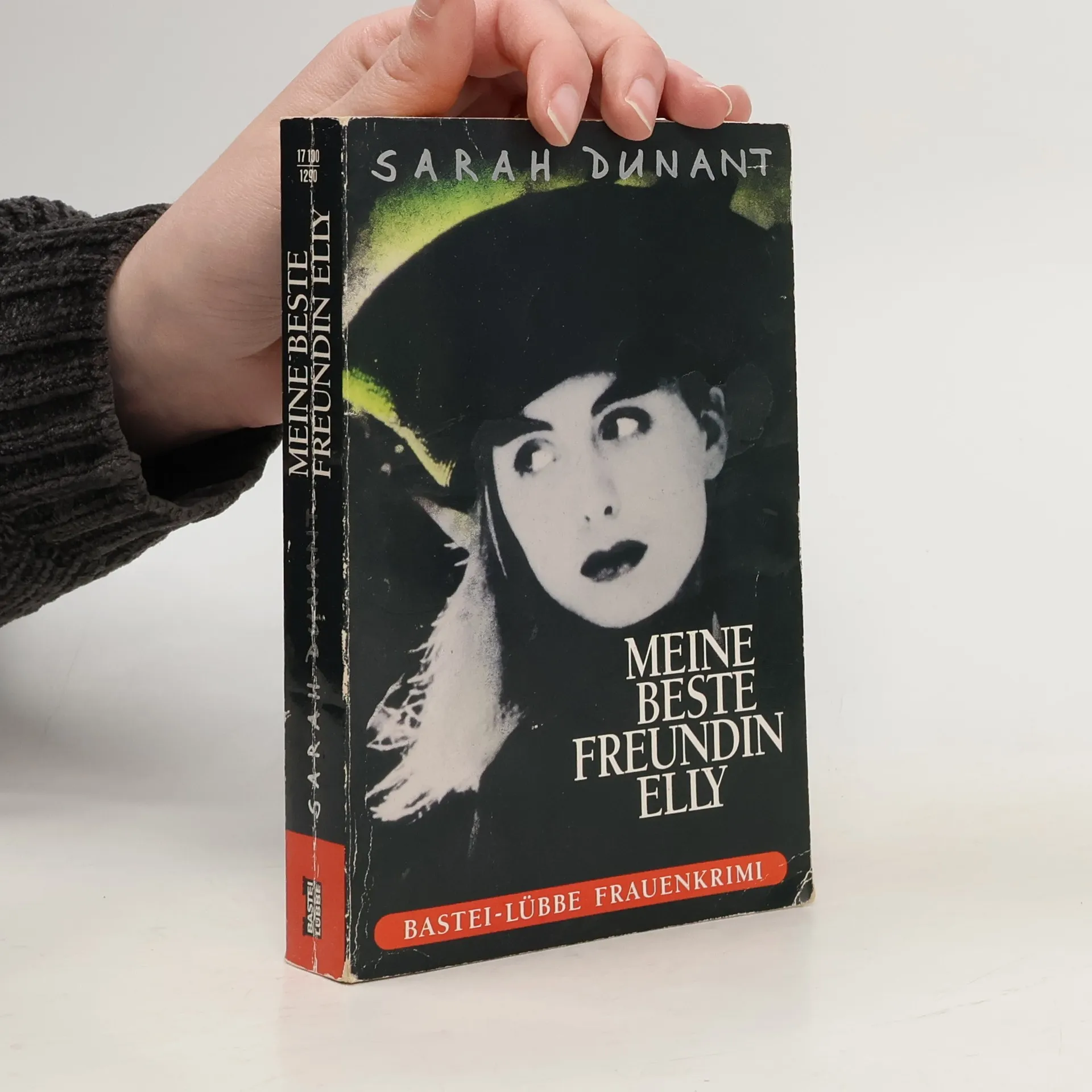
Sarah Dunant è un'acclamata autrice di thriller i cui romanzi sono ambientati nell'Italia rinascimentale. Esplora le vite delle donne attraverso le lenti dell'arte, del sesso e della religione, svelando i loro mondi nascosti. La sua acuta analisi della storia e della cultura riporta in vita il passato con una vividezza avvincente e una profondità intellettuale. Dunant offre una prospettiva unica e accessibile su un'era cruciale della storia europea.
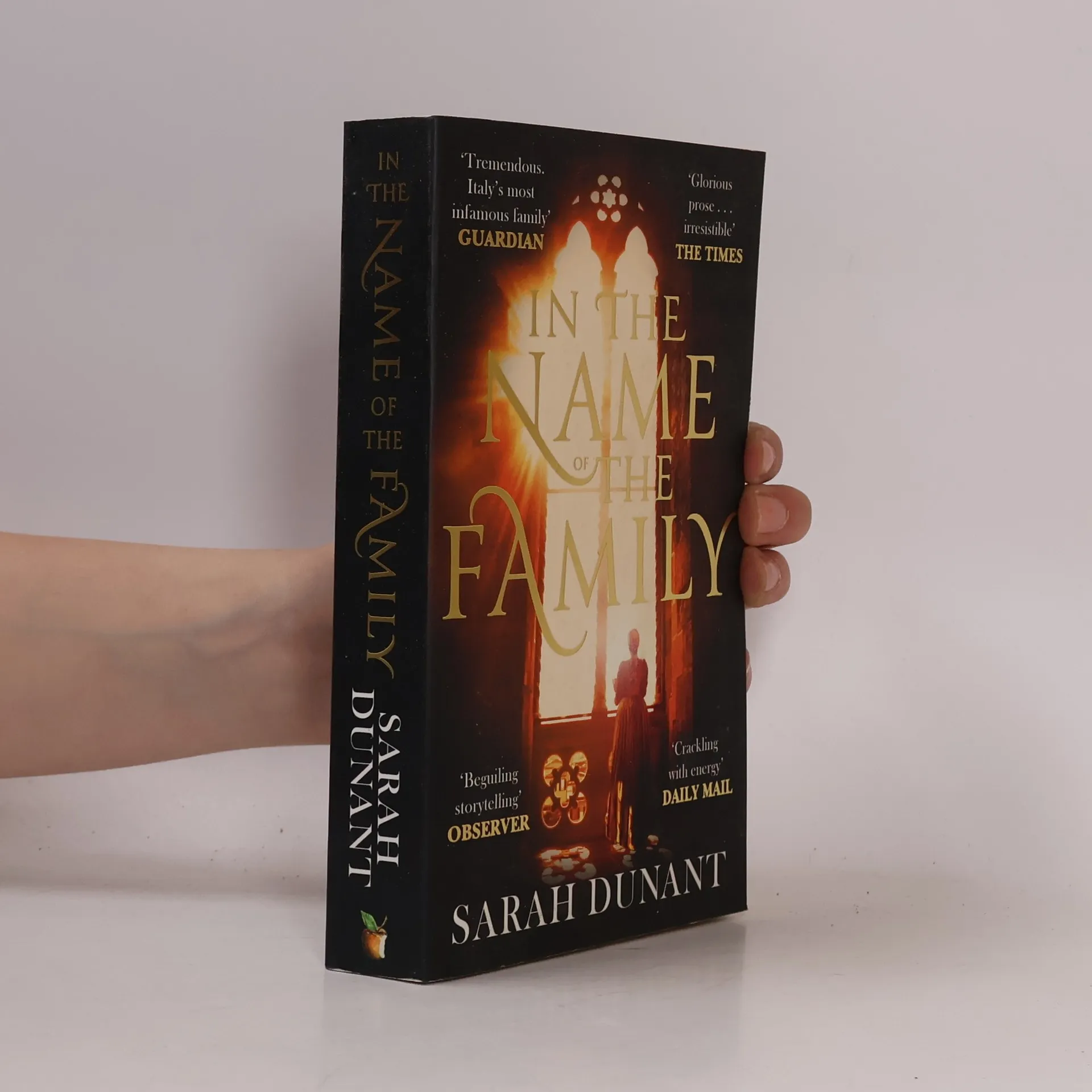
Sarah Dunant's sparkling novel, In the Name of the Family, is girded by a keen
political intelligence and a stunning feel for Italy in the years around 1500
Lauro Martines, Emeritus Professor off European history at University of
California and one of world's foremost authorities on the Italian Renaissance
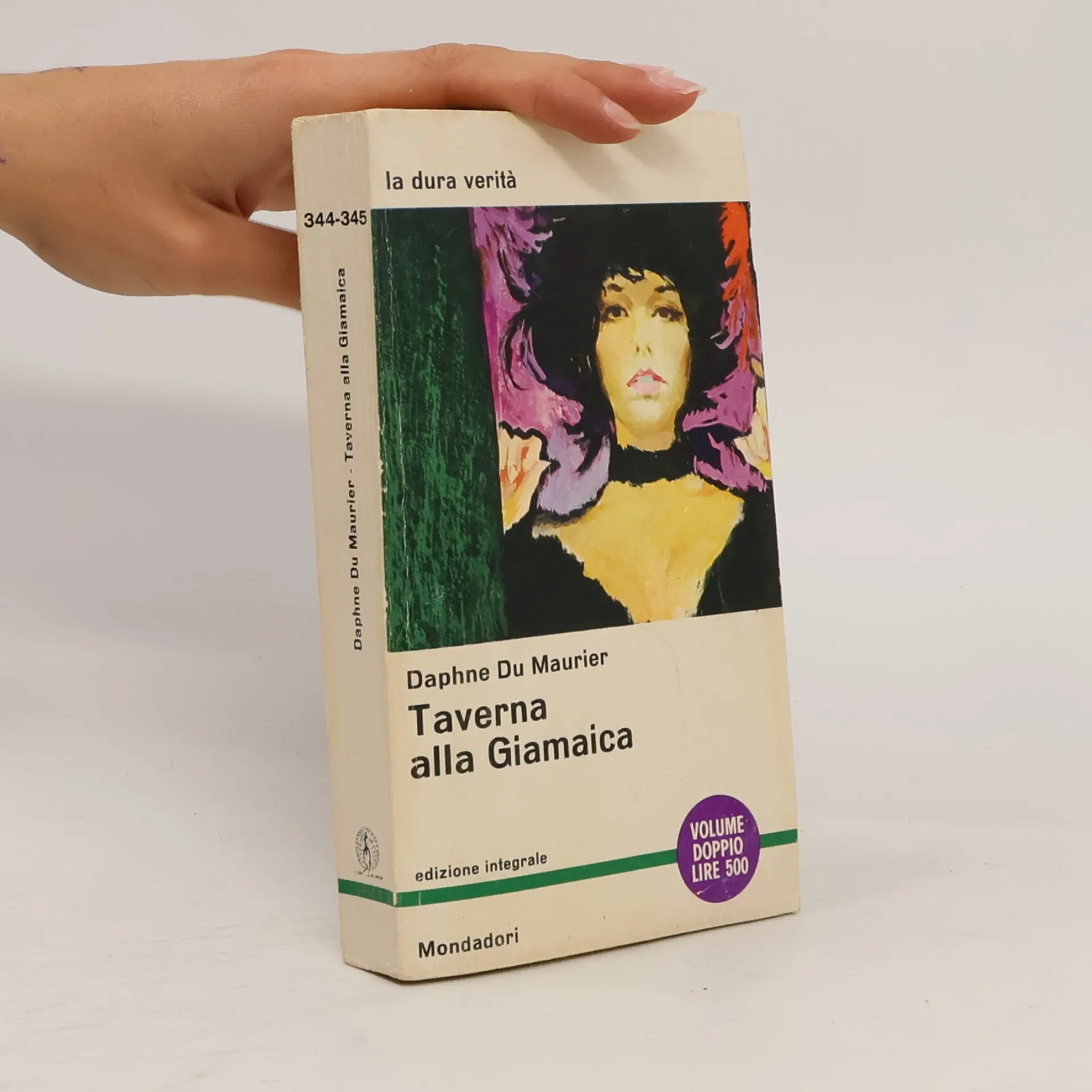
Una prigioniera, inconsapevole e abbandonata alle sue sole risorse; un sospetto crescente; un senso di terrore che si avverte all'inizio come strana inconsuetudine, per poi deflagrare; una sensualità che chiama irresistibile pur dal suo centro di perversione; un'incerta follia che non è che il volto assunto da una fanatica determinazione: e il male, che avvolge tutto e sembra sorgere dallo stesso paesaggio selvaggio, dalle rare architetture di una landa remota e posseduta dal vento. Pochi scrittori, come Daphne Du Maurier - e proprio quando, nel Novecento, il genere decadeva a serie ripetitive - hanno dominato tutti gli elementi della letteratura gotica popolare, riunendoli in architetture e intrecci che appartengono in pieno al romanzo realistico. Alla Giamaica - locanda della Cornovaglia, ma ai confini del mondo - la violenza e il delitto si nascondono e appaiono, agli occhi di una giovane orfana rifugiatasi lì per trovare una famiglia, per allusioni e misteri: un desiderio temerario di vita la tenta a cercare di sapere, una naturale innocenza la sospinge a confidare in chi ordisce la trama maligna.
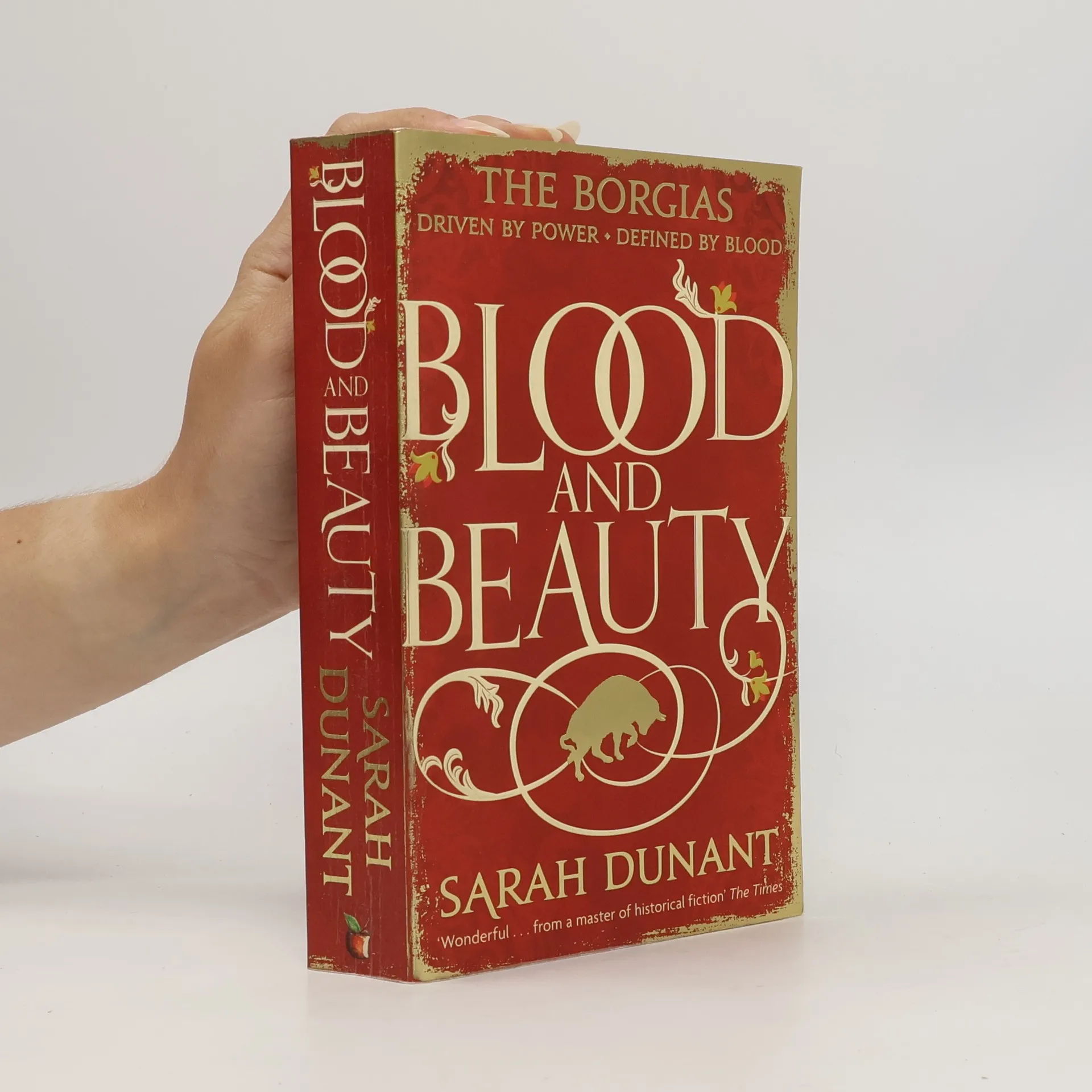
By the end of the fifteenth century, the beauty and creativity of Italy is matched only by its brutality and corruption. When Cardinal Rodrigo Borgia buys his way into the papacy, he is defined not just by his wealth, charisma and power, but by his blood: a Spanish Pope in a city run by Italians. If he is to succeed, he must use his Machiavellian son and innocent daughter. Stripping away the myths around the Borgias, Blood & Beauty breathes life into the astonishing family of Alexander VI and celebrates the raw power of history itself: compelling, complex, and relentless.
The BP Portrait Award, now in its nineteenth year, is a popular fixture on the summer calendar, and is the leading showcase for artists specializing in portraiture. The competition is open to all artists aged eighteen and over from around the world. The 2008 award received 1,600 entrants, all competing for the main prize of GBP25,000 and a possible commission.
Nel 1570, il convento di Santa Caterina a Ferrara, noto per il suo sostentamento grazie a nobili famiglie e a un vasto podere, ospita un numero considerevole di suore e postulanti. La sorella guardiana, come ogni sera, percorre i corridoi in attesa del mattutino. Questa notte, però, è particolarmente turbolenta: i singhiozzi di Serafina, una novizia di quindici o sedici anni proveniente da una famiglia milanese, risuonano nel convento. Il padre ha deciso di donarla al monastero per dimostrare il suo attaccamento a Ferrara, seguendo una consuetudine dell'epoca che costringeva le famiglie aristocratiche a maritare una sola figlia e a mandare le altre in convento. Serafina, bella e riluttante, rappresenta una parte delle nobildonne milanesi costrette a prendere i voti. Mentre lei piange nella sua cella, suor Benedicta compone melodie per l'Epifania, cantando ad alta voce senza timore di essere rimproverata, poiché le sue opere portano prestigio al convento. In un'altra cella, suor Perseveranza vive la sua sofferenza, mentre suor Zuana, la monaca speziale, prega e si prepara a somministrare a Serafina un intruglio calmante. Tra le due giovani si svilupperà un legame speciale, ma l'arrivo di Serafina porterà scompiglio nel convento, minacciando di travolgerlo.
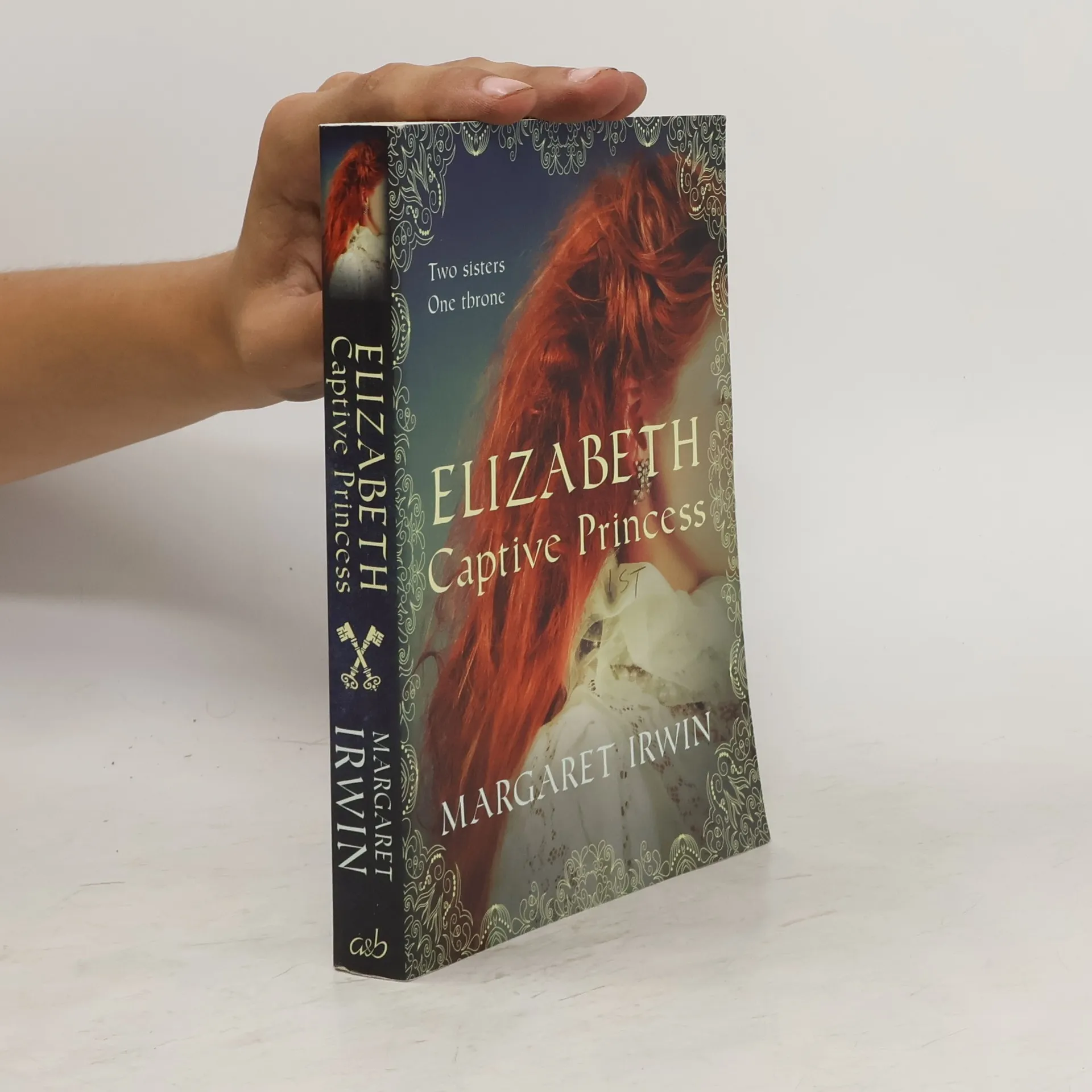
In July, 1553, sibling rivalry has never been more tumultuous than between the
daughters of King Henry VIII. Queen Mary Tudor has just won possession of the
throne, but her half-sister - the Princess Elizabeth - holds the hearts of the
people. Knowing this, Mary banishes her to a country retreat, determined to
keep her as far away from court life.
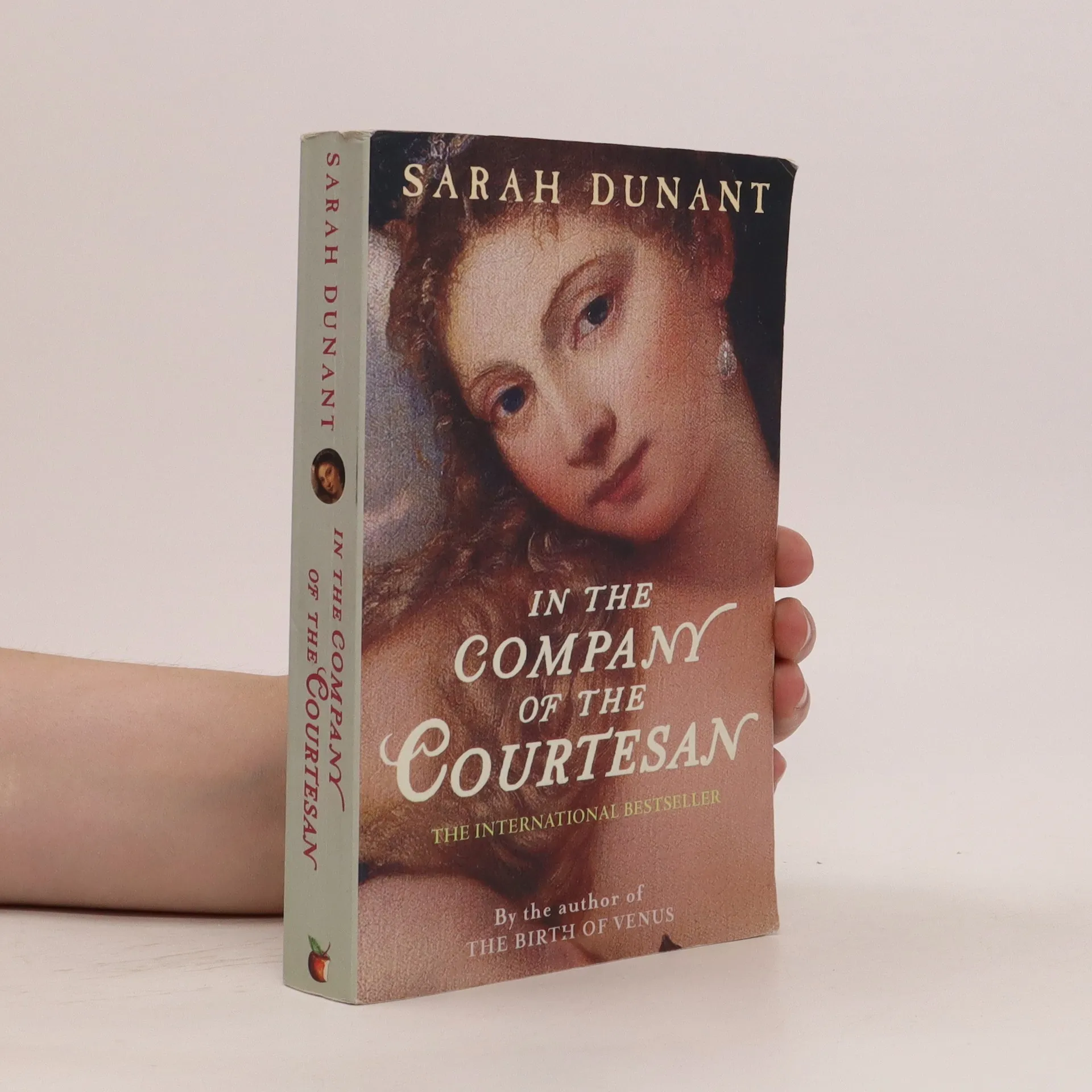
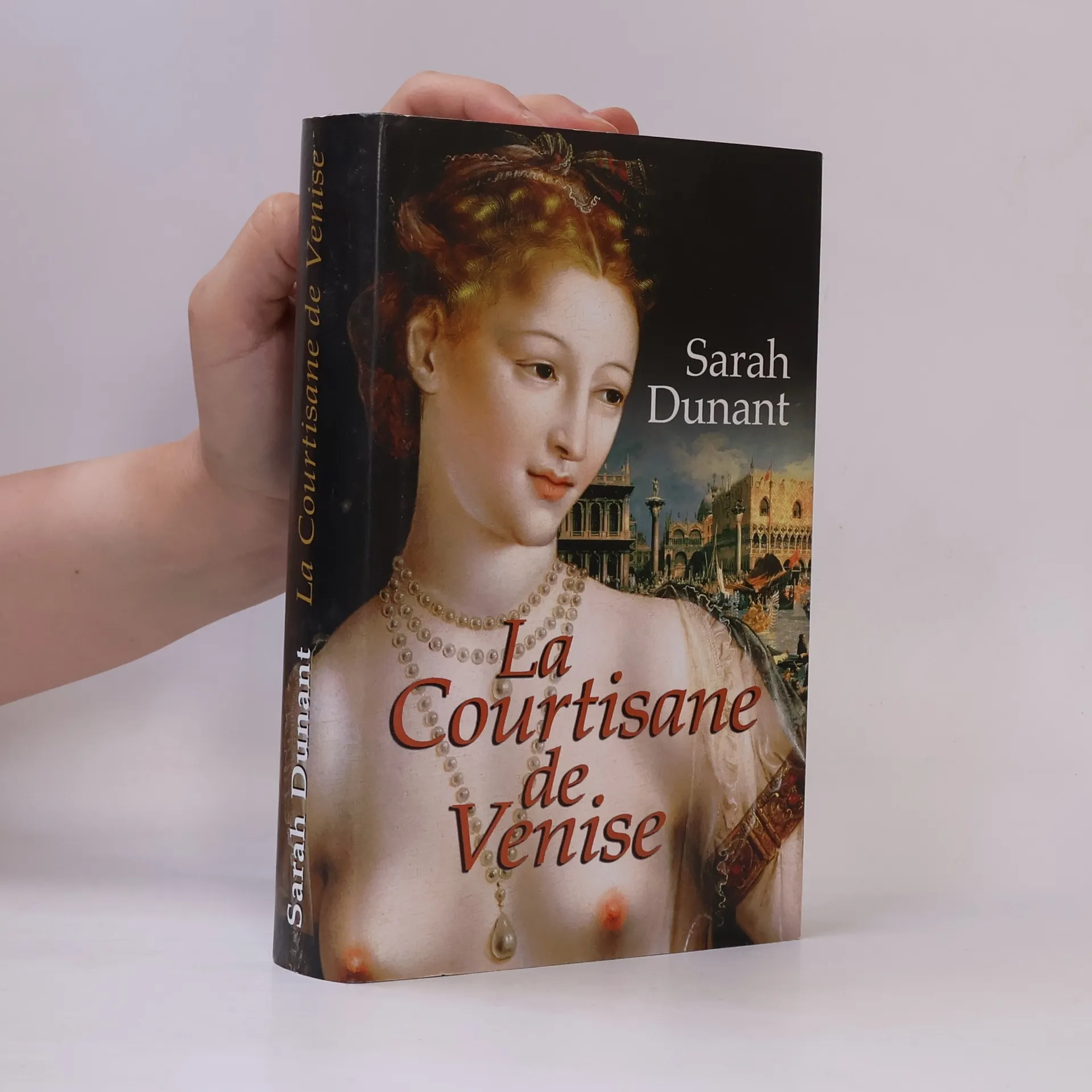
Set in Renaissance Italy, this follow-up to Dunant's "The Birth of Venus" recounts the fantastic escapades of Bucino Teodoldo, a wily dwarf, and his mistress, celebrated courtesan Fiammetta Bianchini, who escape to Venice where intrigue awaits.
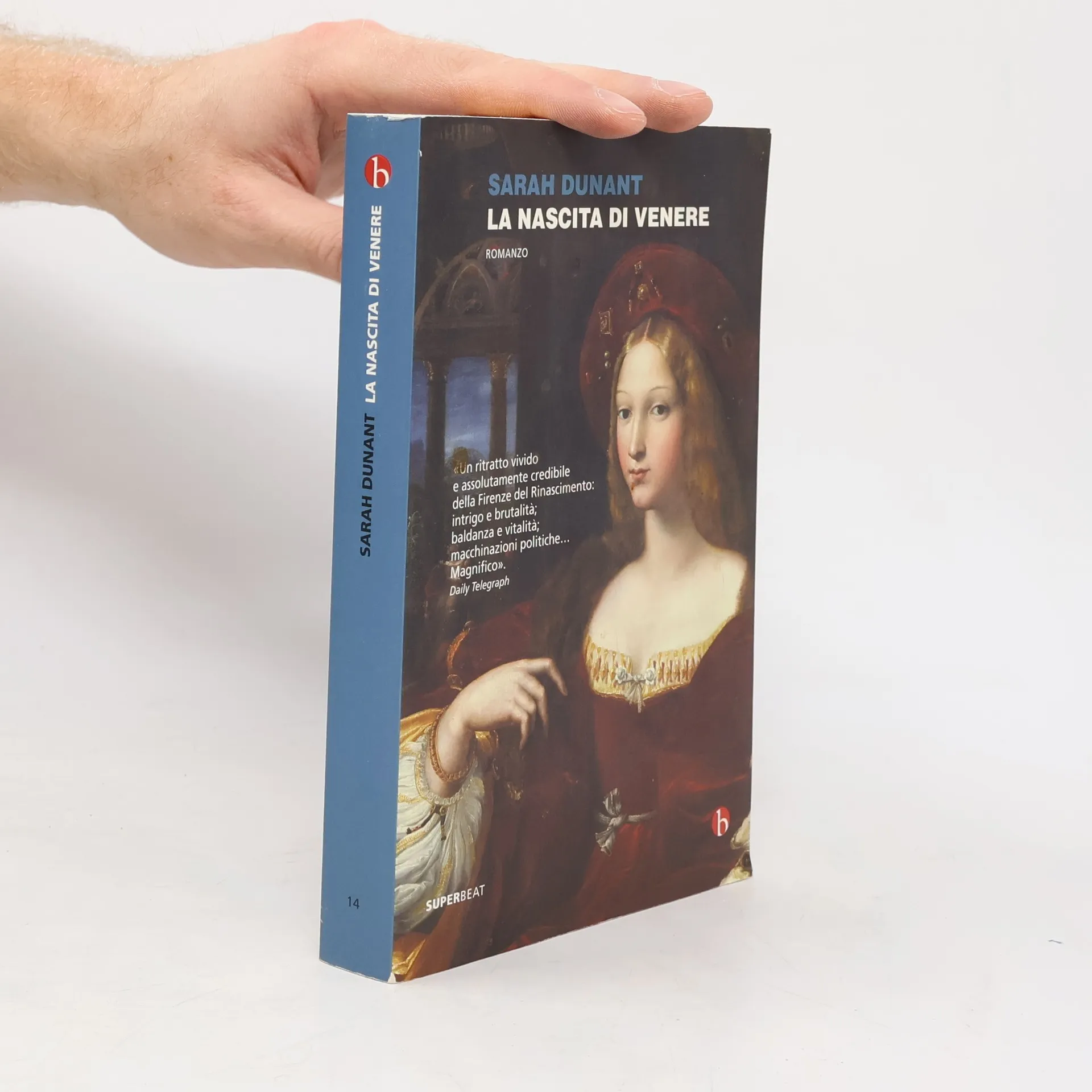
Alessandra Cecchi non ha ancora compiuto quindici anni quando suo padre, un ricco mercante di stoffe, fa ritorno da un viaggio nel nord dell’Europa portando con sé un giovane pittore incaricato di affrescare la cappella del loro palazzo fiorentino. Figlia del Rinascimento, Alessandra è più incline agli studi che ai soliti doveri di una ragazza di buona famiglia. Inoltre, coltiva una passione per il disegno che poco si addice a una giovane donna. L’incontro con il pittore fiammingo accende in lei il desiderio di apprendere le tecniche della creazione artistica e, insieme, la curiosità nei confronti del ragazzo dai lunghi capelli scuri. Fra Alessandra e il pittore nasce un’intensa attrazione, avversata dalla madre della ragazza, che la sorveglia con sguardo d’aquila. Intanto Firenze assiste alla morte di Lorenzo de’ Medici e precipita in un baratro di caos e rovina: mentre l’esercito francese minaccia l’invasione, un frate domenicano di nome Girolamo Savonarola si scaglia contro il dilagare del vizio e profetizza terribili castighi. In un’atmosfera sempre più cupa, Alessandra è costretta a rinunciare ai sogni e ad accettare il matrimonio con un uomo maturo, colto e raffinato, Cristoforo Langella, che le promette una libertà non comune per una donna del suo tempo. Il destino, tuttavia, le riserverà nuove drammatiche prove.
Anna packs her bags one day without telling anyone where and why she is going - just that she'll be back soon. Her thoughts, as she boards a plane, is that this journey will give her time to think about her life - as a woman hitting forty, a journalist and a single mother. She has no premonition that she will become a statistic in a missing person file. Left at home is Anna's beloved six year old daughter Lily, her gay friend Paul who is surrogate father to Lily, and her eccentric best friend Estella. When Anna doesn't return, they make uneasy excuses, until, as time passes, the mind-numbing possibility that Anna might not be coming back, becomes terrifyingly real. And while those closest to her battle with their imaginations, Anna is on a dark journey - in one scenario Anna is on a ravishing, sexual adventure, on the other, much darker voyage, she is the victim of a stranger's dangerous sexual fantasy. In a masterpiece of emotionally intelligent and nerve-wracking suspense, Sarah Dunant takes us to the very edge.
Terrifying, dark and bold, Sarah Dunant's breakthrough psychological thriller transcends genres and audiences; it crosses all boundaries, encroaching on the darker side of sex and fantasy, male and female. Elizabeth Skorvecky has just come out of a long-term relationship with her boyfriend. Alone in her Victorian house, her only companions are her cat, a trashy crime novel she's translating from Czech, and her music. As the summer ends and the days draw in, unsettling things begin to happen. First it's just a missing CD, then music playing in an empty kitchen at midnight, then a table laid for breakfast for two. Poltergeist? Insanity? When Elizabeth wakes at four in the morning to find a man sitting at the end of her bed, she knows, sickeningly , she's very sane - and being stalked. She also discovers that the means of surviving can be just as shocking as surrender.
This work looks at the political correctness challenge to liberalism; how each generation redefines what is acceptable; what we mean by equality and how we go about achieving it. The topics explored range from date rape, the call for a new curriculum, to policing.
Privatdetektivin Hannah Wolfe ist gerade aus Hongkong nach London zurückgekehrt und ziemlich pleite. Da ihre Untermieterin in ihrer Abwesenheit ihre Wohnung verwüstet hat, muss sie ihren Ex-Boss Frank Comfort um einen Job bitten. Der schickt sie aufs Land zu der altjüngferlichen Ballettlehrerin Miss Patrick, die ihren Schützling Carolyn Hamilton vermisst. Carolyn war nach London gegangen, um als Tänzerin Karriere zu machen. Sie hatte Kontakt mit ihrer Lehrerin gehalten, doch dann blieben die monatlichen Postkarten plötzlich aus. Hannah hat Carolyns Spur gerade aufgenommen, da wird ihre hochschwangere Leiche aus der Themse gezogen. Eigentlich gibt es nun für Hannah keinen Grund mehr, sich weiter mit Carolyns Angelegenheiten zu befassen, aber ein anonymer Auftraggeber bezahlt sie dafür, weiterzuforschen.
Kriminalroman. Hannah Wolfe, kynisk og selvironisk privatdetektiv, tror ikke på selvmord, da en ung danserinde, som hun var hyret til at opspore, dukker op i Themsens mudrede vande, druknet og højgravid