

E' il pianista Władysław Szpilman l'autore e al contempo il protagonista di questo libro ambientato a Varsavia durante la Seconda Guerra Mondiale. Egli racconta la storia di un uomo, sfuggito alla deportazione nascondendosi fra le rovine del ghetto, che è anche e soprattutto la storia dell'umiliazione e della distruzione del popolo ebreo. Un ufficiale tedesco lo aiuterà a sopravvivere.
Władysław Szpilman Libri
5 dicembre 1911 – 6 luglio 2000
Władysław Szpilman è stato un pianista, compositore e autore di memorie polacco. La sua opera è ampiamente riconosciuta attraverso il suo racconto autobiografico della sopravvivenza all'Olocausto, che ha costituito la base per un film acclamato. La scrittura di Szpilman offre una prospettiva profondamente personale sul trauma storico, esplorando temi di resilienza e spirito umano in mezzo ad avversità inimmaginabili.

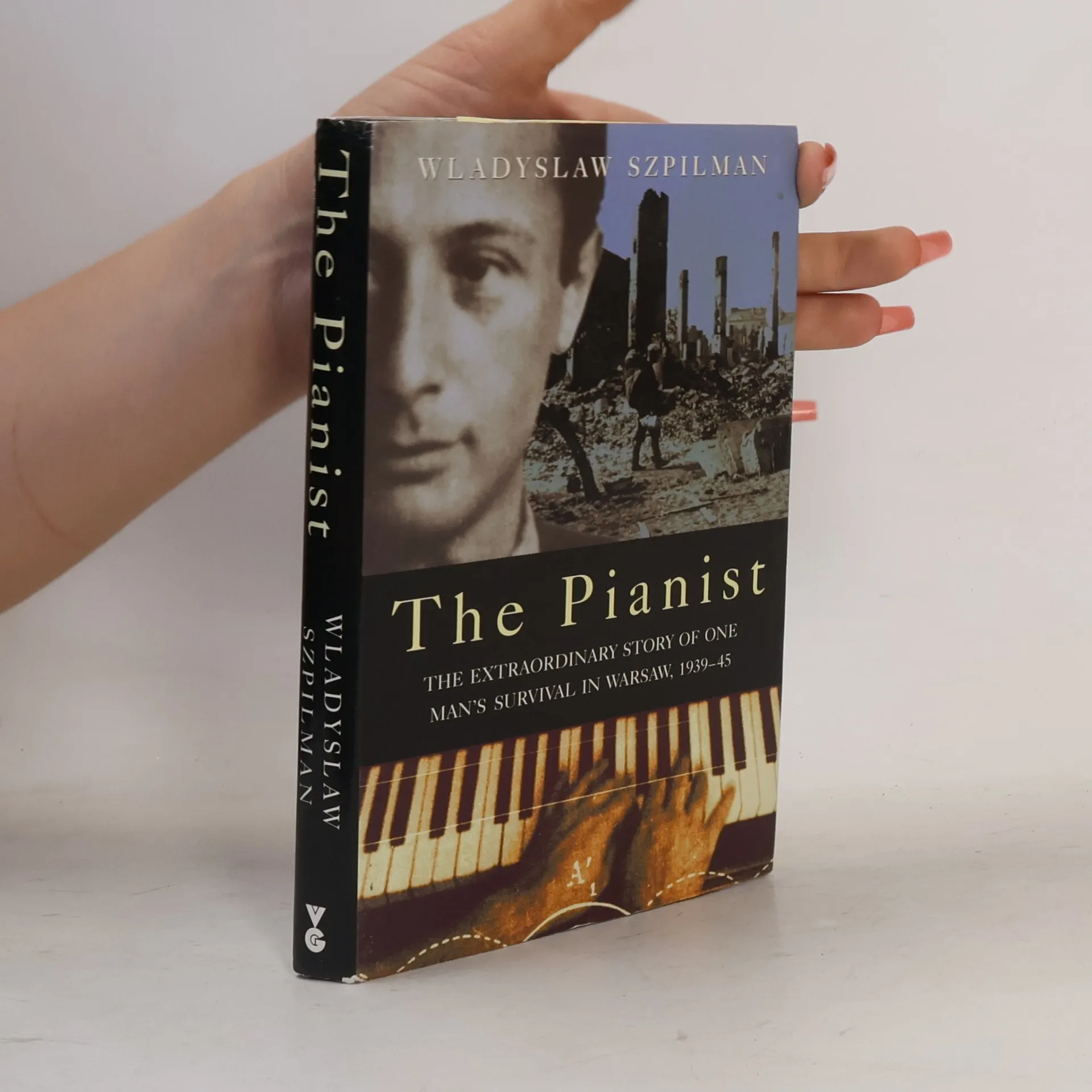

The Pianist
The Extraordinary Story of One Man's Survival in Warsaw, 1939–45
- 222pagine
- 8 ore di lettura
The last live broadcast on Polish Radio on September 23, 1939, featured Chopin's Nocturne in C# Minor, played by Wladyslaw Szpilman, until German shelling interrupted. Six years later, the same piece and pianist resumed broadcasting. Szpilman's account details the years in between, marked by the death and cruelty inflicted on Warsaw's Jews, conveyed with a dispassionate restraint born of shock. Now 88, Szpilman has not revisited his painful memories since writing them in 1946. His family was deported to Treblinka, where they perished; he survived due to a music-loving policeman. This was just one of many fortunate escapes as he hid among the ruins of the Warsaw Ghetto, enduring hunger and despair. Ironically, it was German officer Wilm Hosenfeld who saved him by bringing food and warmth to his hiding place. Hosenfeld later died in a Stalingrad labor camp, but his diary entries reveal his bewilderment at the madness he witnessed, providing a stark contrast to Szpilman's nightmarish experiences. Initially published in Poland in 1946, Szpilman's account was withdrawn by Stalinist authorities for its candid portrayal of collaboration with the Nazis. Rediscovered by his son in 1997, it was published in Germany, and this robust translation by Anthea Bell is the first in English. Before the Nazi occupation, Poland had 3,500,000 Jews; after, only 240,000 remained. Szpilman's extraordinary survival story gives voice to the millions who
Het beste boek.
De codex. De eerste gast. Voltreffer. De pianist