
10 libri per 10 euro qui
Bookbot

Sherwood Anderson

    13 settembre 1876 – 8 marzo 1941

    Sherwood Anderson fu uno scrittore americano la cui opera è caratterizzata da una profonda intuizione sulla vita della gente comune e sui loro mondi interiori. I suoi racconti, in particolare quelli della raccolta *Winesburg, Ohio*, rappresentano un allontanamento dalla tradizionale novella americana. Invece di enfatizzare la trama e l'azione, Anderson utilizzò uno stile semplice, preciso e non sentimentale per rivelare la frustrazione, la solitudine e il desiderio nelle vite dei suoi personaggi. La sua influenza sulla generazione successiva di scrittori americani, tra cui Hemingway e Faulkner, fu profonda.

    Sherwood Anderson
    Winesburg Ohio, English edition
    Marching Men
    American short stories
    Selected Stories
    Riso nero
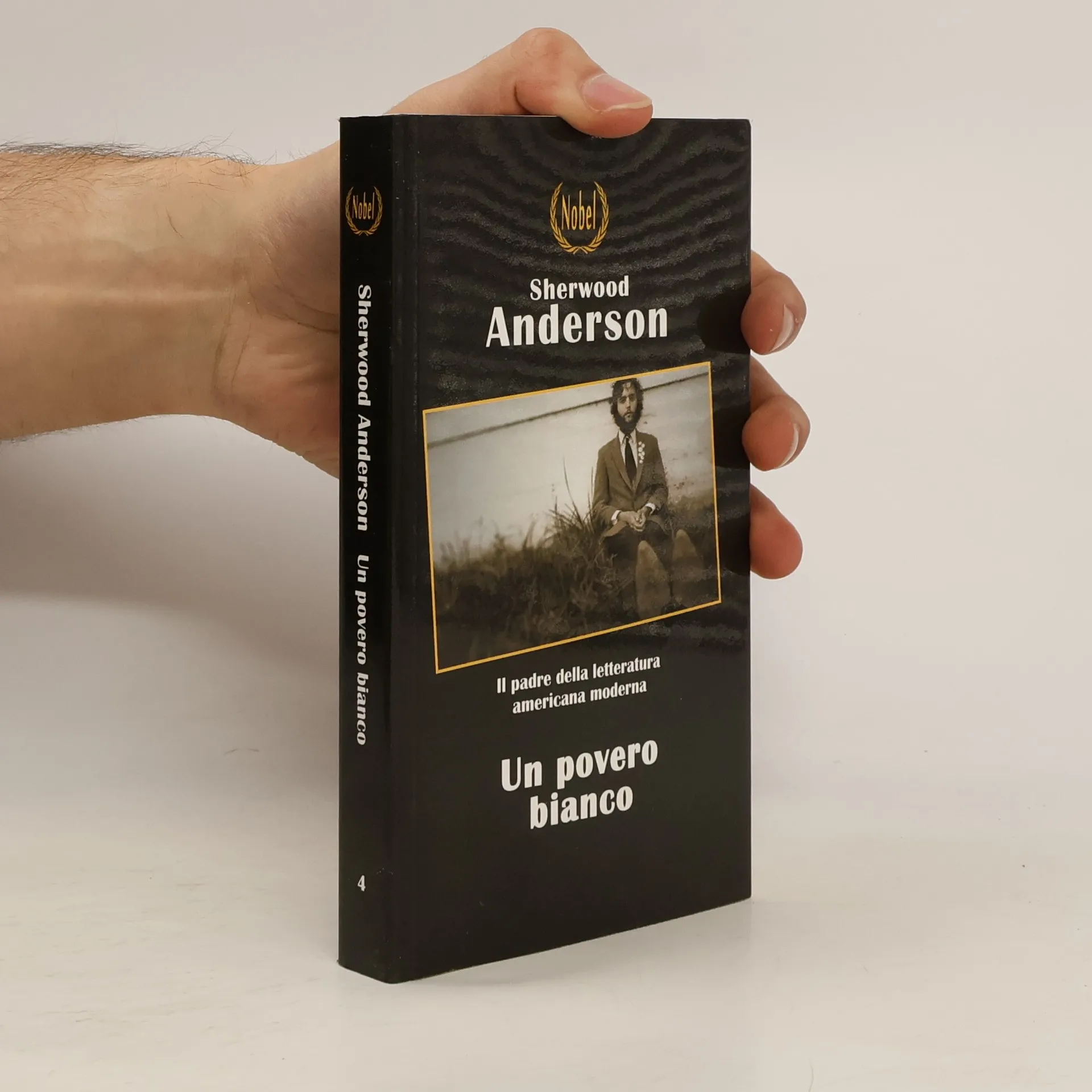
    Un povero bianco
    • Un povero bianco

      • 324pagine
      • 12 ore di lettura

      Pochi scrittori hanno saputo tratteggiare l'America profonda come Sherwood Anderson. Definito da Peter Bichsel "il padre della letteratura americana moderna", ha esercitato la sua influenza su autori come Hemingway, Faulkner e Steinbeck. La figura centrale di "Poor White" è Hugh Mc Vey, inventore autodidatta, che dalla povertà sale, non senza fatica, i gradini del riscatto sociale ed economico. Ma ancor più del giovane Hugh, la vera protagonista del romanzo è la piccola cittadina di provincia in cui egli vive, sulla riva destra del Mississippi, nel Middle West. Un microcosmo descritto nel suo traumatico cambiamento alla fine del XIX secolo, l'epoca della rivoluzione industriale.

      Un povero bianco
    • Nell’America degli anni Venti Bruce Dudley lascia la moglie e il mestiere di giornalista per cercare un’identità più vera. Si mette in viaggio, discendendo il Mississippi come un moderno Huckleberry Finn, per poi raggiungere la cittadina di Old Harbor, nella valle del fiume Ohio, dove da bambino aveva vissuto con la famiglia. Lì trova lavoro come operaio in una fabbrica di ruote. Sembra che quell’inquietudine esistenziale che lo accompagna abbia lasciato spazio a una ferma serenità, ma l’incontro con una donna lo costringe a rimettere tutto in discussione. Scritto con il fresco e vibrante stile dei modernisti europei, Riso nero è un romanzo del 1925 sulla ricerca della libertà individuale, sul rapporto fra bianchi e neri, sulla critica alle castranti convenzioni sociali – temi già percorsi da Anderson nelle raccolte di racconti per cui è maggiormente celebre – e, in ultima analisi, sulla perdita dell’innocenza, mito caro ai più grandi romanzieri americani. Cliquot lo ripropone in una nuova traduzione dopo quella di Cesare Pavese del 1932.

      Riso nero
    • Selected Stories

      • 208pagine
      • 8 ore di lettura

      Beginning with his 1919 masterpiece, Winesburg, Ohio, Sherwood Anderson exercised an immense influence on American fiction writers. "Anderson was the father of all my works," declared William Faulkner, "and those of Hemingway, Fitzgerald, etc. … He showed us the way." Written in a seemingly simple narrative style, Anderson's slice-of-life stories often explored the loneliness and frustration of small-town life. This new collection draws from The Triumph of the Egg and Horses and Men to offer a choice selection of Anderson's most characteristic work: "The Egg," a parable of ambition, failure, and sacrifices made in pursuit of the American Dream; "Out of Nowhere into Nothing," in which a young woman is trapped between two less-than-ideal choices; "I Want to Know Why," a tale of innocence and coming of age; and other bleak, funny, and moving stories of restless individuals in search of a meaningful existence.

      Selected Stories
    • Marching Men

      • 200pagine
      • 7 ore di lettura

      The novel follows fourteen-year-old Norman McGregor, a misfit dreamer in Coal Creek, who grapples with his identity and the harsh realities of American life. After a crisis at the family bakery, soldiers come to their aid, igniting in Norman a desire for unity and collective empowerment. As he matures in Chicago, he becomes involved in politics and labor organizing, reflecting on the complexities of the American Dream. Anderson's work combines autobiographical elements with a critique of societal disarray, establishing his voice in Modernist literature.

      Marching Men
    • Winesburg, Ohio (1919) is Sherwood Anderson's masterpiece, a cycle of short stories concerning life in a small Ohio town at the end of the 19th century. At the centre is George Willard, a young reporter who becomes the confidant of the town's solitary figures. The book has influenced such major American writers as Hemingway, Faulkner, and Updike. This new edition corrects errors in earlier editions and takes into account major criticism and textual scholarship of the last several decades.

      Winesburg Ohio, English edition
    • Sechs hervorragende Kurzgeschichten von Autoren der sogenannten »Lost Generation»: S. Anderson: I Want to Know Why - E. Hemingway: The Killers - F. Scott Fitzgerald: Babylon Revisited - J. Steinbeck: The Chrysanthemums - W. Faulkner: Wash - K. A. Porter: The Jilting of Granny Weatherall. Texte in der Originalsprache, mit Übersetzungen schwieriger Wörter am Fuß jeder Seite, Nachwort und Literaturhinweisen.

      Modern American short stories
    • Many Marriages

      • 178pagine
      • 7 ore di lettura

      Exploring the inner turmoil of John Webster, a prosperous manufacturer in early-twentieth century Wisconsin, the narrative delves into themes of guilt, desire, and the quest for personal reinvention. As Webster grapples with the monotony of his life and dreams of an affair, he faces the emotional weight of his responsibilities to his wife and daughter. Anderson's work captures the struggles of many Americans during this era, highlighting the conflict between societal expectations and personal fulfillment. This edition reintroduces a significant piece of American literature.

      Many Marriages