Sherwood Anderson fu uno scrittore americano la cui opera è caratterizzata da una profonda intuizione sulla vita della gente comune e sui loro mondi interiori. I suoi racconti, in particolare quelli della raccolta *Winesburg, Ohio*, rappresentano un allontanamento dalla tradizionale novella americana. Invece di enfatizzare la trama e l'azione, Anderson utilizzò uno stile semplice, preciso e non sentimentale per rivelare la frustrazione, la solitudine e il desiderio nelle vite dei suoi personaggi. La sua influenza sulla generazione successiva di scrittori americani, tra cui Hemingway e Faulkner, fu profonda.
The publishing house Megali focuses on reproducing historical works in large print, specifically designed to enhance readability for individuals with impaired vision. This commitment to accessibility ensures that classic texts are available to a wider audience, allowing more people to engage with important historical literature.
This book is a reproduction of an original historical work, designed specifically for easier reading by individuals with impaired vision. Published by Megali, a house known for its focus on large print editions, it aims to enhance accessibility to historical literature.
This publication focuses on making historical works accessible by offering them in large print, catering specifically to individuals with impaired vision. The initiative by Megali Publishing highlights the importance of inclusivity in reading, ensuring that significant texts are available to a broader audience.
This publication features a reproduction of a historical work, presented in large print to enhance accessibility for readers with impaired vision. Megali, the publishing house behind this edition, is dedicated to making historical texts more readable and inclusive, ensuring that a wider audience can enjoy and engage with important literary works.
The novel follows fourteen-year-old Norman McGregor, a misfit dreamer in Coal Creek, who grapples with his identity and the harsh realities of American life. After a crisis at the family bakery, soldiers come to their aid, igniting in Norman a desire for unity and collective empowerment. As he matures in Chicago, he becomes involved in politics and labor organizing, reflecting on the complexities of the American Dream. Anderson's work combines autobiographical elements with a critique of societal disarray, establishing his voice in Modernist literature.
Exploring the inner turmoil of John Webster, a prosperous manufacturer in early-twentieth century Wisconsin, the narrative delves into themes of guilt, desire, and the quest for personal reinvention. As Webster grapples with the monotony of his life and dreams of an affair, he faces the emotional weight of his responsibilities to his wife and daughter. Anderson's work captures the struggles of many Americans during this era, highlighting the conflict between societal expectations and personal fulfillment. This edition reintroduces a significant piece of American literature.
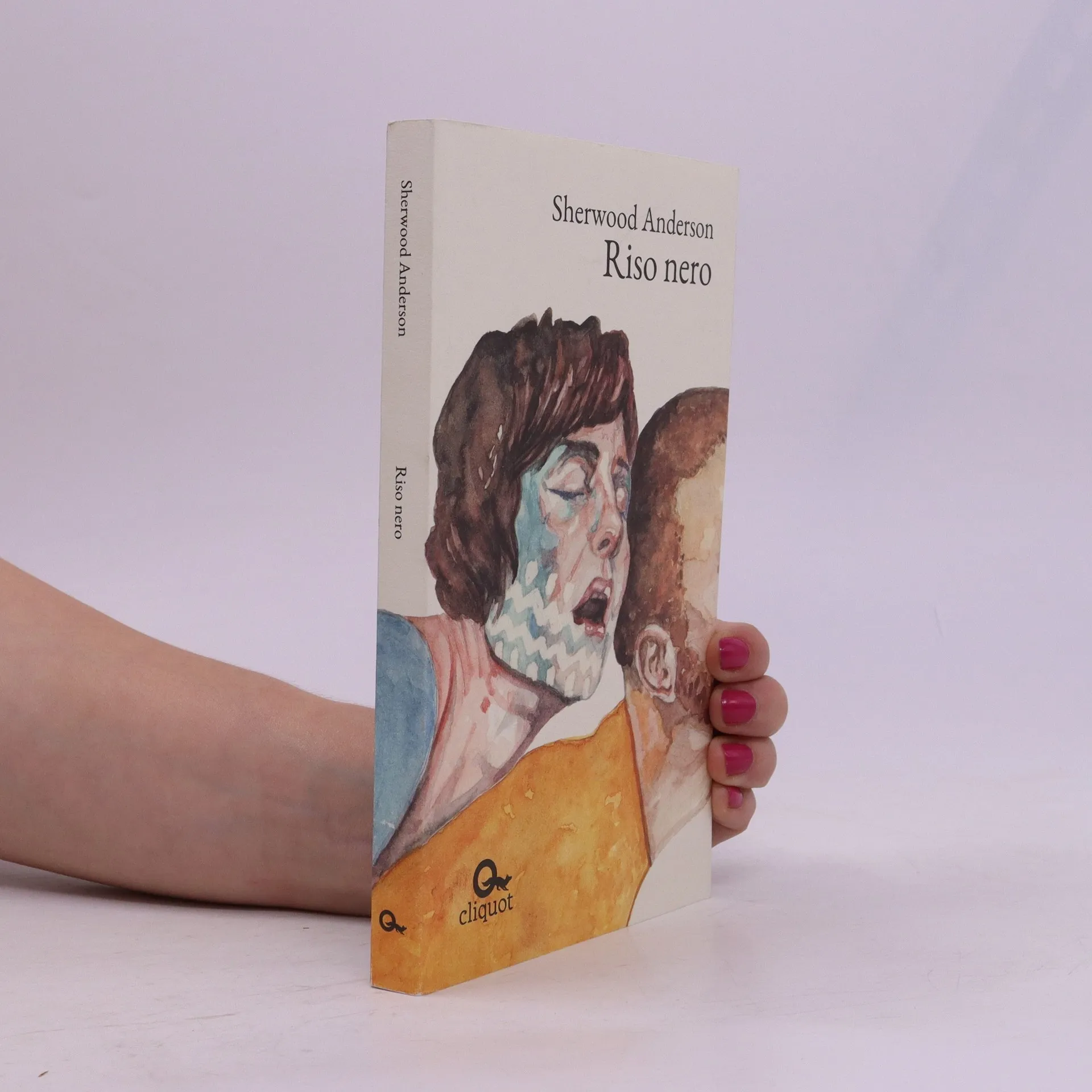
Nell’America degli anni Venti Bruce Dudley lascia la moglie e il mestiere di giornalista per cercare un’identità più vera. Si mette in viaggio, discendendo il Mississippi come un moderno Huckleberry Finn, per poi raggiungere la cittadina di Old Harbor, nella valle del fiume Ohio, dove da bambino aveva vissuto con la famiglia. Lì trova lavoro come operaio in una fabbrica di ruote. Sembra che quell’inquietudine esistenziale che lo accompagna abbia lasciato spazio a una ferma serenità, ma l’incontro con una donna lo costringe a rimettere tutto in discussione. Scritto con il fresco e vibrante stile dei modernisti europei, Riso nero è un romanzo del 1925 sulla ricerca della libertà individuale, sul rapporto fra bianchi e neri, sulla critica alle castranti convenzioni sociali – temi già percorsi da Anderson nelle raccolte di racconti per cui è maggiormente celebre – e, in ultima analisi, sulla perdita dell’innocenza, mito caro ai più grandi romanzieri americani. Cliquot lo ripropone in una nuova traduzione dopo quella di Cesare Pavese del 1932.
Sechs hervorragende Kurzgeschichten von Autoren der sogenannten »Lost Generation»: S. Anderson: I Want to Know Why - E. Hemingway: The Killers - F. Scott Fitzgerald: Babylon Revisited - J. Steinbeck: The Chrysanthemums - W. Faulkner: Wash - K. A. Porter: The Jilting of Granny Weatherall. Texte in der Originalsprache, mit Übersetzungen schwieriger Wörter am Fuß jeder Seite, Nachwort und Literaturhinweisen.
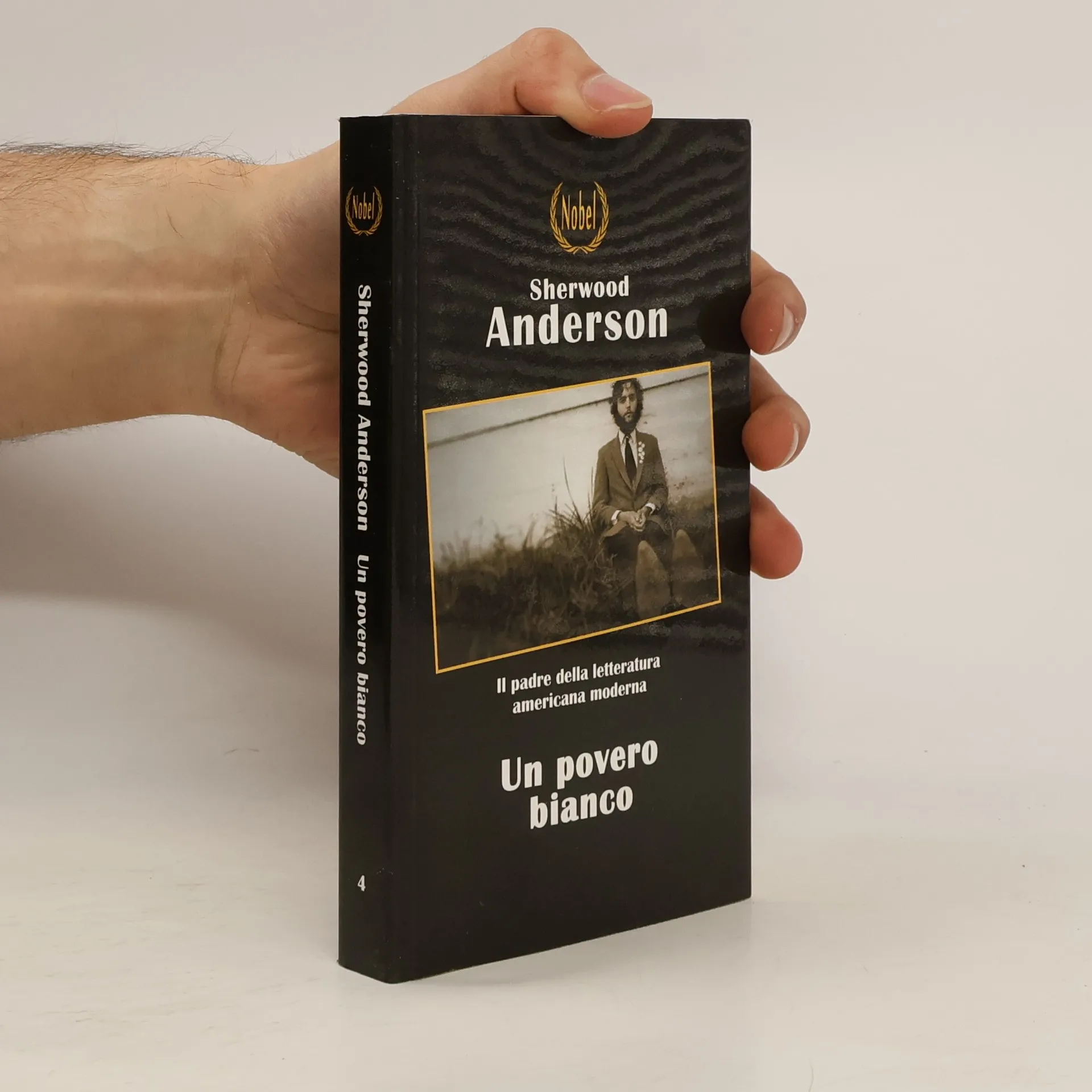
Pochi scrittori hanno saputo tratteggiare l'America profonda come Sherwood Anderson. Definito da Peter Bichsel "il padre della letteratura americana moderna", ha esercitato la sua influenza su autori come Hemingway, Faulkner e Steinbeck. La figura centrale di "Poor White" è Hugh Mc Vey, inventore autodidatta, che dalla povertà sale, non senza fatica, i gradini del riscatto sociale ed economico. Ma ancor più del giovane Hugh, la vera protagonista del romanzo è la piccola cittadina di provincia in cui egli vive, sulla riva destra del Mississippi, nel Middle West. Un microcosmo descritto nel suo traumatico cambiamento alla fine del XIX secolo, l'epoca della rivoluzione industriale.
Published two years after the innovative, influential 1919 masterpiece Winesburg, Ohio , this collection of short stories solidified the author's reputation as a major American writer. Despite their narrative simplicity (similar in style to the work of Hemingway, who was highly influenced by Anderson's technique), these stories explore intriguing psychological depths, redolent with personal epiphanies, erotic undercurrents, and sudden eruptions of passion among seemingly repressed, inarticulate Midwesterners.
S hlubokou empatií vytváří autor portréty nešťastných, podivínských a zakomplexovaných lidí, kteří málo zapadají do prostředí, omezeného měšťáckou spořádaností. Pod všedním povrchem odhaluje jejich srdceryvná nepovšimnutá dramata osobitým stylem, jehož stručnost podtrhuje určitou grotesknost zachycené reality.
The statues of Savannah's Monument Square are silent. The statue of the solemn girl in Bonaventure Cemetery -- made famous in John Berendt's blockbuster book, Midnight in the Garden of Good and Evil -- can't speak. Only Savannah's literary monuments can give voice to the diverse history of one of America's greatest cities; one that has for centuries inspired fascination worldwide.
Dans Une rose pour Emily, Emily Grierson, recluse dans sa vaste demeure remplie d'ombres et de poussière, vit depuis quarante ans avec le cadavre décomposé de l'homme qu'elle aima.Soleil couchant chante le «blues» bouleversant de Nancy, la Noire qui remplace la gouvernante malade auprès des enfants Compson.Quant à Septembre ardent, c'est sans doute la plus pénétrante des analyses du lynchage : un impénitent redresseur de torts tente en vain de s'opposer au lynchage d'un Noir, injustement accusé d'avoir attaqué insulté, terrorisé une fille blanche à qui le regret de sa jeunesse et l'indifférence des hommes ont tourné la tête.
In Stories of Initiation teenage heroes face the realities of adult life. Confrontations with birth, rejection, growing old and death herald an aprupt end to their childhood.
Dvanáct povídek vybraných z díla amerického romanopisce, dramatika, básníka a esejisty. Vynikají osobitým stylem a působivé jsou zejména snahou objevit lidské v člověku i životě pronikáním k jejich pravému jádru a podobě, hlubokým pochopením pro vše, co těší i bolí, povznáší i sráží.
Gli abitanti di Winesburg, Ohio conducono tutti una doppia vita: una pubblica, noiosa, abitudinaria, rispettabile; una segreta ed intima devastata da voglie furiose e da deliri inconfessabili. Anderson con questi suoi personaggi dissociati e doppi ha inteso certo dipingerci l'umanità come egli l'ha conosciuta, descrivendo il momento delicato e doloroso della trasformazione degli Stati Uniti da paese agricolo e patriarcale in nazione moderna e industriale.
Román, ovlivněný Joyceovým Odysseem, tematizuje nově nabytou sexuální svobodu v 20. letech 20. století. Kniha se stala jediným bestsellerem za autorova života, zatímco dnes je ceněn spíše za svoje povídková díla.