

Bookbot

Thomas Mann

    6 giugno 1875 – 12 agosto 1955
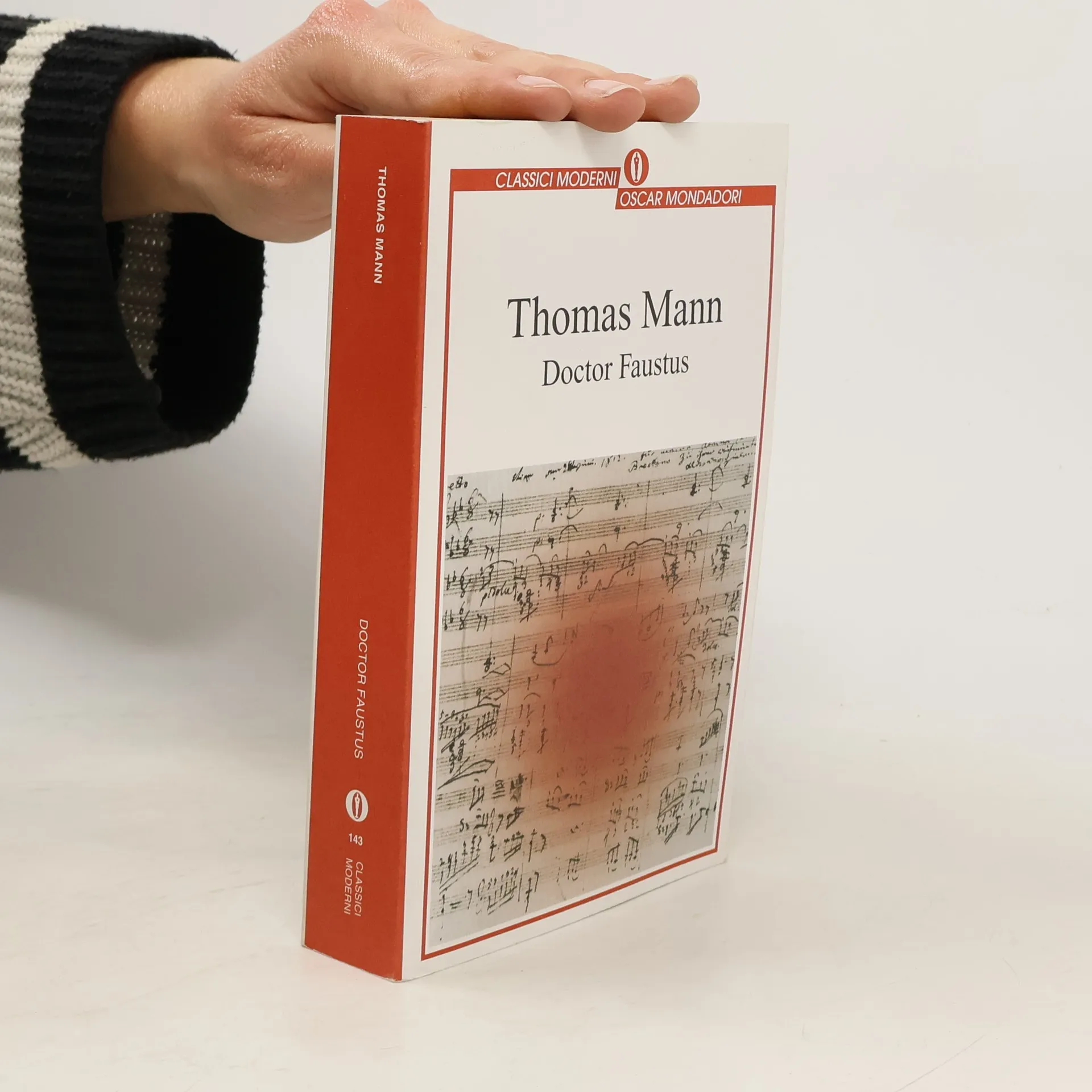
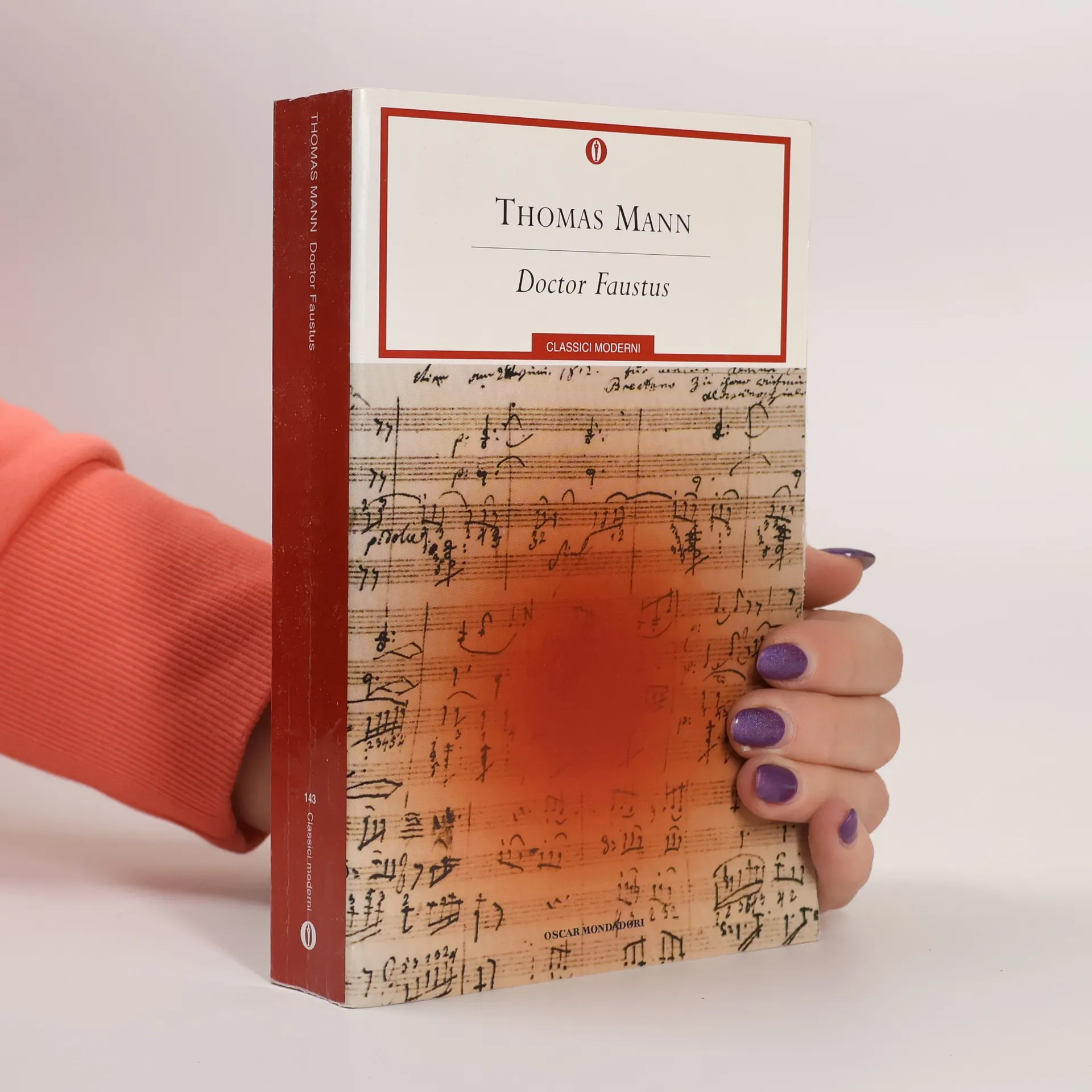
    Doctor Faustus
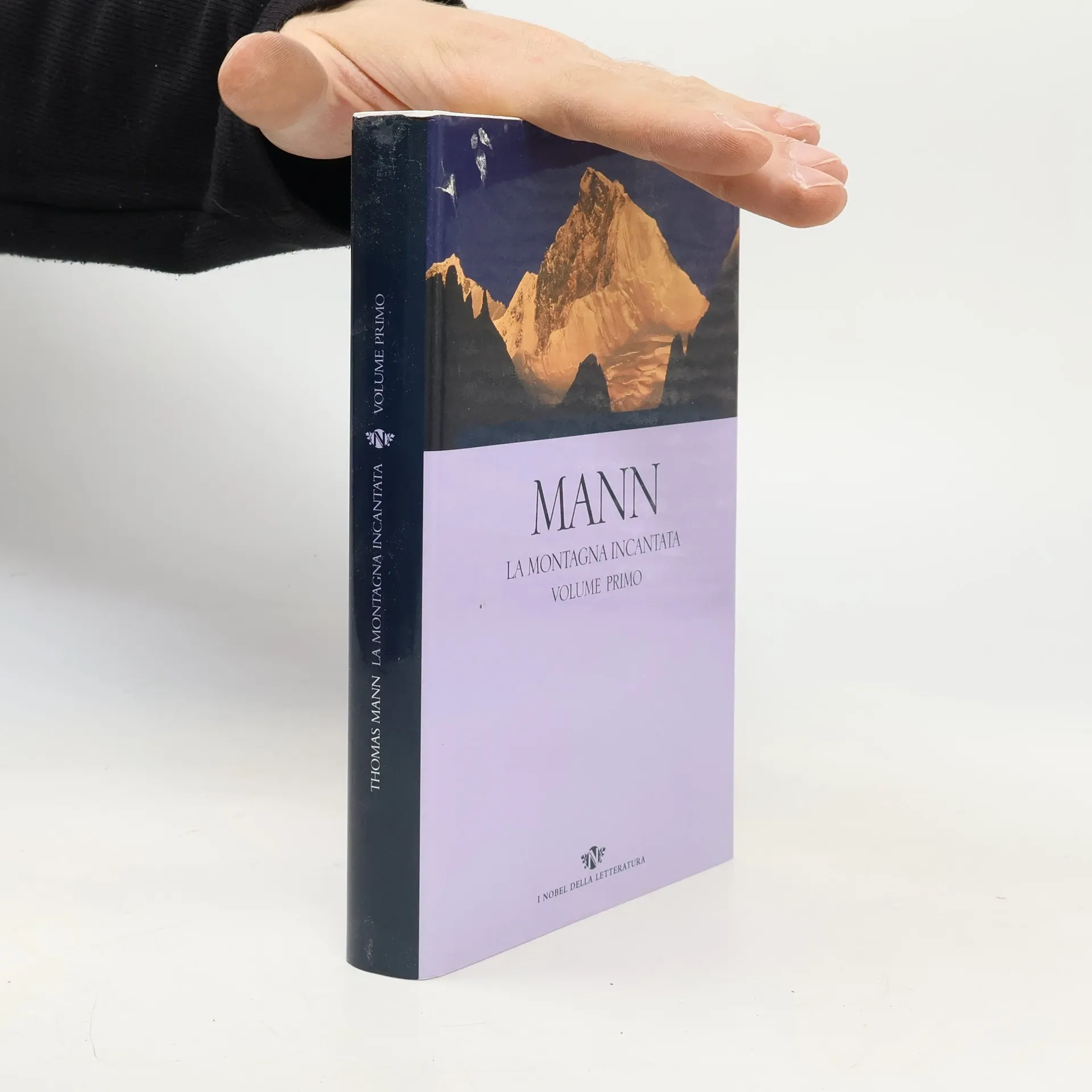
    La montagna del disincanto
    I Buddenbrook
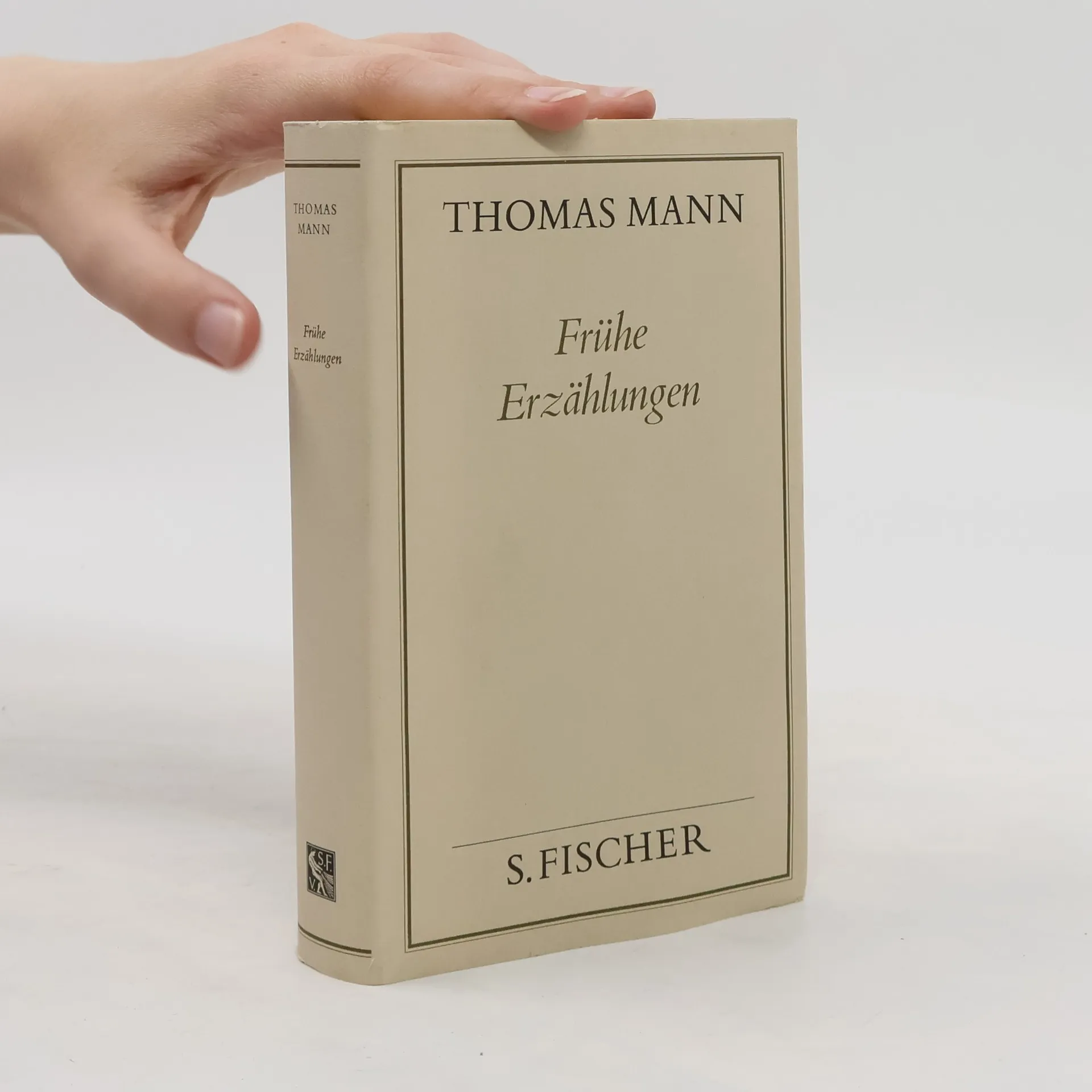
    Universale Economica Feltrinelli / Classici: Padrone e cane e altri racconti
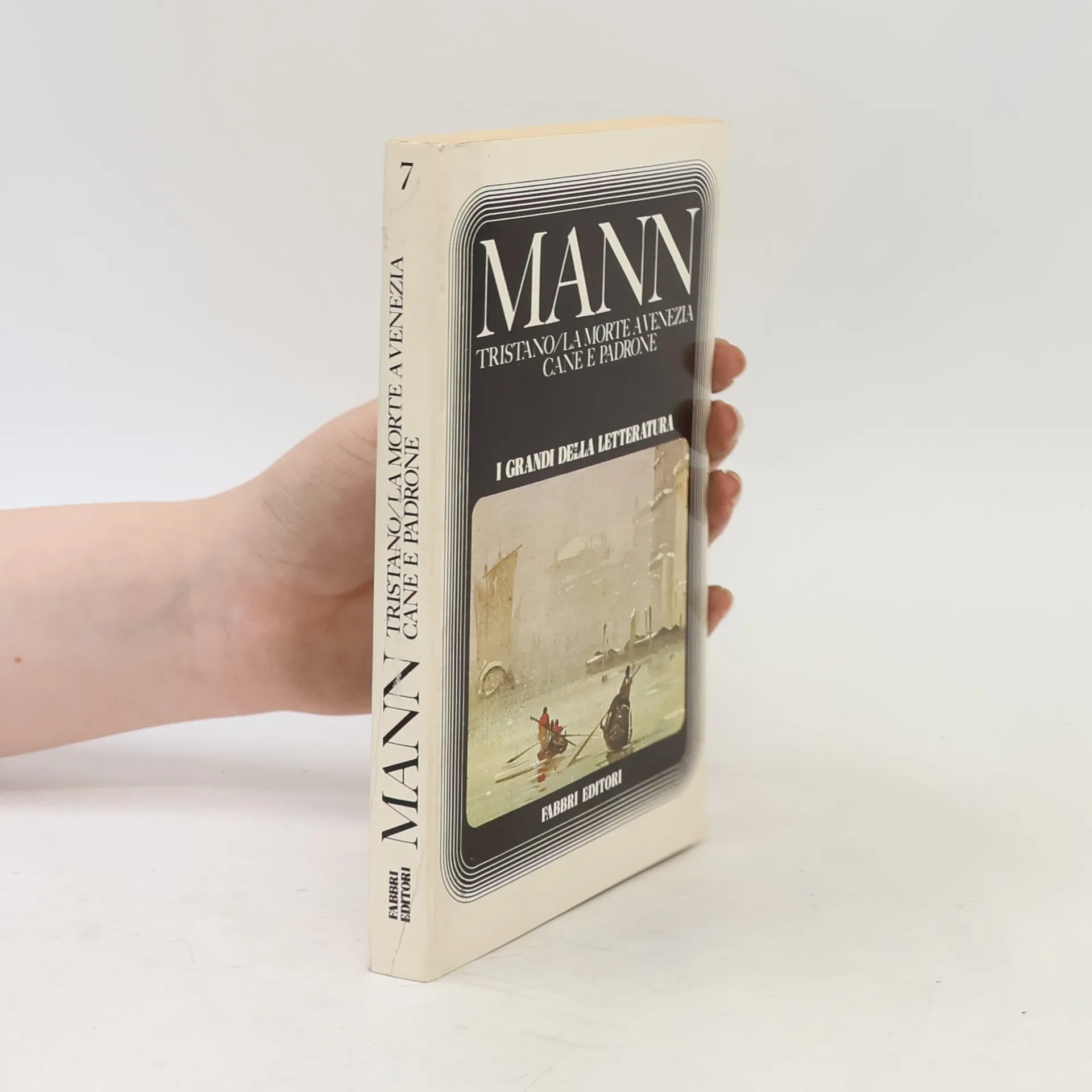
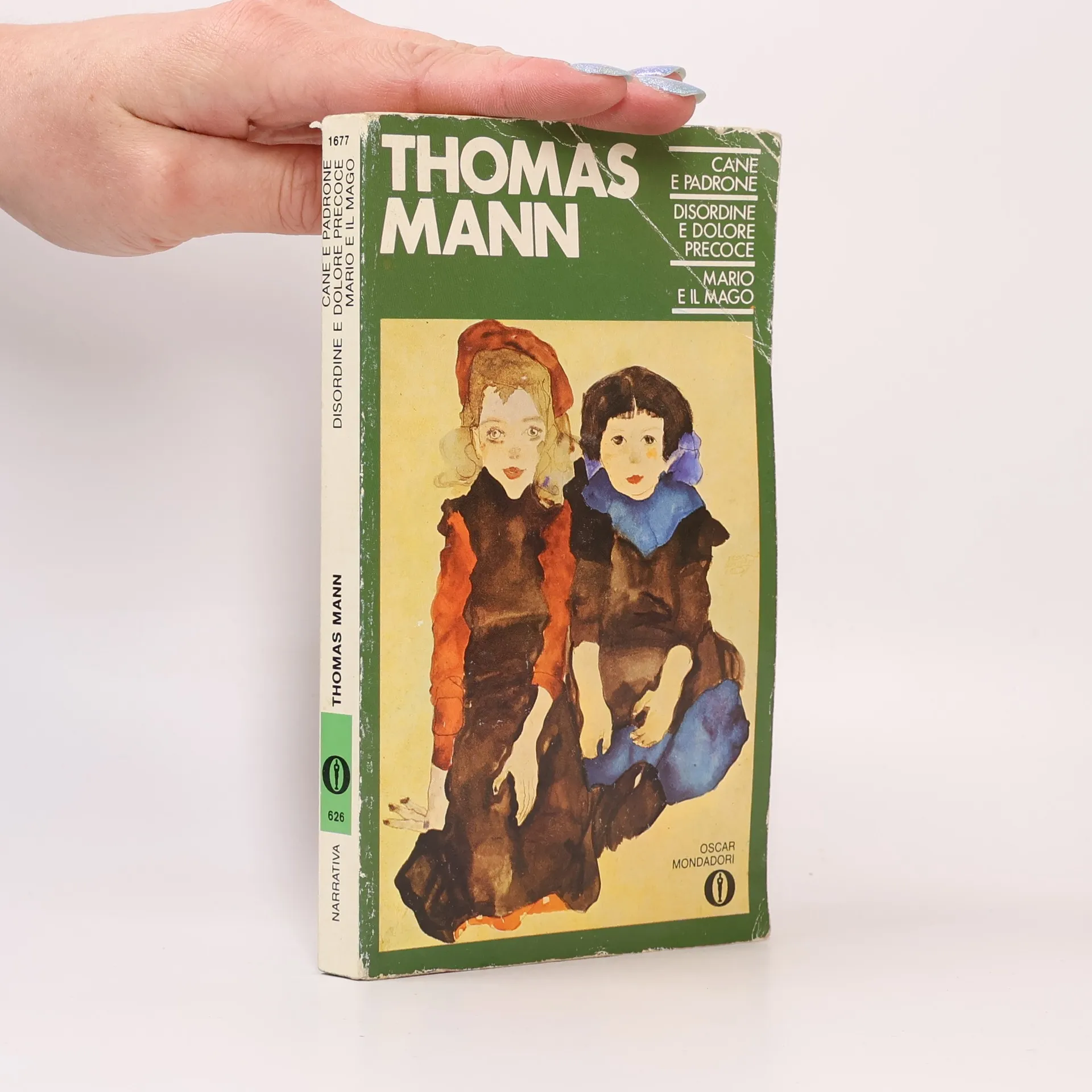
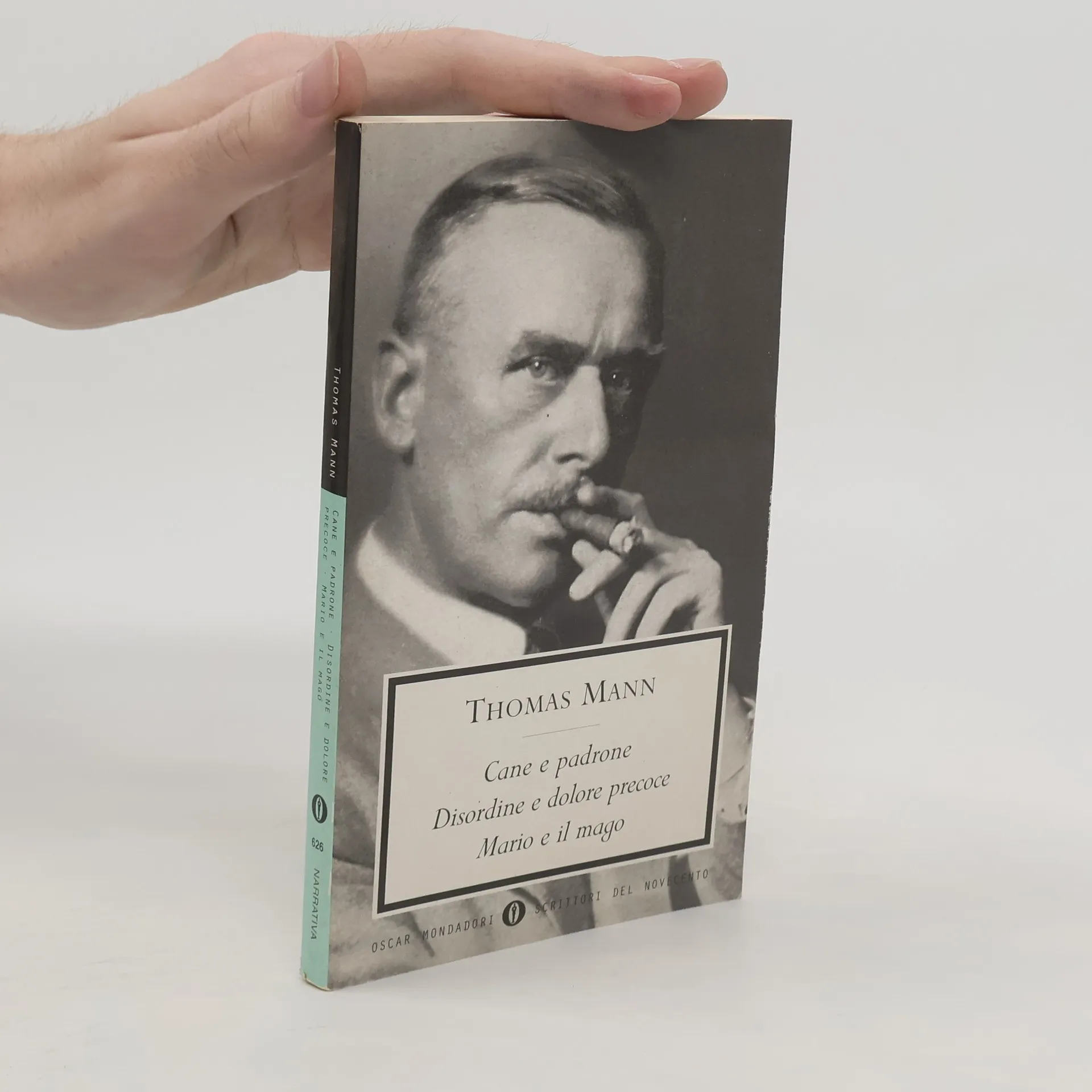
    Cane e padrone-Disordine e dolore precoce-Mario e il mago
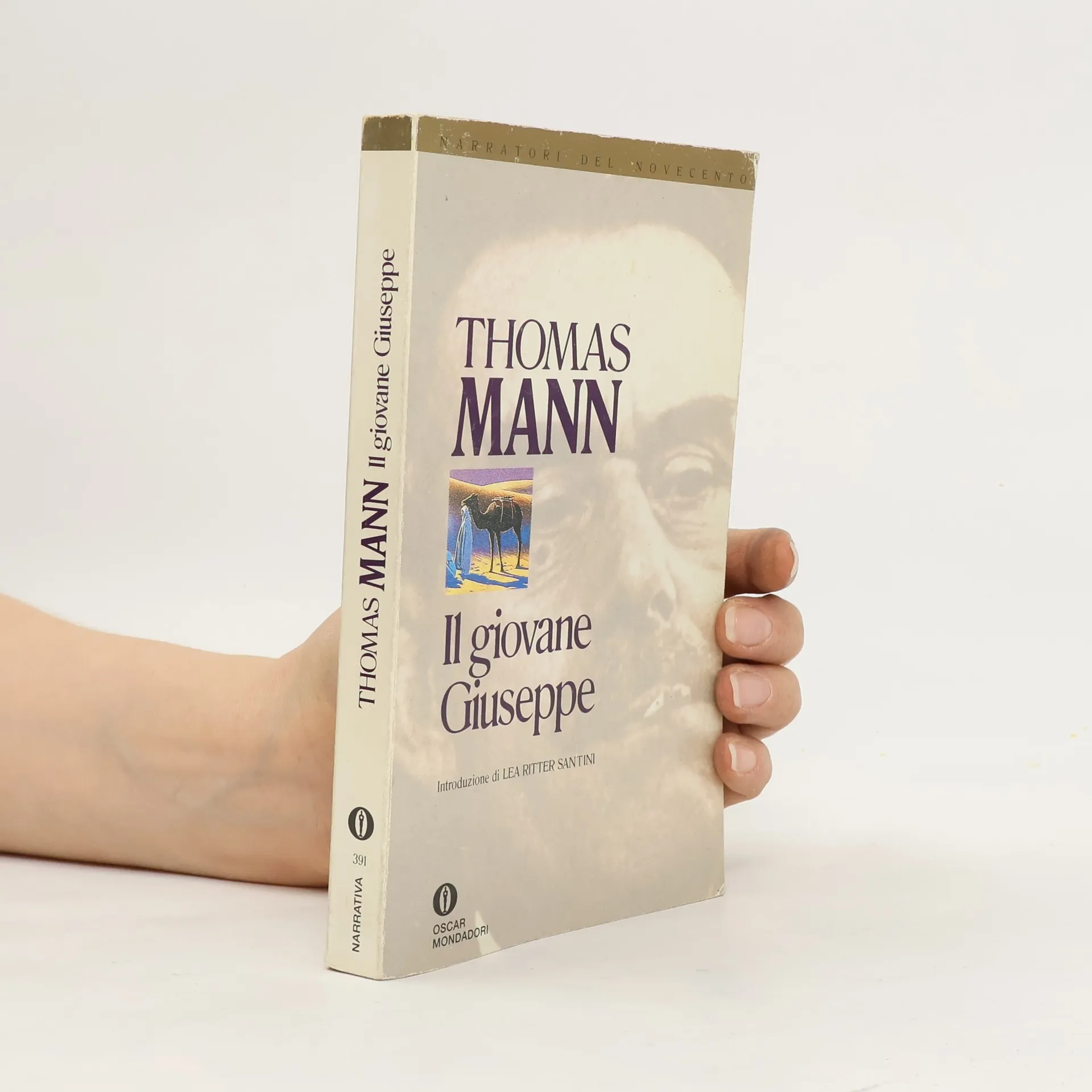
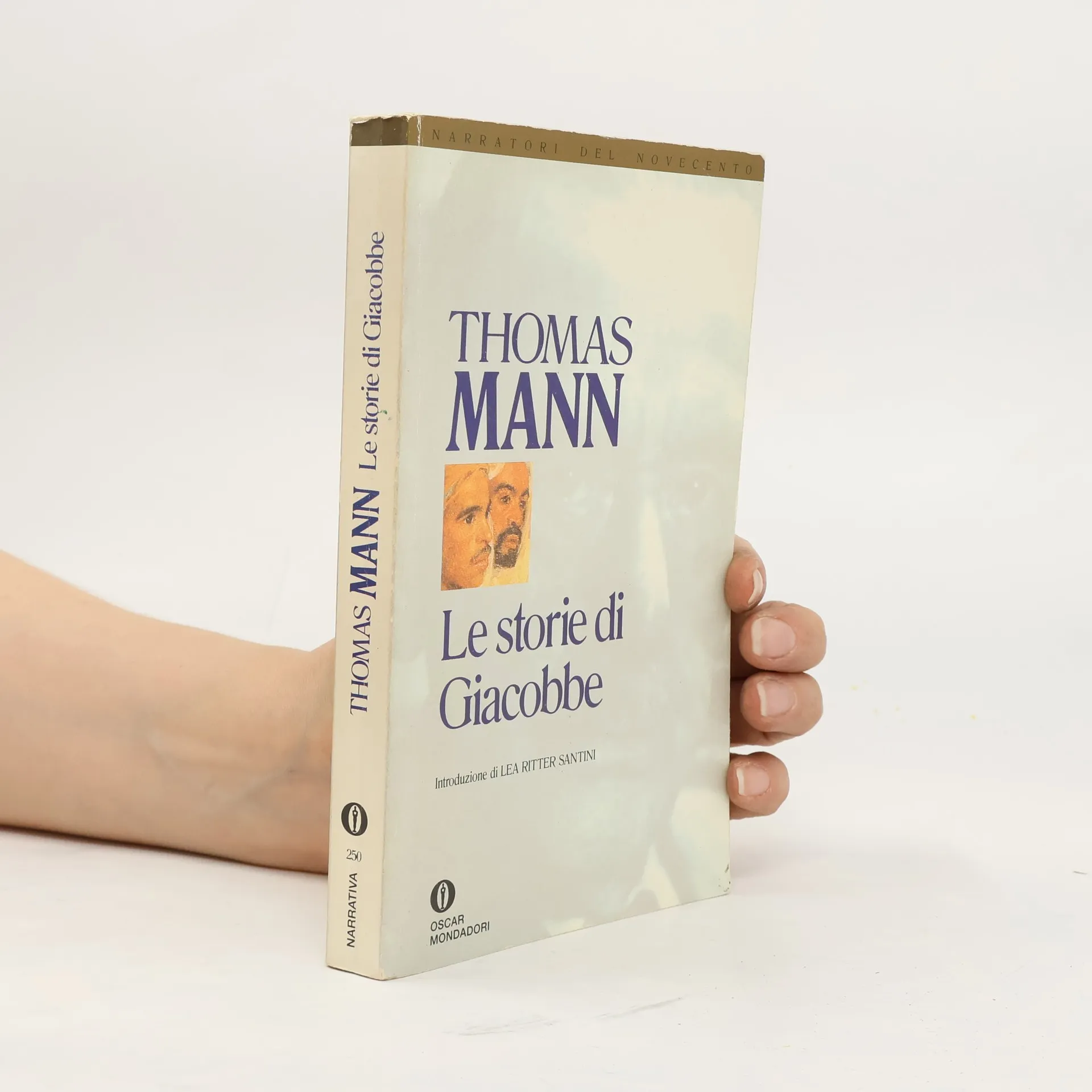
    Le storie di Giacobbe
    • Le storie di Giacobbe

      • 340pagine
      • 12 ore di lettura

      Questa straordinaria opera di Thomas Mann rappresenta una monumentale riscrittura della storia biblica di Giacobbe e Giuseppe, concepita come un romanzo mitologico. La narrazione si articola in quattro parti: Le storie di Giacobbe, Il giovane Giuseppe, Giuseppe in Egitto e Giuseppe il fornitore, creando un racconto unificato che esplora la caduta di Giuseppe in schiavitù e la sua ascesa a signore d'Egitto. Con dettagli ricchi e persuasivi, Mann evoca il mondo dei patriarchi e dei faraoni, le antiche civiltà dell'Egitto, della Mesopotamia e della Palestina, e la forza universale dell'amore umano in tutte le sue sfumature: bellezza, disperazione, assurdità e dolore. Il risultato è un brillante amalgama di umorismo, emozione, intuizione psicologica e grandezza epica.
      Le storie di Giacobbe
      4,6
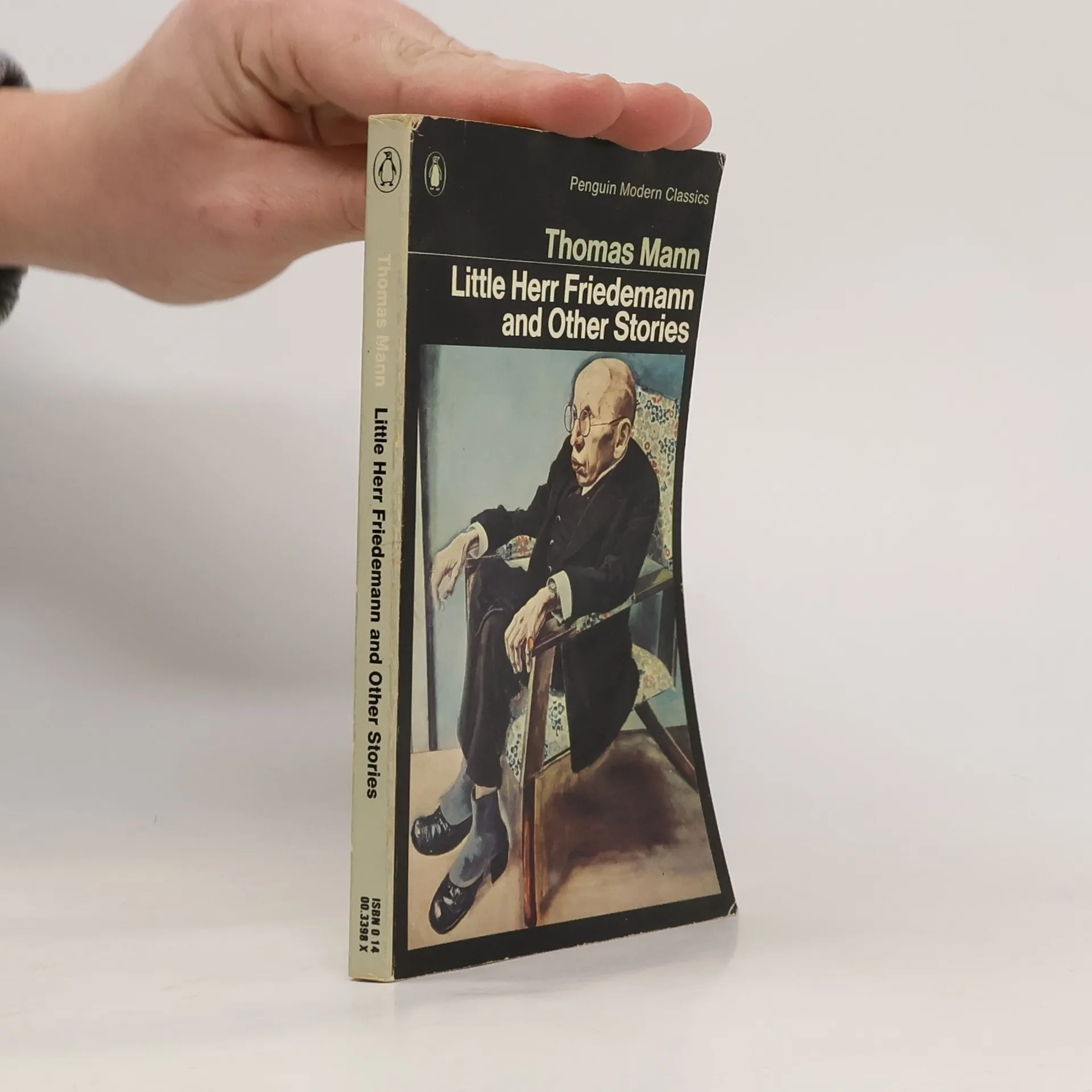
    • Tra le opere minori di Thomas Mann, ha un posto a sé il romanzo breve "Padrone e cane", un'operetta unica per leggerezza di disegno, in cui l'acuta intelligenza dello scrittore si rivolge a illuminare il piccolo mondo e i segreti tormenti di un cane, Bauschan. Raccolto per compassione dallo scrittore quando era un cuccioletto macilento e avvilito, Bauschan sviluppa un attaccamento tenace ed esclusivo per il padrone dal quale rifiuta di allontanarsi anche per un momento. "Padrone e cane" è la storia dell'amicizia tra questi due esseri diversi e così lontani, un'amicizia messa in pericolo dalle contrastanti abitudini di vita e continuamente cementata dalle gioie comuni, strappate alle insidie del "mondo". Oltre a "Padrone e cane", questo volume contiene una serie di racconti giovanili ("Delusione", "II piccolo signor Friedemann", "Il pagliaccio", "Tobia Mindernickel", "L'armadio", "Luisella", "La strada del cimitero", "Gladius Dei", "Gli affamati", "Il bimbo prodigio", "Un po' di felicità", "In casa del Profeta", "Un'ora difficile") ma importanti per chi voglia conseguire una visione completa e obiettiva del Mann narratore e della sua evoluzione artistica.
      Universale Economica Feltrinelli / Classici: Padrone e cane e altri racconti
      4,0
    • I Buddenbrook

      Decadenza di una famiglia

      Classico delle letteratura tedesca scritto nel 1901.

      I Buddenbrook
      4,2
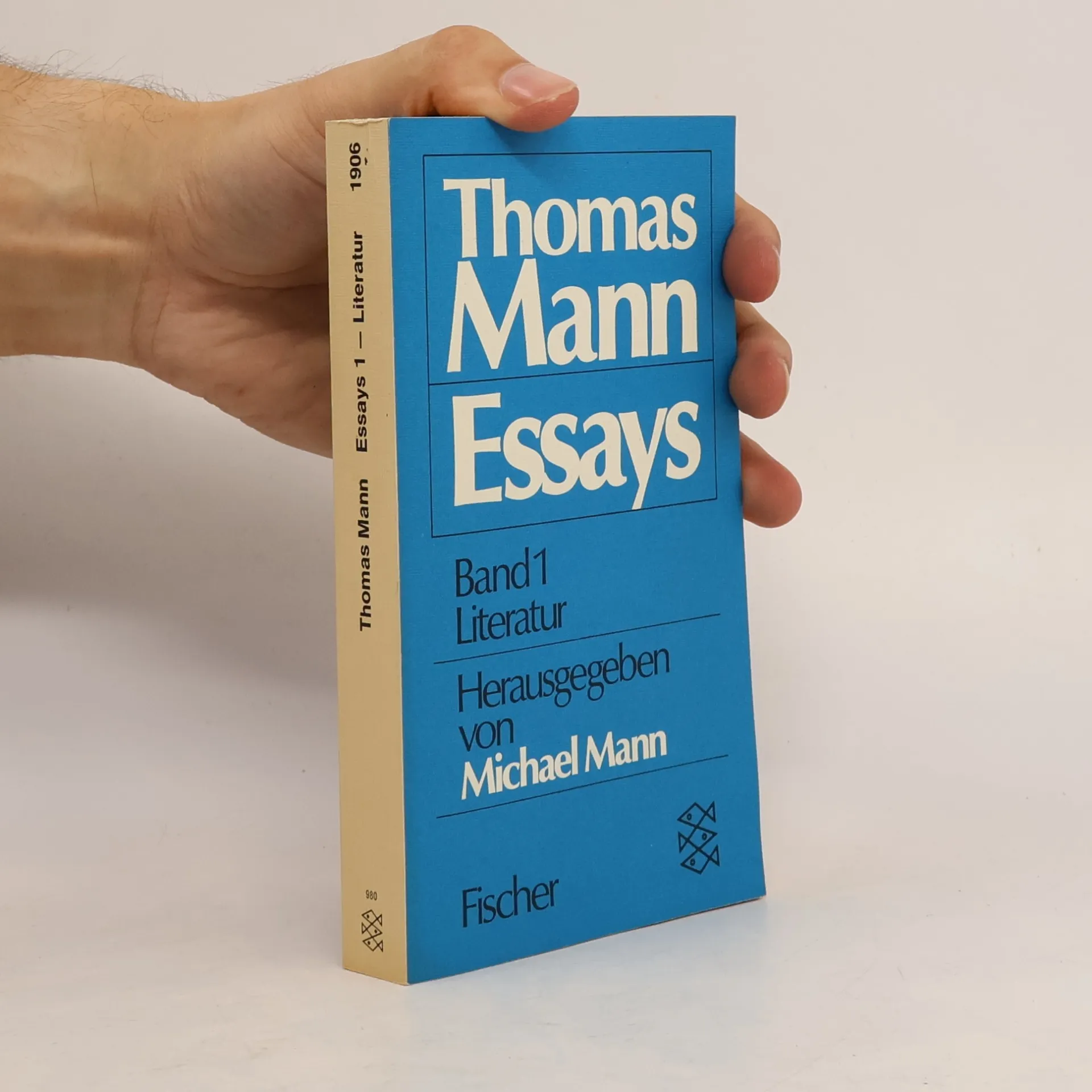
    • Il dialogo tra i due grandi fratelli era spesso un confronto. Le differenze di temperamento e moralità portavano a una "rappresentativa contrapposizione", che si manifestava inizialmente nella concezione artistica e, soprattutto, nelle opinioni politiche. Durante la Prima Guerra Mondiale si verificò una rottura, quando Heinrich si oppose al fratello nel suo saggio su Zola, e Thomas rispose con le sue riflessioni su un Unpolitischen. Nel 1922, a seguito di una grave malattia di Heinrich, si avviò un processo di riconciliazione, che però non portò a più di un semplice modus vivendi. Quando Thomas si ammalò gravemente nel 1946, Heinrich confessò di ritenere superfluo continuare a vivere senza di lui. Questi documenti molto umani sono anche testimonianze letterarie: contengono commenti e auto-interpretazioni su quasi tutte le grandi opere.

      La montagna del disincanto
      3,5
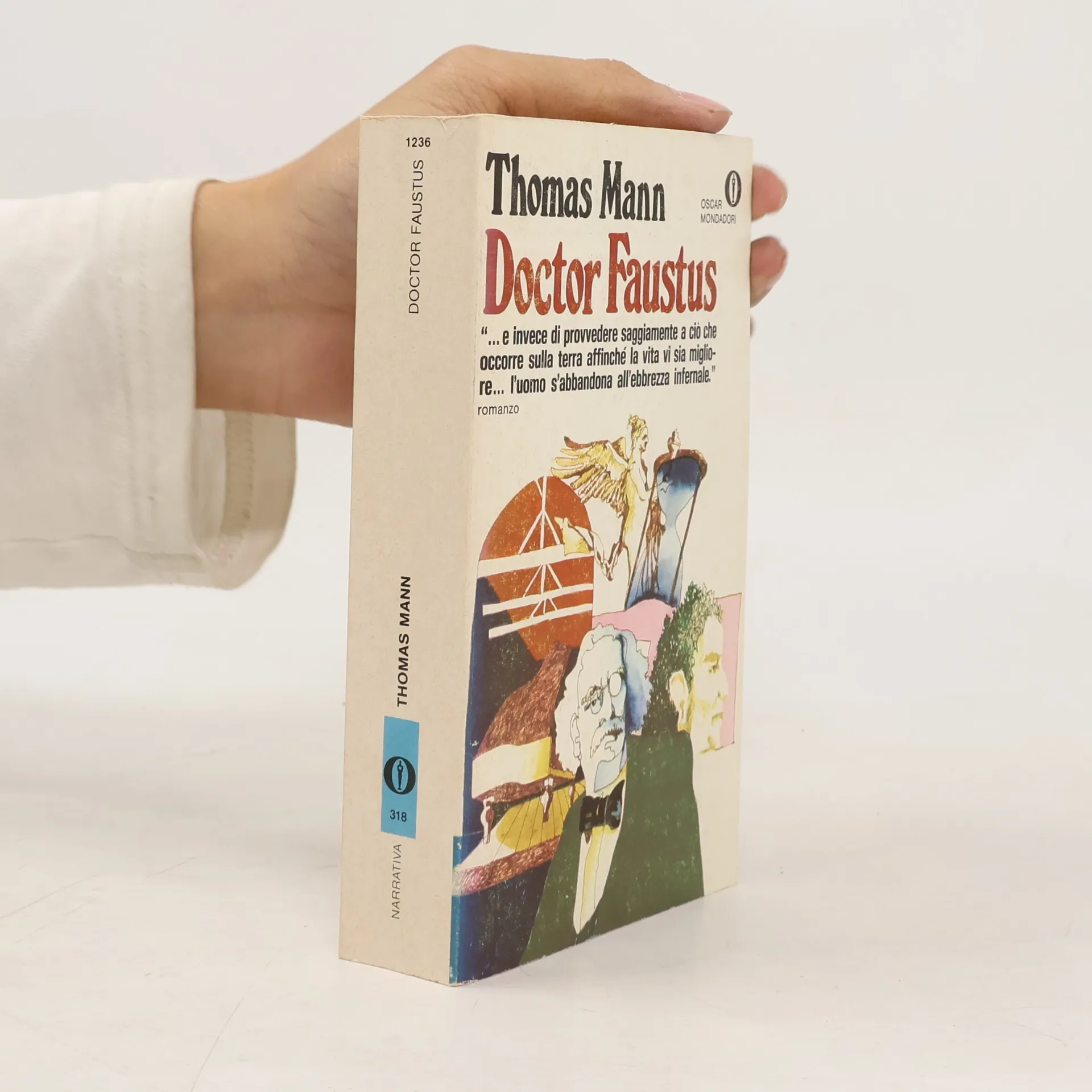
    • Nella Germania devastata alla fine della Seconda guerra mondiale, il professor Serenus Zeitblom scrive la biografia dell'amico d'infanzia Adrian Leverkühn, un geniale musicista che in cambio dell'anima ha ottenuto dal diavolo ventiquattro anni di furore creativo. Reinterpretando in chiave moderna il mito di Faust, Thomas Mann narra una vicenda che per molti aspetti sembra anticipare il destino della Germania, travolta dalla follia hitleriana e dalla distruzione. Dando vita a tre generazioni di personaggi, descritti ora con accorata pietà ora con mordente ironia, Mann crea nello stesso tempo una grandiosa allegoria della storia tedesca, e riflette sul profondo significato dell'arte, della musica, della filosofia, della scienza, e sul destino dell'uomo.

      Doctor Faustus
      4,1
    • Oscar classici moderni - 143: Doctor Faustus

      La vita del compositore tedesco Adrian Leverkühn narrata da un amico

      • 579pagine
      • 21 ore di lettura

      Opera tra le più significative di Thomas Mann, Doctor Faustus è la tragica storia di Adrian Leverkühn, un musicista tedesco che come Faust ottiene dal demonio anni di meravigliosa attività intellettuale in cambio della dannazione eterna. Scritto alla fine della Seconda guerra mondiale e nell'immediato dopoguerra, il romanzo dà voce all'atmosfera disperata di quella che fu la catastrofe della Germania. Intorno alla narrazione principale, che abbraccia tre generazioni, si muove un mondo di personaggi presentati con la sapiente maestria di un grande stilista, con accorata pietà o con mordente ironia, mentre alla trama centrale si annodano digressioni che spaziano nei campi della musica, della filosofia, della scienza.

      Oscar classici moderni - 143: Doctor Faustus
      4,0
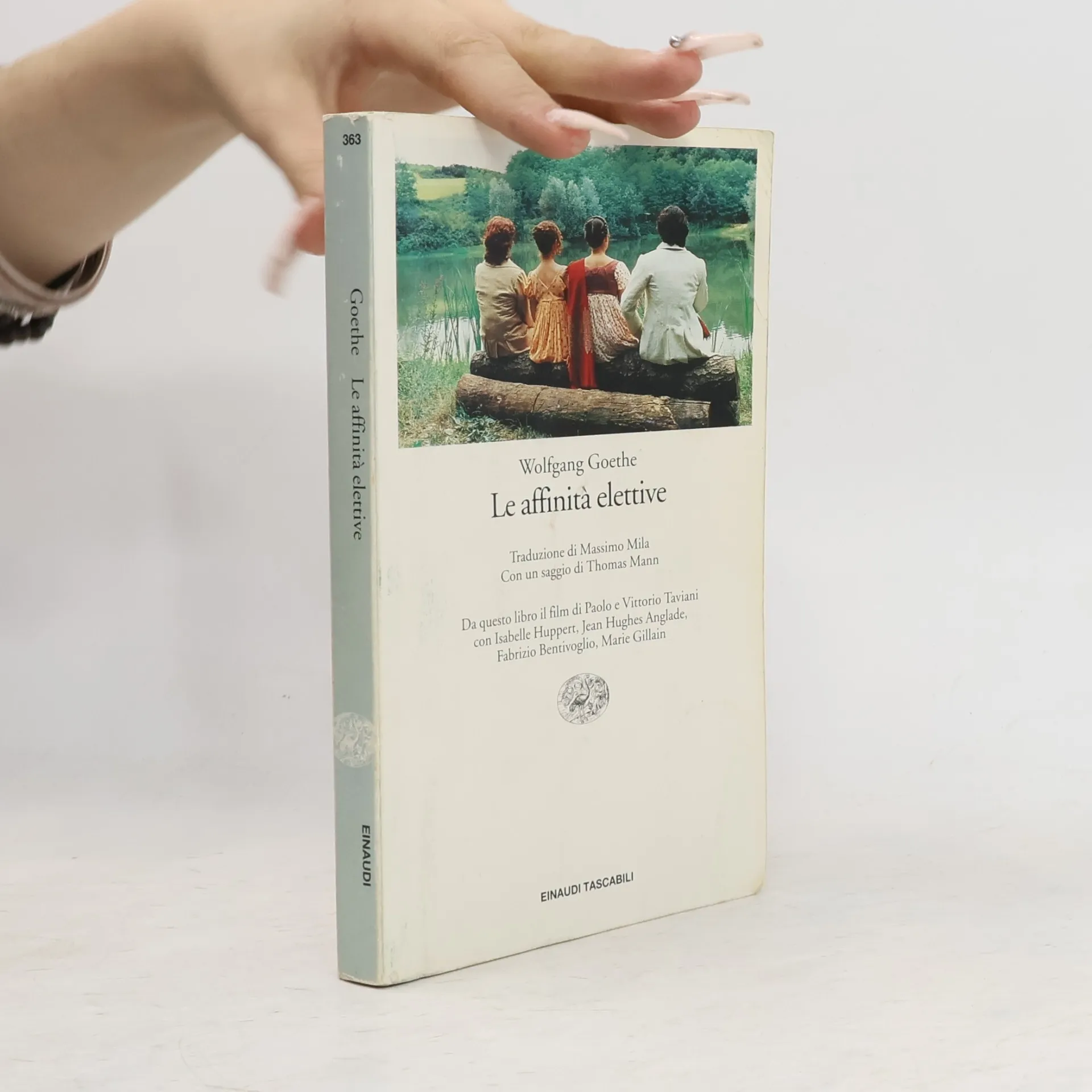
    • Einaudi Tascabili - 363: Le affinità elettive

      Traduzione di Massimo Mila - Con un saggio di Thomas Mann

      • 330pagine
      • 12 ore di lettura

      Il solido matrimonio di Edoardo e Carlotta viene scosso dall'arrivo del Capitano e della giovanissima Ottilia. Ben presto le affinità elettive tendono a unire da una parte Edoardo e Ottilia e dall'altra Carlotta e il Capitano. Se Edoardo si abbandona alla passione, inebriato dai propri sentimenti per Ottilia, Carlotta cerca invece di frenarsi e far vincere la ragione, mentre Ottilia, «la più dolce figlia della natura che sia uscita dalle mani di un artista» (Thomas Mann), risponde alla legge dell'istinto con un sentimento totale ma rigoroso e castissimo. Un capolavoro della letteratura di tutti i tempi nell'eccezionale traduzione di Massimo Mila, che sottrae «al limbo dei così detti "classici" un'opera che può ben dirsi una delle sorprendenti "primizie" del romanzo moderno.»

      Einaudi Tascabili - 363: Le affinità elettive
      3,7
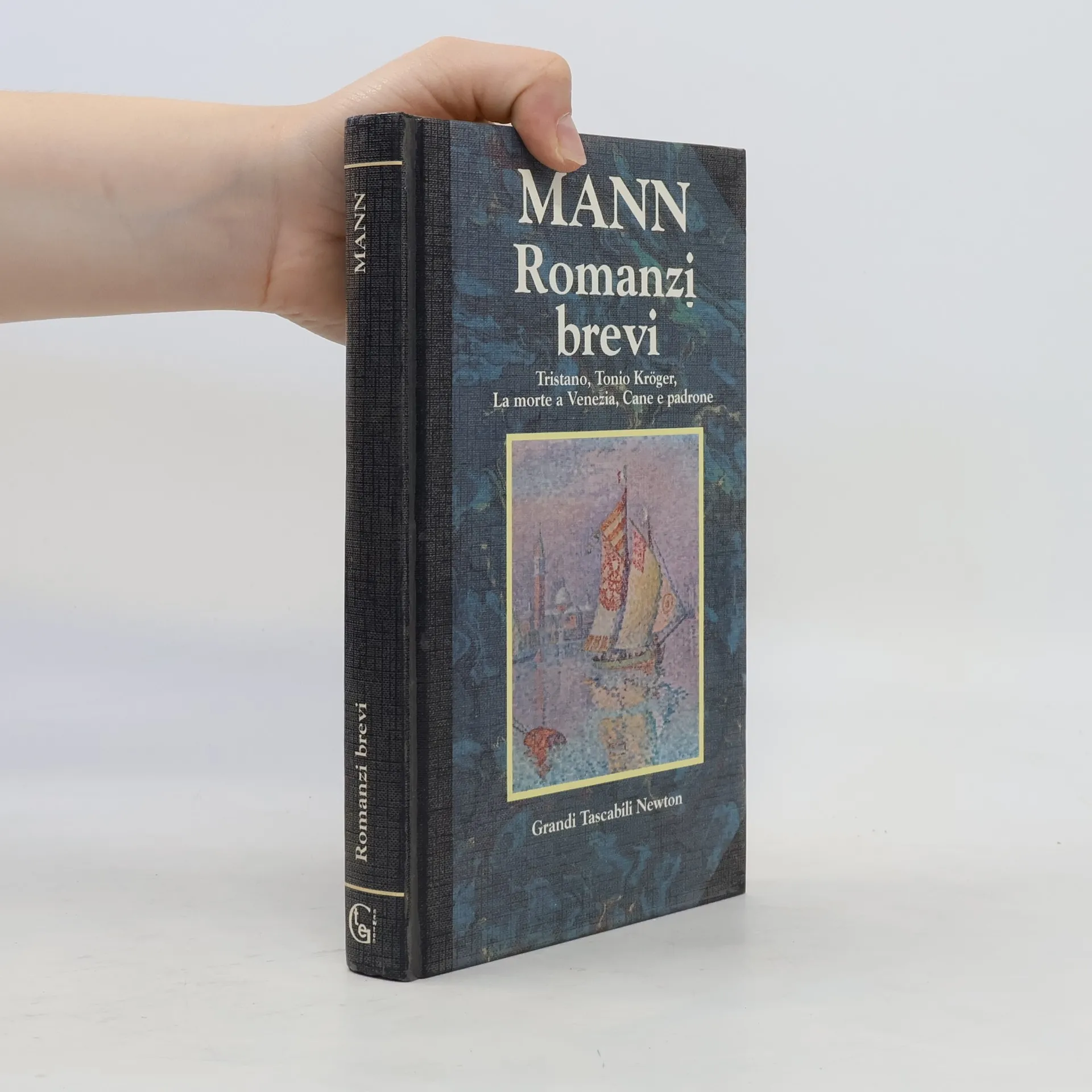
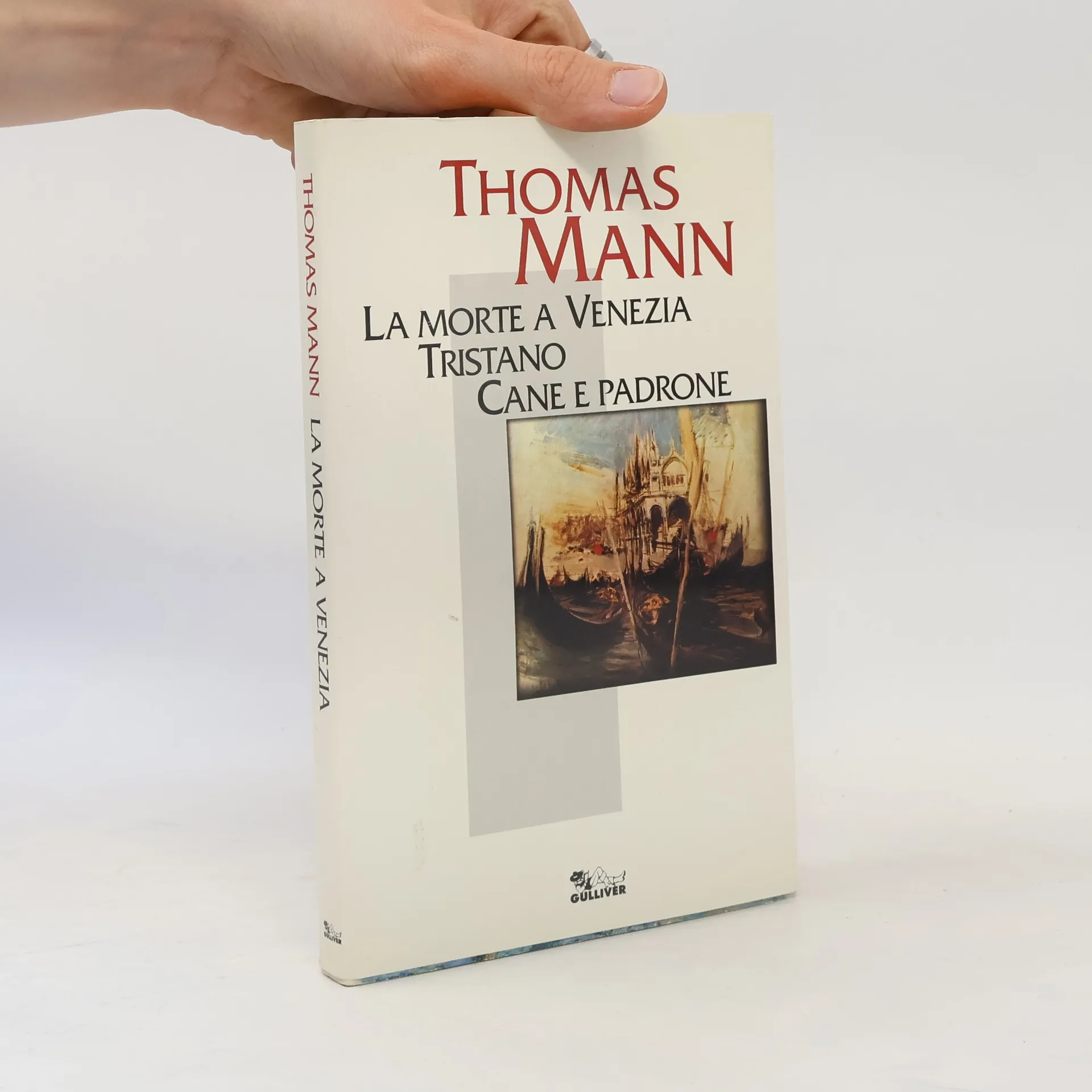
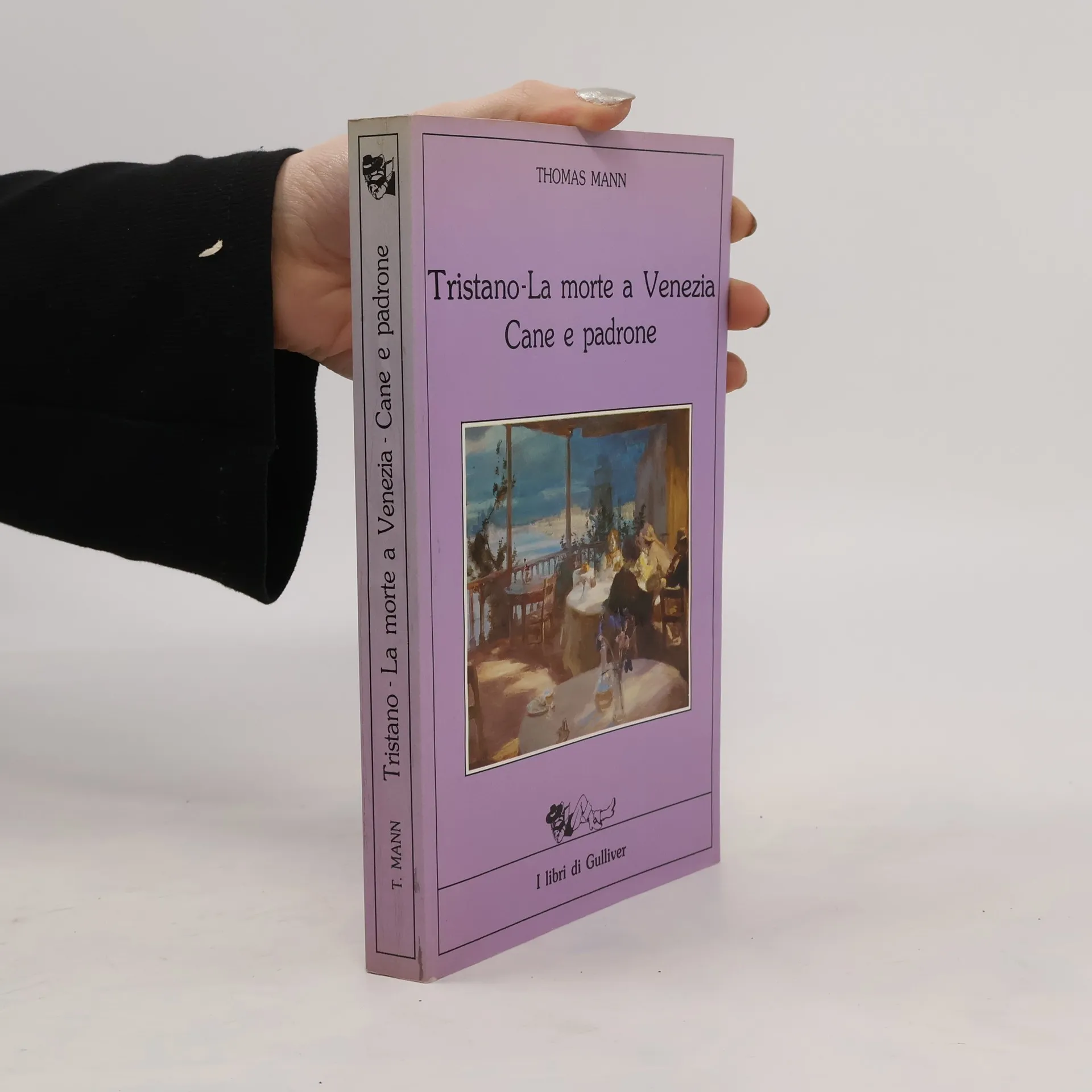
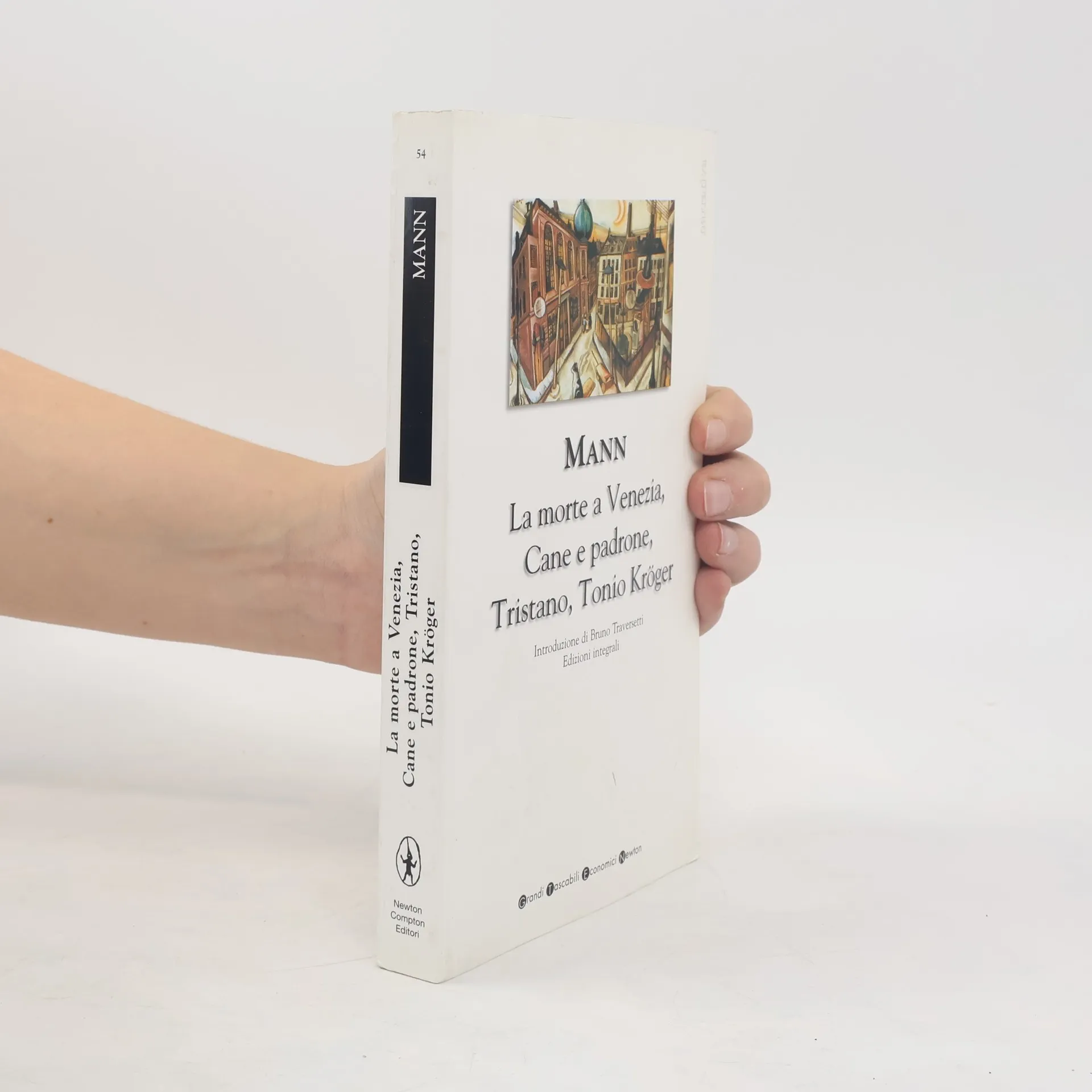
    • Un tema fondamentale, affrontato da prospettive differenti, unisce i tre racconti; fondamentale nell'opera di Mann e nella sua privata biografia. Si tratta del problematico rapporto arte-vita, del sofferto contrasto tra la necessità dell'artista di allontanarsi dalla vita comune degli "altri" e il suo desiderio, la nostalgia, quasi l'invidia per quella vita comune, ordinaria e cordiale, semplice, fluente. L'isolamento dell'artista appare ineluttabile, ma nel suo scandaglio sapiente e sottile degli anfratti oscuri dell'animo umano Mann riscopre una humanitas fatta su misura, chiarezza ed equilibrio, di amore verso le cose più umili, anche verso un cane bastardo che basta ridonare a un artista la gioia della vita.

      Tonio Kröger. Morte a venezia. Padrone e cane
      3,7
    • Oscar Classici: Le affinità elettive

      Con un saggio di Thomas Mann

      • 320pagine
      • 12 ore di lettura

      Il romanzo più famoso e più discusso di Goethe che disegna, attraverso l'intreccio di due storie d'amore nate dallo sfaldarsi di un legame matrimoniale, l'immagine di una società ambiguamente sospesa fra la salvaguardia della propria stabilità e la consapevolezza del proprio tramonto.

      Oscar Classici: Le affinità elettive
      3,7
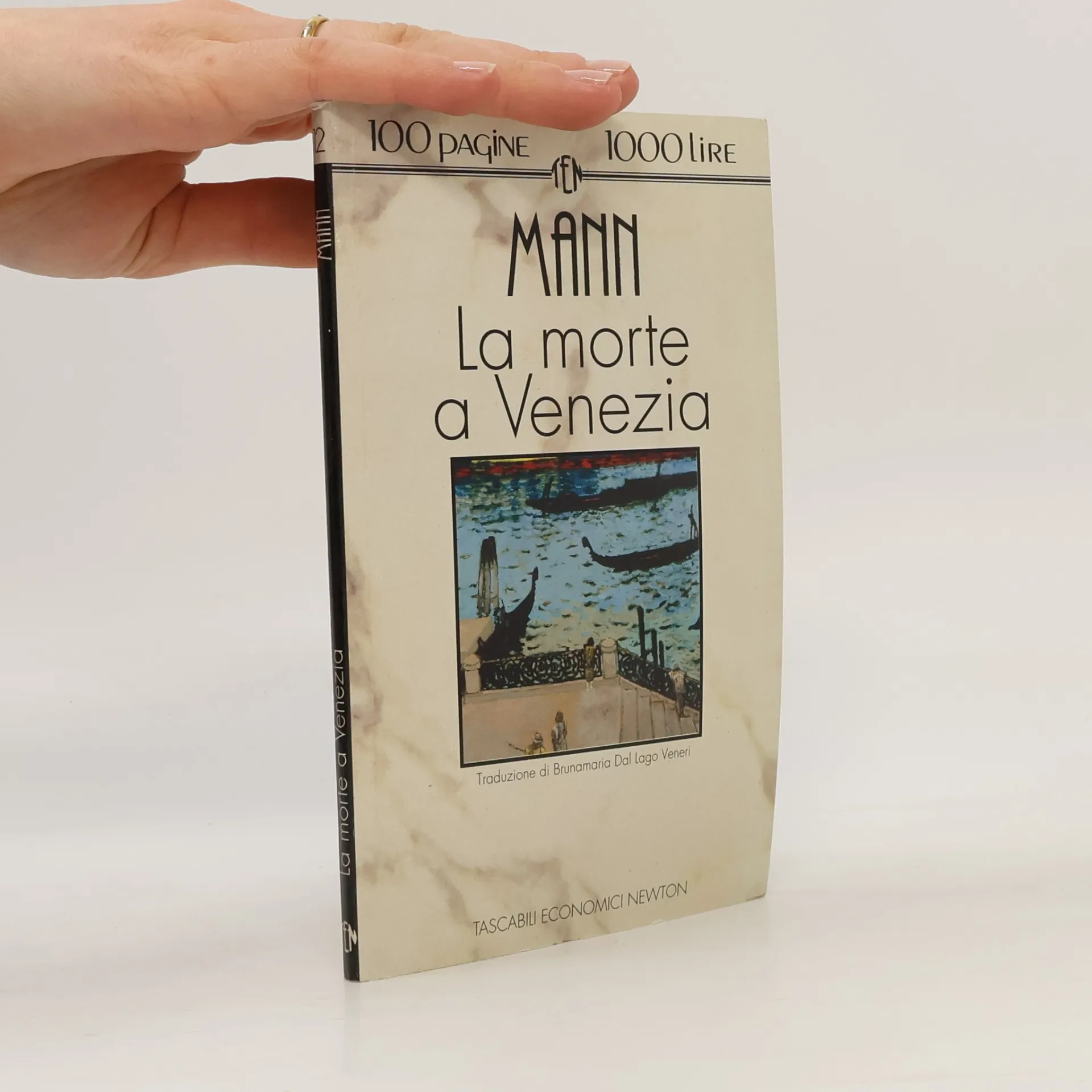
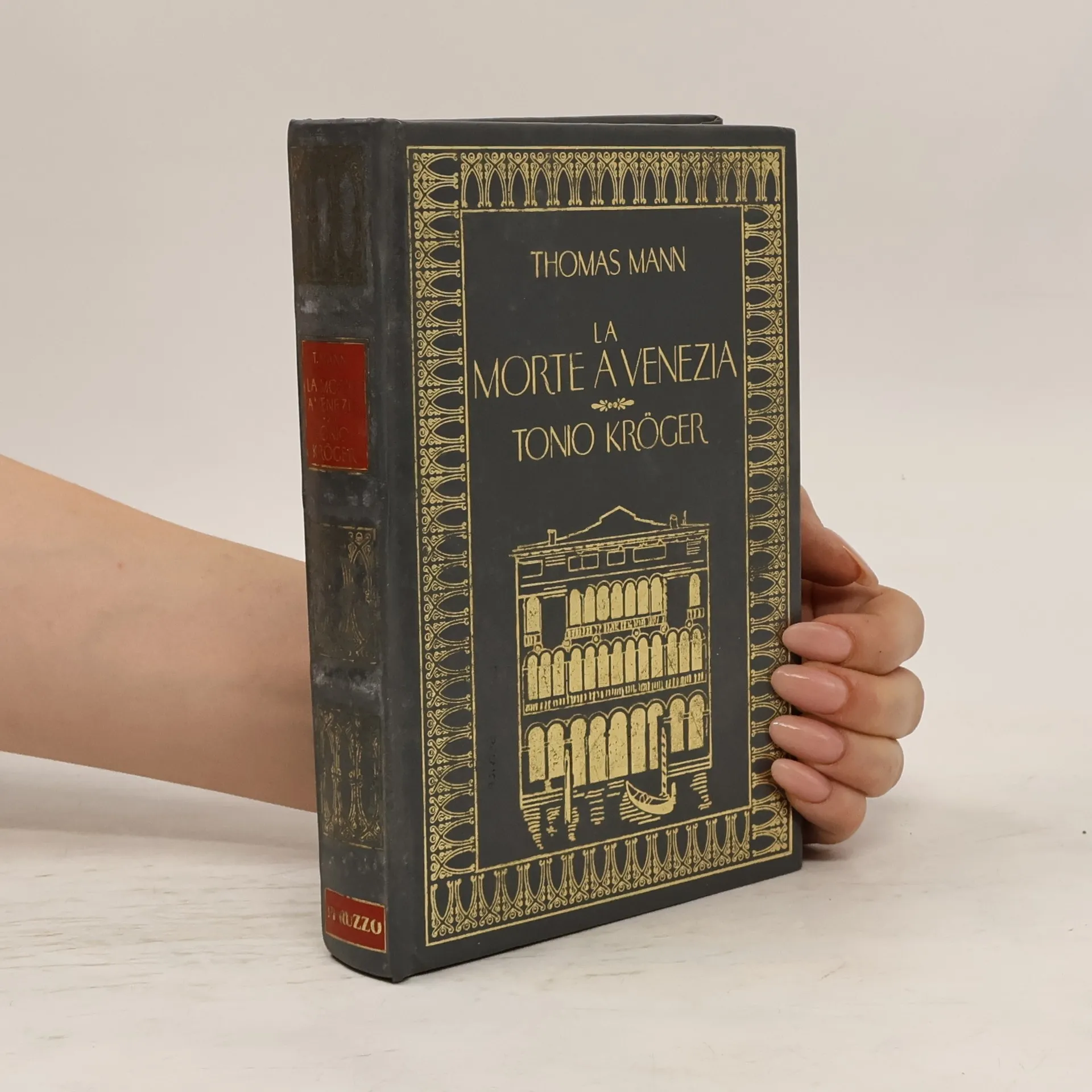
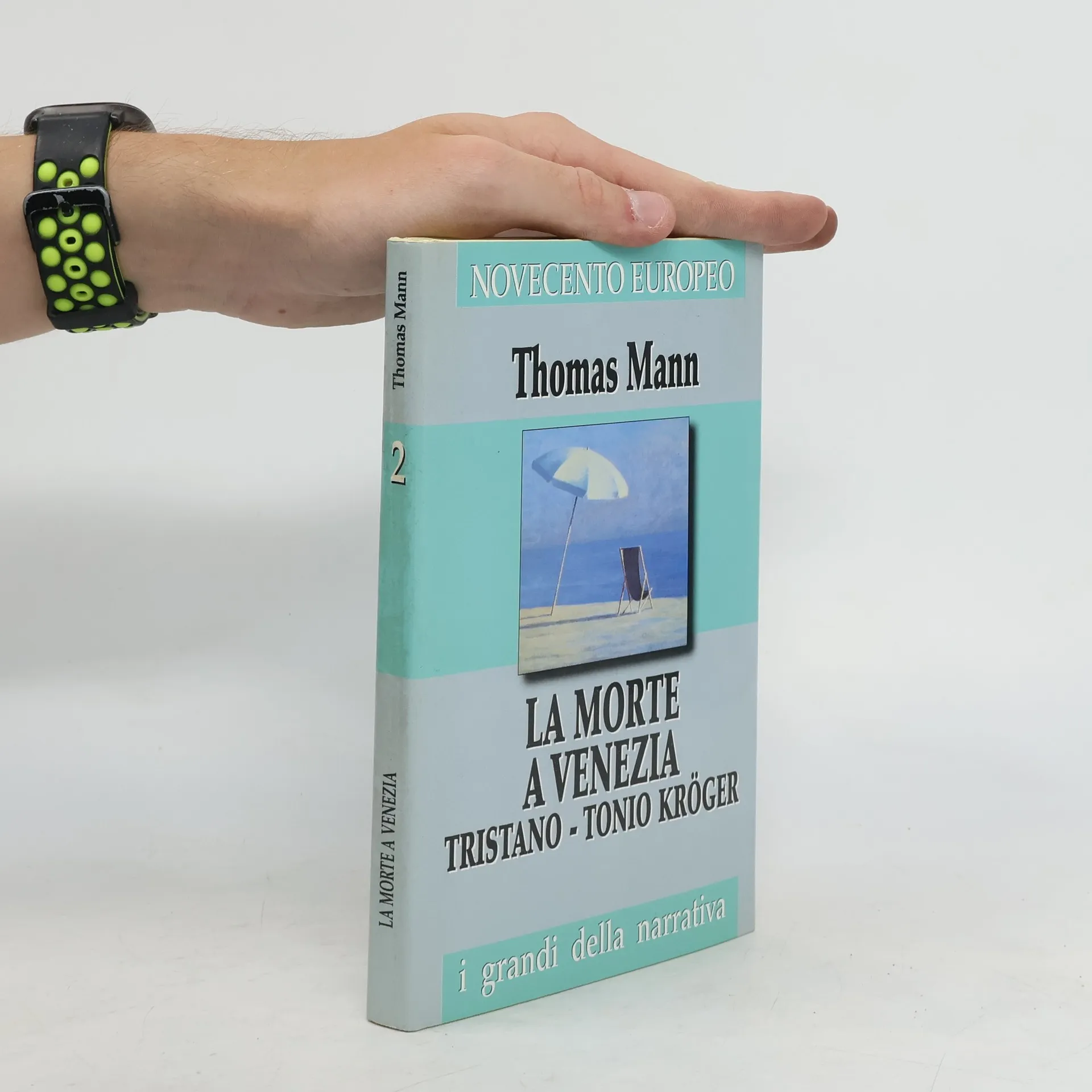
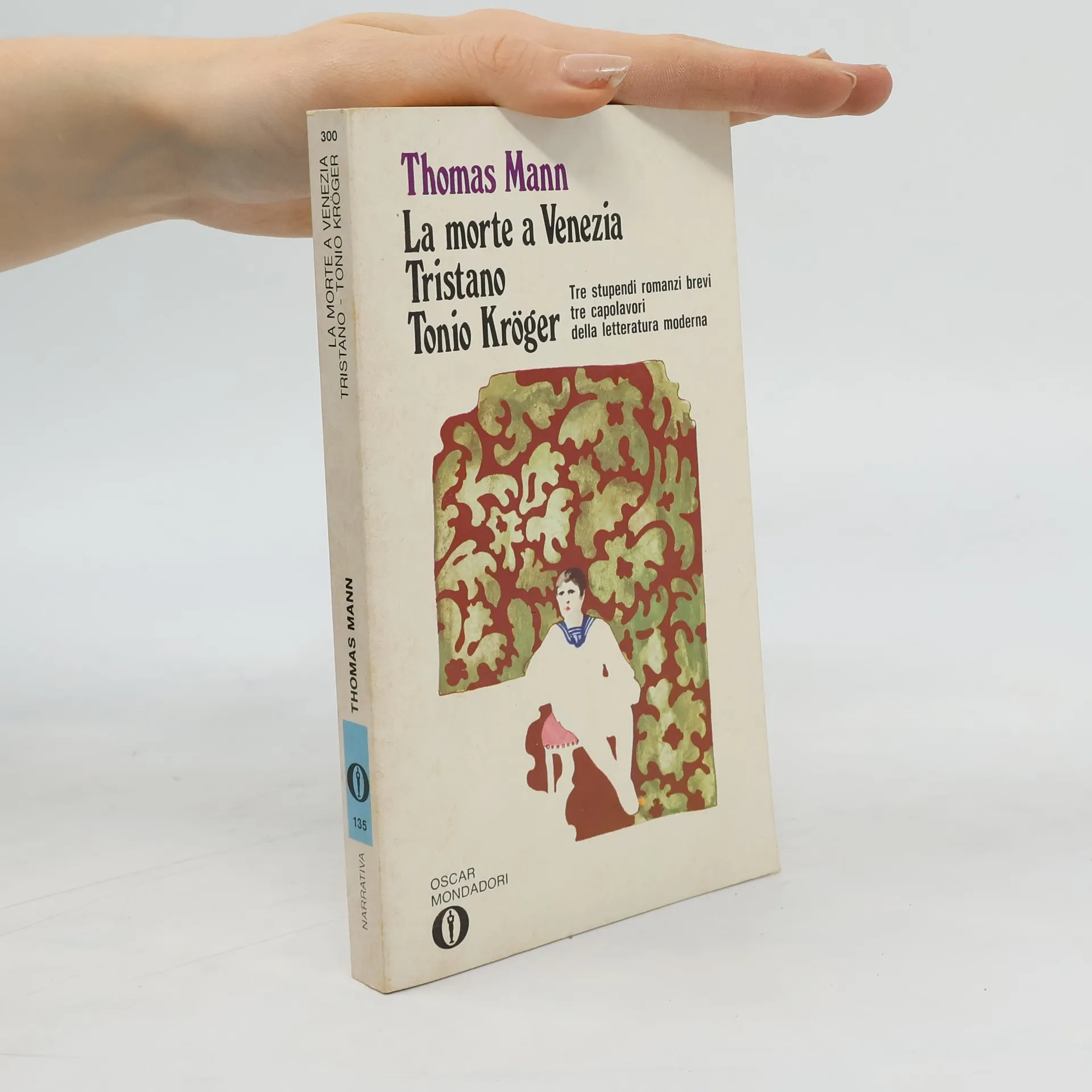
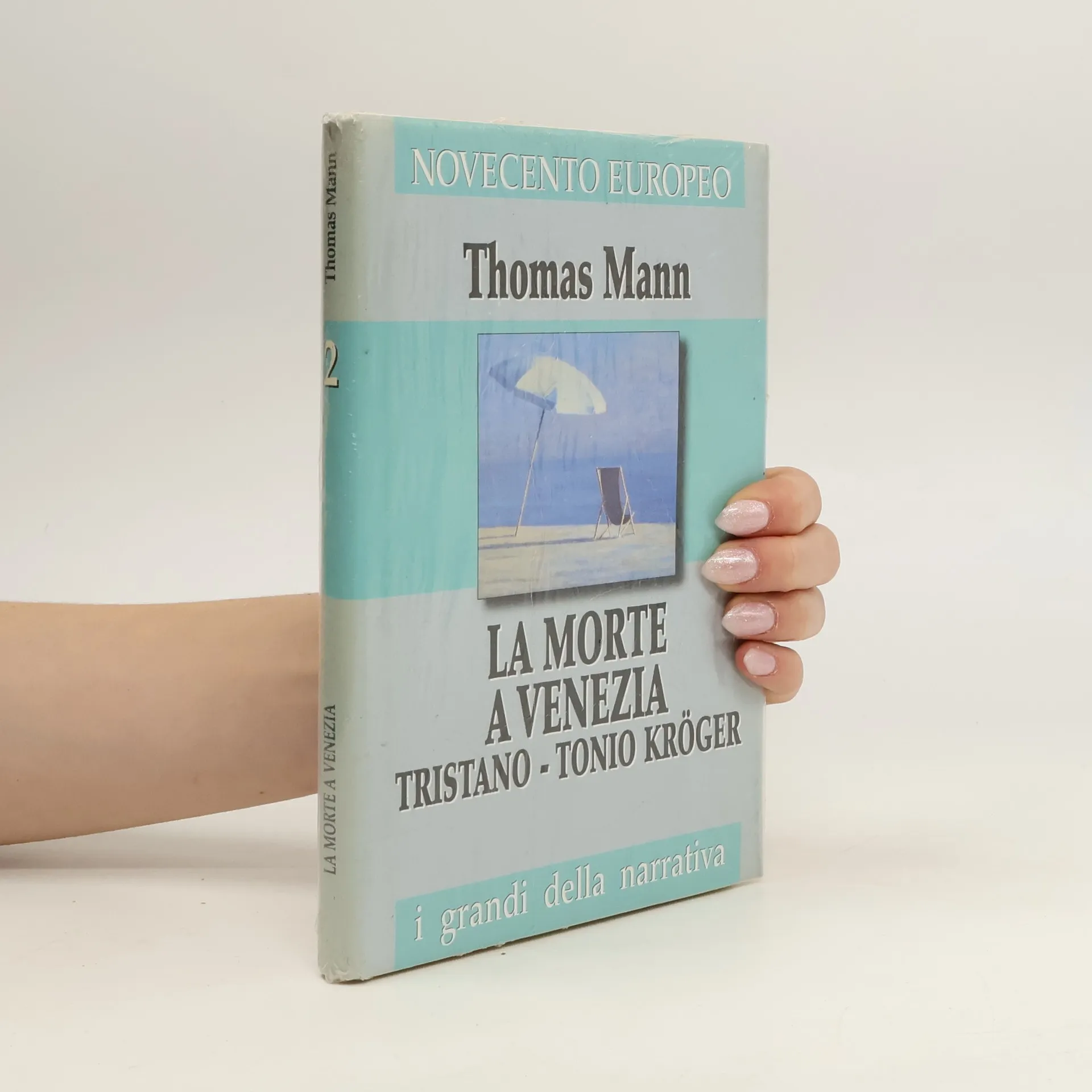
    • Il famoso scrittore tedesco Gustav Aschenbach, che ha basato la sua vita e l'intera opera sulla più ostinata fedeltà ai canoni classici dell'estetica e dell'etica, è spinto a Venezia da un misterioso impulso. Nell'attimo in cui balena sulla spiaggia del Lido la spietata bellezza del ragazzo polacco Tadzio, Aschenbach avverte il definitivo segno del destino: l'anelito allo sfacelo. La morte a Venezia (1913), oltre che un romanzo, è una cerimonia. Completa il volume un'appendice bibliografica.
      La morte a Venezia
      3,8
    • Tristano

      • 176pagine
      • 7 ore di lettura

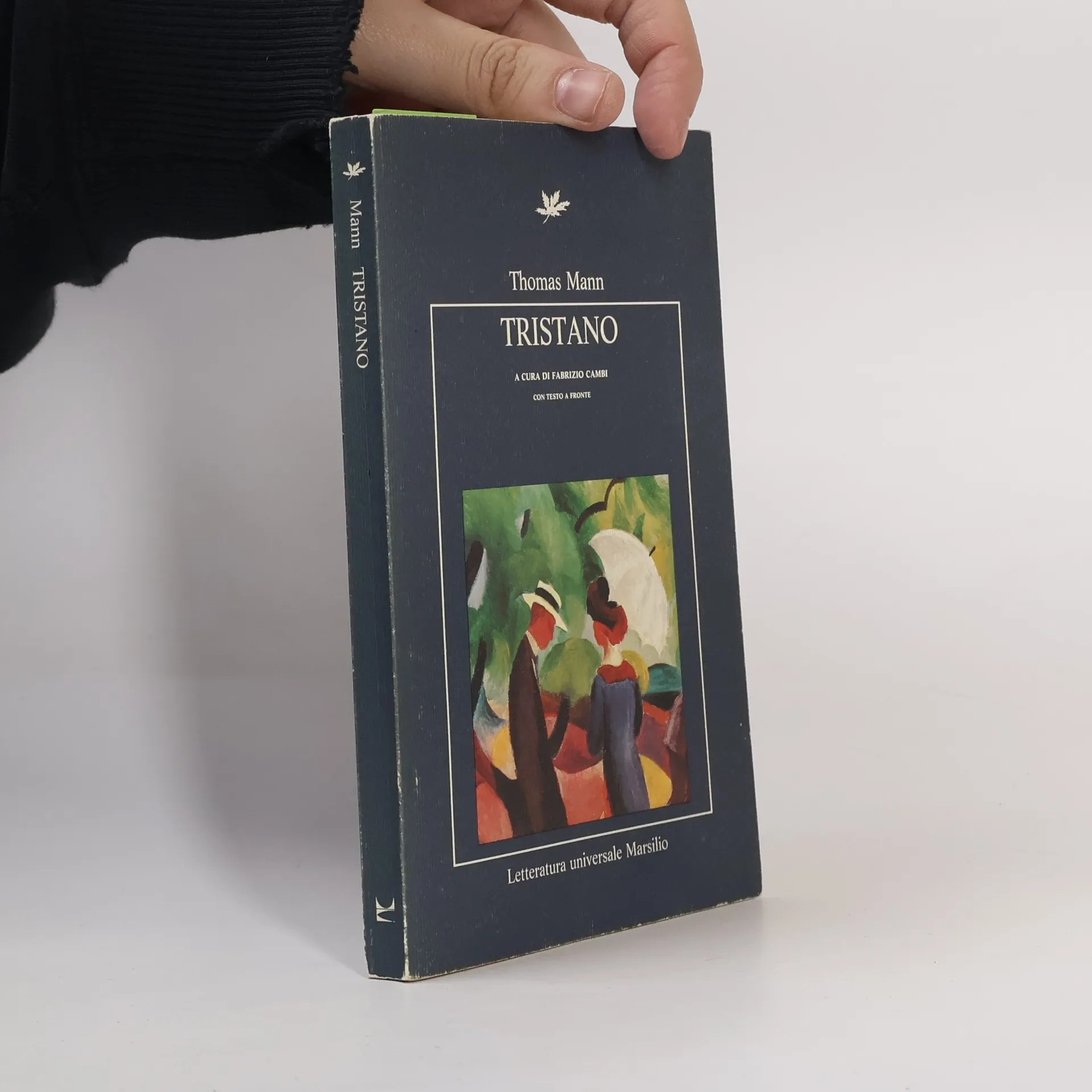
      In "Tristano" di Thomas Mann viene narrata la storia di un artista decadente che seduce la malata moglie di un mercante attraverso la musica. La sua morte e la vigorosa vita del bambino creano un'ironia drammatica.
      Tristano
      3,7
    • Tonio Kröger. Testo tedesco a fronte

      • 215pagine
      • 8 ore di lettura

      Nella novella "Tonio Kröger", pubblicata per la prima volta nel 1903, Thomas Mann racconta lo sviluppo del protagonista omonimo nel corso di 16 anni: da studente sensibile di 14 anni, che si sente escluso a causa della sua inclinazione artistica, a letterato che desidera distinguersi dal comune, fino a diventare poeta, per il quale l'amore per l'umanità rappresenta la base della sua opera.

      Tonio Kröger. Testo tedesco a fronte
      3,6
    • Carlotta a Weimar

      • 350pagine
      • 13 ore di lettura

      Carlotta a Weimar (1939) è la storia di un rimpianto sentimentale e, insieme, la più complessa e coraggiosa interpretazione novecentesca della figura di Goethe. Lo spunto è offerto da un dato di cronaca: la visita di Carlotta Buff alla sorella nel 1816 a Weimar. In quell'occasione la donna, ormai alle soglie della vecchiaia, ebbe modo di rivedere il poeta che più di trent'anni anni prima l'aveva immortalata nel Werther . Frutto di decenni di studi e della profonda intimità spirituale di Mann con il massimo poeta tedesco, Carlotta a Weimar offre un affascinante spaccato della Germania goethiana ma soprattutto una vicenda sentimentale indimenticabile, nella quale il dato storico si amalgama armoniosamente con la creazione poetica.

      Carlotta a Weimar
      3,5
    • Thomas Mann: New Selected Stories

      • 256pagine
      • 9 ore di lettura

      Sparkling new translations illuminate the humor and poignancy of Mann's best stories, including his masterpiece, newly translated into English for the first time in nearly a century. Often seen as a dry and forbidding writer, Mann's fiction is actually lively, humane, and sometimes hilarious. Award-winning translator Damion Searls sheds light on this underappreciated aspect of Mann's genius through fresh renderings of his short works. The centerpiece, "Chaotic World and Childhood Sorrow," is a subtle masterpiece that reveals the emotional significance of everyday life, portraying the bourgeois Cornelius family as they navigate straitened circumstances in hyperinflationary Weimar Germany. The volume also features an excerpt from Mann's first novel, Buddenbrooks, which was a sensation upon its release. While "Death in Venice" is Mann's most famous story, it was originally intended to be paired with a comedic tale, included here as "Confessions of a Con Artist, by Felix Krull." Additionally, "Louisey," a story of sexual humiliation, offers insight into Mann's lifelong ambivalence about the power of art. This collection is both revelatory and transformative, showcasing the depth and range of Mann's literary brilliance.

      Thomas Mann: New Selected Stories
      4,3
    • Collected Stories

      • 890pagine
      • 32 ore di lettura

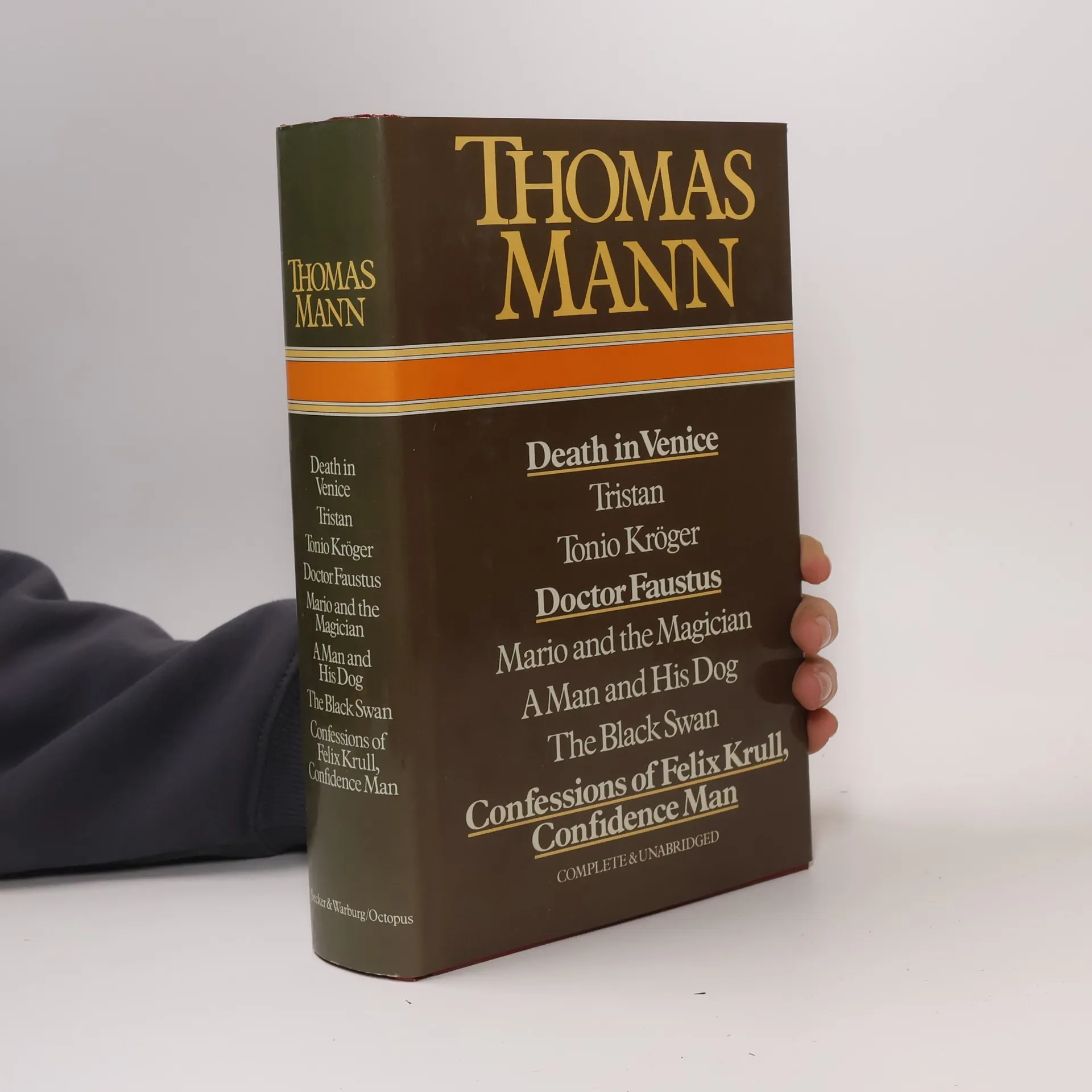
      Famous for his novels, Thomas Mann is more accessible through the shorter fictions which span his entire career. The most famous of these stories is one of the earliest. Death in Venice was made into the celebrated Visconti film, but all his mature preoccupations are present in this story: the need for a sense of meaning in existence, the relationship between life and art, the central role of sexual energy and the strange forms it can take, the place of death and disease, the importance of work, the individual's complex relations with his society and the dominant culture. These themes are developed in a series of brilliant stories, may of them very short and displaying the author's talent for macabre comedy. Dr Faustus and Buddenbrooks are already available in Everyman

      Collected Stories
      4,2
    • The Tables of the Law

      • 130pagine
      • 5 ore di lettura

      This classic novella, writer by Thomas Mann in exile during the Second World War, recounts the early life of Moses. In Mann's ironic and telling style, this most dramatic and significant story in the Hebrew Bible takes on a new (and at times witty) life and meaning. It represents Mann's art at its best.

      The Tables of the Law
      3,5
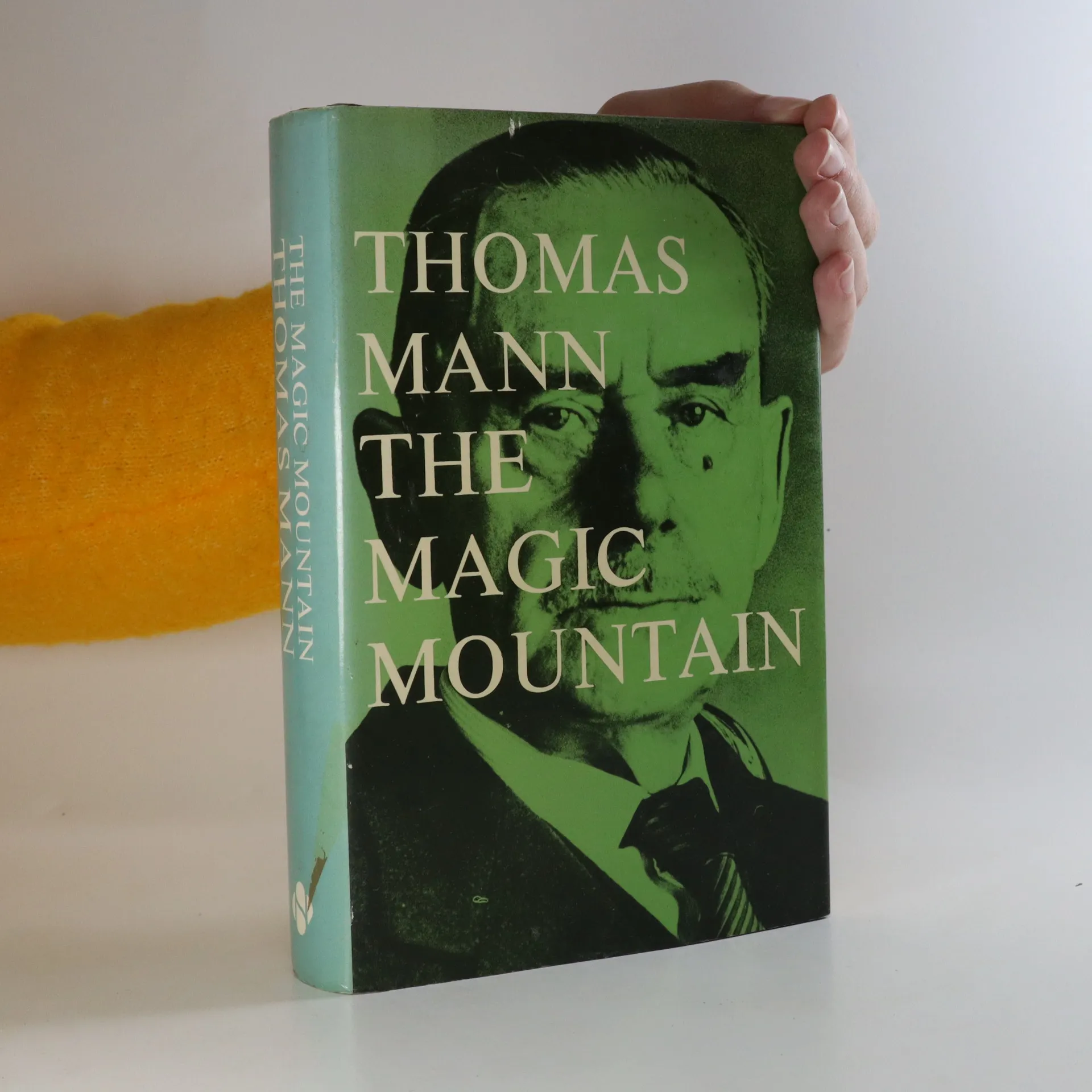
    • This is an intellectual drama of the forces which play upon modern man. Its theatre is a sanatorium in the Swiss mountains - a community organized with exclusive reference to ill-health.

      The Magic Mountain
      4,1
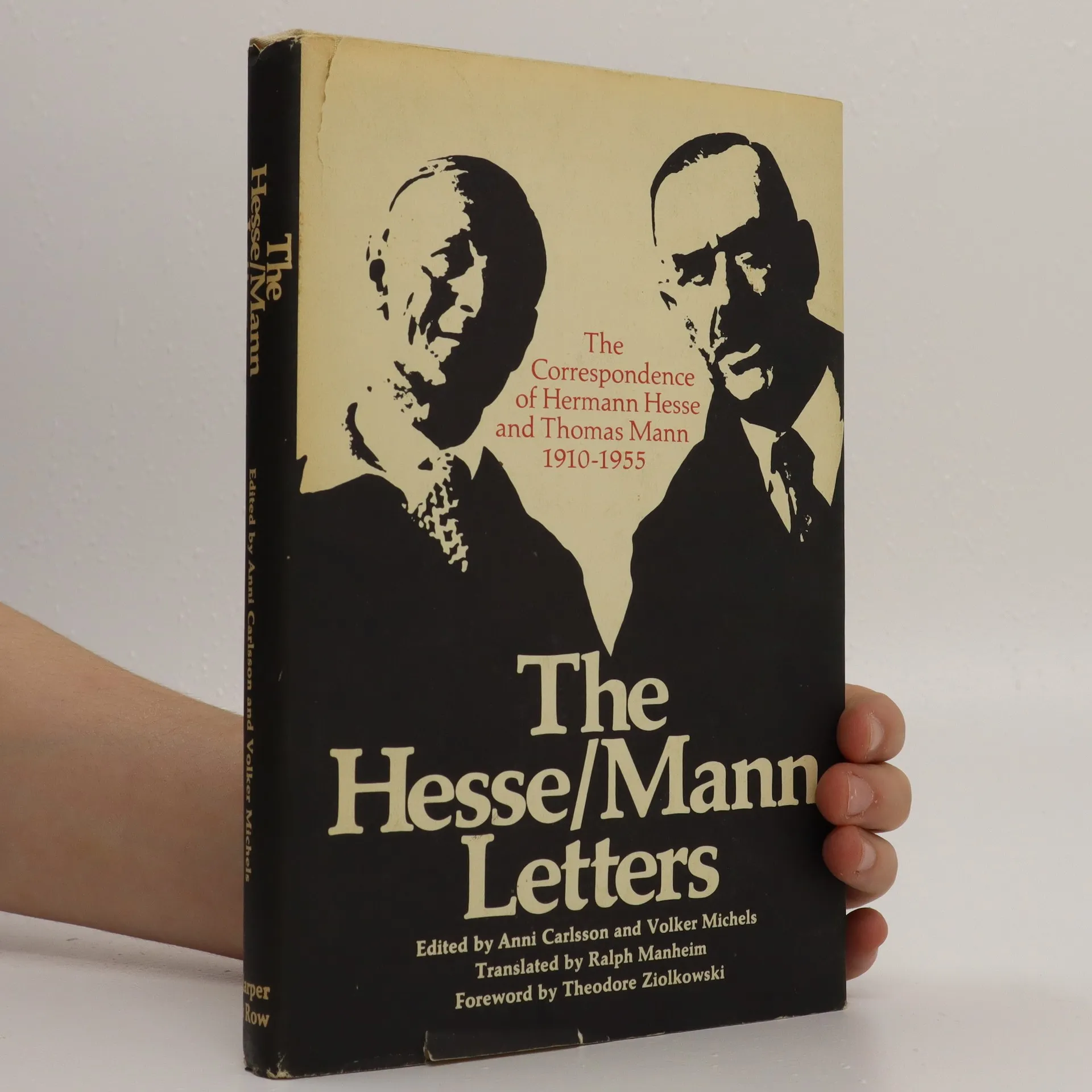
    • The Hesse-Mann Letters

      • 196pagine
      • 7 ore di lettura

      s/t: The correspondence of Hermann Hesse and Thomas Mann 1910-55 The letters present two great XX century Nobel Prize writers grieving for the ruined world. In the 1930s and 1940s, they rail against the stupidity of war and the cowardice of diplomats, against the social savagery of the Nazis, against the blind forces of abstraction and nationalism. They brood about the fate of Germany and of Europe after the last shots have been fired. They have lived through a time of extraordinary horror and yet they have not surrendered to despair or nihilism. Reading the letters, the reader will feel like some privileged guest in a special room, sitting off to the side somewhere, listening while these men talk.

      The Hesse-Mann Letters
      4,1
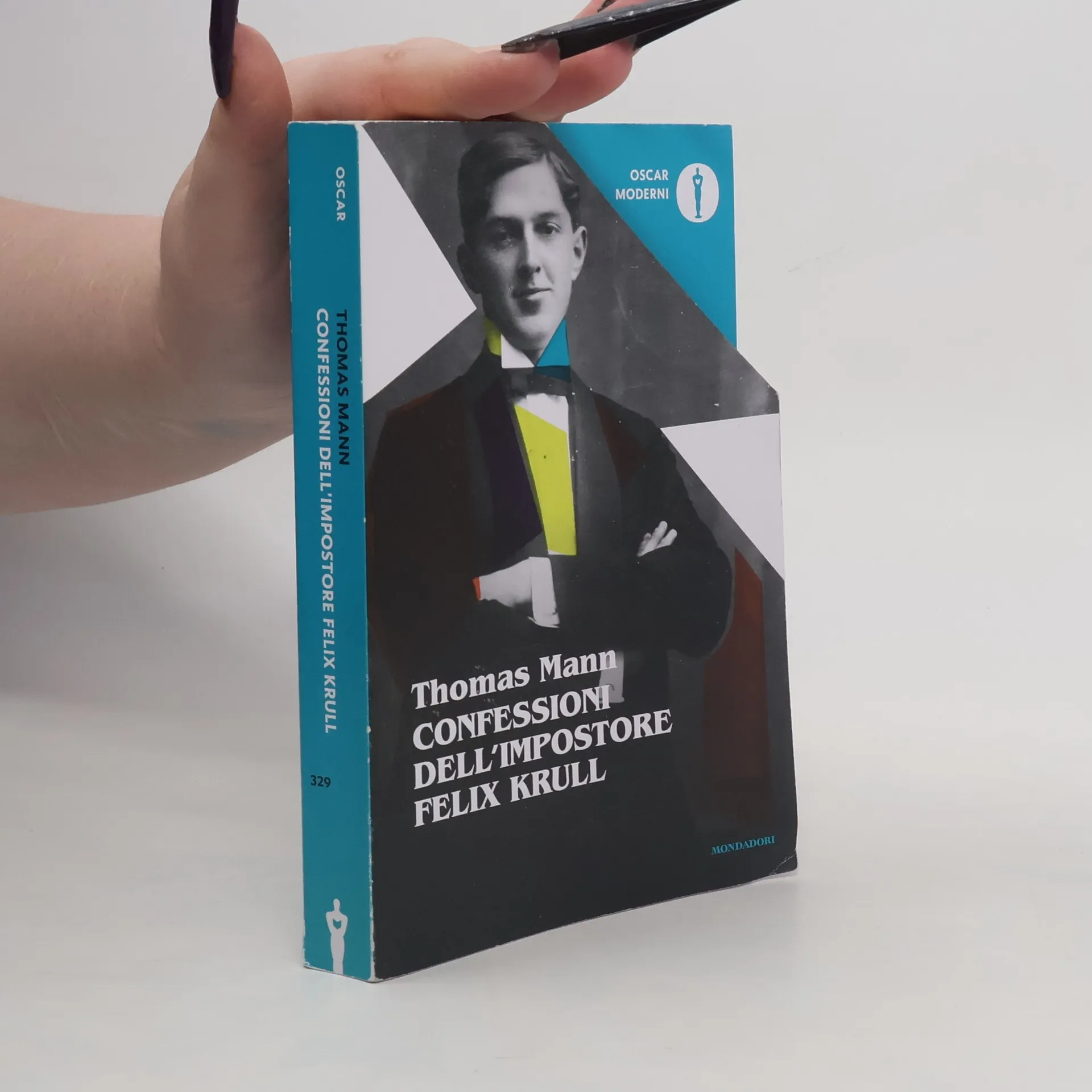
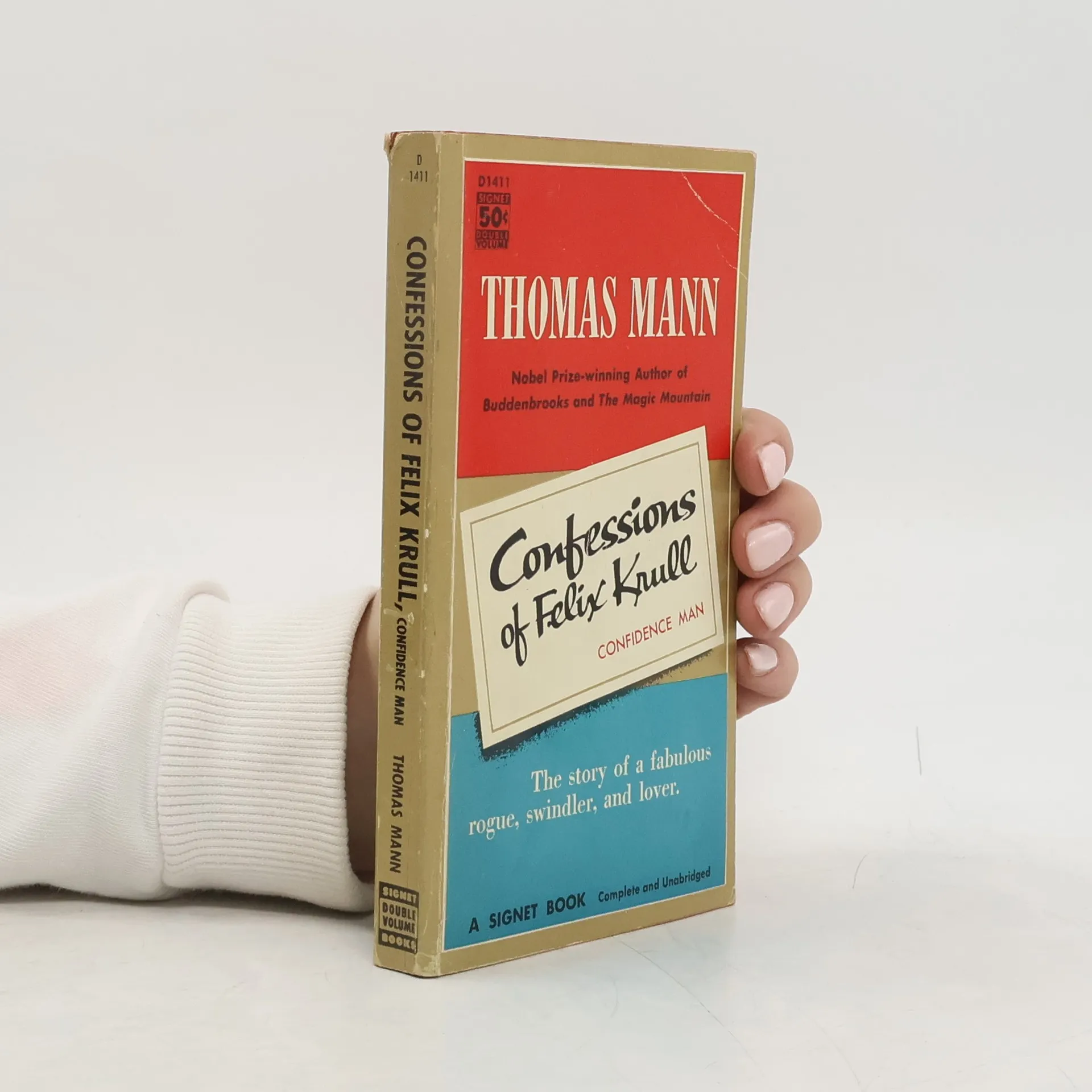
    • Recounts the enchanted career of the con man extraordinaire Felix Krull--a man unhampered by the moral precepts that govern the conduct of ordinary people.

      Confessions of Felix Krull
      4,0
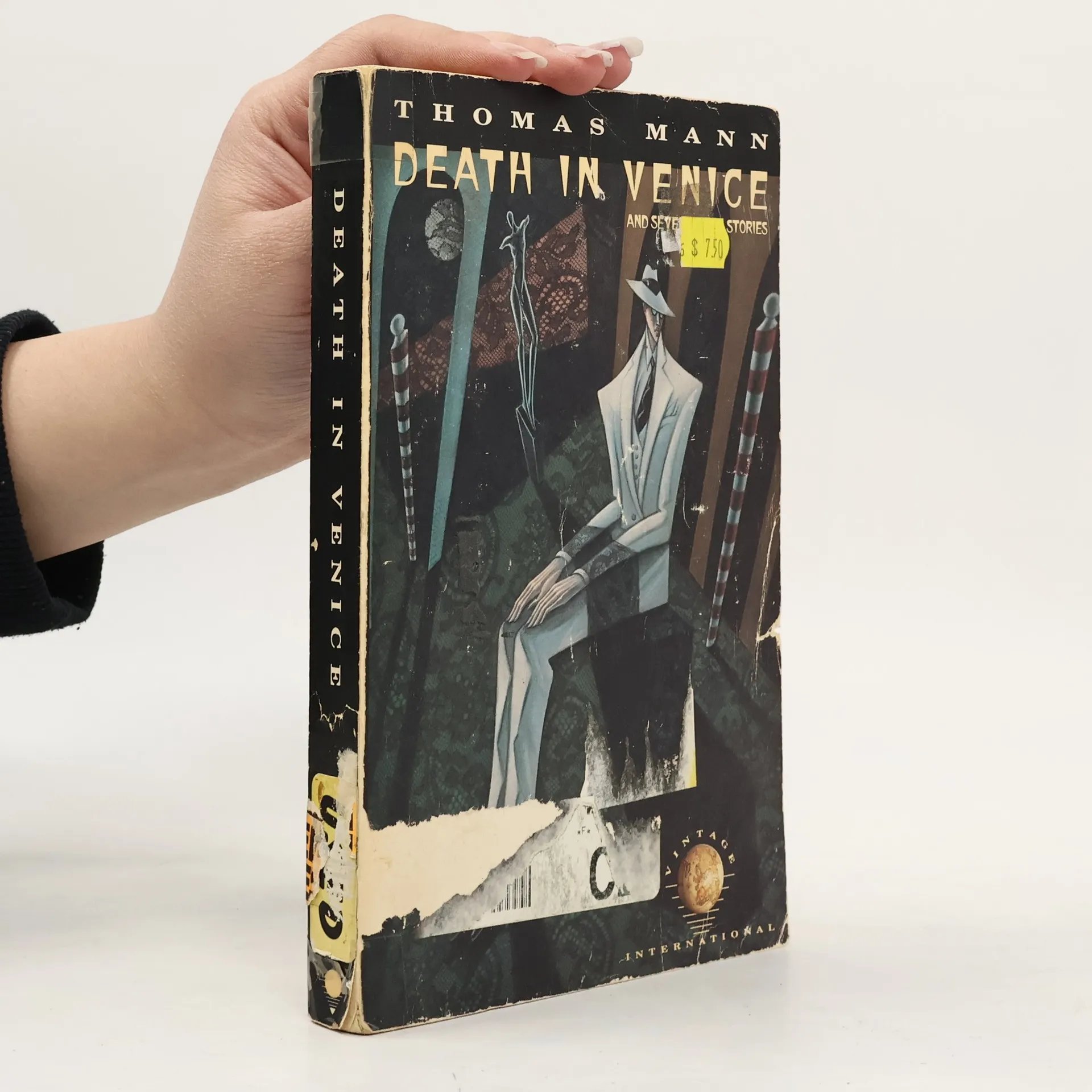
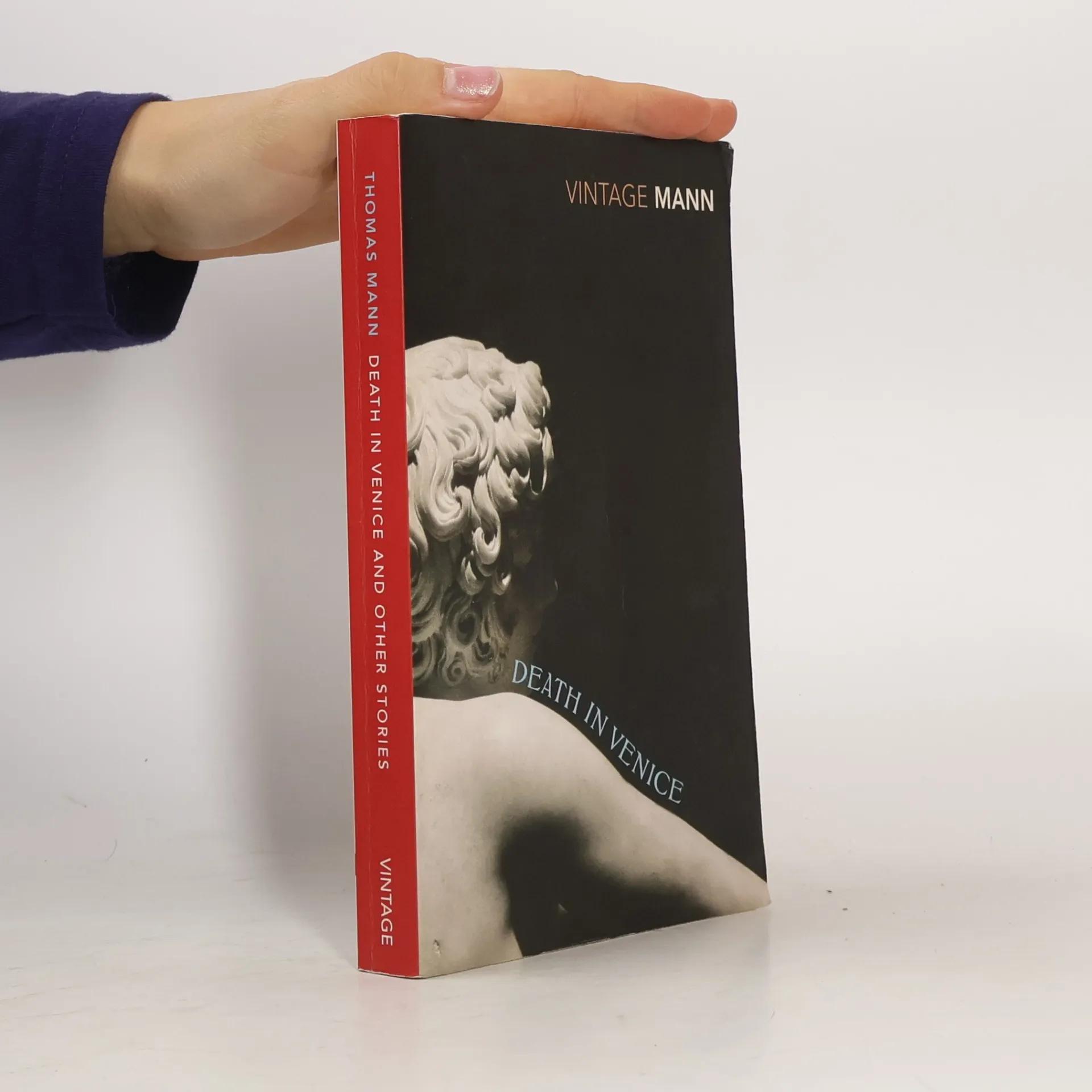
    • In addition to Death in Venice , this volume includes "Mario and the Magician," "Disorder and Early Sorrow," "A Man and His Dog," "Felix Krull," "The Blood of the Walsungs," "Tristan," and "Tonio Kröger." These stories, as direct as Thomas Mann's novels are complex, are perfect illustrations of their author's belief that "a story must tell itself." Varying in theme, in style, in tone, each is in its own way characteristic of Mann's prodigious talents. From the high art of the famous title novella ("A story," Mann said, "of death...of the voluptuousness of doom"), to the irony of "Felix Krull," the early story on which he later based his comic novel The Confessions of Felix Krull , they are stunning testimony to the mastery and virtuosity of a literary giant. Translated from the German by H.T. Lowe-Porter.

      Vintage International: Death in Venice and Seven Other Stories
      3,9
    • Death in Venice and other stories

      • 266pagine
      • 10 ore di lettura

      Death in Venice is a story of obsession. Gustave von Aschenbach is a successful but aging writer who travels to Venice for a holiday. One day, at dinner, Aschenbach notices an exceptionally beautiful young boy who is staying with his family in the same hotel. Soon his days begin to revolve around seeing this boy and he is too distracted to pay attention to the ominous rumors that have begun to circulate about disease spreading through the city. Available exclusively from Vintage Classics.

      Death in Venice and other stories
      3,9
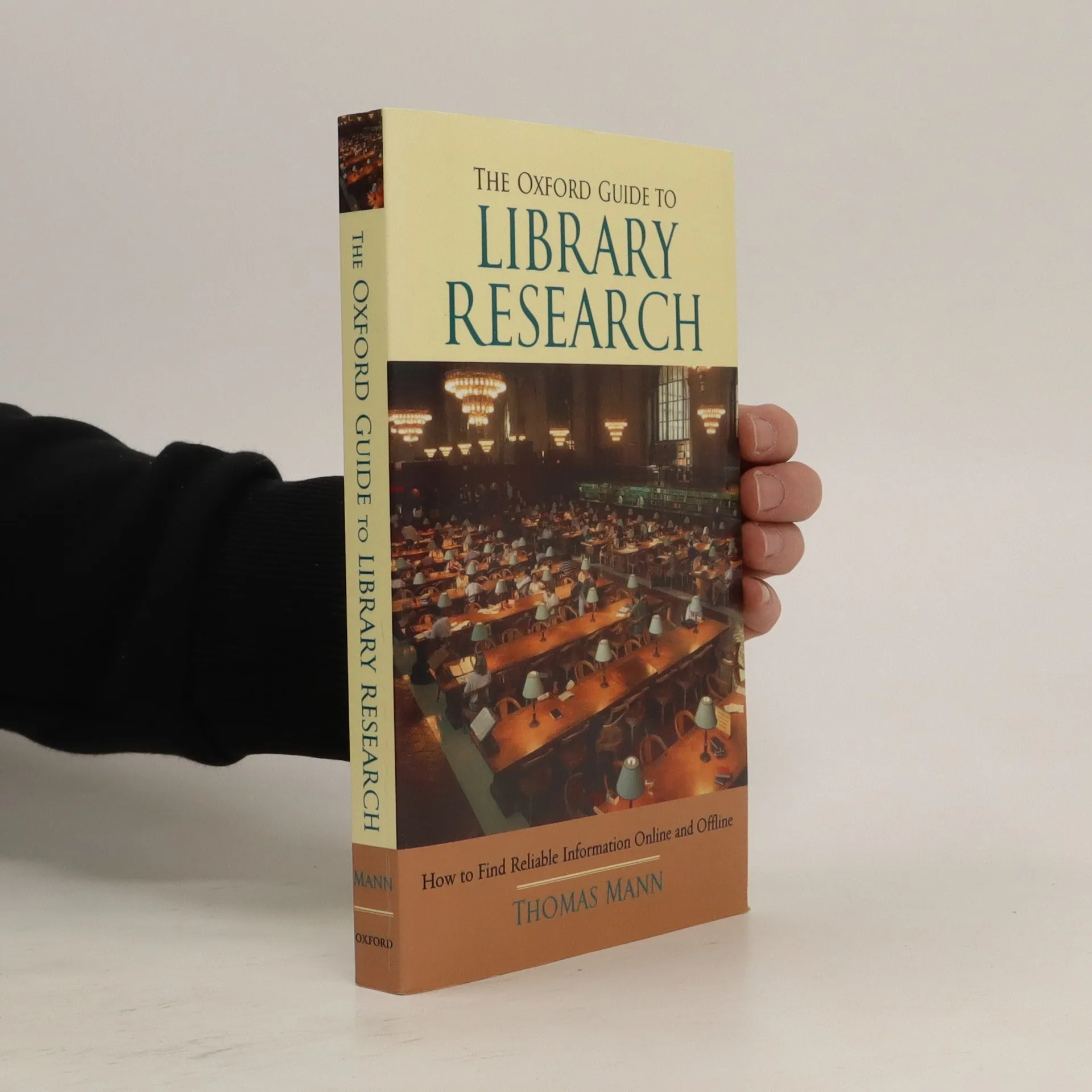
    • Outlines several resources and search strategies for researchers, including encyclopedias, subject headings, library catalogs, browsing, keyword searches, citation searches, and published bibliographies.

      The Oxford Guide to Library Research
      3,7
    • Reflections of a Nonpolitical Man

      • 468pagine
      • 17 ore di lettura

      "When World War I broke out the author of "Buddenbrooks" was almost 40 but not yet in the public view one of the giants of European literature. In his native Germany it was thought that Gerhart Hauptmann and probably a few of his elder contemporaries were towering above him. But he already had a reputation as one of the most interesting writers in Europe and as a moralist from whom his many readers expected a message in a time of great trials. His first decision was that of a man of action, not a man of letters, and he volunteered for the Landsturm, the reserve army. The physician who examined him happened to know his work and reached the sensible conclusion that the writer Thomas Mann would make a greater contribution to the war effort than the soldier. Mann's despair was within manageable limits; he wrote to a friend that his nerves were bad and his heart, head and stomach would fail him. The doctor had probably saved him from disgrace"-- Provided by publisher

      Reflections of a Nonpolitical Man
      3,4
    • Royal Highness

      • 250pagine
      • 9 ore di lettura

      This classical work is significant in the realms of Germanic, Scandinavian, and Icelandic literatures. Recognizing its historical importance, Alpha Editions has republished it in a modern format, ensuring clarity and readability through reformatting and redesign. The effort aims to preserve the book for current and future generations, making it accessible without relying on scanned copies of the original text.

      Royal Highness
      3,7
    • Bashan and I

      by Thomas Mann

      • 128pagine
      • 5 ore di lettura

      Exploring the deep bond between a man and his dog, this memoir blends personal narrative with vivid insights into the psychology of both Thomas Mann and his canine companion, Bashan. Mann recounts the story of acquiring Bashan and delves into the dog's unique traits, while also reflecting on their peaceful hunting adventures together. The writing captures the essence of their relationship, revealing profound emotional connections and the joys of companionship in a bucolic setting.

      Bashan and I
      3,6
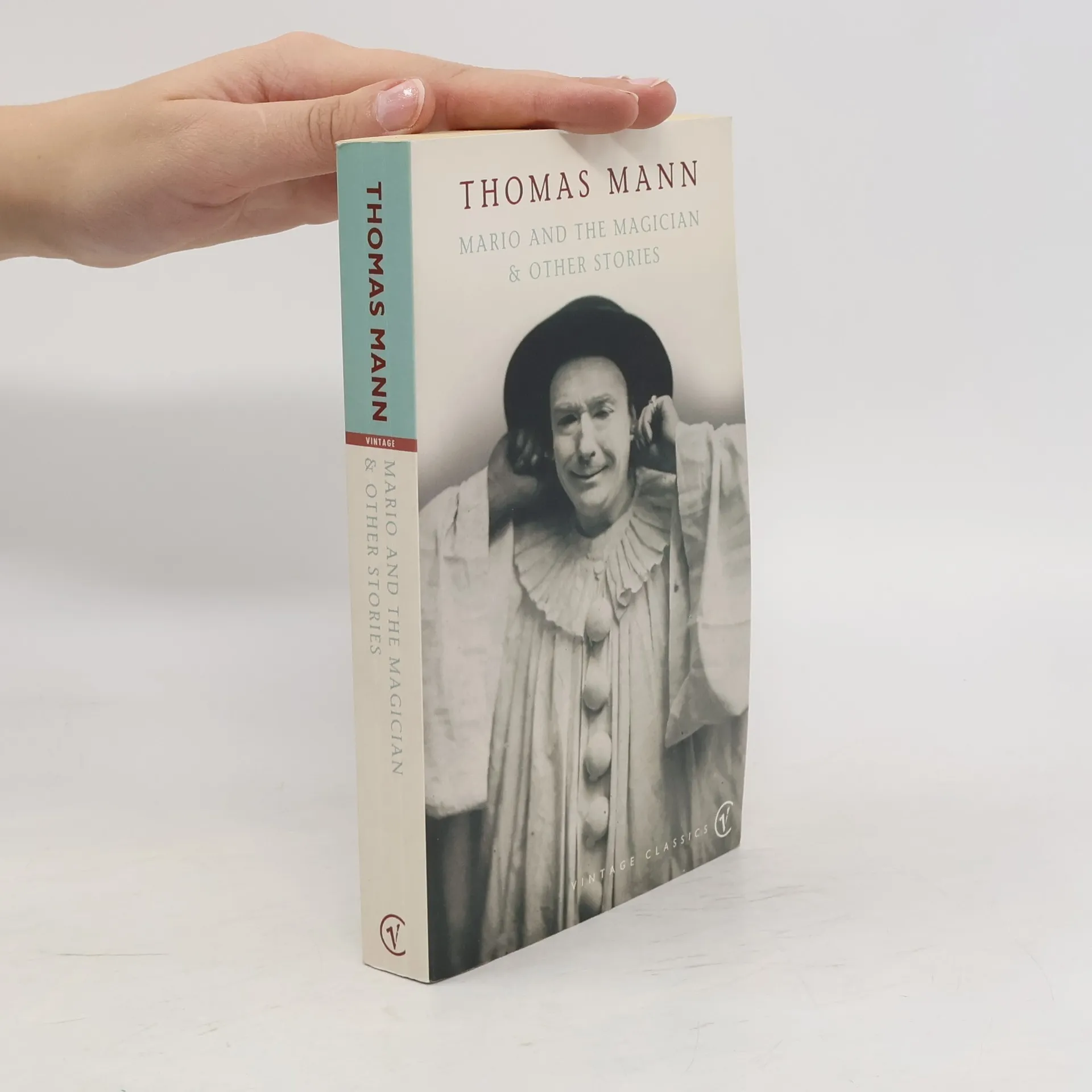
    • Mann's short stories explore his abiding interest in the split nature of humanity and the discordance of the world it inhabits. And in `Mario and the Magician' a young family on holiday in Italy encounters a creepy entertainer: Cipolla, a hypnotist with a fascist-like will to control his audience.

      Mario and The Magician
      3,1
    • The mid-fifties were a challenging time for all African Americans. Especially in the Jim Crow South where author Thomas Mann, Jr. grew up. Even though slavery had been abolished with the 13th Amendment on December 6th, 1895, blacks were still enslaved in other ways-such as the unspoken rules his grandmother reminded him of before he was allowed to venture out into his segregated community. The author writes, "The tension created by the oppressor and the oppressed was so tight, at times, I felt it would snap. My family and I tried not to disobey these rules, because we knew that you could be beaten up, jailed, spat upon, or hanged with just one wrong move that defied the unspoken code of deference to the white man." In The Call to Serve, the author reveals what it was like to grow up during this oppressive time in our nation's history and how he chose to rise above this oppression by earning a law degree and serving as a state senator and civil rights attorney. In the pages of his book, he shares the struggles and successes of a decorated career that spanned more than four decades.

      The Call to Serve: The Thomas Mann Jr Story
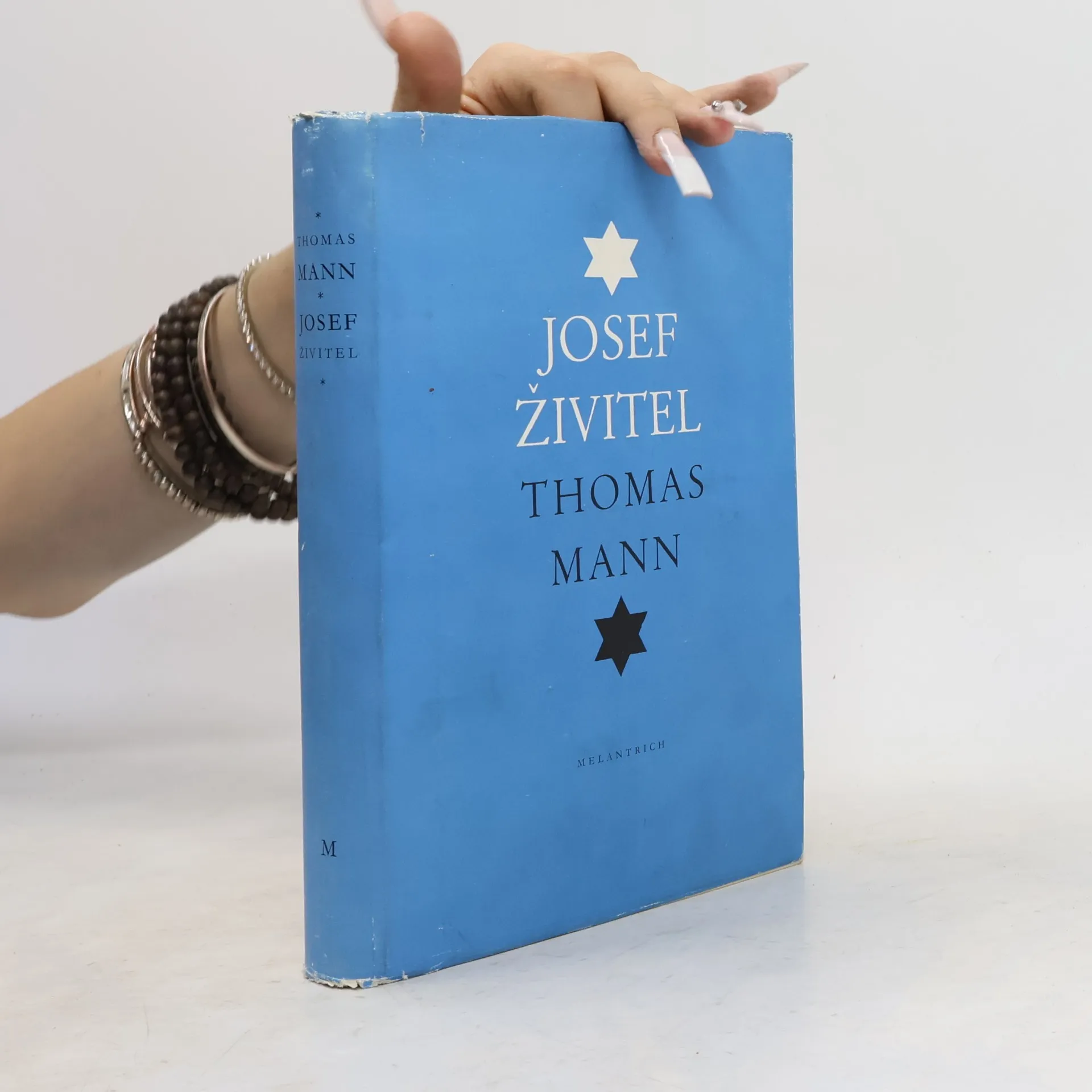
    • Obsahově samostatná závěrečná část tetralogie, Josef a bratří jeho (Příběhy Jákobovy, Mladý Josef, Josef v Egyptě). Jádrem je biblický příběh, jak jej podává Genesis, první kniha Mojžíšova, k němuž Thomas Mann přibral děje a „příběhy“ Josefových předků, počínaje Abrahamem. Rozhojnil je motivy ze staré legendární literatury židovské a biblický mýtus spjal s mytickými motivy předoasijskými, především s egyptskými, aby tak Josefův příběh vyrostl z rámce kmenového na příměrový příběh všelidského dosahu. Hlavní pozornost věnuje Josefovu přerodu, kterým se v péči o egyptský stát stává z výjimečného a společensky neodpovědného snílka dobrodincem, živitelem bratří, kmene, velké cizí říše a téměř celého tehdejšího okrsku zemského. Tetralogií, dokončenou roku 1943, chtěl autor proti lži-mýtu rasistické lůzy postavit mýtus pravý, mýtus humanizovaný, mýtus o sebe-umravňovacím pochodu a zápasu člověka, lidstva.

      Josef Živitel
      4,8
    • Der Zauberberg. Große kommentierte Frankfurter Ausgabe

      Textband / Kommentarband

      • 1632pagine
      • 58 ore di lettura

      Der Roman entfaltet sich im Sanatorium von Davos, wo Hans Castorp ursprünglich nur kurz verweilen wollte, sich jedoch für sieben Jahre einfindet. Diese Zeit wird zur Reflexion über die europäische Seele vor dem Ersten Weltkrieg. Der Autor, während des Schreibprozesses durch den Krieg und seine essayistischen Arbeiten beeinflusst, schafft ein vielschichtiges Werk, das sowohl persönliche als auch gesellschaftliche Themen behandelt. Der 'Zauberberg' gilt als ein bedeutendes Beispiel der klassischen Moderne und spiegelt die komplexen Stimmungen seiner Zeit wider.

      Der Zauberberg. Große kommentierte Frankfurter Ausgabe
      5,0
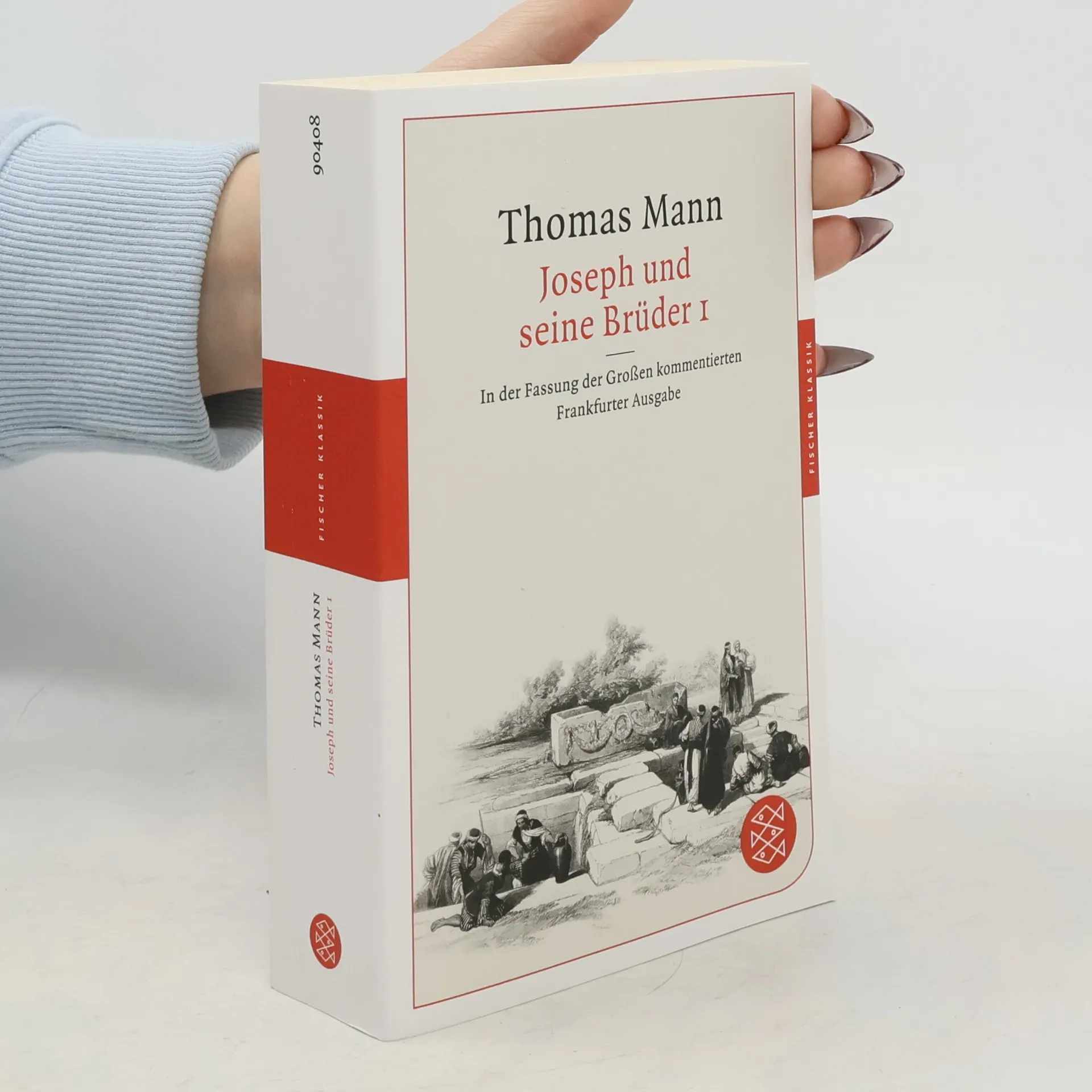
    • Joseph und seine Brüder I

      In der Fassung der Großen kommentierten Frankfurter Ausgabe

      Thomas Manns vierbändiger Josephsroman ist ein Gipfelwerk des 20. Jahrhunderts. Zwischen 1933 und 1943 erschienen, stand diese große biblische Erzählung von Anfang an konträr zur Nazi-Ideologie, sie eröffnet Perspektiven auf die Menschheitsgeschichte und gilt heute als großes Monument des Exils und der Humanität. Voller Schönheit und Erotik, humorvoll, subtil und detailreich erzählt Thomas Mann von Josephs Fall und vom Verrat durch die Brüder, von Gefangenschaft und Aufstieg in Ägypten. Die zweibändige Taschenbuchausgabe enthält die textkritisch edierte Fassung des Textes aus der »Großen kommentierten Frankfurter Ausgabe«. Band I beinhaltet die Romane »Die Geschichten Jaakobs« und »Der junge Joseph«.

      Joseph und seine Brüder I
      4,5
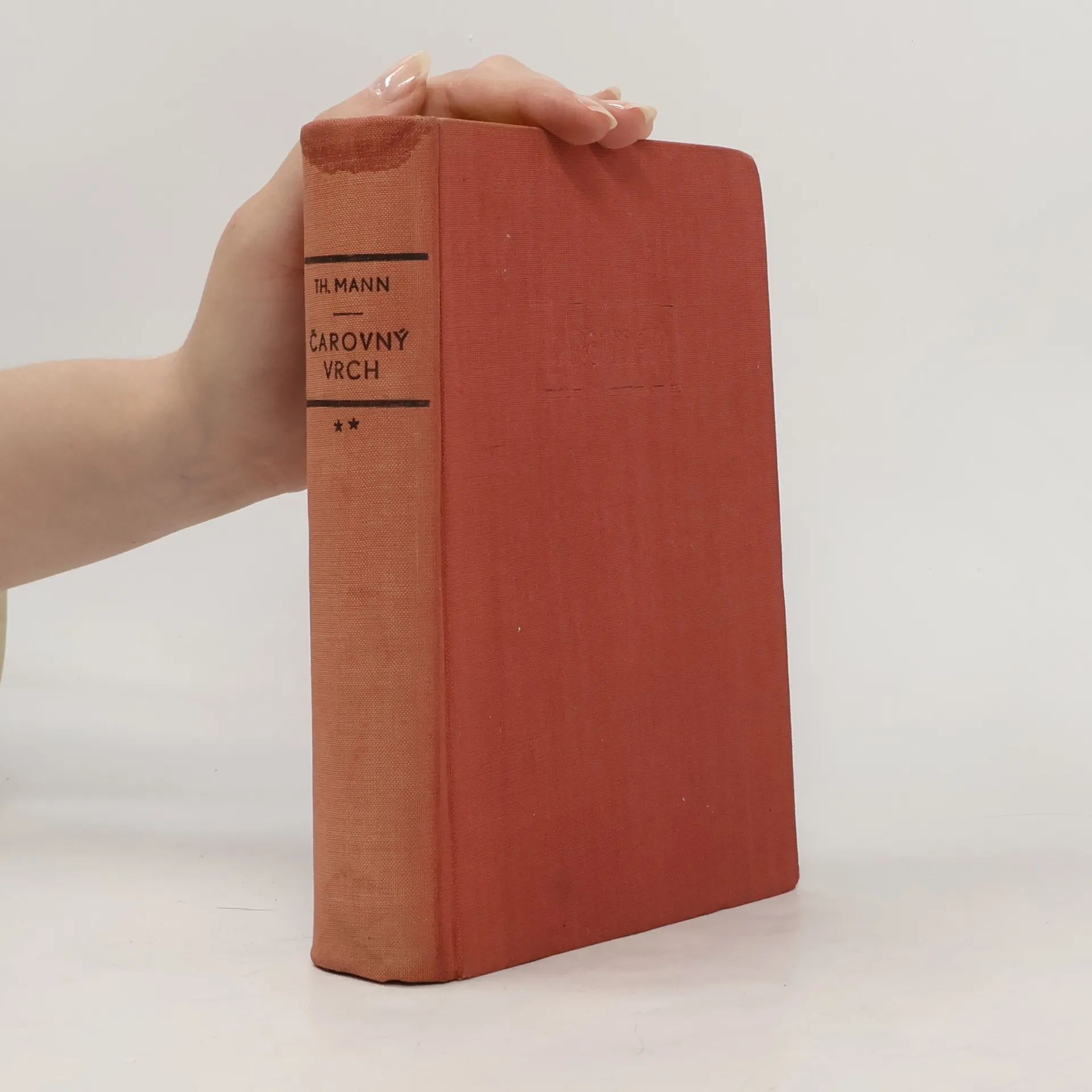
    • Mnohovrstevnatý príbeh sa odohráva na začiatku 20. storočia v luxusnom sanatóriu pre chorých na tuberkulózu v blízkosti Davosa. Do uzavretej spoločnosti ľudí trpiacich tuberkulózou prichádza na návštevu za svojím bratrancom mladý inžinier Hans Castorp. Choroba čoskoro prepukne aj u neho, a taksa aj Hansovi uzavrie normálny, zdravý svet. Castorp začína ako ostatní žiť vo svete čakania, ako s ním zhubná choroba naloží. V sanatóriu ho zaujmú dvaja spolupacienti - humanista a cynický jezuita. Castorp s nimi vedie diskusie o láske, živote, smrti, náboženstve, politických systémoch i spravodlivosti. V slovných súbojoch týchto troch protagonistov románu sa tak uskutočňuje svetonázorová diskusia o zániku starej spoločnosti a súčasne prebieha aj morálna a duchovná príprava na lepšiu budúcnosť.

      Čarovný vrch II
      4,5
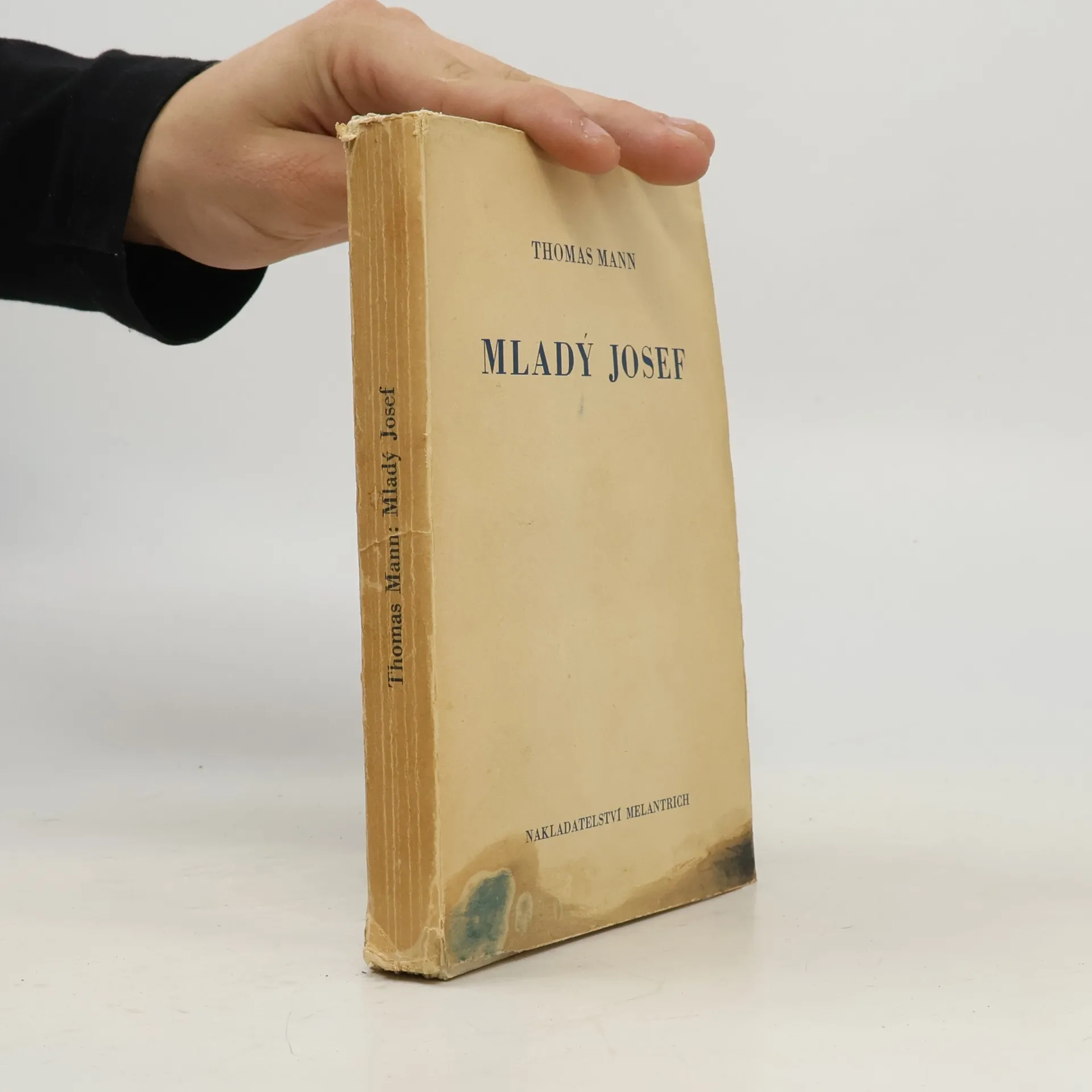
    • Druhý díl Mannovy tetralogie Josef a bratří jeho.

      Mladý Josef
      5,0
    • Der Erwählte

      Text und Kommentar in einer Kassette

      Thomas Manns Roman »Der Erwählte« ist eine meisterhafte Neuerzählung der Gregorius-Legende, in der Gregorius 17 Jahre Buße leistet, bevor er zum Papst erhoben wird. Die kommentierte Ausgabe bietet umfassende Einblicke in die Entstehungsgeschichte, Quellenstudium und Rezeption des Werks, ergänzt durch detaillierte Erläuterungen.

      Der Erwählte
      5,0
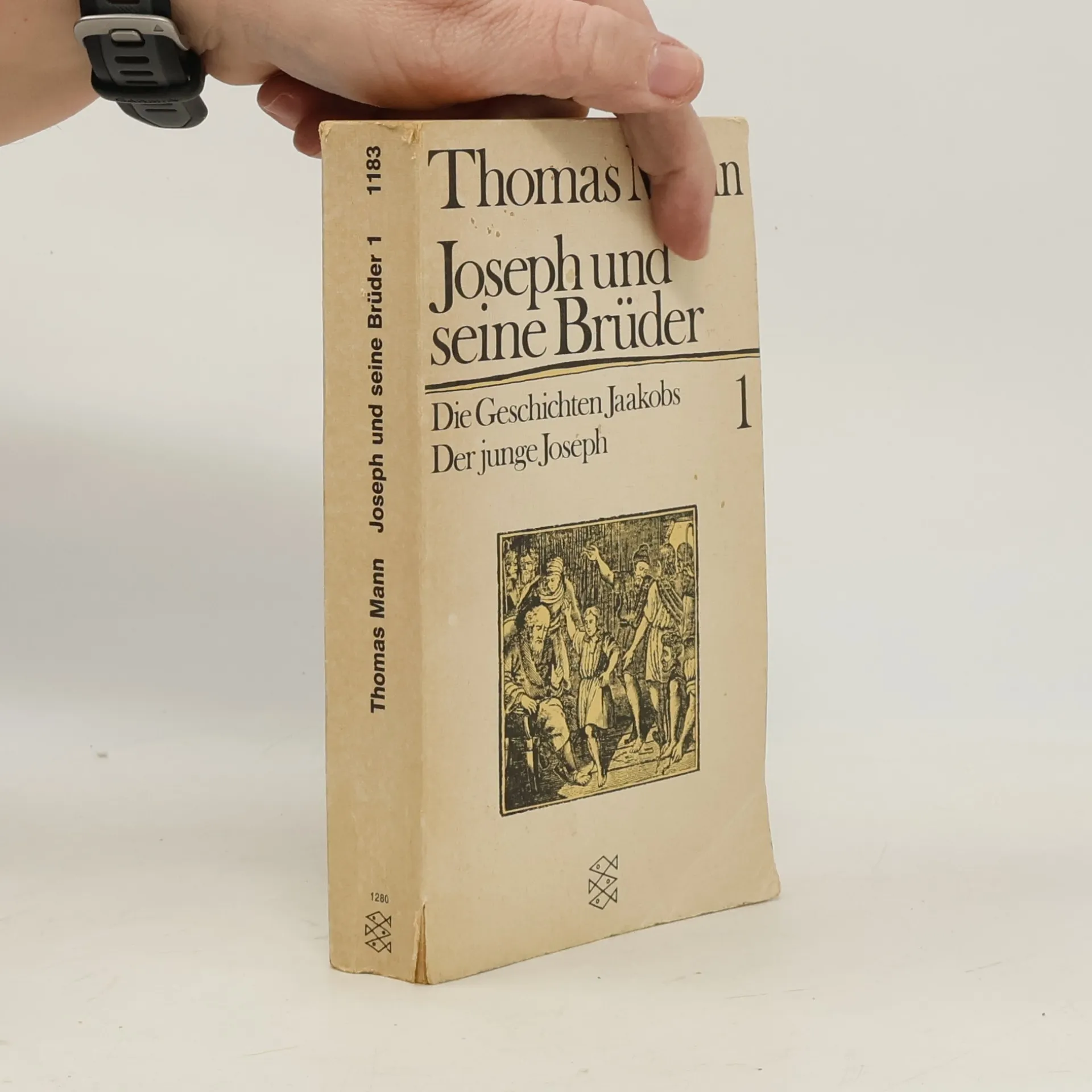
    • Die Geschichten Jaakobs

      • 417pagine
      • 15 ore di lettura

      Thomas Mann: Gesammelte Werke in Einzelbänden, Band 9. Frankfurter Ausgabe: Joseph und seine Brüder, 4 Bände. Band 1: Die Geschichten Jaakobs.

      Die Geschichten Jaakobs
      4,7
    • Vom zukünftigen Sieg der Demokratie

      Sonderheft der Zeitschrift „Mass und Wert“ 1938

      • 128pagine
      • 5 ore di lettura

      Diese leicht erweiterte Form eines Vortrags, den Thomas Mann im Frühjahr 1938 in 15 Städten der USA hielt, ist von geradezu prophetischer Kraft und inspirierender Aktualität. Denn heute erleben wir, dass die Grundwerte der Demokratie wieder infrage gestellt werden, dass Populismus und Nationalismus unsere demokratische Gesellschaft massiv unter Druck setzen. Schon früh erkannte Mann die Zeichen der Zeit und entwickelte sich zu einem wirkmächtigen Gegner der Nationalsozialisten. »Es handelt sich um die Lebensbedingungen unserer Kinder. Daß wir Fünfzigjährigen das Europa noch sehen werden, in dem unsere Kinder wohnen sollen, wohnen wollen, ist kaum wahrscheinlich. Aber wir können […] wirken helfen, daß es werde«, schrieb er bereits im Jahr 1926.

      Vom zukünftigen Sieg der Demokratie
      5,0
    • История об обитателях дорогого туберкулезного санатория в Швейцарских Альпах, где время течет незаметно, жизнь и смерть как бы утрачивают смысл и значимость, а мельчайшие нюансы человеческих отношений, напротив, приобретают болезненную остроту

      Волшебная гора. Volšebnaja gora
      5,0
    • Mit dem Erscheinen von Thomas Manns Tagebüchern hat sich unser Bild des Autors und unser Verständnis seines Werks nachhaltig verändert. In den erhaltenen Journalen von 1918-1921 und ab 1933 bis zum Tod 1955 verbindet Thomas Mann alltägliche Beobachtungen mit dem Weltgeschehen und schreibt so „den Roman eines Lebens“: es ist „der umfassendste, welthaltigste, rührendste, aberwitzigste Roman“, den der Autor je geschrieben hat - „und wie wunderbar geschrieben!“ (Volker Hage)

      Tagebücher 1918-1921
      4,7
    • Von Herr und Hund bis Die Betrogene vereinigt dieser zweite Band die nach dem Ersten Weltkrieg veröffentlichten Erzählungen Thomas Manns, ferner Fiorenza und den Gesang vom Kindchen. Die FAZ schrieb: »Die Scheu, die man hat, Thomas Mann einen Dichter zu nennen (weil er zu gescheit ist), verliert man am ehesten beim Lesen seiner Novellen. Da hängt man an seinem Munde nicht anders wie beim urtümlichen Geschichtenerfinder des Orients.« Dabei waren auch für einen so formbewussten Autor wie Thomas Mann die literarischen Gattungen nicht streng gesondert; wiederholt konzipierte er große Romane als kleine Novellen. Diese zwei Bände enthalten daher neben Novellen und Erzählungen auch Skizzen und andere Prosaformen. Inhalt: - Herr und Hund - Unordnung und frühes Leid - Mario und der Zauberer - Der Knabe Henoch (Fragment) - Die vertauschten Köpfe - Das Gesetz - Die Betrogene - Fiorenza - Gesang vom Kindchen

      Die Erzählungen 2
      4,5
    • Rozprávka námetom siaha do čias, keď Indovia hľadali pravdu o živote vo Védach a v pokynoch učených brahmanov. Jadro príbehu spočíva v zázračnom vzkriesení dvoch mužov „peknobokej Sity“, pri ktorom došlo k zámene hláv. Vynorila sa otázka, čo tvorí podstatu človeka — hlava, či telo. Spisovateľ v diele ukazuje nevyhnutnú závislost človeka od podmienok a spôsobu života, čím sa postupne vytvára jednota tela i ducha. A láska ženy k duši jedného a k telu druhého nie je nadlho možná. Mannova fantastická rozprávka očarí zvláštnym kúzlom indického spôsobu myslenia, plastickými opismi exotického prostredia a čistým, vybrúseným básnickým slovom.

      Vymenené hlavy
      4,5
    • Im zweiten Band der Tetralogie wird Joseph zur Hauptfigur. Der siebzehnjähirge Held besticht durch seine jugendliche Schönheit und durch seinen Verstand. Dieser Spätgeborene ist der Liebling Jaakobs, und diese Liebe weckt den Neid der älteren Brüder, führt zu Zwist in der Sippe. Schließlich wird Joseph von seinen Brüdern gedemütigt und an fremde Händler verkauft. Dem Vater erzählen sie, sein Jüngster sei von einem wilden Tier getötet worden. 'Der junge Joseph' erschien 1934 bei S. Fischer in Berlin.

      Joseph und seine Brüder. Der junge Joseph
      4,4
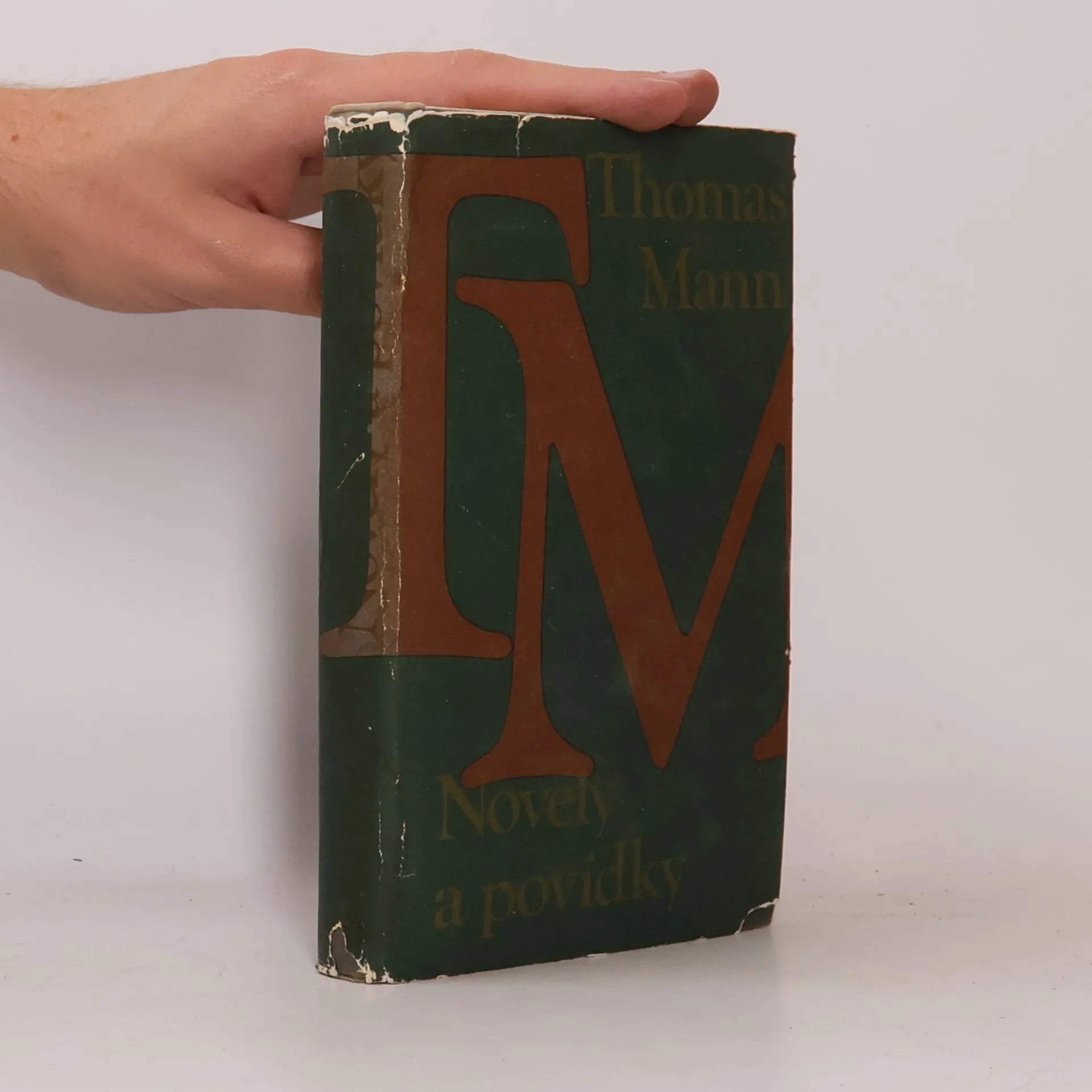
    • Výbor třinácti novel a/nebo povídek napříč celou tvorbou Thomase Manna. Doslov napsal Antonín Pešek.

      Novely a povídky
      4,4
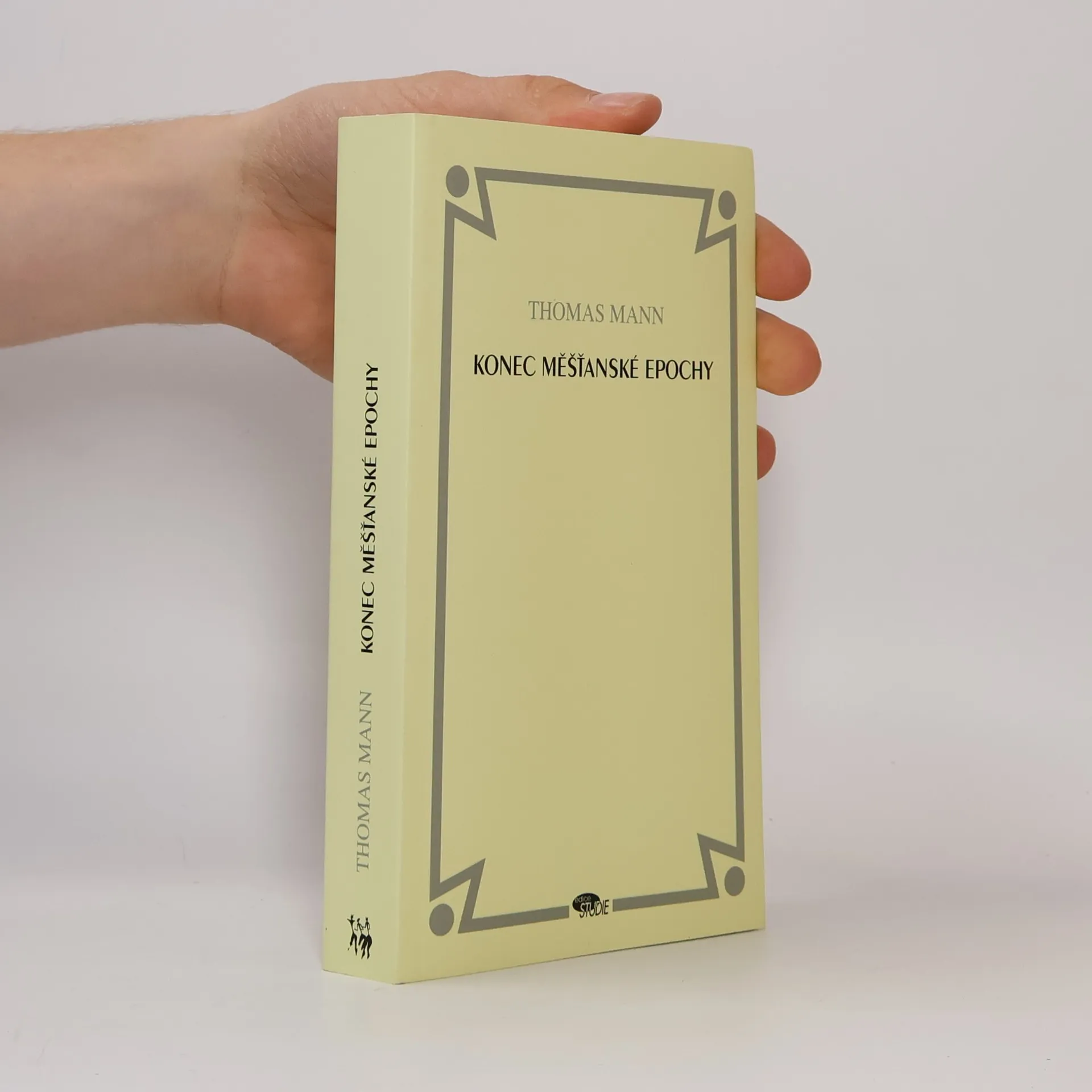
    • Výbor z Mannovy rozsáhlé esejistiky o literatuře, filozofii a hudbě je koncipován tak, aby reprezentoval pokud možno nejdůležitější estetická a ideová východiska autorovy celoživotní tvorby. Obsahuje jednak eseje o měšťanství a románu jakožto kulturně-historických fenoménech, jednak eseje věnované jednotlivým autorům, kteří měli na Manna zásadní vliv (Wagner, Nietzsche, Dostojevskij, Schiller). Velká část textů tohoto výboru je do češtiny přeložena vůbec poprvé.

      Konec měšťanské epochy
      4,7
    • Kino-Debatte

      Texte zum Verhältnis von Literatur und Film ; 1909 - 1929

      • 200pagine
      • 7 ore di lettura
      Kino-Debatte
      5,0