10 libri per 10 euro qui
Bookbot

Edmund De Waal

    1 gennaio 1964

    Edmund de Waal si descrive come un 'ceramista che scrive', le cui opere in porcellana adornano numerose collezioni museali in tutto il mondo. La sua produzione letteraria esplora le intricate connessioni tra oggetti, memoria e identità, spesso ispirandosi alla sua profonda comprensione della cultura materiale e della storia. Attraverso uno stile unico che fonde un'osservazione meticolosa con una prosa lirica, rivela profonde narrazioni celate in oggetti apparentemente comuni. La sua scrittura celebra sia la fragilità che la resistenza, cercando l'elemento umano nel mondo materiale.

    Edmund De Waal
    Die Logik des Regens
    Der Hase mit den Bernteinaugen
    The White Road
    The hare with amber eyes. A hidden inheritance
    Letters to Camondo
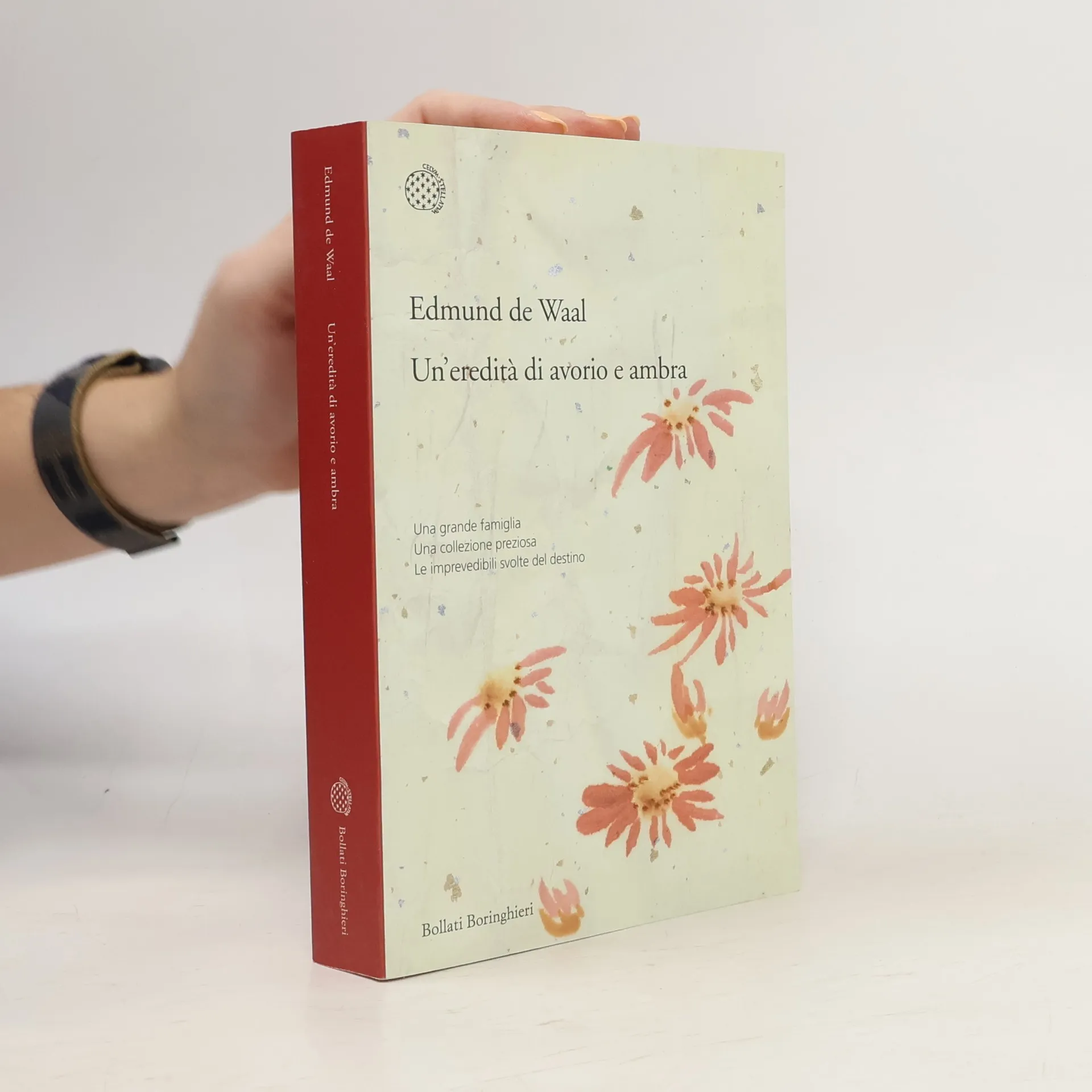
    Un'eredità di avorio e ambra
    • 2024

      Die Logik des Regens

      Der weltgrösste Schatz japanischer Katagami-Schablonen zum Färben von Kimonos

      • 320pagine
      • 12 ore di lettura

      Der weltgrösste Schatz japanischer Katagami-Schablonen zum Färben von Kimono-Textilien Ein faszinierendes Kapitel der Textilkunst: Im Depot des Dresdener Kunstgewerbemuseums in Schloss Pillnitz liegt seit 125 Jahren ein erst in jüngster Zeit bekannt gewordener Schatz japanischer Handwerkskunst. In 92 Kassetten lagern mehr als 15'000 Färbeschablonen für den Textildruck. Diese sogenannten Katagami wurden in einem langwierigen Verfahren aus der Maulbeerbaumrinde handgeschöpft und in feinster Schneidearbeit gestochen. Es sind traditionelle Druckvorlagen vor allem für Stoffe, aus denen Kimonos für Samurai gefertigt wurden, und sie zeigen neben geometrischen Ornamenten auch Muster und Motive, die in virtuoser Abstraktion Elemente der Natur darstellen. Im 19. Jahrhundert kamen Katagami-Drucke auch nach Europa, und diese hochentwickelte Kunst beeinflusste schon sehr bald stark die westliche Ornamentik in Kunst, Kunsthandwerk und im entstehenden Industriedesign. Heute spielt die Technik der Stencils für Graffiti und Street-Art, etwa bei Banksy, weiterhin eine grosse Rolle. Dieses opulente Buch präsentiert nun erstmals rund 140 der schönsten Katagami-Muster aus der Dresdener Sammlung. Ausgewählt wurden Motive, die sich der Darstellung des Regens widmen, der in dem Monsunwinden ausgesetzten und auf Reisanbau angewiesenen Land grosse spirituelle und kulturelle Bedeutung hatte. Zahlreiche grossformatige Abbildungen werden begleitet von Essays internationaler Experten, die alle Aspekte des faszinierenden Themas detailliert erläutern.

      Die Logik des Regens
    • 2023

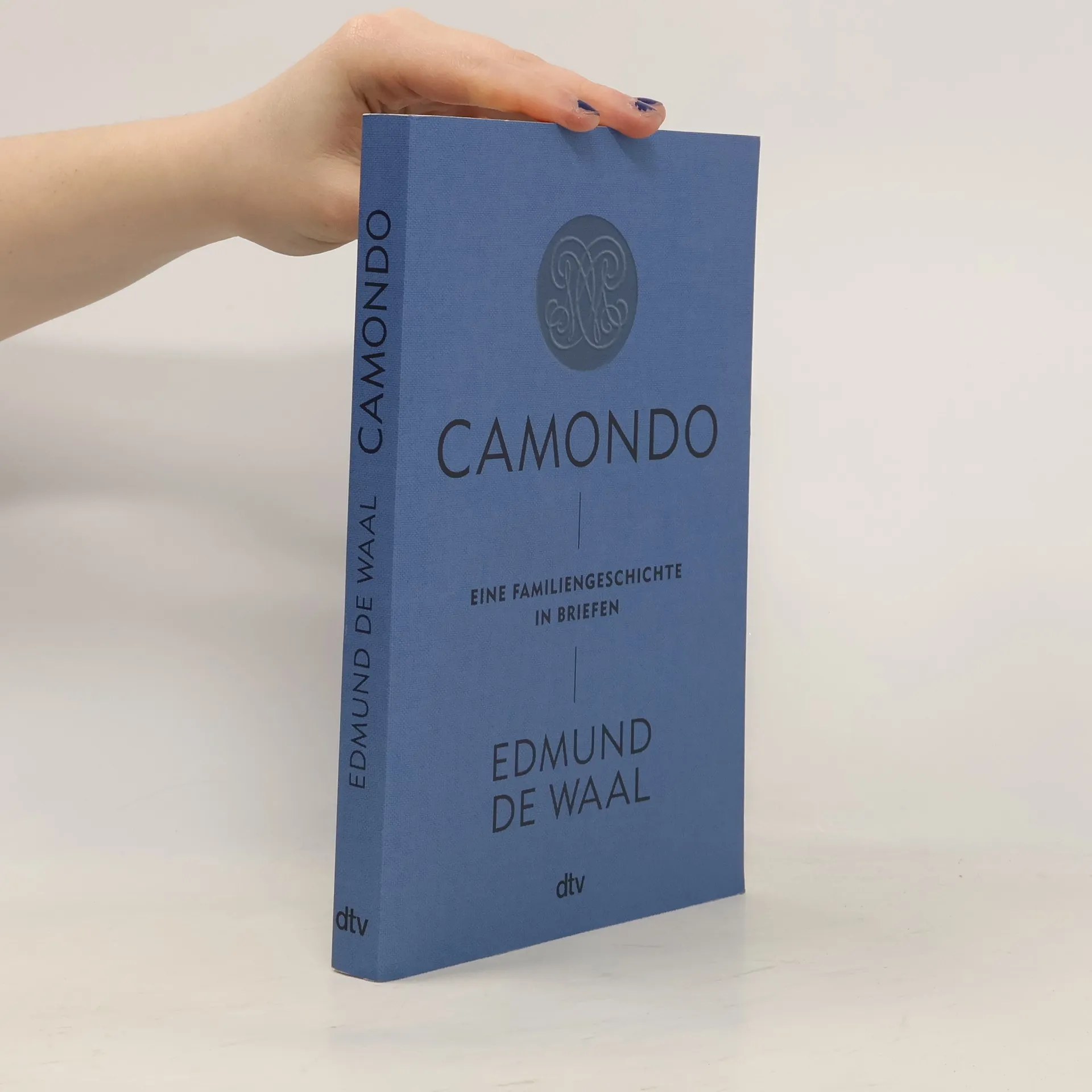
      Camondo

      Eine Familiengeschichte in Briefen | Ein Meisterwerk der Erinnerungskultur

      • 192pagine
      • 7 ore di lettura

      Ein Meisterwerk der Erinnerungskultur Geschichte ist nicht Vergangenheit, sie hört nie auf und entfaltet sich in unseren Händen. In seinem neuen Buch nimmt Edmund de Waal uns mit in die Pariser Rue de Monceau, in der einst sein Vorfahre Charles Ephrussi den berühmten »Hasen mit den Bernsteinaugen« hütete, wo in unmittelbarer Nachbarschaft Marcel Proust wohnte und wo der Bankier Moïse de Camondo aus Konstantinopel ein Palais errichten ließ, in dem sich heute ein seit 1936 unverändertes Museum befindet. Niemand war zufällig in dieser »Straße der Anfänge«, sagt de Waal und beginnt, imaginäre Briefe an Moïse zu richten, über die vielfältigen Beziehungen ihrer beiden Familien, über Assimilation, Großzügigkeit, privates und öffentliches Leben und immer wieder über die Bedeutung der Erinnerung und dass es keinen »Schlussstrich« geben kann und darf.

      Camondo
    • 2021

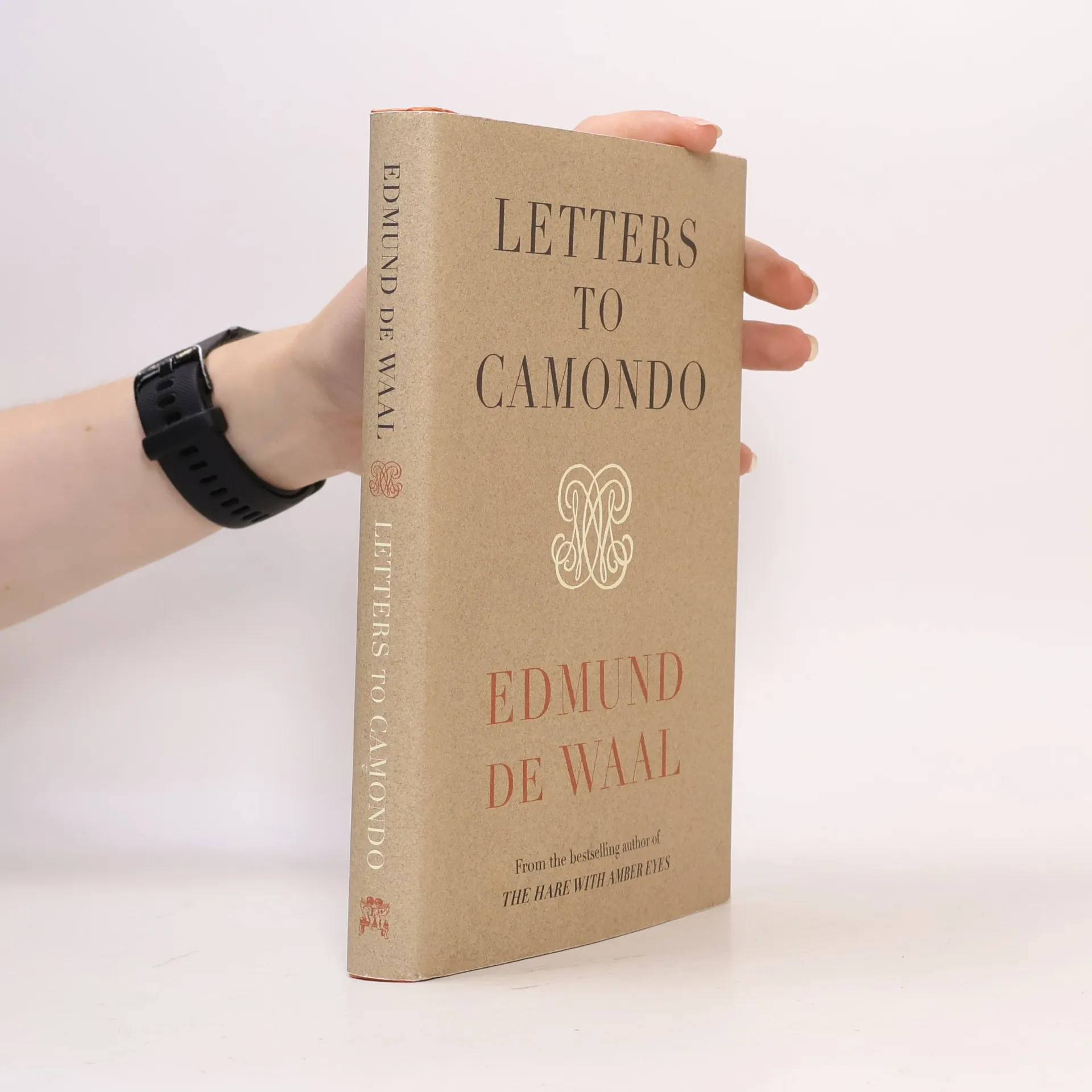
      '*A GUARDIAN BOOK OF THE YEAR 2021* 'Consistently illuminating... considered, compassionate and appreciative... This book is a wonderful tribute to a family and to an idea' Guardian 63 rue de Monceau, Paris Dear friend, As you may have guessed by now, I am not in your house by accident. I know your street rather well. Count Moise de Camondo lived a few doors away from Edmund de Waal's forebears, the Ephrussi, first encountered in his bestselling memoir The Hare with Amber Eyes. Like the Ephrussi, the Camondos were part of belle epoque high society. They were also targets of anti-semitism. Camondo created a spectacular house and filled it with the greatest private collection of French eighteenth-century art for his son to inherit. But when Nissim was killed in the First World War, it became a memorial and, on the Count's death, was bequeathed to France. The Musee Nissim de Camondo has remained unchanged since 1936. Edmund de Waal explores the lavish rooms and detailed archives and uncovers new layers to the family story. In a haunting series of letters addressed to the Count, he tells us what happened next. 'Letters to Camondo immerses you in another age... de Waal creates a dazzling picture of what it means to live graciously' Financial Times

      Letters to Camondo
    • 2016

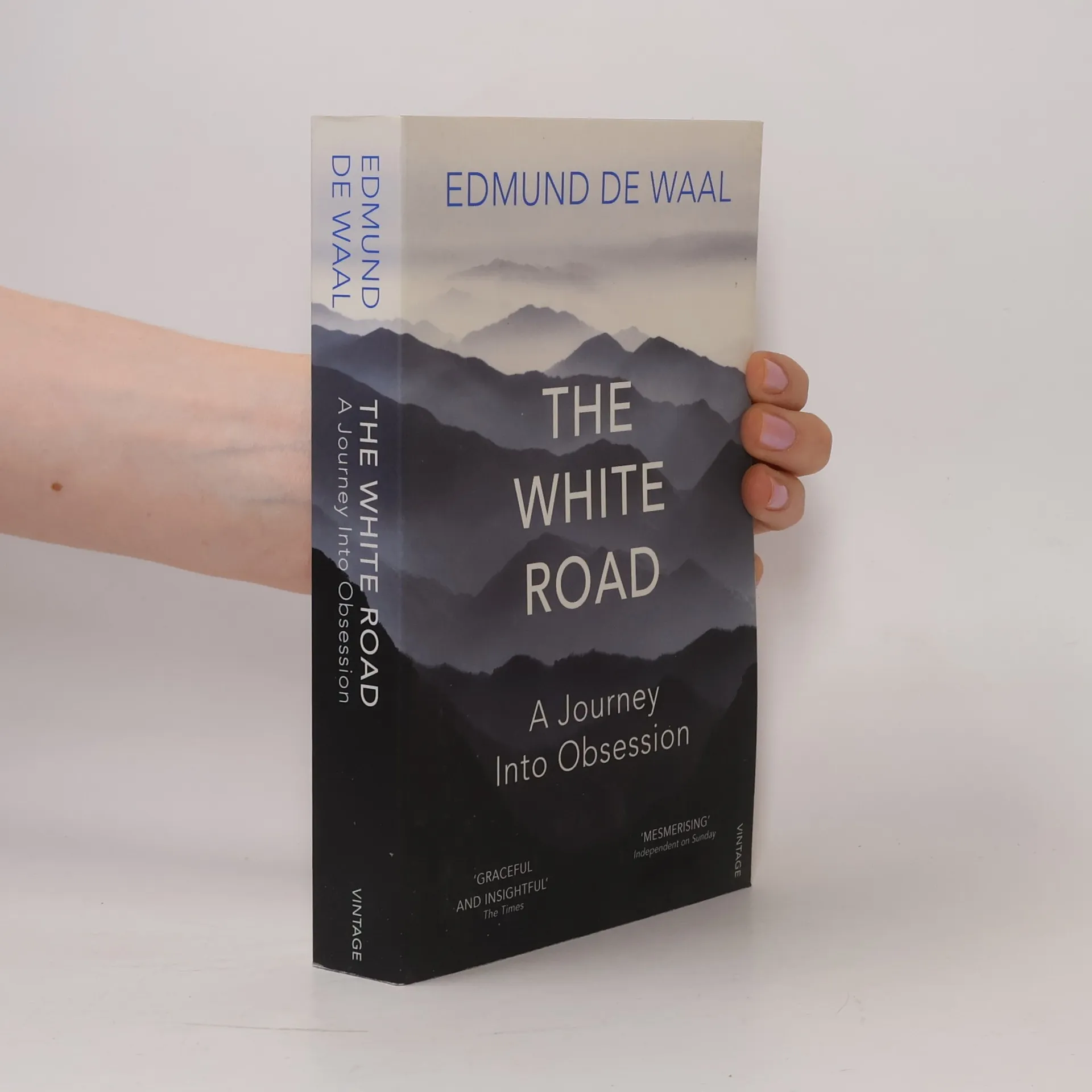
      ** A Sunday Times Top Ten Bestseller ** "Other things in the world are white but for me porcelain comes first" A handful of clay from a Chinese hillside carries a promise: that mixed with the right materials, it might survive the fire of the kiln, and fuse into porcelain âe" translucent, luminous, white. Acclaimed writer and potter Edmund de Waal sets out on a quest - a journey that begins in the dusty city of Jingdezhen in China and travels on to Venice, Versailles, Dublin, Dresden, the Appalachian Mountains of South Carolina and the hills of Cornwall to tell the history of porcelain. Along the way, he meets the witnesses to its creation; those who were inspired, made rich or heartsick by it, and the many whose livelihoods, minds and bodies were broken by this obsession. It spans a thousand years and reaches into some of the most tragic moments of recent times. In these intimate and compelling encounters with the people and landscapes who made porcelain, Edmund de Waal enriches his understanding of this rare material, the âe~white goldâe(tm) he has worked with for decades. ** Book of the Week on BBC Radio 4 **

      The White Road
    • 2010

      Un’elegante vetrina nella casa londinese di Edmund de Waal contiene 264 sculture giapponesi di avorio, o legno, non più grandi di una scatola di fiammiferi, raffiguranti divinità, personaggi di ogni tipo, animali, piante. La vetrina è aperta, e i piccoli figli di de Waal possono estrarre i netsuke – così si chiamano i minuscoli oggetti – e giocarci. Come facevano, ha scoperto l’autore, i piccoli figli di Viktor e Emmy von Ephrussi, suoi bisnonni, nel boudoir della madre, in un fastoso palazzo viennese della Ringstrasse, un secolo fa. Prima che Hitler entrasse in trionfo a Vienna e avessero inizio le persecuzioni e i saccheggi nelle case degli ebrei. Ebrei di Odessa erano appunto gli Ephrussi, commercianti di cereali e poi banchieri ricchi e famosi quanto i Rothschild, con ville e palazzi sparsi in tutta Europa. Quello di Vienna, dove i netsuke arrivano nel 1899 da Parigi – dono di nozze ai cugini di Charles Ephrussi, famoso collezionista, mecenate, storico dell’arte, amico di Renoir, Degas, Proust – conteneva tante e tali opere d’arte che i minuscoli oggetti sfuggirono all’attenzione dei razziatori nazisti. Come sopravviveranno alla guerra, e come finiranno a Tokyo, dove de Waal li vede per la prima volta a casa del prozio che glieli lascerà in eredità, sono solo due delle tante, emozionanti sorprese di questo libro che continua a incantare critici e lettori. Affascinato dall’eleganza, dalla precisione, dalle straordinarie qualità tattili delle sculture, l’autore, famoso artista della ceramica, decide di ricostruire la storia dei loro passaggi da una città all’altra, da un palazzo all’altro, da una mano all’altra. Ricostruisce così anche la storia romanzesca della sua famiglia. «Vagabondando» per anni tra l’Europa e il Giappone, attingendo a una quantità di materiali d’archivio, ma soprattutto rivivendo le vicende dei suoi antenati nei luoghi da loro abitati, osservandole con gli occhi dell’artista, de Waal ci regala un libro capace di restituire l’atmosfera di intere epoche, di sigillare intere vite dentro un racconto perfetto. Edmund de Waal, critico, storico dell’arte e professore di ceramica alla University of Westminster, è uno dei più famosi artisti della ceramica inglesi. Vive e lavora a Londra. Un’eredità di avorio e ambra è il suo primo libro: subito accolto con entusiasmo dalla critica e dal pubblico, pubblicato in ventotto paesi, ha collezionato recensioni autorevoli e suscitato i commenti appassionati dei lettori, salendo inesorabilmente nelle classifiche di vendita. Ha ricevuto tre fra i più ambiti premi letterari, il Costa Biography, l’Ondaatje Prize e il New Writer of the Year al Galaxy Book Awards

      Un'eredità di avorio e ambra
    • 2010

      THE NUMBER ONE SUNDAY TIMES BESTSELLER WINNER OF THE 2010 COSTA BIOGRAPHY AWARD 264 wood and ivory carvings, none of them bigger than a matchbox: Edmund de Waal was entranced when he first encountered the collection in his great uncle Iggie's Tokyo apartment. When he later inherited the 'netsuke', they unlocked a story far larger and more dramatic than he could ever have imagined. From a burgeoning empire in Odessa to fin de siecle Paris, from occupied Vienna to Tokyo, Edmund de Waal traces the netsuke's journey through generations of his remarkable family against the backdrop of a tumultuous century. 'You have in your hands a masterpiece' Frances Wilson, Sunday Times 'The most brilliant book I've read for years... A rich tale of the pleasure and pains of what it is to be human' Bettany Hughes, Daily Telegraph, Books of the Year 'A complex and beautiful book' Diana Athill

      The hare with amber eyes. A hidden inheritance