
10 libri per 10 euro qui
Bookbot

Margaret Anne Doody

    21 settembre 1939

    Margaret Anne Doody è una professoressa di letteratura che ha contribuito a fondare il programma di dottorato in Letteratura presso l'Università di Notre Dame. È riconosciuta come una pioniera nel genere giallo storico, avendo lanciato la sua serie di detective con Aristotele nel 1978. Le sue opere esplorano ambientazioni antiche, concentrandosi su misteri intellettuali e questioni filosofiche. Doody conferisce profondità e raffinatezza letteraria al genere, attirando lettori che cercano qualcosa di più di semplici trame.

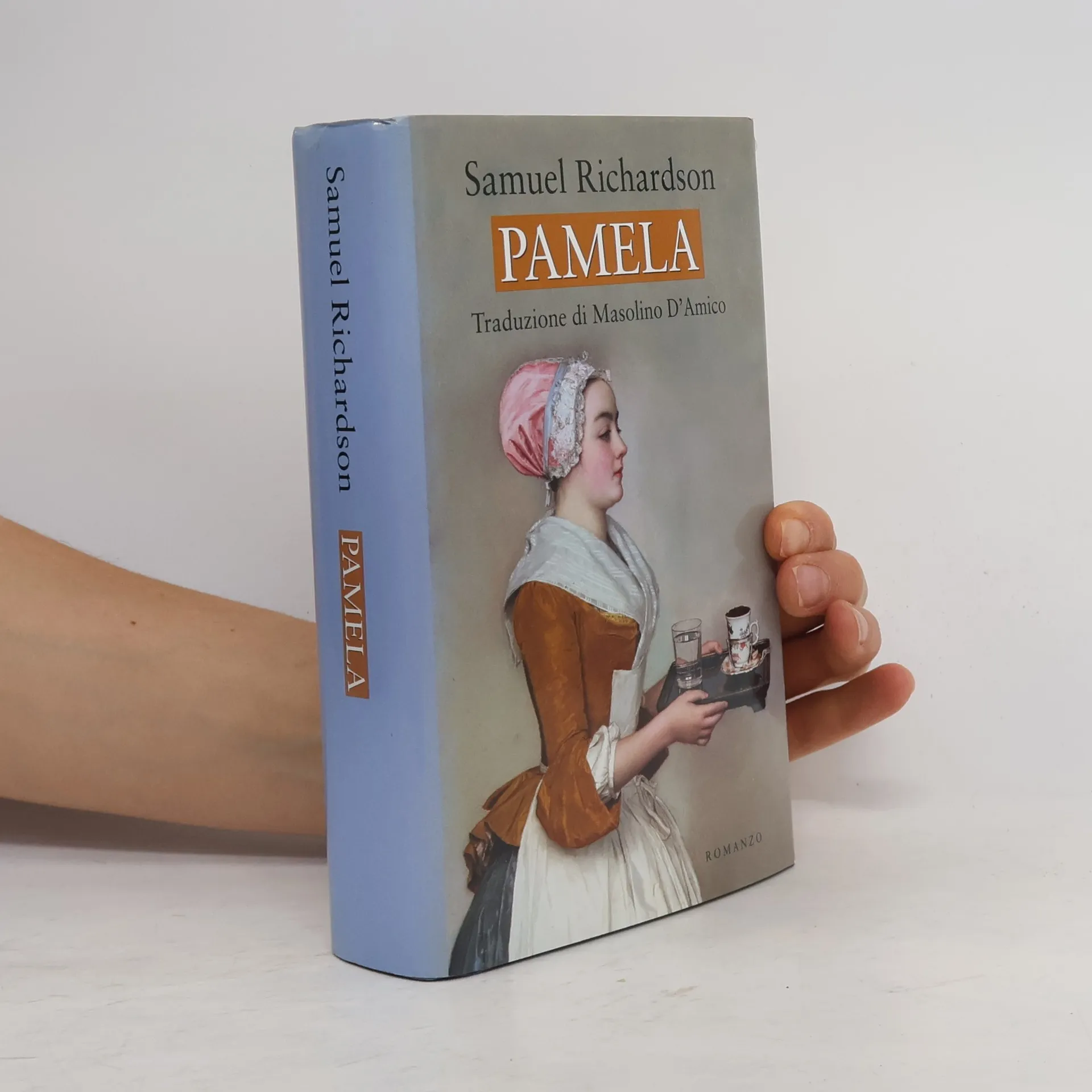
    Pamela
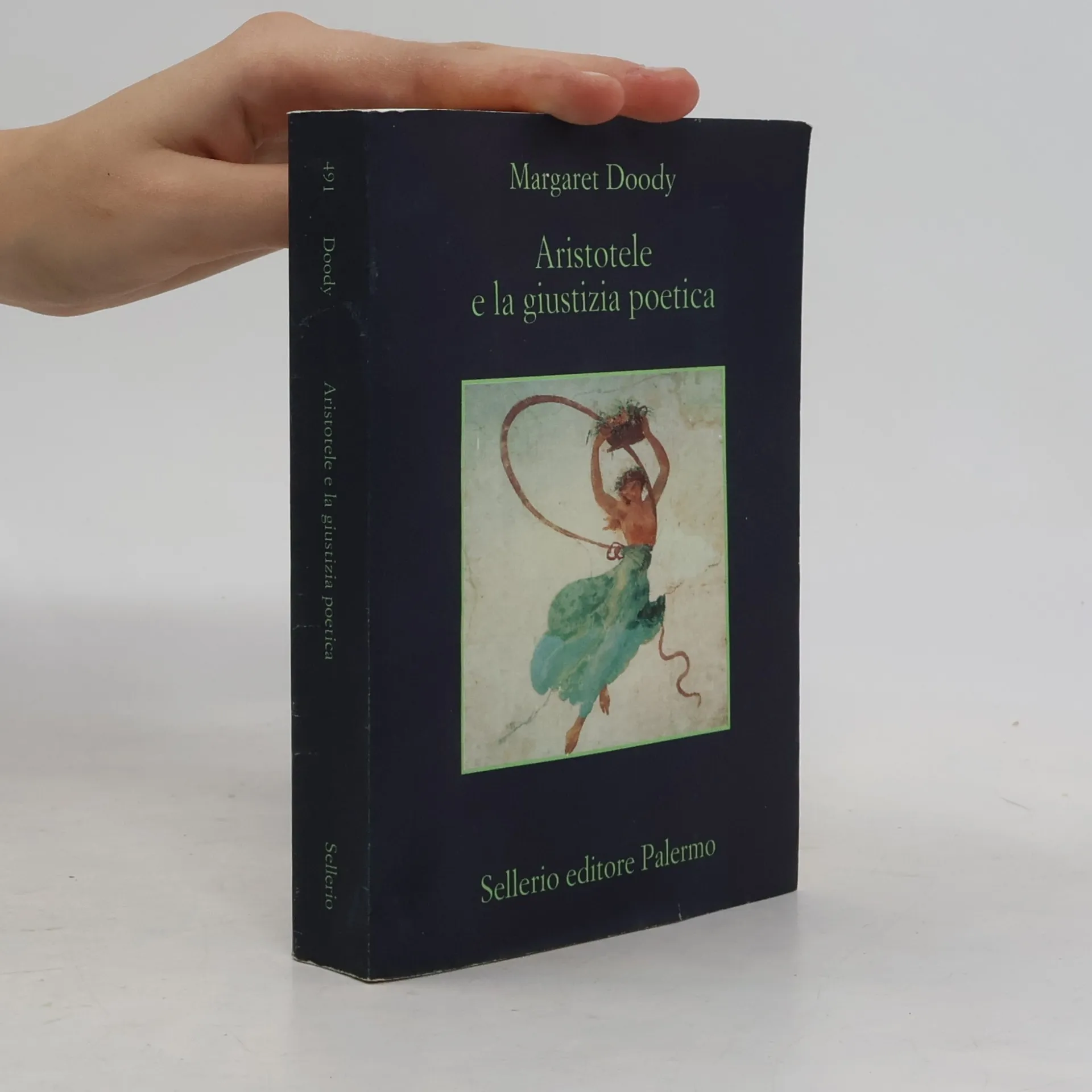
    Aristotle and poetic justice
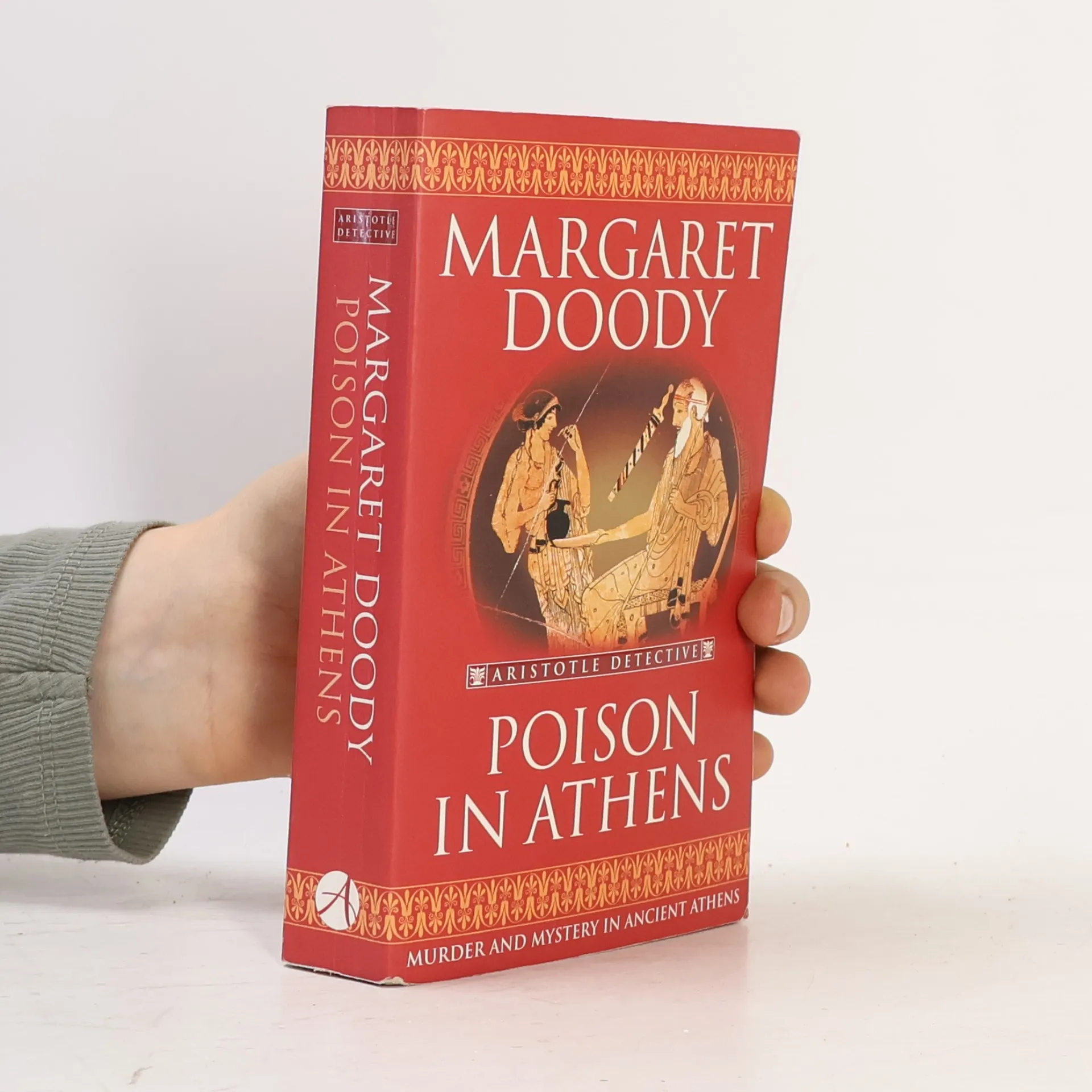
    Poison in Athens
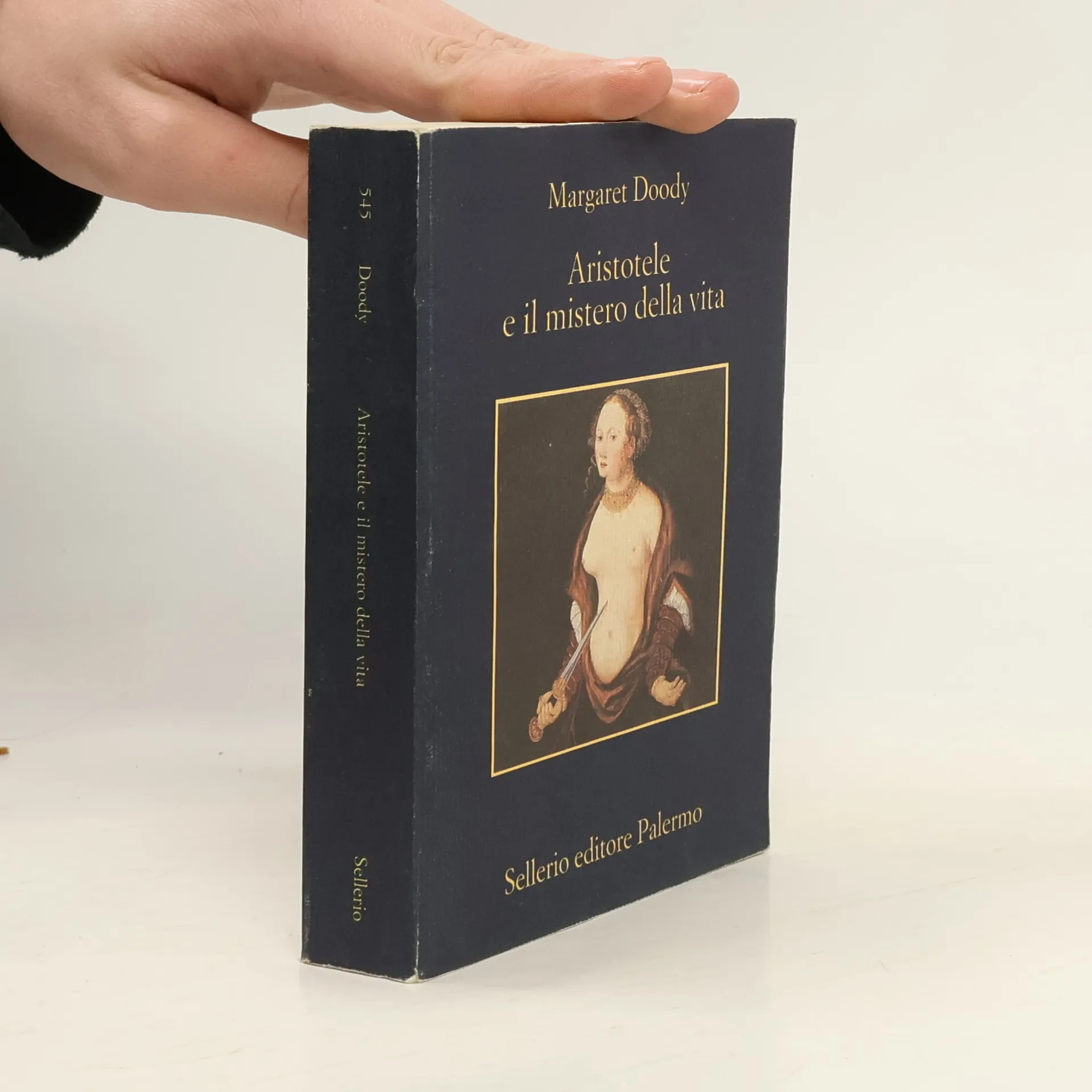
    Aristotle and the secrets of life
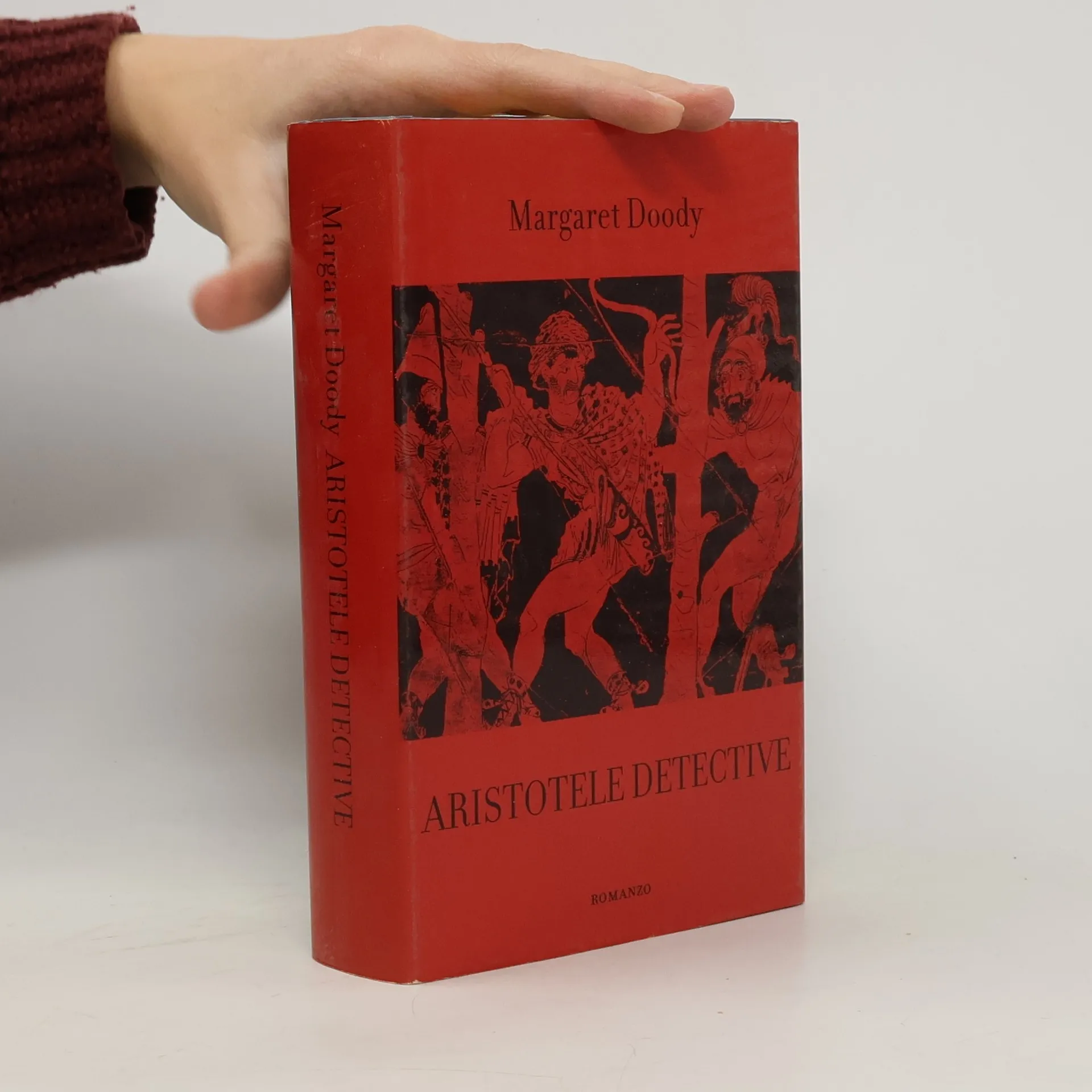
    Aristotele detective. I primi casi
    Aristotele Detective
    • 2025

      Mord im alten Athen

      • 368pagine
      • 13 ore di lettura

      Nach dem Tod seines Vaters muss Stephanos mit nur zweiundzwanzig Jahren die Verantwortung für die Familie übernehmen. Schlaflos wandert er im Morgengrauen durch die Straßen Athens, bis er die lauten Klageschreie eines Sklaven hört: »Man hat den Herrn getötet! Man hat den Herrn getötet!« Dem Lärm folgend, betritt er eine Villa, wo sich schon einige Schaulustige um die Leiche des Boutades versammeln, ein reicher und ehrbarer Bürger. Offenbar wurde er mit Pfeil und Bogen erschossen – nicht gerade eine typische Waffe für das antike Griechenland. Der Verdacht fällt ausgerechnet auf Stephanos Cousin Philemon, den er nicht mehr gesehen hat, seit der junge Mann für einen Mord in einer Tavernenschlägerei schuldig gesprochen und für mehrere Jahre ins Exil verbannt wurde. Ein Irrtum? Eine tragische Verwechslung? Stephanos, das neue Oberhaupt der Familie, muss herausfinden, was wirklich geschehen ist, und Philemon vor Gericht verteidigen. Verzweifelt wendet der junge Mann sich an seinen Lehrer und Mentor, den Philosophen Aristoteles.
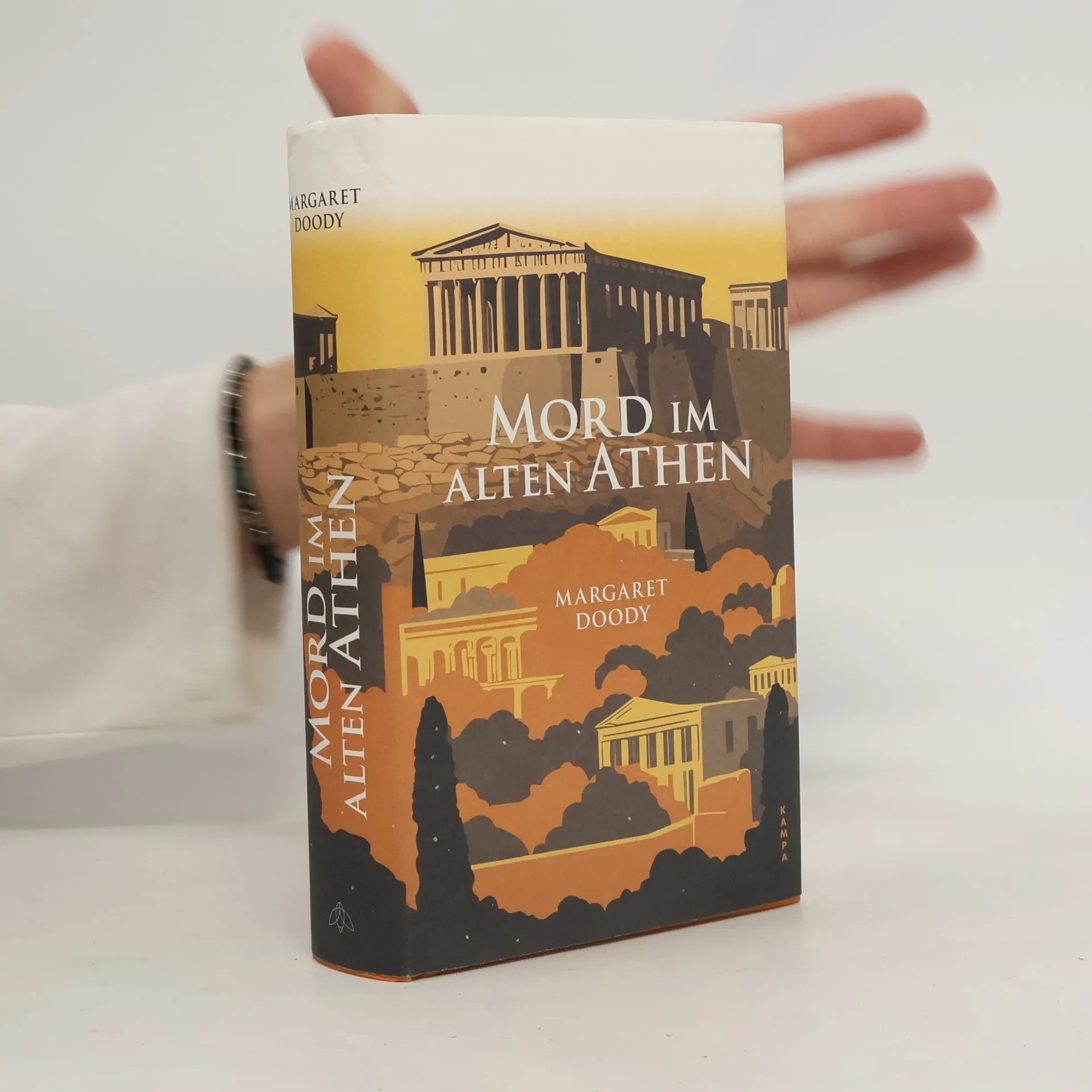

      Mord im alten Athen
    • 2010

      Aristotele detective. I primi casi

      • 674pagine
      • 24 ore di lettura

      The greatest philosophical mastermind turns detective in this witty and dramatic whodunit which takes place in Athens, 332BC, an unhappy city under the rule of the Macedonian ‘barbarian’ Alexander the Great.In the midst of this unrest, Boutades, an eminent citizen, is found brutally murdered. Suspicion falls heavily on young Philemon, and, by Athenian law, his cousin Stephanos is elected to defend his name in court.In desperation, Stephanos seeks assistance from Aristotle, his former mentor — and Aristotle turns Detective.The young, inexperienced boy and the great philosopher form a classically uneven partnership. Their efforts culminate in the gripping trial scene when Stephanos uses all the powers of rhetoric and oratory instilled in him by Aristotle to clear his family’s name of this bloody murder.

      Aristotele detective. I primi casi
    • 2004

      Poison in Athens

      • 320pagine
      • 12 ore di lettura

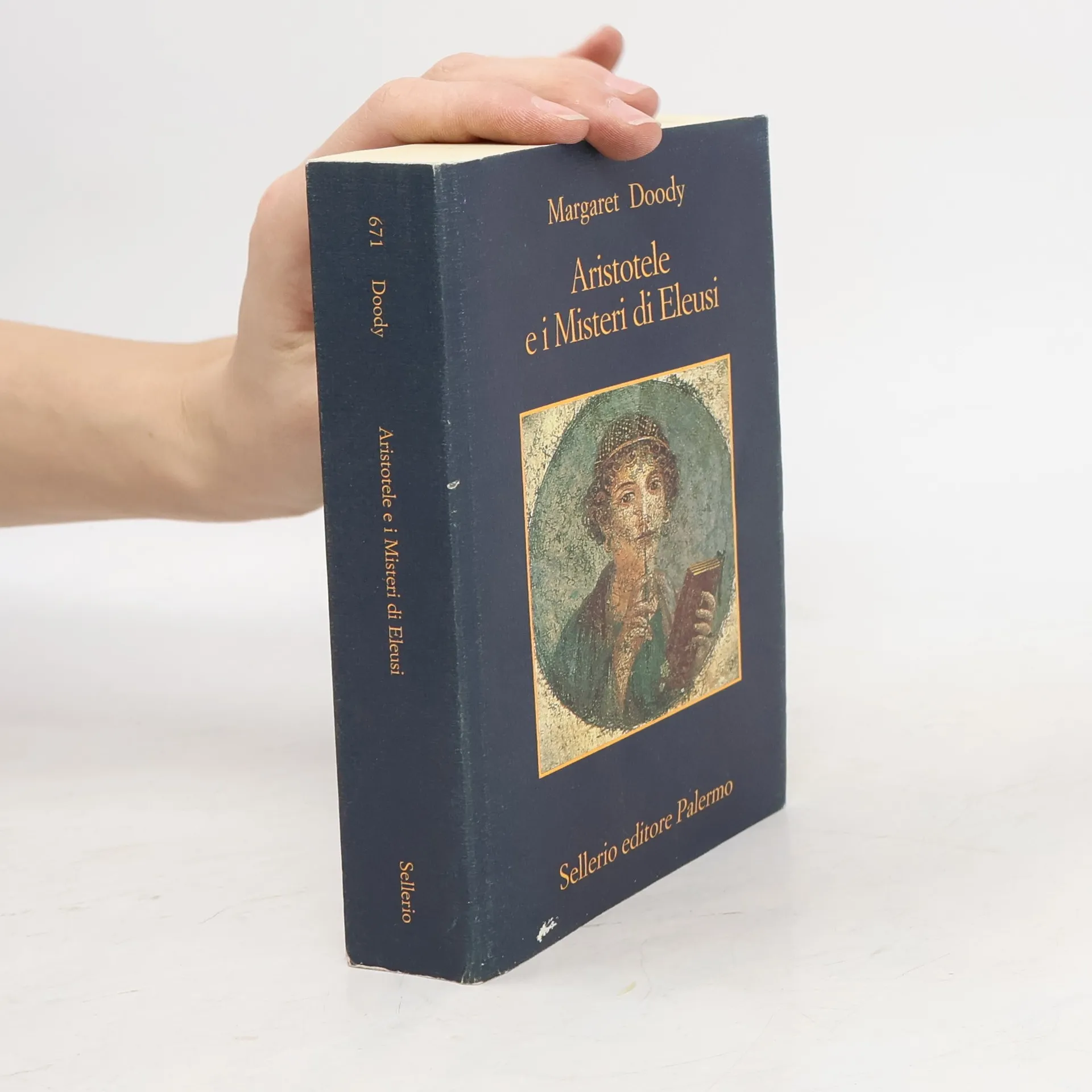
      It is the autumn of 330 BC, and three law cases are exciting Athens. Ergokles' case against the wealthy Orthoboulos for malicious wounding seems to come out well for the dignified man, but shortly afterwards he is found dead of poison, evidently hemlock. His second wife is accused of the crime, and her trial for poisoning sets Athens at odds, as sympathies divide. Her stepson is her greatest enemy, and seems sure that she has done the deed, but there are other candidates. Meanwhile, the most beautiful woman in Athens, Phryne, is accused of impiety, a charge that can carry the death penalty. Stephanos, in treating himself to brother visits as she tries to recover not only from his wound but from having killed a man, gets close to danger, and his position as a witness could damage his prospects of marriage. Misogyny, political wrath, and lack of judgment bring affairs to a boiling point, stimulating Aristotle to intervene lest the trial of the stepmother break Athens into fragments. He endeavours to solve the mystery with the help of Stephanos, and also with his assistant Theophrastos, who has made a special study of plant and thus of poisons-

      Poison in Athens
    • 2004

      It is summer, 330 B.C. The Macedonian Alexander the Great has conquered Asia Minor but now his armies are far from Athens, and those who support Athenian independence are beginning to chafe and plot against him. Foreigners, like Aristotle, and those suspected of befriending foreigners, such as Stephanos, are threatened. A series of threats persuades these two that they will be best served by quitting the mainland for a while. They both find suitable excuses: Aristotle has to transport a sick student home to Rhodos, while Stephanos must find a relative of his bride-to-be Philomela to clear up an inheritance dispute. With a varied cast of travellers they set across the Aegean to the sacred Isle of Delos, to Mykonos and beyond to the coast of Asia Minor. There they will soon be embroiled in investigating conspiracy and murder. But first they must survive life on the high seas where storms and piracy honour no man, least of all the greatest philosopher who has ever lived.

      Aristotle and the secrets of life
    • 2003

      Stephanos and his teacher, the philosopher Aristotle, are drawn into solving the perplexing abduction case of Anthia, the heiress of a prominent silver merchant. Someone has snatched her from her home, but no one knows the motive All that is known is that the abductor and the heiress are on the road to Delphi, and a murderer is following them close behind. The identity of the abductor and the murderer are mysteries that only Aristotle, with the aid of the Delphian oracle, will be able to solve.

      Aristotle and poetic justice
    • 1999

      Senza Aristotele niente Sherlock Holmes. È questa, verosimilmente, l'idea alla base di questo giallo investigativo. Il metodo del tipo di detective alla Sherlock Holmes - di enumerare indizi, trarne ipotesi, dedurne nuovi particolari, sino alla spiegazione del delitto e la scoperta conseguente del colpevole - non sarebbe stato possibile se non applicando il metodo dimostrativo della logica aristotelica al crimine. Stefanos, un simpatico giovanetto dell'Atene del IV secolo, dunque, guidato dallo Stagirita che non si muove di casa come Nero Wolfe, indaga sull'assassinio di un ricco oligarca, di cui è accusato ingiustamente il cugino, esule per un precedente errore. Al primo omicidio, ne segue un secondo, e tra colpi di scena, travestimenti, testimonianze reperite avventurosamente, Aristotele alla fine scioglie l'enigma e consente al giovane di smascherare il vero assassino. Ma Aristotele detective è qualcosa di più dello stratagemma curioso per un giallo giudiziario e dimostrativo di taglio classico e denso intreccio. È una specie di esperimento. La scrittrice, Margaret Doody, studiosa di letteratura comparata in una università americana, e convinta di una certa ipotesi sulla nascita del genere romanzesco, vi ha voluto provare l'adattabilità del mondo della Grecia antica (ricostruito con fedeltà filologica e storica) alle emozioni, alle psicologie, alle peripezie del romanzo moderno.

      Aristotele Detective
    • 1991

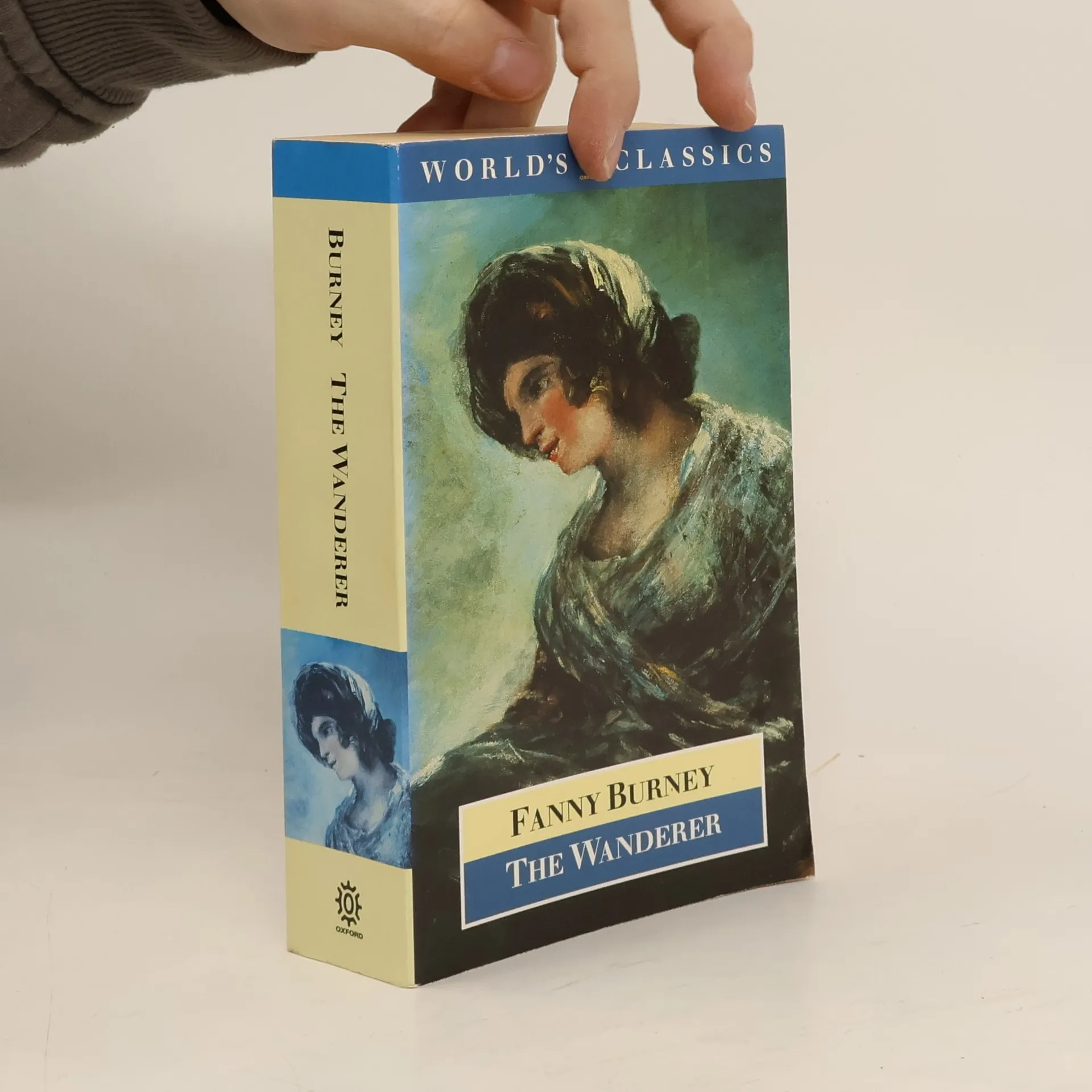
      World's Classics: The Wanderer

      • 957pagine
      • 34 ore di lettura

      The Wanderer or Female Difficulties is the tale of a penniless emigree from revolutionary France trying to earn her living in England while guarding her own secrets. Combining the best elements of the gothic and historical novels, this newly appreciated work is an extraordinary piece of Romantic fiction. Burney's tough comedy offers a satiric view of complacent middle-class insularity that echoes Godwin and Wollstonecraft's attacks on the English social structure. The problems of the new feminism and of the old anti-feminism are explored in the relationship between the heroine and her English patroness and rival, the Wollstonecraftian Elinor Joddrel, and the racism inherent within both the French and British empires is exposed when the emigree disguises herself as a black woman.

      World's Classics: The Wanderer
    • 1980

      La storia della giovane e bella Pamela insidiata dal suo ricco padrone e che si conclude felicemente nel matrimonio assomiglia molto alla trama delle favole. Ma il romanzo di Richardson era intensamente innovativo rispetto alla letteratura e alla morale del tempo: la sua eroina ne usciva vittoriosa scavalcando tutte le profonde e insormontabili differenze di classe, e questo creava non pochi problemi ai benpensanti dell'epoca. Pamela è consapevole della propria inferiorità, eppure crede fermamente nel valore della virtù e la difende contro tutte le tentazioni dell'amore e del denaro. Il lettore però non può fare a meno di chiedersi se dietro tanta umiltà e castità non si nasconda anche una calcolata consapevolezza delle proprie capacità e una voglia di mettersi in mostra cercando l'approvazione incondizionata del pubblico.

      Pamela