

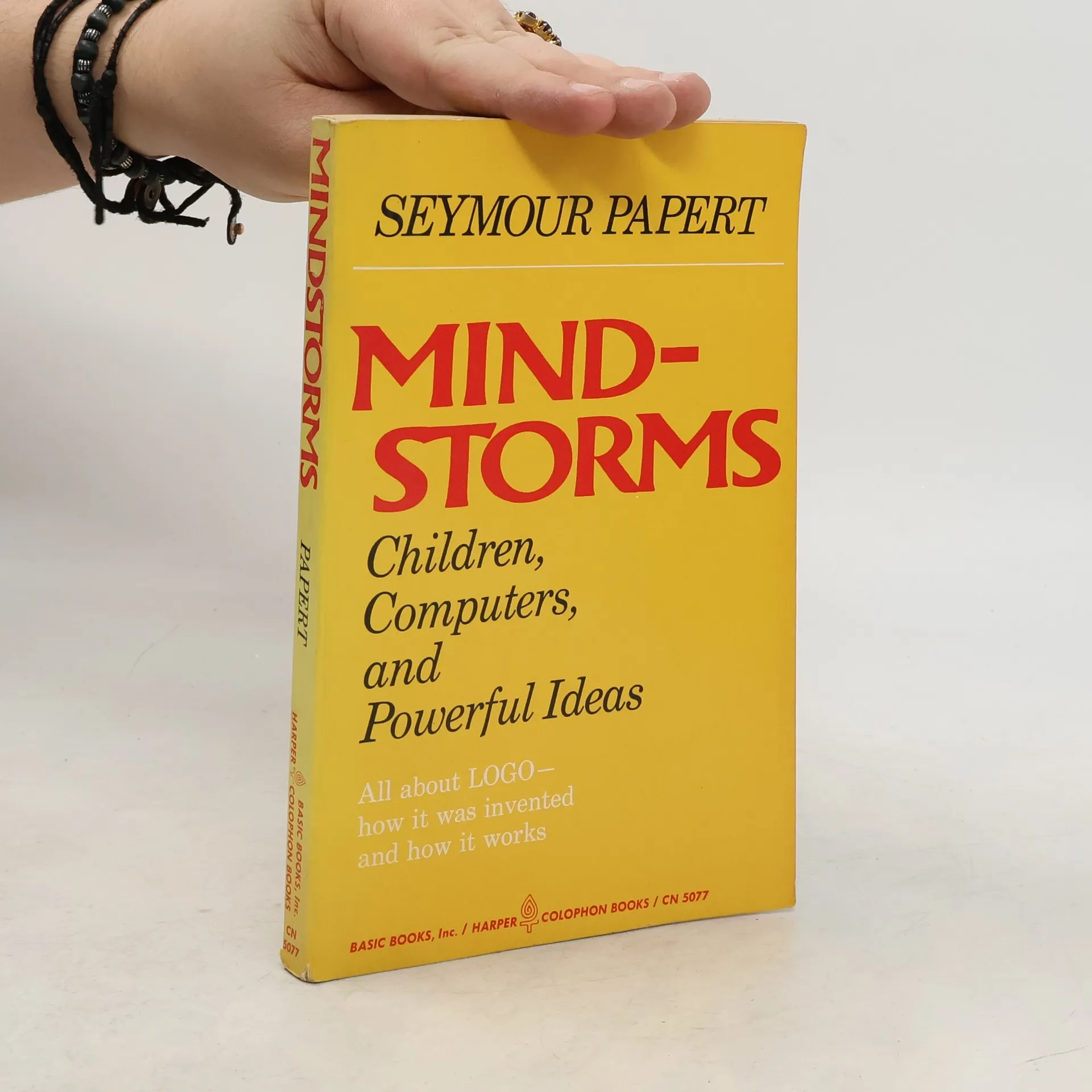
Describes learning environments which allow children to master mathematical concepts through the use of computer assisted instruction.
Seymour Papert Libri
29 febbraio 1928 – 31 luglio 2016
![The Connected Family: Bridging the Digital Generation Gap [With CDROM]](https://rezised-images.knhbt.cz/1920x1920/0.webp)
The Connected Family: Bridging the Digital Generation Gap [With CDROM]
- 211pagine
- 8 ore di lettura
The book explores the impact of technology on the younger generation, highlighting their growing independence and fluency with computers. Papert challenges both critics and idealists, addressing parents' concerns about the digital age. He discusses the potential of video games as educational tools, critiques ineffective educational software, and examines the broader implications of computer use on values, including the issue of "cyberporn." Ultimately, he offers insights on bridging the digital divide between children and their parents.
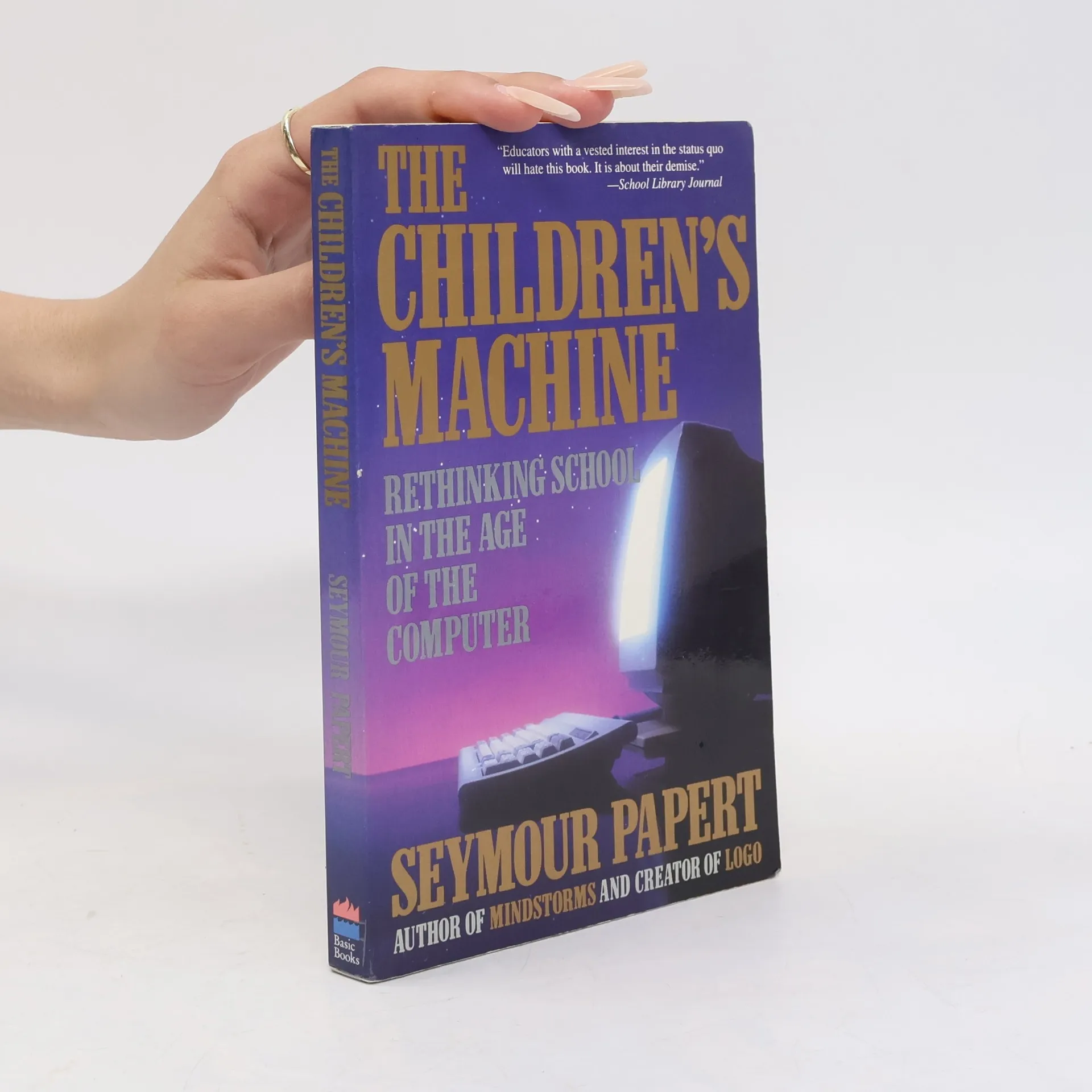
The Children's Machine
Rethinking School in the Age of the Computer
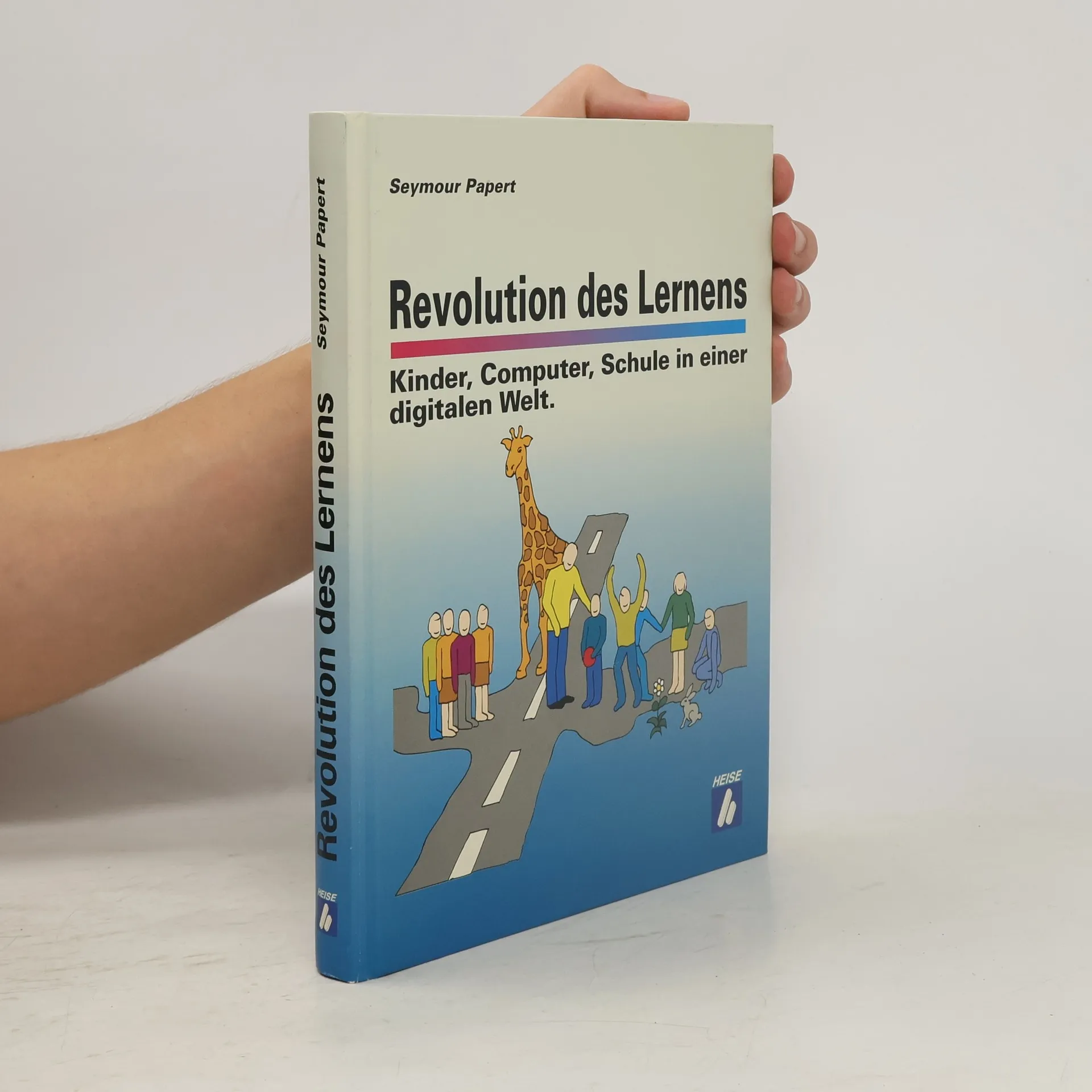
Revolution des Lernens
- 240pagine
- 9 ore di lettura
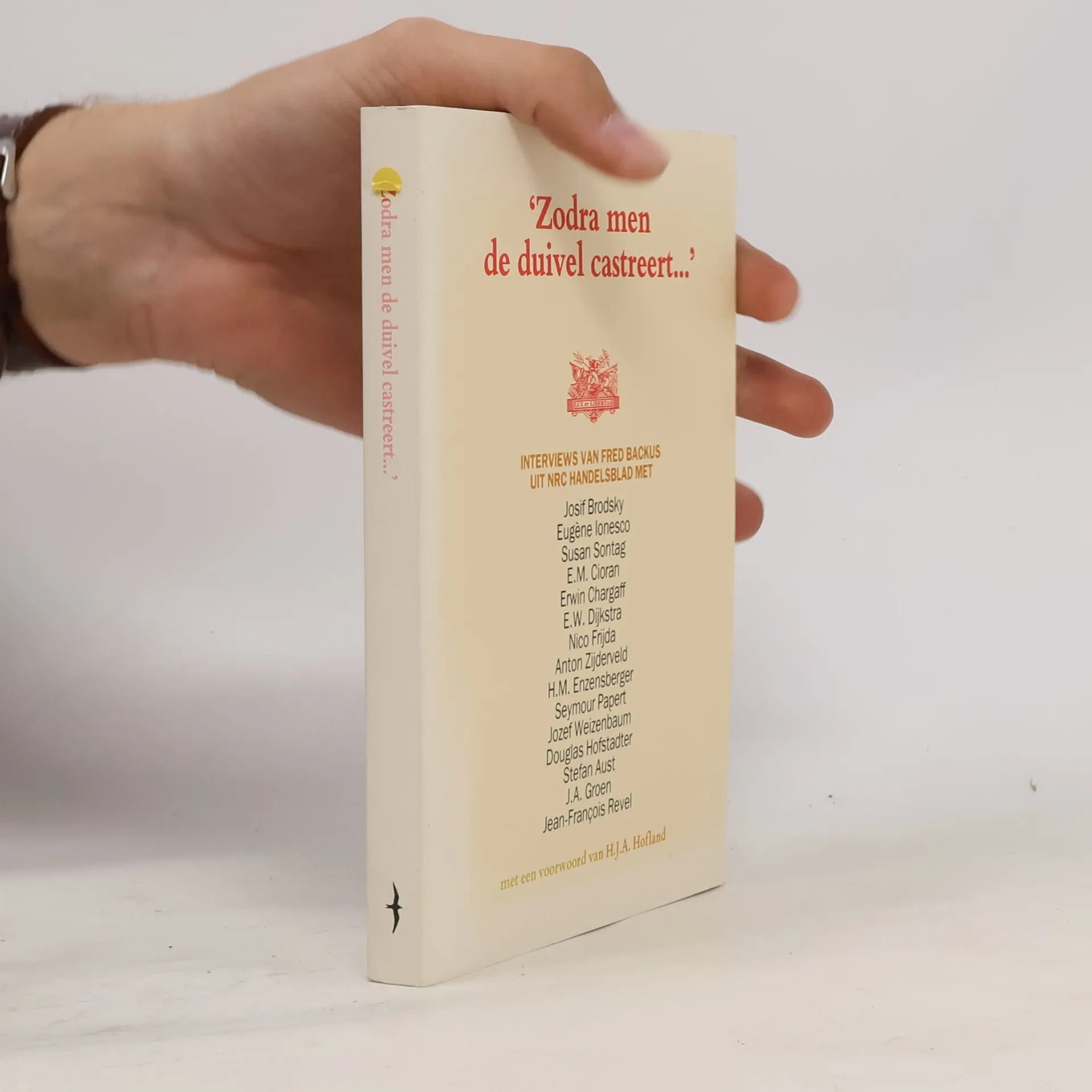
Zodra men de duivel castreert--
Interviews van Fred Backus uit NRC Handelsblad met Josif Brodsky, Eugène Ionesco, Susan Sontag, E.M. Cioran, Erwin Chargaff, E.W. Dijkstra, Nico Frijda, Anton Zijderveld, H.M. Enzensberger, Seymour Papert, Jozef Weizenbaum, Douglas Hofstadter, Stefan Aust, J.A. Groen, Jean-François Revel. Met een voorwoord van H.J.A. Hofland
- 213pagine
- 8 ore di lettura
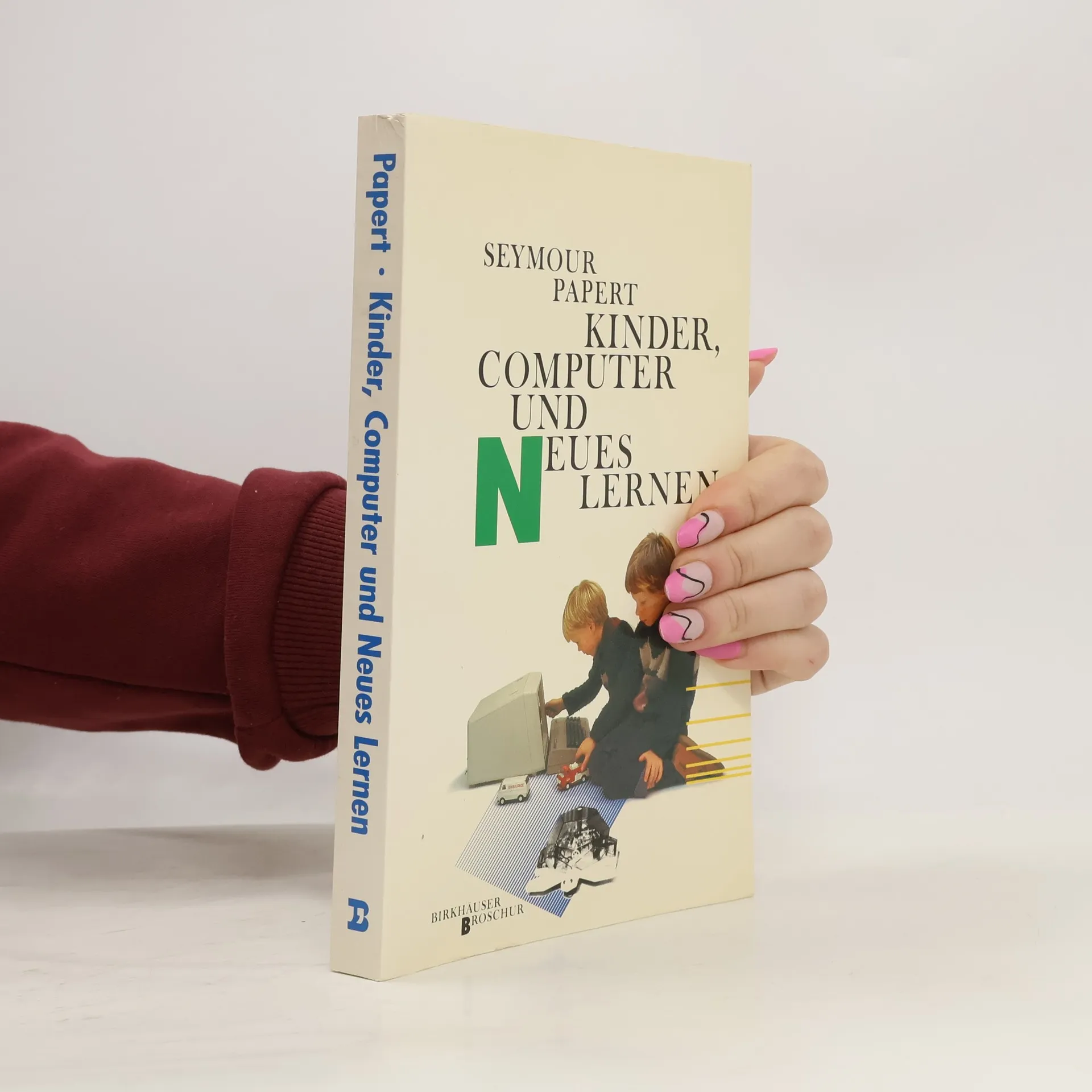
Kinder, Computer und neues Lernen
- 280pagine
- 10 ore di lettura
Format Paperback Subject Science