Ordina entro 1 giorno e ricevi per Natale
Bookbot

Cambridge Textbooks in Linguistics

Questa serie di pubblicazioni accademiche approfondisce il nucleo della linguistica, offrendo esplorazioni approfondite di aree teoriche chiave. Ogni volume si concentra su un argomento distinto, dalla fonologia alla semantica, fornendo una panoramica completa ma accessibile. Progettata come testi fondamentali, serve come risorsa essenziale per studenti e studiosi che cercano di approfondire la loro comprensione della teoria linguistica.

English Phonology
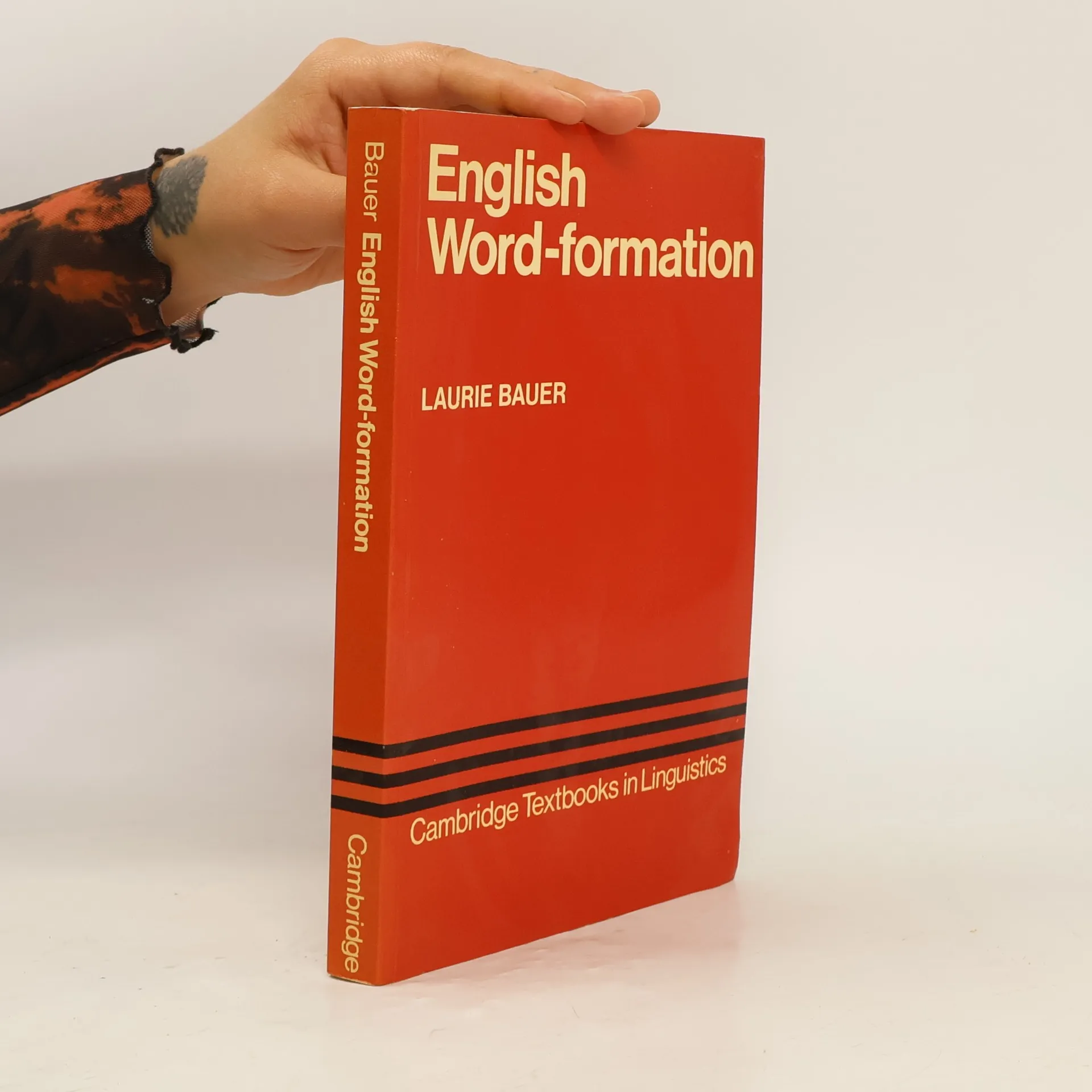
English word-formation
Second Language Acquisition and Universal Grammar
Historische Linguistik
Tense
Cambridge Textbooks in Linguistics

Ordine di lettura consigliato

  1. An updated new edition that provides detailed descriptions of important text varieties in English along with methodological techniques to carry out analyses of them, including conversation, newspaper writing, academic prose and social media. Each chapter ends with activities for the reader to apply and practice the analyses they read about.

    Cambridge Textbooks in Linguistics
  2. Tense

    • 152pagine
    • 6 ore di lettura

    Exploring the diversity of tense systems, this book delves into how different languages express time and aspect. Bernard Comrie examines the structural variations and unique features of these systems, offering insights into linguistic patterns and their implications for understanding human communication. Through a comparative approach, readers gain a deeper appreciation of the complexities and nuances in the ways languages handle temporal expressions.

    Tense
  3. Focusing on a linguistic perspective, this authoritative textbook delves into the intricacies of second language acquisition. It explores key theories and concepts, providing insights into the processes involved in learning a new language. The text is designed for both students and educators, offering a comprehensive understanding of the cognitive and social factors that influence language learning.

    Second Language Acquisition and Universal Grammar
  4. Although the illustrative material is drawn principally from English, general points are illustrated with a variety of languages to provide a new perspective on a confused and often controversial field of study.

    English word-formation
  5. This is an introduction to the phonology of present-day English. It deals principally with three varieties of English: "General American," Southern British "Received Pronunciation" and "Scottish Standard English." It offers a systematic and detailed discussion of the features shared by these major accents, and explains some major differences. Other varieties of English--Australian and New Zealand English, South African English and Hiberno-English--are also discussed briefly. Without focusing on current phonological theory and its evolution, the author demonstrates the importance of "theory," in whatever shape or form, in phonological argumentation. This textbook will be welcomed by all students of English language and linguistics.

    English Phonology
  6. Language Contact

    • 426pagine
    • 15 ore di lettura

    This revised edition serves as a foundational introduction to the study of language contact, offering insights into its key concepts and recent advancements. It explores the dynamics between languages in contact, addressing the implications for linguistics, culture, and communication. The book is essential for anyone interested in understanding how languages influence each other and evolve in diverse contexts.

    Language Contact
  7. This book offers a clear and engaging exploration of how children acquire language from the moment they are born. It delves into the stages of language development, highlighting key milestones and the cognitive processes involved. By examining various factors that influence language learning, it provides insights into both typical and atypical development. The accessible approach makes it suitable for parents, educators, and students interested in understanding the intricacies of how children learn to communicate.

    Child Language
  8. Language Change

    • 309pagine
    • 11 ore di lettura

    How and why do languages change? This new introduction offers a guide to the types of change at all levels of linguistic structure, as well as the mechanisms behind each type. Based on data from a variety of methods and a huge array of language families, it examines general patterns of change, bringing together recent findings on sound change, analogical change, grammaticalization, the creation and change of constructions, as well as lexical change. Emphasizing crosslinguistic patterns and going well beyond traditional methods in historical linguistics, this book sees change as grounded in cognitive processes and usage factors that are rarely mentioned in other textbooks. Complete with questions for discussion, suggested readings and a useful glossary of terms, this book helps students to gain a general understanding of language as an ever-changing system.

    Language Change
  9. Case

    • 248pagine
    • 9 ore di lettura

    This introduction explores the intricate ways languages signal relationships between words within sentences. Aimed at readers seeking clarity, it offers a straightforward approach to understanding syntactic structures and the role of grammar in communication. The text provides insights into linguistic patterns, making complex concepts accessible to a broad audience. Ideal for students and language enthusiasts, it serves as a foundational resource for grasping the mechanics of language.

    Case
  10. Providing an accessible introduction to the study of word-formation, this text focuses specifically on English. Assuming no prior linguistic knowledge, Ingo Plag explains the fundamentals of word-formation, demonstrating how morphemes--the elements of a word's internal structure--can function to relate words to other words, and to create new words. Students are encouraged to undertake their own morphological analysis of English words, and are introduced to the methodological tools for obtaining and analyzing relevant data.

    Word-Formation in English
  11. Focusing on clear explanations of complex syntax concepts, this textbook serves as a comprehensive introduction to English syntax and contemporary syntactic theory. It features structured learning aids, including summaries, key principles, and exercises, making it accessible for students without prior grammar knowledge. Instructors benefit from free online resources, including PowerPoint slides and answer keys. The thoroughly revised second edition adds new exercises and a chapter on exclamative and relative clauses, enhancing its educational value for undergraduate and graduate students.

    Analysing English Sentences
  12. This guide offers essential insights for those new to linguistic fieldwork, covering all stages from preparation to result presentation. It emphasizes practical techniques and methodologies, making it an invaluable resource for aspiring linguists. The book aims to equip readers with the tools needed for effective data collection and analysis, ensuring a comprehensive understanding of the fieldwork process.

    Linguistic Fieldwork
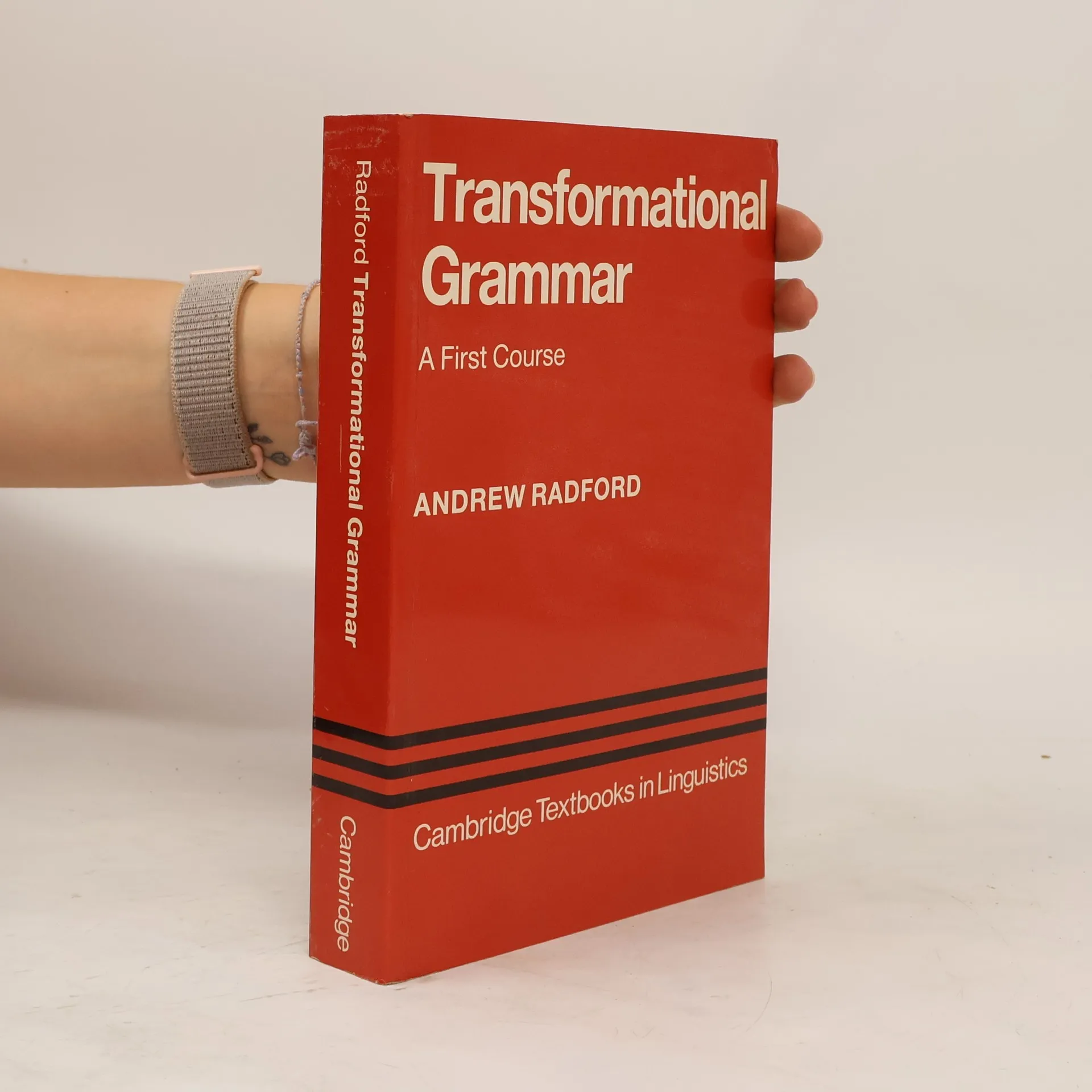
  13. This textbook provides a concise, readable introduction to contemporary work in syntactic theory, particularly to key concepts of Chomsky's minimalist programme. Andrew Radford gives a general overview of the main theoretical concepts and descriptive devices used in 1990s work. The discussion is largely based on data from a range of varieties of English (not only Modern Standard, but also Belfast English, Shakespearean English, Jamaican Creole, etc.) and does not presuppose any prior knowledge of syntax. There are exercises and a substantial glossary. This is an abridged version of Radford's major textbook Syntactic Theory and the Structure of English: A Minimalist Approach, and will be welcomed as a short introduction to current syntactic theory.

    Syntax. A minimalist introduction
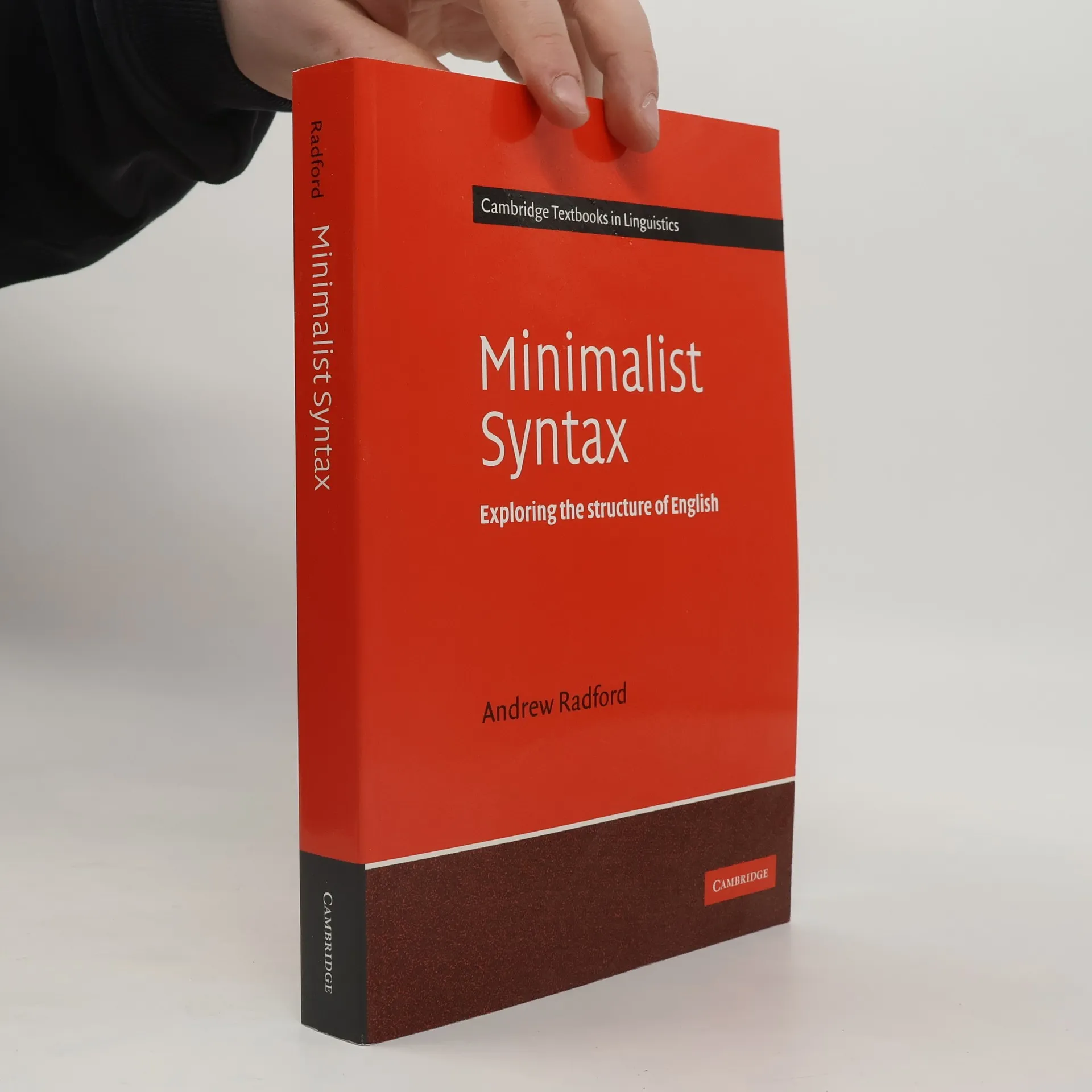
  14. Offering a straightforward and accessible approach, this textbook serves as an introduction to syntactic theory. It emphasizes clarity and conciseness, making complex concepts easier to understand for students and readers new to the subject.

    Minimalist Syntax
  15. The book offers a comprehensive exploration of language development through a systematic analysis of three primary models. In the second part, it delves into sociolinguistics, illustrating how both temporal changes within a language and those resulting from language contact serve as indicators and catalysts for broader cultural transformations. This dual focus highlights the intricate relationship between language evolution and cultural dynamics.

    Historical Linguistics
  16. This book explores linguistic anthropology, emphasizing the study of language as a vital cultural resource and the practice of speaking within various cultural contexts. It highlights the interdisciplinary nature of the field, examining how language shapes and reflects social identities, cultural norms, and human interactions. Through various examples, it provides insights into the relationship between language and culture, making it a valuable resource for understanding the complexities of communication in diverse societies.

    Linguistic Anthropology
  17. This book describes the most important kinds of texts in English and introduces the methodological techniques used to analyse them. Three analytical approaches are introduced and compared, describing a wide range of texts from the perspectives of register, genre and style. The primary focus of the book is on the analysis of registers. Part 1 introduces an analytical framework for studying registers, genre conventions, and styles. Part 2 provides detailed descriptions of particular text varieties in English, including spoken interpersonal varieties (conversation, university office hours, service encounters), written varieties (newspapers, academic prose, fiction), and emerging electronic varieties (e-mail, internet forums, text messages). Finally, Part 3 introduces advanced analytical approaches using corpora, and discusses theoretical concerns, such as the place of register studies in linguistics, and practical applications of register analysis. Each chapter ends with three types of activities: reflection and review activities, analysis activities, and larger project ideas.

    Register, Genre, and Style
  18. Offering a comprehensive linguistic perspective, this 2003 textbook delves into the intricacies of second language acquisition. It explores various theories and methodologies, providing insights into how individuals learn new languages. The text is designed for educators and researchers, emphasizing the importance of understanding the cognitive and social factors that influence language learning. Through its authoritative approach, it serves as a valuable resource for those interested in the dynamics of language acquisition.

    Secnd Lang Acquisitn Universal Gram
  19. This book offers an in-depth exploration of linguistic features, highlighting the variations across different languages and their functional mechanisms. It delves into the intricacies of language structure, providing insights into how diverse linguistic elements operate and interact, making it a valuable resource for linguists and language enthusiasts alike.

    Features
  20. The book offers a comprehensive typological survey focusing on grammatical concepts such as Subject and Object across various languages worldwide. It explores the diverse ways these elements function and interact within different linguistic systems, providing insights into their structural and functional roles. This analysis aims to enhance understanding of grammatical relationships and their implications for language theory and typology.

    Grammatical Roles and Relations
  21. Corpus Linguistics

    Method, Theory and Practice

    • 312pagine
    • 11 ore di lettura

    Focusing on the foundational techniques of corpus linguistics, the book provides a comprehensive overview of the key methodologies and approaches for utilizing corpus data. It serves as a valuable resource for understanding how these methods can be applied in linguistic research and analysis.

    Corpus Linguistics
  22. Aimed at students of linguistics and researchers in morphology, syntax, and semantics, this textbook introduces a wide variety of topics related to passives, causatives, and other voices, and systematizes how they are similar and how they differ.

    Cambridge Textbooks in Linguistics
  23. Person

    • 348pagine
    • 13 ore di lettura

    Focusing on the grammatical category of person, this textbook analyzes data from more than 700 languages, offering a comprehensive exploration of linguistic structures and variations. It examines how different cultures express personhood through language, providing insights into both commonalities and unique features across languages. This extensive research serves as a valuable resource for linguists and students interested in the intricacies of grammar and its implications in diverse linguistic contexts.

    Person
  24. Writing Systems

    An Introduction to Their Linguistic Analysis

    • 292pagine
    • 11 ore di lettura

    The book explores the evolution of writing systems, detailing their structures and functions from ancient cuneiform to modern English spelling. It provides an illustrated overview of various global writing systems, alongside a historical review of writing's development. Additionally, it delves into the relationship between literacy and society, offering insights into how written language shapes the literate mind.

    Writing Systems
  25. The book delves into the grammatical concept of definiteness, exploring how various languages convey this idea through terms like 'the,' 'this,' and 'that.' It provides a comprehensive analysis of the linguistic mechanisms behind definiteness, highlighting cross-linguistic variations and similarities. By examining different languages, the author sheds light on the underlying principles of grammar and meaning, offering valuable insights into language structure and usage.

    Definiteness
  26. Gender

    • 384pagine
    • 14 ore di lettura

    Exploring the complexities of grammatical gender, this comprehensive study examines over 200 languages, revealing both their diversity and common patterns. Greville Corbett delves into various gender systems, including noun class systems, and offers detailed analyses of specific languages such as English, Russian, Archi, and Chichewa. Through these discussions, the book provides clear illustrations that enhance understanding of the unique aspects of gender in language.

    Gender
  27. Focusing on the key concerns and challenges in second language acquisition research, this 1986 textbook delves into both theoretical frameworks and practical applications. It addresses various problems encountered in the field, offering insights into the complexities of learning a second language. The text serves as a comprehensive resource for understanding the dynamics of language acquisition, making it valuable for educators and researchers alike.

    Second Language Acquisition
  28. This book offers a clear and concise introduction to the emergence of new languages, exploring the processes and factors that contribute to language formation. It delves into linguistic evolution, providing insights into sociolinguistic influences and the dynamics of language change. Readers will gain an understanding of the complexities involved in language development and the implications for communication and culture.

    An Introduction to Pidgins and Creoles
  29. Focusing on syntactic theory, this textbook explores the principles of Chomsky's minimalist program. It delves into the fundamental concepts of syntax, providing a comprehensive framework for understanding language structure. The text emphasizes clarity and accessibility, making complex ideas approachable for students and scholars alike. Through detailed explanations and examples, it aims to enhance the reader's grasp of minimalist syntax and its implications for linguistic theory.

    Syntactic Theory and the Structure of English