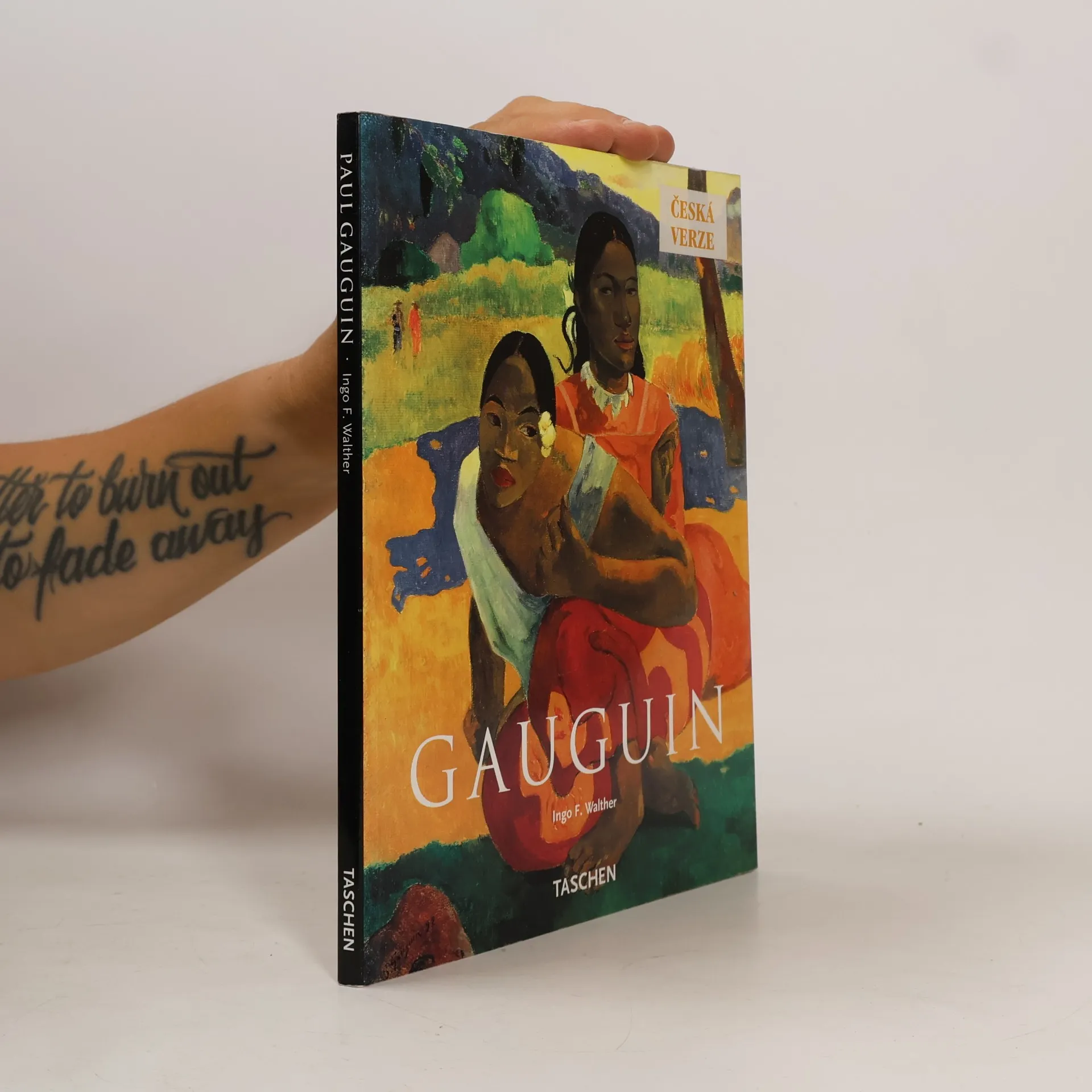
Česká verze. Začínal ve skupině impresionistů, ale jeho neposedná duše ho poháněla k jiným zkušenostem a pohledům. Nevydržel déle najednom místě a vyhledával nové bohem zapomenuté krajiny pro svou inspiraci. Proto je jeho styl nezaměnitelný, nedotknutý salonním stylem.
Grandi Maestri dell'Arte Serie
Questa serie guida i lettori attraverso il mondo dell'arte, concentrandosi su artisti fondamentali e le loro creazioni. Ogni volume presenta una panoramica dettagliata della vita e del lavoro di un artista, contestualizzata nel suo più ampio significato culturale e storico. Con circa 100 illustrazioni a colori corredate da didascalie esplicative, oltre a una biografia concisa, questa collezione offre spunti accessibili sulle eredità artistiche.



Goya
- 96pagine
- 4 ore di lettura
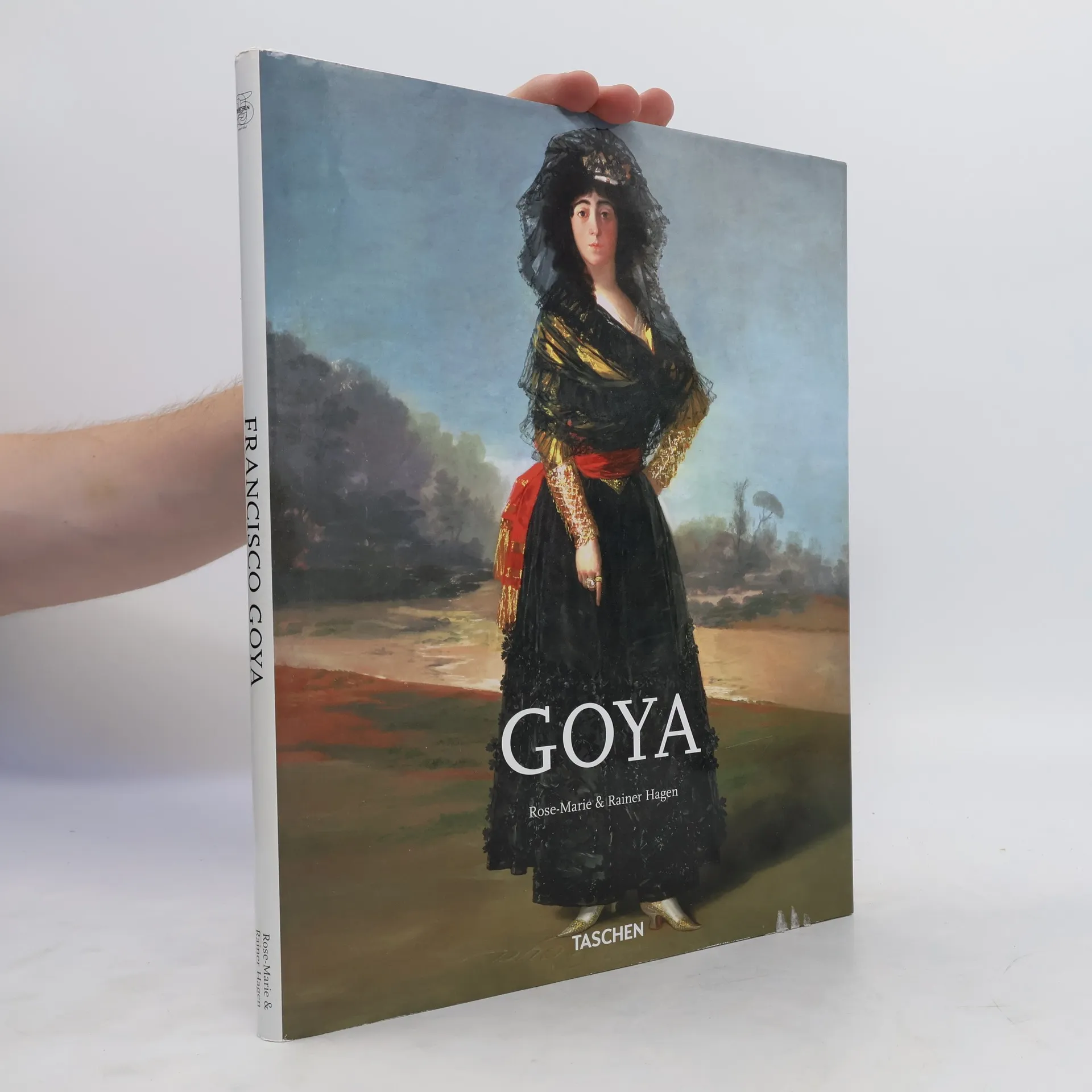
From his royal court portraits to horrific scenes of conflict, Francisco Jose de Goya y Lucientes remains one of Spain's most revered and startling artists. With key works from throughout his career, this vivid introduction explores Goya's mastery of form and light and varied, daring subjects.
Diego Rivera
- 95pagine
- 4 ore di lettura
Diego Rivera (1886–1957) è una figura vibrante e carismatica nella storia dell'arte. La sua vita è stata segnata da lotte politiche e relazioni tumultuose; fu marito e sostenitore di Frida Kahlo, sostenitore e critico della Soviet Union di Stalin, e liberatore e traditore per Leon Trotsky. I dipinti di Rivera – vivaci, espliciti e spesso monumentali – emanano la stessa passione politica e personale della sua biografia. Fondendo influenze europee come il cubismo, un'ideologia socialista e la folclore messicana, creò per il suo paese un linguaggio visivo completamente nuovo, unico nella storia dell'arte. Divenne uno dei principali esponenti del muralismo messicano, ricevendo riconoscimenti internazionali per i suoi murales pubblici, in cui presentava una visione utopica ma accessibile di un Messico post-rivoluzionario. Questo libro esplora la singolare miscela di influenze stilistiche e ideologiche che resero Rivera così unico, affrontando temi come la rivoluzione e l'ingiustizia sociale, che risuonano ancora oggi.
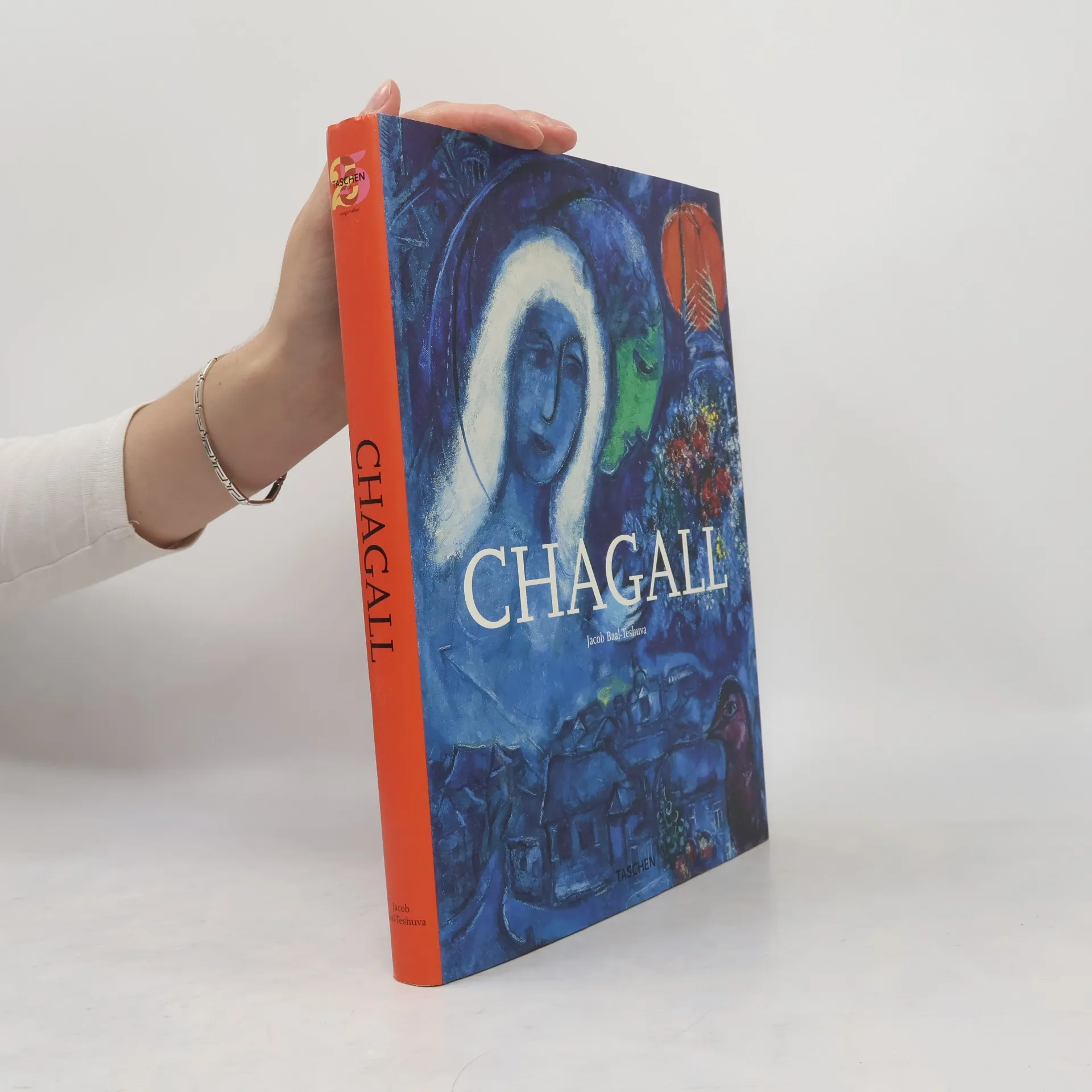
Marc Chagall
- 96pagine
- 4 ore di lettura
Marc Chagall è scomparso nel 1985 all'età di 97 anni ed è considerato uno dei grandi maestri dell'arte moderna. La sua immaginazione creativa, intrisa di magia e poesia, dà vita a un mondo fantastico e affascinante, caratterizzato da colori vivaci e brillanti, che riflettono la sua infanzia e giovinezza trascorse a Vitebsk, nell'attuale Bielorussia. L'arte di Chagall, fortemente influenzata dalle icone bizantine e russe, incorpora anche elementi dell'avanguardia. I suoi dipinti sono colmi di miti e simboli, e le coppie che fluttuano gioiosamente nell'aria sembrano sfidare le leggi dell'attrazione universale. Queste opere, ricche di poesia e di una gioia di vivere che trae vigore dalla Bibbia, incantano un vasto pubblico e appassionano i collezionisti di tutto il mondo. L'opera colossale di Chagall abbraccia settant'anni di creazione e presenta dipinti a olio, gouaches, acquerelli, litografie, vetrate, mosaici, arazzi, ceramiche e sculture, oltre a lavori realizzati per il teatro, l'opera e il balletto classico.
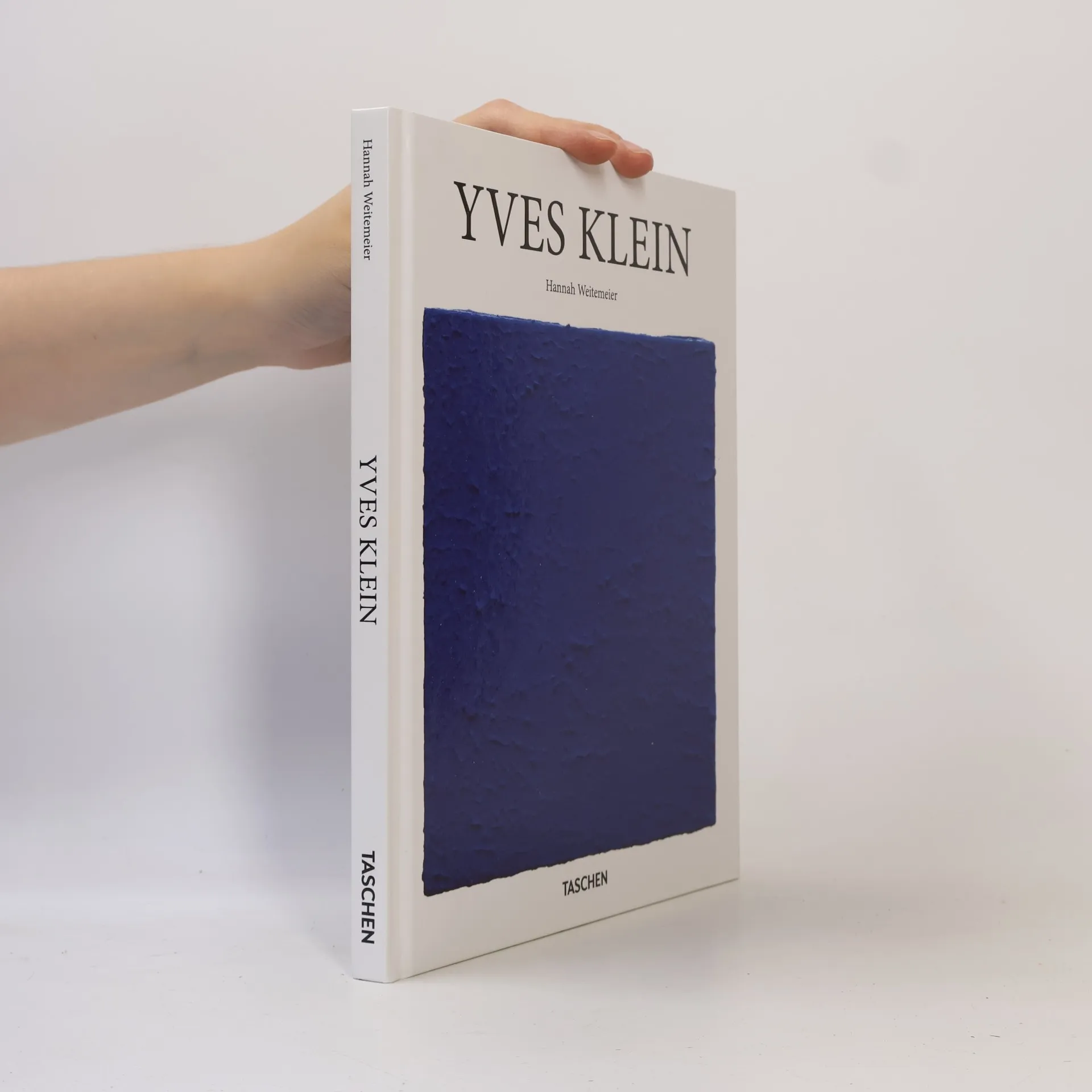
International Klein blue
- 95pagine
- 4 ore di lettura
Yves Klein (1928-1962) eroberte die Welt der Kunst und erklärte, dass 'eine neue Welt einen neuen Menschen verlangt'. In einem kurzen, aber intensiven Schaffenszeitraum von nur sieben Jahren malte Klein über tausend Bilder, die zu den Klassikern der modernen Kunst gehören. Dieses Buch bietet eine Auswahl seiner Werke.
Duchamp
- 95pagine
- 4 ore di lettura
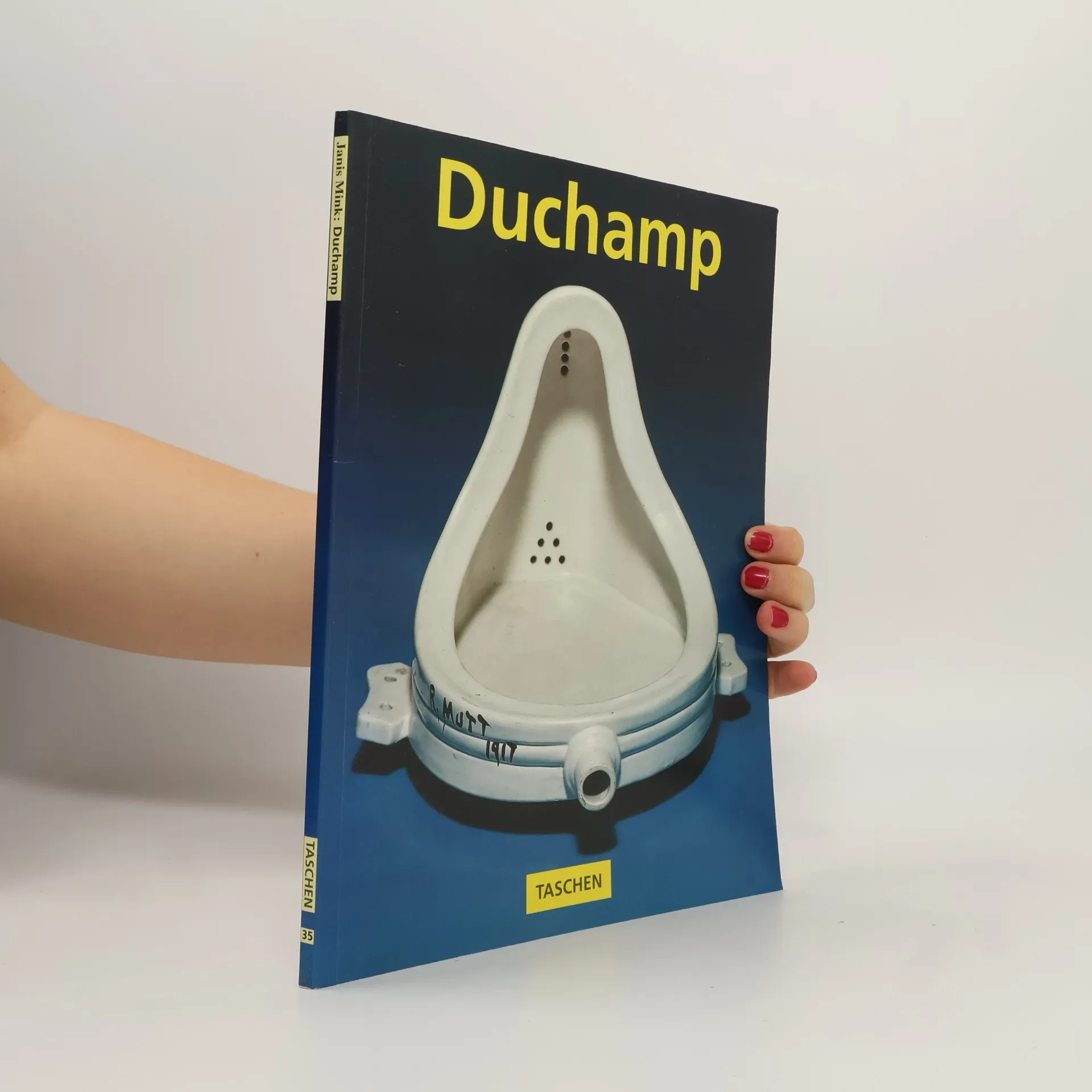
Marcel Duchamp (1887-1968) is best-known for his "ready-mades" - such as the urinal, entitled "Fountain" and "signed" R. Mutt. This study tackles the enigma of this major 20th-century artist.
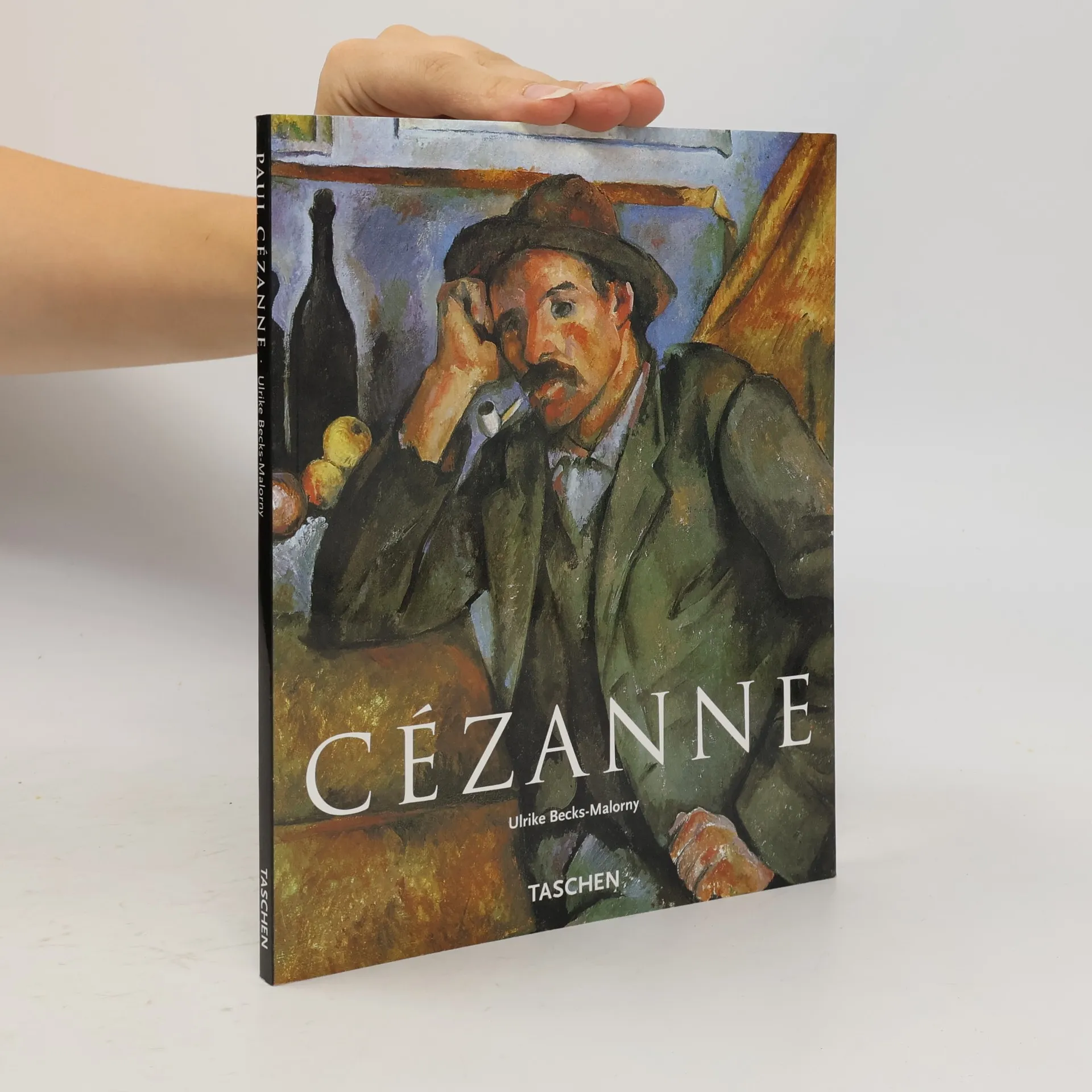
Divine apples and Cézanne’s quest for “a harmony parallel to Nature” He was the founding father of modern art, the grand master who pointed painting forward on its way from Impressionism to the 20th Paul Cézanne (1839–1906). In Paris, but above all in Provence, Cézanne quested tirelessly for “a harmony parallel to Nature”—discovering it in still lifes of apples, in bathers, or in the renowned landscapes of his beloved Montagne Sainte-Victoire. This book discusses this extraordinary artist’s major works and his theories of painting and color. About the Each book in TASCHEN’s Basic Art series
Ensor
- 96pagine
- 4 ore di lettura
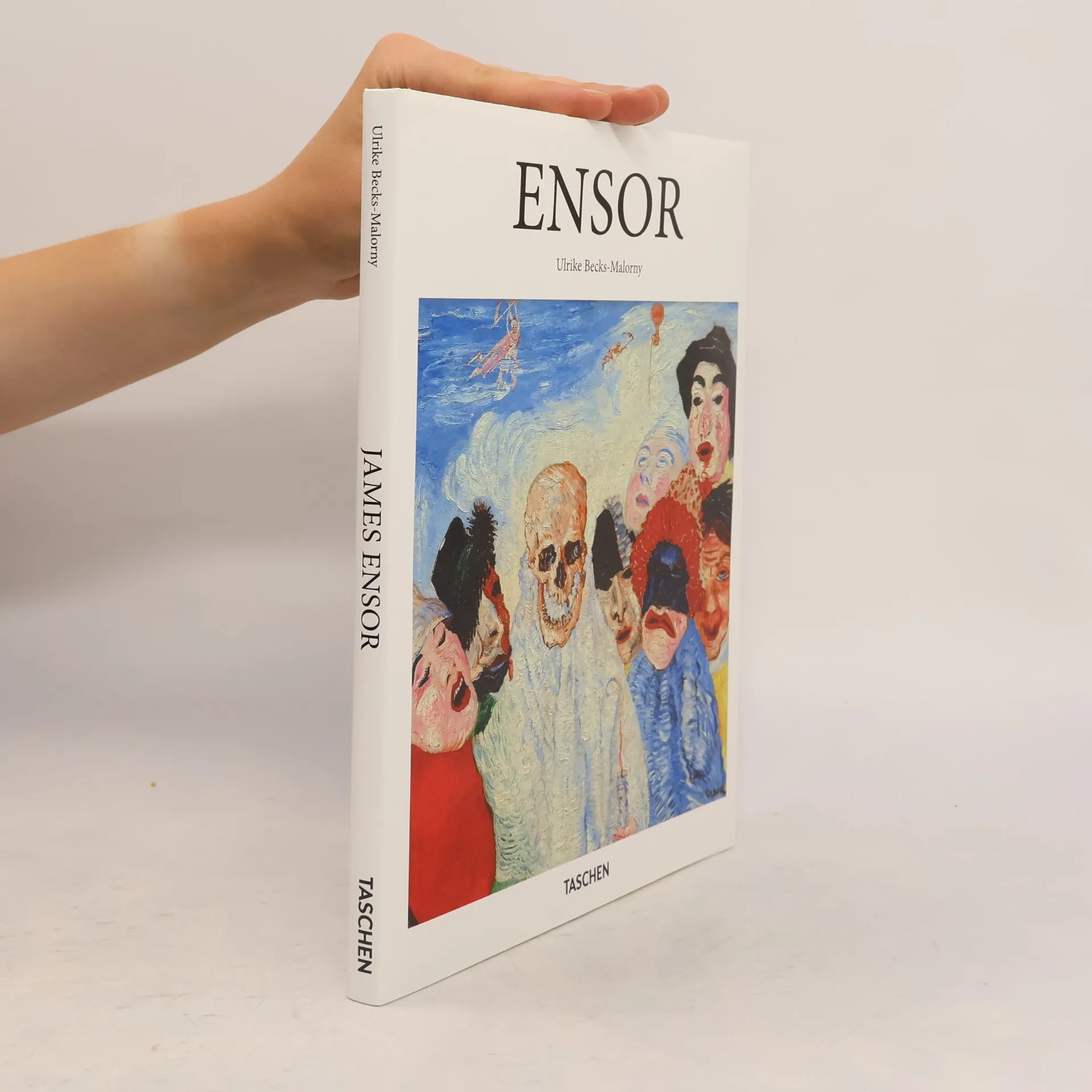
Enter the ominous and enigmatic world of masks, the macabre, and mockery as we explore Belgian maverick James Ensor's unique repertoire of ghoulish scenes and gallows humor. An Expressionist before the term was even coined, Ensor continues to influence generations of artists through his distinctively dark satire, which drew on a rich stylistic...
Lucio Fontana
- 96pagine
- 4 ore di lettura
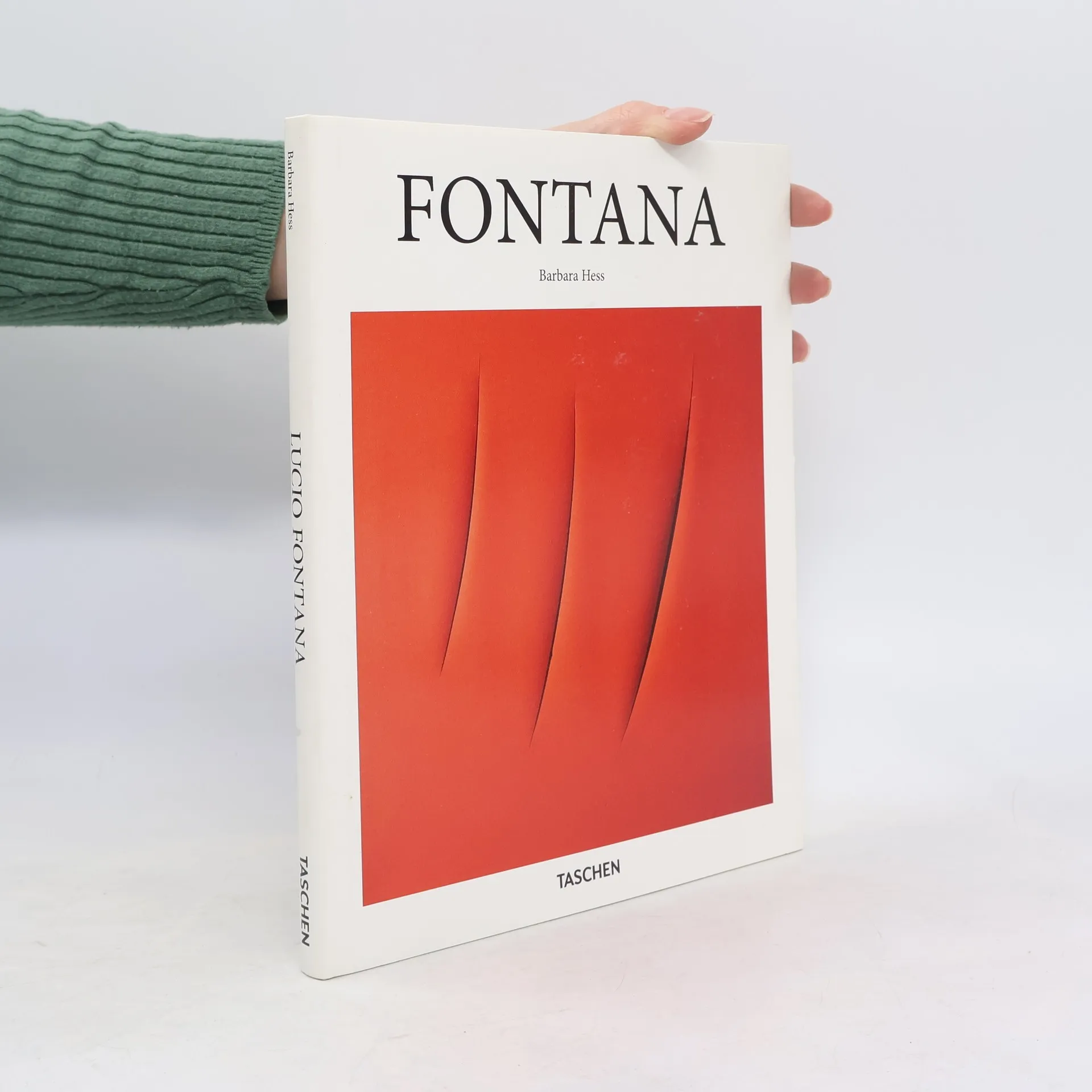
Italian artist Lucio Fontana literally tore the art establishment apart. Trained as a sculptor, he combined form and color in radical spatial gestures, most famously his slashed canvases of the 1950s and '60s. Regarded as the father of midcentury Spatialism, his provocative practice channeled postwar innovation in a pioneering synthesis of art, ...
Gustave Courbet
- 96pagine
- 4 ore di lettura
Il realismo senza sentimentalismi "Sostengo," dichiarò Gustave Courbet (1819-1877), "che la pittura è chiaramente un'arte concreta la cui esistenza risiede solo nella rappresentazione di oggetti reali ed esistenti...." Courbet, che influenzò e consigliò i giovani Impressionisti, fu un rappresentante eccezionale di un realismo naturalistico che mette in evidenza le contraddizioni e le disuguaglianze nella società. Rivoluzionario fu lo stile di Courbet, caratterizzato da tonalità scure e pennellate pesanti, e la scelta dei soggetti: rappresentazioni della vita delle persone comuni trattate in modo diretto e senza sentimentalismi. La sua influenza fu enorme durante la sua vita; nel 1872 gli fu offerta la croce della Legion d'Onore, ma la rifiutò. Sempre in conflitto con l'autorità, sia artistica che politica, Courbet divenne membro della Comune di Parigi e fu brevemente imprigionato, costretto a fuggire in Svizzera per gli ultimi anni della sua vita.
Bruegel. The complete Paintings
- 96pagine
- 4 ore di lettura
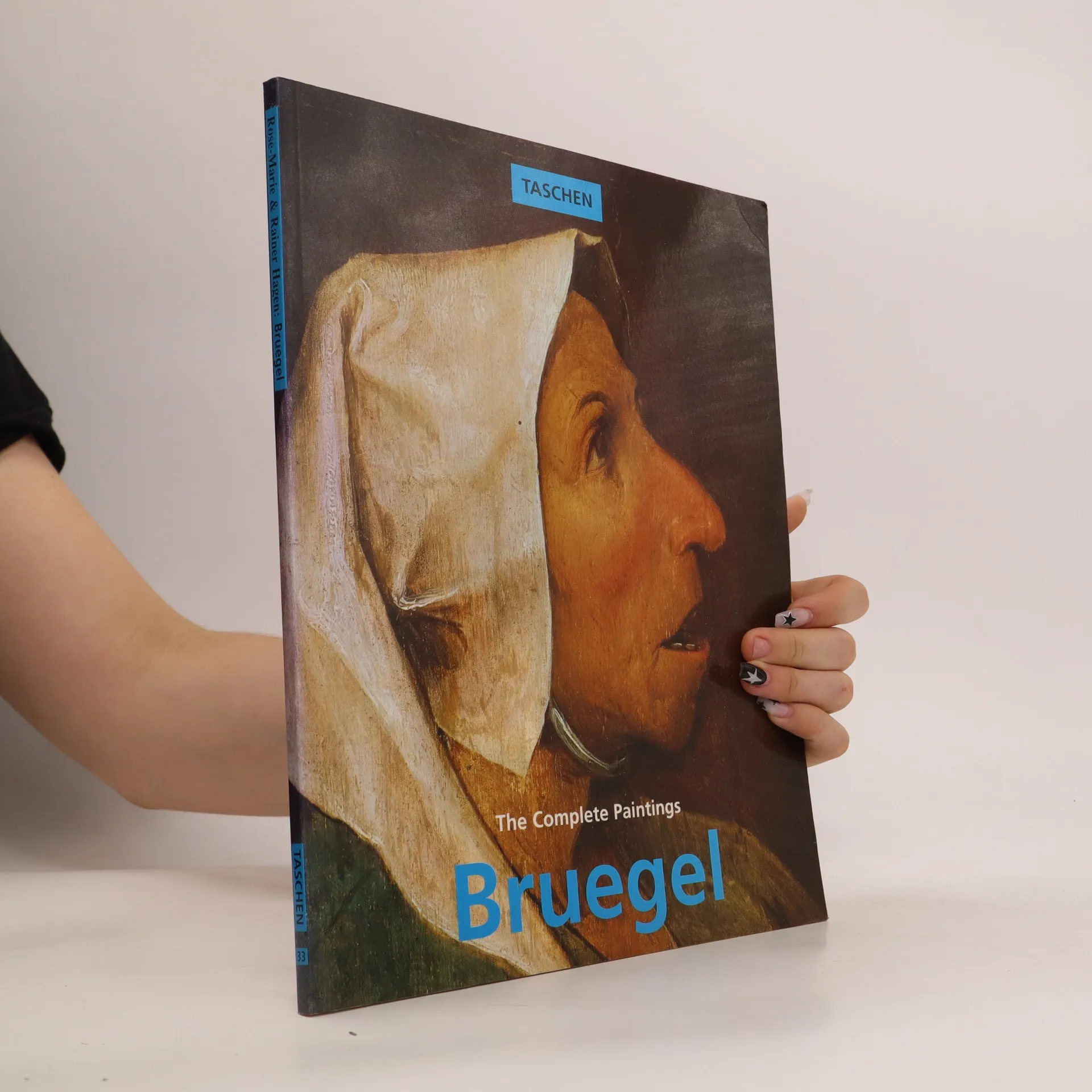
At a time when artists were still primarily occupied with religious or mythological subject matter, the Flemish painter Pieter Bruegel turned his shrewd eye on everyday ways. This book outlines the artist's account of his society and times, and the relevance that account has for us today.
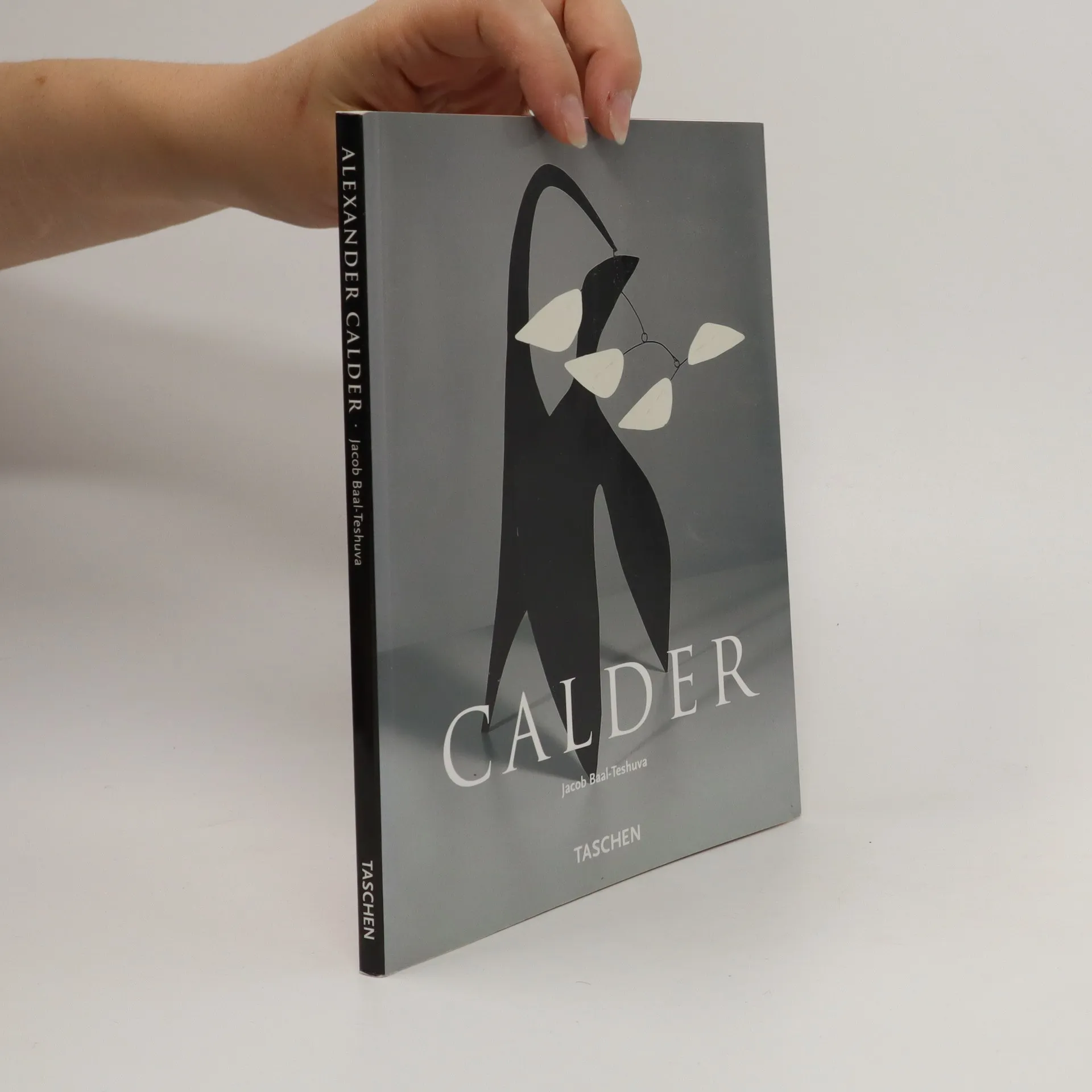
Alexander Calder, 1898-1976
- 95pagine
- 4 ore di lettura
Perché l'arte deve essere statica? La prossima fase è la scultura in movimento. ALEXANDER CALDER 1898-1976 rivoluziona le regole delle arti plastiche, inventando il mobile sospeso al soffitto, che si anima al minimo soffio d'aria. I suoi "stabiles", monumentali e eretti in tutto il mondo nelle piazze pubbliche di molte città, sono quasi altrettanto noti. Questo volume presenta inoltre sculture in filo di ferro, quadri, gouaches, arazzi e gioielli, e persino automobili e aerei dipinti.
Yves Klein
- 96pagine
- 4 ore di lettura
Famous for his patented shade of blue and the use of living brushes, the artist Yves Klein produced over 1,000 works during his brief but impactful career. These pieces are now regarded as classics of modern art, showcasing his innovative approach and unique artistic vision.
Mark Chagall
- 279pagine
- 10 ore di lettura
Henry Miller beschrieb Marc Chagall einmal als einen "Dichter mit den Flügeln eines Malers." Die Seiten von Chagall sind gefüllt mit Bildern, die die Worte des Schriftstellers wahr machen. Obwohl Chagall hauptsächlich als Maler in Erinnerung bleibt, drückte sich seine künstlerische Vision in vielen anderen Formen aus, darunter Skulpturen, Mosaiken und die Glasfenster, die das Art Institute of Chicago sowie Synagogen und Kirchen in Europa und den Vereinigten Staaten schmücken. Der Band gewährt den Lesern Einblicke in sein umfangreiches Werk und die Möglichkeit, Chagall auf seinem Weg von seinen frühen Jahren in Russland nach Paris, in die Vereinigten Staaten und zurück nach Frankreich zu begleiten. In dieser Zeit flirtete seine Malerei mit den verschiedenen Kunstbewegungen um ihn herum – insbesondere dem Surrealismus und dem Fauvismus – aber seine dominierenden Themen blieben über die sieben Jahrzehnte, in denen er Kunst schuf, konstant. Chagalls Mystik, sein tiefes religiöses Empfinden und seine Verspieltheit werden in den hunderten von farbigen Bildern, die in diesem Band üppig reproduziert sind, offenbart. Der Kommentar des Chagall-Experten und Freundes Jacob Baal-Teshuva führt die Leser geschickt durch die verschiedenen Stimmungen und Medien des Künstlers und unterstreicht die Leidenschaft des Glaubens und der Gefühle, die all seine Kunstwerke prägten.
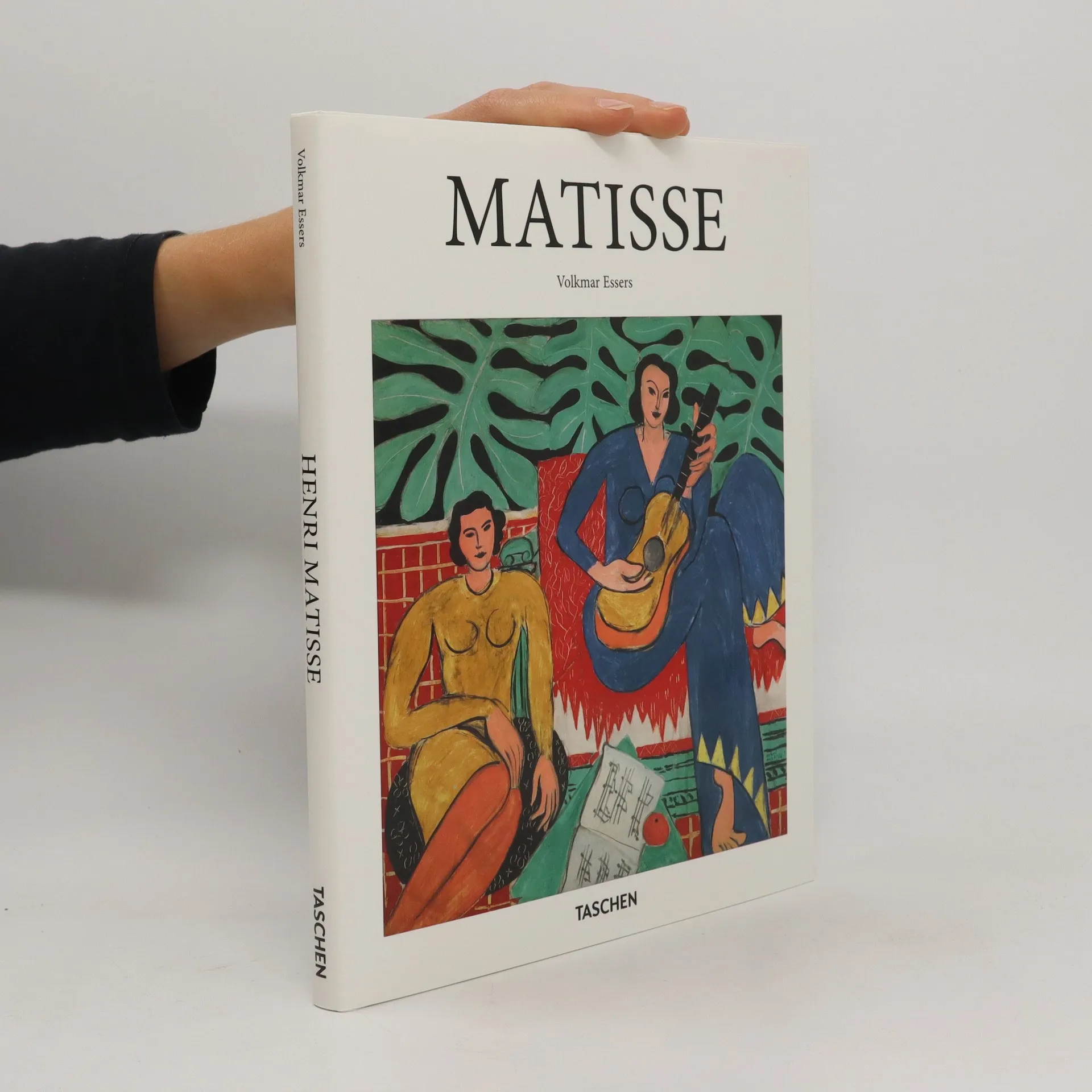
Henri Matisse, 1869-1954 : master of colour
- 96pagine
- 4 ore di lettura
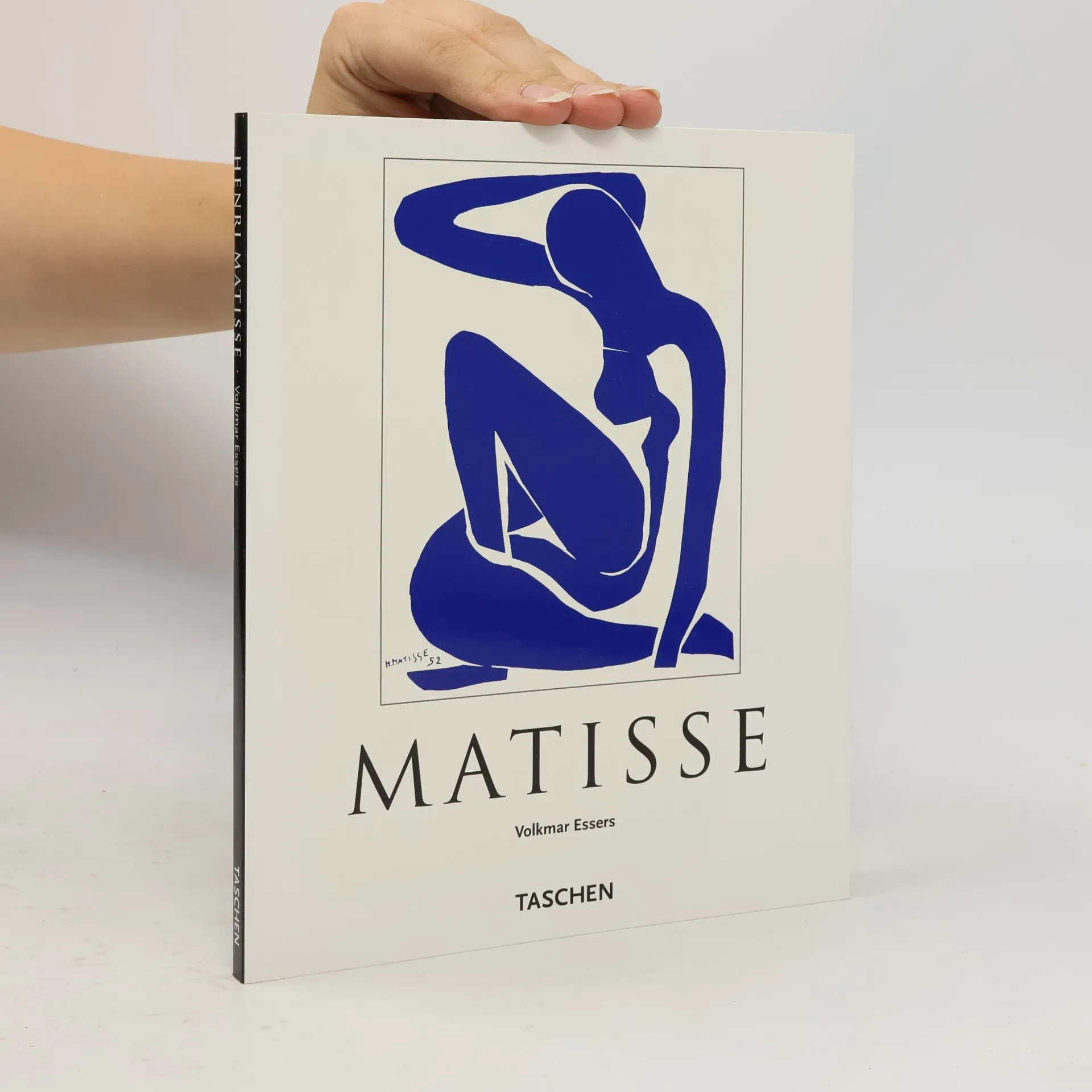
Henri Matisse (1869–1954), zentrale Figur des Fauvismus, war ein Einzelgänger, der zeitlebens nach dekorativer Formvereinfachung und der perfekten Synthese von Linie und Farbe strebte. Nach seiner fauvistischen Phase experimentierte er mit Kubismus und primitiver Kunst. Seine Reisen in den Orient und nach Polynesien bereicherten seine Arbeiten, die über die flache Leinwand hinausgingen: Er gestaltete Glasfenster, Wandgemälde, Bühnenbilder, Kostüme, Buchillustrationen sowie Skulpturen aus Bronze, Keramik und Ton. Durch den flächig-dekorativen und ornamentalen Einsatz von Farbe verlieh er ihr ein eigenständiges Dasein und wurde zum Vorbild für Künstler, die neue Wege jenseits der Abbildhaftigkeit suchten. Ein Höhepunkt seiner Kunst war der Scherenschnitt, den er im Alter aufgrund von Krankheit entdeckte. Hier entstanden farbenfrohe Collagen aus mit Gouachefarben bestrichenem Papier, die rhythmische Improvisationen darstellten. 20 dieser Werke wurden 1947 unter dem Titel Jazz als Künstlerbuch veröffentlicht, ein bedeutendes Werk des 20. Jahrhunderts und eine Krönung seiner kreativen Reise. Dieser Band verfolgt seinen künstlerischen Werdegang von Neoimpressionismus und Fauvismus bis hin zur reinen Farbfeldmalerei und lädt dazu ein, sich intensiver mit einem Künstler auseinanderzusetzen, dessen Einfluss auf die Moderne enorm ist.
Alexander Calder. 1898-1976
- 95pagine
- 4 ore di lettura
When the final tally of key movers in the plastic arts of this century is compiled, there is no doubt that maestro of movement Alexander Calder (1898-1976), the man who put the swing into sculpture, will be near numero uno. Calder took it off the plinth, gave it to the wind, and left us kinetic playgrounds of the spirit. He operated at the point where Modernity and nature Fused, developing an environmental art that changed the medium Forever. Visiting his Paris atelier in 1932, Duchamp coined the term "Mobiles" For Calder's delicate wire and disc pieces, constructions that would soon become immensely popular. But he didn't rest on his innovations. Friends with Miro, Mondrian and Leger, Calder also turned his hand to painting, drawing, gouaches, toys, textiles and utensil design. A graphic master who sketched as much in air as in ink, the Sixties and Seventies saw Calder take on the monumental, translating the dynamics of cities into both his Mobiles and "Stabiles". At a time when sculpture was perceived to be the antithesis of movement, Calder unmade gravity and freed the elements in a body of work that is still sending a wind of change through the art world today.
Henri Matisse's adventures in color and light constitute a landmark in the history of modern art. From his apprenticeship in the studio of Gustave Moreau to the paper cutouts of the 1950'...
Caspar David Friedrich
- 96pagine
- 4 ore di lettura
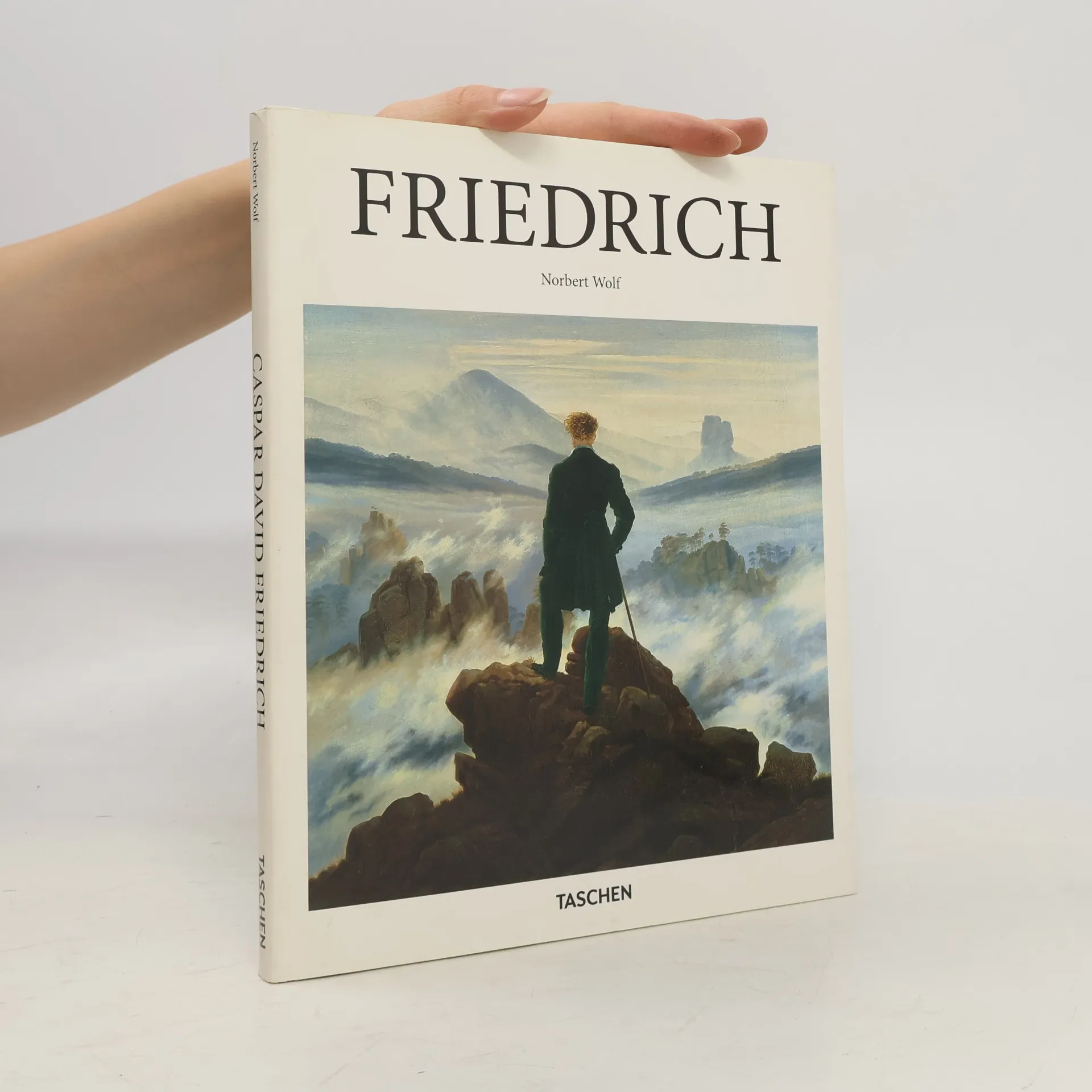
From night skies to morning mists to the much-cited Wanderer above a Sea of Fog, Caspar David Friedrich mastered the emotional and metaphysical experience of nature. This introductory book presents his most important and celebrated works to explore an oeuvre of sublime and haunting impact and a trailblazer of Romantic aesthetics.
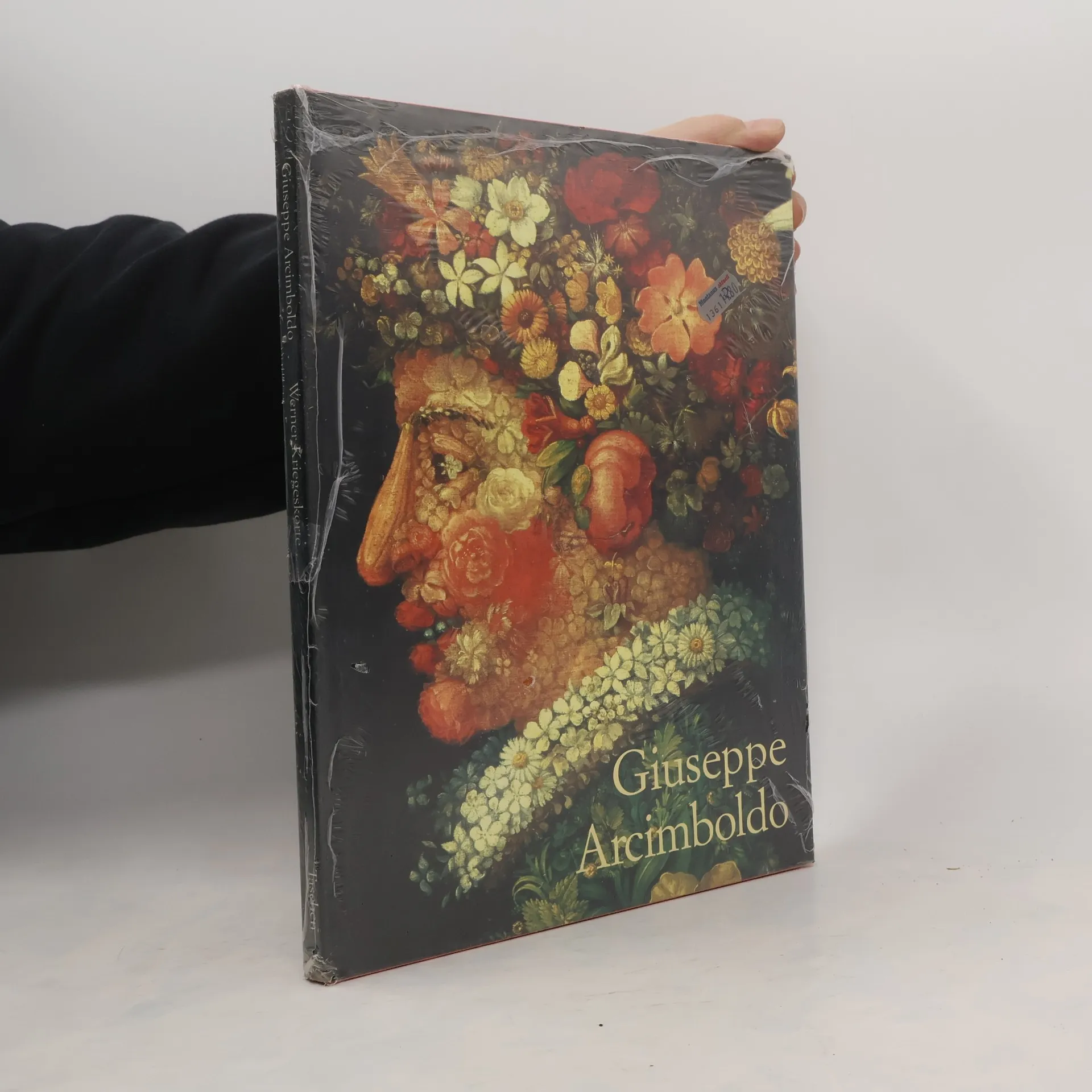
This book details Arcimboldo's life, work, pictures and drawings. Also the work he did as a scientist.
Freud
- 96pagine
- 4 ore di lettura
Lucian Freud (1922-2011) cercava di rivelare la verità attraverso i suoi ritratti, analizzando i modelli con la precisione di uno scienziato. Le sue opere, che rivelano emozioni e vulnerabilità, esplorano il complesso rapporto tra artista e soggetto. Questo libro presenta alcuni dei suoi ritratti più iconici.
Degas
- 96pagine
- 4 ore di lettura
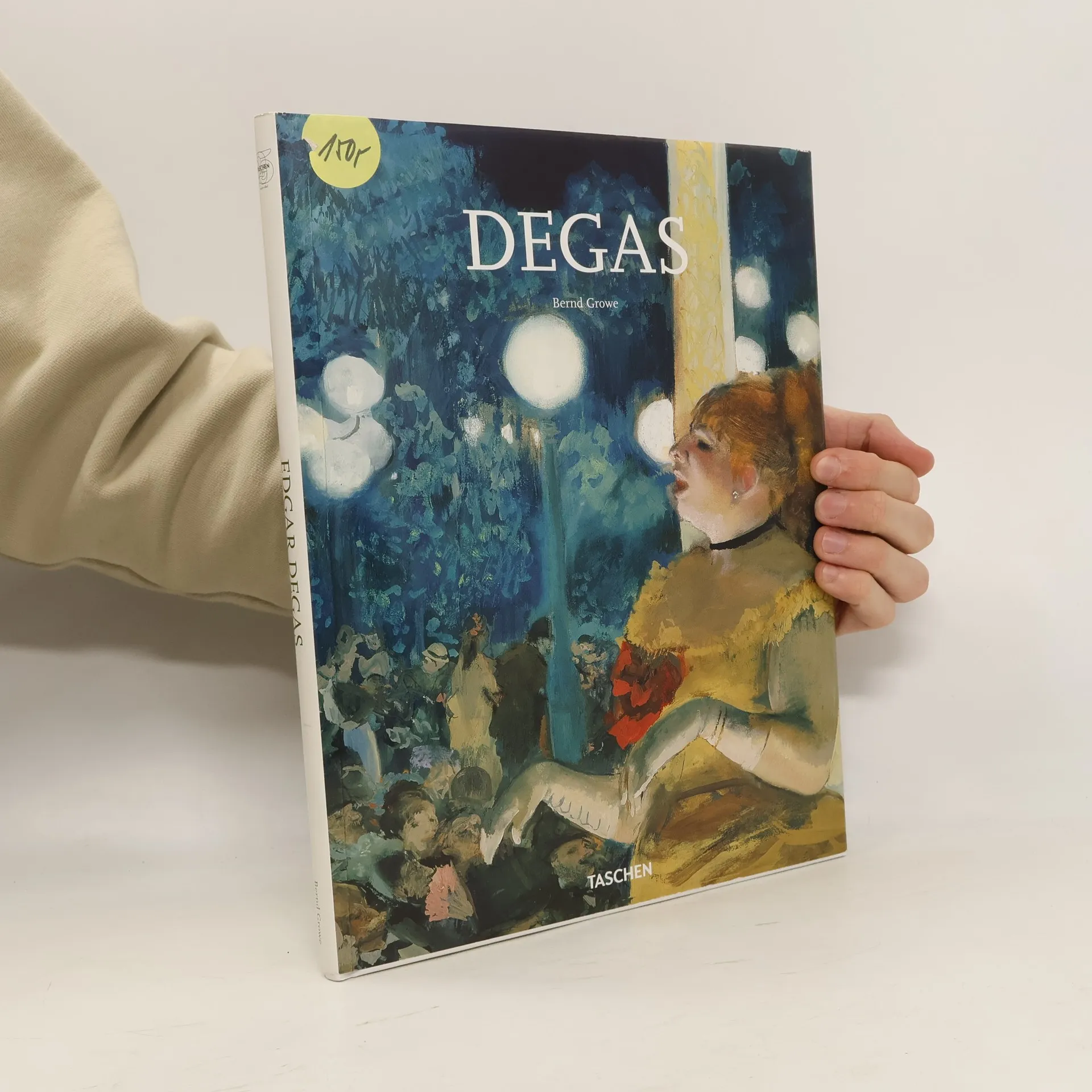
Degas's mastery in the depiction of movement ""No art could be less spontaneous than mine. Inspiration, spontaneity, temperament are unknown to me. One has to do the same subject ten times, even a hundred times over. In art, nothing should look like chance, not even movement.""—Edgar Degas In terms of both theme and technique, the key to understanding the early work of Edgar Degas (1834–1917) is classical painting. Although he was eventually associated with the Impressionists and even participated in their joint exhibitions, Degas never adopted a purely Impressionist approach. Degas's work, reflecting an extremely personal and psychological perspective, emphasizes the scenic or concentrates on the detail. Thus, Degas's painting is often discussed with reference to the rise of short-exposure photography. Thematically, nature proved less interesting to the artist than the life and inhabitants of the modern metropolis. Degas primarily sought his motifs at the race track or circus, in bedrooms, or in ballet salons—and dancers always remained his favorite theme. About the Series: Every book in TASCHEN's Basic Art Series features: a detailed chronological summary of the artist's life and work, covering the cultural and historical importance of the artist approximately 100 color illustrations with explanatory captions a concise biography
Paul Gauguin
- 439pagine
- 16 ore di lettura
Prima di dedicarsi alla pittura, Paul Gauguin (1848–1903) viaggiò come marinaio e lavorò come banchiere, ma non trovò soddisfazione in questa vita. Dopo il crollo della borsa del 1882, abbandonò la sua vita borghese per diventare artista. Partecipò inizialmente alla quarta esposizione degli Impressionisti, per poi distaccarsi da questo movimento e sviluppare uno stile personale. Gauguin, che si definiva un "Selvaggio", ebbe relazioni intense e conflittuali con figure di spicco dell'avanguardia francese, tra cui van Gogh, con cui ebbe un litigio nel 1888. Attratto dalle idee contemporanee sul "Primitivo", si trasferì nel Pacifico, dove creò molte delle sue opere più celebri. In dipinti come "La donna con il fiore" e "Sogno tenero", sviluppò uno stile primitivista caratterizzato da colori vivaci e rappresentazioni idealizzate, che però poco riflettevano la realtà della vita nella regione. Le sue innovazioni stilistiche offrirono nuove prospettive alle generazioni artistiche future. Questa introduzione all'ampia opera di Gauguin, che include anche xilografie, ceramiche e oggetti in legno primitivi, evidenzia il suo impatto sull'avanguardia francese e tedesca del XX secolo.
Francisco Jose de Goya y Lucientes (1746-1828), one of Spain's most revered and controversial painters, is known for his intense, chilling, and sometimes grotesque paintings depicting the injustice of society with brutal sincerity. This book features a detailed chronological summary of the artist's life and work.