Questa serie approfondisce il mondo interiore dell'infanzia e la formazione dell'identità all'interno di un paesaggio austero e isolato. Seguendo il viaggio di un ragazzo sensibile e intelligente, queste opere esplorano le complessità dei legami familiari e delle pressioni sociali. L'autentica rappresentazione della crescita in una Sudafrica multiculturale ma tesa offre profonde intuizioni sullo sviluppo personale e psicologico.
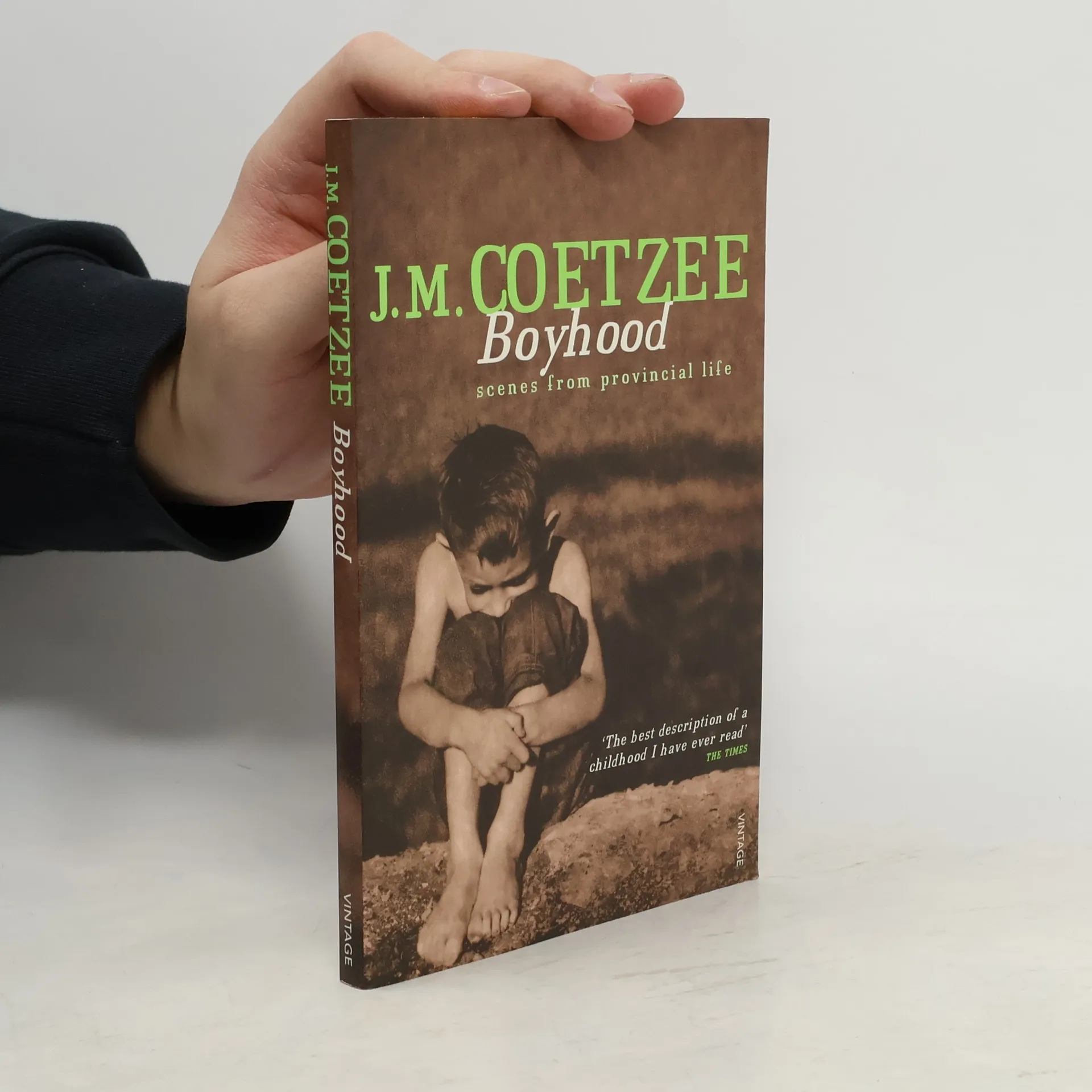
Boyhood is a deeply-felt and utterly compelling account of a South African childhood: the narrative style is as spare and lean as the Karoo flatlands which form its backdrop' Daily Telegraph
Con Gioventù, Coetzee narra la storia di un giovane studente universitario di Matematica, che ha dieci anni in più rispetto al protagonista di Infanzia. Questo ragazzo, pieno di ambizioni e sensi di colpa, desidera ardentemente tradurre la sua «fiamma interiore» in versi sublimi, ispirati da Ezra Pound. Per realizzare questo sogno, si dedica alla lettura e ai corsi di letteratura, risparmiando per un viaggio in Europa, dove crede che il suo destino di poeta si compirà, lontano da Città del Capo. Siamo nei primi anni Sessanta, un periodo segnato da violente repressioni nel Sudafrica, una patria che il protagonista considera una «ferita» e un marchio d'infamia. Londra, insieme a Parigi, rappresenta per lui l'avanguardia culturale, un luogo dove vivere intensamente tra spiriti eccezionali e donne affascinanti. Tuttavia, la realtà si rivela ben diversa: la città è difficile da abitare, i circoli letterari sono inaccessibili e le relazioni con le donne si rivelano brevi e deludenti. Gli amici sono borghesi con ambizioni modeste e il lavoro come programmatore di computer lo sfinisce. Mentre si confronta con un mondo dominato dalla paura della guerra e dai conflitti globali, la sua vocazione poetica appare sempre più illusoria, rivelando la sua inettitudine e l'assenza di una chiara identità e futuro.
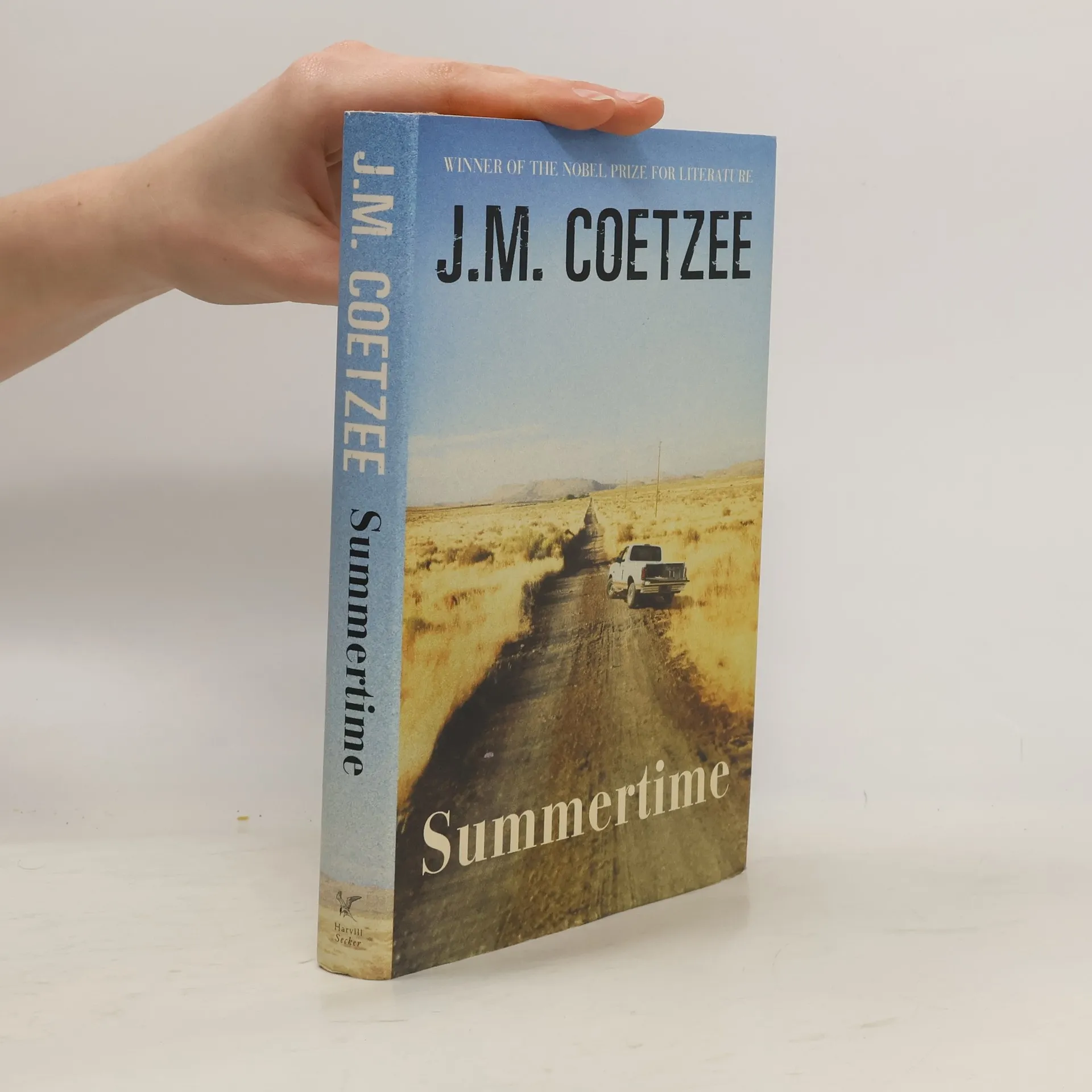
Summertime is an inventive and inspired work of fiction that allows J.M. Coetzee to imagine his own life with a critical and unsparing eye, revealing painful moral struggles and attempts to come to grips with what it means to care for another human being.A young English biographer is researching a book about the late South African writer John Coetzee, focusing on Coetzee in his thirties, at a time when he was living in a rundown cottage in the Cape Town suburbs with his widowed father - a time, the biographer is convinced, when Coetzee was finding himself as a writer. Never having met the man himself, the biographer interviews five people who knew Coetzee well, including a married woman with whom he had an affair, his cousin Margot, and a Brazilian dancer whose daughter took English lessons with him. These accounts add up to an image of an awkward, reserved, and bookish young man who finds it hard to make meaningful connections with the people around him. Summertime is an inventive and inspired work of fiction that allows J.M. Coetzee to imagine his own life with a critical and unsparing eye, revealing painful moral struggles and attempts to come to grips with what it means to care for another human being. Incisive, elegant, and often surprisingly funny, Summertime is a compelling work by one of today's most esteemed writers.
Coetzee's majestic trilogy of fictionalised memoir, Boyhood, Youth and
SummertimeIt opens in a small town in the South Africa of the 1940s. As he
interviews important figures in Coetzee's life, a portrait emerges of an
awkward outsider who - even after death - remains dogged by rumours.