
10 libri per 10 euro qui
Bookbot

Wassily Kandinsky

    4 dicembre 1866 – 13 dicembre 1944

    Vassily Kandinsky fu un artista visionario che sfidò le convenzioni artistiche tradizionali con il suo approccio pionieristico all'astrazione. La sua opera dimostra un profondo interesse per le qualità spirituali ed emotive del colore e della forma, che cercò di esprimere al di là della rappresentazione figurativa. Attraverso i suoi scritti teorici e la sua pittura, esplorò il potenziale dell'arte di evocare potenti risposte interiori nello spettatore. La sua dedizione per tutta la vita a superare i confini dell'espressione visiva lo rende una figura cardine dell'arte moderna.
    Wassily Kandinsky
    The Blaue Reiter almanac
    Concerning the Spiritual in Art (Enhanced)
    Wassily Kandinsky 1866-1944: A Revolution in Painting
    The Art of Spiritual Harmony
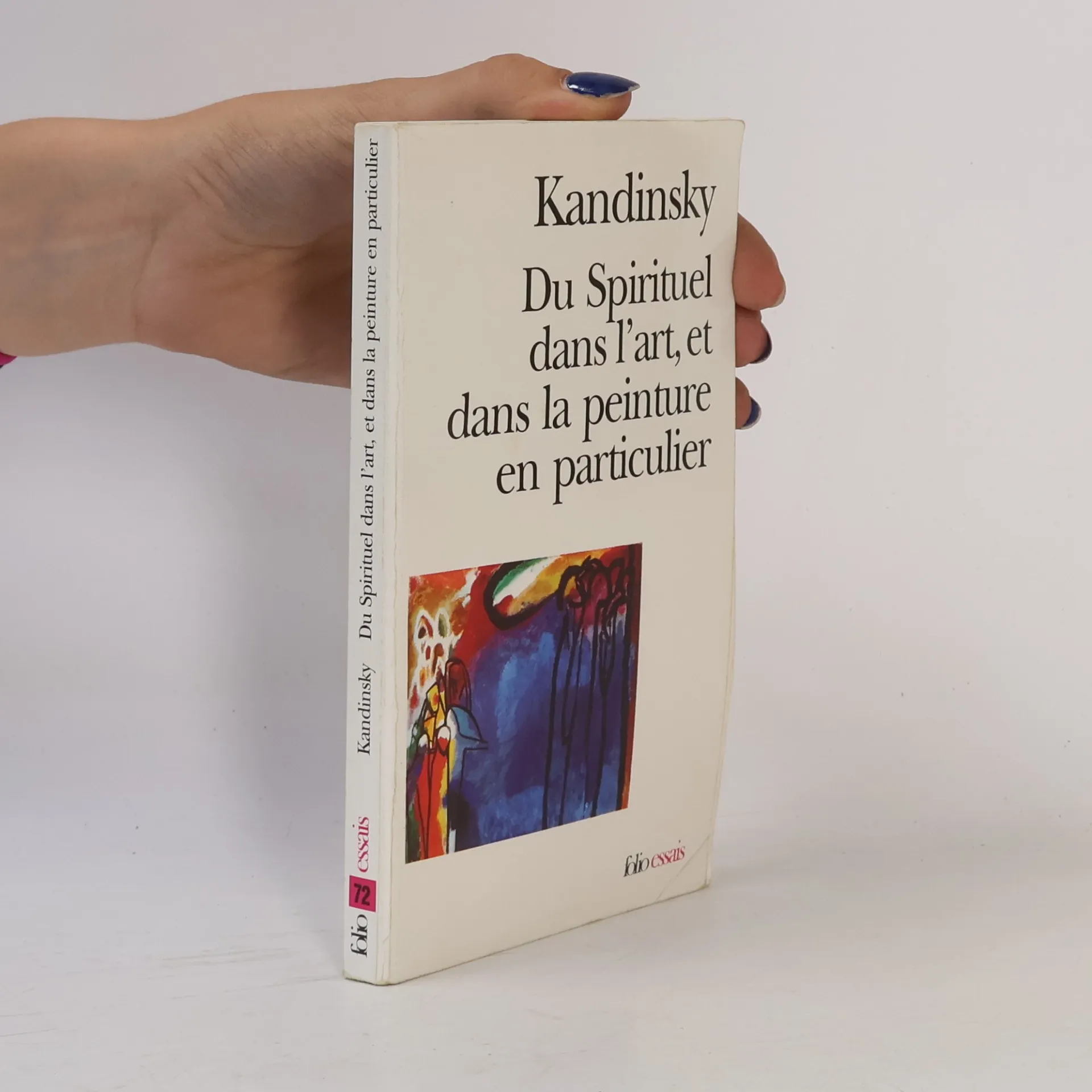
    Lo spirituale nell'arte
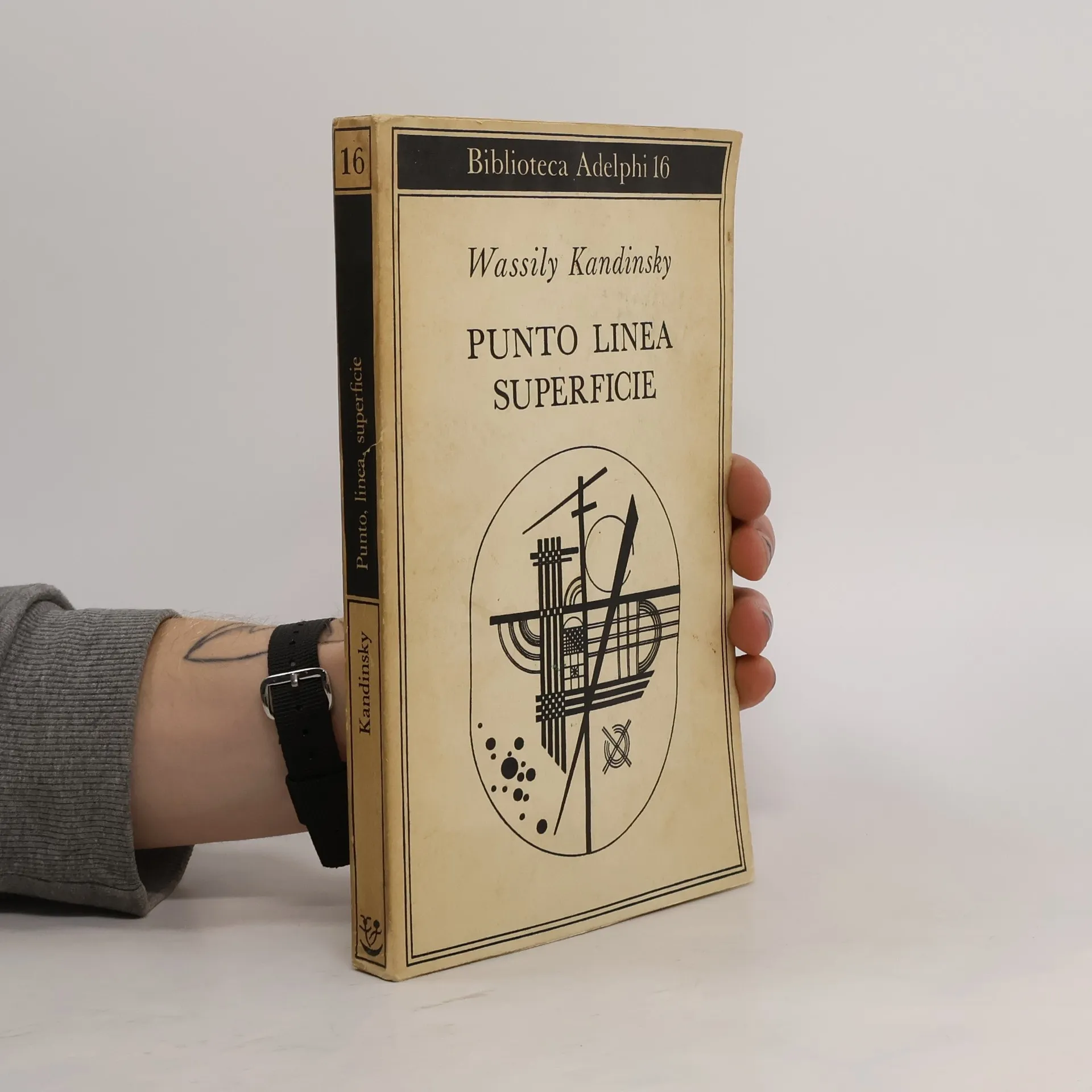
    Punto, linea, superficie. Contributo all'analisi degli elementi pittorici
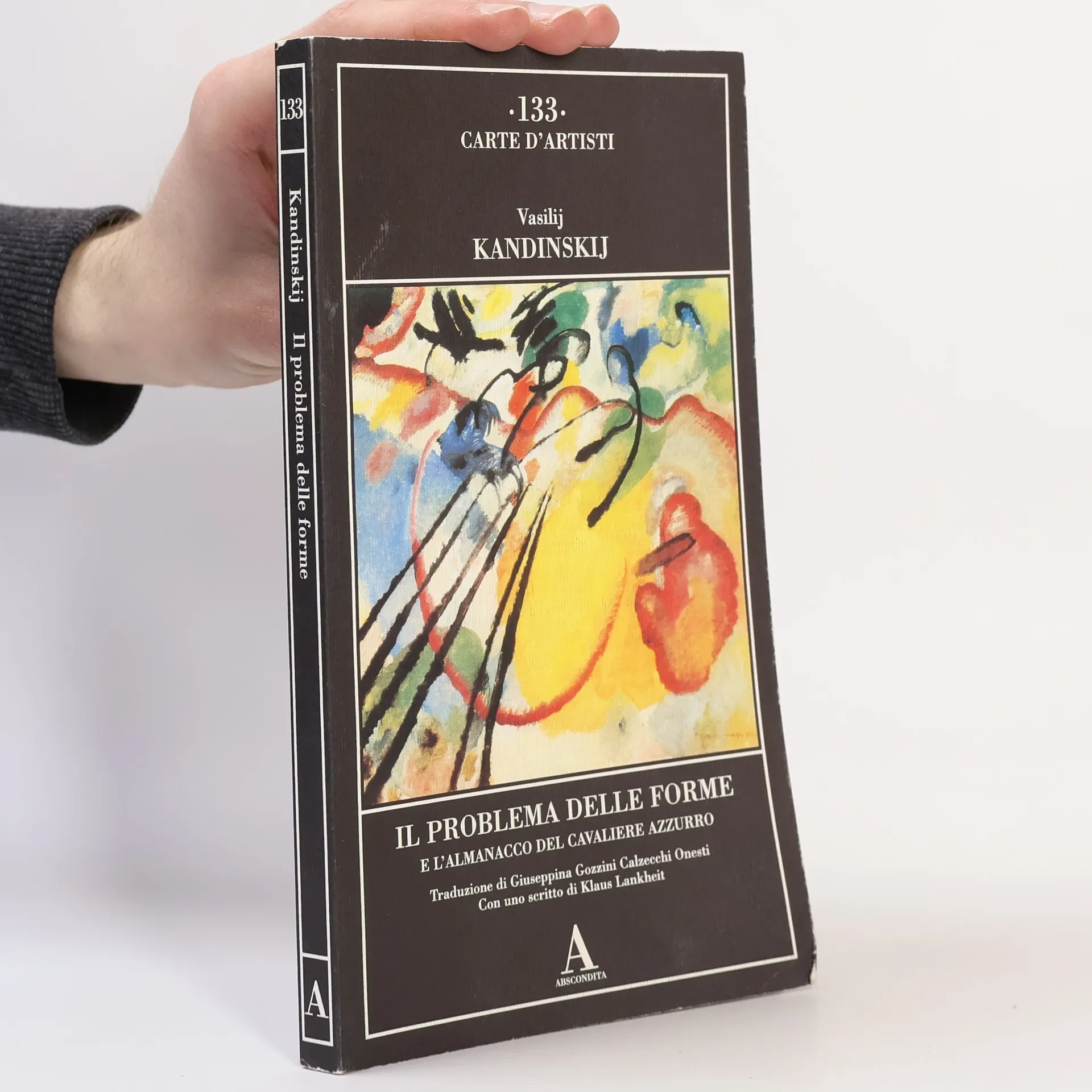
    • «È come un pezzo di ghiaccio entro cui brucia una fiamma» scriveva Kandinsky in una lettera del 1925, alludendo alla sua pittura. Ma lo stesso si potrebbe dire del libro che egli avrebbe pubblicato pochi mesi dopo, Punto, linea, superficie, testo capitale e rinnovatore per la teoria dell’arte e non solo per essa. Fra tutti i grandi pittori del ’900 Kandinsky è quello che forse più di ogni altro ha sentito l’esigenza di dare una formulazione teorica ai risultati delle proprie ricerche e di allargarne il significato toccando tutti i piani dell’esistenza. Già nel 1910, quando appena cominciava ad aprirsi la strada alla terra incognita dell’astratto, Kandinsky aveva scritto Über das Geistige in der Kunst, altro testo di grande risonanza, proclama mistico più che saggio di estetica, appello a un rivolgimento radicale della vita oltre che al rinnovamento dell’arte. Punto, linea, superficie si presenta come un’opera più fredda e tecnica, ma in realtà è l’espressione più articolata, matura e sorprendente del pensiero di Kandinsky. Alla base del libro sono i corsi che Kandinsky teneva dal 1922 al Bauhaus. In essi egli mirava soprattutto a individuare la natura e le proprietà degli elementi fondamentali della forma, perciò innanzitutto del punto, della linea e della superficie. Con estremo radicalismo Kandinsky dichiarava allora di voler fondare una scienza dell’arte: nel corso ulteriore delle ricerche i problemi avrebbero dovuto esser risolti matematicamente, e su questa strada si sarebbe mossa tutta l’arte futura. Per questo suo assunto e per le scoperte che per la prima volta vi sono esposte, Punto, linea, superficie ebbe un’influenza determinante in diversi campi, basti pensare alla grafica. Ma ciò che oggi colpisce nel libro è innanzitutto l’abbozzo di una metafisica della forma, ben più che il progetto di una scienza esatta. Per Kandinsky la forma, in ogni sua specie – naturale e artificiale –, è manifestazione significante di una realtà, è tensione di forze, e solo in rapporto al suo sottofondo invisibile può essere compresa. È chiaro che, con ciò, viene abbandonato irrimediabilmente il recinto dell’estetica: si entra invece in un regno diverso, dove ogni forma diventa un essere vivente – e in questo regno Kandinsky ci introduce come un rabdomante, che rintraccia e traduce continuamente l’uno nell’altro, con la sua inquietante sensibilità eidetica, segni sonori, grafici, cromatici. Così, procedendo all’interno di questo trattato, al tempo stesso di pittura e di geometria «qualitativa», ci accorgiamo di partecipare a una grande avventura fantastica. Kandinsky ci insegna ad «ascoltare» la forma, come mai nessuno prima di lui, e il suo insegnamento ci mette in un nuovo rapporto con l’opera d’arte, ci apre una possibilità di esplorazione, che è, come scriveva egli stesso, «la possibilità di entrare nell’opera, diventare attivi in essa e vivere il suo pulsare con tutti i sensi». Punto, linea, superficie fu pubblicato per la prima volta nel 1926.

      Punto, linea, superficie. Contributo all'analisi degli elementi pittorici
    • The book is a facsimile reprint of a scarce antiquarian work, preserving its cultural significance despite potential imperfections like marks and flawed pages. It aims to protect and promote literary heritage by providing a high-quality, affordable modern edition that remains faithful to the original text.

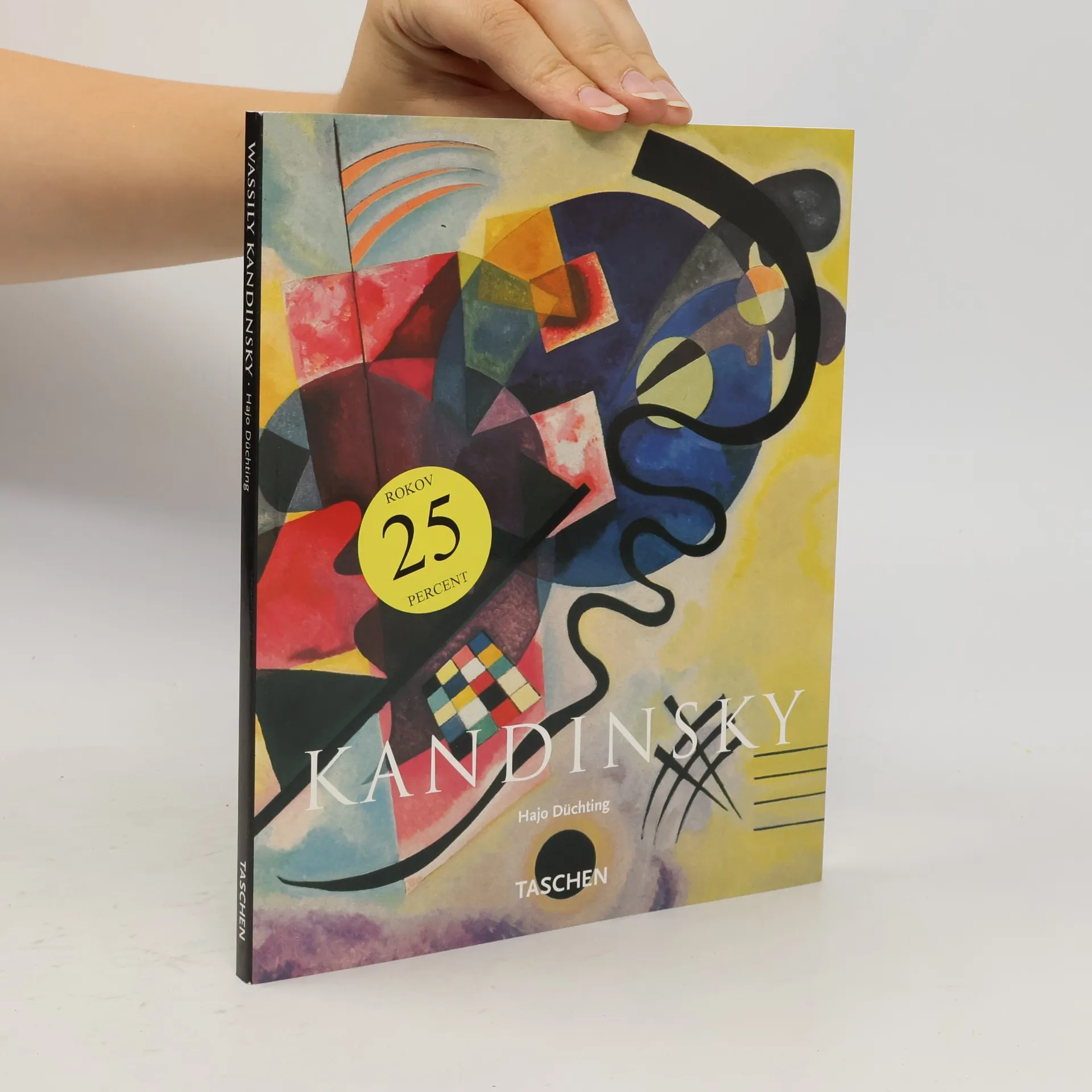
      The Art of Spiritual Harmony
    • The founder of abstract art The Russian painter Wassily Kandinsky (1866-1944), who later lived in Germany and France, is one of the pioneers of twentieth-century art. Nowadays he is regarded as the founder of abstract art and is, moreover, the chief theoretician of this type of painting. Together with Franz Marc and others he founded the group of artists known as the "Blauer Reiter" in Munich. His art then freed itself more and more from the object, eventually culminating in the "First Abstract Watercolour" of 1910. In his theoretical writings Kandinsky repeatedly sought the proximity of music; and just as in music, where the individual notes constitute the medium whose effect stems from harmony and euphony, Kandinsky was aiming for a pure concord of colour through the interplay of various shades. Gauguin had demanded that everything "must be sacrificed to pure colours". Kandinsky was the first to realise this and thus to influence a whole range of artists. About the Each book in TASCHEN’s Basic Art series

      Wassily Kandinsky 1866-1944: A Revolution in Painting
    • Exploring spirituality in modern art, this groundbreaking work by Wassily Kandinsky revolutionizes abstract painting. It offers deep insights into Kandinsky's thoughts and emotions, as well as those of his contemporaries, highlighting the transformative power of art in expressing the inner self.

      Concerning the Spiritual in Art (Enhanced)
    • The Blaue Reiter (Blue Rider) art movement was founded in 1911 by the young painters Wassily Kandinsky and Franz Marc, and was active in Europe until 1914. Originally published in Munich in 1912 and edited by Kandinsky and Marc-- the movements's almanac presented their synthesis of international culture to the European avant garde at large. In both the selection of essays and its innovative interplay of word and image, The Blaue Reiter Almanac remains one of our most critically important works of literature on the art theory and culture of the twentieth century. This edition, long unavailable in English and indispensable to any student of Modernism, simulates the original German format, and includes documents, and musical notations, as well as seminal essays by Kandinsky, Schoenberg, Marc and others. Nearly 150 illustrations, from ancient and contemporary sources, capture the wide-ranging interests and passions that inspired Kandinsky's and Marc's programmatic attempt to make Modernism accessible across national and chronological boundaries. Also included is Klaus Lankheit's extensive critical introduction, which places the Blaue Reiter in context for contemporary readers."The almanac remains unique among European writings on art; no other country produced a comparable work capturing the excitement and tension of the years before World War I." (Will Grohmann)

      The Blaue Reiter almanac
    • Sounds

      • 152pagine
      • 6 ore di lettura

      A dazzling yet little-known artist's book that distills the painter's seminal interests in abstraction and the unity of the arts

      Sounds
    • Kandinsky

      The Pioneer of a New Art Form--His Life in Paintings

      • 143pagine
      • 6 ore di lettura

      Shows "how this complex Russian artist established a truly abstract art."--Cover.

      Kandinsky
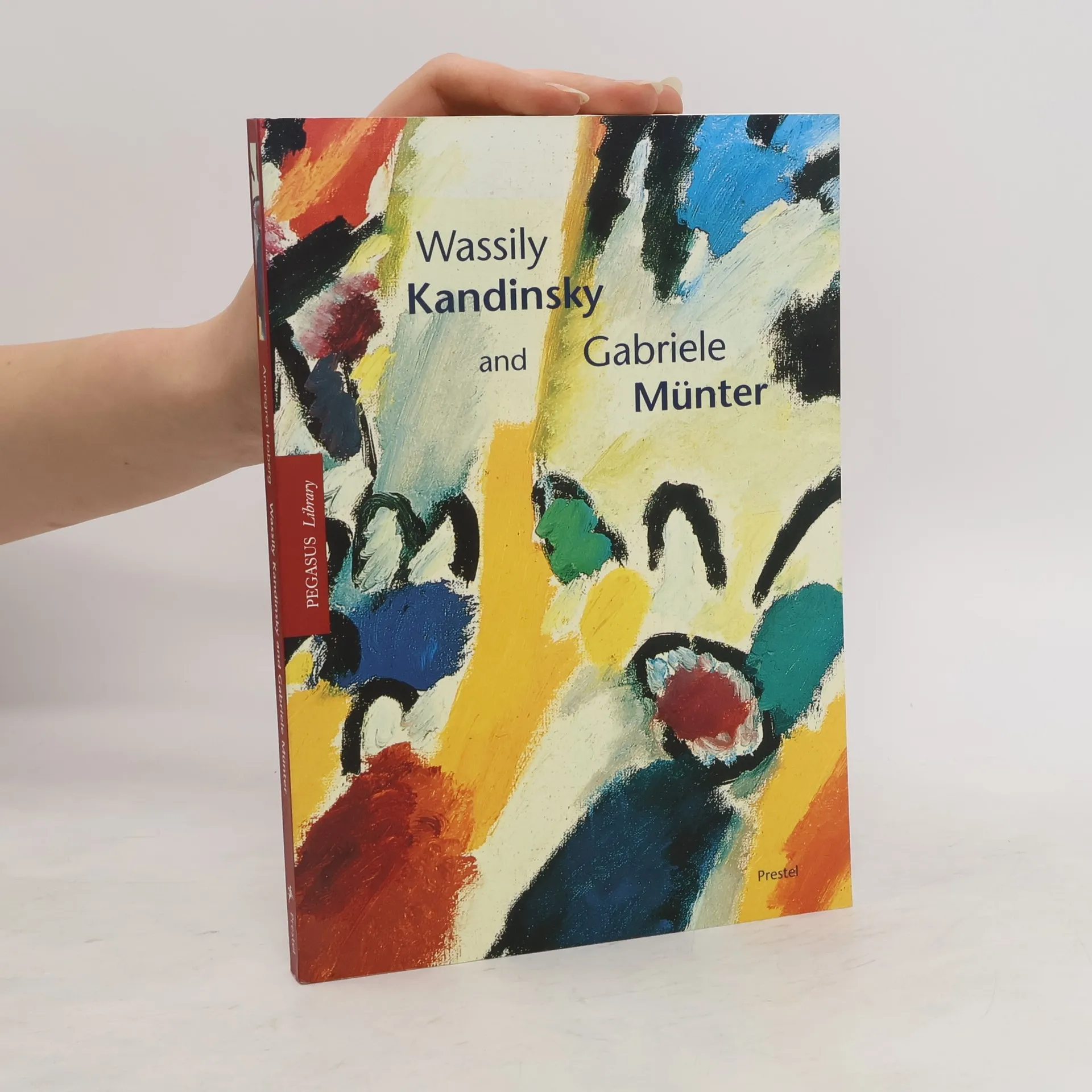
    • One of the art world's most poignant love stories comes to life in this fascinating book. The tumultuous love affair between Wassily Kandinsky and Gabriele Münter is a story of happiness and pain, trust and betrayal, harmony and conflict, set against the backdrop of the revolutionary upheavals that attended the birth of Modernism. The fascinating story of their life in the Bavarian countryside, where they were a part of the Blue Rider group, and the underlying tensions that eventually drove them apart, is told in letters, diary entries and memoirs, and in superb reproductions of the artists' finest paintings and sketches. This book traces the development of the couple's personal and artistic relationship from 1902 through 1914 when Kandinsky fled Germany and returned to his native Russia, before finally abandoning Münter in 1917. It shows how their relationship, though ill-fated, marked a hugely prolific period in the careers of both painters and the development of the German Expressionist movement.

      Wassily Kandinsky and Gabriele Münter
    • Shows representative works, including paintings, drawings, and watercolors, from each stage of Kandinsky's career and discusses the artist's style and impact on modern art

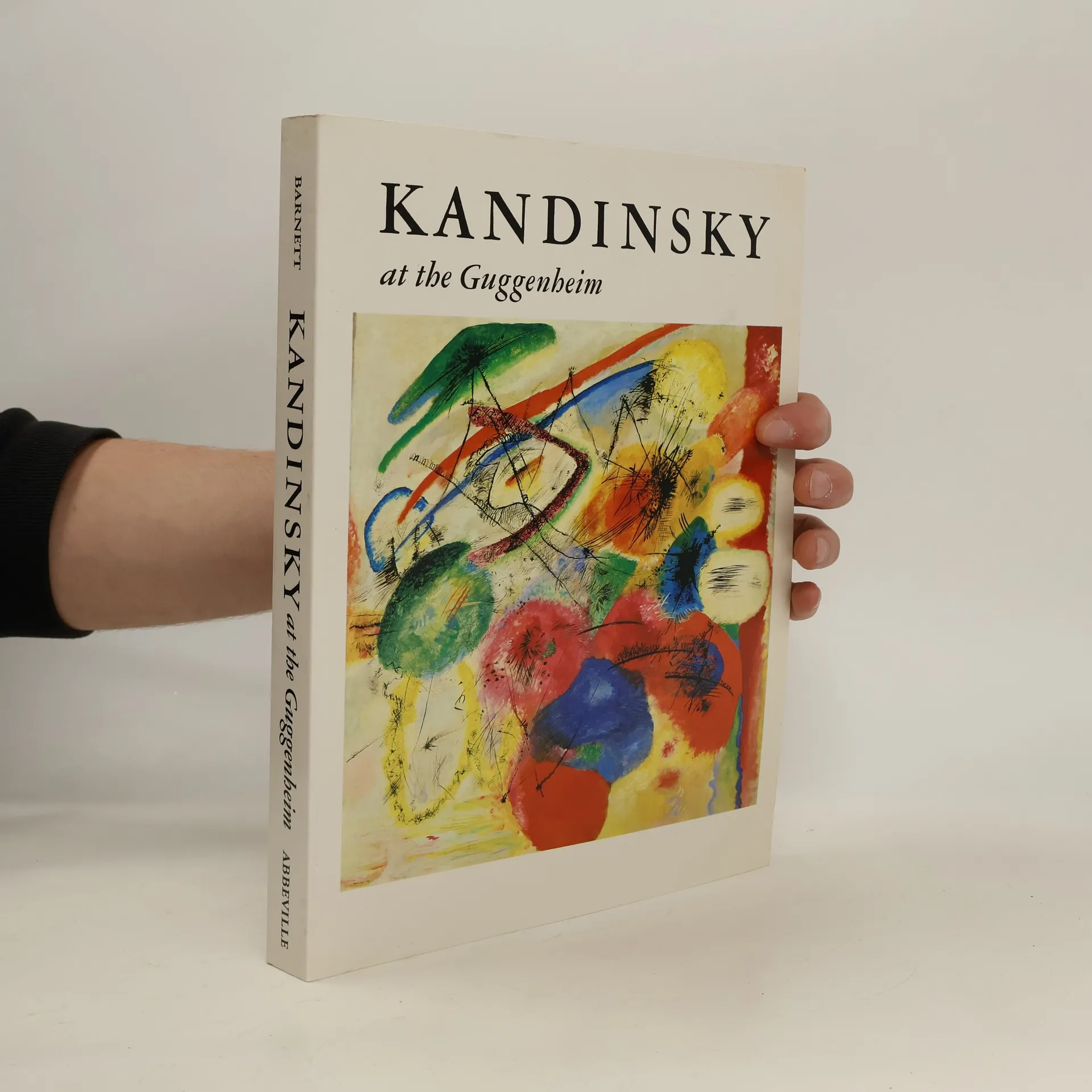
      Kandinsky at the Guggenheim