



Informationen zur Titelgruppe: In diesem Drama über den Familienstreit um eine Plantage im Mississippi-Delta prangert der Autor Habgier und Verlogenheit an und schildert Frustration und Selbstzerstörung eines Menschen. Informationen zur Reihe: Die Textausgaben der Reihe TAGS enthalten Worterklärungen und zum Teil Fragen, Study Helps und Zusatztexte zu verschiedenen Aspekten der Texte. Die Handreichungen für den Unterricht bieten Interpretationsansätze und geben Anregungen für die Textbehandlung im Unterricht und die Eingliederung in Unterrichtsreihen.
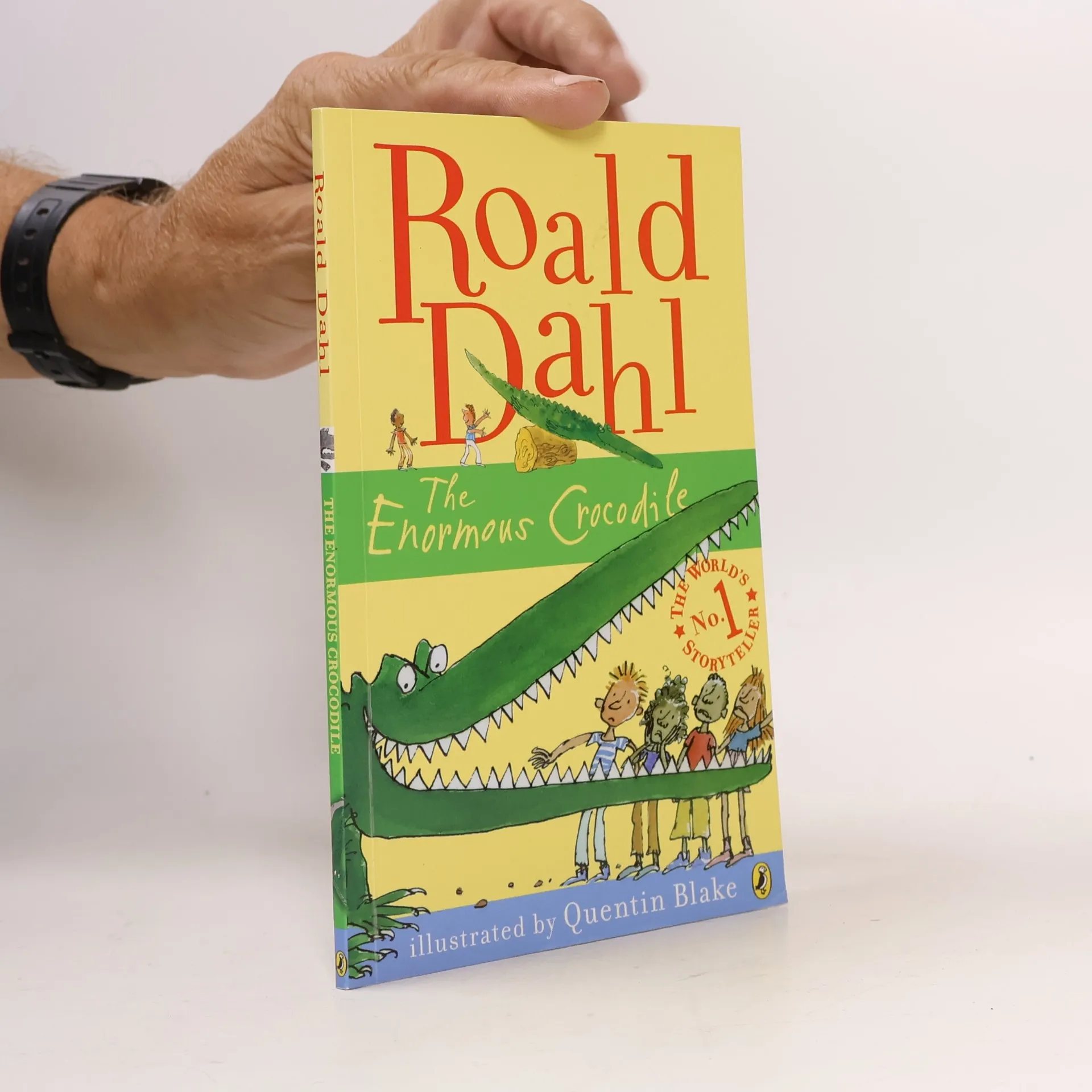
Just in time to celebrate Roald Dahl Day in September come three of his beloved classic stories, now with a brand-new look and featuring illustrations by his longtime collaborator, Quentin Blake. Full color.
Pubblicato nel 1926, Fiesta è il libro che ha consacrato il suo autore ventisettenne tra i più importanti scrittori americani di quella che Gertrude Stein definì la "generazione perduta". Basato su una materia ampiamente autobiografica, il romanzo narra le vicende di un gruppo cosmopolita di giovani espatriati, con le loro burrascose inquietudini esistenziali e sentimentali. Tra notti insonni trascorse a discutere e sbronzarsi nei caffè di Montparnasse o nelle arene di Pamplona, i protagonisti ricercano incessantemente emozioni e sensazioni sempre più forti, che li stordiscano e allontanino quel senso del nulla così incombente sulla generazione di Hemingway nel periodo tra le due guerre. In queste pagine lo scrittore raggiunge uno stile già maturo, calibratissimo tra cronaca e poesia, asciutto, essenziale, con dialoghi esemplari per incisività ed eleganza, grazie al quale riesce a mettere a nudo l'anima dei suoi personaggi e a infondere loro la vita. Un'edizione con copertina alternativa per questo ISBN può essere trovata qui .
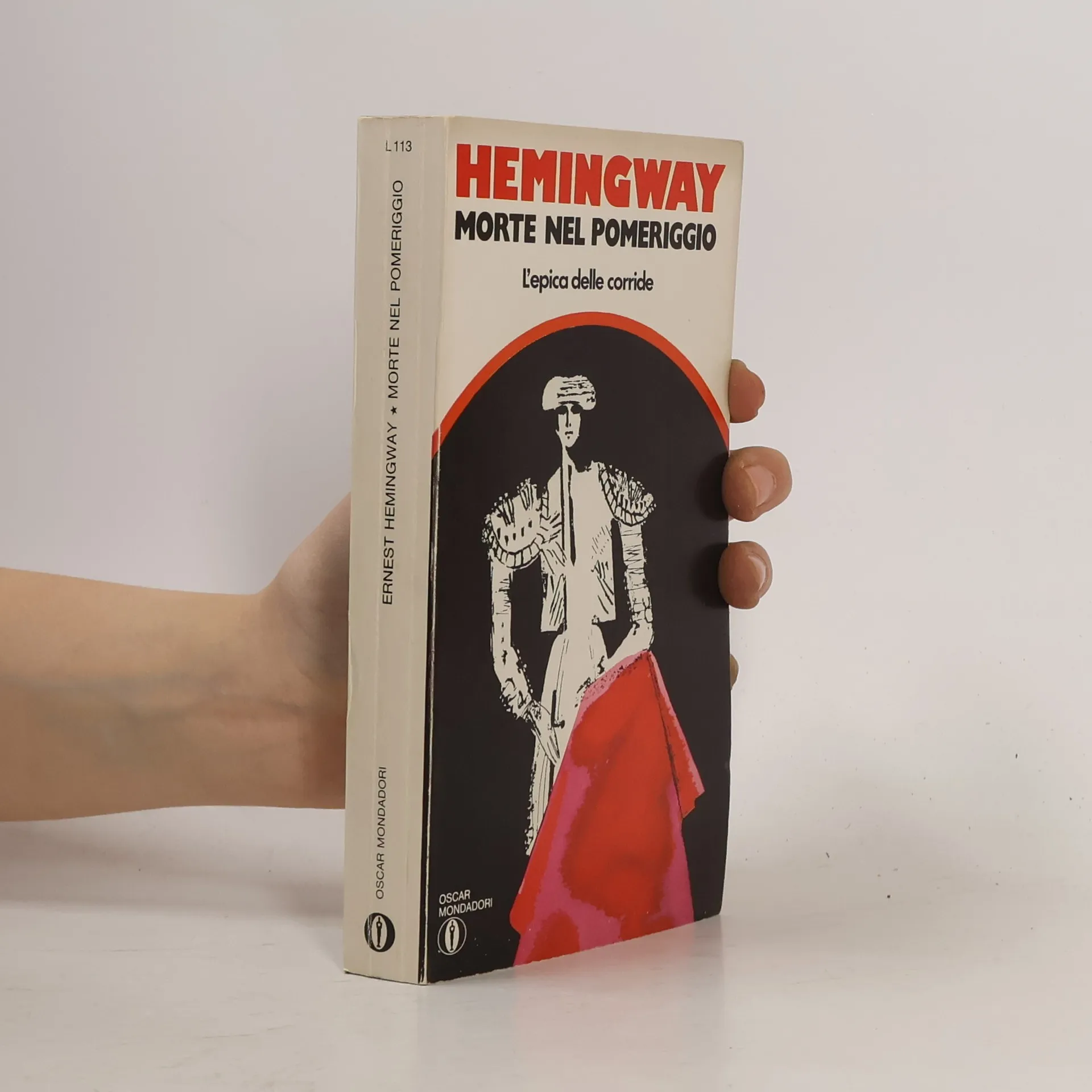
La vita del torero, l'istante in cui uomo e toro diventano una cosa sola di fronte alla morte che può colpire l'uno o l'altro dei contendenti. Il mondo della corrida e dei suoi protagonisti in un libro che in un crescendo lento e sottile fa rivivere tutte le emozioni dei momenti frenetici e delle tensioni concitate della tauromachia.
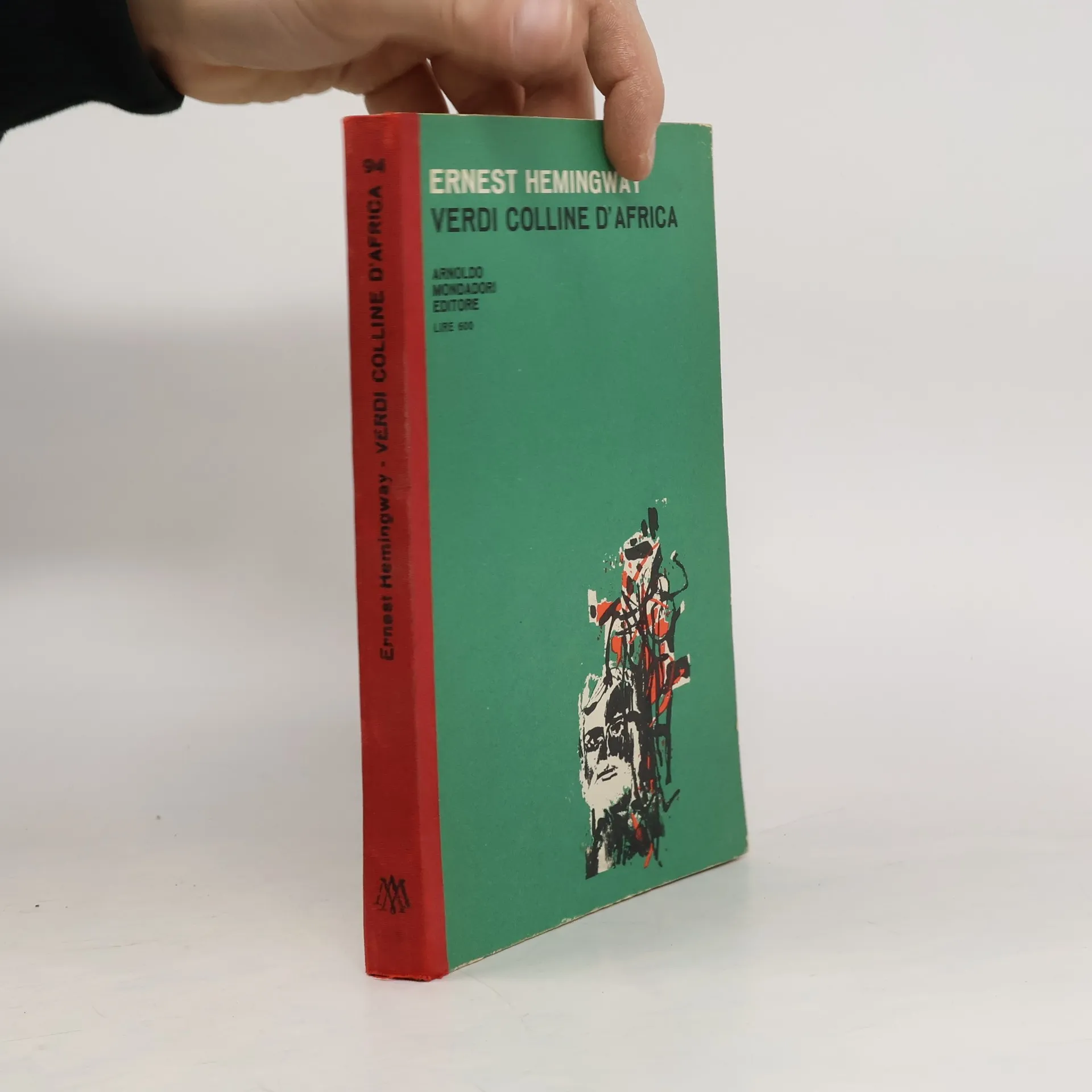
Quale emozione lascia un viaggio simile! Hemingway descrive con maestria un'Africa dolce, ricca e eterna nella sua diversità. Le rapide corse degli animali, dai kudu ai rinoceronti, le ampie vallate attraversate da fiumi argentati, le radure verdi e le montagne impervie sono presentate con uno stile agile, affascinante come le gazzelle Grant. Le descrizioni geografiche della savana e delle foreste lussureggianti catturano il lettore, mentre la penna determinata dell'autore coglie l'epicità di momenti indimenticabili, immortalati in fotografie in seppia. I tramonti africani e le fredde notti sotto un cielo stellato trasmettono una grande bellezza. La potenza e la dignità degli animali africani seducono e trasportano in un universo meraviglioso. Le pagine, ricche di sentimenti e semplicità naturale, materializzano il racconto, con animali che sembrano balzare fuori dal libro e profumi che ci raggiungono. L'autore esprime che un luogo lontano può diventare nostro se lo sentiamo tale, un sentimento che condivido per l'Africa. L'incontro con la popolazione sorridente attorno alla carovana arricchisce l'esperienza, trasformando la caccia in un momento di scambio culturale. Un Hemingway che si mimetizza spiritualmente in un'Africa leggendaria, rendendo il viaggio un'esperienza di vita unica.
Siamo a New Orleans (in quel Sud che è caratteristico dell'ambientazione delle commedie di Williams) ed i temi che il dramma agita sono ancora una volta quelli del sesso e della violenza. Qui come altrove, al centro della partitura teatrale, è la figura di donna, alcoolizzata, ninfomane sino alla demenza. Un altro notevole commediografo americano, Arthur Miller, ha rimproverato a Williams di non immergere i suoi personaggi in un concreto tessuto di circostanze storiche. Egli non ha inteso che il Sud favoloso e mitico dell'autore è il luogo in cui l'uomo contemporaneo celebra la sua decadenza e la sua fine. I giovani inquieti e malati di Williams, le sue donne perdute, che tentano di ritrovare se stesse attraverso un disperato ritorno ad uno stato materno, sono le figure-simbolo di una tragedia che non è solo dell'America d'oggi. La commedia fu allestita la prima volta a New York il 3 dicembre 1947 per la regia di Elia Kazan, interpreti Marlon Brando, Karl Malden e Kim Hunter.
Seymour Levov è alto, biondo e atletico. Malgrado sia di origine ebraica al liceo lo chiamano "lo Svedese". Negli anni '50 sposa miss New Jersey, avviandosi ad una vita di lavoro nella fabbrica del padre. Nella sua splendida villa cresce Merry, la figlia cagionevole e balbuziente. Finché arriva il giorno in cui le contraddizioni del paese raggiungono la soglia del suo rifugio, devastandola. La guerra del Vietnam è al culmine. Merry sta terminando la scuola e ha l'obiettivo di "portare la guerra in casa". Letteralmente
Una coppia di mezz'età - George, professore di storia, e Martha, sua moglie e al tempo stesso figlia del preside dell'università - riceve un'altra coppia, più giovane: Nick, anche lui professore, ma di biologia, e la moglie Honey. L'azione si svolge nel salotto di George e Martha, in una sola notte, un vero e proprio jeu de massacre che travolge via via i personaggi. La situazione è quella classica: unità di tempo e di luogo, drammatizzazione dei rapporti,, coinvolgimento del passato di ognuno in un'azione tragica. Come in un rituale, questa notte diviene momento di oscena derisione, di scherzi sadici, di giochi crudeli, di scoperti tradimenti, ma anche, forse inaspettatamente, di liberazione e di verità. Il salotto dei Washington - questo il cognome non casuale di George e Martha - è così il centro d'una casa stregata, nella quale una specie di maleficio tiene soggiogati i protagonisti. Grazie alla "normalità" dei personaggi, scelti in un ambito ben definito ma non per questo meno emblematici, l'attenzione si concentra sulla normalità dell'angoscia, dell'odio, della trasgressione, della violenza. Che non è solo degli attori, ma propone gli stessi vizi e gli stessi comportamenti degli spettatori.
Williams' play about drifter Chance Wayne who returns to his hometown with a
faded movie star hoping to find the girl of his youth is a classic study of
the dream of recapturing youth and finding fame. This edition features an
extensive critical commentary and questions aimed at students of the play.
Nine Stories (1953) is a collection of short stories by American fiction writer J. D. Salinger published in April 1953. It includes two of his most famous short stories, "A Perfect Day for Bananafish" and "For Esmé – with Love and Squalor". (Nine Stories is the U.S. title; the book is published in many other countries as For Esmé - with Love and Squalor, and Other Stories.)The stories are:"A Perfect Day for Bananafish""Uncle Wiggily in Connecticut""Just Before the War with the Eskimos""The Laughing Man""Down at the Dinghy""For Esmé – with Love and Squalor""Pretty Mouth and Green My Eyes""De Daumier-Smith's Blue Period""Teddy"
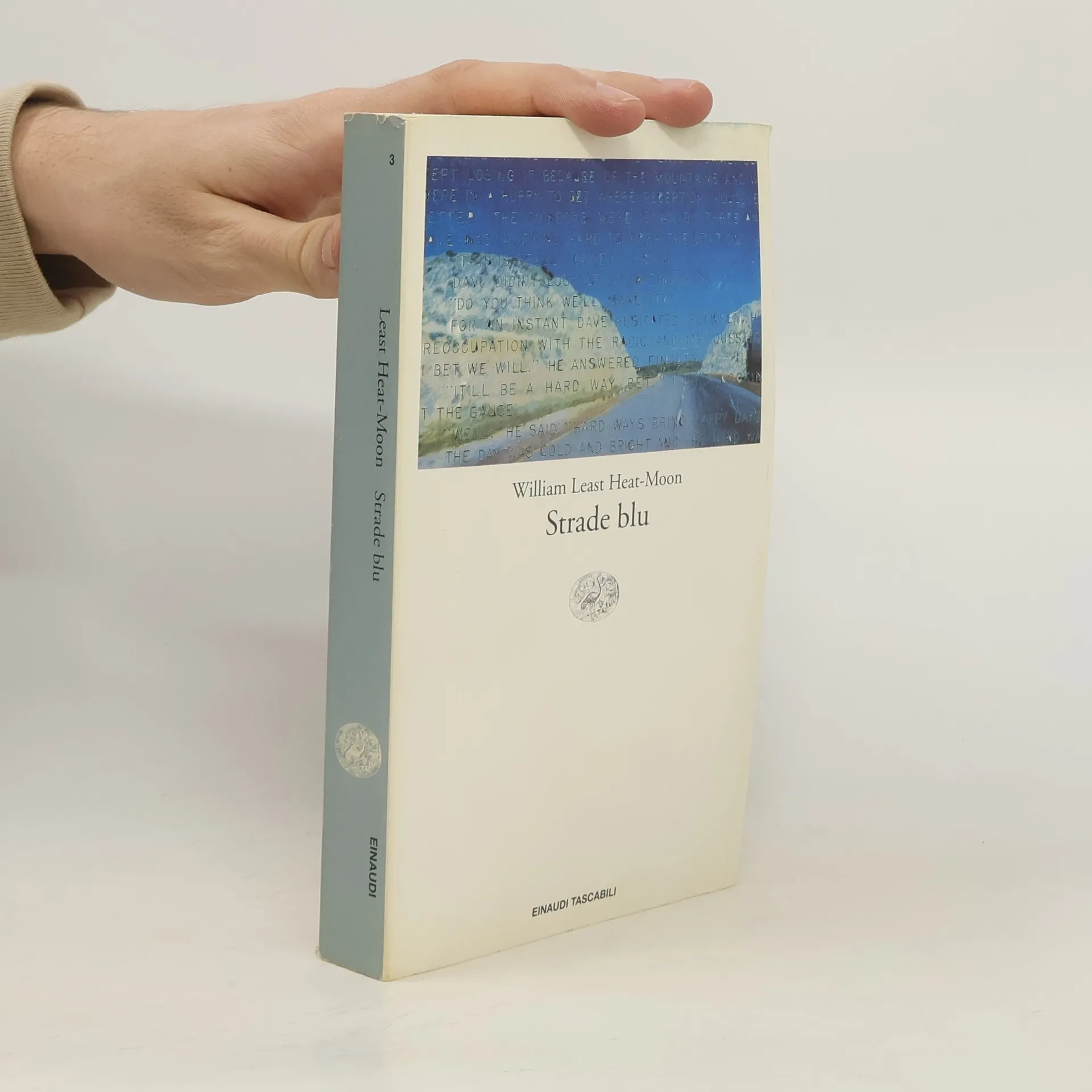
È sulle strade blu che si svolge il viaggio di tre mesi di un solitario mezzo pellerossa che, rimasto privo del suo lavoro e della sua donna, va a ricercare un poco di interesse alla vita in un itinerario circolare che lo porta e riporta da Columbia, Missouri a Columbia, Missouri, attraverso le Caroline, il Texas meridionale, lo stato di Washington, il Montana e il New England. E ritrova, ricostruisce, riscopre, l'America periferica.
Volně spojený cyklus dvanácti elegických povídek amerického autora českého původu tvoří jakýsi skupinový portrét tří generací mužů a žen obývajících podmanivé okolí jezera ve státě New York. Výjimečná schopnost zachytit ducha krajiny, jenž jako by spoluutvářel životní osudy jednotlivých postav, přitom není jediným pozoruhodným rysem této neobyčejně vyzrálé prvotiny: autorovo umění ponoru do skutečných i domnělých hlubin vnitřních životů jeho hrdinů je tu ukázkovým příkladem zdánlivě paradoxní schopnosti imaginativní prózy překonat v živosti a autenticitě samu skutečnost.
Winner of the IMPAC Award and Booker Prize nominee In this rich and compelling novel, written in language of astonishing poise and resonance, one of Australia's greatest living writers gives an immensely powerful vision of human differences and eternal divisions. In the mid-1840s a thirteen-year-old British cabin boy, Gemmy Fairley, is cast ashore in the far north of Australia and taken in by aborigines. Sixteen years later he moves back into the world of Europeans, among hopeful yet terrified settlers who are staking out their small patch of home in an alien place. To them, Gemmy stands as a different kind of challenge: he is a force that at once fascinates and repels. His own identity in this new world is as unsettling to him as the knowledge he brings to others of the savage, the aboriginal. "Breathtaking...To read this remarkable book is to remember Babylon well, whether you think you've been there or not." --The New York Times Book Review
Kishon und die Bibel - das ist eine höchst brisante Konfrontation, die von Kishon mit der gebührenden Ehrfurcht, aber auch mit seinem unverwechselbaren Humor dargeboten wird. Denn Humor, so der bekannte Satiriker, sei Gottes schönste Gabe und bringe die Menschen dem Universum näher. Aber nicht nur um die Ereignisse im Himmel und um Moses' Werk geht es in diesem köstlichen Buch, es geht wie immer bei Kishon vor allem um die unheilbaren Schwächen der „Krone der Schöpfung“.
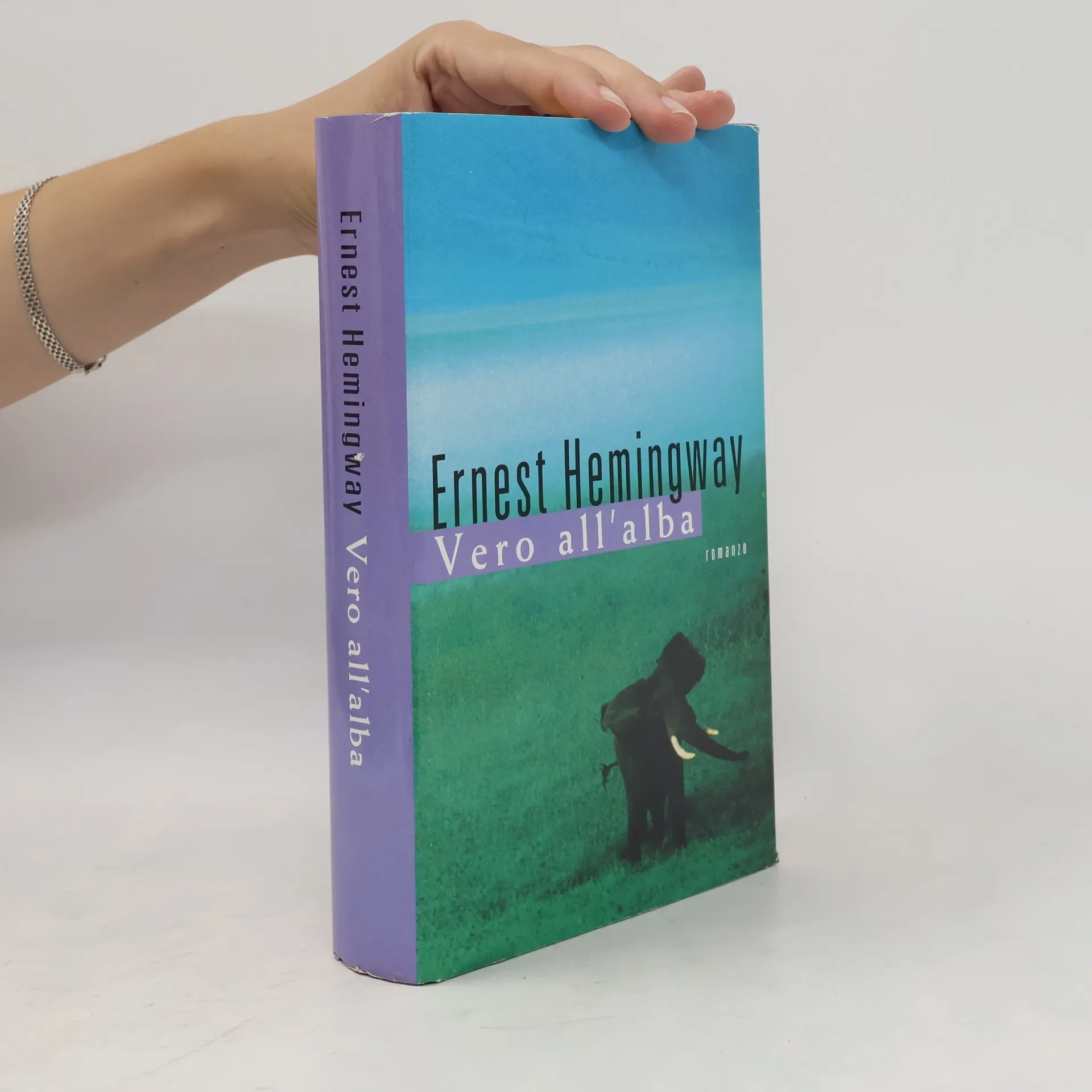
A cento anni dalla nascita di Hemingway, emerge un "romanzo autobiografico" inedito, scritto tra il 1954 e il 1956, dopo un safari di cinque mesi in Kenia. Conservato per anni nell'archivio della Kennedy Library di Boston, è stato recuperato dal figlio Patrick, che ha curato l'edizione. I lettori ritroveranno le atmosfere dei capolavori di Hemingway, da Verdi colline d'Africa a Le nevi del Kilimangiaro. Con uno stile limpido ed essenziale, l'autore descrive lunghi tramonti africani, leoni ruggenti, e il vento che agita le tende. Racconta la sua passione per il paesaggio, l'emozione della caccia e i rituali del safari, trasmettendo la sua fascinazione per l'Africa e la sua cultura. La narrazione inizia con il leggendario cacciatore Pop, amico di Hemingway, costretto a lasciare il campo, lasciando "Papa" a gestirlo in un clima di tensione. La vita prosegue tra battute di caccia e le insistenze di Miss Mary, la moglie di Hemingway, desiderosa di uccidere un leone. Si fa strada anche la figura di una giovane wakamba, bella e audace, che aspira a diventare la seconda moglie di "Papa". Intorno a loro, un coro di uomini del safari, leali e disincantati, riflette sulle differenze culturali. Hemingway si muove con disinvoltura tra queste due realtà, raccontando le sue esperienze e riflettendo sull'arte della scrittura, offrendo un autoritratto di grande importanza per comprendere il suo genio.
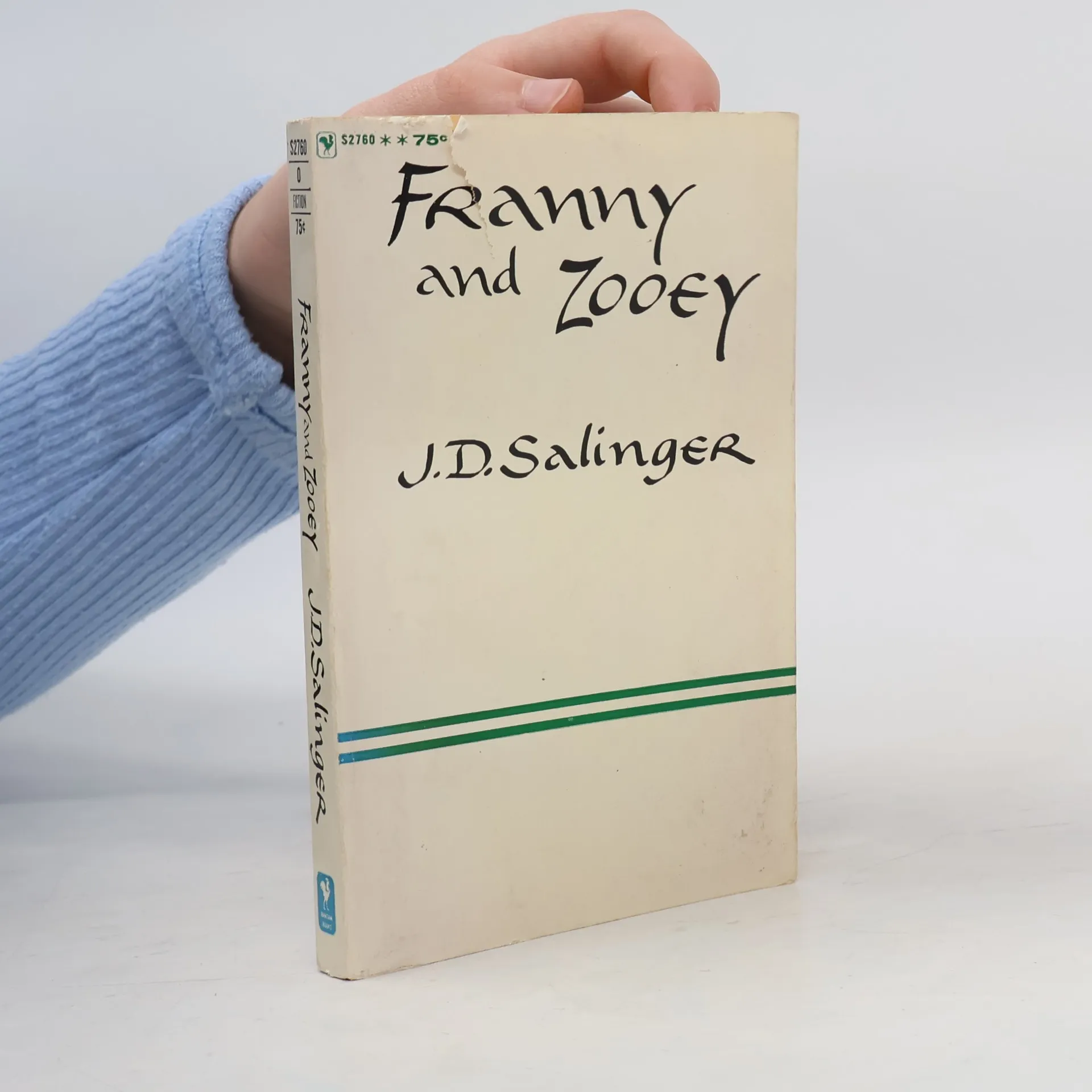
The short story, <i>Franny</i>, takes place in an unnamed college town and tells the tale of an undergraduate who is becoming disenchanted with the selfishness and inauthenticity she perceives all around her. The novella, <i>Zooey</i>, is named for Zooey Glass, the second-youngest member of the Glass family. As his younger sister, Franny, suffers a spiritual and existential breakdown in her parents' Manhattan living room -- leaving Bessie, her mother, deeply concerned -- Zooey comes to her aid, offering what he thinks is brotherly love, understanding, and words of sage advice. Salinger writes of these works: <i>"FRANNY came out in The New Yorker in 1955, and was swiftly followed, in 1957 by ZOOEY. Both stories are early, critical entries in a narrative series I'm doing about a family of settlers in twentieth-century New York, the Glasses. It is a long-term project, patently an ambiguous one, and there is a real-enough danger, I suppose that sooner or later I'll bog down, perhaps disappear entirely, in my own methods, locutions, and mannerisms. On the whole, though, I'm very hopeful. I love working on these Glass stories, I've been waiting for them most of my life, and I think I have fairly decent, monomaniacal plans to finish them with due care and all-available skill."</i>
'Subtle, funny and furious' Observer. What if a lookalike stranger stole your
name, hijacked your biography, and went about the world pretending to be you?
Startlingly, Philip Roth meets a man in Jerusalem called Philip Roth who has
been touring Israel - riding high on the author's reputation - preaching a
bizarre reverse-exodus of the Jews, encouraging them to return to their
ancestral homes in Europe. Roth decides to stop him, even if that means
impersonating the impersonator. Operation Shylock is at once spy story,
political thriller, meditation on identity and unfathomable journey through a
volatile, frightening middle-east.
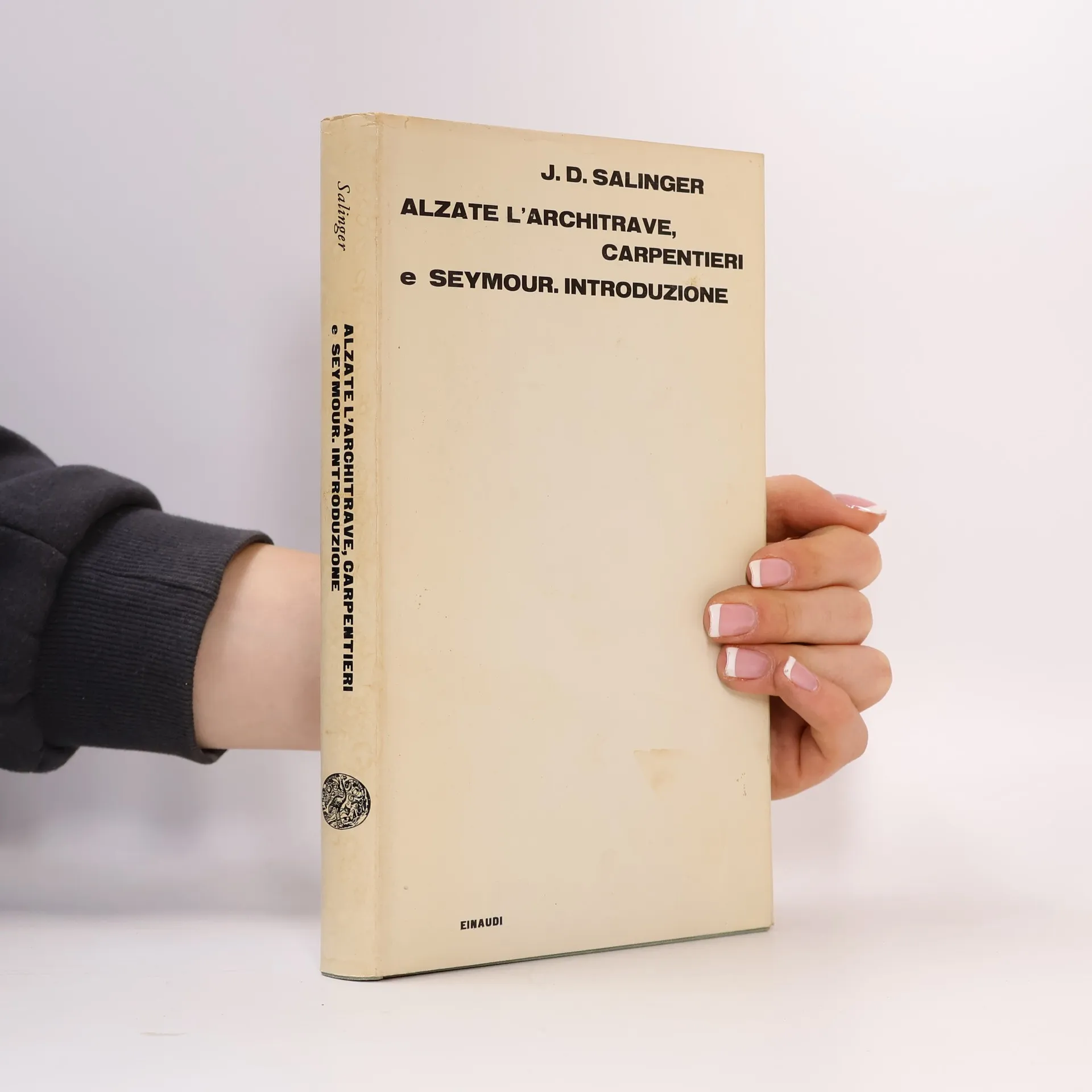
The last book-length work of fiction by J. D. Salinger published in his lifetime collects two novellas about "one of the liveliest, funniest, most fully realized families in all fiction" (New York Times). These two novellas, set seventeen years apart, are both concerned with Seymour Glass--the eldest son of J. D. Salinger's fictional Glass family--as recalled by his closest brother, Buddy. "He was a great many things to a great many people while he lived, and virtually all things to his brothers and sisters in our somewhat outsized family. Surely he was all real things to us: our blue-striped unicorn, our double-lensed burning glass, our consultant genius, our portable conscience, our supercargo, and our one full poet..."
Andato in scena a New York nel febbraio del '49 per la regia di Elia Kazan, Morte di un commesso viaggiatore costituisce forse il più clamoroso successo teatrale del dopoguerra - un successo che, dagli Stati Uniti, dilaga in tutto il mondo. Partendo dall'idea di descrivere, in chiave quasi comica, quanto si agita all'interno della testa di un uomo, Miller lavorò sin dall'inizio sull'ipotesi di restituire - non solo letterariamente, ma anche e soprattutto sul piano della scrittura scenica - il coesistere di presente e passato nella vita di un essere umano. Willy Loman, l'esausto commesso viaggiatore vittima di un sistema fondato sulle leggi inesorabili della produttività, è stato ed è non solo il rappresentante di un'America già percorsa dai primi brividi del maccarthismo, ma anche un eroe tragico di straordinaria efficacia.
L'ispettore Dalgliesh ha ricevuto in eredità un solitario mulino a vento sul promontorio di Larskoken. Un'ottima soluzione per le vacanze dell'ispettore, che sogna solo di lasciare la caotica Londra in cerca di riposo e silenzio. Sogni vani, perché in quell'angolo remoto d'Inghilterra un inafferrabile pazzo omicida ha seminato il terrore con una serie di delitti all'ombra inquietante di una centrale nucleare in cui si è verificato un misterioso suicidio. Ce n'è quanto basta per rovinare la quiete dell'ispettore, soprattutto quando accanto al suo mulino viene commesso un altro delitto... Inevitabile è il coinvolgimento di Dalgliesh che si trova così trascinato in una nuova, difficile indagine e in una sfida elettrizzante con il delitto.
Dva půvabné, na sebe navazující romány ironizují snobství americké lepší společnosti. V románu Páni mají radši blondýnky (1925) líčí autorka formou fingovaného deníku, psaného záměrně neumělým, chybujícím jazykem, život naivní, půvabné lehkomyslné ženy, „dámy z povolání“, která ve světě, jemuž vládnou peníze, zpeněžuje své mládí, půvab a zábavnou prostořekou bezprostřednost. Satira na věčné soupeření mezi oběma pohlavími, jejímž terčem jsou bohatí, leč důvěřiví páni z kruhů amerických obchodníků a anglických aristokratů a snobské společnosti kolem literatury a filmu. Román Ale žení se s brunetkami (1927) vypráví o životě její přítelkyně, která byla příliš upřímná a jejíž cesta za úspěšným sňatkem byla proto daleko složitější....
For Spenser, that most unorthodox of private detectives, no case is ever straightforward and the theft of a 14th-century illuminated manuscript proves no exception. His investigation soon leads him into organized crime, dope-pushing, theft, radical politics, adultery and murder.
Bratři Machalovi cestovali po místech, kde žil E. Hemingway, hovořili s těmi, kdo velkého amerického spisovatele poznali. Rekonstruují jeho pohnutý život - neukázněné mládí, osobní vztahy k rodičům, čtyřem manželkám, přátelům a konečně i dramatický závěr spisovatelova bytí.
2. část trilogie, která navazuje na 1. část Vesnice a bude pokračovat 3. částí Panské sídlo. Doslov: Eva Masnerová Druhý díl Faulknerovy volné trilogie začíná ve chvíli, kdy Flem Snopes, reprezentant nastupujících dravých ekonomických sil na americkém Jihu počátku 20. století, přijíždí do Jeffersonu...
The publishing house Megali focuses on making historical works accessible by reproducing them in large print, catering specifically to individuals with impaired vision. This initiative emphasizes the importance of inclusivity in literature, allowing a broader audience to engage with historical texts.
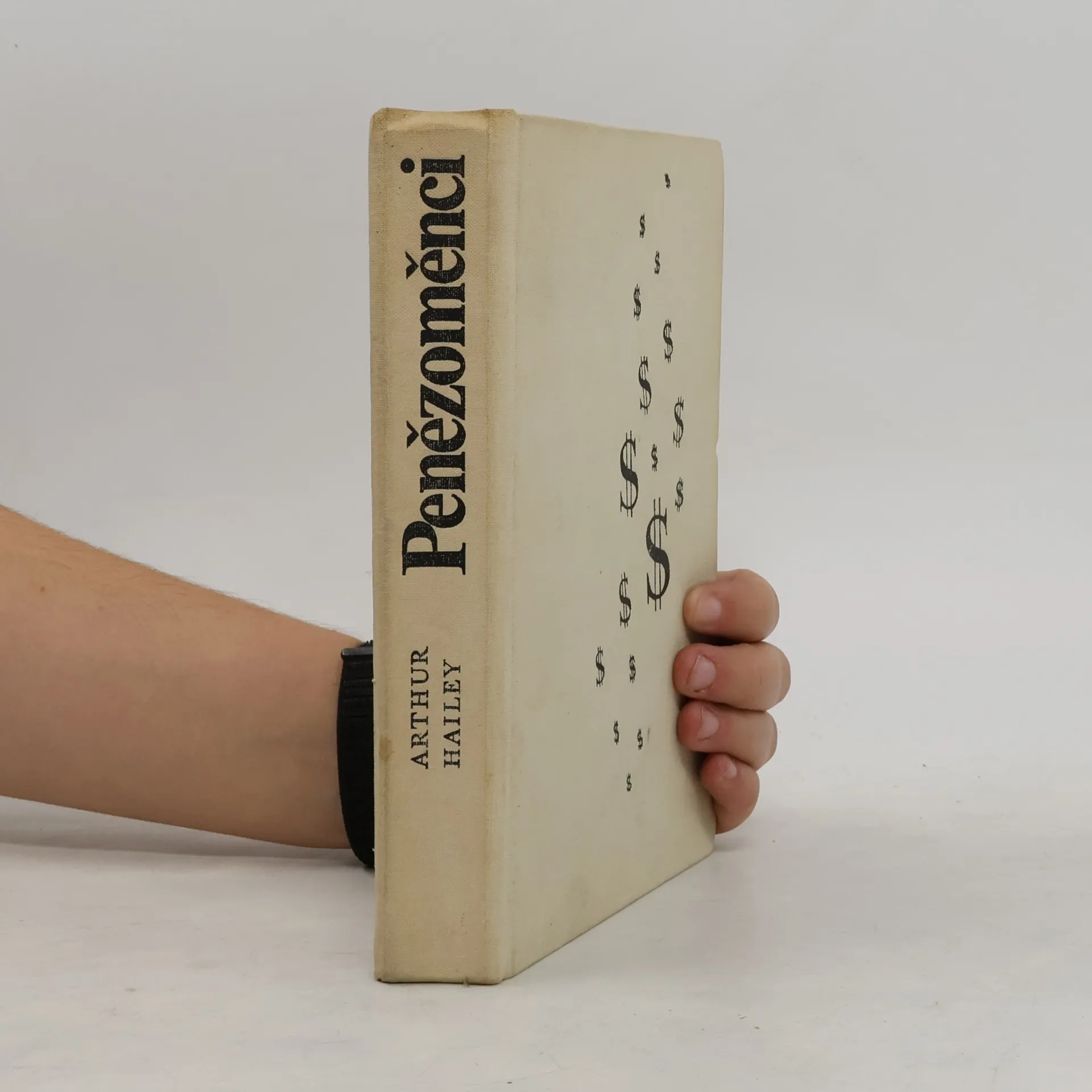
Volume 104 - #3Mrs. 'arris Goes to Moscow - Paul GallicoThe Moneychangers - Arthur HaileyThe Massacre at Fall Creek - Jessamyn WestCollision - Spencer Dunmore
Dobrodružné až detektivní povídky, jejich námětem je oslava mužnosti, statečnosti a spravedlnosti: Plantážník z Malaty, Společník, Hostinec u dvou čarodějnic, Kvůli dolarům.
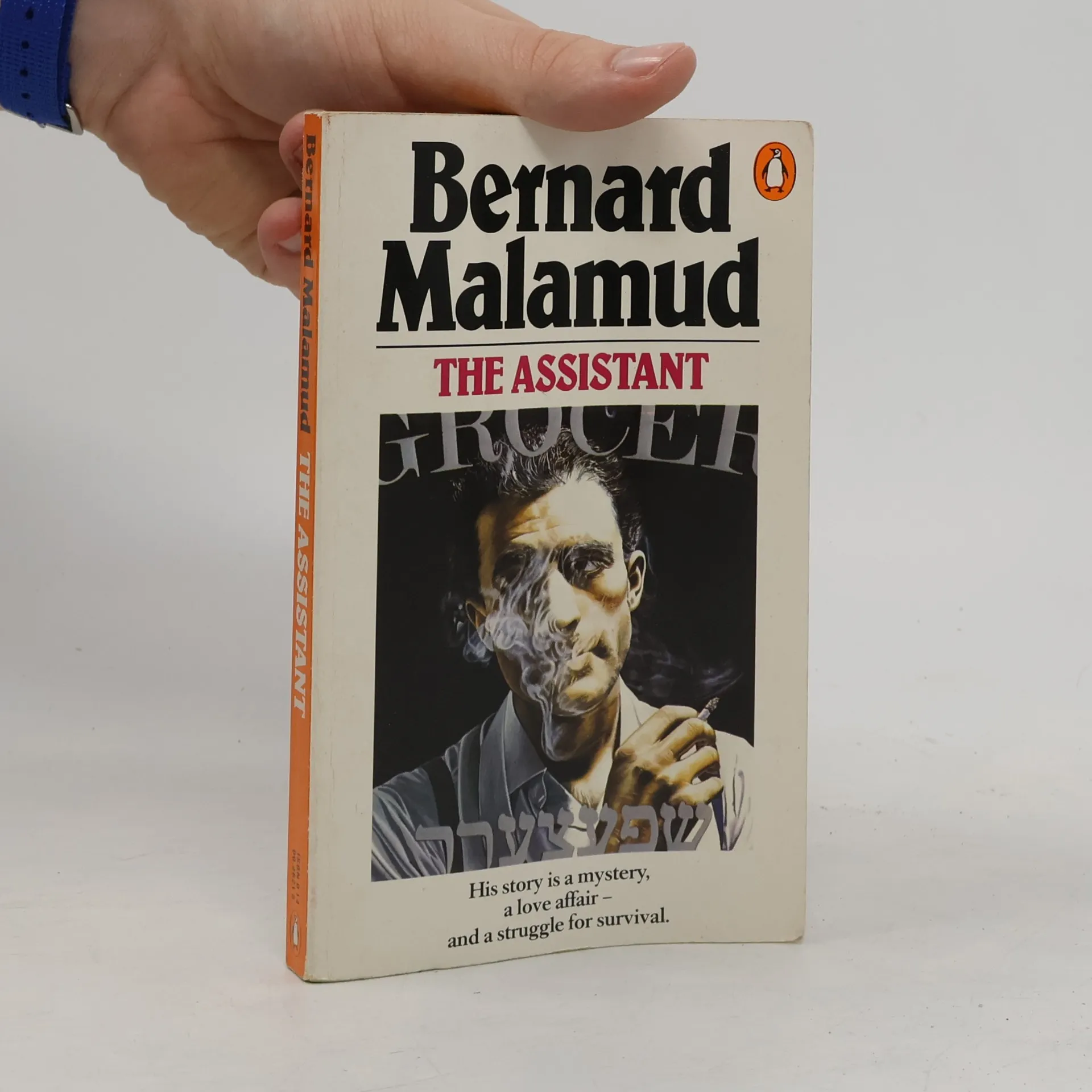
Bernard Malamud's second novel, originally published in 1957, is the story of Morris Bober, a grocer in postwar Brooklyn, who "wants better" for himself and his family. First two robbers appear and hold him up; then things take a turn for the better when broken-nosed Frank Alpine becomes his assistant. But there are complications: Frank, whose reaction to Jews is ambivalent, falls in love with Helen Bober; at the same time he begins to steal from the store. Like Malamud's best stories, this novel unerringly evokes an immigrant world of cramped circumstances and great expectations. Malamud defined the immigrant experience in a way that has proven vital for several generations of writers.
Sylvia Barrett arrives at New York City’s Calvin Coolidge High fresh from earning literature degrees at Hunter College and eager to shape young minds. Instead she encounters broken windows, a lack of supplies, a stifling bureaucracy, and students with no interest in Chaucer. Her bumpy yet ultimately rewarding journey is narrated through an extraordinary collection of correspondence—sternly worded yet nonsensical administrative memos, furtive notes of wisdom from teacher to teacher, “polio consent slips,” and student homework assignments that unwittingly speak from the heart. An instant bestseller when it was first published in 1964, Up the Down Staircase remains as poignant, devastating, laugh-out-loud funny, and relevant today as ever. It timelessly depicts a beleaguered public school system redeemed by teachers who love to teach and students who long to be recognized.
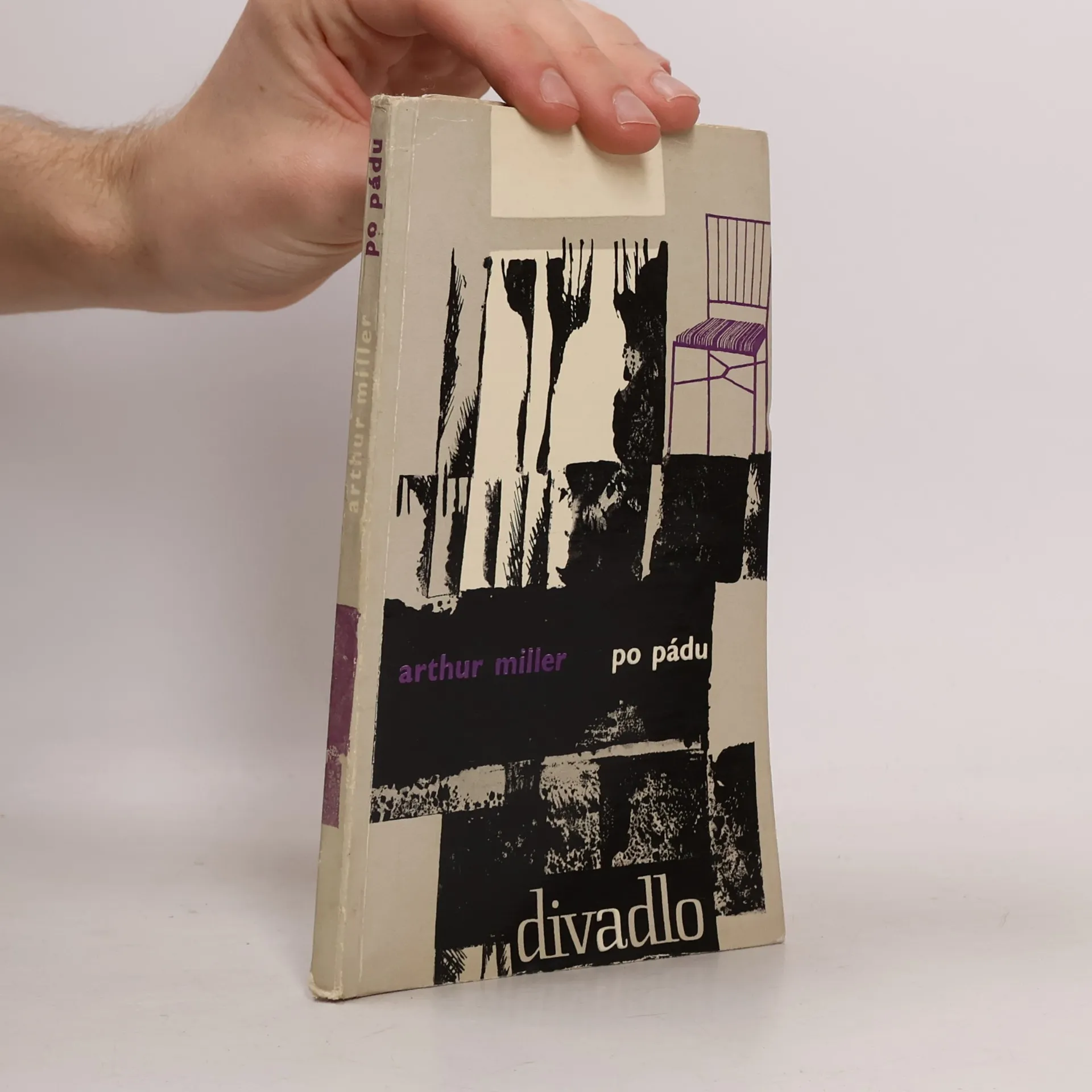
Nová, do značné míry autobiografická hra, děj se odehrává v mysli ústřední postavy, v jejích myšlenkách. Na scénu staví asi čtyřicetiletého právníka, jenž se rozborem nejvýznamnějších skutečností svého života snaží dopátrat se pravdy o své vině na tom, co udělal on i společnostkolem něho. Přeložili Luba a Rudolf Pellarovi za jazykové spolupráce Hildy Lassové.
"Non ho nessuna voglia di mettermi a raccontare tutta la mia dannata autobiografia e compagnia bella. Vi racconterò soltanto le cose da matti che mi sono capitate verso Natale, prima di ridurmi così a terra da dovermene venire qui a grattarmi la pancia. Niente di più di quel che ho raccontato a D.B., con tutto che lui è mio fartello e quel che segue. Sta a Hollywood, lui. Non è poi tanto lontano da questo lurido buco, e viene qui a trovarmi praticamente ogni fine settimana. Mi accompagnerà a casa in macchina quando ci andrò il mese prossimo, chi sa. Ha appena preso una Jaguar. Uno di quei gingilli inglesi che arrivano sui trecento all'ora. Gli è costata uno scherzetto come quattromila sacchi o giù di lì. È pieno di soldi, adesso. Mica come prima. Era soltanto uno scrittore in piena regola, quando stava a casa".
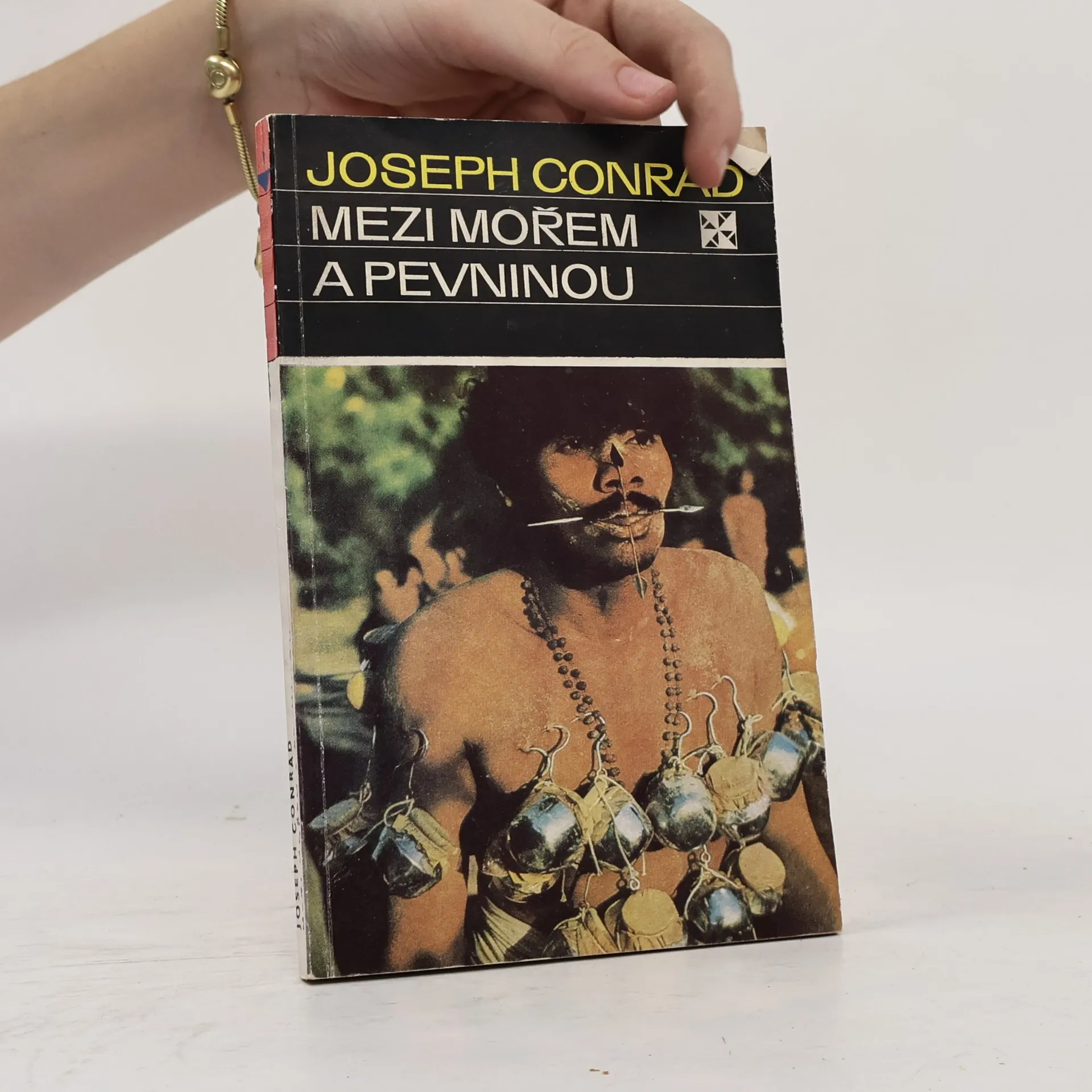
Written in 1915, The Shadow-Line is based upon events and experiences from twenty-seven years earlier to which Conrad returned obsessively in his fiction. A young sea captain's first command brings with it a succession of crises: his sea is becalmed, the crew laid low by fever, and his deranged first mate is convinced that the ship is haunted by the malignant spirit of a previous captain. This is indeed a work full of "sudden passions," in which Conrad is able to show how the full intensity of existence can be experienced by the man who, in the words of the older Captain Giles, is prepared to "stand up to his bad luck, to his mistakes, to his conscience." A subtle and penetrating analysis of the nature of manhood, The Shadow-Line investigates varieties of masculinity and desire in a subtext that counters the tale's seemingly conventional surface.