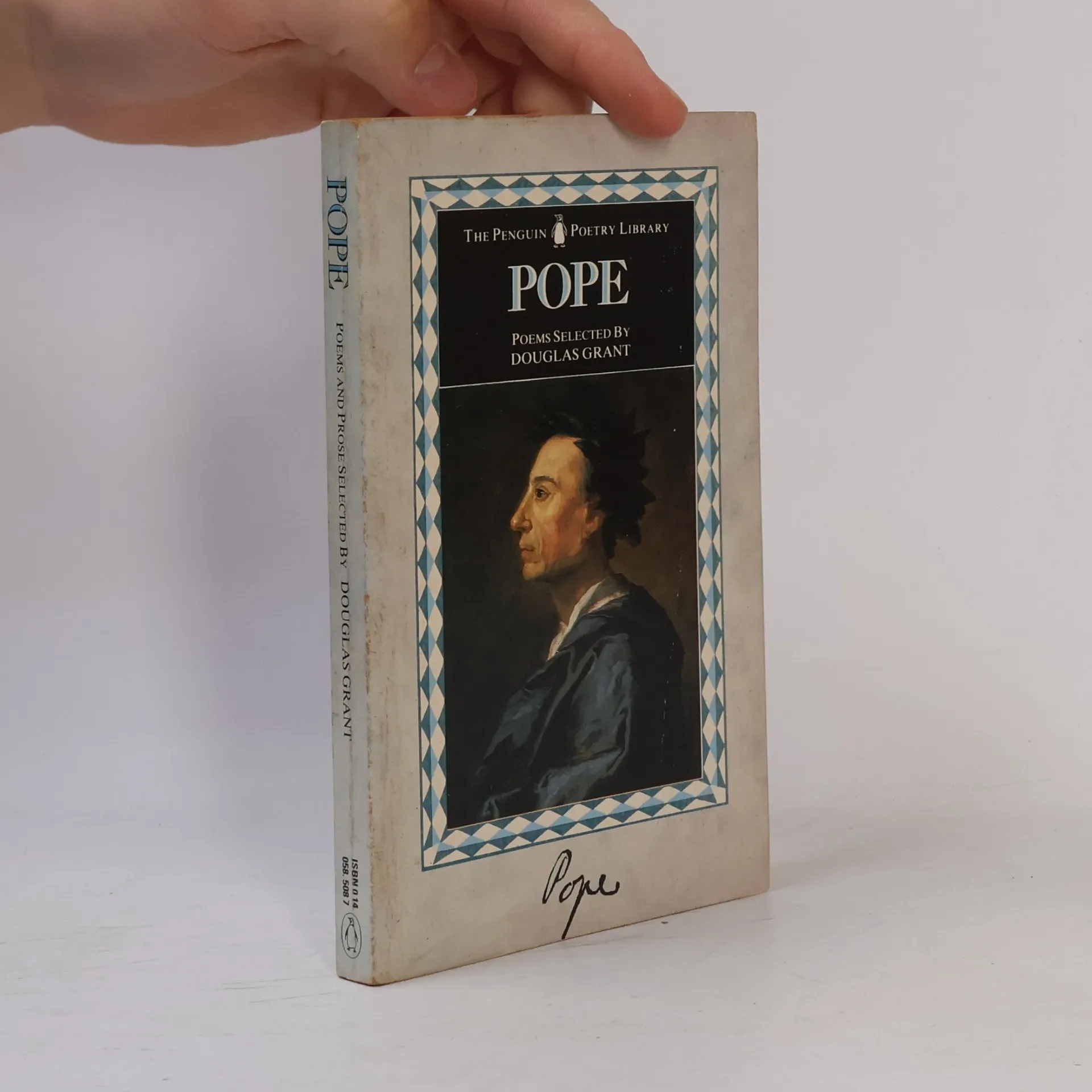
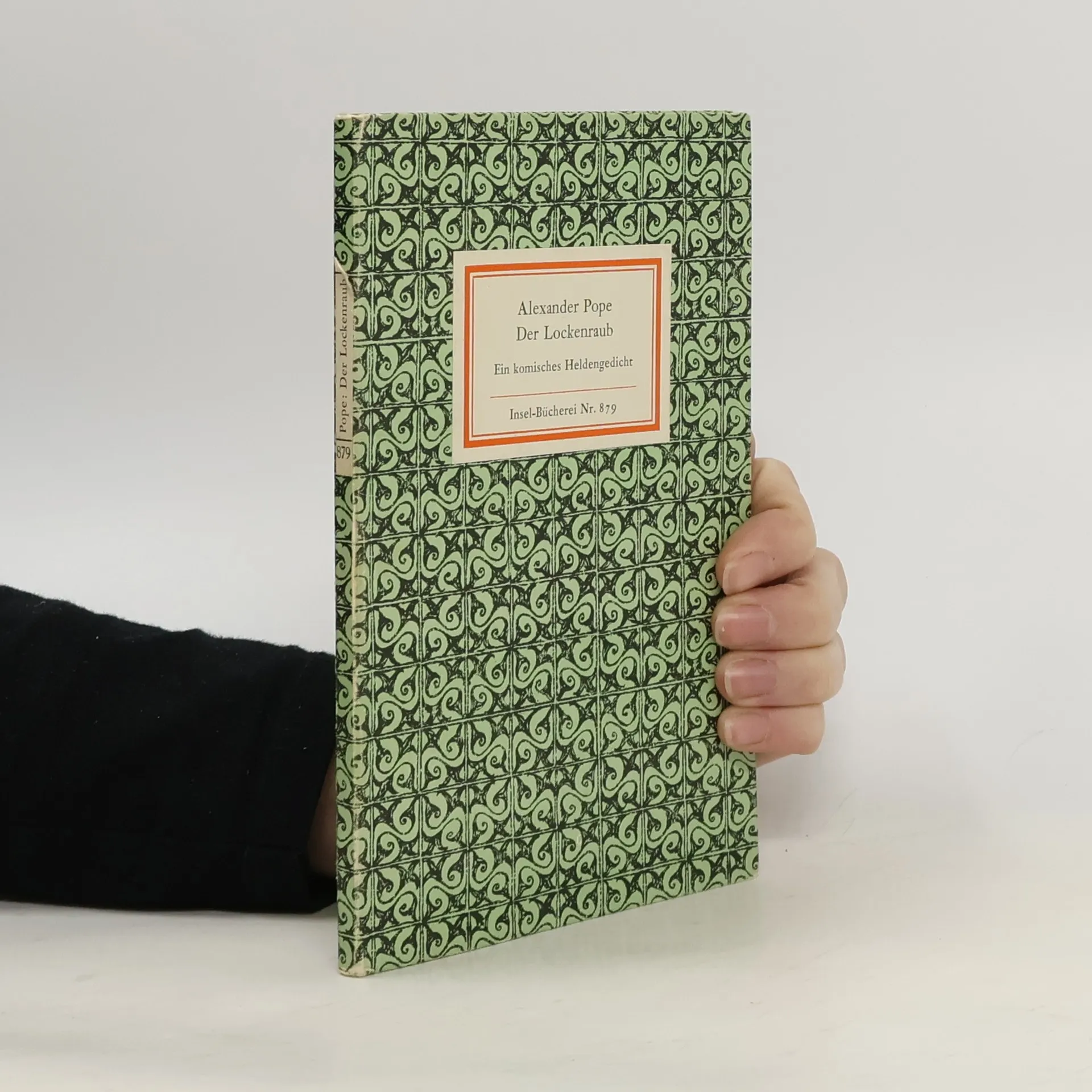
Un certo Lord Petre ebbe l’ardire di tagliare surrettiziamente un ricciolo di Lady Arabella Fermor, e il gelo calò fra le due famiglie. Un giovane e già celebre poeta ricevette l’incarico di scrivere un testo per rasserenare gli animi. L’artista interpellato era il beffardo e geniale Alexander Pope, «piccolo usignolo» della Chiesa cattolica nell’Inghilterra settecentesca. Pope compose un poemetto che, per inventiva e passionalità, tocca punte di epicità omerica, mentre lavorava a una memorabile traduzione dell’Iliade. La sua è una guerra in miniatura, incentrata sull’eterna guerra dei sessi, dove l’infinitesimale giganteggia, come notato da Peter Ackroyd. Il ratto del ricciolo riscosse un immediato successo di pubblico e suscitò reazioni infuriate nella buona società. Pope, però, non era tipo da subire passivamente le critiche. Per ribattere, scrisse un commento che funge da chiave di lettura della sua opera e satira di ogni pretesa interpretativa. Utilizzando argomenti «coerenti e inconfutabili», stigmatizzò la fobia papista che avvelenava il clima inglese, fustigò pedanti e petulanti, e inventò una nuova forma di autopromozione.
Alexander Pope Libri
Alexander Pope è generalmente considerato il più grande poeta inglese del XVIII secolo, celebrato per la sua tagliente poesia satirica e la sua influente traduzione di Omero. Si posiziona come il terzo scrittore più citato nella lingua inglese, una testimonianza del suo duraturo impatto. La maestria di Pope nel distico eroico gli permise di creare versi di eleganza e precisione ineguagliabili.

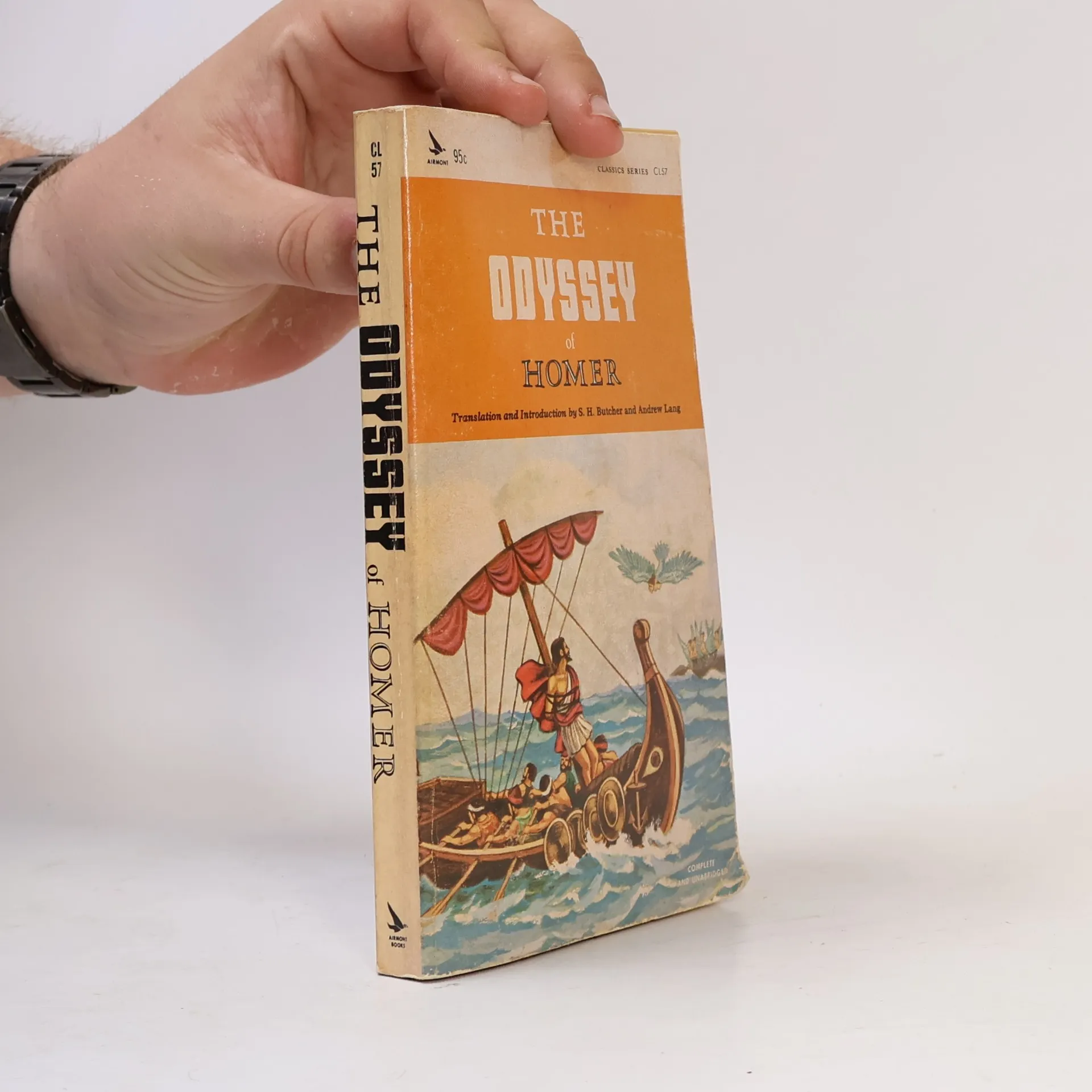


The Iliad and the Odyssey
- 970pagine
- 34 ore di lettura
Homer bidding farewell to his wife, Odysseus bound to the mast, Penelope at the loom, Achilles dragging Hector's body round the walls of Troy - scenes from Homer have been portrayed in every generation. Chapman's translations are argued to be two of the liveliest and readable.
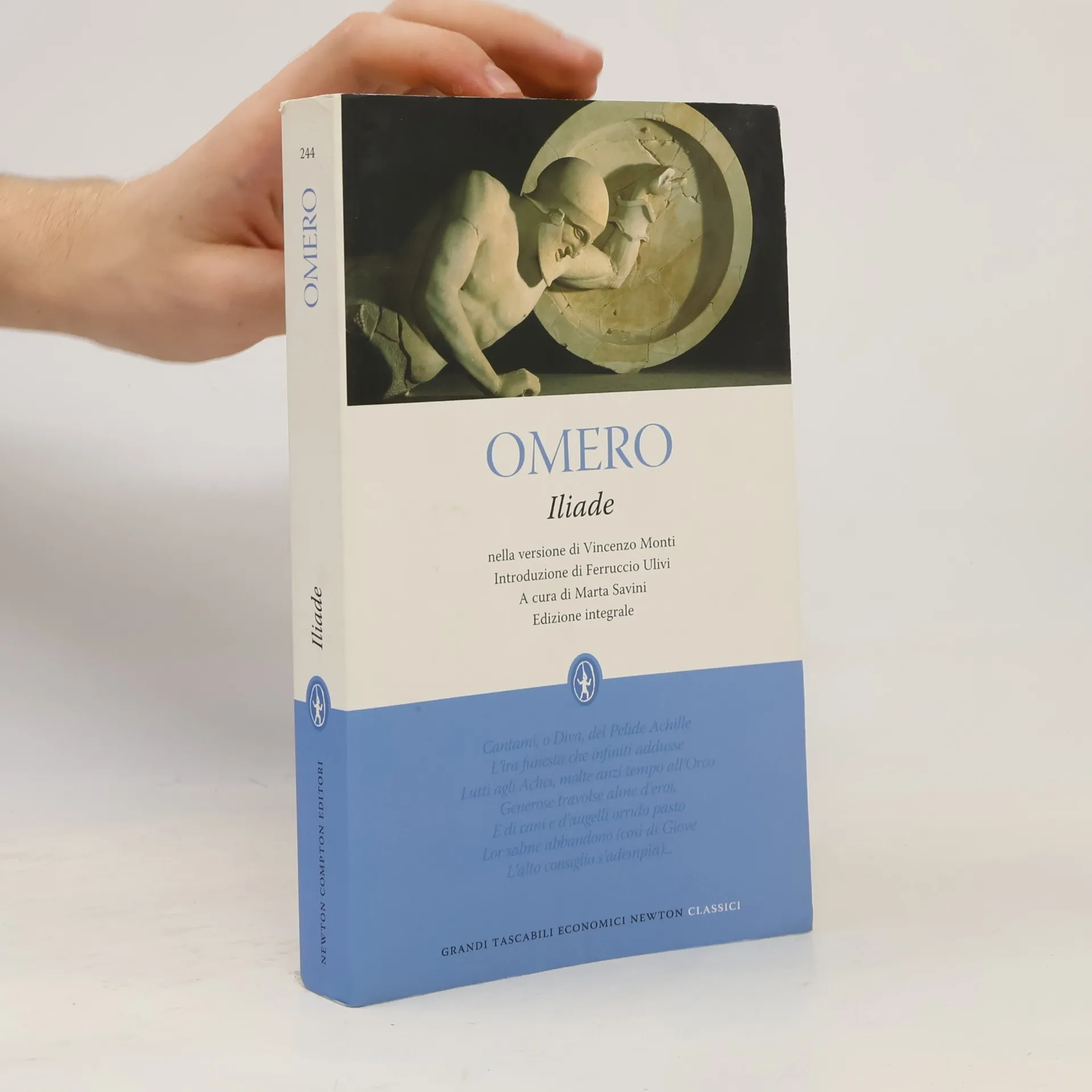
Cinquantun giorni della guerra degli Achei contro Troia (Ilio, da cui il titolo): dall'ira di Achille, l'eroe invincibile, o quasi, dell'esercito acheo contro il capo della spedizione Agamennone, reo di avergli sottratto la schiava Briseide, al funerale di Ettore, l'eroe troppo umano dell'esercito troiano sconfitto dall'astuzia di Ulisse. Il capolavoro assoluto del genere epico, la nascita e il momento fondante dell'intera tradizione letteraria dell'Occidente.
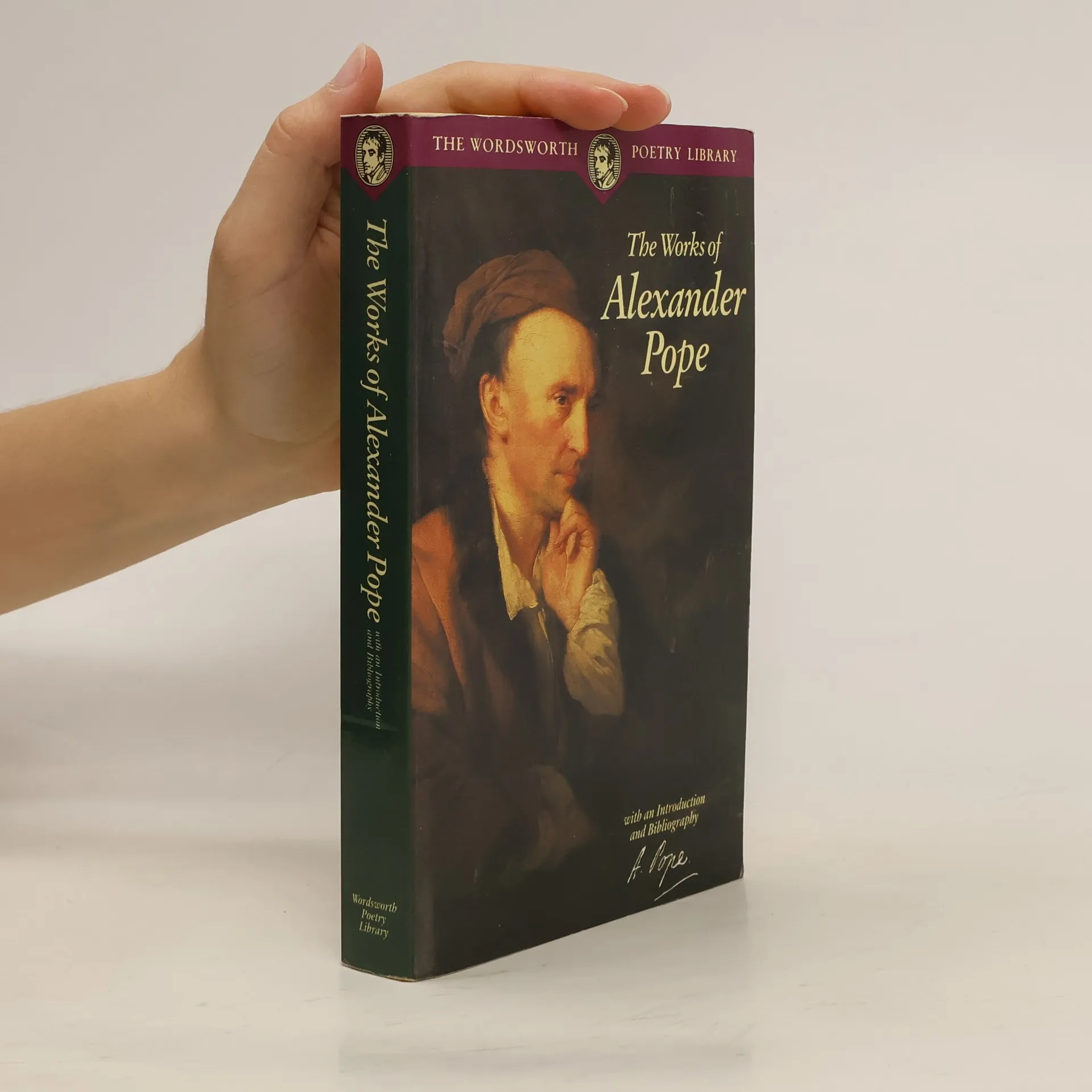
The works of Alexander Pope
- 432pagine
- 16 ore di lettura
In One Volume Complete. This scarce antiquarian book is included in our special Legacy Reprint Series. In the interest of creating a more extensive selection of rare historical book reprints, we have chosen to reproduce this title even though it may possibly have occasional imperfections such as missing and blurred pages, missing text, poor pictures, markings, dark backgrounds and other reproduction issues beyond our control. Because this work is culturally important, we have made it available as a part of our commitment to protecting, preserving and promoting the world's literature.
Robert Fagles's stunning modern-verse translation-available at last in our black-spine classics line A Penguin Classic The Odyssey is literature's grandest evocation of everyman's journey through life. In the myths and legends that are retold here, renowned translator Robert Fagles has captured the energy and poetry of Homer's original in a bold, contemporary idiom and given us an Odyssey to read aloud, to savor, and to treasure for its sheer lyrical mastery. This is an Odyssey to delight both the classicist and the general reader, and to captivate a new generation of Homer's students. For more than seventy years, Penguin has been the leading publisher of classic literature in the English-speaking world. With more than 1,700 titles, Penguin Classics represents a global bookshelf of the best works throughout history and across genres and disciplines. Readers trust the series to provide authoritative texts enhanced by introductions and notes by distinguished scholars and contemporary authors, as well as up-to-date translations by award-winning translators.
The Illiad Of Homer
- 1002pagine
- 36 ore di lettura
Alexander Pope's interpretation of the Homeric poem, published between 1715 and 1720, is celebrated for its lyrical beauty and cultural impact, influencing British and American literature for centuries. Samuel Johnson praised it as unparalleled in literary achievement. This edition offers a faithful rendering of Pope's verse, capturing the essence of Homer's work. Additionally, it includes a new biography of Pope, enhancing the reader's understanding of the poet's significance. This modern edition aims to make this classic text accessible to a wider audience.
First published with revisions as an Oxford World's Classics paperback: 2006.
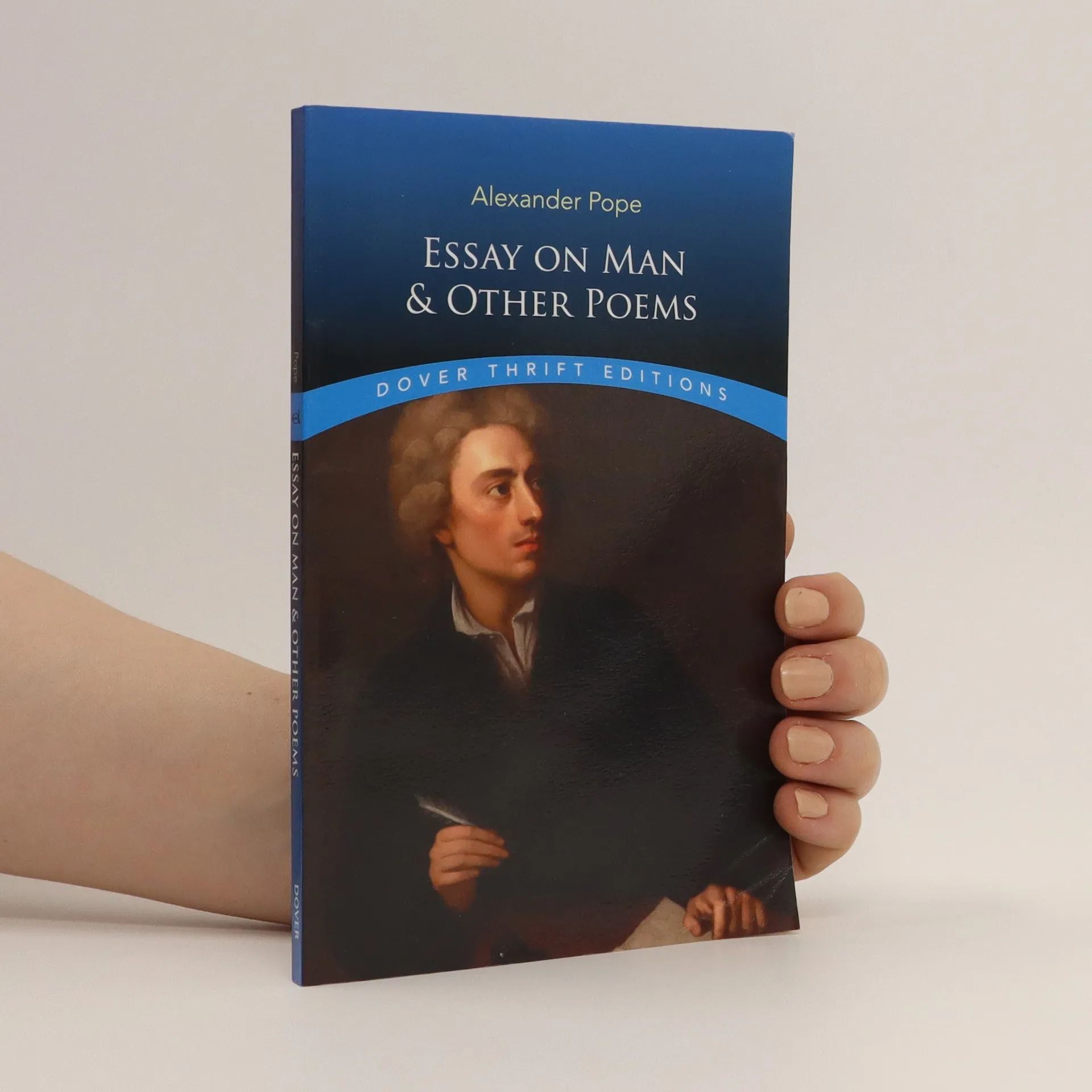
Essay on Man and Other Poems
- 99pagine
- 4 ore di lettura
Considered the preeminent verse satirist in English, Alexander Pope (1688-1744) brought wide learning, devastating wit and masterly technique to his poems. Models of clarity and control, they exemplified the classical poetics of the Augustan age.This volume contains a rich selection of Pope's work, including such well-known poems as the title selection — a philosophical meditation on the nature of the universe and man's place in it — and "The Rape of the Lock," a mock-epic of rare charm and skill. Also included are "Ode on Solitude," "The Dying Christian to His Soul," "Elegy to the Memory of an Unfortunate Lady," "An Essay on Criticism," "Epigram Engraved on the Collar of a Dog," "Epistle [IV] to Richard Boyle, Earl of Of the Use of Riches," "Epistle to Dr. Arbuthnot; or, Prologue to the Satires" and more.Taken together, these poems offer an excellent sampling of Pope's imaginative genius and the felicitous blending of word, idea and image that earned him a place among the leading lights of 18th-century literature.
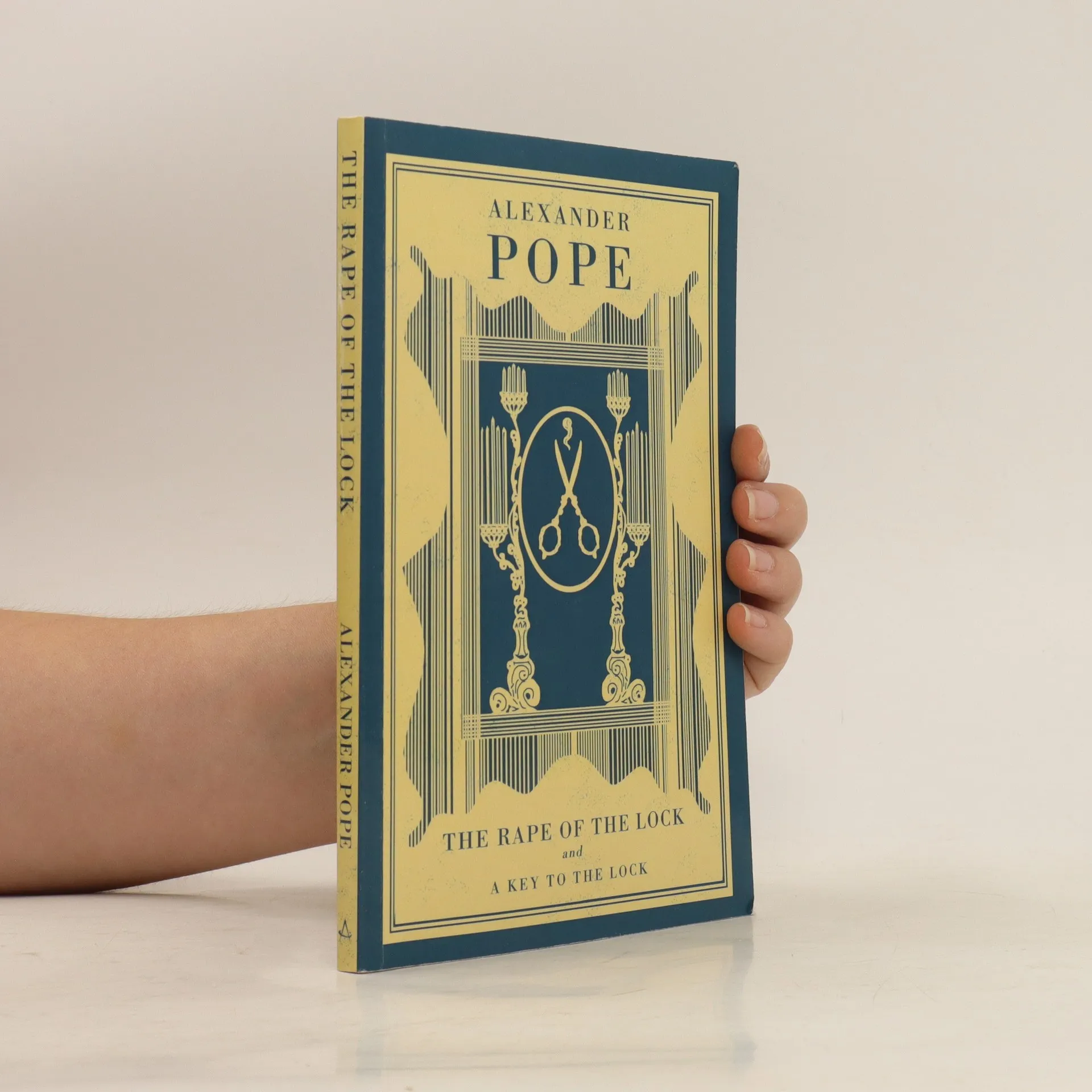
The Rape of the Lock and A Key to the Lock
- 128pagine
- 5 ore di lettura
When Lord Petre had the effrontery of cutting off a lock of Lady Arabella Fermor's hair, a veritable war erupted between the two noble families. A mutual friend, saddened by their estrangement, asked Alexander Pope, then a young poet, to write a poem about it, in order to make a joke of it and “laugh them together again”. But the result – which in its ingenuity and poetical brilliance reaches peaks of epic sublime – concealed darker and more dangerous undertones that unleashed an even greater storm between the parties involved – and among the whole literary world of the time. As Belinda glides along the Thames admired for her beauty and the crafty Baron schemes to take his prize, a host of supernatural beings – elfs, sylphs, gnomes – dance around them to avoid the impending doom, in what is Pope's crowning poetical achievement and perhaps the greatest satirical poem ever written. Included in this volume are the original two-canto version of The Rape of the Lock and Pope's hilarious mock-interpretation of the poem as a seditious work, A Key to the Lock.
The Rape of the Lock, and Other Poems
- 186pagine
- 7 ore di lettura
Set in a satirical world, this mock-heroic narrative poem by Alexander Pope explores themes of vanity and social status through the trivial incident of a stolen lock of hair. Initially published anonymously, it gained immense popularity, leading to revised editions and illustrations. The poem's structure evolves from two cantos to five, culminating in a version that includes a significant speech by Clarissa. Its witty critique of high society and its influence on European literature highlight the enduring appeal of mock-heroic poetry.
Highlighting the brilliance of an Augustan Age poet, this collection features diverse poetic forms, including satire and philosophical reflections. Notable works like "The Rape of the Lock" offer a mock-heroic take on high society's trivialities, while "The Dunciad" delivers a sharp critique of intellectual mediocrity. This treasury showcases Pope's exceptional talent and wit, making it a significant contribution to English literature.
The book is a reprint of a classic work first published in 1856, preserving the original text and context. It offers readers a glimpse into the themes and societal issues of its time, reflecting the historical landscape and cultural nuances of the 19th century. This edition aims to provide both nostalgia for those familiar with the text and an opportunity for new readers to explore its significance.
Highlighting the brilliance of Alexander Pope, this collection features a diverse range of poetic forms that reflect the essence of the Augustan Age. Notable works include "The Rape of the Lock," which uses mock-heroic elements to satirize high society's trivialities, and "The Dunciad," a sharp critique of intellectual mediocrity. This treasury celebrates Pope's mastery in blending satire with profound philosophical insights, making it a significant contribution to English literature.
Focused on accessibility, this publication is a reproduction of a historical work presented in large print, catering specifically to individuals with impaired vision. The Megali publishing house is dedicated to making literature more accessible through such reproductions, ensuring that important texts are available to a wider audience.
This book is a reproduction of a historical work published by Megali, a company dedicated to making literature accessible for individuals with impaired vision through large print editions. The focus on accessibility highlights the importance of preserving and sharing historical texts while ensuring they can be enjoyed by a wider audience.
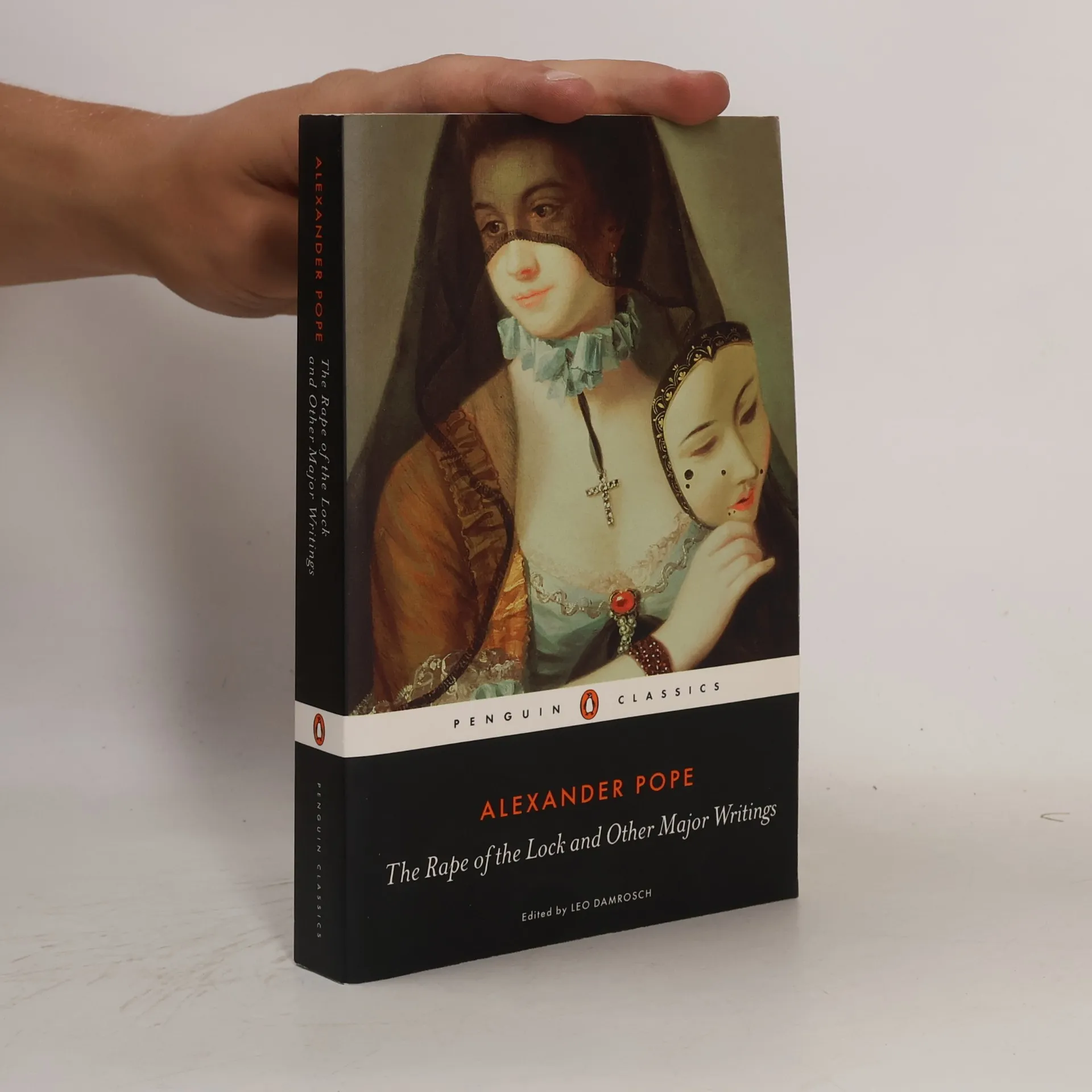
Penguin Classics: The Rape of the Lock and Other Major Writings
- 528pagine
- 19 ore di lettura
The author was the greatest English poet of his age, whose acerbic insights into human nature have entered the language, and whose verse still astonishes with its energy and inventiveness centuries after his death. This book includes selections of his work that follows the path of his poetic genius over his lifetime.
Gathers an Essay on Criticism, as well as odes, elegies, poems, satires, and moral essays by the eighteenth-century British poet and critic
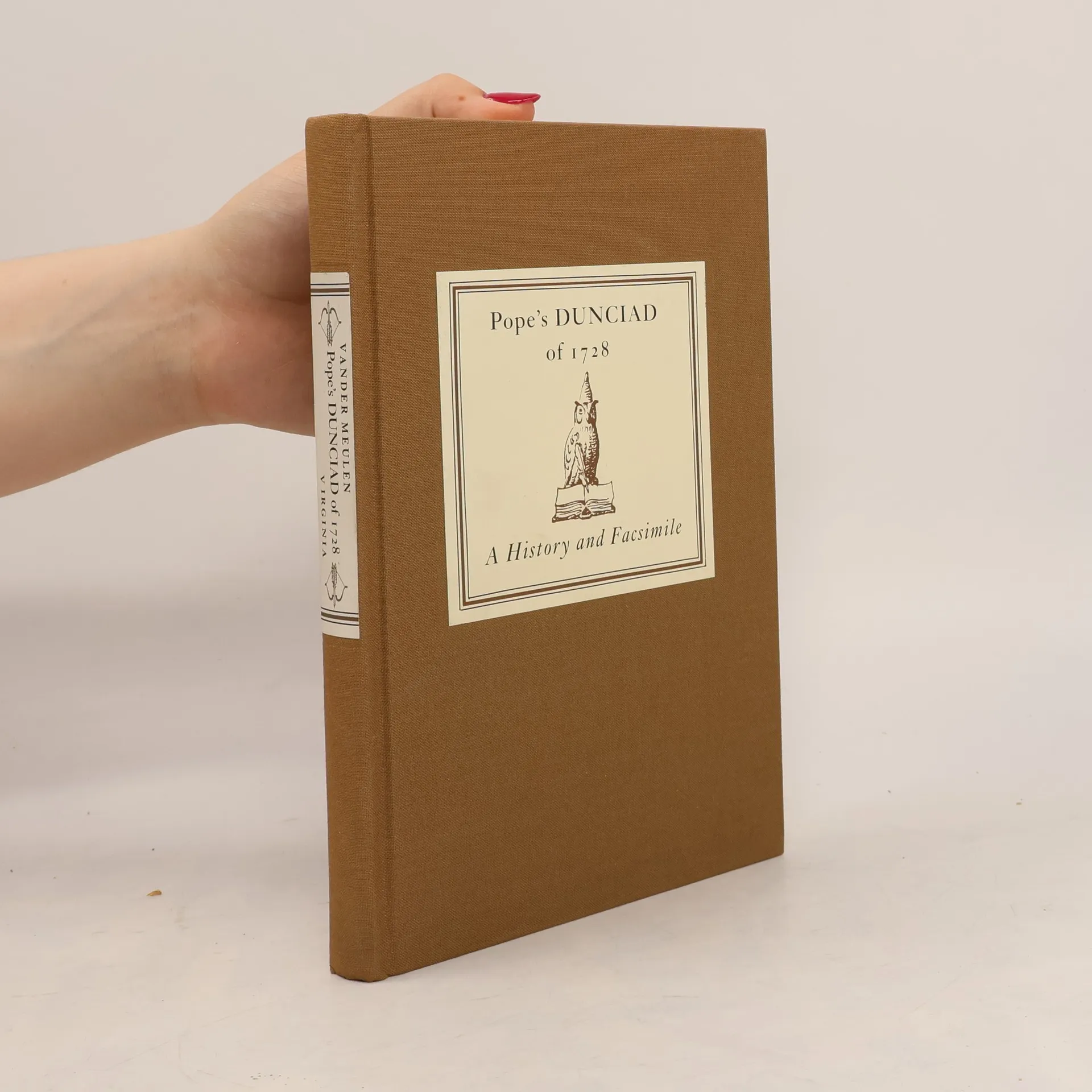
The poem Alexander Pope published as The Dunciad in 1728 was the core of the chef d'oeuvre that occupied him for at least half his life. After finally bringing the work to publishable form, he continually revised it and issued it in four major versions that appeared in nearly three dozen seperated editions.