

Bookbot

Le memorie di Oliver Sacks

Questa serie si addentra nell'affascinante mondo della neurologia e della mente umana attraverso storie e osservazioni personali. L'autore condivide profonde intuizioni sugli stati complessi della coscienza, dell'identità e della percezione. I lettori vengono guidati in un viaggio di scoperta attraverso esperienze umane straordinarie, cercando un ordine all'interno del caos apparente. È un'esplorazione ricca di empatia, curiosità e profonda riflessione sulla natura dell'essere umano.

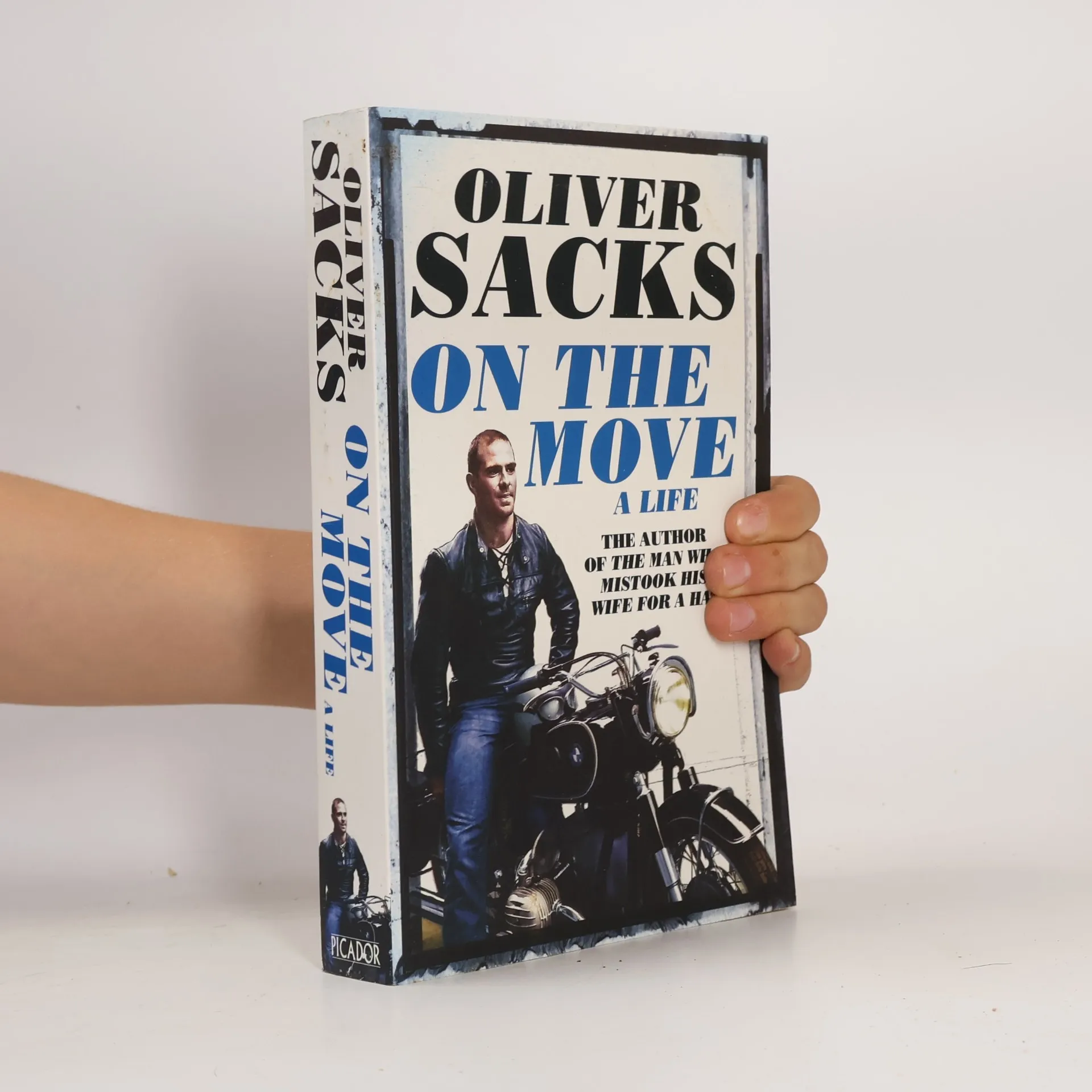
On The Move: A Life
Zio Tungsteno

Ordine di lettura consigliato

  1. Zio Tungsteno

    • 412pagine
    • 15 ore di lettura

    Con questo libro, il suo più personale sino a oggi, Oliver Sacks ci riporta indietro di sessant'anni, aprendoci le porte di una grande casa edoardiana di Londra, in cui viveva un bambino timido e introverso con la passione per la chimica: di fronte al multiforme e al caotico, all'incomprensibile e al crudele, la nettezza, la purezza, la consistenza del metallo hanno per il piccolo Oliver un valore simbolico, quasi la materializzazione di "idee chiare e distinte" e di un ordine stabile. Il tramite naturale verso questo mondo fantastico è Dave, zio Tungsteno, quello che fabbricava le lampadine, ritratto nel suo laboratorio, con le maniche rimboccate e le mani nere per la polvere del metallo. E al lettore sembra di assistere a una dimostrazione della teoria di Haeckel: sotto i suoi occhi, quella che potremmo definire l'ontogenesi intellettuale di un ragazzino curioso ripercorre, ricapitolandone le tappe essenziali, la filogenesi della scienza.

    Zio Tungsteno1
    4,0
  2. On The Move: A Life

    • 397pagine
    • 14 ore di lettura

    When Oliver Sacks was twelve years old, a perceptive schoolmaster wrote in his report: 'Sacks will go far, if he does not go too far.' It is now abundantly clear that Sacks has never stopped going. From its opening pages on his youthful obsession with motorcycles and speed, On the Move is infused with his restless energy. As he recounts his experiences as a young neurologist in the early 1960s, first in California and then in New York, where he discovered a long forgotten illness in the back wards of a chronic hospital, as well as with a group of patients who would define his life, it becomes clear that Sacks' earnest desire for engagement has occasioned unexpected encounters and travels - sending him through bars and alleys, over oceans, and across continents. With unbridled honesty and humour, Sacks shows us that the same energy that drives his physical passions - bodybuilding, weightlifting, and swimming - also drives his cerebral passions. He writes about his love affairs, both romantic and intellectual, his guilt over leaving his family to come to America, his bond with his schizophrenic brother, and the writers and scientists - A.R. Luria, W.H. Auden, Francis Crick - who influenced him. On the Move is the story of a brilliantly unconventional physician and writer - and of the man who has illuminated the many ways that the brain makes us human

    On The Move: A Life2
    4,3