
Bookbot

Julieta Aranda

    Julieta Aranda è un'artista concettuale il cui lavoro approfondisce la creazione e la manipolazione dello scambio artistico, sfidando le nozioni tradizionali di commercio attraverso l'arte. La sua pratica, che comprende installazioni, video e mezzi di stampa, esamina criticamente le economie, il lavoro e i sistemi di valore radicati nell'arte contemporanea. L'approccio di Aranda è spesso caratterizzato da una sovversione giocosa ma incisiva dei sistemi stabiliti, che spinge gli spettatori a riconsiderare il proprio ruolo e la circolazione dell'arte. Le sue esplorazioni rivelano un profondo coinvolgimento con le forze culturali ed economiche che plasmano la produzione e la ricezione artistica.

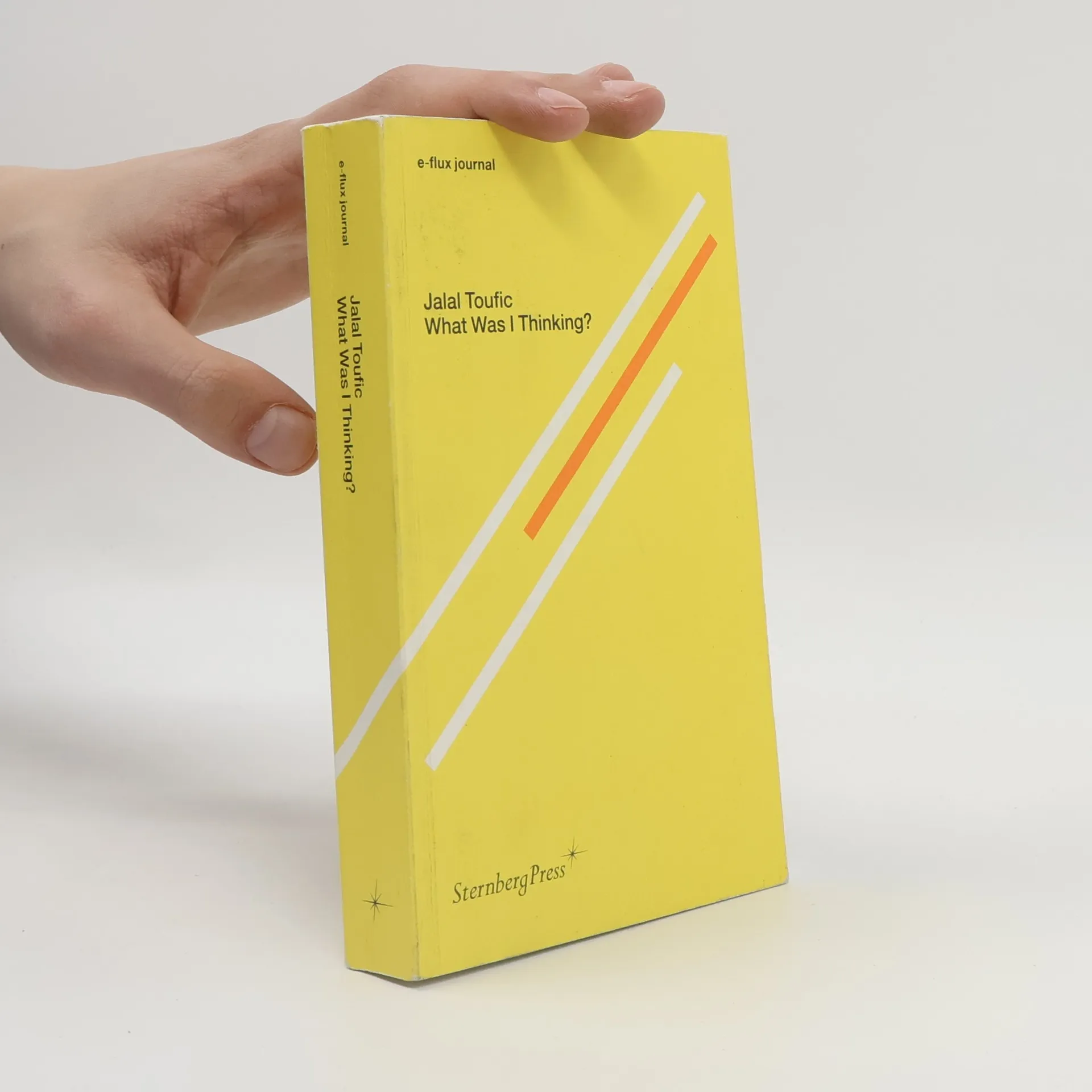
    E-Flux Journal: What Was I Thinking?
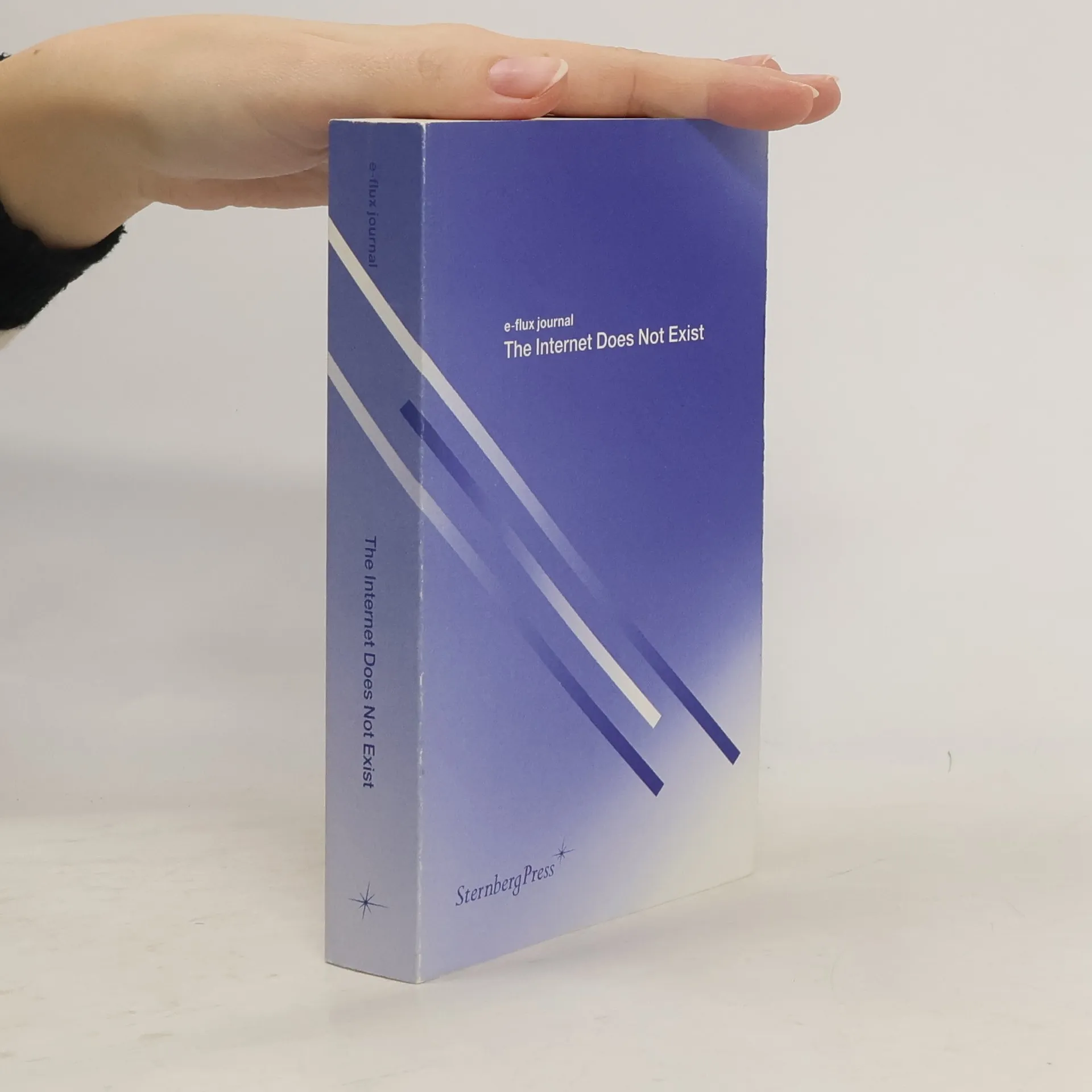
    The Internet does not exist
    • E-Flux Journal: What Was I Thinking?

      • 280pagine
      • 10 ore di lettura

      What Was I Thinking? serves as an initiation into the realm of thought. Jalal Toufic, with his analytical mind, creates an open-ended "summa" that explores the arts as a privileged site for thinking, even amidst inevitable failures. He juxtaposes his insights with texts from traditional religions and mystics, achieving a serene detachment and joy in thinking reminiscent of Nietzsche's understanding. Toufic stands out as one of the most original thinkers today, embracing the challenge posed by Heidegger in What Is Called Thinking? His exploration ventures into uncharted artistic territories, delving into their layers, paradoxes, and inherent inaccessibility. This endeavor requires immense courage and unique freedom, allowing his mind to pursue unpredictable conclusions, ensuring his writing remains relevant. His work resonates with the spirit of Einstein's General Theory of Relativity and Nietzsche's breakthroughs, establishing Toufic as a significant intellectual force.

      E-Flux Journal: What Was I Thinking?2017
      2,9
    • The internet does not exist. Maybe it did exist only a short time ago, but now it only remains as a blur, a cloud, a friend, a deadline, a redirect, or a 404. If it ever existed, we couldn't see it. Because it has no shape. It has no face, just this name that describes everything and nothing at the same time. Yet we are still trying to climb onboard, to get inside, to be part of the network, to get in on the language game, to show up on searches, to appear to exist. But we will never get inside of something that isn't there. All this time we've been bemoaning the death of any critical outside position, we should have taken a good look at information networks. Just try to get in. You can't. Networks are all edges, as Bruno Latour points out. We thought there were windows but actually they're mirrors. And in the meantime we are being faced with more and more—not just information, but the world itself.ContributorsJulian Assange, Franco “Bifo” Berardi, Benjamin Bratton, Diedrich Diederichsen, Keller Easterling, Rasmus Fleischer, Joana Hadjithomas and Khalil Joreige, Ursula K. Heise, Brian Kuan Wood, Bruno Latour, Geert Lovink, Patricia MacCormack, Metahaven, Gean Moreno, Hans Ulrich Obrist, Jon Rich, Hito Steyerle-flux journal Series edited by Julieta Aranda, Brian Kuan Wood, Anton Vidokle

      The Internet does not exist2015
      4,0