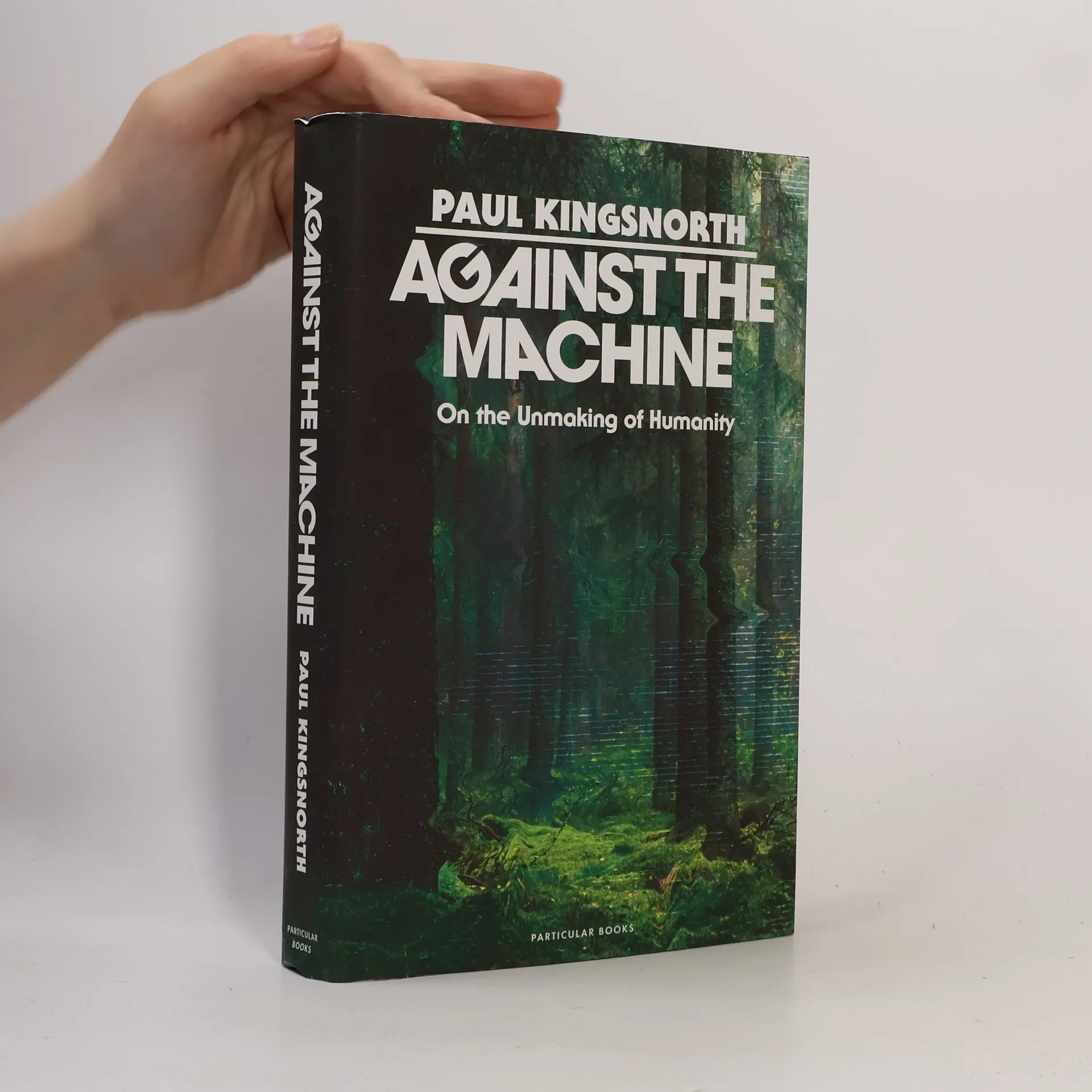
Paul Kingsnorth Ordine dei libri (cronologico)
1 gennaio 1972
Paul Kingsnorth è uno scrittore e pensatore inglese la cui opera è caratterizzata da una profonda critica della società moderna e del suo impatto sul mondo naturale. Come co-fondatore del Dark Mountain Project, invoca un movimento letterario e artistico che risponda alle incertezze ecologiche ed economiche. I suoi scritti esplorano temi come la disconnessione dalla natura, le conseguenze della globalizzazione e la ricerca di significato in un'epoca di sconvolgimenti. Lo stile di Kingsnorth è acuto e poetico, spesso attingendo a metafore naturali ed esplorando le profonde connessioni tra l'umanità e l'ambiente. La sua opera è un invito avvincente a riflettere sul nostro posto nel mondo e sul percorso che abbiamo intrapreso.




Alexandria
- 416pagine
- 15 ore di lettura
'Like Robert Macfarlane re-written by Cormac McCarthy.' Telegraph'Beckett doing Beowulf.' London Review of Books One thousand years from now, the sole inhabitants of a small island - a group no larger than an extended family - are living in a post-civilised world.
Confessions of a Recovering Environmentalist
- 304pagine
- 11 ore di lettura
With lyrical evocations of nature and the wild, this book features essays that have charted the change in Kingsnorth's thinking. It articulates a vision that he calls 'dark ecology,' which stands firmly in opposition to the belief that technology can save us, and he argues for a renewed balance between the human and nonhuman worlds.
BEAST
- 168pagine
- 6 ore di lettura
Originally published: London: Faber & Faber, 2016.
The Wake
- 365pagine
- 13 ore di lettura
After his sons are killed at the Battle of Hastings and his family and farm are destroyed by the Norman invaders, Buccmaster leads a group of fighters on a quest of revenge.
Offers a call to arms for those who would identify themselves as "English" against the forces of globalisation. This book reminds us that the quintessentially English institutions may soon cease to exist.
"It could turn out to be the biggest political movement of the twenty-first century: a global coalition of millions, united in resisting an out-of-control global economy, and already building alternatives to it. It emerged in Mexico in 1994, when the Zapatista rebels rose up in defiance of the North American Free Trade Agreement. The West first noticed it in Seattle in 1999, when the WTO was stopped in its tracks by 50,000 protesters. Since then, it has flowered all over the world." "But what exactly is it? To find out, Paul Kingsnorth travelled across five continents to visit some of the movement's epicentres. Along the way, he found a new political idea. Not socialism, not capitalism, not any 'ism' at all, it is united in what it opposes, and deliberately diverse in what it wants instead - a politics of 'one no, many yeses'. This movement may yet change the world. This book tells its story."--BOOK JACKET