Mahmood Mamdani è un eminente studioso il cui lavoro esamina criticamente la complessa interazione tra storia, politica e identità. Attraverso le sue acute analisi, approfondisce questioni globali urgenti, offrendo profonde intuizioni sulle forze che plasmano le società contemporanee. I suoi scritti sfidano le narrazioni convenzionali e incoraggiano i lettori a riconsiderare i punti di vista consolidati su conflitto e potere. L'approccio di Mamdani è caratterizzato da un profondo coinvolgimento con le realtà sociopolitiche delle comunità emarginate, rendendo i suoi contributi essenziali per comprendere il nostro mondo interconnesso.
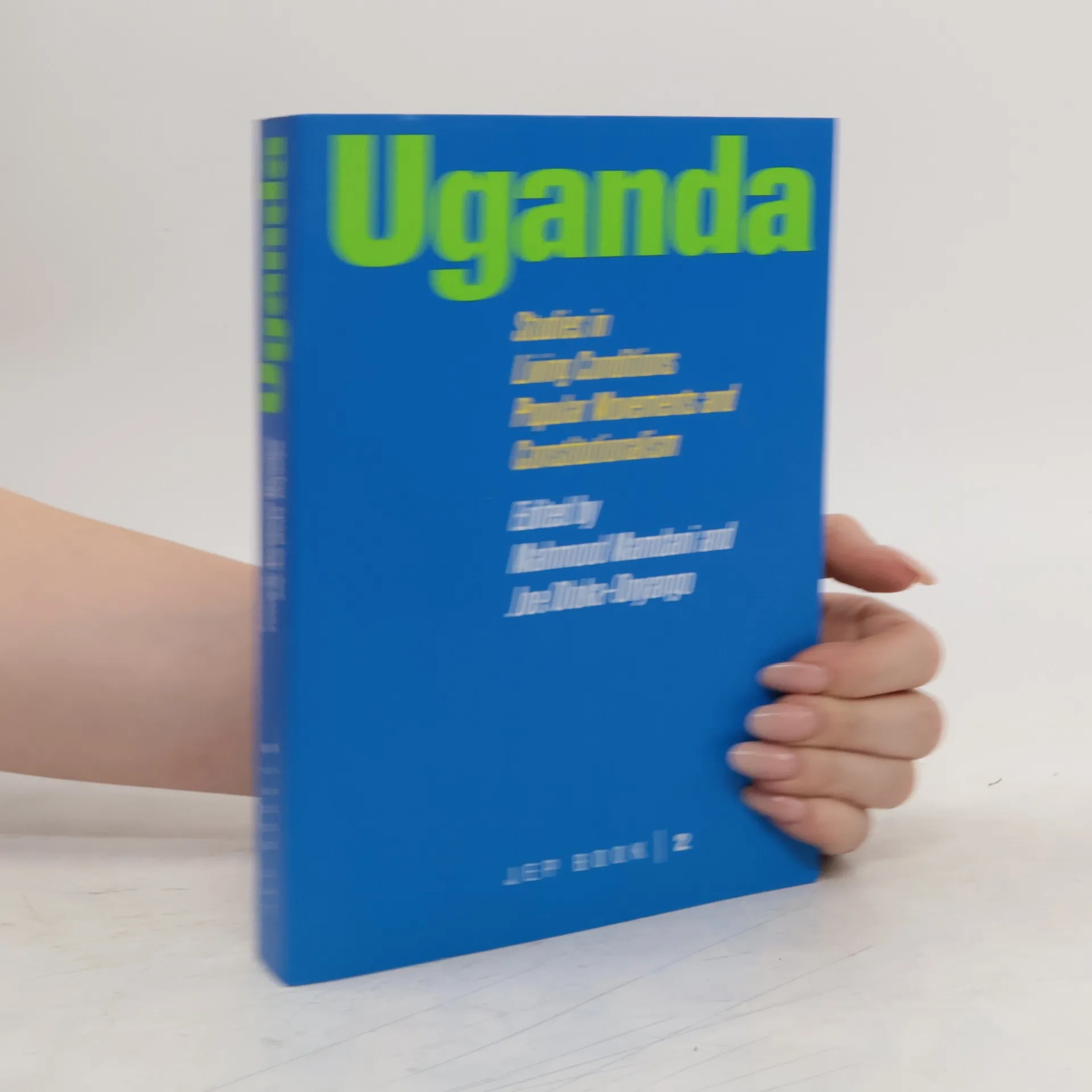
Forty years after the 1972 expulsion of Asians from Uganda, this vivid account interweaves gripping personal stories with an examination of Uganda's colonial history, the evolution of post-independence politics and the politicisation of racial identity.
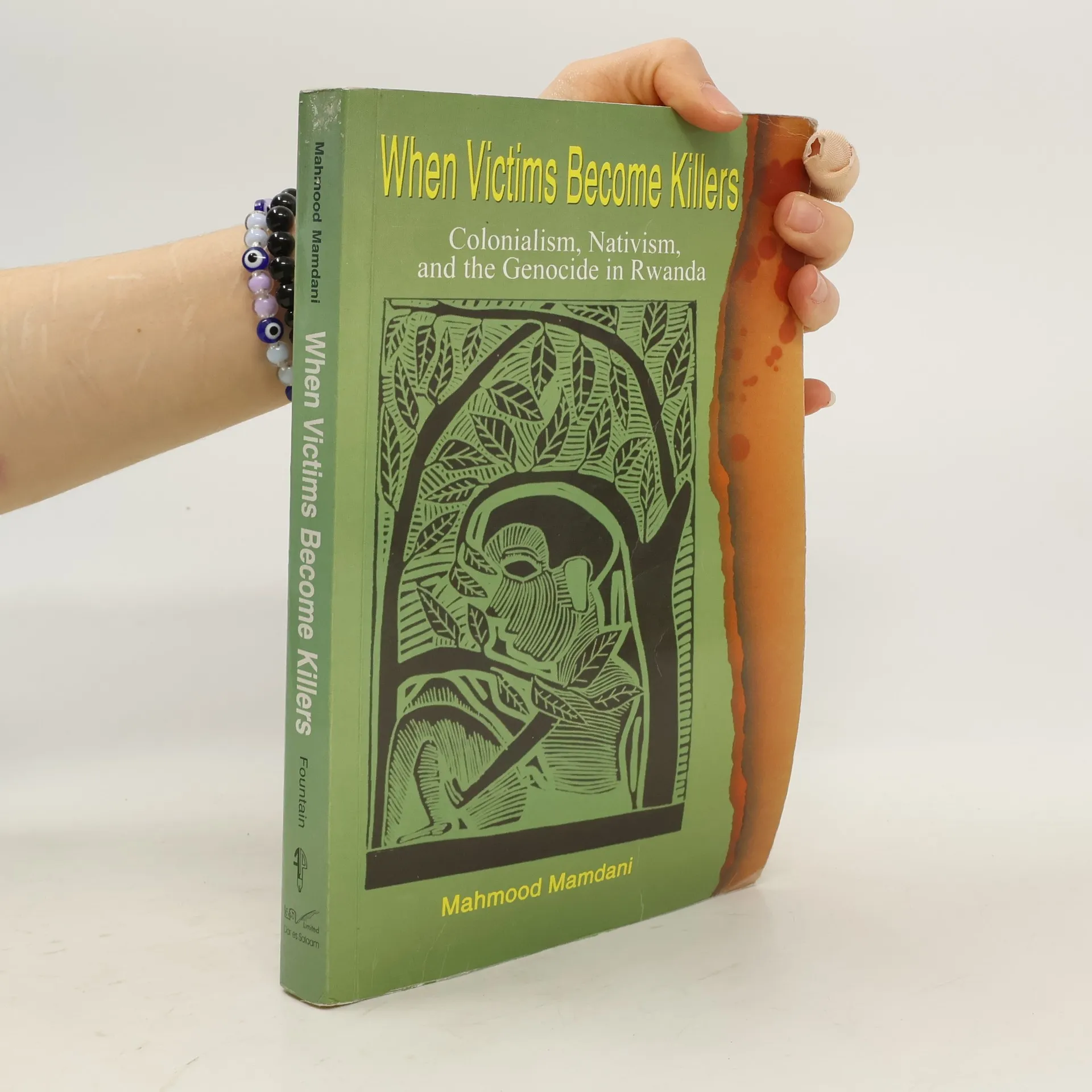
The book offers a thorough examination of the factors leading to the Rwandan genocide and its aftermath. It delves into the historical, political, and social dynamics that fueled the conflict, analyzing the roles of various actors involved. By exploring the devastating impact on the Rwandan population and the international community's response, the narrative provides a critical understanding of the complexities surrounding this tragic event. The insights aim to foster a deeper awareness of genocide and its lingering effects on society.
Exploring the interplay between nation-states and colonial states, the author argues that the formation of ethnic and religious majorities often stems from the violent suppression of minorities. By examining diverse cases from the United States to Eastern Europe, Israel, and Sudan, Mahmood Mamdani proposes a transformative idea: a state that exists independently of a singular national identity. This radical solution challenges conventional notions of statehood and offers a new perspective on governance and identity.
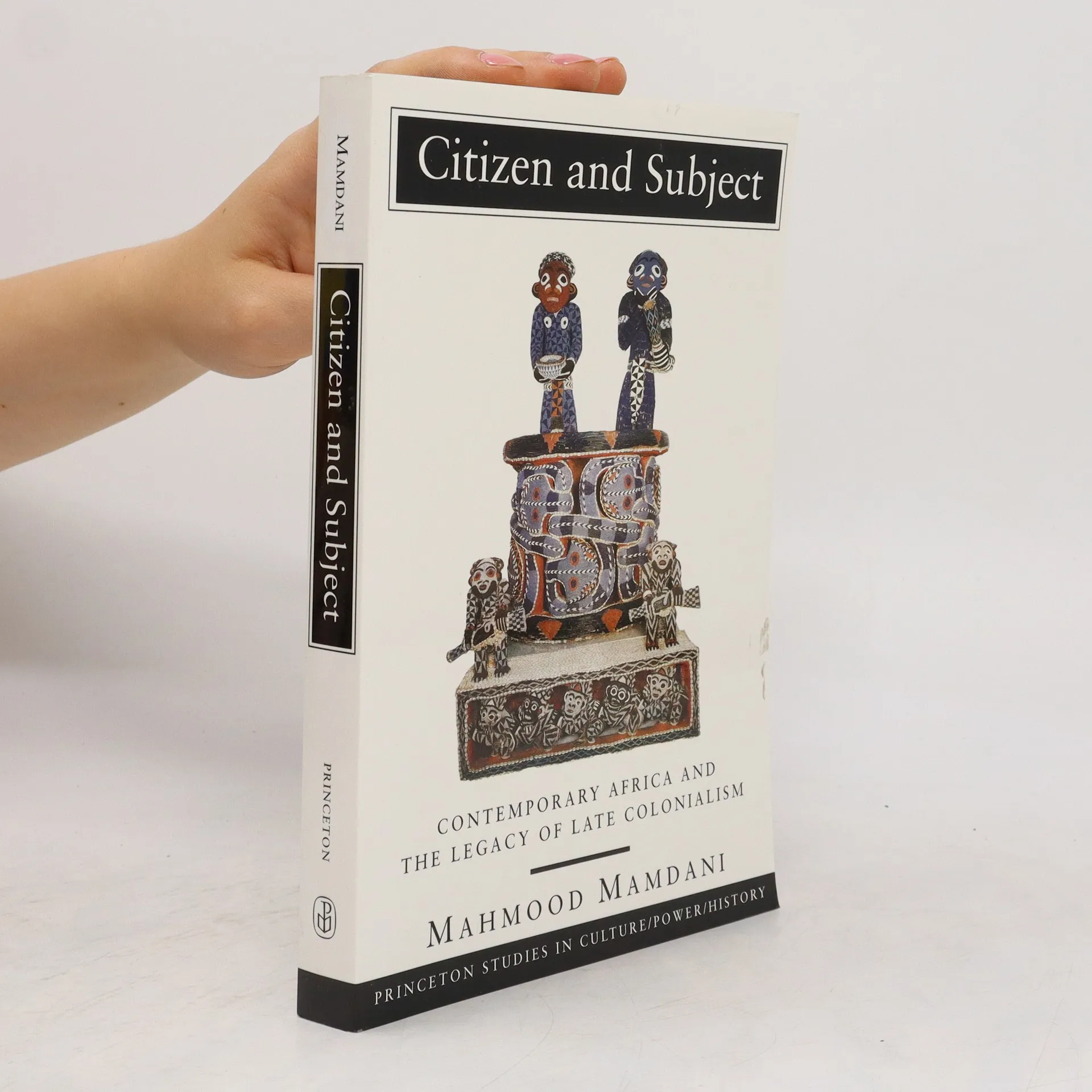
Offers an account of colonialism's legacy - a bifurcated power that mediated racial domination through tribally organized local authorities, reproducing racial identity in citizens and ethnic identity in subjects. This book shows that Apartheid was the generic form of the colonial state in Africa.
In this brilliant look at the rise of political Islam, the distinguished political scientist and anthropologist Mahmood Mamdani brings his expertise and insight to bear on a question many Americans have been asking since 9/11: how did this happen? Good Muslim, Bad Muslim is a provocative and important book that will profoundly change our understanding both of Islamist politics and the way America is perceived in the world today.