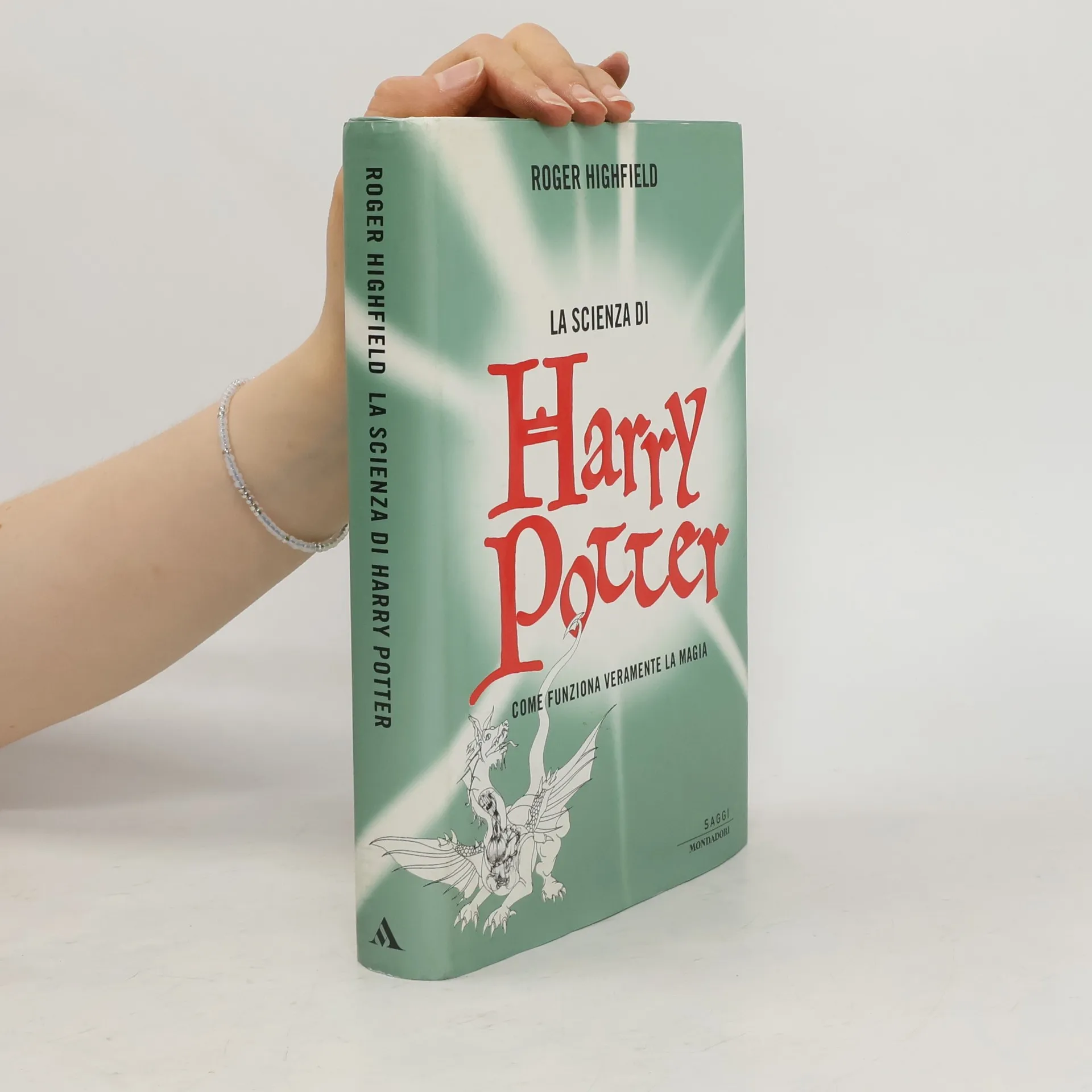
A Hoghwarts può capitare di imbattersi in draghi e creature mostruose, di bere pozioni dagli effetti strabilianti, di vedere streghe sfrecciare nel cielo, e di venire a sapere che a un ragazzo dai talenti prodigiosi, di nome Harry Potter, con una cicatrice a forma di saetta, è stato conferito il potere di sfidare il Male. Roger Highfield dimostra che le avventure soprannaturali di Harry Potter non sono solo il frutto della fervida fantasia di una scrittrice: alla luce di quanto sta avvenendo nei più avanzati laboratori di ricerca, dove fisici, biochimici e genetisti stanno preparando nuovi "miracoli" molte delle magie "potteriane" si possono infatti spiegare scientificamente.
Roger Highfield Libri
1 gennaio 1958
Roger Highfield si concentra sull'intersezione tra scienza e società. Il suo lavoro esplora come le scoperte scientifiche influenzano il nostro mondo e come possiamo comprenderle al meglio. Scrive in modo accessibile e coinvolgente per rendere i concetti complessi comprensibili a un pubblico più ampio.


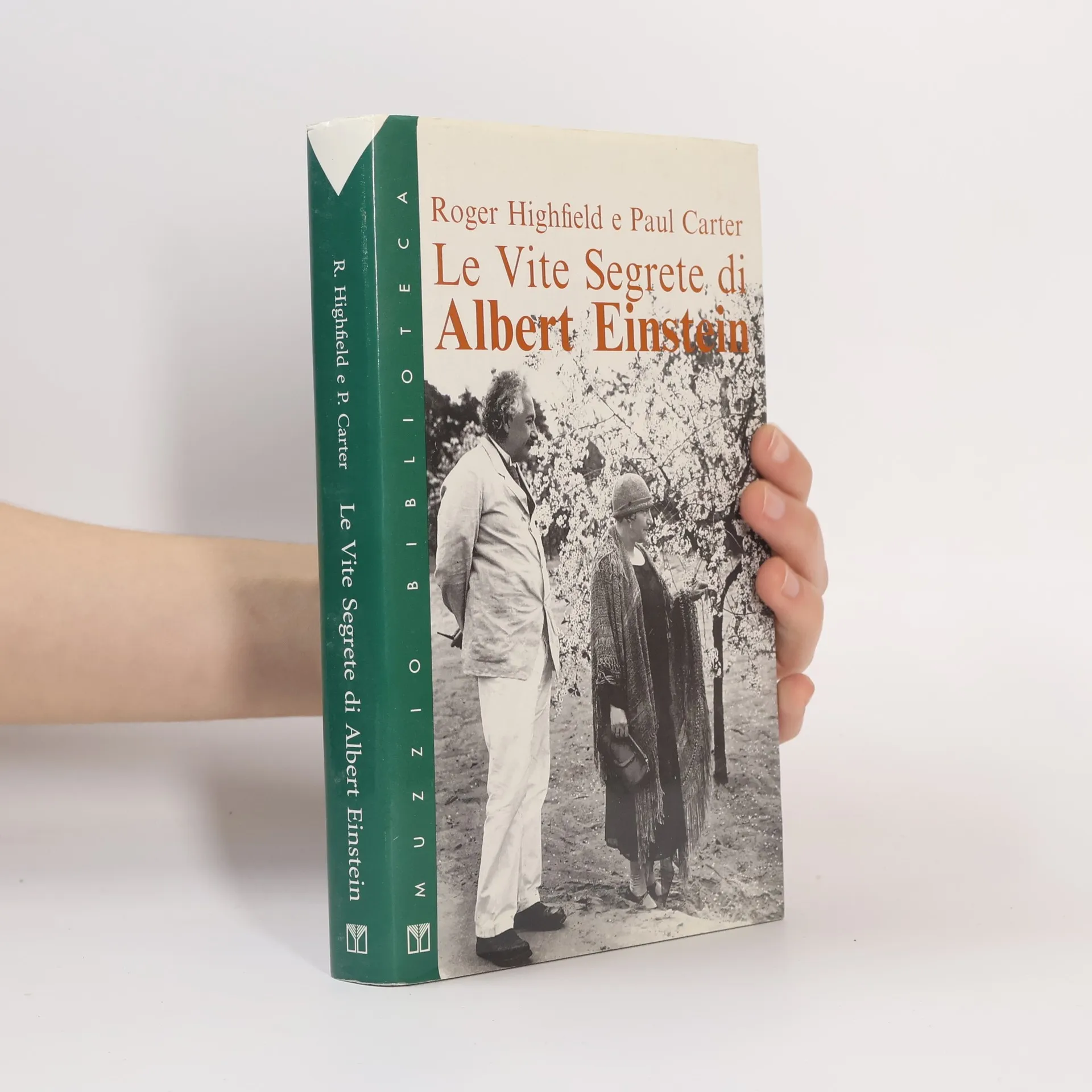
Biblioteca Muzzio: Le vite segrete di Albert Einstein
- 331pagine
- 12 ore di lettura
A shocking portrait of the greatest genius of this century. So intensely guarded & obscured were the details of Einstein's personal life that it took the authors six months to gain permission to quote from Einstein's correspondence. Even then many letters could only be paraphrased. The book reveals that the Nobel Prize-winner whose genius & work for peace have long been associated with a kind of personal nobility had an adulterous, egomaniacal & misogynist side with which very few people are familiar. "A deeply melancholic & moving tale that forces its readers to grapple with the enigma of the Einstein myth."-- The Economist
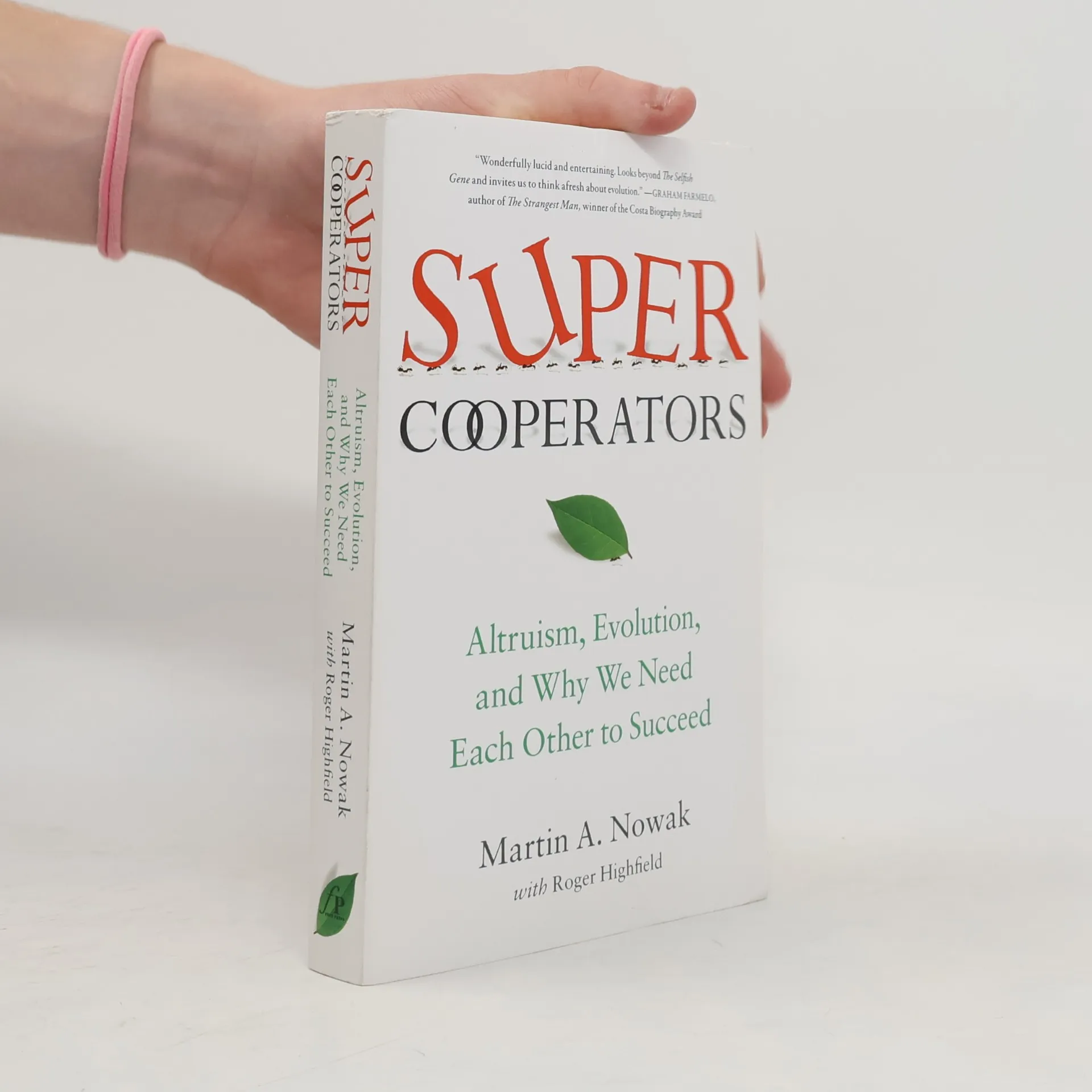
Supercooperators
- 352pagine
- 13 ore di lettura
Looks at the importance of cooperation in human beings and in nature, arguing that this social tool is as important an aspect of evolution as mutation and natural selection.
An argument for the benefits of cloning, co-written by a scientist whose team was responsible for a famous cloned sheep, presents the reasons for his opposition to the cloning of humans and explains that cloning technology can be ethically applied to free families from serious hereditary diseases. Reprint.
Explores how complexity, a new way of thinking about the behaviour of interacting units, is transforming the way we think, and the assumptions that underlie conventional science. Examines the rise of the electronic computer as key and catalyst to the study of complexity; explores current innovations such as fuzzy logic, and computers which exploit quantum mechanics and run on light; and reveals cyberspace universes where organisms compete for resources as they reproduce, mutate and evolve
The arrow of time : the quest to solve science's greatest mystery
- 384pagine
- 14 ore di lettura
In this book physical chemist Dr Peter Coveney and award-winning science journalist Dr Roger Highfield have questioned our understanding of science with their humorous reinterpretation of the most profound aspect of time - why it points from the past to the future. The author's challenge to scientific preconceptions about the irreversibility of time is designed to link apparently irreconcilable features of science, from Einstein's obsession with causality to chaos theory, from the cause of jet lag to the Monday morning feeling.
Mezi chaosem a řádem : hranice komplexity: hledání řádu v chaotickém světě
- 428pagine
- 15 ore di lettura
Podtitul: Hranice komplexity - Hledání řádu v chaotickém světě Průkopnická práce ukazující nové obzory vědy. Komplexita, hlavní téma knihy, je moderní interdisciplinární záležitostí, zabývající se souborem témat z takových vědních oborů, jako je umělá inteligence, statistická fyzika, neurobiologie, či dokonce sociologie. Komplexita je všude tam, kde hraničí chaos s řádem. Z vědeckého hlediska je složitější a zajímavější než chaos, jemuž bylo věnováno mnoho vědeckého úsilí a o němž už byla napsána řada knih. Právě tam, kde se chaos setkává s řádem, se totiž odehrávají tak úžasné věci, jako je život či myšlení. Autoři navazují na práce takových velikánů vědy, jako byl Richard Feynman, Kurt Gödel, John von Neumann, Ilya Prigogine a Alan Turing, kteří otevřeli cestu od redukcionismu ke komplexitě. S předmluvou Barucha Blumberga.
Co je to čas, jak jej chápeme a jak je důležitý pro náš život
Wenn Sie sich um Ihre Figur sorgen, könnten die weihnachtlichen Festtage eine gute Gelegenheit zum Abnehmen sein. Eine wissenschaftliche Studie zeigt, dass der Magen durch das Schnüffeln leckerer Düfte gestillt werden kann. Highfield beleuchtet zudem den Stern von Bethlehem, den mutmaßlichen Drogenkonsum des Nikolaus und die Herkunft des Jesukindes. Wer eine Sammlung heiterer Kuriositäten erwartet, wird enttäuscht. Der Autor verknüpft exzellenten Wissenschaftsjournalismus mit dem weihnachtlichen Thema, was ihm mehr Erfolg als nur am Gabentisch wünschen würde. Die Feiertage bieten einen kleinen Anlass für tiefgehende wissenschaftliche Erkundungen. Was hat es mit Weihnachtsbaum und Kerzenlicht auf sich? Warum kaufen und schenken die Menschen? Welche Geheimnisse verbergen sich in einer Schneeflocke? Highfield spannt einen großen Bogen über die wissenschaftliche Forschung. Die Ergebnisse von Astronomen, Molekularbiologen, Chemikern und Philosophen sind universell und oft mehr als nur amüsant. Eine Studie mit 300 übergewichtigen Menschen zeigt, dass das Riechen an verschiedenen Aromen während des Hungers zu einem durchschnittlichen Gewichtsverlust von über zwei Kilogramm pro Monat führte. In diesem Sinne: "Guten Appetit!"
Können Engel fliegen?: Die Wissenschaft der Weihnachtszeit
Las vidas privadas de Albert Einstein
- 380pagine
- 14 ore di lettura
Einstein fue el científico más importante de su siglo y también el centro de los debates más importantes de su época.