
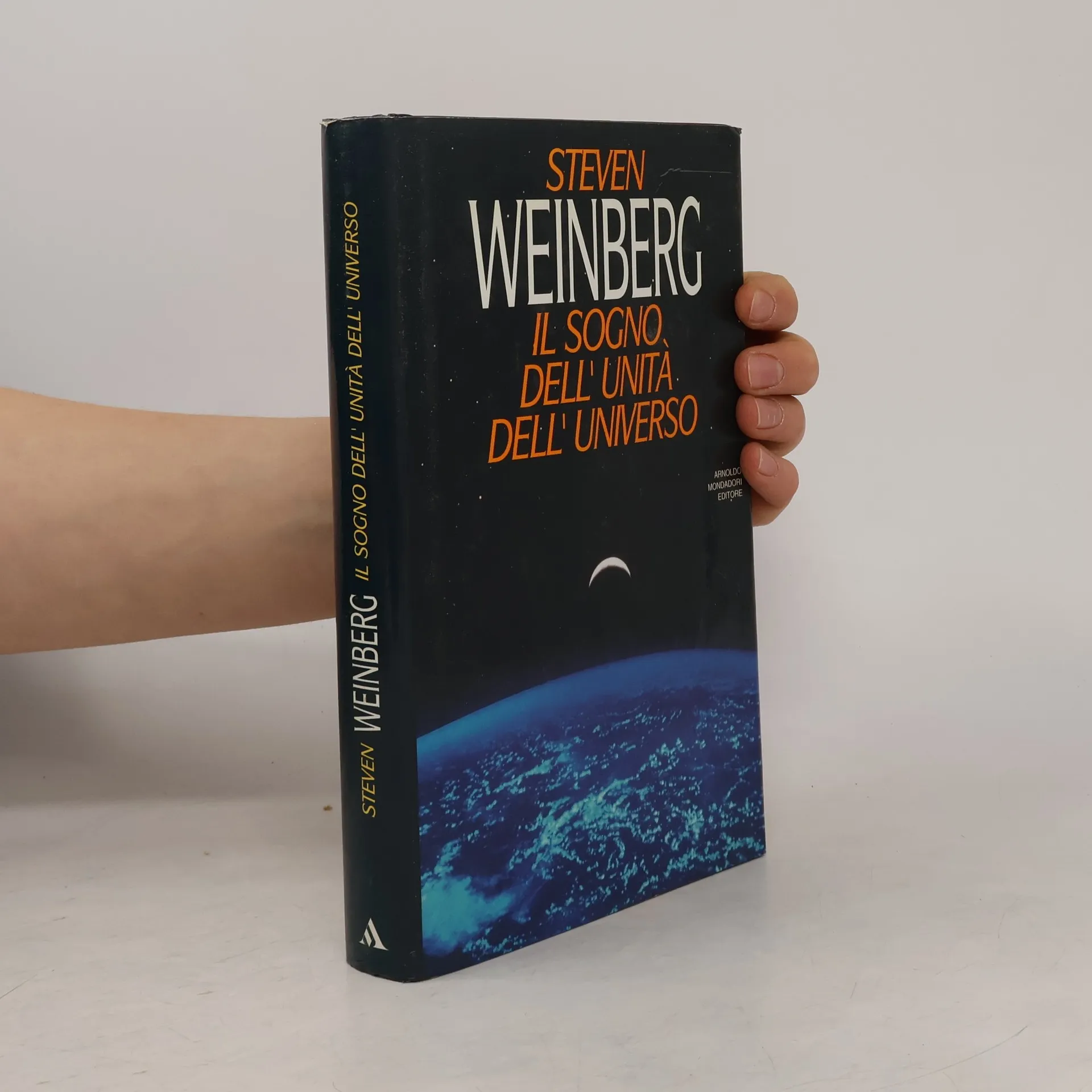
Steven Weinberg Libri
Steven Weinberg è stato un fisico teorico americano il cui lavoro ha rimodellato la nostra comprensione delle forze fondamentali dell'universo. Ha ricevuto il Premio Nobel per i suoi contributi all'unificazione delle interazioni debole ed elettromagnetica tra particelle elementari. La ricerca di Weinberg ha spaziato dalla teoria delle particelle alla cosmologia fisica, lasciando un'eredità di profonde intuizioni sulla natura della realtà. I suoi scritti occasionali hanno esplorato le implicazioni più ampie della scoperta scientifica per il pensiero umano.


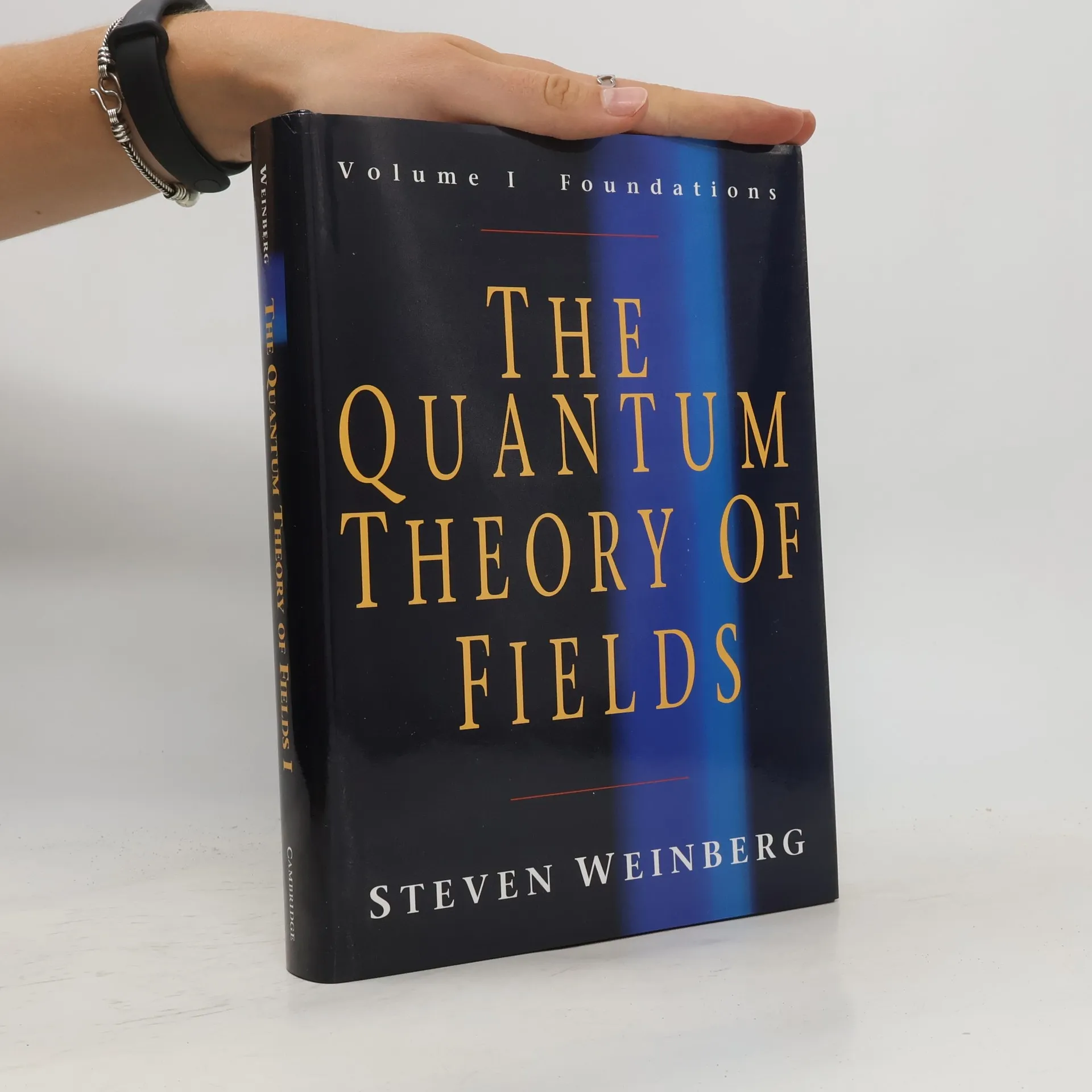
The Quantum Theory of Fields v1
- 640pagine
- 23 ore di lettura
This introduction to quantum field theory, authored by Nobel Laureate Steven Weinberg, offers an in-depth exploration of fundamental concepts in the field. It is designed for graduate students and advanced undergraduates, combining theoretical insights with practical applications. The text emphasizes clarity and rigor, making complex ideas accessible while providing a solid foundation in the principles of quantum mechanics and particle physics. This paperback edition brings Weinberg's acclaimed work to a broader audience, enhancing its reach and impact.
The Quantum Theory of Fields v2
- 512pagine
- 18 ore di lettura
This comprehensive introduction to quantum field theory, authored by Nobel Laureate Steven Weinberg, offers an in-depth exploration of the subject, blending theoretical concepts with practical applications. First published in 1996, it serves as a foundational text for students and researchers, elucidating complex topics with clarity and precision. Weinberg's expertise and insights provide readers with a profound understanding of the principles that govern particle physics and the interactions of fundamental forces.
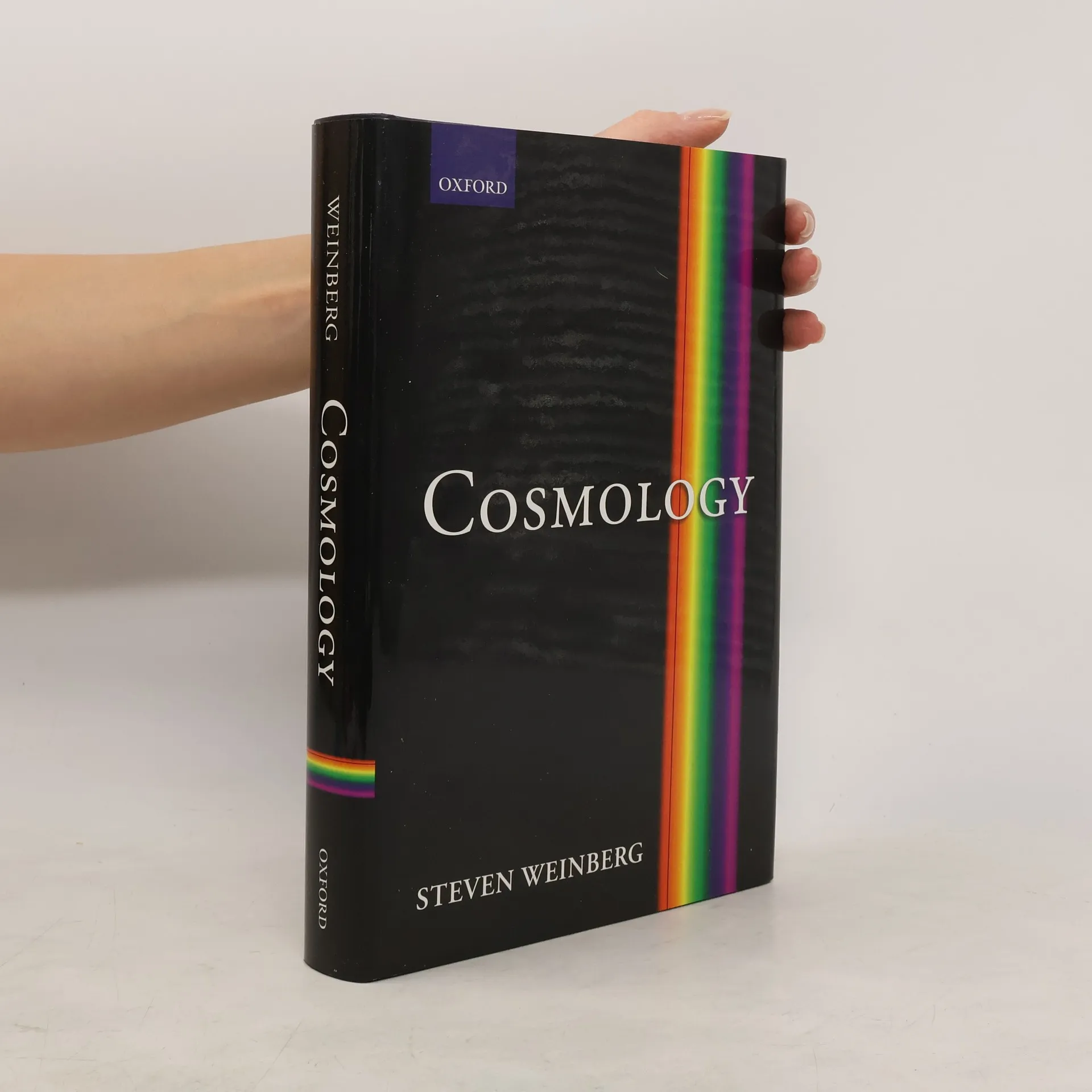
Cosmology
- 593pagine
- 21 ore di lettura
This book is unique in the detailed, self-contained, and comprehensive treatment that it gives to the ideas and formulas that are used and tested in modern cosmological research. It divides into two parts, each of which provides enough material for a one-semester graduate course. The first part deals chiefly with the isotropic and homogeneous average universe; the second part concentrates on the departures from the average universe. Throughout the book the author presents detailed analytic calculations of cosmological phenomena, rather than just report results obtained elsewhere by numerical computation. The book is up to date, and gives detailed accounts of topics such as recombination, microwave background polarization, leptogenesis, gravitational lensing, structure formation, and multifield inflation, that are usually treated superficially if at all in treatises on cosmology. Copious references to current research literature are supplied. Appendices include a briefintroduction to general relativity, and a detailed derivation of the Boltzmann equation for photons and neutrinos used in calculations of cosmological evolution. Also provided is an assortment of problems.
In this two-volume work, Nobel Laureate Steven Weinberg presents a self-contained and comprehensive introduction to quantum field theory, blending exceptional physical insight with clear exposition. Volume I lays the groundwork by logically developing the foundations of quantum field theory, carefully motivating each step and emphasizing its relevance to understanding nature. Starting with a brief historical overview, the text revisits the principles of relativity and quantum mechanics, leading to the natural emergence of quantum field theory. Weinberg modernizes classic calculations of quantum electrodynamics, employing path integrals and dimensional regularization, while his treatment of renormalization reflects evolving perspectives since the introduction of effective field theories. The scope extends beyond quantum electrodynamics to encompass elementary particle and nuclear physics, enriched with original material, examples, and insights from the author’s extensive research experience. Each chapter concludes with problems, making this work an invaluable reference for physicists and mathematicians utilizing quantum field theory. It also serves as an appropriate textbook for graduate students in the field.
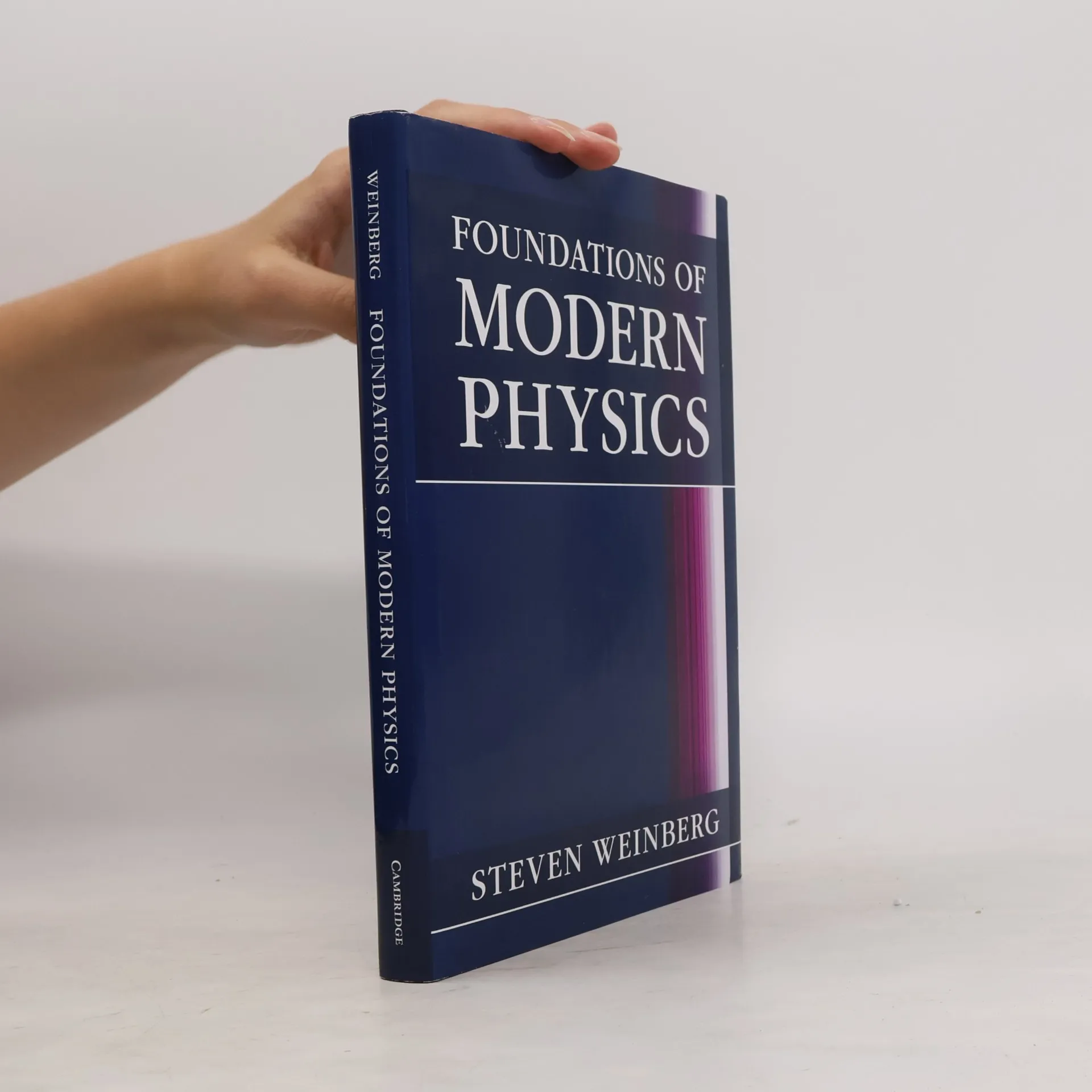
Nobel Laureate Steven Weinberg explains the foundations of modern physics in historical context for undergraduates and beyond.
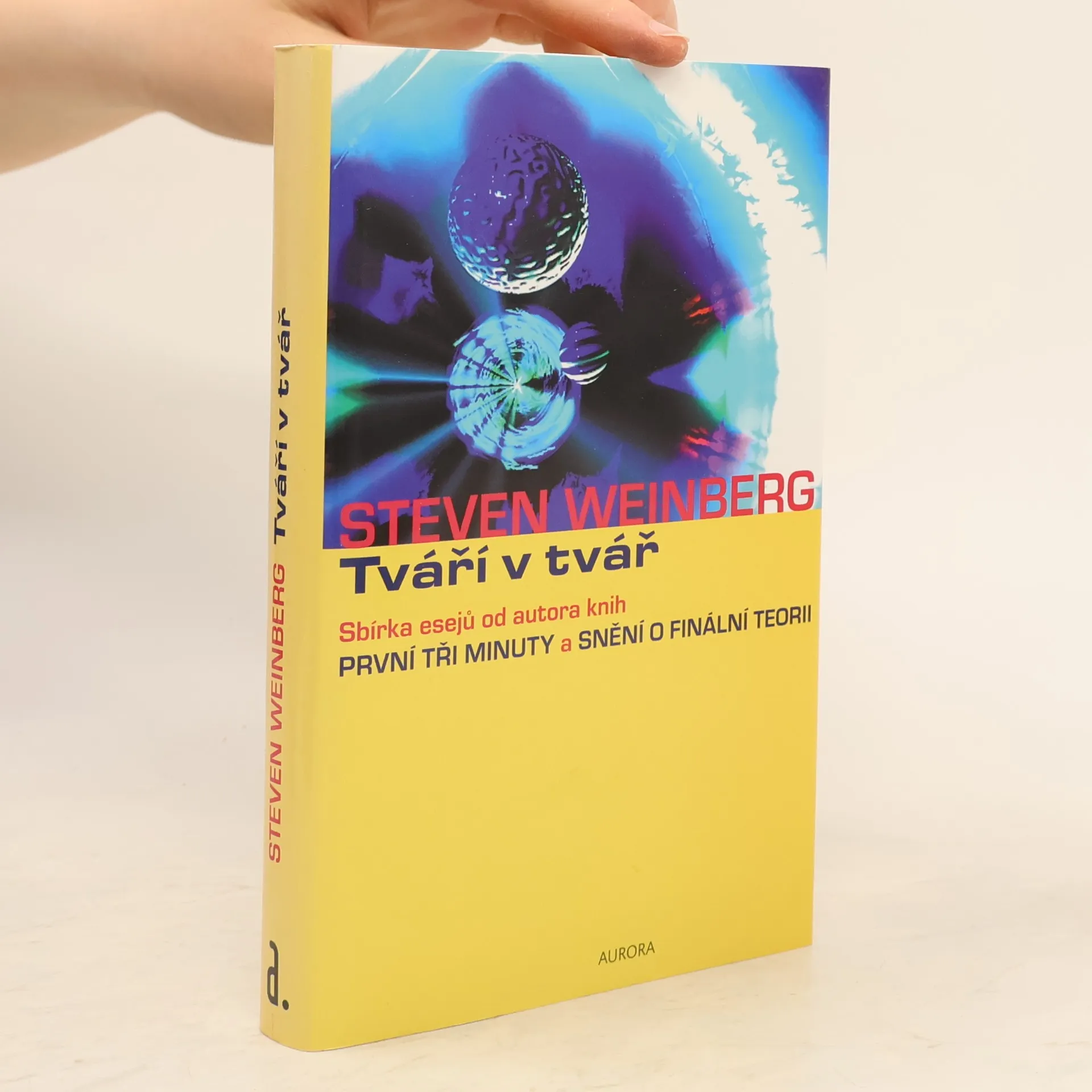
Dreams Of A Final Theory
- 272pagine
- 10 ore di lettura
An understanding of nature's final laws may be within our grasp - a way of explaining forces and symmetries and articles that does not require further explanation. In it he discusses beauty, the weakness of philosophy, the best ideas in physics and the honour of accepting a world without god.
The Quantum Theory of Fields v3
- 442pagine
- 16 ore di lettura
Nobel Laureate Steven Weinberg offers a thorough introduction to supersymmetry, exploring its fundamental concepts and implications in theoretical physics. This paperback edition presents complex ideas in an accessible manner, making it suitable for both students and enthusiasts. Weinberg's expertise provides valuable insights into the significance of supersymmetry in understanding the universe, bridging gaps between various areas of physics while emphasizing its potential impact on future research.
Steven Weinberg: A Life in Physics
- 274pagine
- 10 ore di lettura
Engagingly written, this book offers insights from Nobel laureate Steven Weinberg on theoretical physics and cosmology, enriched with anecdotes from his extensive career. Readers will appreciate his candid reflections, blending humor with deep scientific thought, making it accessible to physicists, historians of science, and general audiences alike. Weinberg's unique perspective provides a compelling look into the world of physics and his personal journey within it.