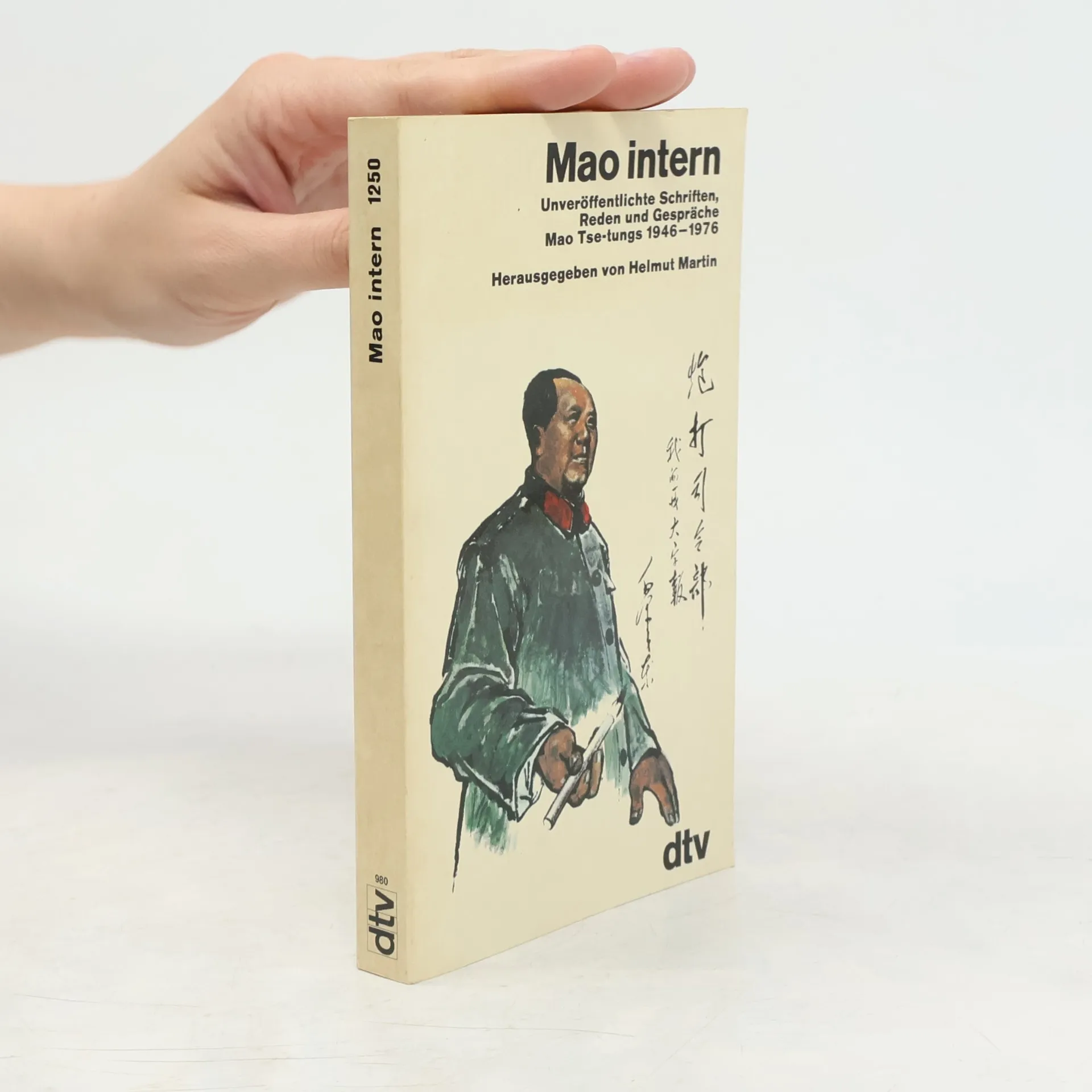
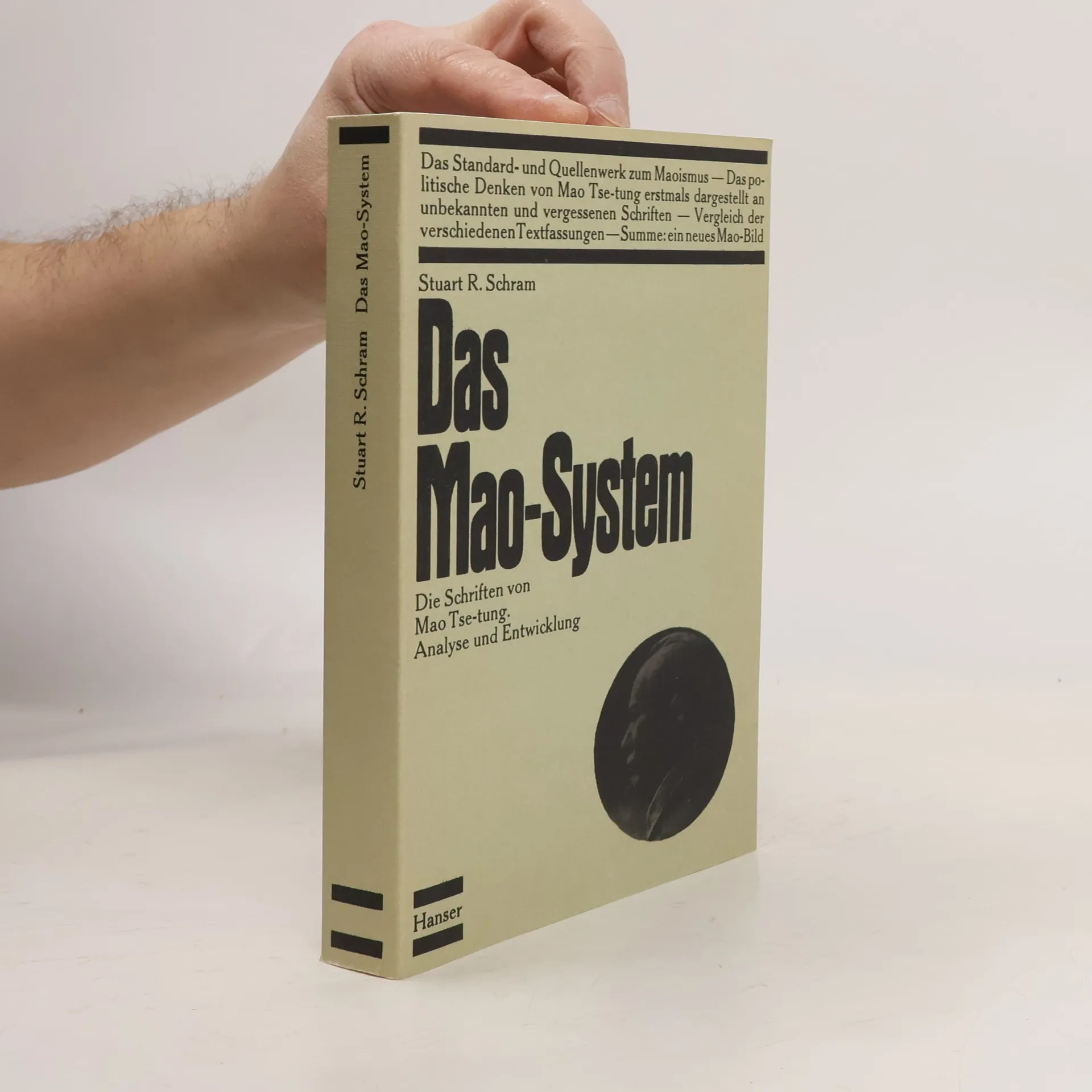
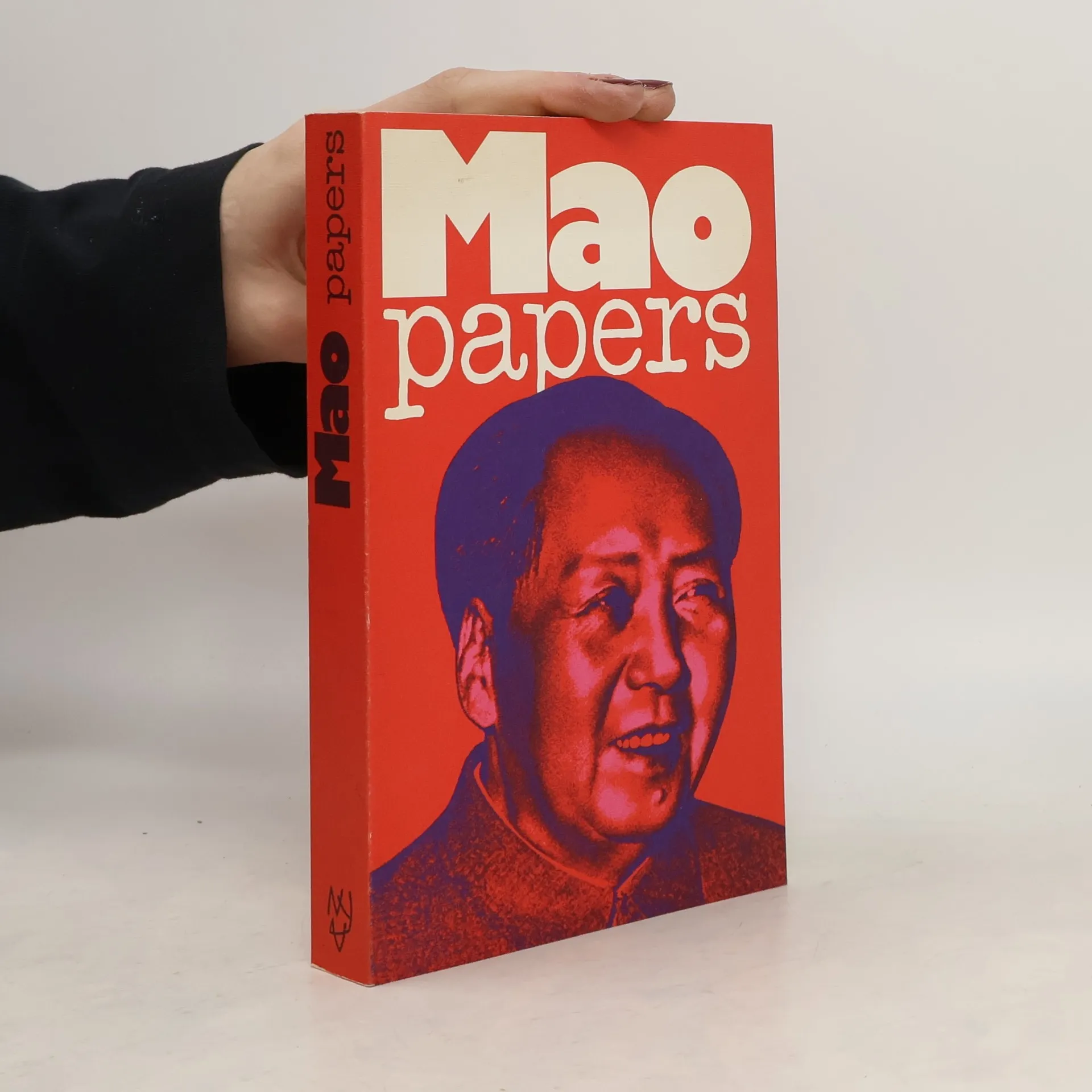
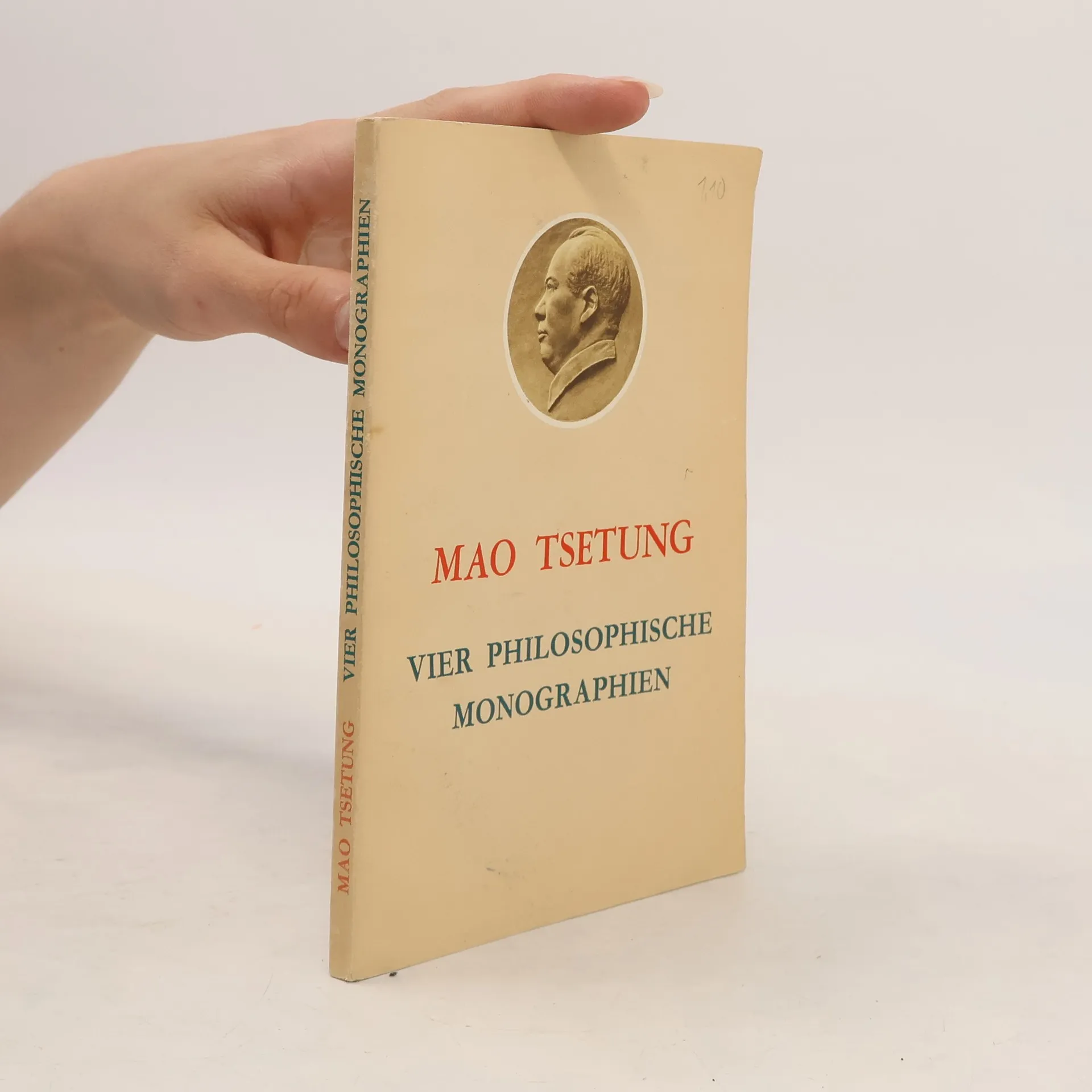
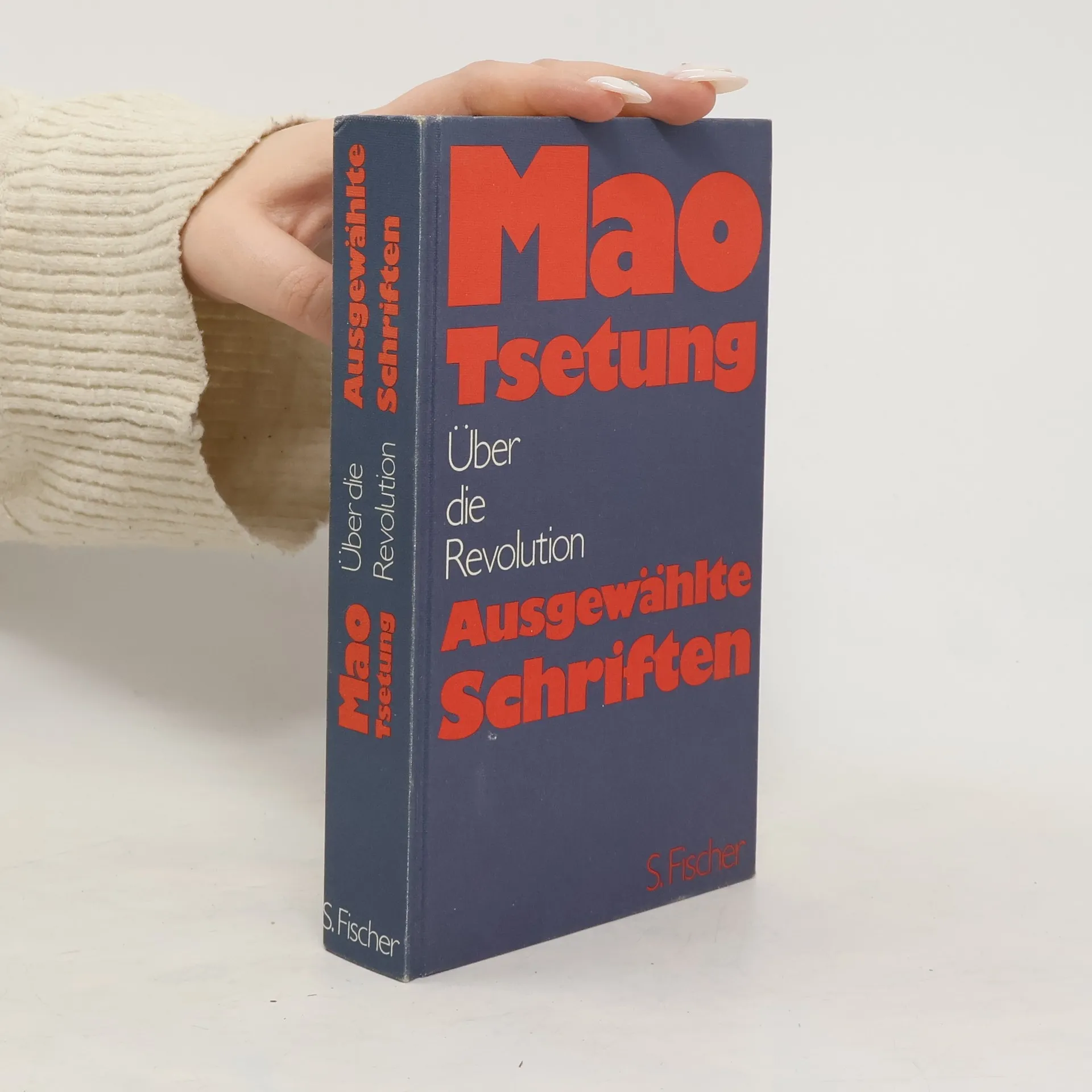
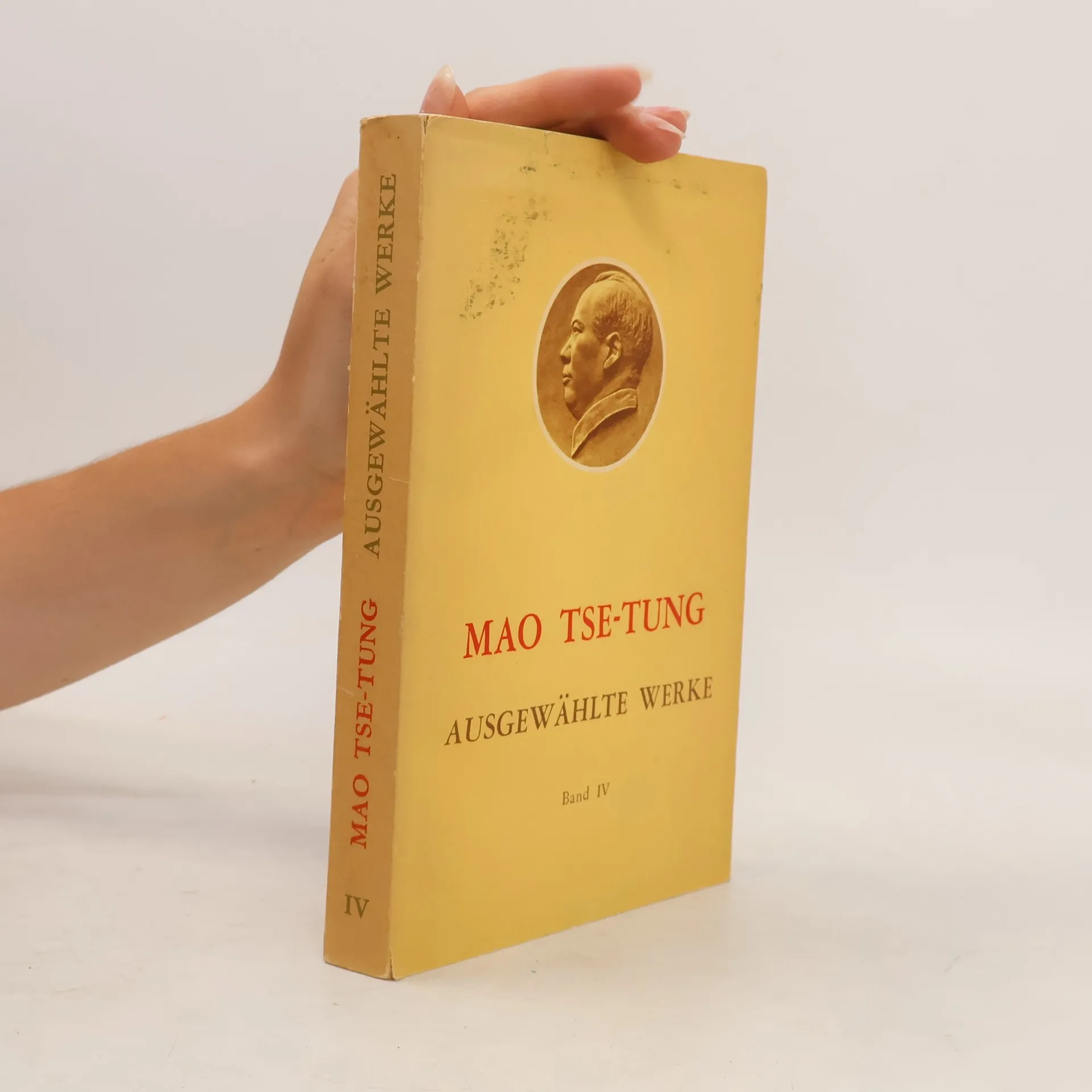
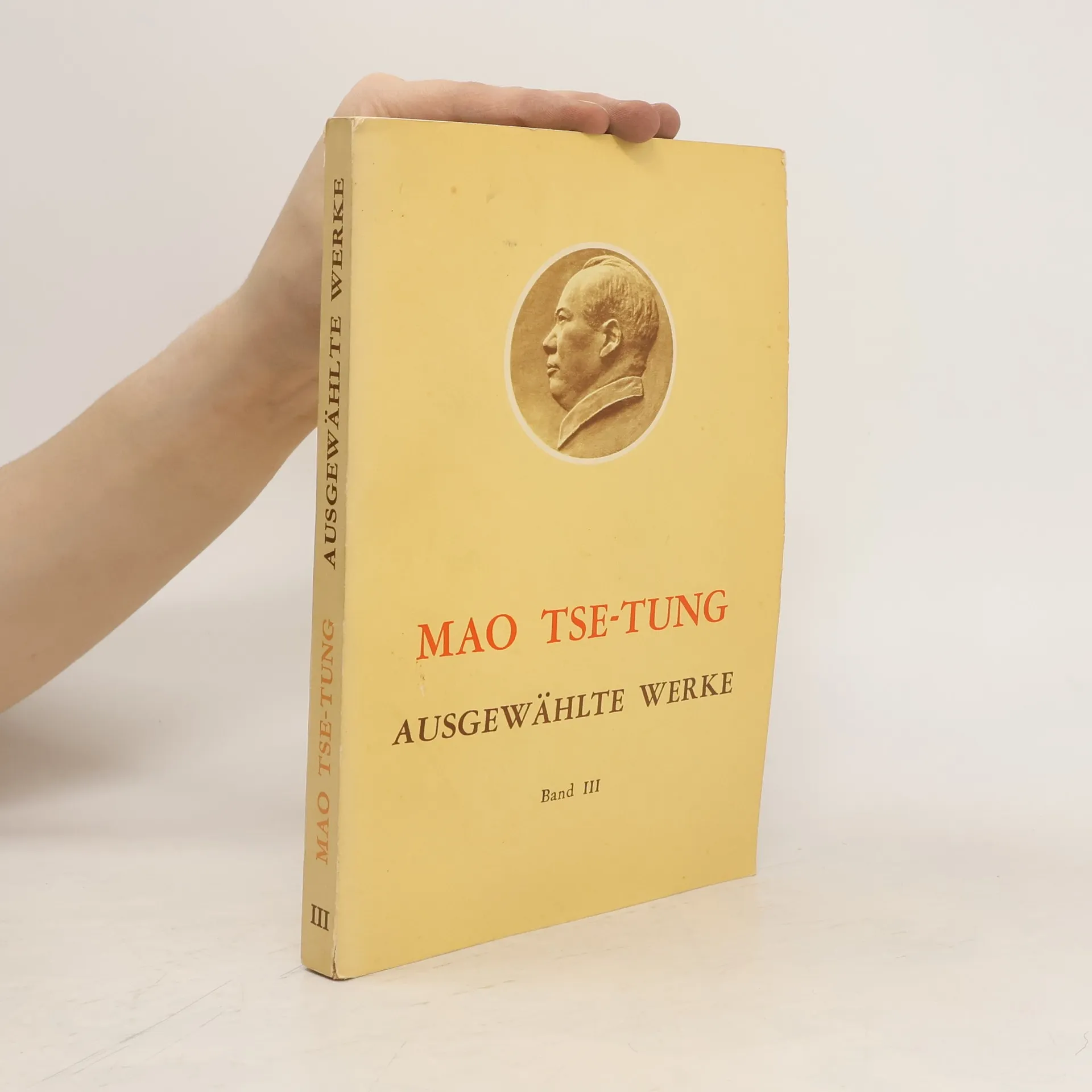
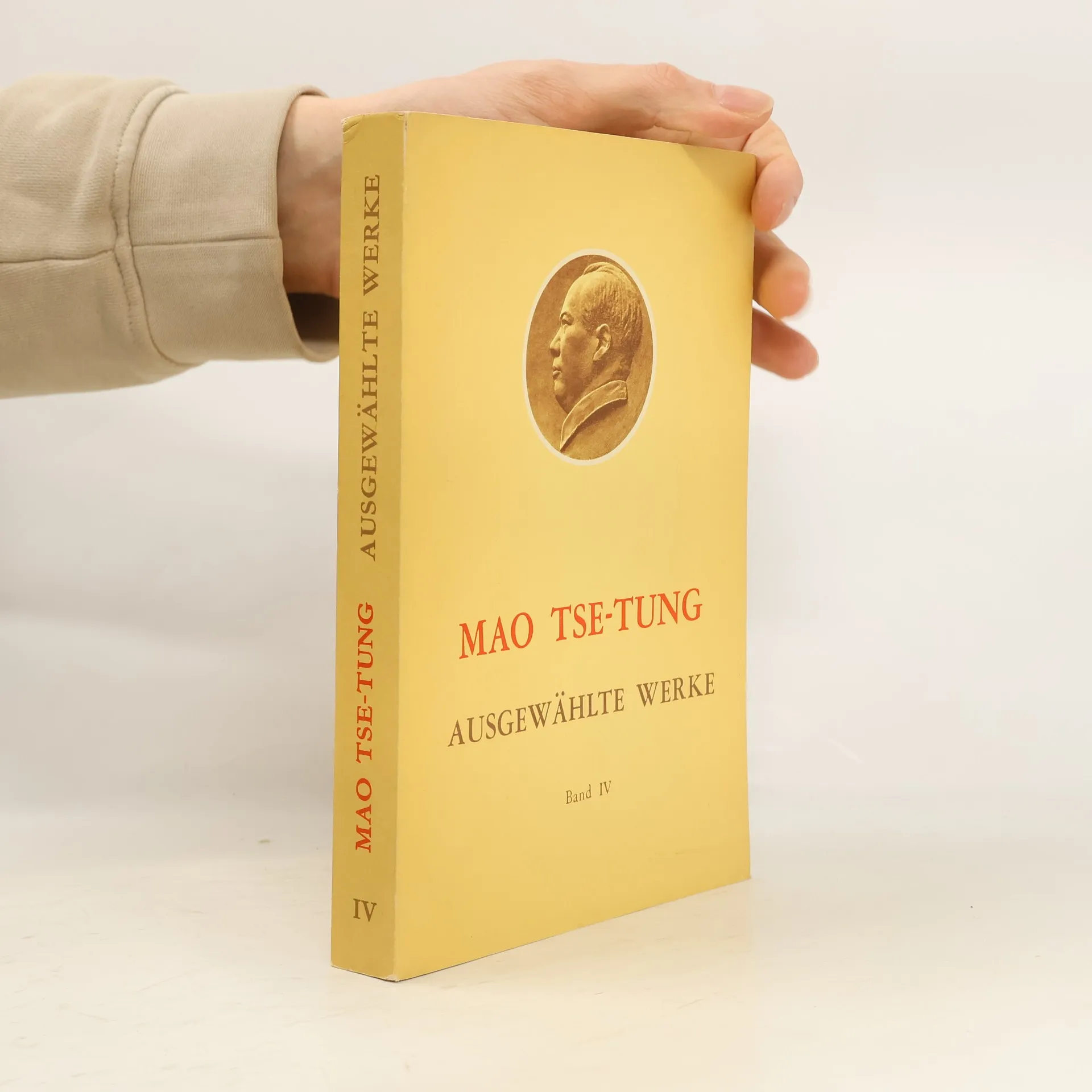
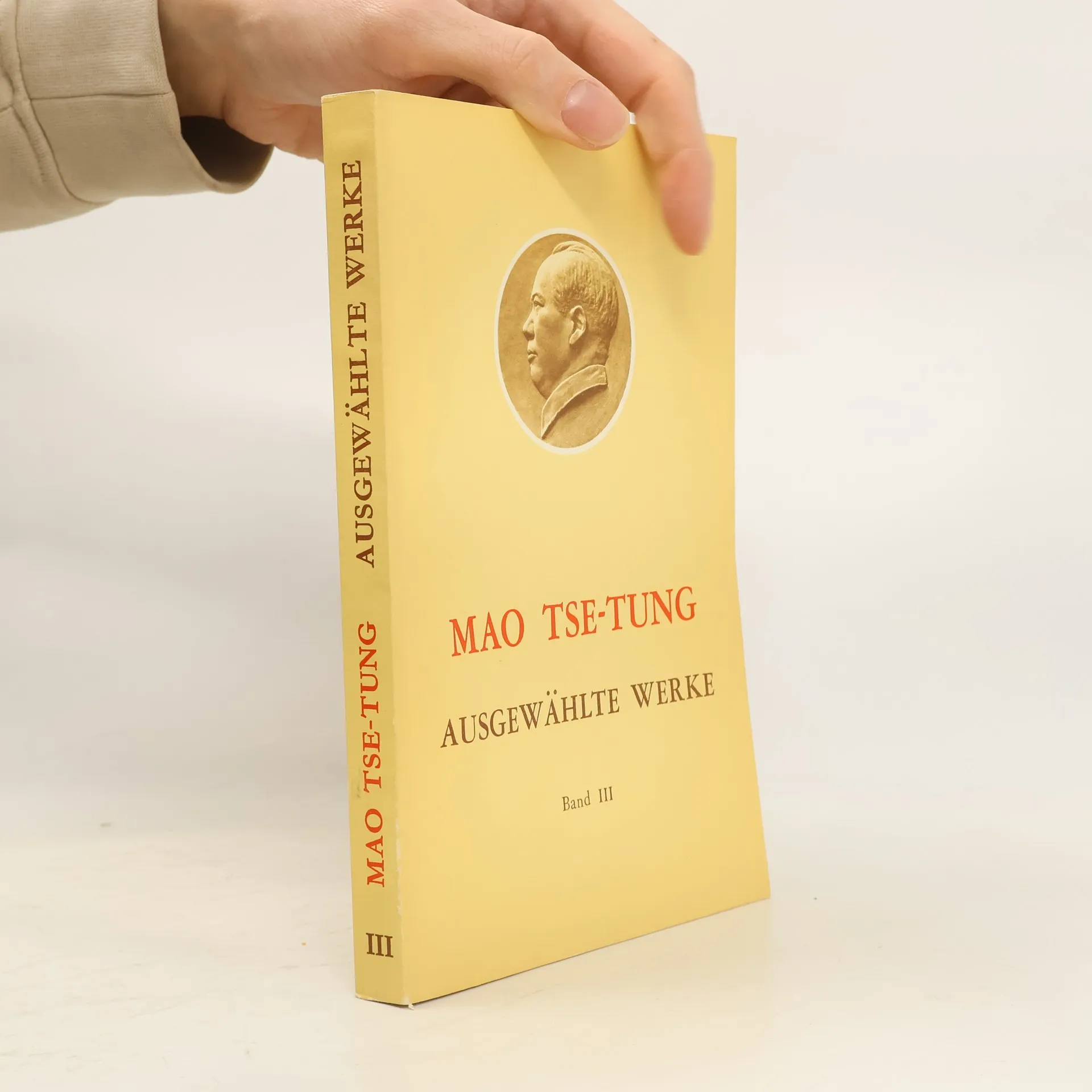
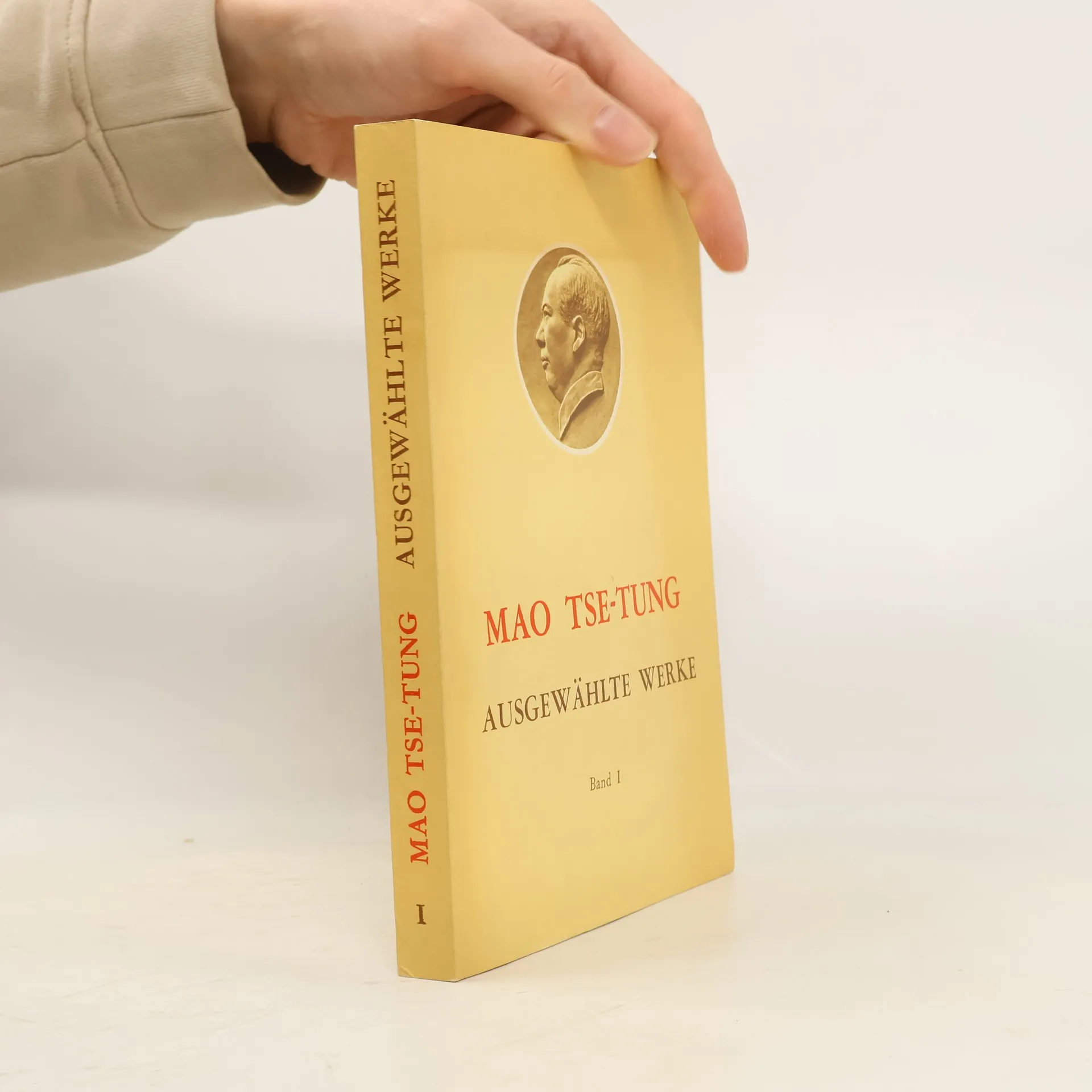
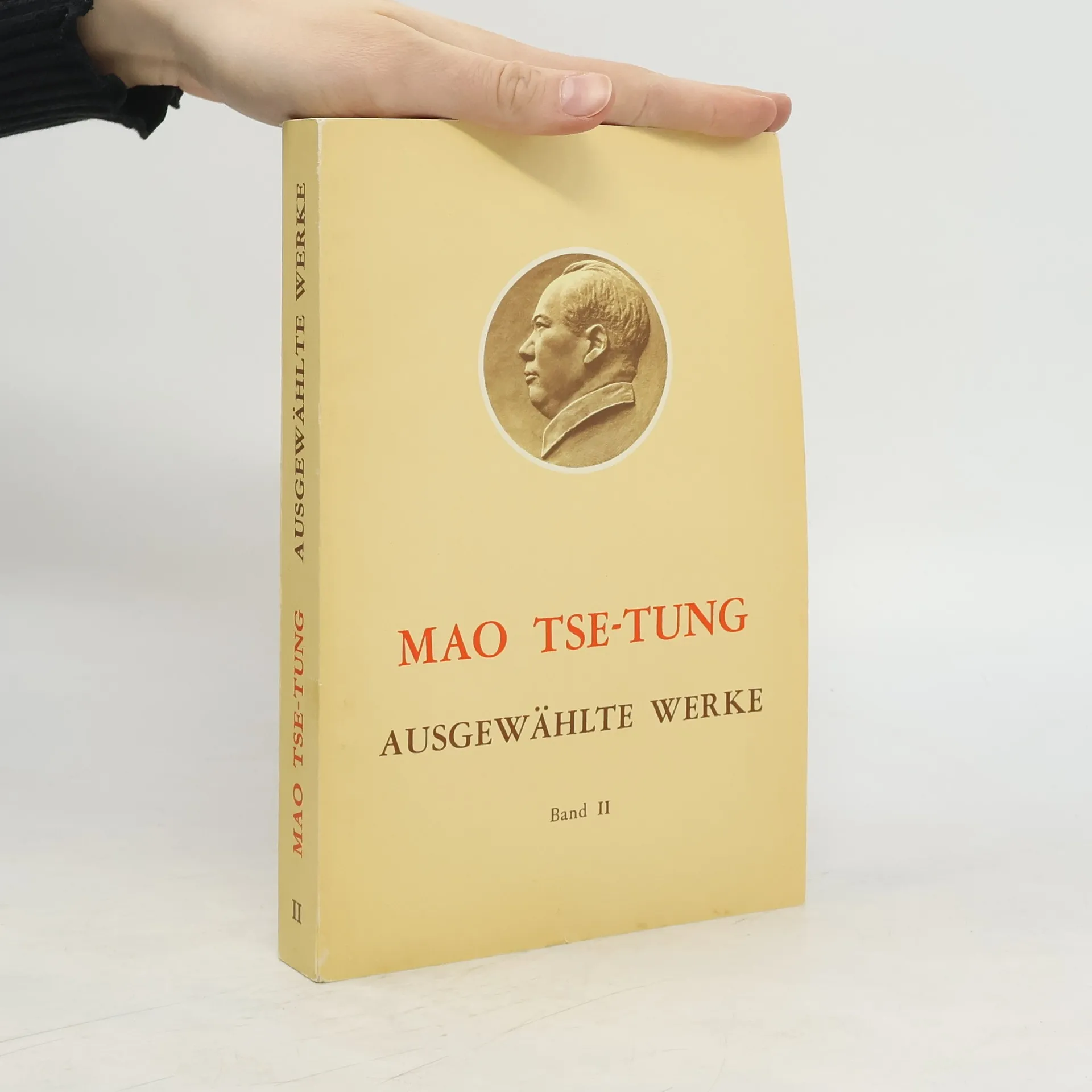
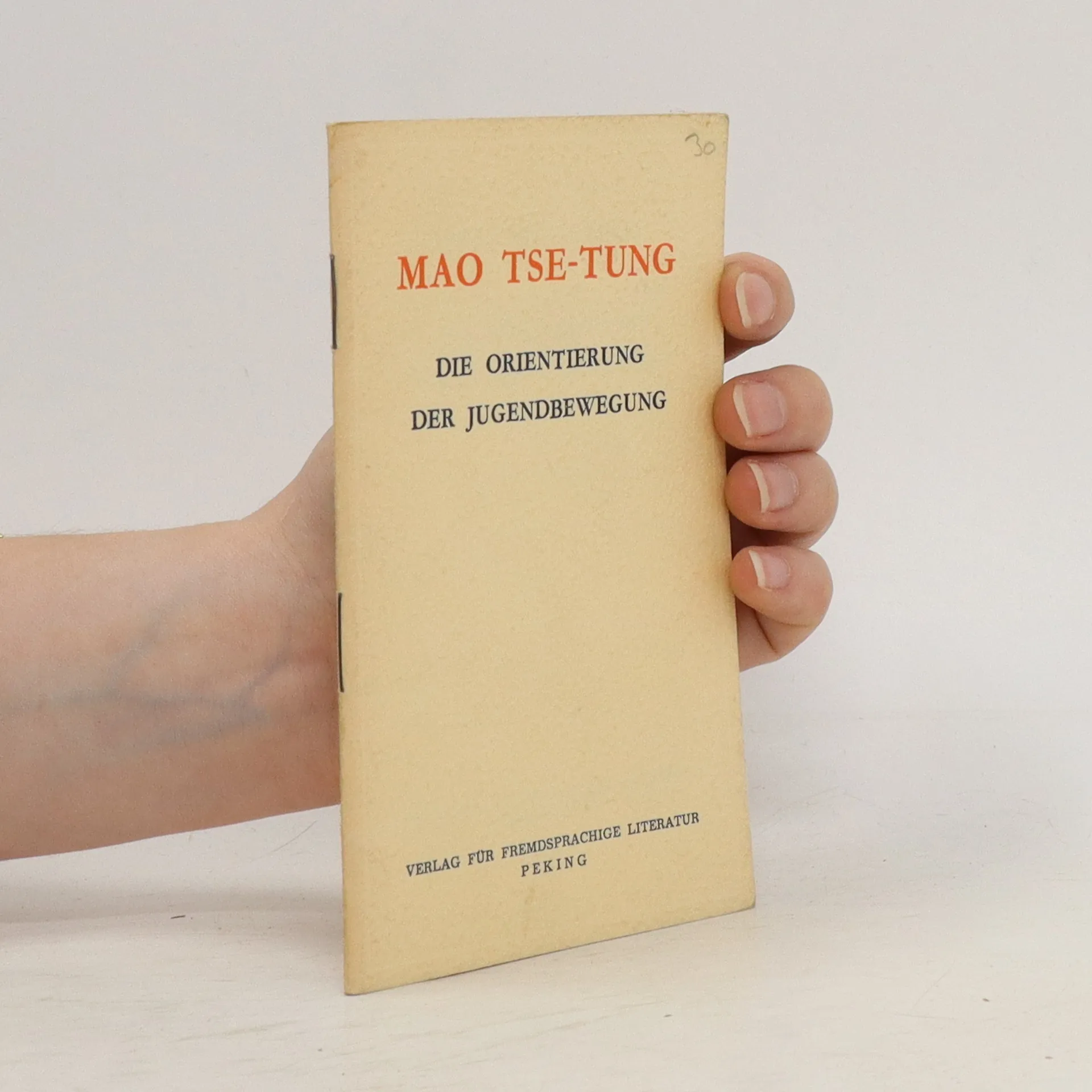
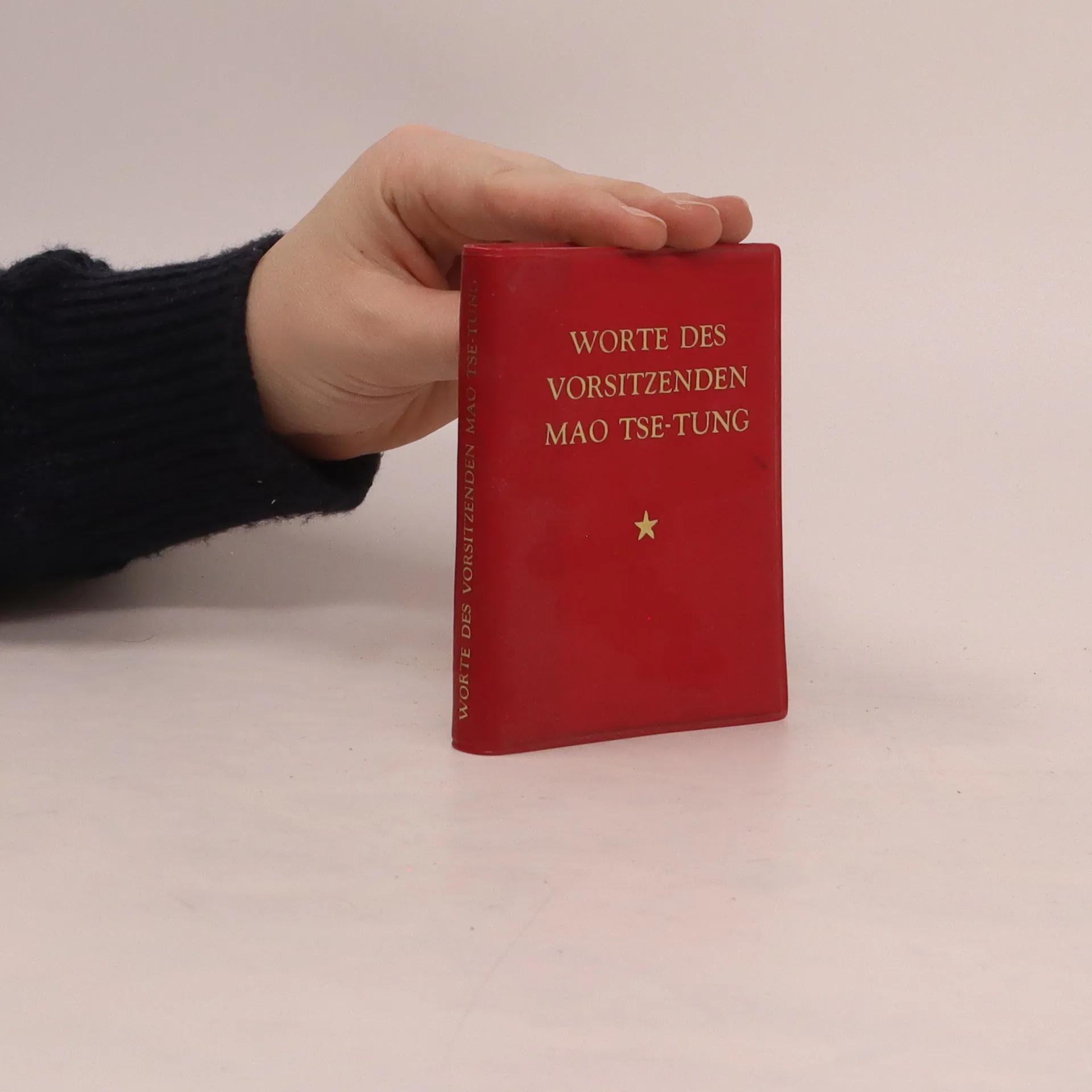
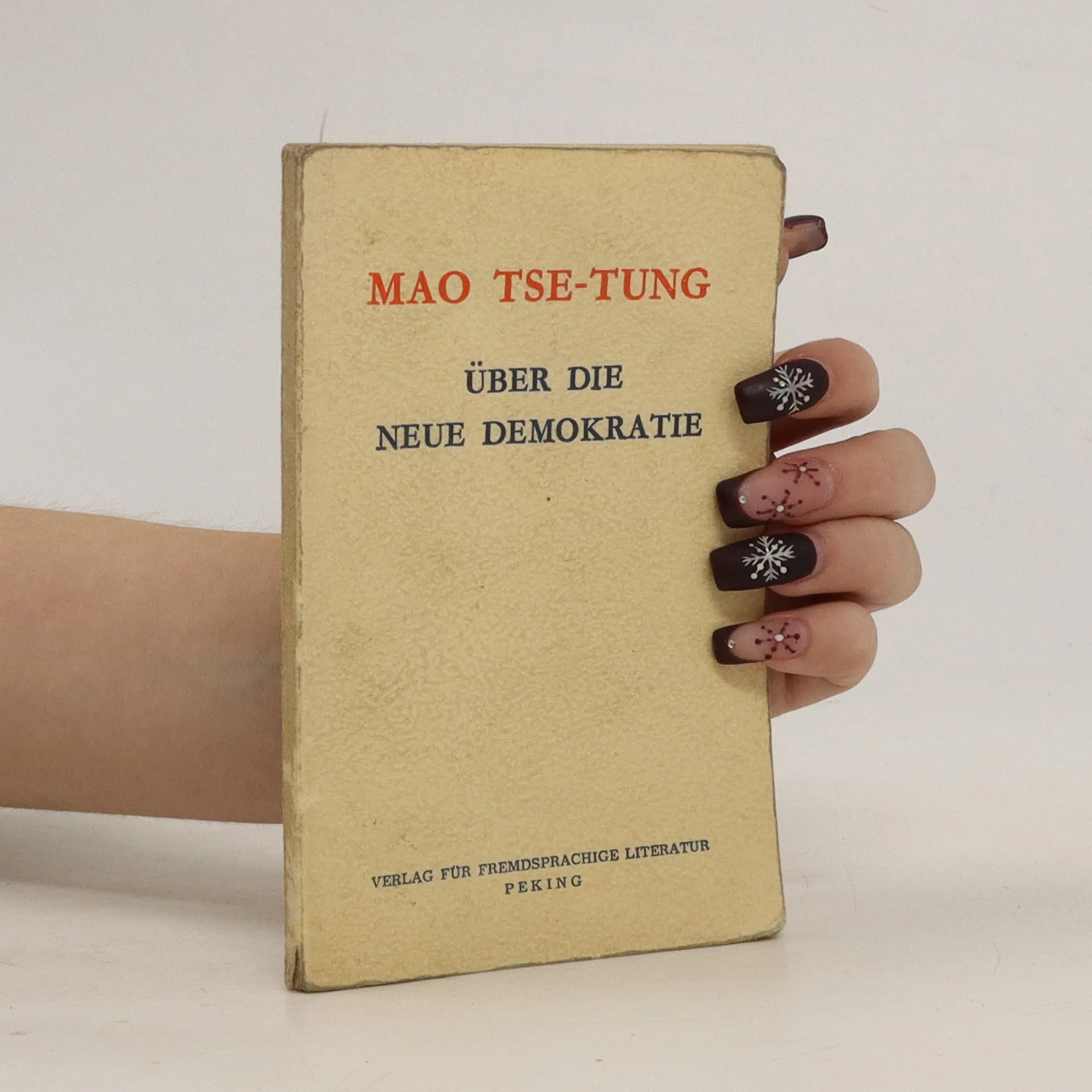
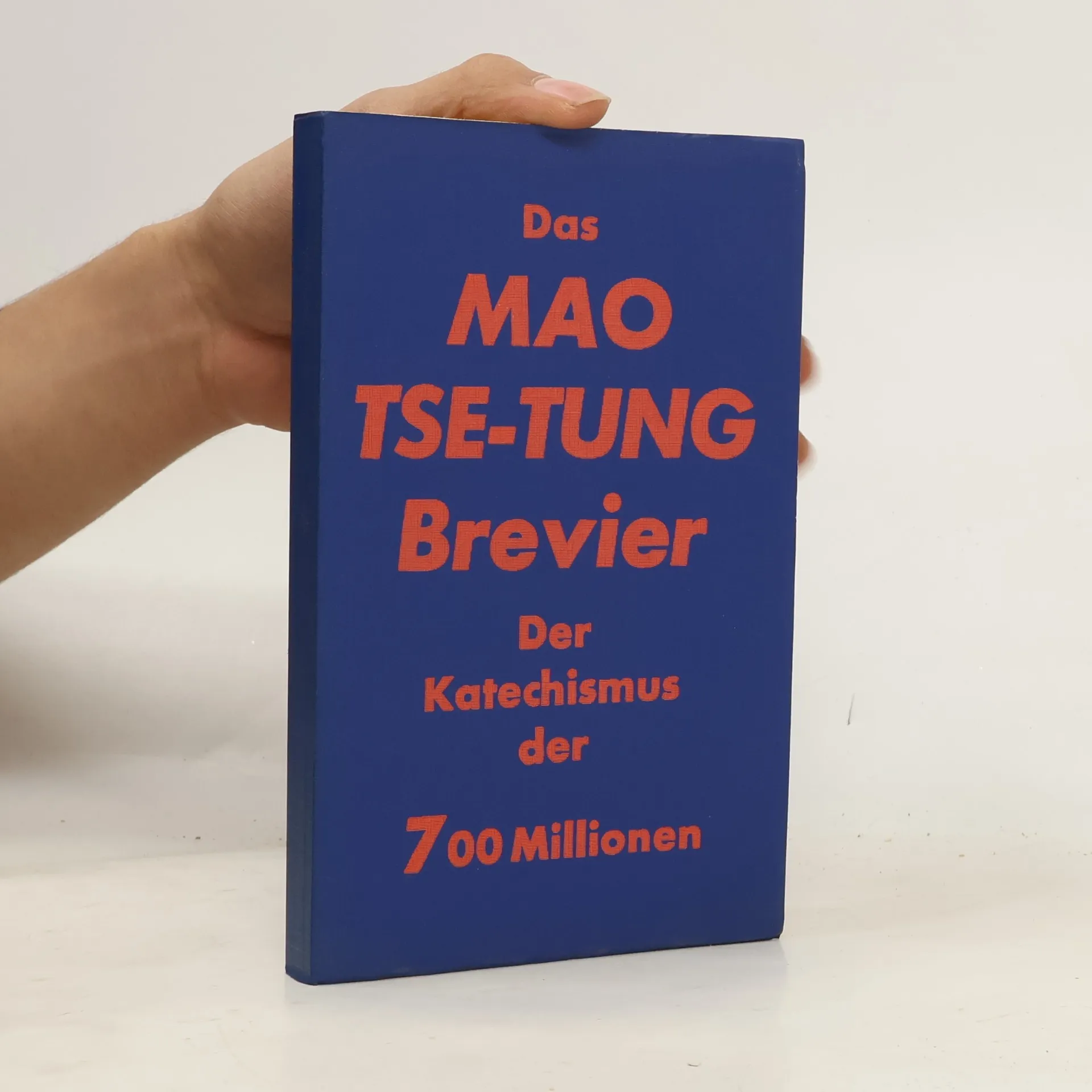
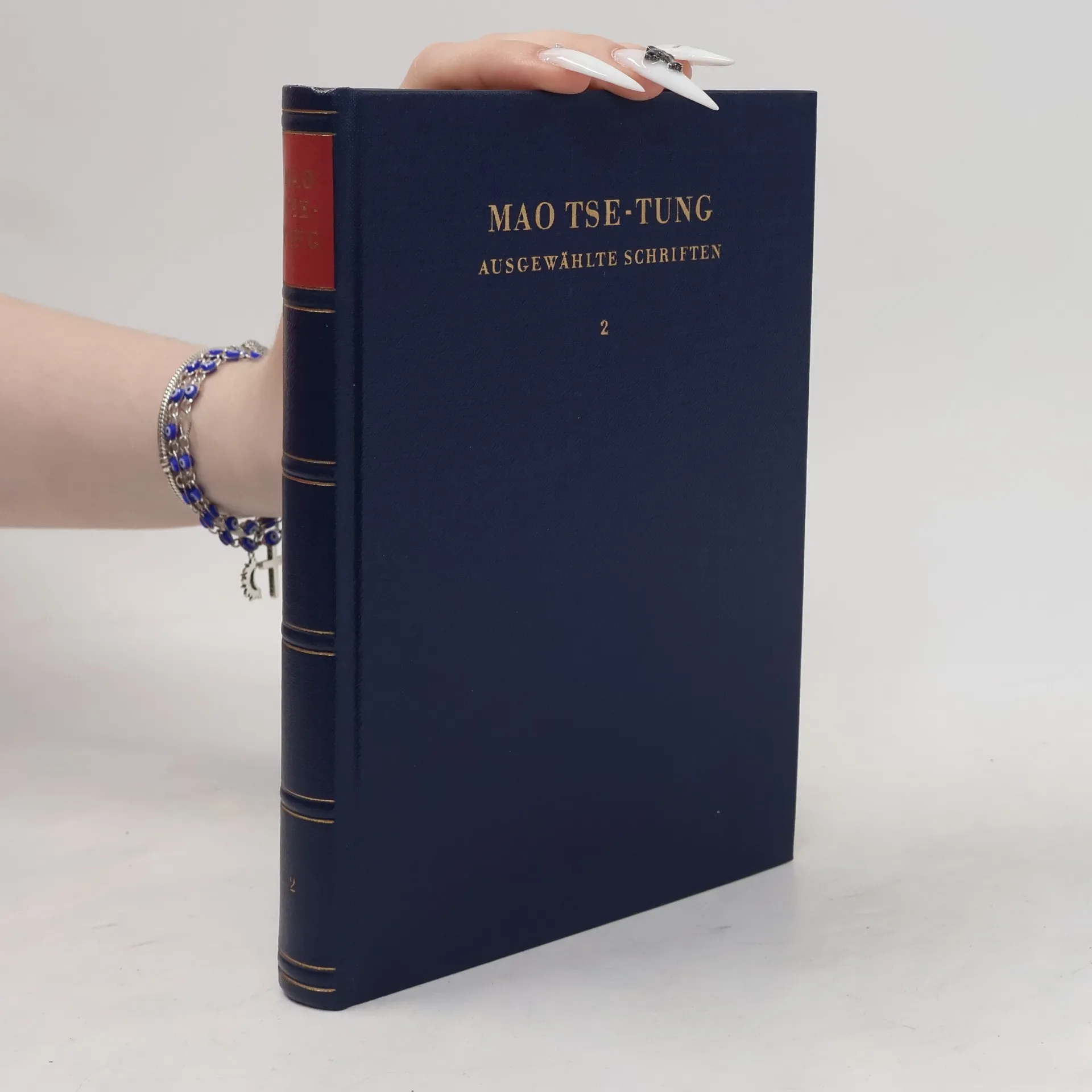
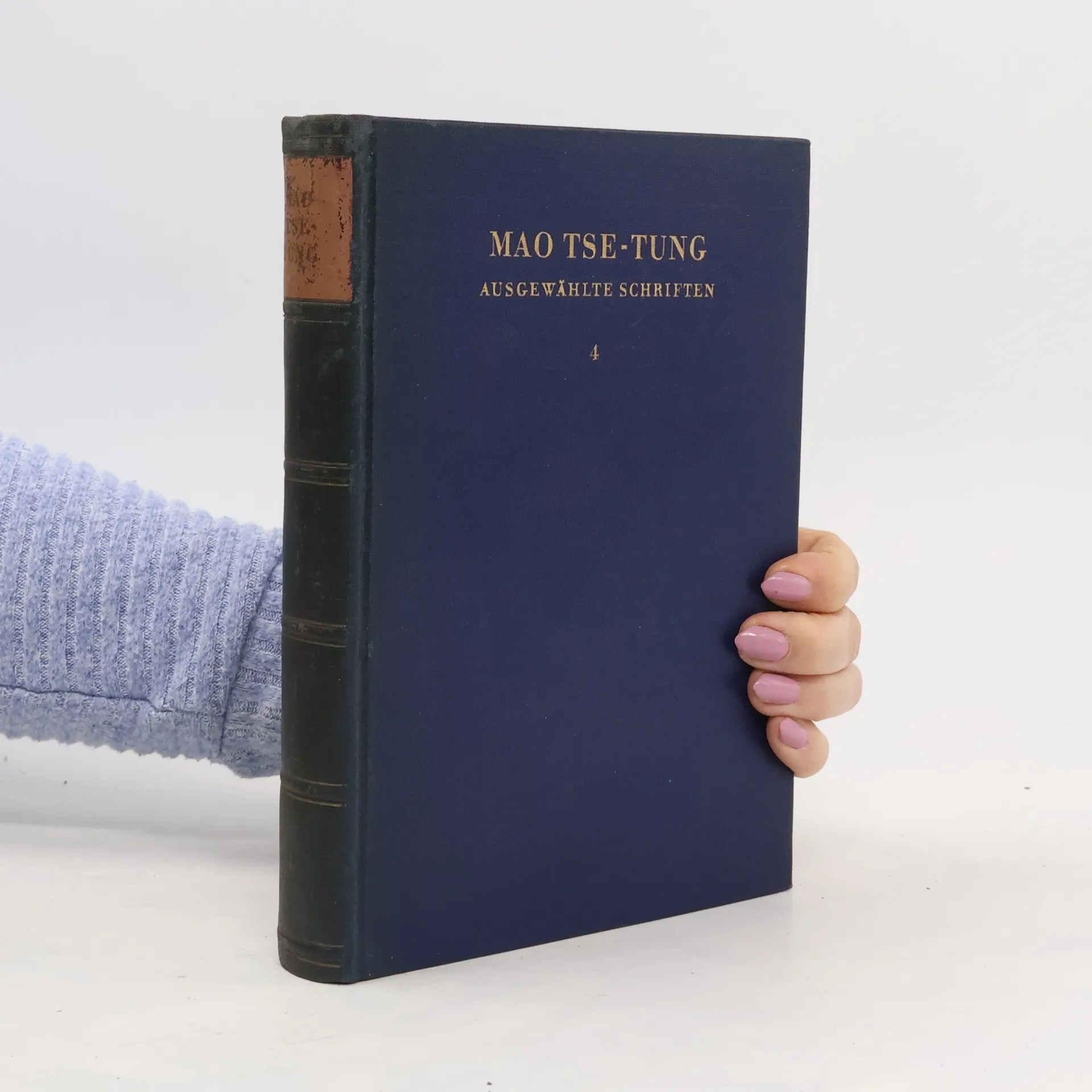
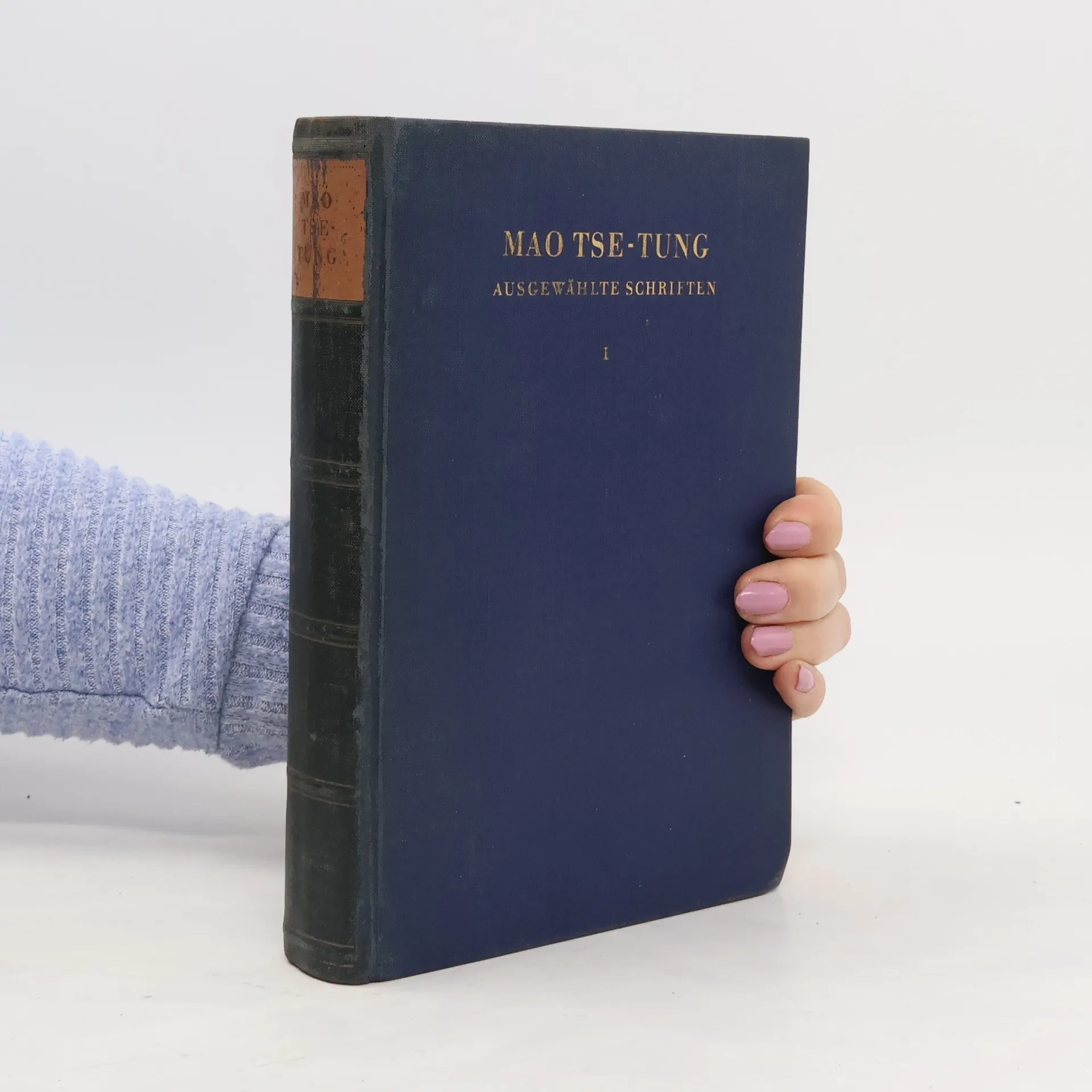
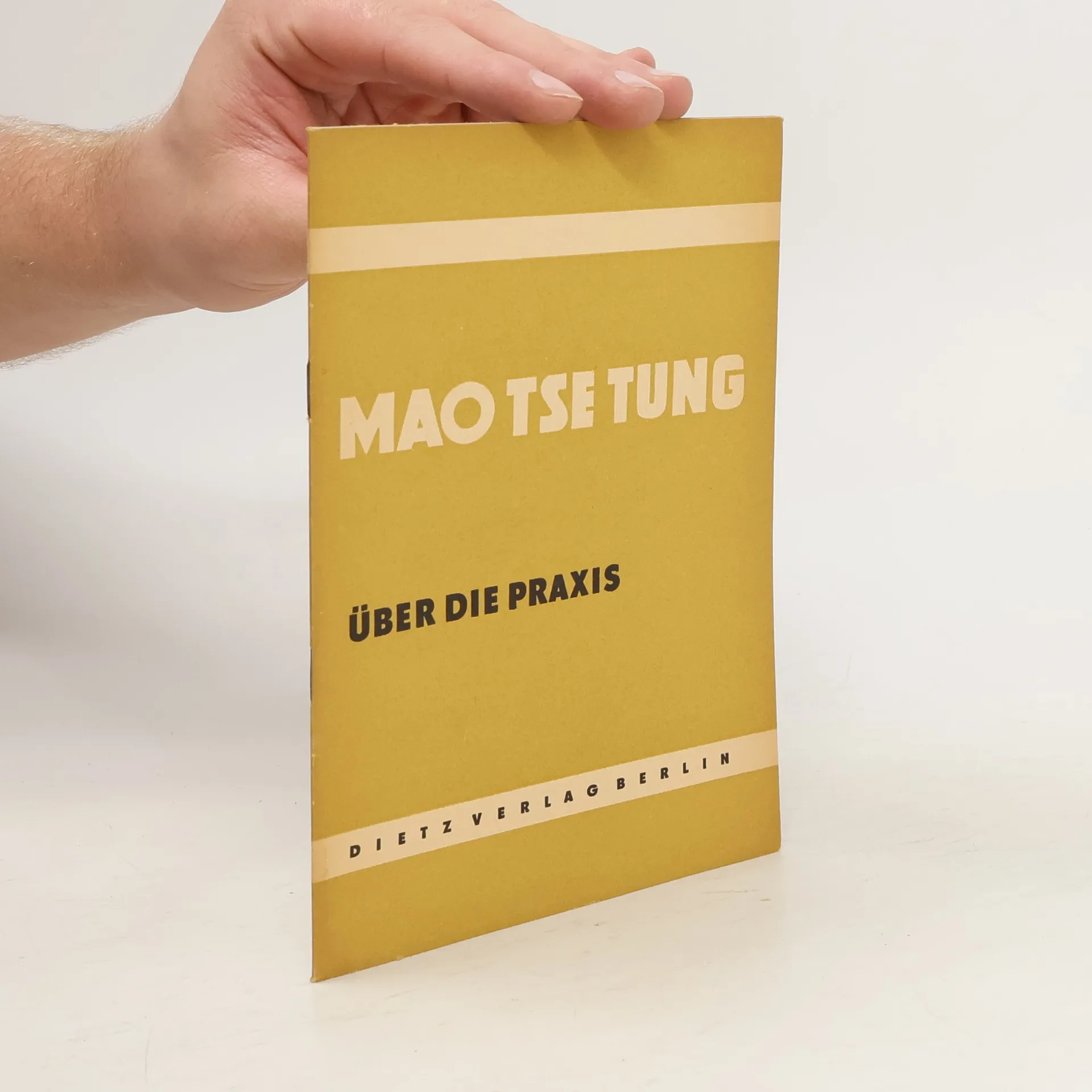
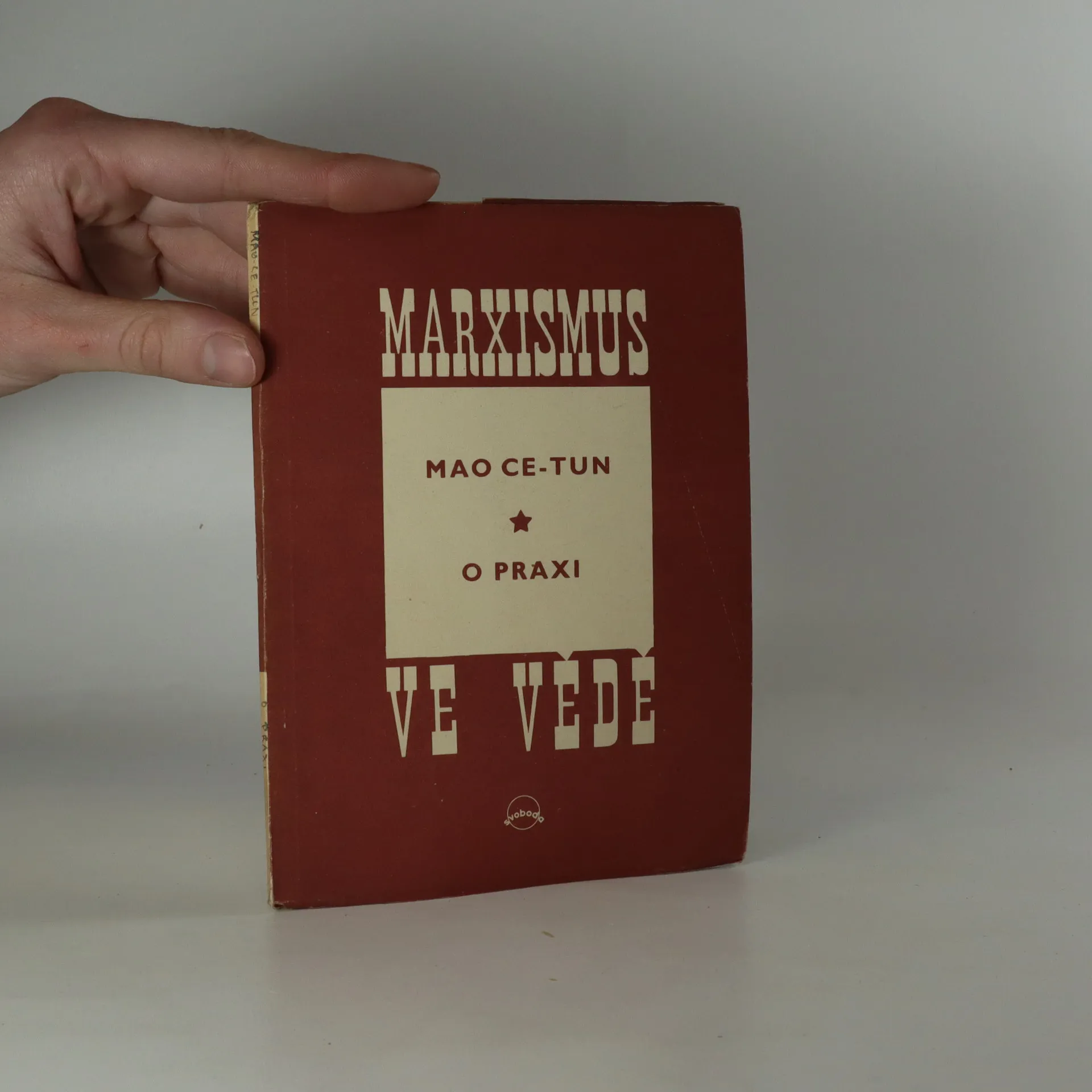
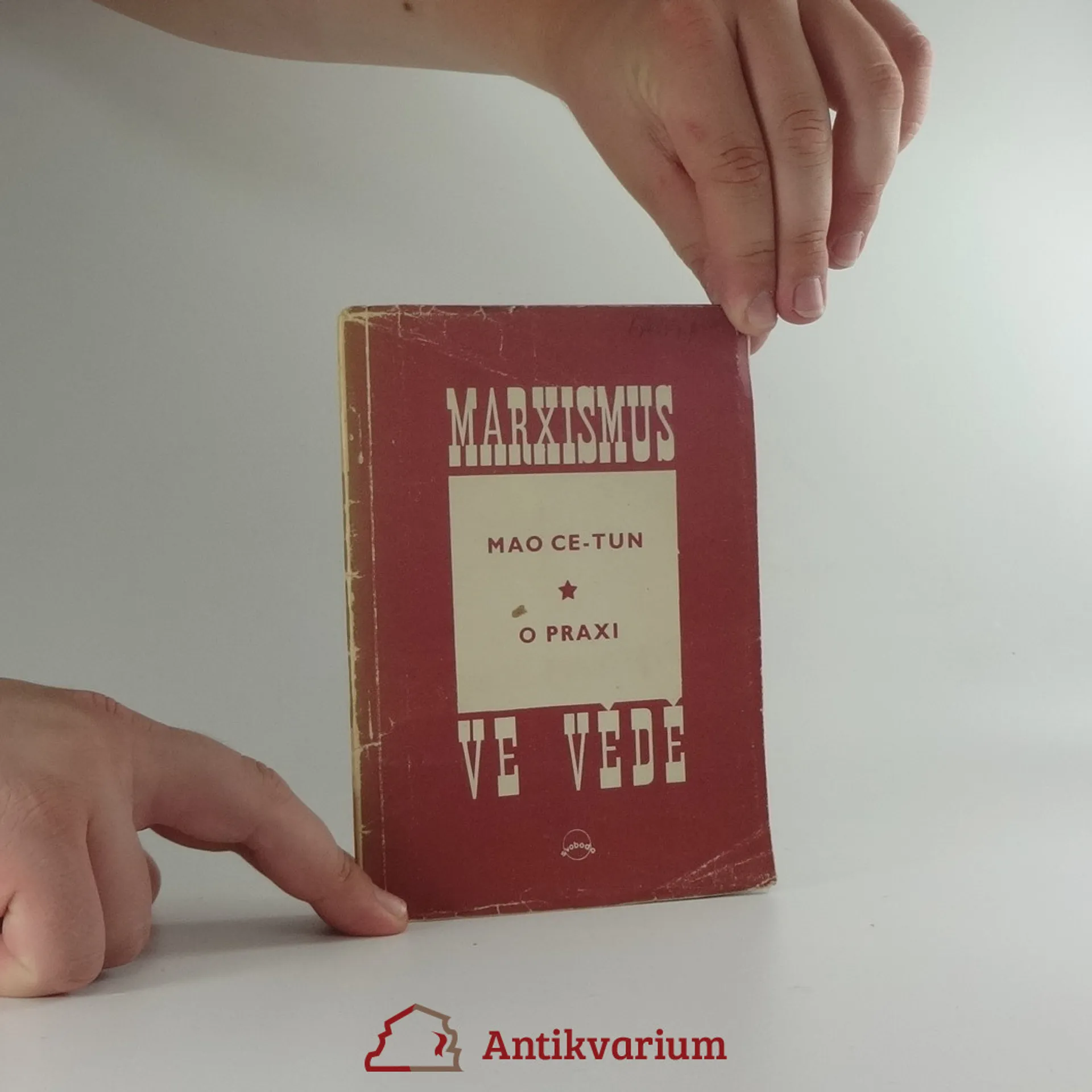
Mao Zedong è stata una figura centrale della Rivoluzione Cinese e il padre fondatore della Repubblica Popolare Cinese. Le sue strategie politiche e militari, note collettivamente come maoismo, hanno plasmato profondamente la storia moderna cinese. Sebbene riconosciuto per la sua acuta intelligenza strategica e i suoi contributi teorici, le sue campagne rimangono controverse e hanno causato un'immensa agitazione sociale e un considerevole costo umano. La sua eredità continua ad essere oggetto di intenso dibattito e reinterpretazione.
Diese Broschüre im Format A6 vereint grundlegende Texte des Maoismus: „Dem Volke dienen“, „Yü Gung versetzt Berge“ und „Dem Gedenken Bethunes“ sind auch unter dem Namen „Die drei ständig zu lesenden Schriften“ bekannt. Mit den Texten „Gegen den Liberalismus“ und „Woher kommen die richtigen Ideen der Menschen?“ haben wir zwei weitere Texte hinzugefügt. Kompromisslose Parteinahme für die Massen, Selbstkritik und revolutionäre Disziplin. Ein Muss für politisch Interessierte und jeden, der sich näher mit dem Maoismus beschäftigen möchte.
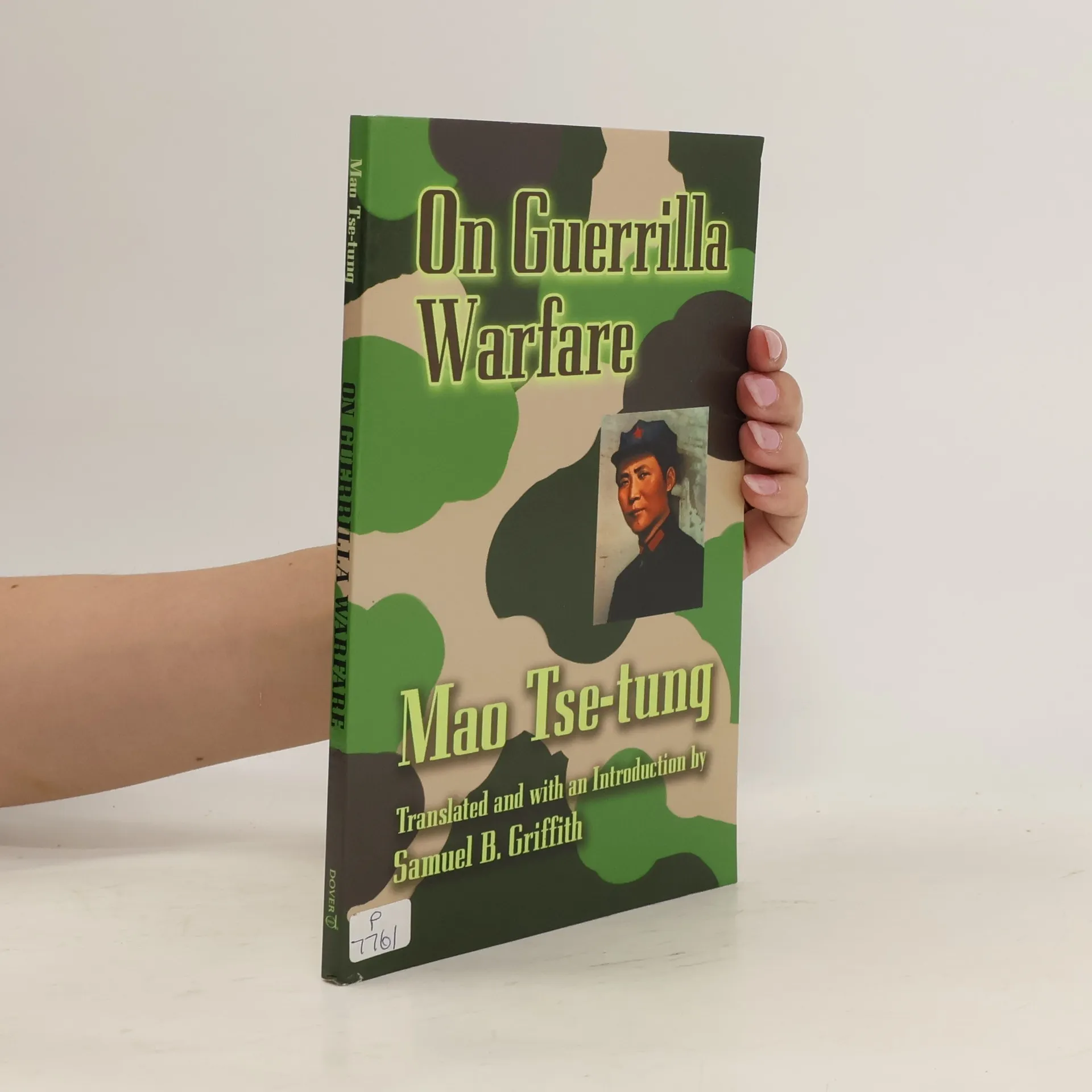
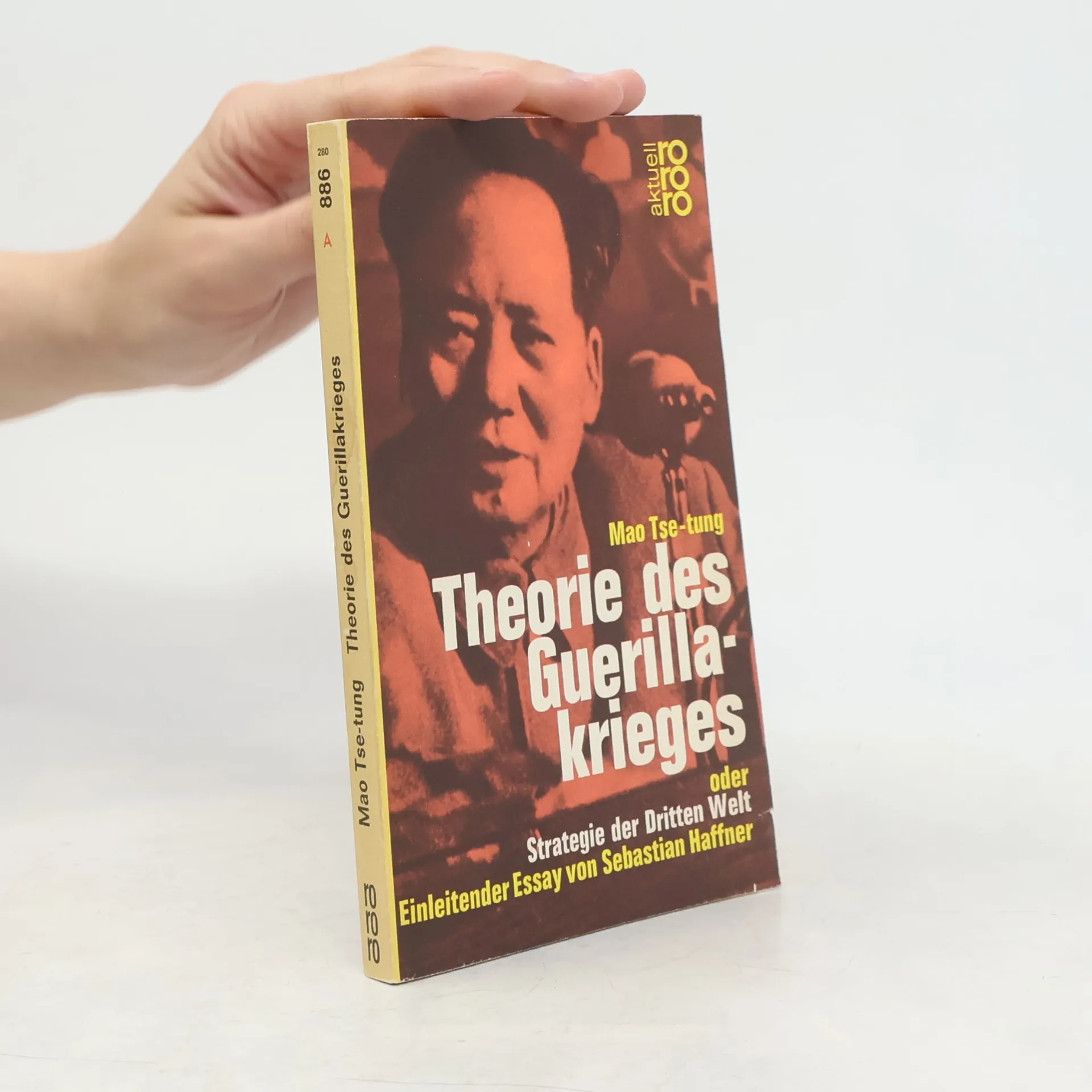
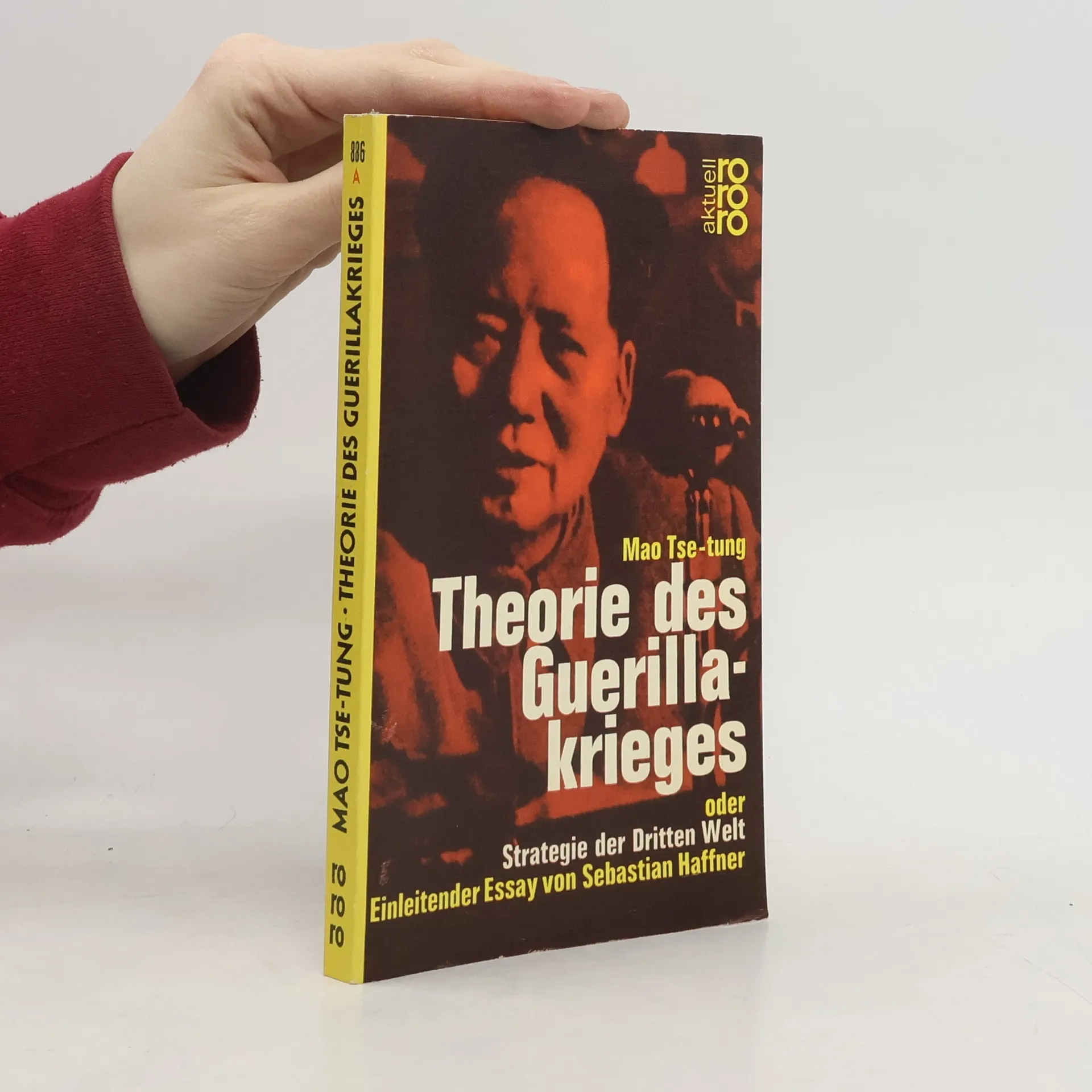
The first documented, systematic study of guerrilla warfare, Mao Tsetung's 1937 text remains the definitive guide to orchestrating revolution in developing countries. Based on Mao's own experiences in fighting Chiang Kai-shek's Nationalists and his interpretations of the classic strategies of Sun-tzu, On Guerrilla Warfare outlines the tactics that have proven effective around the world, from Vietnamese jungles to Middle Eastern deserts.Prescient in his thinking and concise in his expression, Mao conceived of guerrilla operations as a complement to traditional warfare. He explains why guerrilla activities should be integrated into conventional military procedures and discusses the organization and operation of guerrilla units. His unorthodox strategies transform disadvantages into benefits: using retreat as an offensive maneuver; indoctrinating locals for employment as spies; and compensating for lack of firepower with speed, surprise, and initiative.Translator Samuel B. Griffith provides a comprehensive introduction in which he profiles Mao, examines the nature and conduct of guerrilla warfare, and considers the implications of such warfare for American policy.
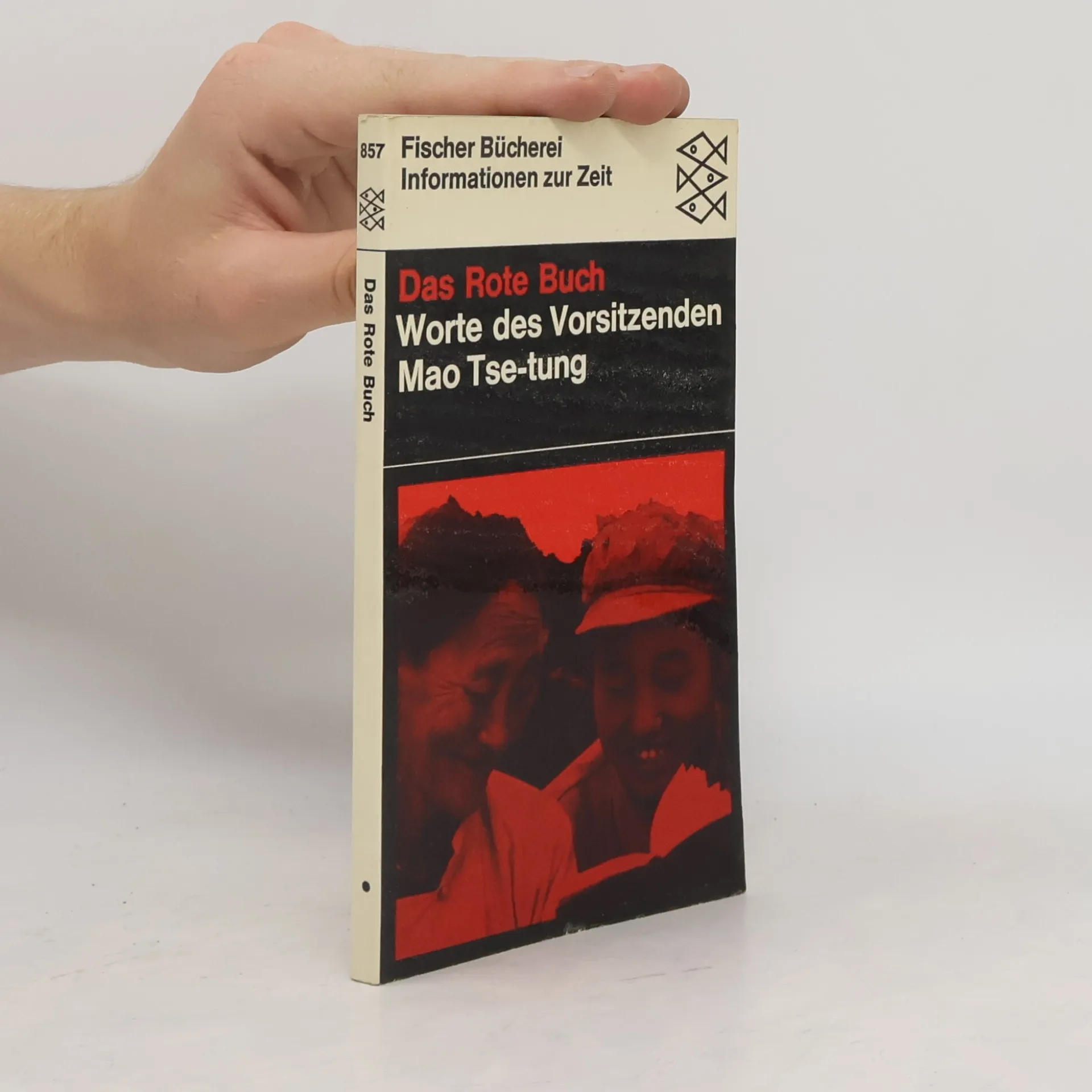
Dal 1966, anno della sua prima pubblicazione, fino ai giorni nostri, Il libretto rosso di Mao ha superato il miliardo di copie stampate e diffuse in tutto il pianeta, conquistando, tra i grandi classici del marxismo-leninismo, un ruolo egemone nel campo della "scienza della rivoluzione". Compilato con grande intelligenza propagandistica da Lin Biao, comandante dell'Esercito di Liberazione del Popolo, raccoglie e condensa i tratti più incisivi del pensiero del Grande Timoniere in una serie di citazioni memorabili - da "la rivoluzione non è un pranzo di gala" a "tutti i reazionari sono tigri di carta" - spiegando in modo semplice le ragioni della grande popolarità di Mao al di là della straordinaria epopea che portò alla nascita della Cina comunista.
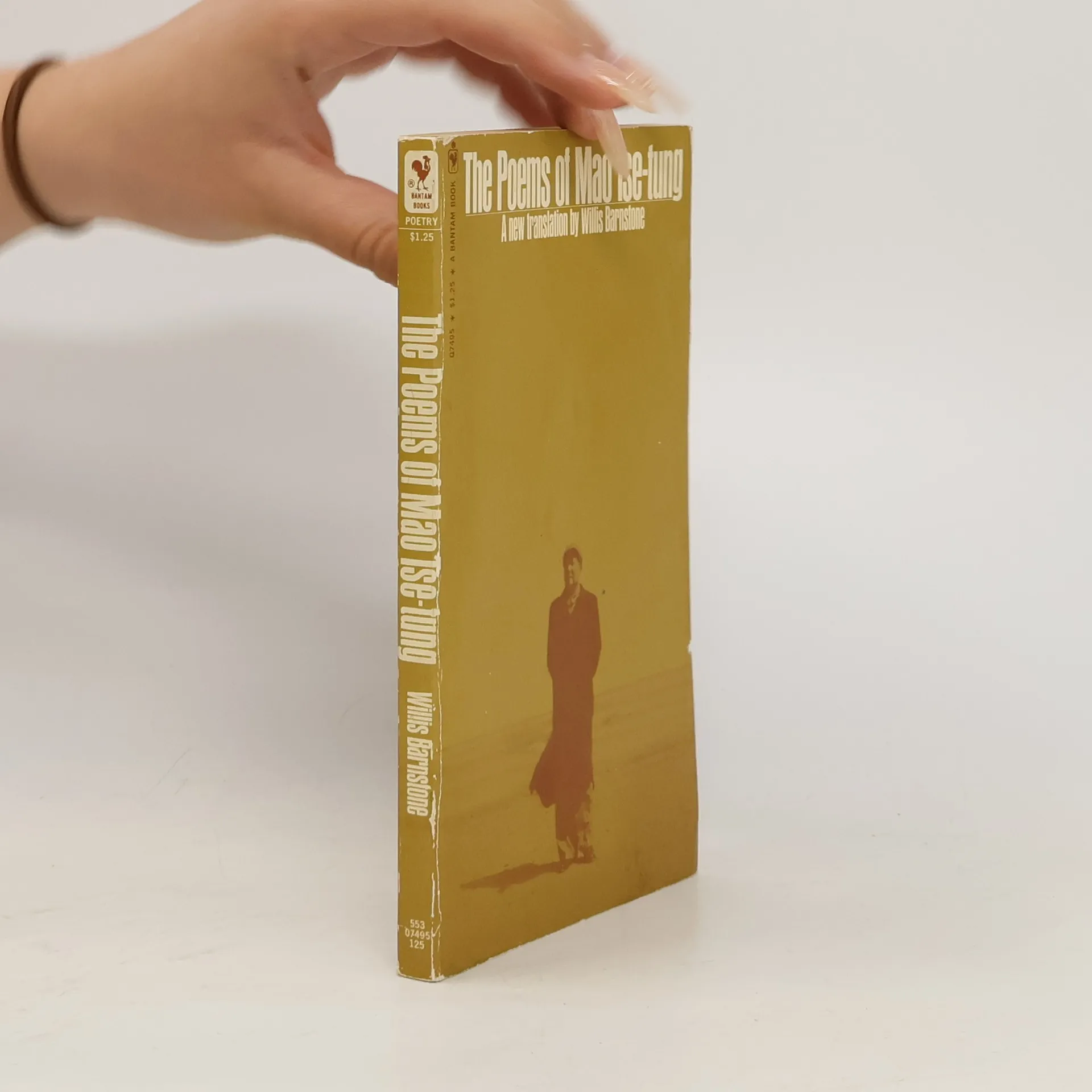
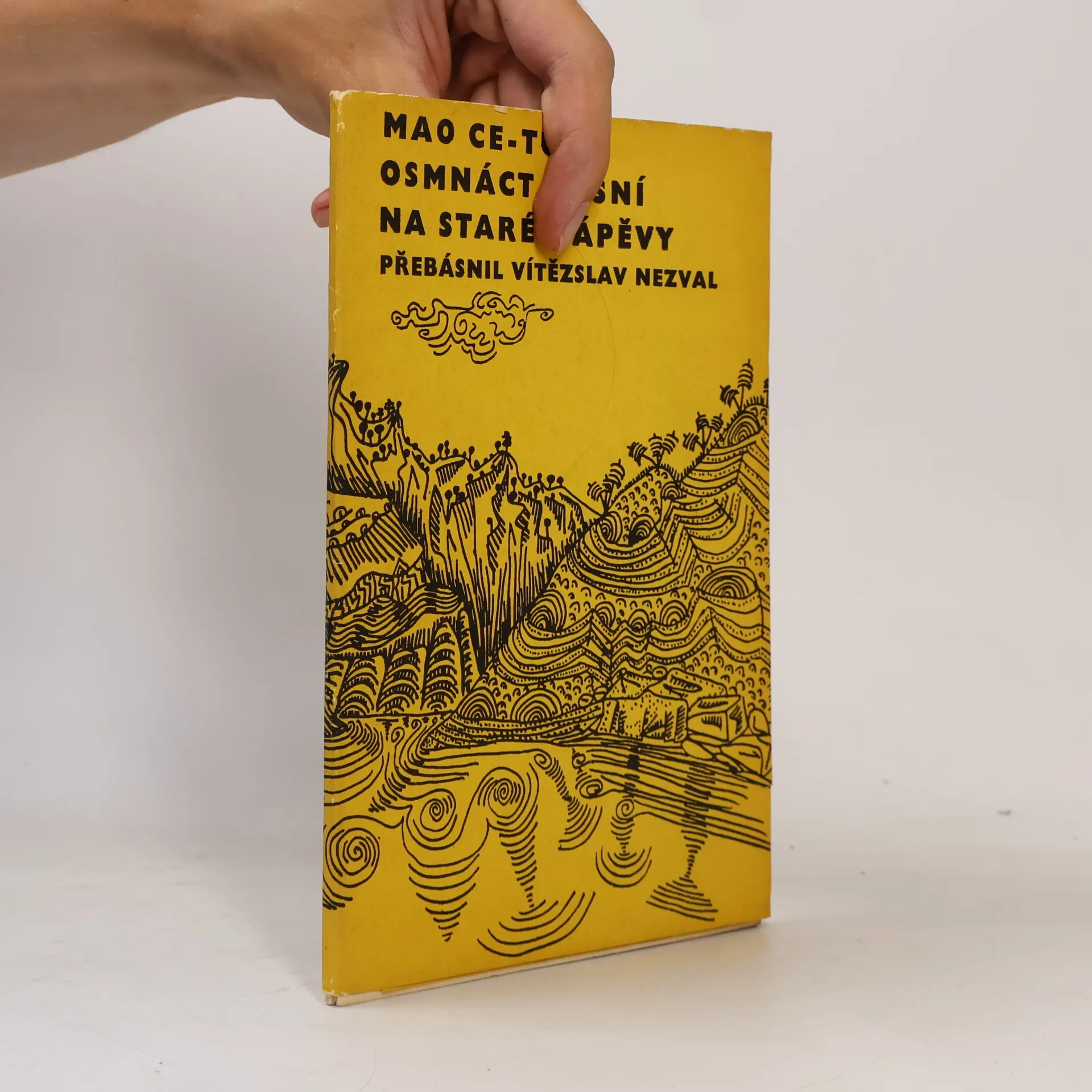
Český překlad osmnácti básní předsedy ČLR je jednou z posledních prací národního umělce V. Nezvala. Osmnáct písní na staré nápěvy je však přesvědčivým dokladem, že ani nejobtížnější forma nemohla spoutat velkého ducha básníka, který v sobě spojuje hlubokou moudrost a velkorysost čínského národa. Básně, v nichž se tak jedinečně obráží hrdinná epopej čínské revoluce, budou mít trvalé místo v literatuře nové Číny.