


Bookbot

John Locke

    29 agosto 1632 – 28 ottobre 1704
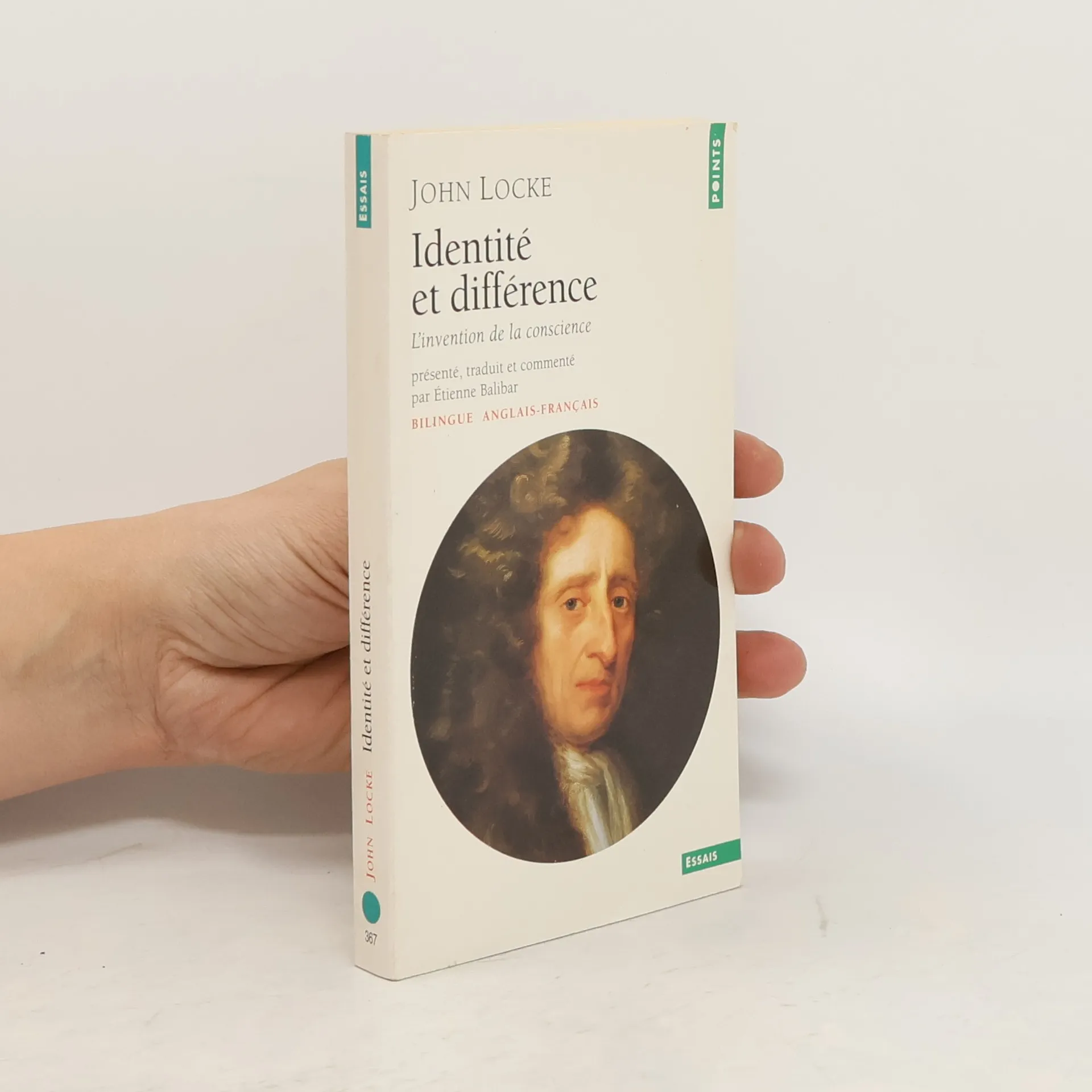
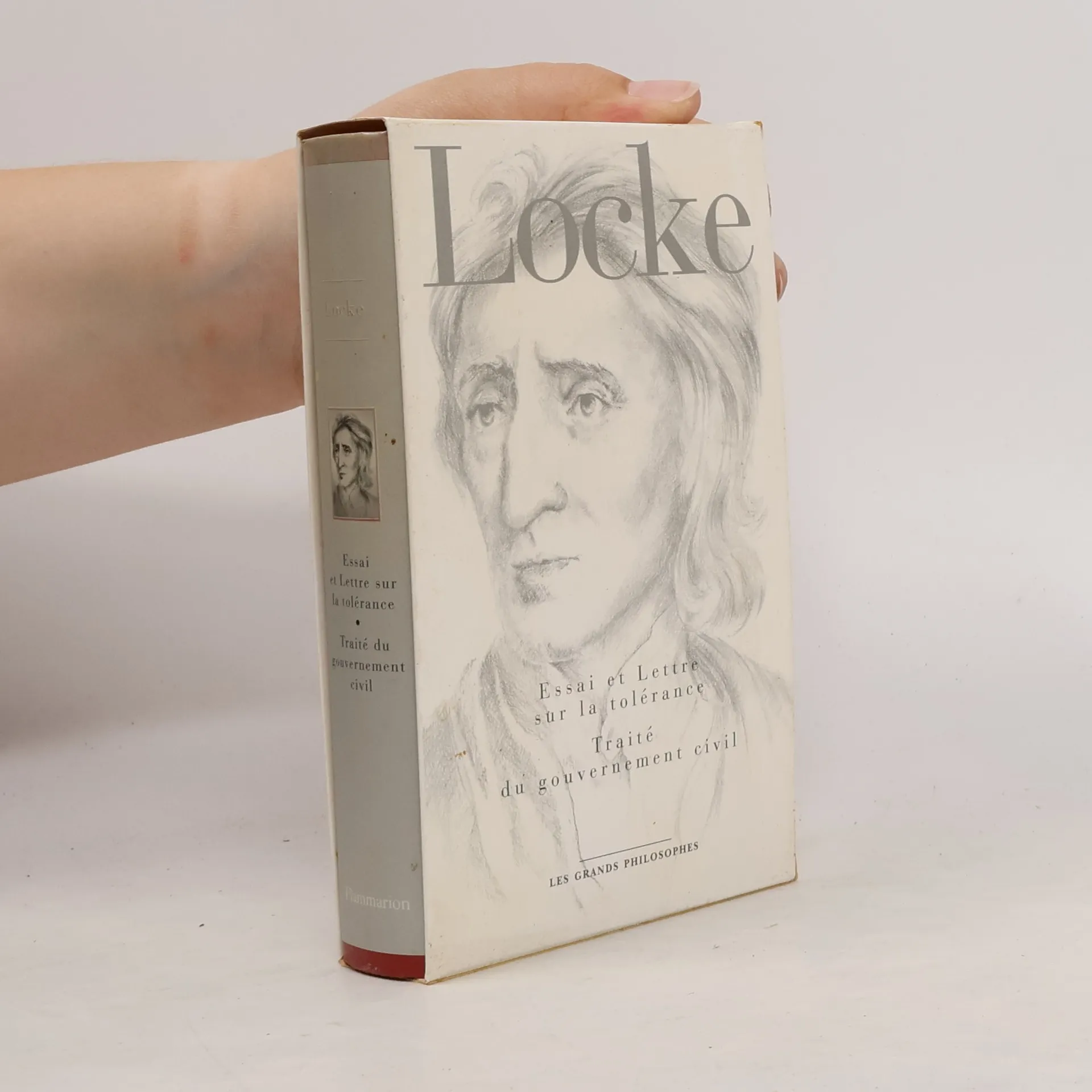
    Identité et différence : l'invention de la conscience = An essay concerning human understanding. II, xxvii, Of identity and diversity
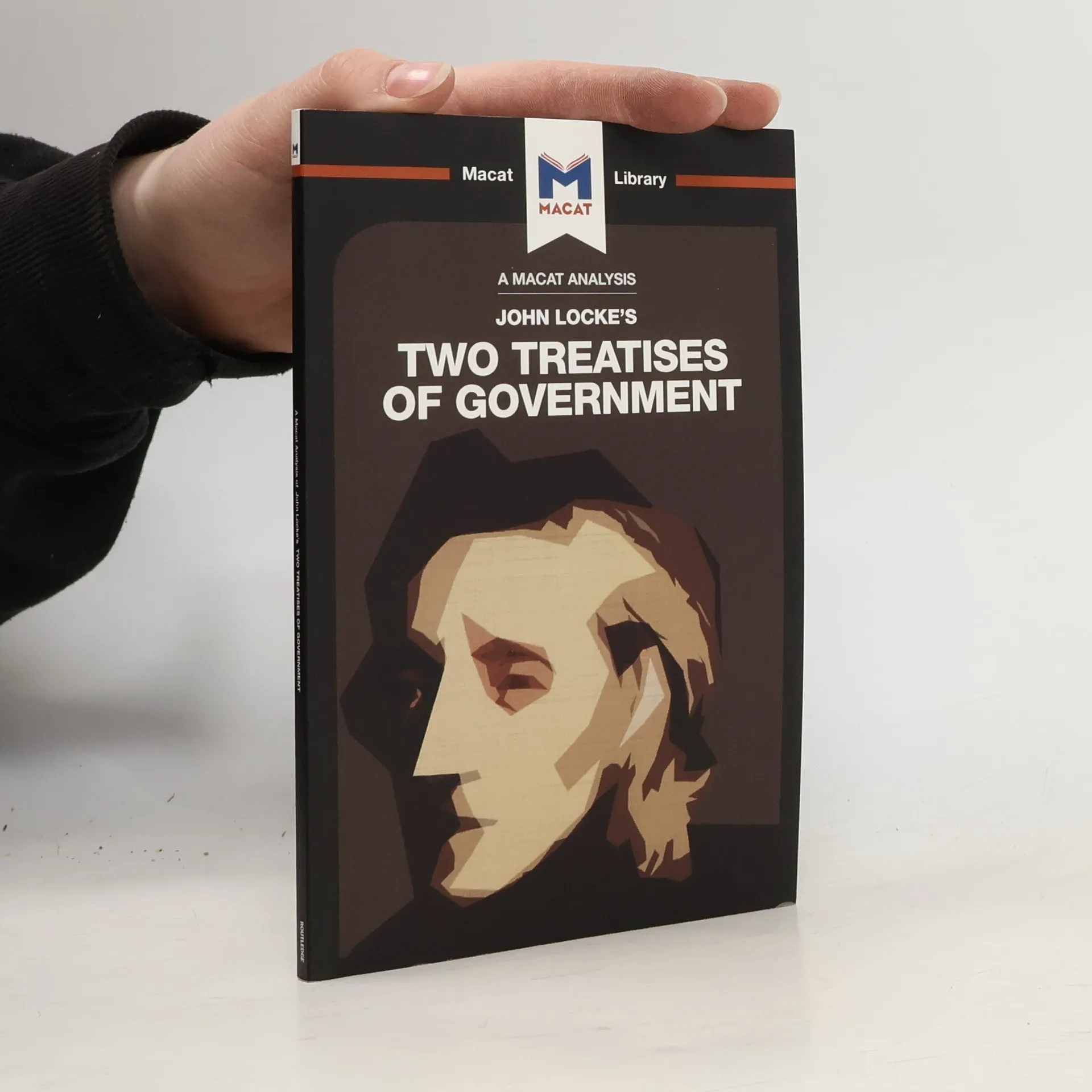
    The First & Second Treatises of Government (Hardcover)
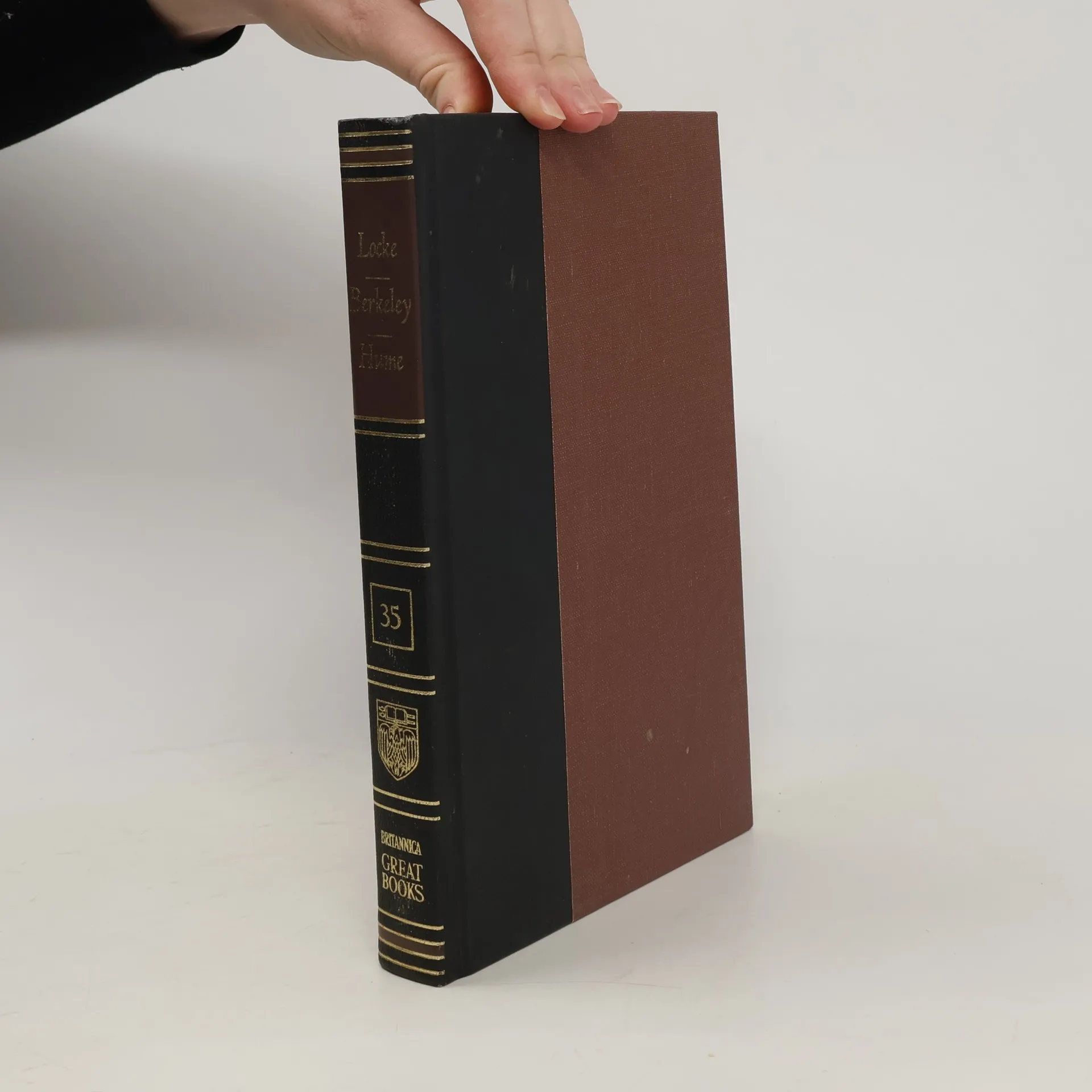
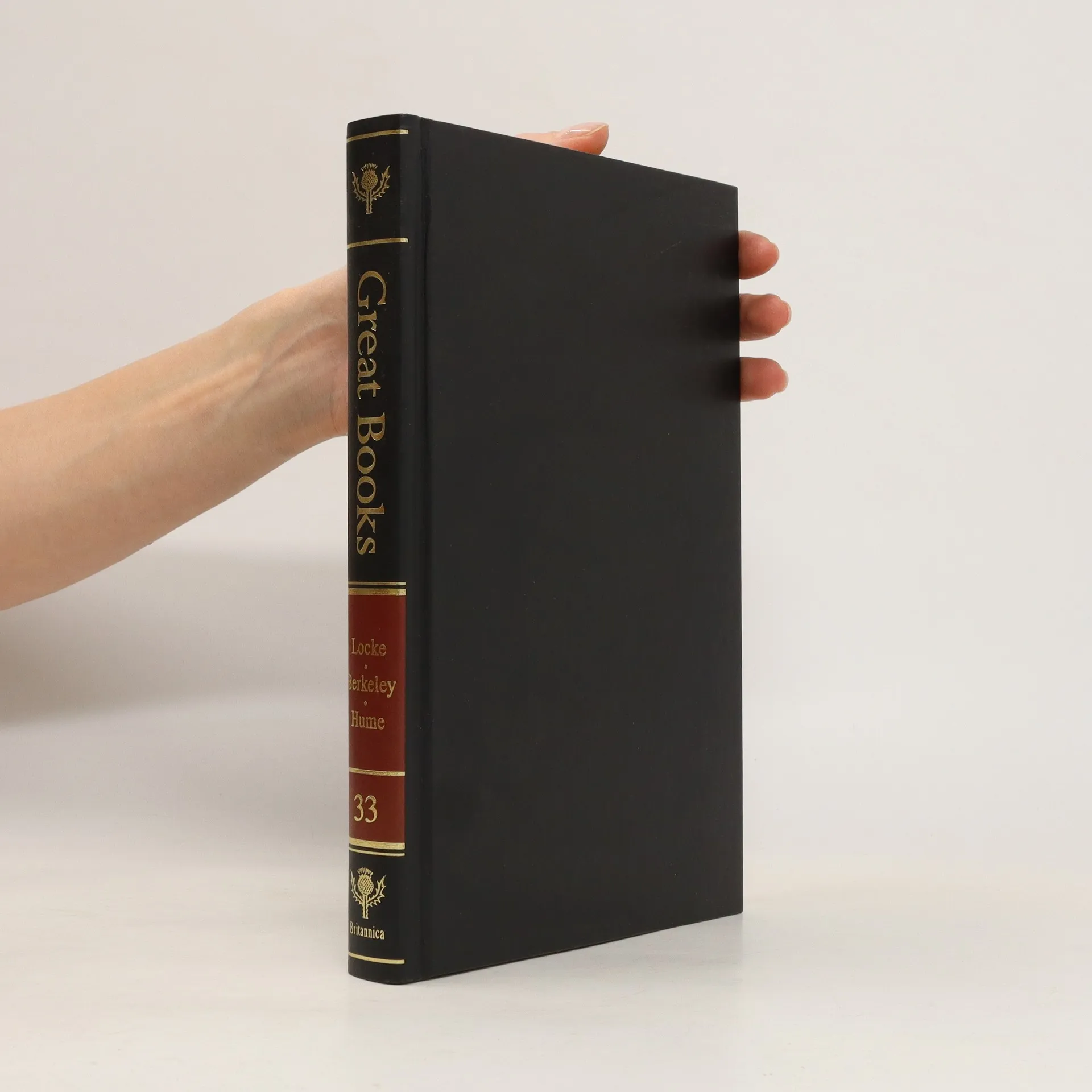
    Great Books 33. Locke, Hume, Berkeley
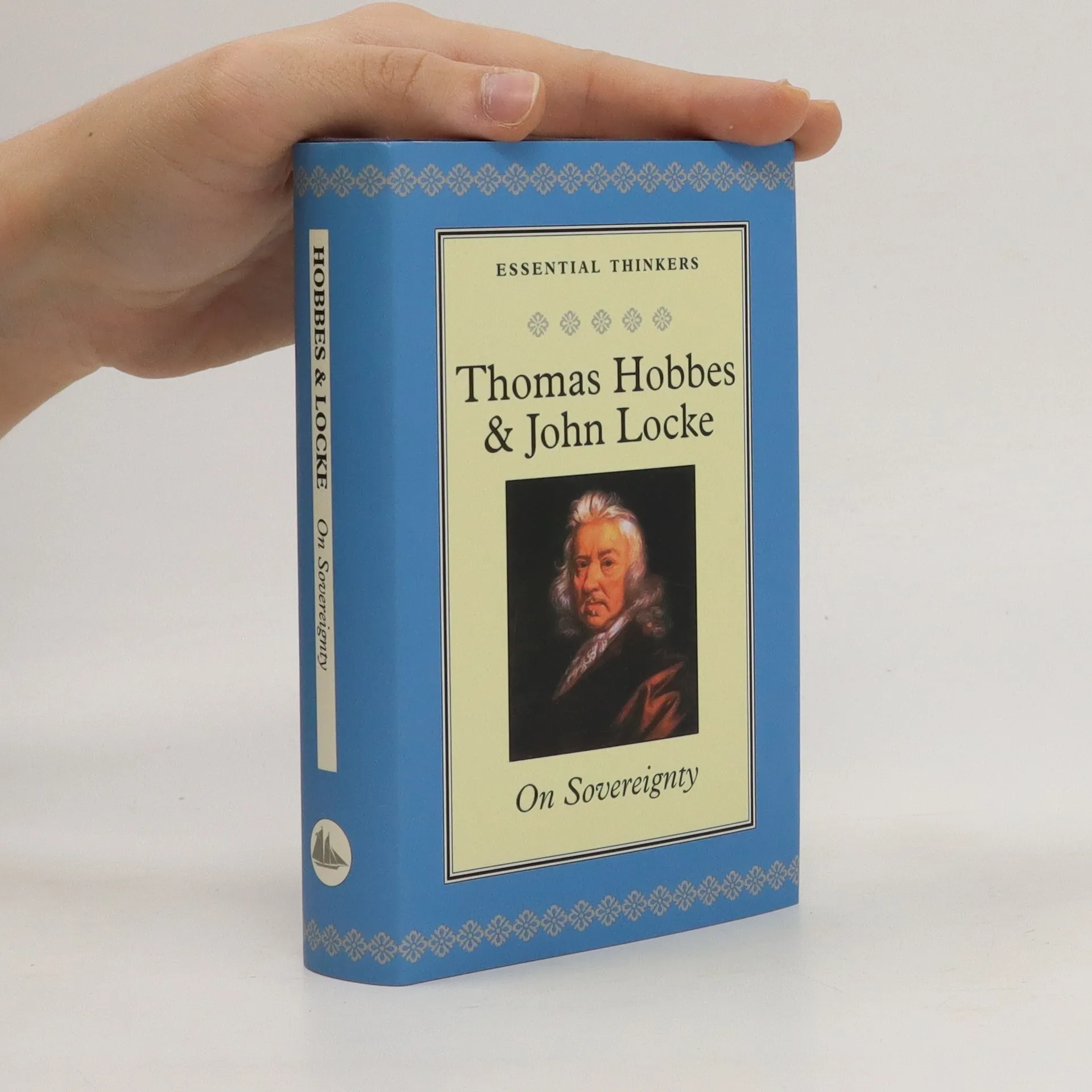
    The Leviathan (1651), The Two Treatises of Government (1689), The Social Contract (1762), The Constitution of Pennsylvania (1776)
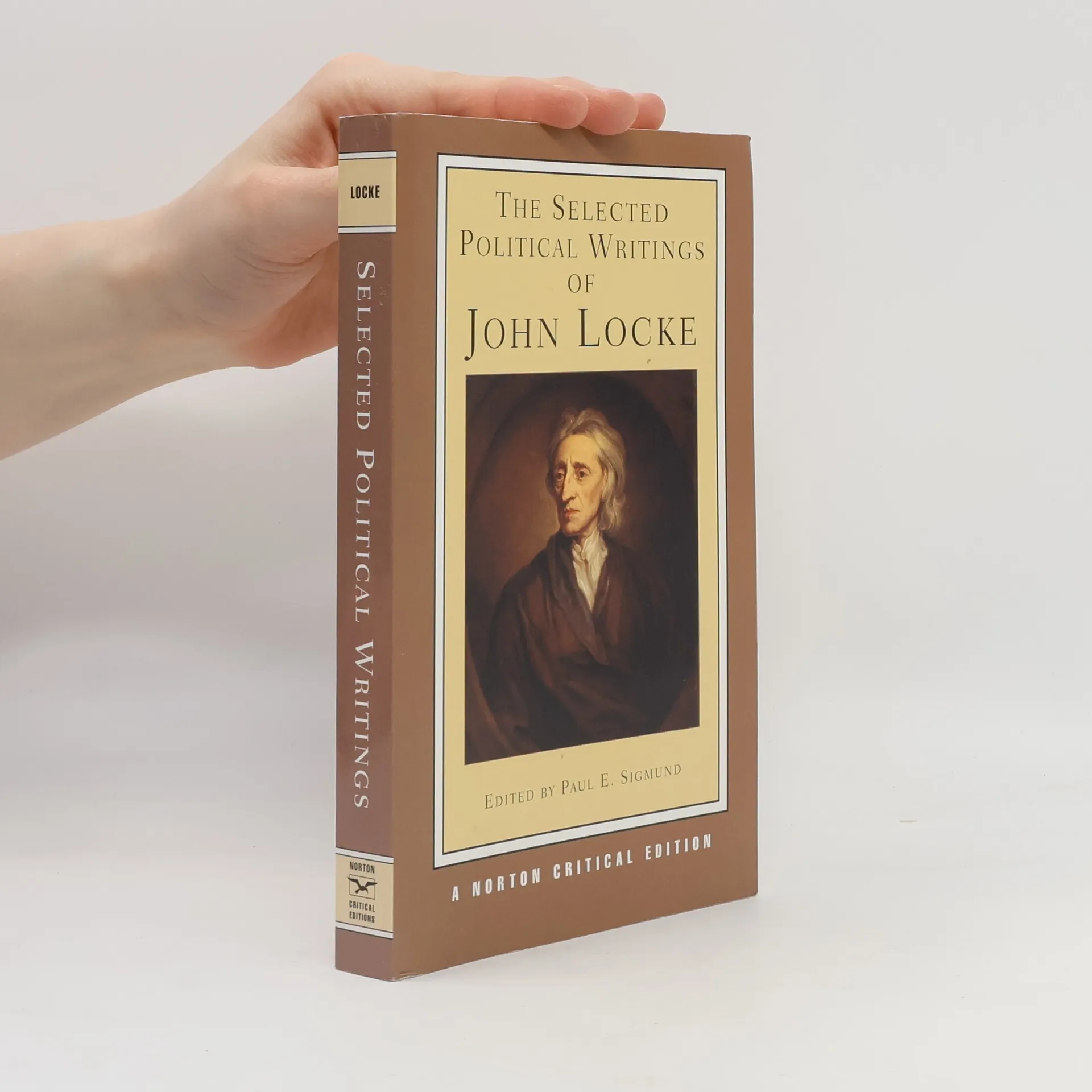
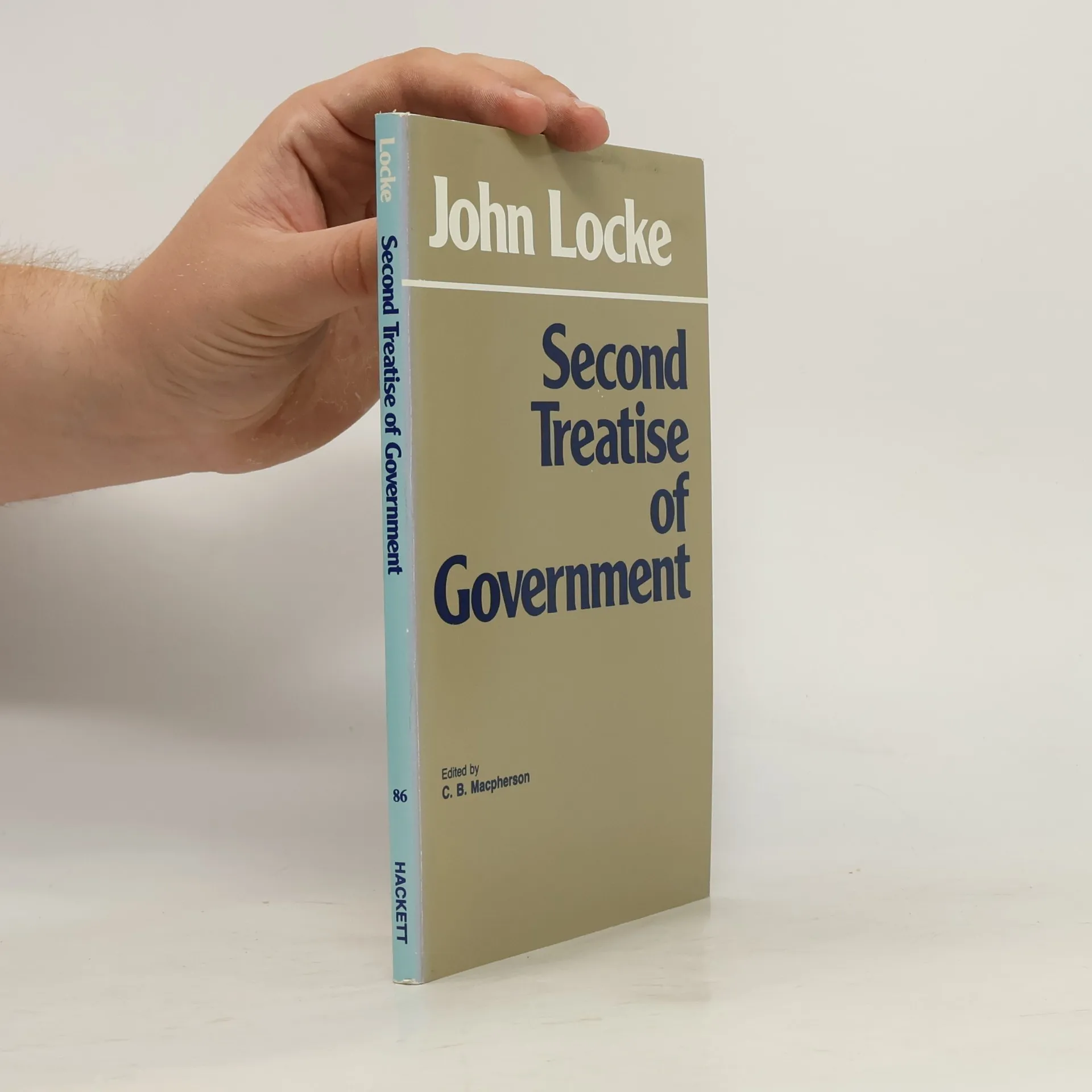
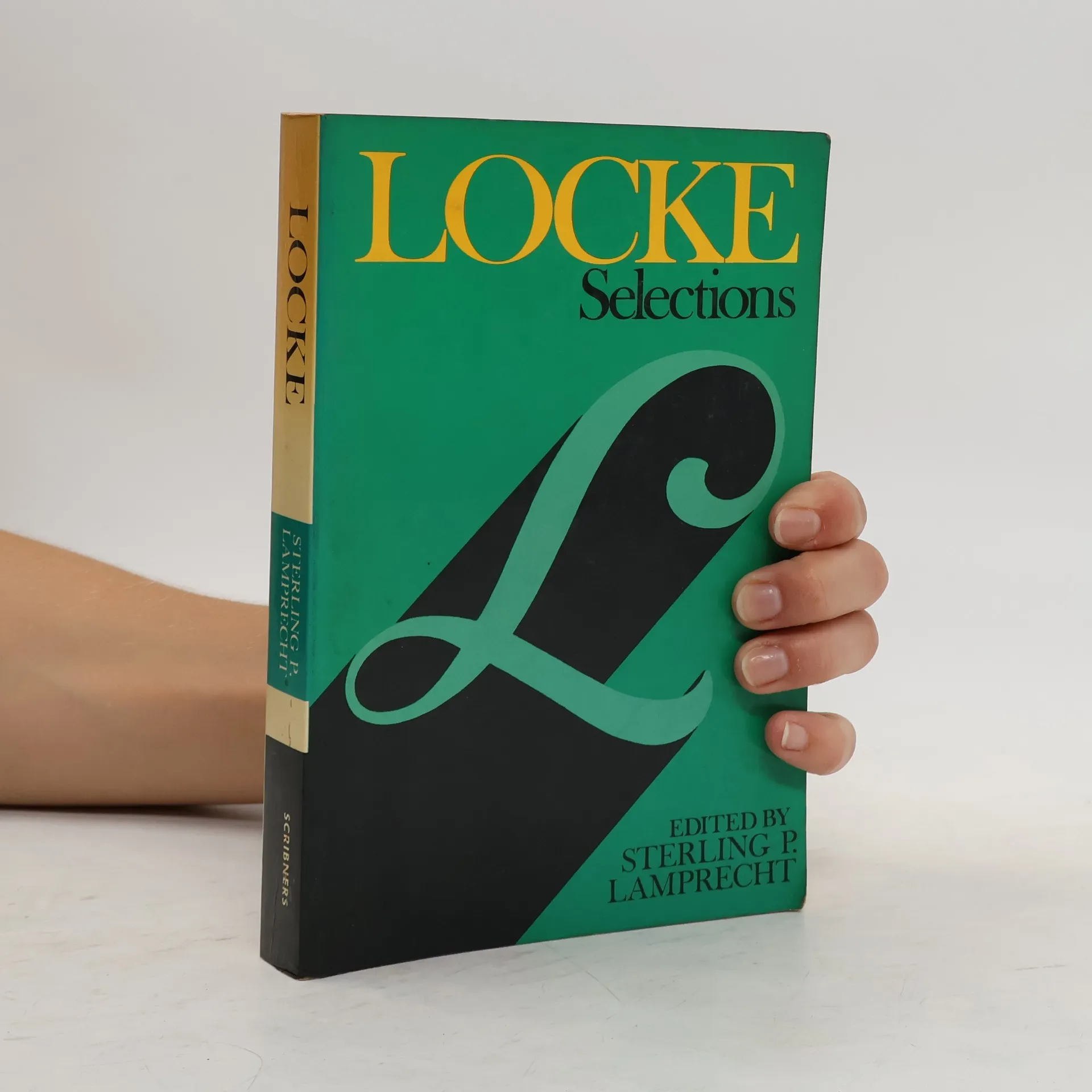
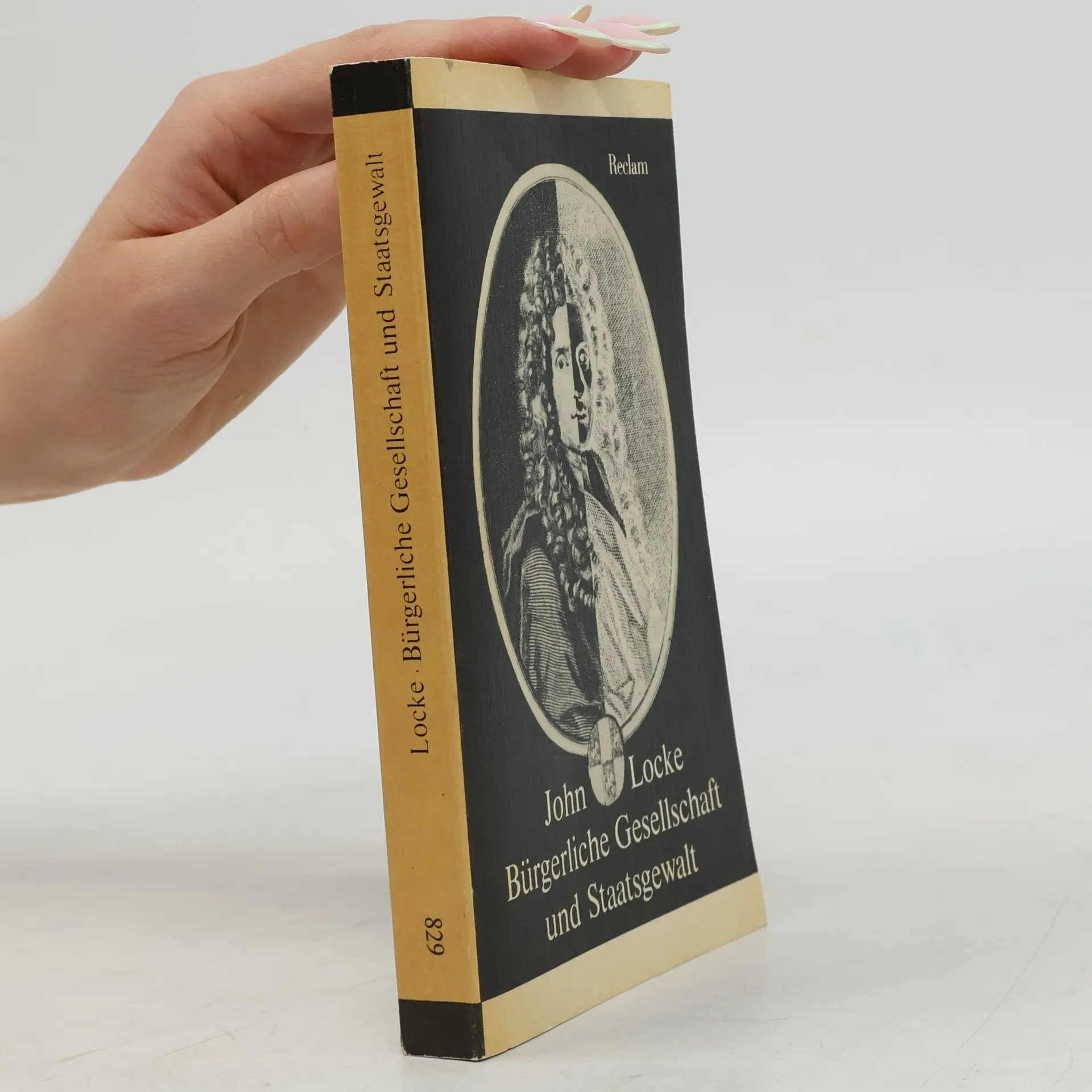
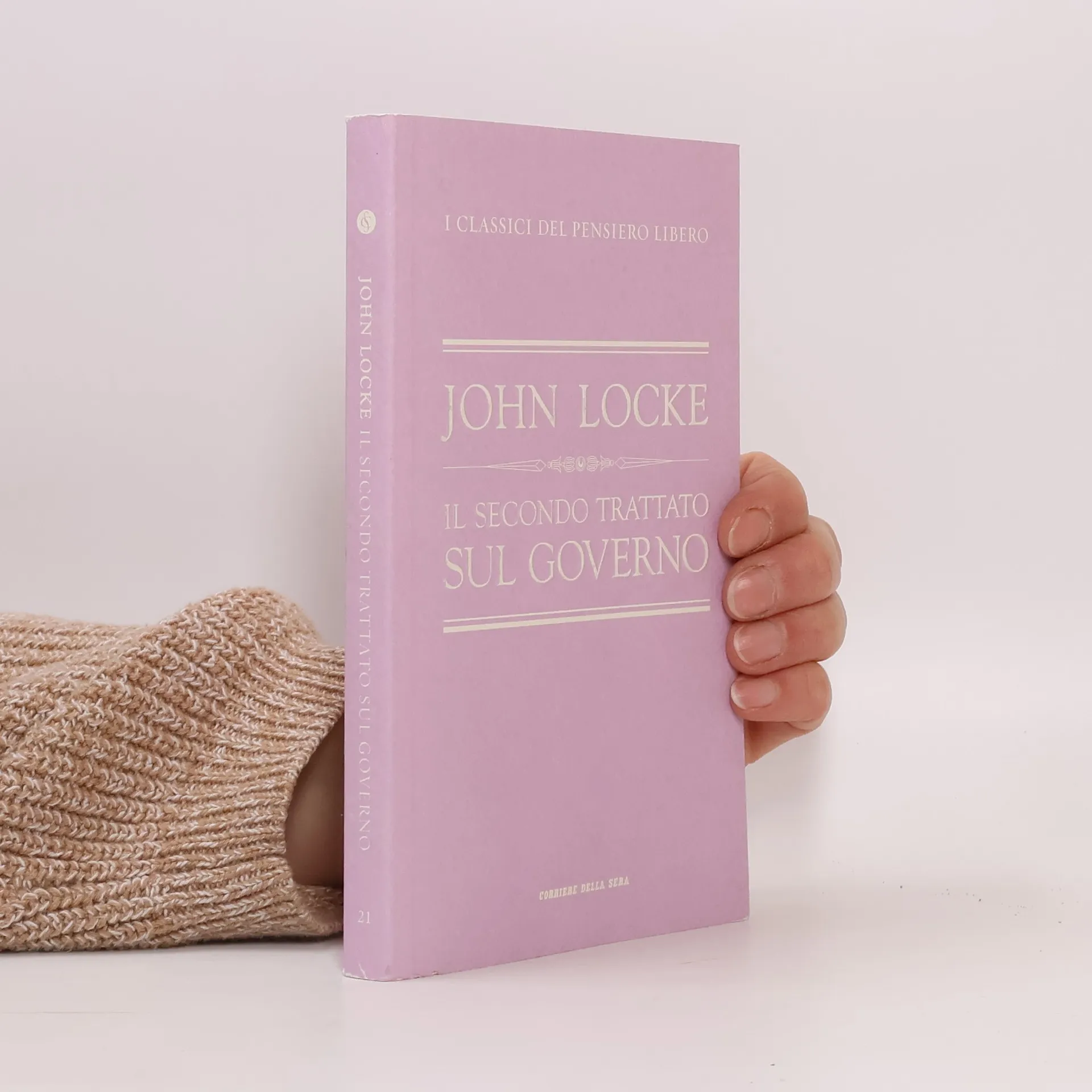
    Il secondo trattato sul governo
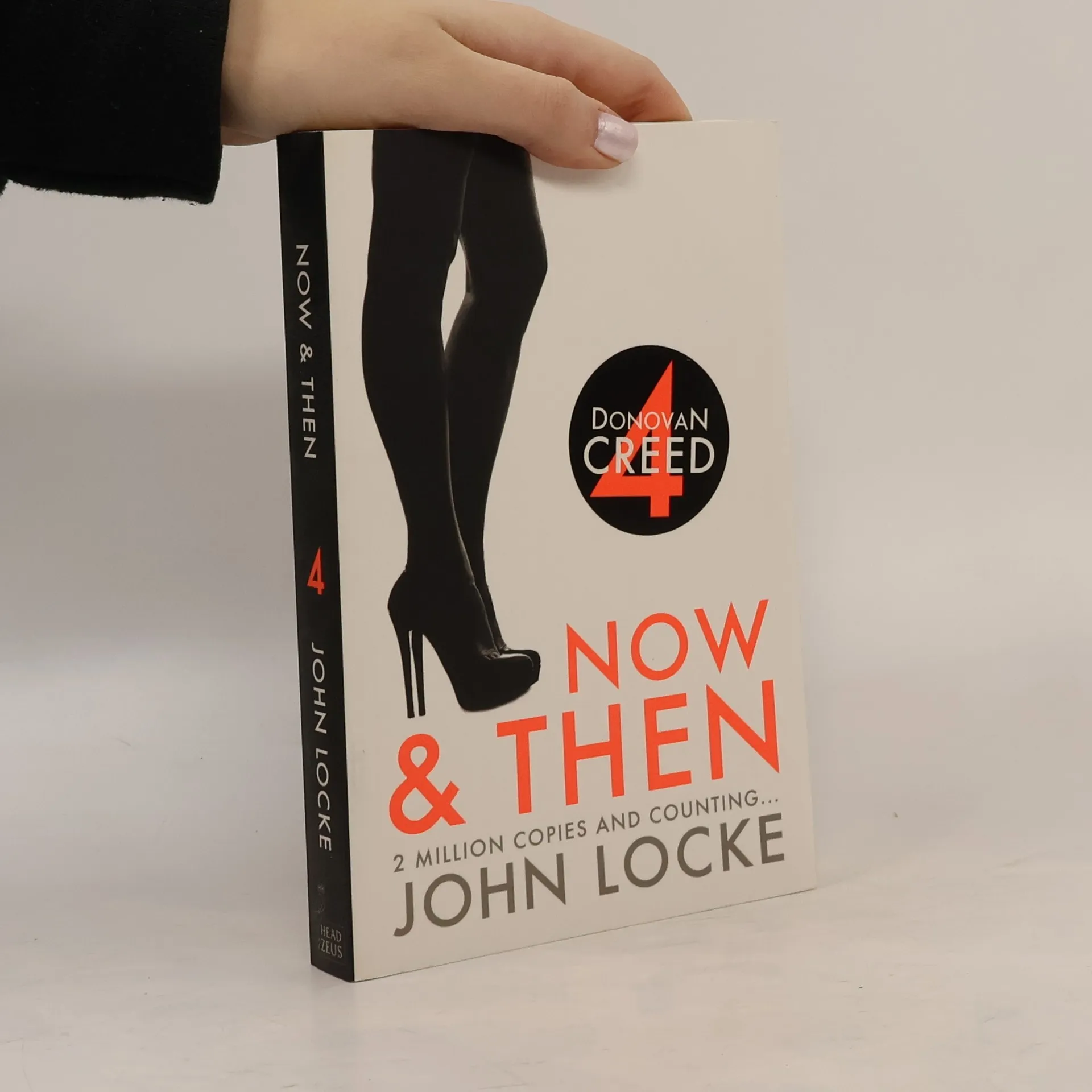
    Gente letale
    • Gente letale

      • 286pagine
      • 11 ore di lettura

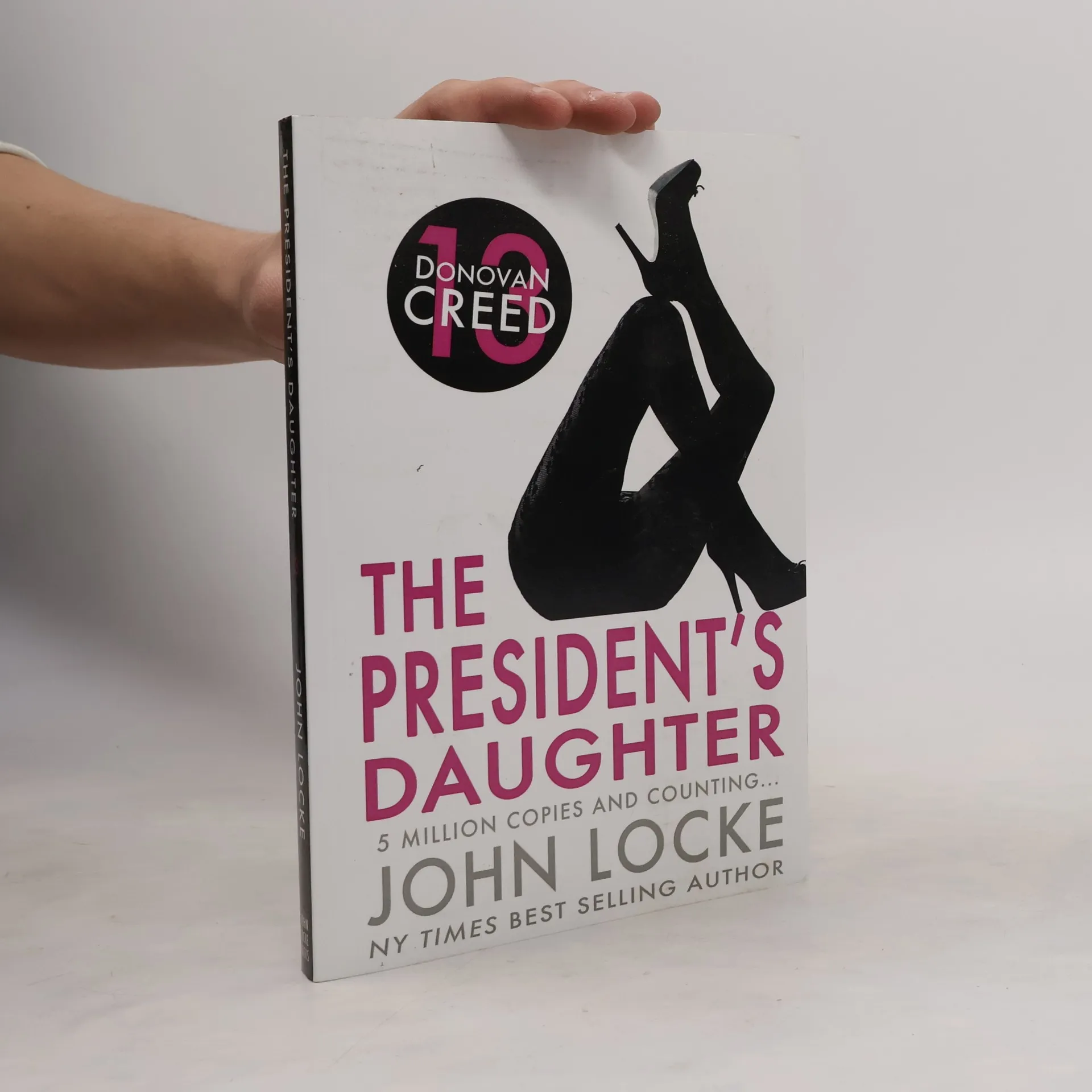
      Un killer evita sempre di farsi domande sul conto del proprio bersaglio, che si tratti di un terrorista o di un cittadino qualunque da eliminare su commissione. È questo l’unico credo di Donovan Creed, ex agente della CIA con un debole per le donne e il denaro facile. Sfidare la morte non è mai stato un problema per lui, almeno fino a quando non si trova ad affrontare la missione più folle di sempre. Perché l’amore prima o poi fa breccia anche nel cuore più duro, e, pur di accontentare Kathleen, Donovan si scopre davvero disposto a tutto: anche a prendersi cura del la piccola Addie Dawes, unica sopravvissuta a un terribile incendio che l’ha lasciata orfana. Così, indagando su chi ha appiccato il fuoco a casa Dawes, Creed entra in rotta di collisione con un boss che non esita a mettere sulla sua testa una taglia da un milione di dollari. Una condanna a morte senza via di scampo. Creed, però, è un uomo dalle mille risorse. E se al suo fianco c’è il suo attuale cliente, un ricco nano tetraplegico di una malvagità morbosa e spettacolare, forse Donovan non si troverà ad attraversare le fiamme dell’inferno da solo. Con oltre un milione di copie vendute su Amazon, John Locke è l’autore autopubblicato di maggior successo al mondo. Con Donovan Creed ha creato un personaggio spregiudicato e affascinante destinato a conquistare anche i lettori italiani.
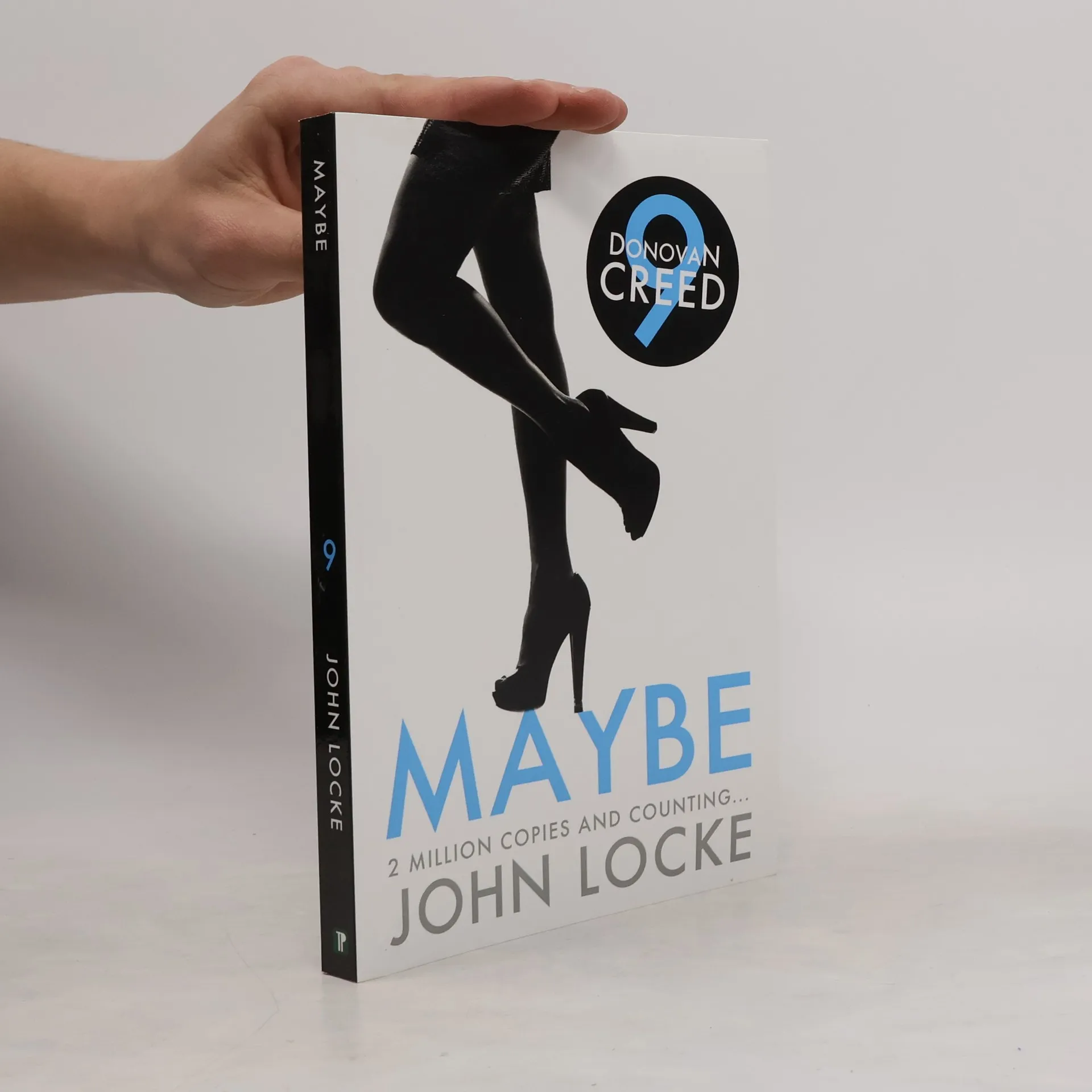
      Gente letale
      3,5
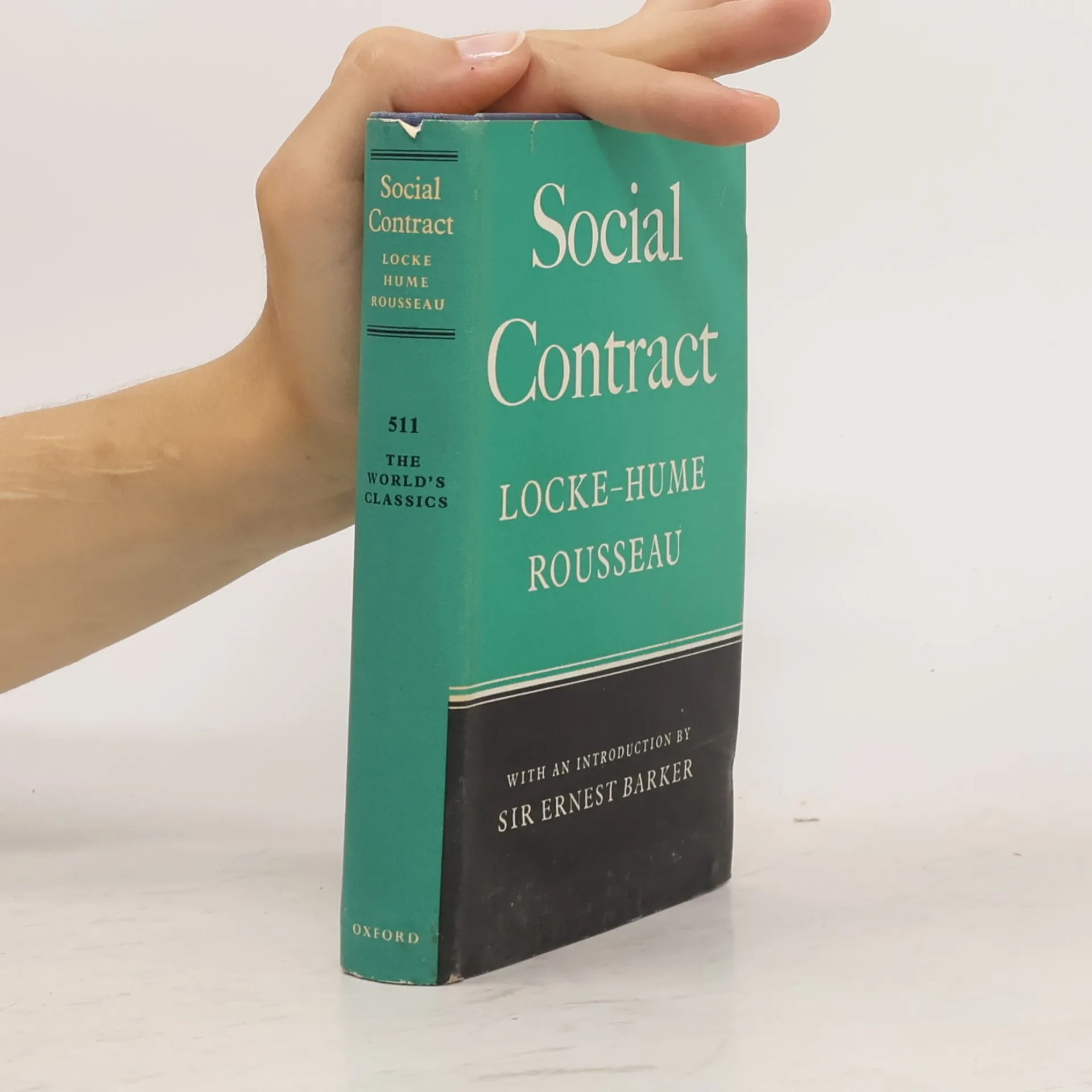
    • The Leviathan (1651), The Two Treatises of Government (1689), The Social Contract (1762), The Constitution of Pennsylvania (1776)

      The Original Texts from Hobbes, Locke, Rousseau and The Founding Fathers of the United States

      • 372pagine
      • 14 ore di lettura

      Exploring the evolution of political thought, this collection includes foundational texts that shaped modern governance. It begins with Hobbes' view of the necessity of a strong central authority, followed by Locke's arguments for natural rights and government by consent. Rousseau's work introduces the concept of collective will and social agreements, while the Constitution of Pennsylvania exemplifies practical application of these theories in establishing a democratic framework. Together, these works highlight the transition from absolute rule to democratic principles.

      The Leviathan (1651), The Two Treatises of Government (1689), The Social Contract (1762), The Constitution of Pennsylvania (1776)
      4,9
    • Exploring foundational principles of political philosophy, this complete edition combines two of Locke's influential treatises on governance. It delves into the nature of human rights, the social contract, and the justification of government authority, emphasizing the importance of individual liberty and the rule of law. Locke's arguments laid the groundwork for modern democratic thought, making this collection essential for understanding the evolution of political theory and the role of government in society.

      The First & Second Treatises of Government (Hardcover)
      4,5
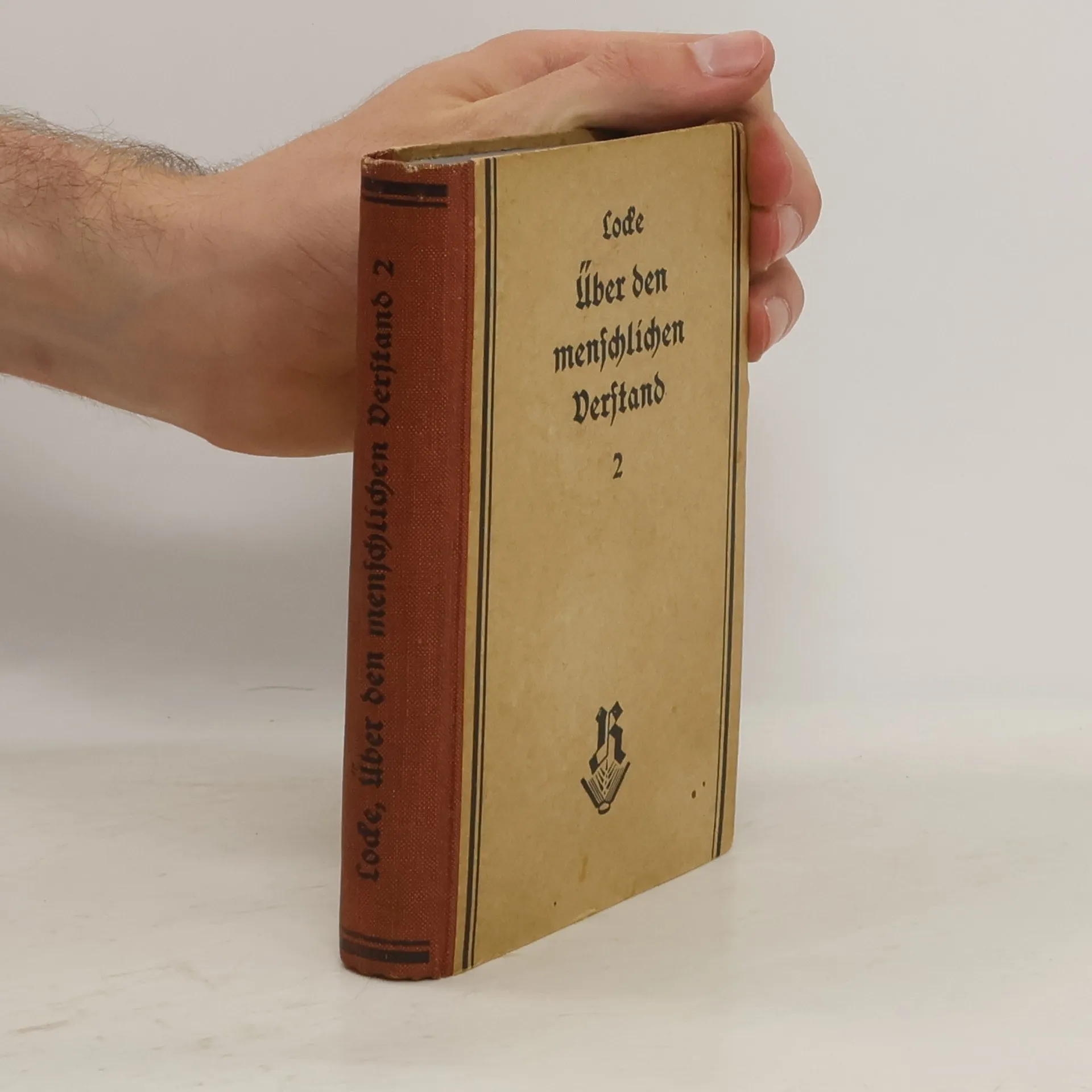
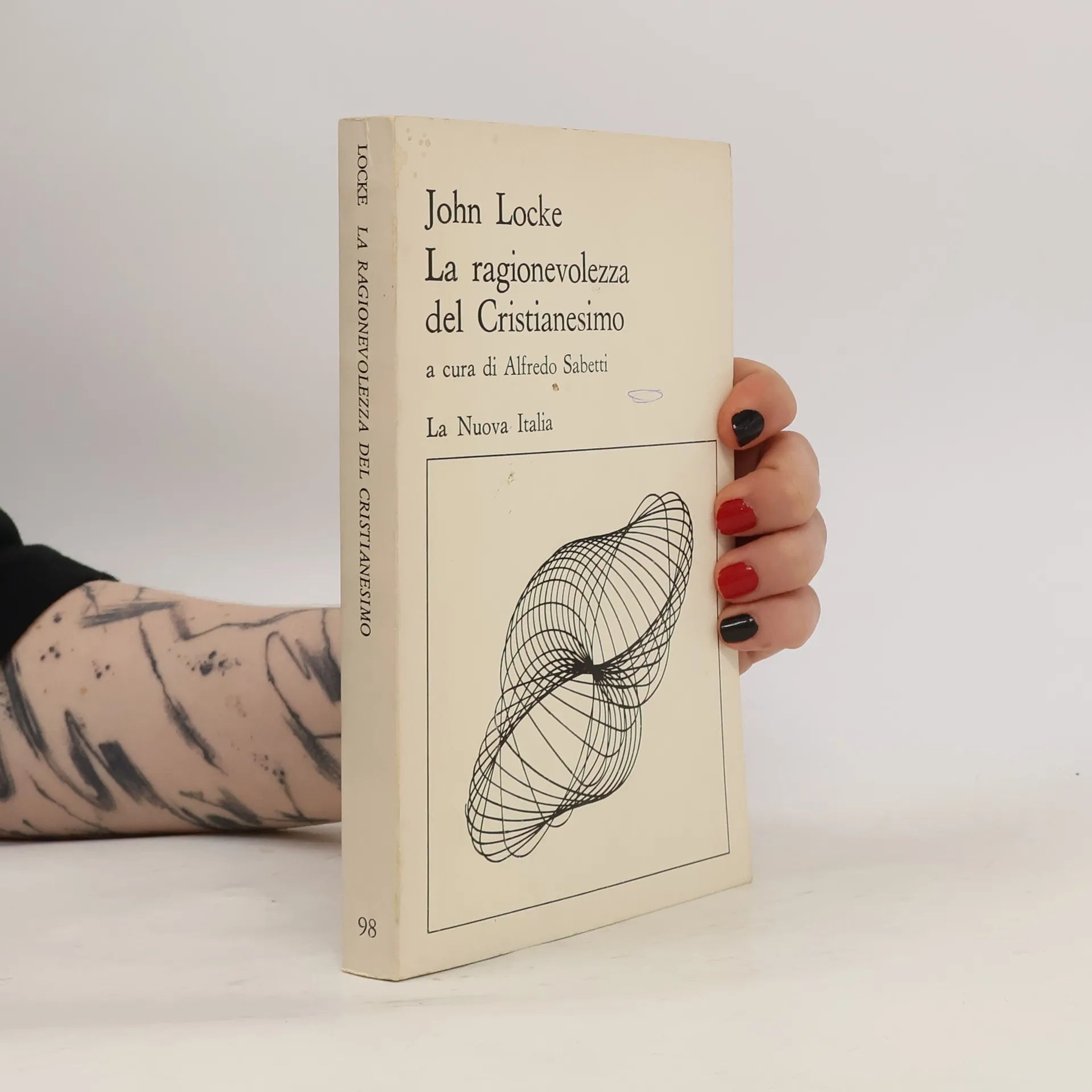
    • Identité et différence Inséré par Locke dans son Essai philosophique concernant l’entendement humain , le « traité de l’identité » a laissé une trace remarquable du XVIIIe siècle à nos jours. Pour la première fois, il donne un nom aux grandes catégories de la métaphysique du sujet : the consciousness , the self , et les associe étroitement dans une problématique de la « conscience de soi ». Pour que celle-ci déploie ses possibilités et ses conflits latents, il faut cependant un moment spécifique de traduction : la proposition par le huguenot français Pierre Coste de leurs équivalents – « la con-science » et « le soi » –, fournissant à toute la philosophie continentale les moyens de sortir des apories du cartésianisme. Cet événement dont nous sommes encore tributaires, l’invention européenne de la conscience , se trouve ici étudié à travers la réédition des textes de Locke et de Coste, augmentée d’une nouvelle traduction et complétée par un commentaire et un dossier. Étienne Balibar Il est professeur émérite à l’université de Paris-Ouest-Nanterre-La Défense.

      Identité et différence : l'invention de la conscience = An essay concerning human understanding. II, xxvii, Of identity and diversity
      4,0
    • The Love You Crave

      • 240pagine
      • 9 ore di lettura

      WHEN YOU'VE ALREADY BETRAYED EVERYONE YOU LOVE, WHO CAN YOU TURN TO FOR HELP? Former CIA assassin Donovan Creed finds himself at odds with mob-connected Tony Spumoni and practically everyone else he knows, including his boss Darwin, lover Gwen, daughter Kimberly, protégé Callie, co-worker Lou, physician Doc Howard, assorted board members, terrorists, and even a zoo full of angry monkeys!

      The Love You Crave
      3,4
    • Some Thoughts Concerning Education

      • 246pagine
      • 9 ore di lettura

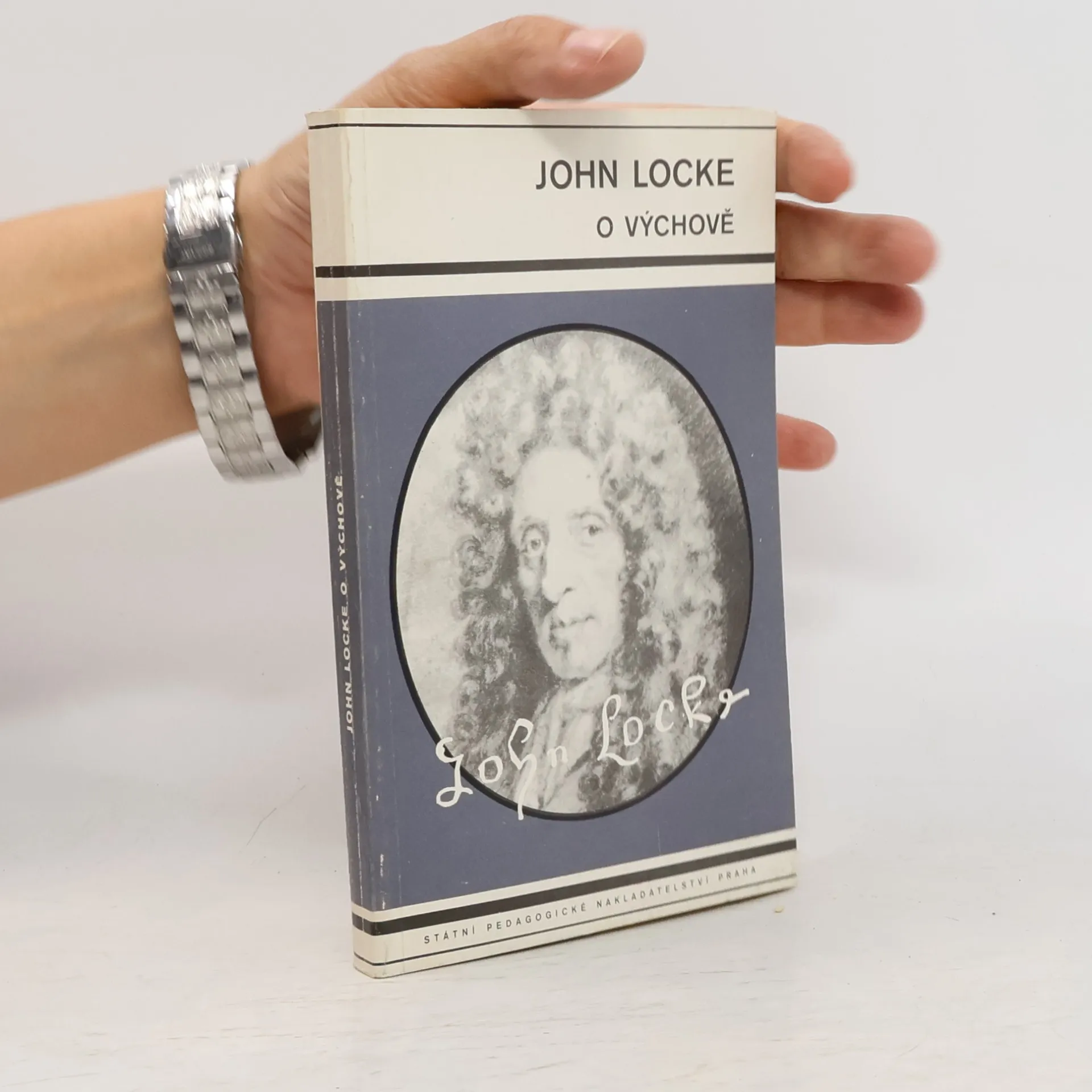
      The book presents a series of letters written by John Locke in 1684, offering his insights on education to friends Mary and Edward Clarke regarding their son. Despite being unmarried and childless, Locke shares his influential Enlightenment philosophies, emphasizing the importance of nurturing a child's mind and character. His correspondence reflects his profound understanding of human development and the role of education in shaping individuals, making it a significant contribution to educational theory.

      Some Thoughts Concerning Education
      3,0
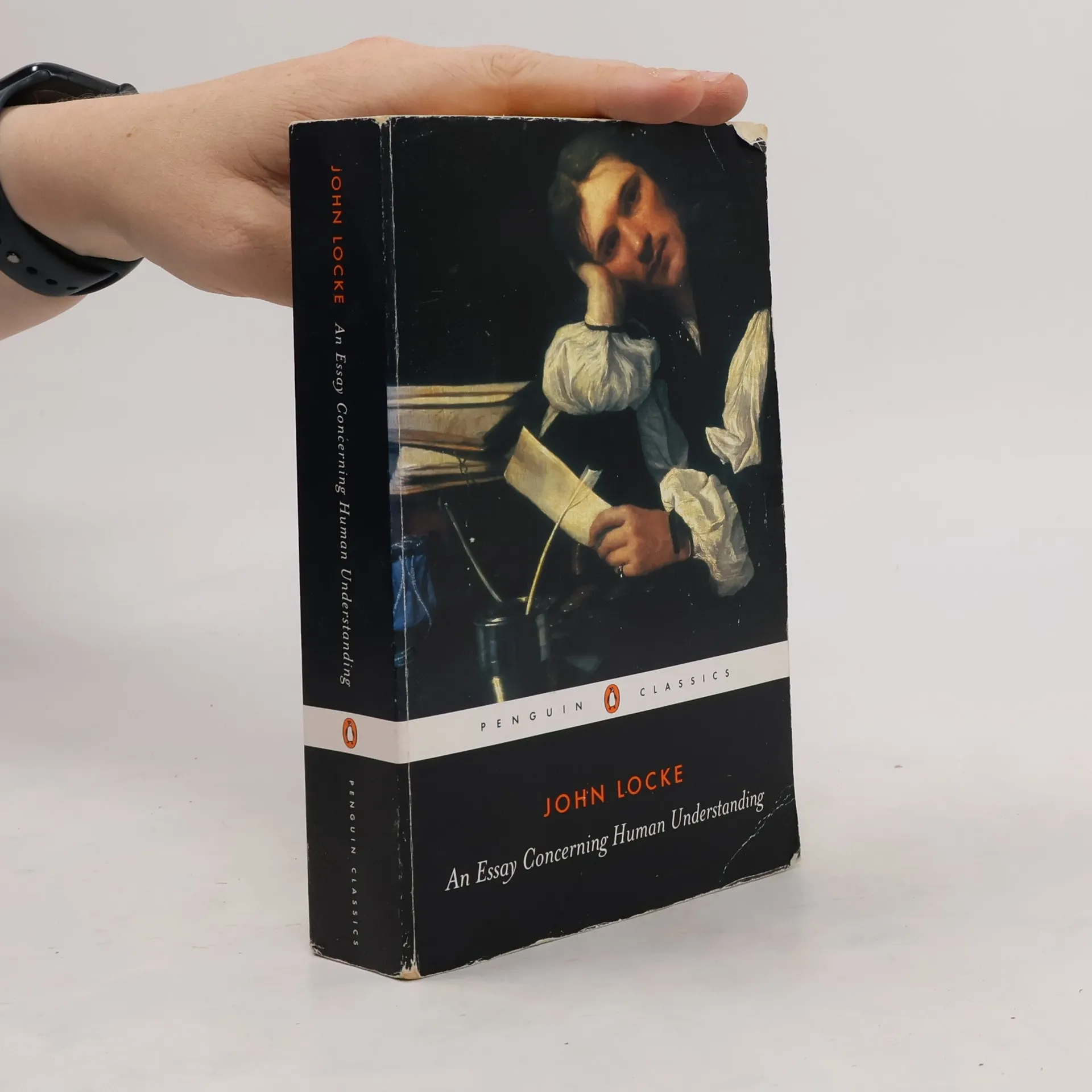
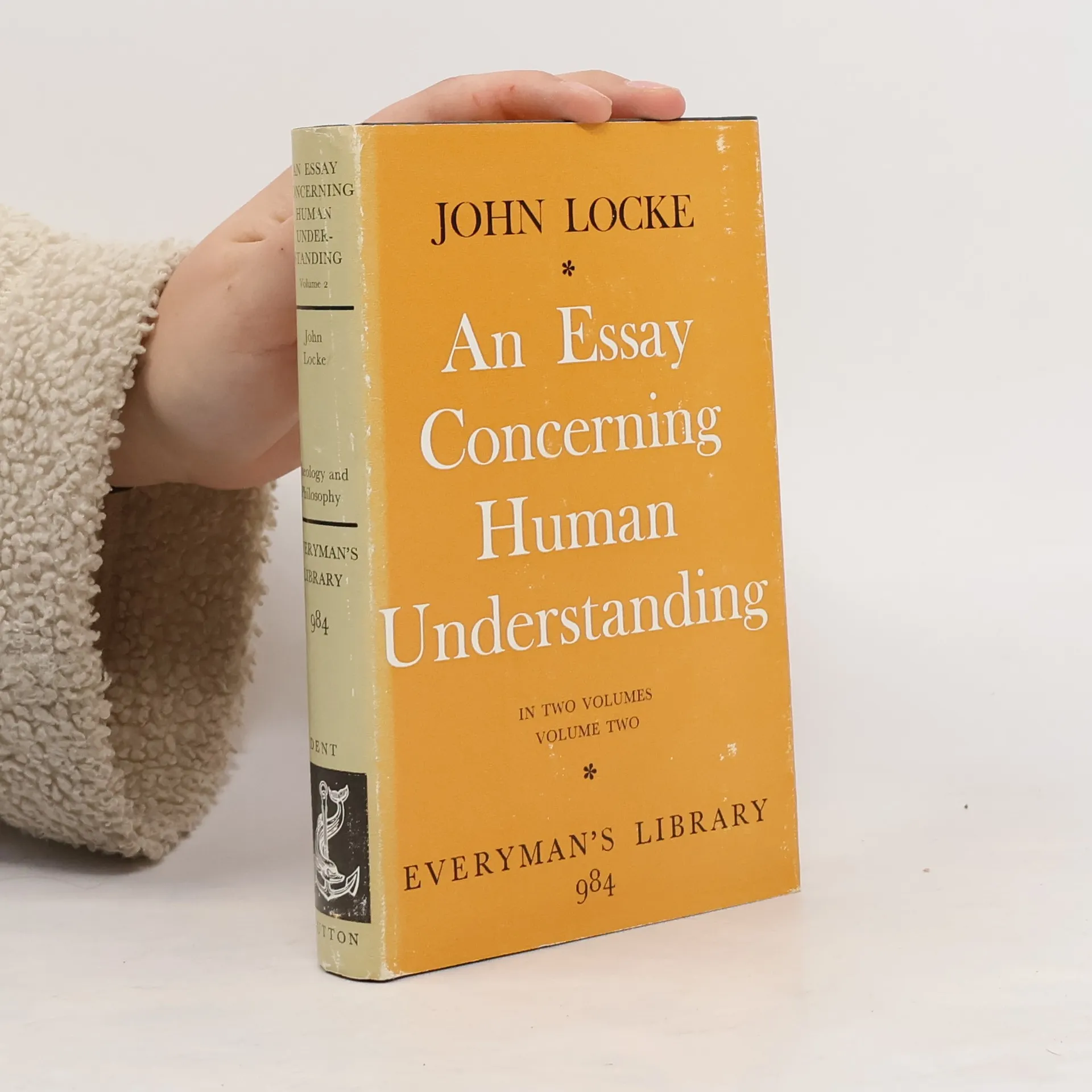
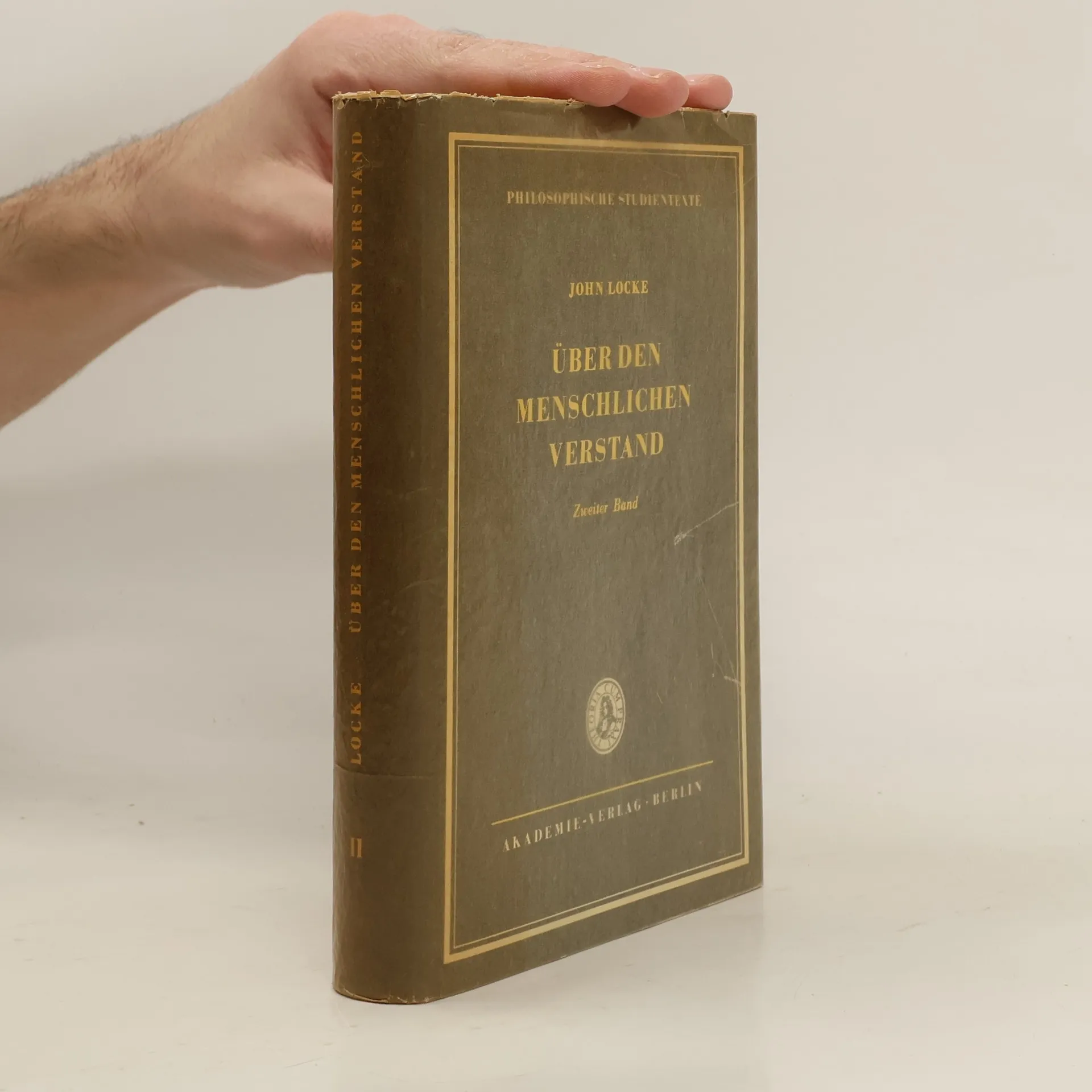
    • An Essay Concerning Human Understanding

      • 880pagine
      • 31 ore di lettura

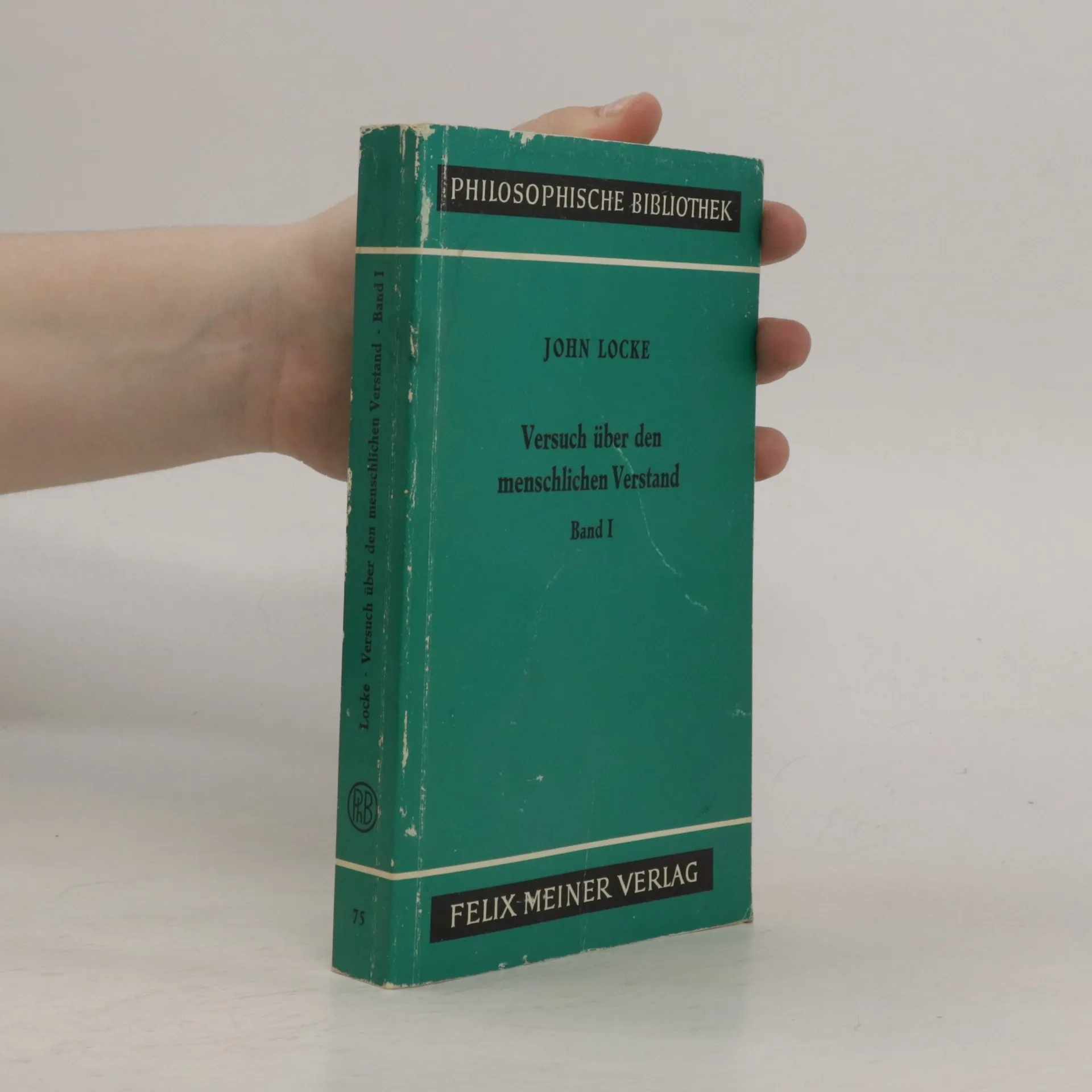
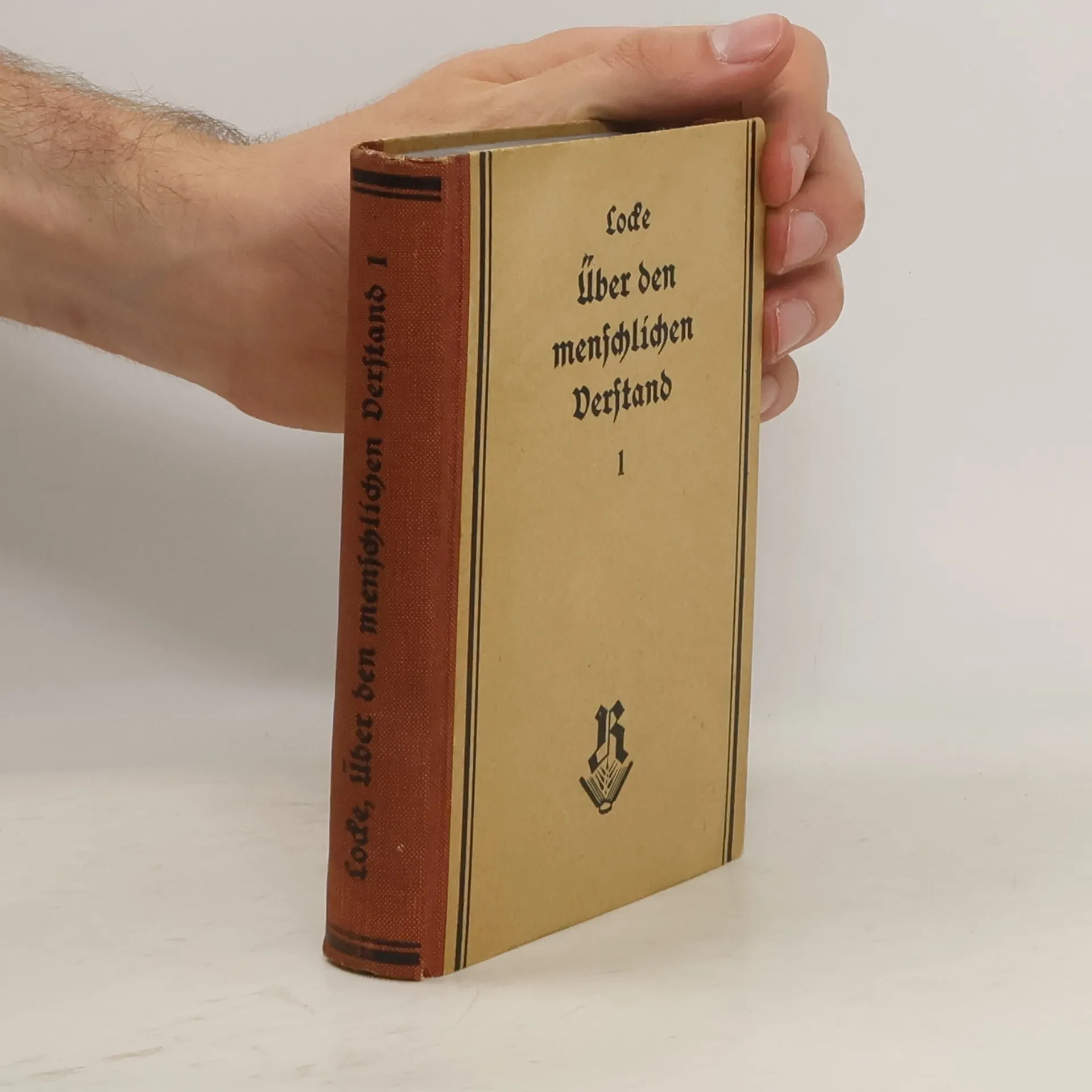
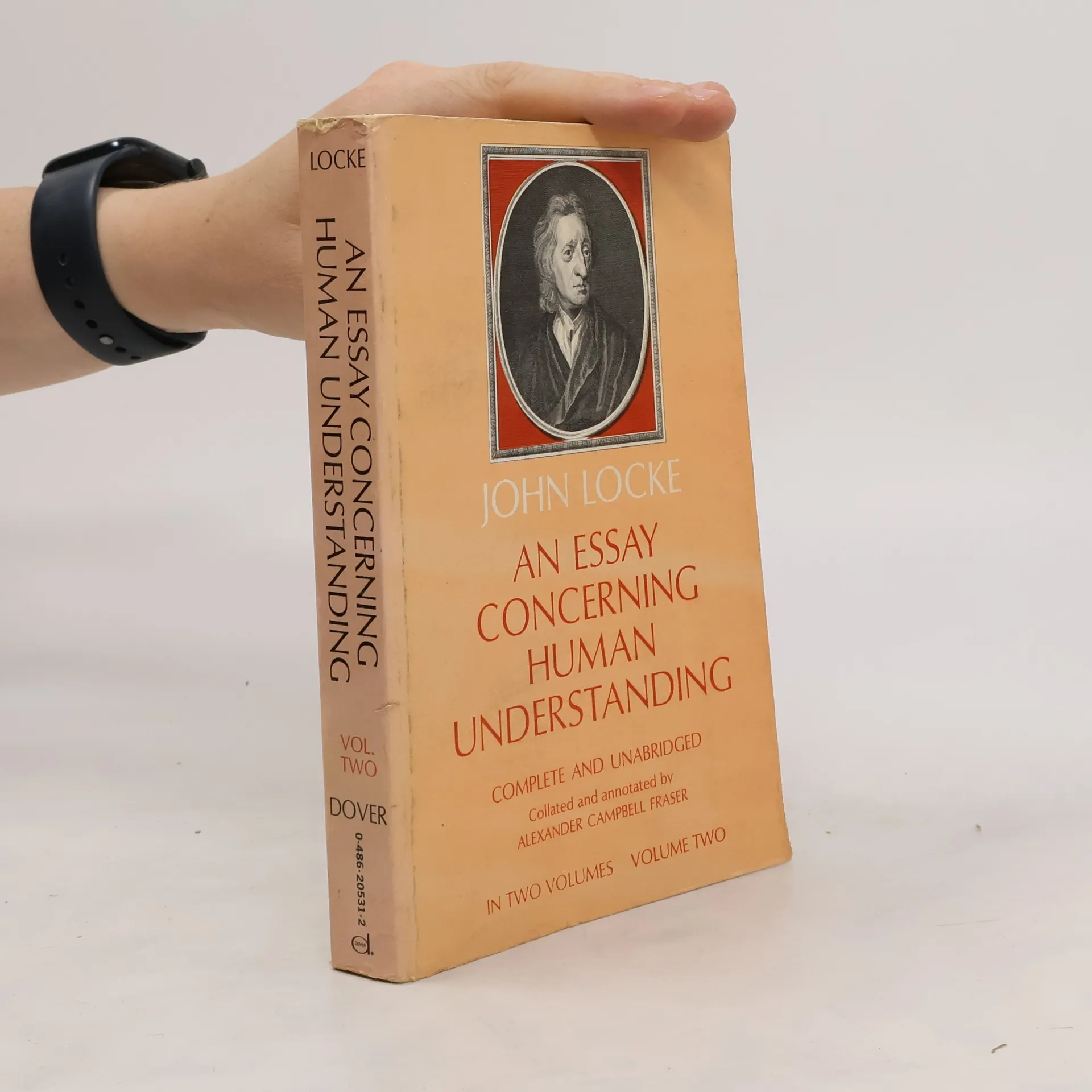
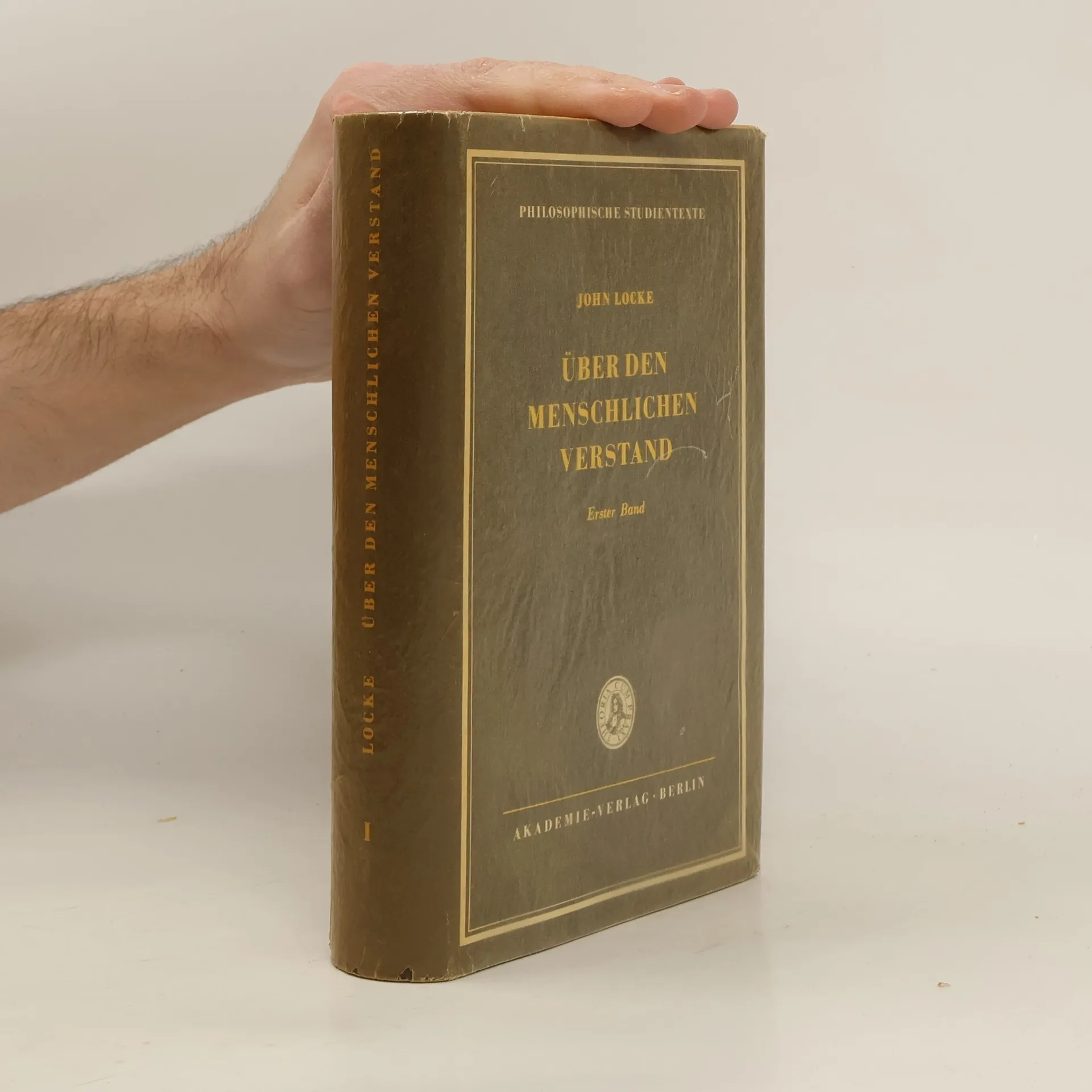
      An Essay Concerning Human Understanding by John Locke concerns the foundation of human knowledge and understanding, and is one of the classic philosophical works of the seventeenth century.

      An Essay Concerning Human Understanding
      3,9