Latour for Architects
- 140pagine
- 5 ore di lettura
Latour for Architects is the first introduction to the key concepts and ideas of Bruno Latour that are relevant to architects.


Albena Yaneva è un'antropologa dell'architettura il cui lavoro abbraccia i confini disciplinari della teoria architettonica, degli studi di scienza e tecnologia, dell'antropologia cognitiva e della filosofia politica. La sua ricerca approfondisce i modi intricati in cui vengono costruiti oggetti architettonici e città, e come queste costruzioni modellano il pensiero e la società umana. Yaneva si concentra sull'esame critico dei processi che formano i nostri ambienti urbani, esplorando le supposizioni non dette e le forze politiche incorporate nell'architettura. Il suo approccio interdisciplinare offre una prospettiva unica sulle complessità della costruzione del mondo che abitiamo.

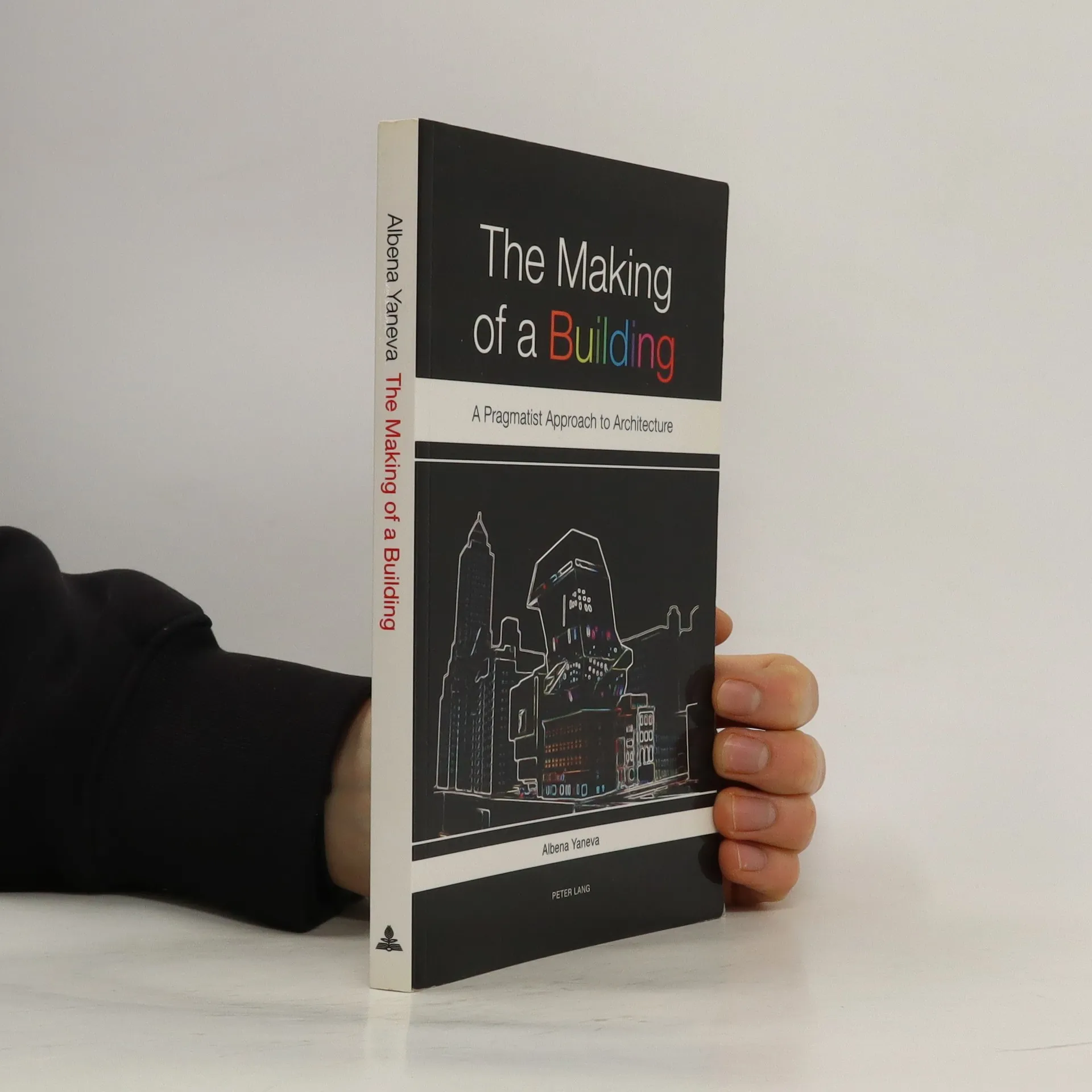
Latour for Architects is the first introduction to the key concepts and ideas of Bruno Latour that are relevant to architects.
How do architects learn about a building-to-be? How does a building emerge and gain reality in the model shop, in scaling, in option making, in architects’ – and engineers’ – discussions, in public presentations? What does it mean to design? What does it mean to add a building to the city? Drawing on rare ethnographical material of architects at work at the Office for Metropolitan Architecture (OMA) of Rem Koolhaas in Rotterdam in the period 2001-4, this book offers a novel account of the social and cognitive complexity of architecture in the making. The author dismisses both stylistic periodization and socio-political constructivist methods as being inadequate to the task of understanding the dynamic process of how architects generate design through space and materiality, instead showcasing the potentials of the pragmatist approach as a research tool in the field of architecture. Offering a new way of understanding architecture as practice that takes place within the interactive networks of human and non-human actors, the book also tells the intriguing story of the extensions of the Whitney Museum of American Art in New York.