

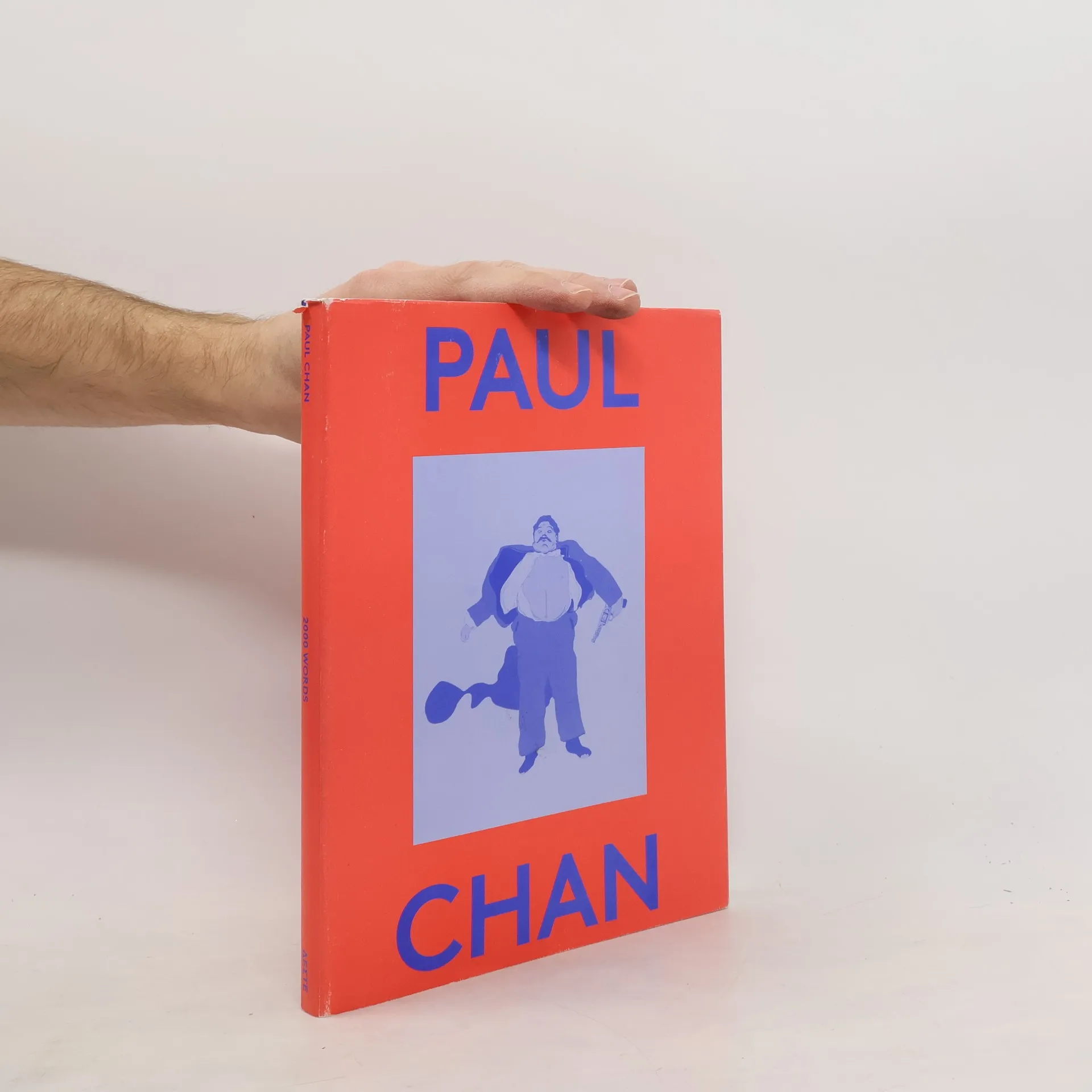
The varied practice of Paul Chan (born 1973) includes paintings, drawings, video animations and font design, as well as critical writing. The characters in his works are animated beings, jerking and stuttering as they are violently thrust into the clumsy reel--or -real---of history. Chan explores the intellectual and sexual animus that courses through our collective language and consciousness, drawing on sources as varied as the King James Bible, Marquis de Sade and Samuel Beckett. Part of the 2000 Words series, conceived and commissioned by Massimiliano Gioni, and published by the Deste Foundation for Contemporary Art, 2000 Words: Paul Chan presents the entirety of the artist's works in the Dakis Joannou Collection and includes an essay by Stephen Squibb that reveals the solitary image and its uncanny animation in Chan's work.
Paul Chan Ordine dei libri (cronologico)
Paul Chan è un artista la cui opera approfondisce le complesse intersezioni tra estetica, politica e spiritualità. Il suo approccio concettuale spesso sfida le norme sociali, cercando nuove forme di espressione che risuonino con i pressanti problemi contemporanei. Attraverso una vasta gamma di mezzi, esplora come l'arte possa servire da strumento per la riflessione critica e l'impegno sociale. La sua pratica invita gli spettatori a contemplare il mondo che li circonda con una prospettiva rinnovata.

Selected works
- 386pagine
- 14 ore di lettura
Texte auf Deutsch und Englisch / Texts in German and English Der Katalog zur Ausstellung „Paul Chan - Selected Works“, die 2014 im Schaulager Basel gezeigt worden ist, wurde vom Künstler als „Bilderbuch im Buch“ entwickelt. Im Zentrum steht die in ihrem Reichtum überwältigende Bilderfolge „Selected Source Files“. In diesem zu Collagen montierten, heterogenen Bildmaterial zeichnen sich die Inspirationen und das visuelle Umfeld ab, aus dem heraus der Künstler seine Werke entwickelt hat. Ein klug durchdachter Essay von Daniel Birnbaum bietet Hand zu einem vertieften Verständnis. Installationsaufnahmen aus der Ausstellung sowie eine Werkliste und Kommentare zu den einzelnen Werkgruppen ergänzen die Publikation. The catalogue to the exhibition „Paul Chan - Selected Works“, held at the Schaulager Basel in 2014, was developed by the artist in collaboration with graphic designers and intended as a „picture book within a book.“ At its heart is the overwhelming wealth of images in the „Selected Source Files“ series. The collages of heterogeneous material testify to the wideranging sources of inspiration and the visual context on which the artist has drawn in his work. A cleverly conceived essay by Daniel Birnbaum is an aid to deeper understanding. Photographs of the installations on view in the exhibition, a list of works, and commentary linking the individual groups of works round off the publication.
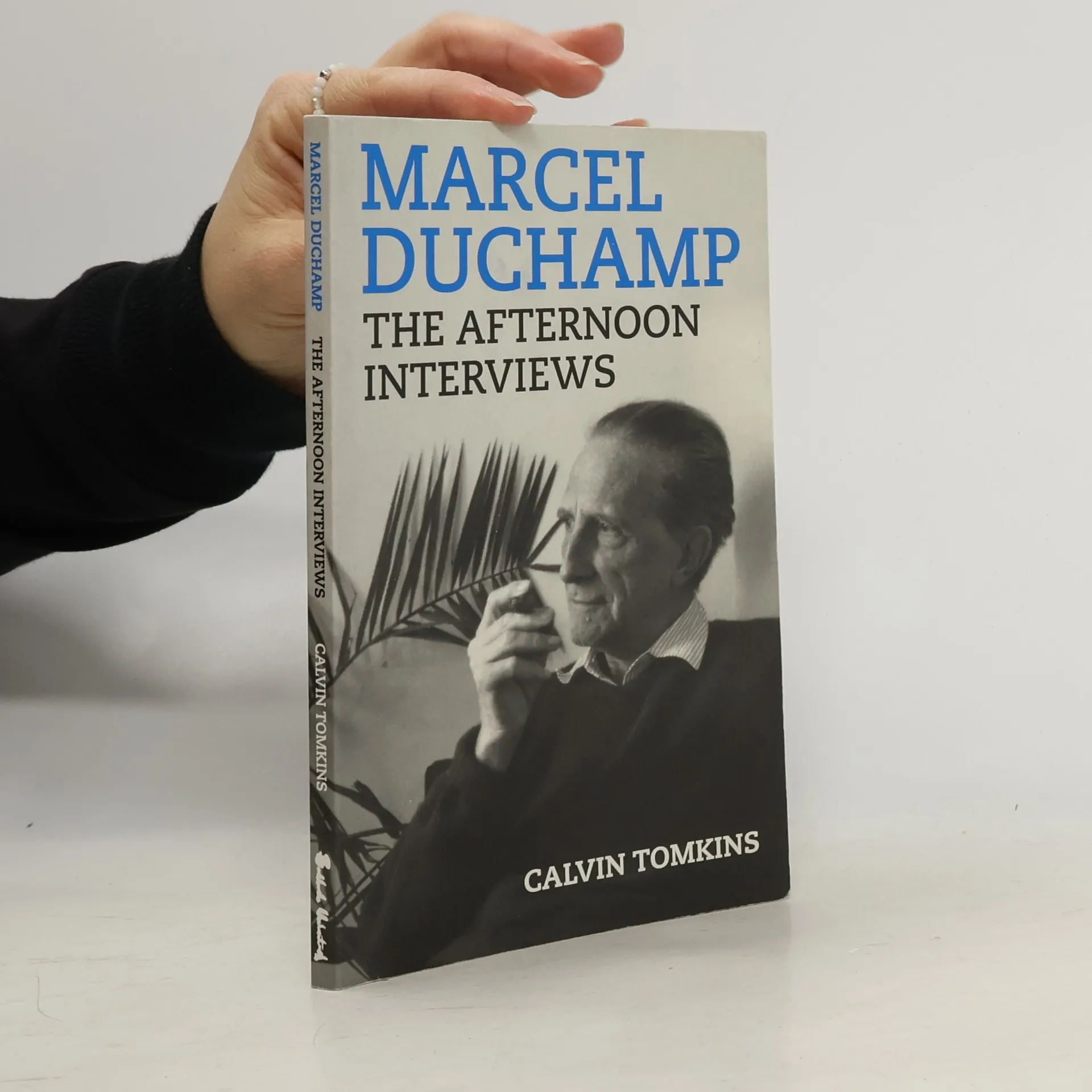
In 1964, Calvin Tomkins spent a number of afternoons interviewing Marcel Duchamp in his apartment on West 10th Street in New York. Casual yet insightful, Duchamp reveals himself as a man and an artist whose playful principles toward living freed him to make art that was as unpredictable, complex, and surprising as life itself. Those interviews have never been edited and made public, until now. "The Afternoon Interviews," which includes an introductory interview with Tomkins reflecting on Duchamp as an artist, guide and friend, reintroduces the reader to key ideas of his artistic world and renews Duchamp as a vital model for a new generation of artists. Calvin Tomkins was born in 1925 in Orange, New Jersey. He joined the New Yorker as a staff writer in 1960. His many profiles include John Cage, Robert Rauschenberg, Merce Cunningham, Leo Castelli, Damien Hirst, Richard Serra, Bruce Nauman, Cindy Sherman and Jasper Johns. Tomkins is the author of 12 books, including "The Bride and the Bachelors" (1965), "Living Well Is the Best Revenge" (1971), "Lives of the Artists" (2008) and "Duchamp: A Biography" (1996).
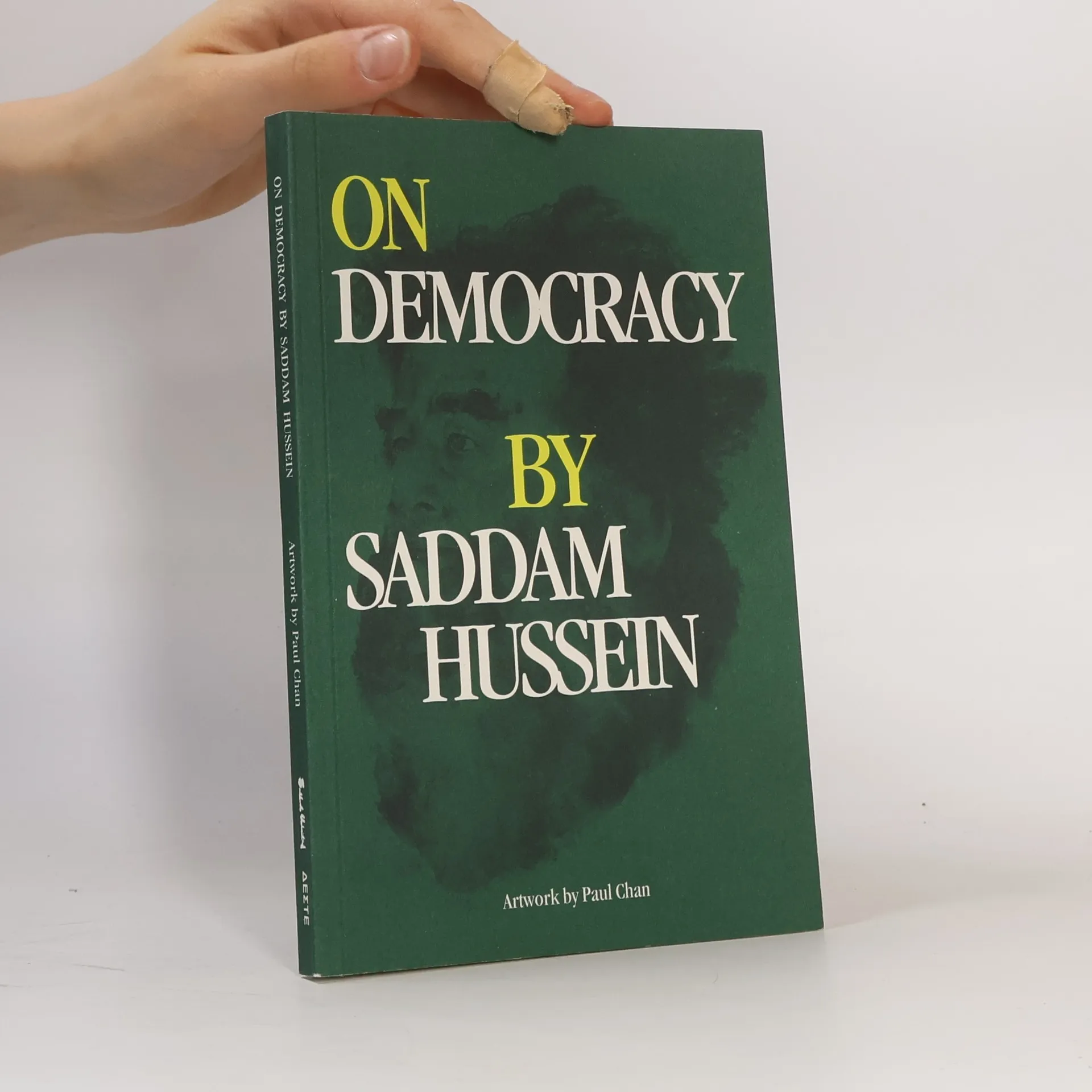
On Democracy
- 144pagine
- 6 ore di lettura
In 2003, after returning from a monthlong stay in Baghdad, American artist Paul Chan was given a gift from a colleague in the human-rights group Voices of the Wilderness: a copy of three speeches on democracy written by Saddam Hussein in the 1970s, before he became president of Iraq. The speeches, compiled here for the first time in English, are politically perverse, yet eerily familiar. The then vice president of Iraq characterizes social democracy as demanding authority, and defines free will as the patriotic duty to uphold the good of the state. This volume takes the speeches as an opportunity to ask what democracy means from the standpoint of a notorious political figure who was anything but democratic, and to reflect on how promises of freedom and security can mask the reality of repressive regimes. With drawings by Paul Chan, including a new suite in its entirety, and essays by Bidoun's Negar Azimi, philosopher and artist Nickolas Calabrese and journalist Jeff Severns Guntzel, this book is the inaugural copublication of the Deste Foundation for Contemporary Art and Chan's own Badlands Unlimited.