
Bookbot

Martin J. Rees

    23 giugno 1942

    Martin Rees è un cosmologo e astrofisico inglese il cui lavoro si concentra sulla comprensione dell'universo. La sua produzione letteraria approfondisce profonde questioni esistenziali, esplorando le frontiere della nostra conoscenza e i potenziali futuri dell'umanità nel cosmo. Lo stile di Rees è noto per la sua capacità di rendere accessibili concetti scientifici complessi a un vasto pubblico, pur mantenendo il rigore scientifico e un profondo rispetto per i misteri dell'universo. I suoi scritti ispirano la riflessione sul nostro posto nel cosmo e sulle infinite possibilità che ci attendono.

    Martin J. Rees
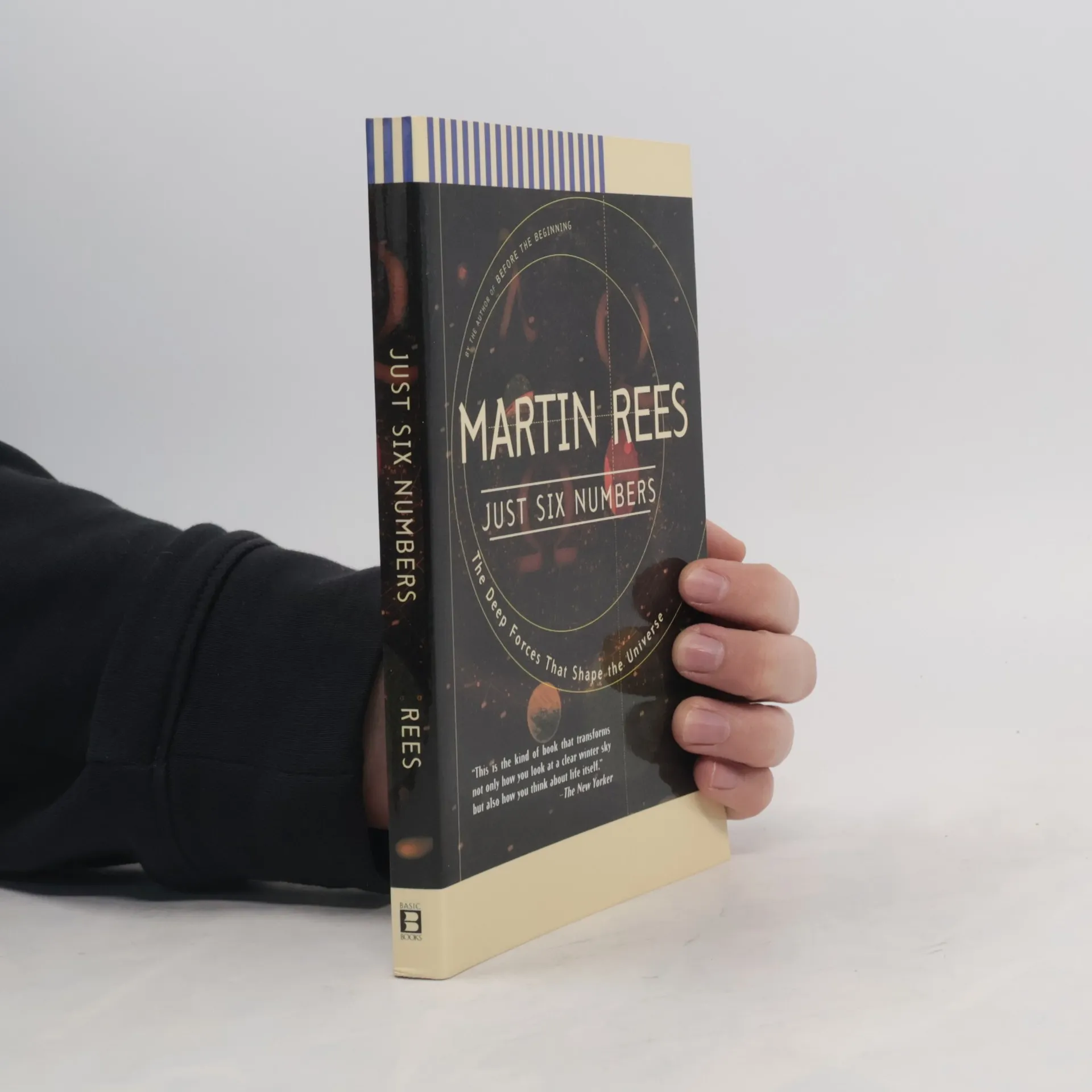
    Just Six Numbers
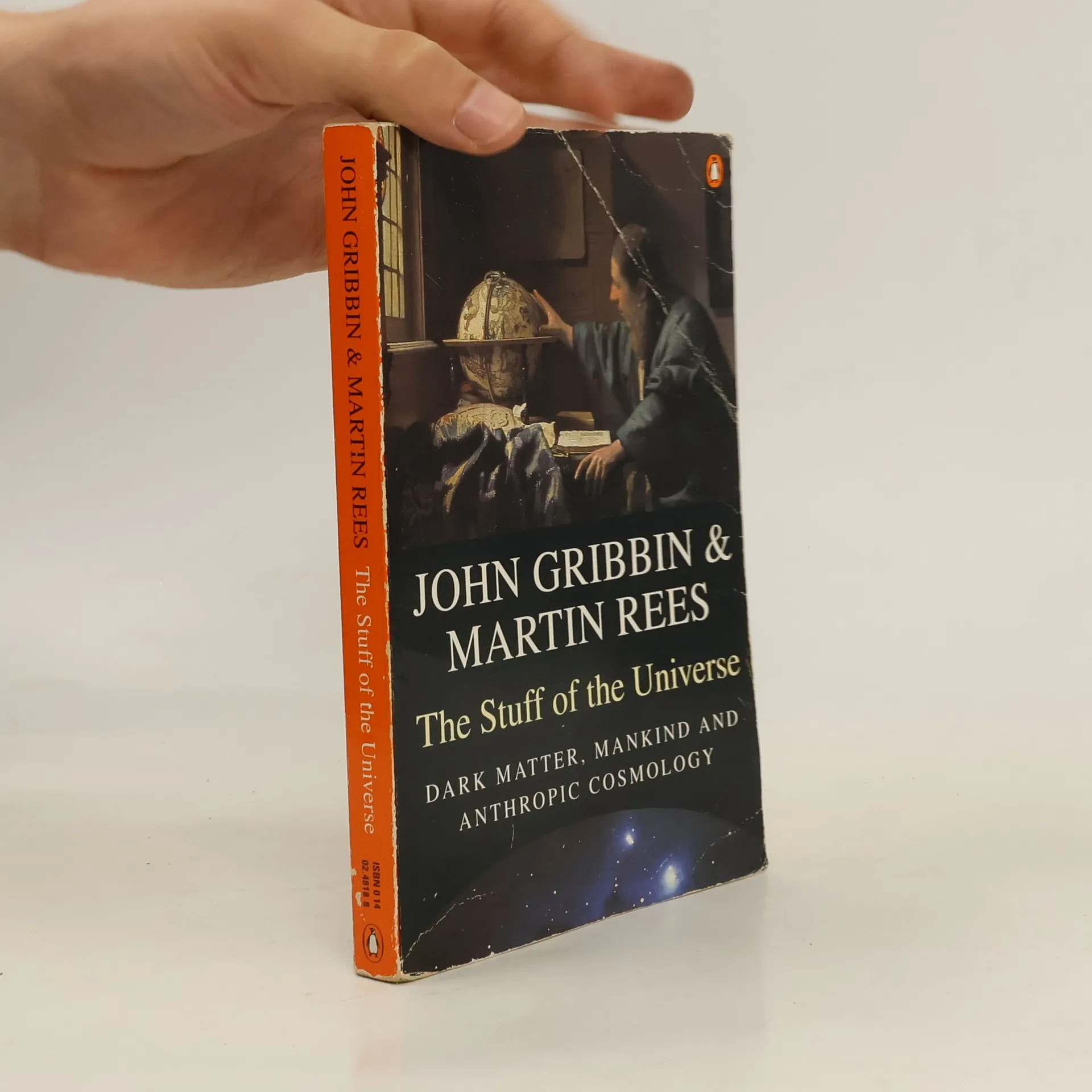
    The Stuff of the Universe
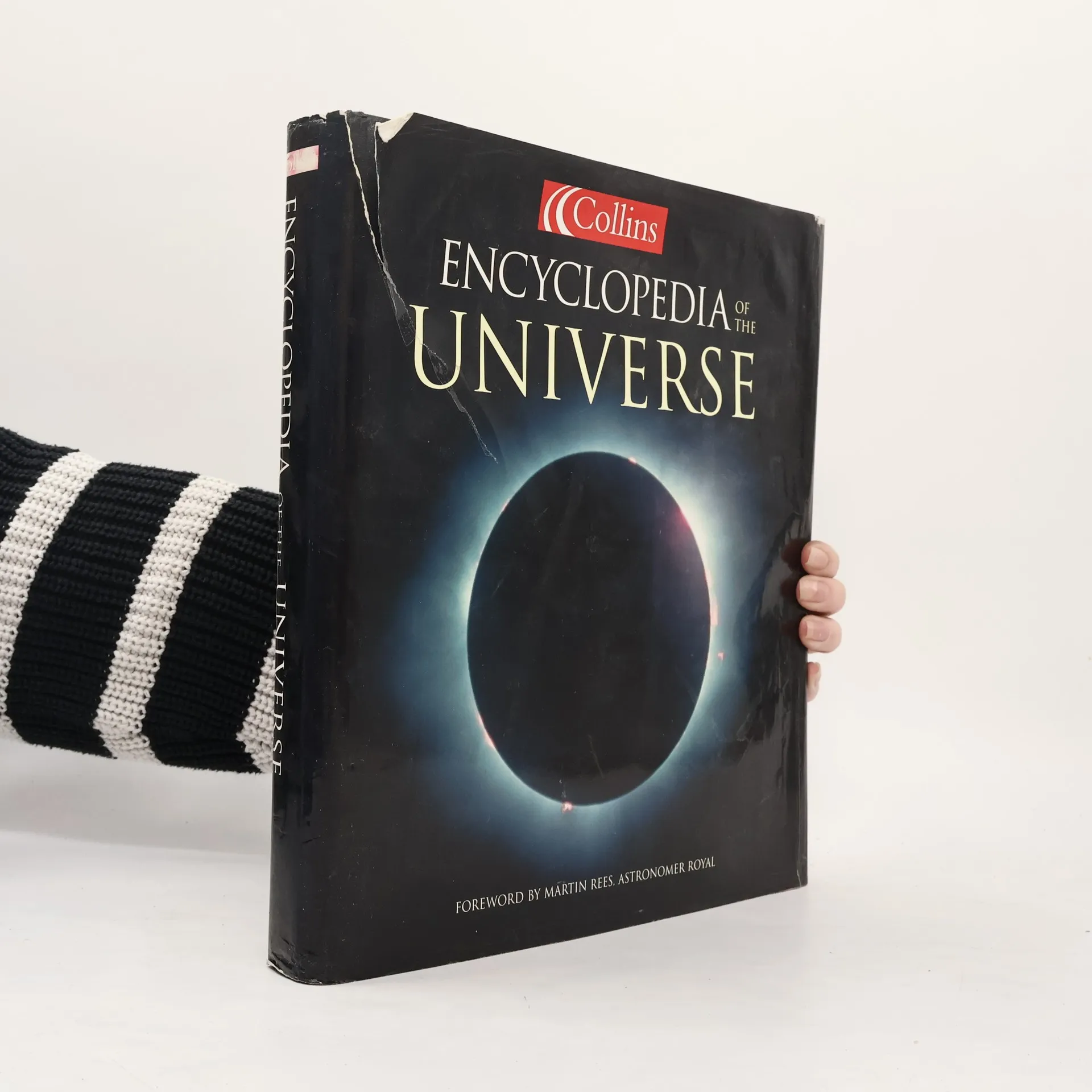
    Collins Encyclopedia of the Universe
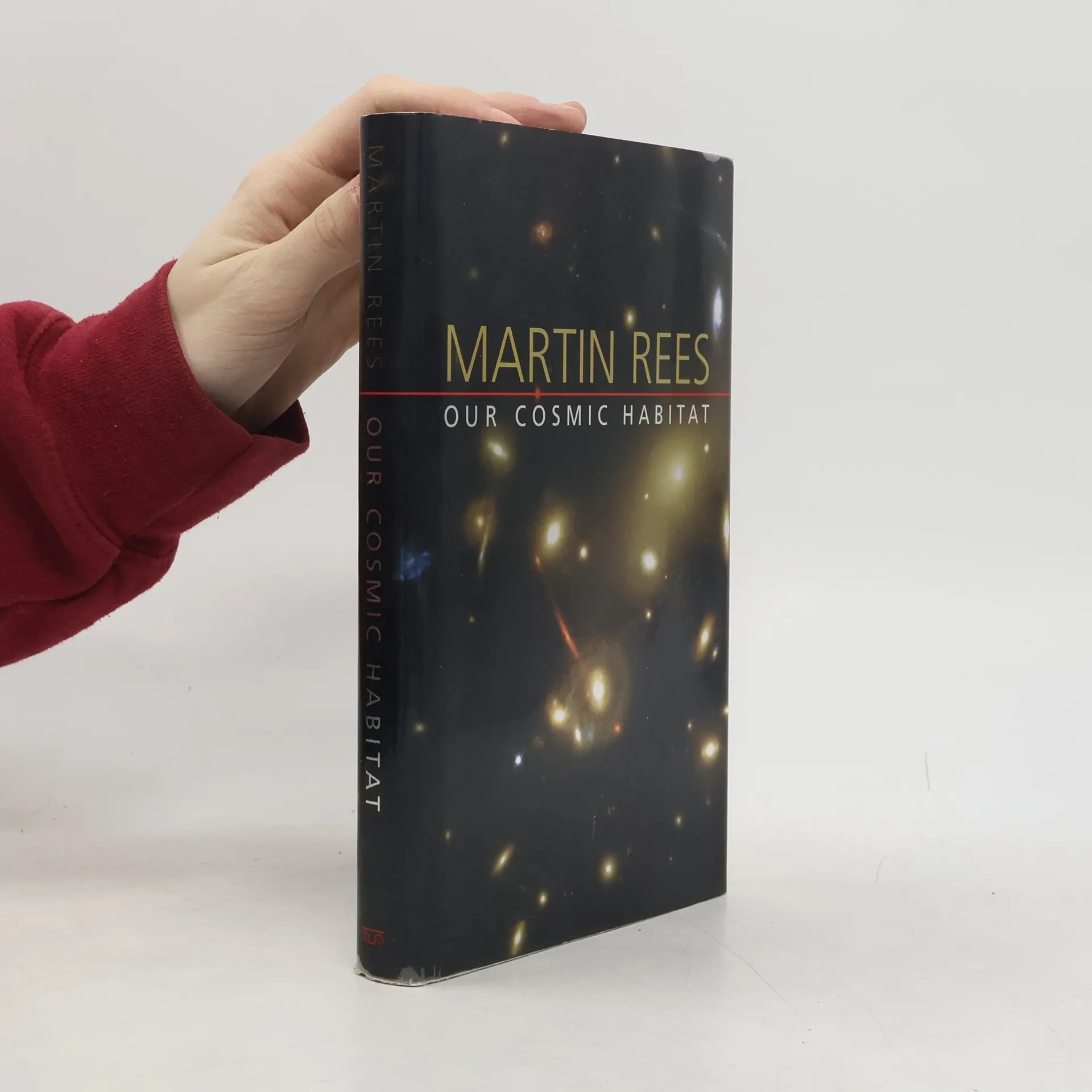
    Our Cosmic Habitat
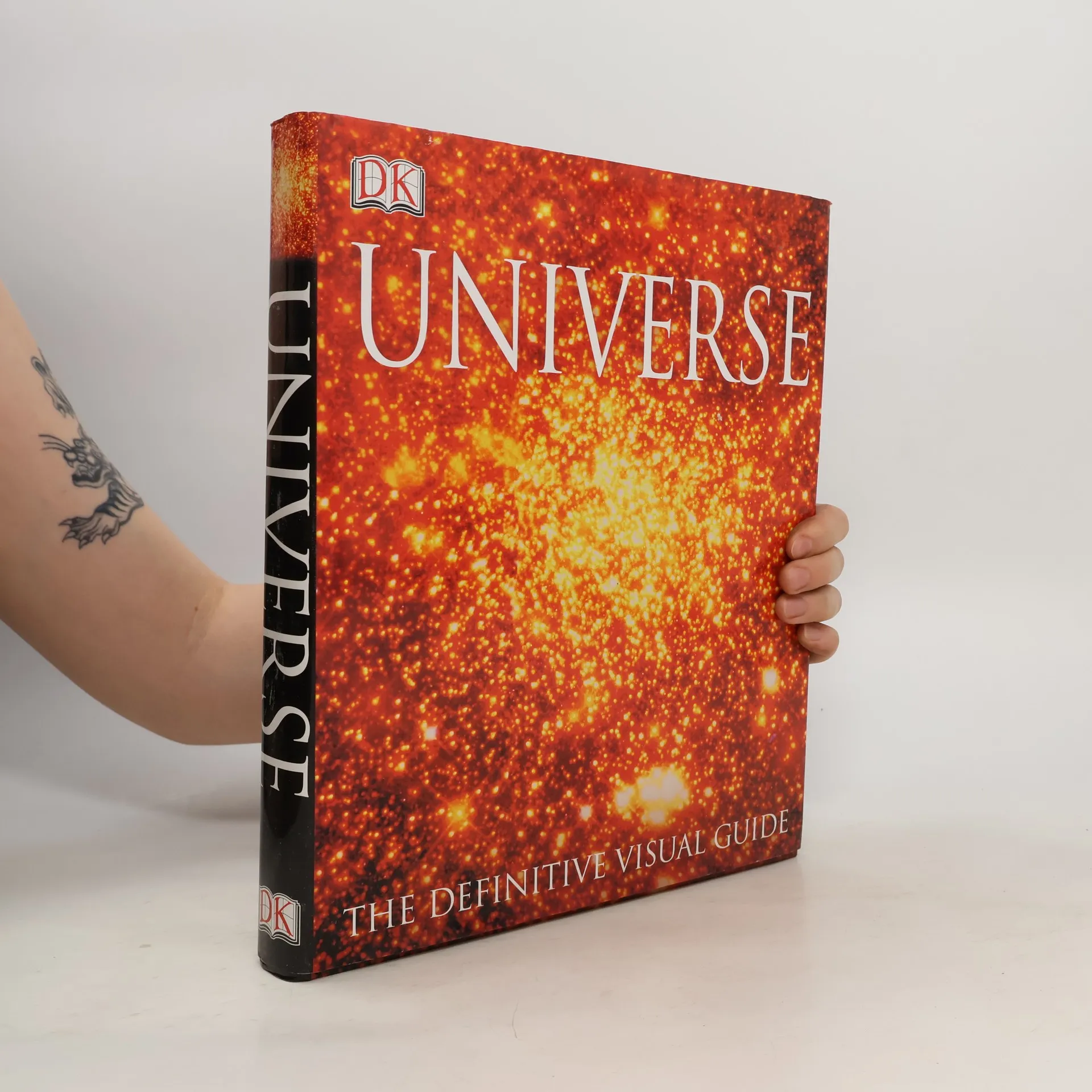
    Universe
    Il secolo finale
    • Il secolo finale

      Perché l'umanità rischia di autodistruggersi nei prossimi cento anni

      • 213pagine
      • 8 ore di lettura
      Il secolo finale
      3,7
    • Universe

      • 512pagine
      • 18 ore di lettura

      Exceptional full-color photographs representing the latest captures from space telescopes and detailed digital artwork enhance a comprehensive study of the world of outer space, from Earth's closest neighbors in the solar system to the farthest galaxies, documenting the planets, their moons, stars, galaxies, supernovas, and other celestial phenomena.

      Universe
      4,4
    • Our Cosmic Habitat

      • 240pagine
      • 9 ore di lettura

      Our universe appears remarkably "biophilic," raising questions about whether this is mere chance, divine design, or coincidence. Cosmologist Martin Rees delves into this inquiry, reflecting on Einstein's question of whether God could have created the world differently. The book investigates the implications of a "yes" answer, proposing that our universe may be part of a vast "multiverse" where most other universes are devoid of life. In this view, the laws of nature are merely local regulations established post-Big Bang, suggesting our universe is a unique haven for life. Rees examines our solar system and addresses related topics, including the likelihood of life and the credibility of the Big Bang theory. He contemplates the long-term future of the cosmos and traces its origins back to a singularity. He grapples with the paradox of a universe that spans 10 billion light-years emerging from an infinitesimal point. Rees posits that we might already sense the existence of other universes, yet the multiverse concept's viability hinges on understanding the fundamental nature of space and time at scales far smaller than atoms, governed by quantum gravity. This exploration of the cosmos will captivate both scientists and general readers intrigued by the universe we inhabit.

      Our Cosmic Habitat
      4,3
    • Collins Encyclopedia of the Universe

      • 384pagine
      • 14 ore di lettura

      This illustrated encyclopedia sets out to explain how the Universe works and to describe every feature. It covers the discovery and explanation of the universe from the Ancient Greeks - who thought that the night literally had a thousand eyes sewn onto a mantle by the celestial nightwatchman Argos - up to the present day understanding of black holes, worm holes and the theoretical development of time machines. The book is designed to bring all the history and concepts to life providing an up to date explanation of how the universe works.

      Collins Encyclopedia of the Universe
      4,0
    • In this exploration of our relationshop with the universe, the authors search for the grand design of the universe and the meaning of the so-called coincidences that allow life to exist on our planet. They present the latest advances in understanding of the nature of dark matter, explore mini and massive black holes, brown dwarfs and novel forms of matter such as quarks and quark nuggets. They discuss the search for a unified theory of all the particles and forces of nature: cosmic strings, superstrings and the possibility of a theory of everything. The authors also speculate on the possibility of the existence of other universes and of other intelligent life in our own.

      The Stuff of the Universe
      4,0
    • Just Six Numbers

      The Deep Forces That Shape the Universe

      • 208pagine
      • 8 ore di lettura

      How did a single "genesis event" create billions of galaxies, black holes, stars and planets? How did atoms assemble -- here on earth, and perhaps on other worlds -- into living beings intricate enough to ponder their origins? What fundamental laws govern our universe?This book describes new discoveries and offers remarkable insights into these fundamental questions. There are deep connections between stars and atoms, between the cosmos and the microworld. Just six numbers, imprinted in the "big bang," determine the essential features of our entire physical world. Moreover, cosmic evolution is astonishingly sensitive to the values of these numbers. If any one of them were "untuned," there could be no stars and no life. This realization offers a radically new perspective on our universe, our place in it, and the nature of physical laws.

      Just Six Numbers
      4,0
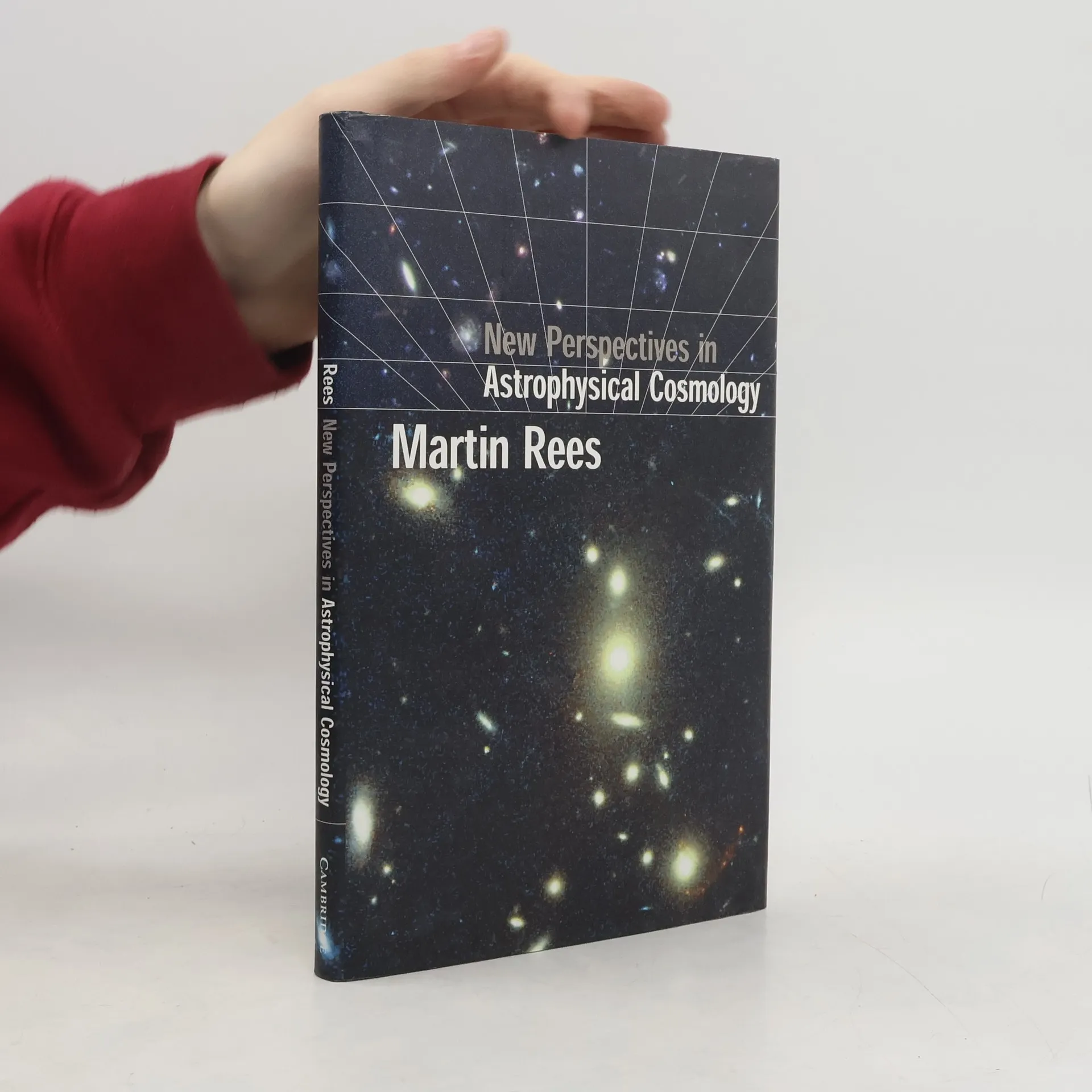
    • This volume presents an unique and accessible synthesis of modern cosmology. In recent years, observational cosmology has made remarkable advances, bringing into sharper focus a new set of fundamental questions that Martin Rees addresses in this book. Why is the universe expanding the way it is? What were the 'seeds' that caused galaxies, clusters and superclusters to form? What is the nature of 'dark matter'? What happened in the very early universe? The latest exciting advances and theories are discussed, while maintaining a clear distinction between aspects that now have a firm empirical basis and those that remain speculative.

      New Perspectives in Astrophysical Cosmology
      3,8
    • If Science is to Save Us

      • 200pagine
      • 7 ore di lettura

      There has never been a time when ‘following the science’ has been more important for humanity. At no other point in history have we had such advanced knowledge and technology at our fingertips, nor had such astonishing capacity to determine the future of our planet. But the decisions we must make on how science is applied belong outside the lab and should be the outcome of wide public debate. For that to happen, science needs to become part of our common culture. Science is not just for scientists: if it were, it could never save us from the multiple crises we face. For science can save us, if its innovations mesh carefully into society and its applications are channelled for the common good. As Martin Rees argues in this expert and personal analysis of the scientific endeavour on which we all depend, we need to think globally, we need to think rationally and we need to think long-term, empowered by twenty-first-century technology but guided by values that science alone cannot provide.

      If Science is to Save Us
      3,0
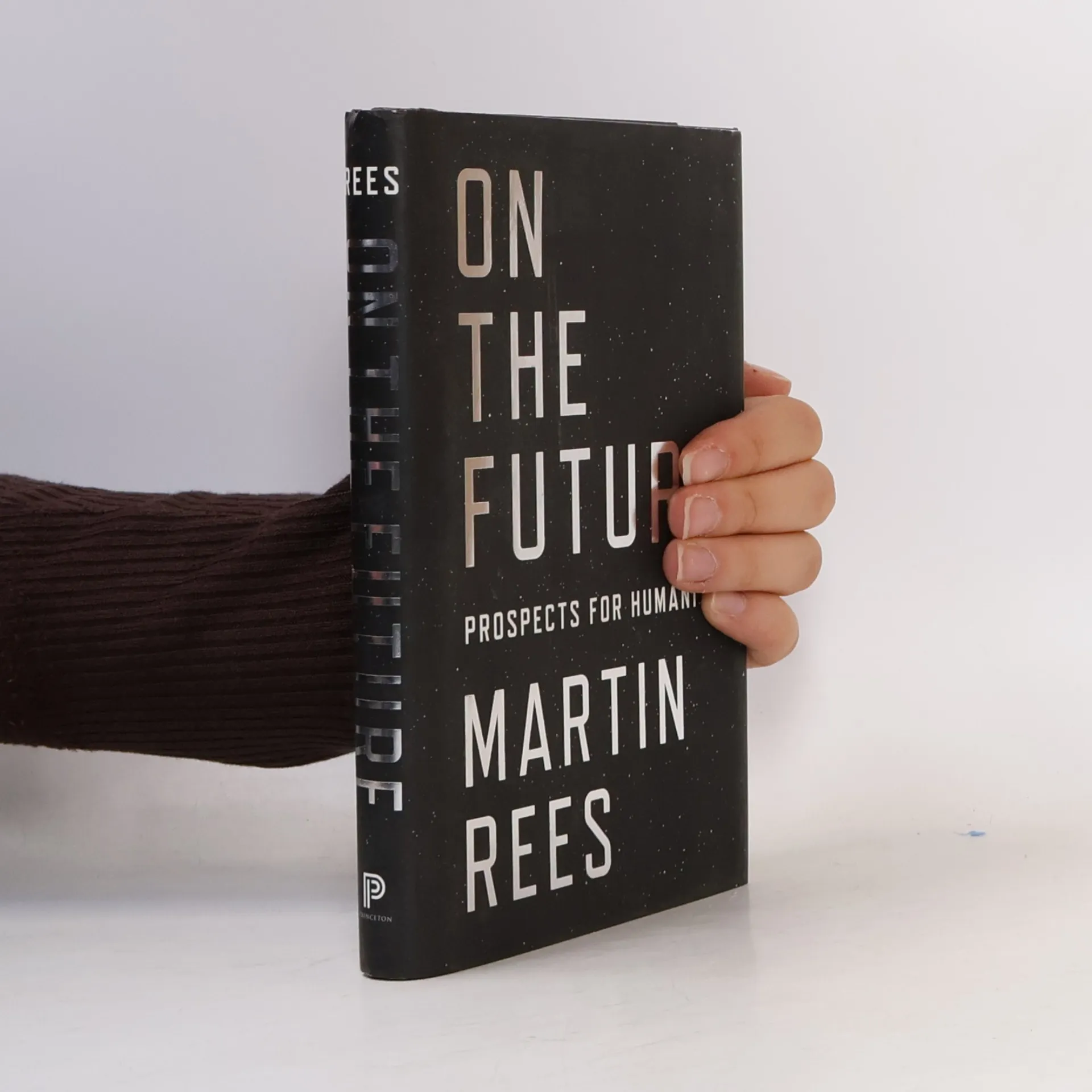
    • On the Future

      • 296pagine
      • 11 ore di lettura

      Humanity stands at a pivotal moment, facing existential risks in a rapidly changing world. While a range of outcomes—both positive and negative—are possible, our current approach is marred by short-term thinking, divisive debates, alarmist rhetoric, and pessimism. In this engaging book, renowned scientist and bestselling author Martin Rees emphasizes that our future hinges on a shift in how we plan for tomorrow. The fate of humanity is intertwined with the future of science and our ability to leverage technological advancements to tackle pressing challenges. To harness science effectively, we must adopt a rational, global, collective, and optimistic perspective focused on the long term. Innovations in biotechnology, cybertechnology, robotics, and artificial intelligence hold the potential to uplift both the developing and developed worlds, addressing threats like climate change and nuclear conflict. Additionally, advancements in space science could enable exploration of the solar system and beyond. However, there is no "Plan B" for Earth; we must prioritize the care of our planet. This accessible book offers intriguing insights into cutting-edge science and technology, appealing to anyone eager to grasp the critical issues shaping humanity's future on Earth and beyond.

      On the Future
      3,7
    • Gravity's Fatal Attraction

      • 350pagine
      • 13 ore di lettura

      Blending descriptive theoretical arguments with the latest observational results, Begelman and Rees present the evidence for black holes and their role in the Universe. This lavishly illustrated book is suitable for introductory undergraduate courses, and will also fascinate amateur astronomers and all readers interested in astronomy and physics.

      Gravity's Fatal Attraction
      4,3
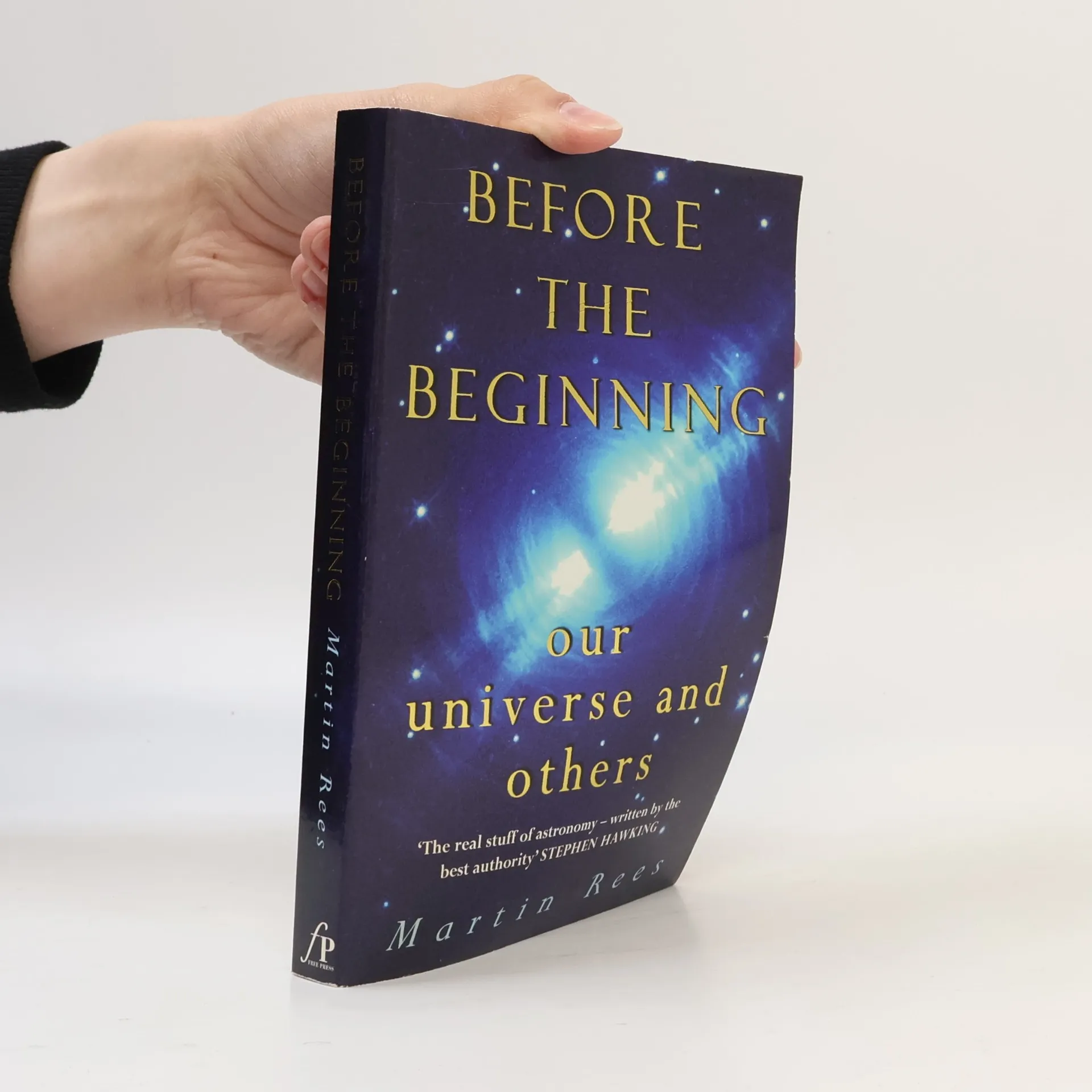
    • Vor dem Anfang

      • 352pagine
      • 13 ore di lettura

      Die Wissenschaft ist sich inzwischen weitgehend einig darüber, daß unser Universum vor etwa 15 Milliarden Jahren durch den Urknall entstanden ist. Aus der expandierenden und sich abkühlenden Materie bildeten sich die Sterne und Galaxien, die wir heute beobachten. Könnte es sein, daß durch andere derartige Explosionen weitere Universen entstanden, von denen wir nichts wissen und von denen wir durch unüberwindbare Hindernisse getrennt sind? Daß in diesen Universen ganz andere physikalische Gesetze herrschen? Dann wäre unser Universum nur ein Archipel in einem unendlichen Meer aus anderen Universen, freilich eines, das ganz besonders ist. Seine Entwicklung ist noch relativ jung, und es gibt dort Wesen, die in der Lage sind, ihr Universum zu beobachten. Sir Martin Rees, einer der renommiertesten Astronomen der Welt, widmet sich in seinem Buch diesen und anderen Fragen. In einer bewundernswert klaren Darstellung beschreibt er den augenblicklichen Stand der Forschung und gibt auch Einblicke, wie Wissenschaft „gemacht“ wird: Er kennt die Hauptakteure persönlich, ihre Argumente und Kontroversen und kann stichhaltig begründen, warum manche sinnvoll, andere fragwürdig sind.

      Vor dem Anfang
      3,5
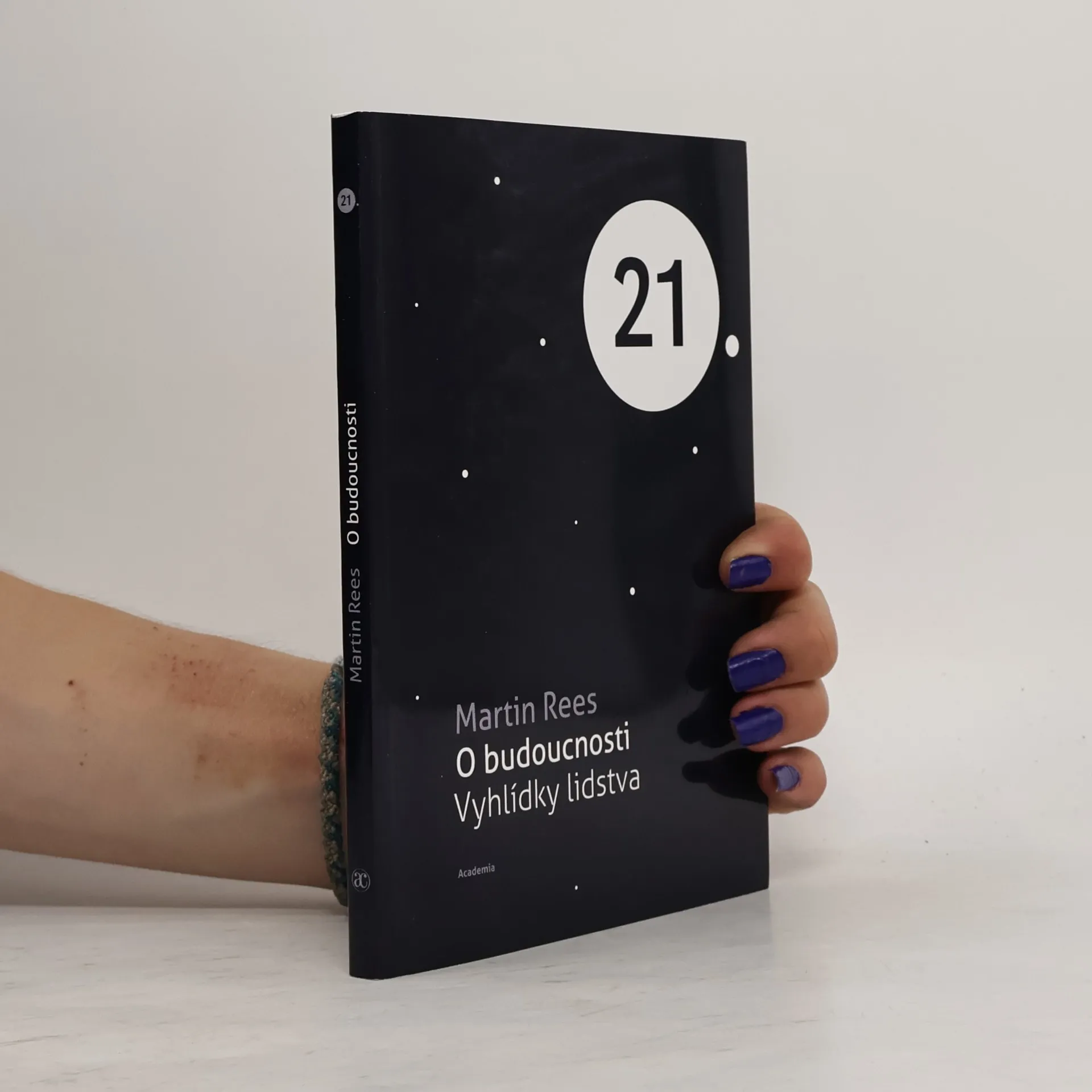
    • Budoucnost lidstva na Zemi zásadně závisí na budoucnosti vědy a na tom, jak úspěšně k řešení svých problémů využijeme technologický pokrok. Musíme však myslet racionálně, globálně, kolektivně, optimisticky a předvídat daleko dopředu. Pokrok v biotechnologii, kybernetice, robotice a v rozvoji umělé inteligence – pokud se bude uplatňovat rozumně – nám umožní pomoci rozvojovým zemím a překonat hrozby, kterým lidstvo čelí – od klimatické změny po jadernou válku. Kniha O budoucnosti přináší v přístupné a čtivé formě fascinující vhled do nejmodernější vědy a technologie každému, kdo chce porozumět stěžejním problémům, které budou definovat budoucnost lidstva na Zemi i ve vesmíru.

      O budoucnosti : vyhlídky lidstva
      3,7
    • Wenn uns Wissenschaft retten soll

      • 200pagine
      • 7 ore di lettura

      Noch nie war es für die Menschheit so wichtig, der Wissenschaft zuzuhören. Ein hoch entwickeltes Wissen und eine fortschrittliche Technologie wie nie zuvor in der Geschichte sind beste Voraussetzungen, um die Zukunft unseres Planeten zu bestimmen. Doch die Entscheidungen, die wir über die Anwendung der Wissenschaft treffen, können nicht aus dem Labor kommen, sie müssen vielmehr das Ergebnis einer breiten öffentlichen Debatte sein. Die Wissenschaft muss Teil unserer Kultur werden. Wie Martin Rees in dieser fachkundigen und persönlichen Analyse zeigt, müssen wir global, rational und langfristig denken, auf der Grundlage der Technologie des 21. Jahrhunderts, aber geleitet von Werten, die von der Wissenschaft nicht vorgegeben werden können.

      Wenn uns Wissenschaft retten soll
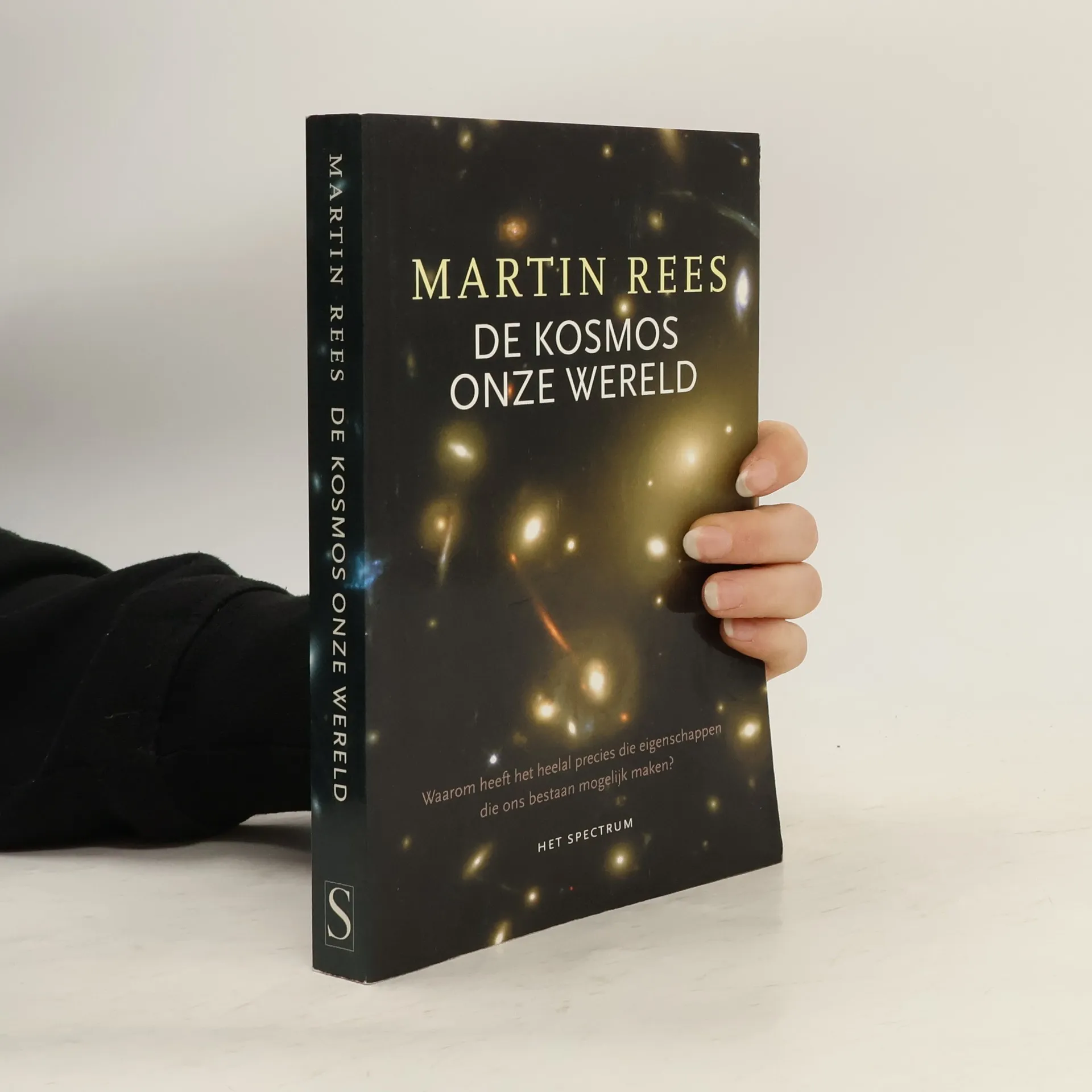
    • De kosmos onze wereld

      Waarom heeft het heelal precies die eigenschappen die ons bestaan mogelijk maken?

      • 236pagine
      • 9 ore di lettura
      De kosmos onze wereld
    • dtv Wissen: Das Rätsel unseres Universums

      Hatte Gott eine Wahl?

      • 218pagine
      • 8 ore di lettura

      Ist Leben Zufall, Vorsehung oder Notwendigkeit? Dazu muss man eine Frage beantworten, die schon Albert Einstein stellte: »Hätte Gott die Welt auch anders erschaffen können?« Lautet die Antwort »Ja«, so hat das faszinierende Konsequenzen, die uns Martin Rees erläutert. »Vermutlich muss man wie Rees Königlich-britischer Hofastronom sein, um ein Buch vorlegen zu können, das problemlos den einen oder anderen Hawking zu ersetzen vermag – sei es als grundlegender Reiseführer für zukünftige Weltraumpioniere oder als Kompensationslektüre der Daheimgebliebenen.« Frankfurter Rundschau

      dtv Wissen: Das Rätsel unseres Universums
    • Vor dem Anfang

      Eine Geschichte des Universums

      • 352pagine
      • 13 ore di lettura

      Gibt es neben unserem noch andere Universen? Wie und wann sind sie entstanden? Welche physikalischen Gesetze herrschen dort? – Die Grundfragen der Kosmologie, beantwortet von Martin Rees, einem der renommiertesten Astronomen der Welt.(Dieser Text bezieht sich auf eine frühere Ausgabe.)

      Vor dem Anfang