John Gribbin è uno scrittore scientifico britannico e astrofisico il cui lavoro abbraccia una vasta gamma di argomenti, dalla fisica quantistica e le origini dell'universo all'evoluzione umana e al cambiamento climatico. È celebrato per la sua prosa coinvolgente, che traduce magistralmente idee scientifiche complesse per un pubblico generale. Gli scritti di Gribbin spesso approfondiscono domande fondamentali sulla realtà e il posto dell'umanità nel cosmo. Oltre alla sua saggistica, esplora anche temi speculativi attraverso la fantascienza.
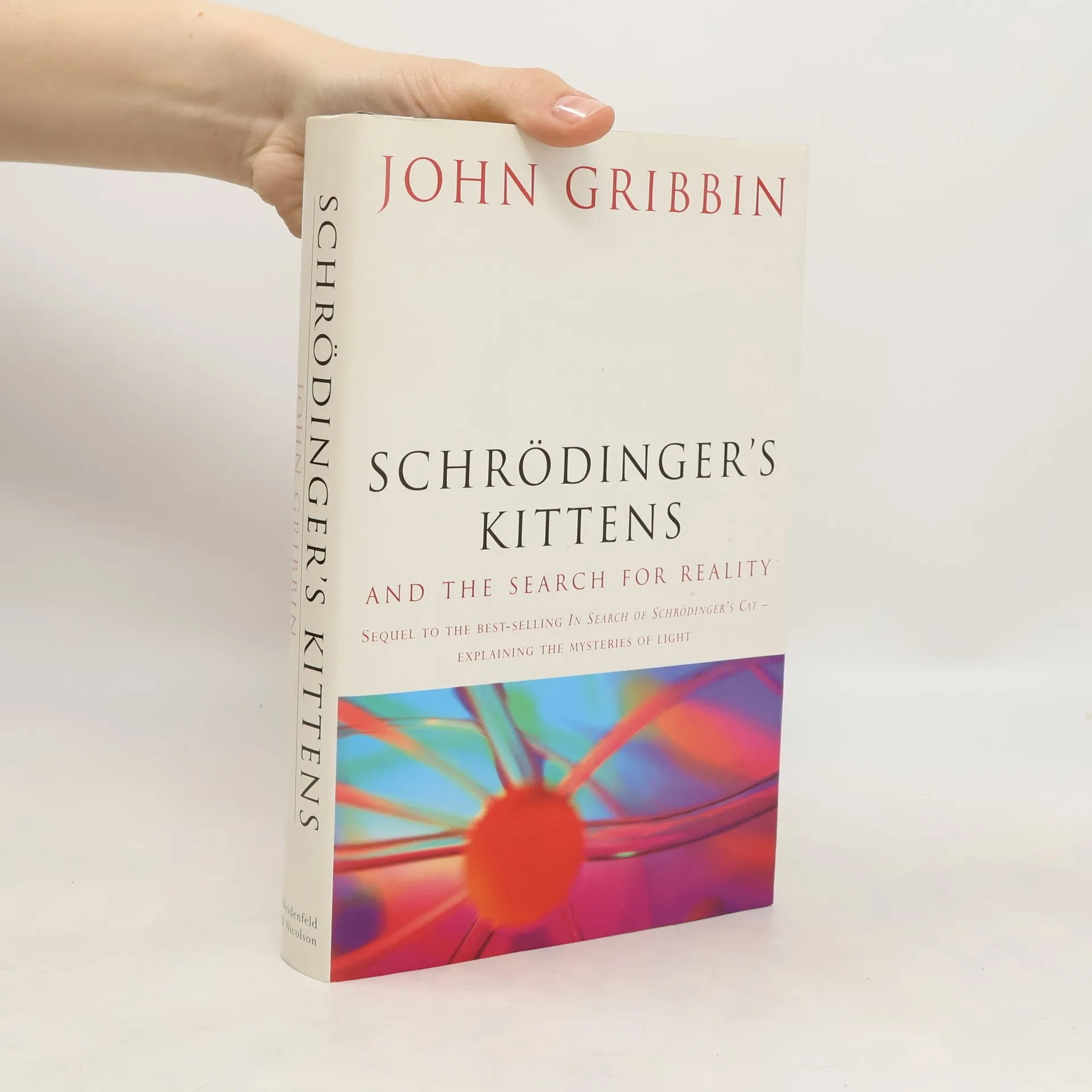
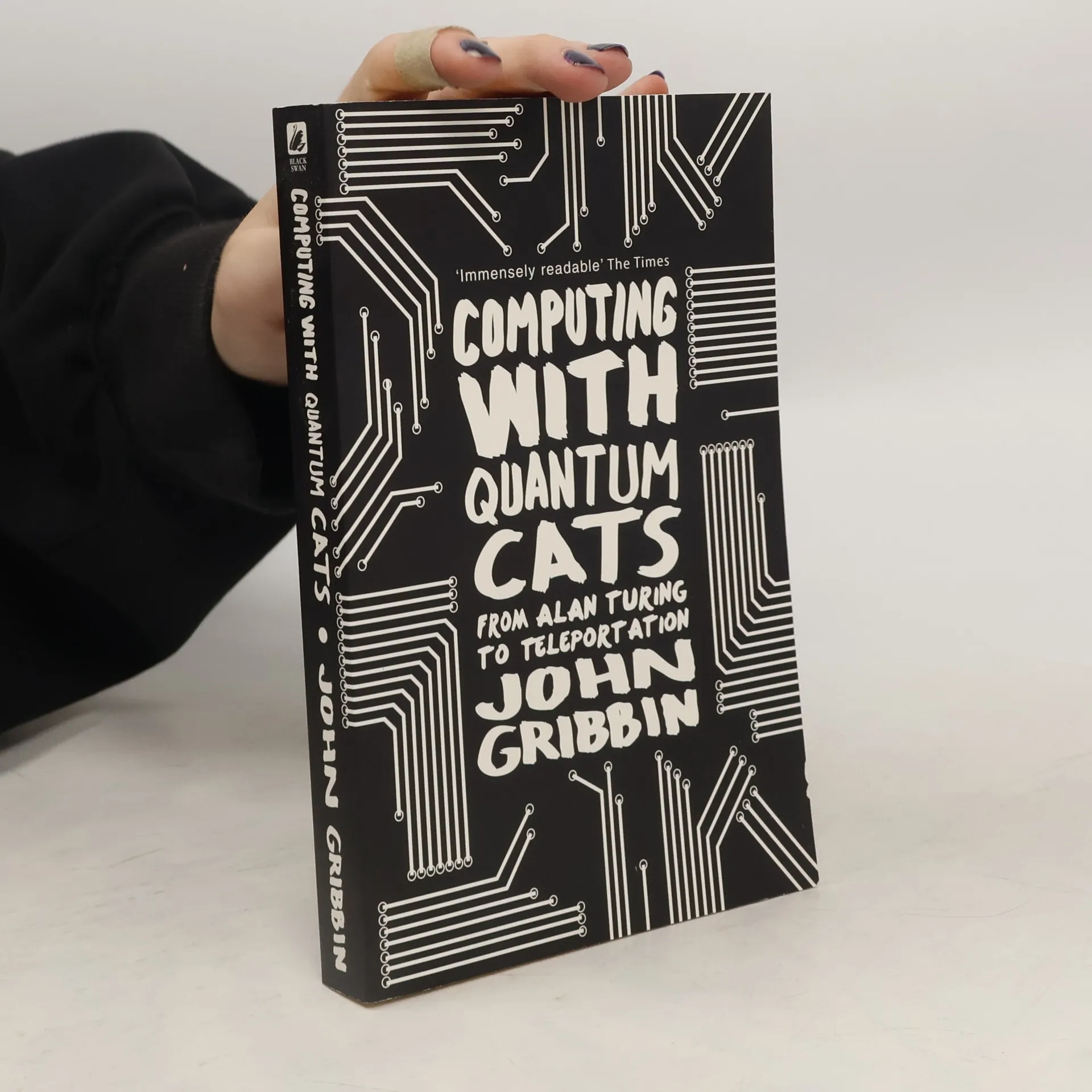
Gribbin presents the recent dramatic improvements in experimental techniques that have enabled physicists to formulate and test new theories about the nature of light. He describes these theories not in terms of hard-to-imagine entities like spinning subnuclear particles, but in terms of the fate of two small cats separated at a tender age and carried to opposite sides of the universe.
Obvious questions do not always have obvious answers. John Gribbin is known for giving us simple explanations of big concepts in science. But there is another way to probe the mysteries of the Universe and our place in it. Faced with persistent enquiries from his grandchildren, Gribbin realised that simple questions, such as 'Why is the sky blue?', sometimes require big answers, understandable in straightforward language. In answering those simple questions, he discovered that he was telling the story of our place in the Universe, from the Big Bang to the evolutionary reasons why men are, on average, bigger than women. The questions may be obvious, but the answers are sometimes surprising and highlight one of the main joys of science - discovering the unexpected. In this book, Gribbin invites the reader to join him on this voyage of discovery, where you may think you already know the answers but should be prepared to be surprised - or at least, tantalised by the truth.
Exploring the bewildering realm of quantum mechanics, this book delves into the scientific breakthroughs that have shaped modern understanding of the universe. John Gribbin presents the key figures behind quantum theory and examines its implications on various fields, including molecular biology and technology. Through engaging narratives, he tackles complex concepts like atoms, radiation, and the nature of reality, culminating in the iconic thought experiment of Schrödinger's Cat. This edition celebrates the centenary of quantum theory, making it an essential read for anyone curious about the science that underpins our world.
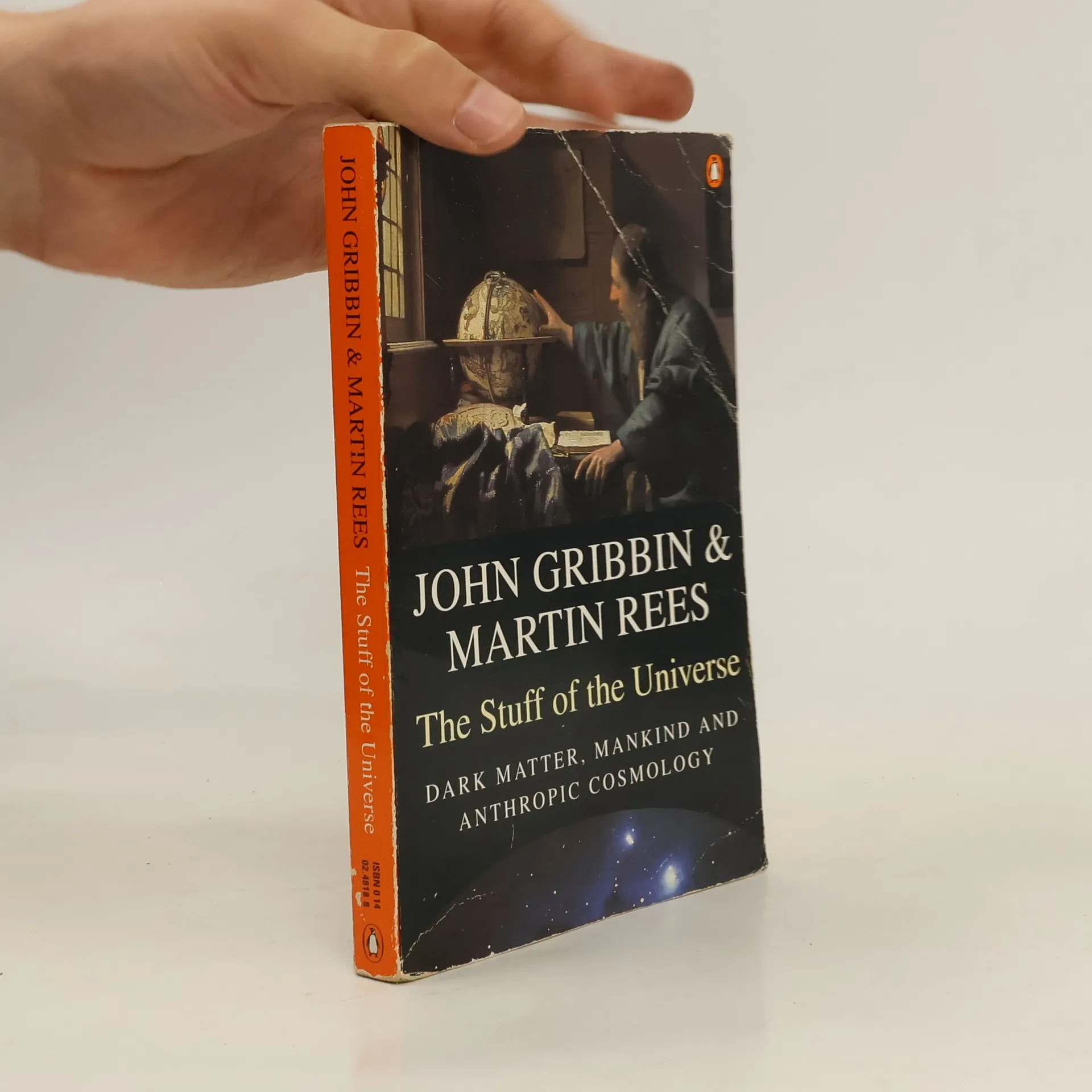
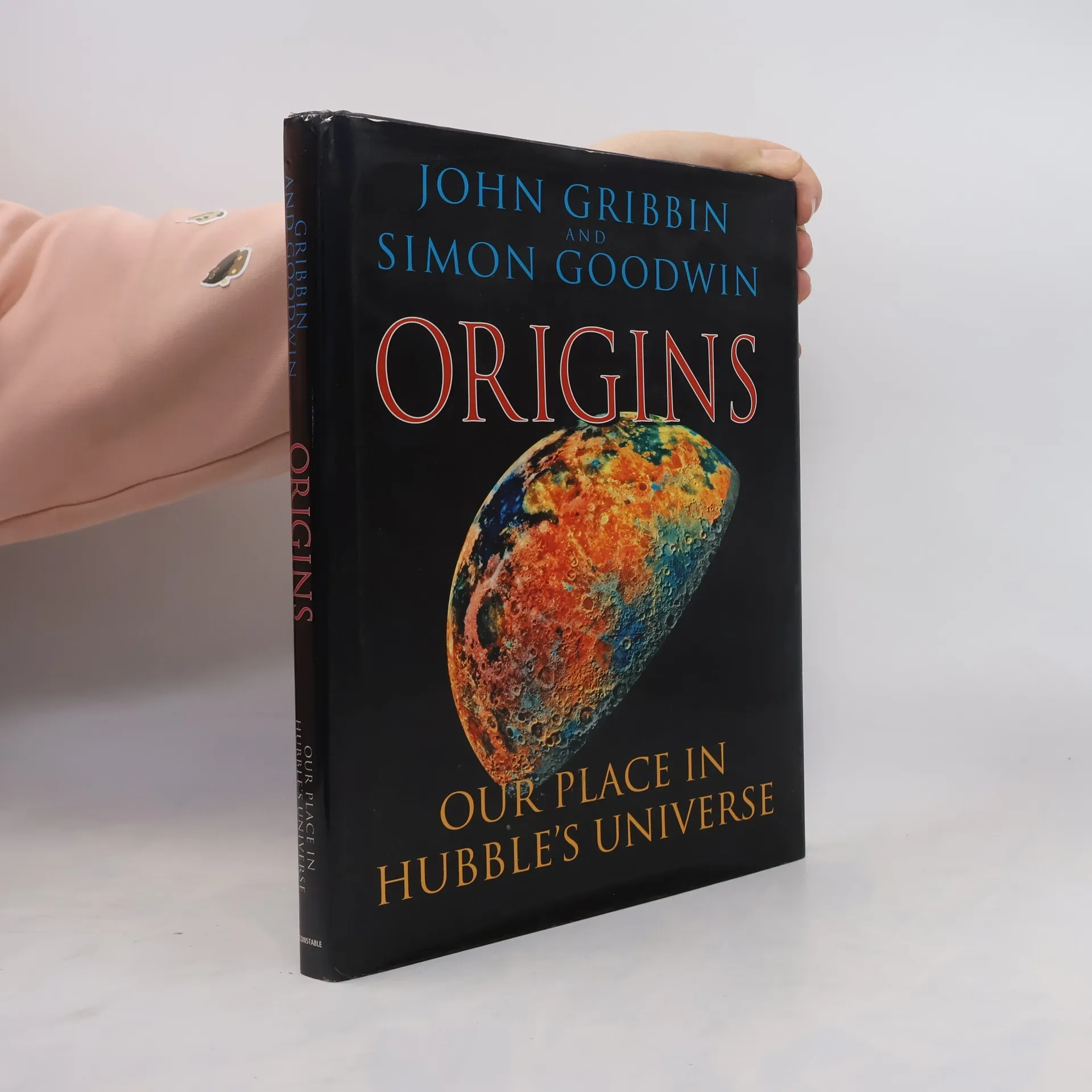
In this exploration of our relationshop with the universe, the authors search for the grand design of the universe and the meaning of the so-called coincidences that allow life to exist on our planet. They present the latest advances in understanding of the nature of dark matter, explore mini and massive black holes, brown dwarfs and novel forms of matter such as quarks and quark nuggets. They discuss the search for a unified theory of all the particles and forces of nature: cosmic strings, superstrings and the possibility of a theory of everything. The authors also speculate on the possibility of the existence of other universes and of other intelligent life in our own.
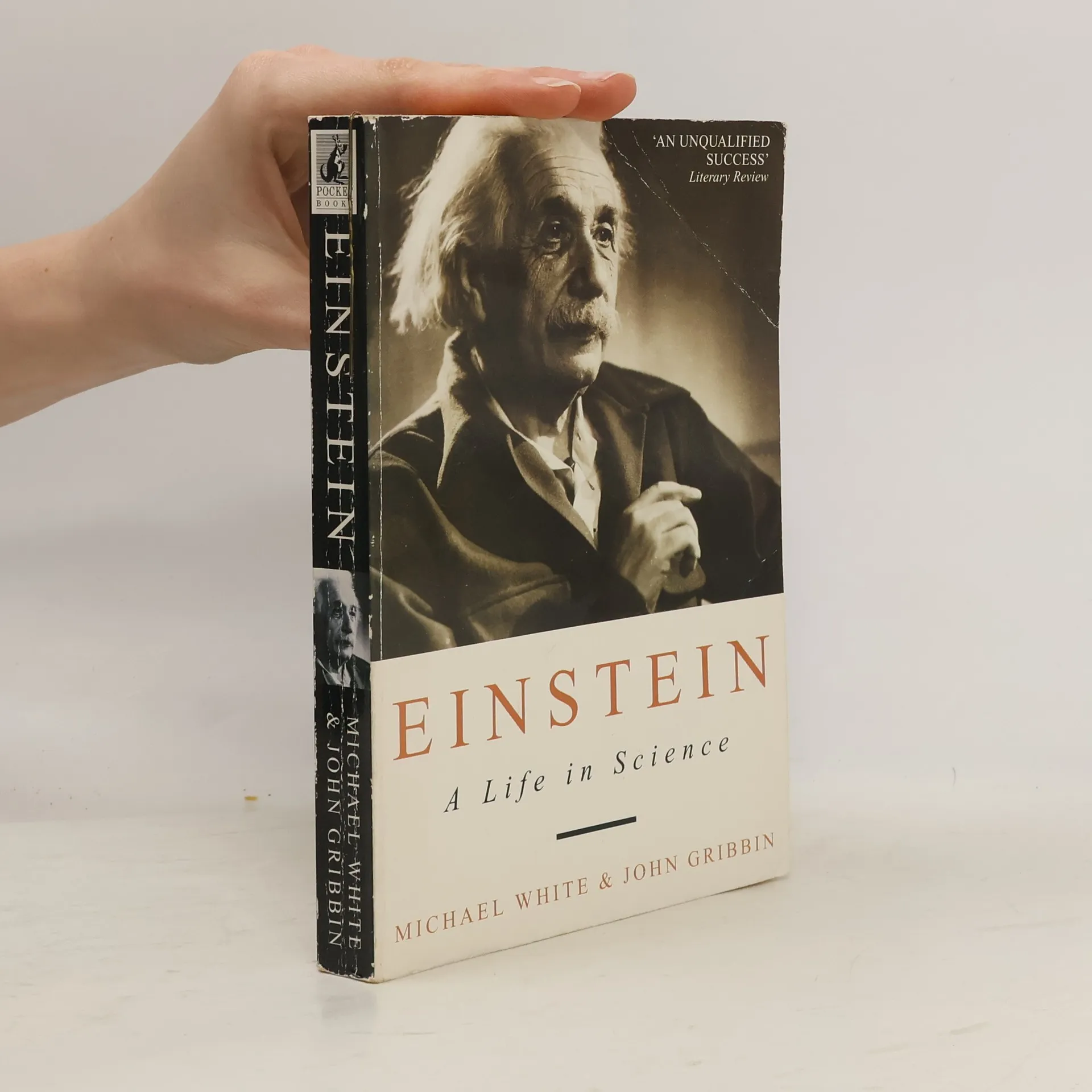
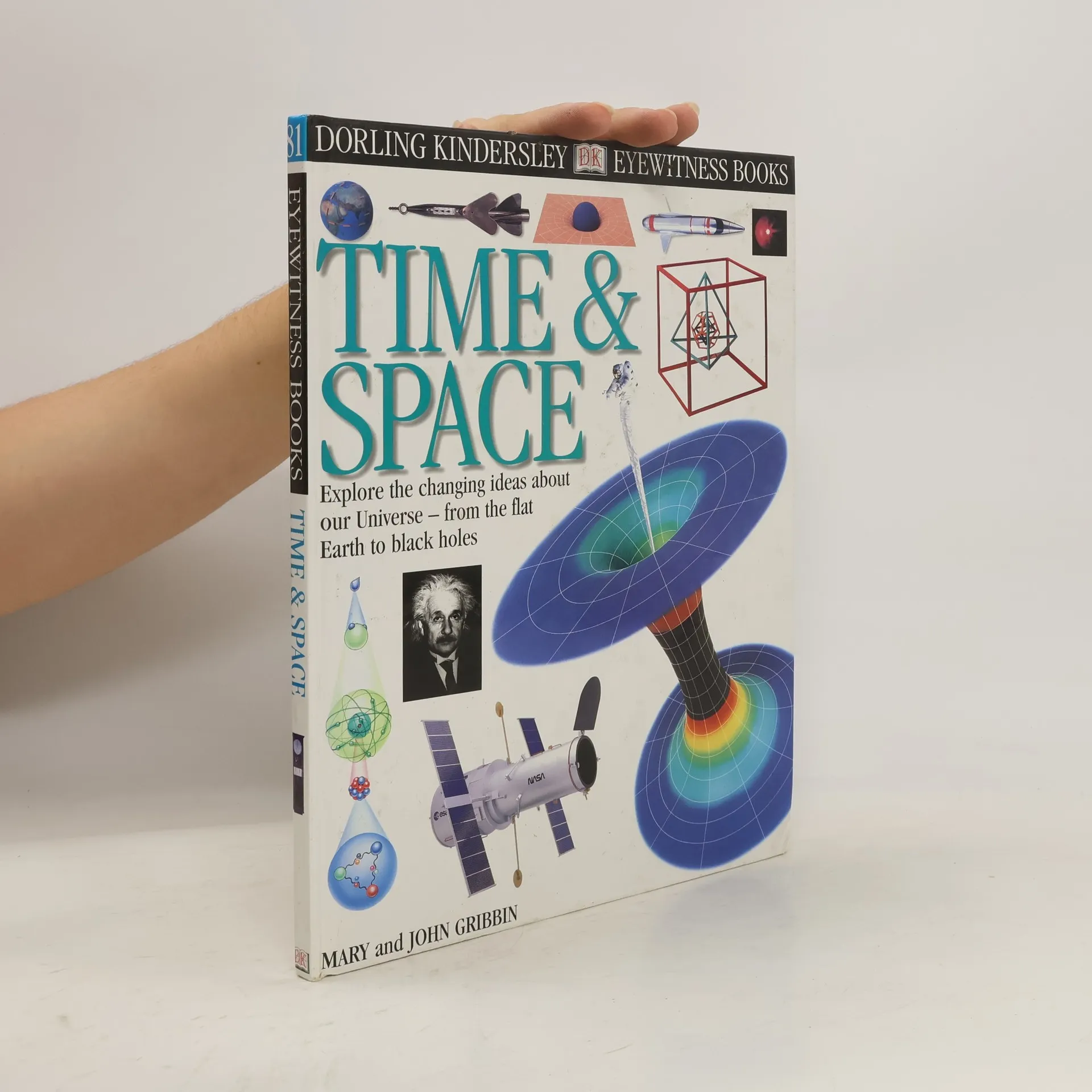
The dishevelled figure of Albert Einstein is prominent in 20th-century history. This book attempts to elucidate his special and general theories of relativity, as well as electromagnetism, space-time and other mysteries. It aims to enable readers to appreciate the great physicist's achievements by laying out the context in which he developed his theories and the way that they were received. It also links Einstein's political and personal life with the turbulent history of his time, giving readers the background and an insight into this remarkable man.
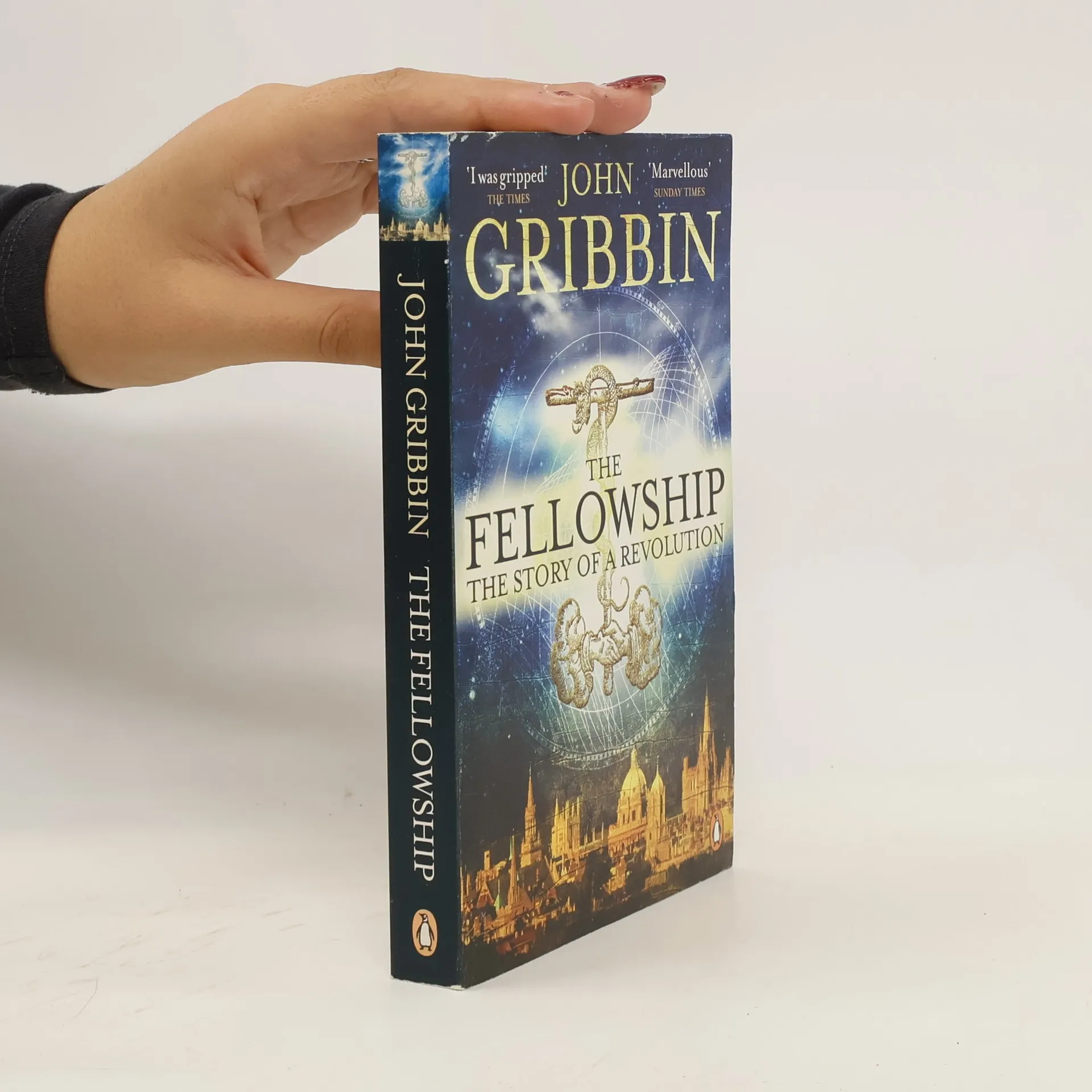
From the bestselling author of A History comes the enthralling story of a revolution that shook the world. Seventeenth-century England was racked by civil war, plague and fire; a world ruled by superstition and ignorance. A series of meetings of 'natural philosophers' in Oxford and London saw the beginning of a new method of thinking based on proof and experiment. John Gribbin's gripping, colourful account of this unparalleled time of discovery explores the impact of the Royal Society, culminating with Isaac Newton's revolutionary description of the universe and Edmund Halley's prediction of the return of a comet in 1759. This compelling book shows the triumph not as the work of one isolated genius, but of a Fellowship.
There is about 10 times more dark matter (DM, also known here as Alice matter) than bright stuff in our Galaxy. The DMis spread out in a roughly uniformsphere (a spherical distribution of Alice stars), with our flattened disk Galaxy embedded in it. The Alice matter , is a kind of mirror image shadow stuff; the term looking glassmatter has been used by some scientists. Alicematter can be turned into ordinary matter (and vice versa) by sending it through a loop of Alice string, a naturally occurring cosmic phenomenon. Aliens in the DM world, more advanced than we are, have discovered the trace of 10 per cent normal matter in their universe. And have come to investigate it. Our disk is a perturbation that they are puzzled about. Publisher
The History, Theory, and Application of a Revolutionary Science
304pagine
11 ore di lettura
The revolution is here. In breakthrough after breakthrough, pioneering physicists are unlocking a new quantum universe which provides a better representation of reality than our everyday experiences and common sense ever could. The birth of quantum computers - which, like Schrödinger's famous dead-and-alive cat, rely on entities like electrons existing in a mixture of states - is starting to turn the computing world on its head. In his fascinating study of this cutting-edge technology (first published as Computing with Quantum Cats and now featuring a new foreword), John Gribbin updates his previous views on the nature of quantum reality, arguing for a universe of many parallel worlds where 'everything is real'. Looking back to Alan Turing's work on the Enigma machine and the first electronic computer, Gribbin explains how quantum theory developed to make quantum computers work in practice as well as in principle. He takes us beyond the arena of theoretical physics to explore their practical applications - from machines which learn through 'intuition' and trial and error to unhackable laptops and smartphones. And he investigates the potential for this extraordinary science to allow communication faster than light and even teleportation, as we step into a world of infinite possibility.
John Gribbin, author of Six Impossible Things, shortlisted for the Royal
Society Insight Investment Science Book Prize, presents a tour of seven
fundamental scientific truths that underpin our very existence. These 'pillars
of science' also defy common sense. For example, solid things are mostly empty
space, so how do they hold together? There appears to be no special 'life
force', so how do we distinguish living things from inanimate objects? And why
does ice float on water, when most solids don't? You might think that question
hardly needs asking, and yet if ice didn't float, life on Earth would never
have happened. The answers to all of these questions were sensational in their
day, and some still are. Throughout history, science has been able to think
the unthinkable - and Gribbin brilliantly shows the surprising secrets on
which our understanding of life is based.
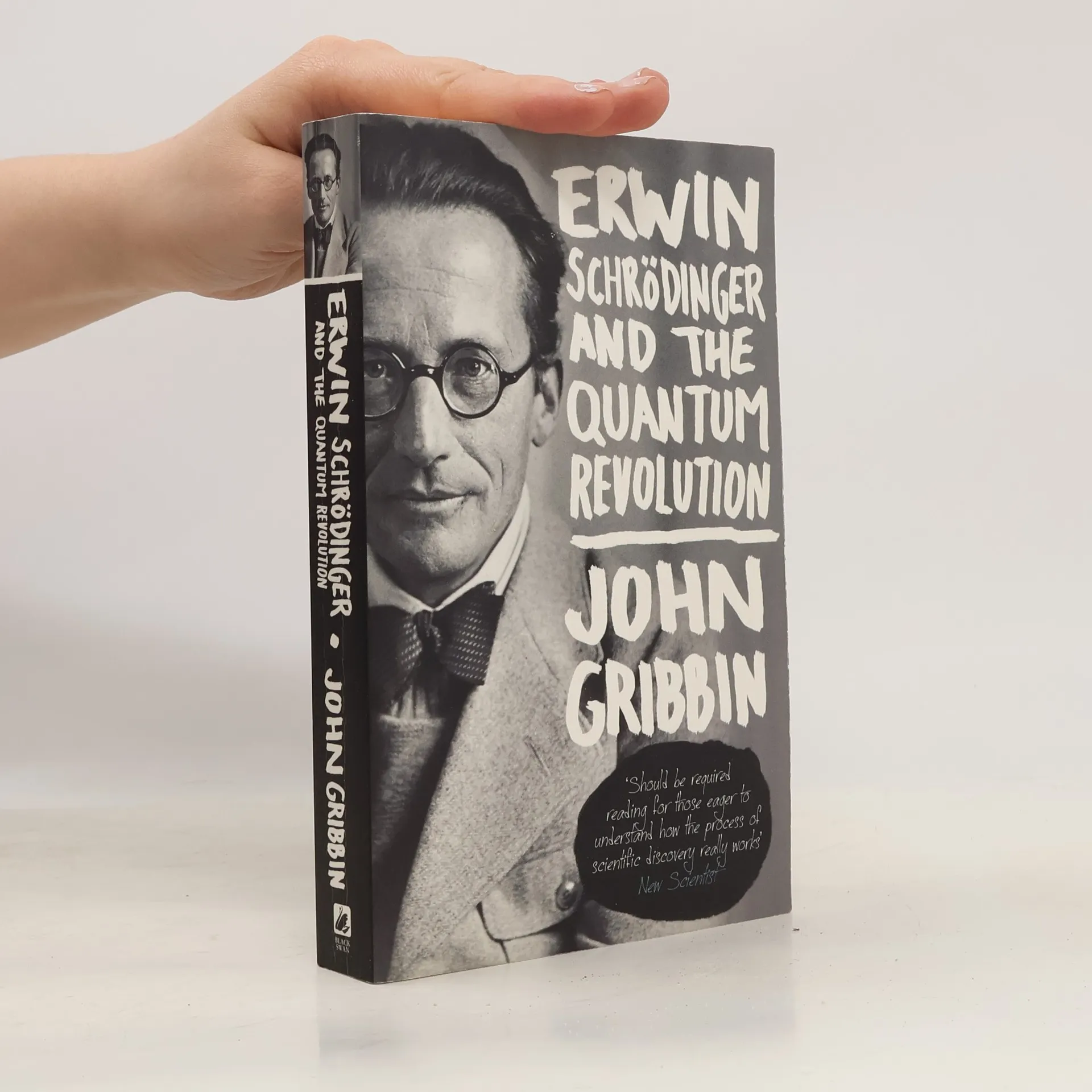
Erwin Schrödinger was an Austrian physicist famous for his contribution to quantum physics. In this biography, John Gribbin takes us into the heart of the quantum revolution.
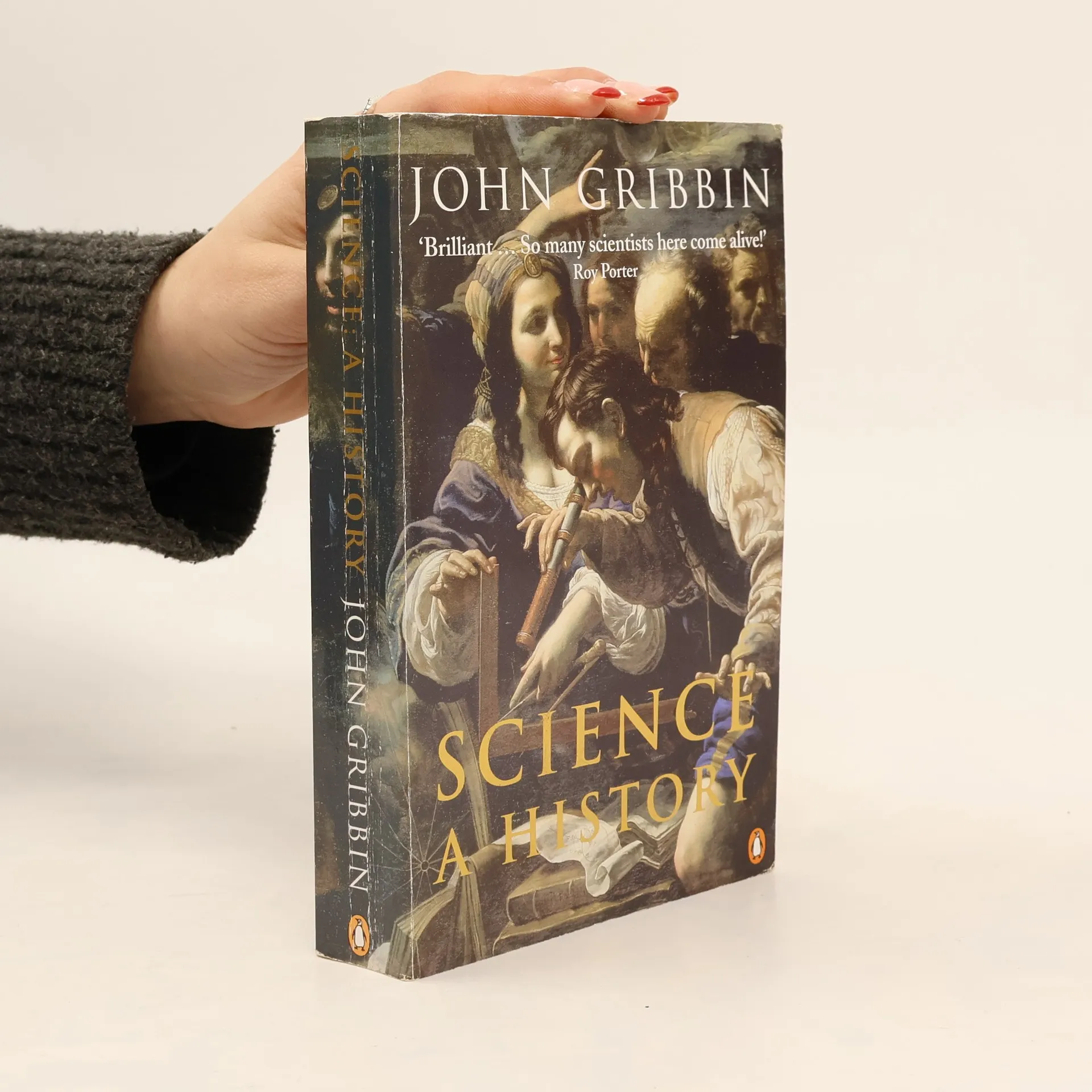
This title begins with Galileo and takes the reader through to the scientific developments of string theory. An accessible narrative history, it focuses on the way in which science has progressed by building on what went before and details the work of science's greatest minds.
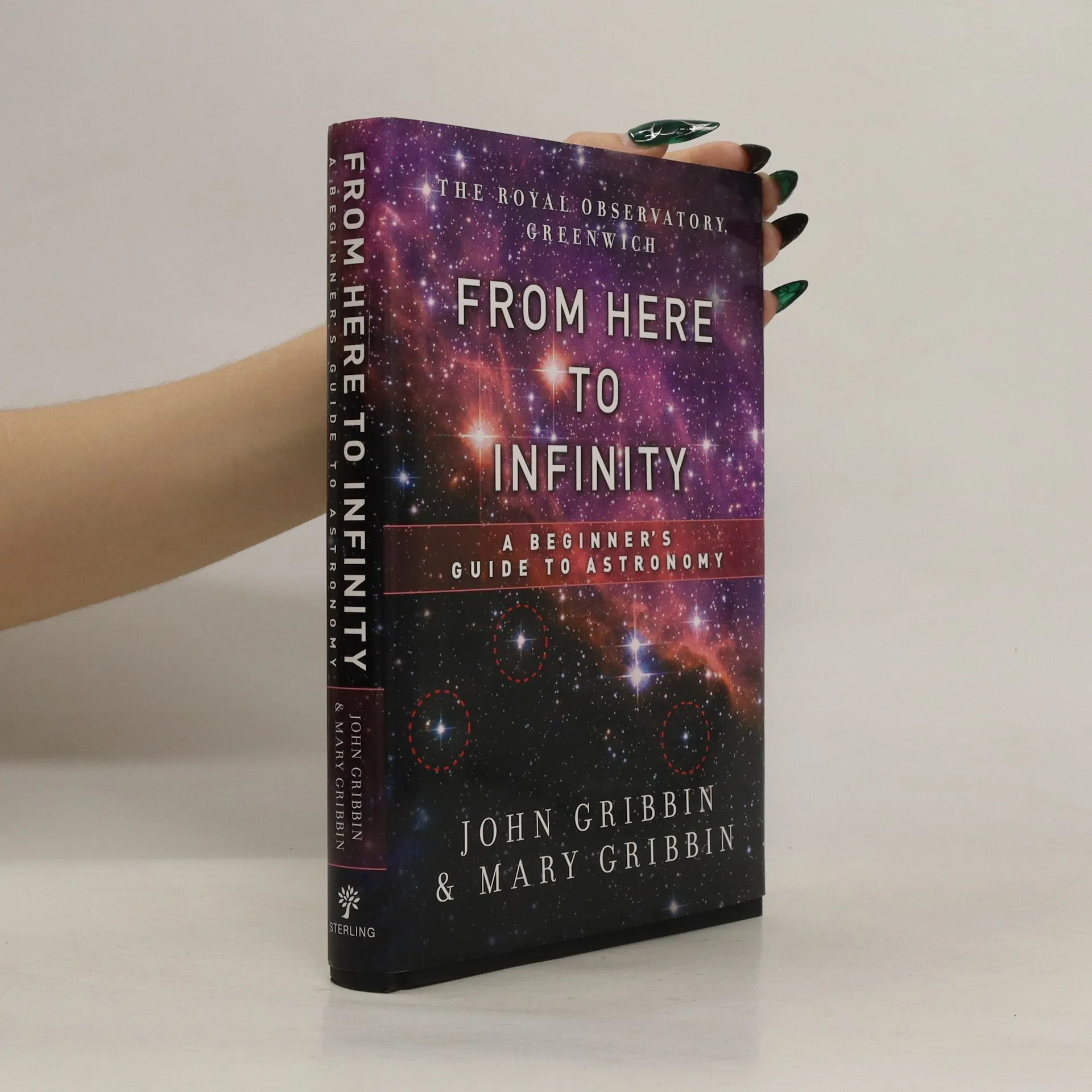
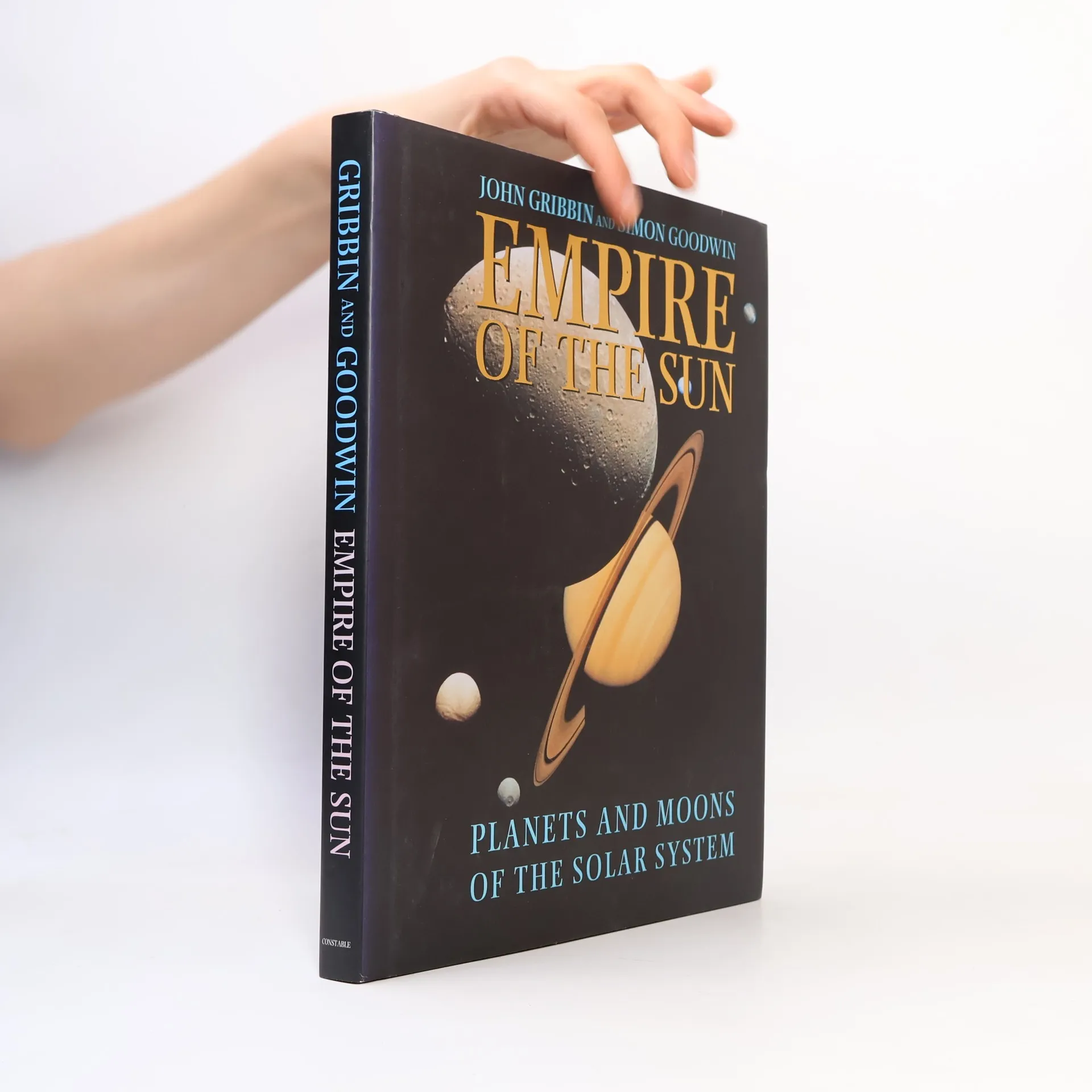
Renowned science writers John and Mary Gribbin team up with one of the most historic scientific sites in the world--the Royal Observatory, Greenwich--to take readers on a stunning visual tour of the universe. This riveting journey moves from our home planet outwards to the Moon, Sun, Inner and Outer Solar Systems, Milky Way, and other galaxies. Not only do the Gribbins discuss the always-intriguing topic of alien life, but they divulge little-known facts (Venus is the only planet in our solar system to rotate backwards), as well as all the basics beginning armchair astronomers need to know. Dramatic four-color photographs complement the informative text, giving readers a sense of what it might be like to be an astronaut...and go where no one has gone before.
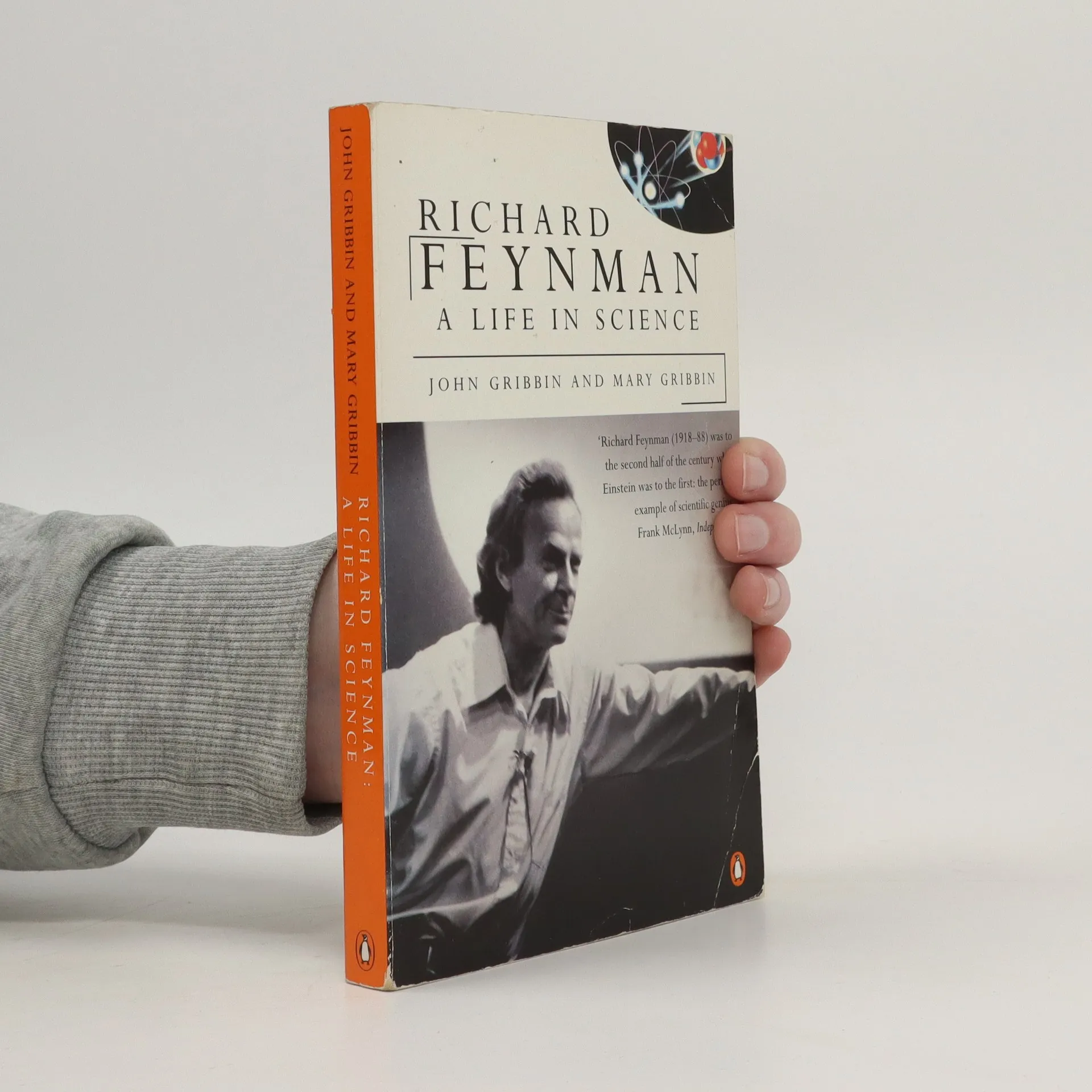
This text is a portrayal of one of the greatest scientists of the late 20th-century, which also provides a picture of the significant physics of the period. It combines personal anecdotes, writings and recollections with narrative.
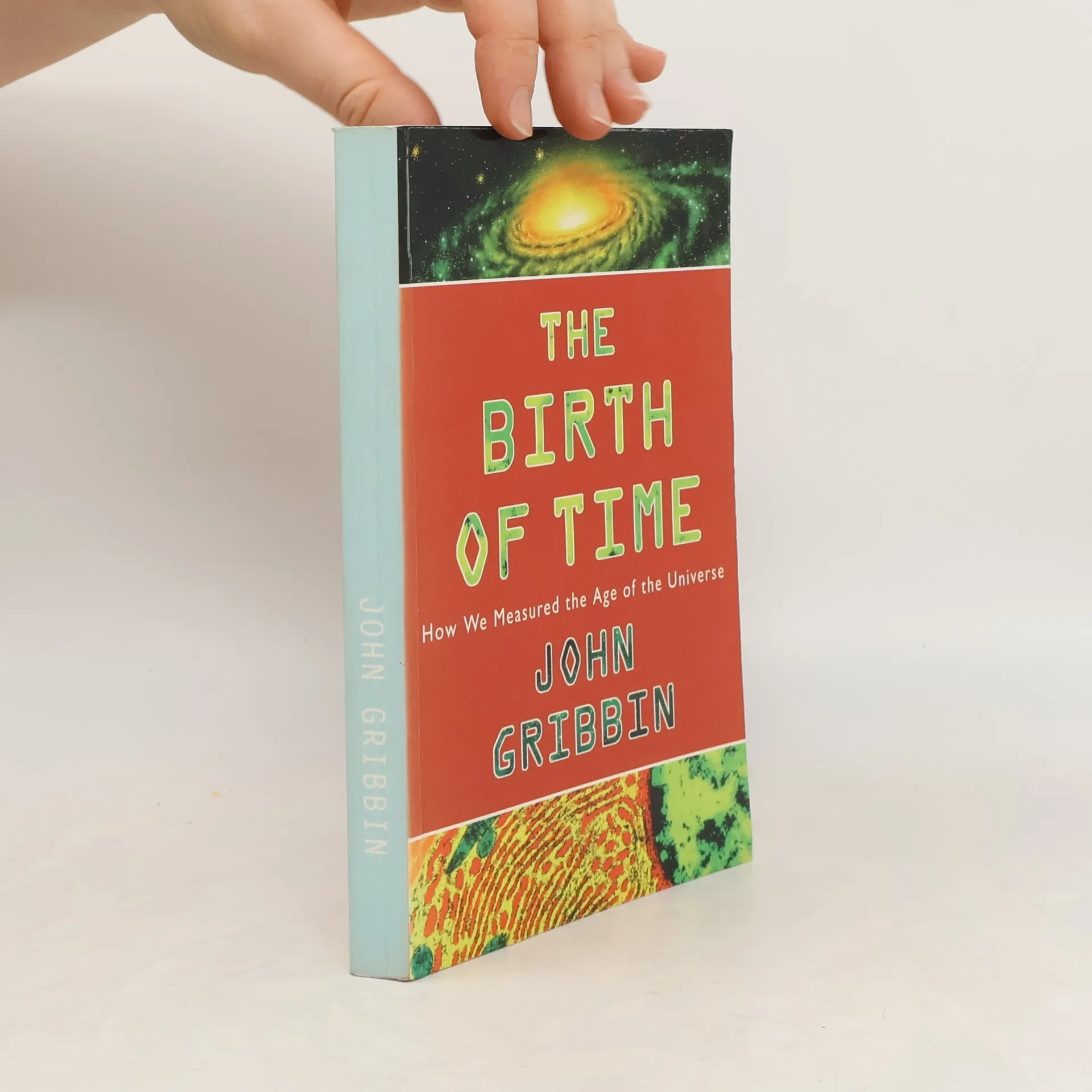
This is a tale of false leads, blind alleys and groping in the semi-dark, all of which lead to the discovery of the elusive evidence of the age of the universe. The author, as a research astronomer, was involved in the work with the Hubble Space Telescope which lead to the final breakthrough.
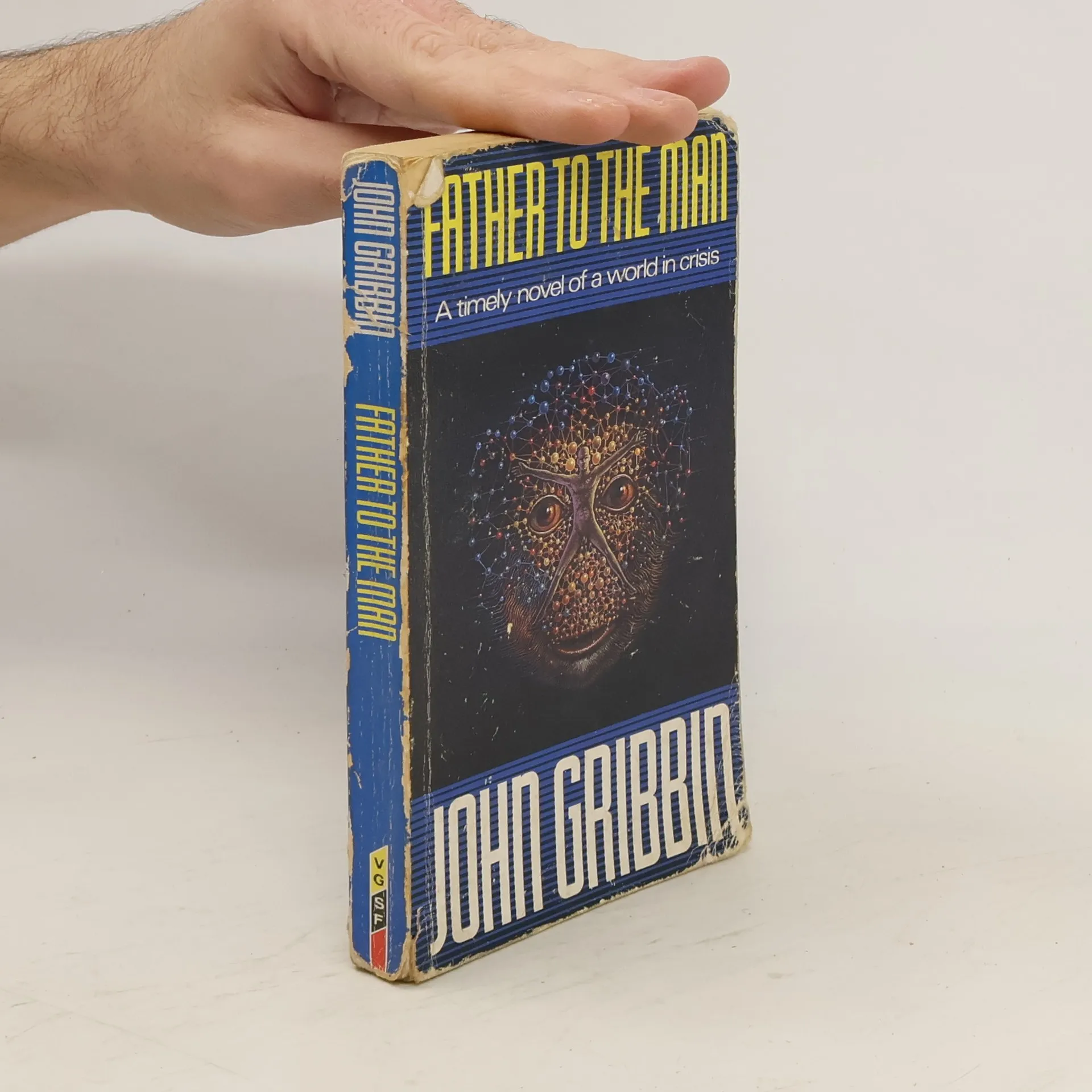
Set against a backdrop of increasing global disruption precipitated by the greenhouse effect, this story tells how a Nobel Prize-winning scientist secretly raises an ape-like creature. The astonishing secret of the creature's genetic parentage cannot remain a secret for ever.
Jim Lovelock is an iconic figure in British science, a prophet whose
prophecies are coming true. He is best known as the 'father' of Gaia theory,
which is established as the most useful way of understanding the dramatic
changes happening to the environment of the Earth. This biography reveals his
independent, original and inspiring life.
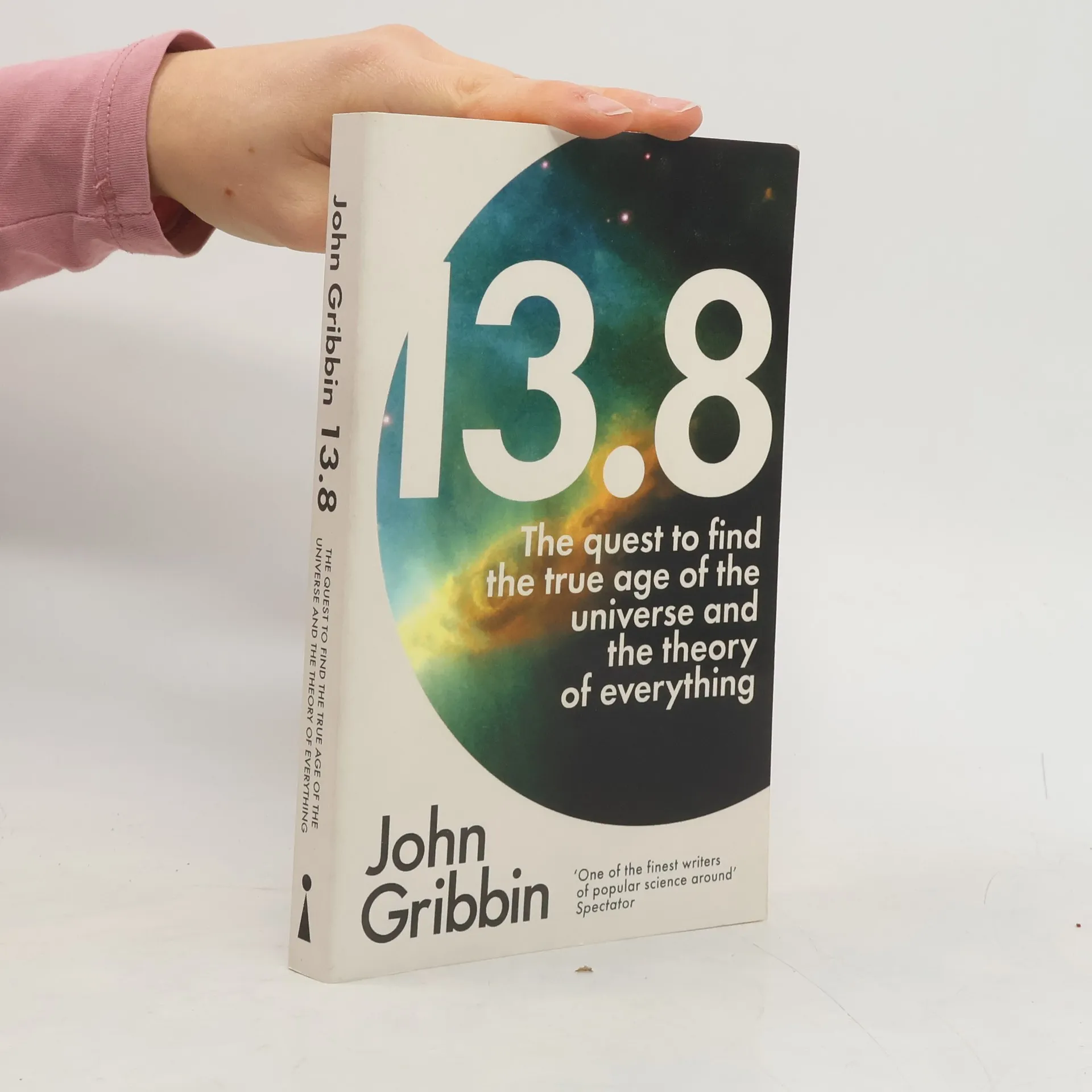
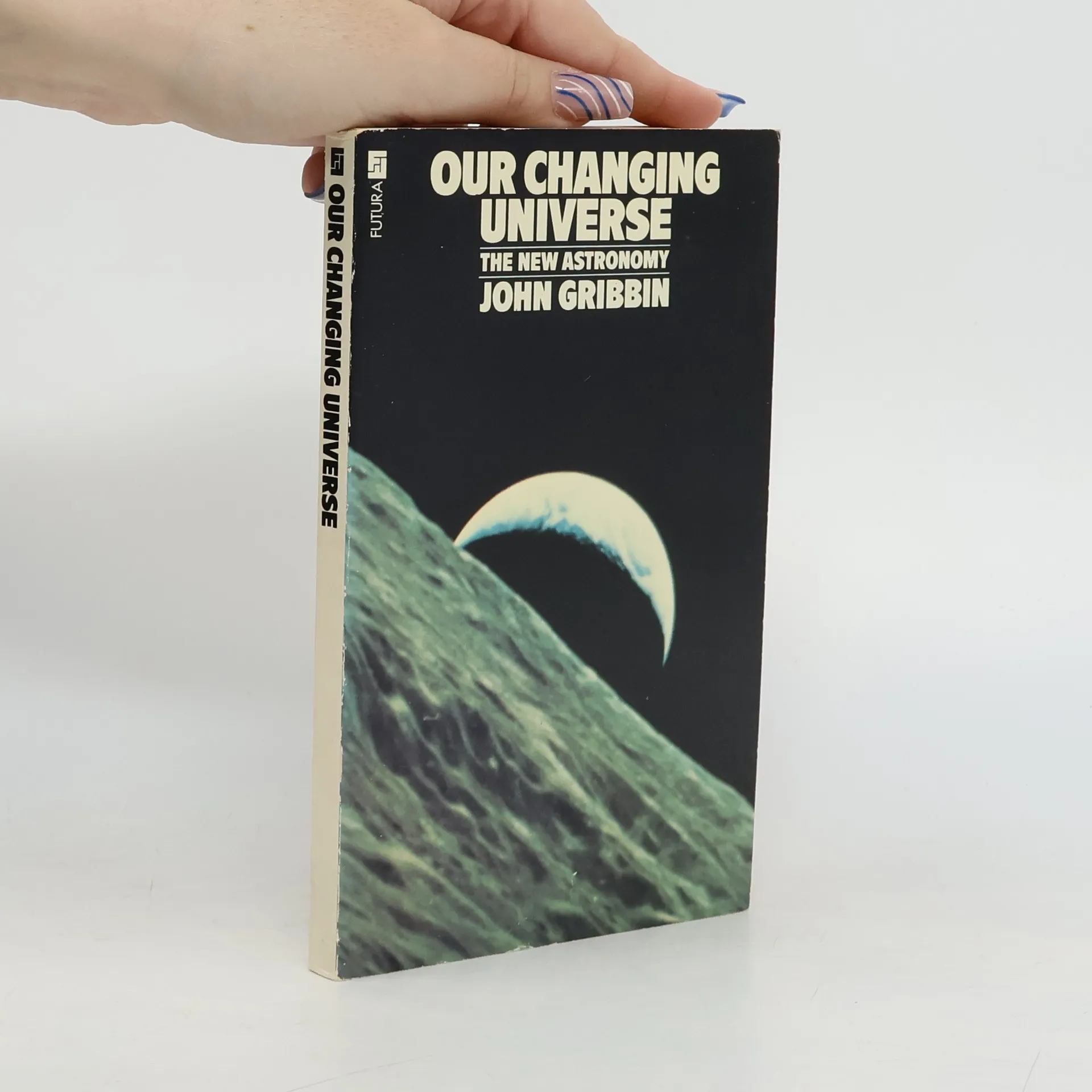
The 20th century gave us two great theories of physics: the general theory of relativity, which describes the behaviour of things on a very large scale, including the entire Universe; and quantum theory, which describes the behaviour of things on a very small scale, the sub-atomic world. The refusal of the Universe to reveal an equation that combines these two great ideas has caused some people to doubt our whole understanding of physics.In this landmark new book, popular science master John Gribbin tells the dramatic story of the quest that has led us to discover the true age of the Universe (13.8 billion years) and the stars (just a little bit younger). This discovery, Gribbin argues, is one of humankind's greatest achievements and shows us that physics is on the right track to finding the 'Theory of Everything'.13.8 provides an eye-opening look at this cutting-edge area of modern cosmology and physics, and tells the compelling story of what modern science has achieved - and what it can still achieve.
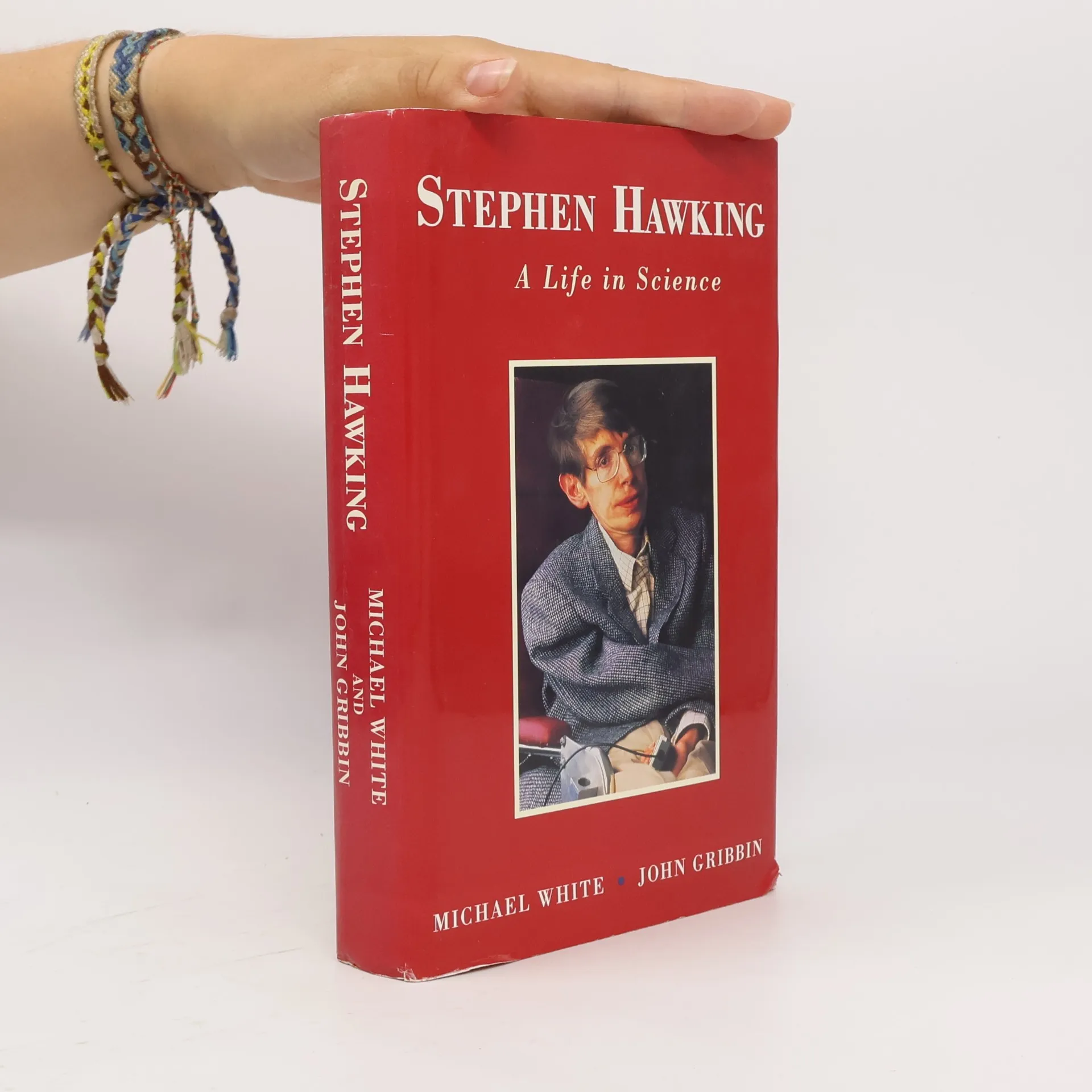
A definitive biography of a remarkable man and a brilliant scientist. Scarcely able to move or speak as a result of motor-neuron disease, Hawking has vastly expanded our scientific knowledge and made his discoveries accessible to the layperson in his bestselling book A Brief History of Time. Stephen Hawking is perhaps the most famous scientist since Einstein. Although his body is confined to a wheelchair, his brilliant work on black holes, the Big Bang, and quantum cosmology has already guaranteed his reputation as a towering figure in modern physics. This superb biography interweaves the events of Hawking's life with concise and cogent explanations of the theories that have brought us breathtakingly close to piercing the ultimate mysteries of time, space, and matter. It tells the story of Hawking's days at Oxford and of the early warning signs of the terrible disease that has made him dependent on a voice synthesizer to communicate his epochal discoveries. It shows us his emergence as the hugely successful author of the best-selling A Brief History of Time , an unexpected triumph that saved him from a financial “black hole” and brought him worldwide celebrity. And it describes the dissolution of his marriage of many years. Revealing yet ultimately admiring, Stephen Hawking is a master portrait of the man who is destined to be remembered as the most important scientist of the modern era.
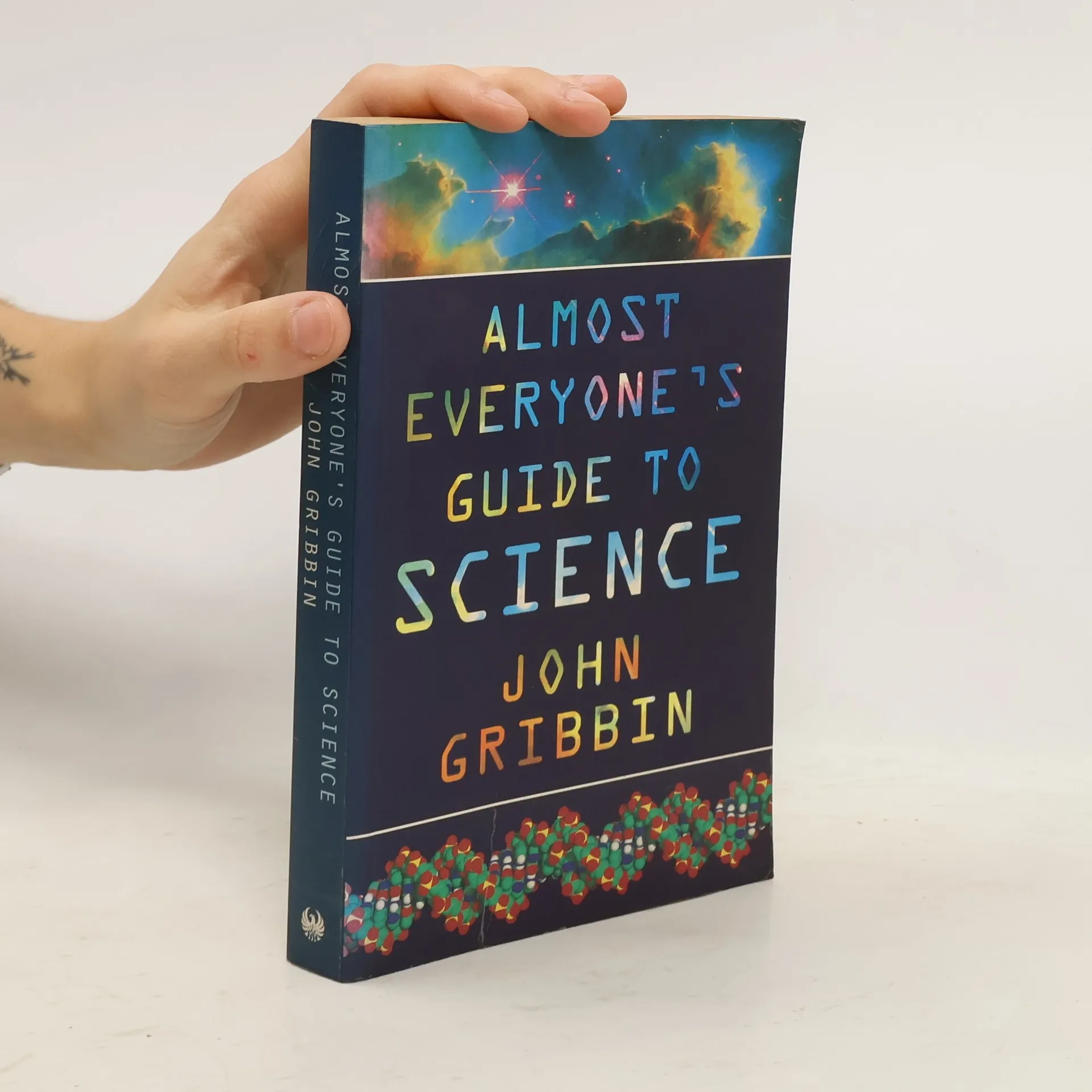
An introduction to the central facts, evidence and issues of modern science - from black holes to DNA, from the big bang to the workings of the brain John Gribbin is one of the few science writers who is equally comfortable writing about biology as about physics, and this beginner's guide will take the reader through the basics and the fundamental issues of the crucial areas of modern science, from the birth of the universe through to the evolution of our own species, the nature of human behaviour and the workings of our minds. Crucially, the book will not only provide an overview of the central areas in a single volume, but also explain how the areas link up, what evolutionary theory has to say about how we think, how sub-atomic particles came into being in the big bang, and atoms in stars.
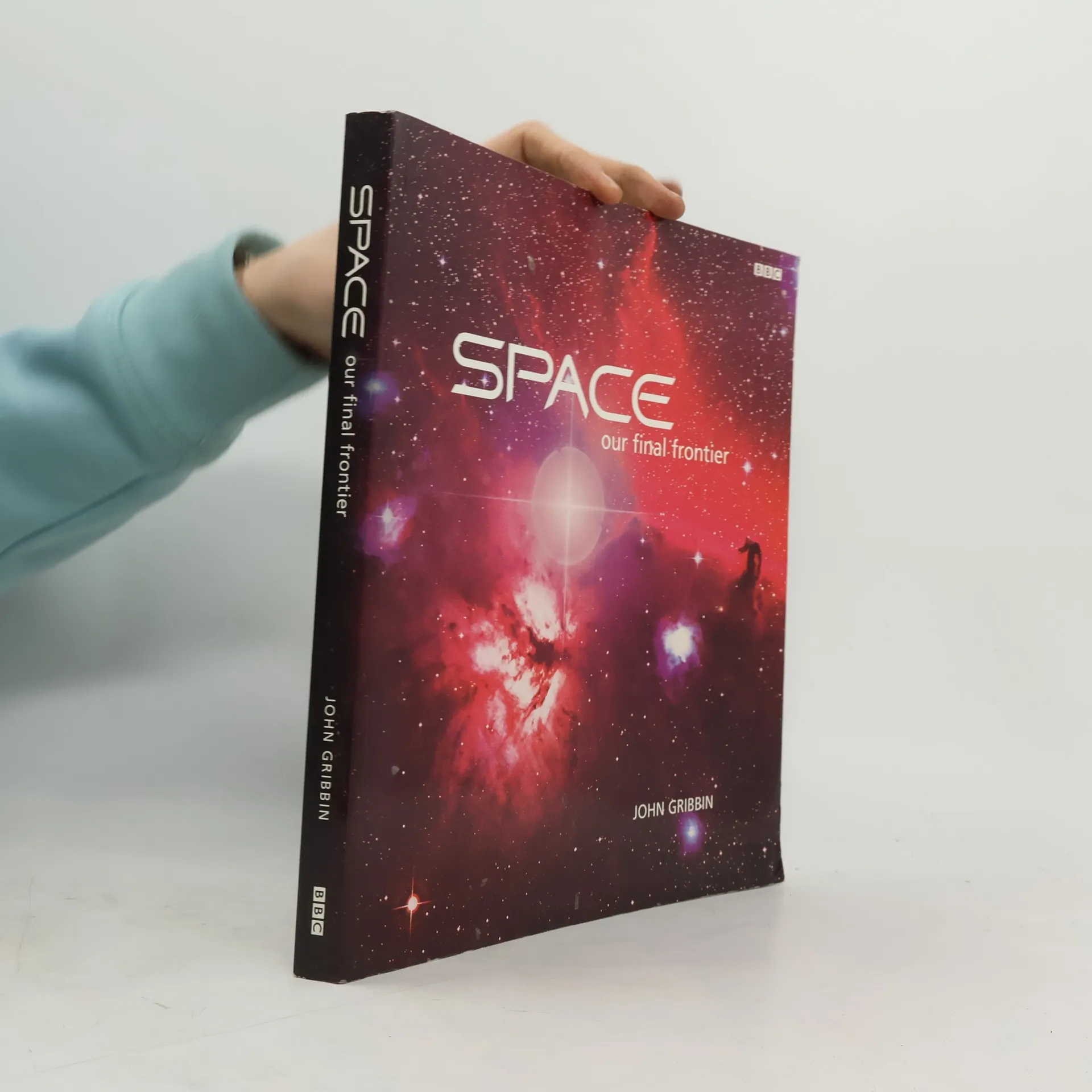
The story of the exploration of deep space that has largely taken place in the final decades of the 20th century. Space probes have now visited all of the major planets of our Solar System. However, beyond the Solar System, across the final frontier of space, astronomers are now able to explore the Universe by proxy, using evidence form light, radio waves, X-rays and other information gathered by telescopes and satellites. "Space" provides an insight into the way that astronomers work, explaining how they make the discoveries that make headlines, as well as the stories behind those headlines. John Gribbin puts deep space into perspective with the aid of specially commissioned illustrations and photographs from astronomical telescopes.
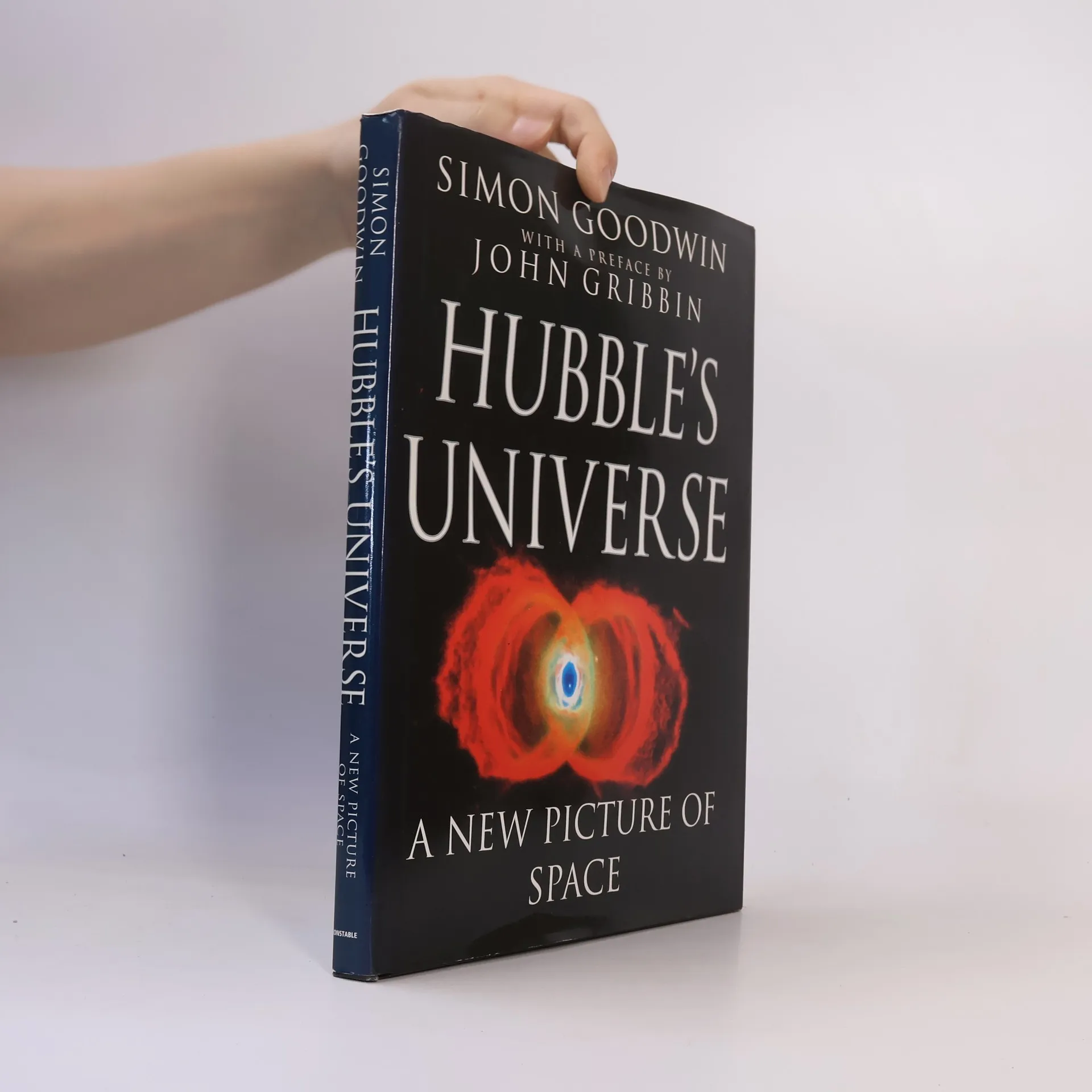
During the late 1920s Edwin Hubble postulate d that the universe is expanding. Gathered together in this study are photographs that concur with the theory, whilst th e authors explain for the layman the awesome implications of the Big Bang and our origin '
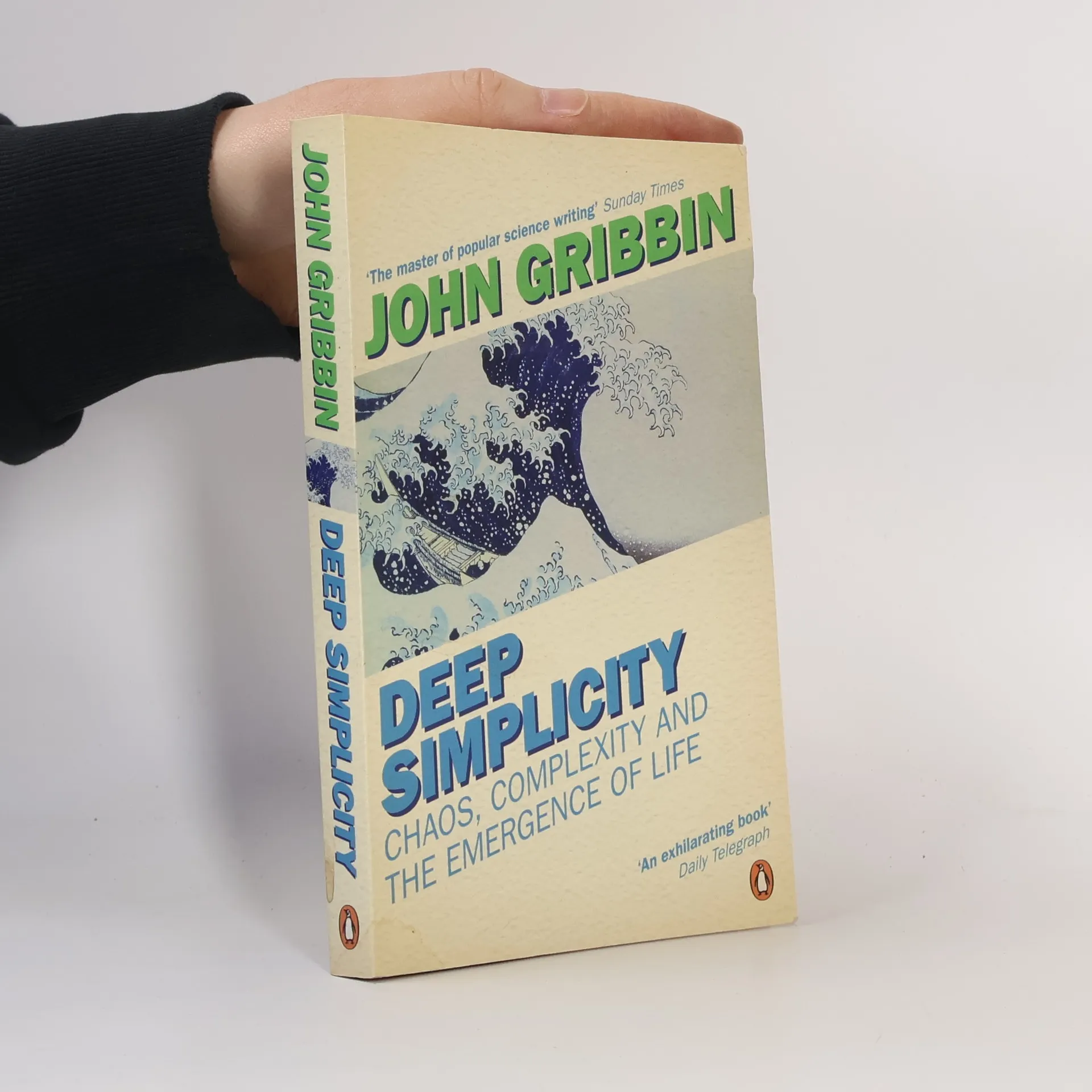
But the sensitive way in which systems respond to those basic laws, combined with feedback, can explain why, for example, just one vehicle braking on a motorway can cause a traffic jam; how a tiny genetic mutation or environmental change may make a species develop in a wholly different way.
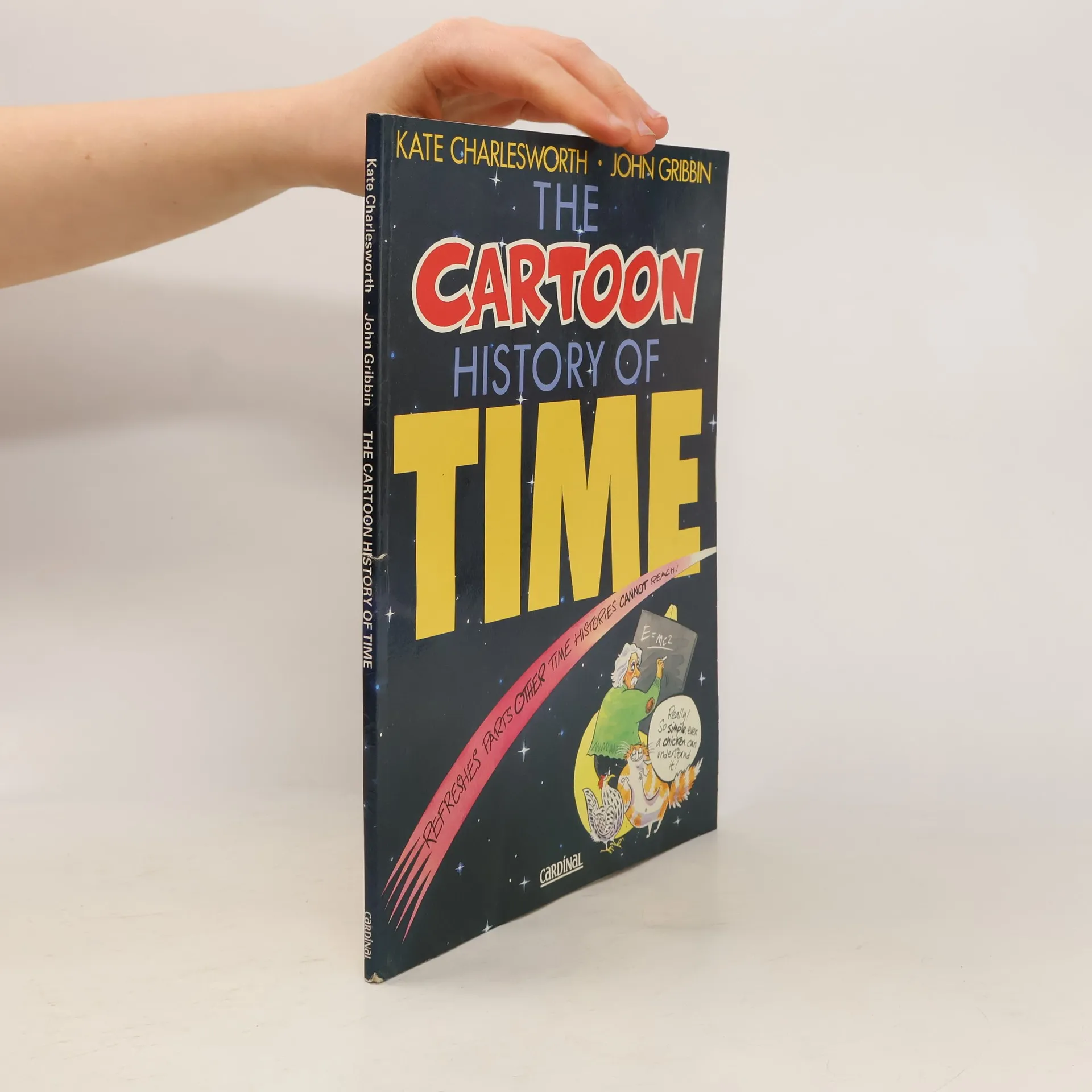
This attempts to explain the concepts found in A Brief History of Time by Stephen Hawking in terms that even a chicken can understand. The chicken in question is one of two characters who guide readers through Kate Charlesworth's regular strip in the New Scientist.
Time travel is a familiar theme of science fiction, but is it really possible?Surprisingly, time travel is not forbidden by the laws of physics - and John Gribbin argues that if it is not impossible then it must be possible.Gribbin brilliantly illustrates the possibilities of time travel by comparing familiar themes from science fiction with their real-world scientific counterparts, including Einstein's theories of relativity, black holes, quantum physics, and the multiverse, illuminated by examples from the fictional tales of Robert Heinlein, Larry Niven, Carl Sagan and others.The result is an entertaining guide to some deep mysteries of the Universe which may leave you wondering whether time actually passes at all, and if it does, whether we are moving forwards or backwards. A must-read for science fiction fans and anyone intrigued by deep science.
'Superb ... Gribbin has done it again ... the story of how the matter that makes up our bodies travelled from the stars ... a wonderful account' Sunday Times, Books of the Year Every one of us is made of stardust, John Gribbin explains in this dazzling book. Everything we see, touch, breathe and smell, nearly every molecule in our bodies, is the by-product of stars as they live and die in spectacular explosions, scattering material across the universe which is recycled to become part of us. It is only by understanding how stars are made and how they die that we can every understand how we came into being. Taking us on an enthralling journey, John Gribbin shows us the scientific breakthroughs in the quest for our origins. With the raw materials for creating life all around us, he concludes, it is impossible to believe we are alone in the universe. 'An incredible story ... gives a sense of the almost unbelievable coincidence of physical laws and circumstances that resulted in your being able to read these words today' Literary Review 'Gribbin skilfully and engagingly traces the historical sequence ... rather like Sherlock Holmes reading clues' New Scientist
Pioneering study of the science behind quantum computing and what the new quantum reality will mean for mankind. The quantum computer is no longer the stuff of science fiction. Pioneering physicists are on the brink of unlocking a new quantum universe which provides a better representation of reality than our everyday experiences and common sense ever could. The birth of quantum computers -- which, like Schrodinger's famous 'dead and alive' cat, rely on entities like electrons, photons or atoms existing in two states at the same time -- is set to turn the computing world on its head. In his fascinating study of this cutting-edge technology, John Gribbin updates his previous views on the nature of quantum reality, arguing for a universe of many parallel worlds where 'everything is real'. Looking back to Alan Turing's work on the Enigma machine and the first electronic computer, Gribbin explains how quantum theory developed to make quantum computers work in practice as well as in principle. He takes us beyond the arena of theoretical physics to explore their practical applications -- from machines which learn through 'intuition' and trial and error to unhackable laptops and smartphones. And he investigates the potential for this extraordinary science to create a world where communication occurs faster than light and teleportation is possible."
A detailed text and stunning images reveal t he extent of the Hubble Space Telescope''s resolving power as the authors of this book describe the images that have been sent back by one of astronomy''s greatest success stories. '
An insight into the weather, featuring information on weather on earth and on other planets of the solar system including Mars. Examines the effects of comets on terrestrial weather, with an explanation of the Greenhouse Effect, and weather anecdotes.
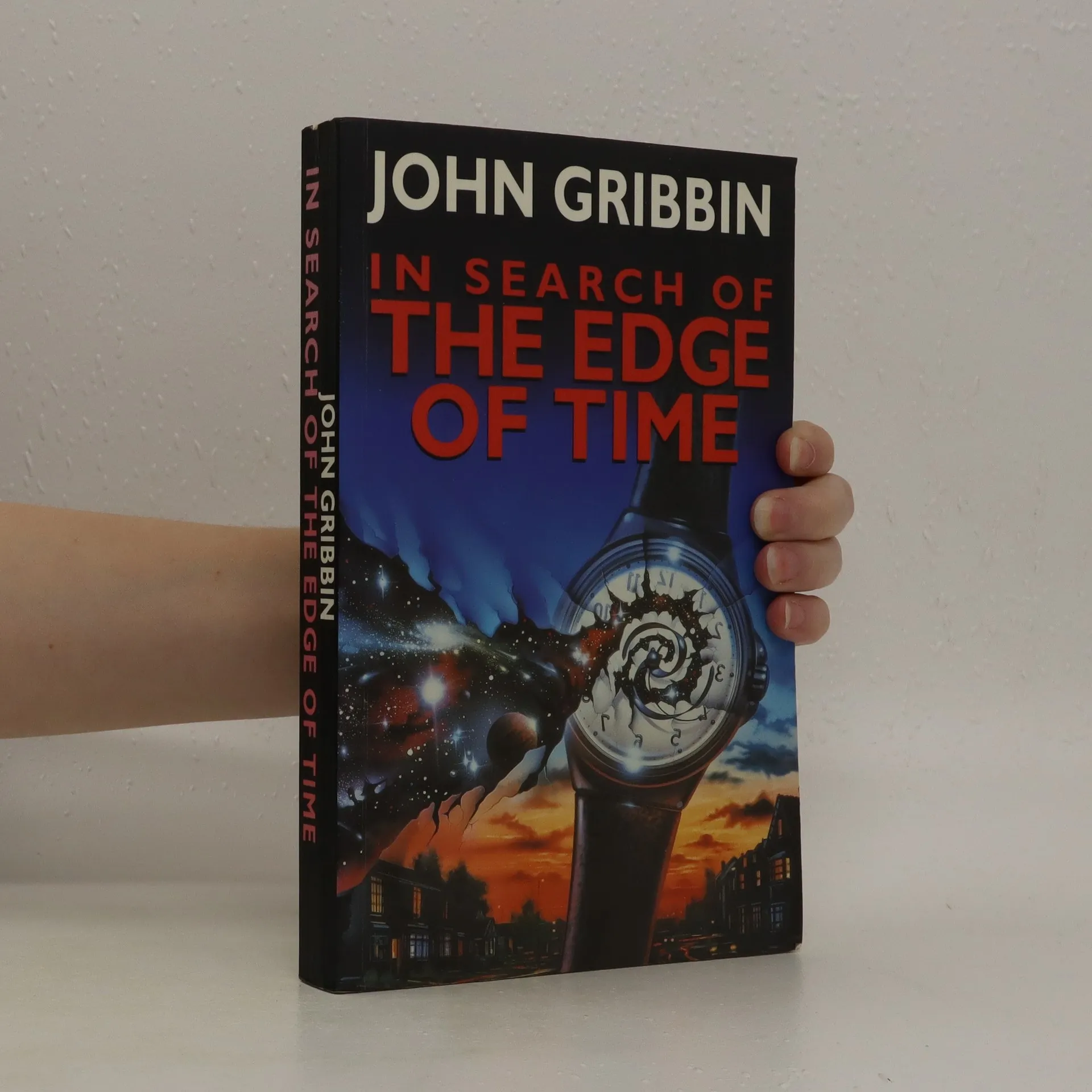
Time travel has been a common feature in popular science fiction, but with today's understanding of black holes, it could possibly be a reality. Many astrophysicists believe black holes can function as tunnels leading to other times and other places and that they contain the key to the Big Bang.
Exploring the intricacies of quantum mechanics, this book provides a comprehensive guide to the fundamental concepts and terminology of the quantum world. Each entry, from A to Z, offers clear explanations, making complex ideas accessible to readers of all backgrounds. The work delves into key principles such as superposition, entanglement, and quantum computing, while also addressing historical developments and influential figures in the field. Ideal for both novices and enthusiasts, it serves as an engaging reference for understanding the fascinating realm of quantum physics.
A new version of the adult book written specifically for children 11 and up. Covering a huge sweep of science (the last 400 years) the Gribbins look at the great scientists from childhood to old age, telling the stories of their lives and how they came to make their renowned discoveries. A fascinating and highly readable account of the events that lie behind the scientific milestones of history, this book tells us the human stories behind the scientific principles. Previously published in hardback as Inventing the Future.
A Waterstones Best Book of 2020 The theory of evolution by natural selection
did not spring fully formed and unprecedented from the brain of Charles
Darwin. Rather it has been examined and debated by philosophers the world over
for thousands of years.
In this lively expedition into the origins, evolution, and workings of our
planet, John Gribbin does what he does best: gathers 4.5 billion years of
geological history and shares the best bits.
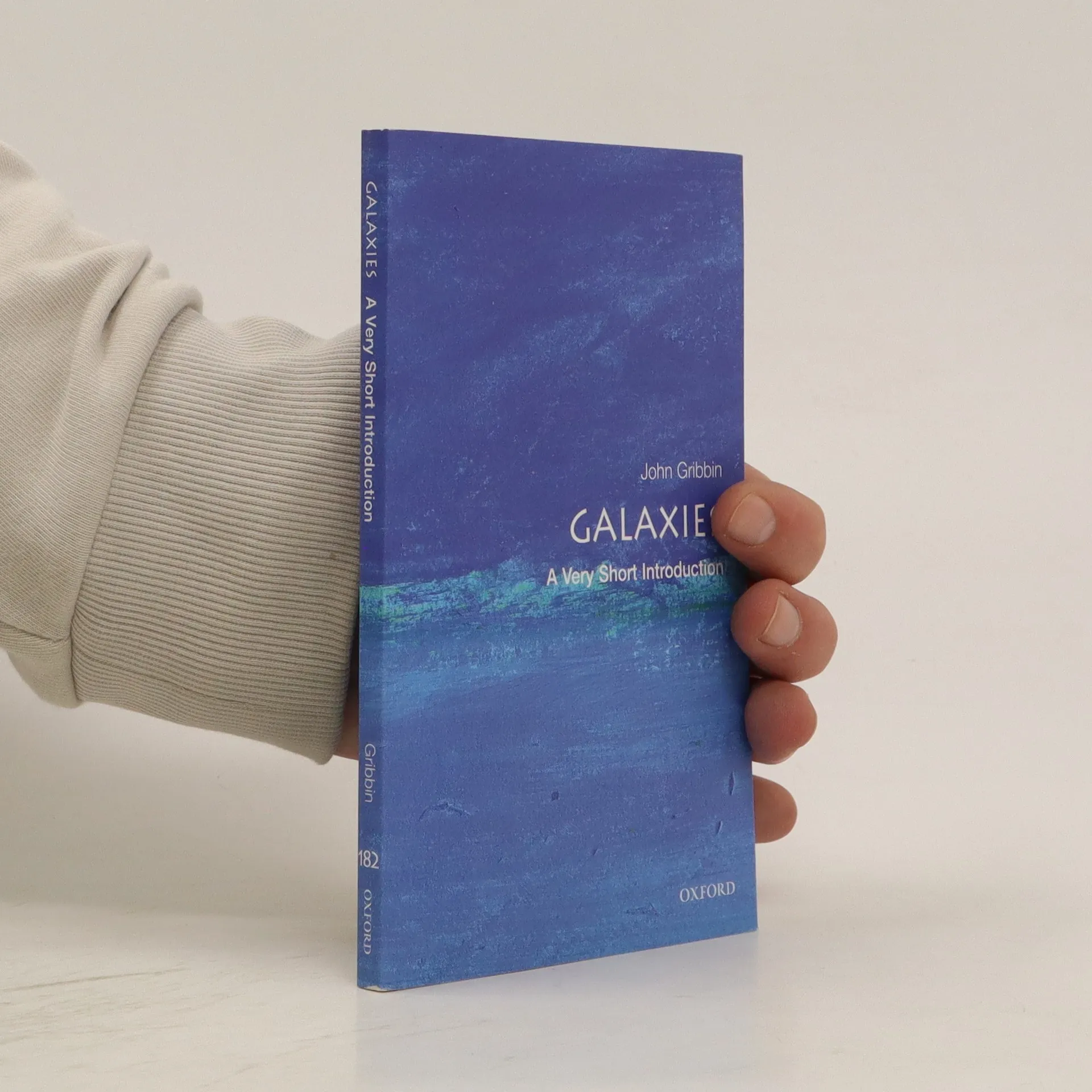
In this fascinating Very Short Introduction, popular science writer John Gribben tells the story of our growing understanding of galaxies, from the days before Galileo to our present-day observations of our many hundreds of millions of galactic neighbors. Not only are galaxies fascinating astronomical structures in themselves, but their study has revealed much of what we know today about the cosmos, providing a window on the Big Bang and the origins of the Universe. Gribben looks at our own "Milky Way" Galaxy in detail, from the different kinds of stars that are born within it, to the origins of its magnificent spiral structure. Perhaps most interesting, Gribben describes the many exciting discoveries have been made about our own galaxy and about those how a supermassive black hole lurks at the center of every galaxy, how enormous forces are released when galaxies collide, how distant galaxies provide a window on the early Universe, and how the formation of young galaxiesshed needed light on the mysteries of Cold Dark Matter.About the Combining authority with wit, accessibility, and style, Very Short Introductions offer an introduction to some of life's most interesting topics. Written by experts for the newcomer, they demonstrate the finest contemporary thinking about the central problems and issues in hundreds of key topics, from philosophy to Freud, quantum theory to Islam.
Quantum theory is so shocking that Einstein could not bring himself to accept it. It is so important that it provides the fundamental underpinning of all modern sciences. Without it, we'd have no computers, no science of molecular biology, no understanding of DNA, no genetic engineering. In Search of Schrodinger's Cat tells the complete story of quantum mechanics, a truth stranger than any fiction. John Gribbin takes us step by step into an even more bizarre and fascinating place, requiring only that we approach it with an open mind. He introduces the scientists who developed quantum theory. He investigates the atom, radiation, time travel, the birth of the universe, super conductors and life itself. And in a world full of its own delights, mysteries and surprises, he searches for Schrodinger's Cat - a search for quantum reality - as he brings every reader to a clear understanding of the most important area of scientific study today - quantum physics. In Search of Schrodinger's Cat is a fascinating and delightful introduction to the strange world of the quantum - an essential element in understanding today's world.
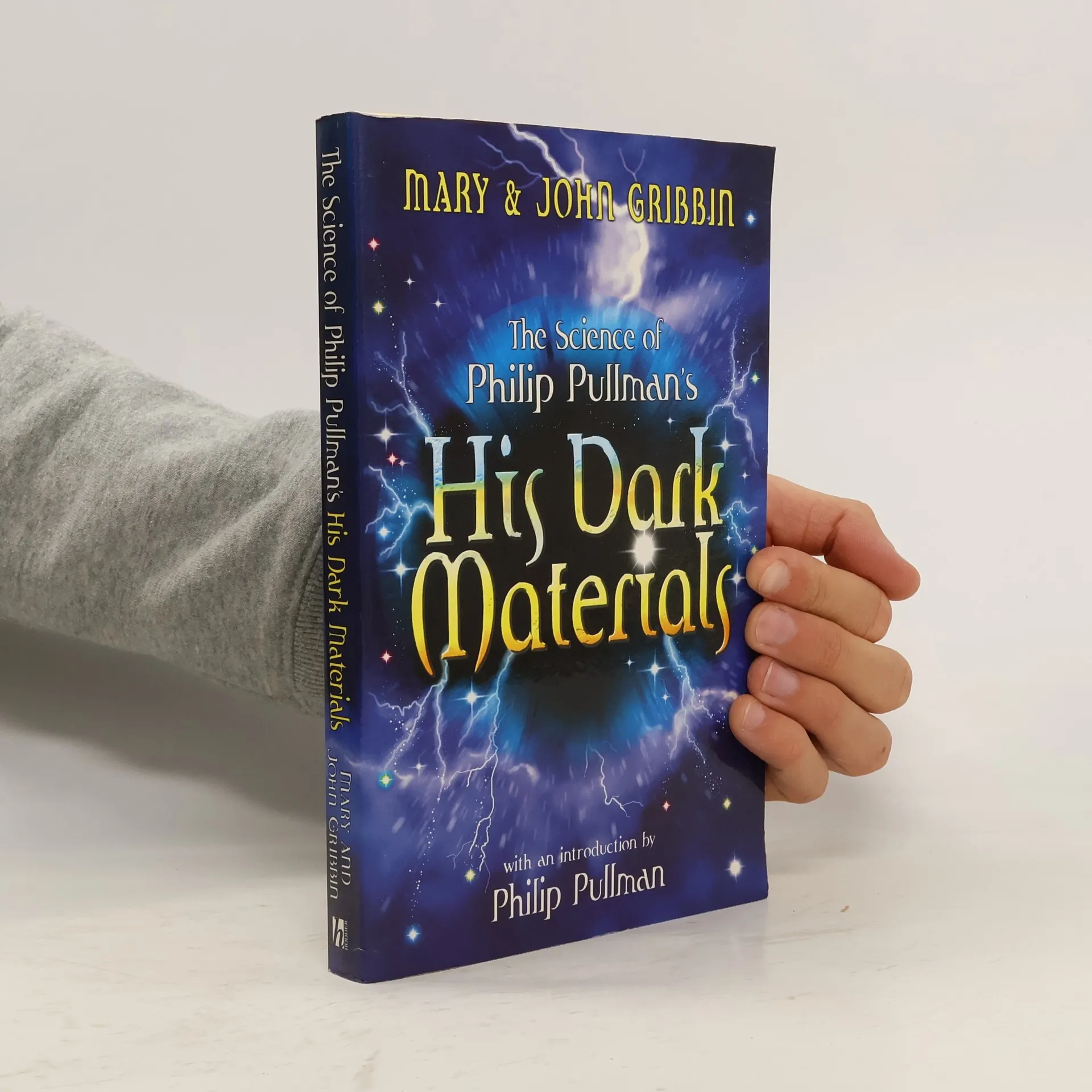
Award-winning science writers Mary and John Gribbin reveal how Pullman's His Dark Materials trilogy (Northern Lights, The Subtle Knife and The Amber Spyglass) is rooted in scientific truth. Drawing on string theory and space-time, quantum physics and chaos theory, they answer questions such as: could parallel worlds like Will's and Lyra's really exist? How does Will's subtle knife cut through anything? Could there be a bomb like the one made with Lyra's hair? And, of course, what are the Dark Materials?
Early scientific theories made things seem completely predictable. But the real world is unpredictable, and this book explains why. The reader can find out what chaos has to do with earthquakes and avalanches, the stockmarket, Saturn's rings, evolution and special offers at the local supermarket.
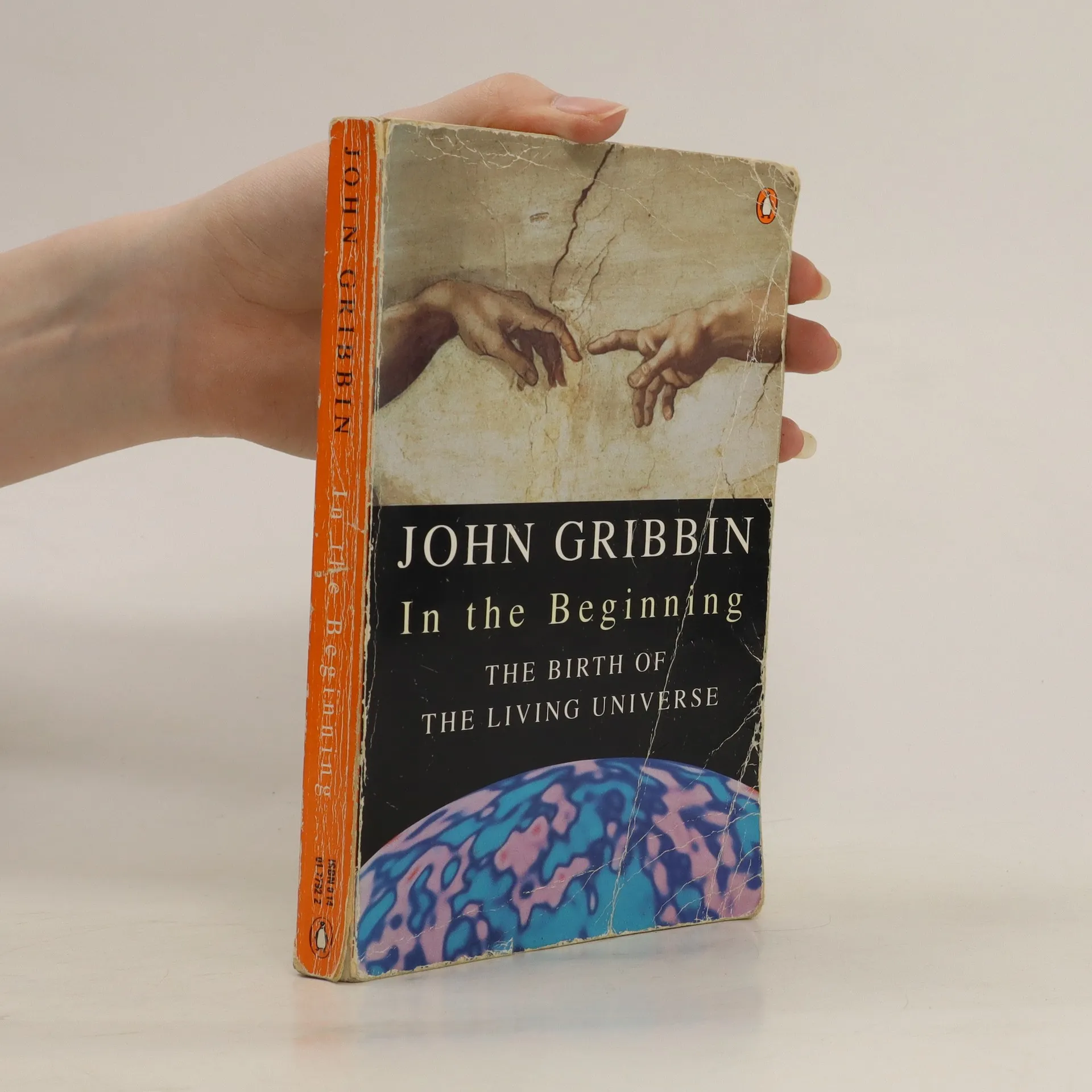
How did the universe grow from a tiny fireball to its present size? Where did
life on earth come from? How do planets form? How will the universe end? And
how do we even know all this anyway? This book explores the story of our
cosmos, from the mystery of its origins to how scientists think it might end.
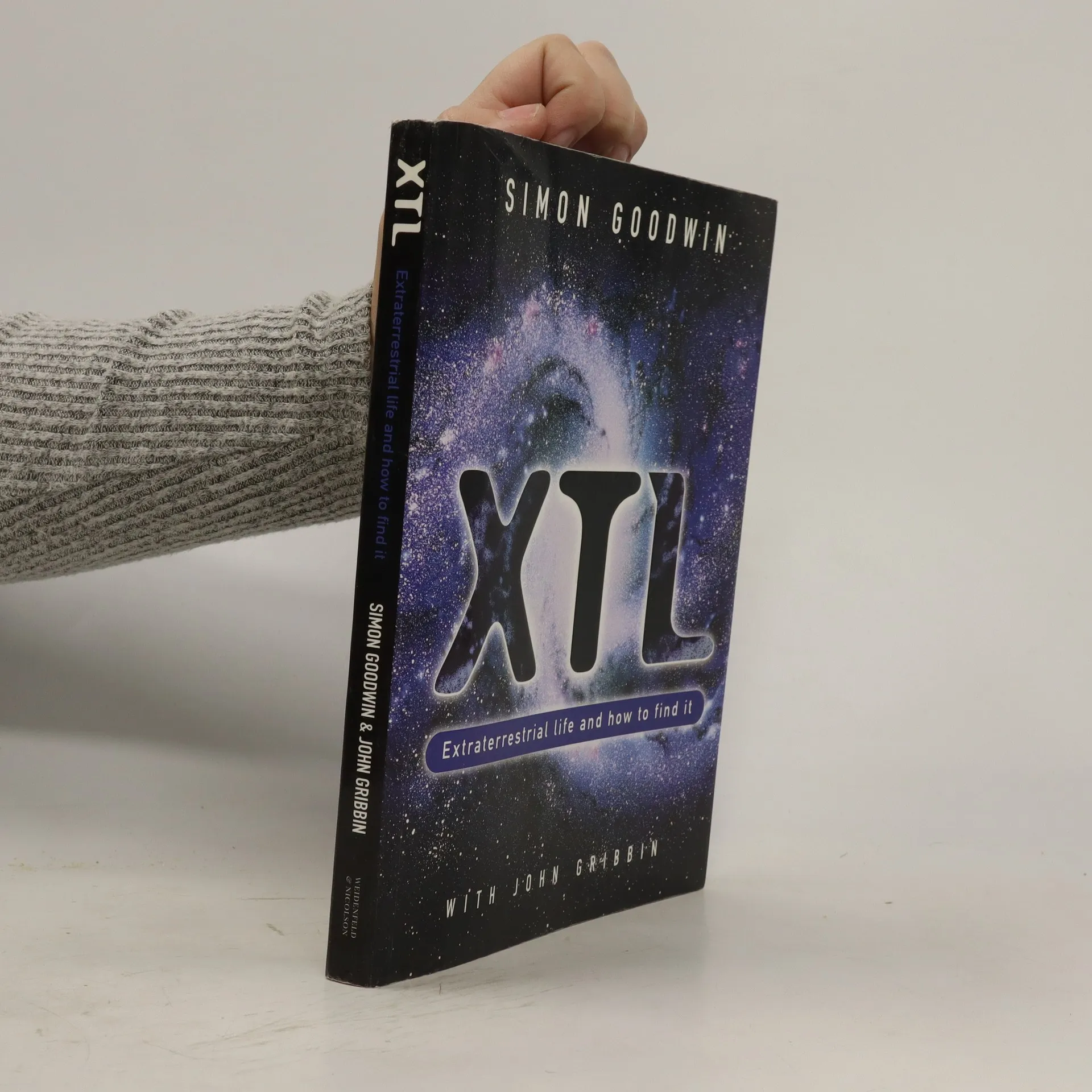
Two top astronomers (and bestselling authors) take a cutting-edge look at how life itself develops, survives, evolves, becomes intelligent, and where it might exist in outer space. Illustrated with breathtaking photos and state-of-the-art graphics, this thrilling story reveals a newfound understanding of the conditions that fostered life on Earth; how stars and planets are formed; the specific qualities of the Sun and planets in our solar system; and the techniques required to observe phenomena outside our system. The fascinating advances in technology and information revealed here could enable us to locate extraterrestrials within the next 20 years!
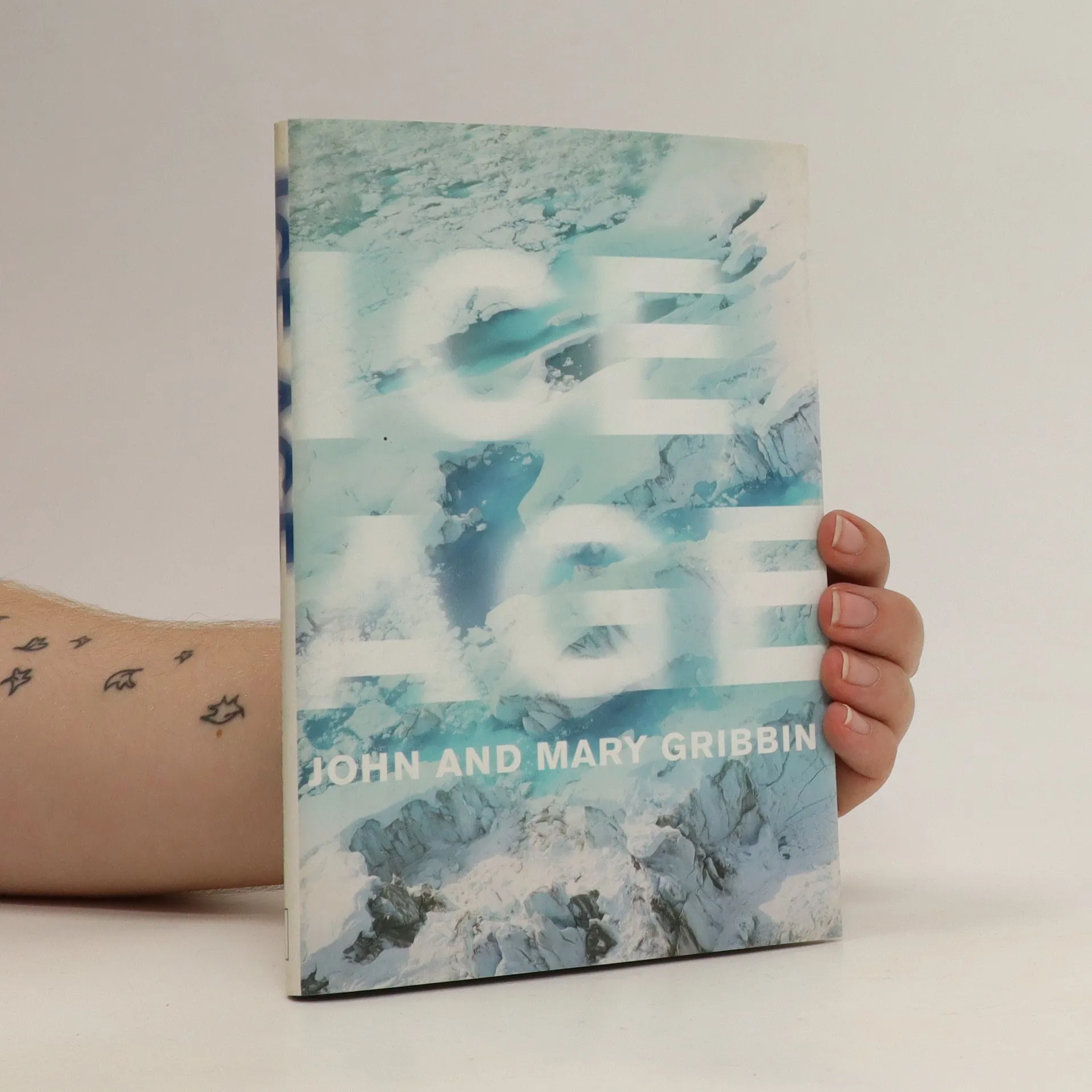
"On 24 June 1837 Louis Agassiz stunned the learned members of the Swiss Society of Natural Sciences by addressing them, in his role as President, not with an anticipated lecture on fossil fishes, but with a passionate presentation on the existence of Ice Ages. No one was convinced. He even dragged the reluctant members of the Society up into the mountains to see the evidence for themselves, pointing out the scars on the hard rocks left by glaciation (which some of those present tried to explain away as having been produced by the wheels of passing carriages). Extraordinarily, it would take a further 140 years before the Ice Age theory was fully proved and understood." "John and Mary Gribbin tell the remarkable story of how we came to understand the phenomenon of Ice Ages, focusing on the key personalities obsessed with the search for answers. How frequently do Ice Ages occur? How do astronomical rhythms affect the Earth's climate? Have there always been two polar ice caps? Is it true that tiny changes in the heat balance of the Earth could plunge us back into full Ice Age conditions? With startling new material on how the last major Ice Epoch could have hastened human evolution, Ice Age explains why the Earth was once covered in ice - and how that made us human."--Jacket
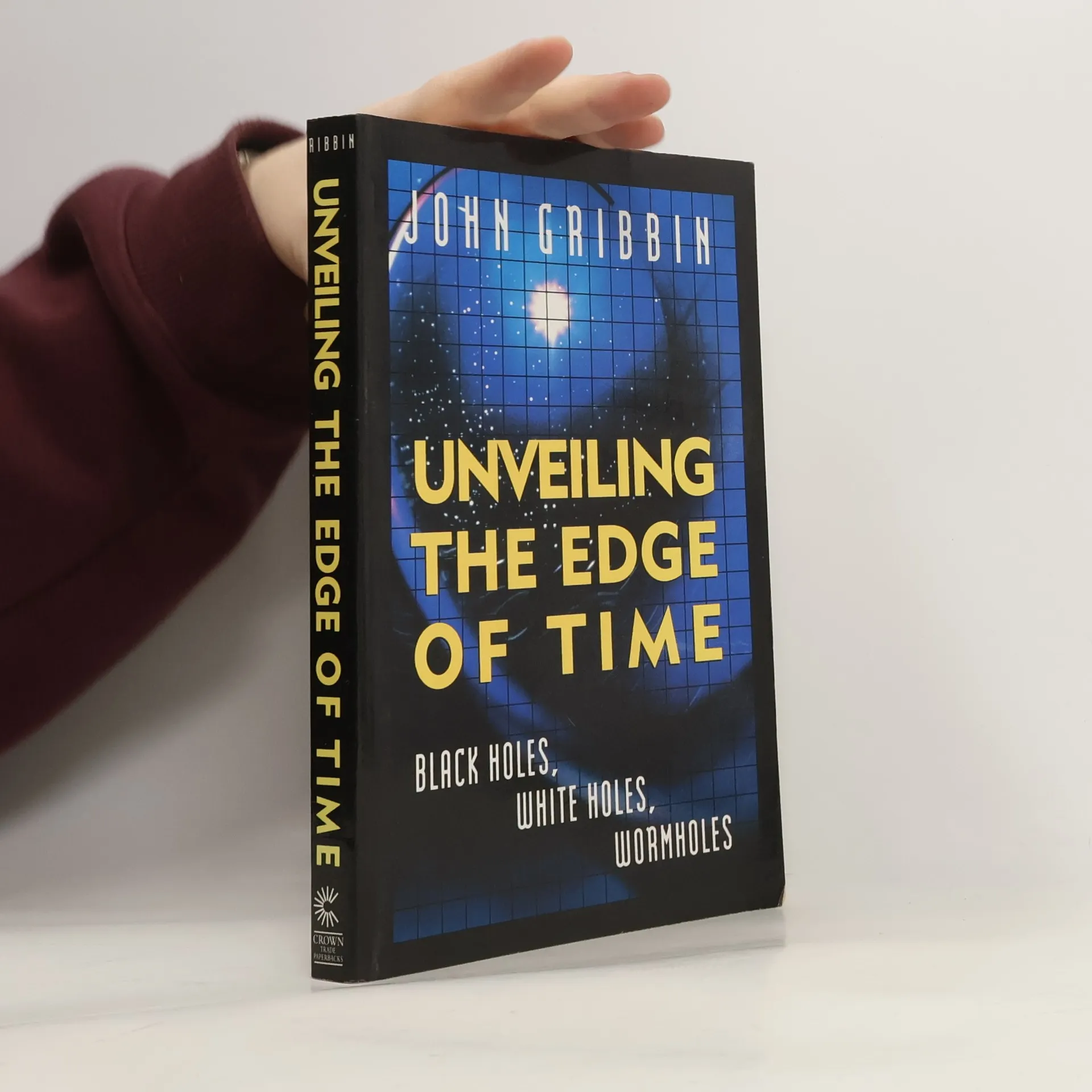
Acclaimed science writer John Gribbin recounts dramatic stories that have led scientists to believe black holes and their more mysterious kin are not only real, but might actually provide a passage to other universes and travel through time. 56 line drawings.
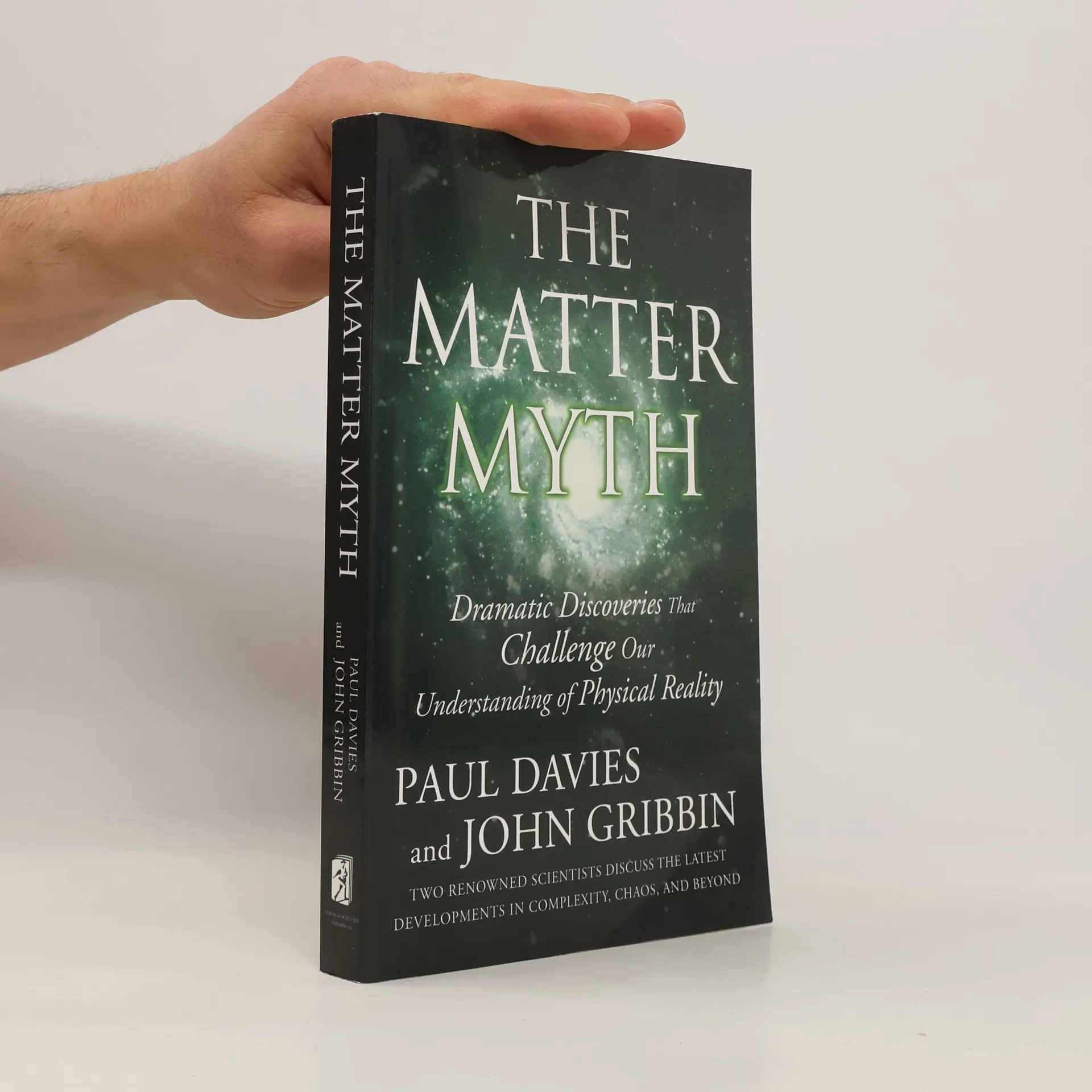
Dramatic Discoveries That Challenge Our Understanding of Physical Reality
322pagine
12 ore di lettura
Recent advancements in quantum physics, astronomy, and chaos theory challenge traditional notions of space, time, and matter. The book explores how these scientific breakthroughs compel a reevaluation of fundamental concepts, suggesting that our understanding of the universe is evolving. Through a critical analysis, it delves into the implications of these developments for both science and philosophy, encouraging readers to rethink the fabric of reality.
Is Earth unique or are there similar planets orbiting other stars? Why were two legs better than four in the development of intelligent life on Earth? John Gribbin considers these questions and other topics as he takes a grand tour of concepts that have helped shaped our ideas about the universe.
Shows what makes our planet so special, explaining why the 'Fermi Paradox' -
the apparent absence of alien life - holds the key to our uniqueness. In this
book, the author makes the link between the whole series of cosmic events that
gave rise to our civilization - a unique set of circumstances that have not,
and could not, occur anywhere else.
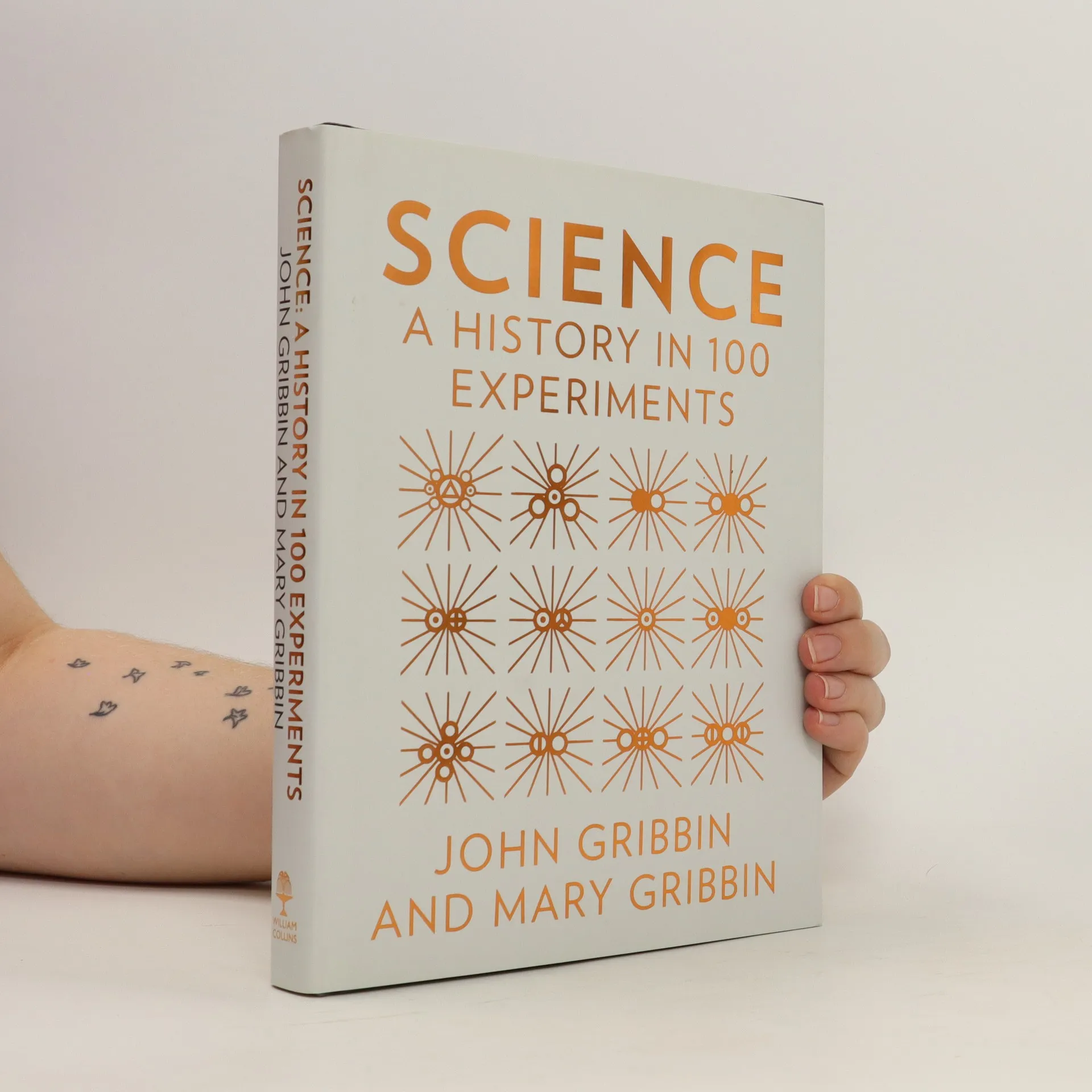
A history of science distilled into 100 notable experiments - epic moments that have fuelled our understanding of Earth and the Universe beyond. The history of science is a fascinating and long one, covering thousands of years of history. The development of scientific experiments involves some of the most enlightened cultures in history, as well as some great scientists, philosophers and theologians. As the Nobel Prize-winning physicist Richard Feynman said, 'If it disagrees with experiment, it is wrong', the simplest summary of what science is all about. And science is nothing without experiments. Everything in the scientific world view is based on experiment, including observations of phenomena predicted by theories and hypotheses, such as the bending of light as it goes past the Sun. From the discovery of microscopic worlds to weighing the Earth, from making electricity to the accelerating Universe and gravitational waves, this stunning book by renowned science writers John and Mary Gribbin tells the fascinating history of science through the stories of 100 groundbreaking experiments.
In this easy-to-read series, eminent science writers John and Mary Gribbin look at the lives and work of eight major scientists. Each book is accessible enough to be read for fun but informative enough to appeal to students of science. The iconic Albert Einstein emerges as a dashing ladies' man and the greatest scientist of his time; but why did Charles Darwin wait for decades before going public with his ideas on evolution? How was Marie Curie's great work shaped by her childhood experiences of oppression under the Czars? And what was Edmond Halley, of comet fame, doing as Captain of a King's Ship and later spy for the Crown? An introduction and afterword places each scientist's work in the context of the development of their subject.
Nearly everyone knows the names of the great scientists, but how many of us know anything about their work, let alone their private lives? In this easy-to-read series, eminent science writers John and Mary Gribbin look at the lives and work of eight major scientists; each book is accessible enough to be read for fun but informative enough to appeal to students of science. The iconic Albert Einstein emerges as a dashing ladies' man and the greatest scientist of his time; but why did Charles Darwin wait for decades before going public with his ideas on evolution? How was Marie Curie's great work shaped by her childhood experiences of oppression under the Czars? And what was Edmond Halley, of comet fame, doing as Captain of a King's Ship and later spy for the Crown? We meet a bookbinder's apprentice, an obscure monk, a Victorian gentleman--eventually famous scientists all. An introduction and afterword places each scientist's work in the context of the development of their subject, but in accordance with their true worth, not necessarily in accordance with their place in popular mythology. Engaging, stimulating, and instructive
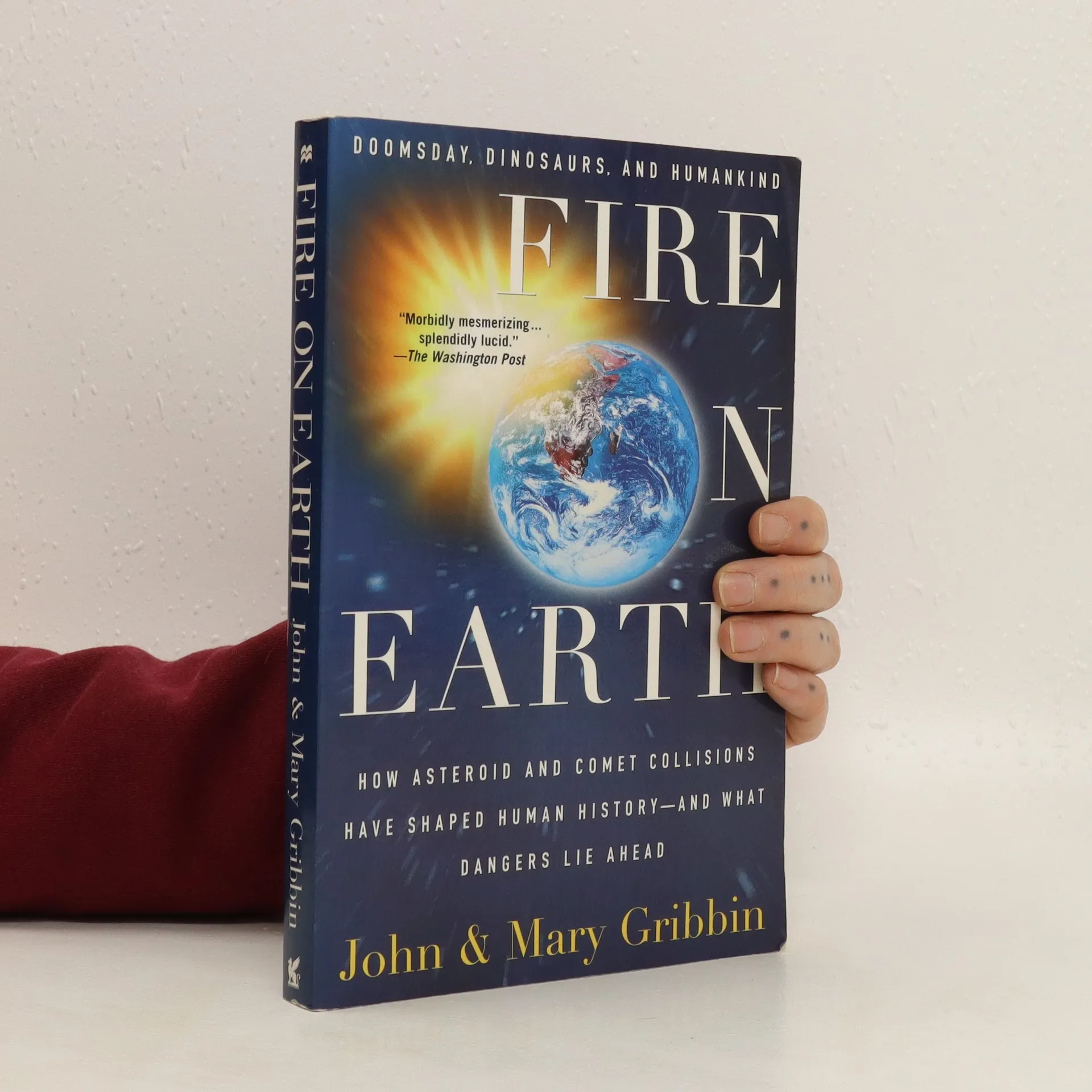
Examines the nature, origin, and dangers of comets and studies how asteroid and comet collisions with the Earth have shaped the course of human history
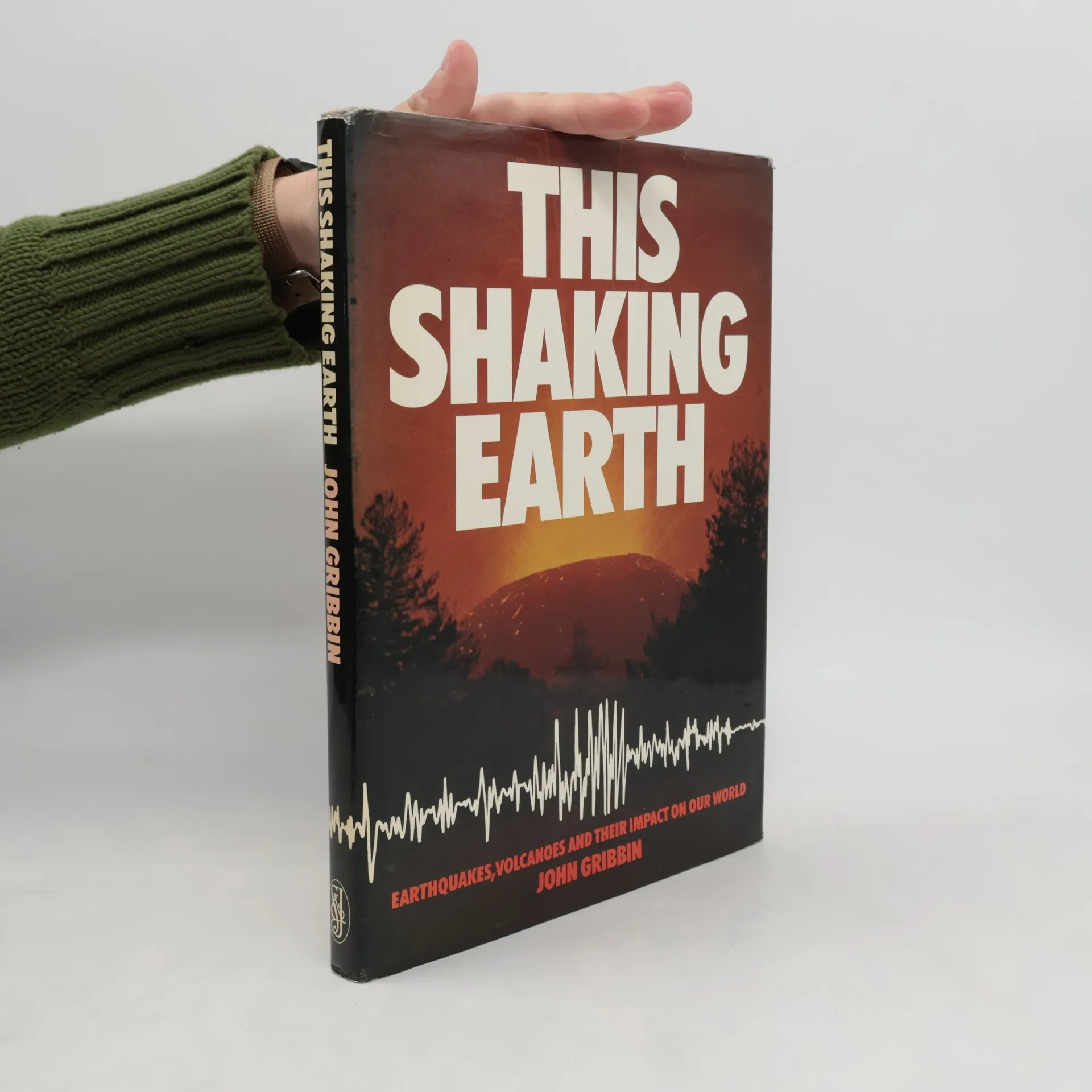
An excellently illustrated book on all aspects of volcanoes, earthquakes, continental drift, plate-tectonics, and the violent impact that these events have on our world. It's Illustrated with 220 pictures of which 100 are in full color, as well as specially commissioned artwork and diagrams to clarify concepts for the reader. It's a large format book (8 1/2" x 11 1/2") and has 192 pages The author John Gribbin is a professor & specialist in astronomy & earth sciences who has also written "Our Changing Planet" & articles in Smithsonian, Scientist & Natural History.
The title, Existence is Elsewhen, paraphrases the last sentence of André Breton's 1924 Manifesto of Surrealism, perfectly summing up the intent behind this anthology of stories from a wonderful collection of authors. Different worlds... different times. It's what Elsewhen Press has been about since we launched our first title in 2011. Here, we present twenty science fiction stories for you to enjoy. We are delighted that headlining this collection is the fantastic John Gribbin, with stories from fourteen of our existing authors including Rhys Hughes, Christopher G. Nuttall and Douglas Thompson, along with five new authors.
The book explores the rise of environmental awareness and public concern during the 1960s and 70s, particularly regarding ecological disruption and overpopulation fears. It highlights how these issues transitioned from academic discussions to mainstream debates, influencing best-selling works like The Limits to Growth. The narrative emphasizes the need for comprehensive long-term policy discussions, particularly in areas like nuclear energy, and showcases the efforts of the Science Policy Research Unit at the University of Sussex in shaping future studies and forecasts.
Erwin Schrödinger's life was marked by his groundbreaking contributions to physics, earning him a Nobel Prize in 1933. Born in Vienna, he navigated a complex personal life and professional journey across Europe and the U.S., often due to his opposition to Nazism. His tenure at prestigious institutions, including Oxford and Princeton, culminated in his directorship at the Dublin Institute for Advanced Studies. Beyond physics, he explored philosophy and Eastern religions, engaging deeply with themes like consciousness and the nature of reality in his lectures and writings.
This collection features a selection of short stories from a renowned science writer, showcasing a retrospective of their imaginative and thought-provoking narratives. Each story delves into unique themes, exploring the intricacies of science and its impact on humanity. The author’s mastery in blending scientific concepts with compelling storytelling offers readers a captivating journey through speculative fiction, making it a must-read for fans of the genre.
A time traveler from the 20th century is in a desperate race against time across 11th century England in an attempt to change the course of history. But which history? And which 20th century? With chilling overtones of the environmental crisis facing us today, but incorporating the latest scientific thinking about the Multiverse, John Gribbin offers a unique blend of real science and adventure fiction.
Buddy Holly was killed at 22 when the plane he was travelling in crashed on 3 February 1959. Although this was less than two years after Holly's first hit record, Don McLean described this as 'the day the music died.' But Sonny Curtis, Holly's friend and musical colleague, told us that the music didn't die, because 'Buddy Holly lives every time you play rock'n'roll.' Fifty years after Holly's death, his lasting influence is clear; a musical based on his life seems set to run for longer than his lifetime and artists as diverse as Blink 182 and Bob Dylan call him an inspiration.The Beatles chose That'll Be the Day by Buddy's group The Crickets as their first attempt at recording, as well as taking the idea for their name. Clearly, the music didn't die!John Gribbin, an ardent fan since he was twelve, presents this labour of love written in the spirit of Sonny Curtis' lyric, as a celebration of Holly's all too brief life, and as an introduction,for all those not around in 1959, to the man and his astonishing musical legacy. "Not Fade Away" also includes - uniquely - a full and detailed account of every Holly recording session, which any Buddy fan will devour.
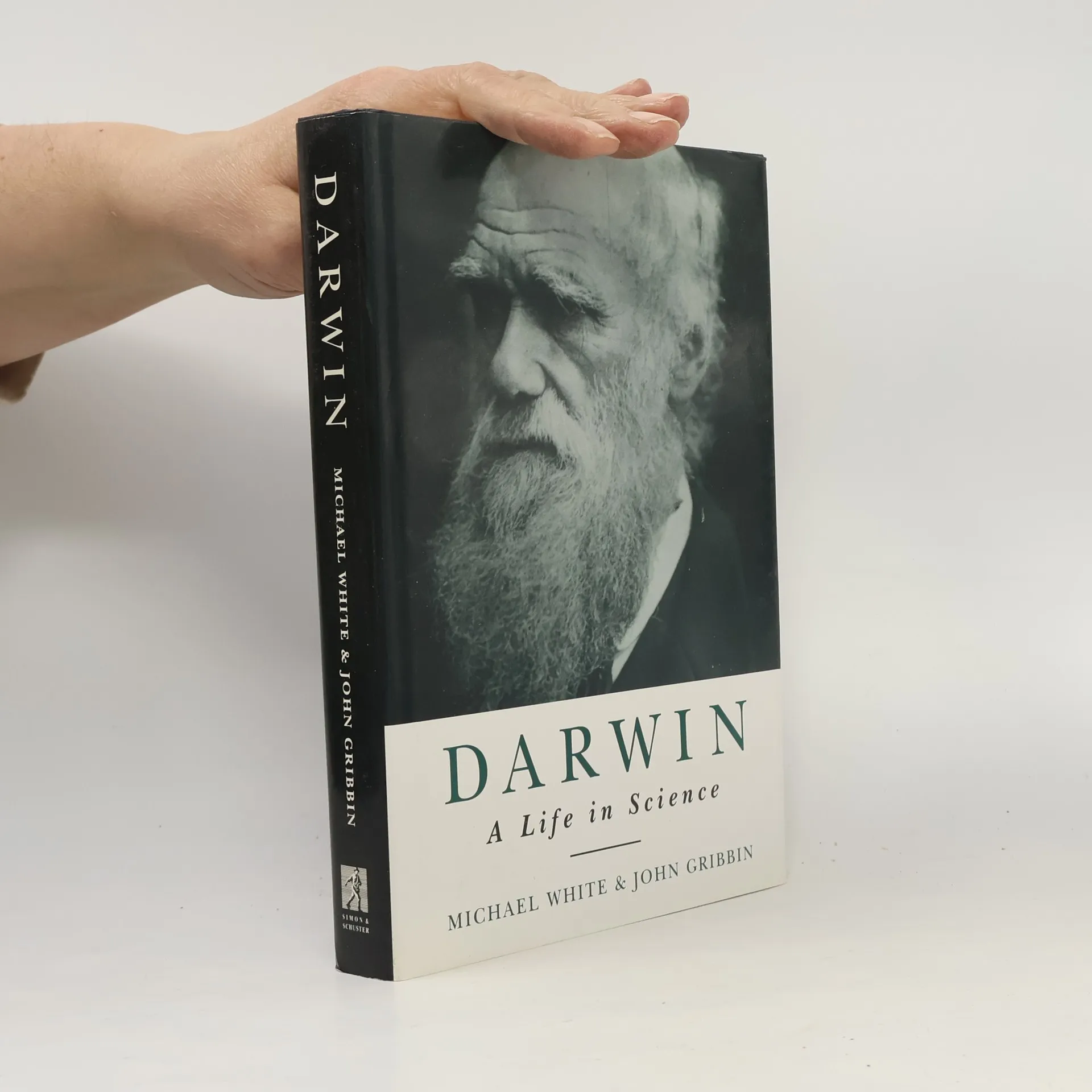
An account of Charles Darwin's own evolution towards his famous theories, and of his disturbed life, plagued by illness, tragedy and the loneliness of being a man far ahead of his time.
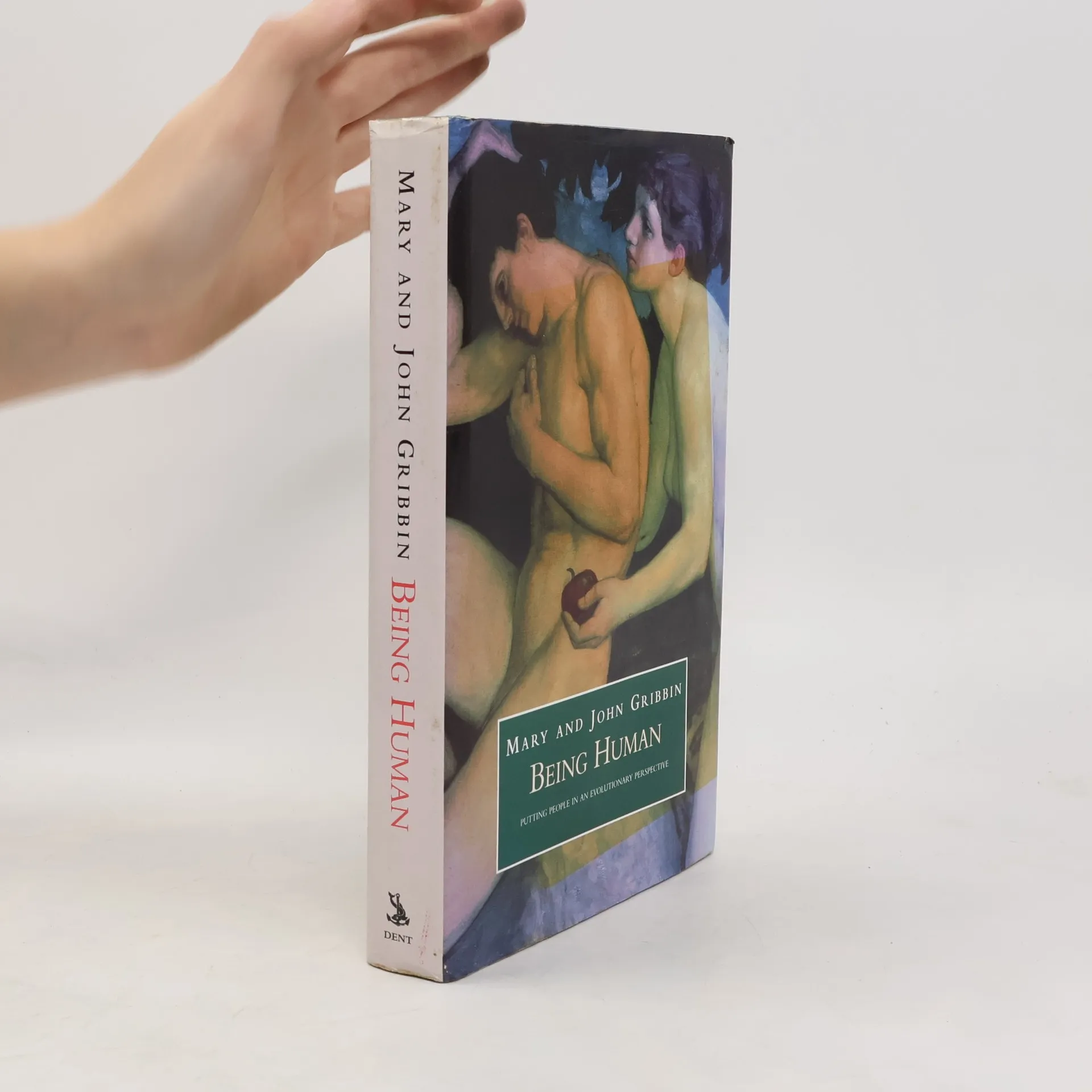
In this volume, the authors attempt to outline the basis and paradox of sociobiology, describing the global environmental changes that engendered human evolution and explaining many diverse areas of human behaviour.
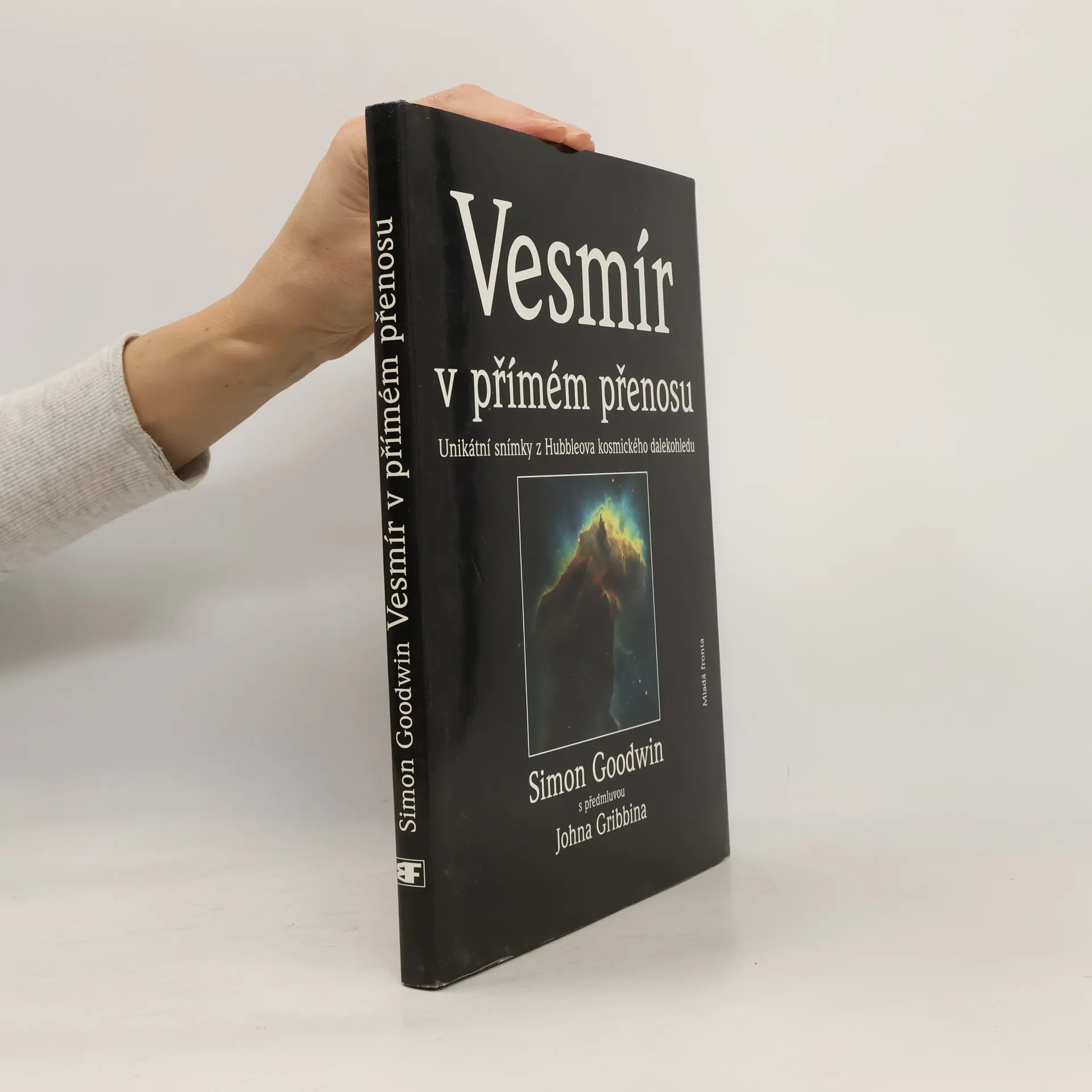
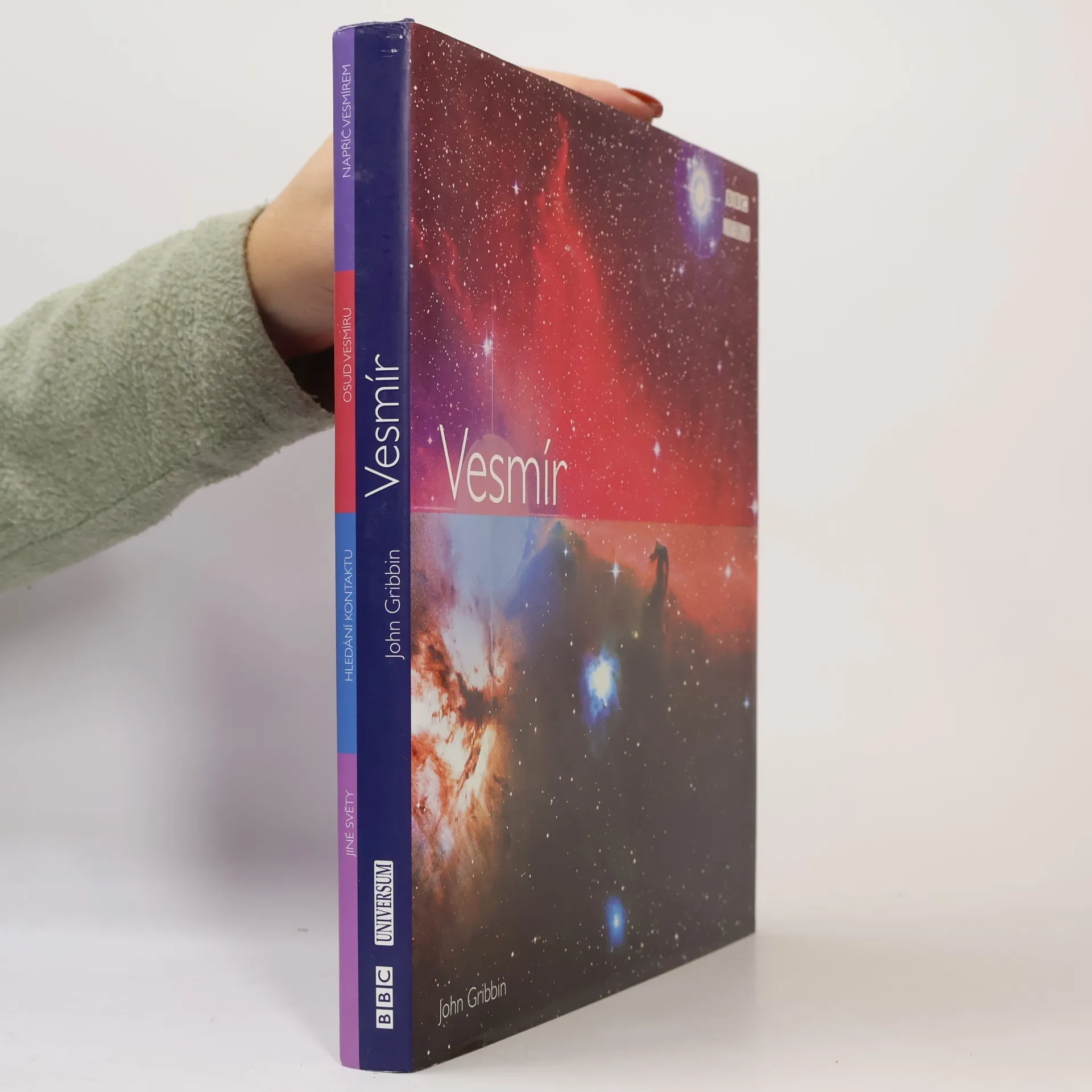
Vesmír v přímém přenosu (s podtitulem Unikátní snímky z Hubbleova kosmického dalekohledu) není kniha pouze pro astronomy – je určena každému, kdo někdy vzhlížel k noční obloze s jakousi posvátnou úctou a zvědavostí. Každý úchvatný snímek doprovází jasný a srozumitelný informativní text; autorův úvod líčí vzrušující historii vývoje, sestavení a vypuštění Hubbleova kosmického dalekohledu, obrovské technické problémy, s nimiž se vědci museli potýkat, jeho fungování a nesmírnou důležitost při porozumění původu a konečnému osudu vesmíru; a předmluva Johna Gribbina v nás vyvolá zaujetí pro tajemné hlubiny vesmíru.
Kniha přináší informace o historii výzkumu vesmíru, která se především odehrála v posledních desetiletích 20. století. Vesmírné moduly do dnešní doby navštívily téměř všechny hlavní planety naší sluneční soustavy, což jsou jediná místa, která máme naději v průběhu života dostatečně prozkoumat. Avšak za hranicemi sluneční soustavy, až kam sahají okraje vesmíru, všude tam jsou nyní astronomové schopni objevovat nové světy. Pomáhají jim v tom důkazy výskytu světelného záření, rádiové vlny, rentgenové paprsky i další informace, které přinášejí dalekohledy umístěné na zemském povrchu, ale také družice na oběžné dráze kolem Země. Astronomové již dovedou vypočítat životní cyklus hvězd, vývoj galaxií a polohu ostatních slunečních soustav či osud celého vesmíru. Kniha představuje zasvěcený pohled na způsoby práce astronomů, vysvětluje, jak došli k objevům, které jejich jméno katapultovaly na titulní stránky novin, ale také objasňuje jejich životní příběhy stojící v pozadí těchto zpráv. Od prvních krůčků, kdy byly vysloveny první odhady vzdálenosti k nejbližším hvězdám, až po nejnovější objevy o tom, jak se vesmír rozpíná stále rychleji, dává John Gribbin jevy v hlubokém vesmíru do souvislostí za pomoci názorných ilustrací, schémat a fascinujících fotografií, pořízených dalekohledy poslední generace. Přeložil Pavel Příhoda. ...
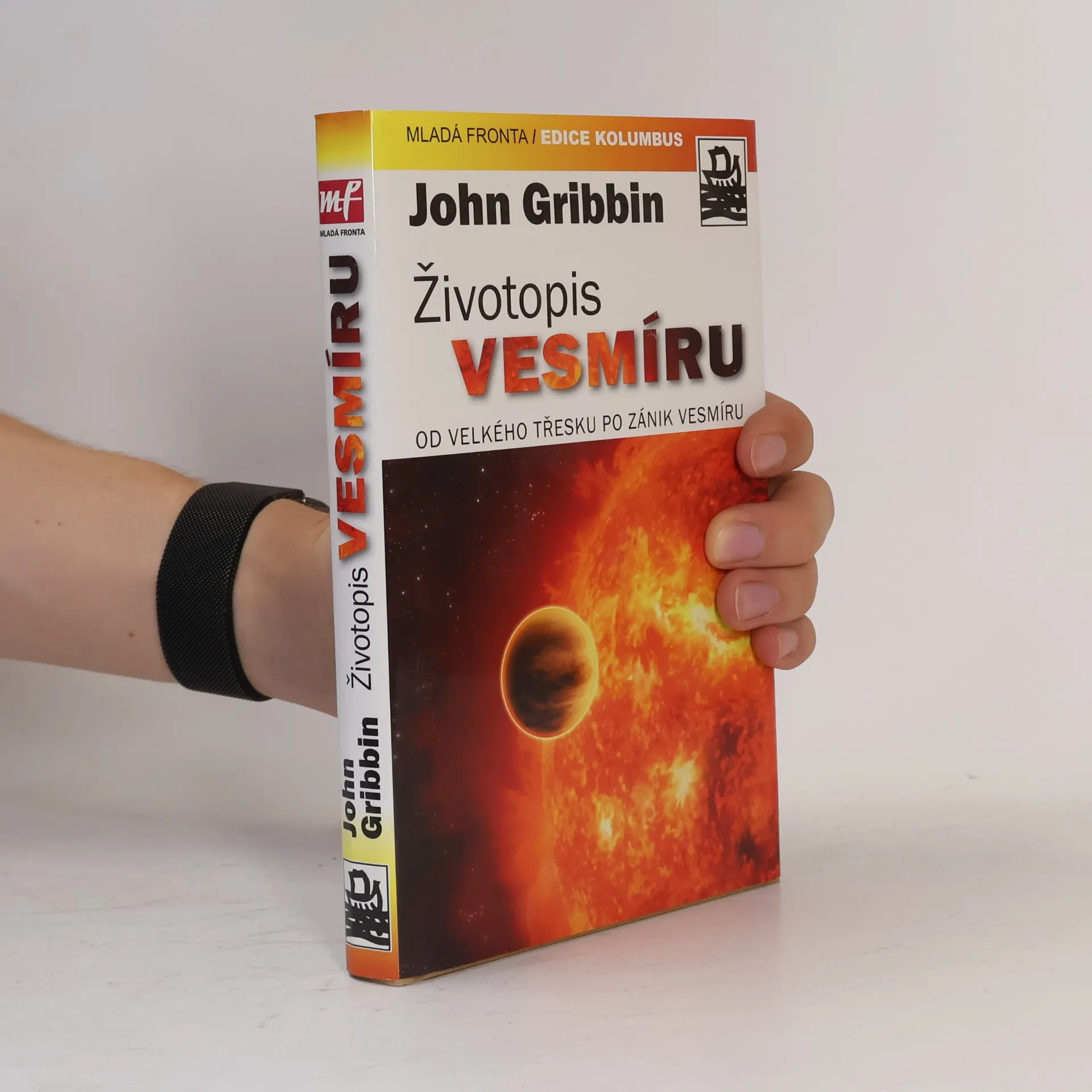
Podtitul: Od velkého třesku po zánik vesmíru.
Jak se vesmír měnil z počáteční malé a horké kuličky látky až do dnešní podoby? Odkud pochází život na Zemi? Jak vznikaly planety? Jaký bude osud vesmíru? A odkud to vlastně víme?
John Gribbin, jeden z nejznámějších popularizátorů vědy, se rozhodl napsat životopis subjektu, který je pro nás ze všech nejdůležitější – životopis samotného vesmíru.
Kniha je součástí souboru průvodců Encyklopedie Britanniky a poskytuje náhled do života a díla vědců od starověkého Řecka po současnost. Předkládá základní a zásadní informace o stvoce vybraných filozofů a badatelů všech dob počínaje kosmologem Thaletem z Milétu ( asi 624 až 546 př. Kr. ) a konče sirem Timem Berners-Leem ( 1955 ), který je považován za zakladatele soustavy propojených hypertextových dokumentů zvané World Wide Web. Je psána jasným, přesným a čtivým jazykem a informuje čtenáře o životopisných datech vědců, historickém a vědeckém kontextu doby, o jejich základních dílech a významu těchto děl pro budoucnost. Kniha je určena pro čtenáře každého věku, kteří chtějí získat nebo si zopakovat základní informace z historie světové vědy. Předmluvu napsal John Gribbin, autor mnoha desítek populárně vědeckých knih.
Nejvýznamnější osobnosti vědy od starověkého Řecka po současnost
Was wäre, wenn Isaac Newton nie gelebt hätte? Robert Hooke und Edmond Halley, deren Platz in der Geschichte von der riesigen Figur Newtons überschattet wurde, waren selbst Pionierwissenschaftler und maßgeblich an der Gründung der Royal Society beteiligt. Während Newton weithin als einer der größten Wissenschaftler aller Zeiten und als Vater der englischen wissenschaftlichen Revolution angesehen wird, entdecken John und Mary Gribbin die faszinierende Geschichte von Robert Hooke und Edmond Halley, deren wissenschaftliche Errungenschaften die etwa hundert Jahre umspannen, in denen sich die Wissenschaft, wie wir sie kennen, in Großbritannien etablierte. Sie argumentieren überzeugend, dass die Wissenschaft in Großbritannien auch ohne Newton im zweiten Halbjahr des siebzehnten Jahrhunderts einen großen Sprung nach vorne gemacht hätte, angeführt von zwei außergewöhnlichen Männern, Hooke und Halley.
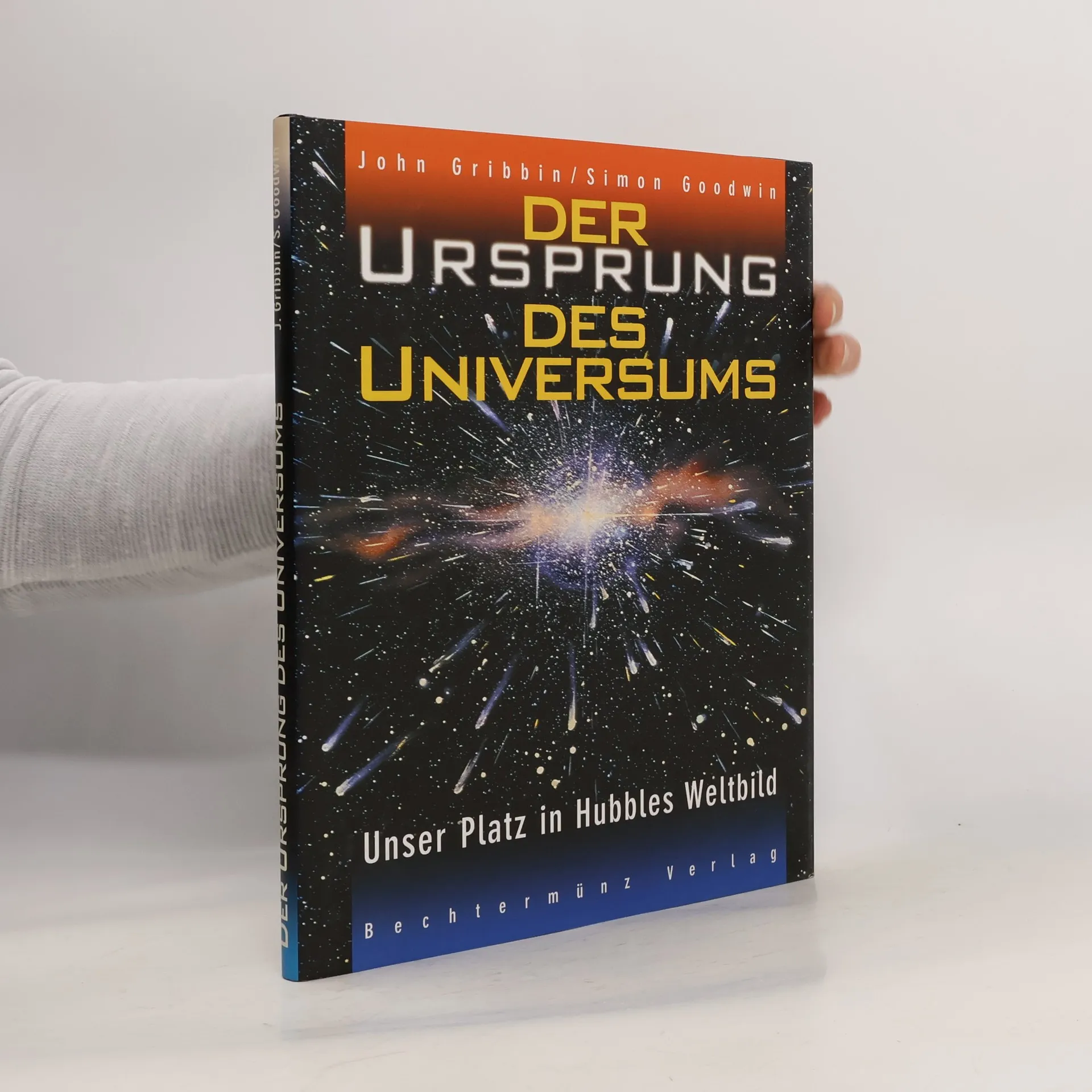
Es war der amerikanische Astronom Edwin Hubble, der unser Bild vom Universum revolutionierte. In den zwanziger Jahren entdeckte er kleine Nebelflecken in der Weite des Alls. Bis dahin hatte man solche Phänomene unserer eigenen Galaxis zugeordnet, doch Hubble konnte beweisen, daß es sich um eigene Sterninseln handelte. Und er konnte zeigen, daß sich Galaxien voneinander entfernen, eine Entdeckung, aus der Mitte unseres Jahrhunderts die Urknalltheorie gefolgert wurde.
Zijn leven, theorieën en invloeden binnen de natuurwetenschap
160pagine
6 ore di lettura
Albert Einstein was een uitzonderlijk wetenschappelijk genie. Zijn ruimte-tijdtheorieën legden het fundament van de moderne natuurkunde. Einstein was niet alleen een briljante natuurkundige, maar ook een stijder voor de mensenrechten, een politiek activist en het beeldend archetype van de verstrooide geleerde professor. Einstein in 3 minuten is een inleiding over het grote genie van de tijd. In deze behapbare biografie is Einstein's leven in stukken van 3 minuten verdeeld. U leest de stukjes met de snelheid van het licht.
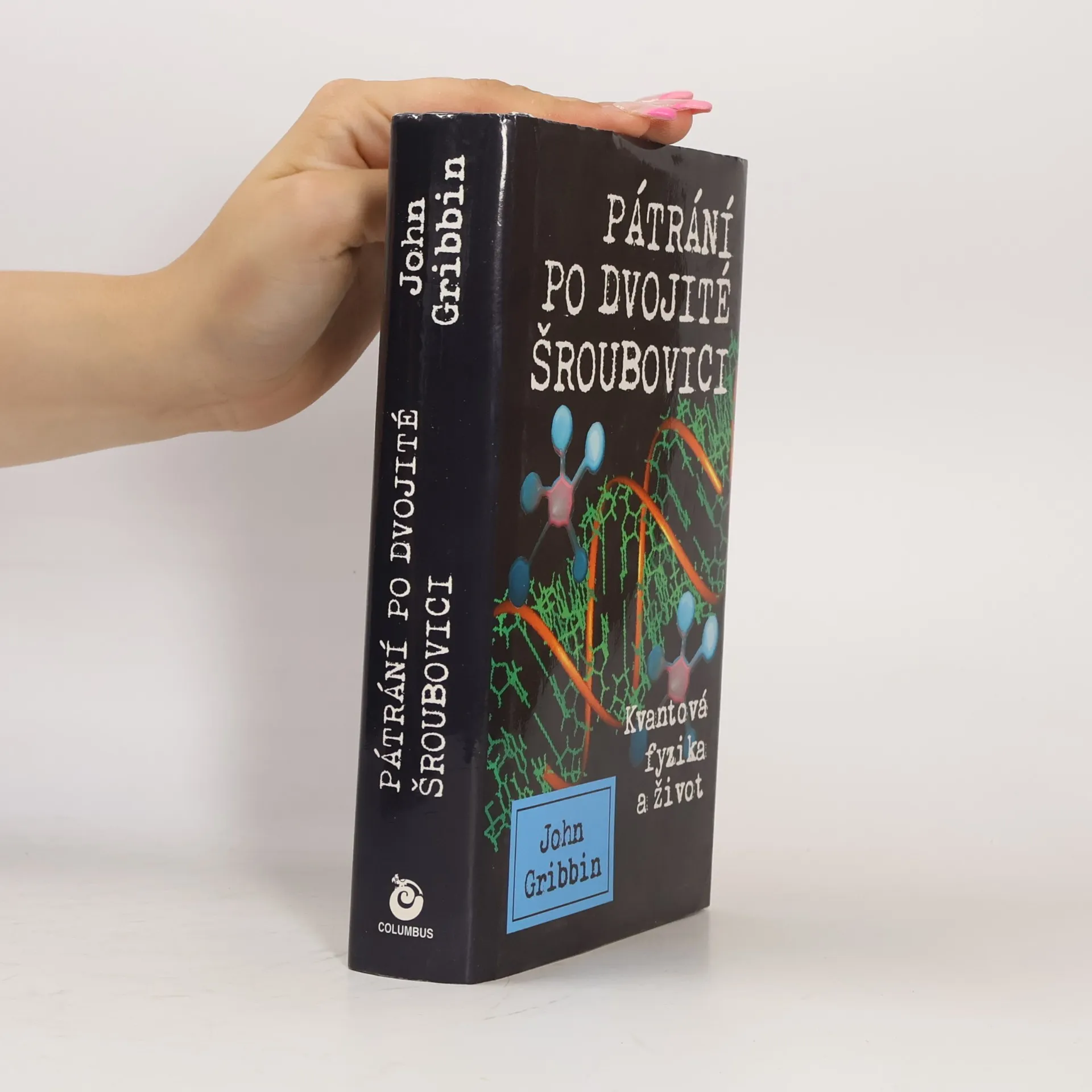
Základní tajemství života vědci už dnes rozluštili. Kvantové jevy způsobují drobné genetické mutace, přenášené DNA, které živí boj o přežití mezi rostlinami a živočichy. Pátrání po dvojité šroubovici vysvětluje, jak spolu tyto procesy souvisejí.
Darwin a Mendel nám otevřeli celé nové světy. Jak přesně však evoluce a dědičnost fungují, dlouho zůstávalo záhadou. Teprve když se do věci zapojili kvantoví fyzikové, začali jsme opravdu chápat, jak se komplexní organické molekuly vlastně "vyrábějí" a jak drží pohromadě.
(kvantová fyzika a život)